
The EU Paves the Way for Greener Mobile Devices
Brussels, 4 September 2023 – The European Commission takes a major step to lower the environmental impact of smartphones and tablets. The new rules will decrease costs for consumers, mitigate carbon emissions and reduce the use of critical raw materials used in these devices.
Resource and Energy Efficiency Unite
From June 2025, in line with the new Ecodesign and Energy Labelling regulations, smartphones and tablets entering the EU market will be required to meet minimum requirements and provide information on product energy efficiency, ease of repair, battery lifespan, resilience against dust and water, as well as resistance to accidental drops. The Energy Labelling Regulation introduces a requirement for mobile devices to display the A-G energy class rating, as well as a score for each aforementioned aspect. Further product information will be accessible through the European Product Registry for Energy Labelling (EPREL).
The European Commission said, “These measures help to make the EU’s economy more circular, save energy, cut our carbon footprint, support circular business models and deliver the benefits of the European Green Deal for consumers. Mobile phones and tablets produced according to these rules will save almost 14 terawatt hours in primary energy each year by 2030. This is one third of the primary energy consumption of these products today.”
The combined impact of the Ecodesign and Energy Labelling regulations is estimated to reduce purchase, repair, maintenance and energy-related costs for consumers by 25%, while mitigating 53 megatons of carbon dioxide emissions by 2040. They also aim to decrease the use of new materials for production by 35%, along with a 22% reduction in the use of critical raw materials.
CLASP Research Empowers Repair and Sustainability
CLASP, along with Right to Repair Europe, played an instrumental role in shaping the Ecodesign Regulation. Their research highlighted the challenges EU citizens face in repairing their devices, due to limited options imposed by Original Equipment Manufacturers (OEMs) that only offer repairs for specific key parts.
CLASP found that limited repair options drive consumers to purchase new smartphones and tablets. This ultimately shortens the lifespan of devices and contributes to increased electronic waste, which threatens the repair ecosystem and undermines resource efficiency goals. Following our recommendations, the Ecodesign Regulation comprehensively addresses factors that limit product lifespans and hinder recycling. It ensures the accessibility of spare parts, encourages ease of repair, enhances reliability and promotes second-hand markets.
Nicole Kearney, CLASP Europe Director, states “The European Commission has demonstrated an exemplary focus on prioritizing circularity and the consumer’s right to repair. Ensuring Europeans can more easily repair, rather than replace, their smartphones and tablets, will help reduce e-waste, carbon emissions, as well as costs for consumers.”
Towards a circular electronics revolution
The EU’s leadership on resource and energy efficiency for smartphones sets the precedent for other regions and countries to adopt similar regulations and has the potential to create a ripple effect of positive change. The Ecodesign and Energy Labelling regulations enable a repair over a replace economy, requiring the electronic appliance industry to prioritize product durability and circular economy principles. This framework demonstrates the regulatory capacity to revolutionize the industry, fostering innovation, efficient resource utilization and environmental awareness.
Next steps
The new Ecodesign and Energy Labelling rules were published in the EU Official Journal on 31 August 2023 and will become fully applicable on 20 June 2025. This period offers stakeholders the opportunity to adjust and comply with the new regulations.
For media inquiries and more information, please contact
Païline Caroni
Communications – CLASP Europe
About CLASP:
CLASP is an international nonprofit leading the research and promotion of appliance efficiency and energy access to improve the lives of people and the planet. CLASP works to combat climate change and drive the transition to a more energy-efficient and just future where no one is left behind. Headquartered in Washington DC, and based in Beijing, Brussels, Dehli, Jakarta and Nairobi, CLASP works with governments, appliance manufacturers and partners to advance positive change on a global scale.
CLASP Showcases Universal Labeling Module at the European Sustainable Energy Week
On 20-22 June, CLASP Europe’s team joined the European Sustainable Energy Week (EUSEW) in Brussels to highlight the importance of energy efficiency and online energy labeling in Europe’s efforts to transition to more sustainable energy use.
In the session “Tapping the Full Potential of Energy Efficient Products via Digital Tools,” Senior Adviser Marie Baton showcased a new labeling module, which is part of a set of studies and tools which aim to improve online labeling compliance for retailers. CLASP’s labeling module, designed in conjunction with the now ready for retailers to pilot test.
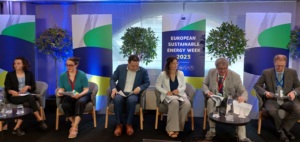
“The online labeling module provides correct, up-to-date information in the right format, in line with EU labeling regulations. Ultimately, the tool helps consumers make greener, more energy-efficient choices which will accelerate the clean energy transition, without increasing the burden on retailers.”
Nicole Kearney, CLASP Europe Director
Earlier this year, CLASP, with Center Data and Ipsos, conducted a behavior study of 4,800 European consumers across four countries to help improve online energy labeling[1]. The preliminary findings indicate that the majority of consumers would be likely or very likely to purchase an appliance online (85%) or do online research prior to visiting a brick-and-mortar shop (93%). CLASP will release the full report by the end of 2023.
As the world increasingly digitalizes, new tools can promote energy-efficient technologies. The panelists, which included speakers from the European Commission, the European Consumer Organisation, EuroCommerce, and Guide Topten, stressed the need for transparency, improved consumer awareness, and more appliance options that are sustainable and efficient.
The European Sustainable Energy Week is the biggest annual event dedicated to renewables and efficient energy use in Europe and is organised by the European Climate, Infrastructure and Environment Executive Agency and the European Commission’s Directorate-General for Energy in Brussels.
More information on CLASP’s online labeling module will be provided in an upcoming webinar, which will be announced in the near future.
[1] This research is being undertaken to develop recommendations for the European Commission in order to simplify energy labeling requirements for online retailers.
CO₂ Avoidance from an EU Phase-Out of Gas Cooking Appliances
CLASP has estimated the potential CO₂ savings from a progressive EU phase-out of gas hobs from the market from 2025 to 2029. This scenario represents the effect of an energy label that compares hobs starting in 2025, followed by the implementation of Ecodesign efficiency requirements in 2029, which gas hobs would not be able to meet.
The policy options and scenarios proposed in the 2022 JRC study only consider incremental improvements of each technology (i.e., gas hobs, radiant and induction, with an exemption of hotplates). With this analysis, CLASP wanted to put forward the CO₂ emission reduction potential of shifting from gas to electric hobs.
UK policies do not protect the public from the impacts of gas cooking
This press release was originally posted by Global Action Plan.
A new study by CLASP, with technical input by the Netherlands Organisation for Applied Scientific Research (TNO), suggests based on simulations that cooking with gas in a home kitchen without ventilation emits levels of air pollution that exceed World Health Organisation air quality guidelines and outdoor UK air pollution standards. More than half of UK homes cook with gas, equating to over 36 million people in the UK that may be exposed to levels of air pollution that violate UK outdoor regulations. TNO is currently carrying out a field study in the UK to validate the simulation results.
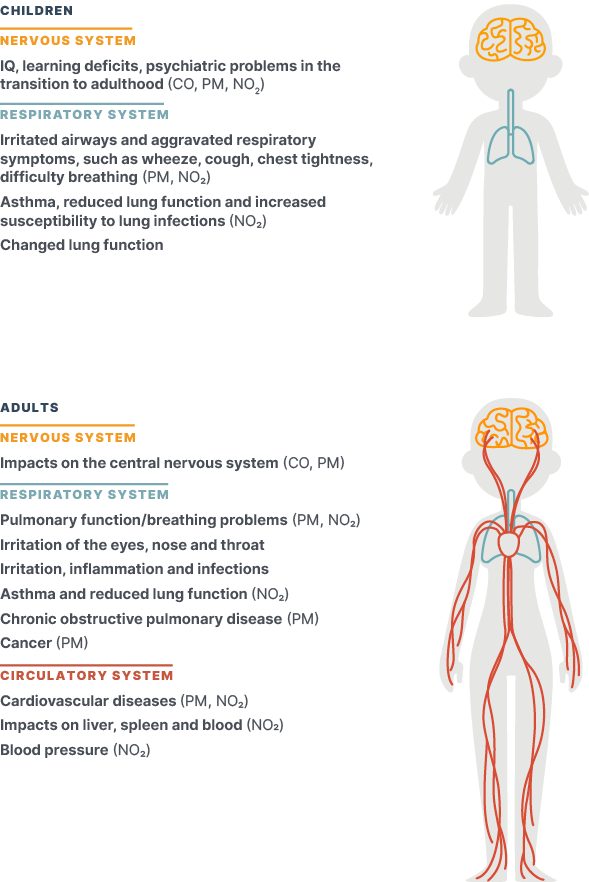
When in use, gas hobs and ovens emit carbon monoxide, carbon dioxide (CO₂), and nitrogen dioxide (NO₂) which can linger indoors for hours after use. Research indicates exposure to high levels of outdoor air pollution can cause strokes, heart disease, lung cancer, and both chronic and acute respiratory diseases, including asthma.
The economic and welfare burden of air pollution is significant. CLASP estimates that indoor air pollution from gas cooking costs the UK around £1.4 billion annually in healthcare costs, including lower life expectancy, illnesses, greater healthcare expenditure, and lower productivity. There is also growing evidence that links combustion-related air pollution with adverse effects on brain development in young children.
While the health risks of air pollution have been widely explored and publicised, the relationship between cooking on gas and indoor air quality are yet to receive the same level of public awareness.
The study determined that this is a significant but solvable public health and environmental problem, and that the UK Government has a policy opportunity to transition to cleaner alternatives but is failing to act.
Gas cooking undermines UK targets to become a climate-neutral economy by 2050. As a fossil fuel, burning gas when cooking emits both CO₂ and unburned methane, two potent greenhouse gases. With around 54% of UK households cooking on gas, cooking alone accounts for roughly 2% of total UK carbon emissions. Even when switched off, gas hobs leak methane. Methane is the main component of fossil gas used for cooking and when leaked, it can warm the Earth more than 80 times as much as the same amount of CO₂ over a 20-year period.
While boilers sold in the UK have set NO₂ emission limits, and incentives are available to upgrade to more efficient and climate-friendly heat pumps, no such policies exist for cooking appliances.
CLASP and partners are calling for the UK Government to:
- Adopt laws to protect consumers by setting limits on pollution emissions from gas cooking appliances and ensure that hobs and ovens are efficient.
- Provide a new Energy Label to enable people to directly compare the efficiency and emissions of gas and electric cooking appliances.
- Accelerate the transition to cleaner electric cooking by coupling incentives for heating and home upgrades with electric cooking appliances.
The report also provides guidance to individuals on ways to mitigate the impact of gas cooking.
Recommendations include:
- Make the switch from gas to electric cooking when and where possible, including using small plug-in appliances if they cannot upgrade to electric hobs and ovens.
- Properly ventilate kitchens when cooking, preferably with a functioning range hood that is vented to the outside, by mechanical ventilation, or by opening windows while cooking.
- Install a low-concentration carbon monoxide detector in the kitchen and get an annual gas safety check on gas hobs and ovens.
Professor Frank Kelly, Imperial College London, said: “Cooking on gas adds to the health burden of indoor air pollution, emitting harmful pollutants such as NO₂ that can impact virtually the entire human body. Removing one of the key pollutant sources — gas cookers — from our homes will help create a healthier lived environment and mitigate potential risks to public health.”
Professor Prashant Kumar, founding Director of the University of Surrey’s Global Centre for Clean Air Research (GCARE), said: “Air pollution impacts everyone but is most harmful for vulnerable populations that include babies and children whose immune systems are still developing. The research from CLASP and TNO is consistent with our findings that gas cooking negatively impacts in-kitchen air quality. Electric cooking is the best solution available in the UK to reduce exposure to harmful pollutants released every time we turn on the gas stove.”
Christine Egan, CLASP CEO, said: “Few people are aware of the harmful risks posed by gas cooking appliances. Electric appliances significantly reduce exposure risks, but there is no mechanism for buyers to compare the efficiency, performance or safety of gas versus electric hobs or ovens. There is an opportunity to transition to cleaner electrical cooking options that are already affordable and readily available across the UK.”
Larissa Lockwood, Director of Clean Air, Global Action Plan, said: “It is a myth that gas is ‘natural’ or ‘clean.’ Shamefully, the gas industry has invested heavily in positioning gas as a safe and preferred cooking option. In part because of these efforts, people are genuinely unaware of the health and environmental risks posed by gas cooking, which are well documented through decades of research.
However, in a cost-of-living crisis it is not realistic to put the onus on the individual to foot the bill of swapping to an electric oven – we need government intervention. Helping UK homes to transition to cleaner, electric alternatives would be an open goal for the Government to hit a triple-win on air pollution, health and climate goals.”
Contacts
CLASP Europe Director Nicole Kearney (EN) +44 75 4486 5924
CLASP Communications Manager Hannah Blair (EN) +1 225 239 9014
The Public Health & Environmental Impacts of Cooking with Gas
Cooking on gas adds to the health burden of indoor air pollution, emitting harmful pollutants such as NO₂ that can impact virtually the entire human body. Removing one of the key pollutant sources — gas cookers — from our homes will help create a healthier lived environment and mitigate potential risks to public health.Professor Frank Kelly
Imperial College London
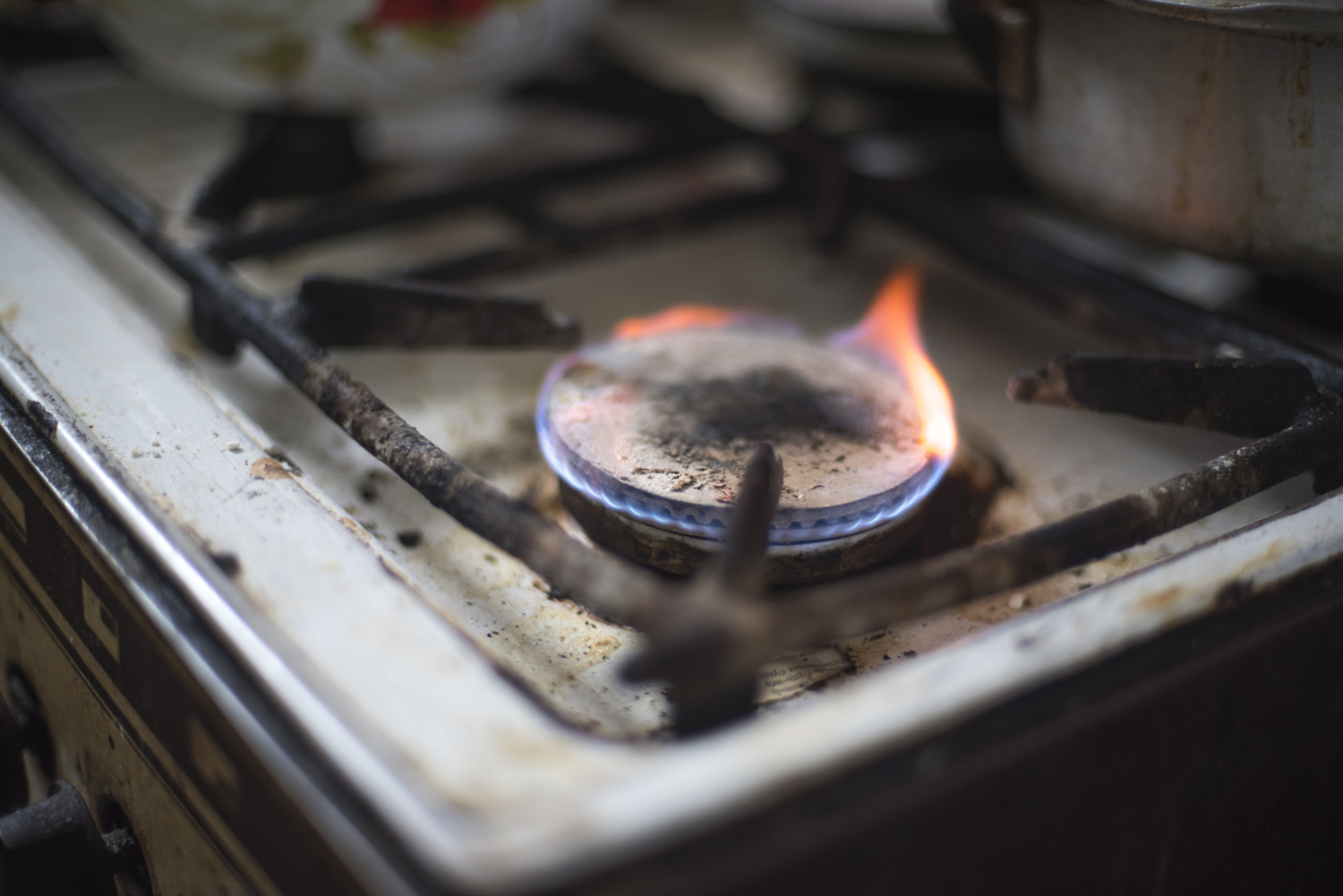
Cooking with gas releases hazardous air pollutants into our homes. Over 36 million people in the UK cook with gas appliances and may be exposed to levels of indoor air pollution that would violate UK outdoor air pollution regulations. When in use, gas hobs and ovens emit carbon monoxide (CO), carbon dioxide (CO₂), and nitrogen dioxide (NO₂) which can linger indoors after use. Research indicates an association between NO₂ exposure and the development of asthma in children. Gas cooking appliances also leak unburned methane, a potent greenhouse gas.
With new research, this report:
- Synthesises the health risks of cooking with gas
- Quantifies the societal cost to the UK
- Identifies how gas cooking undermines UK Government environmental, climate and electrification efforts
- Shares results from a survey of 2000 UK households on their perspectives and awareness of the health risks of gas cooking
- Provides guidance on how to improve air quality in homes that use gas hobs or ovens
- Offers insights on the shortcomings of hydrogen as a cooking fuel
- Gives actionable policy solutions to phase out gas cooking appliances in the UK, in favour of electric alternatives
CLASP and TNO are currently conducting household field studies in the UK to validate the findings in this study. The report will be launched towards the end of 2023.
Visit our Cook Cleaner Europe page to view the TNO reports and additional resources.
Gas cookers regularly breach air pollution limits
Gas cookers regularly breach air pollution limits – study
Fears that winter energy crisis will worsen asthma burden
Home gas cookers cause weekly breaches of air pollution limits, a new study suggests.
The report by the non-profit energy efficiency group CLASP and European Public Health Alliance (EPHA) with technical input [1] by the Organisation for Applied Scientific Research (TNO) suggests that cooking on gas in a typical kitchen without mechanical ventilation causes indoor nitrogen dioxide (NO2) pollution that exceeds World Health Organisation air quality guidelines and outdoor EU air pollution standards multiple times each week throughout the year.
Separate TNO lab tests showed that gas hobs also produced carbon monoxide, ultrafine particles and other pollutants that can cause severe health effects, particularly for children. The number of children in the EU with asthma symptoms occurring within the last 12 months due to cooking on gas is estimated at over 700,000, or 12% of EU child current asthma cases, according to the report.
Over 100 million EU citizens cook on gas, including more than half of all homes in Hungary, Italy, the Netherlands, Romania and Slovakia. Health groups fear that the situation could get especially bad due to the energy crisis this winter, as people reduce ventilation to save heat and money.
CLASP CEO, Christine Egan, said: “People spend the majority of our time indoors. Indoor air quality can have a major impact on our health and well-being. Few people are aware of the harmful risks posed by gas cooking appliances – cooking your dinner could expose you to as many pollutants as second hand smoke. Gas cooking appliances need health warning labels like cigarette packets. EU officials have an obligation to consider these health risks.”
The American Medical Association recently noted that gas stoves increase household air pollution and the risk of childhood asthma and its severity. Previous research has linked home gas use to attention deficit hyperactivity disorder in young children. A recent study suggests that cooking with gas during pregnancy can result in hyperactivity in toddlers. Pollution from gas cooking has been shown to also have negative impacts on the respiratory and nervous systems of adults.
EPHA director general, Dr Milka Sokolović, said: “We fear that indoor air quality could get especially bad this winter in homes using gas cookers, as people reduce ventilation and avoid opening windows to save heat and money during the energy crisis. With fewer air exchanges with the outside, it is increasingly important to tackle indoor sources of air pollution, such as gas stoves. Children and people with pre-existing respiratory conditions are most at risk of negative health impacts.”
For all the health and environmental damage that is linked to burning fossil fuels in our homes, governments have a responsibility to set in place frameworks that lead us away from gas and towards clean electric cooking. The current revision of the cooking appliances regulation provides an opportunity for the EU to prove that it is living up to its Zero Pollution vision and ambition.”
EU officials have a treaty obligation to factor in health when regulating, as recently confirmed by the European Court of Justice. But current domestic cooking standards fail to do so, CLASP and EPHA said. New standards are expected next year. But while the preparatory study acknowledged that cooking “is a significant source of indoor pollutants” with gas creating additional pollution, the study was limited to mitigation measures. Gas cookers should be phased out under Ecodesign regulations, the groups said.
Learn more about CLASP’s efforts to phase out gas cooking in Europe on our webpage here.
Notes
[1] TNO simulated the cooking of typical European meals on gas over a one week period using average cooking techniques in average kitchen conditions with no use of range hoods venting to the outside. In all the simulations where mechanical ventilation was not used, the EU outdoor hourly limit value of 200 µg/m3 NO2 was exceeded indoors above the permitted 18 hours per year. Kitchen size is a factor and ventilation reduces pollution, but vents are often ineffective, insufficient or underused, the report notes.
Contacts
- CLASP Europe Director Nicole Kearney (EN) +44 75 4486 5924
- CLASP Europe Senior Advisor Michael Scholand (EN) +44 7931 701 568
- EPHA Junior Policy Manager Cristina Pricop (EN, RO) +32 499 35 12 89
- CLASP Communications Manager Hannah Blair (EN) +1 225 239 9014
- CLASP Communications Consultant Jack Hunter (EN) +33 751 051 805
- TNO Press Officer Kees Nanninga (EN, NL, DE) +31 88 866 10 17
Translations
Exposing the Hidden Health Impacts of Cooking with Gas
Gas cooking appliances need health warning labels like cigarette packets. EU officials have an obligation to consider these health risksChristine Egan
CLASP CEO
All gas cooking appliances release pollutants that are harmful to human health and the environment. Air pollution has been recognised by the European Environment Agency as the biggest environmental health risk in Europe, while the World Health Organisation included it on the list of ten major threats to global health.
Exposure to high levels of pollution is known to cause strokes, heart disease, lung cancer, and both chronic and acute respiratory diseases, including asthma. The impact of gas cooking on the burden of childhood asthma to be comparable to that of second-hand smoke
With new research, this report:
- Synthesises the health risks of cooking with gas
- Quantifies the societal cost
- Identifies how gas cooking undermines environmental and electrification efforts
- Offers insights on the shortcomings of hydrogen as a cooking fuel
- Gives actionable solutions to phase out gas cooking appliances across the EU-27, in favour of electric alternatives
Visit our Europe Cooking homepage to view the TNO reports and additional resources.
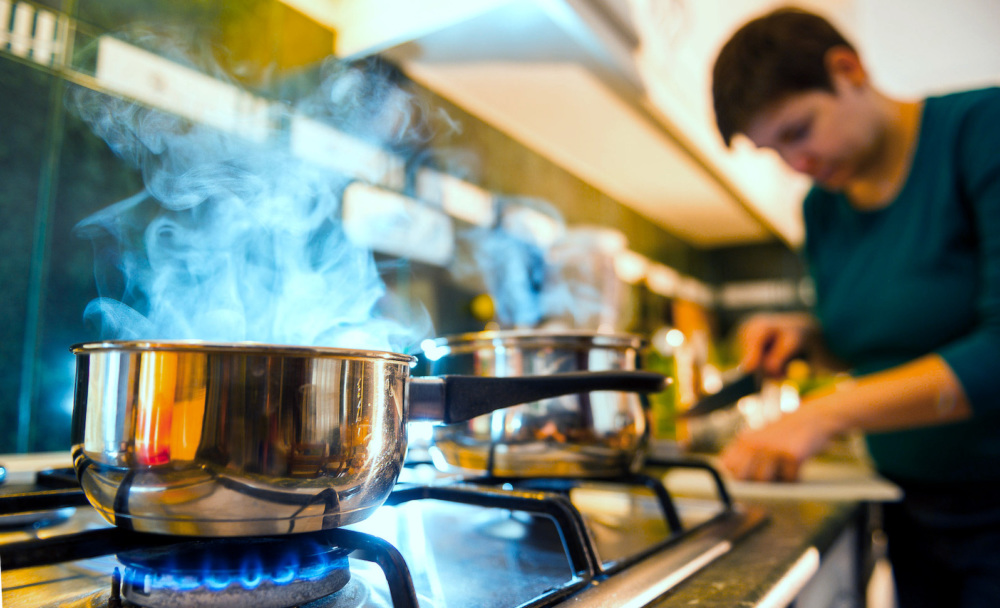
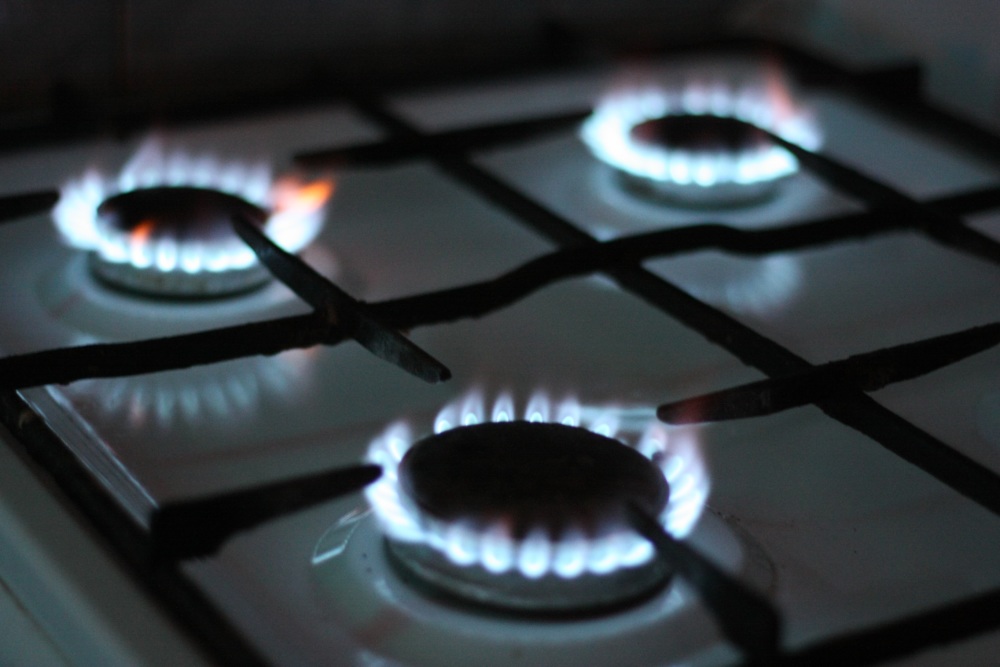
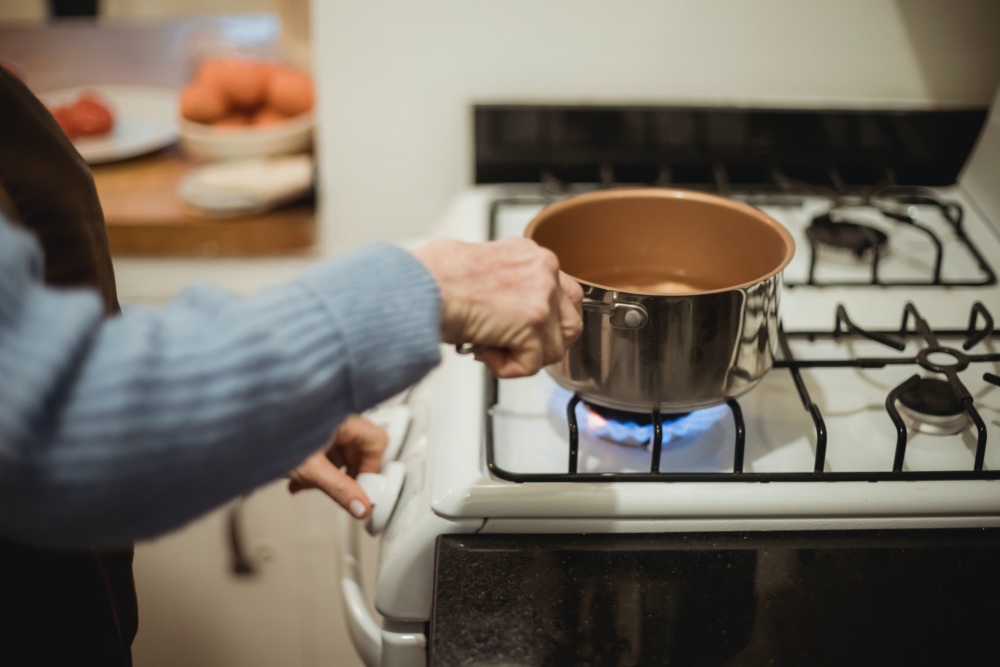
CLASP Joins Civil Society Organisations to Call EU Commission “Phase out domestic gas cooking appliances to protect health”
In a joint letter sent today, the European Public Health Alliance (EPHA) and 14 other signatories call upon European Commission executive vice-president Frans Timmermans and EU Commissioner for Energy Kadri Simson to phase out domestic gas cooking appliances, as they endanger Europeans’ health.
Gas stoves release toxic pollutants that are linked to a number of health problems, such as asthma in children, and coughing, wheezing or difficulty breathing in respiratory disease patients. A significant 7,3% of cases of paediatric asthma in the EU-27, which cost society an estimate 3.5 billion Euros per year, could be avoided if gas stoves were removed from homes – according to a forthcoming study by independent research organisation TNO. The study also reveals that levels of indoor nitrogen dioxide (NO2) often exceeding the World Health Organization standards, applicable both for indoor and outdoor air quality, can be found in kitchens using gas.
Despite gas stoves representing this danger to human health, indoor air pollution from gas cooking remains unregulated at the EU level, the letter notes. The signatories of the letters, who are several health and environmental civil society organisations, ask the European Commission to phase out the sale of gas cooking appliances by setting NO2 emission limits for stoves through the ongoing revision of the Ecodesign and Energy Labelling on Cooking appliances.
In addition to being an effective tool to improve energy efficiency, Ecodesign legislation has a “substantial potential” to contribute to “reduced air pollution” and standards for emissions of nitrogen oxides have long been in place for other products such as space heaters.
This call from civil society comes ahead of the Ecodesign and Energy Labelling Consultation Forum on Cooking appliances on 29 November.
At the meeting, the Joint Research Centre (JRC), the European Commission’s scientific advisory department, will present its study “Preparatory study of ecodesign and energy labelling measures for domestic cooking appliances” which cautions against the dangers of cooking as a “significant source of indoor pollutants” and points to NO2, carbon monoxide (CO) and unburned methane being released by gas stoves.
The global movement against gas stoves is growing. On the same day of the letter’s release, a new coalition is being launched to promote universal access to safe, fossil-fuel-free, affordable and sustainable cooking. The Global Cooksafe Coalition brings together organisations from the spheres of public health, property and the built environment, fair food, renewable energy, energy efficiency, aid and development, and climate change science and advocacy.
Dr Milka Sokolović, EPHA Director General, said: “We must stop burning fossil fuels in our homes. Given the evidence on childhood asthma and other health problems linked to gas cooking, the EU must live up to its commitment to the Health in All Policies approach and support and accelerate the transition to clean cooking through Ecodesign legislation.”
Nicole Kearney, CLASP Europe Director, said: “Gas cooking is also undermining EU economic development plans and the climate agenda. We found that asthma related to gas cooking costs the EU €3.5 billion and individual taxpayers €25 annually. Further, research shows that cooking on gas releases harmful emissions including nitrogen dioxide, carbon monoxide, ultra-fine particles and methane – a fossil gas that, per molecule, has 80 times the global warming potential of CO2.”
Carolina Koronen, Programme Manager at ECOS, said: “Gas cooking appliances are not only a health hazard. They are extremely inefficient compared to their electric counterparts, and they have no place in a renewable-based energy system. Phasing out gas appliances from kitchens is needed to bring European homes out of the fossil fuel era.”
The full letter can be read here.
Learn more about CLASP’s efforts to phase out gas cooking in Europe on our webpage here.
Media Contact:
Cristina Pricop – Junior Policy Manager, EPHA
+32 499 35 12 89/ +40 749 527 020
Notes to Editors
Full list of signatories of the joint letter to the European Commission: European Public Health Alliance (EPHA), CLASP, Environmental Coalition on Standards (ECOS), European Academy of Paediatrics, European Environmental Bureau (EEB), Global Cooksafe Coalition, Polish Society for Health Programs, Bulgarian Association for Patients’ Rights Defence, Institute for Health and Environment (Inštitut za zdravje in okolje), Respire, GLOBAL 2000 – Friends of the Earth Austria, Kyoto Club, ECODES, Natuur & Milieu, Bond Beter Leefmilieu.
EPHA is an umbrella public health NGO, with national and European members representing health professionals, public health organisations, and patients and disease-specific groups. We work on different public health-related topics such as global health, including air pollution, a cross-border threat and the biggest environmental health risk in Europe.
Amplifying Circular Economy in Our Appliance Work
What is the Environmental Footprint of an Appliance?
Understanding circularity and circular economy (CE) principles is vital to grasp the total environmental impact of the appliances we use every day. As stewards of appliance energy efficiency, CLASP’s mission to ensure appliances are veritably beneficial to people and the planet includes all stages of the appliance lifecycle.
CE principles have the potential to substantially reduce emissions associated with the production and end-of-life, as well as when appliances are in-use. The international CE movement is still relatively new – one-third of the Nationally Determined Contributions submitted in 2021 included mentions of “circular economy” – CLASP is working to influence budding CE programs and nudge other governments in a similar direction.
Strengthening Appliance Circularity in the EU
In 2016, CLASP published a study on the GHG savings potential from applying circular economy principles to a range of products and appliances covered by the EU Ecodesign directive.
“Our research showed that by simply extending the service life of several categories of appliances, the planet would experience significant CO₂ reductions,” said lead author Marie Baton of CLASP Europe.
Applying circular economy principles to product regulation can extend and expand our CO₂ mitigation efforts, covering the whole product’s lifetime, from raw material extraction and production through to transport, use and end-of-life.
Prolonging the service life of widely owned and highly used consumer electronics (e.g., laptops, smartphones, televisions, etc.) could potentially prevent 57,991 kg of CO₂. While the EU recently implemented a ‘Right to Repair’ plan for smartphones, more progress is needed to cover a wider range of household appliances to reach ambitious climate targets. The researchers recommended further investigation on the economic consequences and opportunities to strengthen legislative infrastructure that would incentivize CE transition programs.
Earlier this year, the EU updated their Ecodesign framework to include more product categories and increase efficiency requirements for currently regulated energy-related products. CLASP participated in the consultations for these revisions, which go beyond energy efficiency and may cover product durability, reusability, upgradability and reparability; presence of substances that inhibit circularity; energy and resource efficiency; recycled content; carbon and environmental footprint.
Building Capacity for E-Waste Management in Africa
Off-grid solar technologies provide life-changing access to modern energy services. Yet, unmitigated e-waste generation and insufficient treatment capacity threatens to reverse gains made within the sector. In 2019, CLASP through the Efficiency for Access Coalition, launched the Global LEAP Awards Solar E-Waste Challenge to address e-waste logistical and infrastructure challenges in sub-Saharan Africa.
“The first round of the Challenge supported eight companies – three recyclers and five solar companies – implement projects in take-back and collection, recycling, repairability and consumer awareness raising,” explained Monica Wambui who managed the project. “The second round is currently supporting four solar companies to design products and batteries that can be easily recycled and repaired.”
Some highlights from the Challenges include designing more easily replaceable batteries for solar home systems (Aceleron Energy); establishing a network of e-waste collection points across Rwanda, including rural areas and border points (Enviroserve Rwanda); and several take-back/buy-back programs to encourage circular reintegration (WeTu, SunnyMoney, d.light, and ENGIE Energy Access).

Hinckley Recycling, winner of the first round of the Challenge, recently partnered with CLASP through the Clean Lighting Coalition to procure the first mercury bulb crusher in Africa. The Nigerian facility is now able to safely dispose of fluorescents, preventing environmental contamination and negative health impacts from mercury exposure.
Charting a Course to Circularity in Thailand
“In Thailand, we cited global best practices in international CE labelling programs, like the German Blue Angel in Germany, and the Repairability Score in France, to provide a foundation for their own program,” explains CLASP’s Sara Demartini. CLASP organized an international CE labeling knowledge exchange in June with representatives from the Thai government as well as international stakeholders and the Thai industry.
“Our research coupled with the knowledge exchange led to recommendations for the Electricity Generating Authority of Thailand to be considered as they integrate CE into their program.” Though the recommendations were aimed at the Thai government, the conclusions remain relevant for any circular economy labeling scheme.
CLASP is also scoping opportunities to support Thailand introduce an end-of-life action plan for air conditioners by conducting international research and working with partners on the ground to understand current situation and challenges. The final output will be an end-of-life action plan for ACs, expected to be finalized in October.
Scaling Circularity for Renewable Energy
CLASP is also working as a subcontractor with Tetra Tech on USAID’s Scaling Up Renewable Energy (SURE) program to develop, promote and pilot CE initiatives around the world, focused on recycling renewable energy mechanisms.
“We will support the plan, design and execution of activities that will help USAID and its partner countries to better understand, implement, and promote a circular economy for renewable energy,” explains Monica Wambui who is overseeing CLASP’s contributions to the project.
CLASP looks forward to broadening the knowledge base for practical application of CE principles and will continue to advocate for appliances that will deliver the greatest benefits for people & planet.
CLASP Europe Kicks Off Project to Accelerate the Transition to Clean Cooking
Gas cookers release toxic pollutants – such as CO, NO₂ and ultrafine particles – into homes across Europe every day, putting the health of people and the planet at risk. Research shows that children and low-income communities face an elevated risk of negative health impacts, such as increased likelihood to develop respiratory issues like asthma.
“I think of this like a tailpipe in your kitchen – you are burning fossil fuel and combusting it directly in your home – often without ventilation,” said CLASP Senior Advisor Michael Scholand at the International Conference on Indoor Air Quality in June. “40 years of research have shown there is strong correlation between health and respiratory disorders, and indoor air pollution from gas stoves.”
With the advent of cleaner, more efficient cooking technologies like induction cookers, now is the time to take the tailpipe out of EU and UK homes.
With support from the European Climate Foundation (ECF), CLASP launched a new project to accelerate the transition to clean cooking in the region. Our team will collaborate with partners and policymakers to develop an EU and UK specific evidence base on the health effects of gas cooking appliances, initiate discussions on policy solutions, and raise public awareness on the health and climate impacts of cooking with gas.
Learn more about this multi-national campaign on our webpage here. To keep up to date with new research and join the conversation on phasing out gas cooking in Europe, follow our @CLASP_Europe Twitter account and use the hashtag #CookCleanerEurope.