
Climate Adaptation & Appliances
From life-saving cooling services to communication devices that are vital lifelines, from equipment that works when the grid is down to appliances that create business opportunities, efficient appliances build resilience to climate risks and improve lives.

CLASP’s key stats on climate adaptation
- CLASP’s groundbreaking Net Zero Heroes report finds that meeting CLASP’s Net Zero Heroes targets would reduce exposure to climate risks and improve quality of life for over 100 million people.
- This CLASP-led report finds that by doubling the efficiency of fans, refrigerators, and room air conditioners in India, Indonesia, and Nigeria by 2030, access to cooling appliances could be delivered to an additional 510 million people.
- CLASP-led research shows that only 2% of the solar-powered appliances needed for building climate resilience are in use.
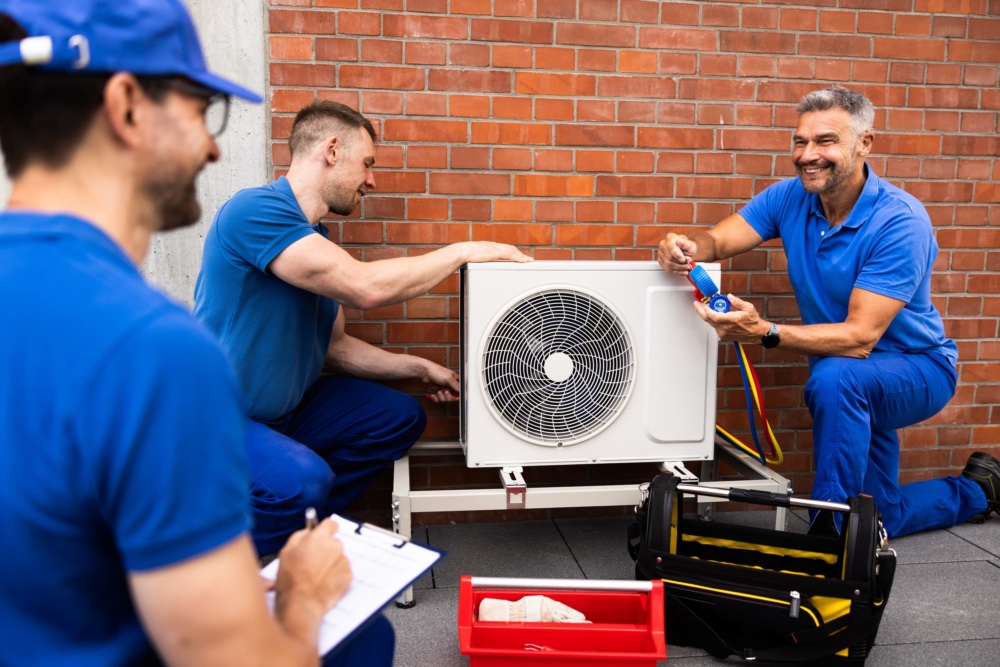
[Photo: Shutterstock]
How do energy-efficient appliances support climate adaptation?
Appliances are at the intersection of climate mitigation, adaptation, and resilience. They play a bigger role in the solution to the climate emergency than many realize. In fact, increasing the efficiency of our appliances is essential to achieving the goals of the Paris Agreement and promoting climate-resilient communities.
Over 3.6 billion people1 live in regions highly vulnerable to climate change. Energy-efficient appliances, lighting, and equipment can help people cope with changing climatic conditions, such as heat waves, floods, and drought, by providing cooling, power, and information services.
Around the world, 770 million people lack reliable access to electricity2 and even more lack access to the efficient appliances needed to cope and thrive in a warming world. From providing life-saving cooling services to offering new income-generating opportunities, efficient appliances are key to climate-resilient development and a productive, low-carbon future for all. Expanding access to efficient appliances must be an essential component of any climate-resilient development approach.
Related News


How does CLASP’s work support climate adaptation?
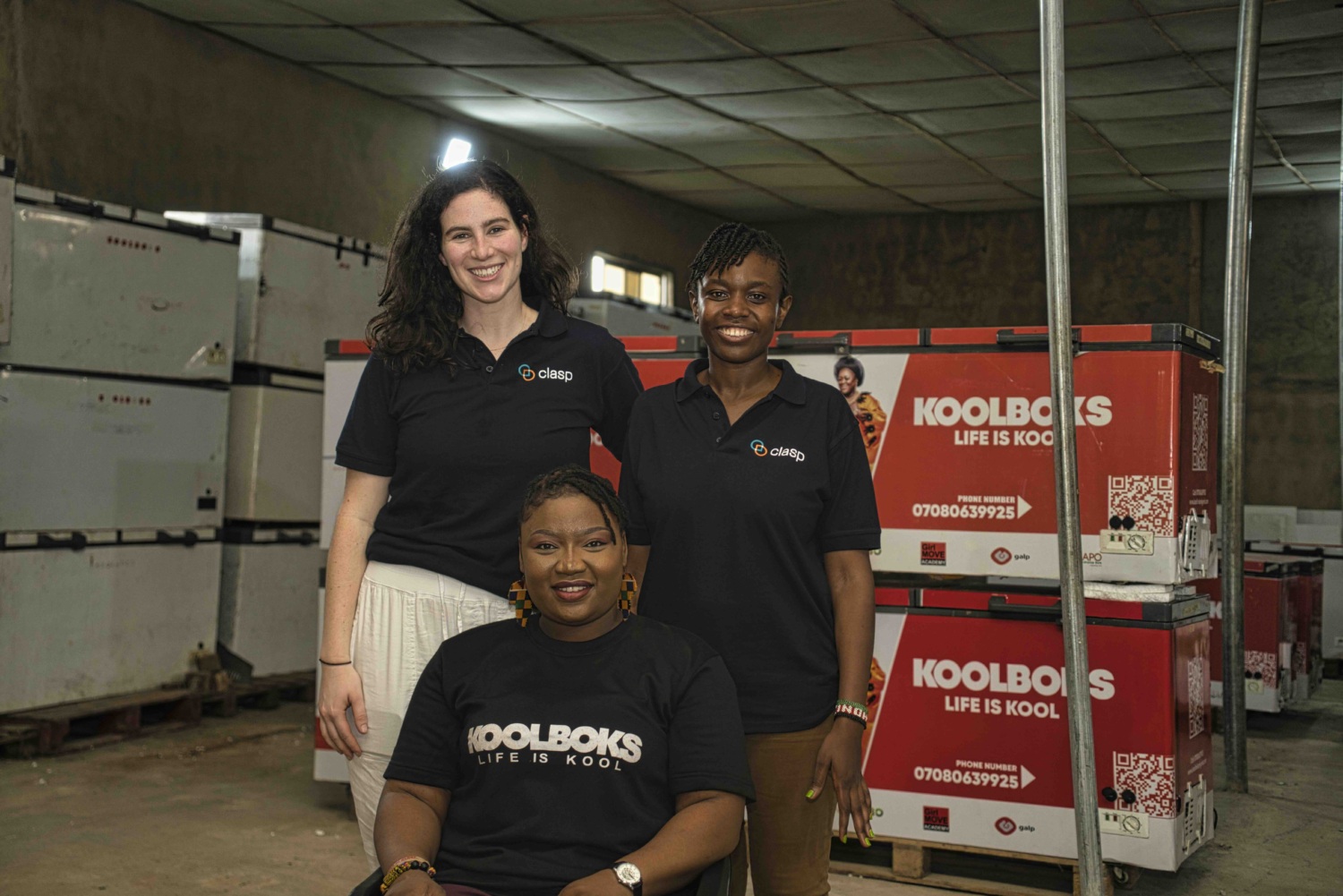
Our programs work to promote the uptake of affordable, energy-efficient appliances that help people adapt and build resilience to changing weather conditions. CLASP programs and partnerships that have an impact on climate adaptation include:
Efficient appliances advancing climate adaptation
CLASP has identified the highest priority appliances, lighting, and equipment that are key to lowering emissions, improving lives, and building resilience to climate risks: these are the “Net Zero Heroes.” The following appliances have a profound climate adaptation impact:

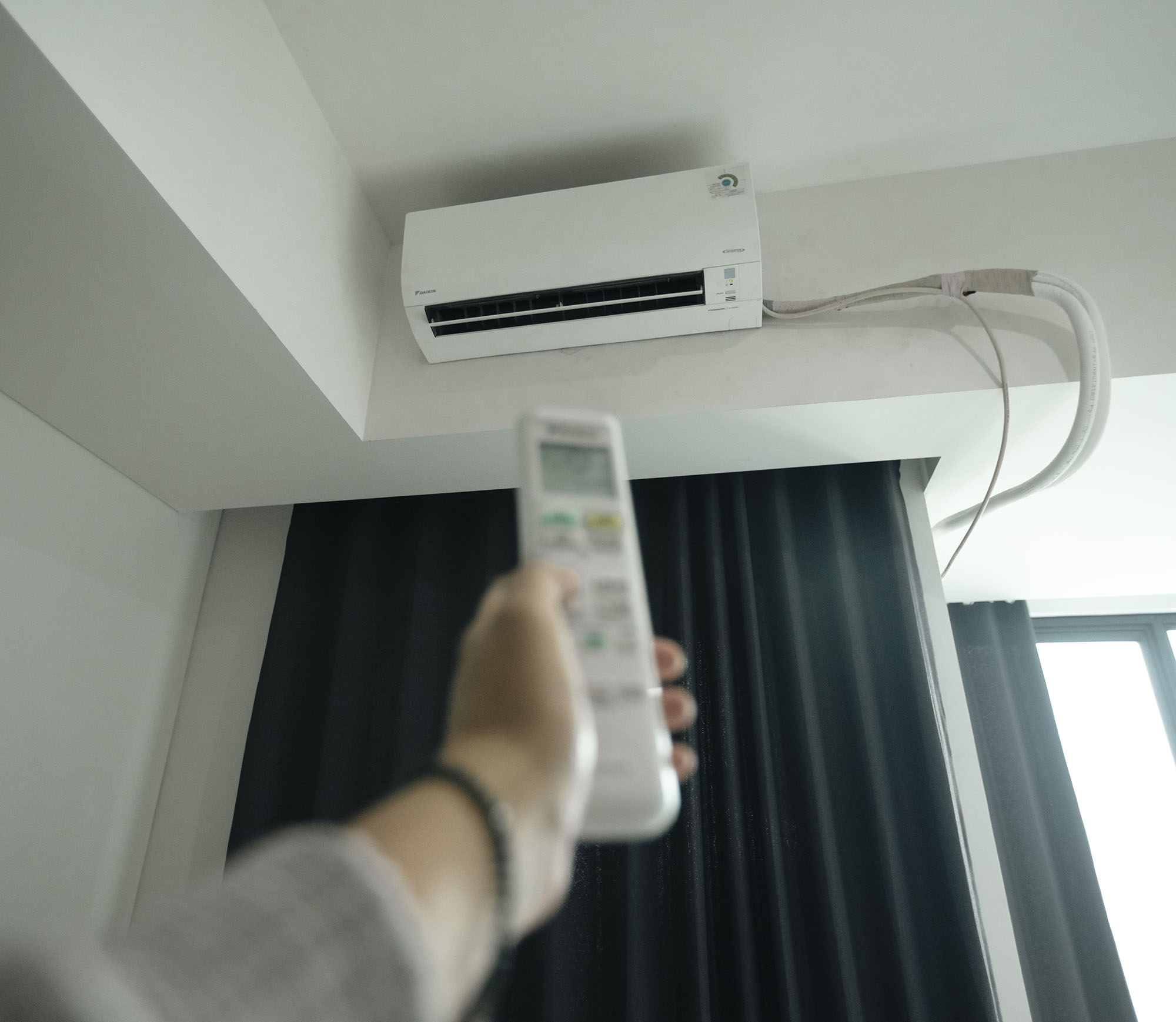
In extreme heat, air conditioners build resilience by reducing heat-related illnesses and death, particularly among vulnerable populations such as the elderly and those with pre-existing health conditions.

Energy-efficient fans are a low-cost way to cool homes, schools, and workplaces during heat waves. They reduce the risk of heat stroke and death.

Efficient lighting helps bolster climate resilience by providing access to vital lighting services during extreme weather events, improving safety and wellbeing.

Refrigerators extend the shelf life of food and medicine, reduce food waste, and contribute to overall food security and health. They are crucial to build resilience in the face of unpredictable weather patterns.
Access to off-grid irrigation enhances food security and livelihood opportunities building climate resilience on smallholder farms.

Solar Mini-Grids
Solar mini-grids and zero emission (ZE) generators provide access to clean energy in electricity-constrained regions, crucial to community resilience.

Before, during, and in the aftermath of natural disasters or severe weather events, communication technologies are a crucial way people can access emergency information.
0. “Net Zero Heroes: Scaling Efficient Appliances for Climate Change Mitigation, Adaptation, and Resilience,” CLASP, November 2023, https://www.clasp.ngo/report/net-zero-heroes/executive-summary/
1. “Recommendation 5: Prioritise universal clean energy access and the elimination of energy poverty”, IEA, accessed July 10, 2025. https://www.iea.org/reports/recommendations-of-the-global-commission-on-people-centred-clean-energy-transitions/recommendation-5