Which Appliances Are Most Important for People and Planet?
Many of the appliances we use every day are vital climate solutions with the potential to transform lives.

CLASP analysis shows that prioritizing the efficiency of ten key appliances can reduce energy-related greenhouse gas emissions, improve climate resilience, and promote sustainable development.
These ten appliances include: air conditioners, fans, electric cooking appliances, electric motors, televisions, refrigerators, lighting, solar irrigation, space heating equipment, and water heating equipment.
Explore CLASP's priority appliances

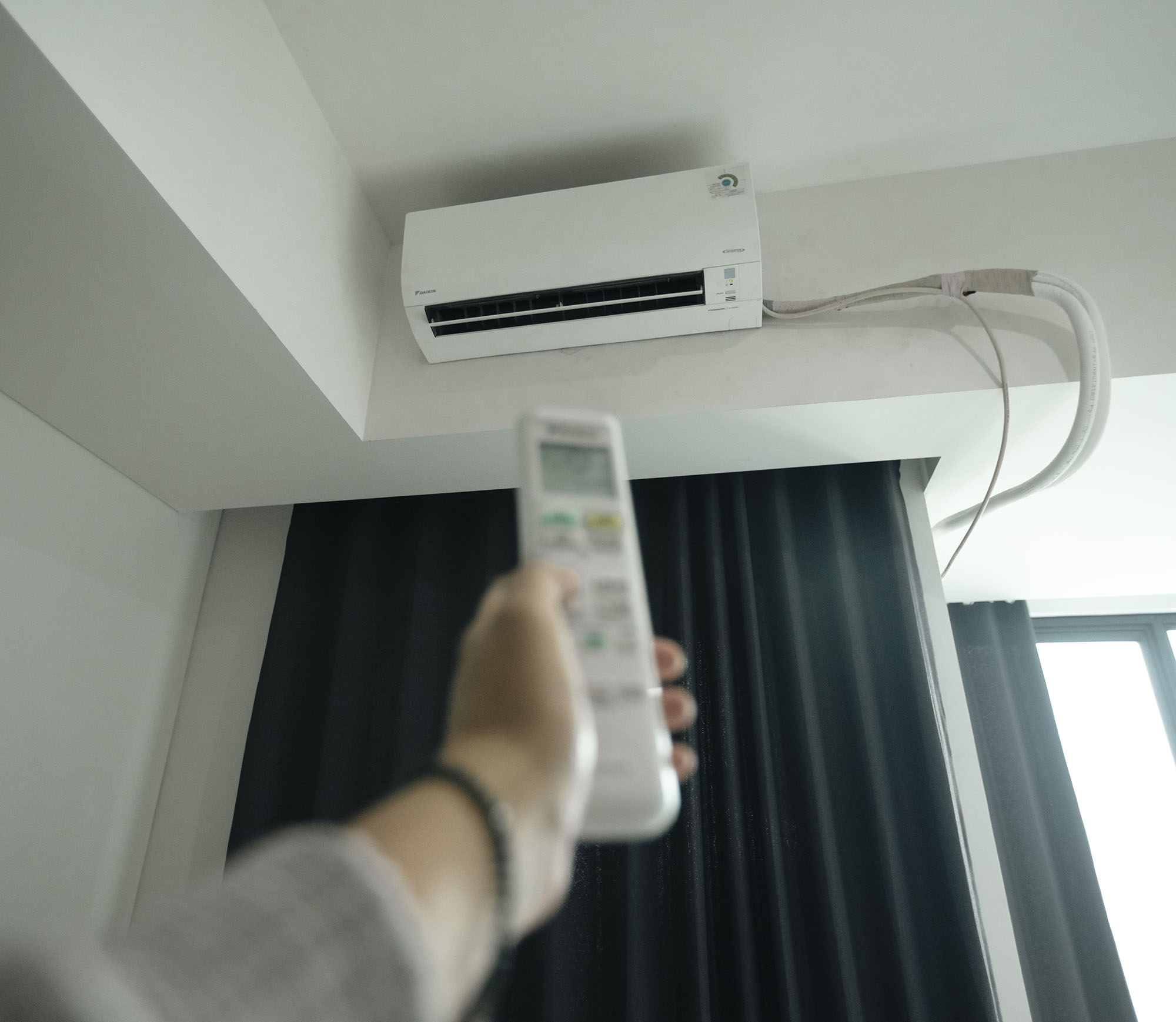
The demand for air conditioners is steadily growing as global consumers seek to improve their quality of life in the face of rising global temperatures. Energy-efficient ACs are crucial to keeping people cool while reducing climate emissions.

Unsustainable harvesting of fuelwood and incomplete burning of biomass (mainly for cooking) accounts for up to 2% of global GHG emissions and up to 25% of annual anthropogenic black carbon emissions. A global transition to electric cooking would help reduce deforestation, climate emissions, and exposure to harmful air pollution.

Energy-efficient fans are a low-cost way to cool homes, schools, and workplaces during heat waves. They reduce the risk of heat stroke and death.

Residential heating and cooling account for 51% of household energy use and 40% of household energy bills in the US alone. Heat pumps provide both cooling and heating services and are up to four times more efficient than traditional equipment. They save consumers money on their energy bills and could avoid 1.2 Gt of carbon dioxide emissions by 2040 relative to business-as-usual scenarios.

Motors currently contribute to 16% of total appliance carbon dioxide emissions globally. Increasing the energy efficiency of electric motors will reduce energy demand and curb emissions while increasing industrial competitiveness and productivity.

A full transition to LED lighting would eliminate toxic mercury pollution that stems from the production, breakage, and disposal of fluorescent lighting.

Refrigerator-freezers help extend the shelf life of food and medicine, reducing food waste and improving public health. Efficient refrigerators need less energy, which lowers carbon dioxide emissions.
Access to off-grid irrigation enhances food security and livelihood opportunities building climate resilience on smallholder farms.

Before, during, and in the aftermath of natural disasters or severe weather events, communication technologies are a crucial way people can access emergency information.

Unlike traditional water heaters that generate heat directly, heat pump water heaters move heat rather than create it. In doing so, they use two to three times less energy than conventional electric resistance water heaters, reducing reliance on fossil fuels for water heating.