
Productive Use Financing Facility Opens First Public Auction Window
Nairobi, Kenya, 12 April 2023 – Access to productive use appliances can deliver significant economic, health, education, and quality of life benefits for the approximately 600 million people across the African continent who lack access to electricity. This can also put under-electrified parts of the world on a low-carbon pathway to electrification. However, affordability remains a major barrier to access and scale. The Productive Use Financing Facility aims to help address the affordability barrier, and the current auction window will make procurement subsidies available for companies in six African countries.
Makena Ireri, Director at the Global Energy Alliance for People and Planet, said, “The Facility will help make high-quality, productive use appliances more affordable and accessible. These technologies can transform lives and livelihoods by helping to create new green energy-enabled jobs, enhance income generation for micro-enterprises and smallholder farmers, and improve the sustainability of renewable energy infrastructure projects through increased demand for electricity.”
The Facility’s initial scope includes the Democratic Republic of Congo, Ethiopia, Kenya, Nigeria, Sierra Leone, and Uganda based on growth potential and market maturity. Eligible technologies include electric pressure cookers, fans, milling, solar water pumps, refrigerators/freezers, and walk-in cold storage. All technologies must complete quality assurance testing, helping to ensure that users receive high-quality products.
Eligible distributors can also apply for capacity-building small grants to offset one-off costs associated with nascent PUA business lines, such as warehouse space, staffing, or training. The procurement subsidies and capacity-building grants will allow eligible companies to lower costs for customers while investing in long-term growth. Participating companies may also agree for the Facility to share their information with Nithio, should they wish to be considered for debt investment to help them further scale their business and reach more consumers.
Interested companies should send in their applications by the end of day on April 21, 2023. Please check out these resources to learn more about the program, including eligibility requirements of the procurement subsidy auction window and how to submit a subsidy request. For any other questions, please get in touch with financing@clasp.ngo.
About the Facility
Launched in October 2022 by CLASP and Nithio, with support from the Global Energy Alliance for People and Planet (GEAPP), the Facility supports companies in catalyzing the growth of productive use appliance markets. Facility operations will also generate a foundational data set on appliance market activity and the developmental impacts of appliances, improving our collective knowledge base on appliance performance, national markets, and consumer experience and satisfaction.
Companies can leverage the Facility to access bulk discounts on solar appliance procurement and offer products on credit to lower the cost of appliances for end-user. The Facility also provides smaller capacity-building grants and advisory support for PUA distributors to help establish credit systems and increase their investment readiness.
Facility support is intended to help companies expand their reach and cater to a broader market, helping to deliver essential technologies to more consumers in East and West Africa.
About CLASP
CLASP focuses on appliance & equipment energy performance and quality, to mitigate and adapt to climate change and expand access to clean energy. Super-efficient and high-quality appliances accelerate access to and use of renewable energy for the world’s poorest people. CLASP supports progress on the United Nations’ Sustainable Development Goal 7, affordable and sustainable energy for all. Renewable energy services like cooling, communications, and mechanization empower low-income communities and improve lives in a climate-friendly way. CLASP works globally and has teams in Washington, DC; Nairobi, Kenya; New Delhi, India; Brussels, Belgium; and Jakarta, Indonesia.
About Nithio
Nithio is an energy financing platform powered by its innovative credit risk analytics engine. Nithio leverages its deep sector expertise, geospatial data, and artificial intelligence (AI) to forecast repayment patterns by consumer segment, provide detailed insight on projected cash flows, and finance energy access technologies.
About the Global Energy Alliance for People and Planet (GEAPP)
The Global Energy Alliance for People and Planet (GEAPP) is an alliance of local entrepreneurs, governments in emerging and developed economies, and technology, policy, and financing partners. Our common mission is to support developing countries’ shift to a clean energy, pro-growth model that ensures universal energy access and unlocks a new era of inclusive economic growth, while enabling the global community to meet critical climate goals during the next decade. In doing so, as an Alliance we aim to enable 150 million new jobs, reduce 4 gigatons of future carbon emissions, and expand clean energy access to one billion people. With philanthropic partners, Bezos Earth Fund, IKEA Foundation, and The Rockefeller Foundation, GEAPP works to build the enabling environment, capacity, and market conditions for private sector solutions, catalyze new business models through innovation and entrepreneurship, and deploy high-risk capital to encourage private sector solutions, and assist just transition solutions. For more information, please visit www.energyalliance.org and follow us on Twitter at @EnergyAlliance.
Media Contact
Lisa Kahuthu, CLASP: lkahuthu@clasp.ngo
How Can We Cool India Faster?
Cooling is central to economic development. As India faces record-breaking temperatures, how can the country meet increasing cooling demand, while simultaneously reducing energy intensity and mitigating potential environmental impacts? This emerged as the key question in a conference that CLASP hosted to explore how implementation of India’s Cooling Action Plan could be accelerated.
India, with its predominantly tropical climate, is experiencing rising temperatures along with population growth and rapid urbanization, which are contributing to a steep increase in cooling demand. As temperatures continue to rise due to climate change, there will be an increase in cooling demand and greenhouse gas emissions.
To meet a growing cooling demand in a sustainable manner, India set a precedent with the launch of a comprehensive National Cooling Action Plan (ICAP) in 2019. ICAP aimed to lower cooling needs across various industries by 20-25% and decrease the energy required for cooling by 25-40% by 2037-38. The plan prioritizes the deployment of a robust mix of energy-efficient cooling technologies and environment-friendly refrigerants to meet growing cooling requirements.
In December 2022, CLASP hosted a workshop to convene key industry representatives, government agencies, civil society organizations, manufacturers, and other stakeholders to explore how ICAP implementation could be accelerated.
Abhay Bakre, Director General of the Bureau of Energy Efficiency (BEE), delivered the keynote address and highlighted the role of efficient cooling devices in reducing peak energy demand. He also stressed on the need to transition to the best available cooling technologies.
Arijit Sengupta, Director of BEE, highlighted key action areas and initiatives of BEE in implementing ICAP. These include efficiency policies and programs across space cooling in buildings, cold chain and refrigeration and transport air conditioning.
“India plays a leadership role globally in setting the cooling agenda. Dramatic climate changes demonstrate the critical role cooling appliances play in keeping economies healthy and productive. The ICAP is both a challenge and an opportunity for India to address rising cooling needs through policy and coordinated action.” – Christine Egan, CLASP CEO
Some of the key takeaways from the workshop include:
- Representatives from Energy Efficiency Services Limited, Refrigeration and Air-Conditioning Manufacturers Association, United Nations Environment Program and Consumer Electronics and Appliances Manufacturers Association discussed the need to create incentives programs for utilities/consumers to transform the market towards efficient cooling appliances.
- Civil society organisations (CSOs) play an important role in accelerating ICAP implementation. Representatives from AEEE, Prayas (Energy Group), Consumer Voice, NRDC, and CLASP discussed the need to improve the availability of energy efficiency best practices, operation and maintenance guidelines in local languages.
- The importance of enhancing communication and connecting with people to showcase the monetary benefits of using efficient (labelled) appliances to change consumer behaviour.
“The workshop emphasized the importance of collaboration and coordination among diverse stakeholders to achieve ICAP targets,” explains Bishal Thapa, CLASP’s Senior Director. “It is clear that the ICAP is a critical step towards reducing energy consumption, protecting the environment and promoting sustainable development.”
Gas cookers regularly breach air pollution limits
Gas cookers regularly breach air pollution limits – study
Fears that winter energy crisis will worsen asthma burden
Home gas cookers cause weekly breaches of air pollution limits, a new study suggests.
The report by the non-profit energy efficiency group CLASP and European Public Health Alliance (EPHA) with technical input [1] by the Organisation for Applied Scientific Research (TNO) suggests that cooking on gas in a typical kitchen without mechanical ventilation causes indoor nitrogen dioxide (NO2) pollution that exceeds World Health Organisation air quality guidelines and outdoor EU air pollution standards multiple times each week throughout the year.
Separate TNO lab tests showed that gas hobs also produced carbon monoxide, ultrafine particles and other pollutants that can cause severe health effects, particularly for children. The number of children in the EU with asthma symptoms occurring within the last 12 months due to cooking on gas is estimated at over 700,000, or 12% of EU child current asthma cases, according to the report.
Over 100 million EU citizens cook on gas, including more than half of all homes in Hungary, Italy, the Netherlands, Romania and Slovakia. Health groups fear that the situation could get especially bad due to the energy crisis this winter, as people reduce ventilation to save heat and money.
CLASP CEO, Christine Egan, said: “People spend the majority of our time indoors. Indoor air quality can have a major impact on our health and well-being. Few people are aware of the harmful risks posed by gas cooking appliances – cooking your dinner could expose you to as many pollutants as second hand smoke. Gas cooking appliances need health warning labels like cigarette packets. EU officials have an obligation to consider these health risks.”
The American Medical Association recently noted that gas stoves increase household air pollution and the risk of childhood asthma and its severity. Previous research has linked home gas use to attention deficit hyperactivity disorder in young children. A recent study suggests that cooking with gas during pregnancy can result in hyperactivity in toddlers. Pollution from gas cooking has been shown to also have negative impacts on the respiratory and nervous systems of adults.
EPHA director general, Dr Milka Sokolović, said: “We fear that indoor air quality could get especially bad this winter in homes using gas cookers, as people reduce ventilation and avoid opening windows to save heat and money during the energy crisis. With fewer air exchanges with the outside, it is increasingly important to tackle indoor sources of air pollution, such as gas stoves. Children and people with pre-existing respiratory conditions are most at risk of negative health impacts.”
For all the health and environmental damage that is linked to burning fossil fuels in our homes, governments have a responsibility to set in place frameworks that lead us away from gas and towards clean electric cooking. The current revision of the cooking appliances regulation provides an opportunity for the EU to prove that it is living up to its Zero Pollution vision and ambition.”
EU officials have a treaty obligation to factor in health when regulating, as recently confirmed by the European Court of Justice. But current domestic cooking standards fail to do so, CLASP and EPHA said. New standards are expected next year. But while the preparatory study acknowledged that cooking “is a significant source of indoor pollutants” with gas creating additional pollution, the study was limited to mitigation measures. Gas cookers should be phased out under Ecodesign regulations, the groups said.
Learn more about CLASP’s efforts to phase out gas cooking in Europe on our webpage here.
Notes
[1] TNO simulated the cooking of typical European meals on gas over a one week period using average cooking techniques in average kitchen conditions with no use of range hoods venting to the outside. In all the simulations where mechanical ventilation was not used, the EU outdoor hourly limit value of 200 µg/m3 NO2 was exceeded indoors above the permitted 18 hours per year. Kitchen size is a factor and ventilation reduces pollution, but vents are often ineffective, insufficient or underused, the report notes.
Contacts
- CLASP Europe Director Nicole Kearney (EN) +44 75 4486 5924
- CLASP Europe Senior Advisor Michael Scholand (EN) +44 7931 701 568
- EPHA Junior Policy Manager Cristina Pricop (EN, RO) +32 499 35 12 89
- CLASP Communications Manager Hannah Blair (EN) +1 225 239 9014
- CLASP Communications Consultant Jack Hunter (EN) +33 751 051 805
- TNO Press Officer Kees Nanninga (EN, NL, DE) +31 88 866 10 17
Translations
Exposing the Hidden Health Impacts of Cooking with Gas
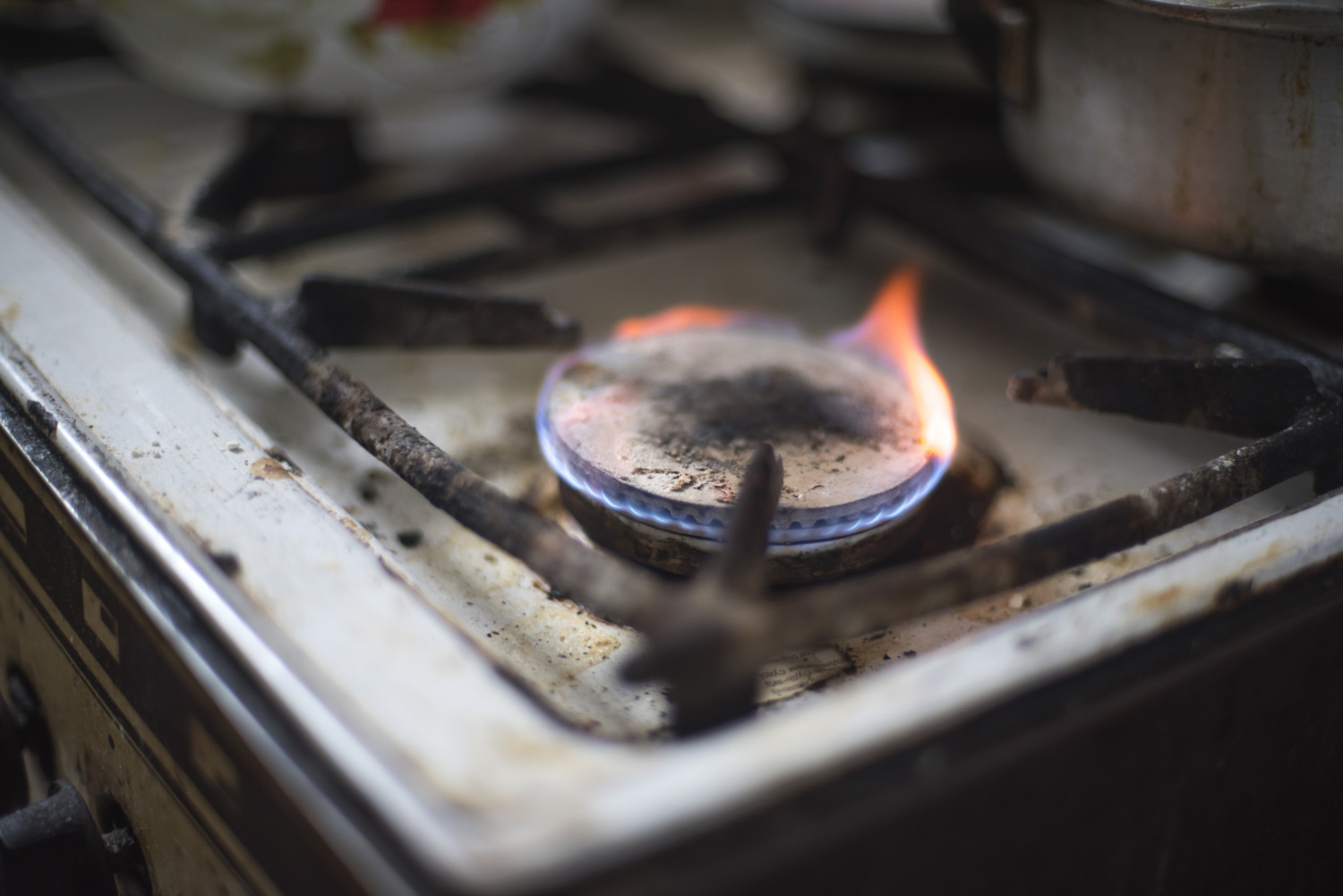
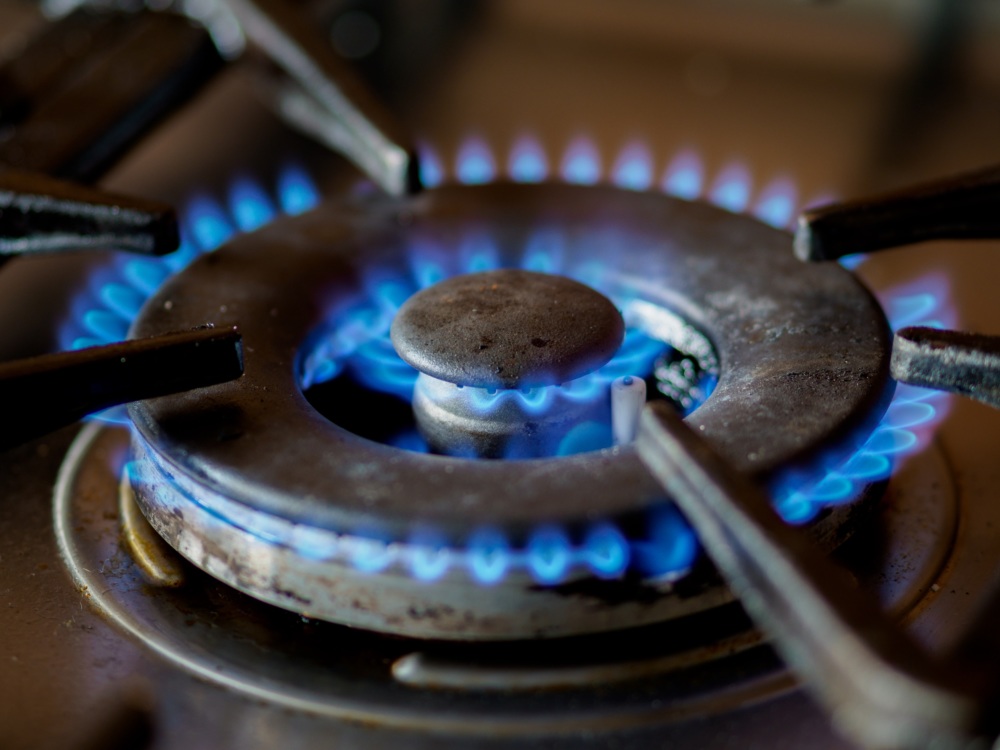
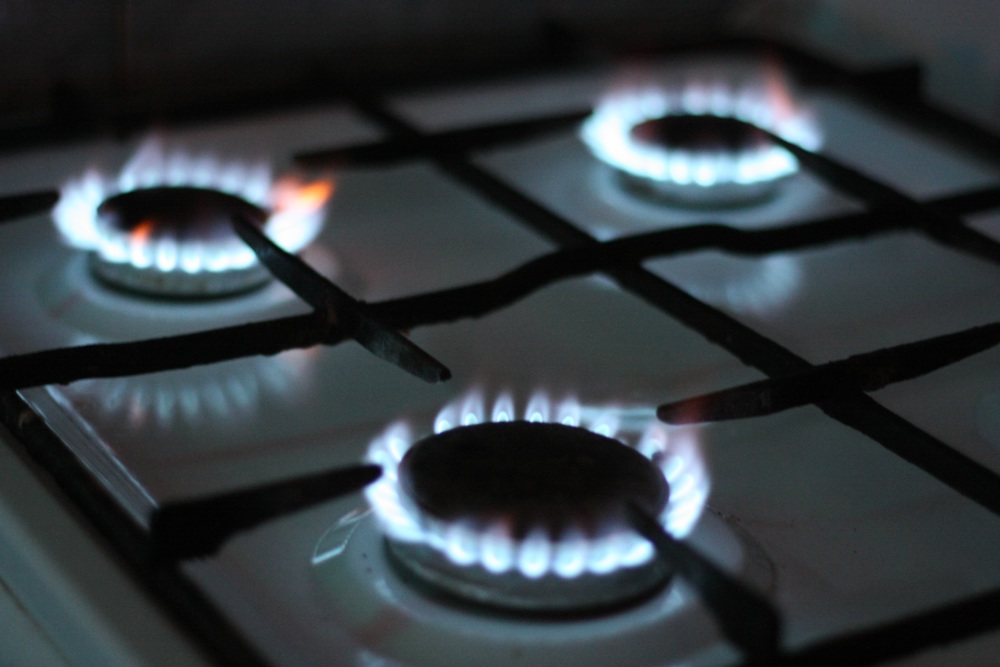
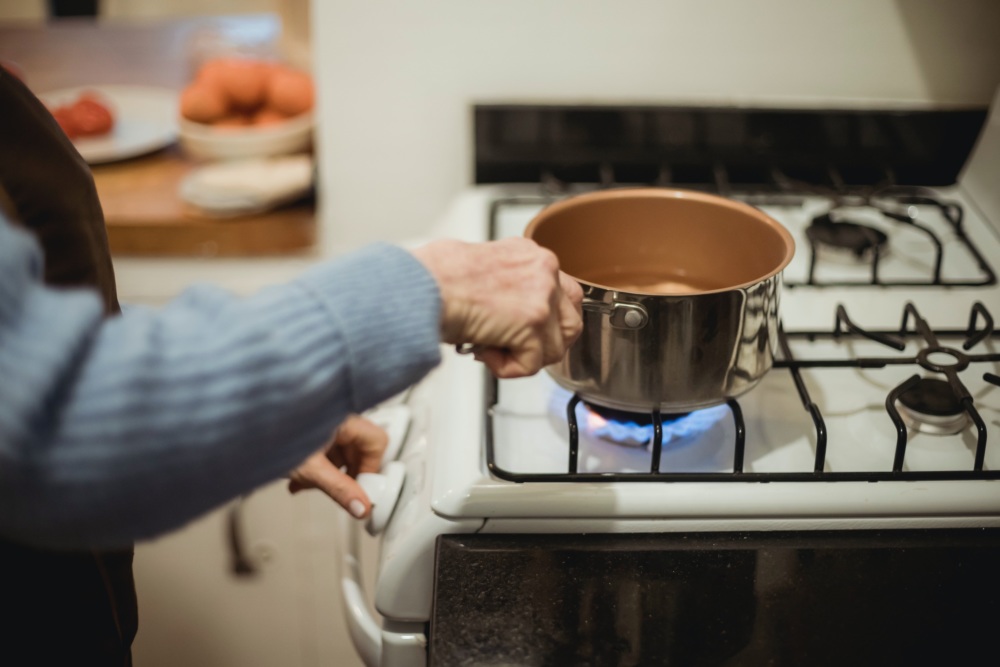
Gas cooking appliances need health warning labels like cigarette packets. EU officials have an obligation to consider these health risksChristine Egan
CLASP CEO
All gas cooking appliances release pollutants that are harmful to human health and the environment. Air pollution has been recognised by the European Environment Agency as the biggest environmental health risk in Europe, while the World Health Organisation included it on the list of ten major threats to global health.
Exposure to high levels of pollution is known to cause strokes, heart disease, lung cancer, and both chronic and acute respiratory diseases, including asthma. The impact of gas cooking on the burden of childhood asthma to be comparable to that of second-hand smoke
With new research, this report:
- Synthesises the health risks of cooking with gas
- Quantifies the societal cost
- Identifies how gas cooking undermines environmental and electrification efforts
- Offers insights on the shortcomings of hydrogen as a cooking fuel
- Gives actionable solutions to phase out gas cooking appliances across the EU-27, in favour of electric alternatives
Visit our Europe Cooking homepage to view the TNO reports and additional resources.

Global Lighting Policy Bulletin
Insights into Our Global Campaign to Transition to LED Lighting
CLASP’s Clean Lighting Coalition (CLiC) formed in 2021 to accelerate the transition away from fluorescent lighting and towards LEDs, in support of the African Lighting Amendment. Fluorescents contain mercury, a potent neurotoxin especially dangerous to pregnant people, young people, and workers in the supply chain, e.g. recyclers. Additionally, LED lighting uses half the power of fluorescent lighting – cutting energy bills in half – while providing the same illumination. A total global transition to LED lighting would avoid 261.5 million tonnes of CO₂ by 2050. In this case study, learn about the first phase of our campaign – and what we’re up to next.
Insights into Our Global Campaign to End Toxic Lighting
In early 2021, CLASP launched the Clean Lighting Coalition (CLiC), a campaign to mobilize broad global support to phase-out mercury-containing fluorescent lighting through the Minamata Convention fourth Conference of Parties (COP4). Over 16-months, our campaign brought together advocate and technical partners, facilitated evidence-based discussions with governments, and mobilized advocates. At COP4 in March 2022, 137 governments agreed to phase-out compact fluorescent lighting by 2025.
Despite the successes, last minute interventions delayed a decision on linear fluorescent lamps (LFLs), the long tubes commonly found in offices and stores, until Minamata COP5 in November 2023.
We gained valuable insights during the first phase of the campaign and have compiled a case study of lessons learned and reflections as we pivot to Phase 2 in the lead up to COP5.


Strong Collaboration
During Phase 1, CLiC engaged 168 partners across 52 countries. Our partners supported data collection on the availability of LEDs in more than 40 countries, retrofitted hospitals with energy-efficient LEDs, ran national and local campaigns and conducted extensive media outreach, supported in government meetings and negotiations, built up recycling capacity to deal with the mercury in fluorescent bulbs, and more.
Internally, we staffed by campaign through four, highly coordinated workstreams, which worked with and through regional representatives:
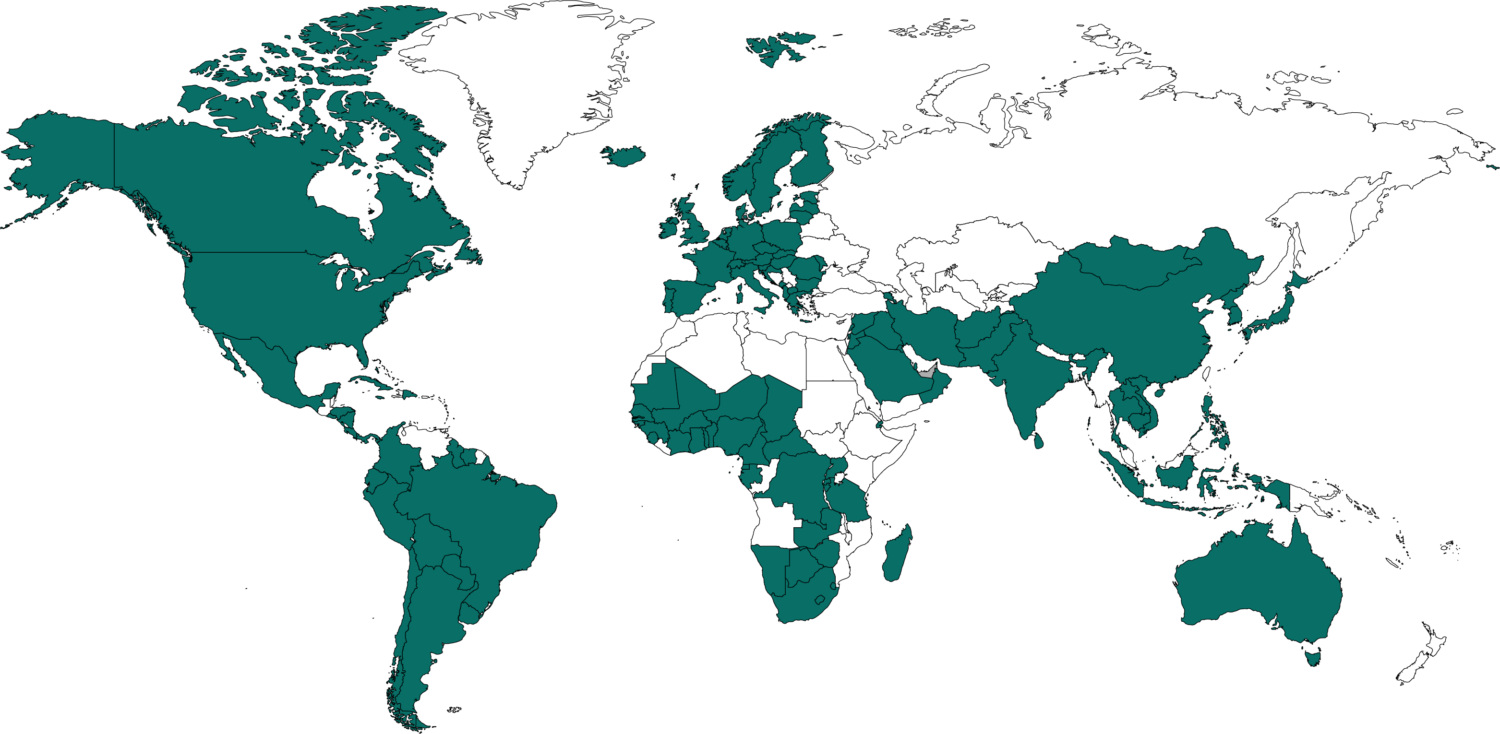
Government Engagement Workstream – built relationships with national decision makers & developed regional coalitions.
Evidence-Base Workstream – demonstrated the feasibility and benefits of an LED transition.
Private Sector Engagement Workstream – built a network of supportive LED companies.
Communications & Advocacy Workstream – developed a global brand and network of advocate partners.
Regional Leads – cultivated relationships with in-country NGOs, industry members and governments.
The campaign team coordinated daily across time zones, languages and cultural contexts and met regularly to adapt tactics according to the latest local intelligence.
The case study details specific interventions that were successful in securing commitments from governments, as well as the challenges we faced along the way.
Impacts
The COP4 decision to ban compact fluorescent lighting by 2025 will avoid 26.2 metric tonnes of mercury pollution and 261.5 million metric tonnes CO₂ emissions and save people $77.8 billion in lower energy bills by 2050. We will continue to work closely with and build our coalition to drive government support and ambition for a total fluorescent ban at COP5.
Check out the full case study here. If you are interested in supporting our campaign to end toxic lighting globally, consider joining CLiC here or contact info@cleanlightingcoalition.org.
CLASP & Nithio Launch Financing Facility for Productive Use Appliances
Kigali, Rwanda, 19 October 2022 – Today at the Global Off-Grid Solar Forum and Expo, CLASP and Nithio launched a USD $6.5 million financing facility to catalyze uptake of productive use appliances across Africa. The facility will improve appliance affordability for consumers and companies and is supported by the Global Energy Alliance for People and Planet (GEAPP).
Access to productive use appliances can deliver significant economic, health, education, and quality of life benefits for an estimated 60 million households worldwide and put under-electrified parts of the world on a low carbon pathway to electrification. Yet, affordability remains a major barrier to access and scale.
Speaking during the facility’s launch in Kigali, Rwanda, Jeff Stottlemyer, Director at CLASP said, “This facility is designed to catalyze private investment in productive use appliance markets at scale, making those appliances more affordable and accessible.” CLASP and Nithio identified six appliance technologies based on their relative maturity and potential to drive development impact – walk-in cold rooms, refrigerators, electric cookers, fans, mills, and solar water pumps.
Chianda Njogu, Senior Associate at the Global Energy Alliance for People and Planet (GEAPP) said, “By making productive use appliances affordable and accessible, the facility can transform lives by enhancing income generated by smallholder farmers and micro-enterprises, creating new green energy enabled jobs, and improving the sustainability of renewable energy infrastructure projects through increased demand for electricity.”
The facility will initially operate in Democratic Republic of Congo, Ethiopia, Kenya, Nigeria, Sierra Leone, and Uganda based on growth potential and market maturity.
Kate Steel, Chief Executive Officer at Nithio said, “Consumer financing is crucial to long-term, sustainable growth in the productive use market. GEAPP’s support will enable Nithio to leverage our unique, data-drive approach to make consumer financing accessible for more companies and, ultimately, make it easier for their customers to afford these life-changing technologies.”
How it Works
The facility will offer procurement subsidies, capacity building grants, consumer financing, and advisory support focused on credit systems development for productive use appliance distributors. It will lower appliance costs for end-users by discounting the price of bulk solar appliance procurements and providing financing for distributors to enable them to sell their products on credit.
For more information, please visit our website. Grant requests and general enquiries should be sent to Financing@clasp.ngo. For media enquiries, please contact Lisa Kahuthu (lkahuthu@clasp.ngo)
About CLASP
CLASP focuses on appliance & equipment energy performance and quality, to mitigate and adapt to climate change and expand access to clean energy. Super-efficient and high quality appliances accelerate access to and use of renewable energy for the world’s poorest people. CLASP supports progress on the United Nations’ Sustainable Development Goal 7, affordable and sustainable energy for all. Renewable energy services like cooling, communications, and mechanization empower low-income communities and improve lives in a climate friendly way. CLASP works globally and has teams in Washington, DC; Nairobi, Kenya; New Delhi, India; Brussels, Belgium; and Jakarta, Indonesia.
About NITHIO
Nithio is an energy financing platform powered by its innovative credit risk analytics engine. Nithio leverages its deep sector expertise, geospatial data, and artificial intelligence (AI) to forecast repayment patterns by consumer segment, provide detailed insight on projected cash flows, and finance energy access technologies.
About the Global Energy Alliance for People and Planet (GEAPP)
The Global Energy Alliance for People and Planet (GEAPP) is an alliance of local entrepreneurs, governments in emerging and developed economies, and technology, policy, and financing partners. Our common mission is to support developing countries’ shift to a clean energy, pro-growth model that ensures universal energy access and unlocks a new era of inclusive economic growth, while enabling the global community to meet critical climate goals during the next decade. In doing so, as an Alliance we aim to enable 150 million new jobs, reduce 4 gigatons of future carbon emissions, and expand clean energy access to one billion people. With philanthropic partners, Bezos Earth Fund, IKEA Foundation, and The Rockefeller Foundation, GEAPP works to build the enabling environment, capacity, and market conditions for private sector solutions, catalyze new business models through innovation and entrepreneurship, and deploy high-risk capital to encourage private sector solutions, and assist just transition solutions. For more information, please visit www.energyalliance.org and follow us on Twitter at @EnergyAlliance.
Media Contact:
Eric Gay
Global Energy Alliance for People and Planet
+1 917 912 6190,
Communicating Circular Economy Through Labeling
The concept of circular economy (CE) and its inclusion on appliance energy efficiency labeling is still relatively new but is needed to increase awareness of CE principles across in all stakeholders. Because of its recency, there are few examples of existing schemes, making it difficult for countries to establish new programs. CLASP, in working with the Electricity Generating Authority of Thailand (EGAT), analyzed five existing schemes and provided recommendations to EGAT based on those cases.
Though the research was done to support EGAT, the analysis and recommendations could be useful for organizations in any country for starting or integrating a circular economy labeling scheme. Some of the key recommendations were:
- Build a strong national circular economy framework exists so expectations, definitions, and compliance are easy to understand.
- Ensure all stakeholders (e.g., manufacturers, retailers, consumers, disposal and recycling centers, civil society, government representatives) are informed and consulted.
- Evaluate the specific needs and most relevant products to the region.
- Join with other relevant stakeholders, local and global, to build capacity and increasing knowledge sharing.
California Passes Landmark Clean Lighting Bill
On Sunday, California Governor Gavin Newsom signed AB 2208 into law, a landmark bill by Assemblymember Kalra and Senator Becker that sets phase out dates for compact fluorescent lamps (CFLs) and linear fluorescent lamps (LFLs) starting in 2024. Climate, clean air, worker safety, and public and environmental health advocates applaud the move to protect Californians and the planet from the dangers of mercury containing lamps.
“We are delighted to have legislative champions in Assemblymember Ash Kalra and Senator Josh Becker who were willing to take action to remove toxic mercury from lighting which unnecessarily exposes the public and waste workers to a potent neurotoxin,” said Heidi Sanborn, Executive Director of the National Stewardship Action Council (NSAC), sponsor of the bill.
Over the last 10 years, light emitting diodes (LEDs) have become an increasingly available, cost-effective, and much more efficient lighting solution. Because LED retrofit lamps produce the same illumination as fluorescents but use half as much electricity, this new law will cut California’s lighting energy bills in half and protect the state from rolling blackouts caused by electricity shortages.
“AB 2208 will result in even more efficient energy use in our homes and businesses, reduced electricity bills, as well as reductions in both carbon and toxic pollution,” said Victoria Rome, Director of California Government Affairs for NRDC (Natural Resources Defense Council).
A recent market study found that by 2030, California could save over $1 billion annually on electricity bills, achieve annual electricity savings of about 5,600 gigawatt hours, and avoid the release of 950,000 metric tons of CO2 per year.
California is now the second state to pass a ban on fluorescent lamps, following Vermont’s vote to phase out CFLs in 2023 and 4-foot LFLs in 2024. California, however, went further by including lamps up to 8 feet in the phase-out.
“We applaud the leadership being shown by the State of California, transitioning away from toxic mercury-based light sources in favor of clean, efficient and cost-effective LED technology,” said Corinne Schneider, Chief Communications and Development Officer at CLASP. “We hope California’s move will generate some momentum, with other states taking action to protect people and the planet from fluorescent lighting.”
Governments around the world are increasingly recognizing LEDs as the foremost lighting technology on the market today. In December 2021, the European Union banned the sale of almost all mercury-containing fluorescent lamps by September 2023, and in March 2022, 137 governments voted to phase out CFLs by 2025 through the Minamata Convention on Mercury.
As one of the biggest lighting markets in the country, the new California law signals that the US is ready to make the transition to a clean lighting economy. The US is well positioned to take a leading role in global negotiations and push for an equitable global transition to better lighting at the Minamata Convention COP5 next year.
###
About the Clean Lighting Coalition: The Clean Lighting Coalition is a global partnership coordinated by CLASP to capture the health and environmental benefits of eliminating mercury-based lighting. To learn more, visit www.cleanlightingcoalition.org and follow the Coalition on Twitter and LinkedIn.
About the National Stewardship Action Council: The National Stewardship Action Council was founded in 2015 as a 501(c)(4) nonprofit organization that engages in education and advocacy work that drives a circular and equitable economy, anywhere in the U.S., and at any level of government. Our vision is that the U.S. achieve a circular and equitable economy. You can follow us on social media via Facebook, Twitter, LinkedIn, and You Tube.
Bending Toward Circular: Using Extended Producer Responsibility Schemes to Transition to Appliance Circular Economy
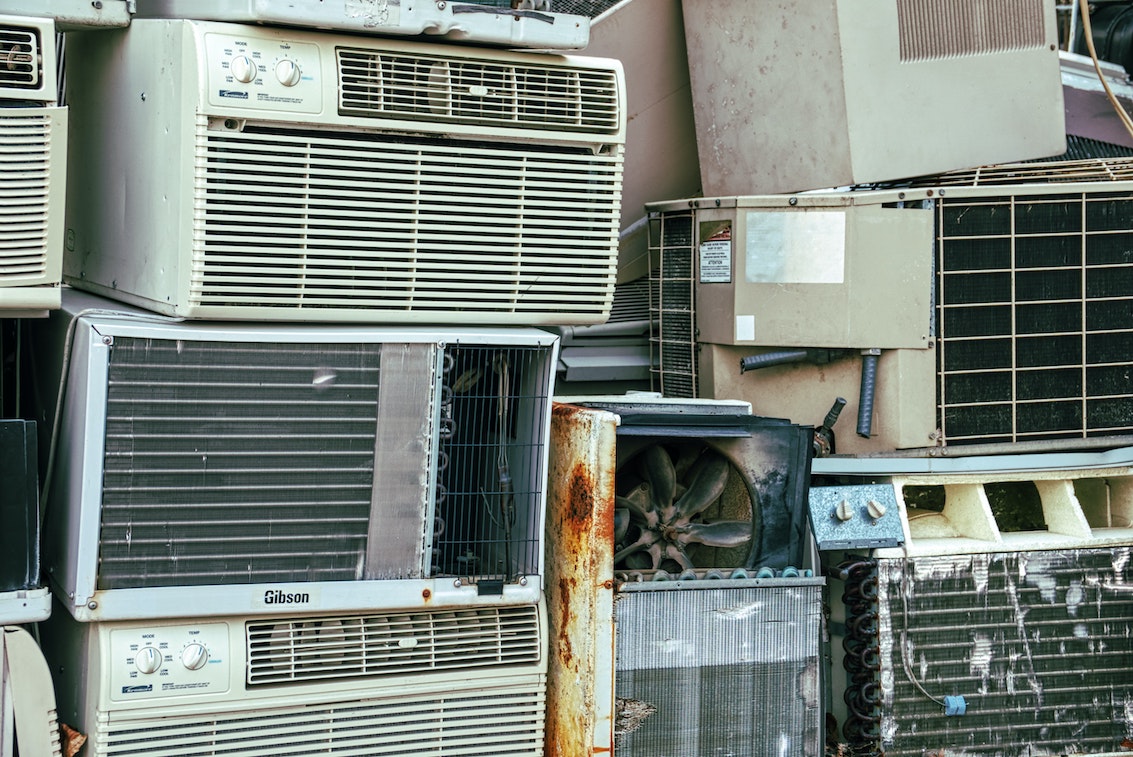
Every year, an estimated 100 billion tonnes of materials enter the global economy, but only 8.6% is recycled and used again.
EPR schemes, in which the producer’s responsibility for reducing environmental impact is extended across the whole life cycle of the product, can introduce opportunities for circularity within linear economic models.
At the end of its usable lifetime, electronic equipment (which covers a wide range of products that can include washing machines and personal computers) poses an environmental and financial opportunity, if disposed of correctly. As e-waste, these discarded appliances can be managed so as to reduce the resource impact they have through supervised recycling, repair, refurbishment, and remanufacturing, but only if these processes are carefully designed and implemented.
This report analyzes extended producer responsibility (EPR) schemes, which assigns the producer/manufacturer responsibility for end-of-life management. Because they will ultimately pay for its disposal, EPR schemes aim to incentivize thoughtful design that makes the products less resource-intensive, longer lasting, and easier to repair, repurpose, and eventually recycle. EPR schemes are an effective introductory tool for transitioning a traditional linear economy to a circular one which minimizes waste and negative environmental impacts.
CLASP looked at ten case studies of EPR schemes from around the world and outlined the different options available for an EPR program, some of which cover:
- Capacity building and needs assessment specific to the locality
- Managing body (government or private sector)
- Scope of products covered
- Prioritization based on the environmental and health impact of an appliance’s components
- Financial infrastructure
- Legal framework for ensuring compliance
It is important to note that CLASP does not present an ideal EPR framework in this report, as each program will vary based on the individual needs of the areas the programs serve. Some basic principles, like conducting an end-of-life management needs assessment with stakeholder consultations, is recommended in every situation for success.