
Fresh Effort to Bring Clean Cooking to Food Vendors in Kenya and Uganda
Nairobi, 29 October, 2026 — CLASP, the leading global authority on efficient appliances’ role in fighting climate change and improving people’s lives, today announced the launch of Cooking Livelihoods and Income for Microenterprises (CLiME) at the Africa Startup Festival in Nairobi. The new program brings clean cooking solutions to food businesses in Kenya and Uganda.
Food vendors and businesses, many of which are run by women, are one of the largest microenterprise groups in Africa. Sub-Saharan Africa has an estimated 44 million micro, small, and medium enterprises (MSMEs), and most of them are micro.
In Kenya’s capital, Nairobi, food businesses employ about 70,000 people and cook for over a third of the city’s population daily. Yet behind this scale is a major productivity challenge, and a major opportunity. A 2024 analysis identifies food manufacturing and services, alongside trade, transportation, and others, as the sectors with the highest potential for productivity gains.
At the same time, most food businesses rely on charcoal, which leaves them increasingly vulnerable to price hikes and shortages, and exposed to air pollution and heat stress. Owners want cooking that’s faster, less expensive, and more reliable.
Clean energy can deliver that. Investments targeted towards these businesses can improve their productivity, income, and health outcomes.
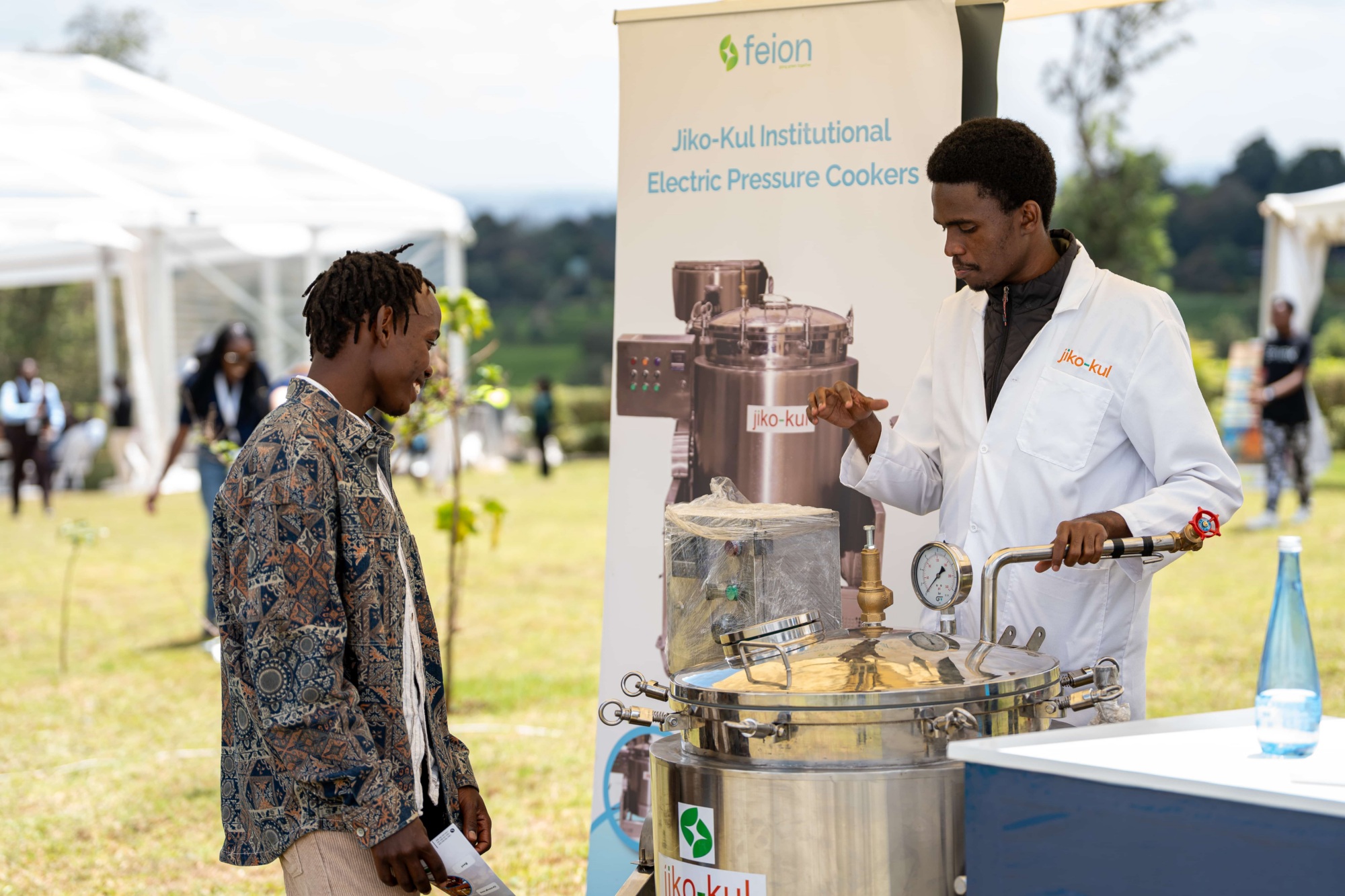
Africa Startup Festival attendees learn about the JikoKul institutional electric pressure cooker, developed by Feion.
CLASP
Building a market around food vendors
Food businesses have traditionally been overlooked in clean energy finance and policy efforts. The CLiME program takes a unique approach to building the clean cooking ecosystem, addressing supply, demand, financing, and policy simultaneously to support food businesses.
“Food vendors, most of them women, are a large part of the informal economy but among the least served by clean energy investment. CLiME is building the supply chains, financing tools, and policy support that make clean cooking a sound business for them. Clean cooking that pays means more green jobs, a growing low-emission market that can sustain itself, and a blueprint for bringing the informal sector into low-emission development pathways.”
— Nyamolo Abagi, Director, Clean Energy Access, CLASP.
The program is designed to strengthen the ecosystem by connecting financiers, distributors, and technical partners so they reinforce each other. CLiME is funded by Shell Foundation and the Transforming Energy Access (TEA) platform. TEA is funded by the UK government’s Foreign, Commonwealth & Development Office (FCDO) through its Global Research and Technology Development (GRTD) portfolio and is part of the UK’s Ayrton Fund. The programme is also aligned with the UK government’s Modern Energy Cooking Services (MECS) programme.
“Food vendors are exactly the kind of high-potential businesses we want to support, but they remain locked out of the clean cooking market. This program gives us a great opportunity to prove that clean cooking for small businesses is worth investing in at scale.”
— Anshu Mandal, Business Development Director, Shell Foundation.
The CLiME program unlocks a triple win for people, planet, and prosperity: Electric cooking will improve income and health outcomes while lowering costs for food vendors and cutting emissions tied to biomass fuel. At the same time, the program aims to expand clean energy investment in an overlooked sector.

Nyamolo Abagi, CLASP Director of Clean Energy Access, and Anshu Mandal, Shell Foundation Business Development Director, take a closer look at an institutional clean cooker at the Africa Startup Festival in Nairobi.
CLASP
About CLASP
CLASP is the leading global authority on efficient appliances’ role in fighting climate change and improving people’s lives. With 25 years of expertise and offices on four continents, CLASP collaborates with policymakers, industry leaders, and other experts to deliver clear pathways to a more sustainable world for people and the planet. CLASP is a core partner of the Modern Energy Cooking Services (MECS) program alongside Loughborough University and ESMAP. Funded by UK aid via the Foreign Commonwealth and Development Office, MECS aims to accelerate transition from biomass to genuinely “clean” cooking.
About Shell Foundation
Shell Foundation is a UK-registered charity that catalyses clean energy innovation and unlocks inclusive investments in Africa and India, empowering millions of underserved customers to raise their incomes while lowering emissions. To achieve its charitable mission, Shell Foundation supports early-stage innovation and then partners with finance and corporate organizations to accelerate scale.
About Transforming Energy Access
Transforming Energy Access (TEA) is the flagship FCDO research and innovation program supporting early-stage testing and scale-up of innovative technologies and business models that accelerate access to affordable, clean energy for poor households, enterprises, and social institutions in developing countries across sub-Saharan Africa, South Asia, and the Indo-Pacific. This includes support to innovations across the three Ayrton Fund themes of clean supply, super-efficient demand, and smart delivery, as well as integration of solutions across all three. In late 2021, a £126m scale-up of the platform was announced at COP26, further advancing TEA into a major delivery platform for the Ayrton Fund focused on delivering innovations enabling a Just Transition for the 733 million people who still lack access to electricity and the 2.4 billion people who cook using fuels detrimental to their health and the environment.
Solar-Powered Crop Storage Helps Farmers, Economies, and the Climate
Kenyan farmer John Mburu Ndotono used to watch much of his avocado harvest rot before it ever reached a buyer. Today, he loads freshly picked fruit into a SokoFresh cold storage unit near his farm, knowing that within a week, 95% of it will be in supermarkets in Spain, the Netherlands, and the United Arab Emirates.
“I usually harvest about 3,000 kilograms (6,600 pounds) of avocado,” he said. “Before the installation of the cold storage facility, we used to lose as much as 50% of avocados after harvesting. But after it was installed, nearly all harvested fruits are taken and sold to the local and international market.”
Essentially trailer-sized refrigerators topped with solar panels, SokoFresh units have an unassuming appearance that belies their transformative potential. As a mission-driven, Kenya-based company, SokoFresh works to empower rural agricultural communities across the country, helping farmers improve their livelihoods.
“Every kilogram of harvest that doesn’t spoil is income that stays with the farmer,” said Denis Karema, the company’s cofounder and CEO.
Cold storage units can extend avocados’ shelf life before export by as much as two weeks. This post-harvest refrigeration period also helps buyers by allowing them to enjoy fresh fruit for longer.
Zooming out to the global level, agricultural cold storage also has critical implications for sustainable development, national economies, and climate change.
Post-harvest food loss is a global challenge
In Kenya, the government views agriculture as an important path to growing its economy and providing good jobs for its citizens. Avocado farming is one pathway that could help it achieve this goal, as the country’s climate is ideal for growing the fruit. Today, Kenya is the sixth-largest avocado producer globally and Africa’s leading exporter by volume.
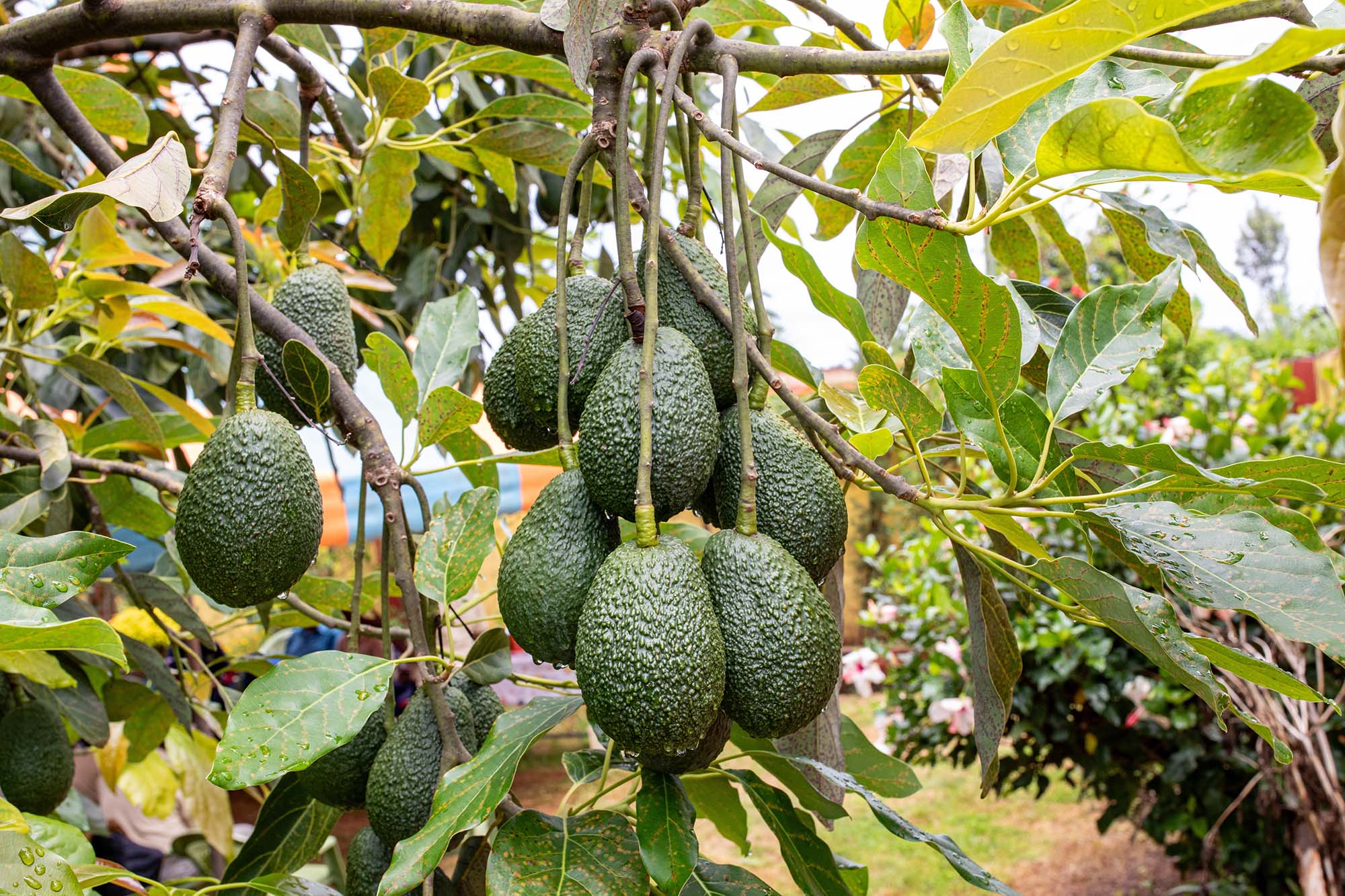
Credit: Shutterstock
Despite this, most of the smallholder farmers who grow 70% of Kenya’s avocados remain locked out of premium export markets like the European Union and United Arab Emirates, in part because of high post-harvest crop losses.
“In most parts of the country, farmers do not get enough value for their produce because a big percentage of the produce is spoilt and has to be thrown away,” said Emmanuel Aziebor, who leads CLASP’s Africa program. “This is because farmers lack adequate access to food processing and storage facilities.”
Climate change is adding to this challenge, as extreme weather and rising temperatures increase the risk of post-harvest crop loss. This loss, in turn, exacerbates global warming, since rotting food that’s not exposed to oxygen releases methane, a powerful greenhouse gas.
According to the United Nations, around 10% of the world’s annual emissions stem from a combination of post-harvest losses—which destroy an estimated 13% of all food before it reaches stores—and consumer food waste.
SokoFresh helps farmers access refrigeration—and lucrative export markets
Historically, the refrigeration that helps protect crops like avocados from spoiling has been out of reach for smallholder Kenyan farmers. Innovative companies like SokoFresh are working to change this.
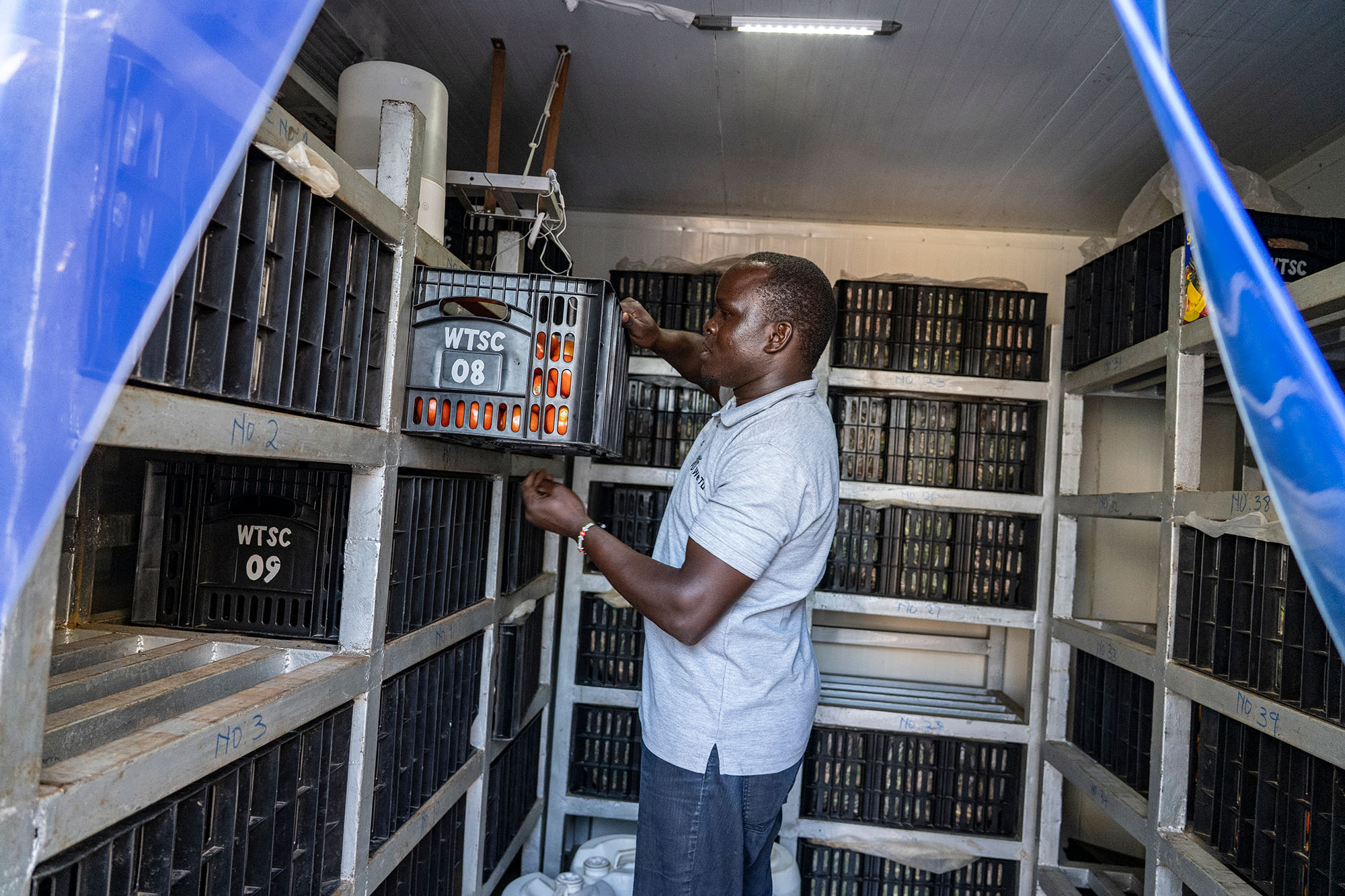
Produce in a cold storage unit in Kenya.
Credit: CLASP
In the past, affordability has been the main barrier preventing many farmers from accessing cold storage. In Kenya, a cold storage unit costs far more to purchase than farmers earning an average of $3 USD a day or less can afford.
Even when they gain access to a cold storage unit, operating it can be cost-prohibitive. Running a diesel-powered model for a month can cost roughly 14,000 Kenyan shillings, or $108 USD. Meanwhile, inefficient models use more energy than necessary, leading to higher bills for both diesel- and grid-connected units.
SokoFresh’s approach overcomes these challenges while also making it easier for farmers to reach lucrative export markets. The company acts as an aggregator for small-scale farmers located close to one another, essentially leasing refrigerated space to each at a much more affordable price than they could typically access. The company then exports the produce in bulk, making it easier for farmers to earn a profit.
“SokoFresh is able to connect farmers to premium markets because they have a cold storage unit and can join forces,” said Lilian Simiyu, a clean energy expert at CLASP.
Critically, SokoFresh offers cold storage units that are both solar powered and energy efficient. By drawing power from sunlight, they prevent farmers from having to rely on expensive fuel. Meanwhile, energy efficiency allows the units to rely on smaller, and therefore cheaper, solar panels, batteries, and inverters.
Powering rural prosperity
Today, SokoFresh serves more than 2,500 smallholder farmers in Kiambu County, Kenya, where it has created more than 1,000 jobs for young people, whose unemployment rate is significantly higher than the national average. Thirty-five percent of these jobs are held by women—a notable figure in a country where women are more likely to be unemployed.
SokoFresh is now present in 17 other counties in Kenya. By 2030, it plans to scale to 1,000 cold rooms across countries like Uganda and Nigeria.
“Our vision is a continent where farmers and agri-SMEs [agricultural small- and medium-enterprises] earn the full value of what they grow,” said Karema.
SokoFresh is supported by CLASP’s Productive Use Financing Facility (PUFF), which provides grants, procurement subsidies, and technical assistance to suppliers and distributors of energy-efficient appliances and equipment in Ethiopia, Kenya, and Nigeria.
PUFF’s mission is to help lower prices of income-boosting appliances like refrigerators, solar water pumps, and grain mills, helping more people benefit from them. It aims to deploy 10,000 appliances and generate 3,000 new jobs by 2030, with support from the Global Energy Alliance for People and Planet, a nonprofit founded by The Rockefeller Foundation, the IKEA Foundation, and the Bezos Earth Fund.
Find CLASP at the Global Off-Grid Solar Forum & Expo 2026
The Global Off-Grid Solar Forum and Expo in Kigali, Rwanda, is an annual convening for leaders in off-grid solar, mini-grids, productive use, clean cooking, and e-mobility. This year’s theme, Powering Lives, Putting Solar to Work, and Financing for the Future, aligns with CLASP’s mission to promote energy-efficient appliances as the key to unlocking better livelihoods, innovation, and market transformation. CLASP will attend the Forum to share new research findings, hear from partners, and meet new implementers and funders.
Please contact Stella Madete at smadete@clasp.ngo if you are interested in connecting with us.
CLASP experts attending the Global Off-Grid Solar Forum and Expo:
- Emmanuel Aziebor (Senior Director, Africa)
- Saumu Ismail (Senior Associate)
- Ruth Kimani (Clean Energy Access Manager)
- William Mulehi (Clean Energy Access Senior Manager)
- Sally Musonye (Senior Associate)
- Ari Reeves (Senior Director)
- Alba Topulli (Clean Energy Access Director)
- Anna Wright (Senior Associate)
Where to find CLASP
TIME & DATE | EVENT | LOCATION | HOST |
|---|---|---|---|
Monday, 26 October | Networking reception, Repair and Resilience Beyond the Last Mile | Serena Hotel | CLASP, Global Distributors Collective, the Off-Grid Solar Repair Lab, Energy Saving Trust, and the Agri-Energy Coalition |
Tuesday, 27 October to Thursday, 29 October | VeraSol Booth | Exhibition area | VeraSol |
Tuesday, 27 October | From Connection to Consumption: What Does it Take to Build Markets for Electricity Use? | Room AD-12 | CLASP |
Tuesday, 27 October | Institutions that Power Energy Access Exhibition | TBC | CLASP, GOGLA |
Wednesday, 28 October | Quality: Someone Else’s Problem | Room AD-12 | CLASP |
Thursday, 29 October | Closing the loop on circularity: What’s needed? Who pays? | TBC | GOGLA |
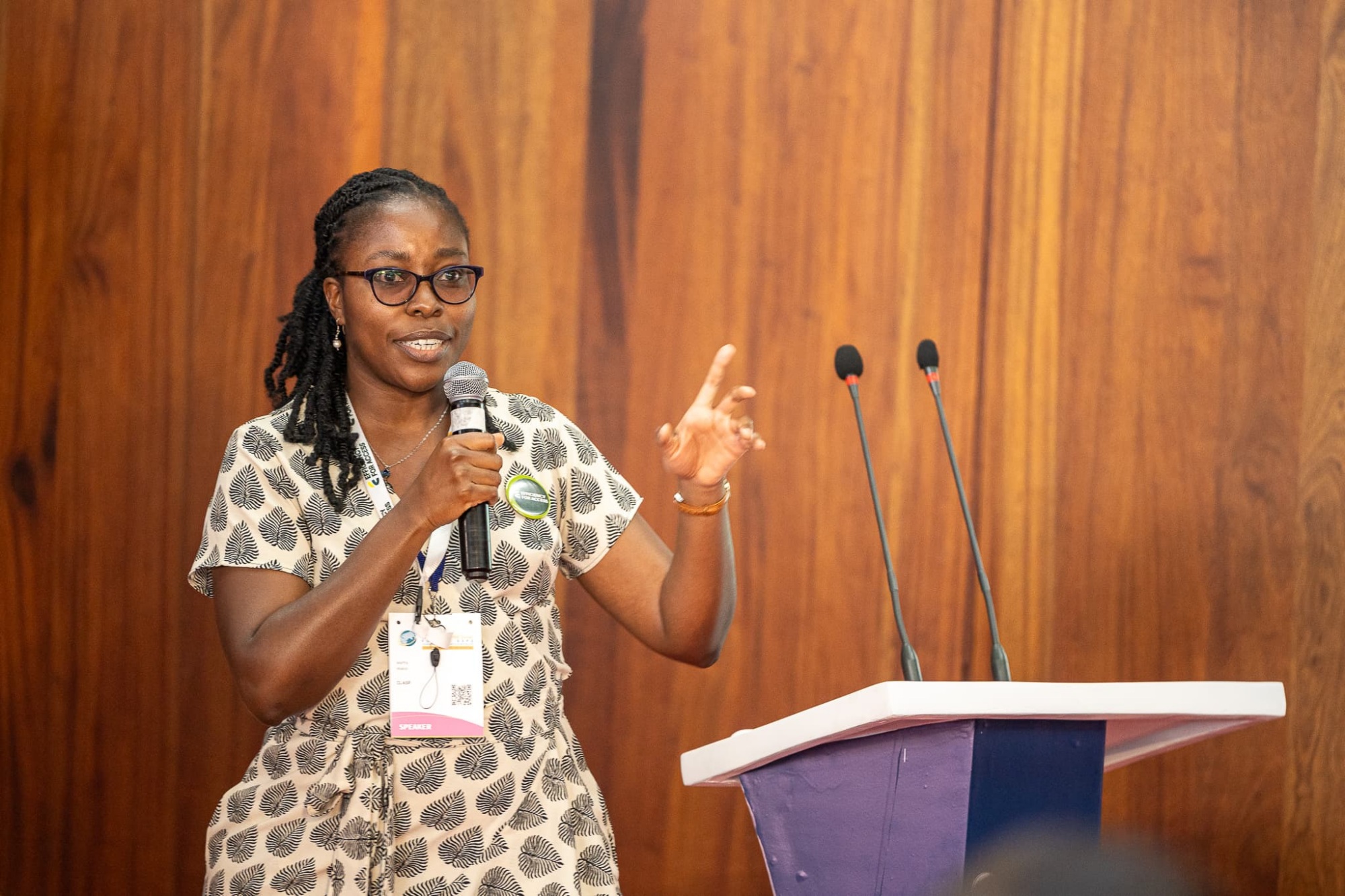
CLASP's Martha Wakoli at the 2024 Global Off-Grid Solar Forum and Expo.
CLASP
To Combat Extreme Heat, India Is Becoming a Global Leader in AC Efficiency
India is facing increasingly dangerous heat, with temperatures regularly breaching levels that threaten human life. Even beyond the worst heat waves, summer temperatures now often jeopardize people’s health, livelihoods, productivity, and quality of life.
Helping the country’s 1.4 billion residents stay cool is not simply a matter of comfort; it’s an urgent priority for resilience. But since the vast majority of Indian households lack air conditioning, achieving this will require a massive undertaking.
Moreover, there are serious risks associated with widespread AC use in India, including rising energy bills, increased strain on the power grid, and skyrocketing greenhouse gas emissions that drive temperatures even higher.
Fortunately, there’s a clear pathway to helping more people get AC while preventing unwanted outcomes. Making air conditioners more energy-efficient is a cross-cutting solution that reduces consumer costs, protects the grid, and lowers emissions.
India has a unique opportunity to realize these benefits at a national scale. In many countries, air conditioners were already widespread when ambitious efficiency standards were put in place. But in India, current decisions about AC efficiency will shape hundreds of millions of future purchases.
CLASP’s Marina Baur spoke with Neha Dhingra, the director of our India program, about why efficient cooling has become one of the country’s most important energy and development priorities—and what others can learn from India’s approach.
Marina Baur: Tell me about the role air conditioning currently plays in India and how this is changing as temperatures rise.
Neha Dhingra: I’ll start by saying that cooling—not just air conditioning, but mechanical cooling more broadly, including electric fans and evaporative coolers—is increasingly becoming a public health, economic, and development issue. The Indian government has actually added heat waves to its list of recognized natural disasters, which tells you how far-reaching their impacts are.
Over time, people have found many ways to stay comfortable on hot days, of course. India’s traditional architecture was designed to provide shade, breezes, and materials that absorb heat. And in the last few decades, electric fans have become very important in India; they’re now the primary cooling solution for most homes, schools, and workplaces.
But these measures aren’t enough for the heat we’re experiencing now. In June, temperatures in one city in Uttar Pradesh stayed around 48°C (118°F) for more than a week. I read recently that almost 5,000 cases of heat stroke have been reported in India this year, and that 20 people have died. Unfortunately, these numbers are almost certainly an undercount.
So keeping people protected in this kind of heat requires air conditioning. Past a certain temperature, fans just end up circulating hot air.
But most people in India don’t have access to AC. CLASP recently conducted research that showed that AC penetration in Indian homes is only about 13%.
This poses major challenges from an equity perspective. Many vulnerable communities lack even the most basic mechanical cooling appliances. Especially vulnerable are daily wage earners like construction workers, street food vendors, or vegetable sellers who spend their days working outside in the hot sun and have no air conditioning at home either. They’re at huge risk for heat strokes and other heat-related illnesses. And for them, being sick means they don’t earn any money. So there’s not just a health impact, there’s also an economic and productivity impact.

Street vendor at a market in West Bengal, India.
Credit: Tojo Basu / Ratul Pal
I’m optimistic that the new designation of heatwaves as natural disaster can unlock greater public investment in heat resilience and adaptation. This could help expand access to affordable, energy-efficient cooling for vulnerable households, as well as public spaces like schools and healthcare facilities.
But regardless of where this investment comes from, a technological shift is required. Clearly, the question is no longer whether India needs more air conditioning. The question is how we expand access to these appliances responsibly.
It’s not enough to just install more ACs in India, though—we also need to think very carefully about what kind of ACs people will buy. Will they be inefficient models that strain the grid and increase people’s energy bills? Or will they be efficient models that increase thermal comfort, reduce energy bills, reduce pressure on the electricity system, and avoid expensive investments in energy infrastructure that may only be required for a few hours each year?
Experts increasingly understand that efficiency is key, and that efficiency and access reinforce each other. The World Bank recently put out a report that listed AC efficiency as one of its top solutions for helping South Asian cities cope with extreme heat. It also cited India’s efficiency policies as a regional model.
This is the right time to be thinking about AC efficiency in India, since the demand for ACs is predicted to increase ninefold by 2050. Many advanced countries improved their AC standards only after these appliances were widely adopted, but here, a large share of air conditioners that are going to be operated are yet to be purchased. So there is an opportunity to influence the market before it’s fully mature.
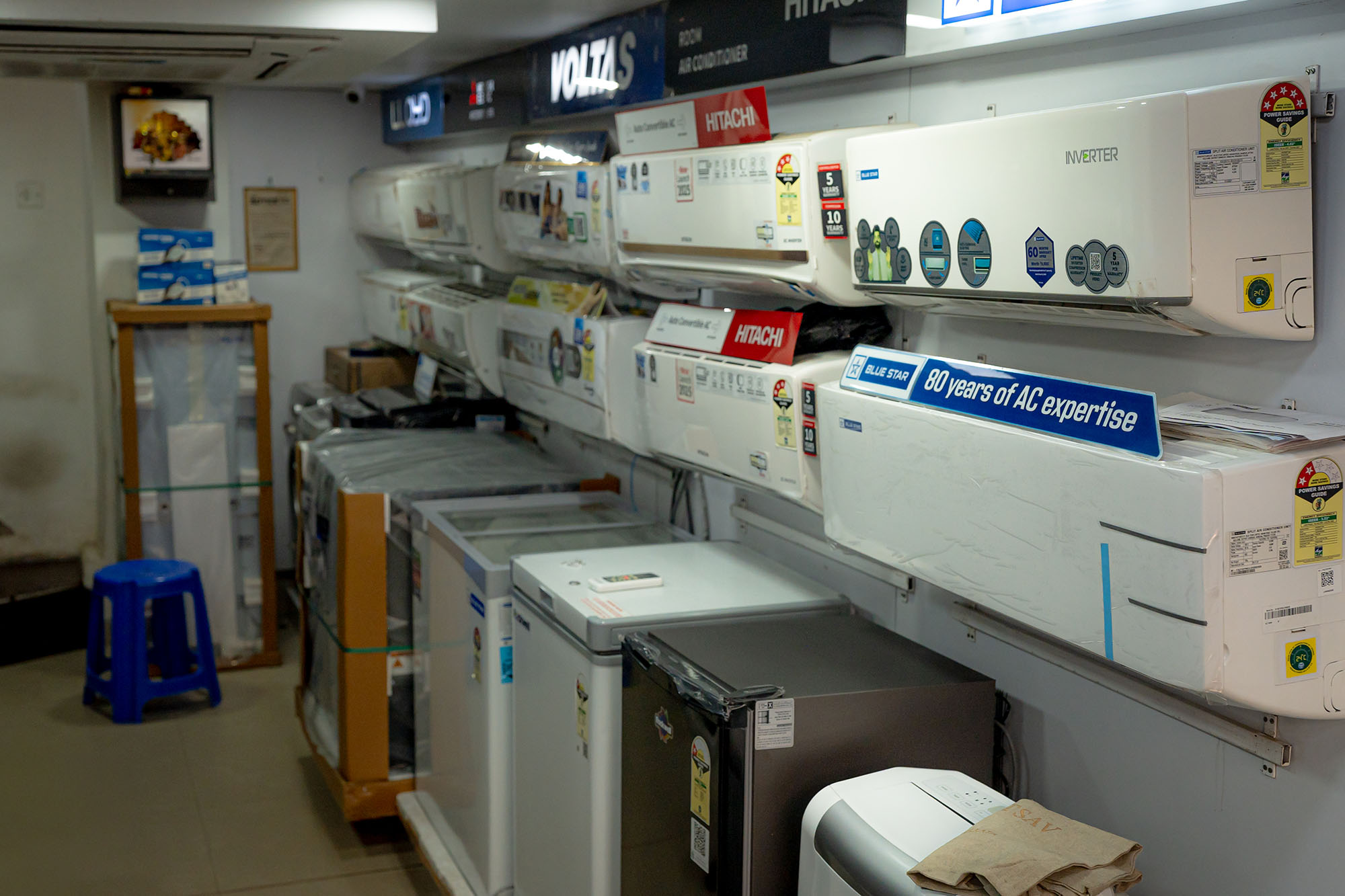
Appliance store in Kolkata, India.
Credit: CLASP
Baur: You mentioned straining the power grid. Can you say more about how this plays out and how efficiency can prevent it?
Dhingra: The most important thing to understand is that efficiency allows India to expand access to cooling appliances without proportionally increasing electricity demand. This is key to grid stability.
There are two main challenges when it comes to the grid: the rise in total electricity consumed and the growing peak demand during certain times of day, when many people use their appliances at the same time.
Cooling appliances are one of the largest contributors to India’s peak demand. Every summer, as more people buy ACs, we see peak demand go higher and higher.
During extreme heat waves, when millions of people turn on their ACs at the same time, we see a particularly sharp increase in demand. But if you think about it, this only occurs for a few hours in a year. So it doesn’t make sense for the utilities to add power generation, transmission, and distribution capacity that remains underutilized for the rest of the year.
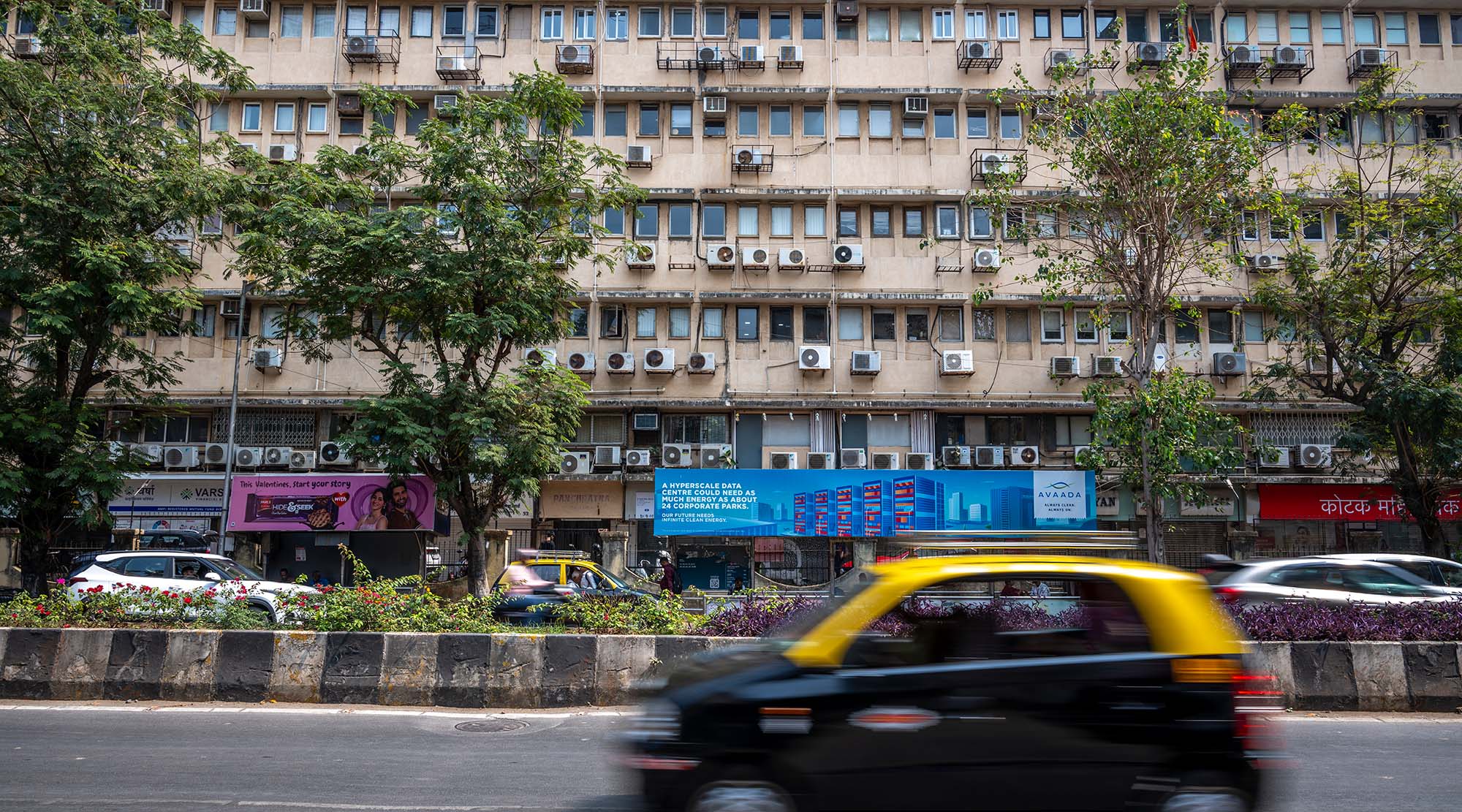
Air conditioners in Mumbai, India where temperatures reached 40° Celsius (104° Fahrenheit) during a heat wave this year.
Credit: CLASP
And it really doesn’t make sense when you think about the cost to consumers. Building this capacity across the country would be extremely expensive, and that cost would ultimately be paid as part of people’s electricity tariffs. So this is a kind of hidden way that inefficient ACs impact affordability, in addition to just raising electricity bills due to increased energy consumption.
Baur: So what are the solutions? How does India approach AC efficiency?
Dhingra: I’ll zoom out a bit and discuss the broader question of appliance efficiency, not just AC efficiency. One of India’s strengths has been recognizing that appliance efficiency is much bigger than regulation alone.
Efficiency standards provide an important market signal, but successful market transformation—in other words, making sure that the appliances people purchase and use are efficient—also requires appliance testing infrastructure, manufacturers, state governments, technical institutions, financing, consumer awareness, and continuous engagement across the entire value chain.
Policymakers in India have consistently worked at building an ecosystem for appliance efficiency in general, and AC efficiency specifically. They’re taking all these issues into account.
So policymaking is occurring as part of this larger process, within this larger ecosystem. And the policies that are being developed show this level of consideration. Starting in 2028, the minimum efficiency requirement for ACs will rise to a level that will dramatically raise the efficiency of products available in Indian stores. This will bring our efficiency standards up to the highest levels found anywhere in the world, comparable to China and Europe’s.
We’ve been talking about the importance of AC efficiency within India, but it’s also critical to understand how important this is from a global climate perspective. This policy will prevent a gigaton of emissions by 2050. It’s hard to overstate how important that is for broader mitigation efforts.
Baur: What are the main considerations that the government and other key players take into account when shaping AC policy and action in India?
Dhingra: One of the first questions is always, how are ordinary people going to get impacted? In other words, is the purchase price of the appliance going to increase if we improve efficiency?
That’s a key consideration, especially in a growing country where the AC penetration is low and access to cooling is a major challenge. Right now, the average price of an air conditioner in India is ₹35,000 INR ($366 USD), while the median household income is roughly ₹14,000 INR ($147 USD) a month. So policymakers don’t want to put these appliances further out of people’s reach.
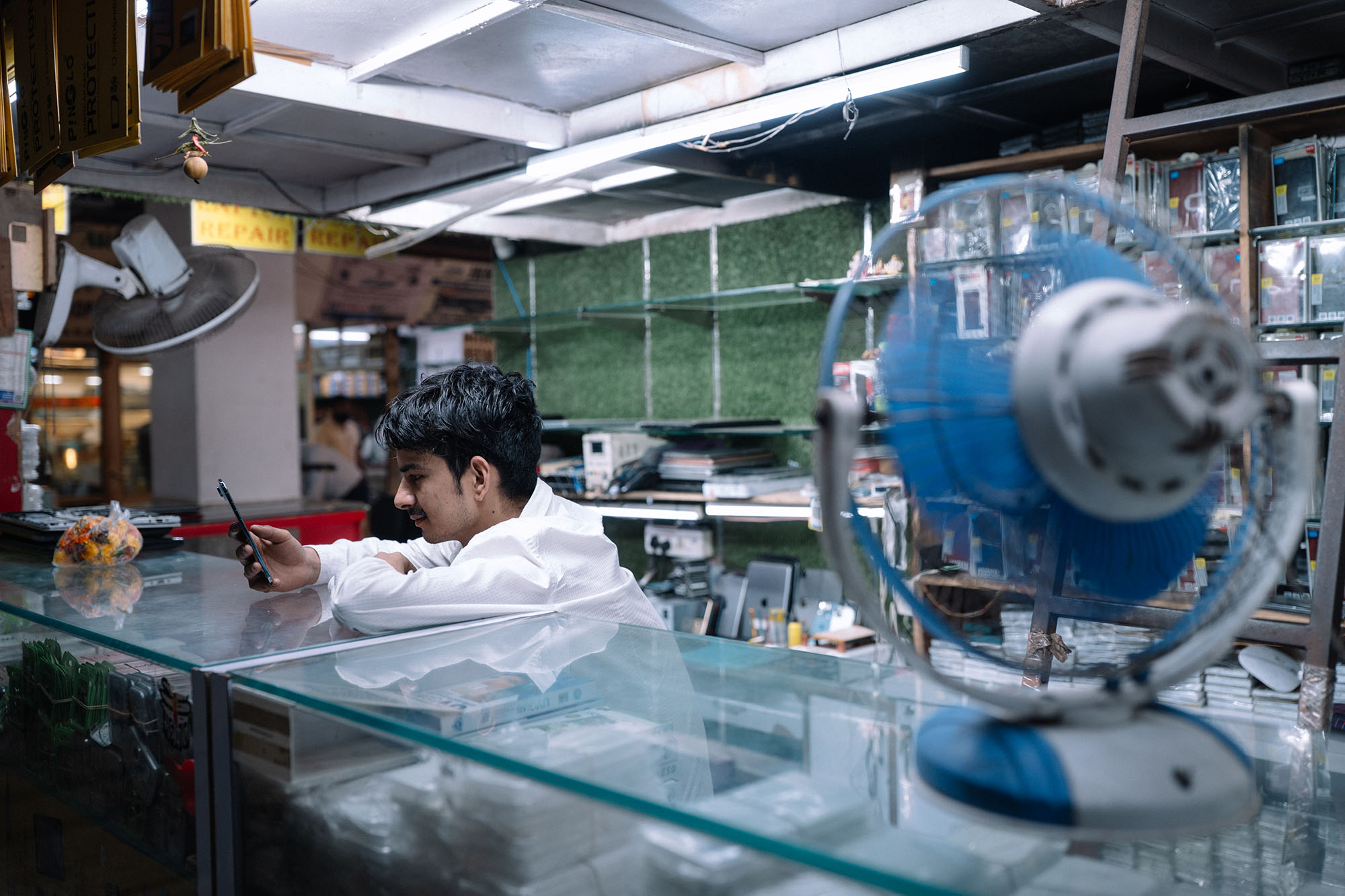
A shopkeeper in New Delhi, India, dependent on fans to keep him cool during rising heat.
Credit: CLASP
Encouragingly, evidence shows that stronger efficiency standards do not necessarily translate into higher prices. As markets mature, manufacturers innovate, production scales up, and competition increases, making efficient technologies increasingly affordable.
Consumers then benefit twice: through lower purchase costs over time as well as through significantly lower electricity bills throughout the lifetime of the appliance. That combination is essential if we want cooling to become accessible to many more households.
A second major consideration shaping AC efficiency policy is supporting domestic industry. Higher efficiency standards don’t simply reduce energy use—they create incentives for innovation, better products, and globally competitive manufacturing. India’s air conditioning industry is quite strong, and higher efficiency standards encourage companies to invest in better products that can compete both domestically and internationally.
A third consideration is industry readiness. Industry—including micro, small, and medium enterprises—needs to actually have the capacity to implement the efficiency standards. Otherwise, nobody will follow the standards and they won’t be effective.
Energy security is an increasingly important consideration as well. India’s energy supply needs to remain reliable, affordable, and resilient to external shocks. Efficient appliances can help with this in several ways. Lower electricity demand reduces the pressure to build new generation capacity and makes electricity system more reliant. It also reduces India’s exposure to volatile international fuel prices. And during periods of extreme heat or supply disruptions, a lower baseline energy need makes the system easier to manage.
So thinking of these issues as part of a single ecosystem has shaped the evolution of India’s air conditioner policy over the last 20 years, which has proven very effective. It has helped drive the market for efficient ACs, created opportunities for domestic and international manufacturers alike, and helped make India an AC manufacturing hub in its own right. These broader economic benefits are becoming just as important as the direct energy savings from AC efficiency.
Baur: The ecosystem approach seems like a very transferable model. What else can people outside India learn from its approach to AC efficiency and access?
Dhingra: The first thing is that countries should act early on appliance efficiency—before appliance ownership becomes universal. Efficiency standards, if they are introduced during the early stages of market growth, can influence millions of future purchases and prevent inefficient appliances from becoming locked into households.
And also, governments don’t have to choose between raising efficiency levels and helping expand access to appliances. With a thoughtful policy and strong partnerships, it is possible to improve affordability, strengthen energy security, support domestic manufacturing, reduce pressure on the electricity grid, and expand access to cooling—all at the same time.
As more countries face rising temperatures, these lessons are becoming increasingly relevant well beyond India.
Interview condensed and edited.
$1.5M USD Awarded for Income-Generating Appliances in Africa
Nairobi, Kenya, 9 July 2026—Nineteen productive use appliance companies across Kenya, Nigeria, and Ethiopia have been awarded $1.5 million USD through the Productive Use Financing Facility (PUFF) to expand access to income-generating solar appliances for entrepreneurs and small businesses.
The funding, announced by CLASP at the Adaptation Investment Summit 2026, will help beneficiaries to increase productivity, create jobs, and grow local economies. The funding targets to deploy 3,800 productive use equipment (PUE), supporting over 3,000 green jobs across the three countries.
The selected beneficiary companies are:
- Five from Ethiopia: Awdi Negesti Special Purpose Machinery Manufacturing, Center for Applied Manufacturing Service & Engineering, Green Scene Energy PLC, Inter Ethiopia, Zicon Trading
- Six from Kenya: Agsol Limited, Epicenter Africa Limited, Plexus Energy Limited, Suncool Storage, SunCulture Kenya Limited, Sunspot Energy Kenya (Spark Possibilities)
- Eight from Nigeria: Asolar System Nigeria Limited, Ceesolar Energy Limited, Cloud Energy Photoelectric, Consistent Energy Ltd, D@ech Nig Ltd, Ecotutu, Sosai Renewable Energies, GreenPower Overseas Limited
While electricity access across Africa continues to grow through initiatives such as Mission 300, many businesses lack access to the appliances needed to turn energy into jobs, income, and opportunity. These appliances include solar-powered water pumps, solar-powered refrigeration, solar-powered milling equipment, and other income-generating appliances. High upfront set up costs and costs associated with running inefficient appliances are the primary barriers for growth for businesses in Africa.
PUFF, an initiative managed by CLASP and supported by the Global Energy Alliance for People and Planet, will fund the selected companies to help reduce upfront production costs and make the appliances more affordable and accessible to farmers, entrepreneurs, and small businesses across the target regions. This access will enable more entrepreneurs to grow their businesses, creating increased income and impact for their families and communities.
Commenting on the initiative, Emmanuel Aziebor, Senior Director, Africa at CLASP, said, “Africa’s economic future depends not just on expanding access to electricity, but on ensuring that energy powers businesses, creates jobs, and improves livelihoods. The technologies already exist. The challenge is making them accessible to the entrepreneurs who need them most. Through PUFF, we are helping bridge that gap so more businesses can invest, grow, and drive local economic development.”
The selected companies are entering a sector with considerable room to grow: The productive use appliances (appliances that generate income) sector currently reaches less than 1% of the serviceable African market. If the sector was able to bridge that gap, it would lead to more jobs and increased incomes, reaching an income potential of almost $16 billion USD each year and the creation of 50 million new jobs over the next decade.
Carol Koech, Vice President for Africa at the Global Energy Alliance, said, “We understand that creating access to affordable capital is essential for accelerating the adoption of renewable energy technologies. Our goal is to empower African entrepreneurs with the tools to grow their businesses by aligning finance, technology, markets, and enabling policies that do this while accelerating more equitable energy transition across the region.”
“What we’ve learned through PUFF is that the market is ready,” said William Mulehi, Senior Manager at CLASP. “The next step is helping businesses overcome the upfront cost of investing in productive-use appliances. This second round of funding is designed to do exactly that, enabling the selected companies to adopt technologies that will enable them reach more entrepreneurs and expand into new markets.”
PUFF has a proven track record. The initiative provided $2.7 million USD in its first round of funding between 2022 and 2024 to support the sale of almost 16,000 income-generating appliances across the region, directly impacting over 53,000 people across Africa.
About the Productive Use Financing Facility
The Productive Use Financing Facility (PUFF) is an innovative program that provides grants, procurement subsidies and technical assistance to suppliers and distributors in order to lower appliance prices and reach more customers. This makes it easier for small businesses, entrepreneurs, and households to buy energy-efficient technologies, such as solar water pumps, mills, and refrigerators, at favorable prices.
This program is supported by the Global Alliance for People and Planet. For more information, read the financing facility 2.0 press release, contact financing@clasp.ngo, and follow us on LinkedIn for regular updates on how the financing facility is benefiting people and our planet.
About CLASP
CLASP is the leading global authority on efficient appliances’ role in fighting climate change and improving people’s lives. With 25 years of expertise and offices on four continents, CLASP collaborates with policymakers, industry leaders, and other experts to deliver clear pathways to a more sustainable world for people and the planet.
About the Global Energy Alliance for People and Planet
Global Energy Alliance for People and Planet is a global nonprofit that builds public, private, and philanthropic partnerships to accelerate clean energy and economic opportunity. Founded in 2021 by The Rockefeller Foundation, IKEA Foundation and Bezos Earth Fund, we build the technical, financial and institutional foundations that make clean energy investable and scalable across emerging economies. Our work is anchored in two mutually reinforcing global pillars that together address the market fragmentation that has historically slowed down progress on energy access and economic development. Grids of the Future strengthens energy supply through AI-enabled, renewables-ready power grids. Powering Opportunity builds demand, helping people harness clean energy to power businesses, create jobs and drive economic growth. Together, these pillars create a reinforcing cycle of abundant energy and economic opportunity.
With 130 projects across Africa, Asia and Latin America and the Caribbean, we are on track to reach 91 million people with clean energy, create or improve more than 3 million jobs and prevent nearly 300 million tons of carbon emissions. For more information, please visit www.energyalliance.org and follow us on LinkedIn.
Media contacts
Evelyne Kopar
ekopar@clasp.ngo
Catherine Karanja
catherine.karanja@quillhouse.co.ke
Building an Efficient Fan Market with India’s Small Manufacturers
Every day, millions of Indian households rely on ceiling fans to stay cool. In this video, Neha Dhingra explains why the small manufacturers behind these fans are essential to delivering affordable, energy-efficient cooling, and how the right support can help them meet evolving efficiency standards and reach more people while supporting India’s energy and climate goals.
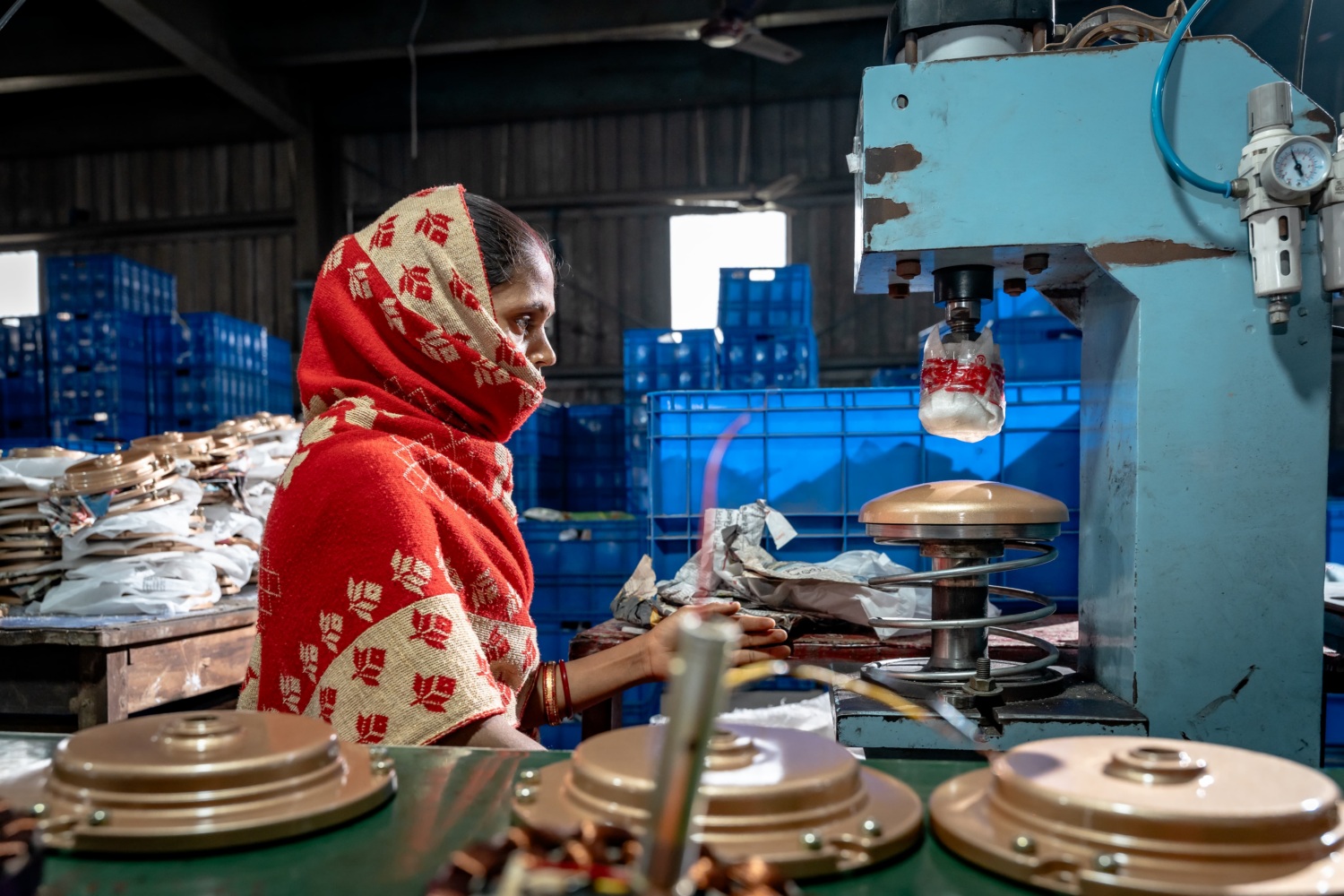
Building an Efficient Fan Market with India's Small Manufacturers
Running time: 2:06
Region: India, Asia
Featuring: Neha Dhingra
Explore CLASP’s YouTube channel for more videos about the transformative power of efficient appliances.
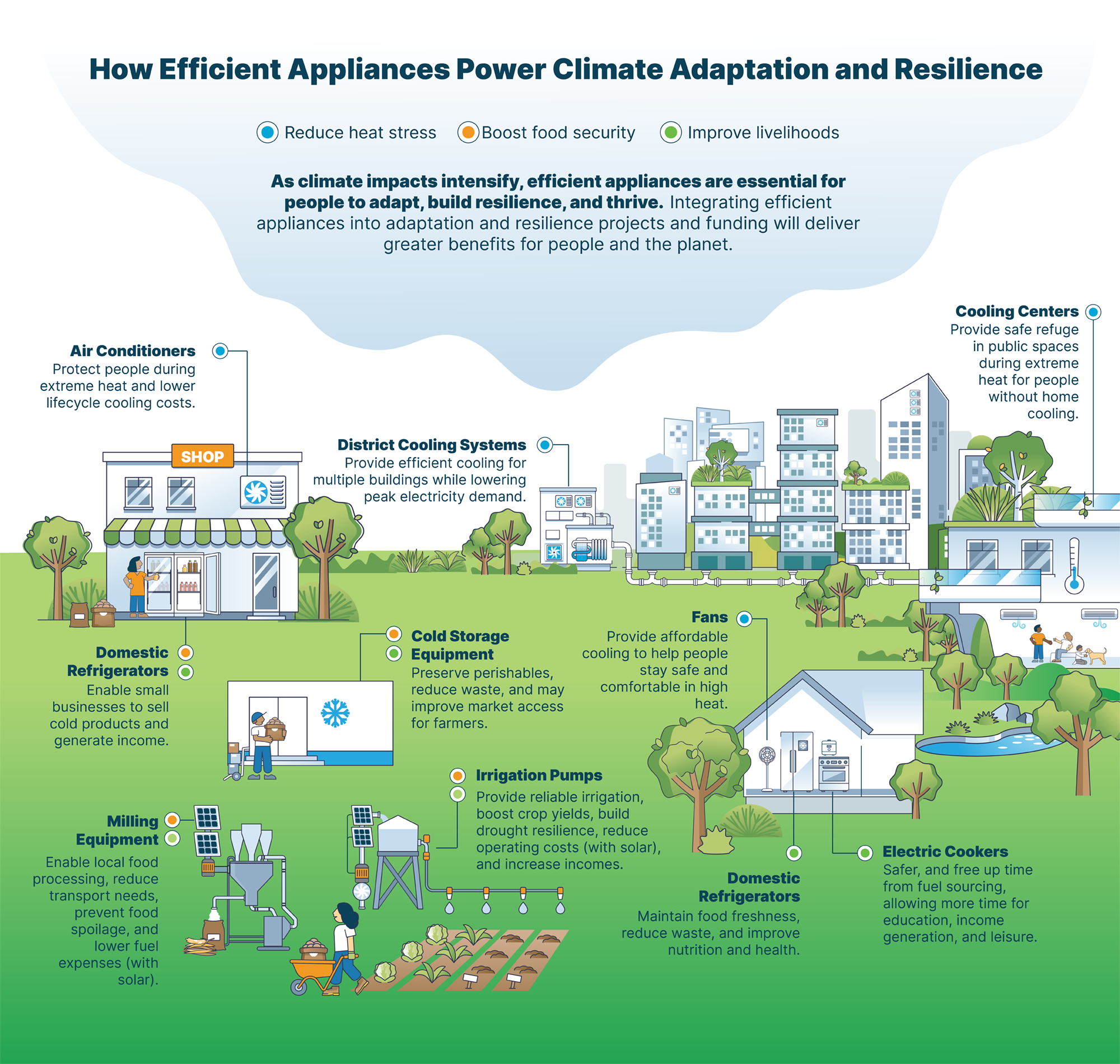
Powering Thriving Communities: Efficient Appliances for Climate Change Adaptation and Resilience
CLASP
Modern Energy Cooking Services Invests in Three African Companies to Accelerate Clean, Affordable Cooking
Nairobi, Kenya, 5 May 2026 – Across sub-Saharan Africa, more that 600 million people still cook with wood, charcoal, or other biomass fuels—a challenge that drives deforestation, generates harmful indoor air pollution, and imposes a disproportionate burden on women and girls. Closing this gap is one of the most urgent and compelling investment opportunities in the clean energy sector. Three innovative African companies are demonstrating exactly that.
Bridging the investment gap in clean cooking
EcoBora, PowerUp, and Sun-Power Box are Africa-based companies using clean technologies and innovative business models to make clean cooking viable and affordable for urban, peri-urban, and off-grid communities. Each is at a pivotal stage: they have gathered early evidence and validated demand for efficient electric cooking (e-cooking) technologies and now need targeted investment that will unlock the next round of growth.
Modern Energy Cooking Services (MECS), a research and innovation program funded by UK aid via the Foreign Commonwealth and Development Office (FCDO), has made direct Research & Development (R&D) investments in all three companies. These investments will directly support the companies’ R&D efforts, which includes product testing, technology validation, business model refinement, and market access research, generating transferable knowledge and reduce risk for future investors. Despite the clear potential for e-cooking, current financial structures are not adequately supporting its growth, creating a critical gap for early-stage ventures. MECS’ R&D venture building support is designed to bridge that gap and support early-stage companies move from market entry to scale.
Nyamolo Abagi, Director of Clean Energy Access at CLASP and member of the MECS Investment Committee, comments on the Investment Committee’s decision: “The MECS Investment Committee is pleased to support these three trail-blazing ventures. All three companies demonstrated potential to scale up their businesses and make significant strides in accelerating the adoption of clean cooking technologies across Africa.”
Meet the three companies:
Ecobora is a Kenya-based clean energy enterprise that manufactures solar- and grid-powered institutional electric cookstoves for large-scale kitchens. Combining robust design with smart monitoring and carbon revenue pathways, Ecobora is expanding affordable, zero-emission cooking for schools and other institutions across Africa.
PowerUp, a Uganda-based clean-tech venture, delivers affordable electric cooking solutions through smart electric pressure cookers and induction cooktops with integrated metering and Pay-As-You-Go (PAYGo) features that are supported by a data platform and carbon finance model.
Sun-Power Box is a Malawi-based company tackling the clean cooking challenge in rural off-grid communities. Its battery-enabled solar-electric cooking systems integrate efficient appliances, end-to-end system design, and last-mile delivery to bring clean cooking to households that are harder to reach.
All three companies have established track records of growth and a demonstrated readiness to push their technologies to the next level.
Kato Kibuka, Co-founder and CEO of PowerUp, remarks on how this R&D support will impact the company’s capacity to innovate and reach more people: “PowerUP values the R&D support from CLASP and MECS programme, which allows us to continue innovating on electric cooking solutions that are accessible and attractive to African homes. Now, even more customers will save money and time while avoiding indoor air pollution.”
MECS R&D venture building support
Over the next year, this R&D venture building support will focus on product testing and validation, alongside market access, financial, and policy research. Critically, the findings will build the evidence base that the wider clean cooking sector, and prospective investors, need to move with confidence.
Professor Rachel Kyte, UK Special Representative for Climate, remarks on the significance of this investment decision: “Clean cooking technologies transform lives and protect the planet by improving health, generating jobs, and avoiding deforestation. Innovative UK-African partnerships advancing viable and affordable electric cooking solutions are more important than ever at a time of price shocks and supply disruption for LPG and other fossil fuels. Supporting these three pioneering firms is part of our modern approach to development and helps move the world one step closer to universal clean cooking.”
A call to investors and partners
MECS’ investment in EcoBora, PowerUp, and Sun-Power Box is an early signal of what is possible when R&D funding is deployed with precision and purpose. The evidence these companies generate is designed to de-risk the investments that come next. MECS invite impact investors, development finance institutions, and technology partners to engage with these ventures and explore how their capital can help accelerate the clean cooking transition across Africa.
–
About Modern Energy Cooking Services programme
Modern Energy Cooking Services (MECS) is an eleven-year programme funded by UK aid via the Foreign Commonwealth and Development Office. MECS is a geographically diverse, multicultural and transdisciplinary team working in close partnership with NGOs, governments, private sector, academia and research institutes, policy representatives and communities in 16 countries of interest to accelerate a transition from biomass to genuinely ‘clean’ cooking.
About CLASP
CLASP is the leading global authority on efficient appliances’ role in fighting climate change and improving people’s lives. With 25 years of expertise and offices on four continents, CLASP collaborates with policymakers, industry leaders, and other experts to deliver clear pathways to a more sustainable world for people and the planet.
2025 CLASP Annual Report
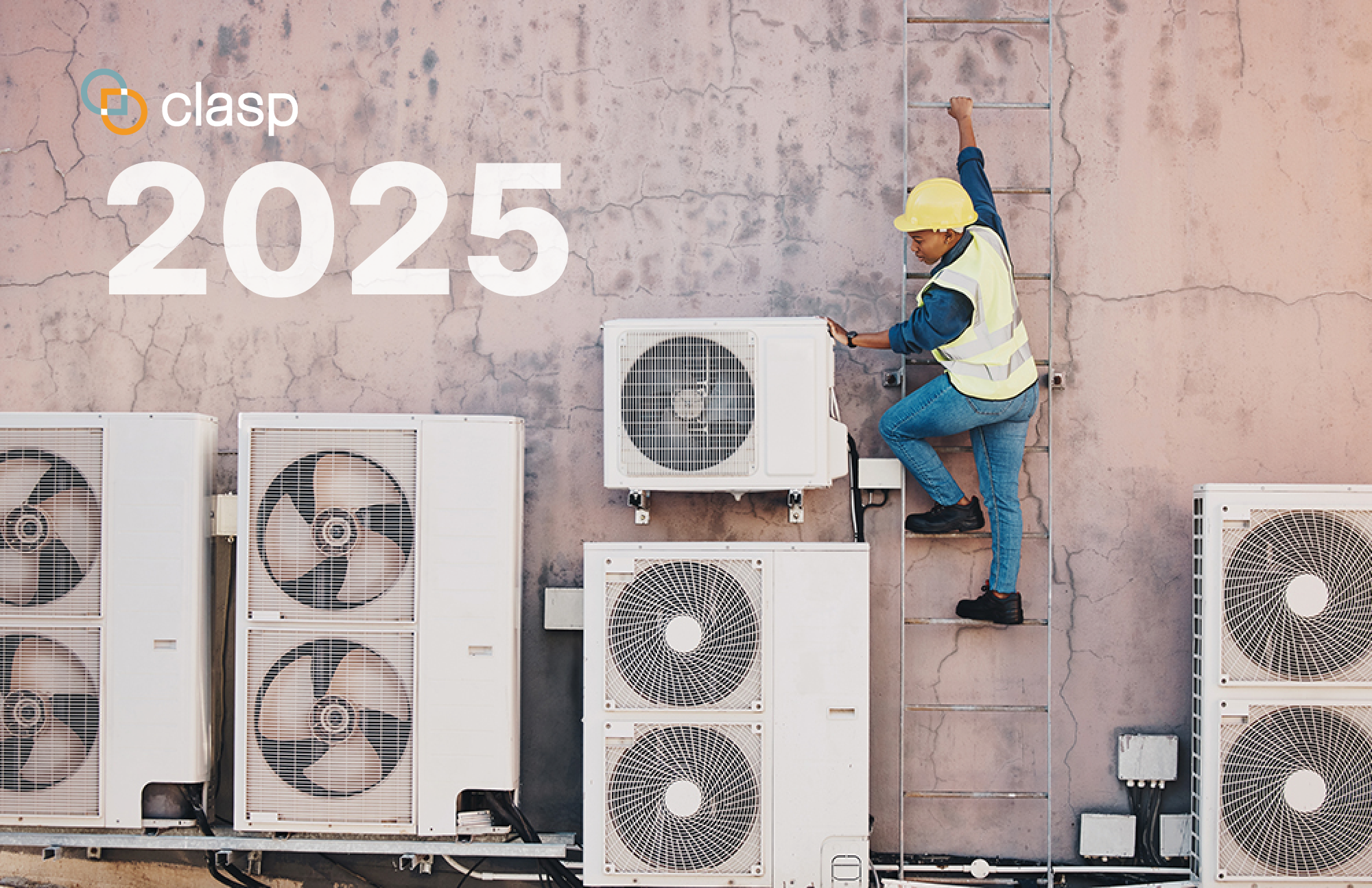
Collective action for people,
prosperity, and planet.
A note from CLASP’s CEO,
Christine Egan
Appliance and equipment energy efficiency is a triple-win for people, planet, and prosperity. In a time of multiplying global crises, it stands out as a durable climate solution and key element of smart decarbonization strategies. It also creates jobs and improves livelihoods, enhances energy security and food system resilience, and helps people adapt to a changing climate.
Looking back at 2025, I’m wowed by the work of CLASP’s global team and dedicated partners, and the focus of the decisionmakers we support. Through purposeful collaboration, we forged the policy instruments, finance, and intelligence to drive positive momentum.
Together, we are changing the way we use energy.

2025 by the numbers:
4.6 Gt 18 CLASP-supported appliance and equipment efficiency policies will avoid 4.6 gigatons of CO2 by 2050, improving planetary and human health and saving money.
30K+ Over 30,000 people experienced improved health and livelihoods via access to efficient, solar powered appliances and equipment.

Skyline of Jakarta, Indonesia
Image credit: CLASP
Elevating Appliance Efficiency in National Climate Commitments
What we did
Ahead of COP30, CLASP led a global campaign to improve inclusion of appliance and equipment energy efficiency in national climate goals (nationally determined contributions or NDCs).
How we did it
Through our Net Zero Appliance NDC Toolkit and bespoke support for governments around the globe, CLASP elevated appliance efficiency policy as a key climate mitigation solution. Now, appliance and equipment efficiency policy is included in 90% of all submitted NDCs—up from below 50% in the last cycle.
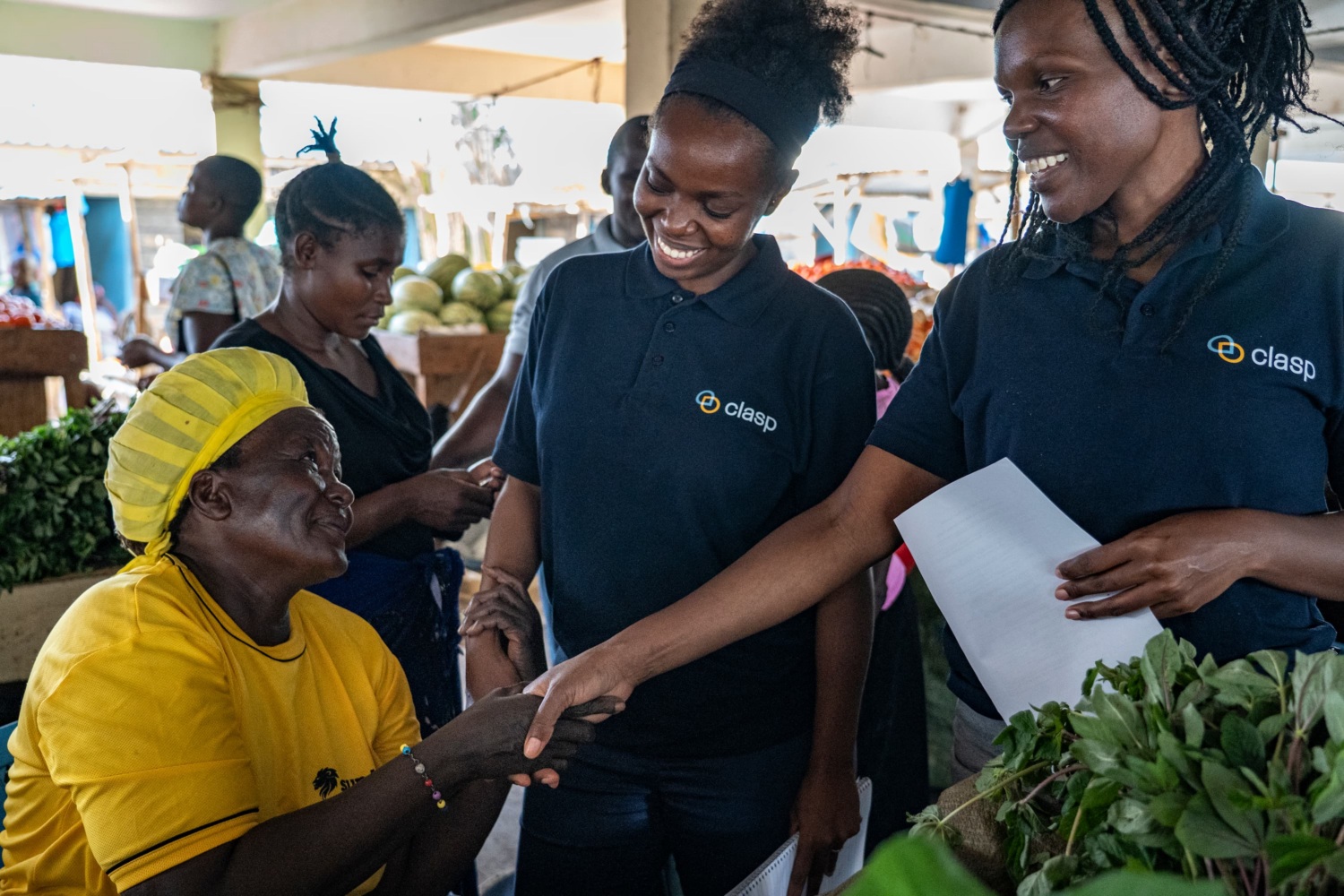
Image credit: CLASP
Powering Africa’s Green Economy
Solar-powered appliances and equipment turn energy into opportunity, helping small businesses generate jobs and income. In 2025, CLASP re-launched our innovative Productive Use Financing Facility to make it cheaper and easier for entrepreneurs, farmers, and small businesses in Ethiopia, Kenya, and Nigeria to buy solar-powered appliances and equipment that power livelihoods. Last year, CLASP partnered with 11 companies to drive jobs and economic growth in Africa’s informal and agricultural sectors, which make up 70-80% of African economies.
Slashing Emissions Through Smart Policy
Australia
National leaders passed a lighting policy that will transition Australia’s market to an all-LED future and avoid 41 Mt of CO₂ by 2050, informed by CLASP-led analysis.
Brazil
Policymakers made strides in Brazil’s LED transition with CLASP’s support, approving a lighting policy package that will slash nearly 3 Mt CO₂ by 2050.
China
CLASP supported seven major policy updates, including for compressed air systems, refrigerators, and water pumps. Altogether, the new policies are estimated to cut nearly 3 Gt CO₂ by 2050.
India
CLASP supported the advancement of policies for space cooling appliances that will place India among global leaders in efficiency and cut 1.2 Gt CO₂ by 2050.
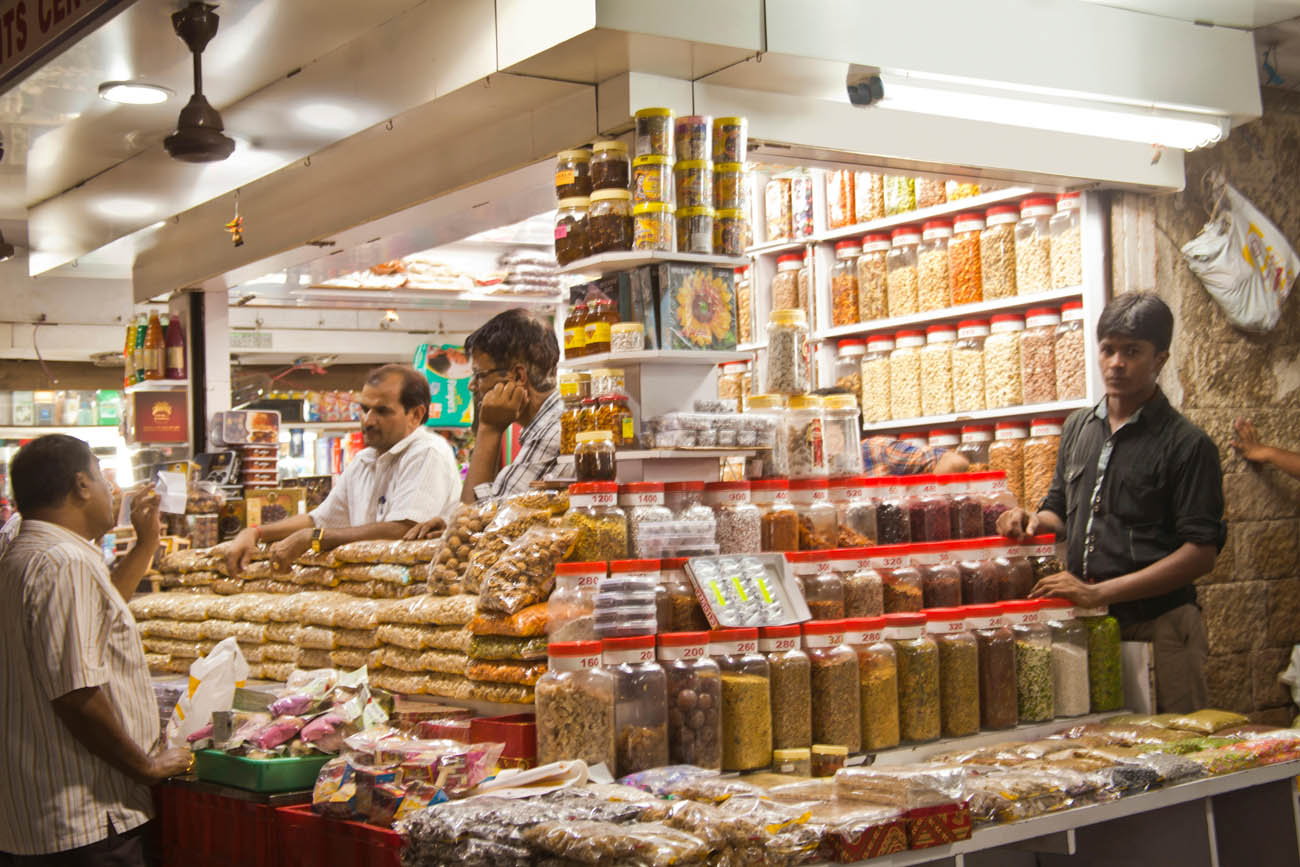
Image credit: ImageDB
Making Efficient, Affordable Fans the New Standard in India
India is one of the places on the planet most at risk of extreme heat. 90% of households rely on fans as their only form of space cooling. CLASP partnered with government and private sector partners to drastically improve fan efficiency, availability, and affordability. A major part of the effort was supporting small and medium enterprises to improve their production capacity.
The impact has been catalytic. Together, CLASP and partners cut energy demand and climate emissions from cooling, while safeguarding jobs, strengthening local supply chains, and making efficient cooling more affordable to the people who need it.
Joining Up with the Modern Energy Cooking Services (MECS) Programme
CLASP joined the UK Aid-supported MECS programme as a core partner alongside Loughborough University and the World Bank’s ESMAP. CLASP now leads on venture building and market shaping, helping e-cooking businesses scale up. In 2025, CLASP launched the Global LEAP Awards Induction Cooktops Competition to identify and promote the most innovative electric cooktops on the market.
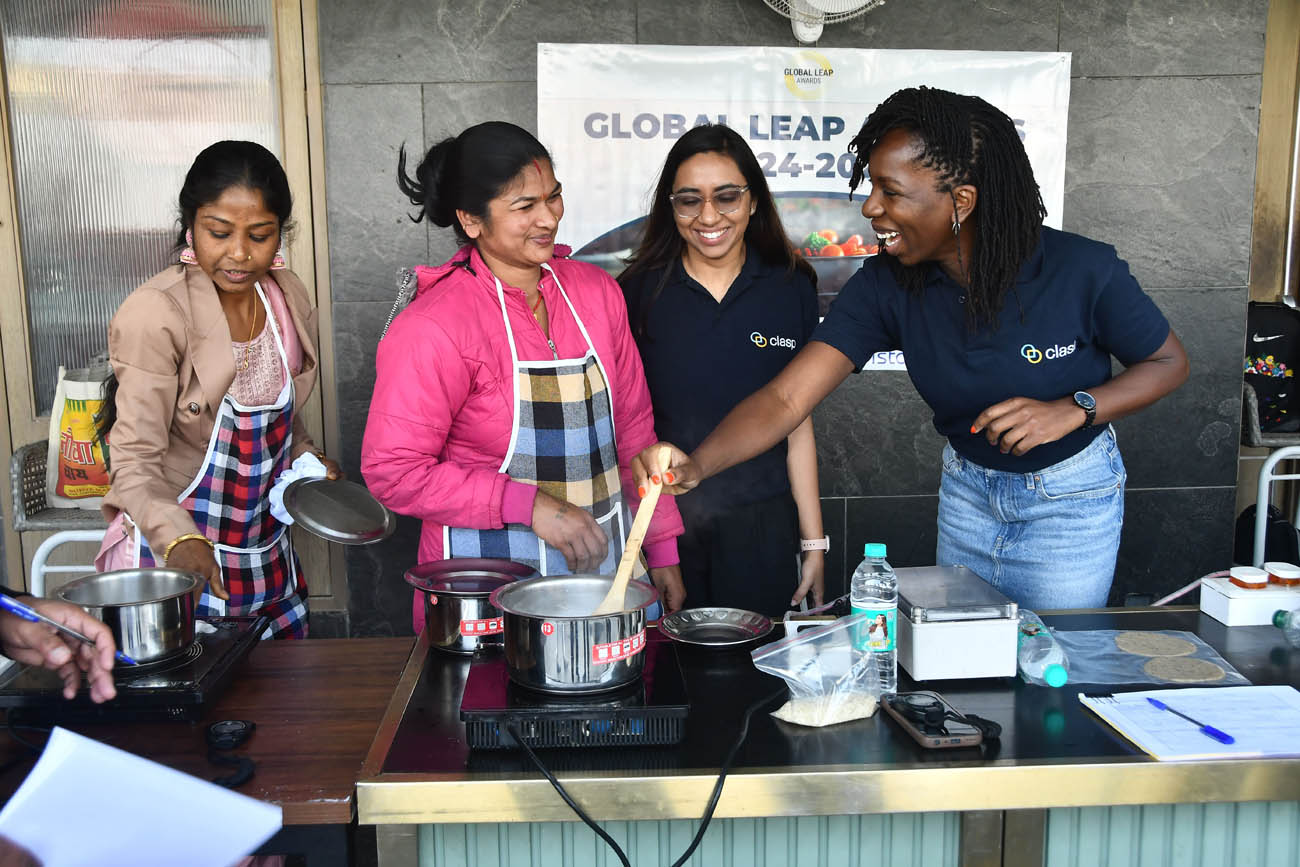
CLASP's Sumedha Awasthy & Nya Abagi at the Global LEAP Awards Induction Cooktops Competition workshop in New Delhi, India.
Image credit: CLASP
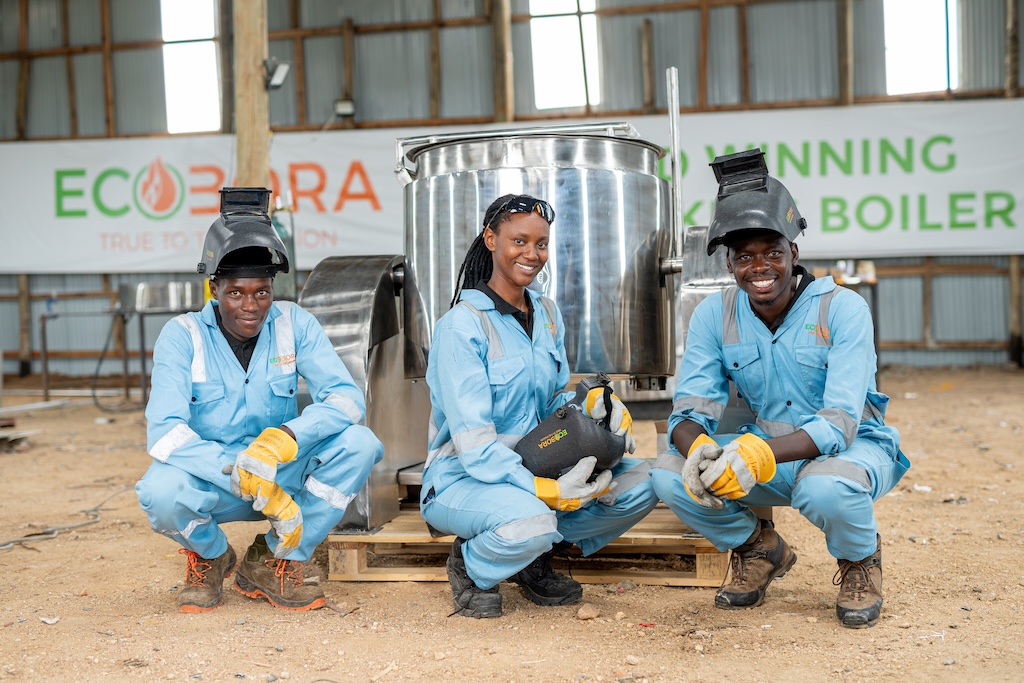
EcoBora, an innovative electric cooking company in Kenya, supported by CLASP through the MECS programme.
Image credit: CLASP
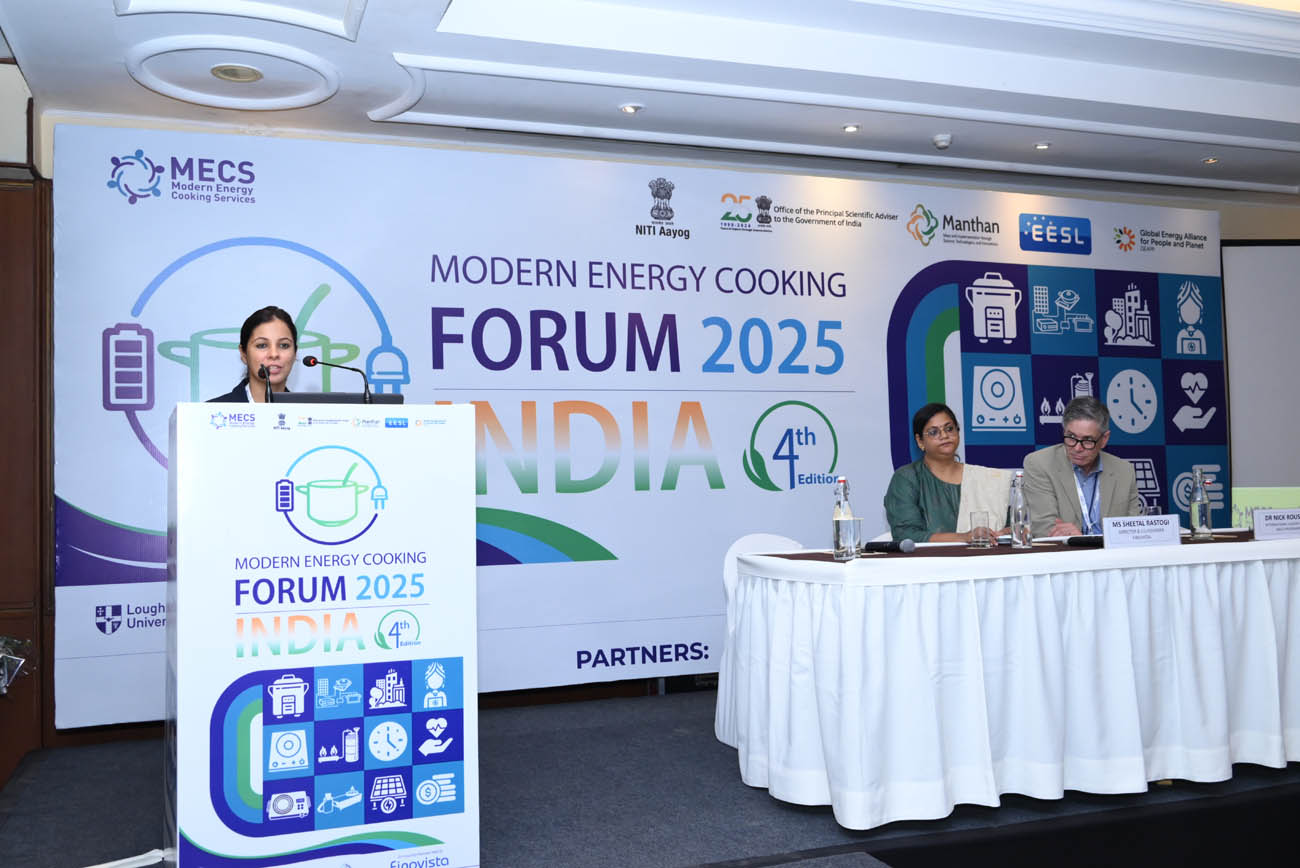
CLASP’s India Director, Neha Dhingra, speaking at the Modern Energy Cooking Forum in New Delhi, India, in September 2025.
Image credit: Finovista
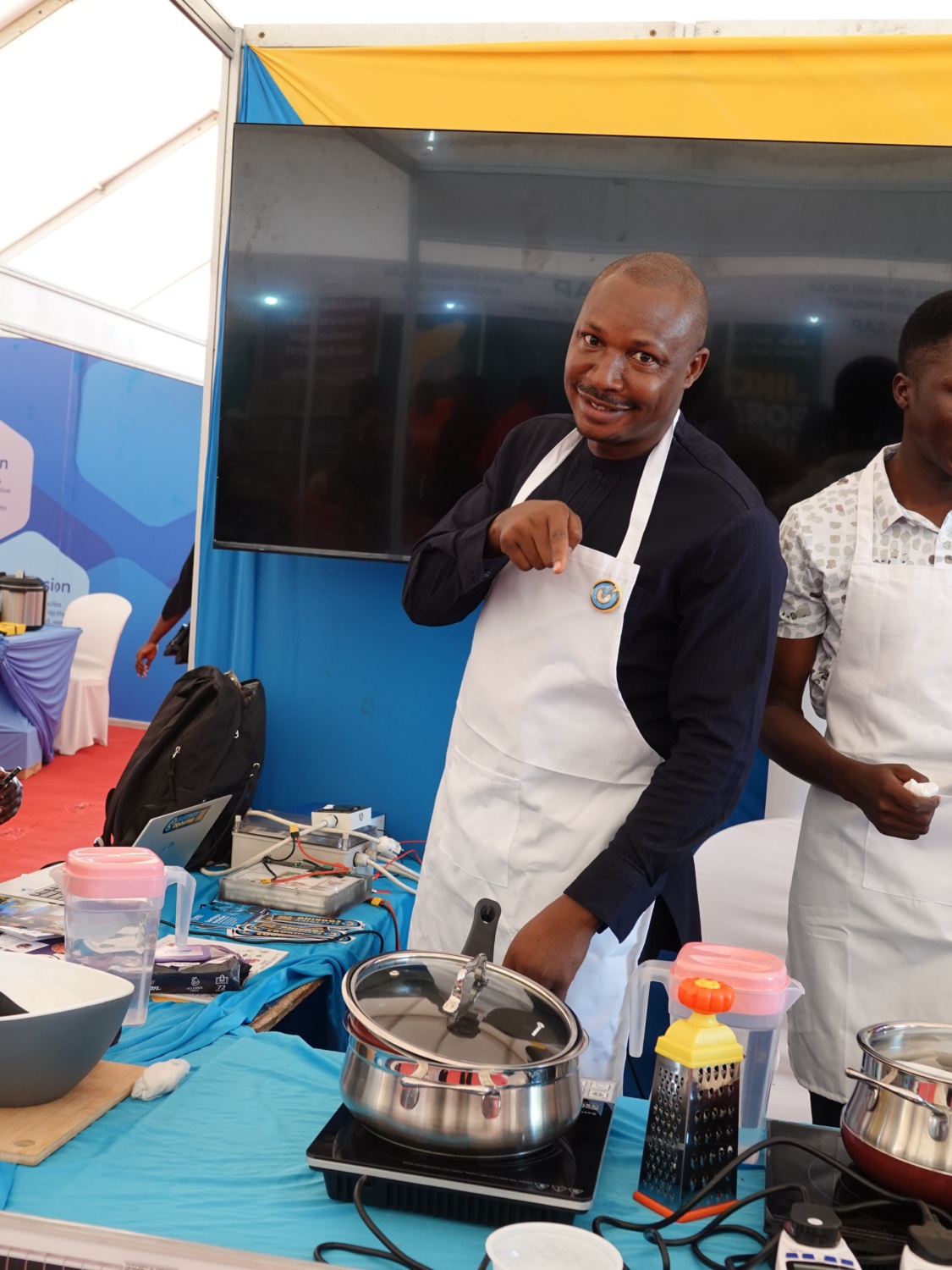
Emmanuel Aziebor, CLASP’s Senior Director, Africa, at Kenya Clean Cooking Week.
Image credit: CLASP
How UK Housing Authorities Can Power the Switch to Electric Cooking
Global Action Plan, in partnership with CLASP, piloted gas-to-electric cooking retrofits in a social housing community in Manchester.
For participating households, switching to electric meant more than lower emissions. It meant breathing more easily in the kitchen, a cleaner and more practical cooking experience, and greater peace of mind for families with young children. Every household preferred its new induction cooktop over gas.
Watch the video:
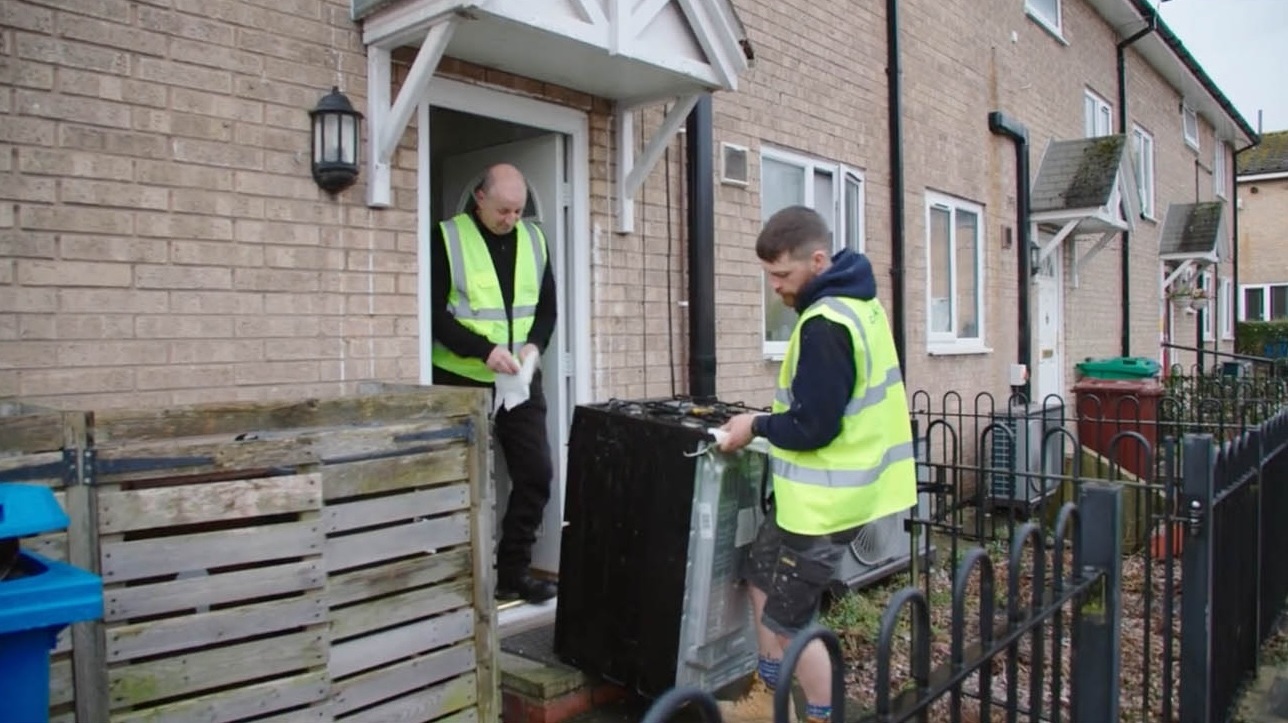
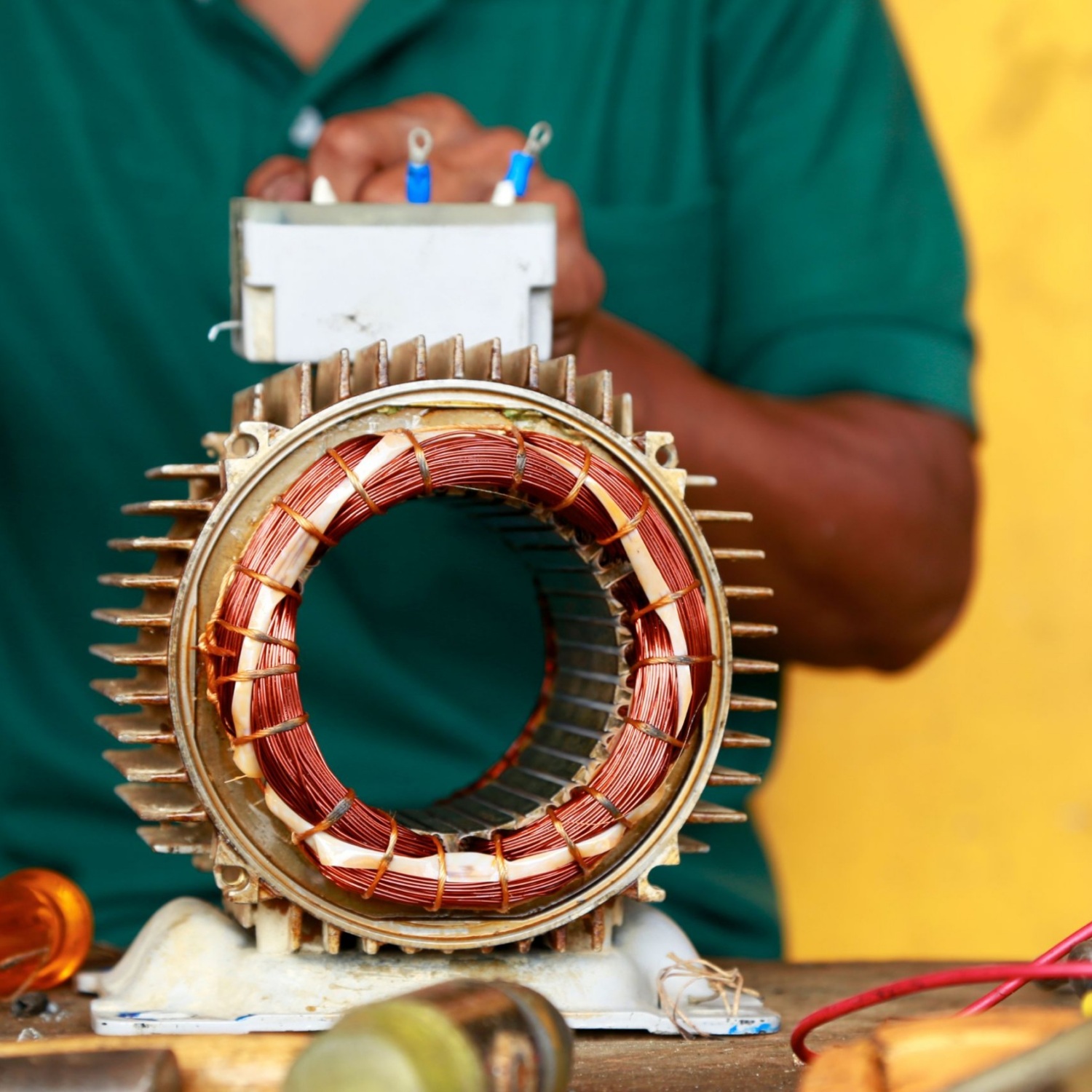
Image credit: CLASP
Economies Can Boom When Powered by Efficient Motor Systems
Industrial motor systems are the invisible heartbeat of economic development. Universally used across industrial facilities, they power the production of goods like metals, paper, cement, textiles, and packaged food. Motor systems are also ferocious energy consumers, due to their function and prevalence. Without intervention, and in step with global economic development and industrialization, by 2050 motor systems will account for 35% of global electricity demand and 19% of energy related emissions. CLASP is taking action on this priority appliance in the fight for Net Zero, identifying high impact opportunities at national and global scales to drive up efficiency, slash emissions, and boost economic progress.

Image credit: CLASP
In Brazil, Partnering for Change
Ahead of COP30 in Brazil, CLASP joined forces with science communication agency Bori to drive national awareness of the benefits of appliance efficiency. Our InfoEnergia Mentorship was an 8-week, in-depth workshop that connected 25 journalists with experts and expertise to produce smart, contextualized reporting on appliance efficiency and its social, economic, and environmental impacts. Robust local journalism is a key element of durable climate policy.
Elevating Appliance-Centered Solutions at COP30
At COP 30 in Brazil, appliance and equipment energy efficiency stood out as a powerful climate solution, driving job creation, energy security, and adaptive capacity. CLASP provided expert testimony on the power of appliance efficiency solutions.

CLASP’s Bishal Thapa participated in discussion on space cooling solutions, offering insights about the benefits of efficient cooling technologies that slash emissions.
Image credit: CLASP

CLASP’s Edilaine Camillo moderated a conversation on the principal role of efficiency in Brazil’s energy transition during an agency-led day of efficiency themed events.
Image credit: CLASP

CLASP’s Bishal Thapa took part in a panel hosted by Casa Civil to speak about the role of energy efficiency policy in Brazil’s reindustrialization strategy.
Image credit: CLASP
Insights driving action
Delivering COP28’s Doubling Efficiency Goal Through Appliances
Appliance efficiency will play a critical role in meeting the COP28 commitment to double the global rate of energy efficiency improvement by 2030. CLASP research found it could deliver 20% of the energy savings needed, highlighting the value of strong standards, clear targets, and international collaboration.
The Missing Piece of Energy Access
666 million people, most of them in Africa, lack access to electricity. 2025 CLASP research shows that directing just 15% of existing energy investments toward efficient appliances can generate the demand needed to make grid expansions financially viable and help those currently living without electricity gain access to healthier, more productive lives.
Finances
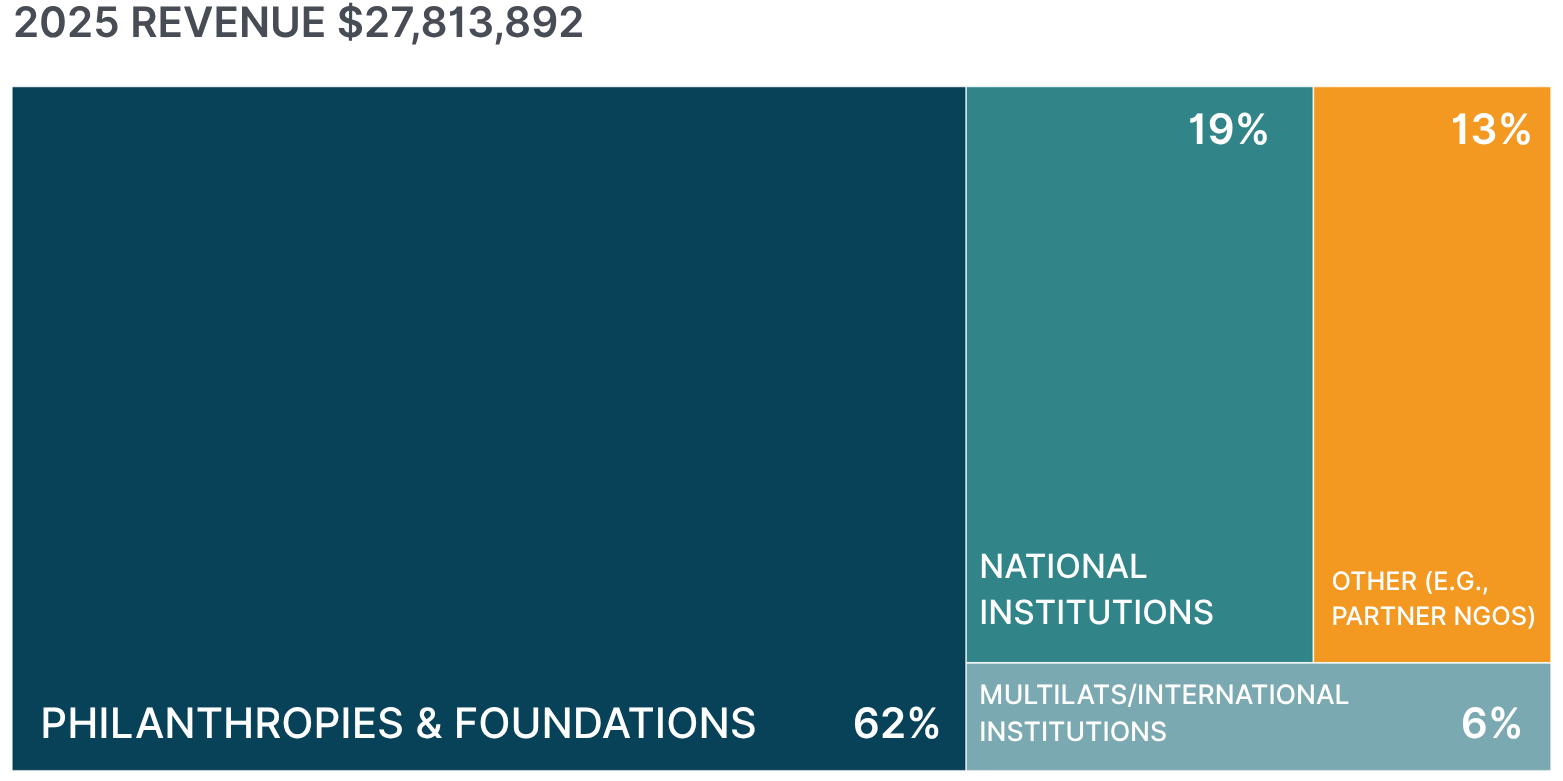
- Revenue by donor type
- Expenses by region
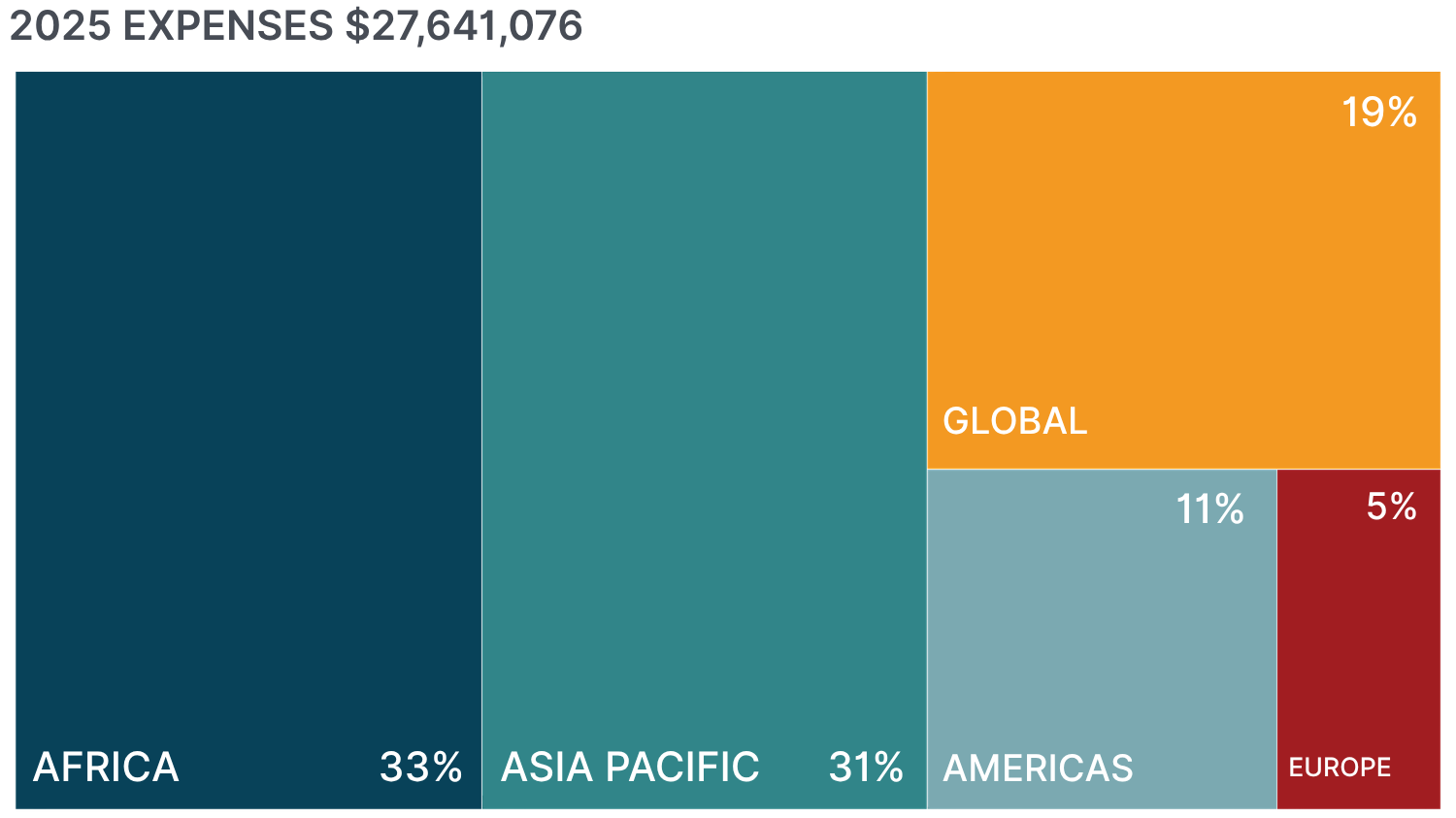
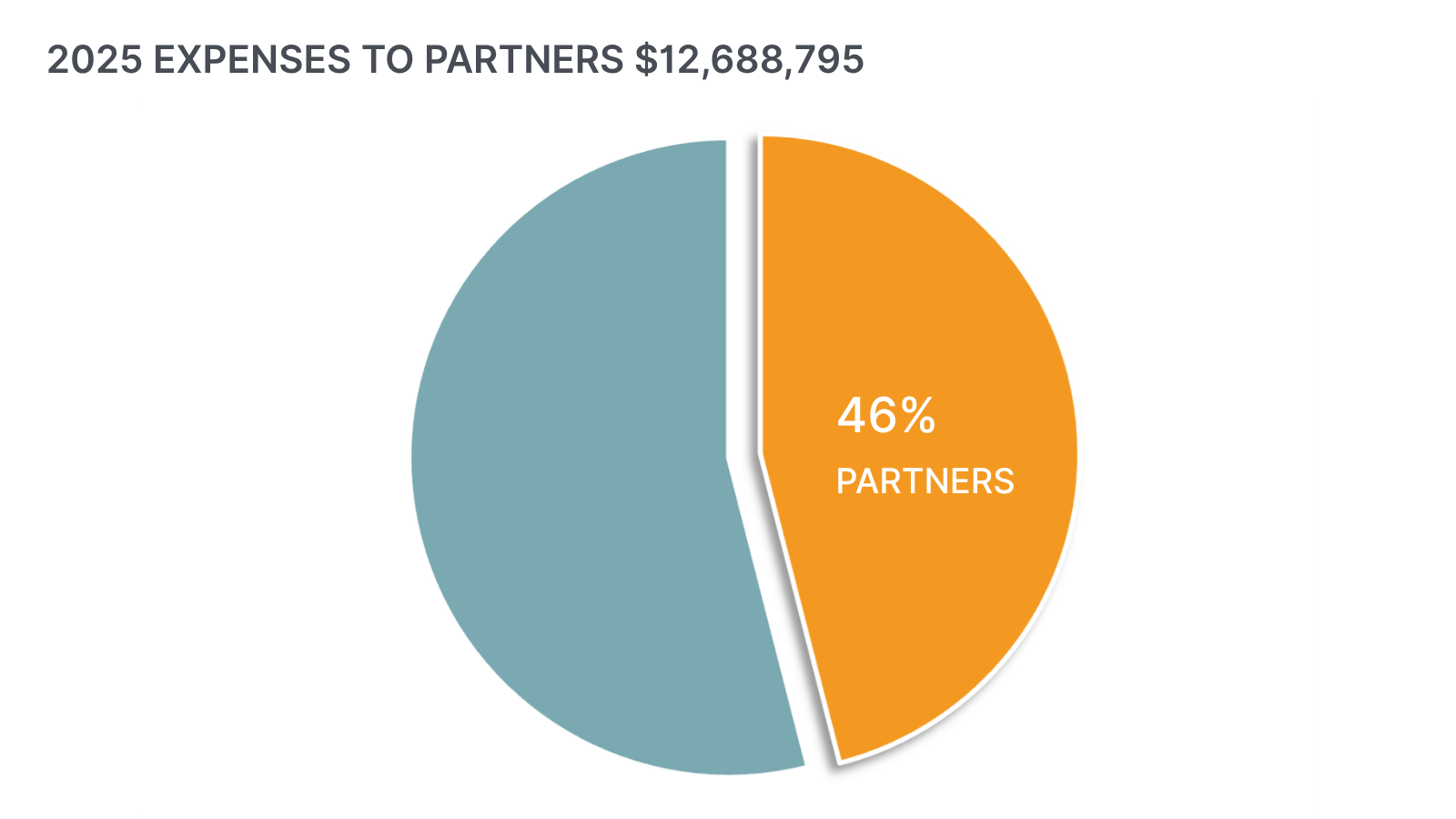
- CLASP collaborates with a global network of partners. In 2025, CLASP channeled nearly half our resources to civil society and energy groups, innovators, academic institutions, and experts — essential partners in changing the way we use energy.
About CLASP
Efficient appliances and equipment are essential drivers of economic growth and a fast, practical energy transition. With over 25 years of expertise and offices on five continents, CLASP collaborates with governments, industry leaders, and other experts to change the way we use energy.
We’re proud of what our team and partners achieved in 2025, driving progress for a better world. In 2026, we remain committed to championing appliance efficiency as a powerful solution for people, prosperity, and planet.
Solar Appliance Repairability Index Series
Solar appliances often constitute a significant financial investment, especially for those living in off-grid regions where recycling is also limited. Enhancing appliance repairability aims to protect consumer investment and the environment by incentivising designs that are easier to repair or refurbish.
This Solar Appliance Repairability Index Series consists of an introductory paper that outlines the findings of current repair practices and key criteria for assessing repairability, as well as a repair index for solar water pumps, fans, and refrigerators.
The introductory paper, “Closing the Loop: Enhancing Repairability in the Solar Appliance Market,” synthesises field research in Kenya and interviews with 32 stakeholders. Findings reveal that the repair of solar appliances is currently managed in an informal, uncoordinated way. This poses challenges to the sustainability of the solar appliance sector, including:
- Knowledge gaps
- Access to repair services
- Missed job opportunities
The Repairability Index for Solar Fans, Refrigerators, and Water Pumps provides a structured framework to assess how easily an appliance can be repaired across four core parameters:
- Spare parts and tools
- Disassembly
- Skills complexity
- Documentation
The Repairability Index is intended to serve as a practical decision-making tool for manufacturers, distributors, program implementers, and policymakers.
About Efficiency for Access
Efficiency for Access is a global coalition working to promote renewable and energy efficient appliances to deliver clean energy to the world’s poorest people. It is coordinated jointly by CLASP and the UK’s Energy Saving Trust.
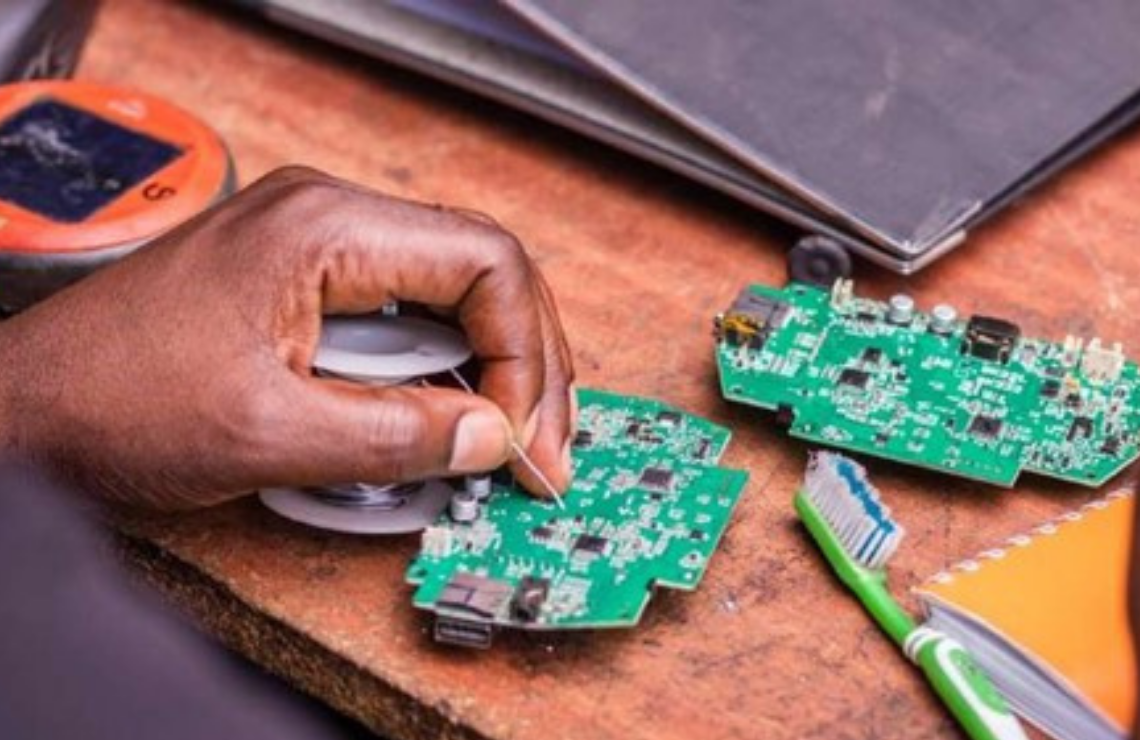
The Repair Index Calculator
The Repair Index Calculator is CLASP’s interactive tool to assess how easy or difficult it is to repair an appliance that has broken down.
Launch the calculator