Making Efficient, Affordable Fans the New Standard in India
CLASP and partners worked across policy, market, and technical assistance to local manufacturers to transform the Indian fans market.
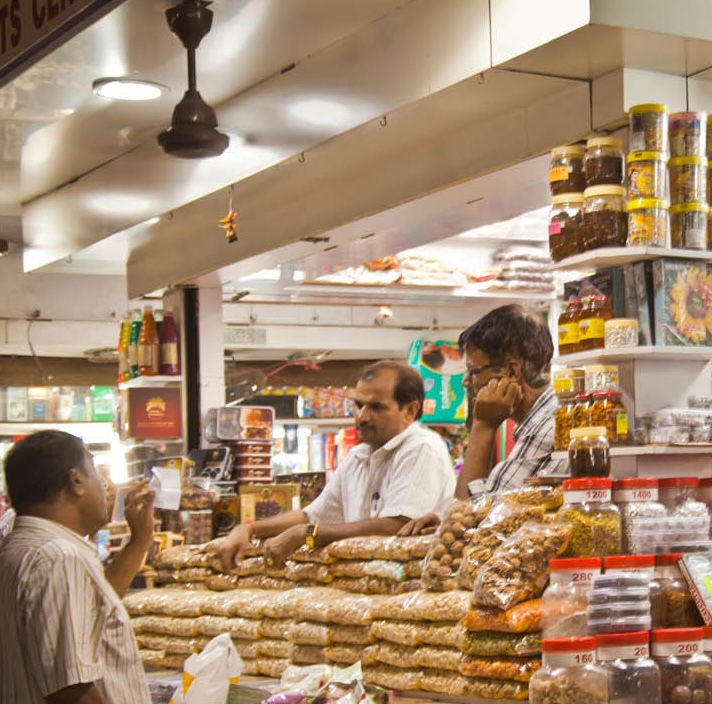
With temperatures soaring globally due to climate change, India is one of the places on the planet most at risk of extreme heat. Ceiling fans are widely used, with 90% of households relying on fans as their only form of space cooling.
Over a period of three years, CLASP partnered with both the Indian government and private sector to drastically improve the affordability and availability of efficient fans. A major part of the effort was working with small and medium enterprises to build their capacity to produce more efficient fans.
The results have been catalytic. Together, CLASP and our partners have cut energy demand from cooling, while safeguarding jobs and strengthening local supply chains, and making efficient fans more affordable to the people who need them.
A Systems Approach to Efficient Cooling Access
For many households in India, a ceiling fan can turn a space from unbearable to livable, enabling productivity, schoolwork, comfort, and health. With total stock projected to reach 1 billion by 2038, improving fan efficiency represents a major opportunity to cut energy demand. At the beginning of this project, fans accounted for about 40% of residential electricity consumption.
In 2023, CLASP supported India’s Bureau of Energy Efficiency to improve the energy efficiency policy for ceiling fans. The policy enacted a huge shift in the market, making formerly 5-star labeled fans (most efficient) now 1-star (least efficient), and raising the baseline efficiency by over 25%.
Meeting these standards, however, was challenging for medium and small enterprise (MSME) manufacturers, which produced roughly 40% to 50% of fans. Without support, these manufacturers risked losing their market share, which would lead to job losses, a weakened domestic supply chain, and, subsequently, over-reliance on imports to meet cooling demand in India.
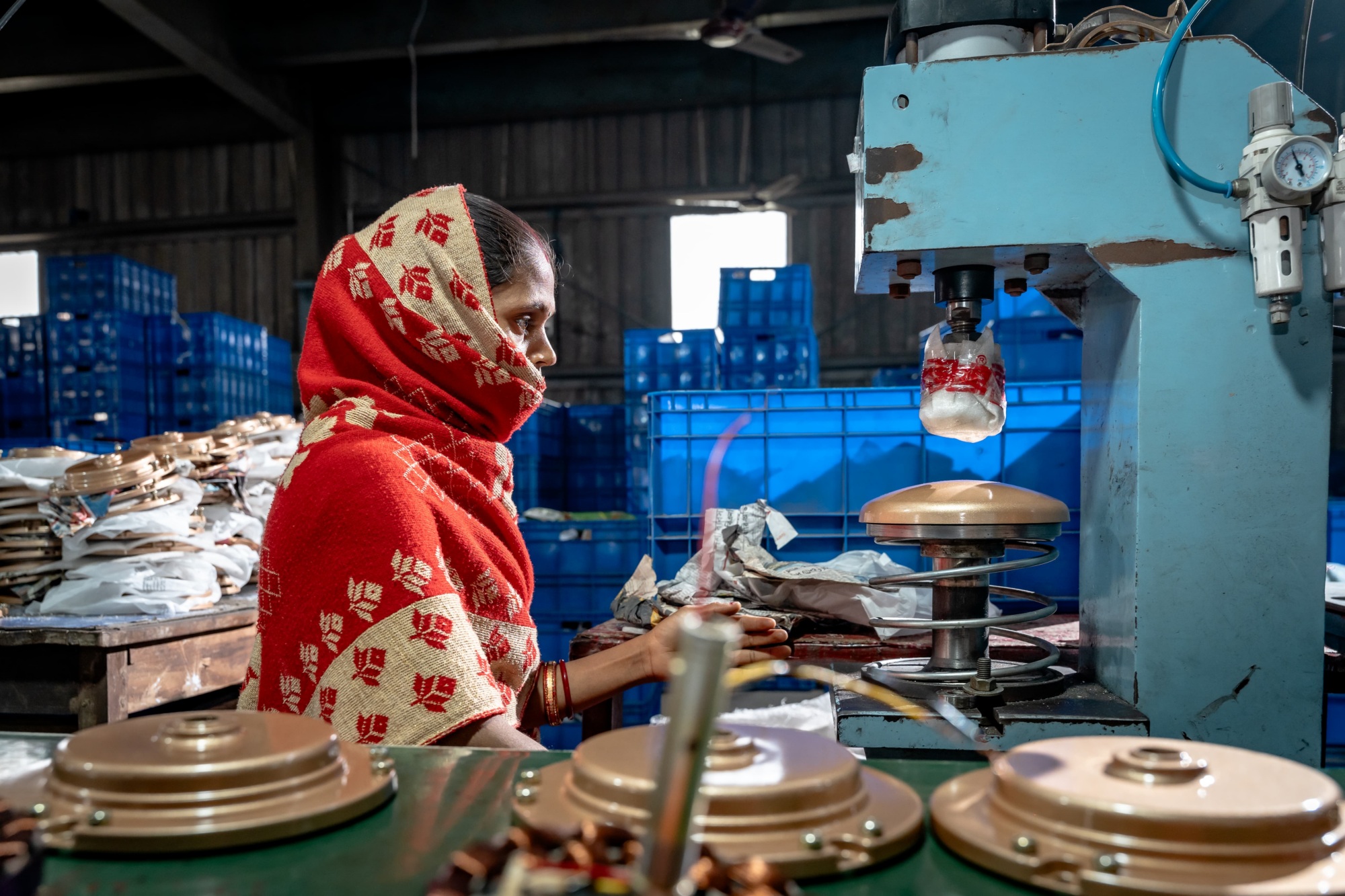
Fan manufacturing facility in Kolkata, India
Image credit: CLASP
To prevent this, CLASP worked closely with MSMEs to build their capacity to produce more efficient fans and participate in functions of the policy program, including testing, certification, and technical committees. MSMEs now have a seat at the table in the policy process, further edifying domestic businesses and contributing to long-term policy durability.
CLASP also partnered with Energy Efficient Services Limited, a state-owned energy service company, to develop a bulk procurement initiative for super-efficient fans. The initiative sought to drive down the cost of 5-star, or most efficient, ceiling fans through economies of scale, ensuring they were more available and affordable to a wider range of consumers.
Better Cooling for People, Prosperity & Planet
More efficient cooling supports India’s national climate goals and Thermal Comfort for All agenda. But this initiative also demonstrates that holistic climate action can strengthen businesses, energy security, and benefit regular people.
Our impact in numbers:
- Cut 159 Mt CO2 by 2050 and reduced demand by 218 TWh
- Lowered ceiling fan purchase price by over 25%
- 3x more manufacturers producing the technology
- Tripled the number of 5-star labelled, or most efficient fans, available on the market, with production volumes increasing by 63%
- 65% increase in medium and small enterprise participation in the policy program