
2025 CLASP Annual Report
Collective action for people,
prosperity, and planet.
A note from CLASP’s CEO,
Christine Egan
Appliance and equipment energy efficiency is a triple-win for people, planet, and prosperity. In a time of multiplying global crises, it stands out as a durable climate solution and key element of smart decarbonization strategies. It also creates jobs and improves livelihoods, enhances energy security and food system resilience, and helps people adapt to a changing climate.
Looking back at 2025, I’m wowed by the work of CLASP’s global team and dedicated partners, and the focus of the decisionmakers we support. Through purposeful collaboration, we forged the policy instruments, finance, and intelligence to drive positive momentum.
Together, we are changing the way we use energy.

2025 by the numbers:
4.6 Gt 18 CLASP-supported appliance and equipment efficiency policies will avoid 4.6 gigatons of CO2 by 2050, improving planetary and human health and saving money.
30K+ Over 30,000 people experienced improved health and livelihoods via access to efficient, solar powered appliances and equipment.

Skyline of Jakarta, Indonesia
Image credit: CLASP
Elevating Appliance Efficiency in National Climate Commitments
What we did
Ahead of COP30, CLASP led a global campaign to improve inclusion of appliance and equipment energy efficiency in national climate goals (nationally determined contributions or NDCs).
How we did it
Through our Net Zero Appliance NDC Toolkit and bespoke support for governments around the globe, CLASP elevated appliance efficiency policy as a key climate mitigation solution. Now, appliance and equipment efficiency policy is included in 90% of all submitted NDCs—up from below 50% in the last cycle.

Image credit: CLASP
Powering Africa’s Green Economy
Solar-powered appliances and equipment turn energy into opportunity, helping small businesses generate jobs and income. In 2025, CLASP re-launched our innovative Productive Use Financing Facility to make it cheaper and easier for entrepreneurs, farmers, and small businesses in Ethiopia, Kenya, and Nigeria to buy solar-powered appliances and equipment that power livelihoods. Last year, CLASP partnered with 11 companies to drive jobs and economic growth in Africa’s informal and agricultural sectors, which make up 70-80% of African economies.
Slashing Emissions Through Smart Policy
Australia
National leaders passed a lighting policy that will transition Australia’s market to an all-LED future and avoid 41 Mt of CO₂ by 2050, informed by CLASP-led analysis.
Brazil
Policymakers made strides in Brazil’s LED transition with CLASP’s support, approving a lighting policy package that will slash nearly 3 Mt CO₂ by 2050.
China
CLASP supported seven major policy updates, including for compressed air systems, refrigerators, and water pumps. Altogether, the new policies are estimated to cut nearly 3 Gt CO₂ by 2050.
India
CLASP supported the advancement of policies for space cooling appliances that will place India among global leaders in efficiency and cut 1.2 Gt CO₂ by 2050.
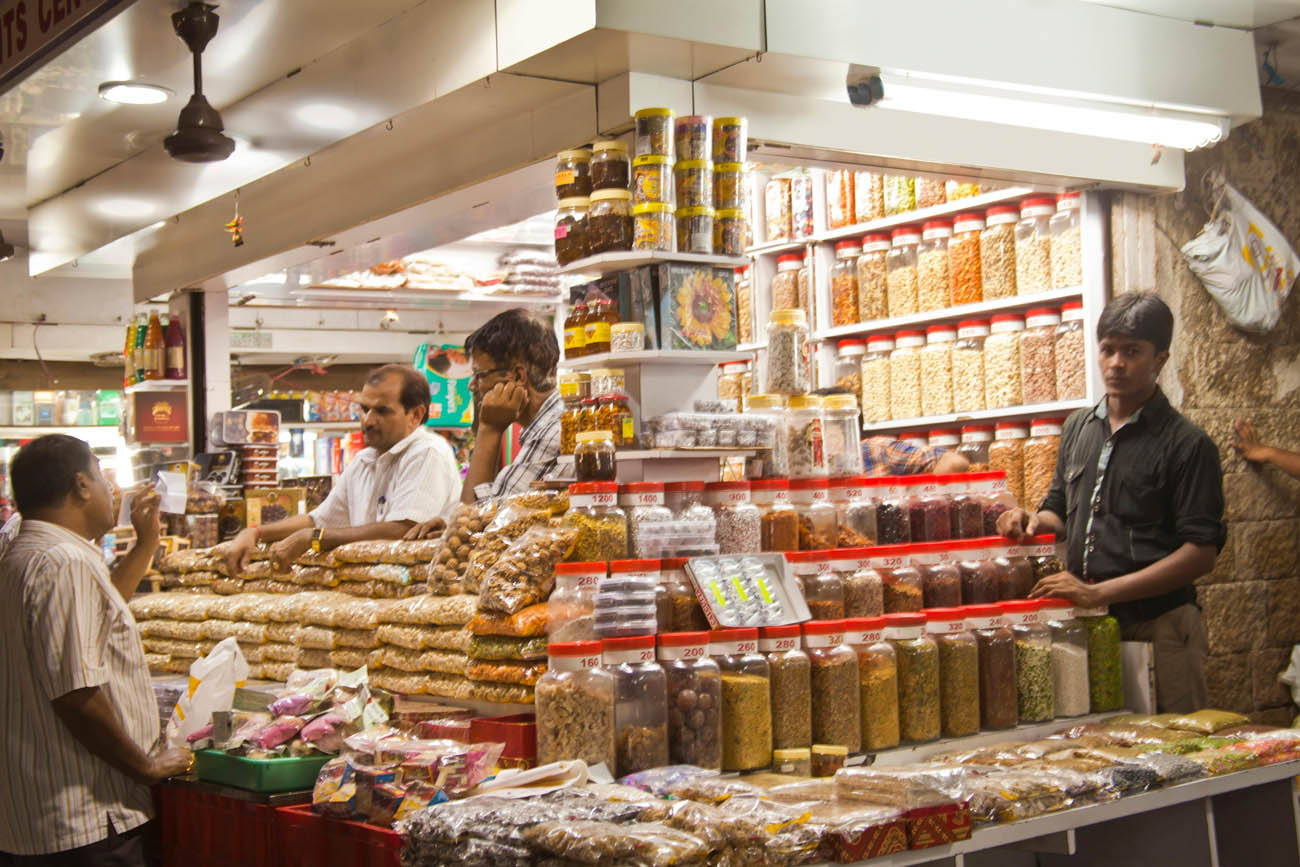
Image credit: ImageDB
Making Efficient, Affordable Fans the New Standard in India
India is one of the places on the planet most at risk of extreme heat. 90% of households rely on fans as their only form of space cooling. CLASP partnered with government and private sector partners to drastically improve fan efficiency, availability, and affordability. A major part of the effort was supporting small and medium enterprises to improve their production capacity.
The impact has been catalytic. Together, CLASP and partners cut energy demand and climate emissions from cooling, while safeguarding jobs, strengthening local supply chains, and making efficient cooling more affordable to the people who need it.
Joining Up with the Modern Energy Cooking Services (MECS) Programme
CLASP joined the UK Aid-supported MECS programme as a core partner alongside Loughborough University and the World Bank’s ESMAP. CLASP now leads on venture building and market shaping, helping e-cooking businesses scale up. In 2025, CLASP launched the Global LEAP Awards Induction Cooktops Competition to identify and promote the most innovative electric cooktops on the market.

CLASP's Sumedha Awasthy & Nya Abagi at the Global LEAP Awards Induction Cooktops Competition workshop in New Delhi, India.
Image credit: CLASP
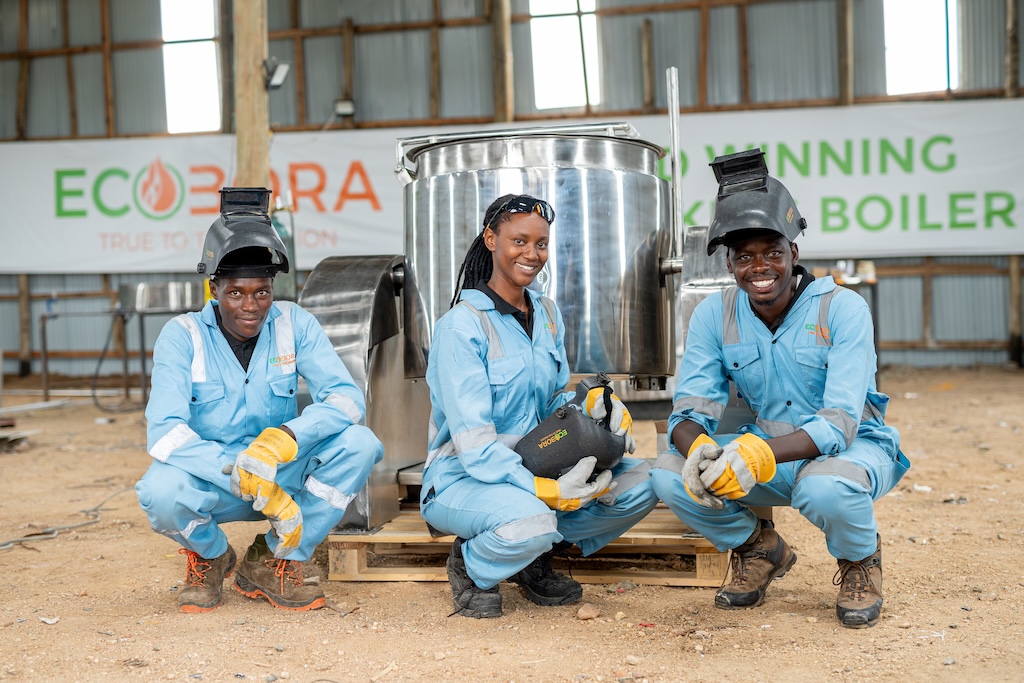
EcoBora, an innovative electric cooking company in Kenya, supported by CLASP through the MECS programme.
Image credit: CLASP
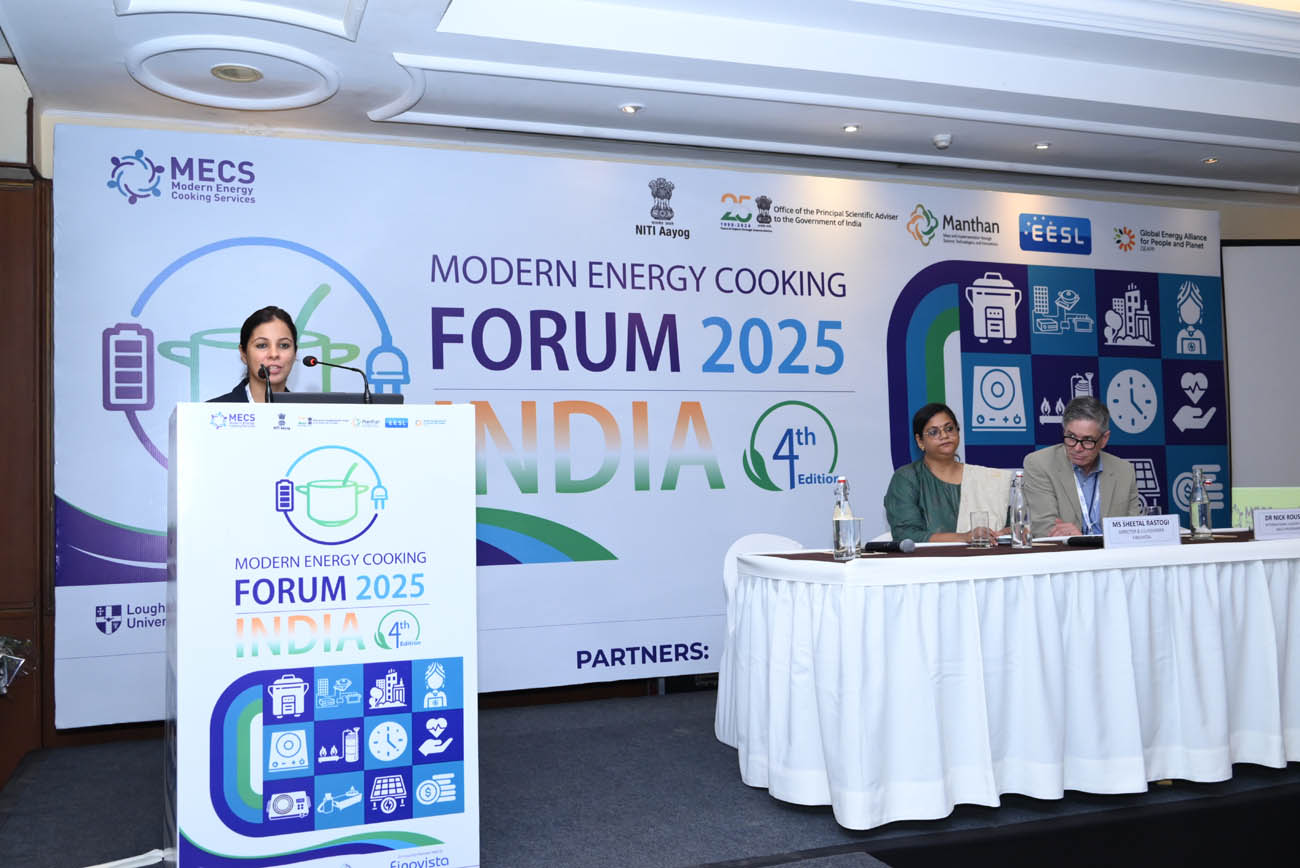
CLASP’s India Director, Neha Dhingra, speaking at the Modern Energy Cooking Forum in New Delhi, India, in September 2025.
Image credit: Finovista
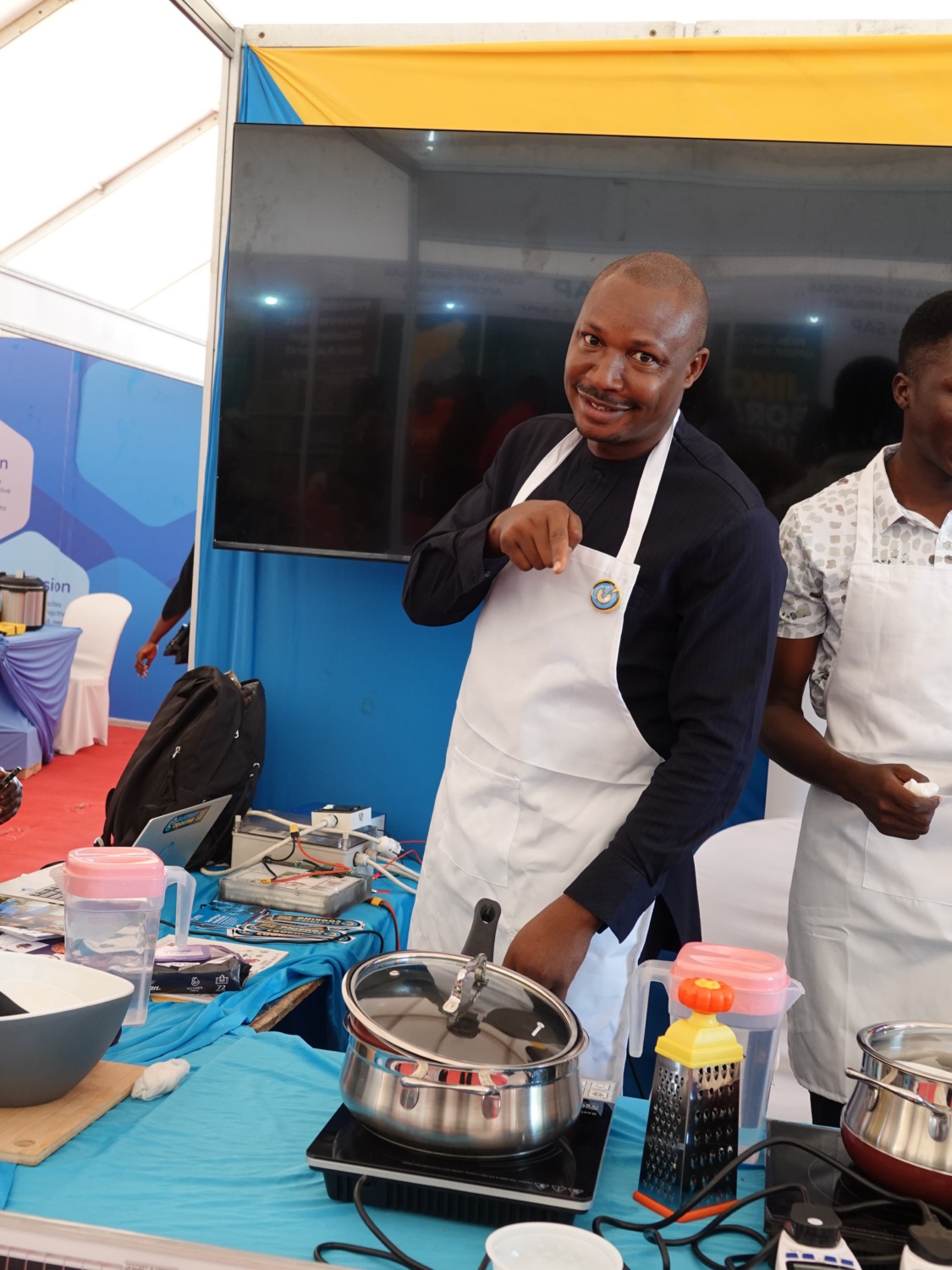
Emmanuel Aziebor, CLASP’s Senior Director, Africa, at Kenya Clean Cooking Week.
Image credit: CLASP
How UK Housing Authorities Can Power the Switch to Electric Cooking
Global Action Plan, in partnership with CLASP, piloted gas-to-electric cooking retrofits in a social housing community in Manchester.
For participating households, switching to electric meant more than lower emissions. It meant breathing more easily in the kitchen, a cleaner and more practical cooking experience, and greater peace of mind for families with young children. Every household preferred its new induction cooktop over gas.
Watch the video:
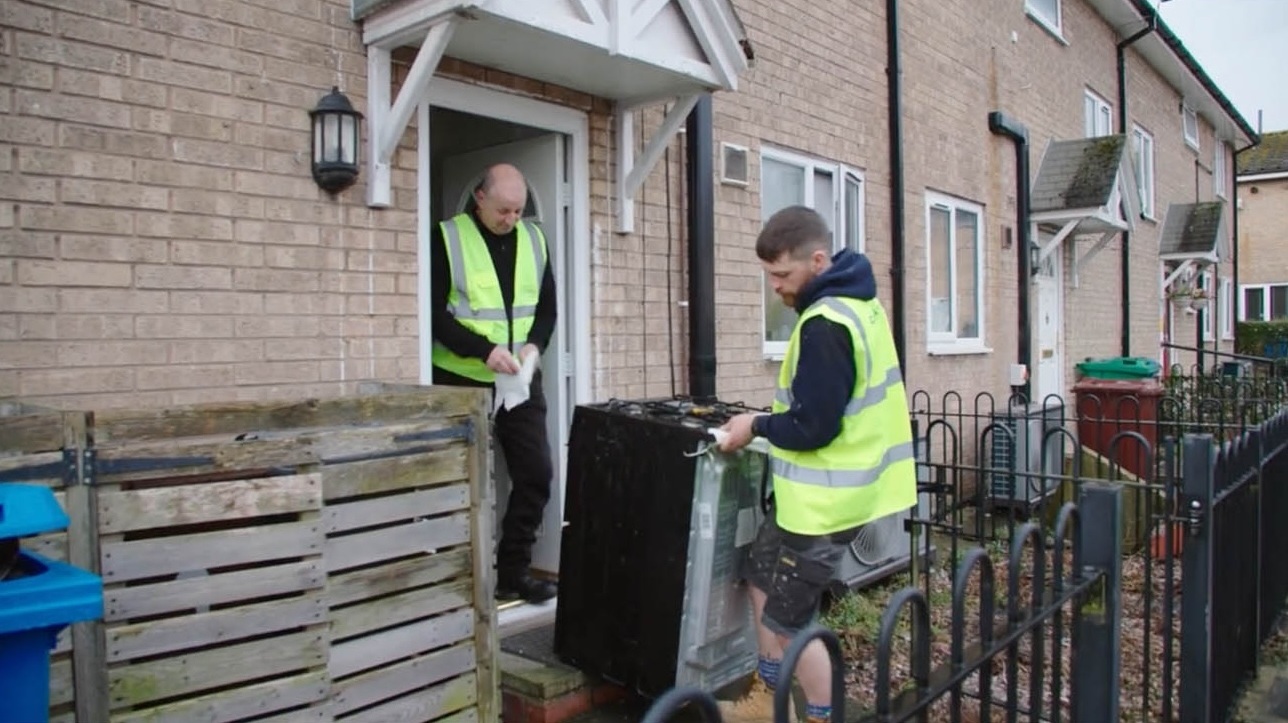
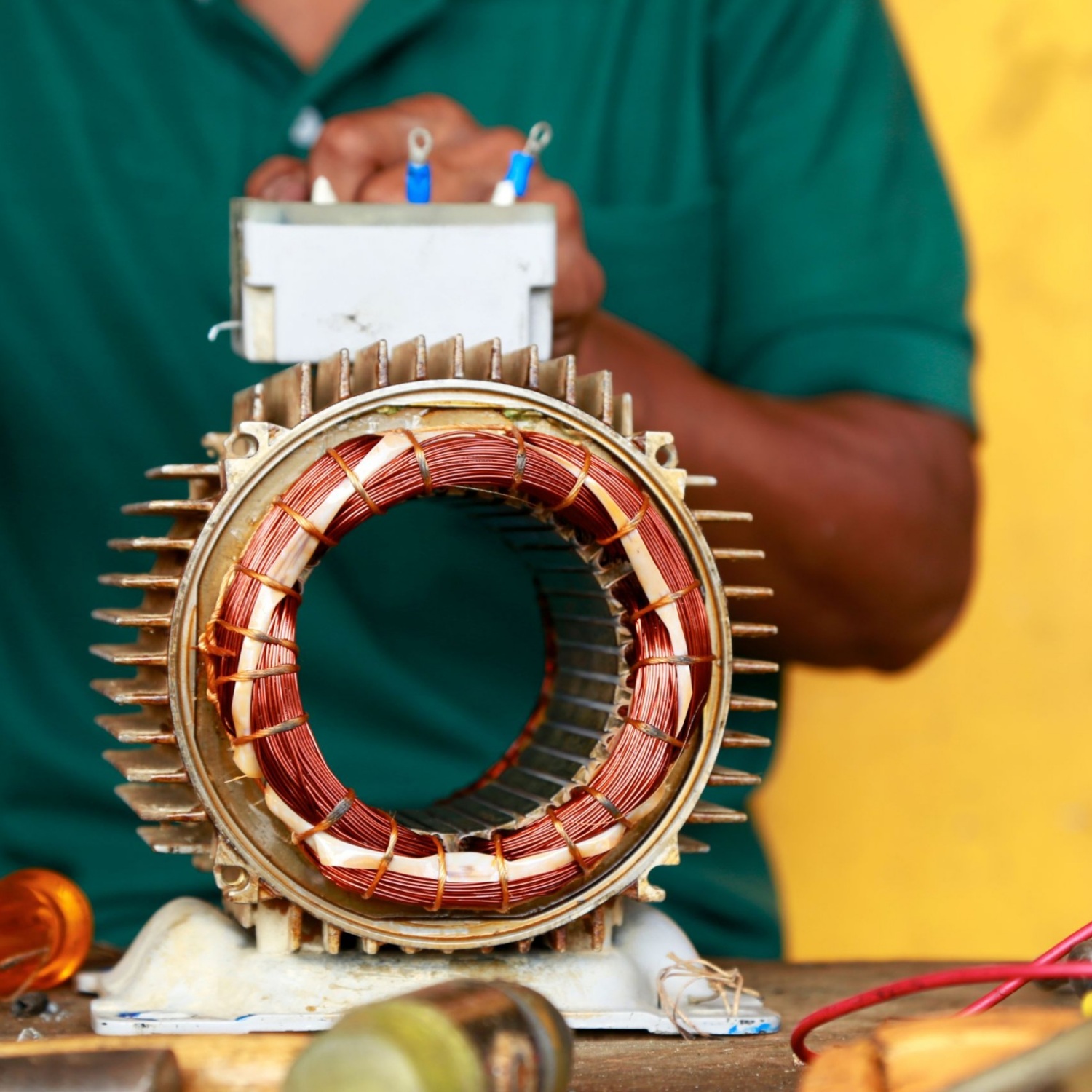
Image credit: CLASP
Economies Can Boom When Powered by Efficient Motor Systems
Industrial motor systems are the invisible heartbeat of economic development. Universally used across industrial facilities, they power the production of goods like metals, paper, cement, textiles, and packaged food. Motor systems are also ferocious energy consumers, due to their function and prevalence. Without intervention, and in step with global economic development and industrialization, by 2050 motor systems will account for 35% of global electricity demand and 19% of energy related emissions. CLASP is taking action on this priority appliance in the fight for Net Zero, identifying high impact opportunities at national and global scales to drive up efficiency, slash emissions, and boost economic progress.

Image credit: CLASP
In Brazil, Partnering for Change
Ahead of COP30 in Brazil, CLASP joined forces with science communication agency Bori to drive national awareness of the benefits of appliance efficiency. Our InfoEnergia Mentorship was an 8-week, in-depth workshop that connected 25 journalists with experts and expertise to produce smart, contextualized reporting on appliance efficiency and its social, economic, and environmental impacts. Robust local journalism is a key element of durable climate policy.
Elevating Appliance-Centered Solutions at COP30
At COP 30 in Brazil, appliance and equipment energy efficiency stood out as a powerful climate solution, driving job creation, energy security, and adaptive capacity. CLASP provided expert testimony on the power of appliance efficiency solutions.
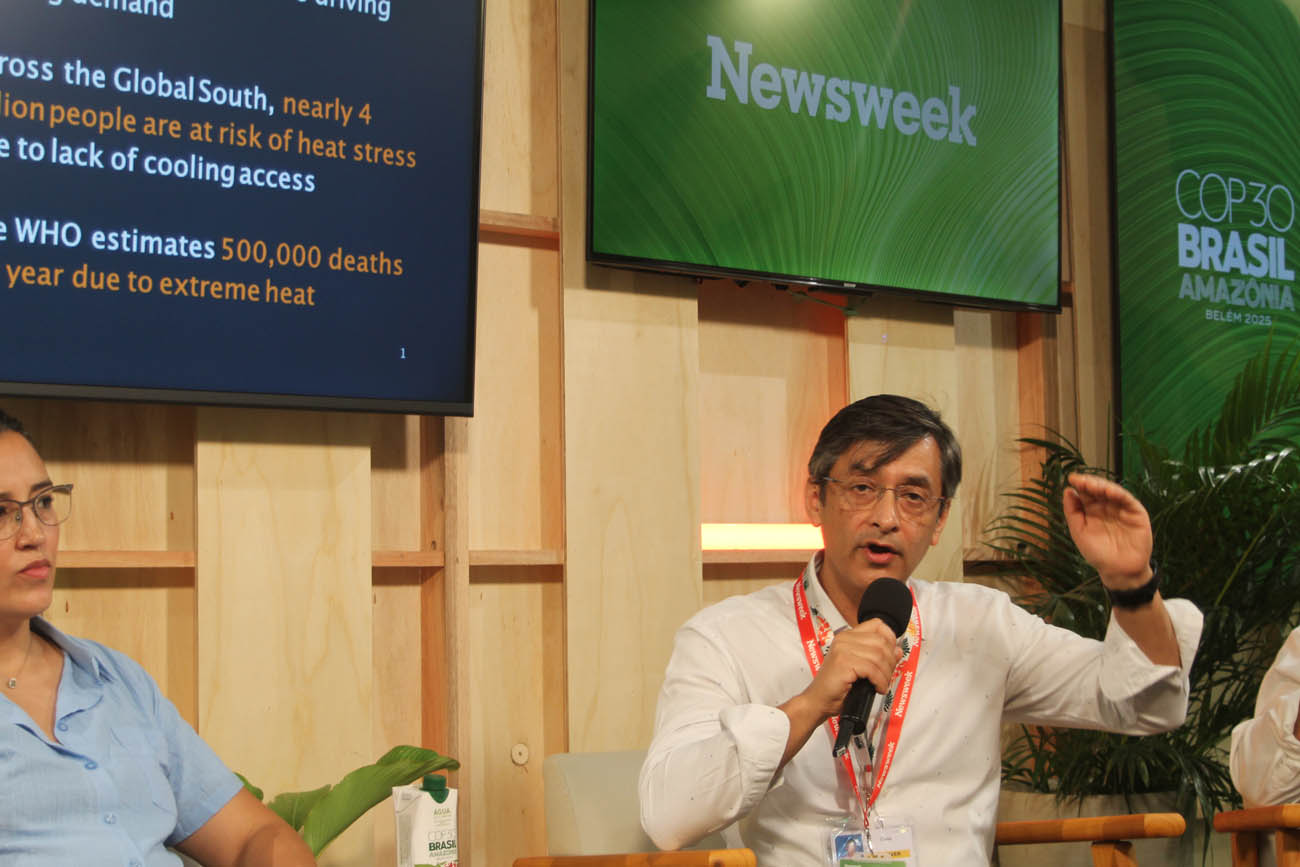
CLASP’s Bishal Thapa participated in discussion on space cooling solutions, offering insights about the benefits of efficient cooling technologies that slash emissions.
Image credit: CLASP

CLASP’s Edilaine Camillo moderated a conversation on the principal role of efficiency in Brazil’s energy transition during an agency-led day of efficiency themed events.
Image credit: CLASP

CLASP’s Bishal Thapa took part in a panel hosted by Casa Civil to speak about the role of energy efficiency policy in Brazil’s reindustrialization strategy.
Image credit: CLASP
Insights driving action
Delivering COP28’s Doubling Efficiency Goal Through Appliances
Appliance efficiency will play a critical role in meeting the COP28 commitment to double the global rate of energy efficiency improvement by 2030. CLASP research found it could deliver 20% of the energy savings needed, highlighting the value of strong standards, clear targets, and international collaboration.
The Missing Piece of Energy Access
666 million people, most of them in Africa, lack access to electricity. 2025 CLASP research shows that directing just 15% of existing energy investments toward efficient appliances can generate the demand needed to make grid expansions financially viable and help those currently living without electricity gain access to healthier, more productive lives.
Finances
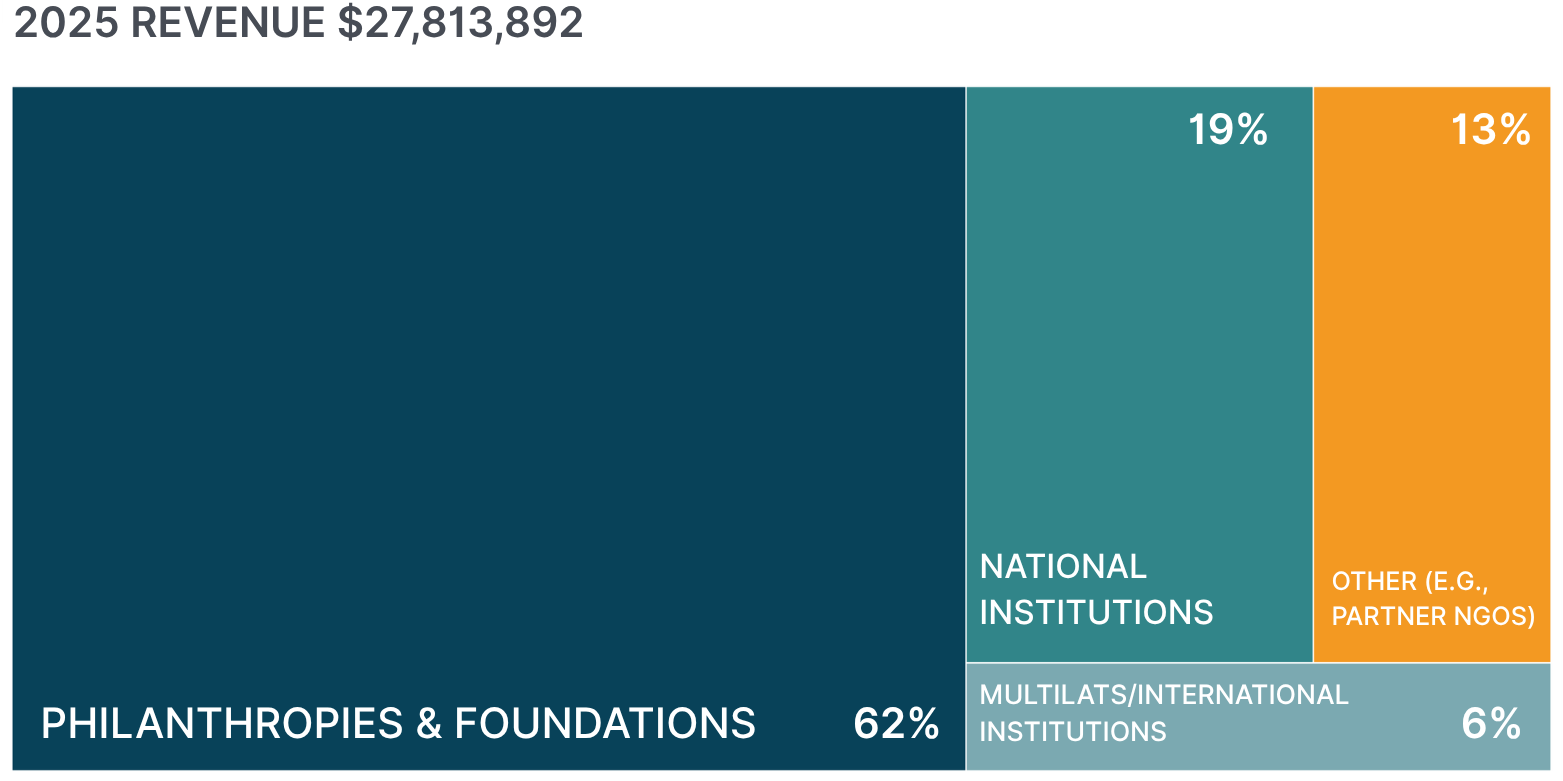
- Revenue by donor type
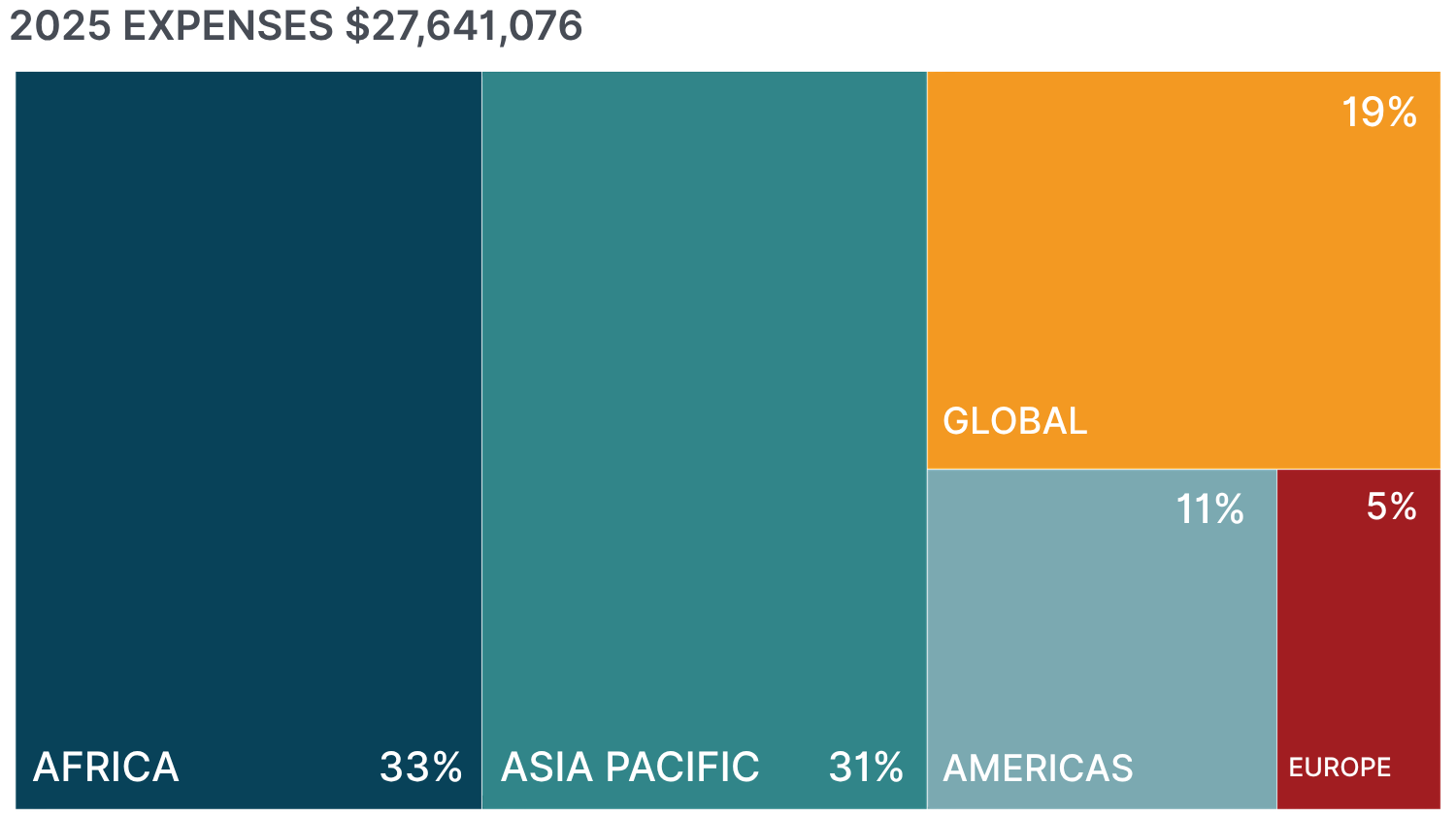
- Expenses by region
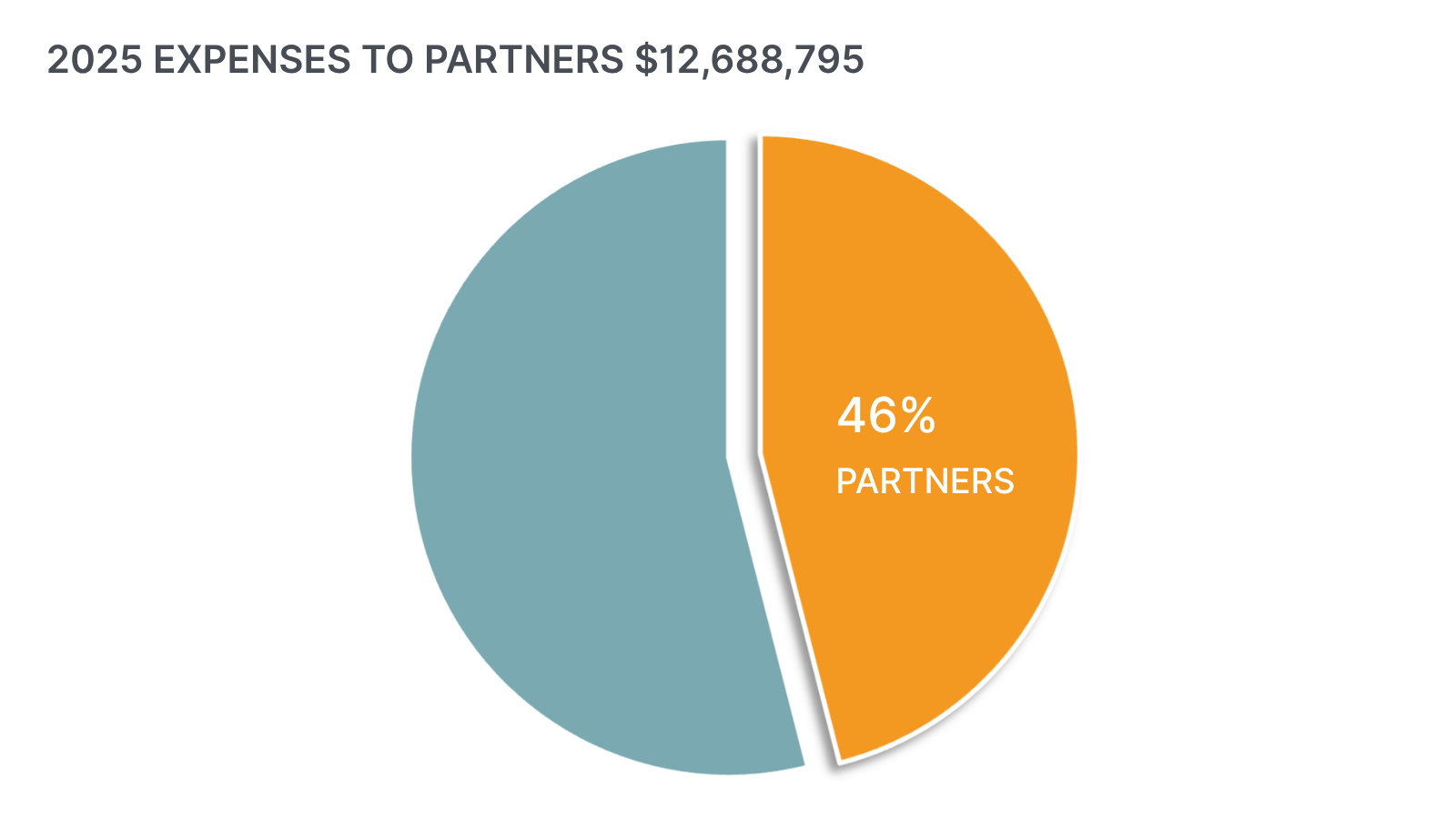
- CLASP collaborates with a global network of partners. In 2025, CLASP channeled nearly half our resources to civil society and energy groups, innovators, academic institutions, and experts — essential partners in changing the way we use energy.
About CLASP
Efficient appliances and equipment are essential drivers of economic growth and a fast, practical energy transition. With over 25 years of expertise and offices on five continents, CLASP collaborates with governments, industry leaders, and other experts to change the way we use energy.
We’re proud of what our team and partners achieved in 2025, driving progress for a better world. In 2026, we remain committed to championing appliance efficiency as a powerful solution for people, prosperity, and planet.
Cooking for Health and Climate: Insights from a UK Retrofit
A shift is underway in how people power their homes across Europe, driven by climate targets and energy security concerns. Much of the momentum has focused on heating and cooling, with fossil fuel boilers being replaced by electric heat pumps and other low-carbon systems. But many kitchens are being left behind.
For over 15 million households in the United Kingdom (UK), cooking with gas is still the norm. This comes with hidden risks, including indoor air pollution from substances like nitrogen dioxide (NO2), carbon monoxide, and benzene. These pollutants carry significant health impacts: NO2 has been linked to asthma, lung disease, and other serious health conditions, and benzene is a known carcinogen. Beyond the health risks, even when not in use, gas stoves can also leak methane, a potent greenhouse gas that contributes to climate change.
A recent pilot project led by Global Action Plan, in partnership with CLASP, shows how switching to electric cooking can significantly improve people’s quality of life, while helping the UK meet its climate goals.
A gas-to-electric cooking retrofit in Manchester
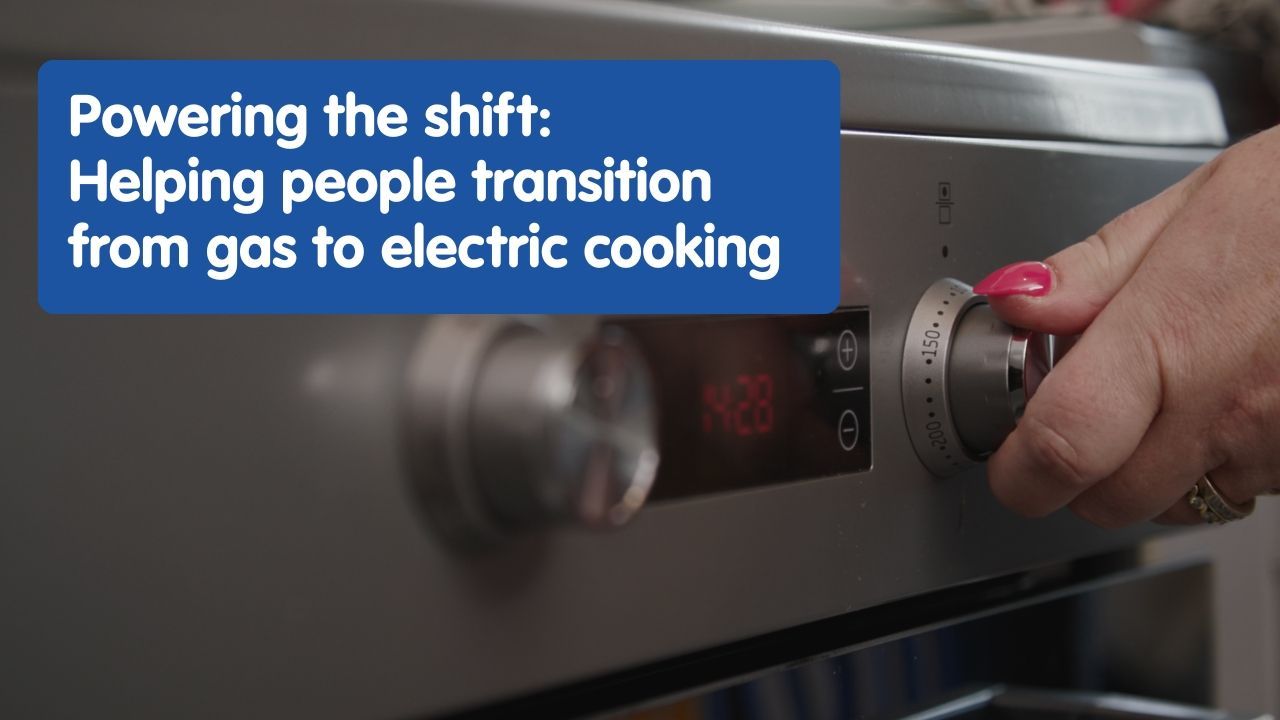
In early 2025, Global Action Plan and CLASP partnered with Greater Manchester Combined Authority, Southway Housing, Beko, B&Q, and Electrolux to launch a social housing retrofit pilot. The goal: Remove gas cookers from ten Manchester homes and replace them with electric ovens and induction cooktops.
Each of the participating households had already completed a heating retrofit, making cooking the final milestone in the journey to full household decarbonization, which would allow them to disconnect from the gas network and remove the standing charge from their energy bills. Residents were surveyed and interviewed before and after the switch, providing valuable insights into the process of transitioning, as well as the benefits of electric cooking.
What the retrofit revealed
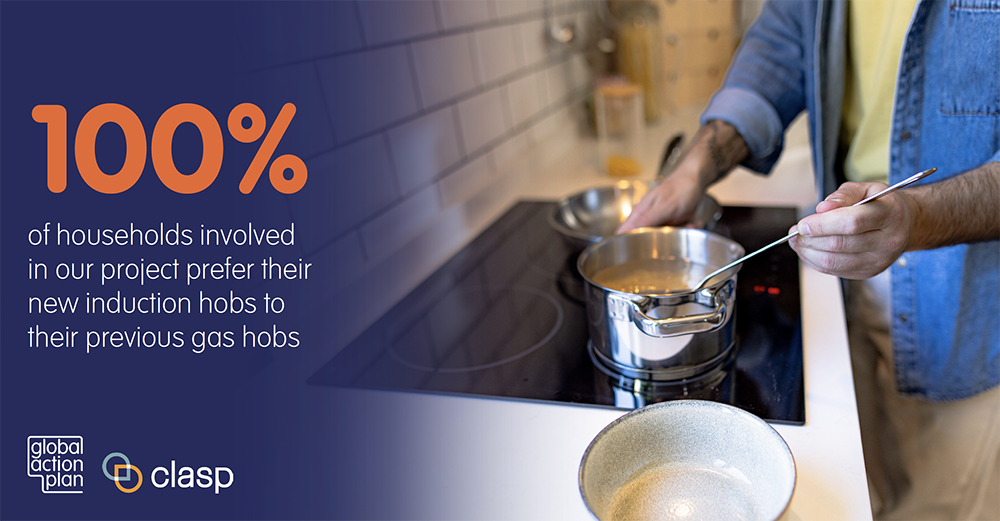
The results were striking:
- All participating households preferred their new induction cooktops to their old gas ones.
- 85% found the transition easy or very easy.
- Awareness of the impact of gas cooking on indoor air quality jumped from 40% to 100%.
For some, the retrofit was life-changing. Farrah, a resident with asthma, said she needed her inhaler while cooking on gas. With her new induction cooktop, she can now breathe easier in her kitchen. Others, like June, initially hesitated to give up gas. But once she adapted to the touchscreen controls, she found induction easier to use and kinder on her arthritis. Stacie, a mother of two, felt safer without gas in the home. The residents’ experiences point to a clear conclusion: electric cooking is easy to adopt, comes with tangible benefits, and is favored by the people who have made the switch.
How local and national governments can help
The pilot project didn’t just highlight the real-world benefits of electric cooking—it also showed how widespread adoption is possible with the right support and created a model for scaling it across the UK. Based on the project’s insights, Global Action Plan and CLASP developed a checklist for local authorities to help plan and deliver cooking retrofits. From resident engagement to appliance provider selection, the guide provides a practical roadmap for replicating the Manchester pilot’s success of the Manchester pilot.
To support a national shift toward electric cooking in the UK, Global Action Plan and CLASP also released a report that provides policy pathways. The report was presented earlier this year during an event held in the UK Parliament, attended by members of Parliament, local policymakers, industry representatives, academics, local government officials, and public health professionals. The document outlines the steps needed to overcome barriers, like low public awareness and the exclusion of cooking appliances in current home retrofit schemes.
An equitable clean cooking transition
Moving the UK toward healthier, cleaner, and more efficient electric cooking is about far more than simply replacing appliances. Indoor air pollution from gas stoves disproportionately impacts vulnerable groups such as children, the elderly, and those with respiratory conditions, making this a critical public health issue, as much an environmental one.
Achieving an equitable transition to modern cooking technologies requires addressing systemic barriers and prioritizing policies that support low-income families and other groups often left behind in clean energy initiatives. Beyond health and environmental benefits, electric cooking improves kitchen safety by eliminating open flames and gas leaks, in addition to reducing energy costs over time. Another benefit: Electric cooking is compatible with renewable energy and smart technologies that help households better manage their energy use, fostering more efficient and climate-friendly homes.
For more information about the retrofit pilot project: https://www.globalactionplan.org.uk/clean-air/gas-to-electric
Check out CLASP’s resources on the topic: https://www.clasp.ngo/cook-cleaner-europe/
United Kingdom
Foregrounding Global South Solutions at London Climate Action Week
This week, global climate advocates are converging on the UK capital for the seventh iteration of London Climate Action Week.
CLASP leaders are joining events across the city to discuss the critical role of appliances in climate mitigation and adaptation, with a focus on the Global South.
On Monday, CLASP hosted an event offering a preview of a forthcoming report. The research argues that extending electricity to the hundreds of millions of people who don’t have access—most of whom live in sub-Saharan Africa—will require a new focus on appliances.
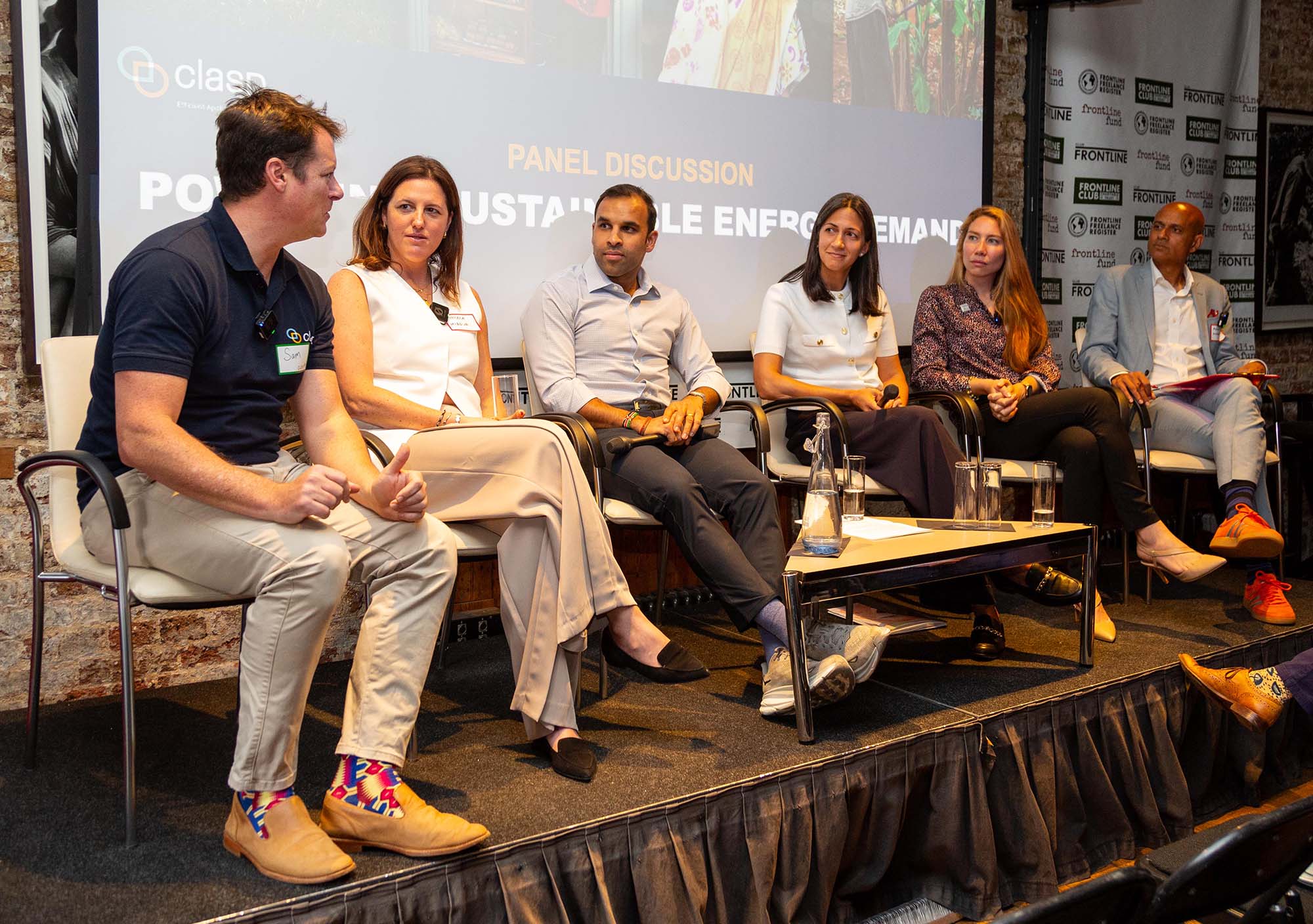
Panelists at CLASP's 2025 London Climate Action Week event focused on powering sustainable energy development.
CLASP
In his introduction to the event, one of the report’s authors, Bishal Thapa, CLASP’s chief strategy and impacts officer, provided an overview of its thesis. To date, attempts to provide universal energy access have failed because they have focused exclusively on supply, he said, with the idea that if we “just keep expanding the grid . . . lo and behold, everyone will get electricity.” In practice, however, because people living in the affected areas lack appliances that allow them to translate electricity into useful services, these efforts often don’t work out as intended.
“We’ve got to look at demand creation as a way of stimulating the economic and financial viability of grid expansion,” he said.
Thapa’s remarks were followed by a panel discussion moderated by Ashden’s Ashok Sinha. Panelists included Sam Grant, CLASP’s senior director of clean energy access and a coauthor of the forthcoming report; SunCulture’s Samir Ibrahim; Mirova’s Nicole Kugelmass; Lightrock’s Hanaan Marwah; and Power for All’s Carolina Inés Pan.

Attendees at CLASP's Powering Sustainable Energy Demand event.
CLASP
CLASP organized a second event on Monday with ZE-Gen, an initiative that promotes zero-emission power generators, with support from UK Aid. Focused on people-centered climate solutions in the Global South, the event presented examples of collaborations between communities, governments, private-sector actors, and nonprofits that create tangible benefits for local stakeholders.
During the panel discussion, Thapa discussed how CLASP’s work on appliance efficiency policy reduces greenhouse gas emissions and helps more people access the appliances they need to thrive in a warming world.
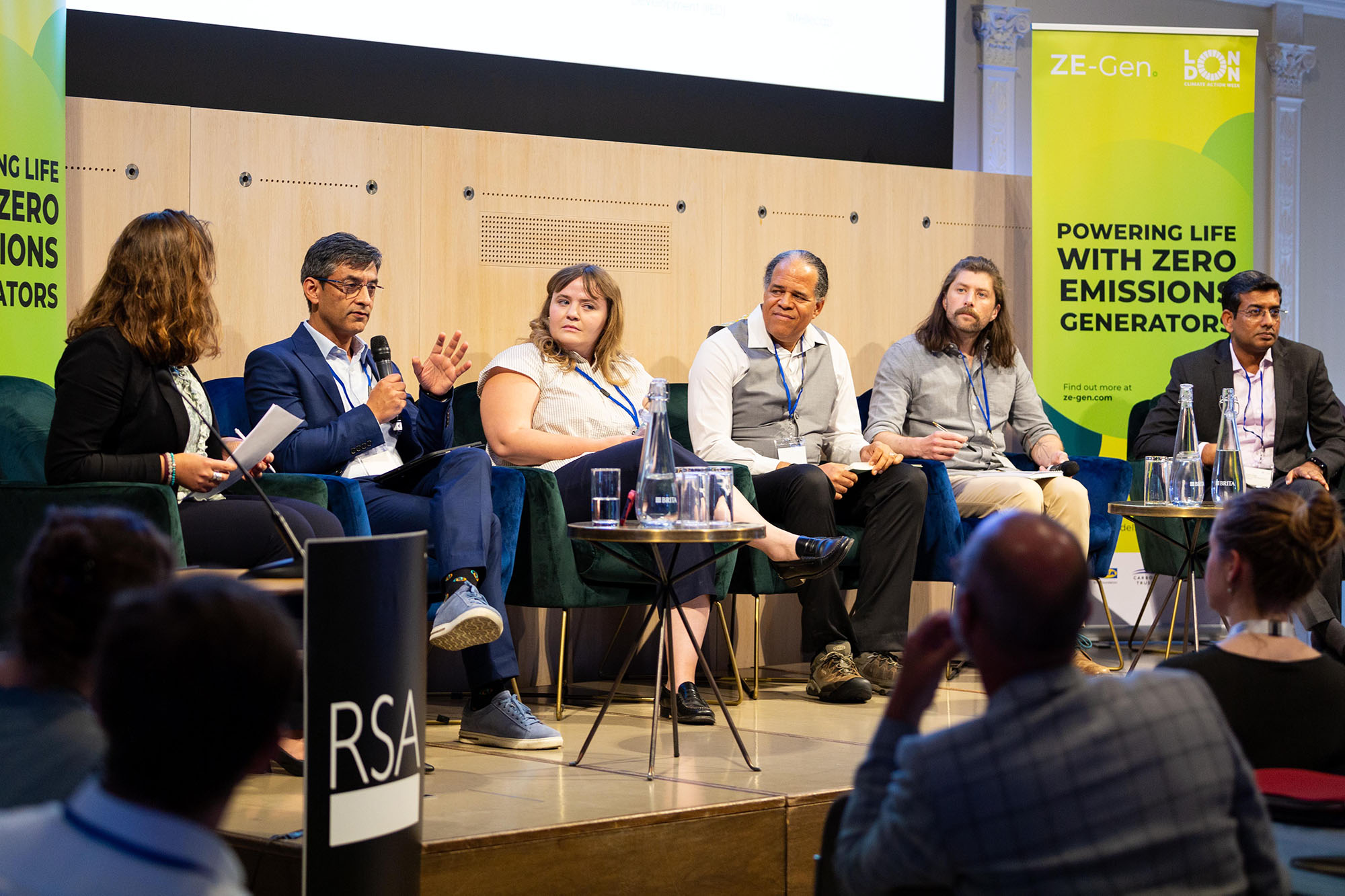
Panel discussion at a London Climate Action Week event organized by CLASP and ZE-Gen.
CLASP
Another panelist, Dana Crawhall, talked about the Climate and Clean Air Coalition‘s focus on super pollutants—the chemicals most responsible for short-term global warming. Since these pollutants have profound implications for people’s everyday lives in the Global South, affecting everything from food security and economic development to health, reducing them is vitally important. “This [super pollutant] agenda is really, really critical for the development agenda, to make good on the SDGs,” she said.
Additional panelists included the International Institute for Environment and Development’s Kevin Johnstone, KOC Bridge for Peace’s Karana Olivier, and Intellecap’s Santosh Singh. The discussion was moderated by Cipher News’s Anca Gurzu.
CLASP experts are also appearing at several other events during the remainder of the week. Follow us on LinkedIn and Bluesky for more information.
Find CLASP at London Climate Action Week 2025
Energy efficient appliances, lighting and equipment are at the intersection of energy security, energy affordability, economic opportunity, and climate action. Our CLASP research shows that driving the widespread adoption of efficient appliances is a key tool to slash climate-warming emissions and improving the health, economic wellbeing, and livelihoods of billions of people, including those in the most climate vulnerable regions.
From 21-29 June, CLASP is bringing Global South-led efficient appliance solutions to London Climate Action Week, exploring how scaling a range of interventions like financing, nationally determined contributions, and more can foster meaningful progress in the fight for people and the planet.
CLASP will be at the following events
Date and Time | Location | Event | Host |
|---|---|---|---|
Monday 23 June 11:30-14:00 | The Frontline Club 13 Norfolk Pl, Tyburnia, London W2 1QJ, United Kingdom | Powering Sustainable Energy Demand How investing in efficient appliance, equipment and lighting markets is key to unlocking energy access for adaptation, mitigation, and livelihoods. | CLASP |
Monday 23 June 15:50-16:50 | The RSA (Royal Society of Arts, Manufactures and Commerce) 8 John Adam Street London WC2N 6EZ United Kingdom | People-Centred Climate Action: A Focus on Global South Solutions The closing session to ZE-Gen’s day long event, “Powering Productivity, Accelerating Investment”.
| CLASP and ZE-Gen |
Wednesday 25 June 13:30-15:30 | The Event Hub @ Sustainable Ventures 5th Floor, County Hall, Belvedere Rd, London SE1 7PB | Hot Ideas for a Cooler Planet Please join CoolPact Capital for a panel discussion on sustainable cooling challenges and opportunities during London Climate Action Week. | CoolPact Capital |

For questions or additional speaking opportunities, please contact Alexia Ross (aross@clasp.ngo)
Moving Towards Healthier, Efficient Electric Cooking: Consumer Perspectives from Eight European Countries
This CLASP report presents insights from surveys of 8,000 demographically representative adults across eight European countries, France, Italy, Poland, Romania, Slovakia, Spain, Sweden, and the United Kingdom. The research provides valuable data for European policymakers on ways to accelerate the transition to cleaner, more efficient electric hobs (cooktops).
The report examines European consumers’ views and behaviours concerning gas and electric hobs, focusing on their usage, preferences, energy efficiency awareness, purchase criteria, health perceptions, ventilation practices, and opinions on potential policy measures.
Key Findings
- Most Europeans support a shift to cleaner, safer, and healthier electric cooking, but they need more exposure to induction technology to be fully convinced of its benefits.
- Supportive pricing and clear information are key factors in encouraging the transition to electric cooking, as consumers tend to prefer more energy-efficient and less polluting products.
- Consumers lack accurate information about the real efficiency of different hob technologies; their views are shaped by their personal experiences and familiarity with the hobs they use.
- Europeans have limited awareness of the impact gas cooking has on indoor air quality and often fail to ventilate adequately while cooking.
- Consumers feel that it’s the manufacturers’ responsibility to reduce pollution from gas hobs, and governments should help support the transition to more efficient and healthier electric cooking.
Recommendations
- Consumers should be able to select the most energy-efficient and least polluting hobs. Ecodesign regulations should remove the least efficient and most polluting options from the market. Clear information on the health risks of gas hobs should be made available through instruction manuals, webpages, or displayed on a future energy label or warning icon on hobs and ventilation hoods.
- National governments should offer incentives to encourage the shift to electric cooking and ensure that electricity prices are competitive with gas.
- Consumer organisations, non-governmental organisations, and forward-thinking producers and retailers should inform consumers about the health risks of gas cooking and the benefits of electric hobs. A successful transition to cleaner, more efficient electric hobs requires consumers to experience a new electric technology firsthand.
European consumers are ready for a shift to healthier, more efficient electric cooking, but to make this transition possible, people need clear information and supportive policies.Nicole Kearney
CLASP Europe Director
The surveys address technical, behavioural, and policy questions related to hob usage, which have been raised by policymakers, industry, and civil society. Detailed results for each country can be found in the annexes.
To ensure objectivity and representative results, CLASP commissioned Opinium Research, an independent polling organisation, to conduct the surveys. CLASP analysed the Europe-wide data and compiled this report, which builds on Opinium’s national analyses and findings.
Visit our Cook Cleaner Europe webpage to view additional resources on gas and electric cooking.
The Induction Revolution: Top Chefs Embrace Electric Cooking
The shift to induction stoves is gaining momentum in professional kitchens around the world, as demonstrated at the Global Cooksafe Coalition’s (GCC) launch in the United Kingdom on 3 June 2024. CLASP participated in the event, along with world-renowned chefs, public health and climate experts, and industry leaders. There was consensus in the call for a rapid transition from fossil fuel powered cooking to healthier, affordable, and safer electric kitchens powered by renewable energy.

Key Takeaways from the Event
- Culinary excellence: Modern electric cooking technologies provide excellent cooking performance for both professional and home kitchens as they offer precise temperature control and the ability to heat food faster.
- Health and safety: Transitioning to electric cooking can significantly improve indoor air quality and reduce health risks associated with gas cooking. Electric cooking also creates safer cooking conditions, with more manageable room temperatures for chefs, compared to open flame stoves. This reduces heat-related stress and fatigue and leads to higher productivity and better physical and mental health.
- Environmental impact: Electrifying kitchens is a critical step in decarbonizing restaurants and homes, lowering climate emissions, and achieving global climate targets.
- Economic viability: Electric stoves are much easier to clean than gas stoves, saving restaurant staff hours each week. In addition, renewable energy combined with electric appliances offers a cost-effective and stable energy solution, reducing dependency on volatile fossil fuel markets.

I worked in a couple of kitchens doing pop-ups and things where they had induction suites and I just really enjoy working on them. I loved the control. I loved the ability to clean it so easily and also not having so much heat generated from it. I actually switched my entire house to induction very recently. I just felt it was the future.Chef John Chantarasak
Owner of AngloThai
Top UK Chefs Embrace Electric Cooking
During the event, professional chefs and GCC ambassadors, John Chantarasak and Chantelle Nicholson, along with Chef Douglas McMaster, highlighted the advantages of electric cooking. They demonstrated how modern induction stoves offer precise control and superior cooking quality, dispelling common misconceptions about electric cooking’s limitations.
The Future is Electric
Chefs around the world are increasingly embracing electric alternatives like induction, making it a compelling option for households as well. Innovations in electric cooking technologies cater to all varieties of culinary needs.

Induction is just so accurate, so precise, so clean. It’s 3 times more efficient. It’s absolutely the way forward.Chef Douglas McMaster
Owner of Silo London
By using electromagnetic energy to directly heat cookware, induction stoves produce less ambient heat, creating a safer, healthier, and more comfortable work environment, particularly during busy restaurant shifts. The absence of open flames on electric or induction stoves also reduces the risk of accidental fires and eliminates pollutants caused by burning gas.
Reducing Risks for Healthier Homes
Electrifying kitchens is a solution to growing health concerns. Cooking with gas releases toxic pollutants, such as nitrogen dioxide and benzene, into kitchens and homes. It puts people at greater risk of respiratory diseases like asthma, particularly for vulnerable groups such as children or those with pre-existing health conditions. There is growing evidence linking combustion-related air pollution with adverse health effects on brain development in young children. For adults, emissions from gas cooking can lead to negative impacts on the brain, respiratory, and nervous systems.

We spend roughly 80% of our time indoors – in our homes, in our schools, in our workplaces. So why has all the focus and concentration been on what we breathe outdoors when we’re potentially at more risk breathing what is present in indoor air?Professor Frank Kelly
Battcock Chair in Community Health and Policy, Imperial College London
Transitioning to electric appliances and ensuring proper ventilation can help lower the risks of gas cooking. For people who cannot adopt electric options, there are several ways to minimize exposure to gas cooking emissions. Find out how to improve the air quality in your home when you use a gas stove or oven.
About the Global Cooksafe Coalition
As a founding member of the GCC, CLASP supports the coalition’s mission by researching cleaner, more efficient electric alternatives while also addressing the health and environmental impacts of cooking with gas. Together, CLASP and GCC work for a healthier and more sustainable future for all.
More information about CLASP’s research on gas and electric cooking: www.clasp.ngo/cook-cleaner-europe
For more information about the GCC’s launch in the United Kingdom: www.cooksafecoalition.org/grosvenor-lendlease-electric
National Cooking Trends from Six European Countries: Insights and Policy Recommendations
Despite advancements in electric cooking technologies, millions of households across Europe still rely on gas for cooking. Gas cooking appliances contribute to high levels of indoor air pollution and pose substantial health, environmental, and economic challenges.
CLASP’s has produced incisive factsheets on gas cooking trends in six countries. These provide insights and policy recommendations, covering consumer trends, as well as health, environmental, and cost concerns in these countries:
The Risks and the Solutions
CLASP’s research reveals elevated levels of NO2 in homes using gas stoves and ovens compared to those using electric alternatives. These levels exceed benchmarks set by World Health Organization guidelines and European Union (EU) and United Kingdom (UK) limits for outdoor air pollution.
- Health Impacts: Exposure to high levels of pollution is known to cause strokes, heart disease, lung cancer, and both chronic and acute respiratory diseases, including asthma.
- Climate Change: Gas cooking contradicts net-zero and emissions reduction targets, highlighting the need to transition to electric alternatives. The reliance on fossil fuels for domestic cooking contributes to indoor air pollution and greenhouse gas emissions, undermining efforts to mitigate the impacts of climate change.
- Consumer Trends: Despite health and environmental concerns, many consumers remain unaware of the risks of gas cooking.
- Cost Considerations: Gas cooking masks significant societal costs. While gas appliances may offer initial cost savings in some cases, the hidden costs associated with indoor air pollution, such as healthcare expenses and environmental impacts, outweigh any apparent economic benefits.
- Policy Recommendations and Regulatory Measures: In the EU and the UK, Ecodesign and Energy Labelling policies provide opportunities to advance energy-efficient and healthier electric alternatives. At the national level, governments can accelerate the transition to electric cooking through electricity tariff reforms, targeted subsidies, awareness campaigns, and holistic support. Incentives and financial assistance programs can encourage households to adopt electric cooking technologies, facilitating a shift towards cleaner and more sustainable cooking practices.
For more information on the topic, visit https://www.clasp.ngo/cook-cleaner-europe/.
Total Cost of Ownership of Domestic Gas and Electric Hobs in Europe
The use of fossil gas in cooking must be phased out to meet net zero targets in the European Union (EU) and the United Kingdom (UK). Research shows that gas hobs emit harmful pollutants and are less efficient than electric hobs, although public awareness of these issues is low.
Upcoming policy revisions by the European Commission and the UK government offer an opportunity to address these challenges. However, the research available to policymakers does not consider differences in emissions and efficiency between appliance types, potentially leading to a lack of understanding of the costs and benefits associated with transitioning to electric hobs.
To address this knowledge gap, this report provides an overview of the total cost of ownership for gas and electric hobs in the EU and UK. The analysis assumes that these appliances are purchased and installed in 2026.
Findings include:
- Contrary to the perception of gas hobs being cheaper, electric hobs are more cost-effective in a few European countries, particularly in the Netherlands, Portugal, and Sweden.
- All three electric hob technologies (hotplates, induction, and infrared) offer lower total costs of ownership than gas hobs, on average.
- The average purchase price of induction hobs remains higher compared to other technologies, but moderate government incentives can make induction hobs affordable to more households.
- In the UK, hotplates are the most affordable option. However, the total ownership costs of all three electric hob technologies are quite similar and significantly lower than gas hobs.
- Price fluctuations may impact the total cost of ownership over time.
Consumer study on the effects of the presence & location of the energy label in online shopping environments in Europe
The European Union’s energy label serves as a tool to inform consumer decisions on energy-efficient appliances. In collaboration with Centerdata and Ipsos, CLASP conducted a study in 2023 across four European countries — Italy, Poland, Sweden, and the United Kingdom — to explore the impact of online energy label positioning on consumer decision-making regarding household appliances.
The insights found within this report, alongside additional evidence collected from retailers, suppliers, market surveillance authorities (MSAs), and technical assessments of barriers and opportunities will inform CLASP’s regulatory recommendations and the development of harmonized guidance documents for MSAs and retailers. The evidence gathered will help improve the energy label’s impact.
This report tackles the following questions:
- How does the proximity of the energy label to the product price (low vs. high) impact consumer decision-making on different web pages?
- How does the visibility of the energy label in an online store influence consumers’ decision-making?
- How do the presence and location of the energy label on product pages affect consumers’ purchasing decisions?
- Do consumers use online shopping baskets for product comparison, and does the presence of the energy label in the shopping basket influence their choices?
- Does the energy label impact consumer decisions on price comparison websites? Do consumers actively select products that are more energy efficient?
- How does the presentation of the web store (desktop vs. mobile) influence consumer choices?
CLASP’s study revealed several key findings:
- The exact position of the energy label within web store pages did not significantly affect consumer product choices.
- Consumer engagement with energy label information, such as clicking on energy arrows or viewing product information sheets, was minimal.
- The presence of the nested energy label next to products in shopping baskets and on price comparison websites promoted energy-efficient options and helped increase energy-efficient choices.
- The effects of the presence and position of the energy label on various web pages of a web store (main page, product pages, basket page) did not significantly depend on device type (desktop vs. mobile) used to complete the experiment.
The study’s findings highlight the importance of online energy labeling in guiding consumer choices towards more energy-efficient appliances. While the exact placement of the energy label may have limited impact, its presence in strategic locations within online retail settings can significantly influence consumer decision-making.