
Ensuring an All-LED Future: Global Campaign Ends on a Flourish
The thwack of the gavel preceded the thunder of applause as the audience cheered the universal win for people and planet: our future will be lit only by LEDs. In 2023, representatives from 147 countries agreed to phase out florescent lighting globally and completely by 2027. This will avoid nearly 3 gigatons of CO2 through 2050. The decision was taken at the fifth meeting of the Conference of the Parties to the Minamata Convention on Mercury (COP-5) in Geneva.
Since 2020, CLASP’s Clean Lighting Coalition (CLiC) was a campaign created to drive universal access to efficient, safe lighting. CLiC was powered by experts delivering undeniable data about the risks of fluorescent lighting and case studies about the financial and climate emission benefits of efficient LEDs. Integral to the success of the campaign were the advocacy specialists who built the coalition and presented the proof to governments and the media.

The problem with fluorescent lighting
Outdated fluorescents persisting on international markets are toxic and pose a health risk because they contain mercury. They are also inefficient, leading to higher energy bills. LEDs are a safer lighting solution and are twice as efficient – saving money, human and environmental health, and lowering climate emissions.
Global lighting change led by Africa
African policy leaders recognized the feasibility of a global LED transition. In addition to the global climate impacts, ending the production of fluorescents will protect the continent from the toxic, costly and outdated lamps exported to African markets by developed countries unable to sell them domestically.
Armed with sector leading data and technical support from CLiC and partners, Africa region lighting champions led the charge toward the global climate win. In 2022 and 2023, the Africa Group at the United Nations representing 54 African Member States, proposed amendments to the Minamata Convention on Mercury calling on the international community to say farewell to fluorescents.
“Policymakers in Africa led the charge on this campaign, rooted in deep-seeded concerns about the challenges of toxic lamp disposal. Turns out, this was a concern shared by many countries around the globe,” recalls CLiC campaign lead and CLASP Senior Director Ana Maria Carreño. “African leaders’ efforts to raise awareness about the risks of fluorescents and build consensus on a solution via Minamata led to decisive global action protecting people and planet.”
CLiC: The power of international solidarity
For the last three years, CLiC collaborated with over 300 partners spanning every corner of the globe to make the case for LEDs. From civil society to government to industry, from climate to health to waste management, CLiC coordinated an extensive partner network to spotlight the lasting, positive impacts of a clean lighting transition.
“The world is finally able to say, ‘Farewell to Fluorescents’ due in large part to the hundreds of organizations and policy leaders that came together in pursuit of a safer, healthier future for all via the Clean Lighting Coalition,” observed Elena Lymberidi-Settimo, International co-coordinator of the Zero Mercury Working Group and Policy Manager at the European Environmental Bureau. ”The campaign’s success spotlights how extensive networks of trusted and diverse partners are key for making rapid, meaningful change; and we are happy to have been a part of it.”

Photo by CLASP

Photo by CLASP

Photo by CLASP

Photo by CLASP

Photo by CLASP

Photo by Kiara Worth

Photo by CLASP

Photo by Kiara Worth

Photo by CLASP

Photo by CLASP
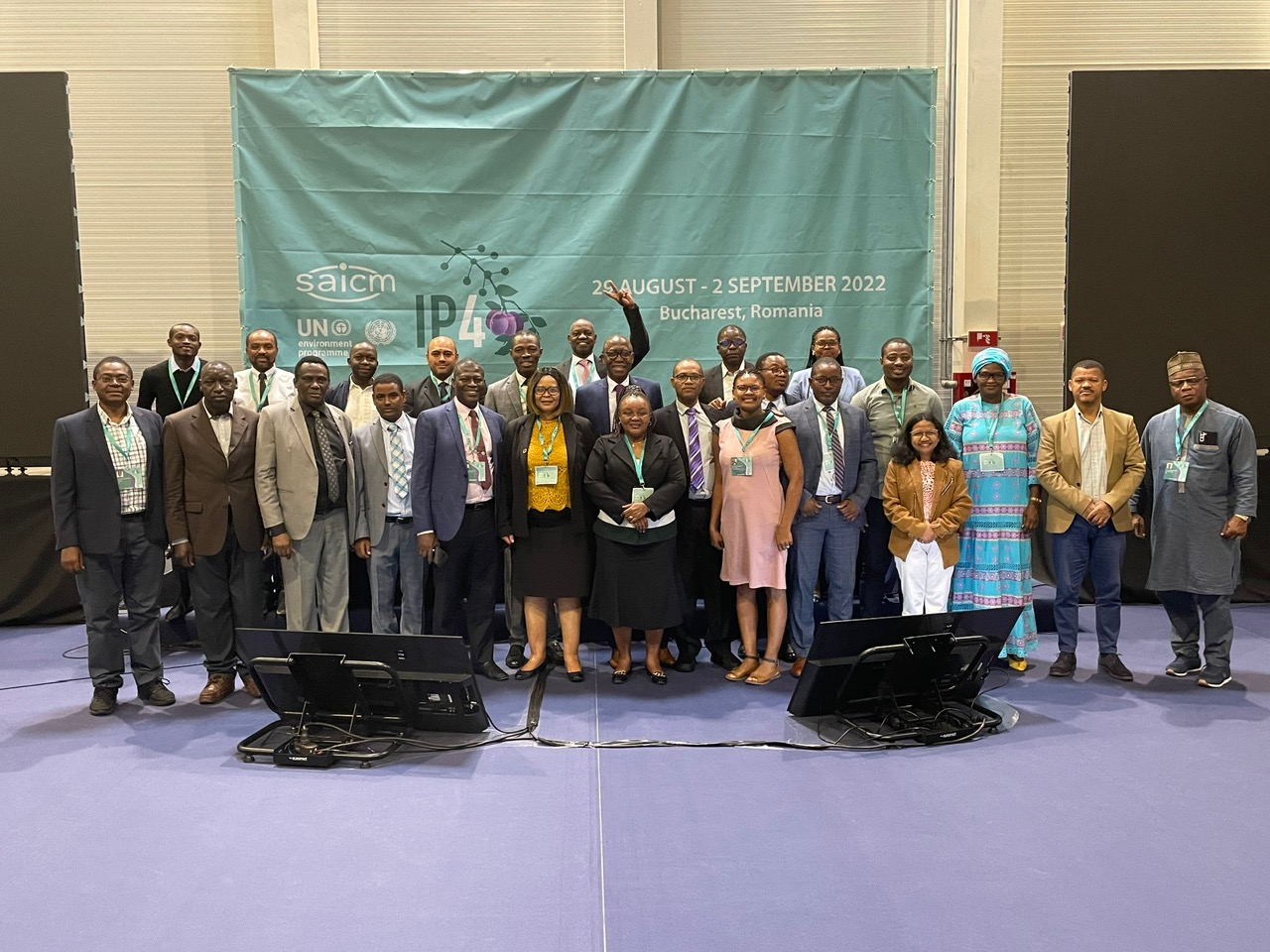
Photo by CLASP

Photo by CLASP

Photo by CLASP

Photo by CLASP

Photo by CLASP

A people and planet win that can be replicated
The success of the CLiC campaign provides a glint of optimism in our worsening climate crisis: meaningful and substantial global change IS possible.
“Being directly involved in the Clean Lighting Coalition was one of the greatest experiences of my professional life,” commented Nithi Nesadurai, CLiC team member and director at Climate Action Network Southeast Asia. “CLASP conducted a flawless strategic and tactical campaign which led to success with the decision in November 2023 at the Minamata Convention on Mercury to eliminate fluorescent lamps by 2027. I have gone on record to say this is probably the most successful global environmental campaign, given the speed in which the goal was achieved.”
The full and lasting benefits of a clean lighting future rely on the commitment of governments to follow through and implement the terms of the agreement in a timely manner. The research is clear, and the global community agrees: an LED transition is feasible for every market. Although the CLiC campaign has concluded, our lighting experts at CLASP continue to offer technical support to countries working to advance towards their LED future.
Recent News



CLASP Calls for Cleaner Heat Pumps in the European Union
CLASP, along with eight leading European environmental organizations, submitted a letter urging European Union (EU) countries to prioritize climate-friendly refrigerant heat pumps to help achieve climate goals.
The letter, submitted to the European Commission (EC), was timely, as EU Member States prepare to allocate funding from a €86 billion Social Climate Fund (SCF) and implement the EU’s goal for rapid heat pump deployment.
Key recommendations to the European Commission
- Prioritize heat pumps with natural refrigerants over high-global warming potential (GWP) hydrofluorocarbons (HFCs or F-gases). There is a long-term climate risk linked to the use of HFC-based systems, as HFCs have hundreds to thousands of times more GWP than natural refrigerants.
- Establish financial incentives for natural refrigerant heat pumps. EU Member States should offer extra subsidies or bonuses for the adoption of natural refrigerant heat pumps. Germany’s additional 5% grant, for homeowners who install heat pumps using natural refrigerants, provides an example of how targeted support can accelerate the shift to more climate-friendly heat pumps.
- Set a clear timeline for phasing out public funding for F-gas heat pumps. CLASP, the Environmental Investigation Agency, and the other signatories suggest defining a cut-off date, after which the installation of heat pumps that use climate-damaging HFC refrigerants should no longer be funded. This would align with the direction of EU legislation and offer much-needed clarity for industry and European consumers. Germany has already taken action: from 2028, only natural refrigerant heat pumps will be eligible for funding.1
Why is it important to transition to climate-friendly heat pumps?
If Member States continue allowing the installation of new equipment using HFCs, heat pumps installed today could still be operating decades from now, impacting the EU’s ability to meet its 2050 net zero target.
Data from the German incentive scheme2 indicate that natural refrigerant heat pumps are, on average, more energy-efficient than F-gas systems across all temperature ranges. This means they require less energy and reduce consumers costs to run. Their ability to operate at high temperatures also makes them an ideal choice for boiler retrofits.
To support market transformation efforts in this field, CLASP is researching the deployment of natural refrigerant heat pumps and the barriers to their adoption in the EU and the United Kingdom. More information on the topic can be found here.
0. Umweltbundesamt “Heat Pumps” August 2023
https://www.umweltbundesamt.de/en/topics/climate-energy/fluorinated-greenhouse-gases-fully-halogenated-cfcs/application-domains-emission-reduction/heat-pumps
1. Bundesamt für Wirtschaft und Ausfuhrkontrolle “Liste der förderfähigen
Wärmepumpen mit Prüf-/Effizienznachweis” April 2025 https://www.bafa.de/SharedDocs/Downloads/DE/Energie/beg_waermepumpen_pruef_effizienznachweis.html
Maximizing Motor Efficiency to Minimize Emissions
Electric motors transform electrical energy into mechanical energy, powering everything from household appliances to equipment in commercial buildings and industrial facilities. They are essential components of electric motor-driven systems (EMDS), which currently account for around 30% of global electricity demand3.
Industrial motors, in particular, are the main drivers behind increasing global demand for electricity4, with approximately 65% of industry’s electricity consumption powering motor-driven systems5. Yet, despite their crucial role, many motors and motor systems are outdated and inefficient. The International Energy Agency reports that low efficiency motors represent two-thirds of the current global stock6. This contributes heavily to energy waste and increasing carbon emissions.
Looking ahead, CLASP’s initiatives in China, the European Union, India, and the United States aim to avoid up to nine gigatons of CO2 emissions by 2050.
Improving the energy efficiency of electric motors and EMDS presents significant potential for reducing electricity demand and curbing carbon dioxide (CO2) emissions. By partnering with national stakeholders to raise standards, implementing replacement incentive programs, and promoting cross-sector collaboration, CLASP is driving global efforts to unlock this potential.
CLASP’s global efforts to make motors more efficient
In Brazil, a partnership between CLASP and the Ministry of Mines and Energy is paving the way for an ambitious new regulatory agenda. This aims to establish the country’s first-ever efficiency standards for pumps and air compressors by 2027. Setting minimum efficiency standards helps phase out the least efficient models and prevents businesses from getting stuck with outdated, energy-wasting technologies. CLASP will continue working closely with the Ministry to help ensure the timely completion of the regulatory agenda and the implementation of key policies in the next two years.

Meanwhile, China is making significant strides in industrial efficiency and the potential benefits of improving motor efficiency are immense. Motors represent 55% of the country’s total energy consumption and 75% of its industrial energy use7. Since 2023, CLASP has supported the China National Institute of Standardization in developing two new efficiency standards for high-voltage induction motors and permanent magnet synchronous motors. These new standards are expected to cut 920 megatons of CO2 emissions by 2040. They will also position China as the first country to adopt a policy exceeding the world’s most energy-efficient motor standard, IE5, setting a new benchmark for global industrial standards.
Motors account for over 50% of India’s industrial electricity consumption8. CLASP is supporting the Bureau of Energy Efficiency in strengthening efficiency standards for three-phase induction motors and providing technical assistance for a new labeling program for single-phase induction motors to meet growing demand. Together, the labeling programs for three-phase and single-phase induction motors are expected to save approximately 30.1 terawatt hours of electricity and reduce 23.83 megatons of CO2 emissions, contributing significantly to India’s energy efficiency and climate goals.
CLASP, in partnership with SAMA^Verte, is helping build a competitive, sustainable motor industry in Pakistan. Through the Industry Accelerator program, local manufacturers gain access to technical expertise and resources to produce high-efficiency components for electric motors. The program strengthens the local manufacturing sector by reducing dependency on imports and enabling businesses to expand their market share. For industries that rely on these motors, the shift toward high-efficiency components translates into lower energy costs and reduced emissions. By 2050, the program is expected to reduce 12.8 megatons of CO2 emissions and improve motor efficiency by 10%.
These initiatives, along with CLASP’s upcoming projects in other countries, will help reduce global energy consumption, increase industrial energy efficiency, and support industry in shifting to more environmentally-friendly processes. CLASP collaborates with policymakers, industry leaders, and other experts to create a more sustainable future for people and the planet.
Are you interested in driving industrial innovation in your region? Connect with CLASP to explore collaboration opportunities.
0. Umweltbundesamt “Heat Pumps” August 2023
https://www.umweltbundesamt.de/en/topics/climate-energy/fluorinated-greenhouse-gases-fully-halogenated-cfcs/application-domains-emission-reduction/heat-pumps
1. Bundesamt für Wirtschaft und Ausfuhrkontrolle “Liste der förderfähigen
Wärmepumpen mit Prüf-/Effizienznachweis” April 2025 https://www.bafa.de/SharedDocs/Downloads/DE/Energie/beg_waermepumpen_pruef_effizienznachweis.html
2. International Energy Agency “World Energy Outlook 2019” https://iea.blob.core.windows.net/assets/98909c1b-aabc-4797-9926-35307b418cdb/WEO2019-free.pdf
3. International Energy Agency “World Energy Outlook 2019” https://iea.blob.core.windows.net/assets/98909c1b-aabc-4797-9926-35307b418cdb/WEO2019-free.pdf
4. International Energy Agency “World Energy Outlook 2023” https://iea.blob.core.windows.net/assets/86ede39e-4436-42d7-ba2a-edf61467e070/WorldEnergyOutlook2023.pdf
5. International Energy Agency “World Energy Outlook 2019” https://iea.blob.core.windows.net/assets/98909c1b-aabc-4797-9926-35307b418cdb/WEO2019-free.pdf
6. International Copper Association “ICA China Motor Program: 20 Years of Promoting Energy Efficiency” https://internationalcopper.org/resource/ica-china-motor-program-20-years-of-promoting-energy-efficiency/
7. International Copper Association India “Energy Efficient Motors” https://copperindia.org/energy-efficient-motors/
The Push for Efficient, Healthy Cooktops
Hobs, also known as cooktops, are found in nearly every household, yet they lack proper scrutiny in terms of their nitrogen dioxide (NO2) emissions and energy efficiency.
The impact of gas cooktops on health and climate
- Gas hobs contribute to poor indoor air quality. CLASP and Jaume I University’s research shows that gas hobs emit levels of NO2, that exceed outdoor air quality standards in the EU and UK, which can be harmful to our health. Until now, gas hob manufacturers have been able to sell appliances without any consideration of the amount of NO2 they emit. Introducing new NO2 tests and limits for gas hobs will help reduce pollutants emitted into the kitchen and improve indoor air quality.
- The energy efficiency of gas hobs is also overestimated, in comparison to their electric counterparts. Gas and electric hobs are currently tested in different conditions, which could result in overestimated energy efficiency results for gas-fueled technologies. For example, gas hobs are tested using pots which are larger than those typically used in kitchens – a larger pot captures more heat from the flame, which results in better efficiency than if a smaller pot is used.
Without real-world and comparable electric and gas energy efficiency performance standards, it is impossible to accurately assess which appliances are best for human health and reducing climate emissions. CLASP’s research shows that more ambitious policies could cut emissions by 60Mt CO2 by 2050.
To help address these issues, CLASP has developed a new method to test gas and electric hobs that reflects how people cook and identifies potential technological improvements. This test method also satisfies energy efficiency and health-related concerns.

CLASP’s call to action for the European Commission and Member States
- Set NO2 emissions limits: Setting limits on NO2 emissions from gas hobs is critical for improving indoor air quality. CLASP encourages the adoption of a new emissions test, with meaningful limits, to ensure only the safest and cleanest appliances make it to the market.
- Introduce a comparable test method for gas and electric hobs: The European Commission should adopt an improved and comparable test method that provides a fair and accurate energy efficiency rating for gas and electric hobs. When these appliances are tested in the same conditions, consumers can better identify the best options which will in turn drive innovation within the industry.
- Transparency of efficiency and emissions data: Consumers and policymakers need open access to better information on how these products perform on energy efficiency and emissions. An improved common test method will ensure people can accurately and fairly compare the performance of different hob technologies. Energy and emissions data should be shared with the product specifications on product websites and in instruction manuals, and in a future energy label for hobs. This will allow people to make informed decisions about the products they purchase, and governments will have better data to develop more impactful policies.
- Take immediate action: CLASP emphasizes the need for swift policy adoption, application, and revision timelines. Slower timescales will result in missed opportunities to protect people’s health, reduce utility bills, and climate mitigation impacts. The European Commission should collaborate with national institutions and industry to collect data on emissions and energy efficiency to guide future policy revisions.
In the European Union, countries like Italy and Poland continue to rely heavily on gas cooking appliances. CLASP’s proposed policy changes could have a wide-reaching impact. Our latest research, based on consumer surveys conducted in eight European countries, shows that most Europeans believe manufacturers should improve product efficiency and reduce pollution emitted by hobs. Consumers also hold government responsible for supporting their transition away from gas to cleaner, electric cooking.

CLASP’s recommendations are backed by health and environmental organizations, including the European Public Health Alliance (EPHA), the International Society of Doctors for the Environment Italy, and Respire. Organizations, like ECOS and the European Environmental Bureau, are working on improving standards and policies for cleaner, efficient, and sustainable cooktops, amongst other products, while EPHA is working towards policies for better indoor air quality.
CLASP and partners call on policymakers, industry leaders, and consumers to support these crucial changes for a healthier, more sustainable future.
For more information about CLASP’s research on gas and electric cooking, visit: https://www.clasp.ngo/cook-cleaner-europe/
0. Umweltbundesamt “Heat Pumps” August 2023
https://www.umweltbundesamt.de/en/topics/climate-energy/fluorinated-greenhouse-gases-fully-halogenated-cfcs/application-domains-emission-reduction/heat-pumps
1. Bundesamt für Wirtschaft und Ausfuhrkontrolle “Liste der förderfähigen
Wärmepumpen mit Prüf-/Effizienznachweis” April 2025 https://www.bafa.de/SharedDocs/Downloads/DE/Energie/beg_waermepumpen_pruef_effizienznachweis.html
2. International Energy Agency “World Energy Outlook 2019” https://iea.blob.core.windows.net/assets/98909c1b-aabc-4797-9926-35307b418cdb/WEO2019-free.pdf
3. International Energy Agency “World Energy Outlook 2019” https://iea.blob.core.windows.net/assets/98909c1b-aabc-4797-9926-35307b418cdb/WEO2019-free.pdf
4. International Energy Agency “World Energy Outlook 2023” https://iea.blob.core.windows.net/assets/86ede39e-4436-42d7-ba2a-edf61467e070/WorldEnergyOutlook2023.pdf
5. International Energy Agency “World Energy Outlook 2019” https://iea.blob.core.windows.net/assets/98909c1b-aabc-4797-9926-35307b418cdb/WEO2019-free.pdf
6. International Copper Association “ICA China Motor Program: 20 Years of Promoting Energy Efficiency” https://internationalcopper.org/resource/ica-china-motor-program-20-years-of-promoting-energy-efficiency/
7. International Copper Association India “Energy Efficient Motors” https://copperindia.org/energy-efficient-motors/
UK Aid to Support Research in the Global Push to Transition to Electric Cooking Solutions
At the UN Climate Change Conference in Baku, Azerbaijan (COP 29), UK Aid (FCDO) announced a substantial extension of their Modern Energy Cooking Services (MECS) program. This funding boost will help accelerate the adoption of clean cooking practices and transform the lives of millions of people across Africa, Indo-Pacific, and South and Southeast Asia. CLASP looks forward to continued collaboration with MECS to expand access to clean, modern cooking solutions.
Clean cooking: Good for people and planet
The MECS programme is speeding-up the shift to clean cooking by driving research, testing new technologies, and tracking global tools and trends. It targets the 2.1 billion people—26% of the world’s population—who still rely on polluting fuels such as firewood and charcoal for their cooking. A transition to modern, clean cooking would help eliminate the harmful effect of these fuels on income, health, and the environment and have a profound social and economic impact on communities, especially on the women and children that bear the disproportionate burden of collecting fuel and preparing food.

MECS extension powers future impact
The MECS extension builds on the six-year success of the MECS programme in advancing the clean cooking agenda globally. To date, the programme has helped 3.8 million people adopt cleaner, more efficient cooking practices that lower fuel use, improve air quality, and boost income. It has also attracted £400 million of additional investment for clean energy innovation and published over 300 research papers. This compelling evidence base has already informed the adoption in policy of electric cooking (e-Cooking) in Kenya, Uganda, and Tanzania.
Aligning with the global goals
The MECS programme budget will increase by £44 million, raising the total value to £99 million, and pushing its work to December 2030 to align with the target dates of the Sustainable Development Goals. This extension will enable the implementing partners to continue driving even more impactful clean cooking solutions. By 2030, MECS aims to improve clean cooking access for 10 million people, leverage £1 billion in investments, publish 650 research products, and influence policy adoption in 12 countries. The MECS extension is expected to have reach across 17 countries in Africa, Indo-Pacific, and South and Southeast Asia, where clean energy transitions are urgently needed.

About CLASP
CLASP is the leading global authority with 25 years’ expertise on how applianceefficiency drives climate mitigation, adaptation, and improves the lives and livelihoodsof people. An international non-profit with offices on four continents, CLASPcollaborates with policymakers, appliance manufacturers, and leading experts todeliver sound policy recommendations, innovative tools, ground-breaking research,and clear pathways to a more sustainable world for people and the planet.
0. Umweltbundesamt “Heat Pumps” August 2023
https://www.umweltbundesamt.de/en/topics/climate-energy/fluorinated-greenhouse-gases-fully-halogenated-cfcs/application-domains-emission-reduction/heat-pumps
1. Bundesamt für Wirtschaft und Ausfuhrkontrolle “Liste der förderfähigen
Wärmepumpen mit Prüf-/Effizienznachweis” April 2025 https://www.bafa.de/SharedDocs/Downloads/DE/Energie/beg_waermepumpen_pruef_effizienznachweis.html
2. International Energy Agency “World Energy Outlook 2019” https://iea.blob.core.windows.net/assets/98909c1b-aabc-4797-9926-35307b418cdb/WEO2019-free.pdf
3. International Energy Agency “World Energy Outlook 2019” https://iea.blob.core.windows.net/assets/98909c1b-aabc-4797-9926-35307b418cdb/WEO2019-free.pdf
4. International Energy Agency “World Energy Outlook 2023” https://iea.blob.core.windows.net/assets/86ede39e-4436-42d7-ba2a-edf61467e070/WorldEnergyOutlook2023.pdf
5. International Energy Agency “World Energy Outlook 2019” https://iea.blob.core.windows.net/assets/98909c1b-aabc-4797-9926-35307b418cdb/WEO2019-free.pdf
6. International Copper Association “ICA China Motor Program: 20 Years of Promoting Energy Efficiency” https://internationalcopper.org/resource/ica-china-motor-program-20-years-of-promoting-energy-efficiency/
7. International Copper Association India “Energy Efficient Motors” https://copperindia.org/energy-efficient-motors/
Solar Appliance Repairability Index Series
Solar appliances often constitute a significant financial investment, especially for those living in off-grid regions where recycling is also limited. Enhancing appliance repairability aims to protect consumer investment and the environment by incentivising designs that are easier to repair or refurbish.
This Solar Appliance Repairability Index Series from Efficiency for Access consists of an introductory paper that outlines the findings of current repair practices and key criteria for assessing repairability, as well as repair indices for solar water pumps, fans, and refrigerators.
The introductory paper, “Closing the Loop: Enhancing Repairability in the Solar Appliance Market,” synthesises field research in Kenya and interviews with 32 stakeholders. Findings reveal that the repair of solar appliances is currently managed in an informal, uncoordinated way. This poses challenges to the sustainability of the solar appliance sector, including:
- Knowledge gaps
- Access to repair services
- Missed job opportunities
Read the report, “Closing the Loop: Enhancing Repairability in the Solar Appliance Market” for more findings.
About Efficiency for Access
Efficiency for Access is a global coalition working to promote renewable and energy efficient appliances to deliver clean energy to the world’s poorest people. It is coordinated jointly by CLASP and the UK’s Energy Saving Trust.
0. Umweltbundesamt “Heat Pumps” August 2023
https://www.umweltbundesamt.de/en/topics/climate-energy/fluorinated-greenhouse-gases-fully-halogenated-cfcs/application-domains-emission-reduction/heat-pumps
1. Bundesamt für Wirtschaft und Ausfuhrkontrolle “Liste der förderfähigen
Wärmepumpen mit Prüf-/Effizienznachweis” April 2025 https://www.bafa.de/SharedDocs/Downloads/DE/Energie/beg_waermepumpen_pruef_effizienznachweis.html
2. International Energy Agency “World Energy Outlook 2019” https://iea.blob.core.windows.net/assets/98909c1b-aabc-4797-9926-35307b418cdb/WEO2019-free.pdf
3. International Energy Agency “World Energy Outlook 2019” https://iea.blob.core.windows.net/assets/98909c1b-aabc-4797-9926-35307b418cdb/WEO2019-free.pdf
4. International Energy Agency “World Energy Outlook 2023” https://iea.blob.core.windows.net/assets/86ede39e-4436-42d7-ba2a-edf61467e070/WorldEnergyOutlook2023.pdf
5. International Energy Agency “World Energy Outlook 2019” https://iea.blob.core.windows.net/assets/98909c1b-aabc-4797-9926-35307b418cdb/WEO2019-free.pdf
6. International Copper Association “ICA China Motor Program: 20 Years of Promoting Energy Efficiency” https://internationalcopper.org/resource/ica-china-motor-program-20-years-of-promoting-energy-efficiency/
7. International Copper Association India “Energy Efficient Motors” https://copperindia.org/energy-efficient-motors/
Moving Towards Healthier, Efficient Electric Cooking: Consumer Perspectives from Eight European Countries
This CLASP report presents insights from surveys of 8,000 demographically representative adults across eight European countries, France, Italy, Poland, Romania, Slovakia, Spain, Sweden, and the United Kingdom. The research provides valuable data for European policymakers on ways to accelerate the transition to cleaner, more efficient electric hobs (cooktops).
The report examines European consumers’ views and behaviours concerning gas and electric hobs, focusing on their usage, preferences, energy efficiency awareness, purchase criteria, health perceptions, ventilation practices, and opinions on potential policy measures.
Key Findings
- Most Europeans support a shift to cleaner, safer, and healthier electric cooking, but they need more exposure to induction technology to be fully convinced of its benefits.
- Supportive pricing and clear information are key factors in encouraging the transition to electric cooking, as consumers tend to prefer more energy-efficient and less polluting products.
- Consumers lack accurate information about the real efficiency of different hob technologies; their views are shaped by their personal experiences and familiarity with the hobs they use.
- Europeans have limited awareness of the impact gas cooking has on indoor air quality and often fail to ventilate adequately while cooking.
- Consumers feel that it’s the manufacturers’ responsibility to reduce pollution from gas hobs, and governments should help support the transition to more efficient and healthier electric cooking.
Recommendations
- Consumers should be able to select the most energy-efficient and least polluting hobs. Ecodesign regulations should remove the least efficient and most polluting options from the market. Clear information on the health risks of gas hobs should be made available through instruction manuals, webpages, or displayed on a future energy label or warning icon on hobs and ventilation hoods.
- National governments should offer incentives to encourage the shift to electric cooking and ensure that electricity prices are competitive with gas.
- Consumer organisations, non-governmental organisations, and forward-thinking producers and retailers should inform consumers about the health risks of gas cooking and the benefits of electric hobs. A successful transition to cleaner, more efficient electric hobs requires consumers to experience a new electric technology firsthand.

European consumers are ready for a shift to healthier, more efficient electric cooking, but to make this transition possible, people need clear information and supportive policies.Nicole Kearney
CLASP Europe Director
The surveys address technical, behavioural, and policy questions related to hob usage, which have been raised by policymakers, industry, and civil society. Detailed results for each country can be found in the annexes.
To ensure objectivity and representative results, CLASP commissioned Opinium Research, an independent polling organisation, to conduct the surveys. CLASP analysed the Europe-wide data and compiled this report, which builds on Opinium’s national analyses and findings.
Visit our Cook Cleaner Europe webpage to view additional resources on gas and electric cooking.
0. Umweltbundesamt “Heat Pumps” August 2023
https://www.umweltbundesamt.de/en/topics/climate-energy/fluorinated-greenhouse-gases-fully-halogenated-cfcs/application-domains-emission-reduction/heat-pumps
1. Bundesamt für Wirtschaft und Ausfuhrkontrolle “Liste der förderfähigen
Wärmepumpen mit Prüf-/Effizienznachweis” April 2025 https://www.bafa.de/SharedDocs/Downloads/DE/Energie/beg_waermepumpen_pruef_effizienznachweis.html
2. International Energy Agency “World Energy Outlook 2019” https://iea.blob.core.windows.net/assets/98909c1b-aabc-4797-9926-35307b418cdb/WEO2019-free.pdf
3. International Energy Agency “World Energy Outlook 2019” https://iea.blob.core.windows.net/assets/98909c1b-aabc-4797-9926-35307b418cdb/WEO2019-free.pdf
4. International Energy Agency “World Energy Outlook 2023” https://iea.blob.core.windows.net/assets/86ede39e-4436-42d7-ba2a-edf61467e070/WorldEnergyOutlook2023.pdf
5. International Energy Agency “World Energy Outlook 2019” https://iea.blob.core.windows.net/assets/98909c1b-aabc-4797-9926-35307b418cdb/WEO2019-free.pdf
6. International Copper Association “ICA China Motor Program: 20 Years of Promoting Energy Efficiency” https://internationalcopper.org/resource/ica-china-motor-program-20-years-of-promoting-energy-efficiency/
7. International Copper Association India “Energy Efficient Motors” https://copperindia.org/energy-efficient-motors/
Ten US States Commit to LEDs
Policymakers from ten states across the United States (US) – California, Colorado, Hawai’i, Illinois, Maine, Minnesota, Oregon, Rhode Island, Vermont, and Washington – have passed ‘clean lighting bills’ in the last two years, advancing their transition to more efficient, cleaner light-emitting diode (LED) lighting technology. Together, the ten states will cumulatively avoid 13.6 megatons (Mt) of CO2 by 2050.
The clean lighting bills mean that over 20% of the US fluorescent lighting sold will switch to LED.
Why are LED Lights Better than Fluorescent?
LEDs are widely accessible, mercury-free lighting solutions that are twice as efficient and last two to three times longer than fluorescent alternatives. This means they reduce energy demand, carbon emissions, and electricity bills – high priorities for many states.
“Hawai‘i pays the highest electricity rates in the country, almost three times as high as the U.S. average,” said Jodi Robinson of the Blue Planet Foundation, who helped lead the effort to phase out fluorescents in Hawai’i. “Energy efficiency policies, like adopting clean lighting standards, are the most cost-effective solution to reduce greenhouse gas emissions, while also addressing the high energy burden facing our island’s residents and businesses.”
Vermont and California, the first and second states respectively to pass clean lighting bills, are now implementing the change.
“In Vermont, we are proud to have led the nation in moving to mercury-free lighting,” said Paul Burns, Executive Director of the Vermont Public Interest Research Group. “It was always our hope that other states would quickly follow, and it’s wonderful to see that happening, thanks to some excellent advocacy and organizing work. “
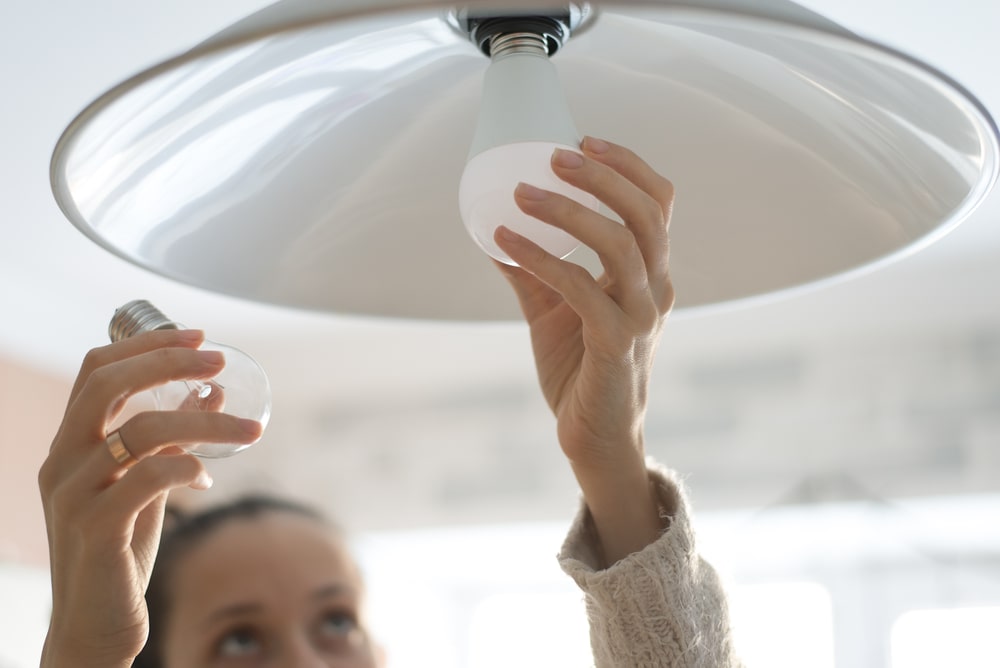
US States Matching Global Moves to Efficient Lighting
The ongoing revisions to the US’s federal lighting policies are incrementally raising the required efficiency of bulbs being sold on the market, slowly edging out the most inefficient and polluting products; however, there is an immediate opportunity to shut the door on costly lighting technologies.
“There is global momentum around the LED transition and US states are leading the pack,” said Ana Maria Carreño, Senior Climate Director at CLASP. “A national clean lighting policy would benefit every household and business across the US and help usher in the next generation of energy and cost-efficient lighting, while preventing further mercury pollution.”
At the recent Minamata Convention Fifth Conference of the Parties (COP5), countries agreed to phase out fluorescents globally by 2027. As the US is a party to the Convention, both state and federal action will be crucial to carrying out the decision nationally.
More states are signaling interest in passing their own clean lighting bills in upcoming legislative cycles. The CLASP lighting experts are watching closely to see when federal action will take advantage of the multifaceted benefits of an all-LED future.
__
CLASP and the Appliance Standards Awareness Project (ASAP) would like to thank the nearly 200 state advocate organizations who are making the clean lighting transition a reality across the US, including the clean lighting champions at:
- Blue Planet Foundation
- Environment Oregon
- Fresh Energy
- Green Energy Consumers Alliance
- Hawaii Energy
- Illinois Public Interest Research Group
- Massachusetts Public Interest Research Group
- Mercury Policy Project
- National Product Stewardship Council
- Natural Resources Council of Maine
- Northwest Energy Coalition
- Responsible Purchasing Network
- Southwest Energy Efficiency Project
- Vermont Public Interest Research Group
0. Umweltbundesamt “Heat Pumps” August 2023
https://www.umweltbundesamt.de/en/topics/climate-energy/fluorinated-greenhouse-gases-fully-halogenated-cfcs/application-domains-emission-reduction/heat-pumps
1. Bundesamt für Wirtschaft und Ausfuhrkontrolle “Liste der förderfähigen
Wärmepumpen mit Prüf-/Effizienznachweis” April 2025 https://www.bafa.de/SharedDocs/Downloads/DE/Energie/beg_waermepumpen_pruef_effizienznachweis.html
2. International Energy Agency “World Energy Outlook 2019” https://iea.blob.core.windows.net/assets/98909c1b-aabc-4797-9926-35307b418cdb/WEO2019-free.pdf
3. International Energy Agency “World Energy Outlook 2019” https://iea.blob.core.windows.net/assets/98909c1b-aabc-4797-9926-35307b418cdb/WEO2019-free.pdf
4. International Energy Agency “World Energy Outlook 2023” https://iea.blob.core.windows.net/assets/86ede39e-4436-42d7-ba2a-edf61467e070/WorldEnergyOutlook2023.pdf
5. International Energy Agency “World Energy Outlook 2019” https://iea.blob.core.windows.net/assets/98909c1b-aabc-4797-9926-35307b418cdb/WEO2019-free.pdf
6. International Copper Association “ICA China Motor Program: 20 Years of Promoting Energy Efficiency” https://internationalcopper.org/resource/ica-china-motor-program-20-years-of-promoting-energy-efficiency/
7. International Copper Association India “Energy Efficient Motors” https://copperindia.org/energy-efficient-motors/
The Induction Revolution: Top Chefs Embrace Electric Cooking
The shift to induction stoves is gaining momentum in professional kitchens around the world, as demonstrated at the Global Cooksafe Coalition’s (GCC) launch in the United Kingdom on 3 June 2024. CLASP participated in the event, along with world-renowned chefs, public health and climate experts, and industry leaders. There was consensus in the call for a rapid transition from fossil fuel powered cooking to healthier, affordable, and safer electric kitchens powered by renewable energy.

Key Takeaways from the Event
- Culinary excellence: Modern electric cooking technologies provide excellent cooking performance for both professional and home kitchens as they offer precise temperature control and the ability to heat food faster.
- Health and safety: Transitioning to electric cooking can significantly improve indoor air quality and reduce health risks associated with gas cooking. Electric cooking also creates safer cooking conditions, with more manageable room temperatures for chefs, compared to open flame stoves. This reduces heat-related stress and fatigue and leads to higher productivity and better physical and mental health.
- Environmental impact: Electrifying kitchens is a critical step in decarbonizing restaurants and homes, lowering climate emissions, and achieving global climate targets.
- Economic viability: Electric stoves are much easier to clean than gas stoves, saving restaurant staff hours each week. In addition, renewable energy combined with electric appliances offers a cost-effective and stable energy solution, reducing dependency on volatile fossil fuel markets.

I worked in a couple of kitchens doing pop-ups and things where they had induction suites and I just really enjoy working on them. I loved the control. I loved the ability to clean it so easily and also not having so much heat generated from it. I actually switched my entire house to induction very recently. I just felt it was the future.Chef John Chantarasak
Owner of AngloThai
Top UK Chefs Embrace Electric Cooking
During the event, professional chefs and GCC ambassadors, John Chantarasak and Chantelle Nicholson, along with Chef Douglas McMaster, highlighted the advantages of electric cooking. They demonstrated how modern induction stoves offer precise control and superior cooking quality, dispelling common misconceptions about electric cooking’s limitations.
The Future is Electric
Chefs around the world are increasingly embracing electric alternatives like induction, making it a compelling option for households as well. Innovations in electric cooking technologies cater to all varieties of culinary needs.

Induction is just so accurate, so precise, so clean. It’s 3 times more efficient. It’s absolutely the way forward.Chef Douglas McMaster
Owner of Silo London
By using electromagnetic energy to directly heat cookware, induction stoves produce less ambient heat, creating a safer, healthier, and more comfortable work environment, particularly during busy restaurant shifts. The absence of open flames on electric or induction stoves also reduces the risk of accidental fires and eliminates pollutants caused by burning gas.
Reducing Risks for Healthier Homes
Electrifying kitchens is a solution to growing health concerns. Cooking with gas releases toxic pollutants, such as nitrogen dioxide and benzene, into kitchens and homes. It puts people at greater risk of respiratory diseases like asthma, particularly for vulnerable groups such as children or those with pre-existing health conditions. There is growing evidence linking combustion-related air pollution with adverse health effects on brain development in young children. For adults, emissions from gas cooking can lead to negative impacts on the brain, respiratory, and nervous systems.

We spend roughly 80% of our time indoors – in our homes, in our schools, in our workplaces. So why has all the focus and concentration been on what we breathe outdoors when we’re potentially at more risk breathing what is present in indoor air?Professor Frank Kelly
Battcock Chair in Community Health and Policy, Imperial College London
Transitioning to electric appliances and ensuring proper ventilation can help lower the risks of gas cooking. For people who cannot adopt electric options, there are several ways to minimize exposure to gas cooking emissions. Find out how to improve the air quality in your home when you use a gas stove or oven.
About the Global Cooksafe Coalition
As a founding member of the GCC, CLASP supports the coalition’s mission by researching cleaner, more efficient electric alternatives while also addressing the health and environmental impacts of cooking with gas. Together, CLASP and GCC work for a healthier and more sustainable future for all.
More information about CLASP’s research on gas and electric cooking: www.clasp.ngo/cook-cleaner-europe
For more information about the GCC’s launch in the United Kingdom: www.cooksafecoalition.org/grosvenor-lendlease-electric
0. Umweltbundesamt “Heat Pumps” August 2023
https://www.umweltbundesamt.de/en/topics/climate-energy/fluorinated-greenhouse-gases-fully-halogenated-cfcs/application-domains-emission-reduction/heat-pumps
1. Bundesamt für Wirtschaft und Ausfuhrkontrolle “Liste der förderfähigen
Wärmepumpen mit Prüf-/Effizienznachweis” April 2025 https://www.bafa.de/SharedDocs/Downloads/DE/Energie/beg_waermepumpen_pruef_effizienznachweis.html
2. International Energy Agency “World Energy Outlook 2019” https://iea.blob.core.windows.net/assets/98909c1b-aabc-4797-9926-35307b418cdb/WEO2019-free.pdf
3. International Energy Agency “World Energy Outlook 2019” https://iea.blob.core.windows.net/assets/98909c1b-aabc-4797-9926-35307b418cdb/WEO2019-free.pdf
4. International Energy Agency “World Energy Outlook 2023” https://iea.blob.core.windows.net/assets/86ede39e-4436-42d7-ba2a-edf61467e070/WorldEnergyOutlook2023.pdf
5. International Energy Agency “World Energy Outlook 2019” https://iea.blob.core.windows.net/assets/98909c1b-aabc-4797-9926-35307b418cdb/WEO2019-free.pdf
6. International Copper Association “ICA China Motor Program: 20 Years of Promoting Energy Efficiency” https://internationalcopper.org/resource/ica-china-motor-program-20-years-of-promoting-energy-efficiency/
7. International Copper Association India “Energy Efficient Motors” https://copperindia.org/energy-efficient-motors/
National Cooking Trends from Six European Countries: Insights and Policy Recommendations
Despite advancements in electric cooking technologies, millions of households across Europe still rely on gas for cooking. Gas cooking appliances contribute to high levels of indoor air pollution and pose substantial health, environmental, and economic challenges.
CLASP’s has produced incisive factsheets on gas cooking trends in six countries. These provide insights and policy recommendations, covering consumer trends, as well as health, environmental, and cost concerns in these countries:
The Risks and the Solutions
CLASP’s research reveals elevated levels of NO2 in homes using gas stoves and ovens compared to those using electric alternatives. These levels exceed benchmarks set by World Health Organization guidelines and European Union (EU) and United Kingdom (UK) limits for outdoor air pollution.
- Health Impacts: Exposure to high levels of pollution is known to cause strokes, heart disease, lung cancer, and both chronic and acute respiratory diseases, including asthma.
- Climate Change: Gas cooking contradicts net-zero and emissions reduction targets, highlighting the need to transition to electric alternatives. The reliance on fossil fuels for domestic cooking contributes to indoor air pollution and greenhouse gas emissions, undermining efforts to mitigate the impacts of climate change.
- Consumer Trends: Despite health and environmental concerns, many consumers remain unaware of the risks of gas cooking.
- Cost Considerations: Gas cooking masks significant societal costs. While gas appliances may offer initial cost savings in some cases, the hidden costs associated with indoor air pollution, such as healthcare expenses and environmental impacts, outweigh any apparent economic benefits.
- Policy Recommendations and Regulatory Measures: In the EU and the UK, Ecodesign and Energy Labelling policies provide opportunities to advance energy-efficient and healthier electric alternatives. At the national level, governments can accelerate the transition to electric cooking through electricity tariff reforms, targeted subsidies, awareness campaigns, and holistic support. Incentives and financial assistance programs can encourage households to adopt electric cooking technologies, facilitating a shift towards cleaner and more sustainable cooking practices.
For more information on the topic, visit https://www.clasp.ngo/cook-cleaner-europe/.
0. Umweltbundesamt “Heat Pumps” August 2023
https://www.umweltbundesamt.de/en/topics/climate-energy/fluorinated-greenhouse-gases-fully-halogenated-cfcs/application-domains-emission-reduction/heat-pumps
1. Bundesamt für Wirtschaft und Ausfuhrkontrolle “Liste der förderfähigen
Wärmepumpen mit Prüf-/Effizienznachweis” April 2025 https://www.bafa.de/SharedDocs/Downloads/DE/Energie/beg_waermepumpen_pruef_effizienznachweis.html
2. International Energy Agency “World Energy Outlook 2019” https://iea.blob.core.windows.net/assets/98909c1b-aabc-4797-9926-35307b418cdb/WEO2019-free.pdf
3. International Energy Agency “World Energy Outlook 2019” https://iea.blob.core.windows.net/assets/98909c1b-aabc-4797-9926-35307b418cdb/WEO2019-free.pdf
4. International Energy Agency “World Energy Outlook 2023” https://iea.blob.core.windows.net/assets/86ede39e-4436-42d7-ba2a-edf61467e070/WorldEnergyOutlook2023.pdf
5. International Energy Agency “World Energy Outlook 2019” https://iea.blob.core.windows.net/assets/98909c1b-aabc-4797-9926-35307b418cdb/WEO2019-free.pdf
6. International Copper Association “ICA China Motor Program: 20 Years of Promoting Energy Efficiency” https://internationalcopper.org/resource/ica-china-motor-program-20-years-of-promoting-energy-efficiency/
7. International Copper Association India “Energy Efficient Motors” https://copperindia.org/energy-efficient-motors/