
2025 CLASP Annual Report
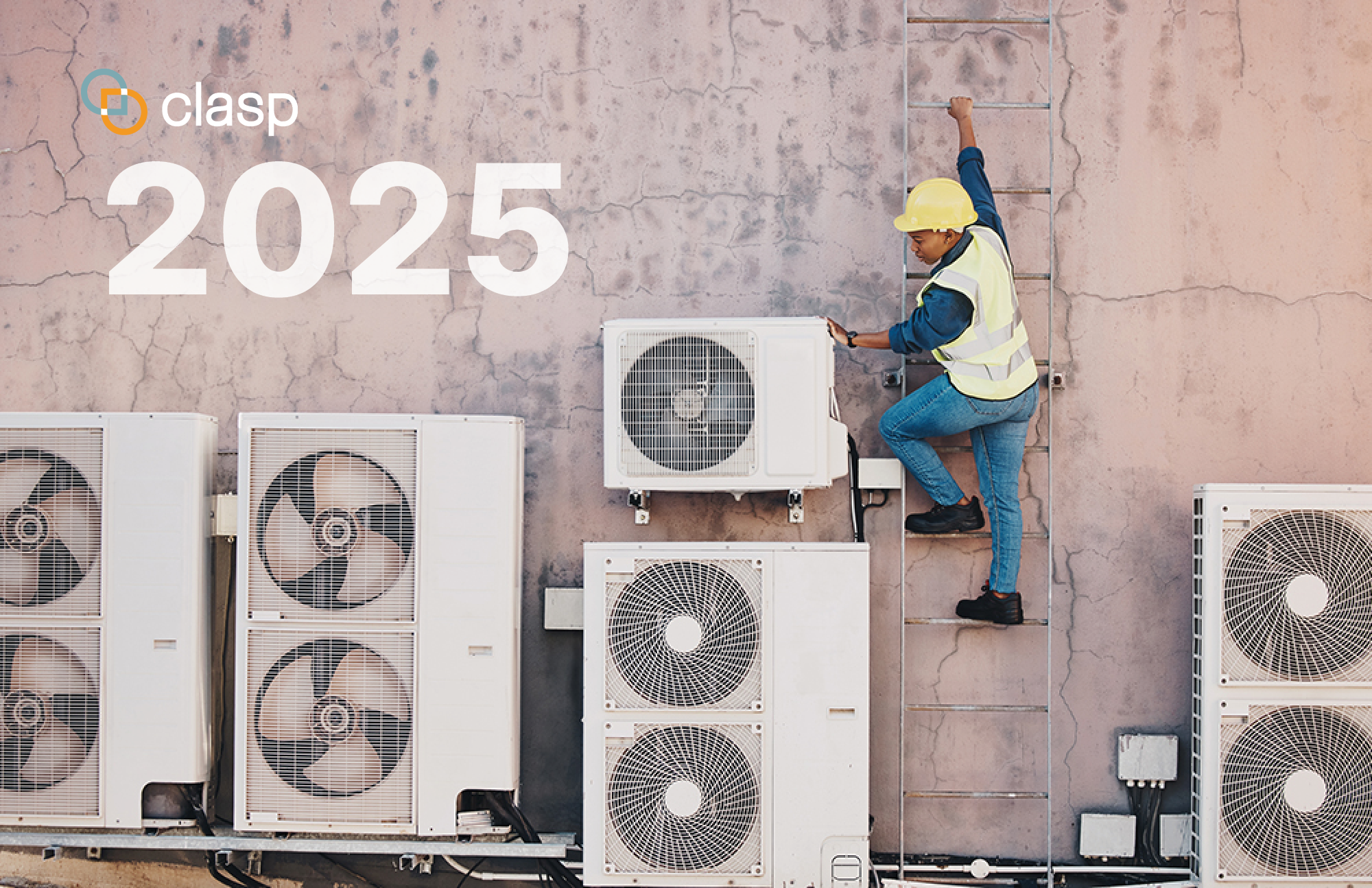
Collective action for people,
prosperity, and planet.
A note from CLASP’s CEO,
Christine Egan
Appliance and equipment energy efficiency is a triple-win for people, planet, and prosperity. In a time of multiplying global crises, it stands out as a durable climate solution and key element of smart decarbonization strategies. It also creates jobs and improves livelihoods, enhances energy security and food system resilience, and helps people adapt to a changing climate.
Looking back at 2025, I’m wowed by the work of CLASP’s global team and dedicated partners, and the focus of the decisionmakers we support. Through purposeful collaboration, we forged the policy instruments, finance, and intelligence to drive positive momentum.
Together, we are changing the way we use energy.

2025 by the numbers:
4.6 Gt 18 CLASP-supported appliance and equipment efficiency policies will avoid 4.6 gigatons of CO2 by 2050, improving planetary and human health and saving money.
30K+ Over 30,000 people experienced improved health and livelihoods via access to efficient, solar powered appliances and equipment.

Skyline of Jakarta, Indonesia
Image credit: CLASP
Elevating Appliance Efficiency in National Climate Commitments
What we did
Ahead of COP30, CLASP led a global campaign to improve inclusion of appliance and equipment energy efficiency in national climate goals (nationally determined contributions or NDCs).
How we did it
Through our Net Zero Appliance NDC Toolkit and bespoke support for governments around the globe, CLASP elevated appliance efficiency policy as a key climate mitigation solution. Now, appliance and equipment efficiency policy is included in 90% of all submitted NDCs—up from below 50% in the last cycle.

Image credit: CLASP
Powering Africa’s Green Economy
Solar-powered appliances and equipment turn energy into opportunity, helping small businesses generate jobs and income. In 2025, CLASP re-launched our innovative Productive Use Financing Facility to make it cheaper and easier for entrepreneurs, farmers, and small businesses in Ethiopia, Kenya, and Nigeria to buy solar-powered appliances and equipment that power livelihoods. Last year, CLASP partnered with 11 companies to drive jobs and economic growth in Africa’s informal and agricultural sectors, which make up 70-80% of African economies.
Slashing Emissions Through Smart Policy
Australia
National leaders passed a lighting policy that will transition Australia’s market to an all-LED future and avoid 41 Mt of CO₂ by 2050, informed by CLASP-led analysis.
Brazil
Policymakers made strides in Brazil’s LED transition with CLASP’s support, approving a lighting policy package that will slash nearly 3 Mt CO₂ by 2050.
China
CLASP supported seven major policy updates, including for compressed air systems, refrigerators, and water pumps. Altogether, the new policies are estimated to cut nearly 3 Gt CO₂ by 2050.
India
CLASP supported the advancement of policies for space cooling appliances that will place India among global leaders in efficiency and cut 1.2 Gt CO₂ by 2050.
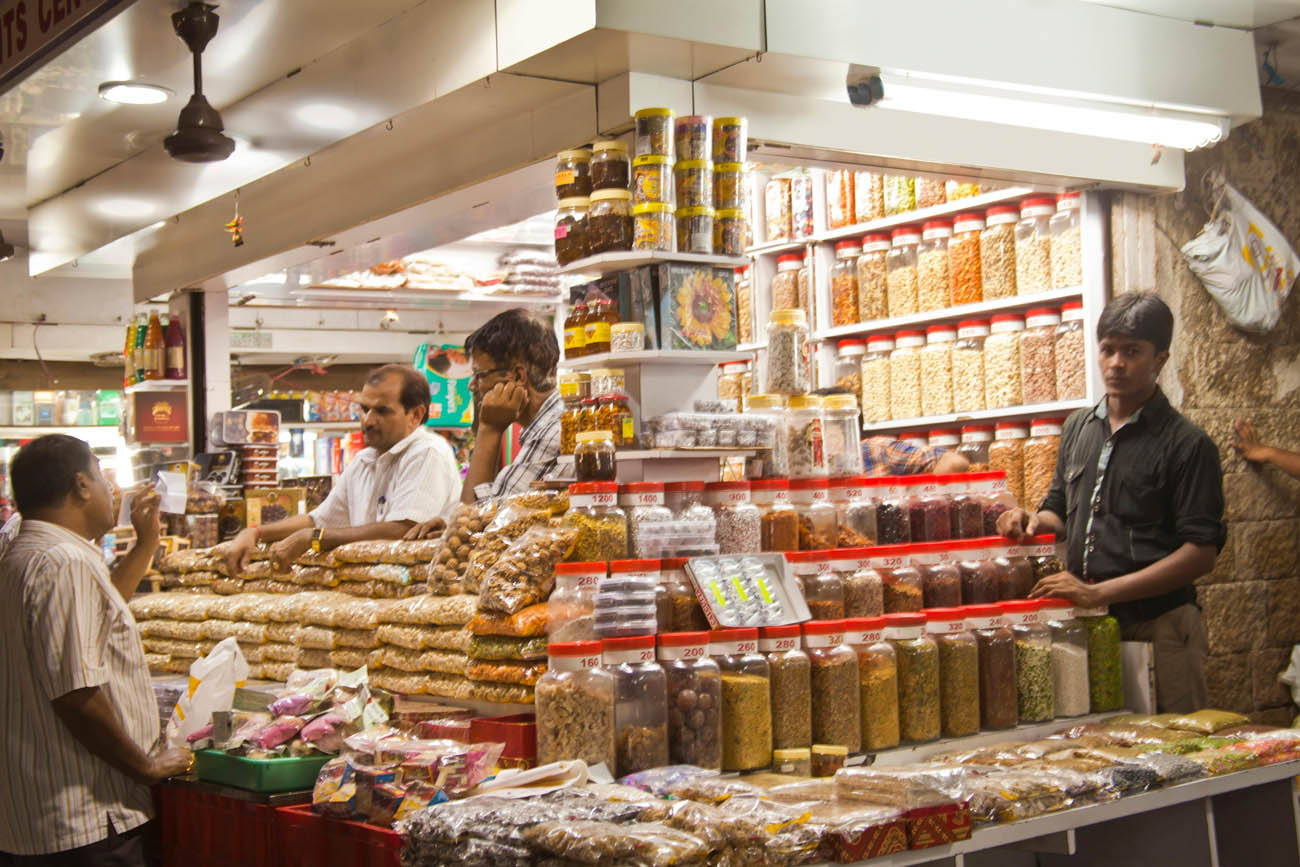
Image credit: ImageDB
Making Efficient, Affordable Fans the New Standard in India
India is one of the places on the planet most at risk of extreme heat. 90% of households rely on fans as their only form of space cooling. CLASP partnered with government and private sector partners to drastically improve fan efficiency, availability, and affordability. A major part of the effort was supporting small and medium enterprises to improve their production capacity.
The impact has been catalytic. Together, CLASP and partners cut energy demand and climate emissions from cooling, while safeguarding jobs, strengthening local supply chains, and making efficient cooling more affordable to the people who need it.
Joining Up with the Modern Energy Cooking Services (MECS) Programme
CLASP joined the UK Aid-supported MECS programme as a core partner alongside Loughborough University and the World Bank’s ESMAP. CLASP now leads on venture building and market shaping, helping e-cooking businesses scale up. In 2025, CLASP launched the Global LEAP Awards Induction Cooktops Competition to identify and promote the most innovative electric cooktops on the market.

CLASP's Sumedha Awasthy & Nya Abagi at the Global LEAP Awards Induction Cooktops Competition workshop in New Delhi, India.
Image credit: CLASP
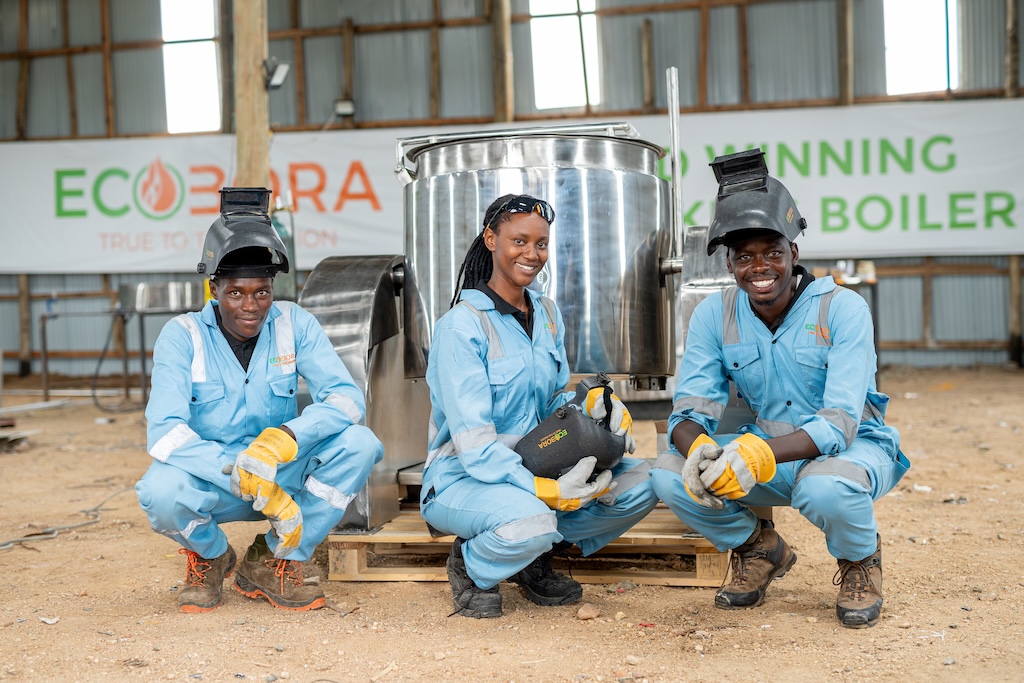
EcoBora, an innovative electric cooking company in Kenya, supported by CLASP through the MECS programme.
Image credit: CLASP
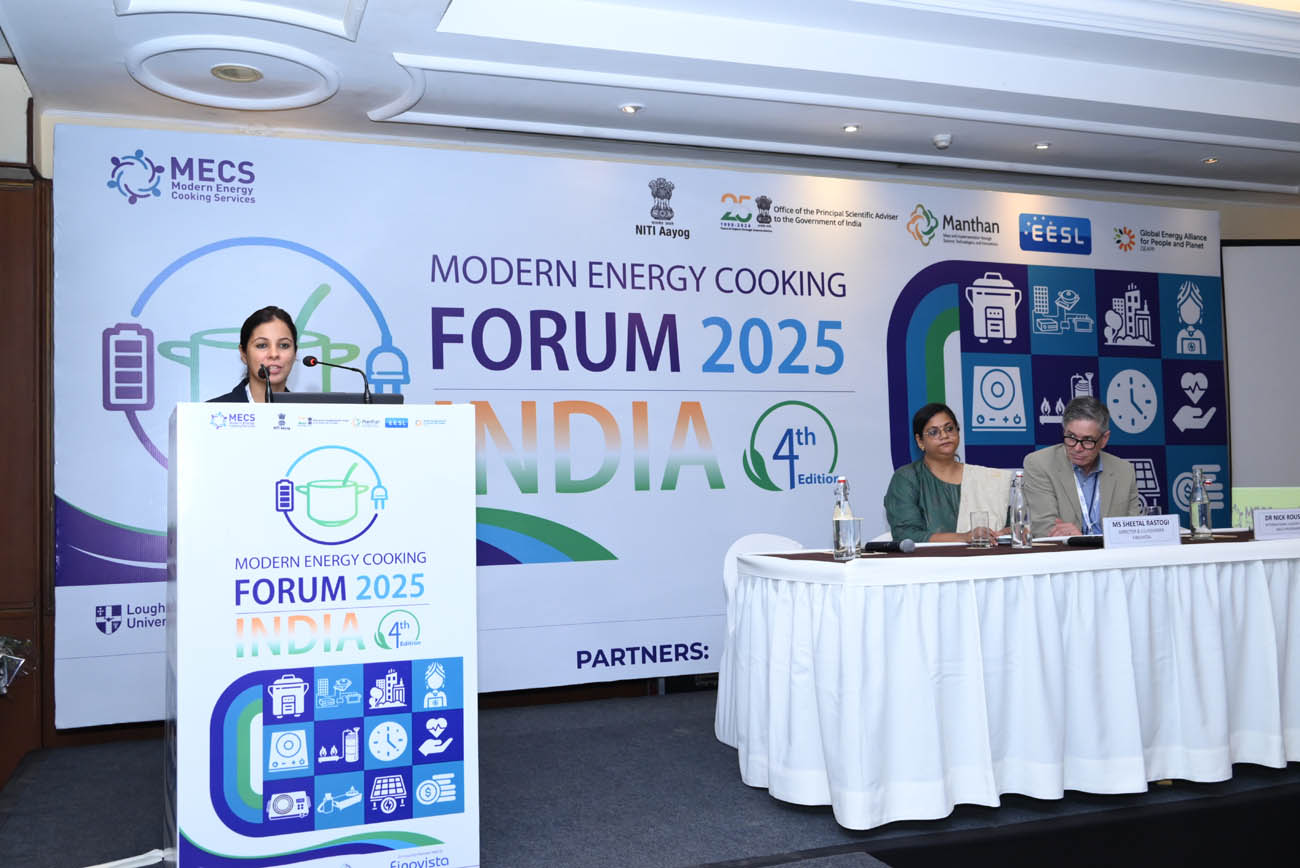
CLASP’s India Director, Neha Dhingra, speaking at the Modern Energy Cooking Forum in New Delhi, India, in September 2025.
Image credit: Finovista
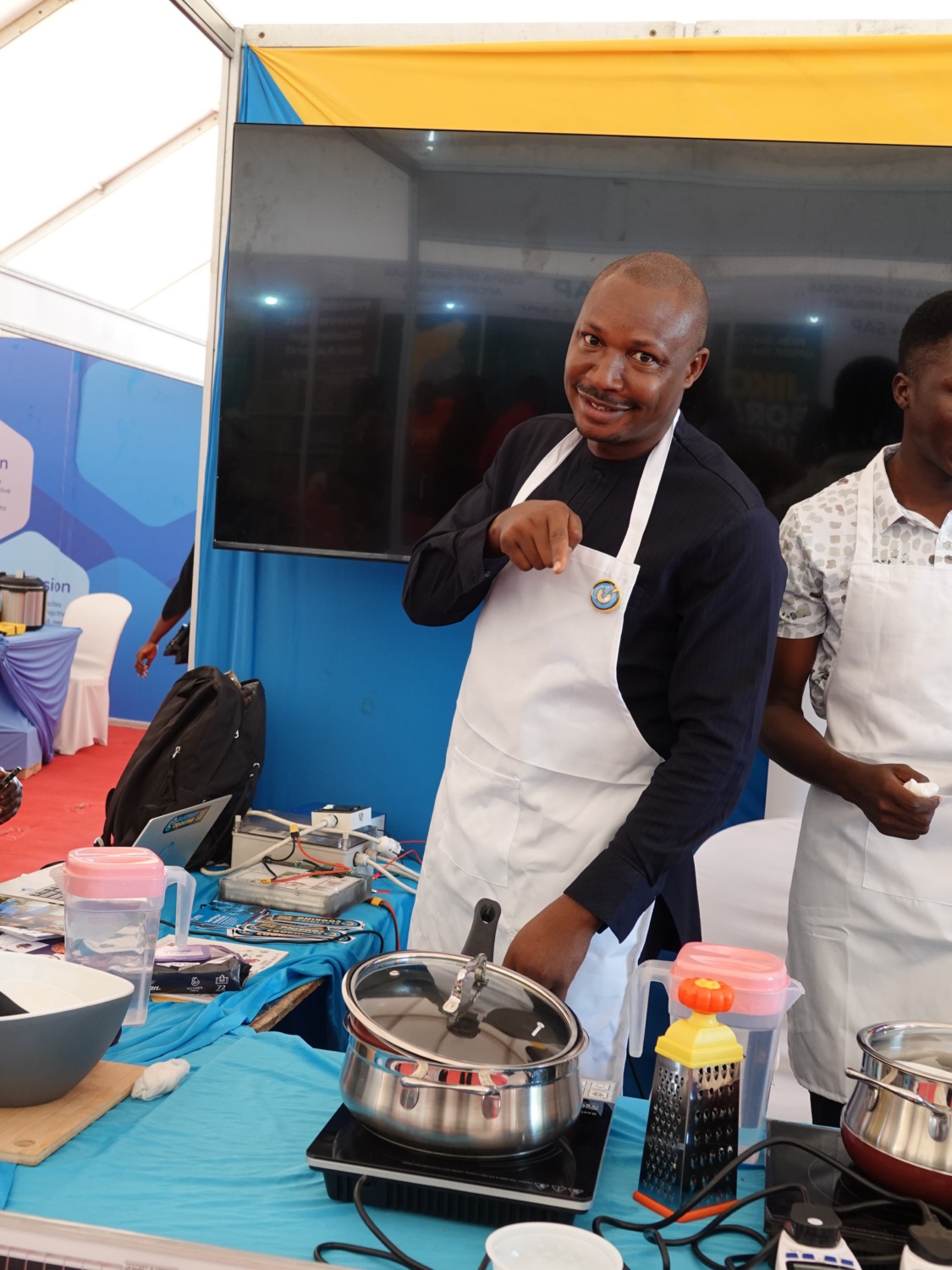
Emmanuel Aziebor, CLASP’s Senior Director, Africa, at Kenya Clean Cooking Week.
Image credit: CLASP
How UK Housing Authorities Can Power the Switch to Electric Cooking
Global Action Plan, in partnership with CLASP, piloted gas-to-electric cooking retrofits in a social housing community in Manchester.
For participating households, switching to electric meant more than lower emissions. It meant breathing more easily in the kitchen, a cleaner and more practical cooking experience, and greater peace of mind for families with young children. Every household preferred its new induction cooktop over gas.
Watch the video:
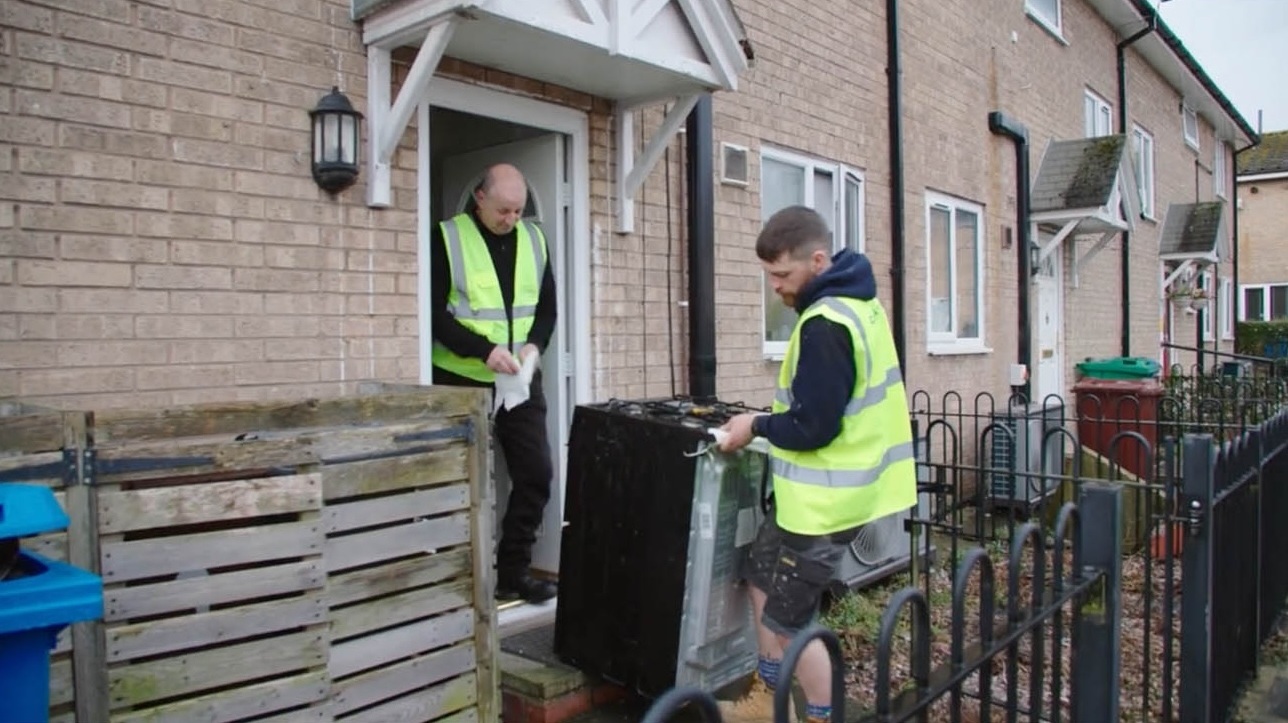
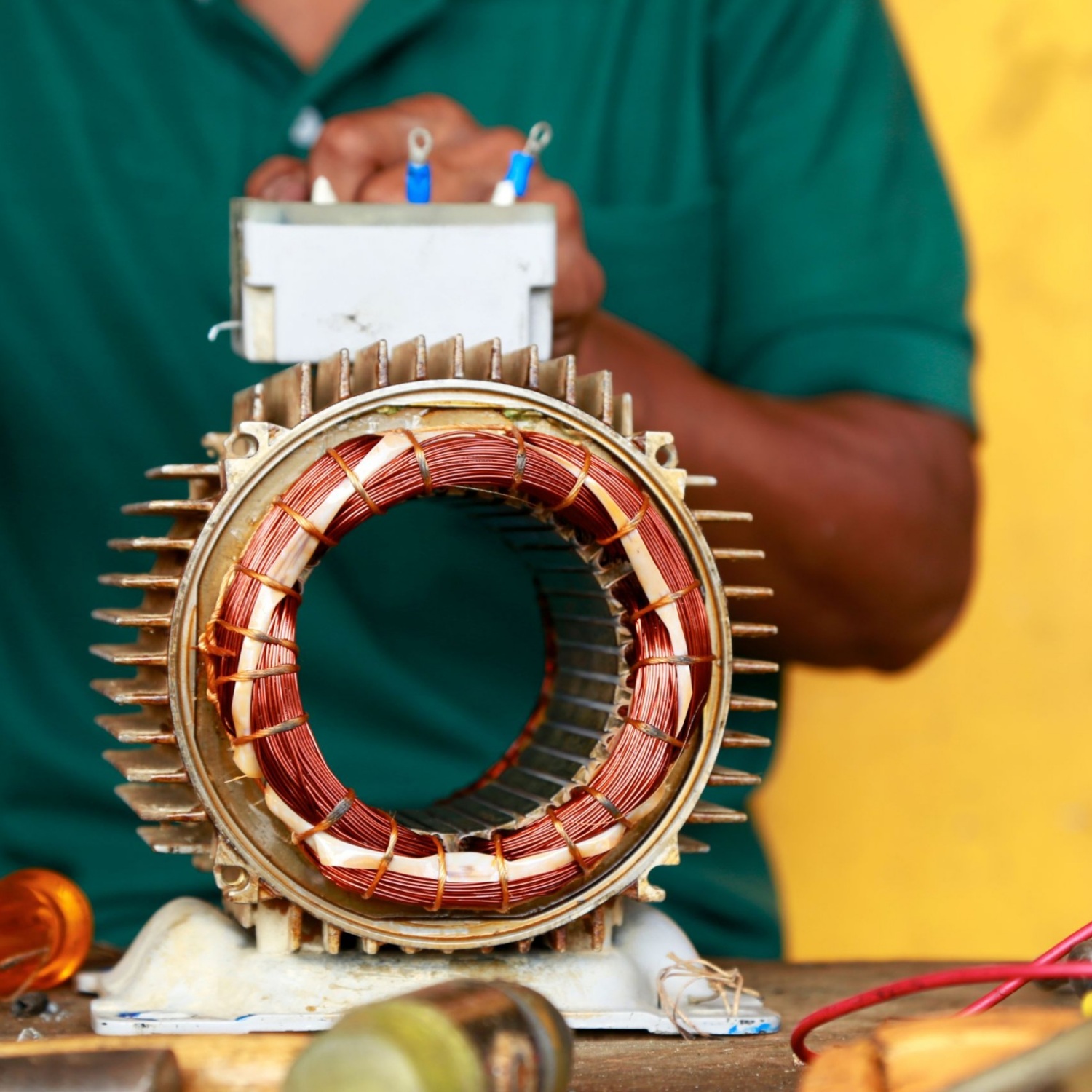
Image credit: CLASP
Economies Can Boom When Powered by Efficient Motor Systems
Industrial motor systems are the invisible heartbeat of economic development. Universally used across industrial facilities, they power the production of goods like metals, paper, cement, textiles, and packaged food. Motor systems are also ferocious energy consumers, due to their function and prevalence. Without intervention, and in step with global economic development and industrialization, by 2050 motor systems will account for 35% of global electricity demand and 19% of energy related emissions. CLASP is taking action on this priority appliance in the fight for Net Zero, identifying high impact opportunities at national and global scales to drive up efficiency, slash emissions, and boost economic progress.
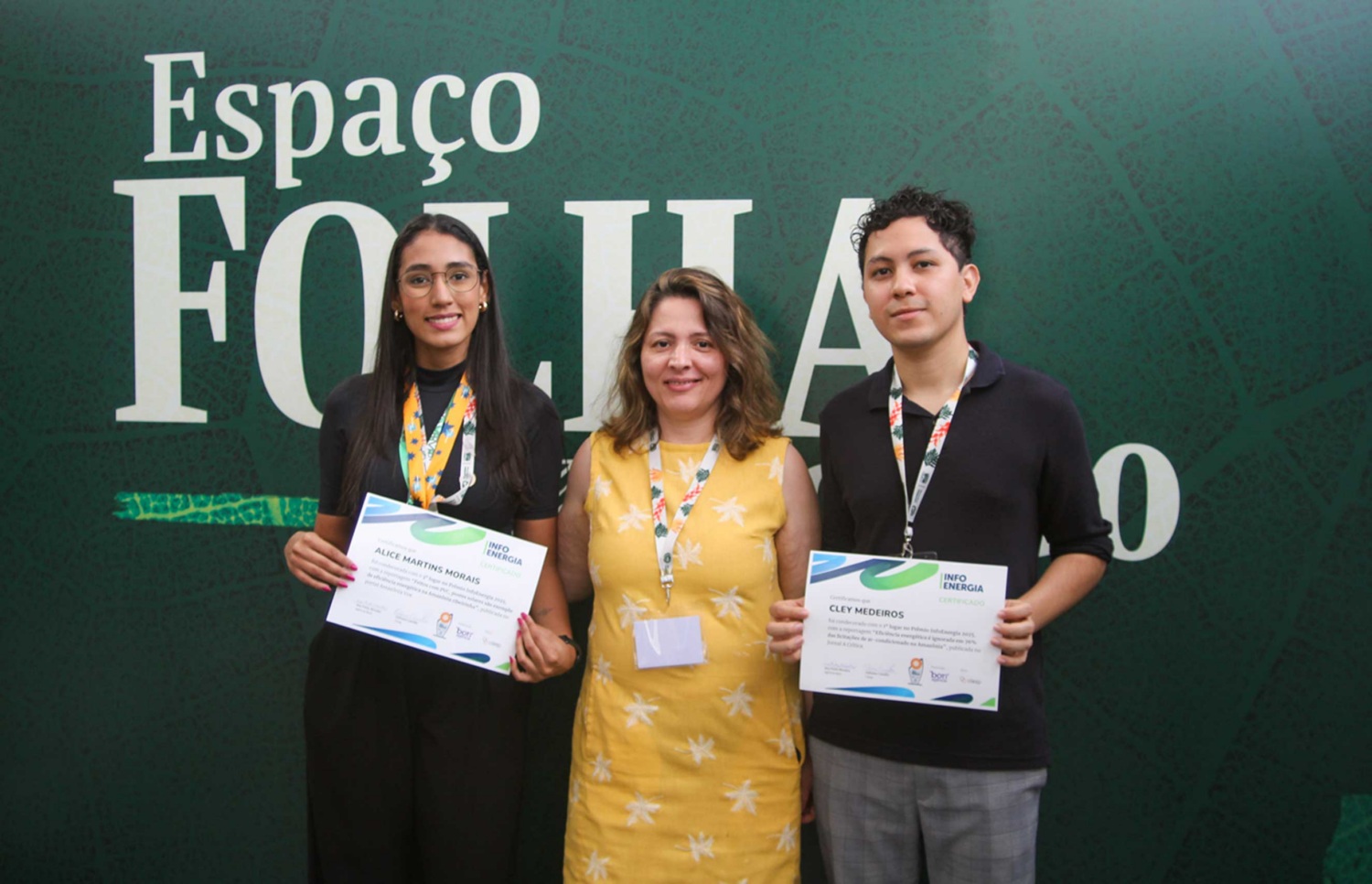
Image credit: CLASP
In Brazil, Partnering for Change
Ahead of COP30 in Brazil, CLASP joined forces with science communication agency Bori to drive national awareness of the benefits of appliance efficiency. Our InfoEnergia Mentorship was an 8-week, in-depth workshop that connected 25 journalists with experts and expertise to produce smart, contextualized reporting on appliance efficiency and its social, economic, and environmental impacts. Robust local journalism is a key element of durable climate policy.
Elevating Appliance-Centered Solutions at COP30
At COP 30 in Brazil, appliance and equipment energy efficiency stood out as a powerful climate solution, driving job creation, energy security, and adaptive capacity. CLASP provided expert testimony on the power of appliance efficiency solutions.
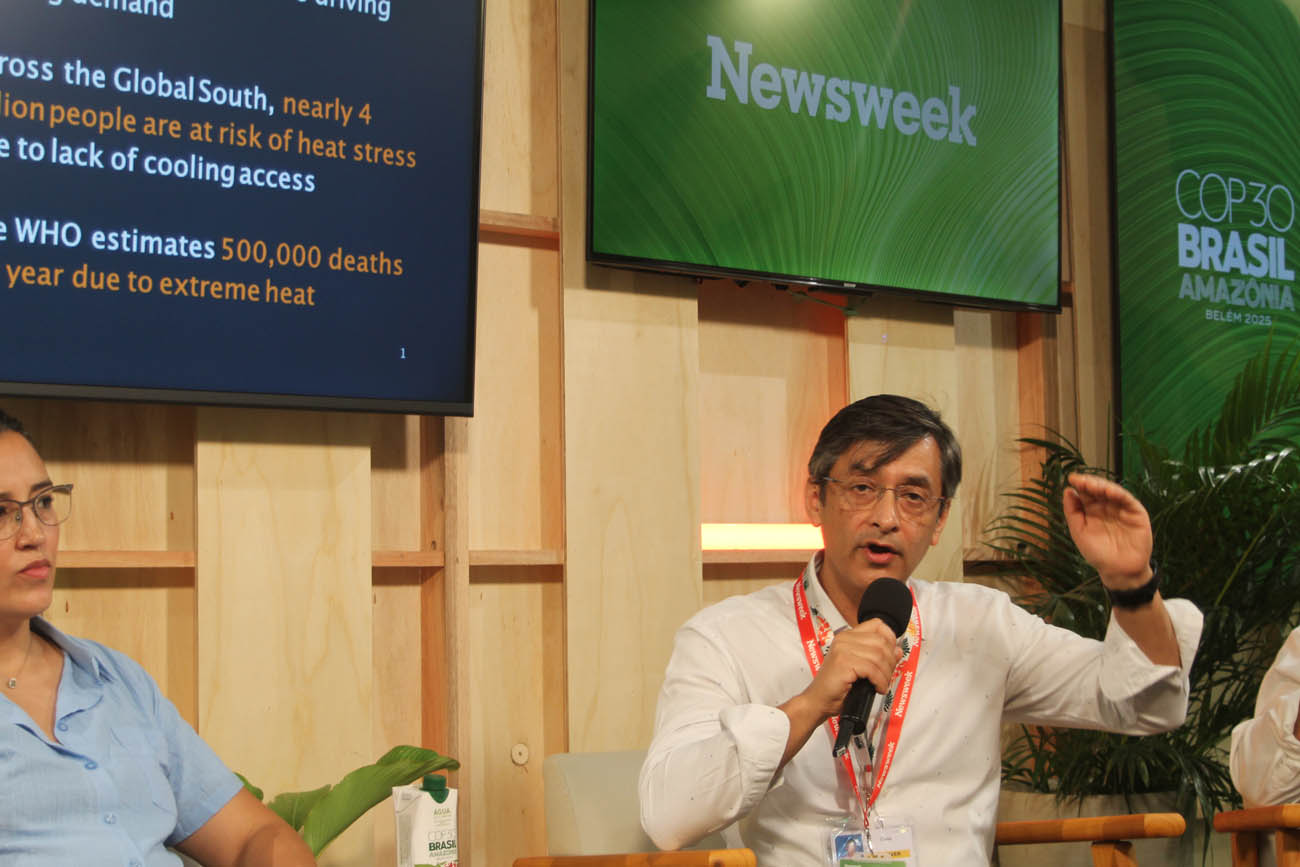
CLASP’s Bishal Thapa participated in discussion on space cooling solutions, offering insights about the benefits of efficient cooling technologies that slash emissions.
Image credit: CLASP

CLASP’s Edilaine Camillo moderated a conversation on the principal role of efficiency in Brazil’s energy transition during an agency-led day of efficiency themed events.
Image credit: CLASP

CLASP’s Bishal Thapa took part in a panel hosted by Casa Civil to speak about the role of energy efficiency policy in Brazil’s reindustrialization strategy.
Image credit: CLASP
Insights driving action
Delivering COP28’s Doubling Efficiency Goal Through Appliances
Appliance efficiency will play a critical role in meeting the COP28 commitment to double the global rate of energy efficiency improvement by 2030. CLASP research found it could deliver 20% of the energy savings needed, highlighting the value of strong standards, clear targets, and international collaboration.
The Missing Piece of Energy Access
666 million people, most of them in Africa, lack access to electricity. 2025 CLASP research shows that directing just 15% of existing energy investments toward efficient appliances can generate the demand needed to make grid expansions financially viable and help those currently living without electricity gain access to healthier, more productive lives.
Finances
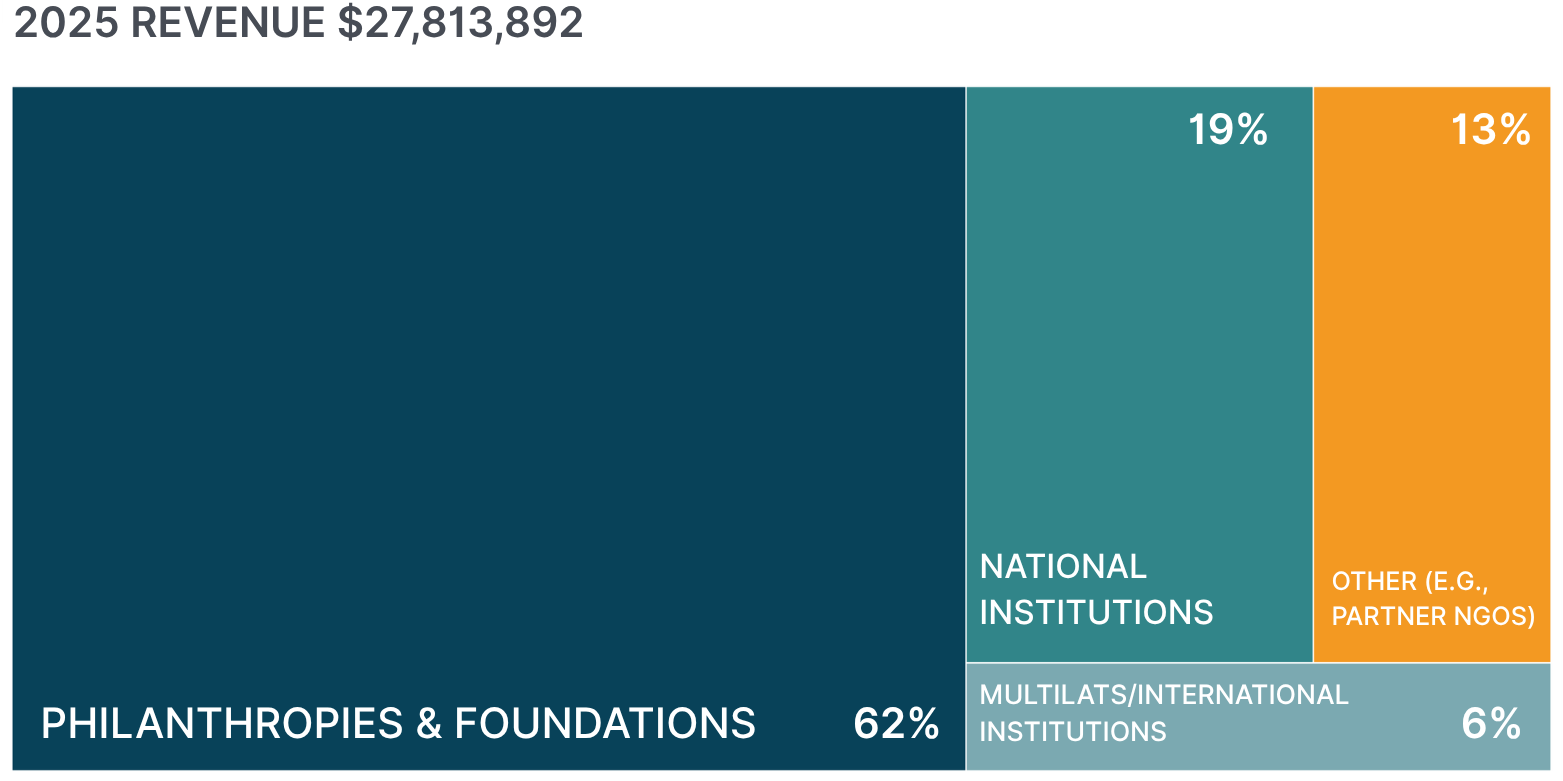
- Revenue by donor type
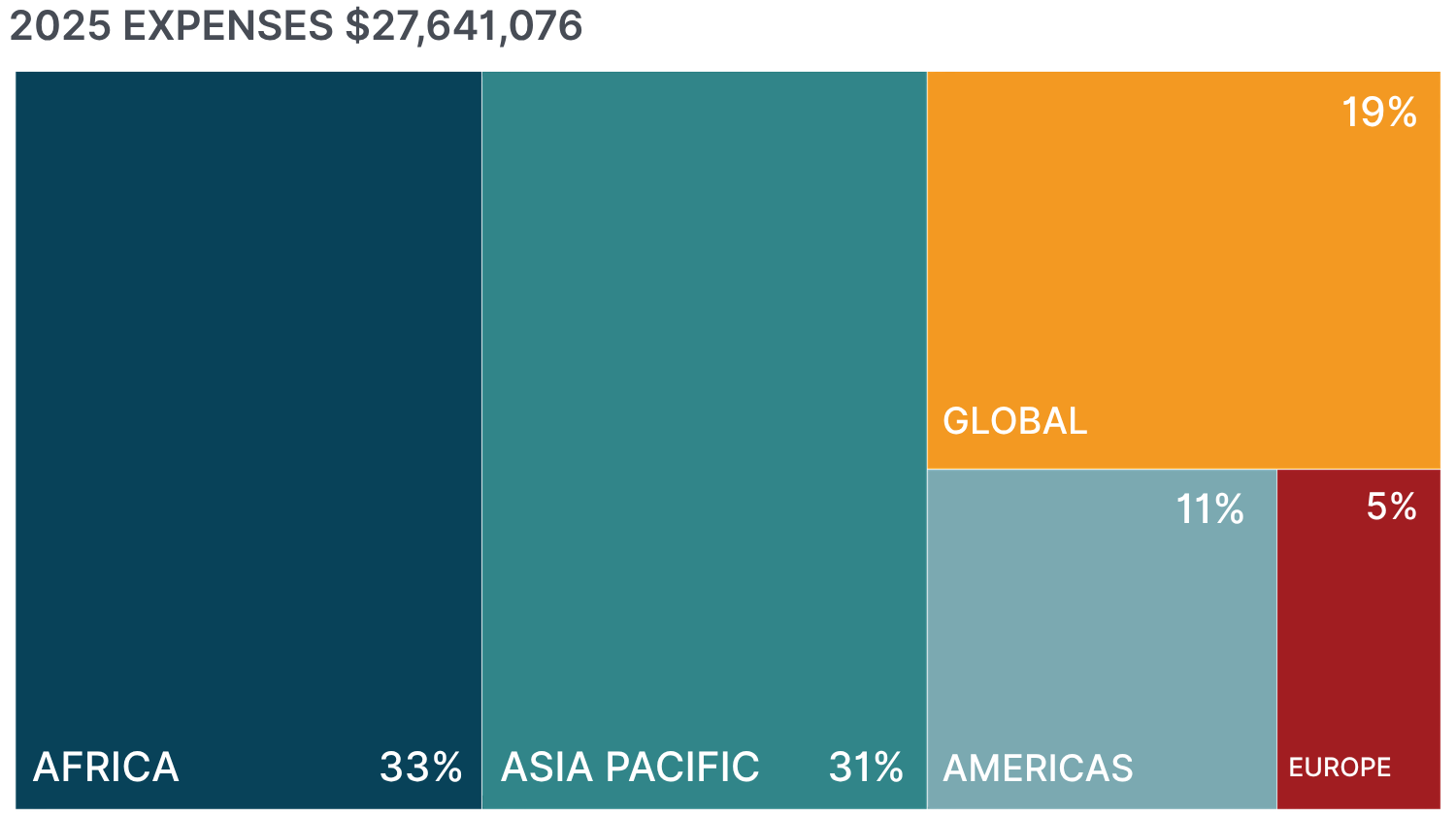
- Expenses by region
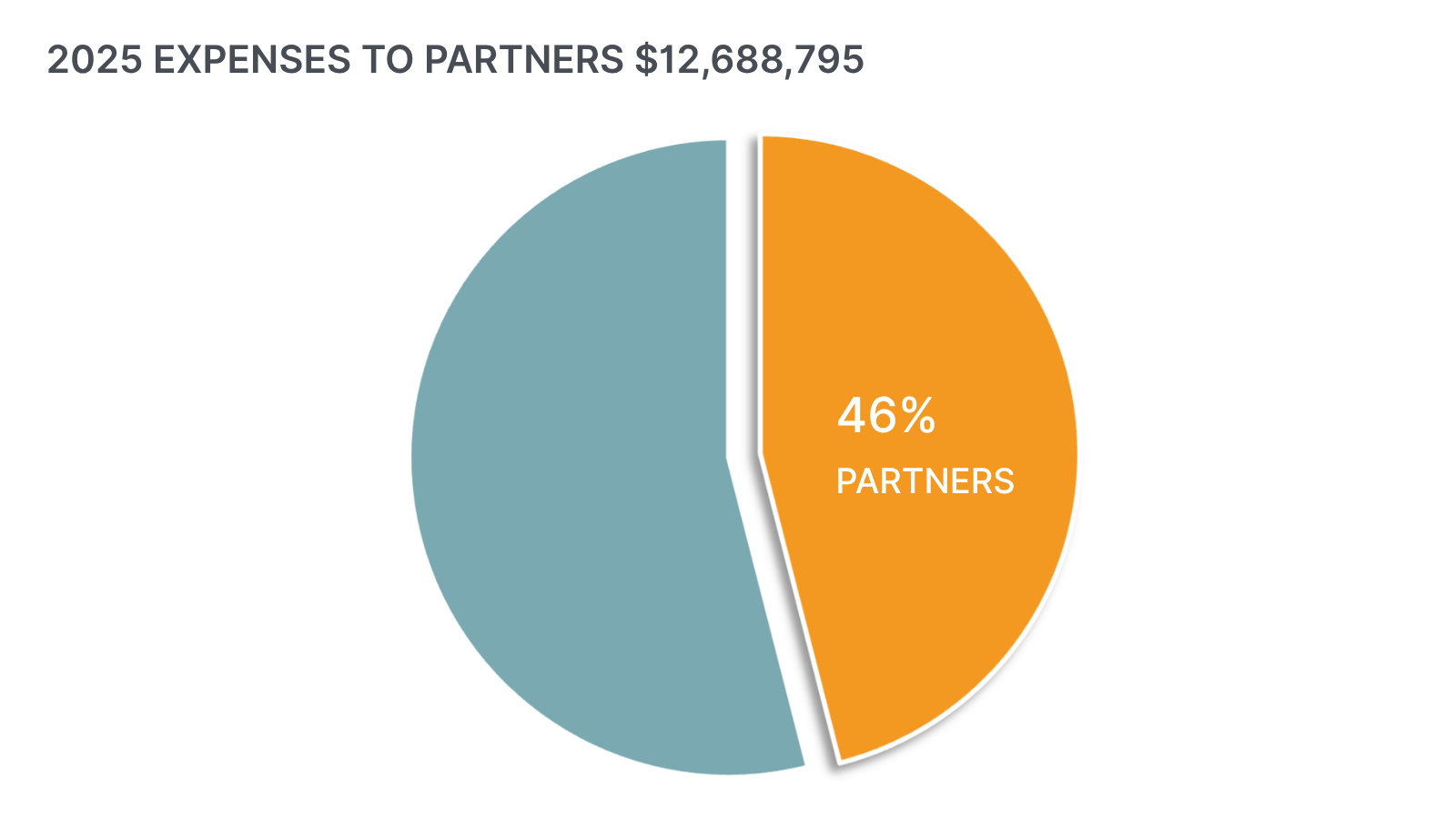
- CLASP collaborates with a global network of partners. In 2025, CLASP channeled nearly half our resources to civil society and energy groups, innovators, academic institutions, and experts — essential partners in changing the way we use energy.
About CLASP
Efficient appliances and equipment are essential drivers of economic growth and a fast, practical energy transition. With over 25 years of expertise and offices on five continents, CLASP collaborates with governments, industry leaders, and other experts to change the way we use energy.
We’re proud of what our team and partners achieved in 2025, driving progress for a better world. In 2026, we remain committed to championing appliance efficiency as a powerful solution for people, prosperity, and planet.
Solar Appliance Repairability Index Series
Solar appliances often constitute a significant financial investment, especially for those living in off-grid regions where recycling is also limited. Enhancing appliance repairability aims to protect consumer investment and the environment by incentivising designs that are easier to repair or refurbish.
This Solar Appliance Repairability Index Series consists of an introductory paper that outlines the findings of current repair practices and key criteria for assessing repairability, as well as a repair index for solar water pumps, fans, and refrigerators.
The introductory paper, “Closing the Loop: Enhancing Repairability in the Solar Appliance Market,” synthesises field research in Kenya and interviews with 32 stakeholders. Findings reveal that the repair of solar appliances is currently managed in an informal, uncoordinated way. This poses challenges to the sustainability of the solar appliance sector, including:
- Knowledge gaps
- Access to repair services
- Missed job opportunities
The Repairability Index for Solar Fans, Refrigerators, and Water Pumps provides a structured framework to assess how easily an appliance can be repaired across four core parameters:
- Spare parts and tools
- Disassembly
- Skills complexity
- Documentation
The Repairability Index is intended to serve as a practical decision-making tool for manufacturers, distributors, program implementers, and policymakers.
About Efficiency for Access
Efficiency for Access is a global coalition working to promote renewable and energy efficient appliances to deliver clean energy to the world’s poorest people. It is coordinated jointly by CLASP and the UK’s Energy Saving Trust.
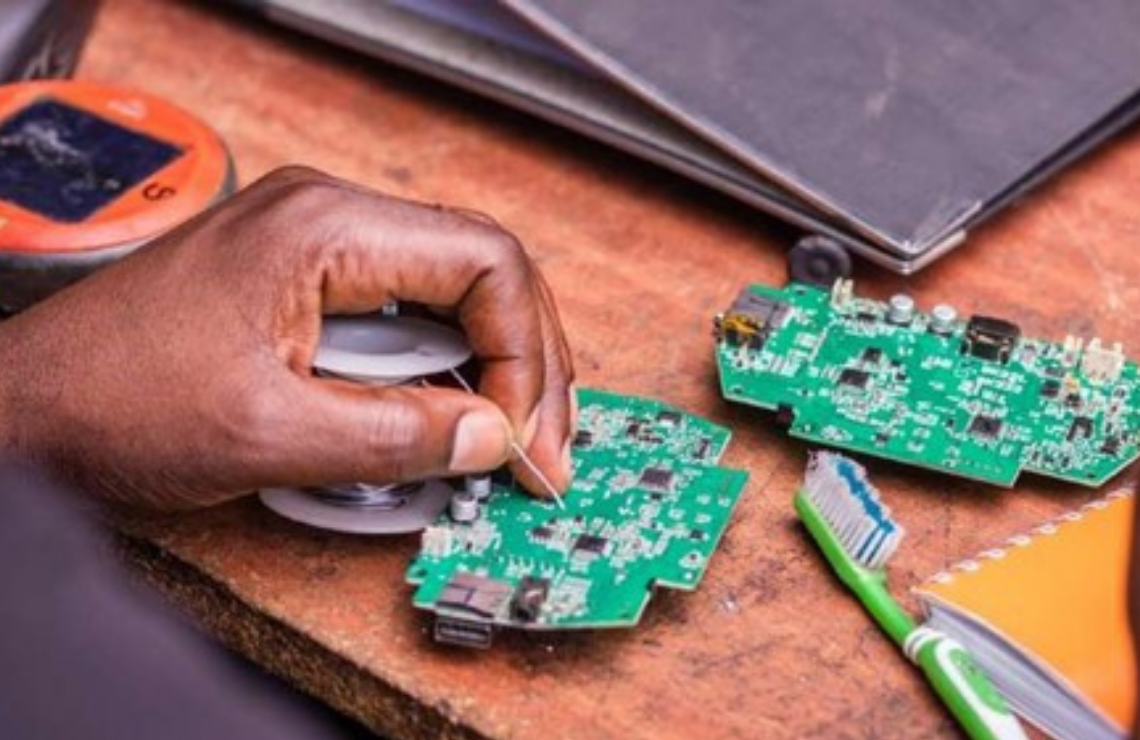
The Repair Index Calculator
The Repair Index Calculator is CLASP’s interactive tool to assess how easy or difficult it is to repair an appliance that has broken down.
Launch the calculatorCLASP Research Helps Set the Stage for Climate-Friendly, Efficient Cooling in Indonesia

Home to over 280 million people, Indonesia is one of the world’s top 20 emitters of greenhouse gases. With temperatures rising, the government’s Nationally Determined Contribution (NDC) commits to reducing emissions while continuing to support the nation’s economic growth.
Meeting both of these goals requires a strong focus on air conditioning. With global warming driving temperatures ever higher and the nation’s middle class growing, more Indonesians are buying ACs. By 2050, 85% of households in the country are expected to own ACs. But while this will create important quality-of-life benefits, it also poses risks. Today, low-efficiency ACs dominate the Indonesian market. Without policy intervention or market shifts, increased AC use will result in a significant rise in emissions and electricity usage across the country, jeopardizing the nation’s climate goals and raising consumers’ electricity bills.
One of the easiest and most cost-effective ways to make air conditioners more efficient and affordable is to improve national policies that determine the energy efficiency of appliances produced and sold in the market.
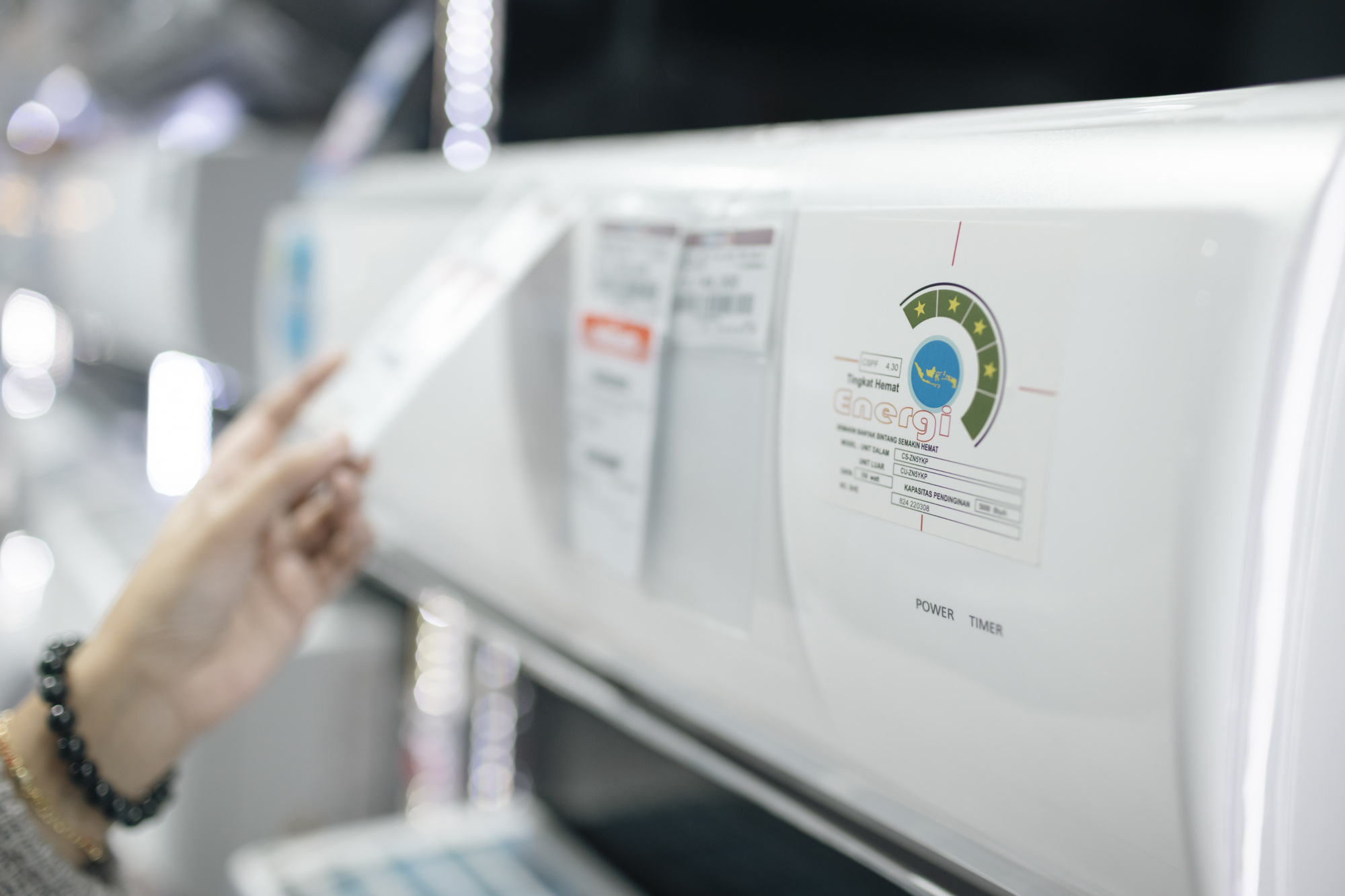
An air conditioner in Indonesia with an energy rating label
CLASP
Setting realistic and effective AC efficiency standards requires rigorous data on air conditioner performance. The Indonesian government, with technical support from CLASP, undertook a recent project to strengthen this evidence base.
We partnered with India’s CEPT University, University of Indonesia and other local universities, government and industry representatives, and certified AC technicians to study one important aspect of air conditioners: the difference in energy consumption between inverter and non-inverter technology.
Most air conditioners fall into these two types. An inverter AC can adjust how much power it uses depending on the cooling needed in the space, using less energy to maintain the right temperature. A non-inverter AC, on the other hand, repeatedly switches on and off to cool the room, which tends to consume more energy.
CLASP studied the energy consumption of these two technologies over a period of six months in three Indonesian cities: Jakarta, Medan, and Bali. In each location, two identical homes with identical bedroom conditions were identified. One home was fitted with an inverter AC and the other with a non-inverter unit, allowing researchers to compare their electricity usage under the same conditions. The study also provides independent evidence on whether inverter ACs can truly deliver electricity savings in Indonesia’s hot, humid climate.
The results showed:
- Field tests are consistent with global findings, indicating that inverter ACs consume less electricity than non-inverter units under similar conditions, with Jakarta measurements showing approximately 28% savings during the test period.
- The difference in energy use remained steady throughout the testing period, with inverter ACs consistently using less electricity.
Research has also shown that while inverter ACs cost more upfront, their lower electricity usage means households typically recover the extra cost in a few years through reduced electricity bills and continue saving afterward.
By providing empirical data to stakeholders and policymakers in Indonesia and elsewhere, CLASP aims to support stronger efficiency standards for air conditioners. These policies can help bring more efficient models to the market and encourage large-scale production, which can ultimately reduce the upfront cost of high-efficiency ACs, helping more people stay cool.
CLASP research helps set the stage for climate-friendly, efficient cooling in Indonesia
Home to over 280 million people, Indonesia is one of the world’s top 20 emitters of greenhouse gases. With temperatures rising, the government’s Nationally Determined Contribution (NDC) commits to reducing emissions while continuing to support the nation’s economic growth.
Meeting both of these goals requires a strong focus on air conditioning. With global warming driving temperatures ever higher and the nation’s middle class growing, more Indonesians are buying ACs. By 2050, 85% of households in the country are expected to own ACs. But while this will create important quality-of-life benefits, it also poses risks. Today, low-efficiency ACs dominate the Indonesian market. Without policy intervention or market shifts, increased AC use will result in a significant rise in emissions and electricity usage across the country, jeopardizing the nation’s climate goals and raising consumers’ electricity bills.
One of the easiest and most cost-effective ways to make air conditioners more efficient and affordable is to improve national policies that determine the energy efficiency of appliances produced and sold in the market.
An air conditioner in Indonesia with an energy rating label
CLASP
Setting realistic and effective AC efficiency standards requires rigorous data on air conditioner performance. The Indonesian government, with technical support from CLASP, undertook a recent project to strengthen this evidence base.
We partnered with India’s CEPT University, University of Indonesia and other local universities, government and industry representatives, and certified AC technicians to study one important aspect of air conditioners: the difference in energy consumption between inverter and non-inverter technology.
Most air conditioners fall into these two types. An inverter AC can adjust how much power it uses depending on the cooling needed in the space, using less energy to maintain the right temperature. A non-inverter AC, on the other hand, repeatedly switches on and off to cool the room, which tends to consume more energy.
CLASP studied the energy consumption of these two technologies over a period of six months in three Indonesian cities: Jakarta, Medan, and Bali. In each location, two identical homes with identical bedroom conditions were identified. One home was fitted with an inverter AC and the other with a non-inverter unit, allowing researchers to compare their electricity usage under the same conditions. The study also provides independent evidence on whether inverter ACs can truly deliver electricity savings in Indonesia’s hot, humid climate.
The results showed:
- Field tests are consistent with global findings, indicating that inverter ACs consume less electricity than non-inverter units under similar conditions, with Jakarta measurements showing approximately 28% savings during the test period.
- The difference in energy use remained steady throughout the testing period, with inverter ACs consistently using less electricity.
Research has also shown that while inverter ACs cost more upfront, their lower electricity usage means households typically recover the extra cost in a few years through reduced electricity bills and continue saving afterward.
By providing empirical data to stakeholders and policymakers in Indonesia and elsewhere, CLASP aims to support stronger efficiency standards for air conditioners. These policies can help bring more efficient models to the market and encourage large-scale production, which can ultimately reduce the upfront cost of high-efficiency ACs, helping more people stay cool.
Find CLASP at The Kenya International Investment Conference
From 25 to 27 March 2026, CLASP, as part of the Modern Energy Cooking Services (MECS), will attend the Kenya International Investment Conference (KIICO) in Nairobi, Kenya. CLASP’s Director of Clean Energy Access, Nyamolo Abagi, will moderate the panel discussion, “Policy/Regulatory Frameworks and Enhancing Institutional Coordination to Accelerate the Clean Cooking Sector” and Clean Energy Access Venture Building Manager, Towett Ngetich, and MECS Researcher and Program Lead, Jon Leary, will present at the side event, “Investment Opportunity Spotlight: From Sector Pack to Bankable Pipeline.”
At a time when Africa’s economy is in the midst of transformation and growth, KIICO provides a platform for visionary policymakers and investors across key sectors, including clean cooking and renewable energy, to transform ideas into action, mobilize capital, and forge new partnerships. It’s where investment, policy, and partnerships come together to shape the trajectory of the country’s, and the continent’s, economic growth.
Register for the event and connect with CLASP’s experts in person.
To invite CLASP experts to speak at your KIICO event, please contact Stella Madete, communications manager, at smadete@clasp.ngo.
Connect with CLASP at KIICO:
Event title | Date and time | Location | Host | Register |
|---|---|---|---|---|
Sector Pack Presentation by TWG: “Investment Opportunity Spotlight: From Sector Pack to Bankable Pipeline” | 27 March | Radisson Blu Hotel Nairobi, Upper Hill | Clean Cooking Working Group | Register to attend the conference |
Policy/Regulatory Frameworks and Enhancing Institutional Coordination to Accelerate the Clean Cooking Sector | 27 March | Radisson Blu Hotel Nairobi, Upper Hill | Clean Cooking Working Group | Register to attend the conference |
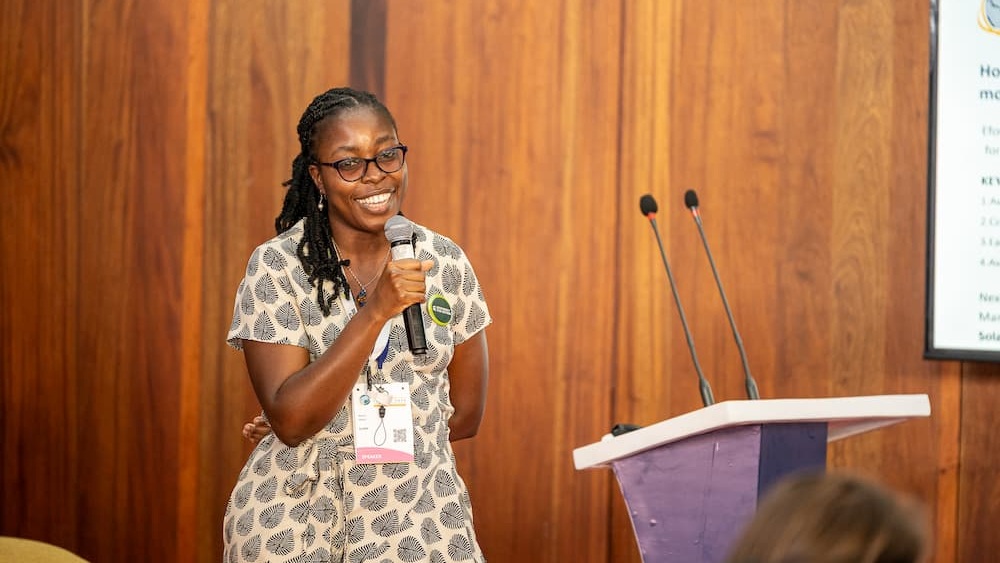
CLASP at your next event
Our team of experts leads the global conversation on the role of efficient appliances in fighting climate change and improving people’s lives. Please email us to learn more about the ways we can collaborate and connect.
Make a guest speaker inquiryClean Lighting Coalition Case Studies
The Clean Lighting Coalition is a CLASP led campaign aimed at transitioning the world to all efficient LED lighting from incumbent technologies like incandescent and mercury-ladened fluorescent lamps.
Throughout the campaign, CLASP has documented relevant case studies of governments and institutions leveraging the power of LED lighting to achieve crosscutting benefits.
Explore and download the case studies above.
Turning the Wheel of Progress: Energy-Efficient Motor Systems Power Jobs, Economic Development, and Climate Progress in Nigeria
Energy-efficient motor systems could play a key role in driving economic growth and climate progress in Nigeria–a country that strives to reach net zero by 2060 and lift 100 million of its citizens out of poverty. While motor systems pose a significant challenge, through strategic partnerships and committed action, they also offer a significant opportunity for profound change for millions.
Motor systems: a challenge and an answer
Motor systems are essential to most automated processes and are key to the world’s manufacturing, mining, agriculture, and industrial sectors. However, motor systems have a significant emissions impact: today, they account for 27% of global industrial electricity demand. Much of this demand is linked to the fact that low-efficiency, outdated motor systems represent two-thirds of the global motor stock.
Nigeria poised to lead on motor system efficiency
In Nigeria, the industrial sector accounts for approximately 22% of electricity consumption. Motors were estimated to consume 83 TWh in 2025—equivalent to annual energy consumption in Belgium.
Energy-efficient motor systems could deliver significant economic development without losing sight of the country’s climate goals, reaching net zero by 2060, and lifting 100 million Nigerians out of poverty.
Energy-efficient motor systems can lower national electricity demand and reduce the need for costly generation, transmission, and distribution investments. When governments and utilities are able to avoid these expenses, that capital becomes available for industry, education, healthcare, and infrastructure, which ultimately helps to drive GDP growth. At a local level, efficient motors can also reduce operational costs for small businesses and smallholder farms. Lower costs translate to improved profitability and could enable job creation in these local settings.
Partnering for progress
CLASP is currently supporting the Standard Organization of Nigeria (SON) to develop energy-efficiency standards for industrial motor systems. Setting up efficiency policy for motor systems in Nigeria could have significant benefits, including reducing energy use by 300 TWh from 2025 through 2050, avoiding 130 Mt of CO2—the equivalent of Nigeria’s annual CO2 emissions—and saving $3 billion USD through 2050.
John Bature of the Standard Organisation of Nigeria reflected on the partnership, stating:
The ongoing CLASP-supported project has reignited the drive to achieve industrial energy efficiency in Nigeria. The initiative [to develop standards] addresses the identified energy waste arising from the use of obsolete motors across the Nigerian industrial sector. The project will undoubtedly deliver significant climate and economic benefits for Nigeria.
CLASP and SON are also collaborating with the Sustainable Research and Action for Environmental Development (SRADEV) Nigeria and Eng. Achema, two local Nigerian partners who are supporting data collection and analysis, stakeholder engagement, and technical guidance. Jeremiah Ato from SRADEV underscores the importance of this collaboration: “A robust market assessment is foundational to developing efficiency policies for industrial motors in Nigeria.”
Tom Ramsson, CLASP’s technical advisor on motors and industrial products, and Angellah Wekongo, manager, co-led the project with partners at SRADEV and SON. Wekongo views the collaboration as a significant step towards a greener future: “CLASP is supporting the Standards Organization of Nigeria on the first step in their journey to unlock motor system efficiency. We look forward to continuing our collaboration on motor-driven applications like pumps, fans, and air compressors to help Nigerian industry prepare for a low-carbon future.”
Energy-efficient motor systems offer a massive untapped opportunity for people and the planet. Efficient motor systems can deliver significant energy savings and reduce strain on the grid, redirecting electricity and investment to other sectors. Alongside powering economic growth, efficient motors also have major environmental benefits.

Photo caption: CLASP with partners from SRADEV and the Ghana Energy Commission at MOP37 in Nairobi, Kenya
Photo credit: CLASP
CLASP Highlights Appliance Repairability at Africa International E-Waste Conference
In October, CLASP’s Mike Ofuya discussed our work on appliance repairability at the Africa International E-Waste Conference in Mombasa, Kenya.
The conference focused on:
- Global e-waste trends.
- The impact of technological advancements on recycling.
- The urgent need for effective solar and battery waste management as Africa’s renewable energy sector expands.
- The importance of taking into account every stage in a product’s lifecycle, from design and manufacturing to distribution, use, and disposal.
It brought together representatives from key stakeholder groups including regional governments, the private sector, development organizations, academia, and financial institutions.


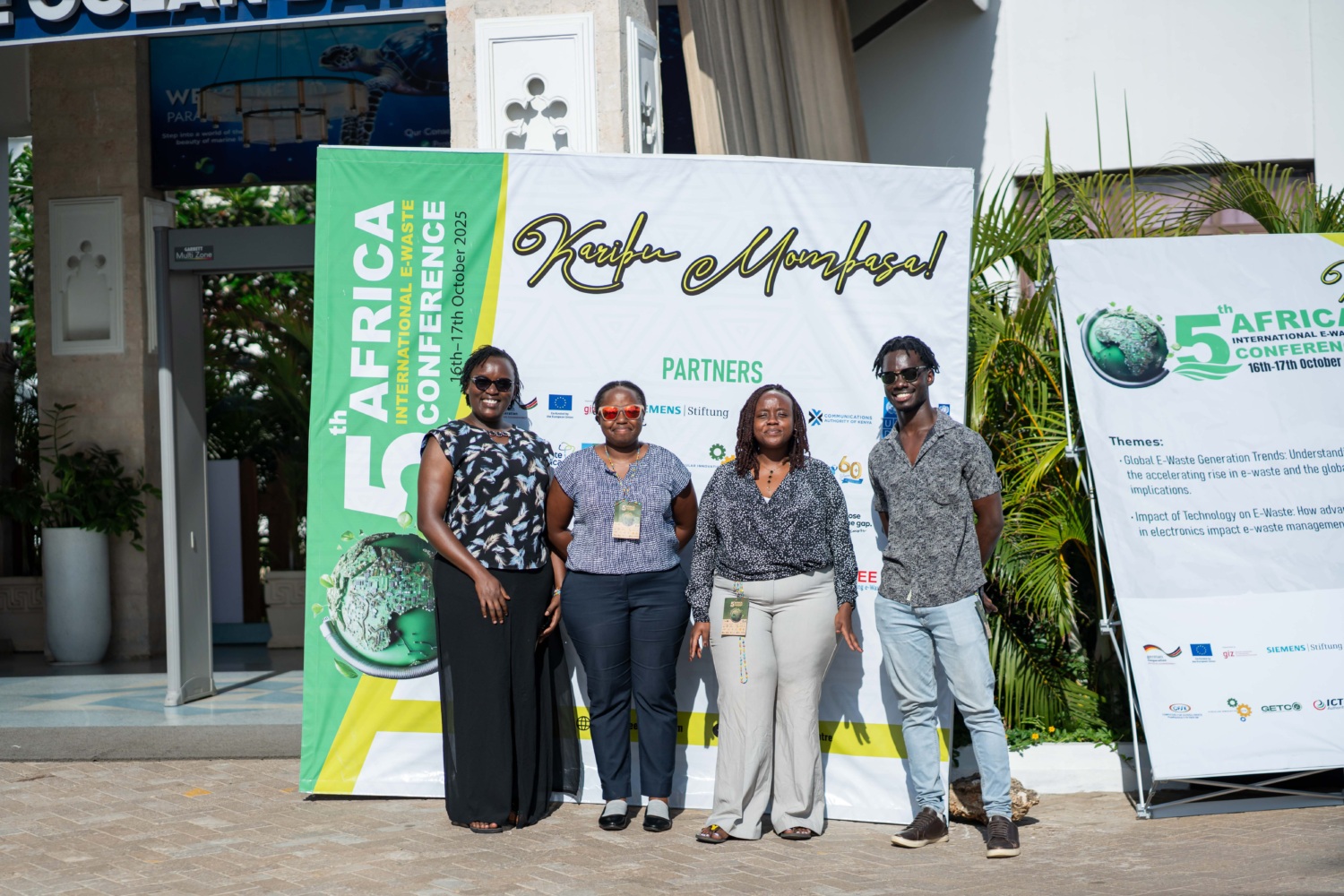
Speaking on a panel focused on recycling challenges and circular opportunities for solar, Ofuya emphasized that making appliances easy to repair reduces e-waste and saves consumers money. This is particularly critical in regions that lack reliable electricity, given the high purchase price of appliances suitable for those environments. For example, in Kenya, the cost of solar refrigerators is roughly equivalent to 85% of the average annual household income, making it cost-prohibitive to replace them if they stop functioning.
Ofuya’s presentation drew on the findings of CLASP’s ongoing research into appliance repairability, the Solar Appliance Reliability Index Series. An index providing criteria for assessing and scoring the repairability of solar water pumps, solar fans, and solar refrigerators is forthcoming in 2026.
Kenya Clean Cooking Week 2025: Turning Strategies into Action
CLASP team members joined the Kenya Clean Cooking Week in Kilifi County last week. The team showcased hands-on cooking demonstrations, competitions, and panel discussions, highlighting the role that policy support, financing, partnerships, and grassroots adoption plays in accelerating progress.

Photo by CLASP.
The winners of CLASP's clean cooking competition hold their prizes (induction cooktops and cookware).
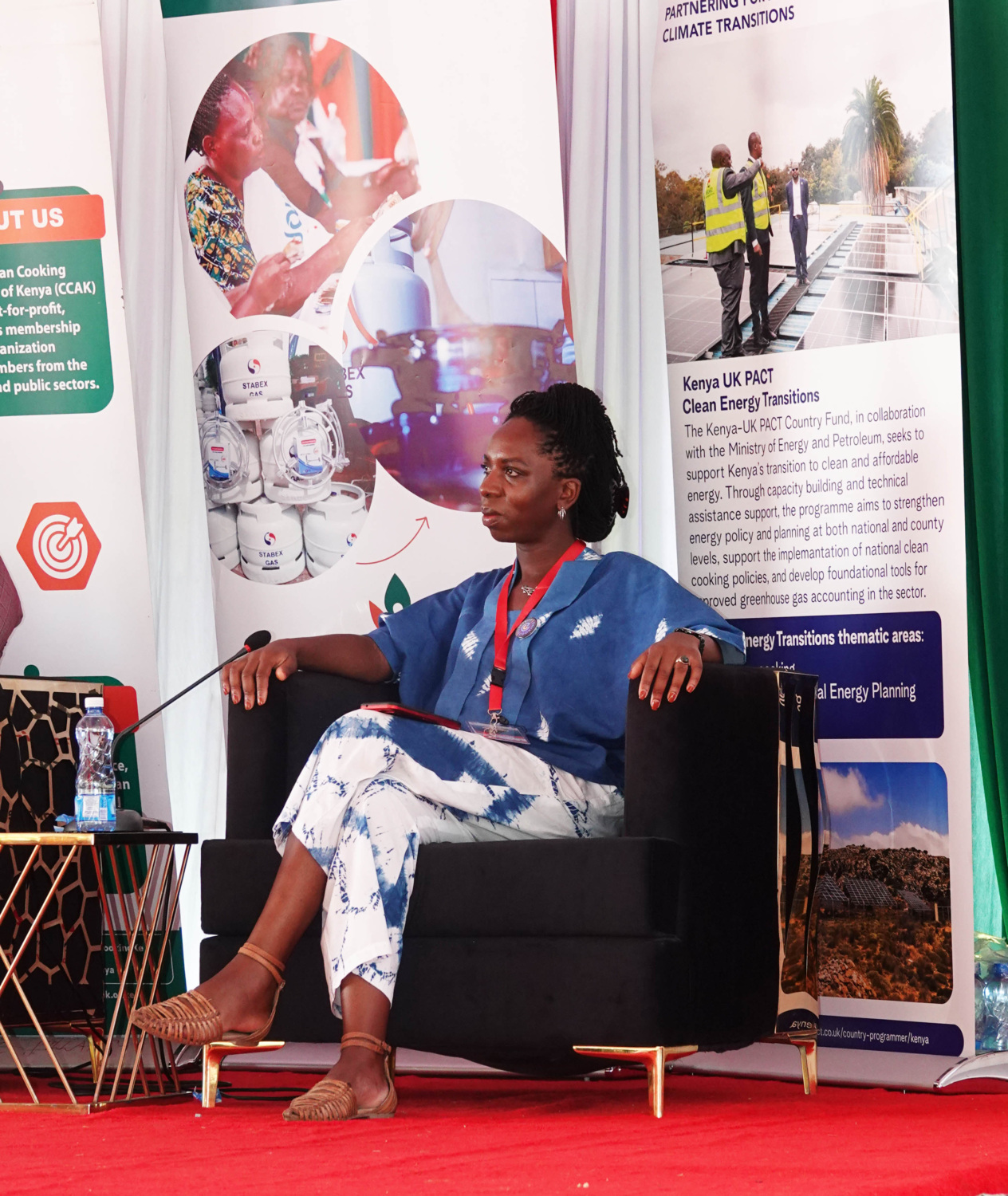
Photo by CLASP.
CLASP's Nyamolo Abagi participates in a panel discussion at Clean Cooking Week 2025.

Photo by CLASP.
Kilifi residents visit CLASP and MECS' exhibition booth at Clean Cooking Week 2025.
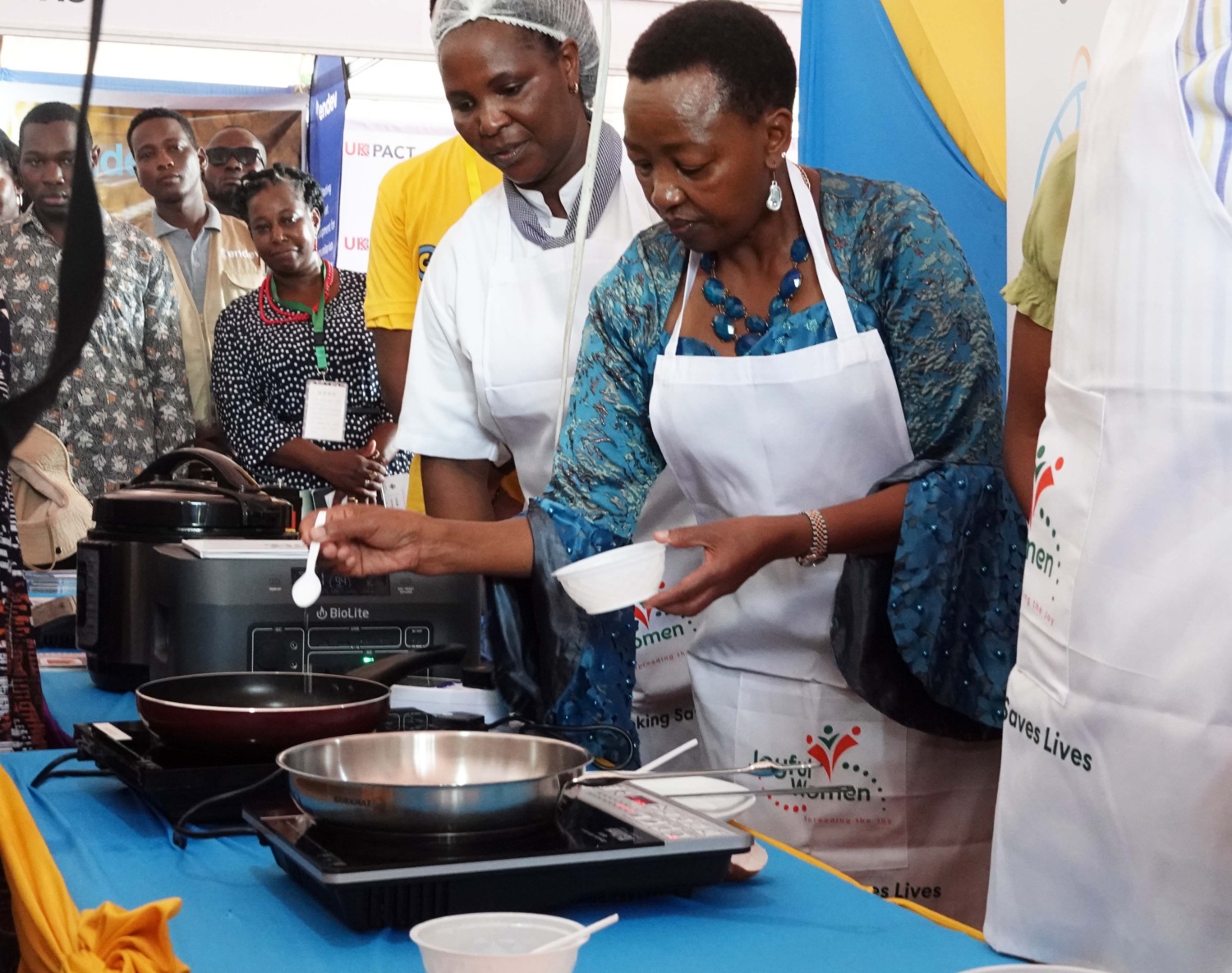
Photo by CLASP.
Mama Rachel Ruto, First Lady of Kenya, tries out an induction cooktop at CLASP and MECS' exhibition booth.

Photo by CLASP.
CLASP team members with a representative from Ecobora.

Photo by CLASP.
A representative from Kenya Power visits CLASP and MECS' exhibition booth.

Photo by CLASP.
Contestants of CLASP's clean cooking competition present their dishes to the judges.
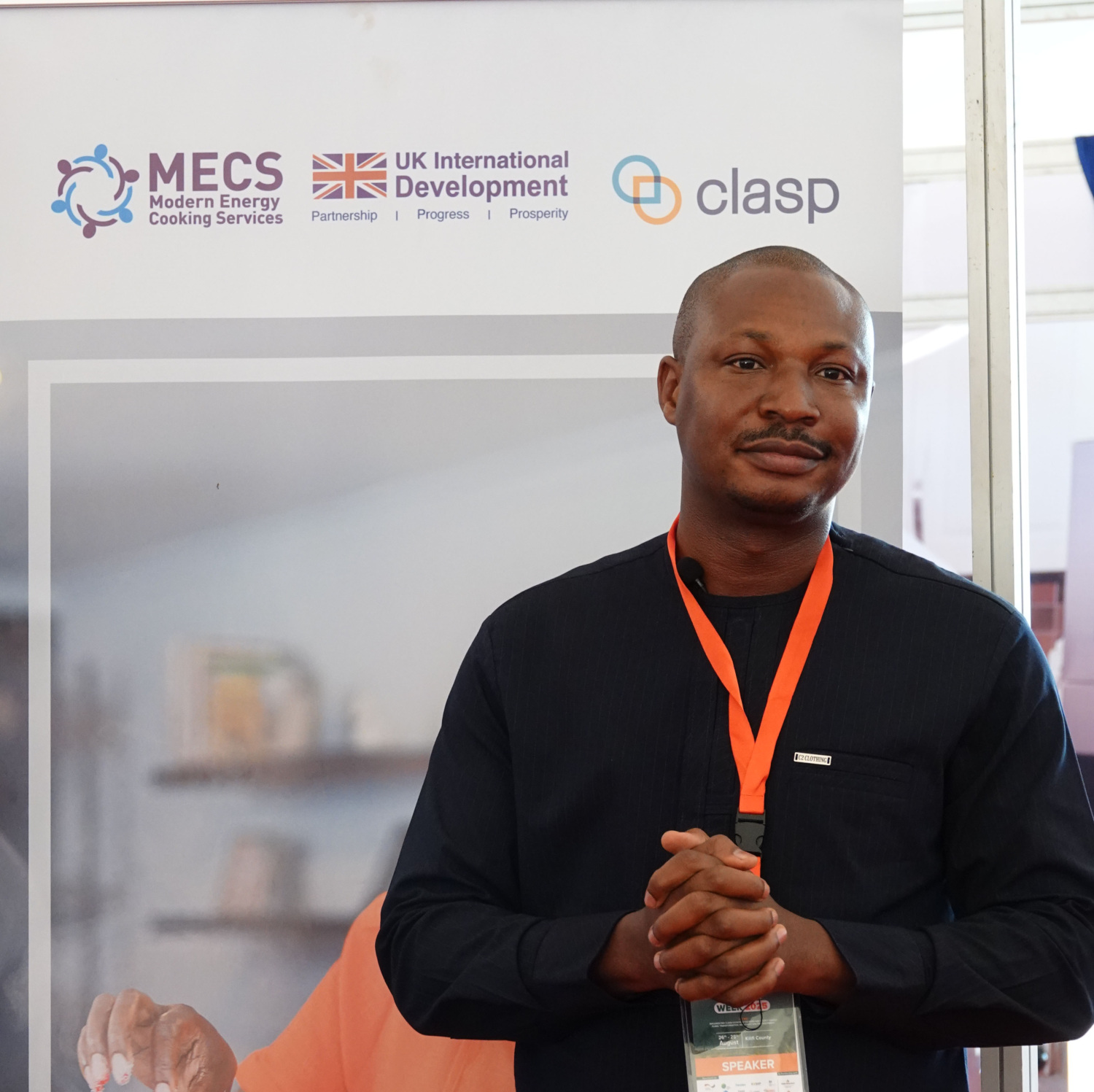
Photo by CLASP.
CLASP's Emmanuel Aziebor at Clean Cooking Week 2025.

Photo by CLASP.
Clean cooking competition judge gives feedback to contestants.

Photo by CLASP.
CLASP's Mike Ofuya participates in a panel discussion at Clean Cooking Week 2025.
Why clean cooking matters
Over the past decade, Kenya has made remarkable progress in clean cooking. The share of Kenyans using clean cooking solutions has more than doubled, rising from 15% to 31%, making it the fastest growth rate of clean cooking in Sub-Saharan Africa1. This momentum has been supported by broader advances in electrification. Electricity access in Kenya grew from 37% in 2013 to 79% in 20232, creating a strong foundation for the wider adoption of clean cooking.
Despite this, around 68.5% of the population still relies on firewood, charcoal, or kerosene; with firewood remaining the main cooking fuel3. These fuels come at a high cost. They degrade forests, pollute the air, and are linked to serious health problems ranging from heart disease and strokes to cancer4.
Electric cooking (e-cooking) appliances like induction cooktops and electric pressure cookers offer a safer, cleaner alternative. They eliminate smoke, reduce greenhouse gas emissions, and help curb deforestation by replacing wood and charcoal. They also make kitchens safer by minimizing risks of burns, fires, and explosions, improving the lives of whole communities.
CLASP at Clean Cooking Week 2025
Along with our international and local partners, Ecobora, Gamos East Africa, and MECS, CLASP hosted a cooking competition at our exhibition booth. Contestants prepared dishes of their choice on induction cooktops, using locally available ingredients.
After the cook-off, participants noted things like:
- “The appliances were surprisingly easy to use.”
- “No smoke was produced compared to firewood.”
- “The cooktop felt safe to use and minimized risks like burns.”
The competition showed that clean cooking is not just a climate or health solution, it’s a practical, safe, and efficient choice that improves people’s lives.
With representatives from the Clean Cooking Delivery Unit, GIZ, Kilifi County Government, the Office of the First Lady of Kenya, Practical Action, and UK PACT, CLASP’s Nyamolo Abagi (Director, Clean Energy Access) joined a panel on the importance of partnerships in delivering transformational change across the clean cooking sector. She emphasized that partnerships must extend beyond the usual stakeholders and include the people who use these technologies every day.
We work with governments, manufacturers, development partners and policymakers – but just as importantly, we partner with everyday users as citizen scientists. They’re not just recipients of technology; they’re co-creators of these solutions. Their lived experience brings critical insights that help shape appliances that are not only efficient, but usable, affordable, and trusted. That’s how we build clean cooking ecosystems that last.
Nyamolo Abagi
Director, Clean Energy Access
In a panel on equity and inclusion, including representatives from Kilifi County Government, Mwangaza Light, Practical Action, SOLCO Partnership, SNV, and WWF, CLASP’s Mike Ofuya (Associate, Clean Energy Access) highlighted the hidden costs of cooking with firewood and charcoal in schools. He noted that shifting to e-cooking appliances can significantly improve health outcomes while freeing up financial and human resources currently consumed by firewood use. These savings could instead fund better food, educational supplies, and infrastructure, while strengthening learning outcomes across the country.
Partnerships to push forward
The Government of Kenya aims to achieve universal access to clean cooking by 2028. CLASP is working alongside partners like Ecobora, MECS, and Jikoni Magic to accelerate this goal, by promoting the adoption of affordable, energy-efficient cooking appliances and raising awareness of their benefits.
Clean Cooking Week 2025 sent a clear message. The time for strategizing has passed, it’s time for action that delivers healthier homes, stronger economies, and a safer environment.
More information at www.clasp.ngo/appliances/electric-cooking-appliances.
About the event:
Kenya’s Clean Cooking Week is organized by the Clean Cooking Association of Kenya in partnership with the Ministry of Energy and Petroleum, and the 2025 edition ran from 26 to 28 August. This year’s theme, “Implementing Clean Cooking Strategies and County Energy Plans: Transformation, Inclusivity and Empowerment”, focused on turning strategies into action.
The event gathered diverse stakeholders, including government representatives, industry, civil society, development partners, and academia, all united by the goal of achieving universal access to clean cooking.
0. “Kenya National Cooking Strategy 2024-2028”, Ministry of Energy and Petroleum. https://www.energy.go.ke/sites/default/files/KAWI/Publication/Kenya%20National%20Cooking%20Transition%20Strategy_Signed.pdf
1. “Kenya 2024 Energy Policy Review”, International Energy Agency, April 2025. https://www.iea.org/reports/kenya-2024
2. “Kenya National Cooking Strategy 2024-2028”, Ministry of Energy and Petroleum. https://www.energy.go.ke/sites/default/files/KAWI/Publication/Kenya%20National%20Cooking%20Transition%20Strategy_Signed.pdf
3. ”Household air pollution”, World Health Organization, October 16, 2024. https://www.who.int/news-room/fact-sheets/detail/household-air-pollution-and-health
Cooking for Health and Climate: Insights from a UK Retrofit
A shift is underway in how people power their homes across Europe, driven by climate targets and energy security concerns. Much of the momentum has focused on heating and cooling, with fossil fuel boilers being replaced by electric heat pumps and other low-carbon systems. But many kitchens are being left behind.
For over 15 million households in the United Kingdom (UK), cooking with gas is still the norm. This comes with hidden risks, including indoor air pollution from substances like nitrogen dioxide (NO2), carbon monoxide, and benzene. These pollutants carry significant health impacts: NO2 has been linked to asthma, lung disease, and other serious health conditions, and benzene is a known carcinogen. Beyond the health risks, even when not in use, gas stoves can also leak methane, a potent greenhouse gas that contributes to climate change.
A recent pilot project led by Global Action Plan, in partnership with CLASP, shows how switching to electric cooking can significantly improve people’s quality of life, while helping the UK meet its climate goals.
A gas-to-electric cooking retrofit in Manchester
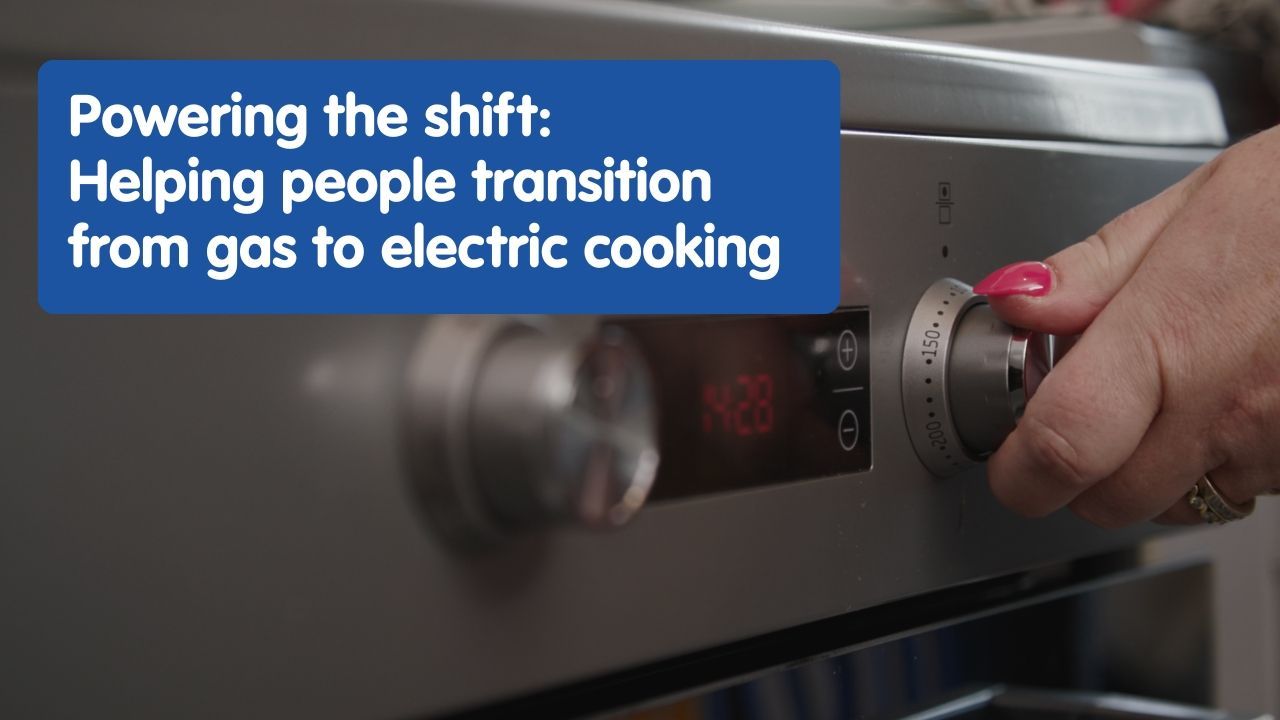
In early 2025, Global Action Plan and CLASP partnered with Greater Manchester Combined Authority, Southway Housing, Beko, B&Q, and Electrolux to launch a social housing retrofit pilot. The goal: Remove gas cookers from ten Manchester homes and replace them with electric ovens and induction cooktops.
Each of the participating households had already completed a heating retrofit, making cooking the final milestone in the journey to full household decarbonization, which would allow them to disconnect from the gas network and remove the standing charge from their energy bills. Residents were surveyed and interviewed before and after the switch, providing valuable insights into the process of transitioning, as well as the benefits of electric cooking.
What the retrofit revealed
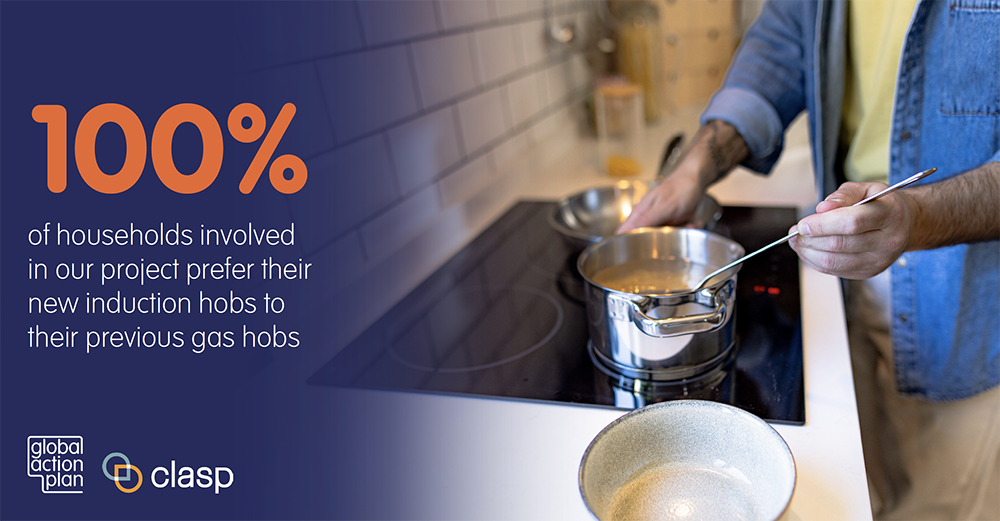
The results were striking:
- All participating households preferred their new induction cooktops to their old gas ones.
- 85% found the transition easy or very easy.
- Awareness of the impact of gas cooking on indoor air quality jumped from 40% to 100%.
For some, the retrofit was life-changing. Farrah, a resident with asthma, said she needed her inhaler while cooking on gas. With her new induction cooktop, she can now breathe easier in her kitchen. Others, like June, initially hesitated to give up gas. But once she adapted to the touchscreen controls, she found induction easier to use and kinder on her arthritis. Stacie, a mother of two, felt safer without gas in the home. The residents’ experiences point to a clear conclusion: electric cooking is easy to adopt, comes with tangible benefits, and is favored by the people who have made the switch.
How local and national governments can help
The pilot project didn’t just highlight the real-world benefits of electric cooking—it also showed how widespread adoption is possible with the right support and created a model for scaling it across the UK. Based on the project’s insights, Global Action Plan and CLASP developed a checklist for local authorities to help plan and deliver cooking retrofits. From resident engagement to appliance provider selection, the guide provides a practical roadmap for replicating the Manchester pilot’s success of the Manchester pilot.
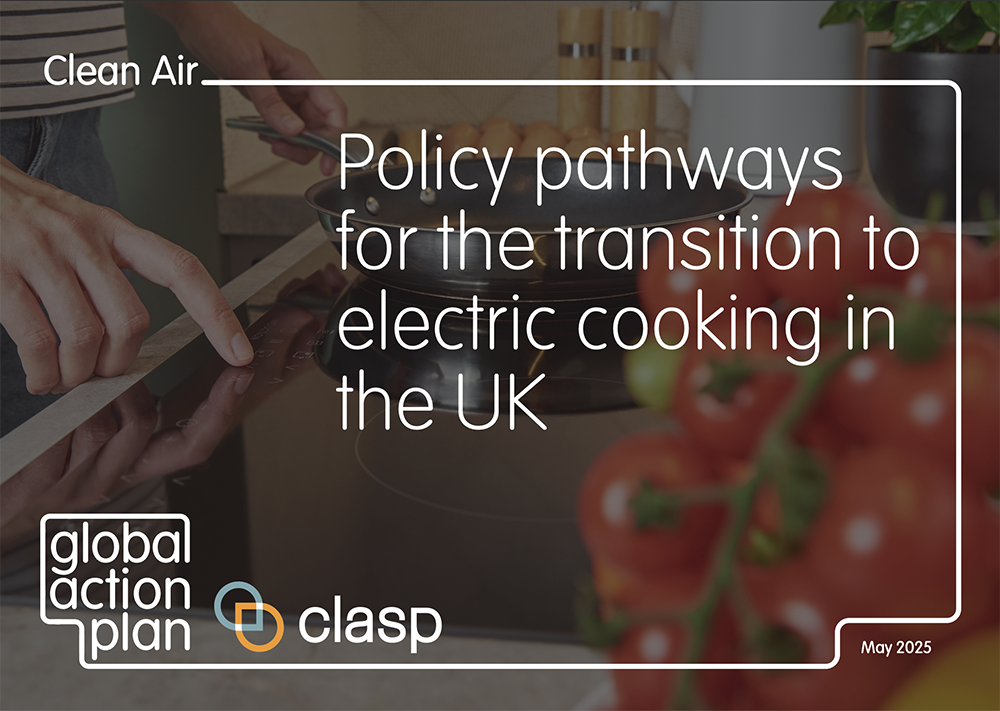
To support a national shift toward electric cooking in the UK, Global Action Plan and CLASP also released a report that provides policy pathways. The report was presented earlier this year during an event held in the UK Parliament, attended by members of Parliament, local policymakers, industry representatives, academics, local government officials, and public health professionals. The document outlines the steps needed to overcome barriers, like low public awareness and the exclusion of cooking appliances in current home retrofit schemes.
An equitable clean cooking transition
Moving the UK toward healthier, cleaner, and more efficient electric cooking is about far more than simply replacing appliances. Indoor air pollution from gas stoves disproportionately impacts vulnerable groups such as children, the elderly, and those with respiratory conditions, making this a critical public health issue, as much an environmental one.
Achieving an equitable transition to modern cooking technologies requires addressing systemic barriers and prioritizing policies that support low-income families and other groups often left behind in clean energy initiatives. Beyond health and environmental benefits, electric cooking improves kitchen safety by eliminating open flames and gas leaks, in addition to reducing energy costs over time. Another benefit: Electric cooking is compatible with renewable energy and smart technologies that help households better manage their energy use, fostering more efficient and climate-friendly homes.
For more information about the retrofit pilot project: https://www.globalactionplan.org.uk/clean-air/gas-to-electric
Check out CLASP’s resources on the topic: https://www.clasp.ngo/cook-cleaner-europe/
0. “Kenya National Cooking Strategy 2024-2028”, Ministry of Energy and Petroleum. https://www.energy.go.ke/sites/default/files/KAWI/Publication/Kenya%20National%20Cooking%20Transition%20Strategy_Signed.pdf
1. “Kenya 2024 Energy Policy Review”, International Energy Agency, April 2025. https://www.iea.org/reports/kenya-2024
2. “Kenya National Cooking Strategy 2024-2028”, Ministry of Energy and Petroleum. https://www.energy.go.ke/sites/default/files/KAWI/Publication/Kenya%20National%20Cooking%20Transition%20Strategy_Signed.pdf
3. ”Household air pollution”, World Health Organization, October 16, 2024. https://www.who.int/news-room/fact-sheets/detail/household-air-pollution-and-health