
Clean Lighting Coalition Case Studies
The Clean Lighting Coalition is a CLASP led campaign aimed at transitioning the world to all efficient LED lighting from incumbent technologies like incandescent and mercury-ladened fluorescent lamps.
Throughout the campaign, CLASP has documented relevant case studies of governments and institutions leveraging the power of LED lighting to achieve crosscutting benefits.
Explore and download the case studies above.
Turning the Wheel of Progress: Energy-Efficient Motor Systems Power Jobs, Economic Development, and Climate Progress in Nigeria
Energy-efficient motor systems could play a key role in driving economic growth and climate progress in Nigeria–a country that strives to reach net zero by 2060 and lift 100 million of its citizens out of poverty. While motor systems pose a significant challenge, through strategic partnerships and committed action, they also offer a significant opportunity for profound change for millions.
Motor systems: a challenge and an answer
Motor systems are essential to most automated processes and are key to the world’s manufacturing, mining, agriculture, and industrial sectors. However, motor systems have a significant emissions impact: today, they account for 27% of global industrial electricity demand1. Much of this demand is linked to the fact that low-efficiency, outdated motor systems represent two-thirds of the global motor stock.
Nigeria poised to lead on motor system efficiency
In Nigeria, the industrial sector accounts for approximately 22% of electricity consumption. Motors were estimated to consume 83 TWh in 2025—equivalent to annual energy consumption in Belgium.
Energy-efficient motor systems could deliver significant economic development without losing sight of the country’s climate goals, reaching net zero by 2060, and lifting 100 million Nigerians out of poverty.
Energy-efficient motor systems can lower national electricity demand and reduce the need for costly generation, transmission, and distribution investments. When governments and utilities are able to avoid these expenses, that capital becomes available for industry, education, healthcare, and infrastructure, which ultimately helps to drive GDP growth. At a local level, efficient motors can also reduce operational costs for small businesses and smallholder farms. Lower costs translate to improved profitability and could enable job creation in these local settings.
Partnering for progress
CLASP is currently supporting the Standard Organization of Nigeria (SON) to develop energy-efficiency standards for industrial motor systems. Setting up efficiency policy for motor systems in Nigeria could have significant benefits, including reducing energy use by 300 TWh from 2025 through 2050, avoiding 130 Mt of CO2—the equivalent of Nigeria’s annual CO2 emissions—and saving $3 billion USD through 2050.
John Bature of the Standard Organisation of Nigeria reflected on the partnership, stating:
The ongoing CLASP-supported project has reignited the drive to achieve industrial energy efficiency in Nigeria. The initiative [to develop standards] addresses the identified energy waste arising from the use of obsolete motors across the Nigerian industrial sector. The project will undoubtedly deliver significant climate and economic benefits for Nigeria.
CLASP and SON are also collaborating with the Sustainable Research and Action for Environmental Development (SRADEV) Nigeria and Eng. Achema, two local Nigerian partners who are supporting data collection and analysis, stakeholder engagement, and technical guidance. Jeremiah Ato from SRADEV underscores the importance of this collaboration: “A robust market assessment is foundational to developing efficiency policies for industrial motors in Nigeria.”
Tom Ramsson, CLASP’s technical advisor on motors and industrial products, and Angellah Wekongo, manager, co-led the project with partners at SRADEV and SON. Wekongo views the collaboration as a significant step towards a greener future: “CLASP is supporting the Standards Organization of Nigeria on the first step in their journey to unlock motor system efficiency. We look forward to continuing our collaboration on motor-driven applications like pumps, fans, and air compressors to help Nigerian industry prepare for a low-carbon future.”
Energy-efficient motor systems offer a massive untapped opportunity for people and the planet. Efficient motor systems can deliver significant energy savings and reduce strain on the grid, redirecting electricity and investment to other sectors. Alongside powering economic growth, efficient motors also have major environmental benefits.

Photo caption: CLASP with partners from SRADEV and the Ghana Energy Commission at MOP37 in Nairobi, Kenya
Photo credit: CLASP
CLASP Highlights Appliance Repairability at Africa International E-Waste Conference
In October, CLASP’s Mike Ofuya discussed our work on appliance repairability at the Africa International E-Waste Conference in Mombasa, Kenya.
The conference focused on:
- Global e-waste trends.
- The impact of technological advancements on recycling.
- The urgent need for effective solar and battery waste management as Africa’s renewable energy sector expands.
- The importance of taking into account every stage in a product’s lifecycle, from design and manufacturing to distribution, use, and disposal.
It brought together representatives from key stakeholder groups including regional governments, the private sector, development organizations, academia, and financial institutions.



Speaking on a panel focused on recycling challenges and circular opportunities for solar, Ofuya emphasized that making appliances easy to repair reduces e-waste and saves consumers money. This is particularly critical in regions that lack reliable electricity, given the high purchase price of appliances suitable for those environments. For example, in Kenya, the cost of solar refrigerators is roughly equivalent to 85% of the average annual household income, making it cost-prohibitive to replace them if they stop functioning.
Ofuya’s presentation drew on the findings of CLASP’s ongoing research into appliance repairability, the Solar Appliance Reliability Index Series. An index providing criteria for assessing and scoring the repairability of solar water pumps, solar fans, and solar refrigerators is forthcoming in 2026.
Kenya Clean Cooking Week 2025: Turning Strategies into Action
CLASP team members joined the Kenya Clean Cooking Week in Kilifi County last week. The team showcased hands-on cooking demonstrations, competitions, and panel discussions, highlighting the role that policy support, financing, partnerships, and grassroots adoption plays in accelerating progress.

Photo by CLASP.
The winners of CLASP's clean cooking competition hold their prizes (induction cooktops and cookware).
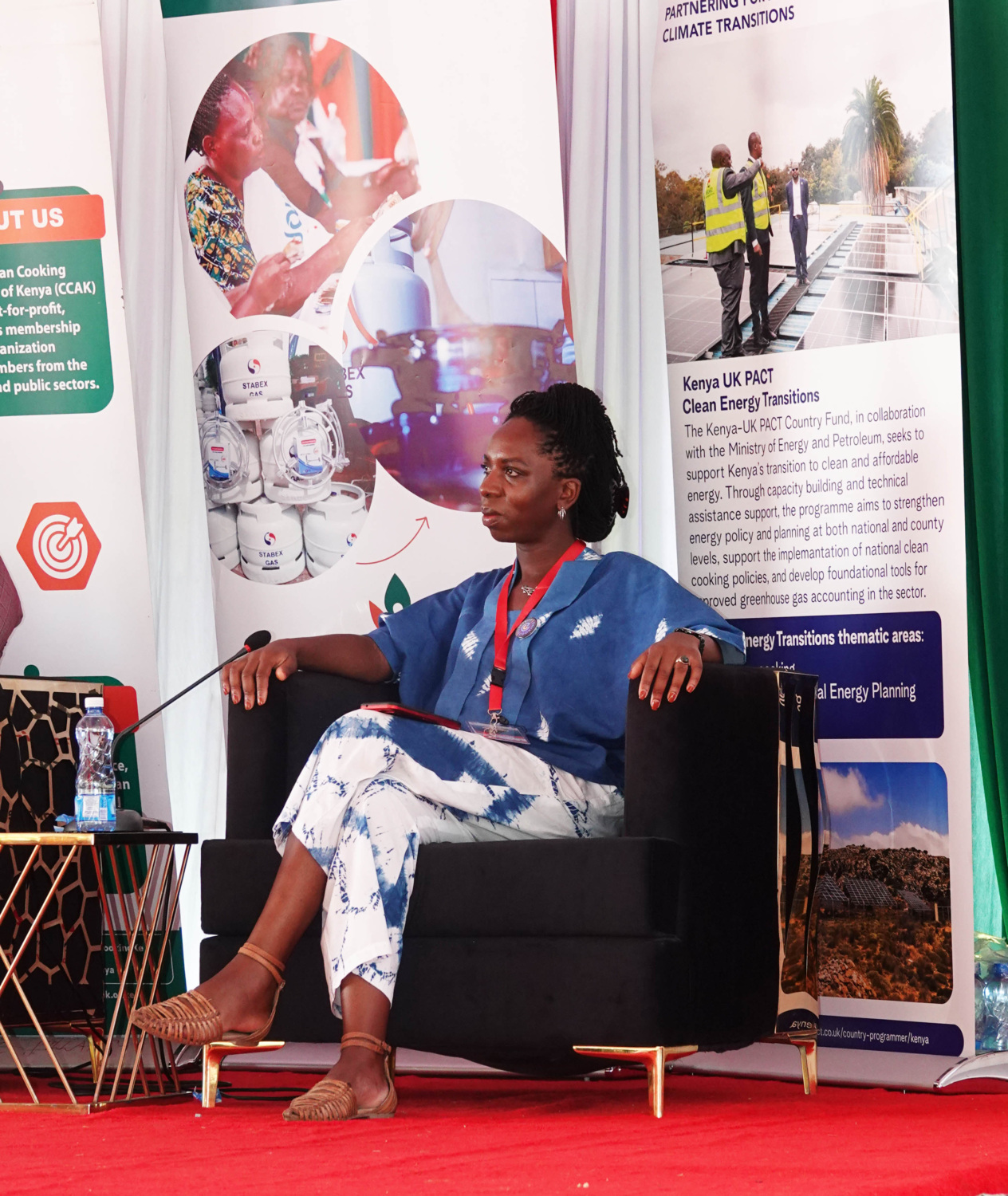
Photo by CLASP.
CLASP's Nyamolo Abagi participates in a panel discussion at Clean Cooking Week 2025.

Photo by CLASP.
Kilifi residents visit CLASP and MECS' exhibition booth at Clean Cooking Week 2025.

Photo by CLASP.
Mama Rachel Ruto, First Lady of Kenya, tries out an induction cooktop at CLASP and MECS' exhibition booth.

Photo by CLASP.
CLASP team members with a representative from Ecobora.

Photo by CLASP.
A representative from Kenya Power visits CLASP and MECS' exhibition booth.

Photo by CLASP.
Contestants of CLASP's clean cooking competition present their dishes to the judges.
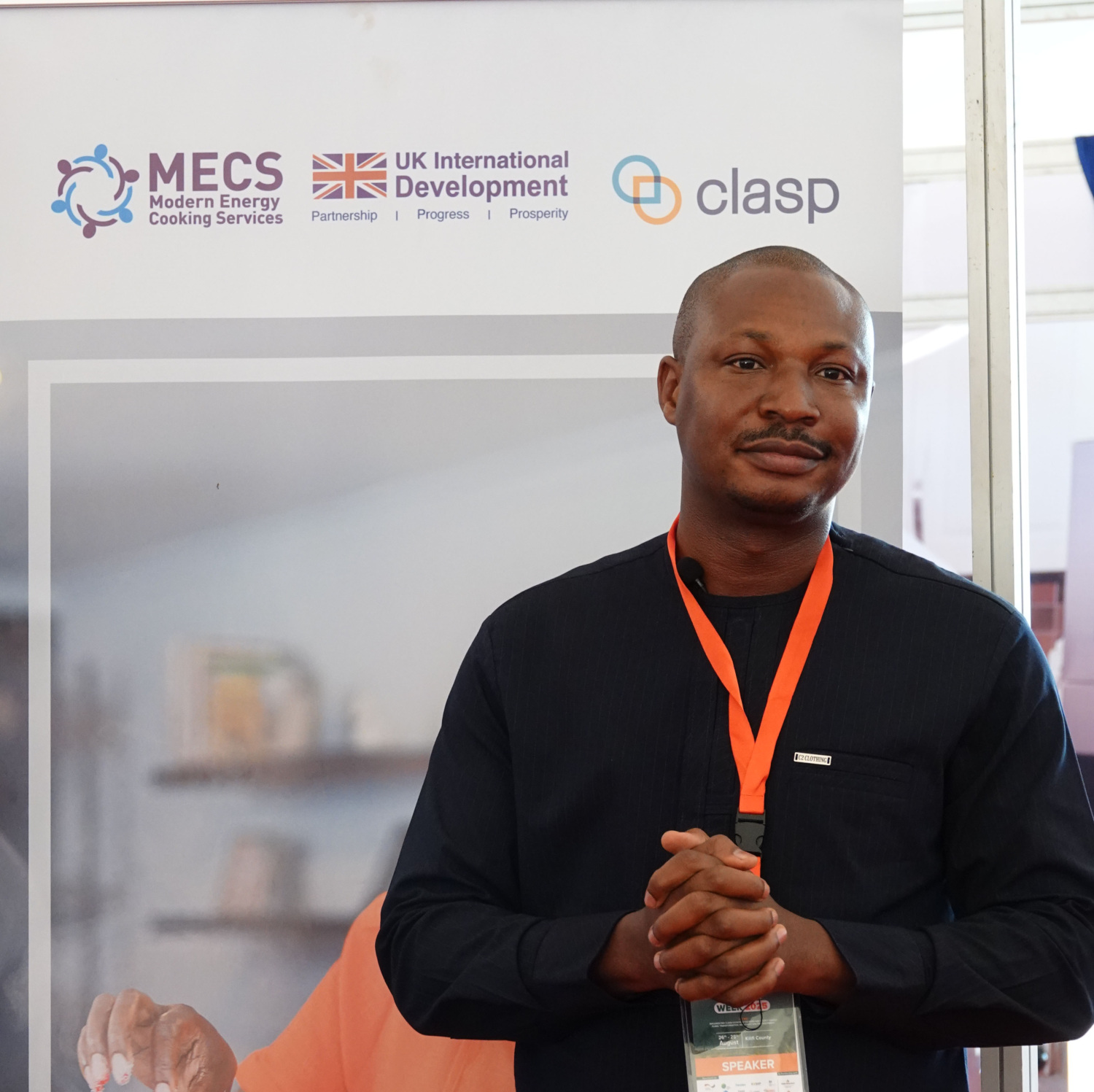
Photo by CLASP.
CLASP's Emmanuel Aziebor at Clean Cooking Week 2025.

Photo by CLASP.
Clean cooking competition judge gives feedback to contestants.

Photo by CLASP.
CLASP's Mike Ofuya participates in a panel discussion at Clean Cooking Week 2025.
Why clean cooking matters
Over the past decade, Kenya has made remarkable progress in clean cooking. The share of Kenyans using clean cooking solutions has more than doubled, rising from 15% to 31%, making it the fastest growth rate of clean cooking in Sub-Saharan Africa1. This momentum has been supported by broader advances in electrification. Electricity access in Kenya grew from 37% in 2013 to 79% in 20232, creating a strong foundation for the wider adoption of clean cooking.
Despite this, around 68.5% of the population still relies on firewood, charcoal, or kerosene; with firewood remaining the main cooking fuel3. These fuels come at a high cost. They degrade forests, pollute the air, and are linked to serious health problems ranging from heart disease and strokes to cancer4.
Electric cooking (e-cooking) appliances like induction cooktops and electric pressure cookers offer a safer, cleaner alternative. They eliminate smoke, reduce greenhouse gas emissions, and help curb deforestation by replacing wood and charcoal. They also make kitchens safer by minimizing risks of burns, fires, and explosions, improving the lives of whole communities.
CLASP at Clean Cooking Week 2025
Along with our international and local partners, Ecobora, Gamos East Africa, and MECS, CLASP hosted a cooking competition at our exhibition booth. Contestants prepared dishes of their choice on induction cooktops, using locally available ingredients.
After the cook-off, participants noted things like:
- “The appliances were surprisingly easy to use.”
- “No smoke was produced compared to firewood.”
- “The cooktop felt safe to use and minimized risks like burns.”
The competition showed that clean cooking is not just a climate or health solution, it’s a practical, safe, and efficient choice that improves people’s lives.
With representatives from the Clean Cooking Delivery Unit, GIZ, Kilifi County Government, the Office of the First Lady of Kenya, Practical Action, and UK PACT, CLASP’s Nyamolo Abagi (Director, Clean Energy Access) joined a panel on the importance of partnerships in delivering transformational change across the clean cooking sector. She emphasized that partnerships must extend beyond the usual stakeholders and include the people who use these technologies every day.
We work with governments, manufacturers, development partners and policymakers – but just as importantly, we partner with everyday users as citizen scientists. They’re not just recipients of technology; they’re co-creators of these solutions. Their lived experience brings critical insights that help shape appliances that are not only efficient, but usable, affordable, and trusted. That’s how we build clean cooking ecosystems that last.
Nyamolo Abagi
Director, Clean Energy Access
In a panel on equity and inclusion, including representatives from Kilifi County Government, Mwangaza Light, Practical Action, SOLCO Partnership, SNV, and WWF, CLASP’s Mike Ofuya (Associate, Clean Energy Access) highlighted the hidden costs of cooking with firewood and charcoal in schools. He noted that shifting to e-cooking appliances can significantly improve health outcomes while freeing up financial and human resources currently consumed by firewood use. These savings could instead fund better food, educational supplies, and infrastructure, while strengthening learning outcomes across the country.
Partnerships to push forward
The Government of Kenya aims to achieve universal access to clean cooking by 2028. CLASP is working alongside partners like Ecobora, MECS, and Jikoni Magic to accelerate this goal, by promoting the adoption of affordable, energy-efficient cooking appliances and raising awareness of their benefits.
Clean Cooking Week 2025 sent a clear message. The time for strategizing has passed, it’s time for action that delivers healthier homes, stronger economies, and a safer environment.
More information at www.clasp.ngo/appliances/electric-cooking-appliances.
About the event:
Kenya’s Clean Cooking Week is organized by the Clean Cooking Association of Kenya in partnership with the Ministry of Energy and Petroleum, and the 2025 edition ran from 26 to 28 August. This year’s theme, “Implementing Clean Cooking Strategies and County Energy Plans: Transformation, Inclusivity and Empowerment”, focused on turning strategies into action.
The event gathered diverse stakeholders, including government representatives, industry, civil society, development partners, and academia, all united by the goal of achieving universal access to clean cooking.
0. “Kenya National Cooking Strategy 2024-2028”, Ministry of Energy and Petroleum. https://www.energy.go.ke/sites/default/files/KAWI/Publication/Kenya%20National%20Cooking%20Transition%20Strategy_Signed.pdf
1. “Kenya 2024 Energy Policy Review”, International Energy Agency, April 2025. https://www.iea.org/reports/kenya-2024
2. “Kenya National Cooking Strategy 2024-2028”, Ministry of Energy and Petroleum. https://www.energy.go.ke/sites/default/files/KAWI/Publication/Kenya%20National%20Cooking%20Transition%20Strategy_Signed.pdf
3. ”Household air pollution”, World Health Organization, October 16, 2024. https://www.who.int/news-room/fact-sheets/detail/household-air-pollution-and-health
Cooking for Health and Climate: Insights from a UK Retrofit
A shift is underway in how people power their homes across Europe, driven by climate targets and energy security concerns. Much of the momentum has focused on heating and cooling, with fossil fuel boilers being replaced by electric heat pumps and other low-carbon systems. But many kitchens are being left behind.
For over 15 million households in the United Kingdom (UK), cooking with gas is still the norm. This comes with hidden risks, including indoor air pollution from substances like nitrogen dioxide (NO2), carbon monoxide, and benzene. These pollutants carry significant health impacts: NO2 has been linked to asthma, lung disease, and other serious health conditions, and benzene is a known carcinogen. Beyond the health risks, even when not in use, gas stoves can also leak methane, a potent greenhouse gas that contributes to climate change.
A recent pilot project led by Global Action Plan, in partnership with CLASP, shows how switching to electric cooking can significantly improve people’s quality of life, while helping the UK meet its climate goals.
A gas-to-electric cooking retrofit in Manchester
In early 2025, Global Action Plan and CLASP partnered with Greater Manchester Combined Authority, Southway Housing, Beko, B&Q, and Electrolux to launch a social housing retrofit pilot. The goal: Remove gas cookers from ten Manchester homes and replace them with electric ovens and induction cooktops.
Each of the participating households had already completed a heating retrofit, making cooking the final milestone in the journey to full household decarbonization, which would allow them to disconnect from the gas network and remove the standing charge from their energy bills. Residents were surveyed and interviewed before and after the switch, providing valuable insights into the process of transitioning, as well as the benefits of electric cooking.
What the retrofit revealed
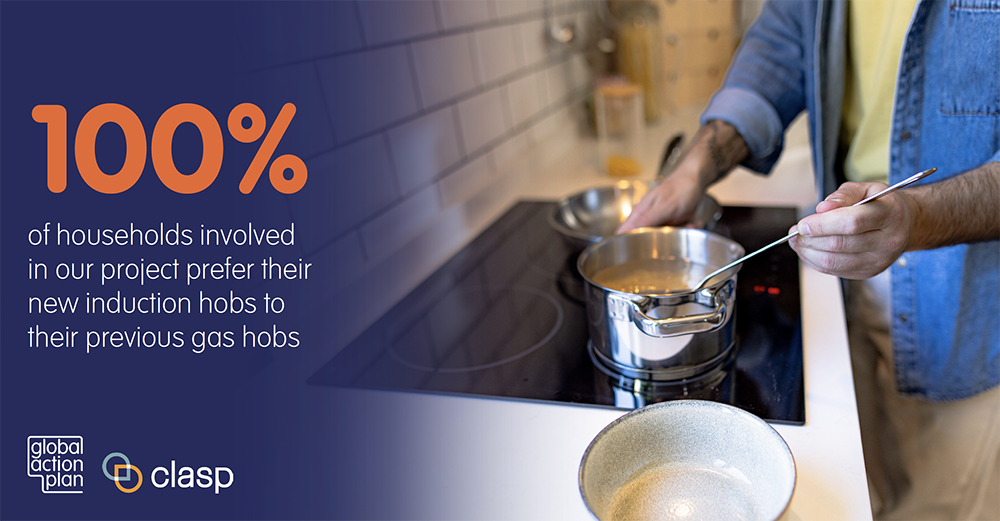
The results were striking:
- All participating households preferred their new induction cooktops to their old gas ones.
- Eighty-five percent found the transition easy or very easy.
- Awareness of the impact of gas cooking on indoor air quality jumped from 40% to 100%.
For some, the retrofit was life-changing. Farrah, a resident with asthma, said she needed her inhaler while cooking on gas. With her new induction cooktop, she can now breathe easier in her kitchen. Others, like June, initially hesitated to give up gas. But once she adapted to the touchscreen controls, she found induction easier to use and kinder on her arthritis. Stacie, a mother of two, felt safer without gas in the home. The residents’ experiences point to a clear conclusion: electric cooking is easy to adopt, comes with tangible benefits, and is favored by the people who have made the switch.
How local and national governments can help
The pilot project didn’t just highlight the real-world benefits of electric cooking—it also showed how widespread adoption is possible with the right support and created a model for scaling it across the UK. Based on the project’s insights, Global Action Plan and CLASP developed a checklist for local authorities to help plan and deliver cooking retrofits. From resident engagement to appliance provider selection, the guide provides a practical roadmap for replicating the Manchester pilot’s success of the Manchester pilot.
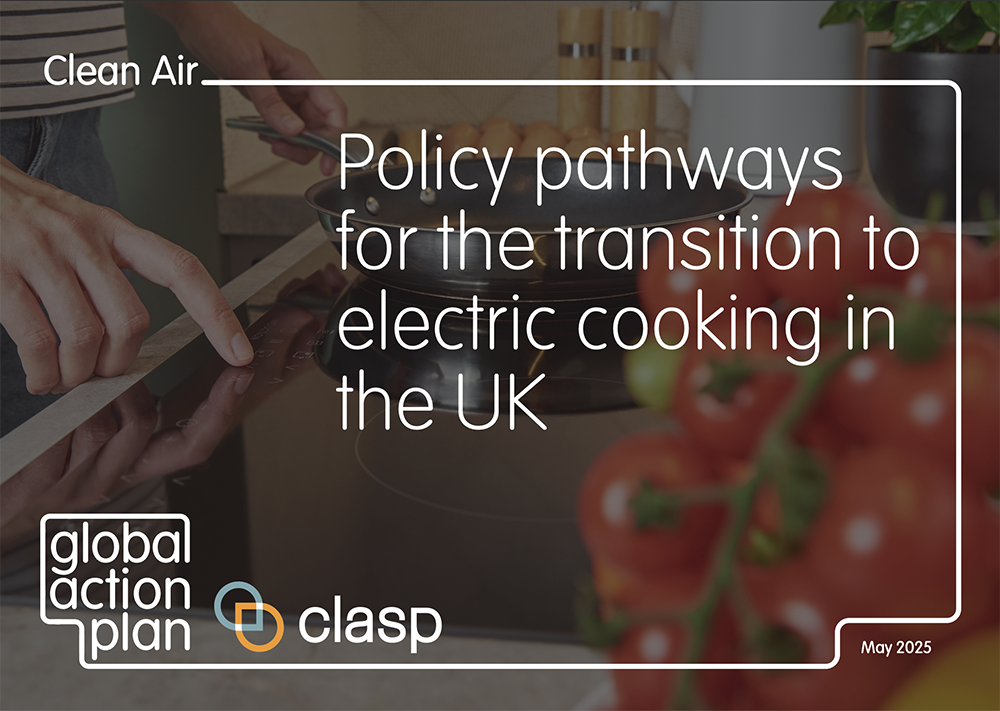
To support a national shift toward electric cooking in the UK, Global Action Plan and CLASP also released a report that provides policy pathways. The report was presented earlier this year during an event held in the UK Parliament, attended by members of Parliament, local policymakers, industry representatives, academics, local government officials, and public health professionals. The document outlines the steps needed to overcome barriers, like low public awareness and the exclusion of cooking appliances in current home retrofit schemes.
An equitable clean cooking transition
Moving the UK toward healthier, cleaner, and more efficient electric cooking is about far more than simply replacing appliances. Indoor air pollution from gas stoves disproportionately impacts vulnerable groups such as children, the elderly, and those with respiratory conditions, making this a critical public health issue, as much an environmental one.
Achieving an equitable transition to modern cooking technologies requires addressing systemic barriers and prioritizing policies that support low-income families and other groups often left behind in clean energy initiatives. Beyond health and environmental benefits, electric cooking improves kitchen safety by eliminating open flames and gas leaks, in addition to reducing energy costs over time. Another benefit: Electric cooking is compatible with renewable energy and smart technologies that help households better manage their energy use, fostering more efficient and climate-friendly homes.
For more information about the retrofit pilot project: https://www.globalactionplan.org.uk/clean-air/gas-to-electric
Check out CLASP’s resources on the topic: https://www.clasp.ngo/cook-cleaner-europe/
0. “Kenya National Cooking Strategy 2024-2028”, Ministry of Energy and Petroleum. https://www.energy.go.ke/sites/default/files/KAWI/Publication/Kenya%20National%20Cooking%20Transition%20Strategy_Signed.pdf
1. “Kenya 2024 Energy Policy Review”, International Energy Agency, April 2025. https://www.iea.org/reports/kenya-2024
2. “Kenya National Cooking Strategy 2024-2028”, Ministry of Energy and Petroleum. https://www.energy.go.ke/sites/default/files/KAWI/Publication/Kenya%20National%20Cooking%20Transition%20Strategy_Signed.pdf
3. ”Household air pollution”, World Health Organization, October 16, 2024. https://www.who.int/news-room/fact-sheets/detail/household-air-pollution-and-health
Pollution & Waste
0. “Kenya National Cooking Strategy 2024-2028”, Ministry of Energy and Petroleum. https://www.energy.go.ke/sites/default/files/KAWI/Publication/Kenya%20National%20Cooking%20Transition%20Strategy_Signed.pdf
1. “Kenya 2024 Energy Policy Review”, International Energy Agency, April 2025. https://www.iea.org/reports/kenya-2024
2. “Kenya National Cooking Strategy 2024-2028”, Ministry of Energy and Petroleum. https://www.energy.go.ke/sites/default/files/KAWI/Publication/Kenya%20National%20Cooking%20Transition%20Strategy_Signed.pdf
3. ”Household air pollution”, World Health Organization, October 16, 2024. https://www.who.int/news-room/fact-sheets/detail/household-air-pollution-and-health
New European Union Rules for Sustainable Mobile Devices Now in Effect
On 20 June 2025, a new European Union (EU) regulation was rolled out. This sets ambitious standards for the design, energy efficiency, and repairability of smartphones, tablets, and cordless phones sold within the EU. These new requirements are part of a broader push toward sustainable consumption, longer product lifespans, and reduced environmental impact.
Making it easier for Europeans to fix or reuse smartphones and tablets instead of replacing them will help cut down on electronic waste, lower carbon emissions, and save consumers money.
Marie Baton
Senior Manager, CLASP
The European Commission (EC) expects these measures to significantly reduce greenhouse gas emissions, save around 2.2 terawatt hours of electricity by 2030, and lower consumer costs by an estimated €20 billion.
Improving durability, battery life, and repairability
The rules are designed to improve product durability against drops, scratches, dust, and water. Batteries must be longer-lasting and endure at least 800 charge cycles while retaining 80% of their original capacity. To improve repairability, manufacturers are now required to provide key spare parts within five to ten working days and ensure their availability for at least seven years after a product model is discontinued. In addition, operating system updates must be made available for a minimum of five years following the sale of the last unit. To support independent repair, professionals will be granted fair access to the necessary software and firmware. The rules also include measures to promote device reuse, including requirements for easy deletion of personal data, as well as clear, accessible information on battery health.
Along with durability, repair, and reuse provisions, the new regulation introduces mandatory energy labeling for these devices. Labels will include energy efficiency ratings, battery performance metrics, and, for the first time, a repairability score ranging from A (most repairable) to E (least repairable), designed to help consumers make more informed, sustainable choices.
Understanding the Smartphones and Tablets Energy Label
- Scale of energy efficiency classes from A to G.
- The energy efficiency class of this product.
- The battery endurance per cycle, in hours and minutes per full battery charge.
- Repeated free fall reliability class.
- Battery endurance in cycles.
- Repairability class.
- Ingress Protection rating.
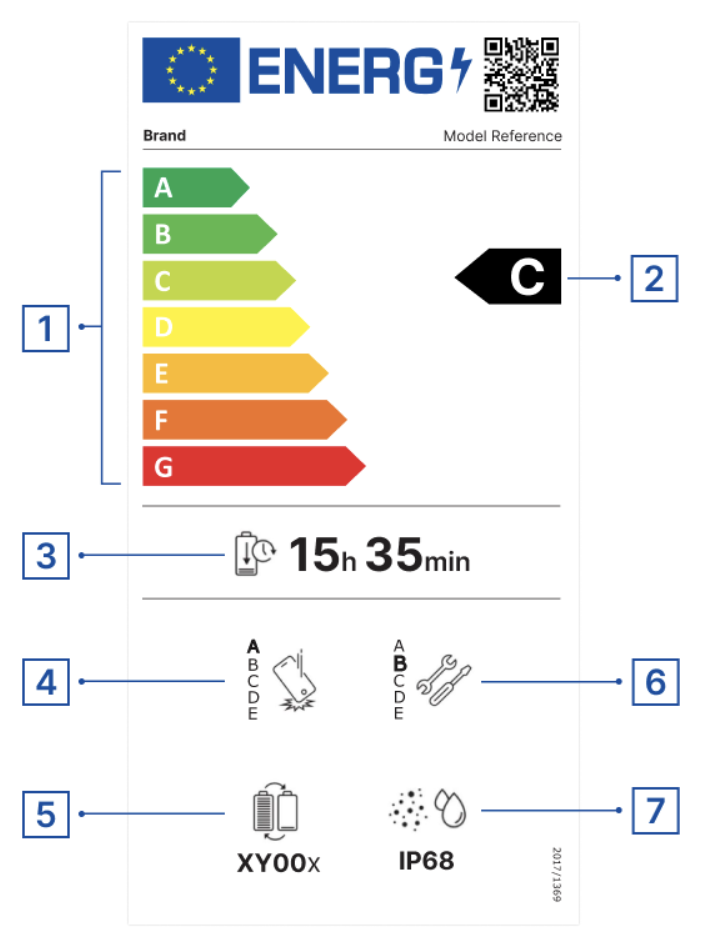
Source: European Commission
Big wins for consumers and the climate
By making products more durable and easier to repair, the rules help extend product lifespan and reduce the need for critical raw materials. At the same time, specific requirements encourage recyclability, supporting efforts toward building a more circular economy.
The EC’s impact assessment estimates that the new regulation could lead to important annual reductions of carbon dioxide emissions (CO2), reaching 3,5 megatons (Mt) in 2030 alone. CLASP’s analysis of the EC’s Impact Accounting study found that, over the longer term, cumulative CO2 emissions reductions could reach 96 Mt by 2050. Should similar regulations improving the repairability of smartphones be adopted globally within the next five years, up to 1,500 Mt of CO2 emissions can be avoided by 2050.
CLASP’s key contributions
CLASP’s research, carried out in collaboration with the Right to Repair coalition, highlighted the barriers consumers face when trying to repair their devices. The paper shed light on how certain manufacturer practices limit the ability of independent repairers and users to replace serialized parts.
As a result of the paper’s findings, the final regulation was updated to ensure that independent repair professionals and users can access all the tools and support needed to replace and connect key spare parts. This means repairs are no longer limited to manufacturer-approved service centers and represents a significant step toward fairer, more accessible product repair.
Opportunity for future improvements
While the EU regulation improves transparency, product durability, and technical repairs, there remain important opportunities to strengthen the rules in future revisions and unlock a more open and competitive repair system that further benefits people and the environment.
Currently, manufacturers must provide transparent pricing for spare parts and ensure fair access to the tools and software required for repairs. This transparency is a crucial first step but does not fully eliminate the risk of discriminatory practices. In many cases, the use of serialization allows manufacturers to control part compatibility and charge excessively high prices for replacements.
Serialization could be further restricted to open the market to third-party replacement parts. While the current requirements enable independent repairers and end-users to install key spare parts, manufacturers can still use a process called digital pairing, which limits or blocks parts that aren’t digitally recognized and authorized by the original manufacturer.
Banning serialization would give consumers the freedom to choose between parts from original manufacturers or alternatives from other suppliers. It would also help address concerns around high prices for spare parts.
As the EU market adapts to the new regulation, compliance and upcoming policy revisions will be key to ensuring that it delivers on its full potential for people and the planet, both within the EU and beyond. To support this, CLASP will seek opportunities to monitor industry practices and inform the upcoming assessment of these rules, planned for 2027.
0. “Kenya National Cooking Strategy 2024-2028”, Ministry of Energy and Petroleum. https://www.energy.go.ke/sites/default/files/KAWI/Publication/Kenya%20National%20Cooking%20Transition%20Strategy_Signed.pdf
1. “Kenya 2024 Energy Policy Review”, International Energy Agency, April 2025. https://www.iea.org/reports/kenya-2024
2. “Kenya National Cooking Strategy 2024-2028”, Ministry of Energy and Petroleum. https://www.energy.go.ke/sites/default/files/KAWI/Publication/Kenya%20National%20Cooking%20Transition%20Strategy_Signed.pdf
3. ”Household air pollution”, World Health Organization, October 16, 2024. https://www.who.int/news-room/fact-sheets/detail/household-air-pollution-and-health
United Kingdom’s First Plan to Shift the Nation to Electric Cookers Presented to Members of Parliament
Government ‘blind spot’ on polluting gas stoves failing to prevent nearly 4,000 early deaths annually
1.5 million more gas hobs will be installed without policy change
London, 27 May 2025 – The United Kingdom’s (UK) first detailed plan to prevent thousands of early deaths by transitioning the nation from gas to electric cookers has been presented in Parliament.
Gas cookers regularly raise pollution above recommended safety levels in British homes, leading to an estimated 3,928 early deaths and about 500,000 children having asthma symptoms [1].
The cookers remain common and the government has no published plan to phase them out or stop them being installed in 1.5 million planned new homes [2]. This despite a legal obligation to decarbonise homes by 2050 and advice from Parliament’s Climate Change Committee to phase-out gas cookers by the mid 2030s.
Today, the UK’s first comprehensive package of proposals to transition to cleaner electric cookers was published by non-profit Global Action Plan, organiser of Clean Air Day, and international appliance efficiency NGO CLASP.
The 36-page document urges government to halt the installation of gas cookers by 2035 as the cornerstone of a “strategically managed transition”. Cleaner induction hobs and electric ovens could be encouraged through measures such as introducing pollution standards for appliances and helping homeowners replace their cookers through scrappage schemes, which already exist for gas boilers. With housebuilding a government priority, the NGOs want the Ministry of Housing, Communities and Local Government to move ahead with its Future Homes Standard that would effectively stop mains gas being connected to new housing developments.
The paper was published alongside results of a retrofit pilot project carried out in partnership with Greater Manchester Combined Authority [3]. This replaced gas for electric cookers in 10 social housing properties in Manchester. All residents said they favour induction hobs over gas, despite broad earlier scepticism, and the homes no longer depend on the gas network. The project was intended to demonstrate how the transition to electric cooking could work for many social housing associations, where residents may need financial support to make the switch.
The policy roadmap and retrofit findings were first presented at an event in Parliament last week and shared with ministers.
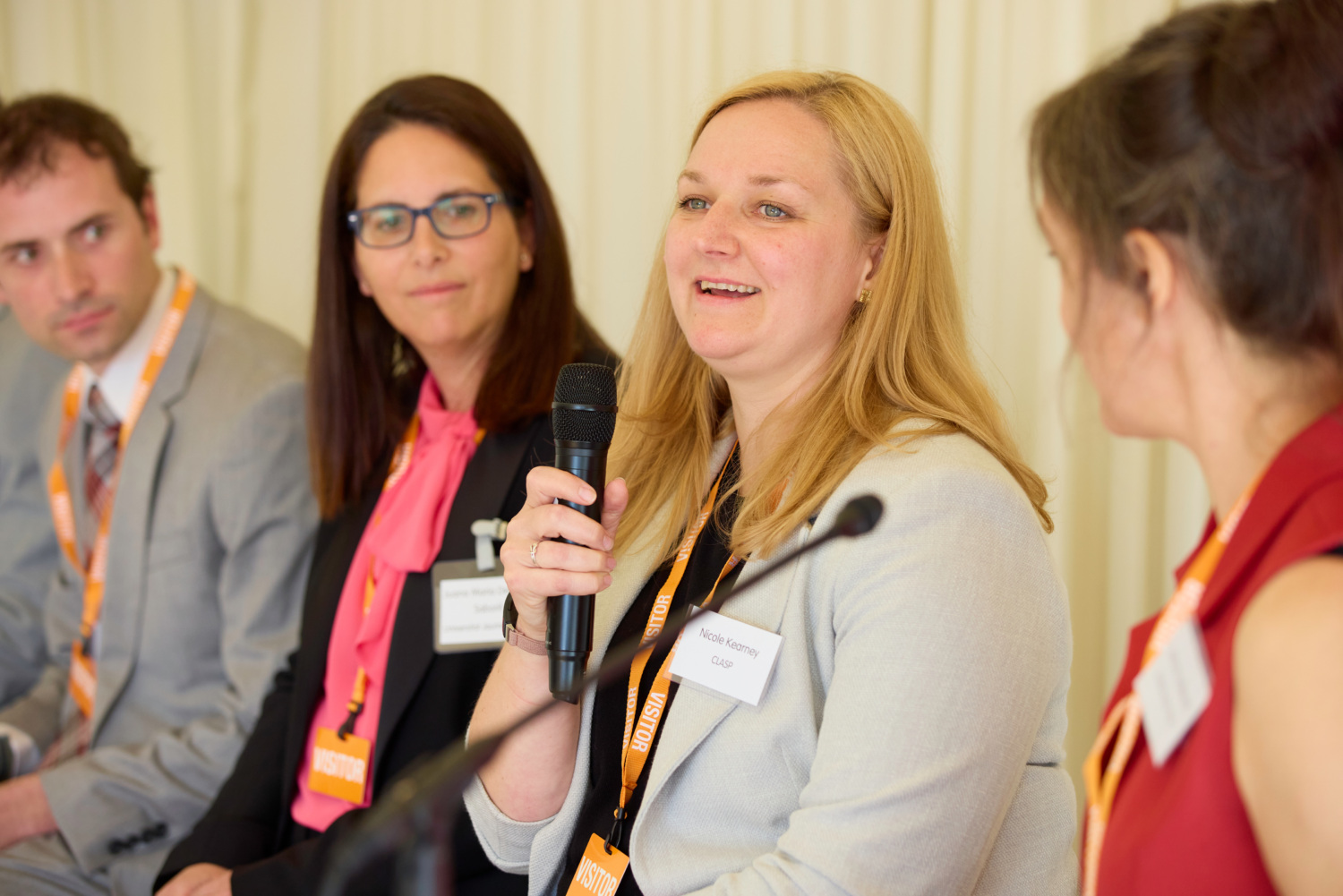
Nicole Kearney, Director at CLASP.
Photo by Douglas Kurn.

Larissa Lockwood, Director of Policy & Campaigns at Global Action Plan.
Photo by Douglas Kurn.

Afzal Khan, Member of UK Parliament.
Photo by Douglas Kurn.
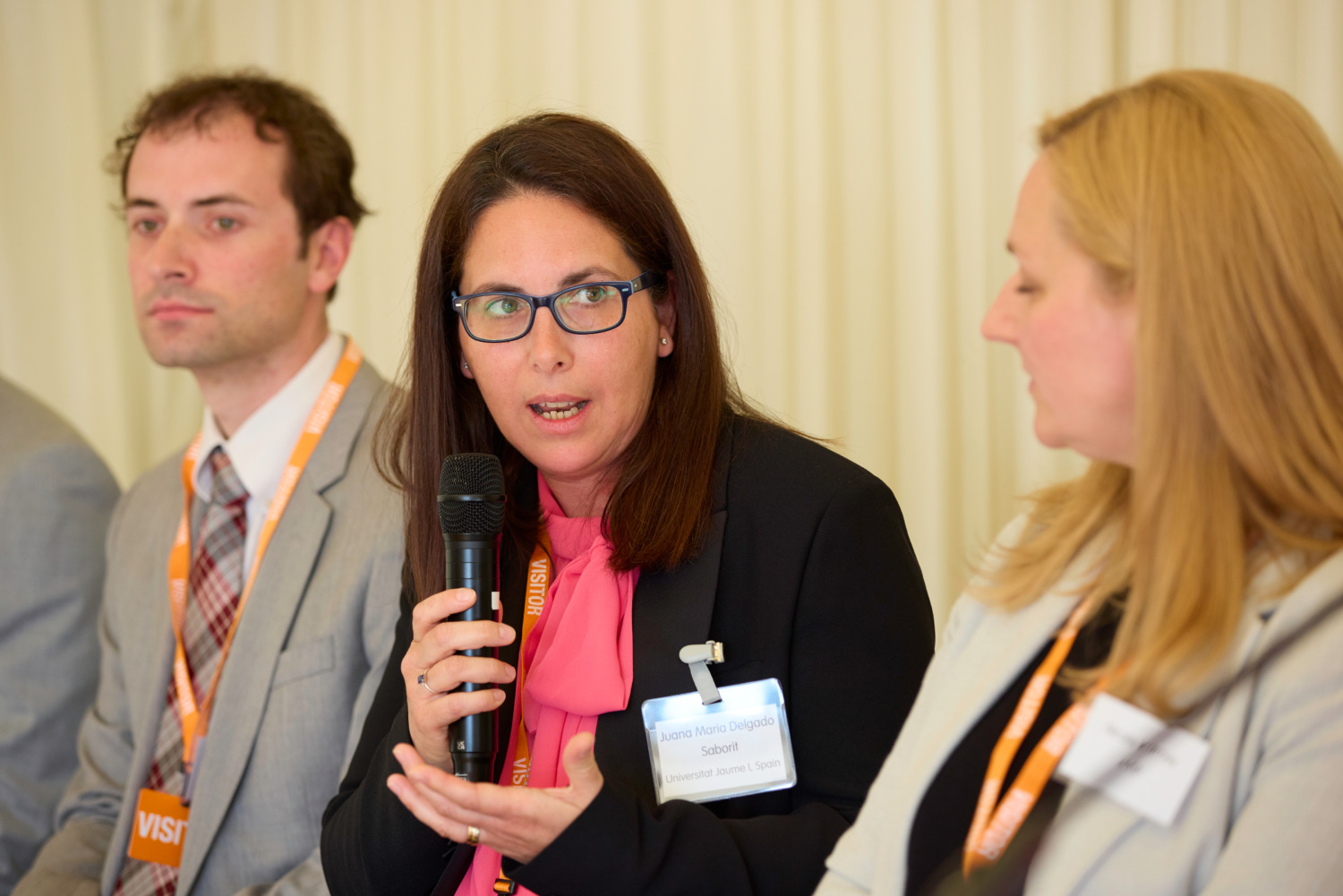
Dr Juana Maria Delgado-Saborit, Distinguished Researcher at University Jaume I.
Photo by Douglas Kurn.

Left to right: Yannai Kashtan, Air Quality Scientist, and Eric Lebel, Research Scientist at PSE Healthy Energy.
Photo by Douglas Kurn.

Cristina Pricop, Senior Associate at CLASP.
Photo by Douglas Kurn.

Left to right: Ed Green, Sustainability Director at Grosvenor, Rory Mathews, Senior Policy and Partnerships Officer at Greater Manchester Combined Authority, and Cristina Pricop, Senior Associate at CLASP.
Photo by CLASP.

Left to right: Steve Guppy, Senior Sustainability Manager at B&Q, and Ed Green, Sustainability Director at Grosvenor.
Photo by Douglas Kurn.
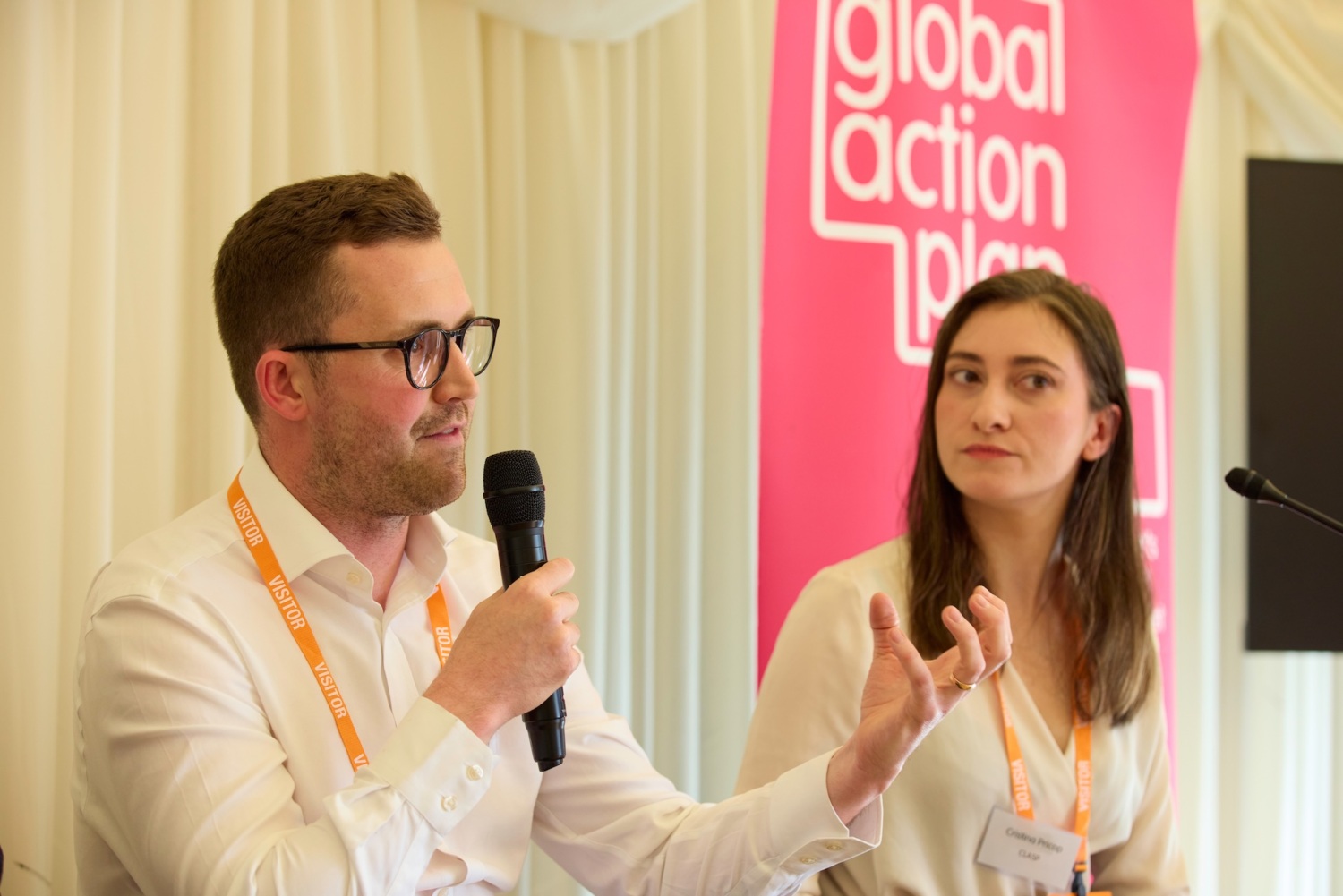
Left to right: Rory Mathews, Senior Policy and Partnerships Officer at Greater Manchester Combined Authority, and Cristina Pricop, Senior Associate at CLASP.
Photo by Douglas Kurn.
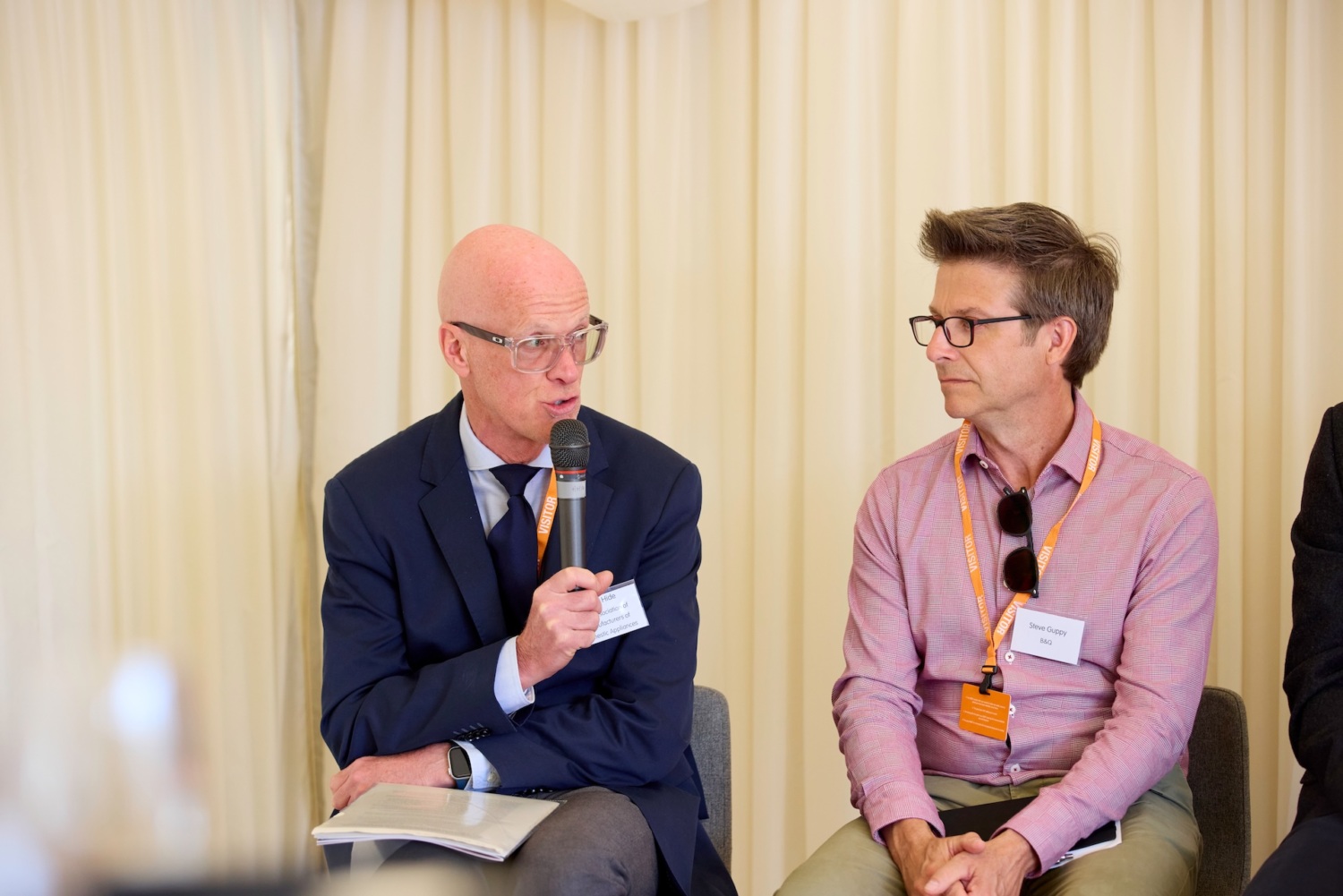
Left to right: Paul Hide, Chief Executive Officer at the Association of Manufacturers of Domestic Appliances, and Steve Guppy, Senior Sustainability Manager at B&Q.
Photo by Douglas Kurn.
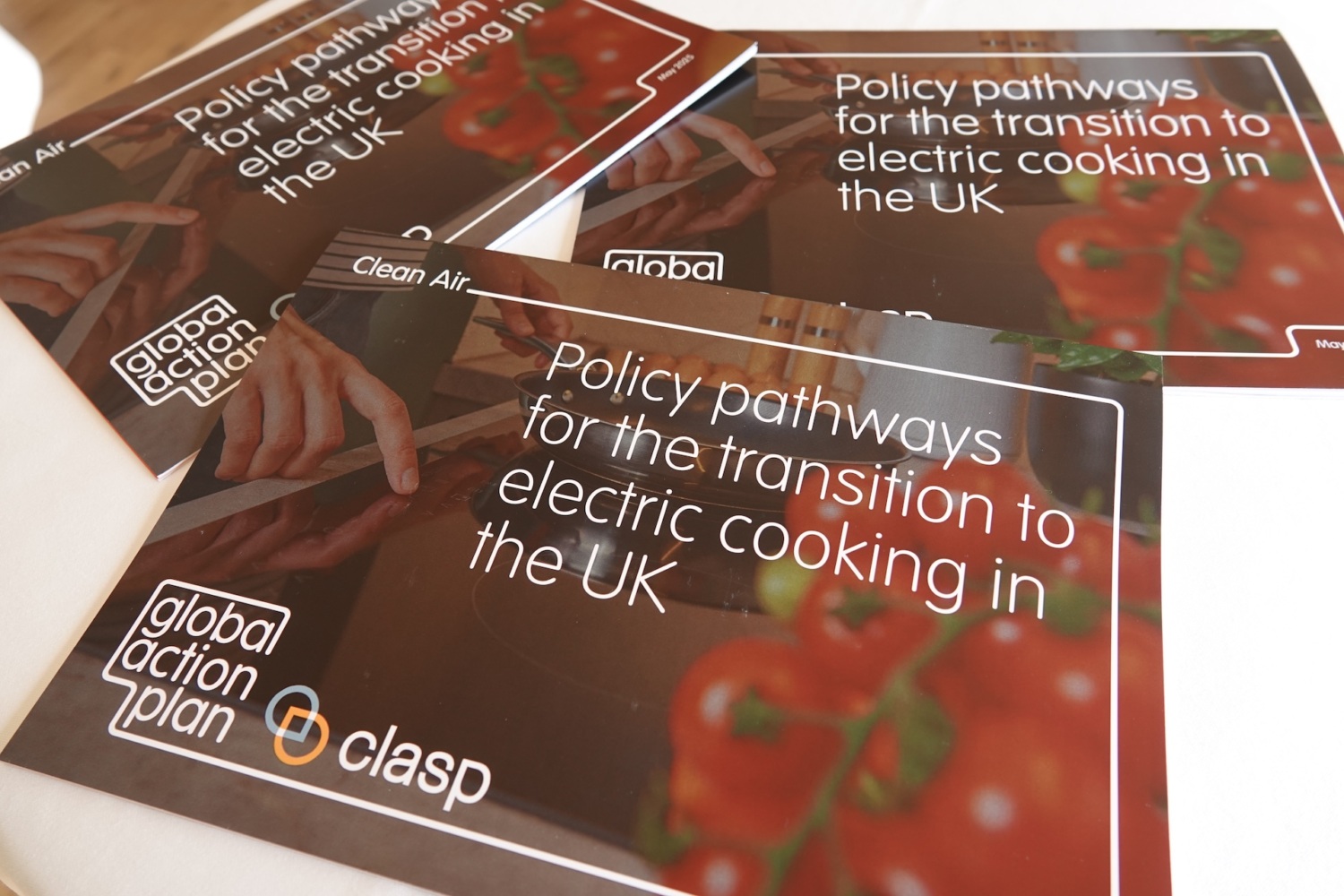
Photo by CLASP.
Larissa Lockwood, Director of Policy & Campaigns at Global Action Plan: “Homes with gas stoves can have nitrogen dioxide levels up to 400% higher than those without – this is the same type of toxic air pollution that comes from car exhausts and is linked to a range of health conditions including lung and heart disease. Transitioning from gas to electric cooking across the UK is a win-win: it will benefit public health through improving indoor air quality, as well as reducing household emissions and energy use. Today we are launching a robust policy roadmap that demonstrates how the UK can transition from gas to electric cooking by 2035, in line with Government home decarbonisation commitments and Climate Change Committee recommendations. We urge policymakers to ensure that UK households are not left behind in the transition to cleaner, safer, and more efficient cooking methods.”
Nicole Kearney, CLASP Director, Europe said: “As governments across Europe move to decarbonise heating, gas cooking remains a blind spot, a neglected source of indoor air pollution that keeps homes locked into using fossil fuels. The solution to bridge these gaps and make cleaner, healthier, and more efficient electric cooking accessible to everyone is available and ready for implementation. The UK Government should seize this opportunity and set a powerful precedent by championing an equitable transition.”
Manchester MP Afzal Khan, host of the parliamentary event, said: “Air pollution from gas cooking is linked to a range of health problems including asthma, lung and heart disease. I’m pleased to see Manchester leading locally on the transition from gas to electric cooking in social housing and demonstrating the value of electric cooking as a solution to improve air quality, boost public health, cut emissions and reduce household energy bills in the long run. We need to see action on a national scale to ensure that cooking isn’t left out of home decarbonisation efforts. Global Action Plan’s new report provides a comprehensive pathway to transition to electric cooking across the UK, and I urge the Government to review the recommendations set out within it.”
Quarterly polling by Opinium for Global Action Plan of 2,000 British adults shows that public awareness of gas cooking pollution and concern over its health, safety and environmental impacts is relatively low but has been steadily rising for years.
Some 2% of UK carbon dioxide emissions come from cooking. Phasing-out gas hobs would cut the equivalent of all of Birmingham, Glasgow, Edinburgh and Sheffield’s greenhouse gas emissions combined, CLASP calculates. The government had planned to phase-out gas boilers by 2035, but has so far overlooked the need to transition away from fossil fuel cooking appliances.
Ends
Notes
[1] Burning gas in the kitchen produces levels of indoor air pollution that exceed legal outdoor limits. The World Health Organization daily limit value for nitrogen dioxide exposure was broken in about half (55%) of British homes using gas hobs and/or gas ovens measured under normal living conditions by a Dutch scientific institute. Pollution spikes lasted several hours and were more intense the longer the cooking time. No breaches in homes using electric appliances were recorded. The same institute estimated that 557,326 British children report asthma symptoms. Spanish scientists built on the Dutch research to estimate the number of premature deaths in the UK from gas cookers.
[2] Public awareness of the risks has been growing steadily and gas cooker sales are slowly declining. But they still make up around 40% of sales and gas hobs are installed in around half of all UK homes. Government polling in 2023 found that two thirds of those asked intend to replace their gas hobs. The Government recognises air pollution as the biggest environmental health risk in the UK. Cookers and heaters are the main sources of air pollution inside homes that use gas. Despite this, there is currently no legislation or policy framework in place to warn UK consumers about the risks or encourage a shift to cleaner alternatives. Unless that changes, GAP estimates that well over 1.5 million new gas hobs will be installed in this parliamentary term, based on existing sales data. Gas cookers tend to be used for around 19 years, experts say, prolonging exposure to indoor air pollution.
[3] Residents in ten Southway Housing Trust properties agreed to have their gas ovens and hobs replaced with induction hobs and electric ovens in early 2025. Some of the gas cookers had been installed decades earlier. Interviews were conducted with all ten households one week before the installation and with seven that remained in the pilot one week after the retrofit. Of these, five said the transition was very easy and one said it was easy. Before the switch, only one household thought induction was easy to use. The project was supported by Beko, B&Q and Electrolux.
Contacts
- Global Action Plan press office press@globalactionplan.org.uk
- CLASP Director, Europe Nicole Kearney (EN) +44 75 4486 5924
- CLASP Senior Communications Associate Païline Caroni (EN, FR) +32 473 127 674
- CLASP Communications Consultant Jack Hunter: jack@fthe.fr +33 7 54 54 35 48
Global Action Plan mobilises people and organisations to take action on the systems that harm us and our planet. We are an environmental charity focused on issues where the connection between the health of people and our planet is most tangible. Our current focus issues are air pollution, big tech, and the education system.
CLASP is the leading global authority on efficient appliances’ role in fighting climate change and improving people’s lives. An international NGO with 25 years of expertise and offices on four continents, CLASP collaborates with policymakers, industry leaders, and other experts to create a more sustainable future for people and the planet. CLASP and our partners are dedicated to solving the world’s most pressing, interconnected crises: the climate emergency, poverty, inequality, and access to energy.
0. “Kenya National Cooking Strategy 2024-2028”, Ministry of Energy and Petroleum. https://www.energy.go.ke/sites/default/files/KAWI/Publication/Kenya%20National%20Cooking%20Transition%20Strategy_Signed.pdf
1. “Kenya 2024 Energy Policy Review”, International Energy Agency, April 2025. https://www.iea.org/reports/kenya-2024
2. “Kenya National Cooking Strategy 2024-2028”, Ministry of Energy and Petroleum. https://www.energy.go.ke/sites/default/files/KAWI/Publication/Kenya%20National%20Cooking%20Transition%20Strategy_Signed.pdf
3. ”Household air pollution”, World Health Organization, October 16, 2024. https://www.who.int/news-room/fact-sheets/detail/household-air-pollution-and-health
Ensuring an All-LED Future: Global Campaign Ends on a Flourish
The thwack of the gavel preceded the thunder of applause as the audience cheered the universal win for people and planet: our future will be lit only by LEDs. In 2023, representatives from 147 countries agreed to phase out florescent lighting globally and completely by 2027. This will avoid nearly 3 gigatons of CO2 through 2050. The decision was taken at the fifth meeting of the Conference of the Parties to the Minamata Convention on Mercury (COP-5) in Geneva.
Since 2020, CLASP’s Clean Lighting Coalition (CLiC) was a campaign created to drive universal access to efficient, safe lighting. CLiC was powered by experts delivering undeniable data about the risks of fluorescent lighting and case studies about the financial and climate emission benefits of efficient LEDs. Integral to the success of the campaign were the advocacy specialists who built the coalition and presented the proof to governments and the media.

The problem with fluorescent lighting
Outdated fluorescents persisting on international markets are toxic and pose a health risk because they contain mercury. They are also inefficient, leading to higher energy bills. LEDs are a safer lighting solution and are twice as efficient – saving money, human and environmental health, and lowering climate emissions.
Global lighting change led by Africa
African policy leaders recognized the feasibility of a global LED transition. In addition to the global climate impacts, ending the production of fluorescents will protect the continent from the toxic, costly and outdated lamps exported to African markets by developed countries unable to sell them domestically.
Armed with sector leading data and technical support from CLiC and partners, Africa region lighting champions led the charge toward the global climate win. In 2022 and 2023, the Africa Group at the United Nations representing 54 African Member States, proposed amendments to the Minamata Convention on Mercury calling on the international community to say farewell to fluorescents.
“Policymakers in Africa led the charge on this campaign, rooted in deep-seeded concerns about the challenges of toxic lamp disposal. Turns out, this was a concern shared by many countries around the globe,” recalls CLiC campaign lead and CLASP Senior Director Ana Maria Carreño. “African leaders’ efforts to raise awareness about the risks of fluorescents and build consensus on a solution via Minamata led to decisive global action protecting people and planet.”
CLiC: The power of international solidarity
For the last three years, CLiC collaborated with over 300 partners spanning every corner of the globe to make the case for LEDs. From civil society to government to industry, from climate to health to waste management, CLiC coordinated an extensive partner network to spotlight the lasting, positive impacts of a clean lighting transition.
“The world is finally able to say, ‘Farewell to Fluorescents’ due in large part to the hundreds of organizations and policy leaders that came together in pursuit of a safer, healthier future for all via the Clean Lighting Coalition,” observed Elena Lymberidi-Settimo, International co-coordinator of the Zero Mercury Working Group and Policy Manager at the European Environmental Bureau. ”The campaign’s success spotlights how extensive networks of trusted and diverse partners are key for making rapid, meaningful change; and we are happy to have been a part of it.”

Photo by CLASP

Photo by CLASP

Photo by CLASP

Photo by CLASP

Photo by CLASP

Photo by Kiara Worth

Photo by CLASP

Photo by Kiara Worth

Photo by CLASP

Photo by CLASP
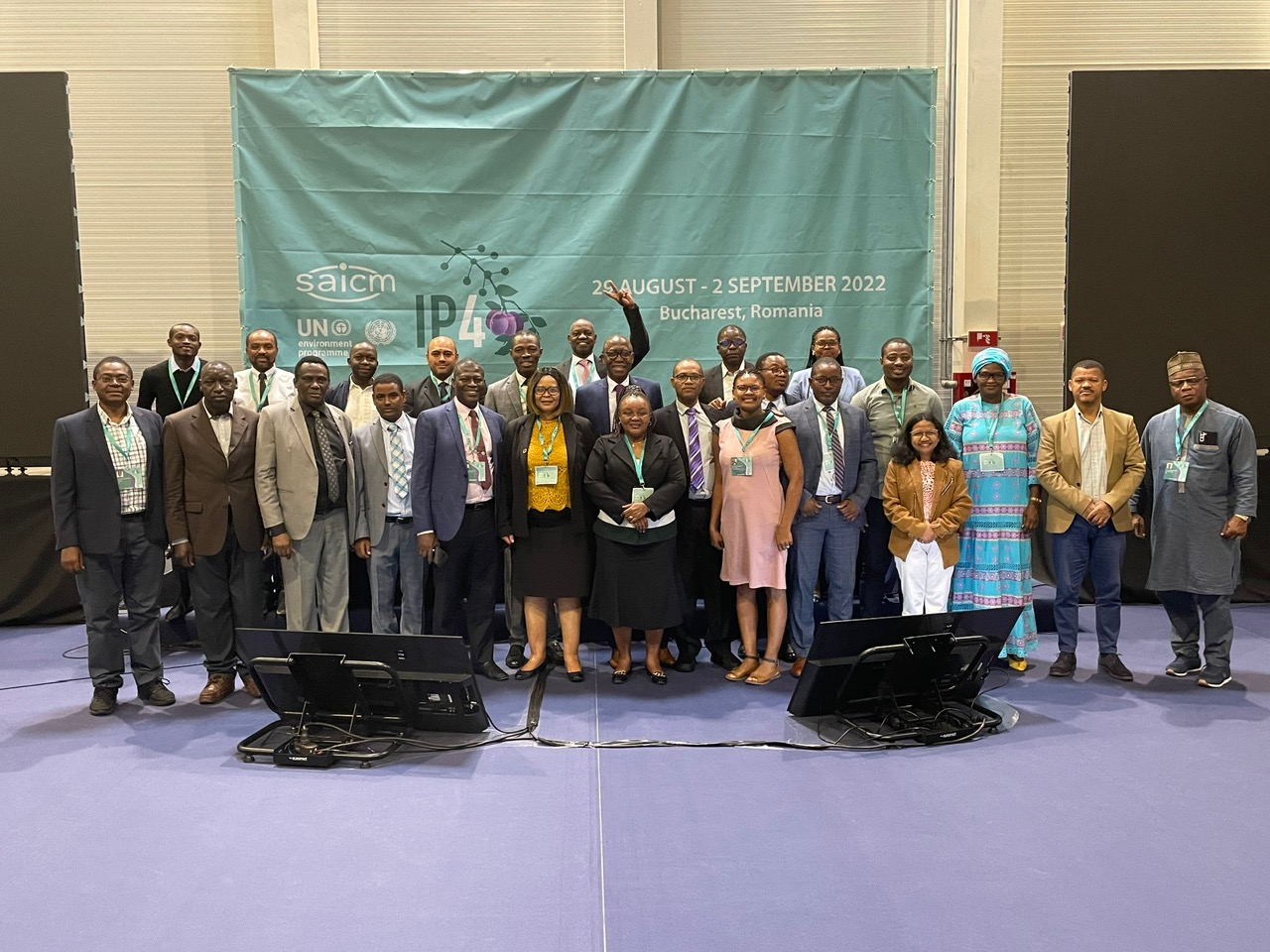
Photo by CLASP

Photo by CLASP

Photo by CLASP

Photo by CLASP

Photo by CLASP

A people and planet win that can be replicated
The success of the CLiC campaign provides a glint of optimism in our worsening climate crisis: meaningful and substantial global change IS possible.
“Being directly involved in the Clean Lighting Coalition was one of the greatest experiences of my professional life,” commented Nithi Nesadurai, CLiC team member and director at Climate Action Network Southeast Asia. “CLASP conducted a flawless strategic and tactical campaign which led to success with the decision in November 2023 at the Minamata Convention on Mercury to eliminate fluorescent lamps by 2027. I have gone on record to say this is probably the most successful global environmental campaign, given the speed in which the goal was achieved.”
The full and lasting benefits of a clean lighting future rely on the commitment of governments to follow through and implement the terms of the agreement in a timely manner. The research is clear, and the global community agrees: an LED transition is feasible for every market. Although the CLiC campaign has concluded, our lighting experts at CLASP continue to offer technical support to countries working to advance towards their LED future.
Recent News



0. “Kenya National Cooking Strategy 2024-2028”, Ministry of Energy and Petroleum. https://www.energy.go.ke/sites/default/files/KAWI/Publication/Kenya%20National%20Cooking%20Transition%20Strategy_Signed.pdf
1. “Kenya 2024 Energy Policy Review”, International Energy Agency, April 2025. https://www.iea.org/reports/kenya-2024
2. “Kenya National Cooking Strategy 2024-2028”, Ministry of Energy and Petroleum. https://www.energy.go.ke/sites/default/files/KAWI/Publication/Kenya%20National%20Cooking%20Transition%20Strategy_Signed.pdf
3. ”Household air pollution”, World Health Organization, October 16, 2024. https://www.who.int/news-room/fact-sheets/detail/household-air-pollution-and-health
CLASP Calls for Cleaner Heat Pumps in the European Union
CLASP, along with eight leading European environmental organizations, submitted a letter urging European Union (EU) countries to prioritize climate-friendly refrigerant heat pumps to help achieve climate goals.
The letter, submitted to the European Commission (EC), was timely, as EU Member States prepare to allocate funding from a €86 billion Social Climate Fund (SCF) and implement the EU’s goal for rapid heat pump deployment.
Key recommendations to the European Commission
- Prioritize heat pumps with natural refrigerants over high-global warming potential (GWP) hydrofluorocarbons (HFCs or F-gases). There is a long-term climate risk linked to the use of HFC-based systems, as HFCs have hundreds to thousands of times more GWP than natural refrigerants.
- Establish financial incentives for natural refrigerant heat pumps. EU Member States should offer extra subsidies or bonuses for the adoption of natural refrigerant heat pumps. Germany’s additional 5% grant, for homeowners who install heat pumps using natural refrigerants, provides an example of how targeted support can accelerate the shift to more climate-friendly heat pumps.
- Set a clear timeline for phasing out public funding for F-gas heat pumps. CLASP, the Environmental Investigation Agency, and the other signatories suggest defining a cut-off date, after which the installation of heat pumps that use climate-damaging HFC refrigerants should no longer be funded. This would align with the direction of EU legislation and offer much-needed clarity for industry and European consumers. Germany has already taken action: from 2028, only natural refrigerant heat pumps will be eligible for funding.5
Why is it important to transition to climate-friendly heat pumps?
If Member States continue allowing the installation of new equipment using HFCs, heat pumps installed today could still be operating decades from now, impacting the EU’s ability to meet its 2050 net zero target.
Data from the German incentive scheme6 indicate that natural refrigerant heat pumps are, on average, more energy-efficient than F-gas systems across all temperature ranges. This means they require less energy and reduce consumers costs to run. Their ability to operate at high temperatures also makes them an ideal choice for boiler retrofits.
To support market transformation efforts in this field, CLASP is researching the deployment of natural refrigerant heat pumps and the barriers to their adoption in the EU and the United Kingdom. More information on the topic can be found here.
0. “Kenya National Cooking Strategy 2024-2028”, Ministry of Energy and Petroleum. https://www.energy.go.ke/sites/default/files/KAWI/Publication/Kenya%20National%20Cooking%20Transition%20Strategy_Signed.pdf
1. “Kenya 2024 Energy Policy Review”, International Energy Agency, April 2025. https://www.iea.org/reports/kenya-2024
2. “Kenya National Cooking Strategy 2024-2028”, Ministry of Energy and Petroleum. https://www.energy.go.ke/sites/default/files/KAWI/Publication/Kenya%20National%20Cooking%20Transition%20Strategy_Signed.pdf
3. ”Household air pollution”, World Health Organization, October 16, 2024. https://www.who.int/news-room/fact-sheets/detail/household-air-pollution-and-health
4. Umweltbundesamt “Heat Pumps” August 2023
https://www.umweltbundesamt.de/en/topics/climate-energy/fluorinated-greenhouse-gases-fully-halogenated-cfcs/application-domains-emission-reduction/heat-pumps
5. Bundesamt für Wirtschaft und Ausfuhrkontrolle “Liste der förderfähigen
Wärmepumpen mit Prüf-/Effizienznachweis” April 2025 https://www.bafa.de/SharedDocs/Downloads/DE/Energie/beg_waermepumpen_pruef_effizienznachweis.html