
Making the Switch: The Deployment Handbook for Institutional eCookers
This report, “Making the Switch: The Deployment Handbook for Institutional eCookers,” conducted by Efficiency for Access in partnership with the Modern Energy Cooking Services (MECS) programme, aims to inform practitioners seeking advice on the design, deployment, and operation of commercially available institutional eCooking technologies and provide actionable recommendations for scaling eCooking in institutions in Kenya. This guide covers commercially available institutional eCooking technologies designed for both on- and off-grid applications. It provides:
- An overview of the current state of eCooking in institutions in Kenya
- Step-by-step advice for the pre-assessment, planning, installation, and commissioning of eCooking solutions
- Opportunities to scale the adoption of institutional eCooking
Download “Making the Switch: The Deployment Handbook for Institutional eCookers” to access key findings, recommendations, and guidance on electric cookers in institutional settings.
About Efficiency for Access
Efficiency for Access is a global coalition dedicated to advancing access to energy and affordable, energy-efficient appliances in underserved communities. It is a catalyst for change, accelerating access to off- and weak-grid appliances that boost incomes, avoid carbon emissions, improve quality of life, and support sustainable development. The coalition is co-chaired by UK aid from the UK government via the Transforming Energy Access platform and the IKEA Foundation.
About the MECS programme
Modern Energy Cooking Services (MECS) is an eleven-year research programme funded by UK Aid (FCDO). MECS is a geographically diverse, multicultural, and transdisciplinary team working in close partnership with NGOs, governments, the private sector, academia, research institutes, policy representatives, and communities in 16 countries of interest to accelerate a transition from biomass to genuinely ‘clean’ cooking.
In seeking to spark a new approach to clean cooking, the MECS programme researches the socio-economic realities of a transition from polluting fuels to a range of modern fuels. Whilst the research covers several clean fuels, the evidence is pointing to the viability, cost-effectiveness, and user satisfaction that energy-efficient electric cooking devices provide. Significant progress has been made in access to electricity in the last decade, but these gains are sometimes disconnected from the enduring problem of clean cooking. By integrating modern energy cooking services into the planning for electricity access, quality, reliability and sustainability, MECS hopes to leverage investment in renewable energies (both grid and off-grid) to address the clean cooking challenge.
CLASP Cooks Up Change at Brussels Event
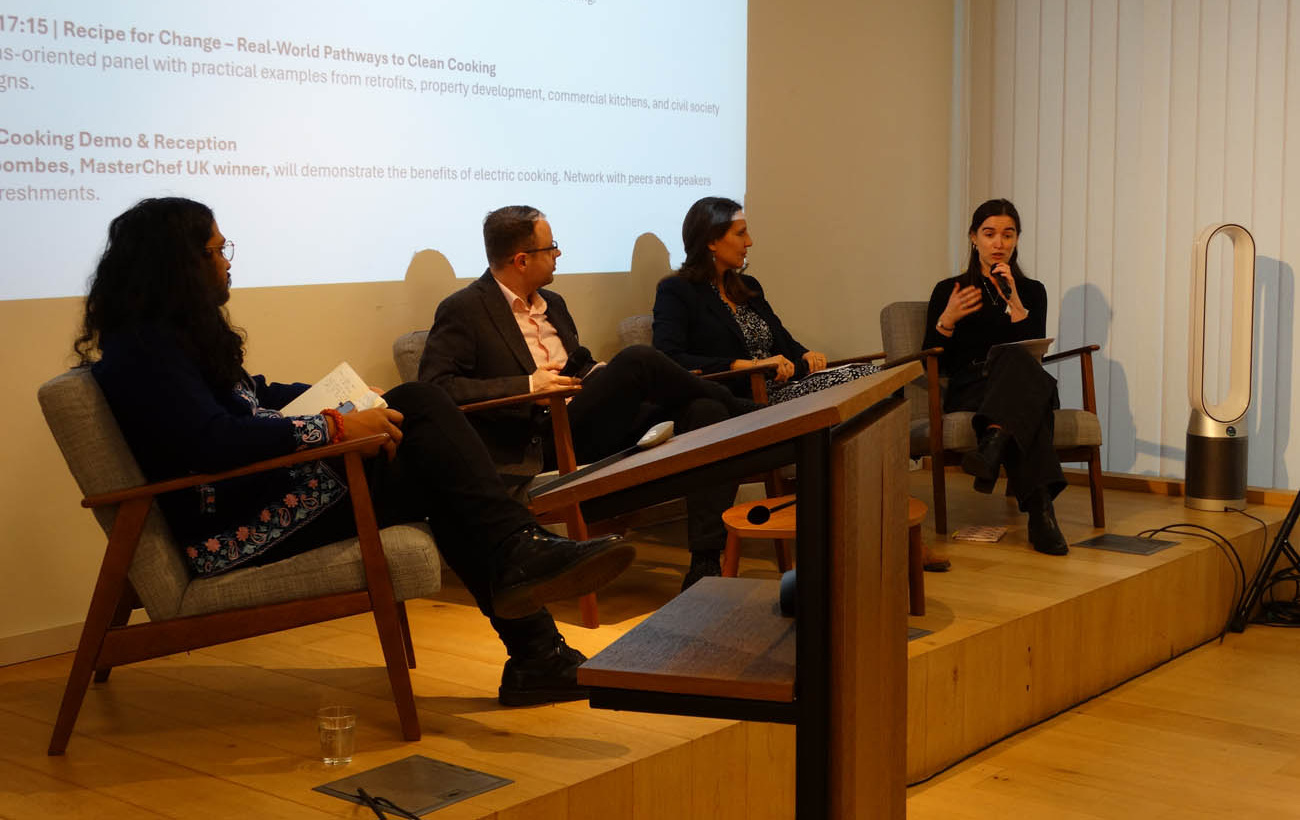
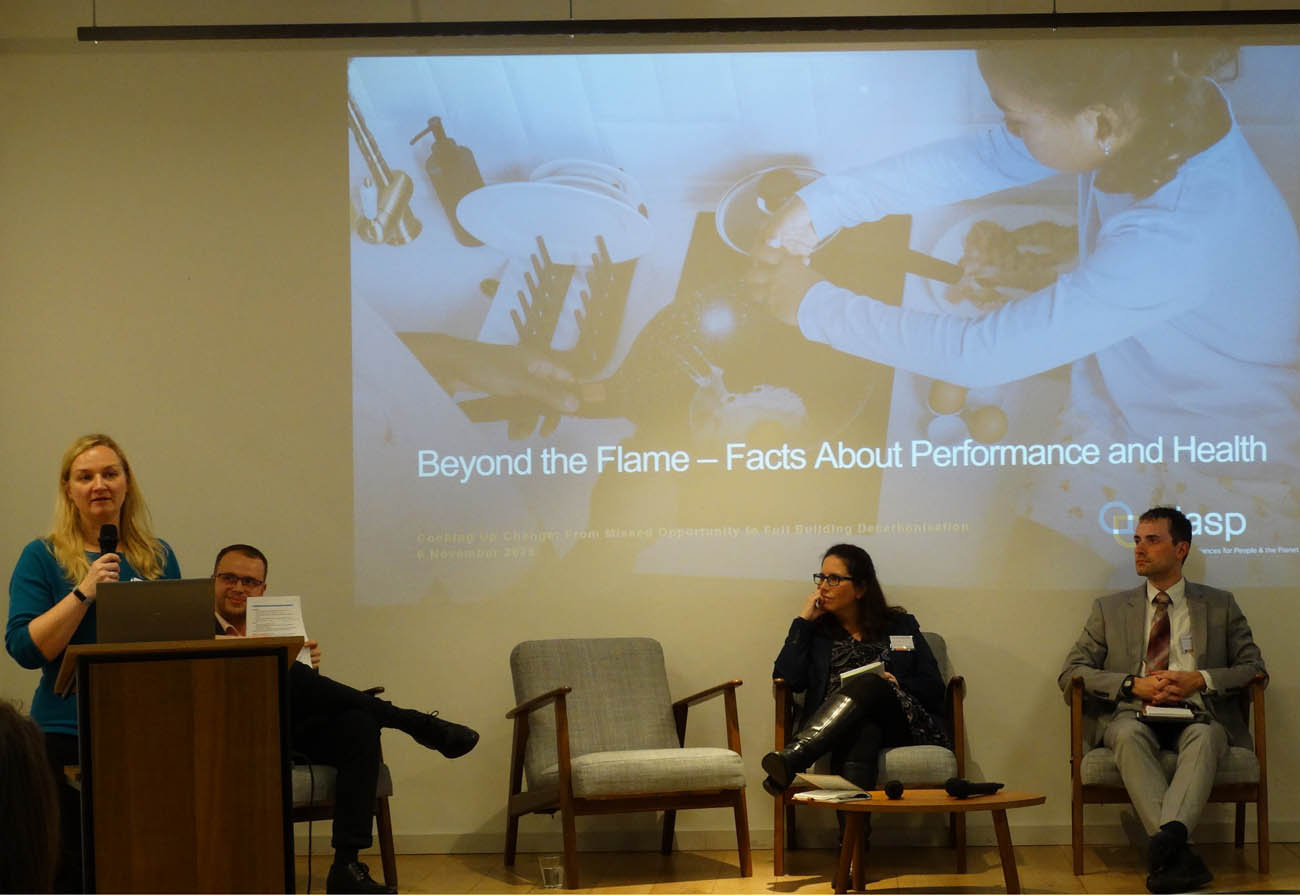
In early November, CLASP joined global experts in Brussels, Belgium, to discuss the path toward electrifying cooking in Europe—a crucial but often overlooked step in building decarbonization. The daylong meeting brought together representatives from CLASP, E3G, ECOS, European Public Health Alliance (EPHA), Global Cooksafe Coalition, PSE Healthy Energy, Respire, and Universitat Jaume I.
The event took place as the European Union revises its ecodesign product regulations for cooking appliances. Today, less than half of Europeans use electricity to cook food, although clean cooking is more efficient, healthier, safer, and affordable than cooking with gas. The revision is an important opportunity to bring these benefits to people across the European market, while also making it easier for consumers to compare different hob models.
In panel discussions, speakers emphasized that cooking electrification is an important piece of the building decarbonization puzzle and noted that full household decarbonization may not happen without targeted support for cooking electrification. They also stressed the importance of an equitable, universal transition to clean cooking and discussed the critical role of consumer education in facilitating this transition.
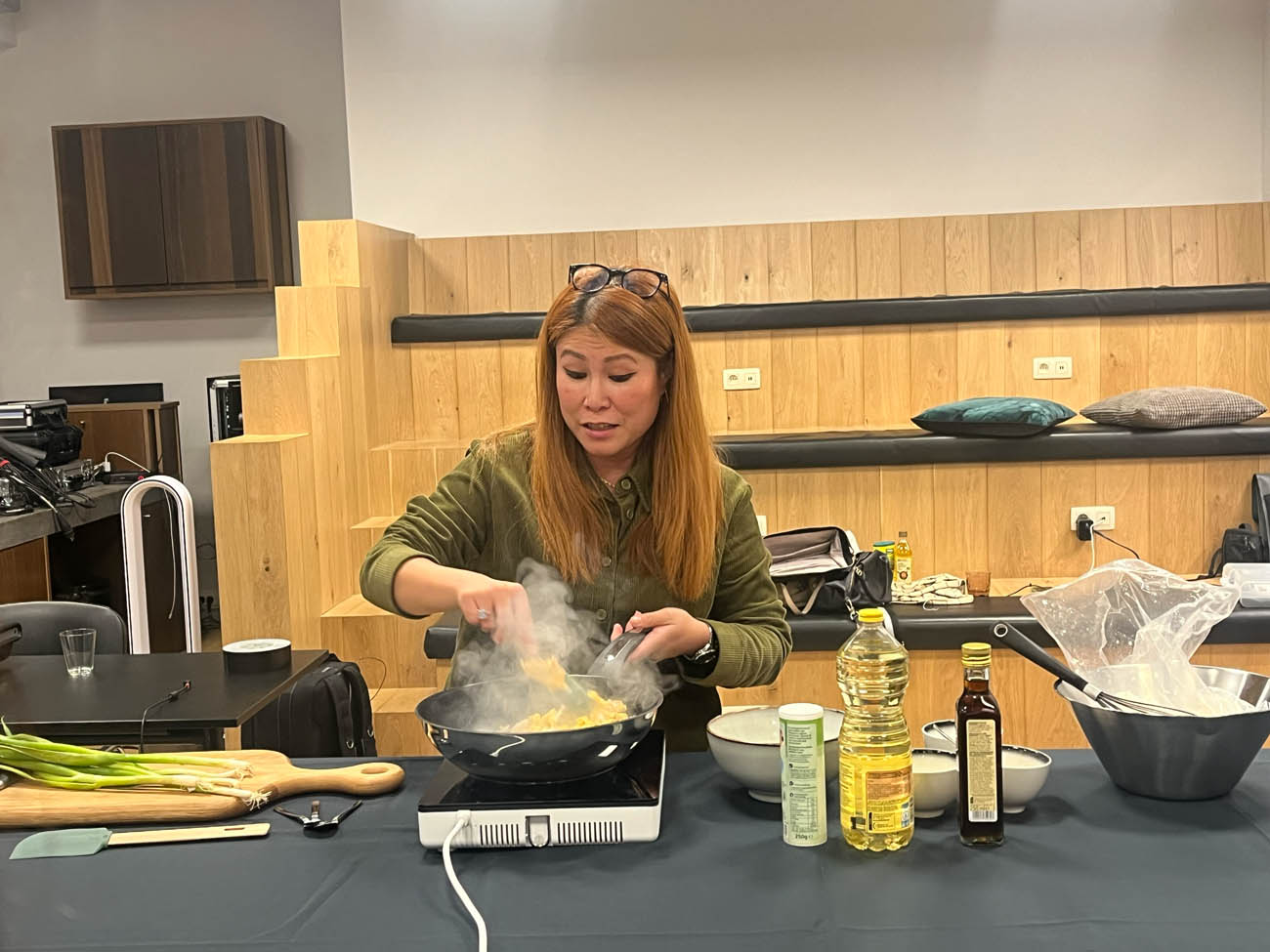
The event featured a live induction cooking demo and food tasting with MasterChef UK winner Ping Coombes. Coombes demonstrated the versatility of electric cooking by creating a smoky flavor—often associated with open-flame cooking—in a wok heated by an inexpensive portable induction hob.
Learn more about CLASP’s work on electrifying cooking in Europe.
Pathways to Prevent Dumping of Climate Harming Room Air Conditioners in the Global South
Low-efficiency, climate-harming room air conditioners are common across the Global South. This is due largely to a practice known as environmental dumping, which raises costs for consumers, strains national electric grids, and jeopardizes climate mitigation targets.
What is environmental dumping?
When appliances that don’t meet the regulatory standards of the countries where they are manufactured are export to countries with lower or no standards, this is considered environmental dumping.
Environmental dumping of room air conditioners is a common practice, resulting in high volumes of low-efficiency, high-global-warming potential (GWP) room air conditioners in countries that lack stringent room AC standards and refrigerant regulations.
This occurs across the Global South, as research by CLASP and the Institute for Governance & Sustainable Development (IGSD) with support from the Climate and Clear Air Coalition (CCAC) has revealed. Studies from Africa (2020), Southeast Asia (2023), and Latin America & the Caribbean (2026) have confirmed that low-efficiency, high-GWP cooling appliances are prevalent in all three regions.

What are the impacts on people & planet?
As temperatures rise around the globe, the demand for cooling appliances is growing rapidly. The number of ACs in use is projected to grow from 1.6 billion units in 2023 to 5.6 billion in 2050, according to the IEA. Despite that, only 15% of the 3.5 billion people living in warm regions have air conditioning. Making cooling more accessible requires overcoming a key barrier: affordability.
The prevalence of low-efficiency room air conditioners in the Global South makes this more difficult to achieve, as these appliances cost consumers more to run.
Low-efficiency, high-GWP room air conditioners also strain electricity systems and lock countries into higher energy use and emissions, slowing progress toward national and global climate goals.
How can environmental dumping be prevented?
Ambitious national appliance efficiency policies are a powerful way to help markets shift toward next-generation technologies that lower electricity costs and cut CO₂ emissions. Complementary government action on obsolete refrigerants can further speed the transition to climate-friendly alternatives.
Still, no single country can tackle environmental dumping or the spread of outdated, high-emission products alone. Addressing these challenges requires shared responsibility and close collaboration among governments, industry, civil society, and international partners.
Accelerating India’s Shift to Clean Cooking
CLASP participated in the fourth Modern Energy Cooking Forum (MECF 2025) in New Delhi on 26 September. The event brought together diverse stakeholders to work towards integrating electric cooking (e-cooking) into India’s energy and climate policies.
Efficient cooking advances health, equity, and climate goals
Globally, more than 2 billion people still rely on polluting fuels like wood, charcoal, kerosene, or coal as their main cooking fuel1. In India, about 54% of households use traditional solid fuels, either as their main source of energy or alongside liquefied petroleum gas, contributing significantly to indoor air pollution2. Dependence on solid fuels negatively impacts people’s quality of life. It harms people’s health through exposure to smoke and pollutants, and it also limits productivity and keeps households trapped in a never-ending cycle of labor-intensive chores.
Improving household access to e-cooking helps address these challenges while advancing energy and climate goals. Shifting to cleaner, more efficient electric cooking can help reduce respiratory illness symptoms and other health impacts, save households time and money, while freeing up hours spent on fuel collection and cooking. From a climate perspective, the widespread adoption of e-cooking can reduce emissions from the residential energy sector and contribute to India’s decarbonization goals.
CLASP supports India's shift to clean cooking
At MECF 2025, Neha Dhingra, CLASP’s Director, India, shared CLASP’s approach for accelerating India’s clean cooking transition. The approach focuses on market-shaping activities:
- Policy and institutional collaborations: CLASP has a longstanding relationship with the Bureau of Energy Efficiency (BEE) and will continue working with government stakeholders to align policies, standards, and procurement with clean cooking solutions. These collaborations are critical to ensuring that solutions are available and supported by national policies.
- Evidence and risk reduction: By providing robust appliance performance data and consumer insights, CLASP helps policymakers, financiers, and companies make informed investments in e-cooking.
- Consumer awareness and demand: CLASP will continue supporting campaigns that highlight the tangible benefits of e-cooking, from household savings to improved air quality and safer kitchens.
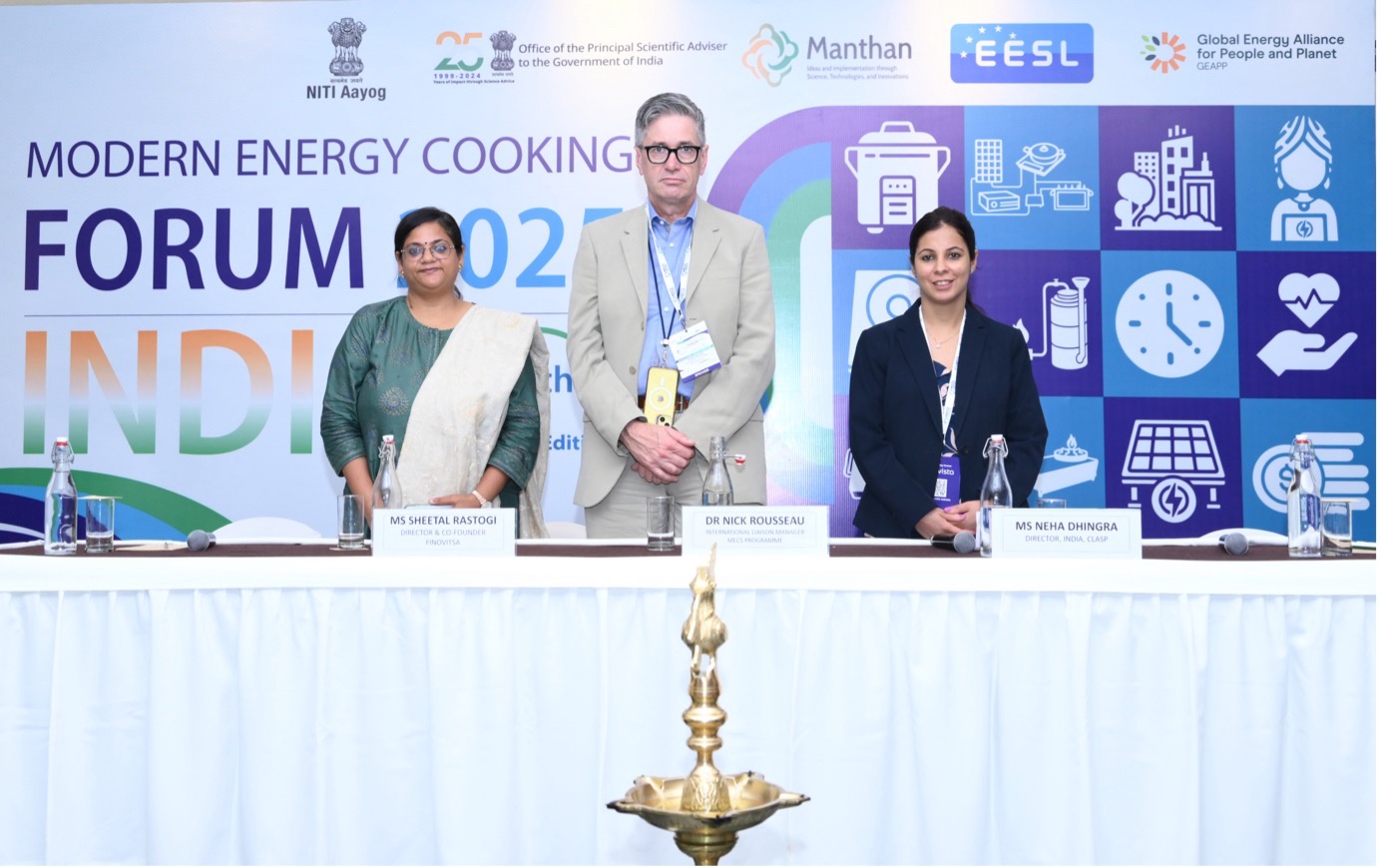
Photo by Finovista.
Left to right: Sheetal Rastogi, Director and Co-founder of Finovista, Dr. Nick Rousseau, International Liason Manager at MECS Programme, and Neha Dhingra, Director at CLASP.
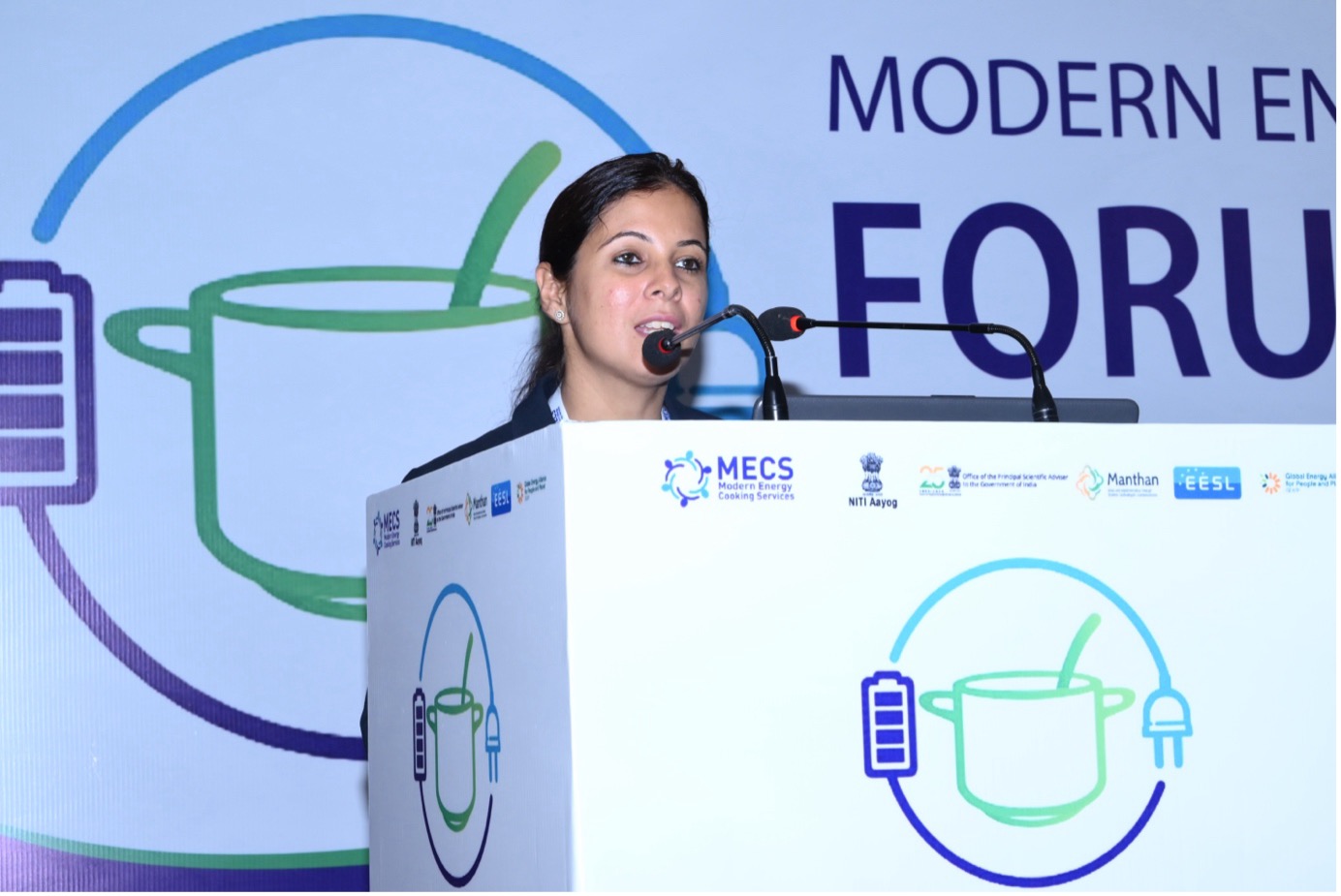
Photo by Finovista.
Neha Dhingra, Director at CLASP, presents CLASP's approach for scaling clean cooking in India at the Modern Energy Cooking Forum (MECF) 2025 in New Delhi.
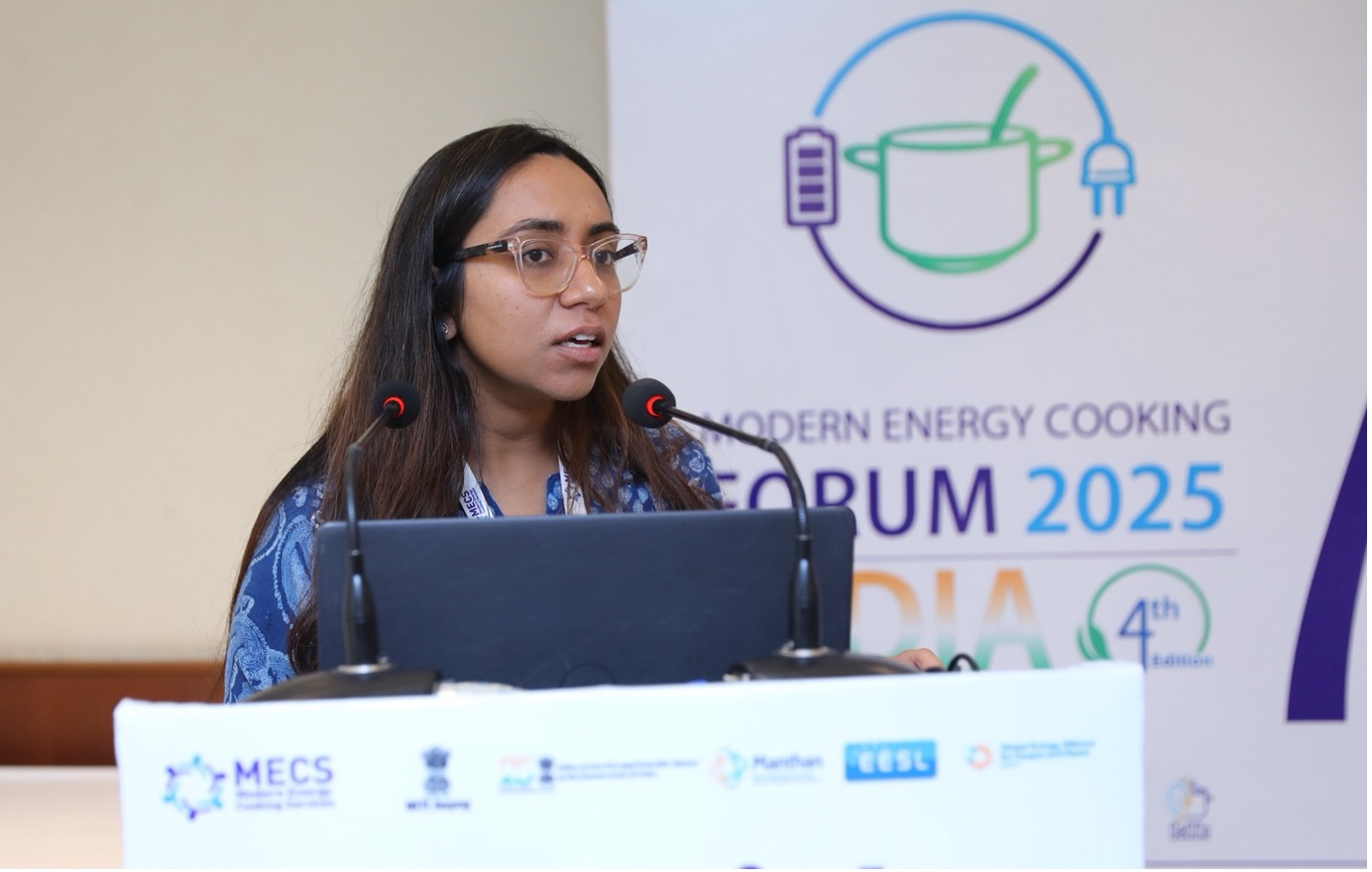
Photo by Finovista.
Sumedha Awasthy, Senior Associate at CLASP, showcases CLASP's clean cooking initiatives at MECF 2025.
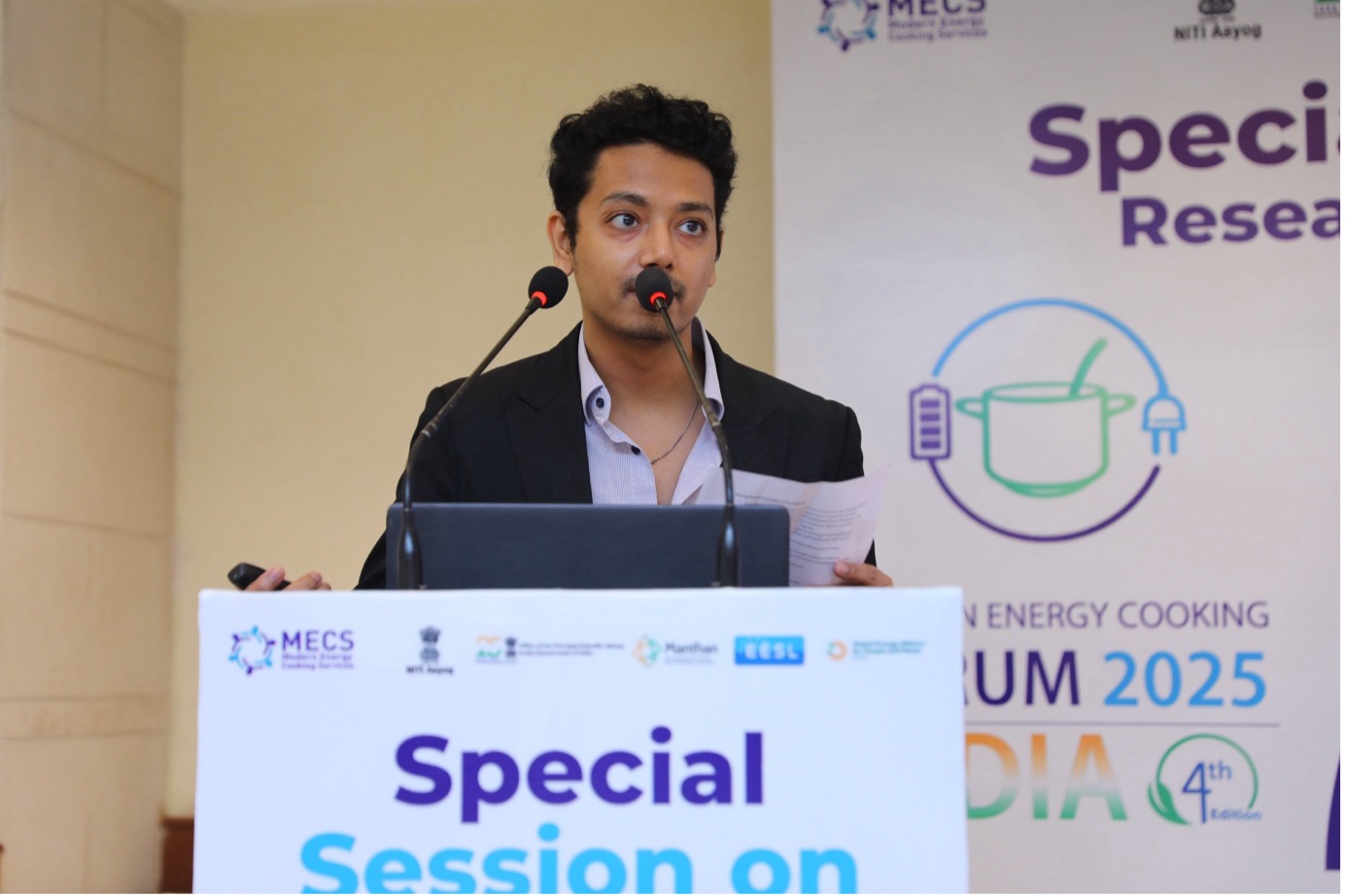
Photo by Finovista.
Jatin Mathur, Associate at CLASP, speaks in a session on research in clean cooking at MECF 2025.
“Through MECS, we see opportunities for Indian companies to grow in the domestic market and expand into new markets globally. CLASP is excited to help fill gaps where we can, and ensure that together, we accelerate the transition to efficient e-cooking in India and beyond.”
Neha Dhingra
Director, India (CLASP)
With this approach, CLASP aims to ensure that clean cooking appliances are available, but also affordable, trusted, and widely adopted. Through our partnership with MECS and in collaboration with local partners like Finovista, CLASP will provide venture-building support to Indian manufacturers, help identify high-growth opportunities, refine business models, and develop strategic connections with funders and partners.
CLASP’s Sumedha Awasthy (Senior Associate, Clean Energy Access) and Jatin Mathur (Associate, Clean Energy Access) also contributed to a special session on research and innovation in e-cooking, demonstrating how policy, finance, and market-building can speed up the shift. Their presentation highlighted initiatives such as the Global Leap Awards and the Institutional E-Cooking Demo.
The opportunity for India to scale efficient e-cooking
With universal electricity access3 and a strong cooking appliance industry, India is well-positioned to scale domestic adoption and tap into international markets. CLASP is committed to working alongside partners in India and beyond to ensure that affordable, efficient, clean cooking solutions reach households that need it most. By further improving standards and policies, building markets, and implementing consumer-centric approaches, India can turn MECF’s momentum into lasting impact.
About the Modern Energy Cooking Forum (MECF)
MECF is hosted by Finovista and the Modern Energy Cooking Services (MECS) programme. This year’s forum strengthened its role as a key platform driving India’s clean cooking dialogue and strategy since 2022. MECF 2025 was supported by NITI Aayog, the Office of the Principal Scientific Adviser to the Government of India, Energy Efficiency Services Limited, and the Global Energy Alliance for People and Planet.
Discussions focused on decarbonizing the cooking sector, equity, state-level programs, financing, and demand-side challenges and opportunities to scale up e-cooking. A highlight of the forum was the Innovation Pavilion, where new technologies were showcased through live cooking demonstrations for diverse consumer segments.
0. International Energy Agency, “Access to Clean Cooking”. https://www.iea.org/reports/sdg7-data-and-projections/access-to-clean-cooking
1. Modern Energy Cooking Services programme, “The Green Shift in Clean Cooking Fuel in India”, 18 May 2023. https://mecs.org.uk/blog/the-green-shift-in-clean-cooking-fuel-in-india/
2. International Energy Agency, “Electricity access continues to improve in 2024 – after first global setback in decades”, 5 November 2024. https://www.iea.org/reports/sdg7-data-and-projections/access-to-clean-cooking
CLASP’s Research Informs South Africa’s New Water Efficiency Standards
In a country that regularly endures water shortages, South Africa is taking a major step towards water sustainability by developing its first Water Efficiency Labelling Scheme (WELS) for taps, showerheads and toilets sold there. If fully implemented, CLASP’s analysis shows that adopting water-efficient products—especially for faucets and showerheads—could help South Africa save over 1 trillion litres of water, reduce energy use by 18 terawatt-hours, and avoid 16 million tonnes of carbon dioxide emissions each year. This will help reduce water consumption, lower energy demand, and advance the country’s climate goals.
CLASP’s technical analysis supported the call for a new standard
CLASP’s 2022 research “South African Shower heads Testing Report” informed the proposal to create a South African standard for shower heads that is aligned with international standards.

To develop the standards, the South African Department of Water and Sanitation (DWS), in collaboration with SANEDI, the Water Research Commission (WRC), Jackstra Solutions, and CLASP, and under the guidance of the WELS Project Steering Committee recently hosted a Water Efficiency Labelling Scheme (WELS) Forum in Pretoria. This aimed to share progress and raise awareness about the WELS project, gather strategic and technical input from stakeholders, and foster collaboration and partnerships to support successful implementation.
The WELS Forum had strong representation from both the public and private sectors.
Angellah Wekongo, Senior Associate at CLASP, attended as well. She shared international WELS case studies, highlighting the global uptake of water efficiency labelling schemes. She also emphasized the importance of central product registers in supporting these initiatives and noted the need for the WELS hosting agency in South Africa to have the system.
Notably, the private sector expressed strong support for the initiative, underscoring a shared commitment to advancing water efficiency in South Africa. This was reinforced by the industry position statement from the Institute of Plumbing South Africa (IOPSA), which states:
“Products displaying a water efficiency label empower consumers to choose in ways that benefit their household, communities and the environment. However, we recognize that education enforcement and affordability of water efficient products are key drivers in promoting widespread acceptance and adoption.”
The project has now moved onto its second phase: the water efficiency standard has been submitted to the South African Bureau of Standards (SABS). A complementary efficiency label is also being designed. The Steering Committee is also actively engaging stakeholders to explore feasible options for hosting and maintaining a central product registration system for the WELS.
The development of South Africa’s WELS in line with international best practices in sustainable water management will go a long way in reducing water waste, lowering utility bills, and will contribute to a more resilient and sustainable future for millions of people.
Read more about this in: Matthews, S. (2025) ‘Every drop counts: New labels to help South Africans save water(and money)’, The Water Wheel, July–September 2025. Pretoria: Water Research Commission (WRC). Available at: https://wrcwebsite.azurewebsites.net/wpcontent/uploads/mdocs/WW%20July%20-%20Sept%202025_WATER%20EFFICIENCY.pdf
0. International Energy Agency, “Access to Clean Cooking”. https://www.iea.org/reports/sdg7-data-and-projections/access-to-clean-cooking
1. Modern Energy Cooking Services programme, “The Green Shift in Clean Cooking Fuel in India”, 18 May 2023. https://mecs.org.uk/blog/the-green-shift-in-clean-cooking-fuel-in-india/
2. International Energy Agency, “Electricity access continues to improve in 2024 – after first global setback in decades”, 5 November 2024. https://www.iea.org/reports/sdg7-data-and-projections/access-to-clean-cooking
Kenya Clean Cooking Week 2025: Turning Strategies into Action
CLASP team members joined the Kenya Clean Cooking Week in Kilifi County last week. The team showcased hands-on cooking demonstrations, competitions, and panel discussions, highlighting the role that policy support, financing, partnerships, and grassroots adoption plays in accelerating progress.

Photo by CLASP.
The winners of CLASP's clean cooking competition hold their prizes (induction cooktops and cookware).
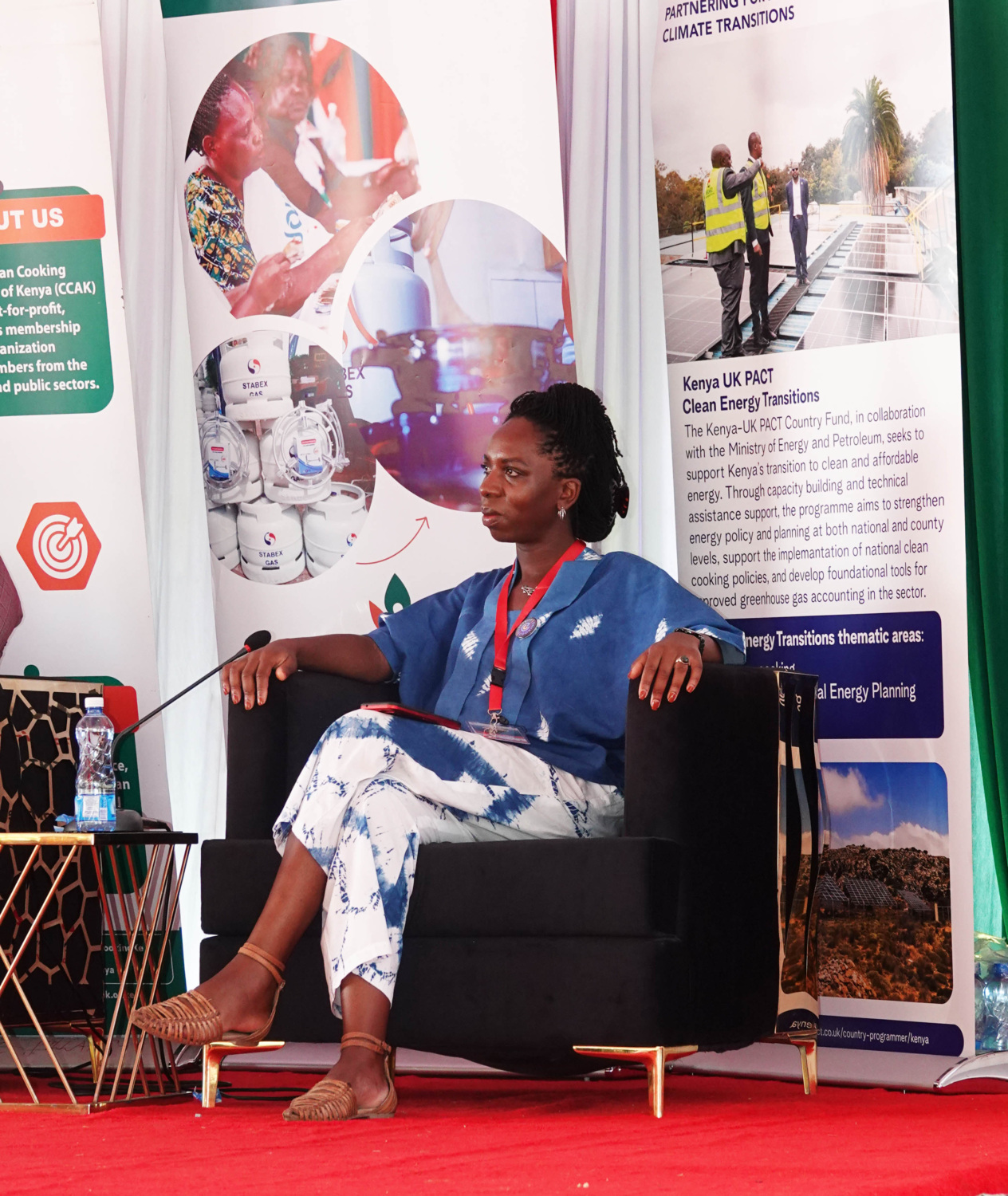
Photo by CLASP.
CLASP's Nyamolo Abagi participates in a panel discussion at Clean Cooking Week 2025.

Photo by CLASP.
Kilifi residents visit CLASP and MECS' exhibition booth at Clean Cooking Week 2025.
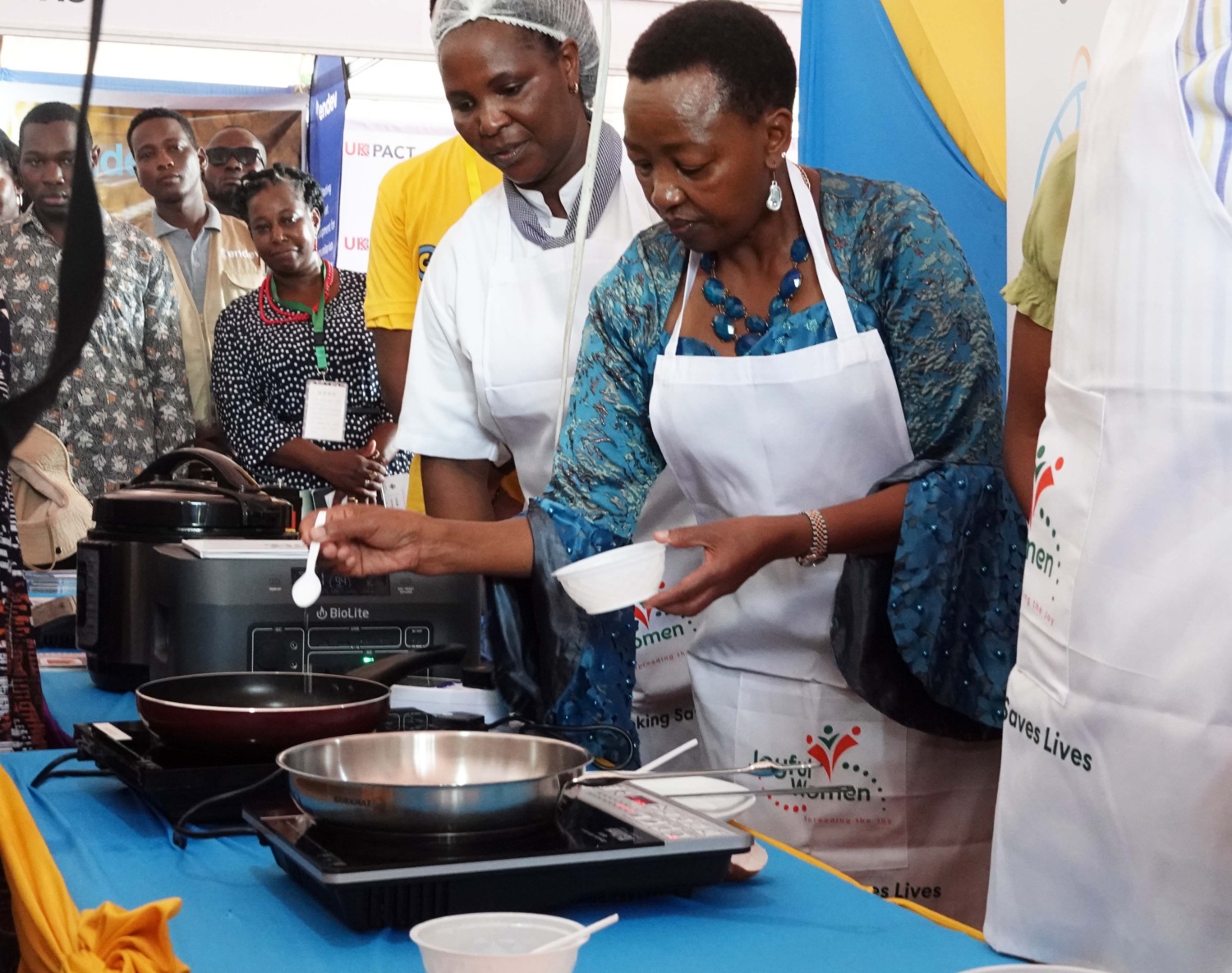
Photo by CLASP.
Mama Rachel Ruto, First Lady of Kenya, tries out an induction cooktop at CLASP and MECS' exhibition booth.

Photo by CLASP.
CLASP team members with a representative from Ecobora.

Photo by CLASP.
A representative from Kenya Power visits CLASP and MECS' exhibition booth.

Photo by CLASP.
Contestants of CLASP's clean cooking competition present their dishes to the judges.
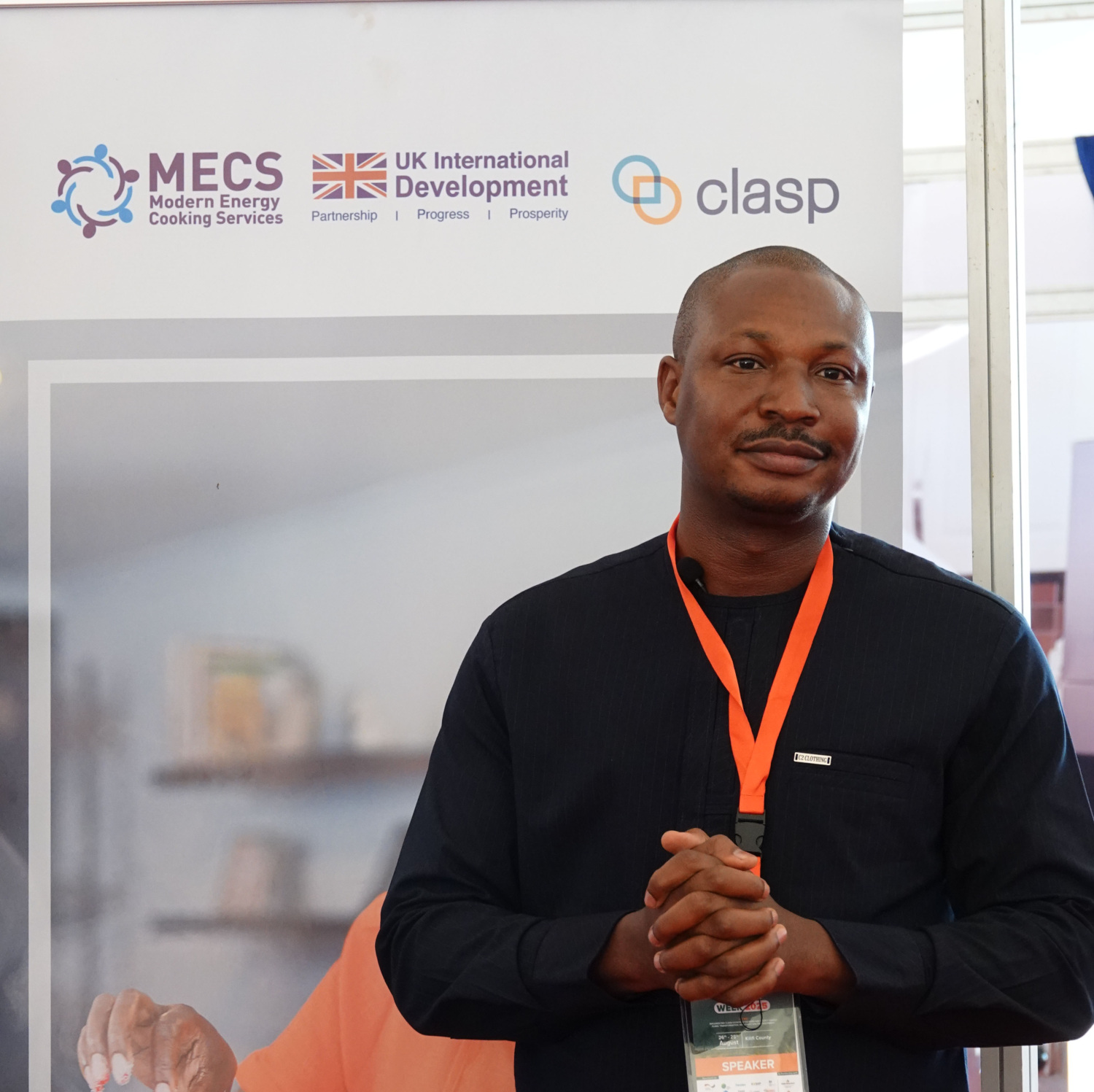
Photo by CLASP.
CLASP's Emmanuel Aziebor at Clean Cooking Week 2025.

Photo by CLASP.
Clean cooking competition judge gives feedback to contestants.

Photo by CLASP.
CLASP's Mike Ofuya participates in a panel discussion at Clean Cooking Week 2025.
Why clean cooking matters
Over the past decade, Kenya has made remarkable progress in clean cooking. The share of Kenyans using clean cooking solutions has more than doubled, rising from 15% to 31%, making it the fastest growth rate of clean cooking in Sub-Saharan Africa4. This momentum has been supported by broader advances in electrification. Electricity access in Kenya grew from 37% in 2013 to 79% in 20235, creating a strong foundation for the wider adoption of clean cooking.
Despite this, around 68.5% of the population still relies on firewood, charcoal, or kerosene; with firewood remaining the main cooking fuel6. These fuels come at a high cost. They degrade forests, pollute the air, and are linked to serious health problems ranging from heart disease and strokes to cancer7.
Electric cooking (e-cooking) appliances like induction cooktops and electric pressure cookers offer a safer, cleaner alternative. They eliminate smoke, reduce greenhouse gas emissions, and help curb deforestation by replacing wood and charcoal. They also make kitchens safer by minimizing risks of burns, fires, and explosions, improving the lives of whole communities.
CLASP at Clean Cooking Week 2025
Along with our international and local partners, Ecobora, Gamos East Africa, and MECS, CLASP hosted a cooking competition at our exhibition booth. Contestants prepared dishes of their choice on induction cooktops, using locally available ingredients.
After the cook-off, participants noted things like:
- “The appliances were surprisingly easy to use.”
- “No smoke was produced compared to firewood.”
- “The cooktop felt safe to use and minimized risks like burns.”
The competition showed that clean cooking is not just a climate or health solution, it’s a practical, safe, and efficient choice that improves people’s lives.
With representatives from the Clean Cooking Delivery Unit, GIZ, Kilifi County Government, the Office of the First Lady of Kenya, Practical Action, and UK PACT, CLASP’s Nyamolo Abagi (Director, Clean Energy Access) joined a panel on the importance of partnerships in delivering transformational change across the clean cooking sector. She emphasized that partnerships must extend beyond the usual stakeholders and include the people who use these technologies every day.
We work with governments, manufacturers, development partners and policymakers – but just as importantly, we partner with everyday users as citizen scientists. They’re not just recipients of technology; they’re co-creators of these solutions. Their lived experience brings critical insights that help shape appliances that are not only efficient, but usable, affordable, and trusted. That’s how we build clean cooking ecosystems that last.
Nyamolo Abagi
Director, Clean Energy Access
In a panel on equity and inclusion, including representatives from Kilifi County Government, Mwangaza Light, Practical Action, SOLCO Partnership, SNV, and WWF, CLASP’s Mike Ofuya (Associate, Clean Energy Access) highlighted the hidden costs of cooking with firewood and charcoal in schools. He noted that shifting to e-cooking appliances can significantly improve health outcomes while freeing up financial and human resources currently consumed by firewood use. These savings could instead fund better food, educational supplies, and infrastructure, while strengthening learning outcomes across the country.
Partnerships to push forward
The Government of Kenya aims to achieve universal access to clean cooking by 2028. CLASP is working alongside partners like Ecobora, MECS, and Jikoni Magic to accelerate this goal, by promoting the adoption of affordable, energy-efficient cooking appliances and raising awareness of their benefits.
Clean Cooking Week 2025 sent a clear message. The time for strategizing has passed, it’s time for action that delivers healthier homes, stronger economies, and a safer environment.
More information at www.clasp.ngo/appliances/electric-cooking-appliances.
About the event:
Kenya’s Clean Cooking Week is organized by the Clean Cooking Association of Kenya in partnership with the Ministry of Energy and Petroleum, and the 2025 edition ran from 26 to 28 August. This year’s theme, “Implementing Clean Cooking Strategies and County Energy Plans: Transformation, Inclusivity and Empowerment”, focused on turning strategies into action.
The event gathered diverse stakeholders, including government representatives, industry, civil society, development partners, and academia, all united by the goal of achieving universal access to clean cooking.
0. International Energy Agency, “Access to Clean Cooking”. https://www.iea.org/reports/sdg7-data-and-projections/access-to-clean-cooking
1. Modern Energy Cooking Services programme, “The Green Shift in Clean Cooking Fuel in India”, 18 May 2023. https://mecs.org.uk/blog/the-green-shift-in-clean-cooking-fuel-in-india/
2. International Energy Agency, “Electricity access continues to improve in 2024 – after first global setback in decades”, 5 November 2024. https://www.iea.org/reports/sdg7-data-and-projections/access-to-clean-cooking
3. “Kenya National Cooking Strategy 2024-2028”, Ministry of Energy and Petroleum. https://www.energy.go.ke/sites/default/files/KAWI/Publication/Kenya%20National%20Cooking%20Transition%20Strategy_Signed.pdf
4. “Kenya 2024 Energy Policy Review”, International Energy Agency, April 2025. https://www.iea.org/reports/kenya-2024
5. “Kenya National Cooking Strategy 2024-2028”, Ministry of Energy and Petroleum. https://www.energy.go.ke/sites/default/files/KAWI/Publication/Kenya%20National%20Cooking%20Transition%20Strategy_Signed.pdf
6. ”Household air pollution”, World Health Organization, October 16, 2024. https://www.who.int/news-room/fact-sheets/detail/household-air-pollution-and-health
Cooking for Health and Climate: Insights from a UK Retrofit
A shift is underway in how people power their homes across Europe, driven by climate targets and energy security concerns. Much of the momentum has focused on heating and cooling, with fossil fuel boilers being replaced by electric heat pumps and other low-carbon systems. But many kitchens are being left behind.
For over 15 million households in the United Kingdom (UK), cooking with gas is still the norm. This comes with hidden risks, including indoor air pollution from substances like nitrogen dioxide (NO2), carbon monoxide, and benzene. These pollutants carry significant health impacts: NO2 has been linked to asthma, lung disease, and other serious health conditions, and benzene is a known carcinogen. Beyond the health risks, even when not in use, gas stoves can also leak methane, a potent greenhouse gas that contributes to climate change.
A recent pilot project led by Global Action Plan, in partnership with CLASP, shows how switching to electric cooking can significantly improve people’s quality of life, while helping the UK meet its climate goals.
A gas-to-electric cooking retrofit in Manchester
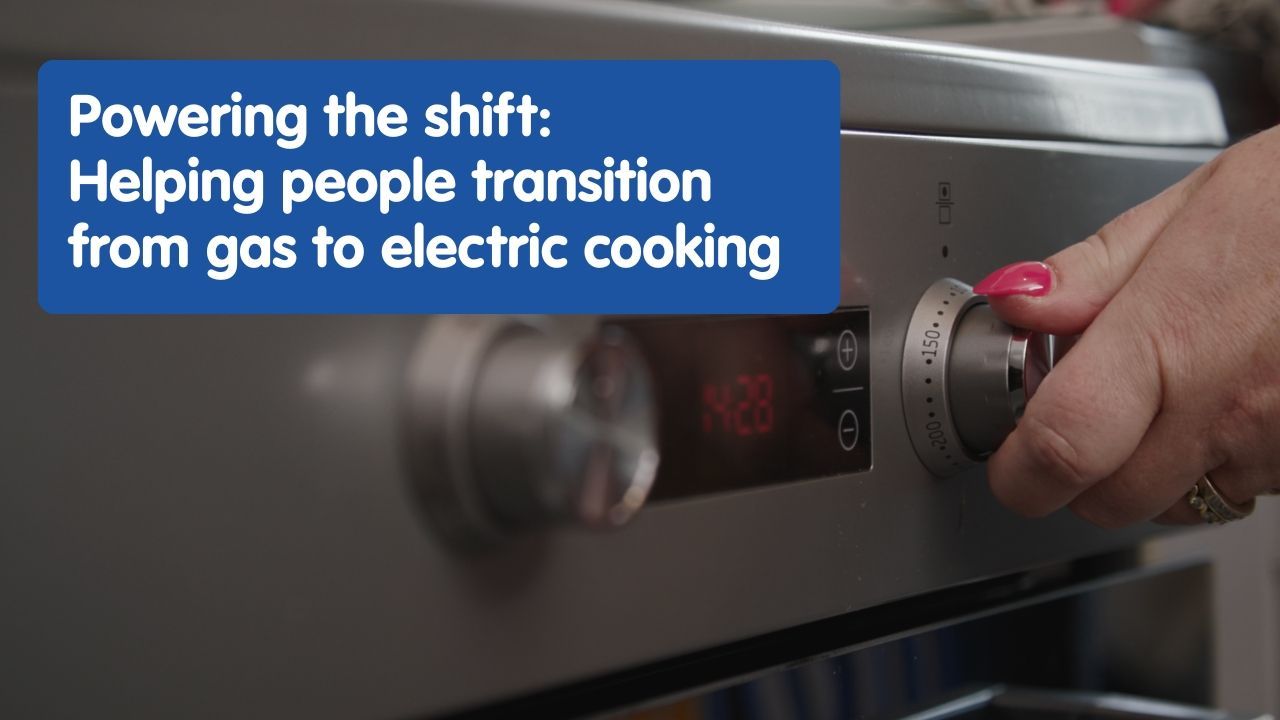
In early 2025, Global Action Plan and CLASP partnered with Greater Manchester Combined Authority, Southway Housing, Beko, B&Q, and Electrolux to launch a social housing retrofit pilot. The goal: Remove gas cookers from ten Manchester homes and replace them with electric ovens and induction cooktops.
Each of the participating households had already completed a heating retrofit, making cooking the final milestone in the journey to full household decarbonization, which would allow them to disconnect from the gas network and remove the standing charge from their energy bills. Residents were surveyed and interviewed before and after the switch, providing valuable insights into the process of transitioning, as well as the benefits of electric cooking.
What the retrofit revealed
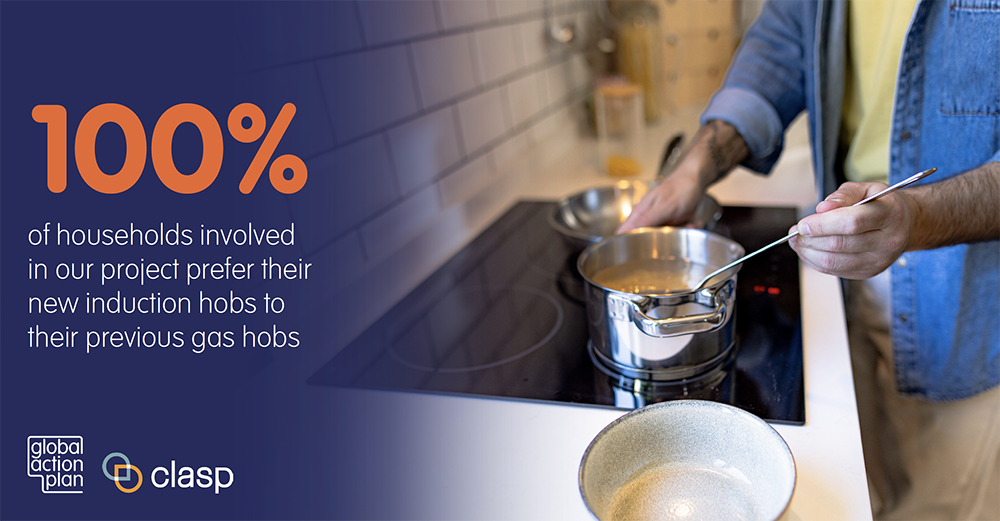
The results were striking:
- All participating households preferred their new induction cooktops to their old gas ones.
- Eighty-five percent found the transition easy or very easy.
- Awareness of the impact of gas cooking on indoor air quality jumped from 40% to 100%.
For some, the retrofit was life-changing. Farrah, a resident with asthma, said she needed her inhaler while cooking on gas. With her new induction cooktop, she can now breathe easier in her kitchen. Others, like June, initially hesitated to give up gas. But once she adapted to the touchscreen controls, she found induction easier to use and kinder on her arthritis. Stacie, a mother of two, felt safer without gas in the home. The residents’ experiences point to a clear conclusion: electric cooking is easy to adopt, comes with tangible benefits, and is favored by the people who have made the switch.
How local and national governments can help
The pilot project didn’t just highlight the real-world benefits of electric cooking—it also showed how widespread adoption is possible with the right support and created a model for scaling it across the UK. Based on the project’s insights, Global Action Plan and CLASP developed a checklist for local authorities to help plan and deliver cooking retrofits. From resident engagement to appliance provider selection, the guide provides a practical roadmap for replicating the Manchester pilot’s success of the Manchester pilot.
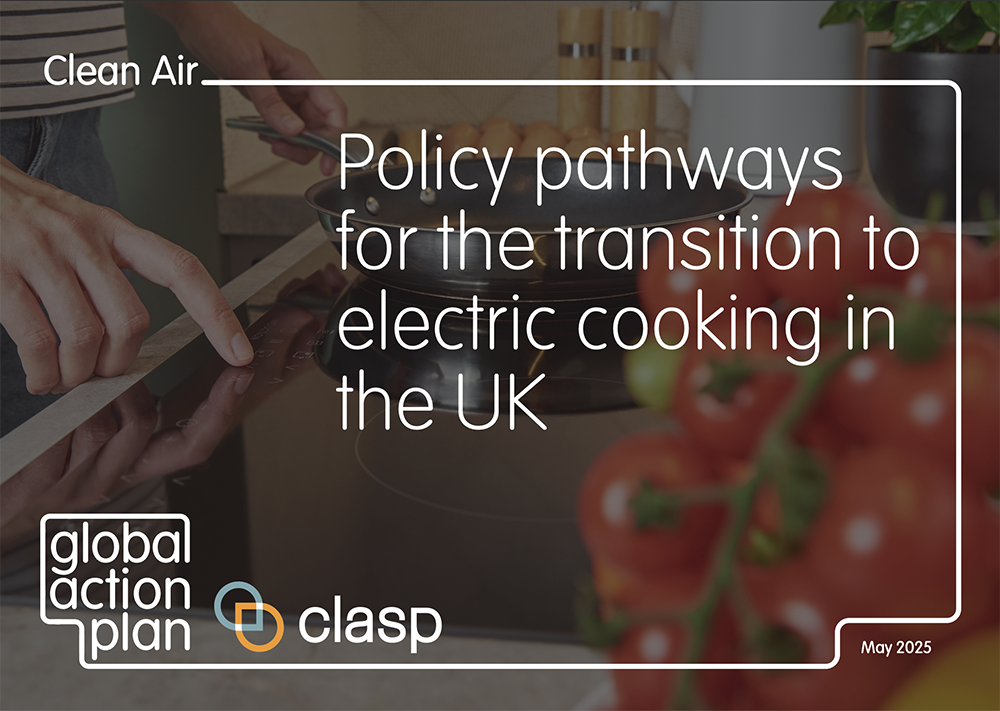
To support a national shift toward electric cooking in the UK, Global Action Plan and CLASP also released a report that provides policy pathways. The report was presented earlier this year during an event held in the UK Parliament, attended by members of Parliament, local policymakers, industry representatives, academics, local government officials, and public health professionals. The document outlines the steps needed to overcome barriers, like low public awareness and the exclusion of cooking appliances in current home retrofit schemes.
An equitable clean cooking transition
Moving the UK toward healthier, cleaner, and more efficient electric cooking is about far more than simply replacing appliances. Indoor air pollution from gas stoves disproportionately impacts vulnerable groups such as children, the elderly, and those with respiratory conditions, making this a critical public health issue, as much an environmental one.
Achieving an equitable transition to modern cooking technologies requires addressing systemic barriers and prioritizing policies that support low-income families and other groups often left behind in clean energy initiatives. Beyond health and environmental benefits, electric cooking improves kitchen safety by eliminating open flames and gas leaks, in addition to reducing energy costs over time. Another benefit: Electric cooking is compatible with renewable energy and smart technologies that help households better manage their energy use, fostering more efficient and climate-friendly homes.
For more information about the retrofit pilot project: https://www.globalactionplan.org.uk/clean-air/gas-to-electric
Check out CLASP’s resources on the topic: https://www.clasp.ngo/cook-cleaner-europe/
0. International Energy Agency, “Access to Clean Cooking”. https://www.iea.org/reports/sdg7-data-and-projections/access-to-clean-cooking
1. Modern Energy Cooking Services programme, “The Green Shift in Clean Cooking Fuel in India”, 18 May 2023. https://mecs.org.uk/blog/the-green-shift-in-clean-cooking-fuel-in-india/
2. International Energy Agency, “Electricity access continues to improve in 2024 – after first global setback in decades”, 5 November 2024. https://www.iea.org/reports/sdg7-data-and-projections/access-to-clean-cooking
3. “Kenya National Cooking Strategy 2024-2028”, Ministry of Energy and Petroleum. https://www.energy.go.ke/sites/default/files/KAWI/Publication/Kenya%20National%20Cooking%20Transition%20Strategy_Signed.pdf
4. “Kenya 2024 Energy Policy Review”, International Energy Agency, April 2025. https://www.iea.org/reports/kenya-2024
5. “Kenya National Cooking Strategy 2024-2028”, Ministry of Energy and Petroleum. https://www.energy.go.ke/sites/default/files/KAWI/Publication/Kenya%20National%20Cooking%20Transition%20Strategy_Signed.pdf
6. ”Household air pollution”, World Health Organization, October 16, 2024. https://www.who.int/news-room/fact-sheets/detail/household-air-pollution-and-health
Medical Appliances for Resource-Constrained Settings
With this research, CLASP and Sustainable Energy for All (SEforALL) highlight the urgent need to improve the performance, procurement and deployment of medical appliances in healthcare facilities operating in weak- and off-grid settings. The report uncovers how energy-intensive, poorly matched, and under-maintained medical devices are contributing to poor health outcomes and increasing operational strain in low-resource environments.
Drawing on real-world data from 29 healthcare facilities in Kisumu County, Kenya, the report presents insights from on-site testing, remote energy monitoring, and interviews with frontline healthcare workers and system stakeholders.
The study identifies practical solutions for more effective healthcare electrification from integrating energy efficiency into procurement policies, to establishing minimum energy performance standards and investing in local innovation. It emphasizes the importance of designing systems that match real-world usage patterns, reduce operational costs and strengthen the long-term sustainability of electrification investments.
Explore “Medical Appliances for Resource-Constrained Settings ” for more findings.
This research was supported by Efficiency for Access, Ikea Foundation, and Transforming Energy Access.
About Efficiency for Access
Efficiency for Access is a global coalition dedicated to advancing access to energy and affordable, energy efficient appliances. It is co-managed by CLASP and Energy Saving Trust.
0. International Energy Agency, “Access to Clean Cooking”. https://www.iea.org/reports/sdg7-data-and-projections/access-to-clean-cooking
1. Modern Energy Cooking Services programme, “The Green Shift in Clean Cooking Fuel in India”, 18 May 2023. https://mecs.org.uk/blog/the-green-shift-in-clean-cooking-fuel-in-india/
2. International Energy Agency, “Electricity access continues to improve in 2024 – after first global setback in decades”, 5 November 2024. https://www.iea.org/reports/sdg7-data-and-projections/access-to-clean-cooking
3. “Kenya National Cooking Strategy 2024-2028”, Ministry of Energy and Petroleum. https://www.energy.go.ke/sites/default/files/KAWI/Publication/Kenya%20National%20Cooking%20Transition%20Strategy_Signed.pdf
4. “Kenya 2024 Energy Policy Review”, International Energy Agency, April 2025. https://www.iea.org/reports/kenya-2024
5. “Kenya National Cooking Strategy 2024-2028”, Ministry of Energy and Petroleum. https://www.energy.go.ke/sites/default/files/KAWI/Publication/Kenya%20National%20Cooking%20Transition%20Strategy_Signed.pdf
6. ”Household air pollution”, World Health Organization, October 16, 2024. https://www.who.int/news-room/fact-sheets/detail/household-air-pollution-and-health
Health
0. International Energy Agency, “Access to Clean Cooking”. https://www.iea.org/reports/sdg7-data-and-projections/access-to-clean-cooking
1. Modern Energy Cooking Services programme, “The Green Shift in Clean Cooking Fuel in India”, 18 May 2023. https://mecs.org.uk/blog/the-green-shift-in-clean-cooking-fuel-in-india/
2. International Energy Agency, “Electricity access continues to improve in 2024 – after first global setback in decades”, 5 November 2024. https://www.iea.org/reports/sdg7-data-and-projections/access-to-clean-cooking
3. “Kenya National Cooking Strategy 2024-2028”, Ministry of Energy and Petroleum. https://www.energy.go.ke/sites/default/files/KAWI/Publication/Kenya%20National%20Cooking%20Transition%20Strategy_Signed.pdf
4. “Kenya 2024 Energy Policy Review”, International Energy Agency, April 2025. https://www.iea.org/reports/kenya-2024
5. “Kenya National Cooking Strategy 2024-2028”, Ministry of Energy and Petroleum. https://www.energy.go.ke/sites/default/files/KAWI/Publication/Kenya%20National%20Cooking%20Transition%20Strategy_Signed.pdf
6. ”Household air pollution”, World Health Organization, October 16, 2024. https://www.who.int/news-room/fact-sheets/detail/household-air-pollution-and-health
United Kingdom’s First Plan to Shift the Nation to Electric Cookers Presented to Members of Parliament
Government ‘blind spot’ on polluting gas stoves failing to prevent nearly 4,000 early deaths annually
1.5 million more gas hobs will be installed without policy change
London, 27 May 2025 – The United Kingdom’s (UK) first detailed plan to prevent thousands of early deaths by transitioning the nation from gas to electric cookers has been presented in Parliament.
Gas cookers regularly raise pollution above recommended safety levels in British homes, leading to an estimated 3,928 early deaths and about 500,000 children having asthma symptoms [1].
The cookers remain common and the government has no published plan to phase them out or stop them being installed in 1.5 million planned new homes [2]. This despite a legal obligation to decarbonise homes by 2050 and advice from Parliament’s Climate Change Committee to phase-out gas cookers by the mid 2030s.
Today, the UK’s first comprehensive package of proposals to transition to cleaner electric cookers was published by non-profit Global Action Plan, organiser of Clean Air Day, and international appliance efficiency NGO CLASP.
The 36-page document urges government to halt the installation of gas cookers by 2035 as the cornerstone of a “strategically managed transition”. Cleaner induction hobs and electric ovens could be encouraged through measures such as introducing pollution standards for appliances and helping homeowners replace their cookers through scrappage schemes, which already exist for gas boilers. With housebuilding a government priority, the NGOs want the Ministry of Housing, Communities and Local Government to move ahead with its Future Homes Standard that would effectively stop mains gas being connected to new housing developments.
The paper was published alongside results of a retrofit pilot project carried out in partnership with Greater Manchester Combined Authority [3]. This replaced gas for electric cookers in 10 social housing properties in Manchester. All residents said they favour induction hobs over gas, despite broad earlier scepticism, and the homes no longer depend on the gas network. The project was intended to demonstrate how the transition to electric cooking could work for many social housing associations, where residents may need financial support to make the switch.
The policy roadmap and retrofit findings were first presented at an event in Parliament last week and shared with ministers.
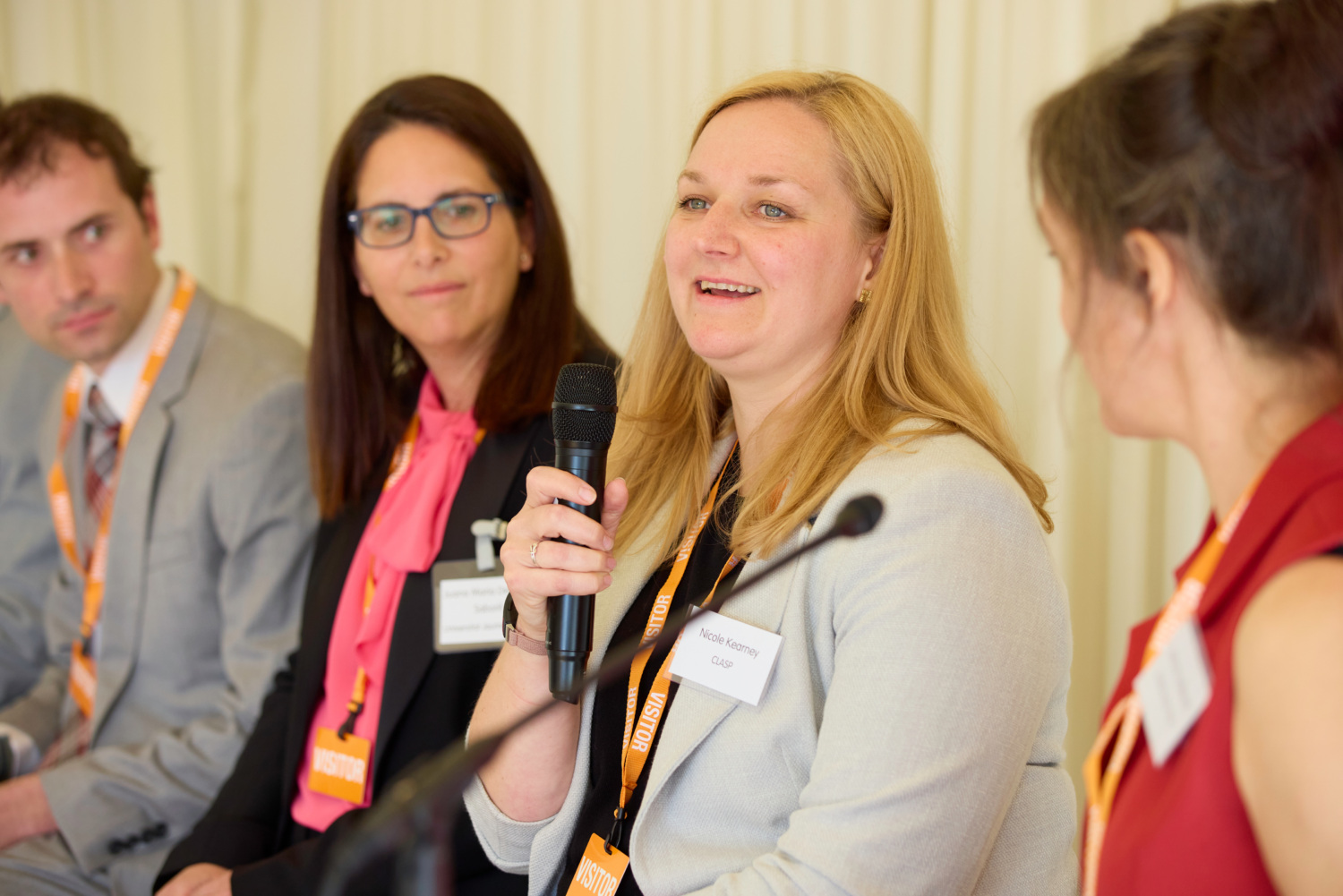
Nicole Kearney, Director at CLASP.
Photo by Douglas Kurn.

Larissa Lockwood, Director of Policy & Campaigns at Global Action Plan.
Photo by Douglas Kurn.

Afzal Khan, Member of UK Parliament.
Photo by Douglas Kurn.
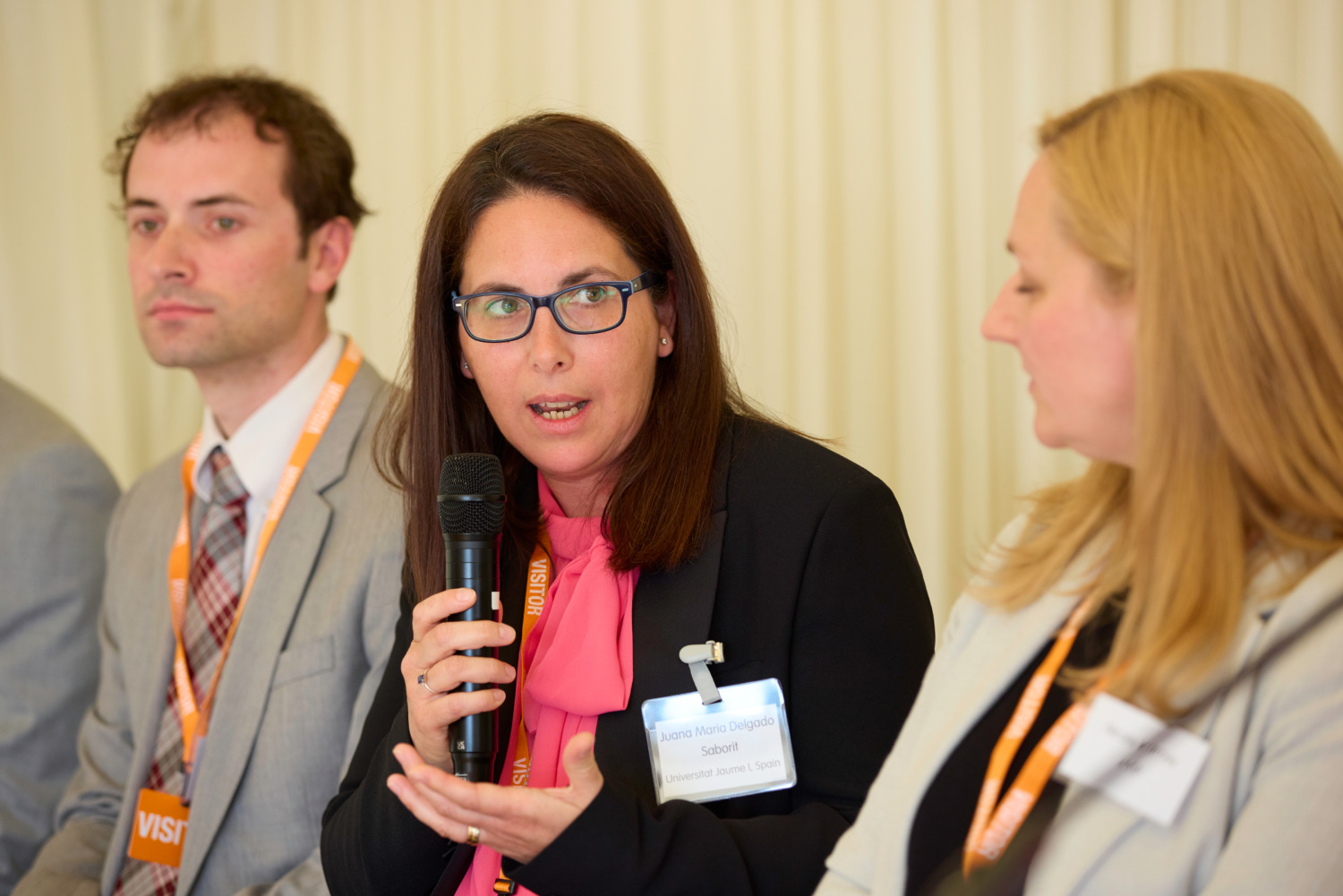
Dr Juana Maria Delgado-Saborit, Distinguished Researcher at University Jaume I.
Photo by Douglas Kurn.
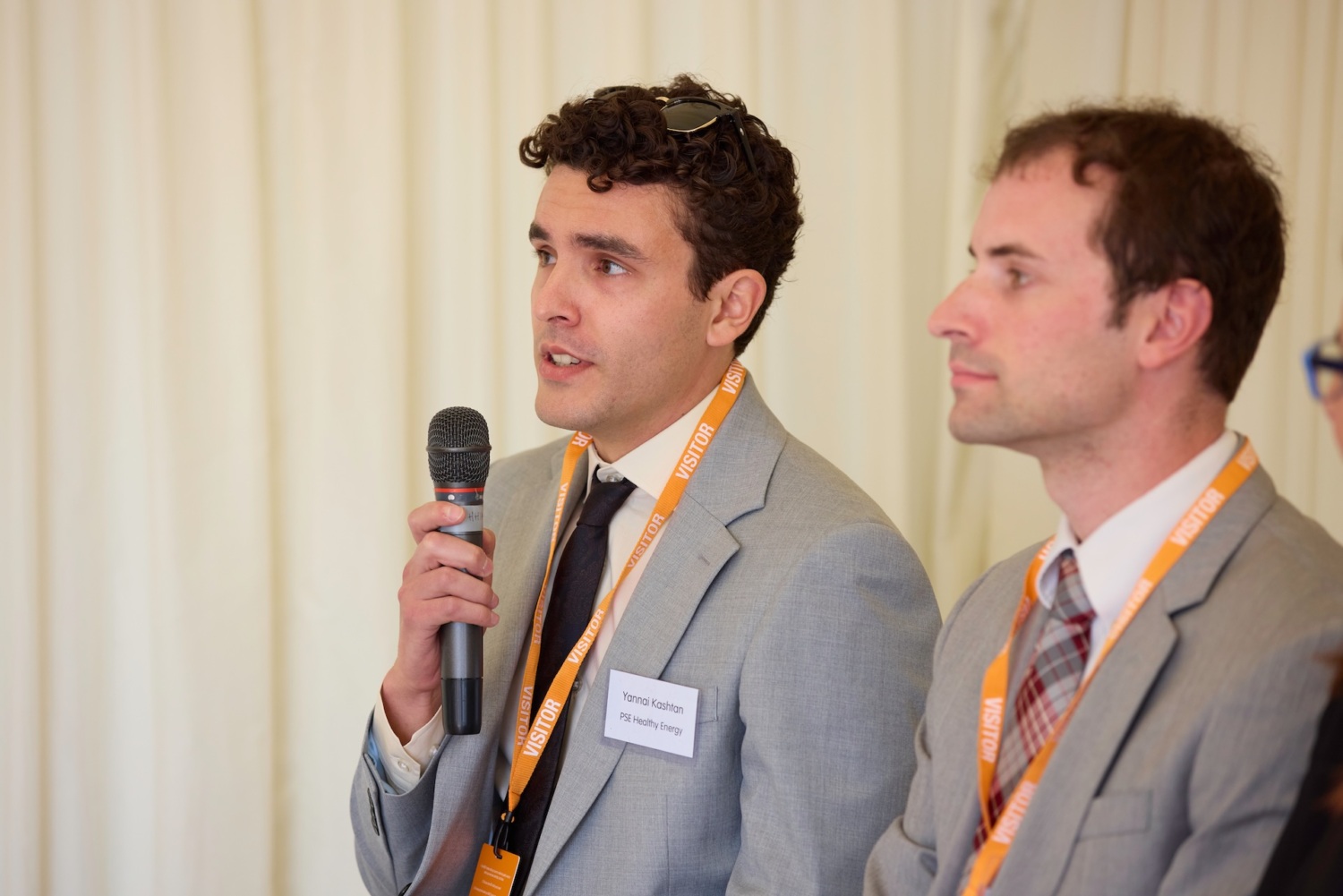
Left to right: Yannai Kashtan, Air Quality Scientist, and Eric Lebel, Research Scientist at PSE Healthy Energy.
Photo by Douglas Kurn.

Cristina Pricop, Senior Associate at CLASP.
Photo by Douglas Kurn.

Left to right: Ed Green, Sustainability Director at Grosvenor, Rory Mathews, Senior Policy and Partnerships Officer at Greater Manchester Combined Authority, and Cristina Pricop, Senior Associate at CLASP.
Photo by CLASP.

Left to right: Steve Guppy, Senior Sustainability Manager at B&Q, and Ed Green, Sustainability Director at Grosvenor.
Photo by Douglas Kurn.
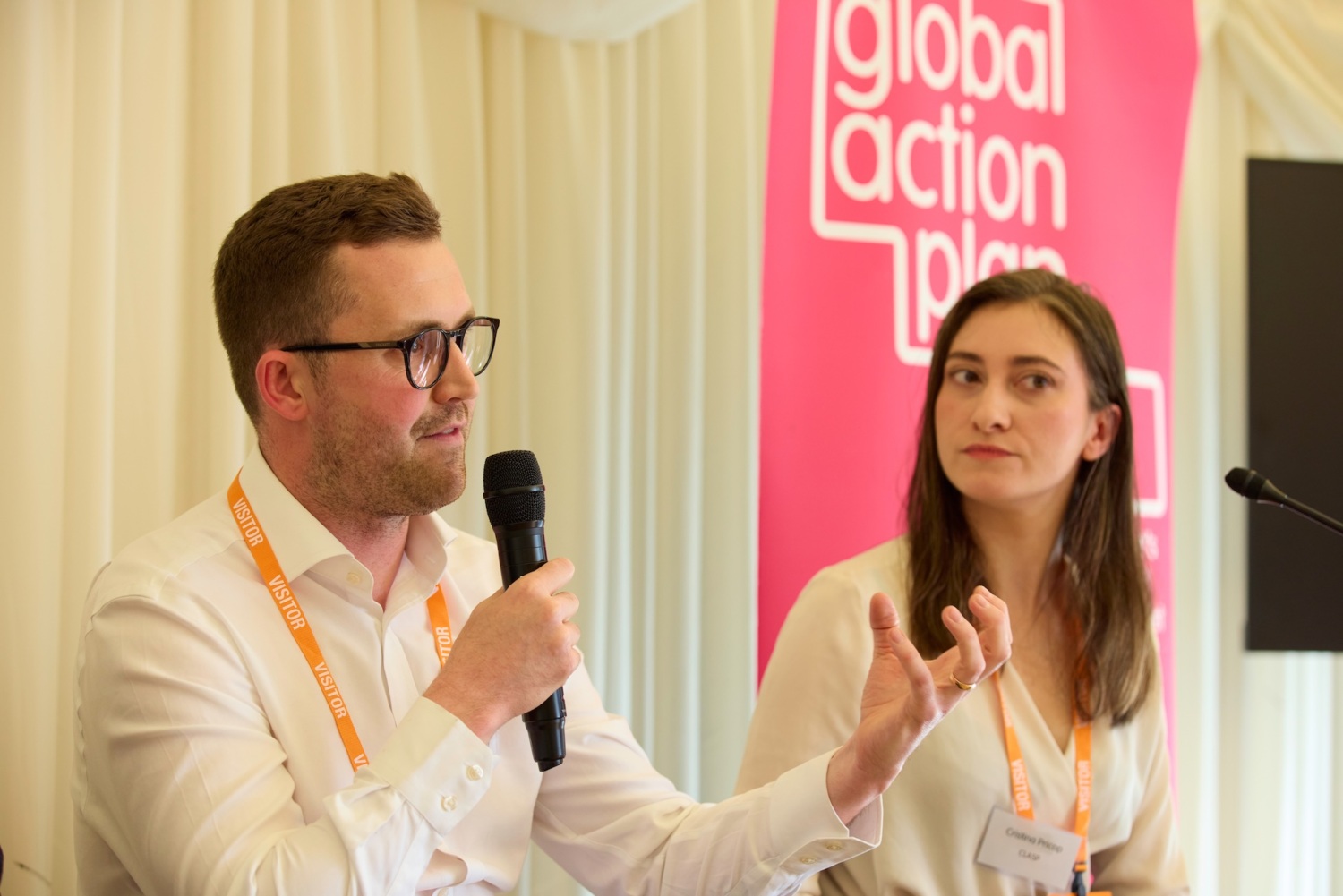
Left to right: Rory Mathews, Senior Policy and Partnerships Officer at Greater Manchester Combined Authority, and Cristina Pricop, Senior Associate at CLASP.
Photo by Douglas Kurn.
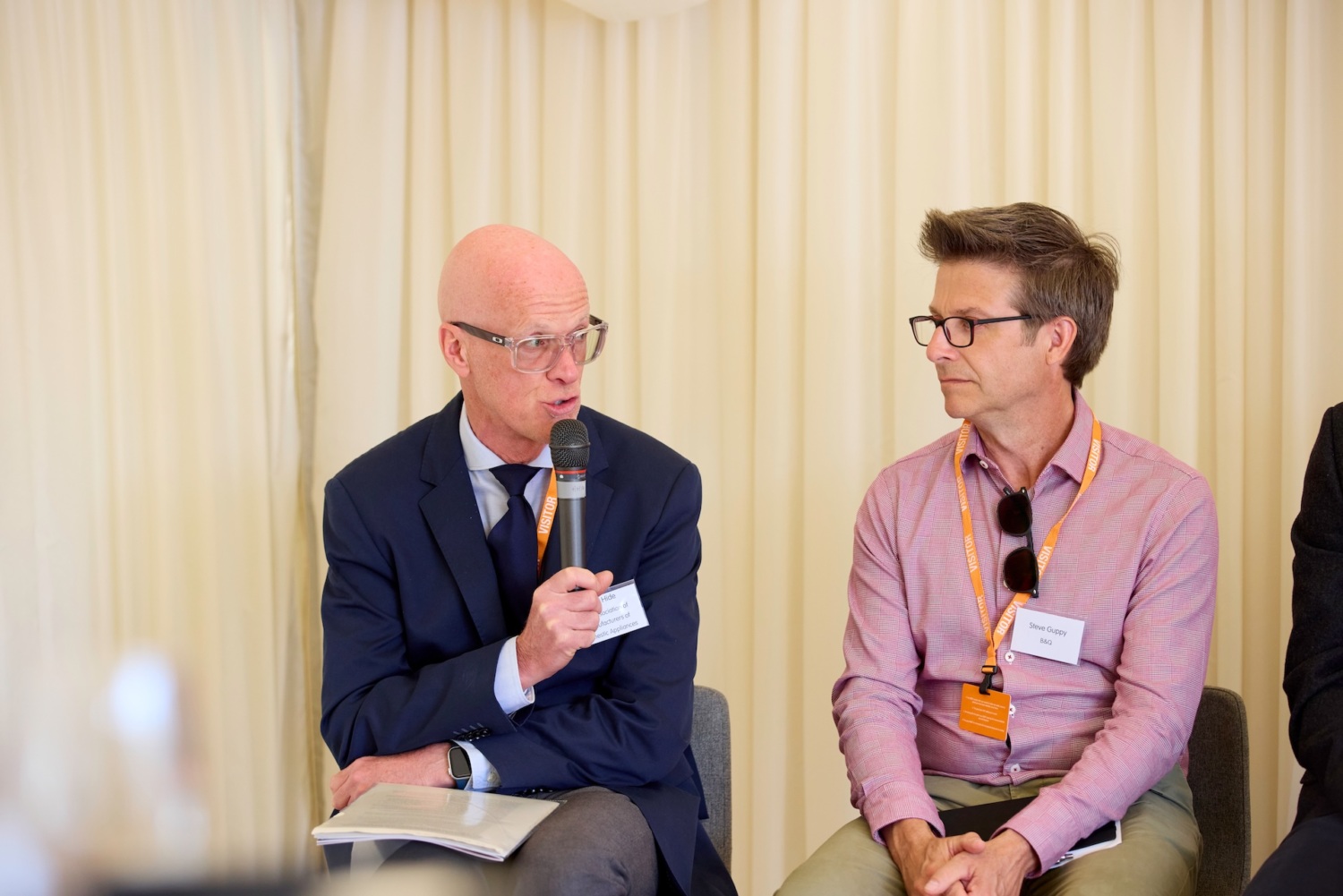
Left to right: Paul Hide, Chief Executive Officer at the Association of Manufacturers of Domestic Appliances, and Steve Guppy, Senior Sustainability Manager at B&Q.
Photo by Douglas Kurn.
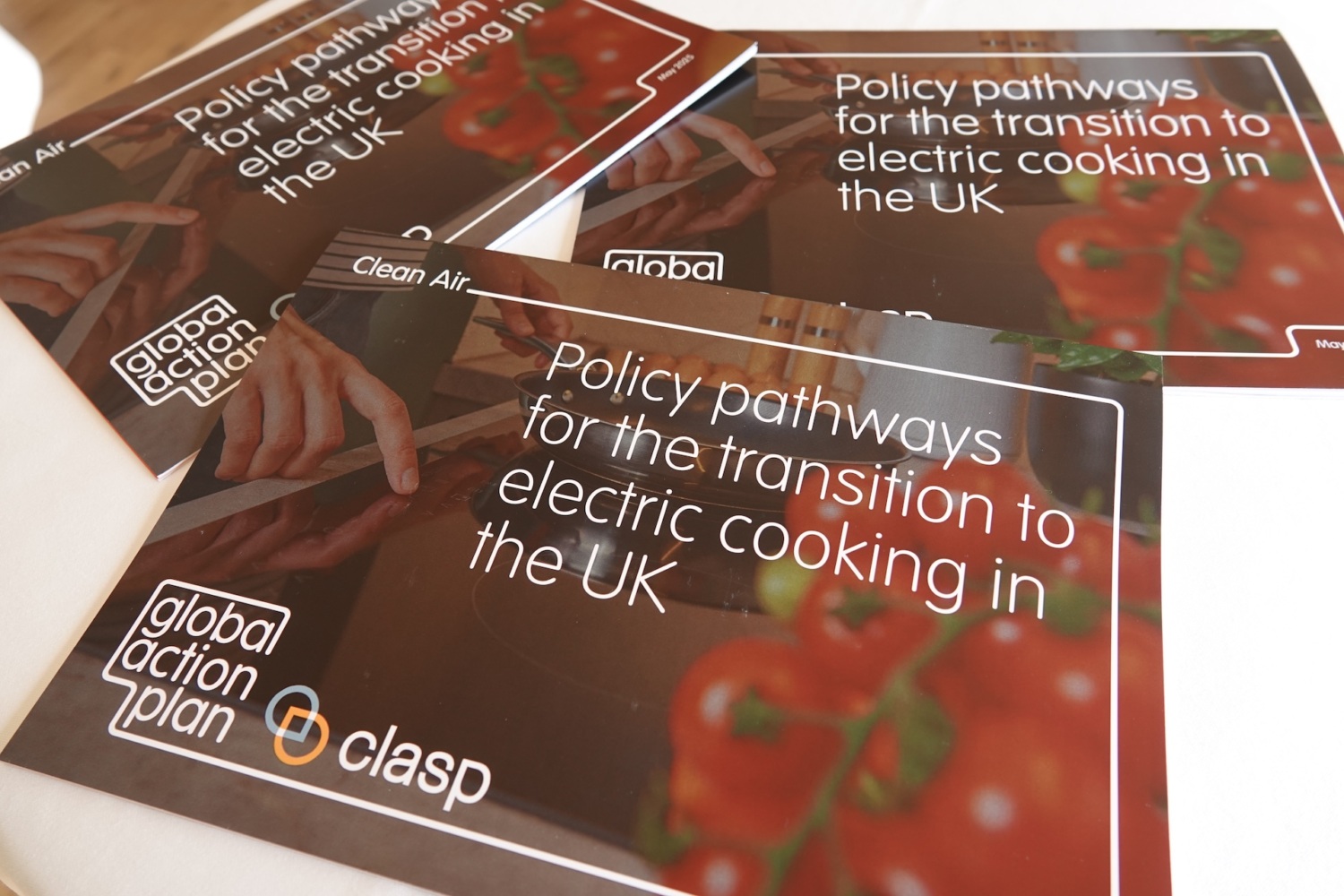
Photo by CLASP.
Larissa Lockwood, Director of Policy & Campaigns at Global Action Plan: “Homes with gas stoves can have nitrogen dioxide levels up to 400% higher than those without – this is the same type of toxic air pollution that comes from car exhausts and is linked to a range of health conditions including lung and heart disease. Transitioning from gas to electric cooking across the UK is a win-win: it will benefit public health through improving indoor air quality, as well as reducing household emissions and energy use. Today we are launching a robust policy roadmap that demonstrates how the UK can transition from gas to electric cooking by 2035, in line with Government home decarbonisation commitments and Climate Change Committee recommendations. We urge policymakers to ensure that UK households are not left behind in the transition to cleaner, safer, and more efficient cooking methods.”
Nicole Kearney, CLASP Director, Europe said: “As governments across Europe move to decarbonise heating, gas cooking remains a blind spot, a neglected source of indoor air pollution that keeps homes locked into using fossil fuels. The solution to bridge these gaps and make cleaner, healthier, and more efficient electric cooking accessible to everyone is available and ready for implementation. The UK Government should seize this opportunity and set a powerful precedent by championing an equitable transition.”
Manchester MP Afzal Khan, host of the parliamentary event, said: “Air pollution from gas cooking is linked to a range of health problems including asthma, lung and heart disease. I’m pleased to see Manchester leading locally on the transition from gas to electric cooking in social housing and demonstrating the value of electric cooking as a solution to improve air quality, boost public health, cut emissions and reduce household energy bills in the long run. We need to see action on a national scale to ensure that cooking isn’t left out of home decarbonisation efforts. Global Action Plan’s new report provides a comprehensive pathway to transition to electric cooking across the UK, and I urge the Government to review the recommendations set out within it.”
Quarterly polling by Opinium for Global Action Plan of 2,000 British adults shows that public awareness of gas cooking pollution and concern over its health, safety and environmental impacts is relatively low but has been steadily rising for years.
Some 2% of UK carbon dioxide emissions come from cooking. Phasing-out gas hobs would cut the equivalent of all of Birmingham, Glasgow, Edinburgh and Sheffield’s greenhouse gas emissions combined, CLASP calculates. The government had planned to phase-out gas boilers by 2035, but has so far overlooked the need to transition away from fossil fuel cooking appliances.
Ends
Notes
[1] Burning gas in the kitchen produces levels of indoor air pollution that exceed legal outdoor limits. The World Health Organization daily limit value for nitrogen dioxide exposure was broken in about half (55%) of British homes using gas hobs and/or gas ovens measured under normal living conditions by a Dutch scientific institute. Pollution spikes lasted several hours and were more intense the longer the cooking time. No breaches in homes using electric appliances were recorded. The same institute estimated that 557,326 British children report asthma symptoms. Spanish scientists built on the Dutch research to estimate the number of premature deaths in the UK from gas cookers.
[2] Public awareness of the risks has been growing steadily and gas cooker sales are slowly declining. But they still make up around 40% of sales and gas hobs are installed in around half of all UK homes. Government polling in 2023 found that two thirds of those asked intend to replace their gas hobs. The Government recognises air pollution as the biggest environmental health risk in the UK. Cookers and heaters are the main sources of air pollution inside homes that use gas. Despite this, there is currently no legislation or policy framework in place to warn UK consumers about the risks or encourage a shift to cleaner alternatives. Unless that changes, GAP estimates that well over 1.5 million new gas hobs will be installed in this parliamentary term, based on existing sales data. Gas cookers tend to be used for around 19 years, experts say, prolonging exposure to indoor air pollution.
[3] Residents in ten Southway Housing Trust properties agreed to have their gas ovens and hobs replaced with induction hobs and electric ovens in early 2025. Some of the gas cookers had been installed decades earlier. Interviews were conducted with all ten households one week before the installation and with seven that remained in the pilot one week after the retrofit. Of these, five said the transition was very easy and one said it was easy. Before the switch, only one household thought induction was easy to use. The project was supported by Beko, B&Q and Electrolux.
Contacts
- Global Action Plan press office press@globalactionplan.org.uk
- CLASP Director, Europe Nicole Kearney (EN) +44 75 4486 5924
- CLASP Senior Communications Associate Païline Caroni (EN, FR) +32 473 127 674
- CLASP Communications Consultant Jack Hunter: jack@fthe.fr +33 7 54 54 35 48
Global Action Plan mobilises people and organisations to take action on the systems that harm us and our planet. We are an environmental charity focused on issues where the connection between the health of people and our planet is most tangible. Our current focus issues are air pollution, big tech, and the education system.
CLASP is the leading global authority on efficient appliances’ role in fighting climate change and improving people’s lives. An international NGO with 25 years of expertise and offices on four continents, CLASP collaborates with policymakers, industry leaders, and other experts to create a more sustainable future for people and the planet. CLASP and our partners are dedicated to solving the world’s most pressing, interconnected crises: the climate emergency, poverty, inequality, and access to energy.
0. International Energy Agency, “Access to Clean Cooking”. https://www.iea.org/reports/sdg7-data-and-projections/access-to-clean-cooking
1. Modern Energy Cooking Services programme, “The Green Shift in Clean Cooking Fuel in India”, 18 May 2023. https://mecs.org.uk/blog/the-green-shift-in-clean-cooking-fuel-in-india/
2. International Energy Agency, “Electricity access continues to improve in 2024 – after first global setback in decades”, 5 November 2024. https://www.iea.org/reports/sdg7-data-and-projections/access-to-clean-cooking
3. “Kenya National Cooking Strategy 2024-2028”, Ministry of Energy and Petroleum. https://www.energy.go.ke/sites/default/files/KAWI/Publication/Kenya%20National%20Cooking%20Transition%20Strategy_Signed.pdf
4. “Kenya 2024 Energy Policy Review”, International Energy Agency, April 2025. https://www.iea.org/reports/kenya-2024
5. “Kenya National Cooking Strategy 2024-2028”, Ministry of Energy and Petroleum. https://www.energy.go.ke/sites/default/files/KAWI/Publication/Kenya%20National%20Cooking%20Transition%20Strategy_Signed.pdf
6. ”Household air pollution”, World Health Organization, October 16, 2024. https://www.who.int/news-room/fact-sheets/detail/household-air-pollution-and-health