
Power for All Joins the CLASP Family
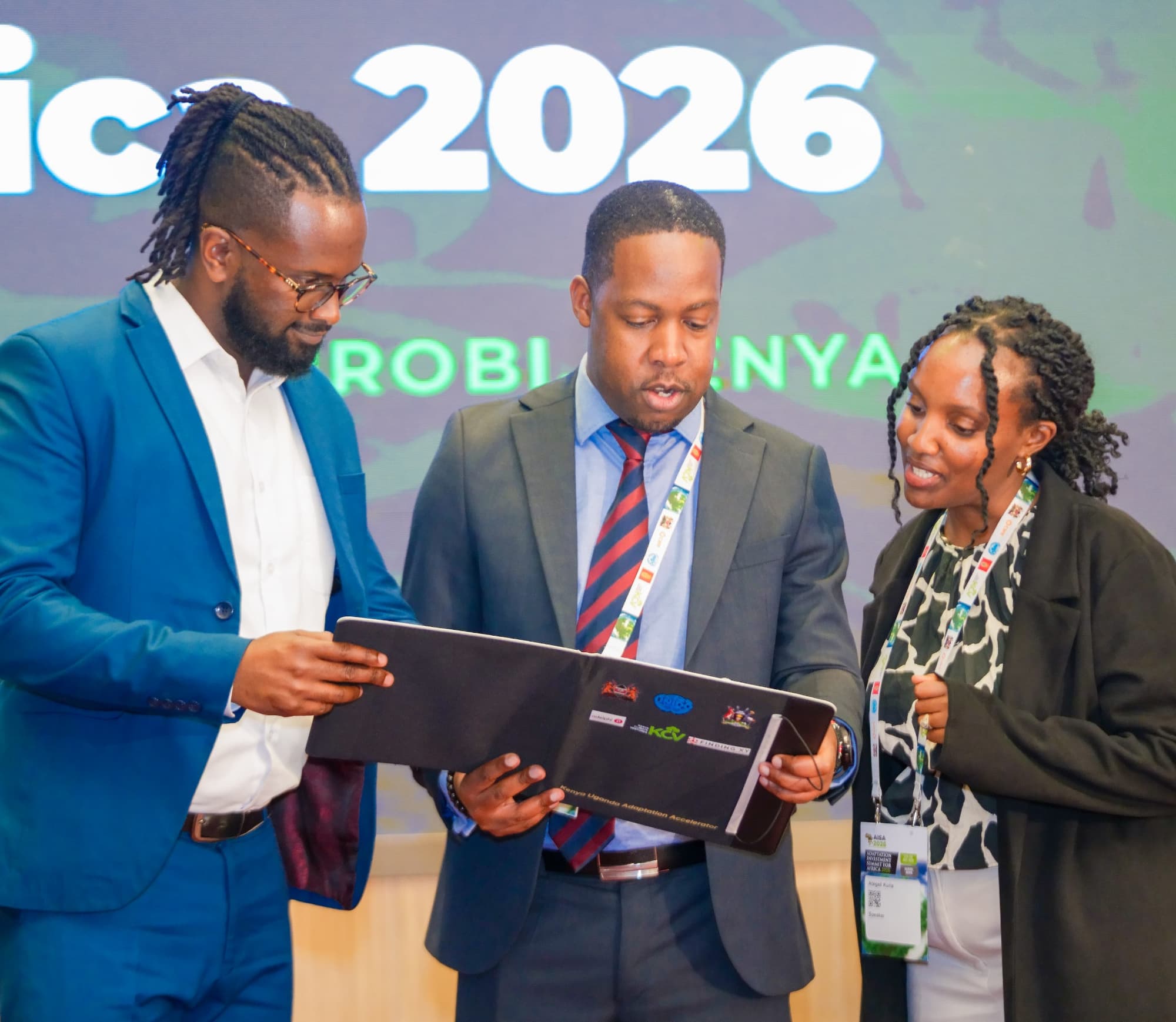
Nairobi, Kenya, 11 February 2026 – Strong and agile partnerships have been key to unlocking climate progress and sustainable development objectives. Today, a new collaboration emerges: we are delighted to announce that Power for All will join forces with CLASP.
CLASP is an international nonprofit organization dedicated to improving appliance and equipment energy efficiency, with 25 years of expertise and offices on five continents. Since 2015, Power for All has played a crucial role in the energy access sector, leading impactful campaigns, partnerships, and research to help end energy poverty worldwide.
Now, Power for All joins CLASP. By embedding Power for All’s well-honed campaign and partnership approaches in CLASP’s work, we will strengthen engagement with energy suppliers as well as our collective capacity to elevate appliance and equipment efficiency as a key solution to powering jobs and livelihoods while mitigating climate pollution.
CLASP CEO Christine Egan sees this union as a strategic move for making faster, practical progress:
Since its founding, Power for All has encouraged the distributed renewables sector to expand its thinking and partnerships for improved impact, for example, to make smarter connections with utilities. By joining forces, CLASP and Power for All will advance the integration of energy supply and energy demand. This is a critical move for sustainably getting people the energy services they need, and a direction that CLASP recently articulated in our flagship research, The Missing Piece of Energy Access. Together, our research and stakeholder networks will create a platform to super-charge climate-friendly prosperity. —Christine Egan
Since 2015, Power for All has challenged the status quo and encouraged the sector to probe deeper and better understand how best to drive a more inclusive global energy system. Over the years, they have led boundary-pushing research, publishing sector-defining report series such as their “Powering Jobs Census,” which tracks employment trends in the distributed renewable energy sector and provides critical labor market insights in key countries like Ethiopia, India, Kenya, Nigeria, and Uganda. Additionally, their ground-breaking Utilities 2.0 campaign sought to demonstrate the benefits of combining centralized and decentralized energy into an integrated energy network. This first-of-its-kind campaign showed that doing so could deliver customer-centric, clean energy solutions faster and more cheaply.
Kristina Skierka, founder of Power for All, reflects on the organization’s legacy and its new chapter:
Power for All was born from the companies that built the decentralized renewable energy sector in order to help accelerate the end of energy poverty. The combined efforts of Power for All and 500+ campaign partners in our decade of action helped connect over 500 million new energy users around the world. I’m encouraged by CLASP’s institutional strength, mission alignment, and global reach to steward the campaign’s legacy, and I remain deeply grateful to every advocate, ally, and team member who helped build this movement. —Kristina Skierka
Over the coming months, as this union takes shape, expect revived and historical Power for All offerings across CLASP channels.
Regarding the partnership, Alba Topulli, outgoing CEO at Power for All, and incoming Senior Director of Clean Energy Access at CLASP, adds:
CLASP has built one of our sector’s most trusted platforms through decades of shaping appliance markets and advancing energy efficiency, grounded in how people actually use energy. Power for All’s years of campaigning and coalition-building have shown us that systems change happens when we move together as a sector—aligning supply and demand, connecting public and private actors, and ensuring centralized and decentralized systems work as one. Together, we’re committed to a shift toward integrated energy solutions that put people at the center and make demand-side initiatives foundational to how energy access is planned, financed, and delivered. —Alba Topulli
Alba Topulli joins CLASP as Senior Director, Clean Energy Access
Adam Browning, Chair of the Board for Power for All, said:
Power for All has always championed bold collaboration and systems-level thinking to accelerate universal energy access. CLASP’s trusted leadership, global reach, and deep technical expertise offer a strong platform to expand our collective impact, grounded in shared purpose and a belief that demand-side solutions must be central to the energy access agenda. The Board is proud to support this strategic partnership, which honors Power for All’s work and positions it for greater scale and impact in the years ahead. —Adam Browning
CLASP and Power for All are delighted to unite forces and are confident that together, we can achieve even greater impact for people, enhanced prosperity, and the planet.
Watch this space as Power for All officially joins the CLASP family and collaborative efforts are announced. Follow us on LinkedIn at @CLASP and on Bluesky at @clasp-ngo.bsky.social.
Global Distributors Collective Joins Effort to Bring Clean Energy and Appliances to More Homes and Businesses Worldwide
The Global Distributors Collective (GDC) is the newest member of the Energy Access Institutions Facility, an initiative led by CLASP to help more people gain access to reliable and affordable energy.
Extensive network and wider reach
For nearly a decade, GDC has worked with locally owned businesses (or ‘last mile distributors’), globally, to get efficient products like solar-powered lights, clean cookers, and water filters, to underserved homes and communities. By partnering with the Facility, GDC joins a group of like-minded institutions committed to delivering energy access across the continent.
GDC’s impact is significant. Its network includes 300 distributors across more than 60 countries, which collectively reach more than 60 million people with beneficial household products, including essential sustainable energy products. These distributors operate at the ‘last mile’; the elusive final stretch between services and the often rural, low-income or otherwise marginalized people trying to access those services.
Focused scope for meaningful impact
GDC’s unique selling point is its strong focus on small, locally owned businesses, many of which face a lot of challenges growing or attracting investment. The Collective helps by providing practical training, tools, and support to help these businesses strengthen their operations; making industry knowledge available and more readily accessible; and linking businesses to investment opportunities. Equally important, GDC amplifies the voices of those businesses in decision-making spaces at the global level, where they have traditionally lacked a seat at the table.
Last-mile distributors are vital to connecting the billions of people worldwide who still lack access to potentially transformational energy products. GDC’s partnership with the Facility will enable us to ramp up our work providing support and services that strengthen and grow these businesses—ultimately helping them to reach even more underserved customers.
Jessica Utichi
Head of the Global Distributors Collective
We’re excited to welcome GDC to the Facility. Their unique blend of local expertise and experience, as well as their perspective on last-mile energy access in different geographies, will help us create a more practical, people-centered approach to energy and appliance access, and strengthen our role in supporting those leading the way.
Emmanuel Aziebor
Senior Director Africa, CLASP
The Facility partners with institutions that strengthen off-grid energy markets and help companies succeed and deliver not just electricity, but the skills, tools, and appliances that allow families and businesses to benefit from it. With GDC on board, the coalition is even better positioned to reach more people with solutions that work.
——
About the Energy Access Institutions Facility
The Energy Access Institutions Facility, or “The Facility,” is a joint donor initiative to support and strengthen the institutions that are essential for the achievement of Sustainable Development Goal 7, universal access to affordable, reliable, sustainable, and modern energy by 2030. The Facility is supported by DOEN Foundation, British International Investment, Good Energies Foundation, the Swedish International Development Agency (Sida), and the UK Government via the Transforming Energy Access (TEA) platform and is managed by CLASP.
This material has been funded by UK International Development from the UK Government; however, the views expressed do not necessarily reflect the UK Government’s official policies.
Economies Can Boom When Powered by Efficient Motor Systems
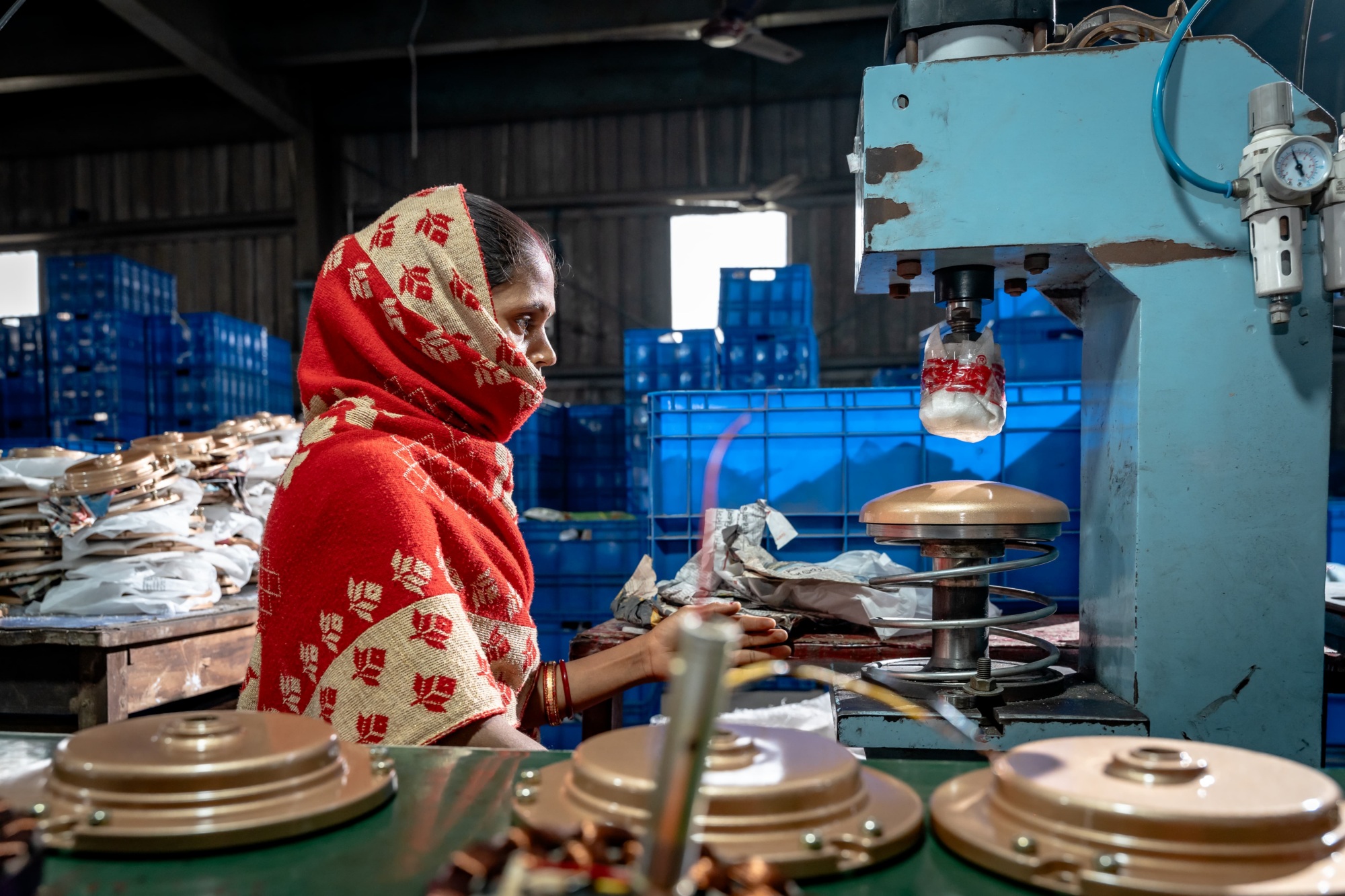
Motors are the invisible heartbeat to economic progress. They are found across industrial facilities, powering production lines for goods like metals, paper, cement, textiles, and packaged food and beverages. Energy efficient motors and their associated components are key tools to enable economic growth, but inefficient ones can hinder progress via high energy demand and associated costs.
A golden opportunity
Efficient motors systems offer a golden opportunity for all countries –from existing economic powerhouses to newly industrializing nations– to expand and thrive in global markets while simultaneously slashing energy costs and emissions.
Motor systems 101
Industrial motors, like those found in factories, are part of a system of several components. When evaluating efficiency, governments and the private sector must look at and address the whole system, from power source to mechanical output. These systems are responsible for powering many recognizable factory features like conveyer belts and air compressors.
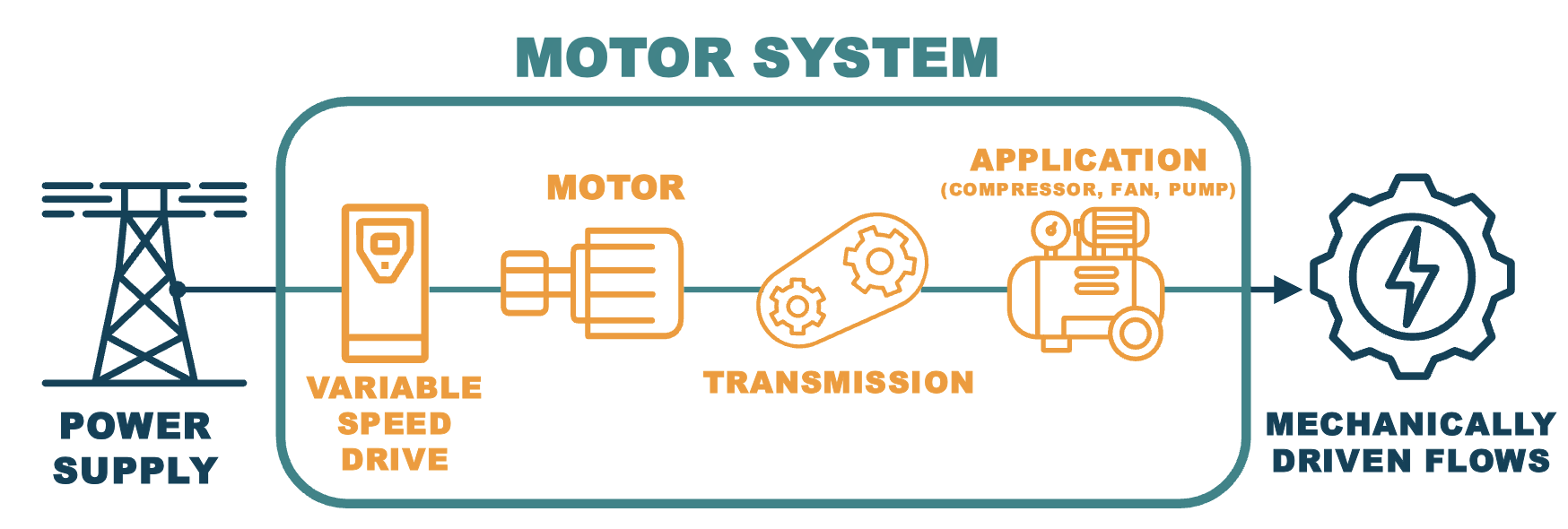
Inefficient motor systems lock in years of downsides
Without intervention to ramp up efficiency, motor systems will account for 25% of global energy demand and 33% of global energy related emissions by 2050.
And these inefficiencies are expensive: continued use of outdated motor systems will be responsible for $9 trillion of lost GDP in 2050.
Outdated and inefficient motors represent two-thirds of today’s global stock. These motors can last upwards of 15 years, locking countries into a future of high energy consumption, unnecessary emissions, and strained power grids.
More efficient industry is the key to economic progress
Increasing the market share of efficient motor systems for all economies offers significant and sustained benefits. A timely transition will require leaders to push the boundaries on policymaking and financing.
Heavily industrialized countries, like China and the European Union, need to replace existing inefficient motor stock with the most efficient IE5 compliant technologies and pair them with variable speed drives to achieve the biggest cost and climate benefits. This move can be catalyzed by ambitious efficiency policy and will require significant financing support from sources like industrial banks.
In countries where manufacturing is expected to grow significantly, with commensurate increase in motor stock, like Nigeria and Indonesia, quick government action to incentivize or require efficient motor systems in new factories will prevent runaway emissions and costs from the start. External financial support and mechanisms, like subsidies and bulk procurement, will be critical for supporting emerging industry.
CLASP supports leaders in getting the most out of motors
Efficient motors systems have been available for decades, but barriers to entry, like cost and expertise, have slowed adoption. CLASP is supporting government and industry leaders in seizing the opportunity for big economic and climate wins through innovative policy and industrial initiatives.
- In China, where world-leading motor system efficiency policies are in place, CLASP funded a pilot project at six sites to measure the performance of motor systems in air compressors – a key piece of factory equipment. The data from these informed new voluntary national standards.
- In India, CLASP’s market research and analyses are helping policymakers build the case for ambitious efficiency policy improvement and revised motor labeling classes that will empower industry to choose more efficient equipment.
- In Nigeria and Indonesia, our experts are working with policymakers to gather market data to inform new motor efficiency requirements.
- In Pakistan, CLASP and partner, SAMA^verte, created an Industry Accelerator program, aimed at building the expertise of local manufacturers and helping improve their ability to produce more efficient motors.
To explore more of CLASP’s motor work, check out our motors page and news section.
Reflections on the Productive Use Financing Facility
The Productive Use Financing Facility (the Financing Facility), an innovative program implemented by CLASP and supported by the Global Energy Alliance for People and Planet (the Alliance), makes energy-efficient appliances more affordable to consumers and businesses in emerging markets in Africa.
As the Financing Facility celebrates its first anniversary and concludes the initial phase of this expanded program, we look at the lives and communities it has already transformed and consider paths towards reaching our goals to help generate green jobs and equitable opportunities for thousands across Africa.
Empowering communities with the right tools
A single appliance has the potential to improve the quality of life for an entire household or community. Women entrepreneurs with access to an off-grid refrigerator can sell cold beverages, attracting customers and increasing their income. Solar-powered mills can provide a central flour-processing location for smallholder farmers in remote communities, allowing them to offer new products, reduce workloads, and avoid transportation costs.
Despite the potential of these technologies, many businesses and households that need them can’t afford them due to high costs and limited financing options. For the 750 million–plus people worldwide who live without access to electricity and the approximately 700 million living in extreme poverty, energy-efficient appliances are still out of reach.
The Financing Facility’s role in driving access and opportunity
The Financing Facility offers a solution: make these life-changing appliances more affordable to those who need them. By providing grants, subsidies, and technical assistance, the Financing Facility enables small businesses, entrepreneurs, and households to acquire energy-efficient appliances at lower prices.
The initiative’s two-year pilot project ran from 2022 to 2024, worked with 24 companies across six countries, deployed nearly 16,000 appliances, and directly improved the lives of over 58,000 households. In June 2025, the Financing Facility entered a second phase with the announcement of its expansion and a $6.1 million USD funding boost. During this phase, the initiative aims to create over 3,000 green jobs through the sale and use of over 10,000 appliances in four years.
One year on: expanding reach and impact
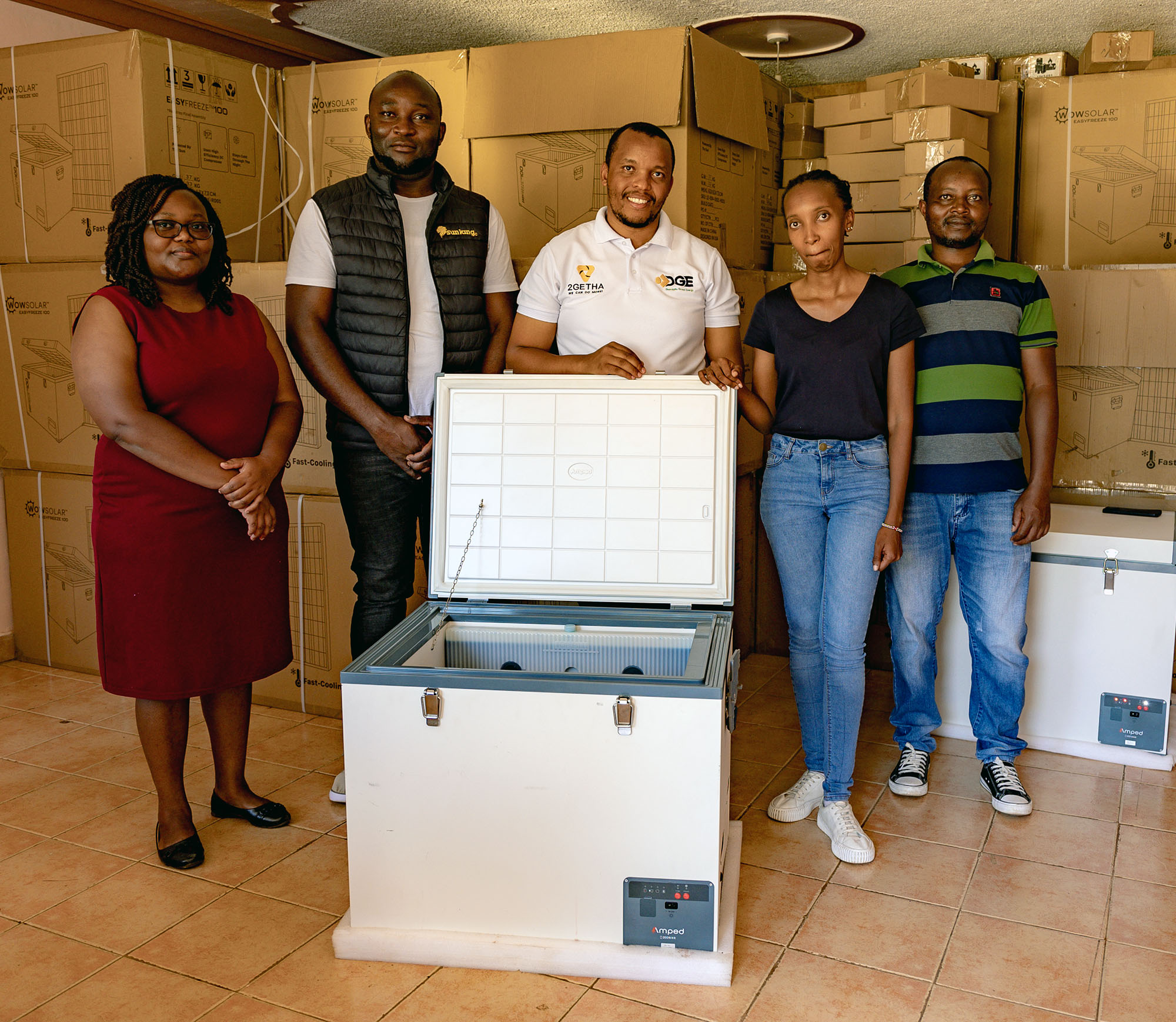
A new cohort of 11 appliance companies, announced in November 2025, remains focused on productive-use appliances (in other words, technologies people use to generate income) like grain mills, solar water pumps, walk-in cold rooms, and refrigerator/freezers. From this cohort alone, the Financing Facility aims to deploy over 2,000 appliances across Kenya to women-owned and -led businesses.
The second cohort selection, launching in February 2026, will be open to appliance companies in Ethiopia, Nigeria, and Kenya. CLASP will announce and detail the process via the Financing Facility web page, LinkedIn, and Bluesky.
Committed to the most underserved communities
While electrification is expanding globally, deliberate efforts must be made to ensure the sustainability and commercial viability of renewable energy infrastructure. Programs like the Financing Facility place appliances into people’s hands and homes, energizing ambition and output amongst local businesses and farms. Increased incomes from these activities drive economic growth, create jobs, and improve the quality of life, giving communities the tools to thrive. For example, Helen Obinna, a small business owner in Nigeria, has witnessed her business transform: her refrigerator can keep products cool despite inconsistent power, and sales of cold beverages have substantially increased.
About the Productive Use Financing Facility
The Financing Facility is an innovative program that provides grants, subsidies, and technical assistance to suppliers and distributors to lower appliance prices and reach more customers. This makes it easier for small businesses, entrepreneurs, and households to buy energy-efficient technologies, such as solar water pumps, mills, and refrigerators, at favorable prices.
This program is supported by the Global Alliance for People and Planet.
For more information, read the Productive Use Financing Facility 2.0 press release, contact financing@clasp.ngo, and follow us on LinkedIn for regular updates on how the Financing Facility is benefiting people and our planet.
About CLASP
CLASP is the leading global authority on efficient appliances’ role in fighting climate change and improving people’s lives. With 25 years of expertise and offices on four continents, CLASP collaborates with policymakers, industry leaders, and other experts to deliver clear pathways to a more sustainable world for people and the planet.
About the Global Alliance for People and Planet
The Global Energy Alliance for People and Planet works for a world where everyone has access to affordable, reliable, clean electricity and the means to use it to improve their lives. Our Alliance builds transformative public, private, philanthropic partnerships to end energy poverty and accelerate green economic opportunity. Founded in 2021 by The Rockefeller Foundation, IKEA Foundation, and Bezos Earth Fund, we unlock finance, strengthen institutions and transform markets, delivering progress anchored in deep community engagement. By uniting actors across the value chain, from households to heads of state, we go beyond individual projects to drive lasting systems change. With work in more than 30 countries across Africa, Asia, Latin America and the Caribbean, our Alliance aims to reach 1 billion people with clean electricity, prevent 4 billion tons of carbon emissions and create or improve 150 million jobs. For more information, please visit energyalliance.org.
Making the Switch: The Deployment Handbook for Institutional eCookers
This report, “Making the Switch: The Deployment Handbook for Institutional eCookers,” conducted by Efficiency for Access in partnership with the Modern Energy Cooking Services (MECS) programme, aims to inform practitioners seeking advice on the design, deployment, and operation of commercially available institutional eCooking technologies and provide actionable recommendations for scaling eCooking in institutions in Kenya. This guide covers commercially available institutional eCooking technologies designed for both on- and off-grid applications. It provides:
- An overview of the current state of eCooking in institutions in Kenya
- Step-by-step advice for the pre-assessment, planning, installation, and commissioning of eCooking solutions
- Opportunities to scale the adoption of institutional eCooking
Download “Making the Switch: The Deployment Handbook for Institutional eCookers” to access key findings, recommendations, and guidance on electric cookers in institutional settings.
About Efficiency for Access
Efficiency for Access is a global coalition dedicated to advancing access to energy and affordable, energy-efficient appliances in underserved communities. It is a catalyst for change, accelerating access to off- and weak-grid appliances that boost incomes, avoid carbon emissions, improve quality of life, and support sustainable development. The coalition is co-chaired by UK aid from the UK government via the Transforming Energy Access platform and the IKEA Foundation.
About the MECS programme
Modern Energy Cooking Services (MECS) is an eleven-year research programme funded by UK Aid (FCDO). MECS is a geographically diverse, multicultural, and transdisciplinary team working in close partnership with NGOs, governments, the private sector, academia, research institutes, policy representatives, and communities in 16 countries of interest to accelerate a transition from biomass to genuinely ‘clean’ cooking.
In seeking to spark a new approach to clean cooking, the MECS programme researches the socio-economic realities of a transition from polluting fuels to a range of modern fuels. Whilst the research covers several clean fuels, the evidence is pointing to the viability, cost-effectiveness, and user satisfaction that energy-efficient electric cooking devices provide. Significant progress has been made in access to electricity in the last decade, but these gains are sometimes disconnected from the enduring problem of clean cooking. By integrating modern energy cooking services into the planning for electricity access, quality, reliability and sustainability, MECS hopes to leverage investment in renewable energies (both grid and off-grid) to address the clean cooking challenge.
Efficient Appliances are a Powerful Tool for Creating Jobs and Growing Economies
As technological advances like artificial intelligence and advanced robotics reshape lives and economies around the world, it can be difficult to imagine living without even the most basic electronic devices: lights, for example. But today, this is the daily reality for millions of people.
In recent decades, governments and other actors have made significant progress in extending electricity to those who lack it, whether in the form of power grids, microgrids, or distributed solar. Today, the communities that remain without power are those that are the hardest to reach. Located primarily in sub-Saharan Africa, they’re cut off from the energy needed for economic development.
Emmanuel Aziebor, who leads CLASP’s Africa program, has spent years working on solutions to this challenge. He spoke to Marina Baur about the critical role of appliances in reducing poverty on the continent.
*
Marina Baur: Globally, there are 666 million people who aren’t connected to the electric grid. More than a billion others are dealing with frequent power outages because their grids are unreliable. A lot of the people in both groups live in sub-Saharan Africa. Can you give us a sense of how the lack of reliable electricity shapes their lived reality?
Emmanuel Aziebor: Well, if you look at the data around electricity access in sub-Saharan Africa, some countries have much better statistics than others. In countries like Ghana and Kenya, over 70% of the population has electricity. But the reality is, if you go to any of these countries, there are still people with no access to even basic electricity. And by that, I mean they’re in darkness for much of the time; their only form of lighting is something like candles and kerosene lanterns. If they’re lucky, maybe they have a solar lamp.
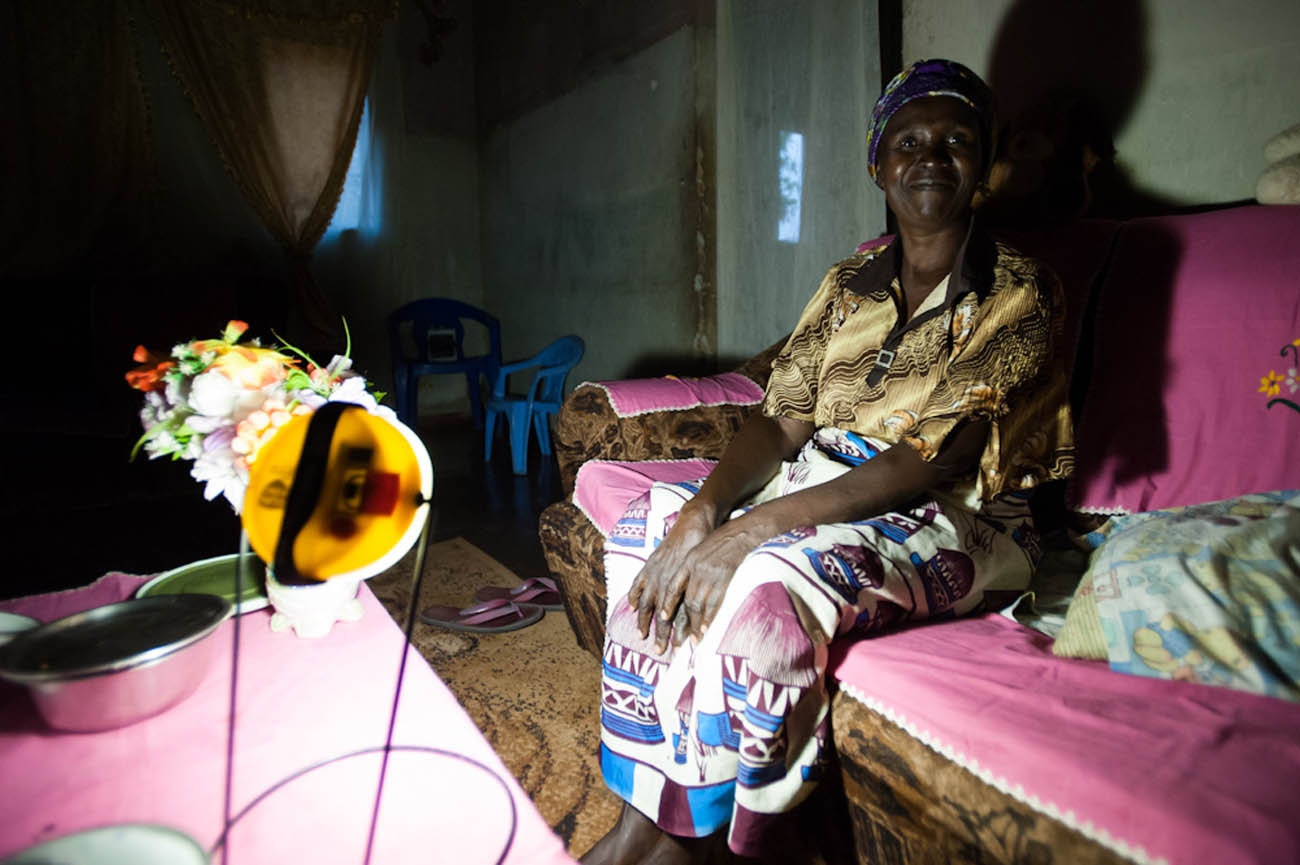
Woman with solar lamp.
Credit: Steve Woodward
Many of these communities are only about a kilometer away from the nearest grid. This happens mostly as a result of what we can think of as geographical difficulties: Maybe the community is on an island, or maybe the location is very sparsely populated—most of the time, the government only electrifies communities that have at least a few hundred people. This can become a self-fulfilling prophecy, since people leave those areas for the cities in order to get electricity and job opportunities.
So that’s one side of the energy access issue in Africa: Some people just don’t have electricity. Another side is that some people who are connected to the power grid can’t always rely on it when they need it. In countries like Nigeria, Ghana, Kenya, you still have a lot of blackouts. These happen in part because the utilities are in so much debt, which affects how efficiently they can operate.

Credit: Dreamstime
These blackouts don’t only affect people in their personal lives; they also affect businesses. We see this at CLASP. Our team in Nairobi works from home several days a week, but sometimes they have to come to the office anyway because of blackouts where they live. The office is the only place they’re sure they can get the electricity they need to be productive, because the generator in our building is always going to run.
People in all kinds of businesses are affected by electricity problems. Think about agriculture. Even though we have a lot of freshwater resources in Africa, it’s often hard for farmers to irrigate their crops because you need pumps to move that water and many farmers don’t have electricity to power those pumps. And if farmers can’t irrigate their crops, the crops don’t grow as well as they should, which keeps farmers’ incomes low and raises local food prices, which, in turn, impacts food security.
It’s also important to understand that people use energy to indirectly support their incomes. A long time ago, my father retired from the force and moved from the city to the village. That meant carrying all his appliances and everything to the village, where there was no electricity. So he bought a car battery to run this black-and-white TV. My mom started a bakery, and in the evening, people would come there to sit around and watch TV, and then they would buy bread and pastries as well. So that TV set indirectly contributed to my mom’s income. Without it, she would’ve earned less.
Baur: Thanks for that. CLASP believes that a significant percentage of the money devoted to building energy systems needs to be invested in appliances. That’s not a very intuitive idea; why do you think that’s important?
Aziebor: Well, electricity is like water flowing in a river. There are electrons all over the place, but they must be captured into usable form, and what makes that possible is appliances.
Let’s look at this issue from the macro level. Utilities set up generation plants and transmission systems to transfer those electrons to a point of distribution: a pole that is metered, with a wire that goes into a home. Currently, in the energy sector, we measure these poles and say things like, “We have connected 10,000 households to electricity.” But having that connection in your home doesn’t mean you can actually use those electrons. That can only happen through a device that draws that power and turns it into the services you need. That device could be a light bulb or a TV; it could be a fan or an air conditioner.
So the actual benefit of electricity only happens when people have appliances. And that’s actually true for the utility as well. If nobody uses the electrons they generate and transmit, utilities do not make profit. A lot of utilities in Africa are in debt, partly because people aren’t using the electricity that essentially just stops at the metering point.

The actual benefit of electricity only happens when people have appliances.Emmanuel Aziebor
This is what CLASP focuses on, and it has implications at every level of society. At the individual or household level, appliances can improve quality of life, reduce sicknesses, and improve incomes. For example, in very hot places like West Africa, it’s hard to sleep without an air conditioner or fan, and if you can’t sleep well, your quality of life and productivity suffer.
At the institutional level, if you, say, provide high-quality appliances in health clinics and hospitals, enabling things like reliable refrigeration of vaccines, the provision of healthcare improves. It also becomes more cost-effective because you’re not wasting valuable resources that you then have to buy more of.
And at the small business level, businesses that have appliances will be able to earn more profit. This is very important for economies in sub-Saharan Africa, since small and medium companies make up 95% of registered businesses in the region. Today, many of these businesses are struggling, for a wide variety of reasons. Having better access to devices that turn energy into the services they need could really be a game-changer.
So when you talk about community resilience, appliances play a major role. They help people access better information, higher incomes, and less sickness. Appliances are how we turn energy into opportunities, into comfort, into quality of life.

A cook at a Kenyan school uses an electronic cooker.
Credit: CLASP
This is a very important topic in Africa. But for a very long time, it hasn’t really been explained—even to government decisionmakers—from a strategic position.
Baur: What could African governments do to help more people access appliances? What types of interventions should they be thinking about when they decide where to spend money or what solutions to drive forward?
Aziebor: If you speak to African policymakers, the main things they’re concerned about are job creation and economic development. So that’s what we focus on.
Seventy percent of the population in sub-Saharan Africa is under 30, and many of these young people can’t find jobs. If they cannot get opportunities in-country, they move out, and then we see all this risk on the Mediterranean. So how can we encourage African governments to look at appliance access as a solution to that problem?
Basically, we say that one way to resolve issues around youth unemployment and economic development is to utilize the abundance of energy that is available. A lot of countries have installed grid capacity that is not being utilized. Well, what if we used that capacity to support rural enterprises? About 60% of the labor force in sub-Saharan Africa works in agriculture. So there are major opportunities there, and we already have a good idea of where interventions would do the most good. Most countries are mapped out into places where there is agricultural productivity, places where you can have agricultural processing. So we could say, “Okay, we know this area is good for rice production. Let’s get some irrigation systems into that area to produce more rice and get the youth involved in this business.” Then, we could encourage rice processing, which adds value—we can provide rice mills to help people get into that business. And then those workers would earn money that can be invested back into their businesses. So with appliances, governments can use energy to catalyze rural economic development.
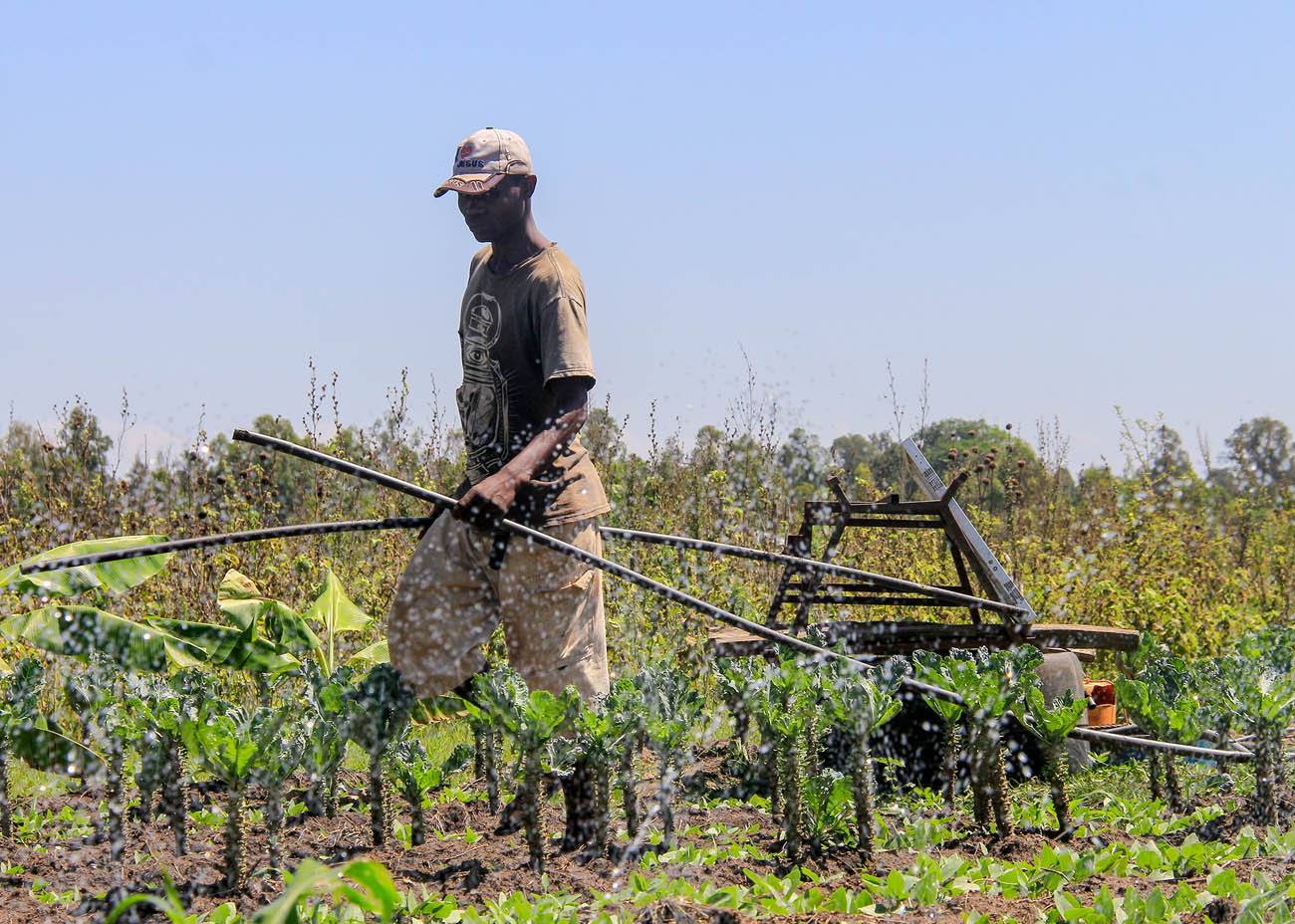
A farmer sets up a solar-powered sprinkler near Siaya, Kenya.
Credit: Futurepump
Another thing governments can do is introduce regulations to make appliances run more efficiently and eventually lead to lower consumption of energy. This may seem like a contradiction: If utilities need people to use more energy in order to be profitable, why would governments want appliances to use less energy? Well, the issue in Africa is that inefficient appliances have been dumped here for a long time. They overconsume energy, which creates an inflated need for grid capacity. And then governments build generation capacity to meet these inflated projections, which creates a huge delta in capital investment relative to the actual need. As a result, they’re spending money on power grids that could’ve been invested elsewhere, like schools or hospitals or job creation. Making matters even worse, these big generation capacities put the utilities in even greater debt because there aren’t enough appliances to use them all.
So our hypothesis here is that if we introduce efficiency regulations into the appliance sector, it allows the government and utilities to right-size the grid and right-size their capital spending.
Baur: Can you give examples of where this kind of approach has been tried and found successful?
Aziebor: Well, if you look at appliance dumping, African leaders have been at the forefront of a lot of these initiatives. For a long time, companies have sent products they can no longer sell in other parts of the world to the continent. This was happening with fluorescent lighting, which is extremely toxic, and African policymakers pushed back, which was instrumental in getting global agreement to phase out the production of fluorescent bulbs.
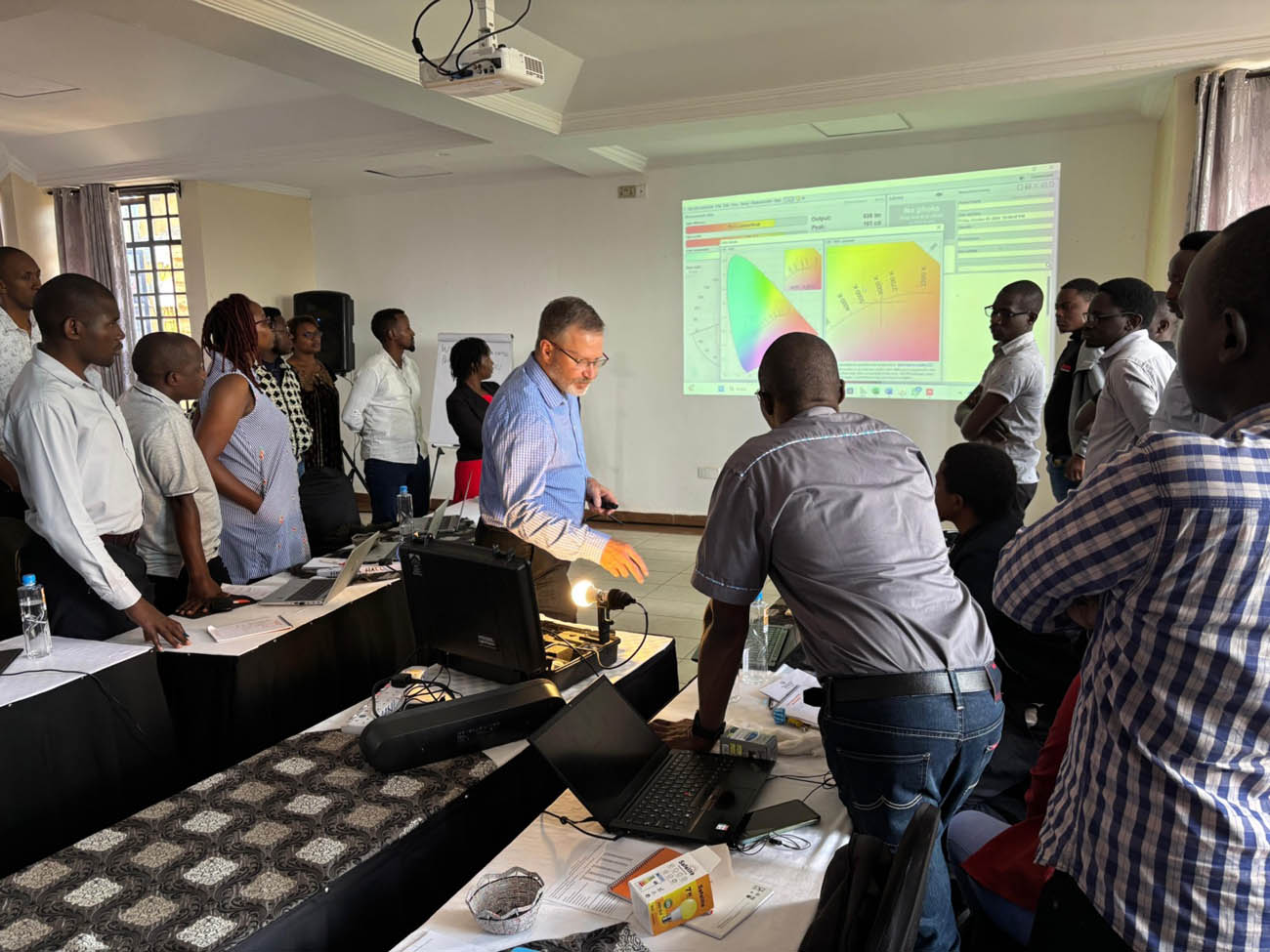
Lighting policy workshop in Kenya.
Credit: CLASP
I haven’t seen a large-scale program for other appliances, but I will mention a related example. Some time ago, the national government in Ghana came up with a way to transition all urban communities from charcoal to LPG (liquefied petroleum gas) as a cooking fuel, because we have abundant natural gas resources and the use of charcoal was causing deforestation in rural communities. So what did they do? They basically set up a government-owned LPG cylinder manufacturing company. They said, “Everybody, you’re going to get a subsidized cylinder and your first LPG fill-up is going to be free.” They also used a portion of taxes from petrol sales to fund the LPG program. All that helped people get used to cooking with LPG, since cooking is so cultural.
This program has been running for more than more than 20 years. Now, if you go to urban homes in Ghana, every one has a gas cylinder that they are using.
So this is one clear example where at the national level, the government drove adoption. And we see successful examples all the time with other kinds of infrastructure. The government provides the funding to build the airport and we all pay for flights to keep it operating. The government builds the road and we all pay a toll to use it. So these things can be translated into conversations about appliances—how public capital could be used at scale to address a particular solution.
But one problem we have in the appliance sector in Africa is that there are too many Mickey Mouse pilot projects. The problem has always been around scaling.
That means the government needs to be involved. For a very long time, we’ve had the impression that the private sector and nonprofits are the most important partners in the appliance sector. The idea was that nonprofits bring the money to derisk the private sector. But we must flip this equation. To reach the scale we need, we need to bring government to the table very early on.
The government is a fulcrum around which we all must build. The nonprofit brings philanthropic capital, the private sector brings commercial capital, and governments bring public capital to scale. But if we are not looking at scale with that equation in mind, it becomes difficult. We must be intentional. We know solar water pumps work; we know green milling can become a conduit for local economic development. So how can we get governments to scale these solutions, creating national programs where they invest public money into resolving both job creation and access-related issues? That is where I think the conversation should be.
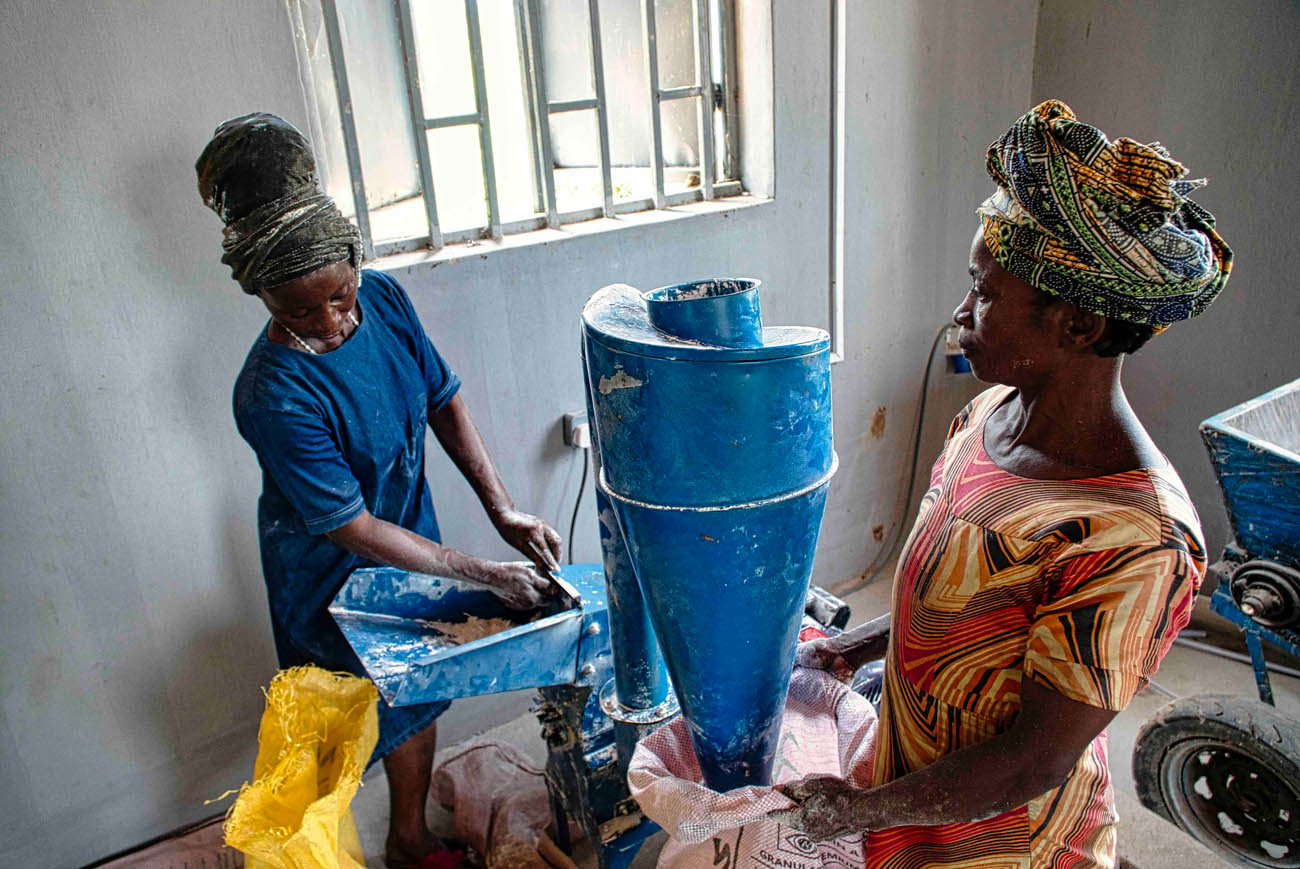
Women use a solar-powered mill in Nigeria.
Credit: CLASP
Take a company like SunCulture, which makes solar irrigation. So far, they’ve sold about 200,000 solar pumps, which is just a drop in the bucket compared to the need, even just in Kenya. But what if we were able to partner with the government of Kenya to say, “We’re going to put public money in the budget to support to every corn farmer in Kenya. All you need to go is to go to your district government, sign up, and then you get a subsidized solar water pump.” That is what we need to scale these solutions, and that is how the issues around jobs and incomes can be addressed.
I want to wake up one day and find that my nonprofit job no longer exists because this problem has been solved. That’s how I’ll know we’ve succeeded. But that requires that public capital and public partnership.
Interview edited and condensed.
Learn More

Universal Electricity Access is Possible—If 15% of Current Spending is Invested in Energy-Efficient Appliances
Nairobi, Kenya, 20 October 2025 – New research conducted by CLASP shows that to provide electricity for the 1.6 billion people who live with unreliable power and the 666 million who completely lack access, we must prioritize appliance access alongside energy infrastructure investments.
The International Energy Agency (IEA) estimates that achieving universal energy access by 2030 will take at least $50 billion USD of annual public investment. CLASP has determined that 10–15% of this amount (about $7.5 billion USD annually, or $38 billion USD in total) should be devoted to improving appliance access.
A reliable supply starts with reliable demand
CLASP’s new report, The Missing Piece of Energy Access: Why 15% of Energy Infrastructure Investment Must Go to Appliances, describes how the communities that remain unconnected to power supply infrastructure (located primarily in Sub-Saharan Africa) are those that are hardest to reach and have the lowest ability to pay. This makes the expense of building new infrastructure hard to justify for power supply developers and policymakers.
The report suggests that policymakers and other decision makers allocate 10–15% of power supply investments to establishing sustainable electricity demand growth. These investments should target market failures that hinder appliance use—in particular, a lack of affordability and consumer confidence. Importantly, all stakeholders should prioritize energy-efficient appliances over standard, less-efficient appliance options.
In-depth analysis also demonstrates that energy-efficient appliances are essential to reaching the United Nations’ Sustainable Development Goal 7 (SDG 7) of universal energy access by 2030 and the Paris Agreement target of net zero emissions by 2050. Researchers found that prioritizing energy-efficient appliances over less-efficient alternatives could avoid as much as 2.6 gigatons of CO2 equivalent emissions annually.
“I think we have to look at the pace of change in terms of the SDG indicators, not in its absolute but relative to what’s happening, and ask the questions, what’s not working?” —Bishal Thapa, Chief Strategy and Impact Officer
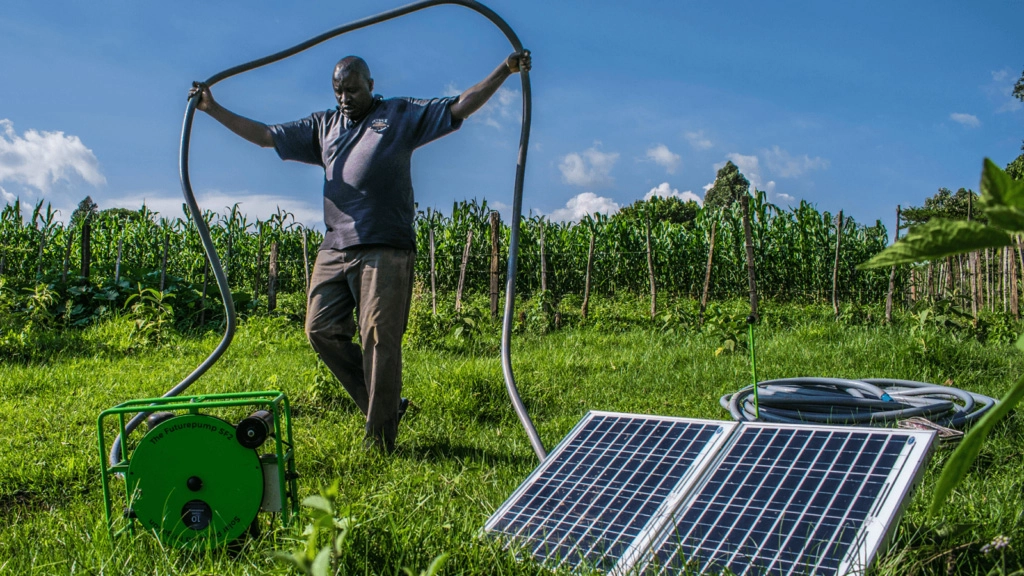
A solar-powered water pump in use: a standalone system delivering electricity where the grid doesn't reach. Credit: Dan Odero
Successfully deploying this strategy is possible
Africa currently spends approximately $800 billion USD every year as part of its 2010–2030 energy investment cycle. Governments and energy markets have proven their ability to mobilize resources at the scale required to achieve universal electricity access.
From 2013 to 2022, annual global grid electricity generation increased by 5,827 terawatt hours. Just 0.15% of this energy would be enough to provide at least 200 watt-hours daily per household.
Across the continent of Africa, where approximately 85% of the population lives without access to electricity, annual grid electricity generation grew by 178 terawatt hours from 2013 to 2022, an annual average growth rate of 2.5%. Just 4% of this growth would be sufficient to provide a basic electricity supply of at least eight hours daily for every African who currently lacks access.
Additional efforts could fully erase the electricity access gap by 2030—but the pace of progress must accelerate and utilize a variety of distribution approaches like grid extension, mini-grids, and standalone distributed energy systems.
These and other methods to improve access to energy-efficient appliances are viable and could serve as a stepping stone toward higher economic growth, improved livelihoods, and increased social wellbeing.
CONTACT
For more information or media queries about The Missing Piece of Energy Access: Why 15% of Energy Infrastructure Investment Must Go to Appliances, please contact Communications Associate Marina Baur at publication@clasp.ngo.
About CLASP
CLASP is the leading global authority on efficient appliances’ role in fighting climate change and improving people’s lives. With 25 years of expertise and offices on four continents, CLASP collaborates with policymakers, industry leaders, and other experts to deliver clear pathways to a more sustainable world for people and the planet.
Recent News

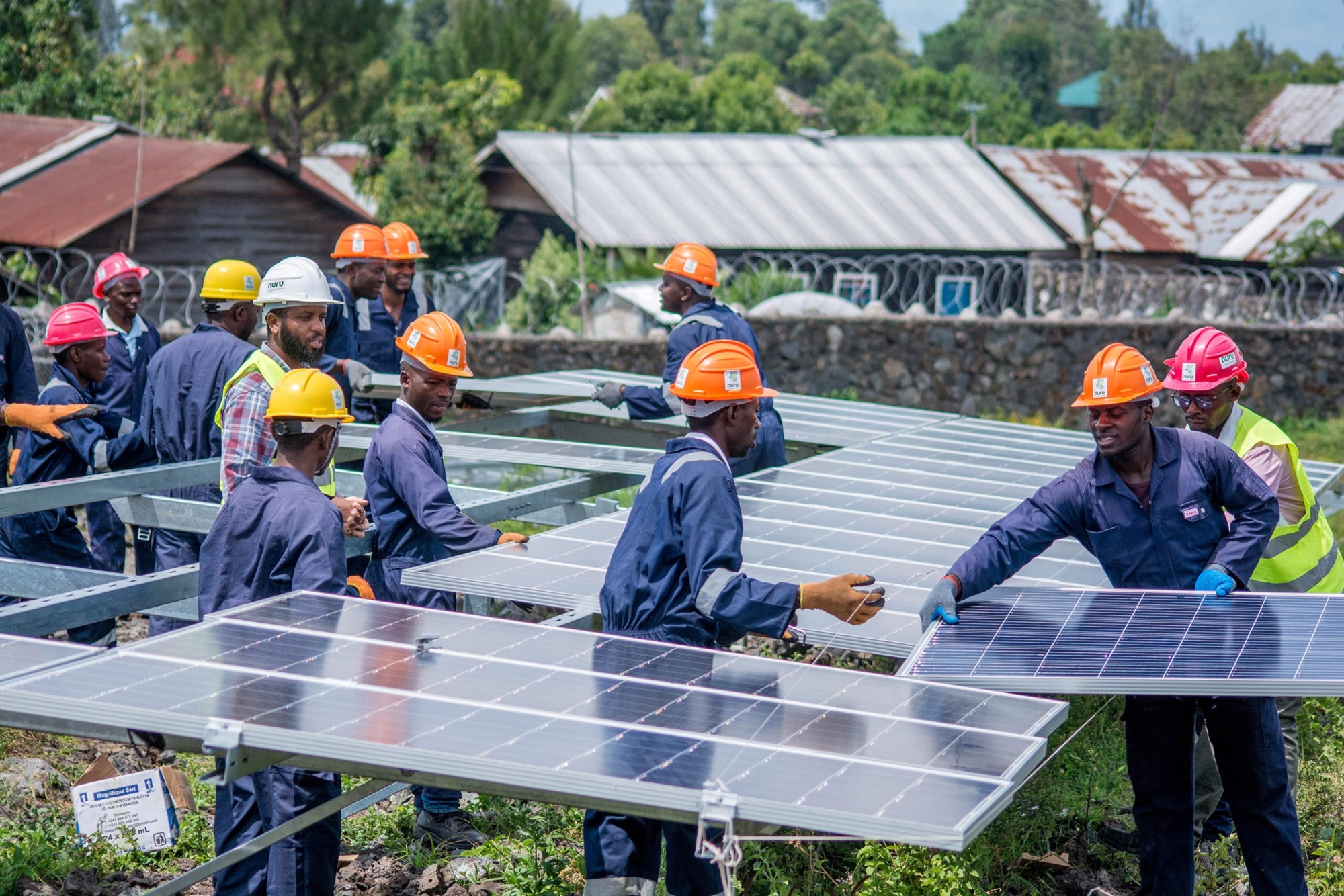

Driving Quality and Innovation for Solar Generators
London and Nairobi 15 September 2025 – An international partnership has launched today to improve consumer choice, affordability and reliability in the solar generator market by driving competition and inspiring innovation.
The collaboration between ZE-Gen, the leading global initiative working to end the use of fossil fuel generators, and CLASP, the international NGO focused on appliance efficiency, will strengthen excellence in a clean technology that can transform communities, economies and the environment by ending the need for fossil fuel generators.
The new partnership will include launching a new international solar-powered generator competition in October to showcase innovation in the market as part of the Global LEAP Awards, which promote the world’s most innovative, high performing and efficient solar solutions in the off-grid sector.
ZE-Gen, together with CLASP, aims to catalyse a shift towards clean, affordable, and reliable energy through solar-powered generators across low-and middle-income countries. The project is part of ZE-Gen’s work to transform the clean energy eco-system across Sub-Saharan Africa, South Asia and the Pacific Islands.

A zero-emission generator produces electricity without releasing pollutants.
Photo: Shutterstock
The LEAP Award will be paired with a VeraSol quality assurance framework to ensure quality, safety, and performance transparency for consumers and showcase modern solar generators that are more reliable, cost-effective to operate, and significantly less polluting than outdated fossil fuel generators.
This includes the development of test methods and rigorous lab- and user-testing to provide a strong basis for evaluating the Global LEAP Awards participants, as well as address gaps in existing test procedures and establish quality and safety requirements for solar generators more broadly.
Globally, around 1.5 billion people lack access to reliable electricity and more than 82.6 million fossil fuel generators are in use worldwide by communities living with weak, unreliable, or no access to electricity. Despite their widespread use, fossil fuel generators cause pollution, greenhouse gas emissions and noise, coupled with adverse effects on health and unpredictable cost and availability of the fuel needed to run them.
Historically fossil fuel generators have dominated the market due to availability, purchase price and perceived reliability. However modern high quality solar-powered generators are quieter, don’t pollute, and do not have the health effects associated with old-fashioned fossil fuel generators. Renewable energy generators eliminate the need to source or pay for fuel, so beyond their purchase price, solar-powered generators are a cost-effective and long-lasting solution in resource-constrained settings, making them a better option for people, the economy and the planet.
ZE-Gen lead, Lily Beadle said: “The rapidly emerging market for solar-powered generators has huge commercial potential and offers a more reliable and safer solution for energy than highly polluting fossil fuel generators. Our partnership with CLASP will develop a new quality assurance programme which supports ZE-Gen’s wider programme of work and will help protect customers when they switch to renewable energy.”
CLASP’s Senior Director, Africa, Emmanuel Aziebor added: “In emerging economies, solar-powered generators are a game changer for people and businesses without access to reliable electricity. Testing and showcasing innovative, efficient, and user-friendly products will support CLASP and ZE-Gen’s mission to ensure cleaner, affordable generators powered by renewable energy become the default option for communities everywhere.”
This partnership is part of ZE-Gen and CLASP’s broader work under the UK Government’s Transforming Energy Access platform to transform the clean energy eco-system across emerging economies.
ZE-Gen’s unique approach tackles market barriers to renewable energy-based alternatives by developing real-world solutions that unite innovation, finance and skills to drive competitive market growth.
Background Information: ZE-Gen
Launched at COP27, ZE-Gen, is the leading international initiative working to improve the lives of people across Sub-Saharan Africa, South Asia and the Pacific Islands by driving the use of renewable energy in place of polluting fossil fuel generators.
ZE-Gen is a collaborative initiative by the Carbon Trust and Innovate UK and has an ambition to mobilise £100m of funding to inspire action and implement real-world change, delivered in partnership with sector specialists. ZE-Gen brings partners together and engages with the public and private sector to identify new opportunities and provide; al; commercialisation support such as investment readiness, market engagement, strategy & sales and product/service development.
To date, ZE-Gen has catalysed £39.75m including support from the IKEA Foundation and the UK Government’s Ayrton Fund and has supported more than 35 localised renewable energy projects across Nigeria, the Philippines, Cote d’Ivoire, Fiji, South Africa, Malawi and Uganda.
The Carbon Trust leads on ZE-Gen’s policy, research, outreach and strategy, with input and oversight across the whole ZE-Gen programme.
Innovate UK is responsible for delivering grant funding to advance renewable technology through the ZE-Gen Innovation Fund.
About the Ayrton Fund
The UK Government announced the Ayrton Fund commitment of up to £1bn for clean energy innovation at the UN Climate Action Summit in 2019. It is part of the total £11.6bn of UK International Climate Finance also announced over the period from 2021 to 2026.
The vision of the Ayrton Fund is to help drive forward the clean energy transition in developing countries, by creating and demonstrating new technologies and business models to deploy them.
It will demonstrate UK leadership and expertise in cutting global emissions through world-leading innovations. The Foreign, Commonwealth & Development Office (FCDO), the Department for Energy Security and Net Zero (DESNZ) and the Department for Science, Innovation and Technology (DSIT) jointly manage the Ayrton Fund.
For more information please contact: ze-gen@carbontrust.com
Visit the ZE-Gen programme website – https://www.ze-gen.org
About CLASP
CLASP is the leading global authority on efficient appliances’ role in fighting climate change and improving people’s lives. An international NGO with 25 years of expertise and offices on five continents, CLASP collaborates with policymakers, industry leaders, and other experts to create a more sustainable future for people and the planet. CLASP is dedicated to solving the world’s most pressing, interconnected crises: the climate emergency, poverty, inequality, and access to energy.
About VeraSol
VeraSol maintains the world’s most widely recognized quality assurance framework for pico-solar products and solar home system kits. Managed by CLASP, VeraSol has expanded its services to meet the industry’s growing need for quality assurance in off-grid appliances and productive use equipment. VeraSol aims to make safe, affordable, and durable off-grid products the default choice in the market by providing testing, product data sharing, and other support services.
About the Global LEAP Awards
The Global LEAP Awards is an international competition that identifies and promotes the world’s best, most energy-efficient appliances for use in off-grid and weak-grid areas. Managed by CLASP through the Efficiency for Access coalition, it is designed to drive innovation, build market infrastructure, and accelerate the adoption of high-quality, energy-efficient appliances in developing countries.
Nominations for the Global LEAP Solar Generator Competition open on 8 October. See the competition website for details on eligibility and timelines.
Recent News

Making Climate Action Work for Africa’s Development
Excerpts from this article first appeared in Business Daily Africa in the lead-up to the second Africa Climate Summit in 2025.
By centering climate responses within Africa’s development needs, the continent can unlock new investments, boost incomes, and enhance its resilience. As leaders gather in Addis Ababa for the Africa Climate Summit, the continent must define a bold narrative that strategically links climate action with development progress.
Climate change should not be a global emergency that Africa is simply signing up to solve. This crisis is already costing Africa billions every year, and an estimated 110 million people have been directly affected by climate-related hazards.
Climate action can and must be made to work for Africa by recasting it through an Africa-centered development lens. Responses to the climate crisis offer Africa an opportunity to leverage climate solutions and sustainable technologies to increase incomes, accelerate poverty reduction, and improve adaptation and resilience.
African and global leaders will be converging at the second Africa Climate Summit in Ethiopia from 5 to 10 September. When we gather in Addis Ababa, we must use the Summit as a platform to drive bold reforms and ambitious actions that can repurpose climate change solutions to address Africa’s core development imperatives.
Framing climate action as an opportunity for Africa’s development
Income growth and poverty reduction remain as Africa’s core development pathway, the rising tide that promises improvements across all other social, economic and political indicators.
Africa’s income growth and poverty reduction needs are clear. The average GDP per capita of Sub-Saharan Africa was $1,506 USD in 2024, 40% lower than middle-income countries, and 90% lower than upper upper-middle-income countries. The continent’s GDP grew by 3.3% in 2024. That annual growth rate must increase to approximately 19% on average for GDP per capita to double by 2030. The continent’s GDP must multiply seven times over for African countries to reach middle-income country status.
The pathway to income growth and poverty reduction is equally clear. Africa must increase investments several-fold to drive economic growth, create new jobs, increase productivity, improve competitiveness and enhance social services. Sustained economic growth will result in higher incomes, delivering the poverty reductions that are urgently needed.
Climate change response strategies can be repurposed to meet Africa’s income growth and poverty reduction goals in two ways. First, climate solutions can free up investments, which can then be more productively deployed to drive economic growth. Second, climate solutions can be used to reduce climate vulnerability, improve adaptation, resilience and enable sustained economic growth.
Climate solutions can free up investments for economic growth
Energy efficiency can help secure the emissions reductions that the world needs to achieve to minimize the harshest impacts of the climate emergency. Improving energy efficiency also means lower utility bills for consumers and businesses, and less demand on power grids for governments. The International Energy Agency (IEA) estimates that Africa currently uses 3.7 gigajoules (GJ) of energy for every thousand USD of Gross Domestic Product (GDP). By transitioning to a higher efficiency of 2.7 GJ per thousand USD of GDP by 2030, consistent with IEA’s net zero emissions pathway, Africa could save billions through avoided energy and infrastructure costs. These avoided investments could then be productively deployed for economic and income growth in areas where they are needed.
Climate solutions can reduce climate vulnerability
Climate change is already costing Africa 2-5% of its GDP, the World Meteorological Organization (WMO) estimated. In Sub-Saharan Africa, for example, that translates to approximately $ 40 – $100 billion USD of lost incomes in 2023 – money that could have been utilized to enhance economic growth or support social services.
Africa bears a disproportionately large share of climate impacts because the poor and vulnerable are the least prepared to face climate vulnerabilities when they occur. The WMO projects that by 2030, 118 million extremely poor people in Africa will remain highly vulnerable to climate impacts such as heat stress, droughts and floods.
Energy-efficient appliances, such as lights, fans, air-conditioners, refrigerators, electric cookers, water pumps, cold storages, and milling equipment, are crucial to building adaptive capacity and resilience to climate change among the world’s most vulnerable populations. CLASP estimates that more than half of the population in Africa lacks access to many essential appliances, such as fans and refrigerators. There are equally large ownership gaps for agricultural equipment, such as water pumps, milling equipment and cold storage. These appliances are critical to helping reduce the risks of income and productivity losses from climate impacts.
CLASP estimates that increasing access to seven key appliances across Africa could create a market worth approximately $50 billion USD and catalyse accelerated power infrastructure development to provide electricity for all. It would improve people’s access to essential services, helping individuals manage environmental stressors and economic instability.
Climate change was not Africa’s making, but it is Africa’s fight to shape. If leaders gathering at the Africa Climate Summit in Ethiopia can reframe the response to the climate crisis as an opportunity to accelerate income growth and poverty reduction, then climate action will not only protect the vulnerable but also power the continent’s prosperity. The future is not about choosing between climate action and development; it is about making climate action the very centre of Africa’s development.
Recent News
Kenya Clean Cooking Week 2025: Turning Strategies into Action
CLASP team members joined the Kenya Clean Cooking Week in Kilifi County last week. The team showcased hands-on cooking demonstrations, competitions, and panel discussions, highlighting the role that policy support, financing, partnerships, and grassroots adoption plays in accelerating progress.

Photo by CLASP.
The winners of CLASP's clean cooking competition hold their prizes (induction cooktops and cookware).
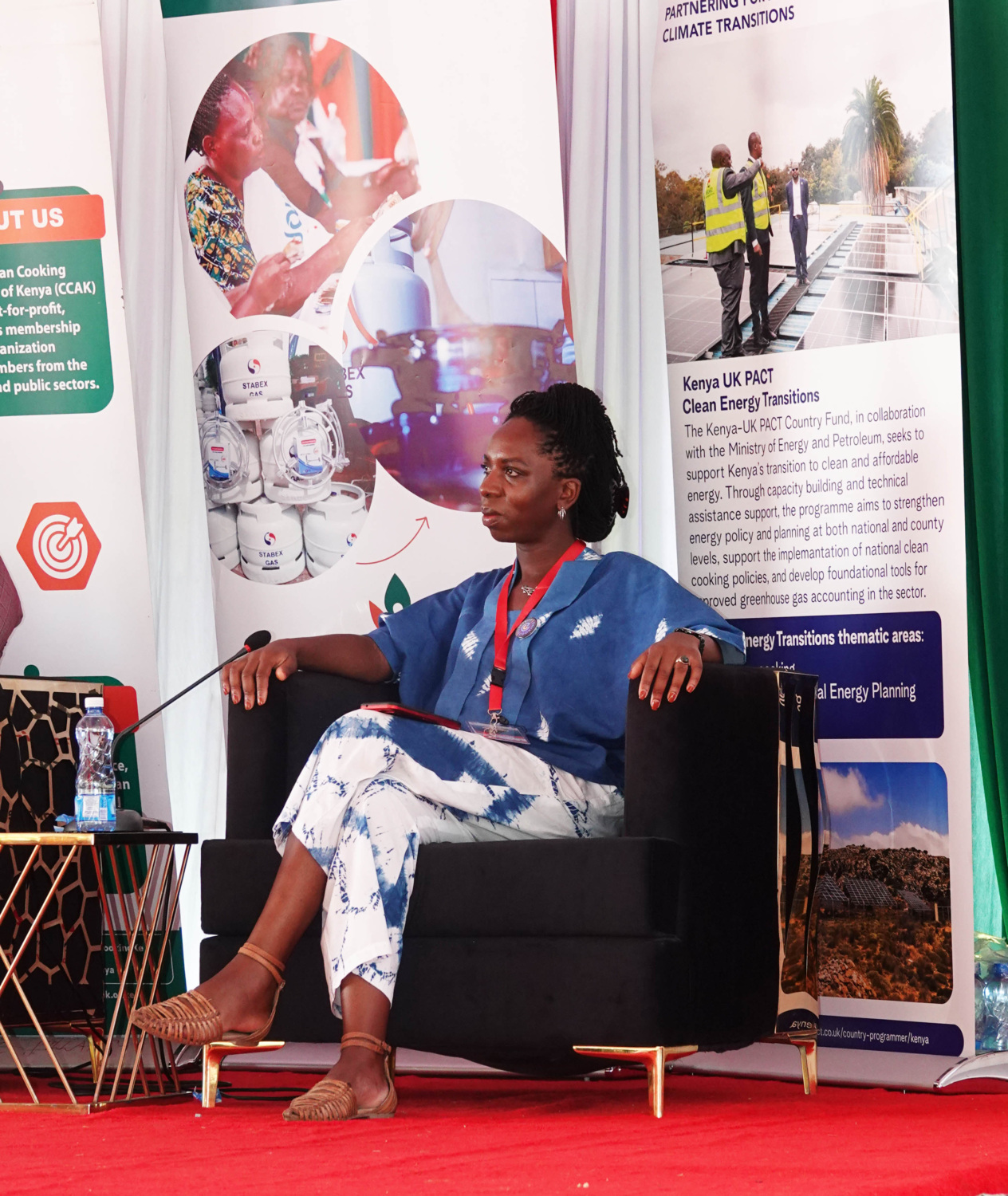
Photo by CLASP.
CLASP's Nyamolo Abagi participates in a panel discussion at Clean Cooking Week 2025.

Photo by CLASP.
Kilifi residents visit CLASP and MECS' exhibition booth at Clean Cooking Week 2025.
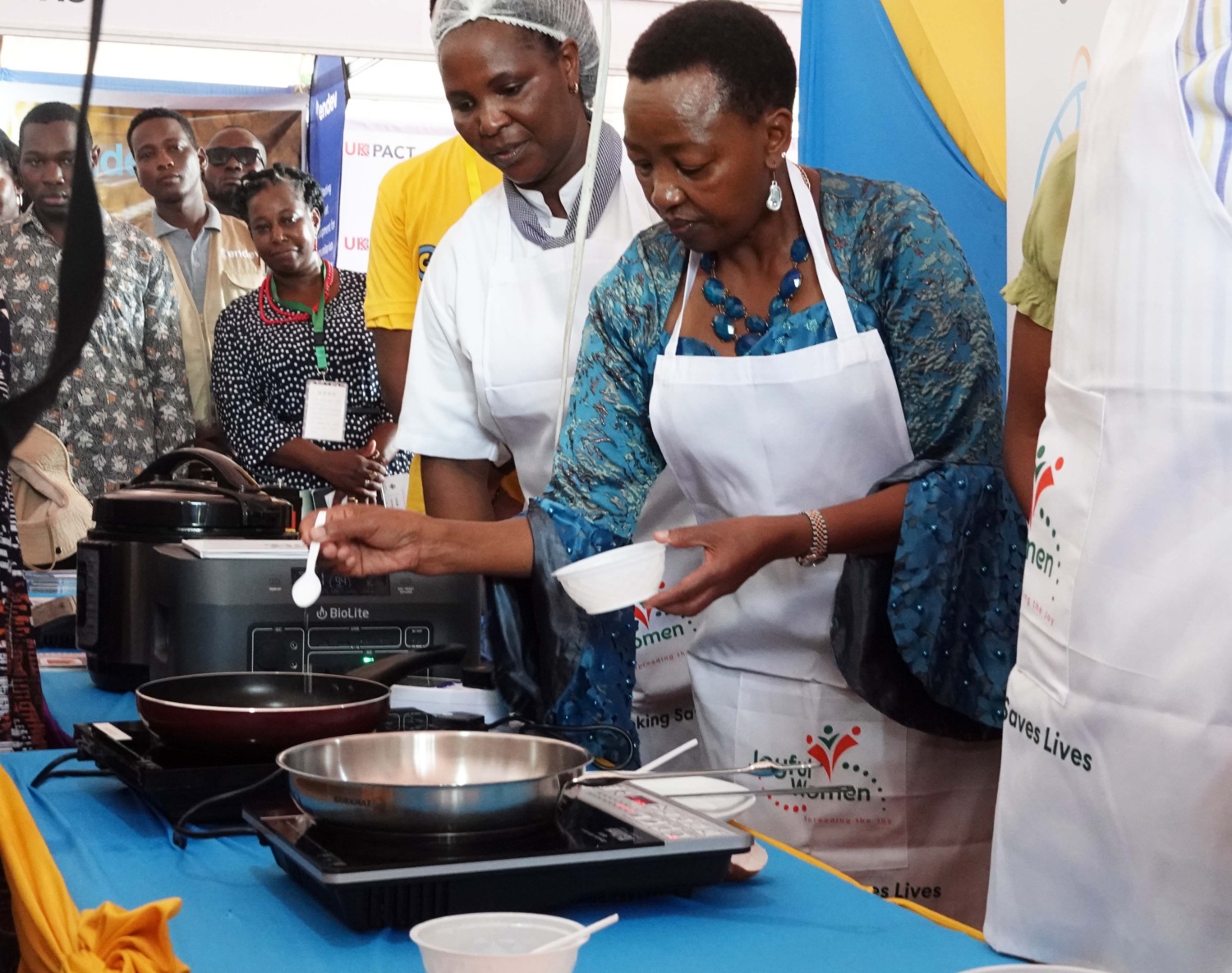
Photo by CLASP.
Mama Rachel Ruto, First Lady of Kenya, tries out an induction cooktop at CLASP and MECS' exhibition booth.

Photo by CLASP.
CLASP team members with a representative from Ecobora.

Photo by CLASP.
A representative from Kenya Power visits CLASP and MECS' exhibition booth.

Photo by CLASP.
Contestants of CLASP's clean cooking competition present their dishes to the judges.
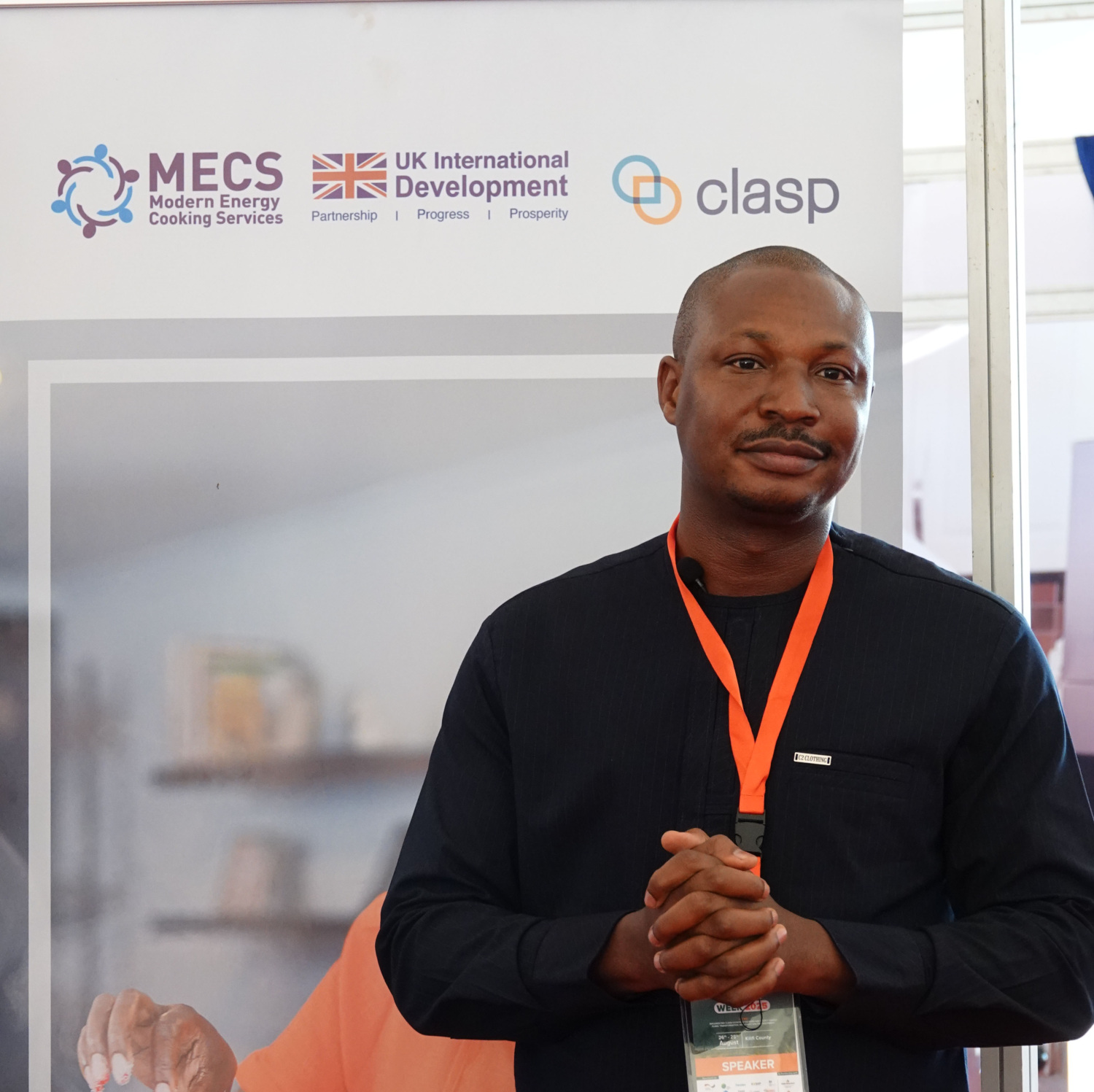
Photo by CLASP.
CLASP's Emmanuel Aziebor at Clean Cooking Week 2025.

Photo by CLASP.
Clean cooking competition judge gives feedback to contestants.

Photo by CLASP.
CLASP's Mike Ofuya participates in a panel discussion at Clean Cooking Week 2025.
Why clean cooking matters
Over the past decade, Kenya has made remarkable progress in clean cooking. The share of Kenyans using clean cooking solutions has more than doubled, rising from 15% to 31%, making it the fastest growth rate of clean cooking in Sub-Saharan Africa1. This momentum has been supported by broader advances in electrification. Electricity access in Kenya grew from 37% in 2013 to 79% in 20232, creating a strong foundation for the wider adoption of clean cooking.
Despite this, around 68.5% of the population still relies on firewood, charcoal, or kerosene; with firewood remaining the main cooking fuel3. These fuels come at a high cost. They degrade forests, pollute the air, and are linked to serious health problems ranging from heart disease and strokes to cancer4.
Electric cooking (e-cooking) appliances like induction cooktops and electric pressure cookers offer a safer, cleaner alternative. They eliminate smoke, reduce greenhouse gas emissions, and help curb deforestation by replacing wood and charcoal. They also make kitchens safer by minimizing risks of burns, fires, and explosions, improving the lives of whole communities.
CLASP at Clean Cooking Week 2025
Along with our international and local partners, Ecobora, Gamos East Africa, and MECS, CLASP hosted a cooking competition at our exhibition booth. Contestants prepared dishes of their choice on induction cooktops, using locally available ingredients.
After the cook-off, participants noted things like:
- “The appliances were surprisingly easy to use.”
- “No smoke was produced compared to firewood.”
- “The cooktop felt safe to use and minimized risks like burns.”
The competition showed that clean cooking is not just a climate or health solution, it’s a practical, safe, and efficient choice that improves people’s lives.
With representatives from the Clean Cooking Delivery Unit, GIZ, Kilifi County Government, the Office of the First Lady of Kenya, Practical Action, and UK PACT, CLASP’s Nyamolo Abagi (Director, Clean Energy Access) joined a panel on the importance of partnerships in delivering transformational change across the clean cooking sector. She emphasized that partnerships must extend beyond the usual stakeholders and include the people who use these technologies every day.
We work with governments, manufacturers, development partners and policymakers – but just as importantly, we partner with everyday users as citizen scientists. They’re not just recipients of technology; they’re co-creators of these solutions. Their lived experience brings critical insights that help shape appliances that are not only efficient, but usable, affordable, and trusted. That’s how we build clean cooking ecosystems that last.
Nyamolo Abagi
Director, Clean Energy Access
In a panel on equity and inclusion, including representatives from Kilifi County Government, Mwangaza Light, Practical Action, SOLCO Partnership, SNV, and WWF, CLASP’s Mike Ofuya (Associate, Clean Energy Access) highlighted the hidden costs of cooking with firewood and charcoal in schools. He noted that shifting to e-cooking appliances can significantly improve health outcomes while freeing up financial and human resources currently consumed by firewood use. These savings could instead fund better food, educational supplies, and infrastructure, while strengthening learning outcomes across the country.
Partnerships to push forward
The Government of Kenya aims to achieve universal access to clean cooking by 2028. CLASP is working alongside partners like Ecobora, MECS, and Jikoni Magic to accelerate this goal, by promoting the adoption of affordable, energy-efficient cooking appliances and raising awareness of their benefits.
Clean Cooking Week 2025 sent a clear message. The time for strategizing has passed, it’s time for action that delivers healthier homes, stronger economies, and a safer environment.
More information at www.clasp.ngo/appliances/electric-cooking-appliances.
About the event:
Kenya’s Clean Cooking Week is organized by the Clean Cooking Association of Kenya in partnership with the Ministry of Energy and Petroleum, and the 2025 edition ran from 26 to 28 August. This year’s theme, “Implementing Clean Cooking Strategies and County Energy Plans: Transformation, Inclusivity and Empowerment”, focused on turning strategies into action.
The event gathered diverse stakeholders, including government representatives, industry, civil society, development partners, and academia, all united by the goal of achieving universal access to clean cooking.
0. “Kenya National Cooking Strategy 2024-2028”, Ministry of Energy and Petroleum. https://www.energy.go.ke/sites/default/files/KAWI/Publication/Kenya%20National%20Cooking%20Transition%20Strategy_Signed.pdf
1. “Kenya 2024 Energy Policy Review”, International Energy Agency, April 2025. https://www.iea.org/reports/kenya-2024
2. “Kenya National Cooking Strategy 2024-2028”, Ministry of Energy and Petroleum. https://www.energy.go.ke/sites/default/files/KAWI/Publication/Kenya%20National%20Cooking%20Transition%20Strategy_Signed.pdf
3. ”Household air pollution”, World Health Organization, October 16, 2024. https://www.who.int/news-room/fact-sheets/detail/household-air-pollution-and-health