
Investing in Institutions that Power Energy Access
News
How investing in institutions that shape markets can unlock clean energy access for millions across Africa and South Asia.
The road to universal energy access runs through strong institutions. That’s the core idea behind the Energy Access Institutions Facility, or the Facility, a joint donor initiative hosted by CLASP. The Facility is supporting market institutions uniquely positioned to scale the energy access sector and help deliver clean, reliable energy to millions of people in Africa and South Asia.
The $25M+ initiative is empowering key institutions to expand distributed renewable energy solutions, including clean cooking, solar systems, productive-use appliances, and mini-grids, targeting millions of underserved communities across Africa and South Asia over the next five years.
Rather than funding individual technologies or businesses, the Facility focuses on the market institutions and accelerators that make energy access possible. They include trade alliances, policy accelerators, and quality assurance organizations that shape markets, influence regulations, and connect stakeholders. This new model, investing directly in institutions, is designed to scale what works, attract meaningful investment, and deliver energy solutions that last.
To enable market institutions to fulfill their role, the Facility provides critical inputs that empower market institutions and accelerators to build financial resilience, enhance their operational capacities, and foster strategic collaborations. The Facility achieves this through three main pillars:
- Core funding unlocks strategic decision-making for market institutions and accelerators, enables the pursuit of bolder visions distinct from project-driven objectives, and the flexibility to pivot to emerging opportunities in a fast-moving sector.
- Institutional health grants build high-functioning, sustainable institutions, and resilience to external shocks.
- Cross-learning and collaboration support a common theory of change to drive faster achievement of Sustainable Development Goal 7 and encourage alignment of resources and action opportunities.
The Facility’s group of grantees is a dynamic mix of organizations working across regions and technologies. Here’s a closer look at who they are and what they do.
Africa Minigrid Developers Association (AMDA)
AMDA represents over 40 mini-grid developers across the continent and is a strong voice for policies, financing, and standards that enable scale. The organization actively engages in regulatory reform and promotes sustainable business models.
“In the face of challenges that seem insurmountable, one truth remains: Business as usual is not an option. We cannot unlock universal energy access with fragmented strategies. We cannot power 680 million people still in the dark by 2030 without bold, coordinated, and scalable action,” Olamide (‘Lamide) Niyi-Afuye, CEO, AMDA.
Fun Fact: Mini-grids are key to reaching remote communities and AMDA is uniquely positioned to ensure the enabling environment keeps pace with the sector’s growth.
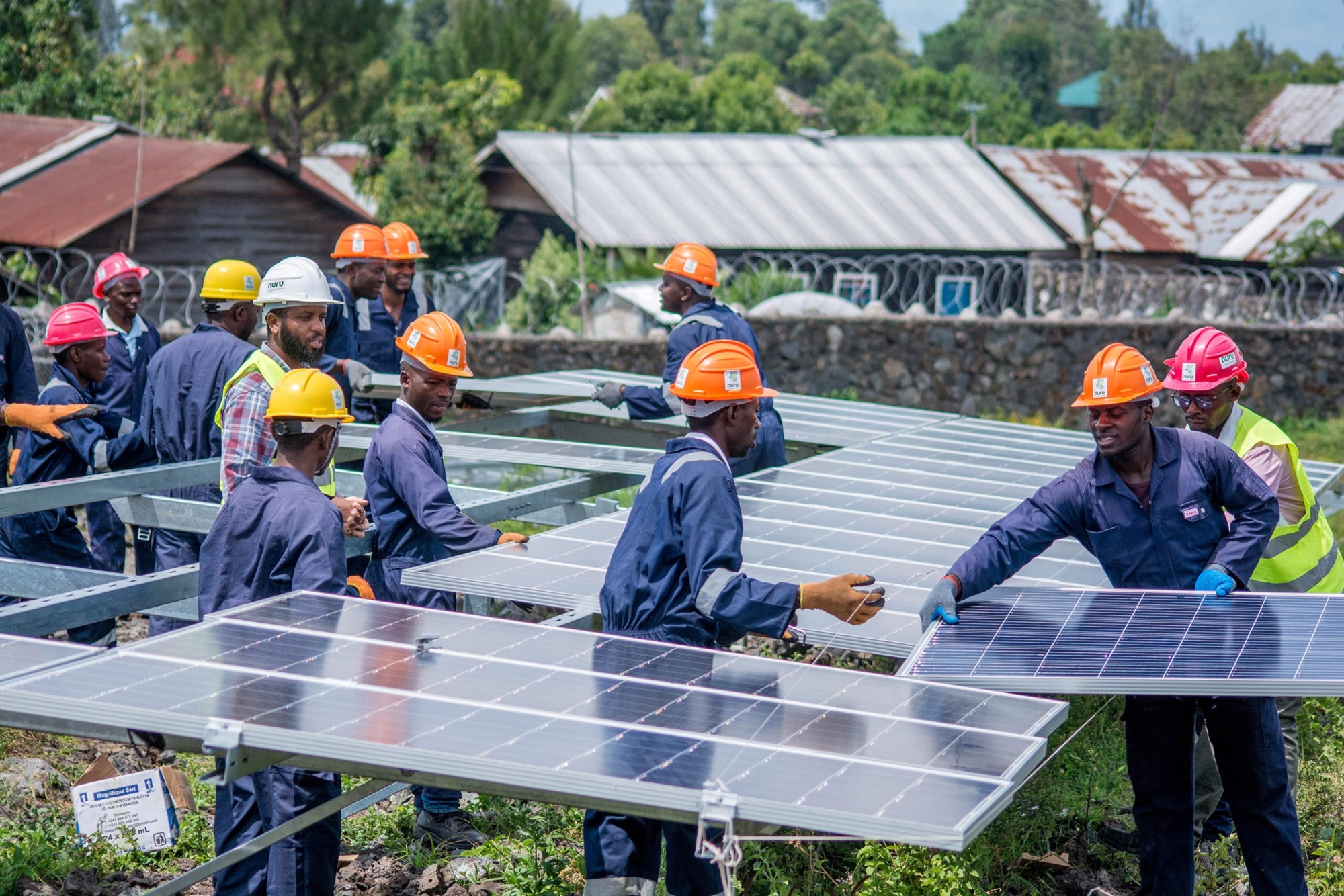
Nuru, Democratic Republic of the Congo
[Photo: AMDA]
Clean Cooking Alliance (CCA)
CCA drives efforts to make clean cooking affordable, accessible, and aspirational. Their work spans research, policy, investment facilitation, and ecosystem coordination.
“Whether from an energy access, climate, environment, health, or empowerment perspective, clean cooking is increasingly recognized as a critical component of a just energy transition. CCA is proud to have contributed to this shift. Our focus remains on turning commitments into actionable policies, business opportunities, and tangible investments that transform the pathways to clean cooking for the billions of people who still live without it,” Dymphna van der Lans, CEO, CCA.
Fun Fact: The clean cooking sector needs strong institutions to match its ambition. CCA brings the convening power, technical capacity, and cross-sectoral reach needed to transform this critical area of energy access.
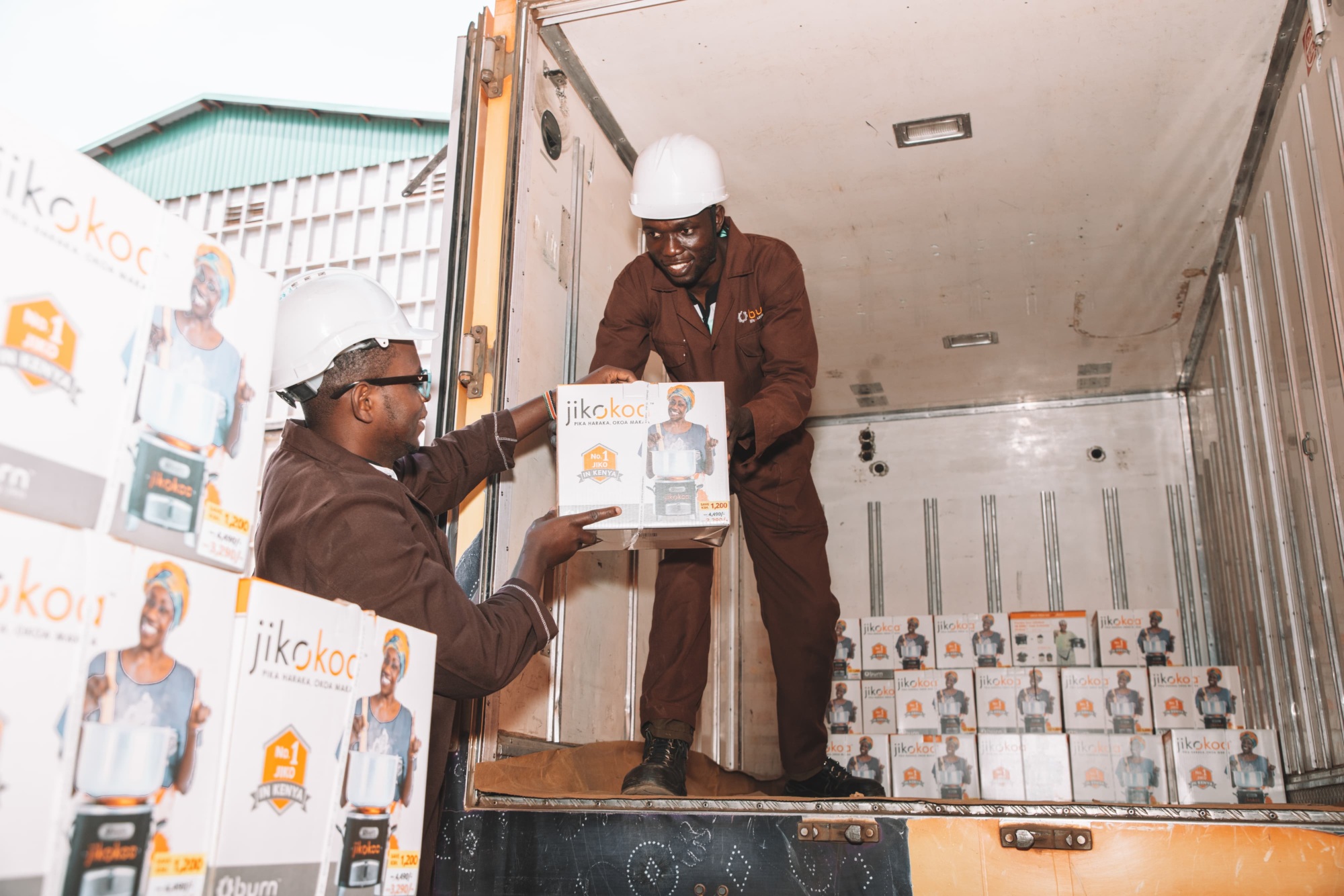
[Clean Cooking Alliance]
GOGLA
GOGLA is the global association for the off-grid solar energy industry, representing over 200 members. As a long-standing convener and advocate, GOGLA plays a critical role in shaping policy, collecting market intelligence, and promoting consumer protection. Their leadership helps build a transparent and investable solar market.
Fun Fact: GOGLA’s deep sector expertise, strong relationships with governments and financiers, and commitment to evidence-based advocacy make them a linchpin in advancing off-grid solar.
VeraSol
VeraSol provides quality assurance for off-grid solar products and appliances, including testing and certification services. Their standards and lab network help governments, donors, and consumers identify trustworthy products.
“VeraSol is a fundamental quality assurance framework that protects the poorest consumers. By protecting consumers and markets from sub-standard products, VeraSol safeguards investments in clean energy transitions, especially in fragile and underserved communities,” Elisa Lai, Senior Program Manager, VeraSol.
Fun Fact: As distributed energy markets grow, protecting consumers from poor-quality products is essential. VeraSol is the gold standard in this space, offering a proven pathway to quality and trust.
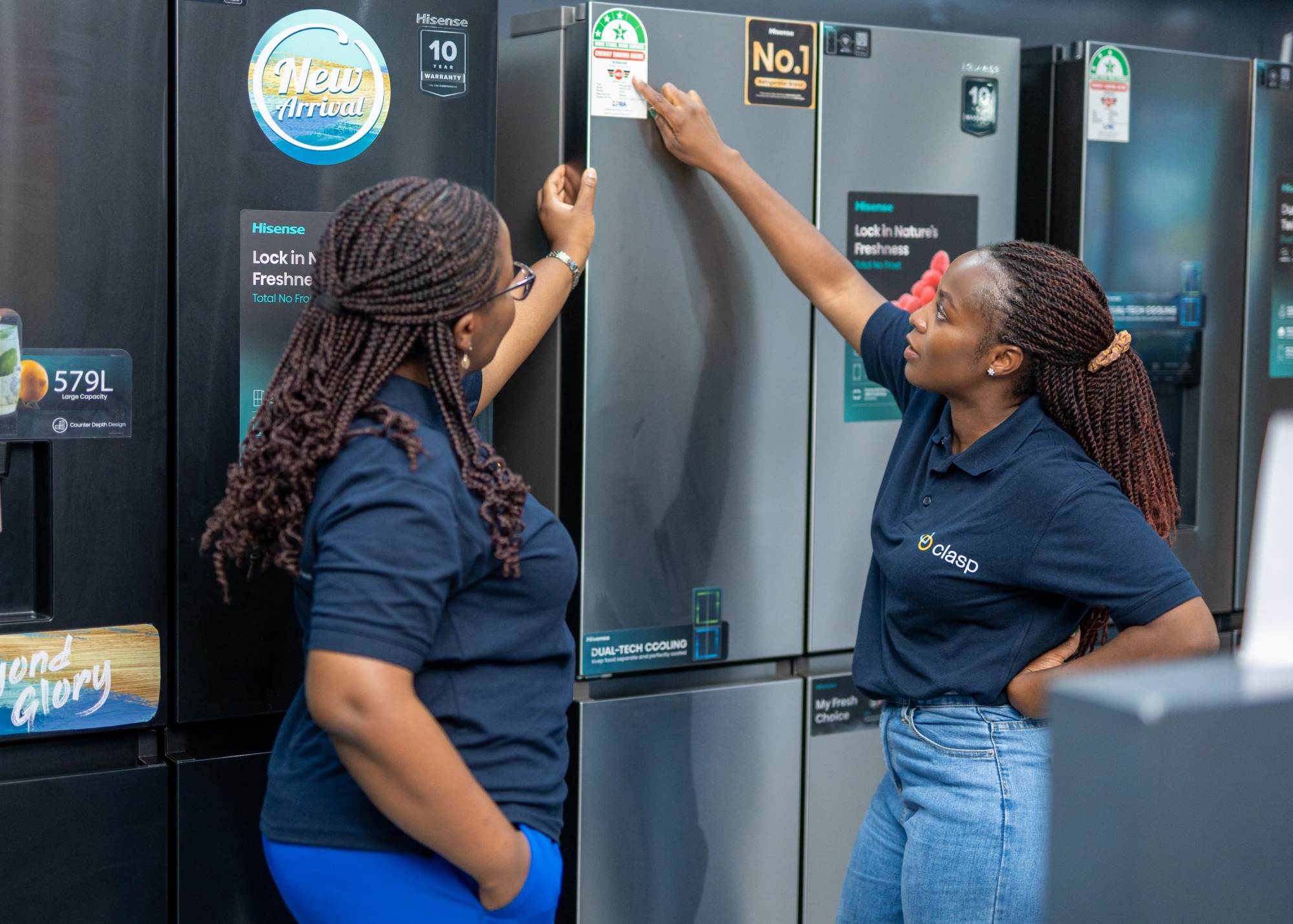
[Photo: CLASP]
Nigeria Off-grid Market Accelerator Program (NOMAP)
NOMAP supports Nigeria’s distributed renewable energy market through policy analysis, investor engagement, and ecosystem strengthening.
Fun Fact: NOMAP is helping to tackle Nigeria’s energy access challenge with strategic, locally grounded solutions and strong partnerships.
Precise
Precise builds learning ecosystems and delivers cutting-edge research and insights to business, governments, and non-profits in Ethiopia to help them make strategic development decisions.
“At Precise, we build market systems that empower local innovators and entrepreneurs to win the war against poverty. By partnering with philanthropies, we design and deliver bold, private sector-led solutions tailored to local realities. Solutions that help our partners do more with less. Our work drives systemic change that supports climate-resilient growth, creates jobs, raises incomes, improves nutrition and health, and empowers women,” Henok Assefa, Managing Partner, Precise.
Fun Fact: Precise designs and delivers bold, private sector-led solutions tailored to local realities that help their partners do more with less.

[Photo: Precise]
Uganda Off-grid Market Accelerator (UOMA)
UOMA works closely with government, industry, and development partners to identify market barriers and coordinate solutions. Their work includes technical assistance, data analysis, and stakeholder engagement to advance energy access nationally.
“UOMA has played a pivotal role in Uganda’s energy access journey, unlocking capital, enabling last-mile delivery, and supporting over 250,000 households. As the sector grows more complex, UOMA’s role as a neutral intermediary is critical in bridging silos, aligning stakeholders, and translating ambition into coordinated, on-the-ground action, especially in emerging areas like productive use and humanitarian energy access,” Reza Fazel, Associate Partner at Open Capital and Head of UOMA.
Fun Fact: Uganda is a key energy access frontier, and UOMA has a strong record of translating insights into action and facilitating national-level collaboration.
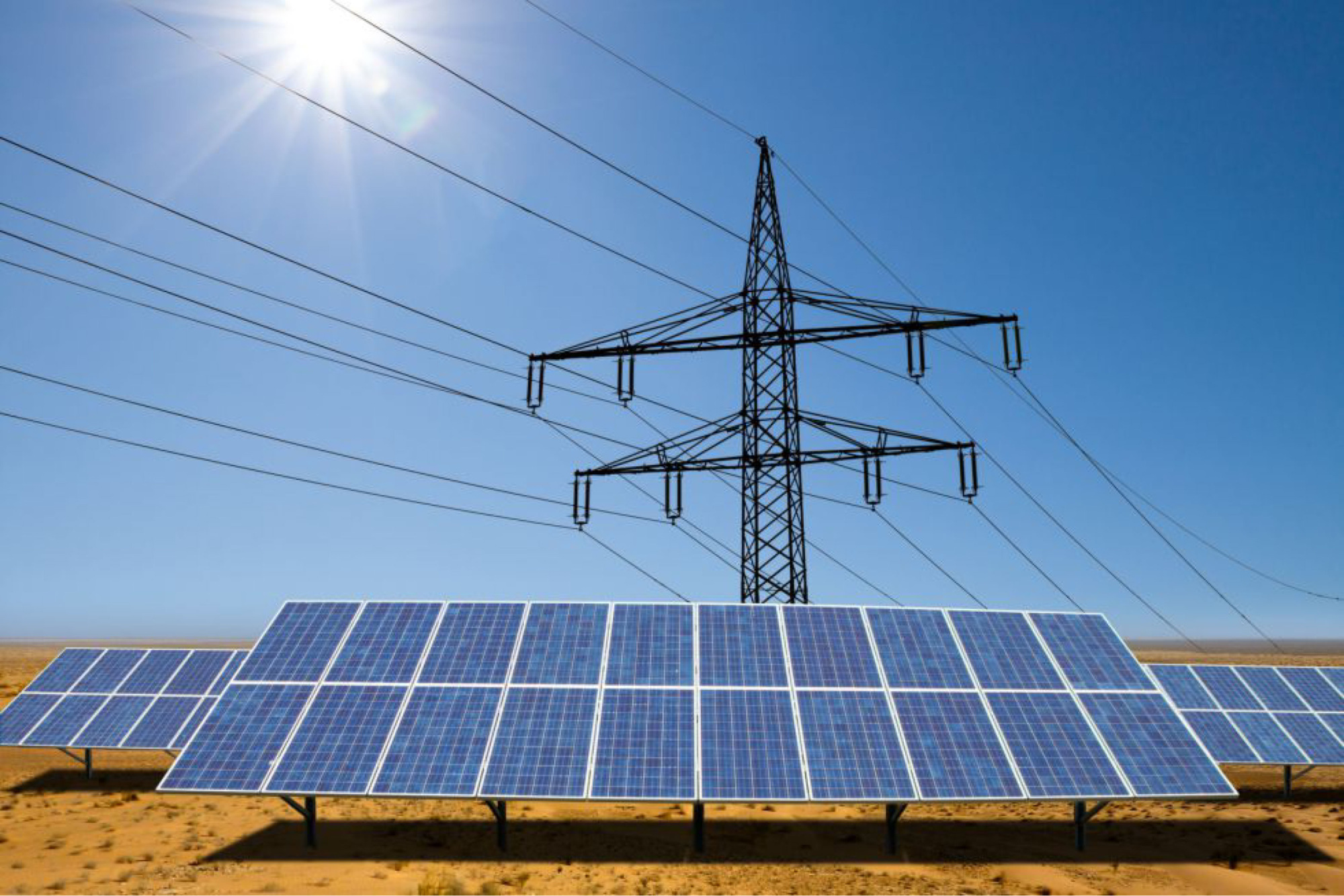
[Photo: UOMA]
A new model for impact
While these organizations vary in scope and geography, they share common strengths: strong governance, technical expertise, trusted relationships, and a commitment to systemic change. By supporting their growth and resilience, the Facility aims to create a more coordinated, capable, and impactful energy access ecosystem.
——
About The Facility
The Energy Access Institutions Facility is a joint donor initiative to support and strengthen the institutions that are essential for the achievement of Sustainable Development Goal 7, universal access to affordable, reliable, sustainable, and modern energy by 2030. The Facility is supported by DOEN, British International Investment, Good Energies Foundation, the Swedish International Development Agency (Sida), and UK aid via the Transforming Energy Access (TEA) platform and is managed by CLASP.