
CLASP Celebrates International Women’s Day
Efficient appliances and equipment enable people to meet their everyday needs and improve economic prospects. Yet billions of people lack access to them, especially in the regions most affected by climate change.
Closing global appliance access gaps with efficient technology would help the world meet key climate targets while protecting communities against climate shocks, strengthening food system resilience, and boosting livelihoods and economic growth.
Around the world, CLASP is working to increase the availability and affordability of vital appliances such as efficient air conditioners, fans, refrigerators, and solar water pumps —and women from the Global South are leading many of these efforts.
For International Women’s Day, we’re spotlighting some of the women creating meaningful change in low- and middle-income countries.
Angellah Nzuna Wekongo
Manager, Africa

“Appliances sit at the center of the climate solution. Billions are in use, driving energy demand and contributing to household and industrial costs. Improving appliance efficiency can help Global South countries meet energy needs reliably and reduce costs.”
Angellah, who is based in CLASP’s Nairobi office, works with policymakers and institutions across Africa to develop and strengthen appliance energy efficiency policies that reduce energy demand and prevent inefficient products from entering the market.
For one project, she supported the South African government in adopting more stringent industrial motor standards—a policy that could save 2.94 billion rand (approximately $180 million USD) annually.
Dr. Dianah Ngui Muchai
Manager, Research

“Climate progress and sustainable economic development in the Global South helps countries prevent long-term dependence on carbon systems while improving energy access and creating new jobs.”
Based in CLASP’s Nairobi office, Dianah leads policy-driven research for the Low Energy Inclusive Appliance (LEIA) program, which seeks to improve access to high-quality appliances across emerging economies.
A prime example of her work is the deployment of solar-powered irrigation and efficient refrigeration in Kenya, resulting in reduced emissions, improved agricultural yields, and higher business revenues.
Edilaine Camillo
Manager, Brazil

“We need policymakers to recognize how appliances address energy poverty and support essentials like safe food refrigeration and cooling during heat waves.”
Based in São Paolo, Edilaine leads CLASP’s work on policies that make Brazil’s appliances more efficient and durable while remaining affordable for consumers.
In a country where 30% of the poorest families sacrifice on food to pay electricity bills, appliance efficiency policies deliver massive economic, social, and environmental benefits.
Edilaine’s achievements include supporting new Brazilian LED lighting standards that reduce electricity bills and improve product quality.
Jiayi Zhang
Manager, Data & Analytics

“Many Global South countries are experiencing rapid economic and population growth, which drives rising energy demand. Through climate policies, we can help ensure climate solutions benefit people and economies alike.”
Jiayi, who is based in Washington, DC, oversees the tools that help CLASP measure the real-world impact of our climate programs. She uses market data to help governments compare different policy options and understand which actions will have the greatest climate impact.
Her work has included leading the development of a framework to identify priority appliances for efficiency policy in Brazil, helping shape the government’s plans through 2030.
Neha Dhingra
Director, India
“Global South countries are urbanizing and industrializing at an unprecedented pace. If we embed efficiency, affordability, and equity into markets from the start, these countries can leapfrog to cleaner, more resilient systems.”
Working from CLASP’s Delhi office, Neha leads our India program, advancing appliance energy efficiency and access across the country through policy, market, and financing interventions.
This work also has important implications for other countries, as India’s leadership in appliance efficiency increasingly informs efforts across Asia and Africa.
Neha’s team has helped the Indian government develop policies that cut the nation’s electricity costs by approximately $6 billion USD between 2018 and 2023, in addition to reducing energy demand and emissions.
Rising Temperatures Put Millions Across Latin America and the Caribbean at Risk as Cooling Appliances Remain Inefficient
Washington, DC, 25 February 2026 — As temperatures rise and demand for air conditioning accelerates, new research reveals that nearly 70 million people across Latin America and the Caribbean exposed to rising heat risks lack efficient cooling appliances.
Despite the region’s growing need for sustainable cooling, only 15% of households own an air conditioner, leaving millions vulnerable to extreme heat. For many families, the affordability of purchasing and operating an air conditioner remains a key barrier to sustainable cooling access. Consequently, the lack of access to adequate cooling along with rising temperatures severely affects human health.
A new report from CLASP and the Institute for Governance & Sustainable Development (IGSD), with the Climate and Clean Air Coalition (CCAC) finds that these challenges are compounded by environmental dumping—the export of low-efficiency, climate-harming cooling equipment that does not meet existing standards in its country of origin.
Environmental dumping raises household energy bills, increases greenhouse gas emissions, and threatens to lock the region into decades of low-efficiency and polluting cooling infrastructure.
- The research, which focused on Argentina, Barbados, Brazil, Chile, Colombia, Dominican Republic, Grenada, Jamaica, Mexico, and Uruguay, finds:
- 44% of all new air conditioners sold in Latin America and the Caribbean are categorized as environmental dumping, which means they cannot be legally sold in the countries where they are manufactured.
- More than one-third of new room air conditioners sold in the region use obsolete refrigerants, which are currently phased down or phased out under the Montreal Protocol on Substances that Deplete the Ozone Layer and its Kigali Amendment.
- Existing cooling access gaps disproportionately affect low-income households and women, and the influx of outdated equipment deepens energy inequality and increases emissions.
- Without stronger efficiency and refrigerant standards, the region could lock in 173 million tons of CO₂e by 2050, emissions equivalent to more than three coal-fired power plants over the next 20 years.
Despite these challenges, the report highlights clear positive pathways for action. Brazil and Grenada are emerging as regional leaders by adopting modern efficiency standards and climate-friendly refrigerant policies and initiatives that protect consumers and close the door to environmental dumping.
While strong national efficiency policies are among the most effective ways for countries to protect themselves from environmental dumping, solutions ultimately require shared responsibility and close collaboration between importing- and exporting-country governments, the private sector, civil society, and international partners.
As extreme heat becomes a defining risk, access to efficient and climate-friendly cooling appliances is no longer optional; it is essential,” said Martina Otto, Head of the Climate and Clean Air Coalition Secretariat. “This year marks ten years since the adoption of the Kigali Amendment, a decade that has demonstrated how effective international partnerships can drive meaningful action. By acting together now, importing and exporting countries have a clear opportunity to shape markets, protect communities, and steer the inevitable growth in cooling toward solutions that advance climate justice while delivering economic, social, and environmental benefits.
Environmental dumping is an equity issue. As our research shows, millions of people across Latin America and the Caribbean are being left behind with inefficient, outdated cooling equipment that costs too much money to run. Manufacturers have the know-how to produce better appliances but are lacking the right incentives to manufacture and export them to Latin America and other regions in the Global South. This undermines people’s ability to stay safe in a warming world and deepens existing inequalities. —Ana Maria Carreño, Senior Director of Climate at CLASP
We must pursue innovative business models that do not export energy poverty and other burdens of obsolete cooling technologies to vulnerable countries in the Global South. Multilateral platforms, South-South cooperation, and collaborative government-industry partnerships can help. In this way, these countries can leapfrog to becoming innovation hubs for next-generation cooling solutions that support clean air, climate resilience, and prosperity. —Tad Ferris, Senior Counsel at IGSD
For inquiries, please reach out to Marina Baur, Senior Communication Associate, CLASP at mbaur@clasp.ngo.
Pathways to Prevent the Environmental Dumping of Climate-Harming Room Air Conditioners in Latin America & the Caribbean
Millions of people across Latin America & the Caribbean are being left behind with inefficient, outdated cooling equipment that's too expensive to run. Manufacturers have the know-how to produce better appliances but lack the incentives to manufacture and export them to the Global South.Ana Maria Carreño
Senior Director of Climate, CLASP
Reflections on the Productive Use Financing Facility
The Productive Use Financing Facility (the Financing Facility), an innovative program implemented by CLASP and supported by the Global Energy Alliance for People and Planet (the Alliance), makes energy-efficient appliances more affordable to consumers and businesses in emerging markets in Africa.
As the Financing Facility celebrates its first anniversary and concludes the initial phase of this expanded program, we look at the lives and communities it has already transformed and consider paths towards reaching our goals to help generate green jobs and equitable opportunities for thousands across Africa.
Empowering communities with the right tools
A single appliance has the potential to improve the quality of life for an entire household or community. Women entrepreneurs with access to an off-grid refrigerator can sell cold beverages, attracting customers and increasing their income. Solar-powered mills can provide a central flour-processing location for smallholder farmers in remote communities, allowing them to offer new products, reduce workloads, and avoid transportation costs.
Despite the potential of these technologies, many businesses and households that need them can’t afford them due to high costs and limited financing options. For the 750 million–plus people worldwide who live without access to electricity and the approximately 700 million living in extreme poverty, energy-efficient appliances are still out of reach.
The Financing Facility’s role in driving access and opportunity
The Financing Facility offers a solution: make these life-changing appliances more affordable to those who need them. By providing grants, subsidies, and technical assistance, the Financing Facility enables small businesses, entrepreneurs, and households to acquire energy-efficient appliances at lower prices.
The initiative’s two-year pilot project ran from 2022 to 2024, worked with 24 companies across six countries, deployed nearly 16,000 appliances, and directly improved the lives of over 58,000 households. In June 2025, the Financing Facility entered a second phase with the announcement of its expansion and a $6.1 million USD funding boost. During this phase, the initiative aims to create over 3,000 green jobs through the sale and use of over 10,000 appliances in four years.
One year on: expanding reach and impact
A new cohort of 11 appliance companies, announced in November 2025, remains focused on productive-use appliances (in other words, technologies people use to generate income) like grain mills, solar water pumps, walk-in cold rooms, and refrigerator/freezers. From this cohort alone, the Financing Facility aims to deploy over 2,000 appliances across Kenya to women-owned and -led businesses.
The second cohort selection, launching in February 2026, will be open to appliance companies in Ethiopia, Nigeria, and Kenya. CLASP will announce and detail the process via the Financing Facility web page, LinkedIn, and Bluesky.
Committed to the most underserved communities
While electrification is expanding globally, deliberate efforts must be made to ensure the sustainability and commercial viability of renewable energy infrastructure. Programs like the Financing Facility place appliances into people’s hands and homes, energizing ambition and output amongst local businesses and farms. Increased incomes from these activities drive economic growth, create jobs, and improve the quality of life, giving communities the tools to thrive. For example, Helen Obinna, a small business owner in Nigeria, has witnessed her business transform: her refrigerator can keep products cool despite inconsistent power, and sales of cold beverages have substantially increased.
About the Productive Use Financing Facility
The Financing Facility is an innovative program that provides grants, subsidies, and technical assistance to suppliers and distributors to lower appliance prices and reach more customers. This makes it easier for small businesses, entrepreneurs, and households to buy energy-efficient technologies, such as solar water pumps, mills, and refrigerators, at favorable prices.
This program is supported by the Global Alliance for People and Planet.
For more information, read the Productive Use Financing Facility 2.0 press release, contact financing@clasp.ngo, and follow us on LinkedIn for regular updates on how the Financing Facility is benefiting people and our planet.
About CLASP
CLASP is the leading global authority on efficient appliances’ role in fighting climate change and improving people’s lives. With 25 years of expertise and offices on four continents, CLASP collaborates with policymakers, industry leaders, and other experts to deliver clear pathways to a more sustainable world for people and the planet.
About the Global Alliance for People and Planet
The Global Energy Alliance for People and Planet works for a world where everyone has access to affordable, reliable, clean electricity and the means to use it to improve their lives. Our Alliance builds transformative public, private, philanthropic partnerships to end energy poverty and accelerate green economic opportunity. Founded in 2021 by The Rockefeller Foundation, IKEA Foundation, and Bezos Earth Fund, we unlock finance, strengthen institutions and transform markets, delivering progress anchored in deep community engagement. By uniting actors across the value chain, from households to heads of state, we go beyond individual projects to drive lasting systems change. With work in more than 30 countries across Africa, Asia, Latin America and the Caribbean, our Alliance aims to reach 1 billion people with clean electricity, prevent 4 billion tons of carbon emissions and create or improve 150 million jobs. For more information, please visit energyalliance.org.
Brazil Put a Spotlight on its Efficiency Agenda at COP30
In recent years, Brazil has taken initial steps toward a more sustainable future powered by energy efficiency. As the host of COP30, held in Belém in November, Brazil put a spotlight on this smart climate solution for the world to see.
The country is already a global leader in sustainable energy, generating 89% of its electricity with renewables. However, rapidly rising energy demand and decreased hydropower capacity are forcing policymakers and utilities to reevaluate the current energy mix.
Global warming and Brazil’s deep income inequality further complicate this challenge. For example, Brazil’s summers are growing hotter; in 2023, the country hit a new record temperature of 112.6° F (44.8° C). As a result, air conditioning, once considered a luxury, is becoming necessary for health and productivity. But today, air conditioning is found in only 20% of all homes, concentrated mainly in higher-income households.
The challenges lower-income Brazilians face in accessing energy services like air conditioning are reflected in the fact that almost half of the lowest-income Brazilians spend more than half of their household income on electricity and gas.

Air conditioners above a Rio de Janeiro street.
Credit: CLASP
Brazil’s solution for booming energy demand and high electric bills
Brazil’s leaders increasingly view efficiency as a cost-effective, climate-friendly tool for meeting the country’s energy needs while addressing economic barriers to energy access.
Analysis reveals that, in the absence of other interventions, meeting skyrocketing energy demand would require increasing domestic natural gas production by up to 300%. To avoid this, the government can embrace energy efficiency, making services like cooking and cooling less energy-intensive and therefore reducing overall energy demand.
Appliance efficiency has provided early wins in Brazil, although there are major opportunities to do more. New policies for air conditioners and LED lights are making the models available in Brazil more efficient. This, in turn, makes these appliances more affordable to operate—and therefore accessible to more people.
COP host puts efficiency on the podium
In conversations throughout COP30, the Brazilian government and media showcased energy efficiency as a key tool for meeting national and global climate targets, growing the country’s economy, and delivering accessible energy services for all.

Panelists from COP30 ABDI energy efficiency event.
In his speech to negotiators and delegates at the COP’s opening plenary session, Brazilian Vice President Geraldo Alckmin underscored the importance of meeting the COP29 pledge to double energy efficiency by 2030. “This COP must mark the beginning of a decade of acceleration and delivery—the moment when rhetoric gives way to concrete action, and when all parties move from setting targets to fulfilling them,” he said.
During a day dedicated to energy efficiency, the Brazilian Agency for Industrial Development (often referred to by its Portuguese acronym, ABDI) put together a packed agenda bringing together leaders from government, businesses, and international organizations to discuss how Brazil can achieve its goals through efficiency. During a session about the role of efficiency in the energy transition, speakers noted that a significant advantage of efficiency compared to other solutions is that technologies like efficient industrial equipment already exist and can be implemented immediately.
Another event organized by Casa Civil, the powerful organization run by Brazil’s presidential chief of staff, focused on the role of efficiency in achieving a just energy transition and expanding the Brazilian industry’s presence in the global marketplace. The event highlighted the fact that local appliance manufacturers can increase sales by making their products more efficient, which allows them to match international benchmarks and sell their products around the world.
Major Brazilian media outlets also jumped into the efficiency conversation at COP. Folha de São Paulo, the country’s largest newspaper, co-hosted a session with the Crux Alliance, a philanthropic organization focused on global climate policy, on leveraging demand-side strategies to deliver on renewable energy and efficiency targets.
Carving a sustainable path forward
With COP delegates from around the globe now back home, they have many opportunities to keep energy efficiency front of mind—and strong reasons for doing so.
“Efficiency lowers costs, expands access, and strengthens domestic industry,” said Edilaine Camillo, leader of CLASP’s Brazil program. “The more elements we add to this puzzle, the clearer it becomes how interconnected the energy transition is—and how it can positively impact multiple sectors of the economy and people’s everyday lives.”
Powering Progress: Three Local Appliance Companies Generate Job and Income Growth Across Africa
CLASP has selected 11 appliance companies to receive funding in support of job and income growth in sub-Saharan Africa. This support will be provided through the Productive Use Financing Facility (the Financing Facility), an initiative managed by CLASP and supported by the Global Energy Alliance for People and Planet (the Energy Alliance). The Financing Facility aims to accelerate the adoption of clean, energy-efficient appliances to power small businesses and support smallholder farmers, potentially transforming the lives of millions across Africa.
Baridi, Irri-hub, and Koolboks are three of the 11 impact-driven companies selected for the program whose work is already transforming the continent.
Solar appliances drive economic growth
For a smallholder farmer or business owner in sub-Saharan Africa, even a single appliance can go a long way. For example, a CLASP survey found that business owners in Uganda who purchased an off-grid refrigerator were able to increase their incomes twofold.
For women, an appliance can be a major driver of income. In the Finance Facility’s pilot program, households where women purchased an appliance saw incomes increase an average of 94%. From selling cold drinks using a refrigerator-freezer to growing high-value crops with a solar water pump, equitable access to reliable and affordable appliances can transform not only individual lives, but entire communities. Solar-powered appliances can reduce the physical strain attached to traditional working conditions, expand business opportunities, improve nutrition, and create local jobs.
Three African appliance companies making an impact
For Facility grantees like Baridi, Irri-hub, and Koolboks, this kind of transformative impact is what drives their work.
Baridi supplies solar-powered chilling technologies to smallholder farmers in Kenya, ensuring that their hard-earned produce remains fresh and market-ready.

Photo credit: Baridi

Photo credit: Baridi
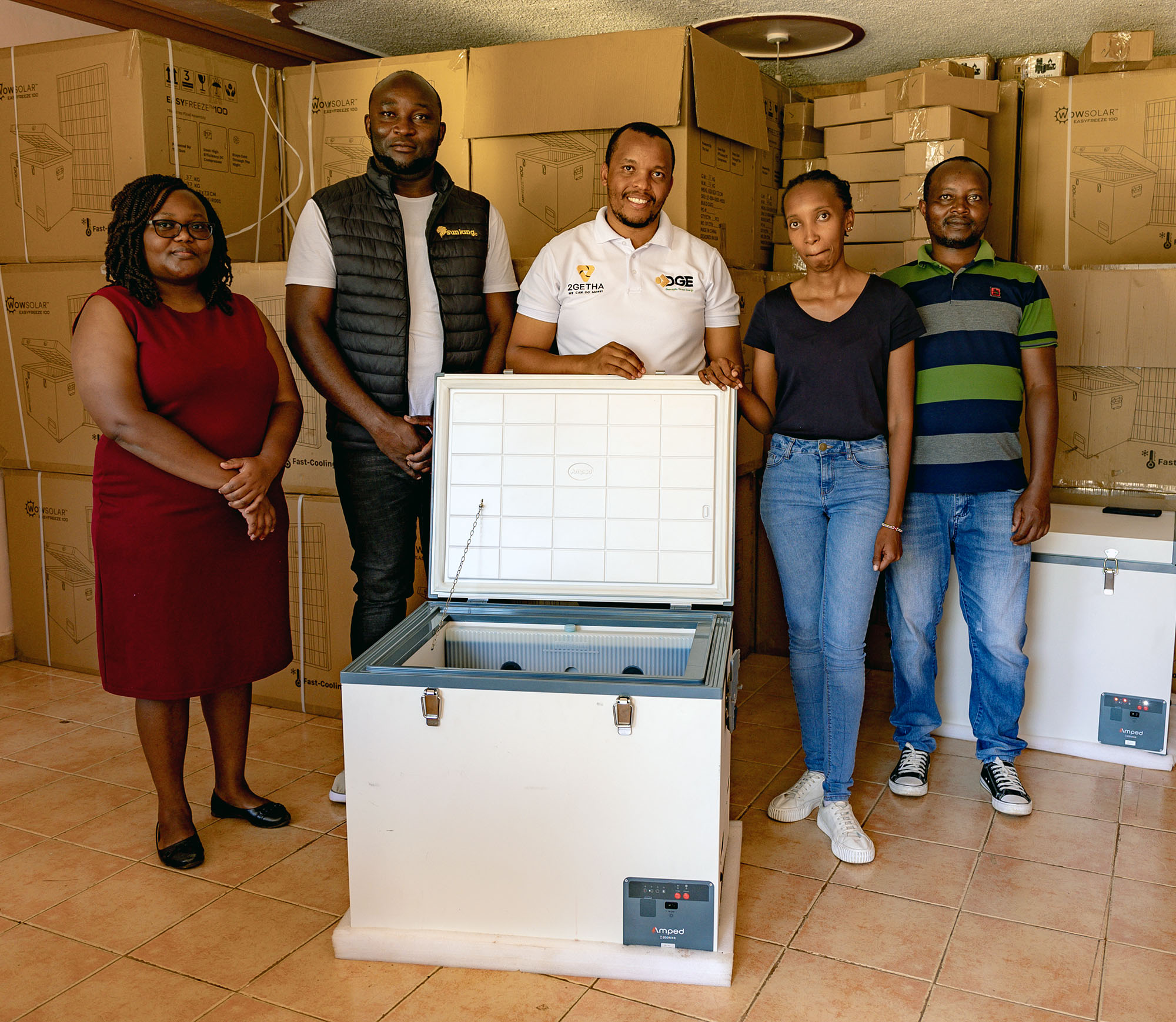
Koolboks designs and distributes affordable solar-powered refrigerator-freezers, ensuring access for small businesses and farmers across the region. By providing reliable cold storage, Koolboks helps entrepreneurs expand product offerings and reduce the economic risks tied to spoilage.

Photo credit: Koolboks
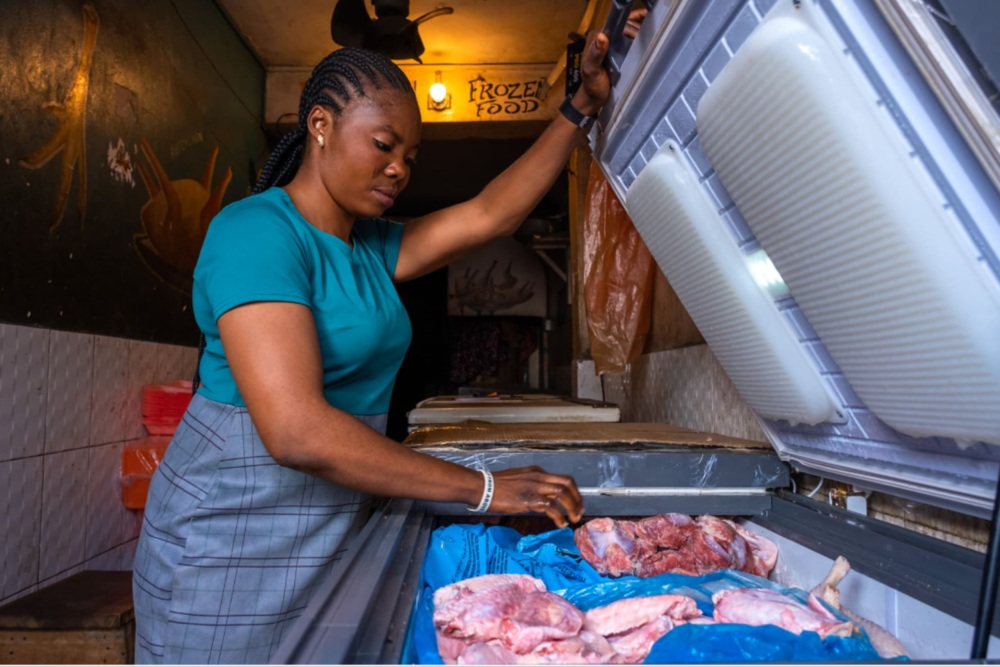
Photo credit: Koolboks
Irri-hub is a provider of affordable water management solutions, including solar water pumps, that help smallholder farmers increase yields, improve crop predictability, and expand production.
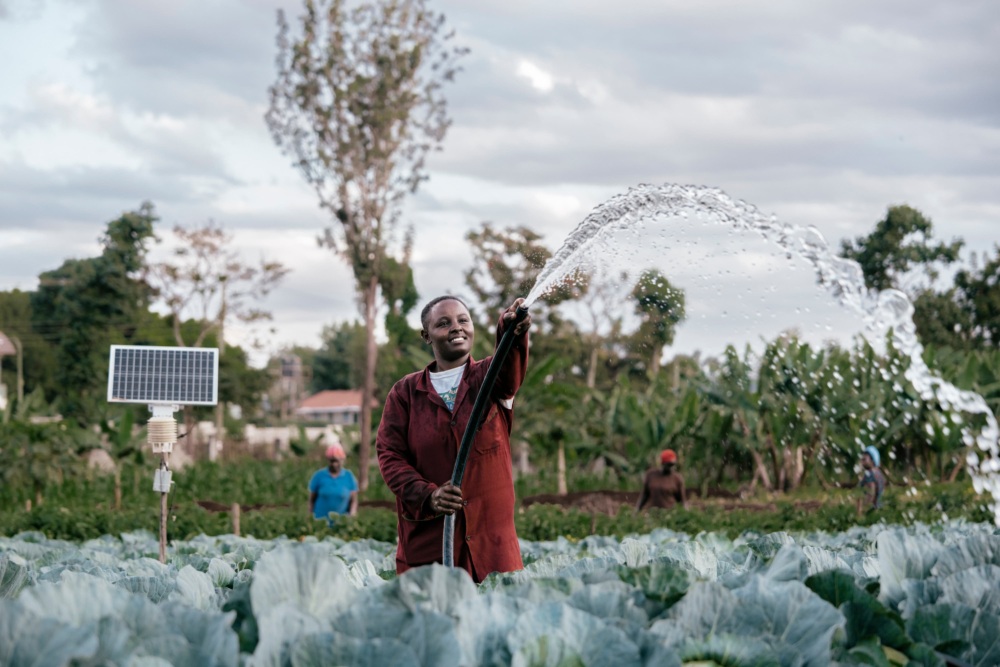
Photo credit: Irri-hub

Photo credit: Irri-hub
Solar water pumps offer an enormous amount of income and job growth potential. CLASP’s report “Leave No One Behind: Bridging the Energy Access Gap with Innovative Off-Grid Solar Solutions” found that 87% of farmers in Rwanda who obtained a solar water pump reported an increase in their monthly incomes, while 64% reported hiring more laborers and growing more crops.
Enduring partnerships are the key to transforming lives and livelihoods
Both Baridi and Koolboks have longstanding partnerships with CLASP. Baridi was a finalist in the 2022 Global LEAP Awards Off-Grid Cold Chain Challenge, while Koolboks received funding from the first round of the Financing Facility.
This round of the Financing Facility is Irri-hub’s first partnership with CLASP.
From long and enduring partnerships to new collaborations, these kinds of local, on-the-ground partnerships are key to helping transform the sector, bringing life-changing appliances to the millions who need them. CLASP remains committed to strengthening these relationships and investing in partners who are creating green jobs and equitable opportunities across Africa.
–
About the Productive Use Financing Facility
The Financing Facility is an innovative program that provides grants, subsidies, and technical assistance to suppliers and distributors, helping to lower appliance prices and expand customer bases. The Facility makes it easier for small businesses, entrepreneurs, and households to buy energy-efficient technologies, such as solar water pumps, mills, and refrigerators, at favorable prices.
This program is supported by the Global Alliance for People and Planet .
For more information, read the Productive Use Financing Facility 2.0 press release, contact financing@clasp.ngo, and follow us on LinkedIn for regular updates on how the facility is benefiting people and our planet.
About CLASP
CLASP is the leading global authority on efficient appliances’ role in fighting climate change and improving people’s lives. With 25 years of expertise and offices on four continents, CLASP collaborates with policymakers, industry leaders, and other experts to deliver clear pathways to a more sustainable world for people and the planet.
About the Global Alliance for People and Planet
The Global Energy Alliance for People and Planet works for a world where everyone has access to affordable, reliable, clean electricity and the means to use it to improve their lives. Our Alliance builds transformative public, private, philanthropic partnerships to end energy poverty and accelerate green economic opportunity. Founded in 2021 by The Rockefeller Foundation, IKEA Foundation, and Bezos Earth Fund, we unlock finance, strengthen institutions, and transform markets, delivering progress anchored in deep community engagement. Our Alliance aims to reach 1 billion people with clean electricity, prevent 4 billion tons of carbon emissions, and create or improve 150 million jobs. For more information, please visit www.energyalliance.org and follow us on X at @EnergyAlliance.
Making the Switch: The Deployment Handbook for Institutional eCookers
This report, “Making the Switch: The Deployment Handbook for Institutional eCookers,” conducted by Efficiency for Access in partnership with the Modern Energy Cooking Services (MECS) programme, aims to inform practitioners seeking advice on the design, deployment, and operation of commercially available institutional eCooking technologies and provide actionable recommendations for scaling eCooking in institutions in Kenya. This guide covers commercially available institutional eCooking technologies designed for both on- and off-grid applications. It provides:
- An overview of the current state of eCooking in institutions in Kenya
- Step-by-step advice for the pre-assessment, planning, installation, and commissioning of eCooking solutions
- Opportunities to scale the adoption of institutional eCooking
Download “Making the Switch: The Deployment Handbook for Institutional eCookers” to access key findings, recommendations, and guidance on electric cookers in institutional settings.
About Efficiency for Access
Efficiency for Access is a global coalition dedicated to advancing access to energy and affordable, energy-efficient appliances in underserved communities. It is a catalyst for change, accelerating access to off- and weak-grid appliances that boost incomes, avoid carbon emissions, improve quality of life, and support sustainable development. The coalition is co-chaired by UK aid from the UK government via the Transforming Energy Access platform and the IKEA Foundation.
About the MECS programme
Modern Energy Cooking Services (MECS) is an eleven-year research programme funded by UK Aid (FCDO). MECS is a geographically diverse, multicultural, and transdisciplinary team working in close partnership with NGOs, governments, the private sector, academia, research institutes, policy representatives, and communities in 16 countries of interest to accelerate a transition from biomass to genuinely ‘clean’ cooking.
In seeking to spark a new approach to clean cooking, the MECS programme researches the socio-economic realities of a transition from polluting fuels to a range of modern fuels. Whilst the research covers several clean fuels, the evidence is pointing to the viability, cost-effectiveness, and user satisfaction that energy-efficient electric cooking devices provide. Significant progress has been made in access to electricity in the last decade, but these gains are sometimes disconnected from the enduring problem of clean cooking. By integrating modern energy cooking services into the planning for electricity access, quality, reliability and sustainability, MECS hopes to leverage investment in renewable energies (both grid and off-grid) to address the clean cooking challenge.
Efficient Appliances are a Powerful Tool for Creating Jobs and Growing Economies
As technological advances like artificial intelligence and advanced robotics reshape lives and economies around the world, it can be difficult to imagine living without even the most basic electronic devices: lights, for example. But today, this is the daily reality for millions of people.
In recent decades, governments and other actors have made significant progress in extending electricity to those who lack it, whether in the form of power grids, microgrids, or distributed solar. Today, the communities that remain without power are those that are the hardest to reach. Located primarily in sub-Saharan Africa, they’re cut off from the energy needed for economic development.
Emmanuel Aziebor, who leads CLASP’s Africa program, has spent years working on solutions to this challenge. He spoke to Marina Baur about the critical role of appliances in reducing poverty on the continent.
*
Marina Baur: Globally, there are 666 million people who aren’t connected to the electric grid. More than a billion others are dealing with frequent power outages because their grids are unreliable. A lot of the people in both groups live in sub-Saharan Africa. Can you give us a sense of how the lack of reliable electricity shapes their lived reality?
Emmanuel Aziebor: Well, if you look at the data around electricity access in sub-Saharan Africa, some countries have much better statistics than others. In countries like Ghana and Kenya, over 70% of the population has electricity. But the reality is, if you go to any of these countries, there are still people with no access to even basic electricity. And by that, I mean they’re in darkness for much of the time; their only form of lighting is something like candles and kerosene lanterns. If they’re lucky, maybe they have a solar lamp.
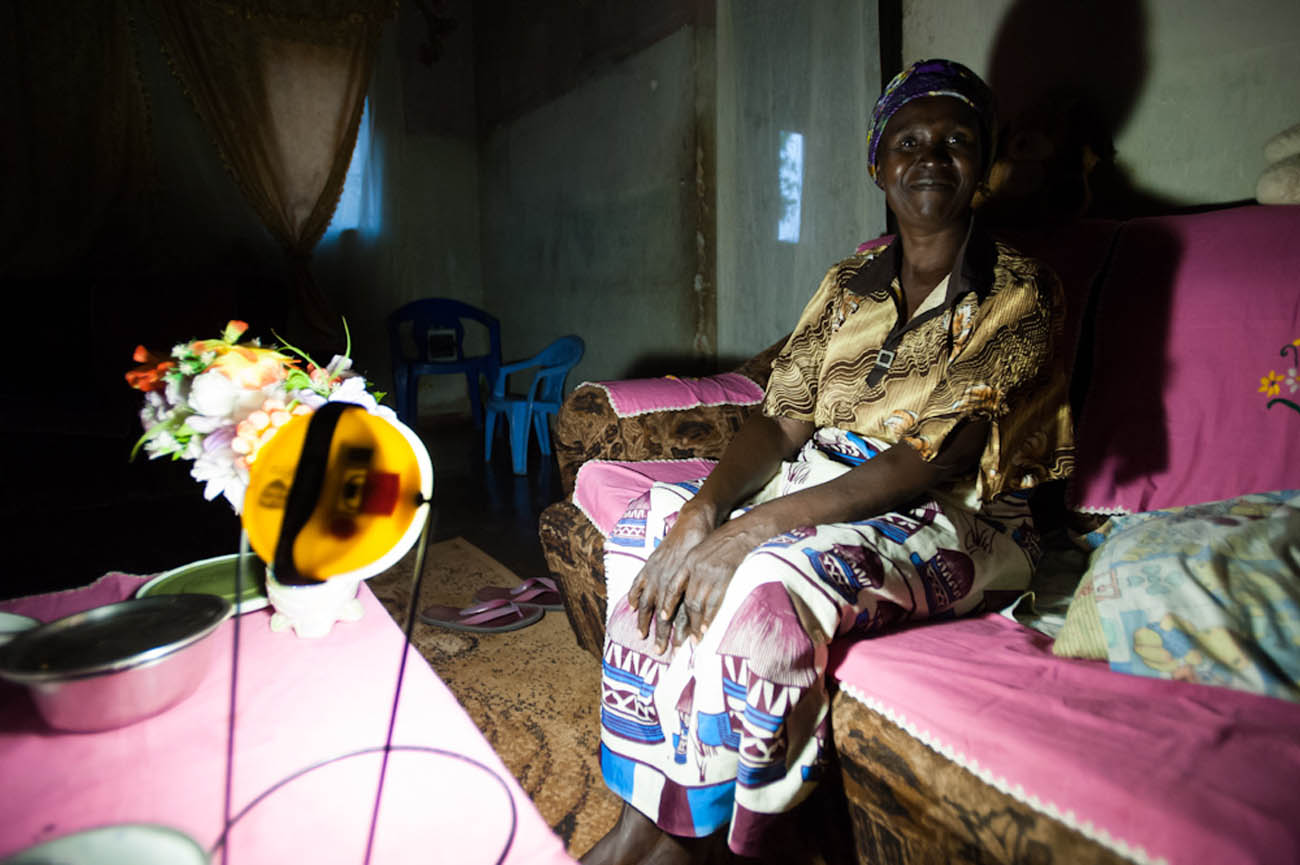
Woman with solar lamp.
Credit: Steve Woodward
Many of these communities are only about a kilometer away from the nearest grid. This happens mostly as a result of what we can think of as geographical difficulties: Maybe the community is on an island, or maybe the location is very sparsely populated—most of the time, the government only electrifies communities that have at least a few hundred people. This can become a self-fulfilling prophecy, since people leave those areas for the cities in order to get electricity and job opportunities.
So that’s one side of the energy access issue in Africa: Some people just don’t have electricity. Another side is that some people who are connected to the power grid can’t always rely on it when they need it. In countries like Nigeria, Ghana, Kenya, you still have a lot of blackouts. These happen in part because the utilities are in so much debt, which affects how efficiently they can operate.

Credit: Dreamstime
These blackouts don’t only affect people in their personal lives; they also affect businesses. We see this at CLASP. Our team in Nairobi works from home several days a week, but sometimes they have to come to the office anyway because of blackouts where they live. The office is the only place they’re sure they can get the electricity they need to be productive, because the generator in our building is always going to run.
People in all kinds of businesses are affected by electricity problems. Think about agriculture. Even though we have a lot of freshwater resources in Africa, it’s often hard for farmers to irrigate their crops because you need pumps to move that water and many farmers don’t have electricity to power those pumps. And if farmers can’t irrigate their crops, the crops don’t grow as well as they should, which keeps farmers’ incomes low and raises local food prices, which, in turn, impacts food security.
It’s also important to understand that people use energy to indirectly support their incomes. A long time ago, my father retired from the force and moved from the city to the village. That meant carrying all his appliances and everything to the village, where there was no electricity. So he bought a car battery to run this black-and-white TV. My mom started a bakery, and in the evening, people would come there to sit around and watch TV, and then they would buy bread and pastries as well. So that TV set indirectly contributed to my mom’s income. Without it, she would’ve earned less.
Baur: Thanks for that. CLASP believes that a significant percentage of the money devoted to building energy systems needs to be invested in appliances. That’s not a very intuitive idea; why do you think that’s important?
Aziebor: Well, electricity is like water flowing in a river. There are electrons all over the place, but they must be captured into usable form, and what makes that possible is appliances.
Let’s look at this issue from the macro level. Utilities set up generation plants and transmission systems to transfer those electrons to a point of distribution: a pole that is metered, with a wire that goes into a home. Currently, in the energy sector, we measure these poles and say things like, “We have connected 10,000 households to electricity.” But having that connection in your home doesn’t mean you can actually use those electrons. That can only happen through a device that draws that power and turns it into the services you need. That device could be a light bulb or a TV; it could be a fan or an air conditioner.
So the actual benefit of electricity only happens when people have appliances. And that’s actually true for the utility as well. If nobody uses the electrons they generate and transmit, utilities do not make profit. A lot of utilities in Africa are in debt, partly because people aren’t using the electricity that essentially just stops at the metering point.

The actual benefit of electricity only happens when people have appliances.Emmanuel Aziebor
This is what CLASP focuses on, and it has implications at every level of society. At the individual or household level, appliances can improve quality of life, reduce sicknesses, and improve incomes. For example, in very hot places like West Africa, it’s hard to sleep without an air conditioner or fan, and if you can’t sleep well, your quality of life and productivity suffer.
At the institutional level, if you, say, provide high-quality appliances in health clinics and hospitals, enabling things like reliable refrigeration of vaccines, the provision of healthcare improves. It also becomes more cost-effective because you’re not wasting valuable resources that you then have to buy more of.
And at the small business level, businesses that have appliances will be able to earn more profit. This is very important for economies in sub-Saharan Africa, since small and medium companies make up 95% of registered businesses in the region. Today, many of these businesses are struggling, for a wide variety of reasons. Having better access to devices that turn energy into the services they need could really be a game-changer.
So when you talk about community resilience, appliances play a major role. They help people access better information, higher incomes, and less sickness. Appliances are how we turn energy into opportunities, into comfort, into quality of life.

A cook at a Kenyan school uses an electronic cooker.
Credit: CLASP
This is a very important topic in Africa. But for a very long time, it hasn’t really been explained—even to government decisionmakers—from a strategic position.
Baur: What could African governments do to help more people access appliances? What types of interventions should they be thinking about when they decide where to spend money or what solutions to drive forward?
Aziebor: If you speak to African policymakers, the main things they’re concerned about are job creation and economic development. So that’s what we focus on.
Seventy percent of the population in sub-Saharan Africa is under 30, and many of these young people can’t find jobs. If they cannot get opportunities in-country, they move out, and then we see all this risk on the Mediterranean. So how can we encourage African governments to look at appliance access as a solution to that problem?
Basically, we say that one way to resolve issues around youth unemployment and economic development is to utilize the abundance of energy that is available. A lot of countries have installed grid capacity that is not being utilized. Well, what if we used that capacity to support rural enterprises? About 60% of the labor force in sub-Saharan Africa works in agriculture. So there are major opportunities there, and we already have a good idea of where interventions would do the most good. Most countries are mapped out into places where there is agricultural productivity, places where you can have agricultural processing. So we could say, “Okay, we know this area is good for rice production. Let’s get some irrigation systems into that area to produce more rice and get the youth involved in this business.” Then, we could encourage rice processing, which adds value—we can provide rice mills to help people get into that business. And then those workers would earn money that can be invested back into their businesses. So with appliances, governments can use energy to catalyze rural economic development.
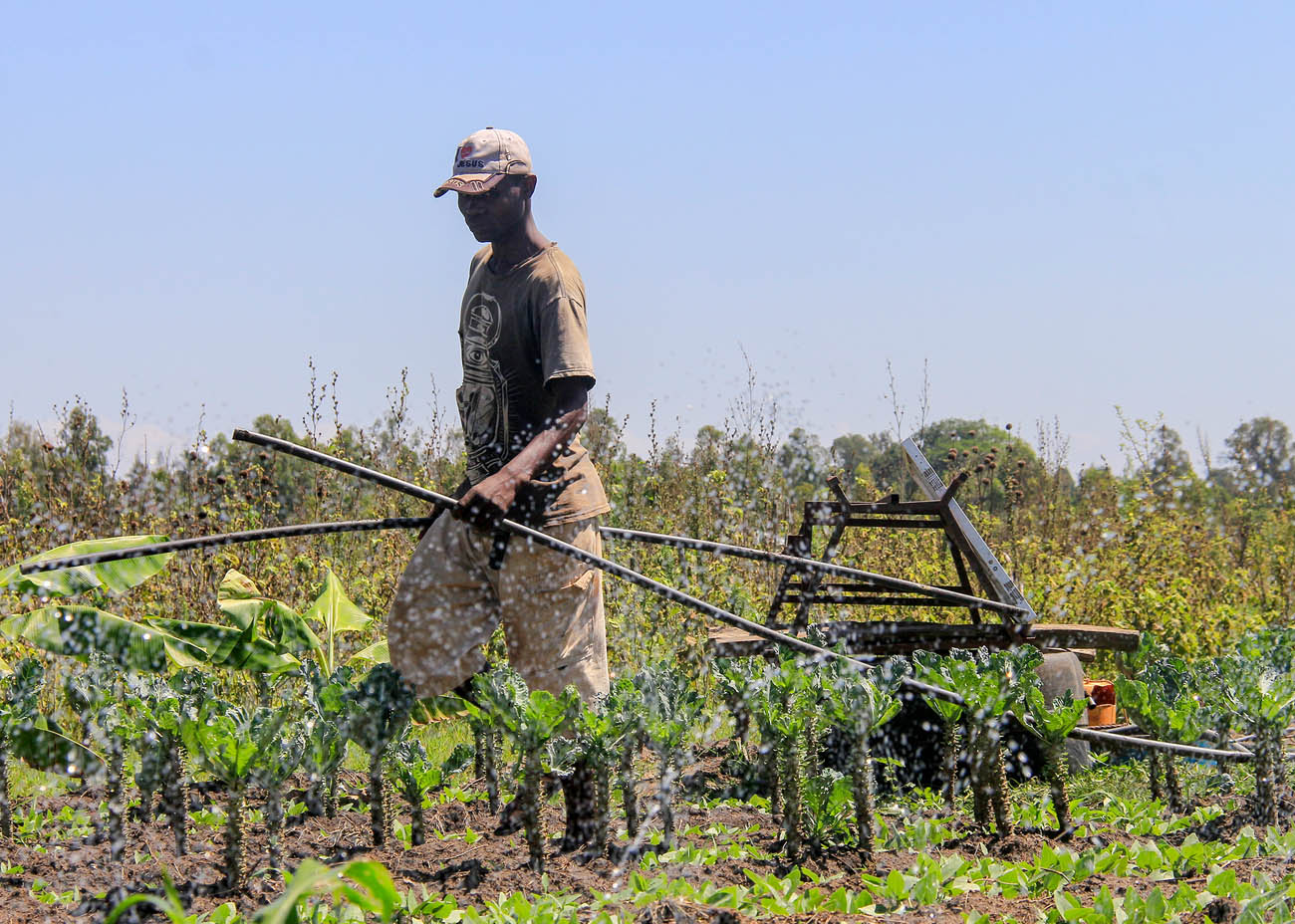
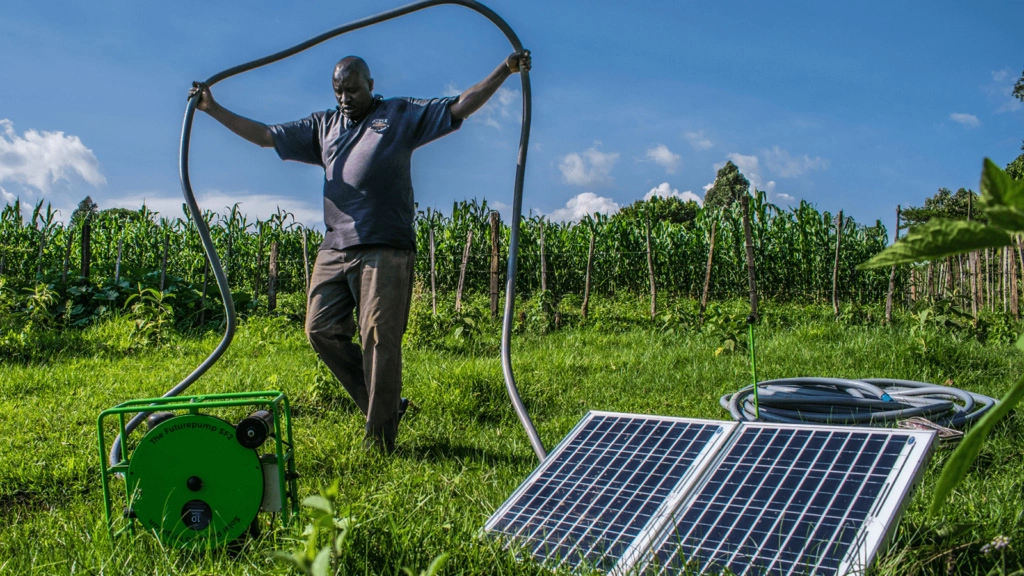
A farmer sets up a solar-powered sprinkler near Siaya, Kenya.
Credit: Futurepump
Another thing governments can do is introduce regulations to make appliances run more efficiently and eventually lead to lower consumption of energy. This may seem like a contradiction: If utilities need people to use more energy in order to be profitable, why would governments want appliances to use less energy? Well, the issue in Africa is that inefficient appliances have been dumped here for a long time. They overconsume energy, which creates an inflated need for grid capacity. And then governments build generation capacity to meet these inflated projections, which creates a huge delta in capital investment relative to the actual need. As a result, they’re spending money on power grids that could’ve been invested elsewhere, like schools or hospitals or job creation. Making matters even worse, these big generation capacities put the utilities in even greater debt because there aren’t enough appliances to use them all.
So our hypothesis here is that if we introduce efficiency regulations into the appliance sector, it allows the government and utilities to right-size the grid and right-size their capital spending.
Baur: Can you give examples of where this kind of approach has been tried and found successful?
Aziebor: Well, if you look at appliance dumping, African leaders have been at the forefront of a lot of these initiatives. For a long time, companies have sent products they can no longer sell in other parts of the world to the continent. This was happening with fluorescent lighting, which is extremely toxic, and African policymakers pushed back, which was instrumental in getting global agreement to phase out the production of fluorescent bulbs.
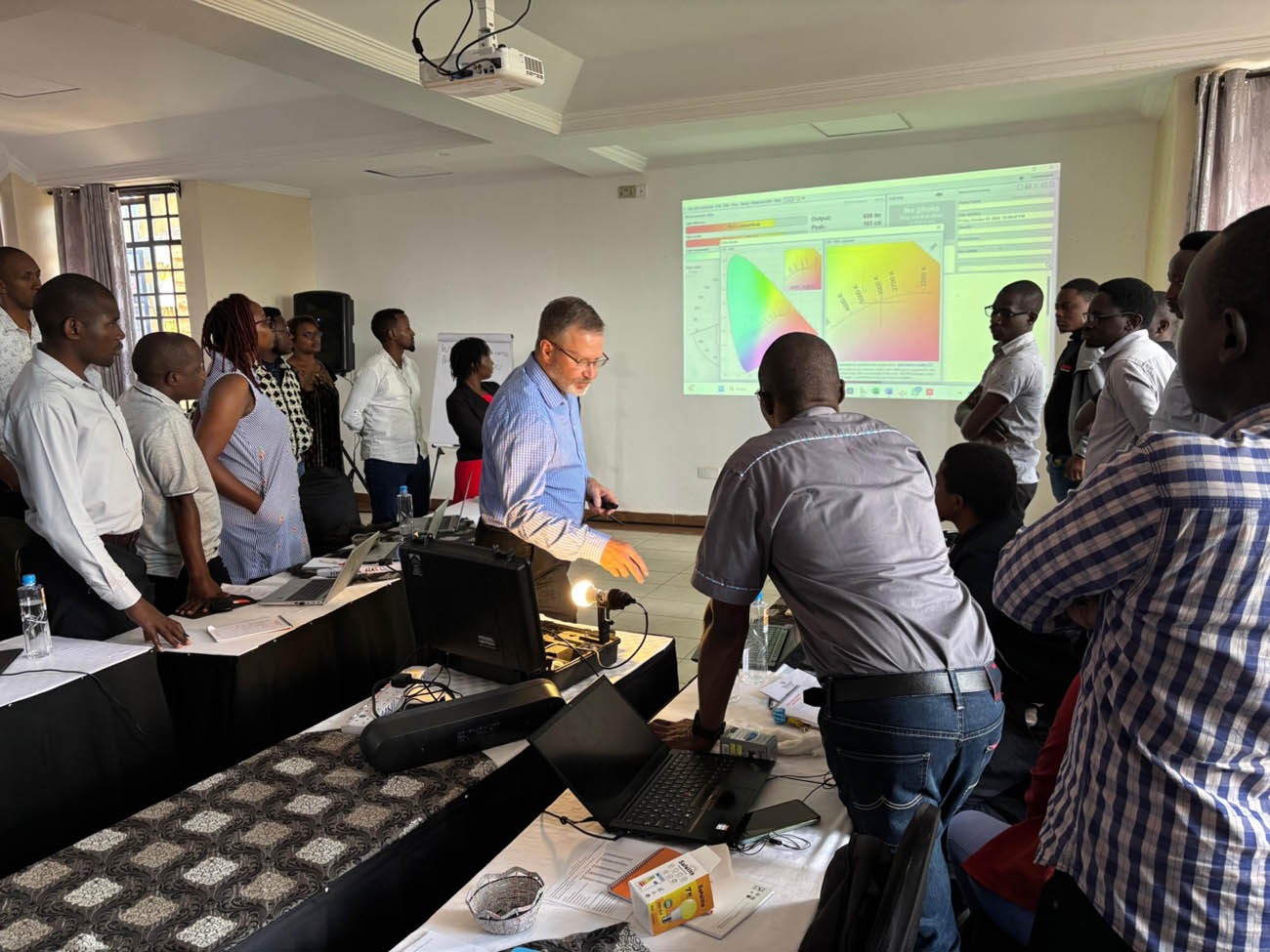
Lighting policy workshop in Kenya.
Credit: CLASP
I haven’t seen a large-scale program for other appliances, but I will mention a related example. Some time ago, the national government in Ghana came up with a way to transition all urban communities from charcoal to LPG (liquefied petroleum gas) as a cooking fuel, because we have abundant natural gas resources and the use of charcoal was causing deforestation in rural communities. So what did they do? They basically set up a government-owned LPG cylinder manufacturing company. They said, “Everybody, you’re going to get a subsidized cylinder and your first LPG fill-up is going to be free.” They also used a portion of taxes from petrol sales to fund the LPG program. All that helped people get used to cooking with LPG, since cooking is so cultural.
This program has been running for more than more than 20 years. Now, if you go to urban homes in Ghana, every one has a gas cylinder that they are using.
So this is one clear example where at the national level, the government drove adoption. And we see successful examples all the time with other kinds of infrastructure. The government provides the funding to build the airport and we all pay for flights to keep it operating. The government builds the road and we all pay a toll to use it. So these things can be translated into conversations about appliances—how public capital could be used at scale to address a particular solution.
But one problem we have in the appliance sector in Africa is that there are too many Mickey Mouse pilot projects. The problem has always been around scaling.
That means the government needs to be involved. For a very long time, we’ve had the impression that the private sector and nonprofits are the most important partners in the appliance sector. The idea was that nonprofits bring the money to derisk the private sector. But we must flip this equation. To reach the scale we need, we need to bring government to the table very early on.
The government is a fulcrum around which we all must build. The nonprofit brings philanthropic capital, the private sector brings commercial capital, and governments bring public capital to scale. But if we are not looking at scale with that equation in mind, it becomes difficult. We must be intentional. We know solar water pumps work; we know green milling can become a conduit for local economic development. So how can we get governments to scale these solutions, creating national programs where they invest public money into resolving both job creation and access-related issues? That is where I think the conversation should be.
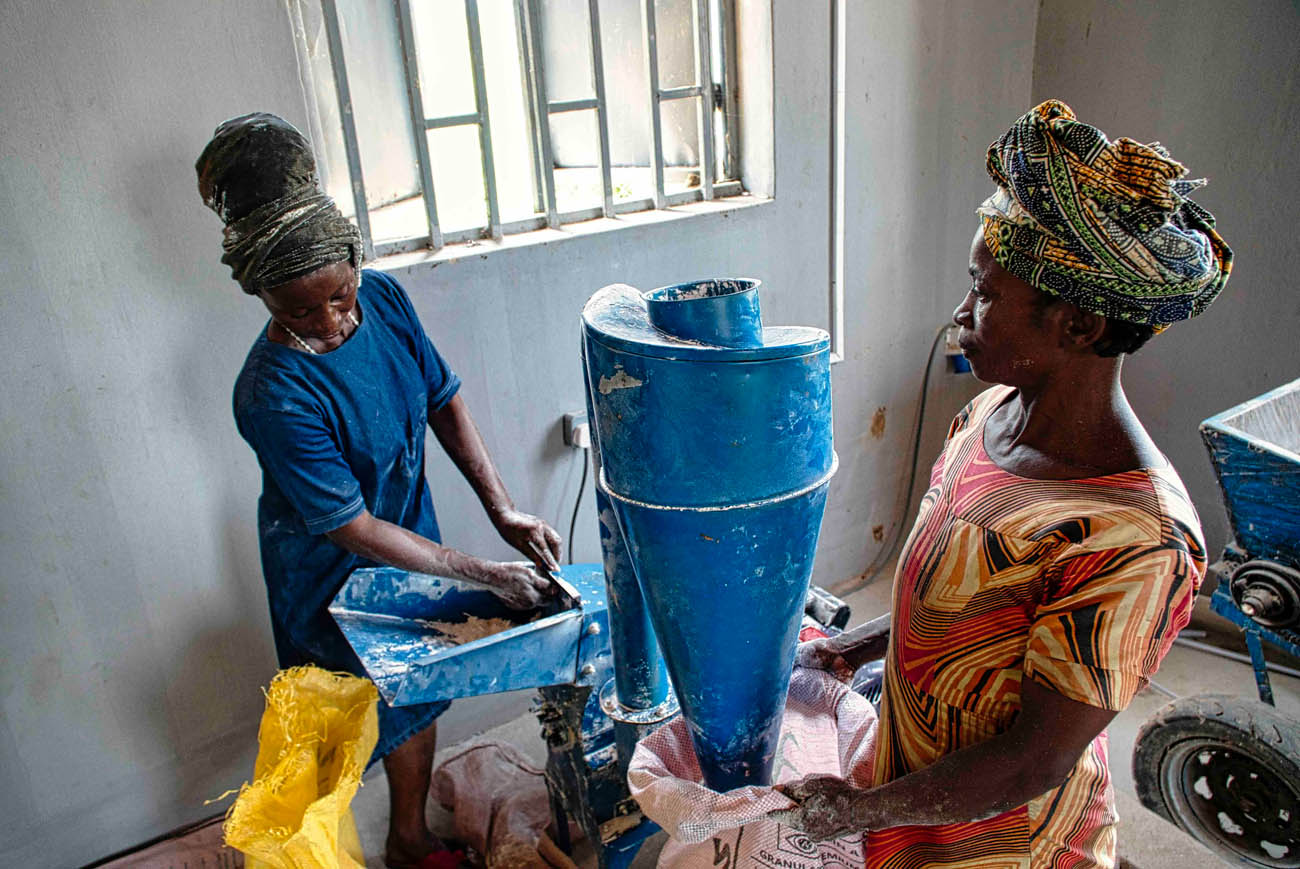
Women use a solar-powered mill in Nigeria.
Credit: CLASP
Take a company like SunCulture, which makes solar irrigation. So far, they’ve sold about 200,000 solar pumps, which is just a drop in the bucket compared to the need, even just in Kenya. But what if we were able to partner with the government of Kenya to say, “We’re going to put public money in the budget to support to every corn farmer in Kenya. All you need to go is to go to your district government, sign up, and then you get a subsidized solar water pump.” That is what we need to scale these solutions, and that is how the issues around jobs and incomes can be addressed.
I want to wake up one day and find that my nonprofit job no longer exists because this problem has been solved. That’s how I’ll know we’ve succeeded. But that requires that public capital and public partnership.
Interview edited and condensed.
Learn More

India Raises AC Efficiency Amid Growing Demand
India is facing hotter summers and more frequent heatwaves, making cooling essential for millions of households. About 110 million room air conditioners (ACs) are already in use in the country, which is expected to add another 130–150 million units over the next decade, making it one of the fastest-growing cooling markets in the world. The International Energy Agency (IEA) forecasts a ninefold rise in home AC ownership in the country by 2050. This growth could increase peak power demand by more than 180 gigawatts (GW) by 2035, putting significant strain on the power system.
Yet access to cooling remains highly unequal. Only about 8% of India’s 300 million households own an AC, with higher-income urban families accounting for most of this group. Rural AC ownership remains at around 1%, and the richest 10% of households hold the majority of ACs.
Why efficiency matters
Without stronger energy efficiency standards, the growth in AC ownership will lock in high energy use, drive up emissions, and increase household energy costs. Efficient ACs reduce electricity consumption, lower peak demand on the grid, and make cooling more affordable.
India’s energy labeling program has already helped buyers choose better-performing ACs and has shaped the market toward higher efficiency, but more can be done.
India’s new room AC efficiency standards
To meet the rising cooling demand, the Bureau of Energy Efficiency (BEE) in India has approved stringent efficiency standards for room ACs, effective January 2026, with further revisions in 2028, which will put India’s standards at global best levels. The standards establish minimum efficiency levels that appliances must meet, encouraging the use of more energy-efficient models.
By 2030, the new efficiency standards could reduce India’s peak electricity load by 8–10 GW, avoiding the need for more than 20 large coal power plants. Consumers could collectively save $12 billion on electricity bills annually, making cooling more affordable, especially for low and middle-income households. At the same time, they could help the country avoid up to 12 megatons (Mt) of CO₂ emissions annually.
India’s efficiency journey
The BEE has led India’s AC efficiency journey for nearly two decades. It introduced the star labeling system for room air conditioners in 2006 to remove inefficient appliances from the market and enable informed decision-making for consumers who might purchase high-efficiency products. Since then, baseline standards have been periodically tightened, resulting in a 43% energy efficiency improvement in ACs sold in the country. Inverter ACs, which are more energy-efficient, now dominate the domestic market, and companies have adopted a default temperature of 24°C to save energy.
These standards advance the goals of the India Cooling Action Plan (ICAP), which targets a 20–25% reduction in cooling demand by 2037–38 through efficient appliances, sustainable refrigerants, and improved building design.
By promoting efficient cooling, India is managing energy use, strengthening resilience against extreme heat, protecting public health, and creating jobs in manufacturing, testing, and supply chains.
Data-driven support for stronger standards
CLASP supported BEE by providing robust, evidence-based analysis to ensure that the new standards are both ambitious and achievable. It built clear evidence through product tests and an analysis of the Indian market, demonstrating that upgraded standards were both technically achievable and practical. It conducted affordability and feasibility studies and reviewed global pricing trends. It also assessed the financial performance of publicly listed companies and original equipment manufacturers (OEMs). The analysis confirmed that higher efficiency was financially viable. By providing this evidence, CLASP helped ensure that the revised standards are technically sound, cost-effective, and aligned with India’s goals of reducing electricity demand, emissions, and consumer costs.
India’s approach shows that fast-growing economies can expand access to cooling without harming the environment. Higher efficiency will also spur the adoption of next-generation ACs, creating new jobs in manufacturing, design, and testing, and contributing to economic growth.
Pathways to Prevent Dumping of Climate Harming Room Air Conditioners in the Global South
Low-efficiency, climate-harming room air conditioners are common across the Global South. This is due largely to a practice known as environmental dumping, which raises costs for consumers, strains national electric grids, and jeopardizes climate mitigation targets.
What is environmental dumping?
When appliances that don’t meet the regulatory standards of the countries where they are manufactured are export to countries with lower or no standards, this is considered environmental dumping.
Environmental dumping of room air conditioners is a common practice, resulting in high volumes of low-efficiency, high-global-warming potential (GWP) room air conditioners in countries that lack stringent room AC standards and refrigerant regulations.
This occurs across the Global South, as research by CLASP and the Institute for Governance & Sustainable Development (IGSD) with support from the Climate and Clear Air Coalition (CCAC) has revealed. Studies from Africa (2020), Southeast Asia (2023), and Latin America & the Caribbean (2026) have confirmed that low-efficiency, high-GWP cooling appliances are prevalent in all three regions.

What are the impacts on people & planet?
As temperatures rise around the globe, the demand for cooling appliances is growing rapidly. The number of ACs in use is projected to grow from 1.6 billion units in 2023 to 5.6 billion in 2050, according to the IEA. Despite that, only 15% of the 3.5 billion people living in warm regions have air conditioning. Making cooling more accessible requires overcoming a key barrier: affordability.
The prevalence of low-efficiency room air conditioners in the Global South makes this more difficult to achieve, as these appliances cost consumers more to run.
Low-efficiency, high-GWP room air conditioners also strain electricity systems and lock countries into higher energy use and emissions, slowing progress toward national and global climate goals.
How can environmental dumping be prevented?
Ambitious national appliance efficiency policies are a powerful way to help markets shift toward next-generation technologies that lower electricity costs and cut CO₂ emissions. Complementary government action on obsolete refrigerants can further speed the transition to climate-friendly alternatives.
Still, no single country can tackle environmental dumping or the spread of outdated, high-emission products alone. Addressing these challenges requires shared responsibility and close collaboration among governments, industry, civil society, and international partners.