
Find CLASP at the Asia Clean Energy Forum 2025
CLASP will participate in the Asia Clean Energy Forum (ACEF) 2025 this 2 to 6 June. This conference brings together regional representatives from government, finance, and industry. The 2025 theme, “Empowering the Future: Clean Energy Innovations, Regional Cooperation and Integration, and Financing Solutions,” underscores the need for practical, people-centered strategies, coupled with finance to accelerate the energy transition.
Asia at the center of the energy transition As the climate crisis intensifies, and clean energy targets grow more ambitious, Asia’s role is increasingly pivotal. The region is home to over half the world’s population and includes some of the largest manufacturing and agricultural economies. This makes Asia critical to advancing energy efficiency and global decarbonization efforts.
CLASP’s regional impact
Across Asia, CLASP’s programs focus on:
- Advancing appliance energy efficiency policies
- Facilitating climate-aligned financing solutions for off-grid appliances
- Strengthening cold chain infrastructure
- Promoting demand-responsive energy use for cooling appliances
These initiatives reduce emissions while delivering benefits like improved livelihoods, economic development, and energy security.
Join CLASP at the following sessions at ACEF 2025:


CLASP Supports Water Efficiency in South Africa
South Africa is taking a major step toward water sustainability by developing its first Water Efficiency Labelling Scheme (WELS). This national initiative will help reduce water consumption, lower energy demand, and advance the country’s climate goals.
The scheme will introduce standardized labels for products such as taps, toilets and showerheads to help people and businesses make smarter choices that save water and lower costs. It is being led by the Department of Water and Sanitation (DWS) in partnership with the South African National Energy Development Institute (SANEDI), Water Research Commission (WRC), Department of Trade, Industry and Competition (dtic) with technical support from CLASP.
CLASP experts provided timely research that helped shape the scheme. Their in-depth analysis found that adopting water-efficient products—especially for faucets and showerheads—could help South Africa save over 1 trillion litres of water, reduce energy use by 18 terawatt-hours, and avoid 16 million tonnes of carbon dioxide emissions each year.

“This scheme lays the groundwork for widespread adoption of water-efficient technologies in homes and commercial buildings. It supports smarter consumer decisions and accelerates progress toward climate resilience,” Angellah Wekongo, Senior Associate at CLASP.
The WELS initiative comes at a critical time, as South Africa faces growing water stress and a projected 17% shortfall by 2030. CLASP’s research shows that appliance energy efficiency is one of the most cost-effective means of reducing emissions, improving resilience for climate-vulnerable communities, and supporting sustainable development.
“We work with policymakers around the world to provide technical expertise and cutting-edge research on how to achieve international best practice in appliance efficiency. Water efficiency is a strategic priority, and our partnerships in South Africa are key to strengthening climate action and advancing sustainability across Africa,” Anne Muhonja Songole, CLASP’s Africa Climate Manager.
About CLASP
CLASP is the leading global authority on efficient appliances’ role in fighting climate change and improving people’s lives. An international NGO with 25 years of expertise and offices on four continents, CLASP collaborates with policymakers, industry leaders, and other experts to create a more sustainable future for people and the planet.
E-Cookers Bring Clean Cooking to Schools in Kenya
Firewood is the primary cooking fuel in many Kenyan schools, contributing to deforestation, air pollution, and poor health. But with electricity now reaching around 75% of the country, there is a great opportunity for cleaner, safer, and more efficient cooking.

CLASP is partnering with Kenyan innovators Ecobora to expand access to clean cooking solutions in schools across Kenya. Through the Efficiency for Access e-cooking project, the team is testing how electric cooking can replace biomass fuels in school kitchens and other institutions in Kenya. This research will inform the design, deployment, and operation of commercial electric cooking technologies and directly impact how schools feed students in the country.
Ecobora’s award-winning electric cooker is purpose-built for large-scale use. This clean energy innovation features a patented thermal conversion system that enables faster, even cooking. The appliance includes a self-cooking function and supports both solar and electric power for maximum efficiency and flexibility. By eliminating firewood use, it cuts indoor air pollution significantly providing a healthier workplace for the chefs and conserves Kenyan forests. When powered by the sun, it eliminates energy costs, so is much cheaper to run.

Photo by: CLASP
To date, the project has brought electric cooking to nine schools across seven counties in Kenya, helping feed over 12,000 students. These e-cookers are actively in use and consistently show that electric cooking is not only efficient, reliable, and affordable, but also capable of producing delicious meals, including traditional Kenyan dishes.
The Efficiency for Access coalition is co-managed by CLASP and Energy Saving Trust.
About CLASP
CLASP is the leading global authority on efficient appliances’ role in fighting climate change and improving people’s lives. An international NGO with 25 years of expertise and offices on four continents, CLASP collaborates with policymakers, industry leaders, and other experts to create a more sustainable future for people and the planet. CLASP and our partners are dedicated to solving the world’s most pressing, interconnected crises: the climate emergency, poverty, inequality, and access to energy.
2024 CLASP Annual Report
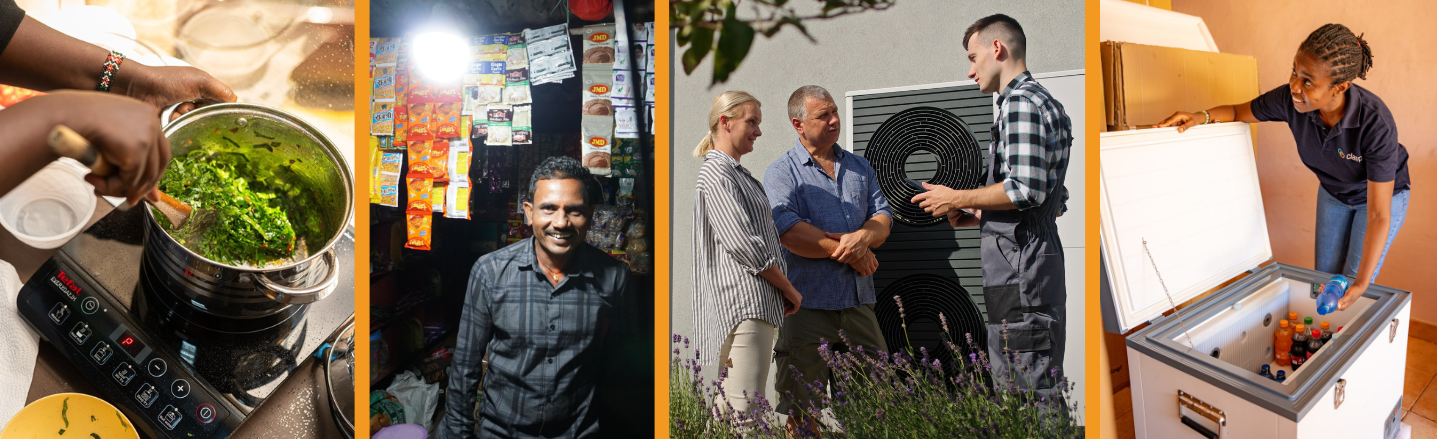
Appliance energy efficiency is a proven, affordable, and scalable way to reduce climate emissions and improve the lives of millions.
Efficient appliances and equipment are essential infrastructure that turn energy into opportunities for people to thrive. In 2024, CLASP stayed steadfast in our mission to help communities around the world harness the power of efficient appliances to slash emissions, drive sustainable development, and support climate adaptation and resilience. We support leaders to realize the cross-cutting climate, health, and economic benefits of efficient appliances for people and planet.
2024 was a busy year as CLASP celebrated 25 years of impact with our global network of partners. In the same year CLASP expanded into new geographies, grew our global team, and fueled progress with sector-leading evidence.
With five regional offices spanning the globe, CLASP collaborates with governments, industry, civil society, and other key stakeholders to emphasize how appliance efficiency can improve the lives of billions of people and reduce the impact of climate change.
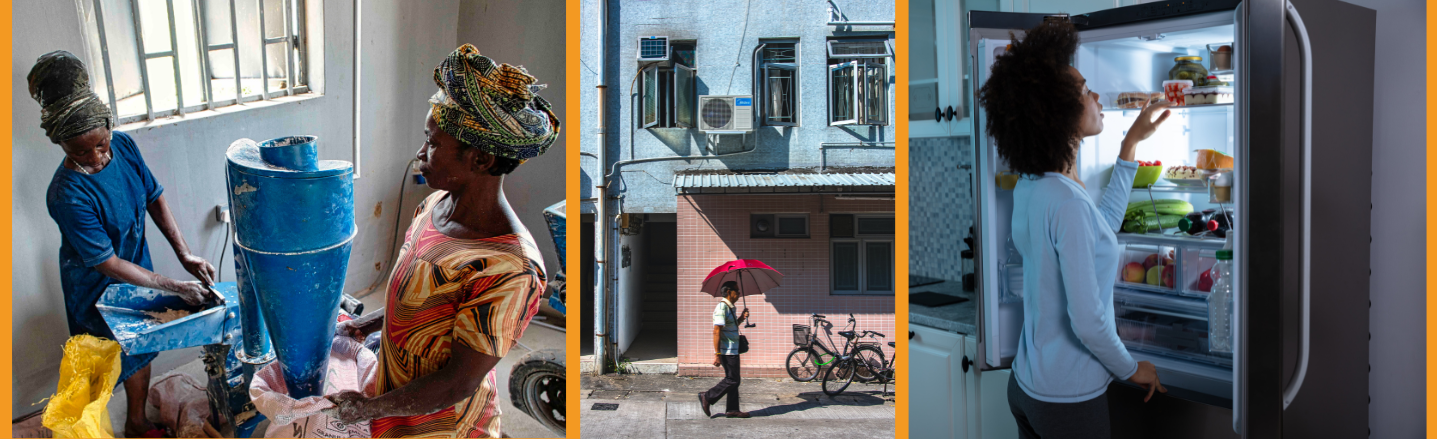
Accelerating Ambitious Climate Action
CLASP helps governments make appliances climate-friendly and people-positive through ambitious policy. In 2024, CLASP supported the adoption of 28 policies that will avoid 3.3 gigatons (GT) CO2 by 2050.
Cooling Access to reliable cooling is crucial in a rapidly warming world. In India, CLASP supported government officials in driving ambitious policy for climate-friendly cooling appliances to promote healthier, productive lives. New and revised space cooling and refrigeration policies in India will avoid 80 megatons (Mt) CO2 by 2050.
Lighting The global transition to efficient LED lighting continued to pick up speed, following the historic decision at the Minamata Convention on Mercury in 2023. Ten US states, comprising over 20% of the national lighting market, have taken decisive action in favor of a future lit by efficient, mercury-free LED lightbulbs, cumulatively avoiding 35 Mt of CO2 by 2050.
Cooking Electric cooking solutions are a healthier, safer way to cook instead of burning fossil fuels. CLASP supported the European Commission with evidence-backed recommendations to boost efficiency and aided in the development of a new method for testing and improving the efficiency of hobs.
Motors Motors account for the largest share of climate emissions in the appliances sector, so prioritizing their efficiency is critical. New motor policies in China and South Africa will avoid nearly 2 Gt and 40 Mt CO2 by 2050, respectively. In Pakistan, CLASP supported a new motor policy that will avoid 127 Mt CO2 by 2050 and is working with local partners to enhance the expertise of the local motor industry.

Net Zero Appliance NDC Toolkit
From Albania to Zimbabwe, the Net Zero Appliances NDC Toolkit outlines how policymakers can include appliance efficiency in nationally determined contributions (NDCs) to the Paris Climate Agreement. CLASP’s innovative, user-friendly toolkit offers customized data to support over 160 countries to reduce their national emissions by including appliance efficiency in their climate action plans.
Scaling Sustainable Energy Access
Climate-vulnerable communities around the world need affordable, efficient appliances to strengthen food security, improve healthcare, and unlock economic opportunities. In 2024, CLASP focused on research, financing, and new partnerships to make transformative appliances accessible for those who need them most.
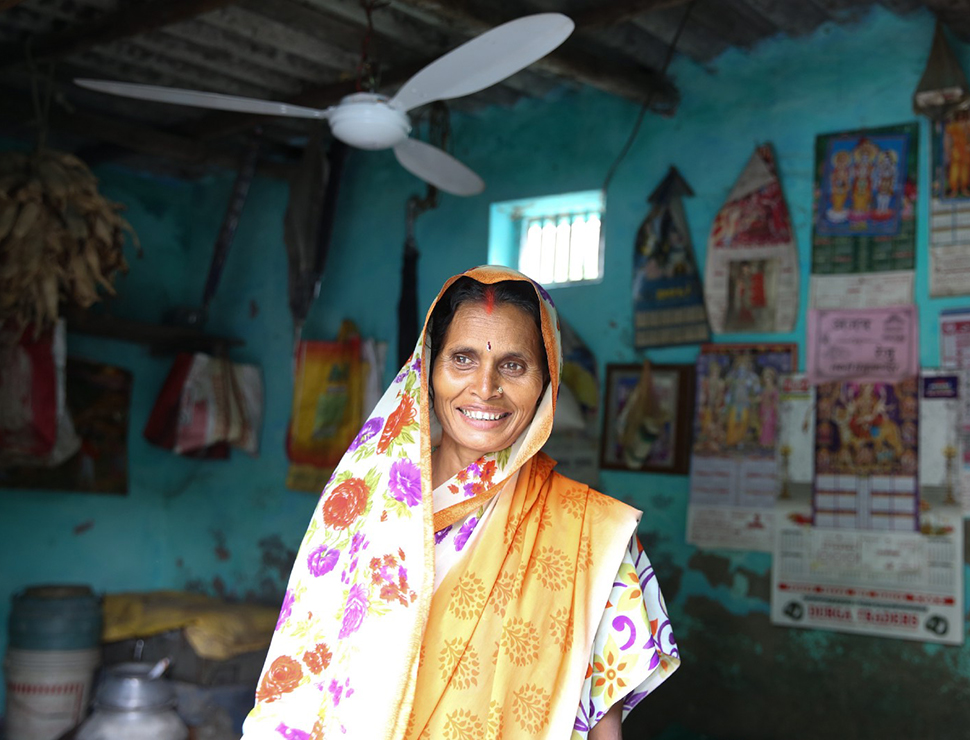
Research to Bridge the Energy Access Gap
The Leave No One Behind report, authored by CLASP through the Efficiency for Access Coalition, reveals a massive access gap: less than 2% of the need for off-grid solar appliances is being met, leaving more than half a billion people without life-changing appliances. Scaling up solar-powered appliances in a way that people can afford them requires collaboration across governments, the private sector, and development partners. The opportunity is tremendous and now is the time to act.
See the Research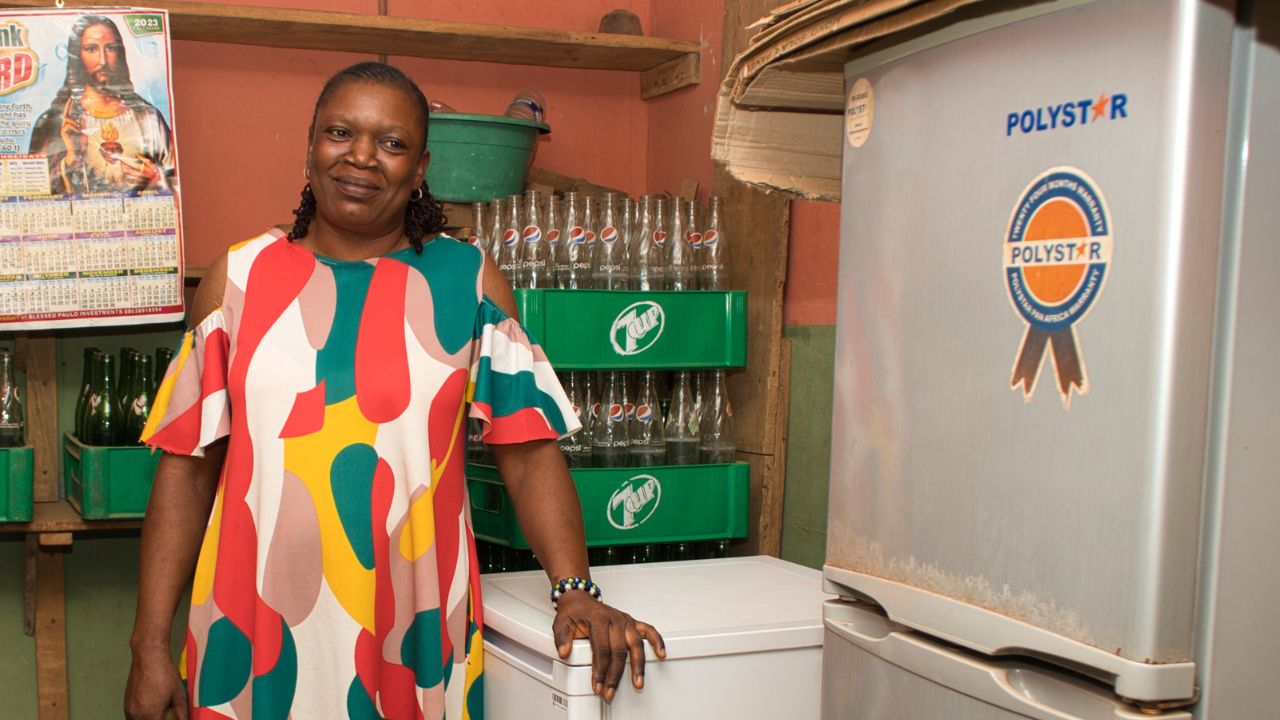
Financing for Productive, Healthy Futures
CLASP’s Productive Use Financing Facility, supported by the Global Energy Alliance for People and Planet (GEAPP), makes appliances more affordable to consumers and businesses in emerging markets in Africa. In 2024, the facility continued to improve lives, create jobs, and drive economic growth, by expanding access to solar water pumps, mills, and refrigerators.
Explore the Impact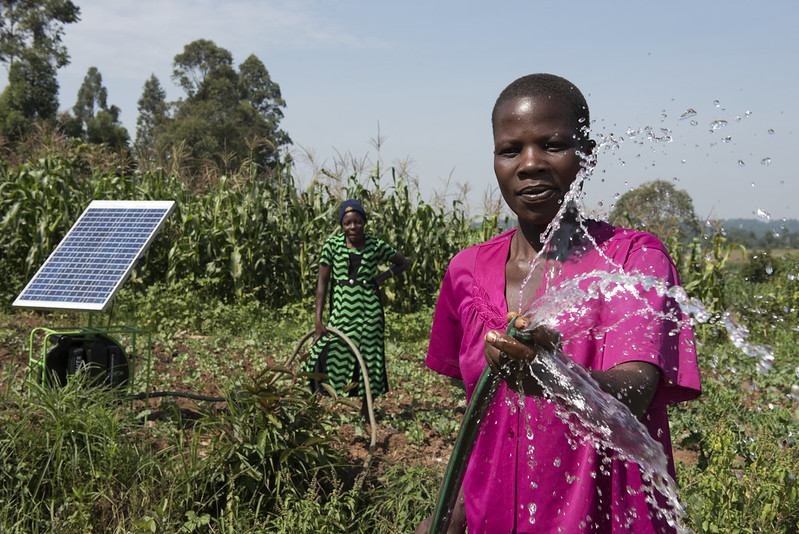
Energy Access Institutions Facility
In 2024, CLASP took on the management of the Energy Access Institutions Facility - a joint donor initiative to support and strengthen the institutions in Africa and Asia that are essential to achieving the Sustainable Development Goal 7: Universal access to affordable, reliable, sustainable, and modern energy by 2030. These institutions are key for scaling energy access by driving collaboration across the sector, attracting inclusive investment, shaping national and international energy policies, building local capacity, and supporting research and innovation.
Read the AnnoucementCLASP’s Global Presence
CLASP showcased the transformative power of energy efficient appliances, lighting and equipment by bringing our innovative solutions, international expertise, and industry collaboration to key global events.
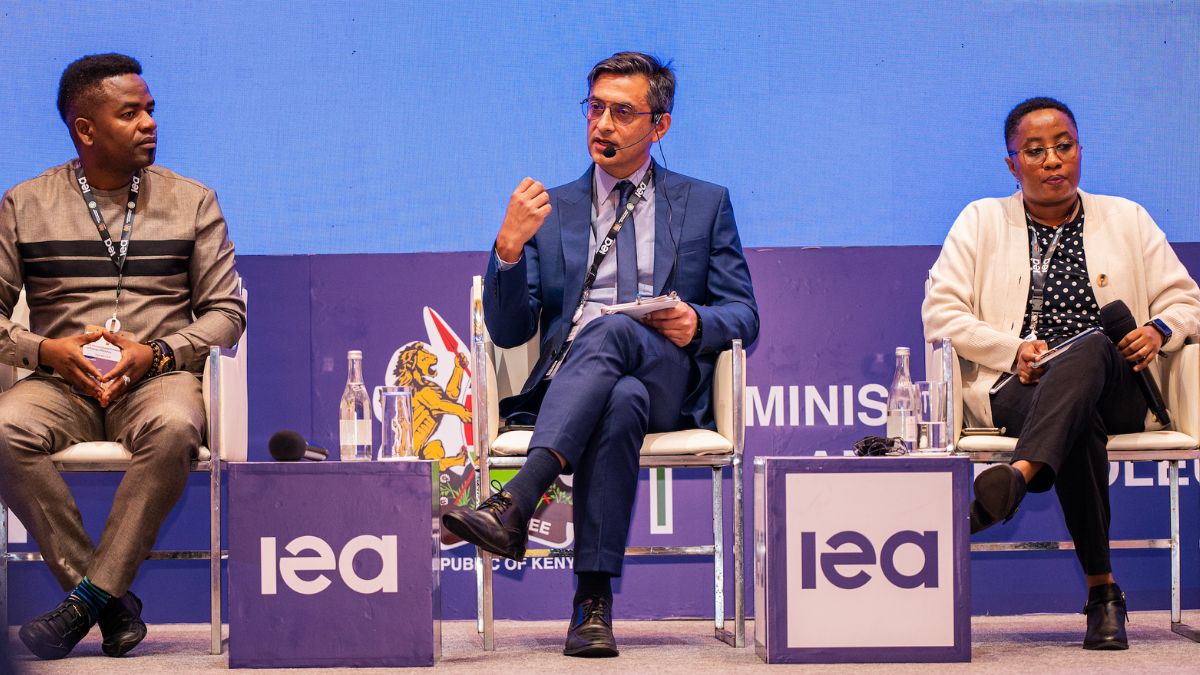
1. International Energy Agency’s (IEA) 9th Annual Global Conference on Energy Efficiency
CLASP experts participated in the IEA’s 9th Annual Global Conference on Energy Efficiency in Nairobi, Kenya, presenting appliance efficiency as a proven solution for cutting emissions.
CLASP’s Bishal Thapa (center) discusses the role of modern, energy-efficient cooking appliances in advancing clean energy transitions.
Photo by IEA.
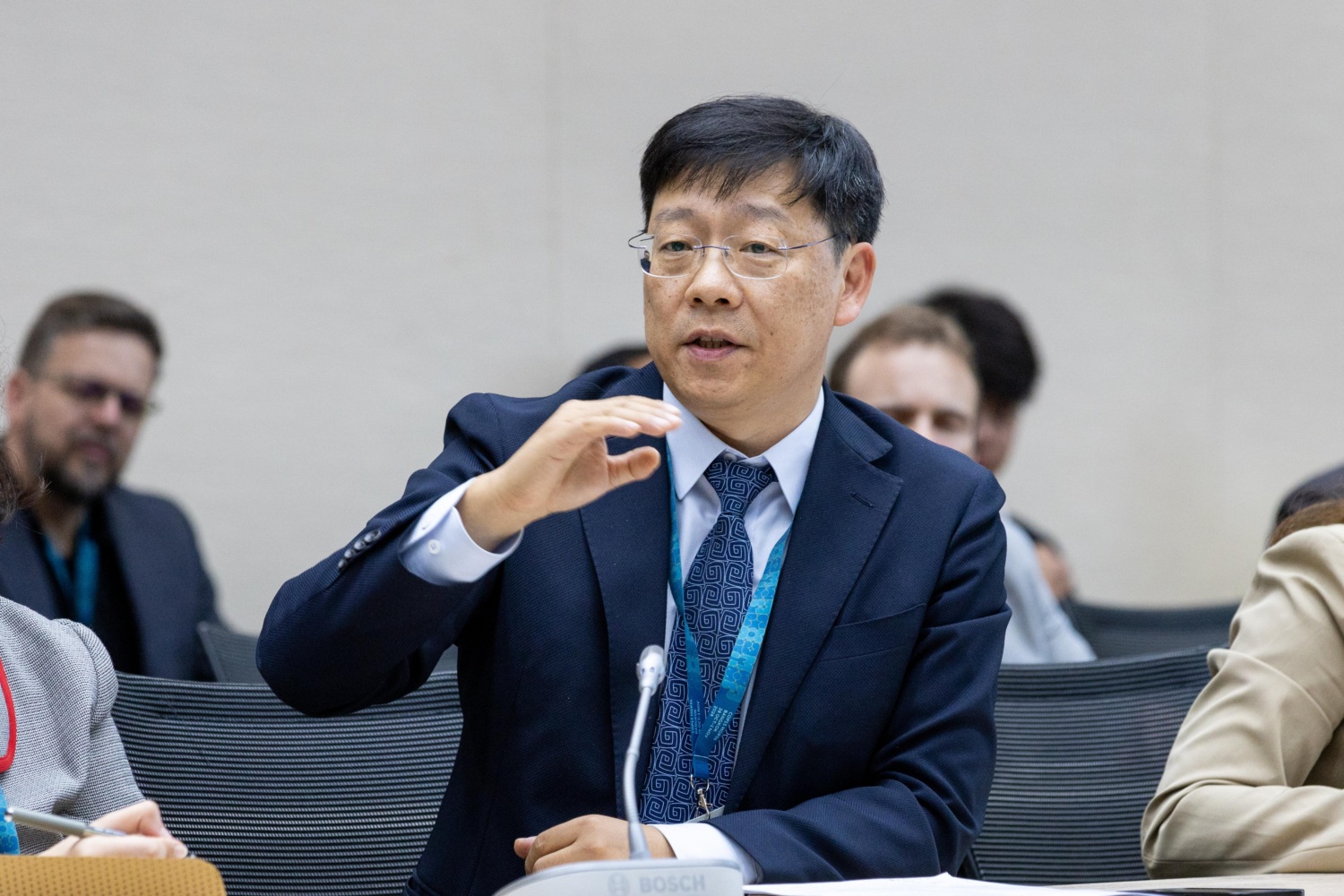
2. Thirty-Sixth Meeting of the Parties to the Montreal Protocol on Substances that Deplete the Ozone Layer (MOP36)
CLASP and partners organized an official side event at MOP36 in Bangkok, Thailand, gathering experts from the energy, development, and cooling sectors.
CLASP’s Steven Zeng speaks about efficient cooling technologies at MOP36.
Photo by IISD.
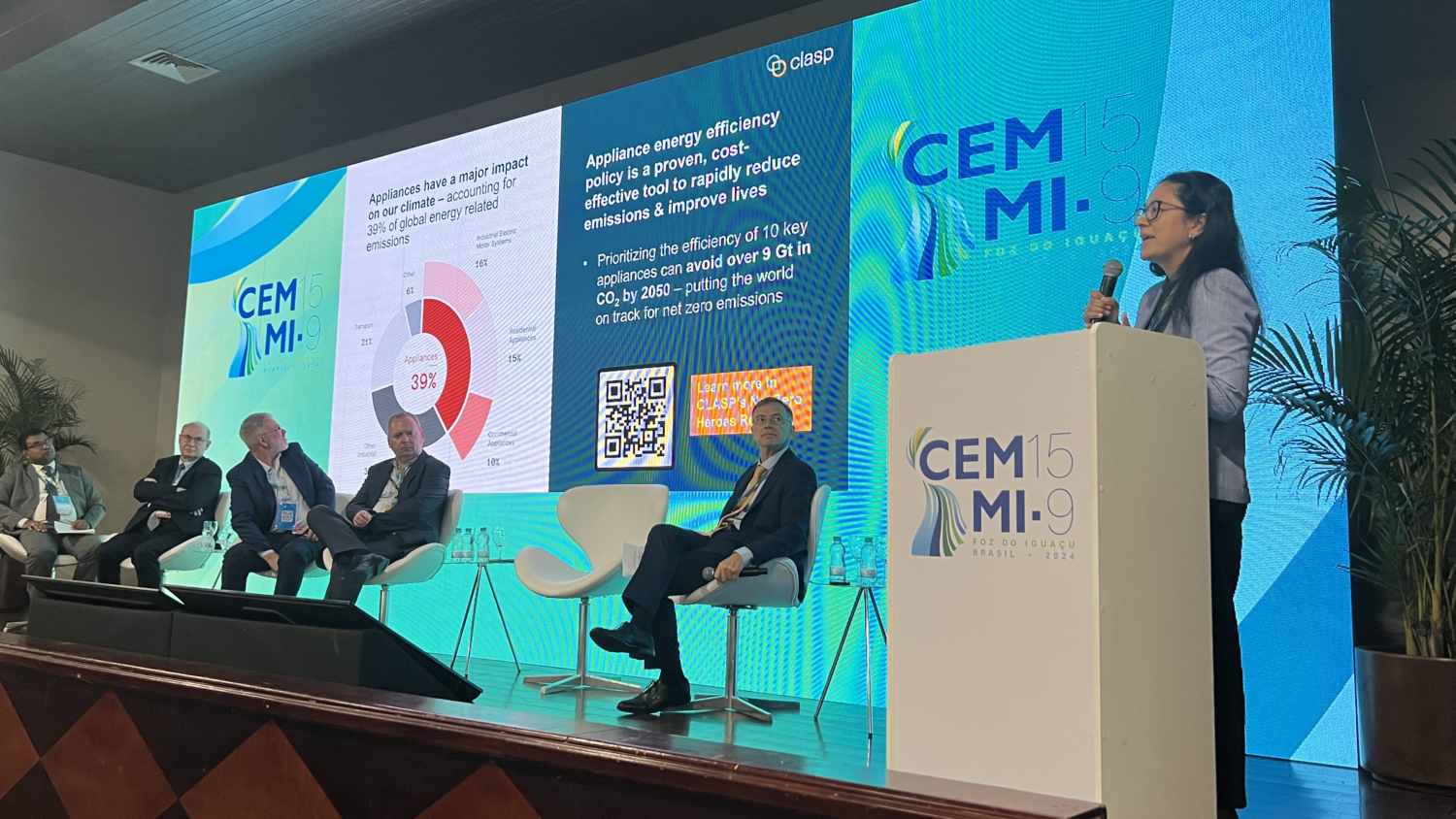
3. 15th Clean Energy Ministerial (CEM15)
At CEM15 in Brazil, CLASP co-hosted a side event exploring strategies to boost investments as countries push to double energy efficiency and achieve net zero emissions.
CLASP’s Ana Maria Carreño (right) highlights how energy efficiency policies drive investment in industrial innovation and boost market demand for more efficient appliances.
Photo by CLASP.
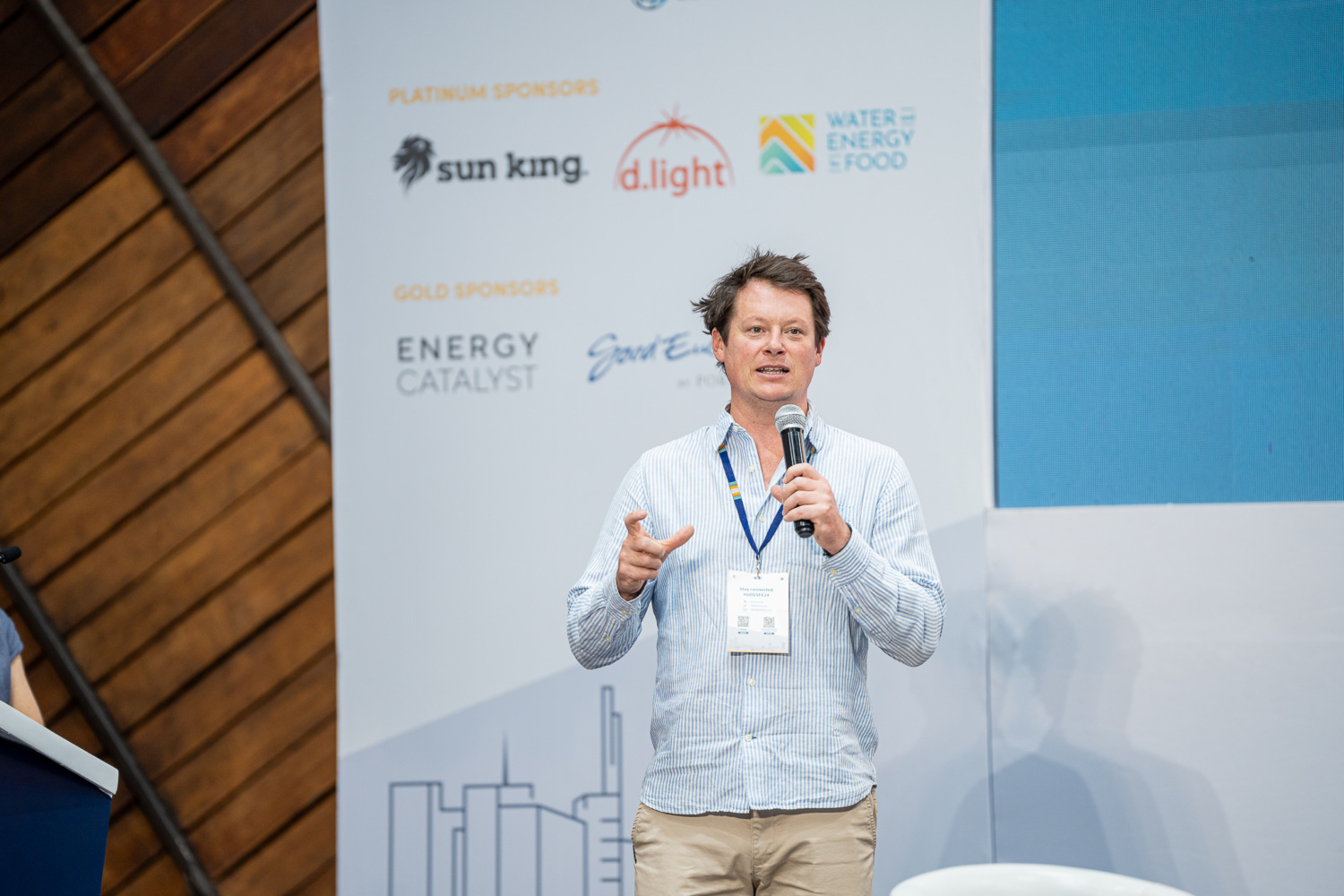
4. Global Off-Grid Solar Forum and Expo 2024 (GOGSFE24)
Experts from CLASP joined GOGSFE24, collaborating with partners to spotlight innovations in off-grid solar technologies in Nairobi, Kenya.
CLASP’s Sam Grant discusses solutions for the off-grid sector to tap into carbon finance opportunities through the Voluntary Carbon Market.
Photo by CLASP.

5. Global Off-Grid Solar Forum and Expo 2024 (GOGSFE24)
At GOGSFE24, in Nairobi, Kenya, CLASP hosted three key events, showcasing how energy-efficient appliances boost rural livelihoods and strengthen climate resilience.
CLASP’s Nyamolo Abagi, representing the Efficiency for Access Coalition, presents data on the transformative impact of solar mills for women and children.
Photo by CLASP.
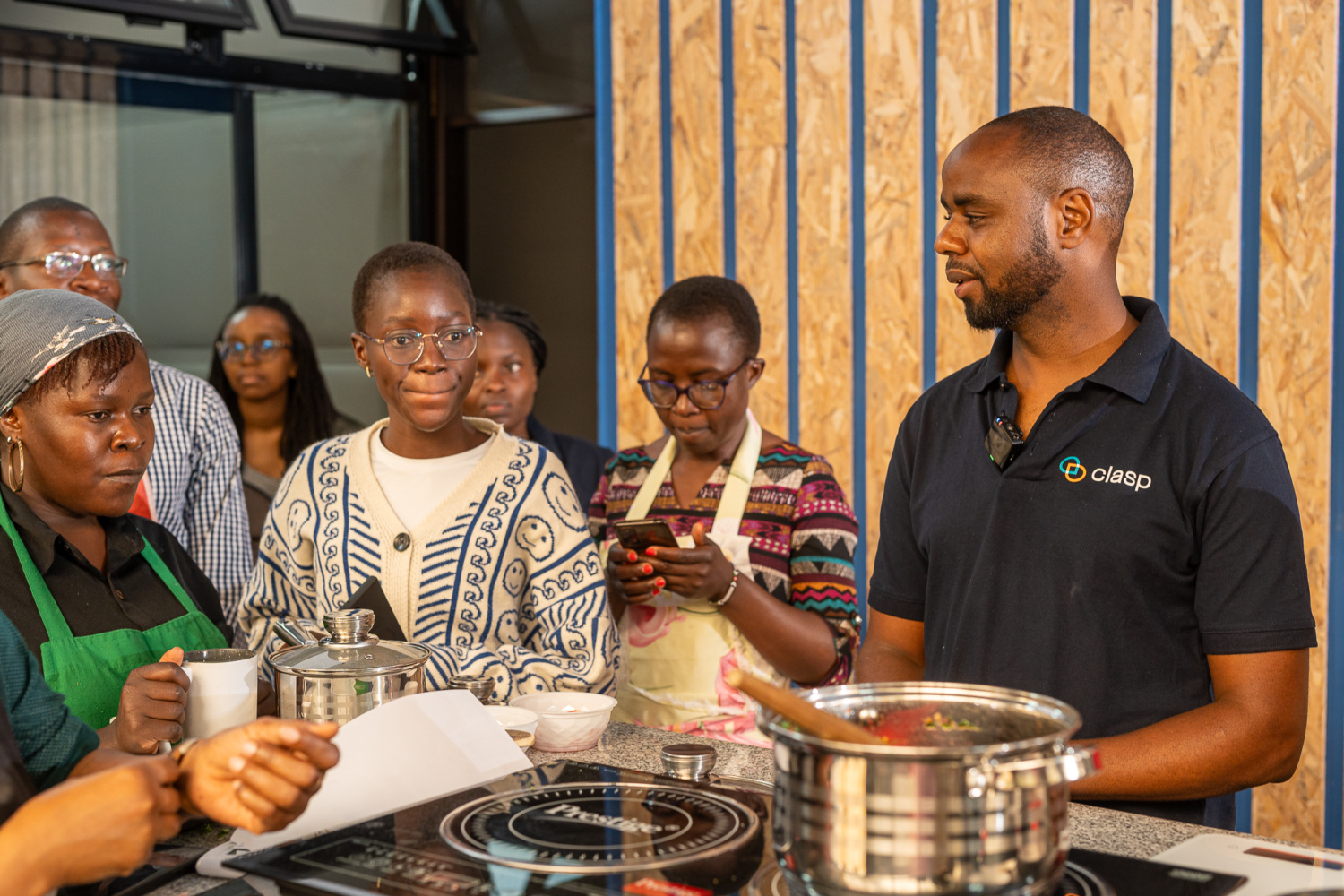
6. Global LEAP Awards Induction Cooktop Competition
CLASP promotes efficient, clean cooking technologies as an alternative to polluting biomass cookstoves through initiatives like the Global LEAP Induction Cooktops competition.
CLASP’s Michael Maina (right) representing Efficiency for Access coalition speaks with participants of the induction cooktop competition in Nairobi, Kenya.
Photo by CLASP.
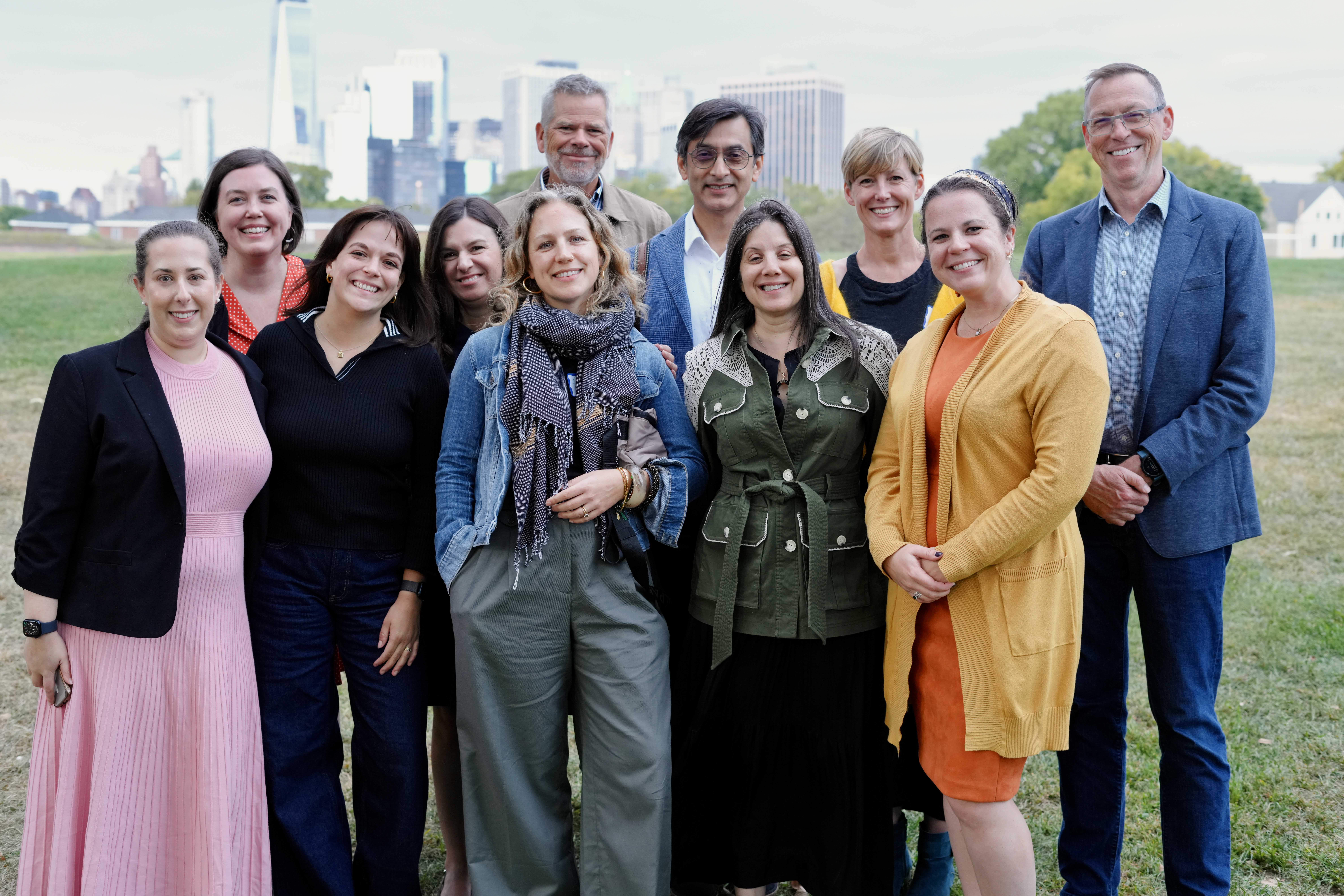
7. Climate Week New York City 2024
CLASP brings appliance efficiency solutions to Climate Week in New York, demonstrating how these technologies can drive sustainability, reduce emissions, and improve lives.
CLASP’s Marina Baur, Corinne Schneider, Bishal Thapa, Christine Egan, and Amanda Upshaw with colleagues from the Crux Alliance.
Photo by CLASP.
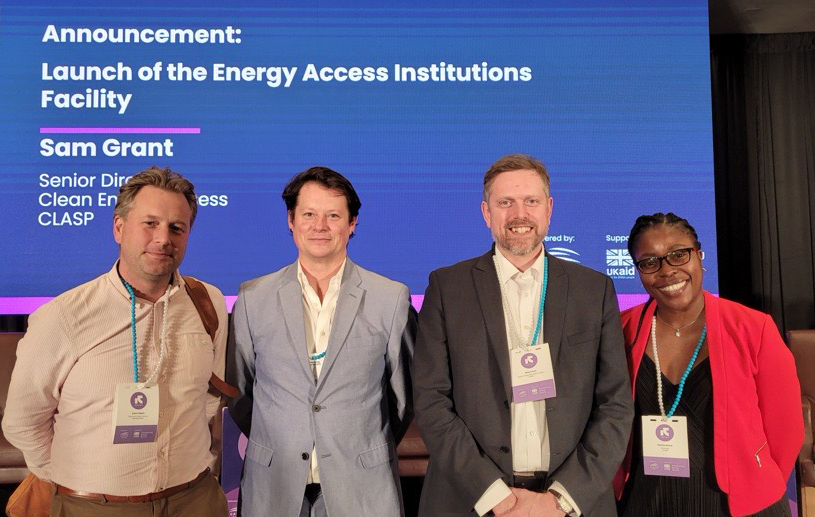
8. Transforming Energy Access (TEA) Forum
In Kigali, Rwanda, at the TEA Forum, CLASP was selected as the new host and manager of the Energy Access Institutions Facility, which aims to expand off-grid renewable energy access to low-income communities in sub-Saharan Africa and South Asia.
Left to right: Adam Öjdahl (Embassy of Sweden in Kenya), Sam Grant (CLASP), Steven Hunt (UK Foreign, Commonwealth and Development Office), and Martha Wakoli (CLASP).
Photo by CLASP.
9. Celebrating 25 Years
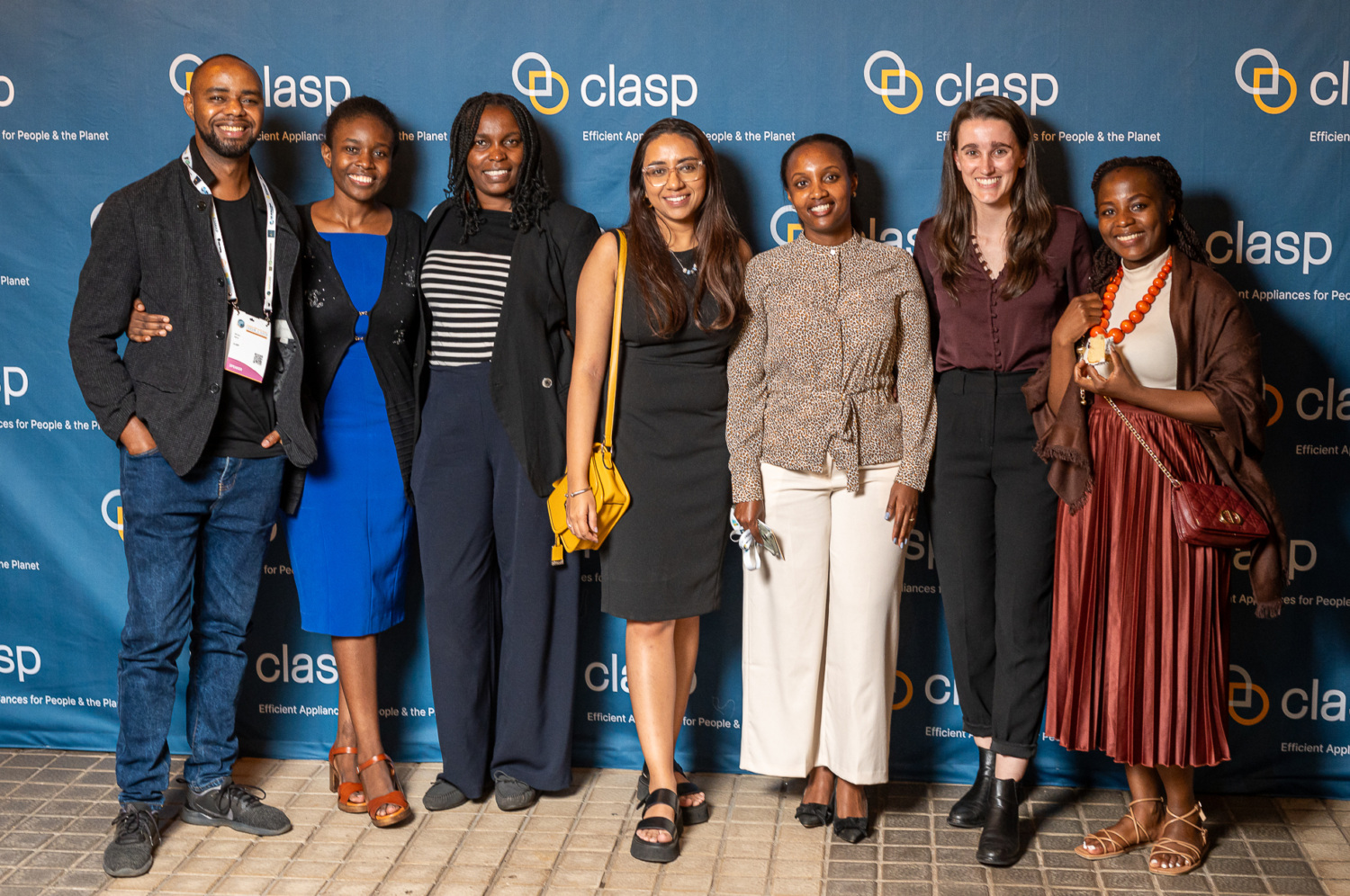
10. CLASP’s 25th Anniversary Party, Nairobi
CLASP’s team in Africa brought energy and elegance to the 25th anniversary party in Nairobi, Kenya.
Left to right: CLASP’s Michael Maina, Ruth Kimani, Catherine Muiruri, Sumedha Awasthy, Abby Kuria, Anna Wright, and Angellah Wekongo.
Photo by CLASP.
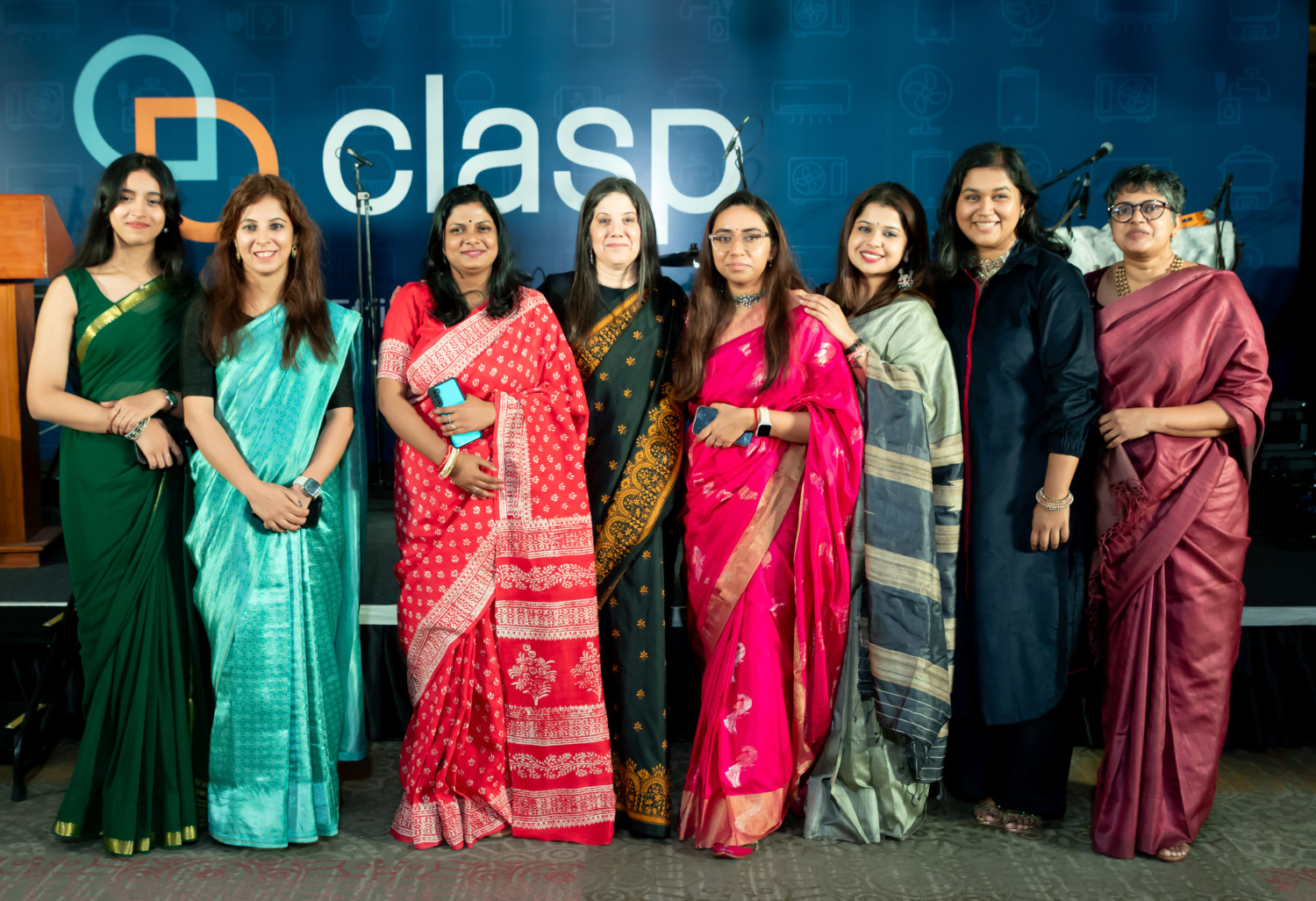
11. CLASP’s 25th Anniversary Party, New Delhi
CLASP’s India team members and CEO Christine Egan donned stunning saris to mark CLASP’s 25th anniversary.
Left to right: CLASP’s Sipra Singh, Neha Dhingra, Moumita Chandra, Christine Egan, Sumedha Awasthy, Devashree Shetye, Karishma Joseph, and Meret Philip.
Photo by CLASP.
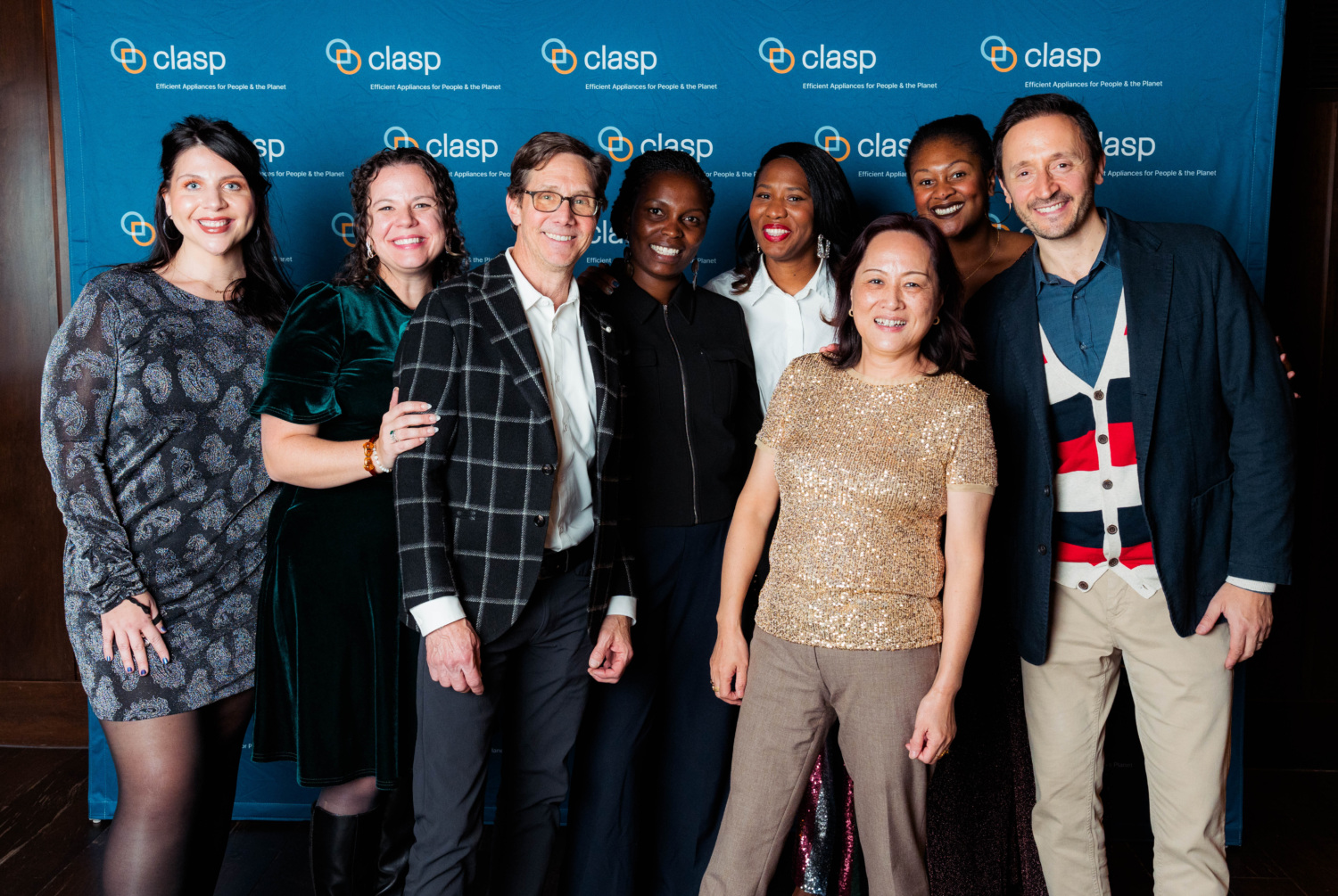
12. CLASP’s 25th Anniversary Party, Washington DC
Reflecting on 25 years of dedication, teamwork, and positive change – thank you to our team and partners for making it all possible.
Left to right: CLASP’s Elynora Sapp, Amanda Upshaw, Fred Sherman, Catherine Muiruri, Naté Harris, Wendy Wen, Kristen Wade, and Andrea Testa.
Photo by CLASP.
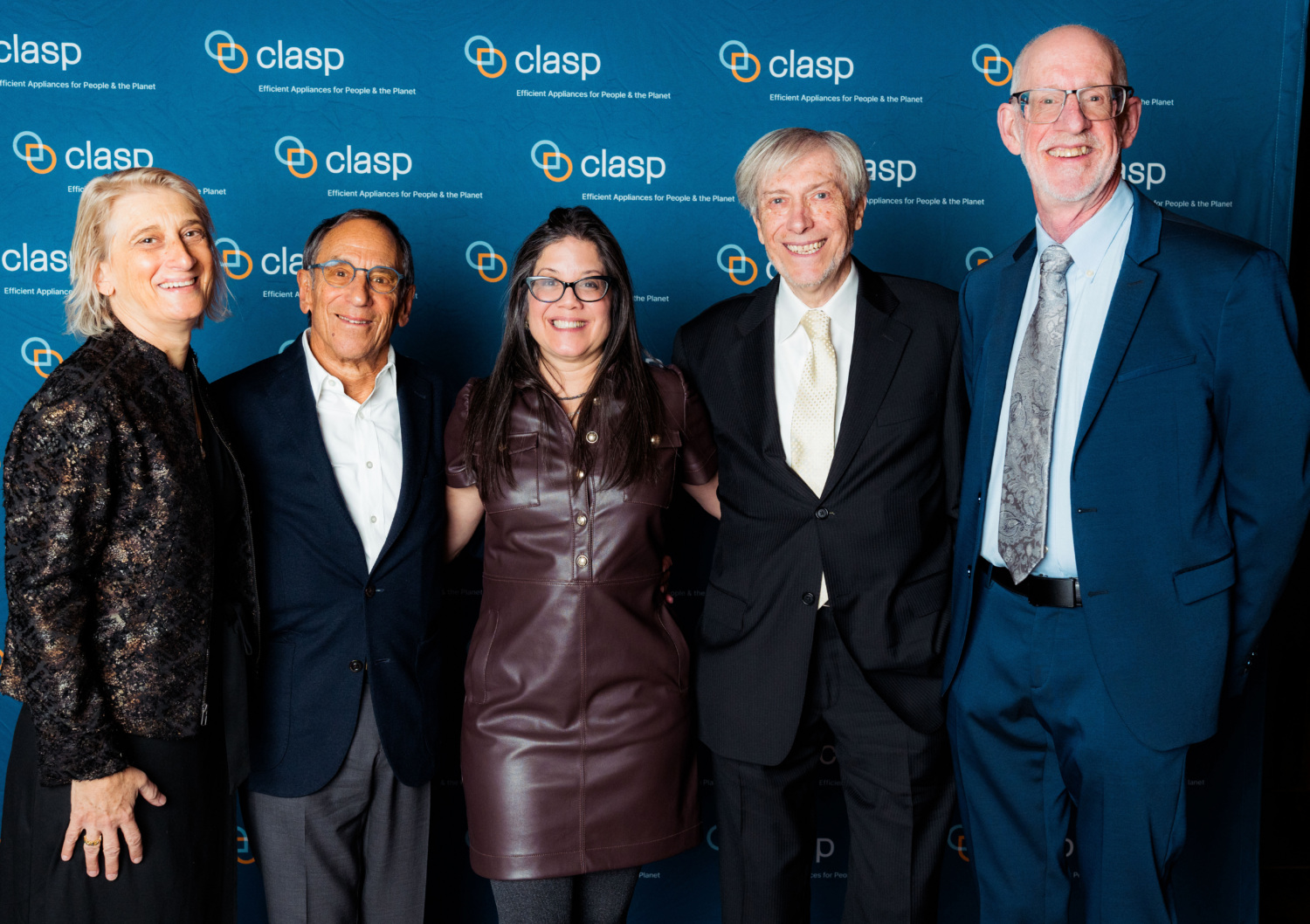
13. CLASP’s 25th Anniversary Party, Washington DC
CLASP’s anniversary party in Washington, DC gathered staff, friends, local partners, and valued board members to reflect on 25 years of collaborative impact.
Left to right: CLASP’s Mirka della Cava (Board Member), Stephen Wiel (Board Chair), Christine Egan (CEO), John R. Mollet (Board Secretary), and James E. (Jim) McMahon.
Photo by CLASP.

14. CLASP’s 25th Anniversary Party, New Delhi
CLASP turned 25! We celebrated this milestone in New Delhi, India, with our Asia teams and regional partners, reflecting on the partnerships and collaboration that have made CLASP the impact-focused organization it is today.
CLASP colleagues snap a selfie, capturing the spirit of 25 years of collaboration with style and energy.
Photo by CLASP.

CLASP Celebrates 25 Years of Impact
Over the past 25 years, CLASP has become the leading global authority on efficient appliances’ role in fighting climate change and improving people’s lives. Our impact spans 90+ countries and has helped reduce 2030 CO2 levels by over 1.6 Gt. We provide access to life-changing solutions through data, analysis, and collaboration with policymakers, industry leaders, and experts. CLASP remains committed to making appliances more efficient for people and the planet.
Finances
With generous donor support for our mission, CLASP expanded our funding in 2024 – increasing our revenue by 10% as compared to 2023.
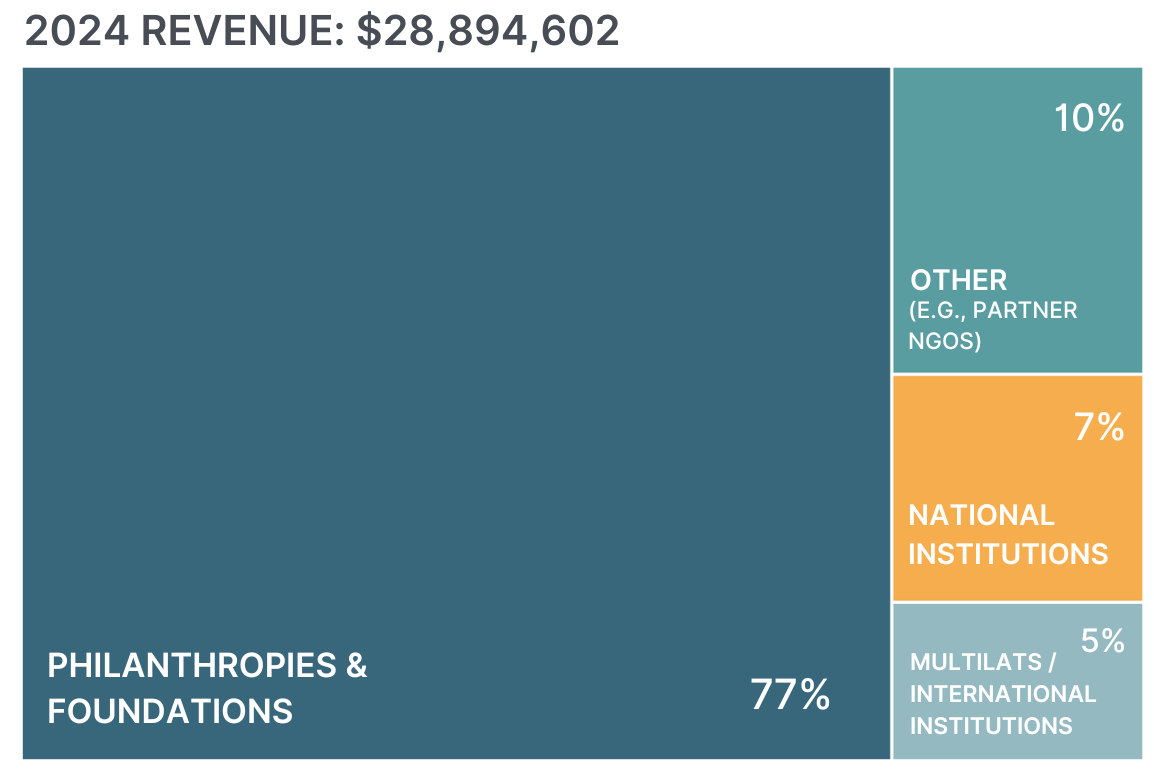
2024 Funding By Donor Type
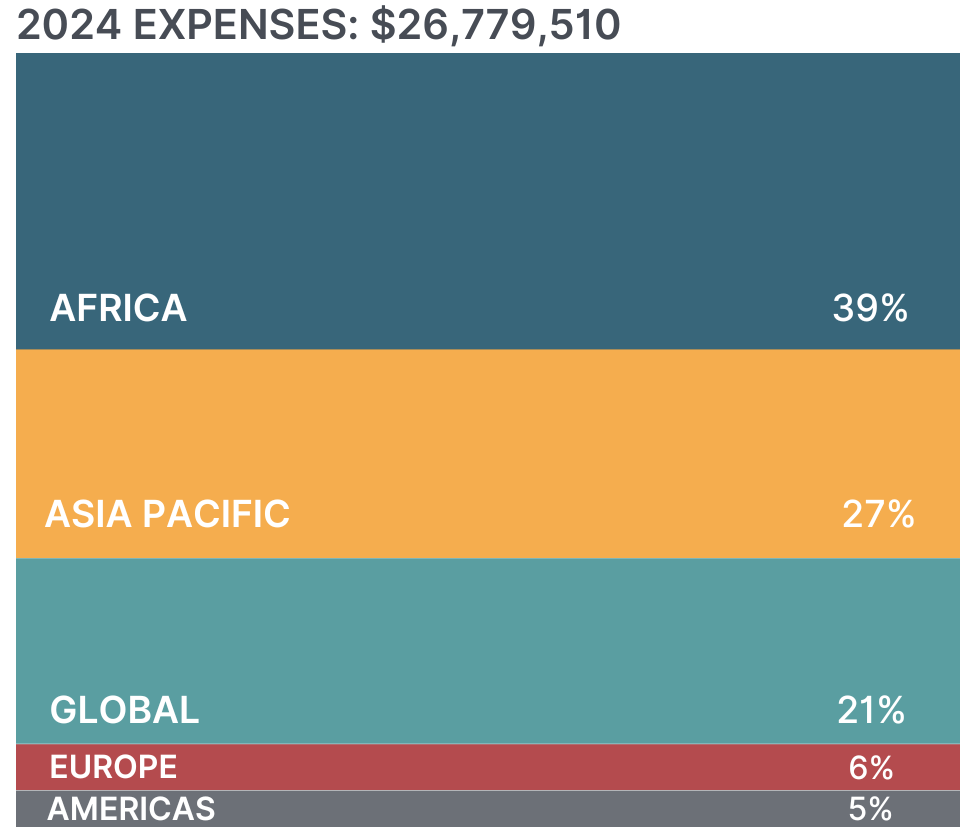
2024 Expenses by Region
We are proud of our team’s positive global impacts in 2024. We look forward to driving progress towards a brighter future for people and the planet in 2025!
Doubling Cooling Efficiency
New CLASP research, “Bridging the Cooling Gap: Energy Efficiency as a Driver for Appliance Access”, finds that doubling cooling appliance efficiency in India, Indonesia, and Nigeria would make cooling more affordable, expand access to millions of people, and improve climate resilience.
Energy-efficient cooling appliances play a critical role in improving living standards, promoting economic growth, enhancing energy security, and reducing climate emissions. They are also saving consumers money as they have lower running costs. Building on recommended targets in CLASP’s Net Zero Hero analysis, doubling the efficiency of fans, refrigerators, and air conditioners in the three countries by 2030 would drive down the total costs of ownership for each appliance by close to 60% in 2050.
Other benefits include:
- $105 billion USD in annual consumer savings through reduced purchase and running costs in 2050
- Access to cooling appliances for an additional 510 million people
- More than 420,000 avoided premature heat-related deaths
Total energy consumed by these appliances would be halved compared to business as usual, as shown in the graph below.

National room air conditioner energy use between 2023-2050 (indexed to 2023) in TWh under Net Zero Hero and Business as Usual scenarios.
This research highlights how smart energy efficiency policies reduce costs, boost appliance ownership for people who need them, lower energy demand, and curb emissions.
Click here to read the full report.
Energy for Everyone
Energy is everywhere, and it connects us all. At CLASP, we know that the distribution of affordable, efficient appliances ensures more people have access to modern, safer energy services. This creates opportunities, powers businesses, and improves lives. Get our solutions: https://www.clasp.ngo/
About CLASP
CLASP is the leading global authority on efficient appliances’ role in fighting climate change and improving people’s lives. An international NGO with 25 years of expertise and offices on four continents, CLASP collaborates with policymakers, industry leaders, and other experts to create a more sustainable future for people and the planet. CLASP and our partners are dedicated to solving the world’s most pressing, interconnected crises: the climate emergency, poverty, inequality, and access to energy.
Solar Appliances, a Sustainable Development Success Story, Need Support to Scale
When there’s no electricity to power the appliances essential to wellbeing and prosperity, what’s a community to do?
In sub-Saharan Africa, the answer is often turning to kerosene and diesel to run everything from lights to farm equipment. But fossil fuels are expensive and polluting. Reliance on these energy sources leads to a host of negative impacts across the region, from financial stress to lower crop yields.
David Wanjau, a Kenyan entrepreneur and rabbit farmer who trained as a scientist, spent six years watching this issue play out across sub-Saharan Africa while working at a nonprofit focused on food security. The experience changed his life.
“I noticed that every farmer we were supporting did not have access to electricity,” he said. “So I stopped what I was doing to focus on energy access and become an agent of change in these communities.”
Today, Wanjau leads Nairobi-based distributor Deevabits Green Energy, a small business that’s one of more than 200 companies working to expand solar energy access to the hundreds of millions of people in Africa who lack access to the electric grid.
Deevabits began by selling solar lights, but customers soon began asking for more. “They wanted solutions that could be used for their businesses: for cooling drinks, or for meat preservation,” Wanjau said. So his team decided to start stocking solar-powered refrigerators.
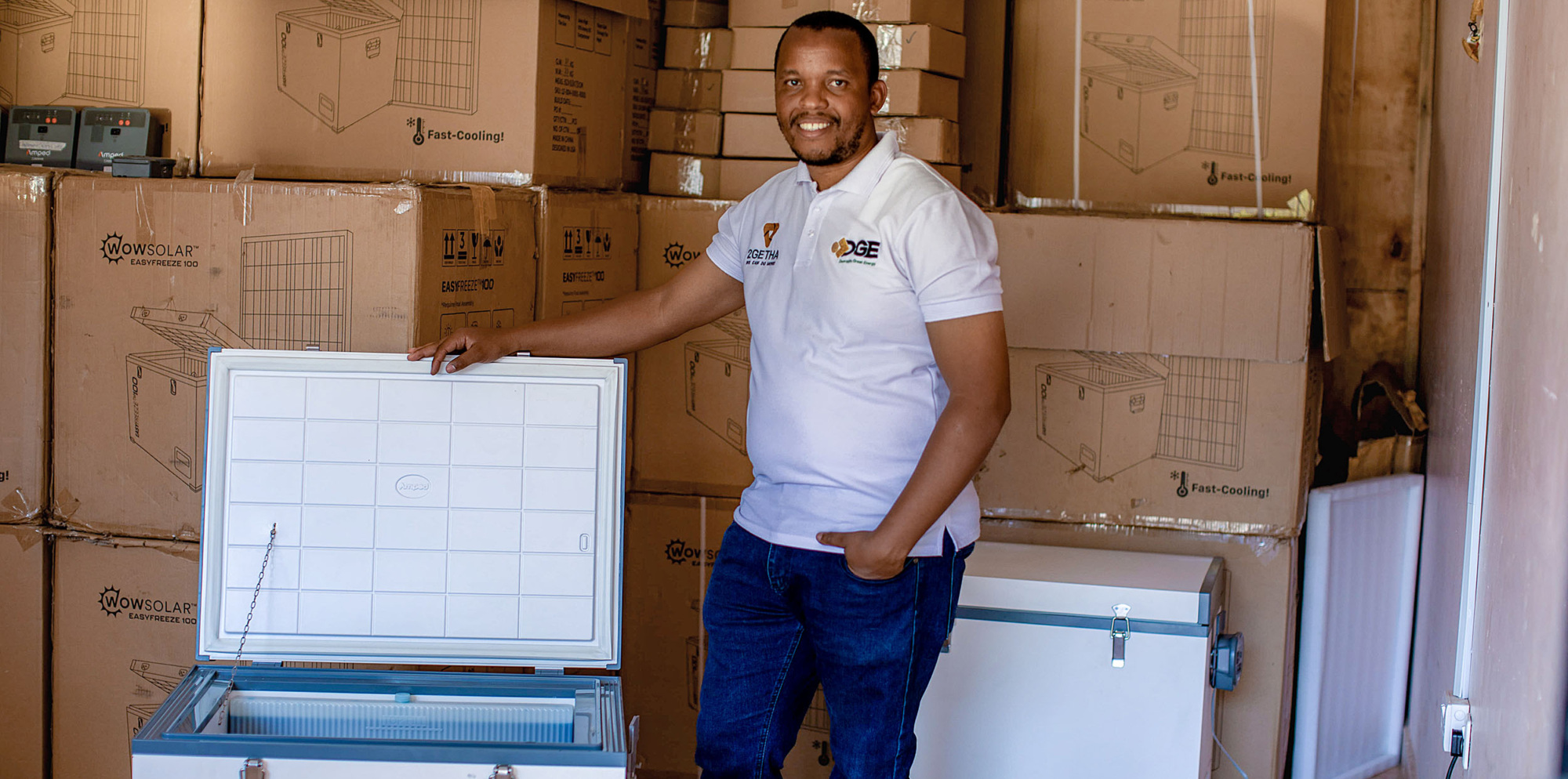
Deevabits founder David Wanjau in his company’s warehouse in Nairobi, Kenya.
CLASP
“Our company now wants to be on the forefront of providing energy efficient, standalone productive-use [i.e., income-generating] appliances,” he explained. “We just need to position ourselves to be able to tap into this big market.”
Meeting high demand for cooling and other energy services
Sales of solar appliances more than tripled between 2018 and 2023 as new manufacturers and distributors entered the sector, according to Leave No One Behind: Bridging the Energy Access Gap with Innovative Off-Grid Solar Solutions, a 2024 report published by the Efficiency for Access coalition. (CLASP co-manages the coalition with Energy Saving Trust, a UK-based nonprofit.)
The business potential is tremendous. The report’s modeling shows that if everyone who needs solar appliances could purchase them, the market value would reach $58 billion USD.
“It’s a huge market opportunity,” said Peter Wangila, Kenya operations and finance manager at SureChill, a manufacturer selling solar fridges in over ten African countries. The company’s patented battery-less design reduces the need for maintenance over the fridges’ lifespan and eliminates the need for expensive battery replacements.
“We’ve done over 1,000 installations, but we haven’t even scratched the surface. There’s a high demand for cooling,” Wangila said.
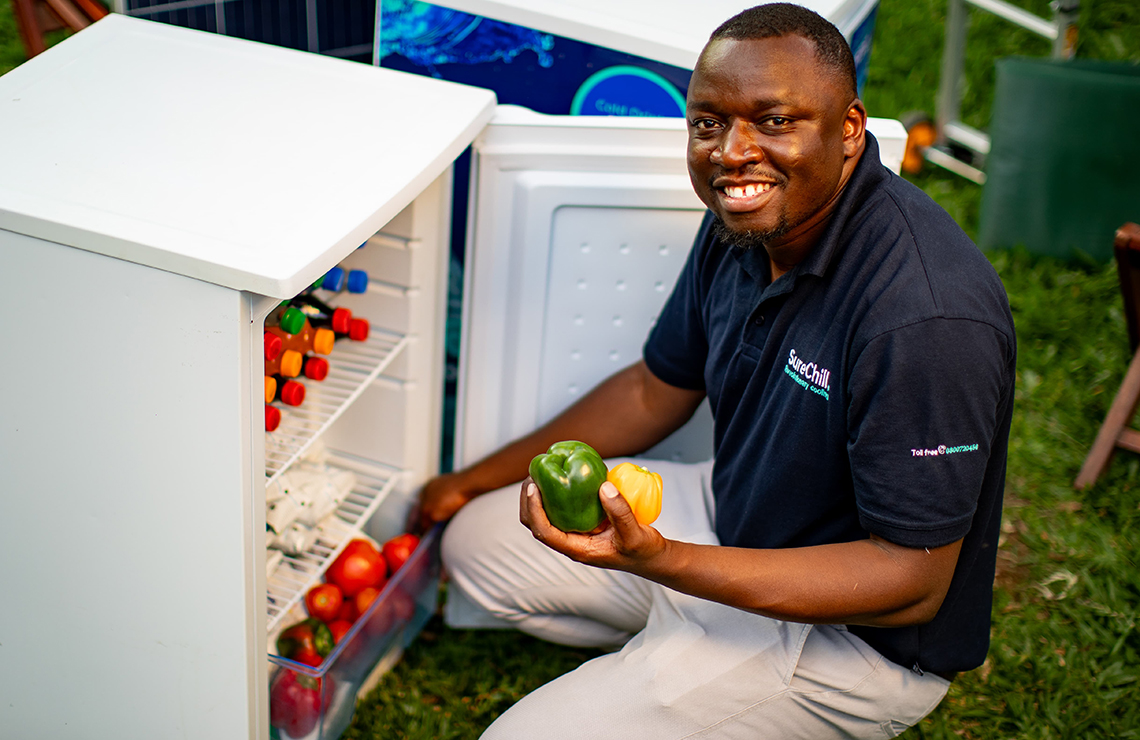
We’ve done over 1,000 installations, but we haven’t even scratched the surface. There's a high demand for cooling.Peter Wangila
SureChill
Today, sales cover less than 2% of the estimated global demand for solar appliances. It’s a gap that has remained frustratingly difficult to bridge, said CLASP’s Nyamolo Abagi, a coauthor of Leave No One Behind.
“Here in sub-Saharan Africa, 60% of households still do not own a refrigerator, an essential appliance for preserving food that is almost ubiquitous in homes across the Global North. This is a classic example of energy poverty,” she said. “The solar appliance sector has to grow rapidly in both scale and ambition in order to serve this enormous need.”
Solar appliances are a gamechanger for small businesses
Most solar fridge customers live in rural areas with no grid access. Deevabits’ customers are typically small shopkeepers selling cold beverages—water, juice, milk, yogurt, and soda—to parched customers. “In very hot areas, cold drinks are a luxury,” said Wanjau. “That’s why for shops, these fridges are gamechangers.”
The company also serves clients in the medical and food retail sectors. Clinics use solar-powered fridges to keep vaccines and medicines cold, explained Wanjau, while fish traders see fridges as a safer way to preserve their wares than the traditional drying or deep frying.
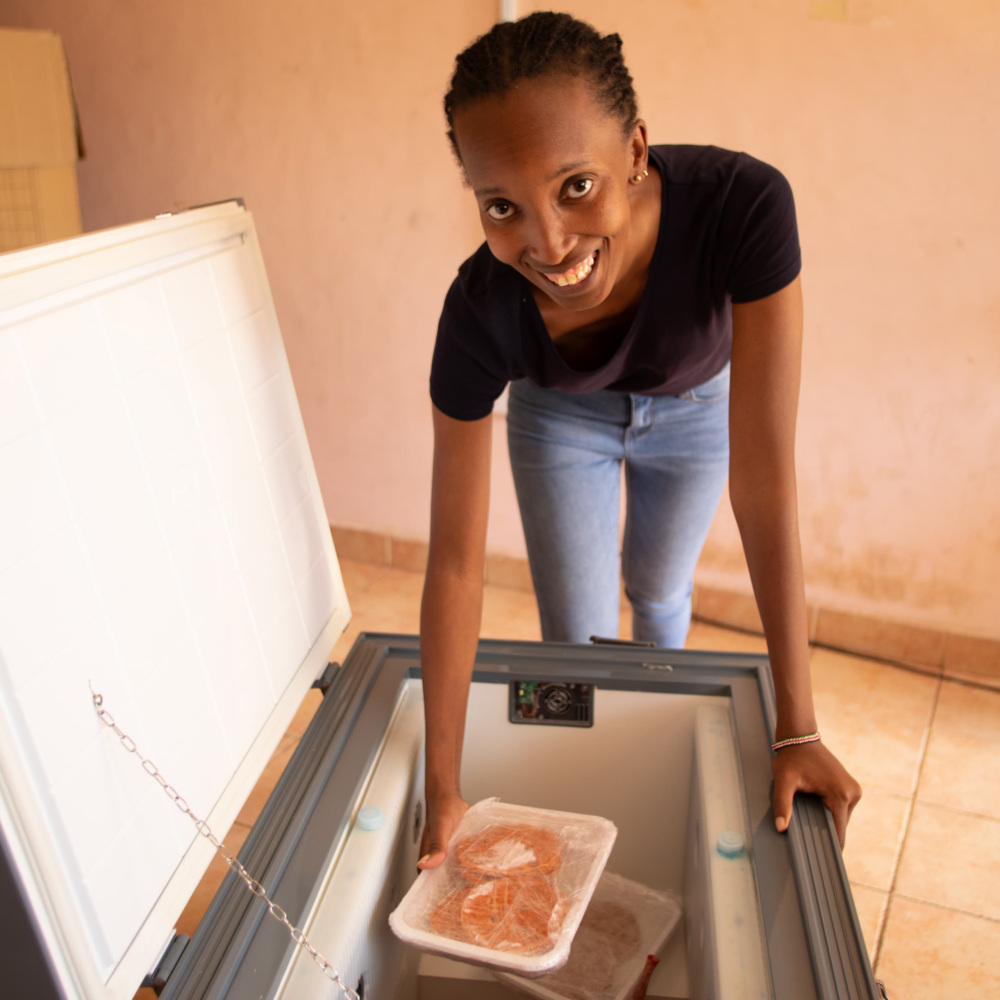
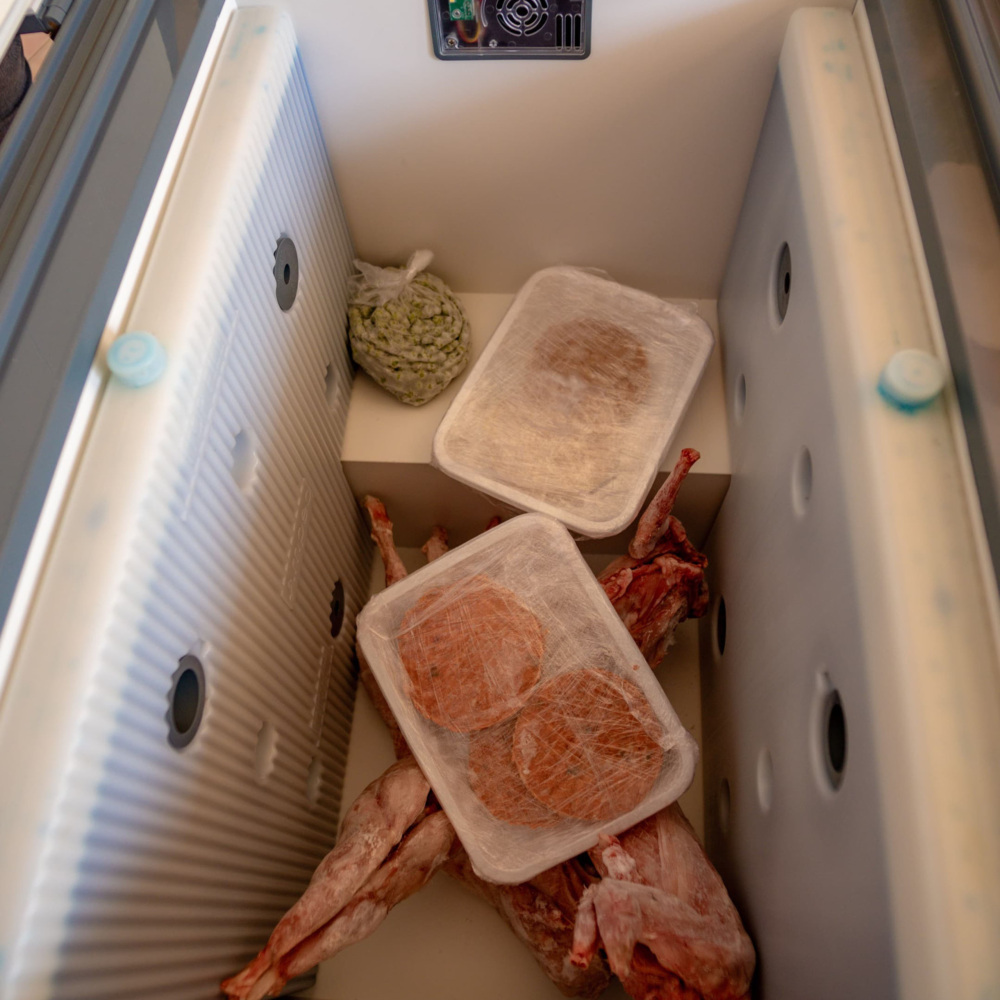
Meanwhile, butchers tend to use the freezer setting on the Deevabits model to reduce waste. Before acquiring these appliances, “they would hang their meat, and it would go bad after two or three days,” Wanjau said. “Now people can stock larger volumes and sell it for a whole week.”
CLASP
CLASP
SureChill works with a similar clientele. “We primarily target productive-use customers: someone with a small shop or someone in the homemade juice business,” said Wangila. “They do not have a lot of money, but they make enough to be able to support a fridge. They are able to see the positive financial impact that owning a fridge could have on their business.”
For most shopkeepers, a solar fridge can significantly boost revenue. “It attracts more customers,” Wangila explained. “And if they buy a cold beverage, those customers will also buy something else, which increases overall sales for the business.”
Increased income for a shopkeeper has ripple effects within families and communities, he added. “It benefits them and four or five other people. That’s how our communities work.”

A shop with a solar refrigerator.
CLASP
SureChill also serves the medical field, offering World Health Organization–approved vaccine fridges, in addition to cost-effective alternatives designed to store temperature-sensitive medications when power is unavailable.
The challenge of scaling up
Despite the advantages such appliances offer, many companies in the sector struggle to scale.
“Compared to a product like lights, productive-use appliances like these are energy-intensive, specialized, and expensive,” noted CLASP’s Abagi. “Fewer consumers can afford them, and the distribution model is more complicated. This makes the growth of companies trying to sell these bigger solar appliances slow.”
Cost is a major barrier. Many people would like to have solar refrigerators at home, but with prices up to $1,800 USD per unit (85% of the average annual household income in Kenya), they typically can’t afford them. “People want the fridge, but they then say, ‘Oh my goodness, it’s so expensive!’” explained Wanjau.
Appliances’ sheer weight and bulk also make it difficult to attract new customers through tactics like door-to-door sales. “You have to get people to believe that a solar fridge works,” said Wangila. “So when salespeople can’t carry it around, it’s a big challenge.”
Wanjau agrees. “When people are not aware of the product, they don’t demand it. They don’t have a reference point for a solar-powered fridge, so they need to see it—maybe feel the chill, take a cold soda from it.”
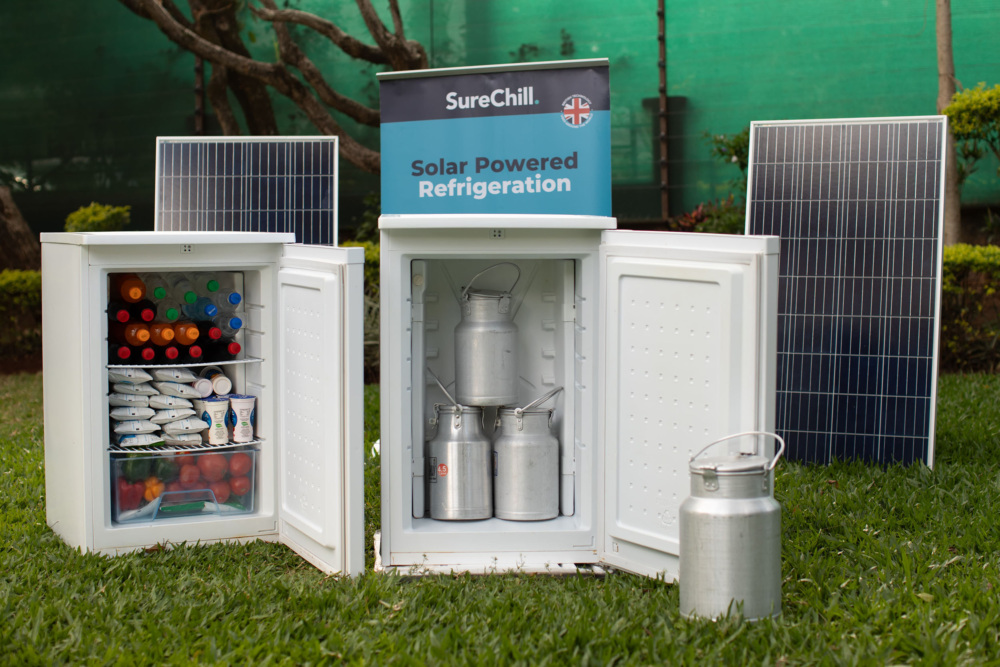
CLASP
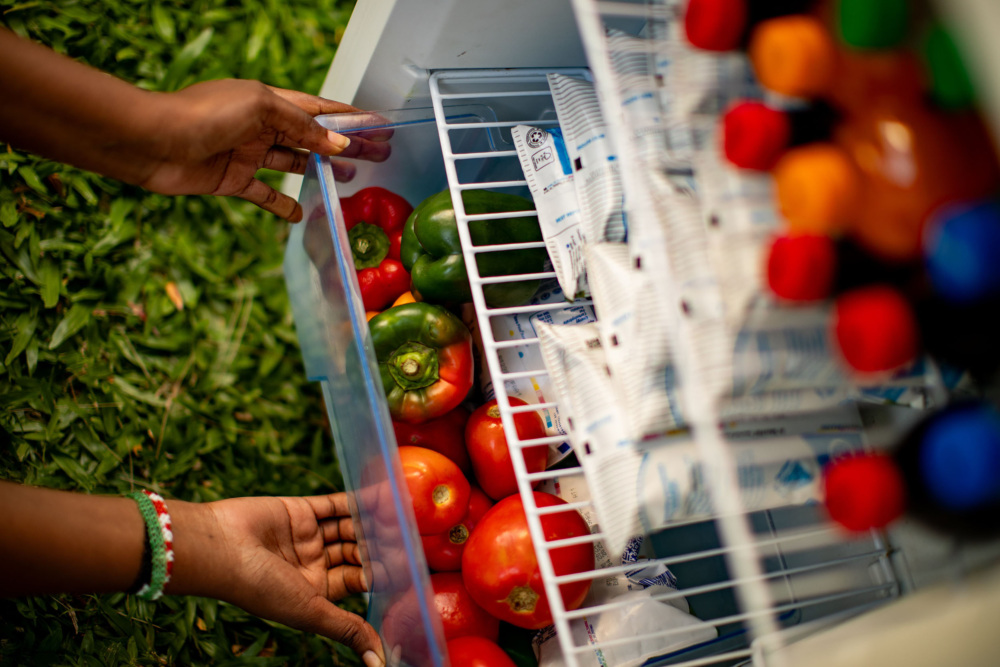
CLASP
Companies like his participate in roadshows and market exhibitions required to build this awareness, but this costs money, ultimately driving up the price of their appliances.
Innovating to improve affordability
Solar appliance companies have been searching for ways to make their products more affordable for low-income customers. Both Deevabits and SureChill sell fridges on a rent-to-own basis, using internet-connected devices that activate the fridge when customers make weekly or monthly mobile money payments. This model enables shopkeepers to own their fridges after several years, allowing them to benefit from cooling without tying down their capital.

John Odongo, finance manager at Deevabits, explains how a Pay-go payment enabling device works.
CLASP
Another payment innovation is cooling-as-a-service (CaaS), in which customers lease appliances indefinitely. But despite its potential to bring down costs, both companies have found CaaS challenging to implement on the ground. “The way people use those fridges can be very unpredictable,” noted Wanjau. “If someone stops using it, how do you take it back? How can you resell it if it’s dirty and the butchers were cutting meat on top of it?”
In both cases, Wangila added, the risk of default is high. “That money is competing with school fees and medication when a family member falls sick. We try to mitigate this by telling them to pay more when business is good, to cover for the dry season.” But, he said, “even if you do very good customer selection, there are always people who will default.”
Stimulating growth
Ultimately, said Abagi, companies like Deevabits and SureChill need a more supportive environment to help bridge Africa’s yawning energy service gap. While they provide a crucial service, they can’t meet the overwhelming demand on their own.
“We need innovators, but we also need to attract incumbent manufacturers who have more resources,” she said. “Governments have a role to play in terms of better regulations and lower tariffs, and we also need development partners to help with long-term, consistent subsidies.”
Wangila and Wanjau point to the importance of grant funding in developing their own businesses. Both companies have benefitted from CLASP market activation grants, which help small businesses meet costs associated with product sales, marketing, distribution, and delivery in remote areas.
“Grants can be a sort of non-dilutive funding to help people scale,” said Wanjau. “A lot of these [solar appliance companies] are locally owned businesses, and grants could really stimulate their growth.”
Despite the challenges they face, both men are confident that solar appliances are the clean energy solution Africa needs.
“We are so blessed to have a lot of sun, so the future is bright,” Wangila insisted. “It’s just a question of maintaining focus and getting the right support in place.”
Driving Impact in the Energy Sector
The energy sector is evolving rapidly, requiring diverse expertise and leadership to address emerging challenges. For International Women’s Day 2025, CLASP hosted a discussion in New Delhi, India, to explore strategies for strengthening the sector through effective workforce development, leadership approaches, and organizational strategies.
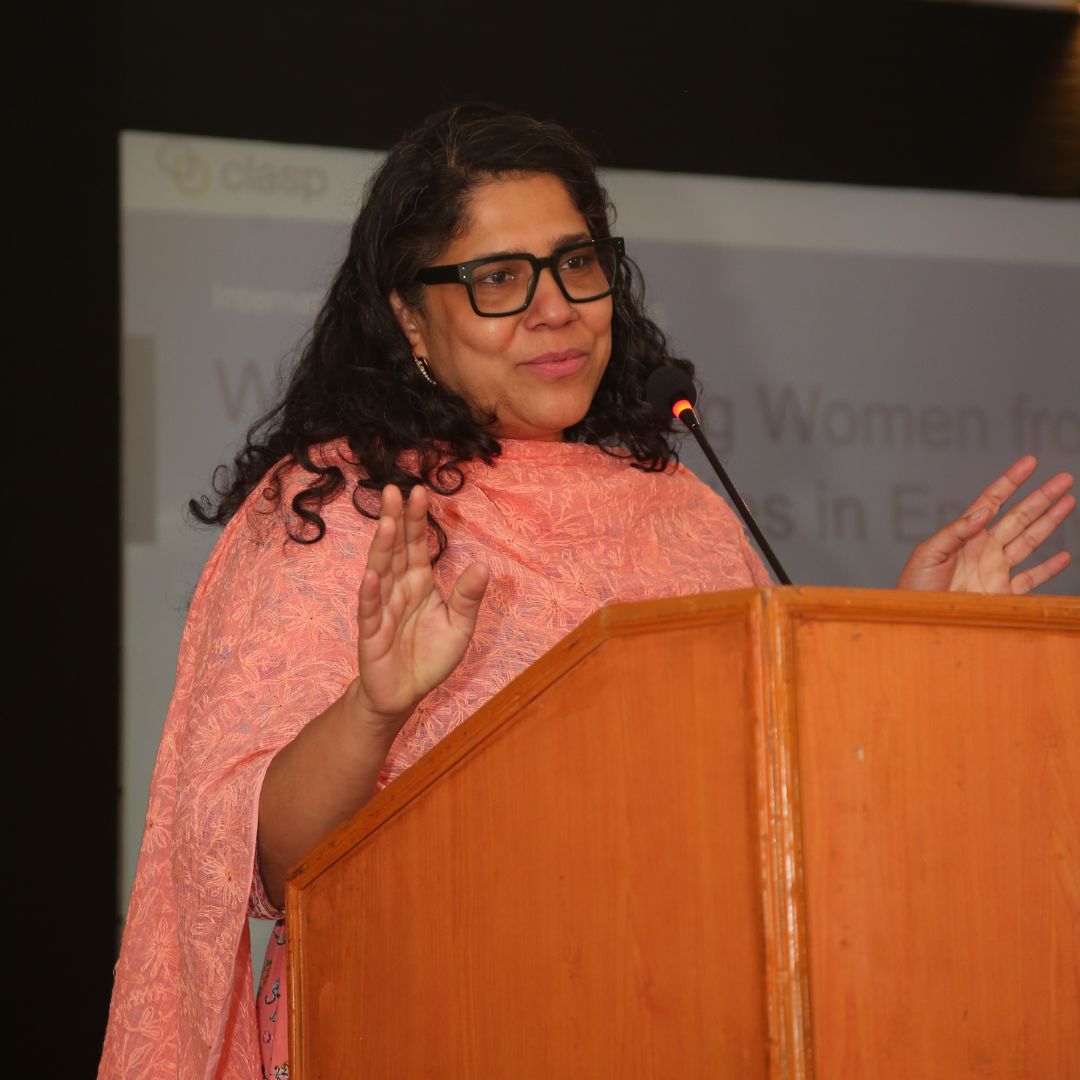
Yamini Mishra of the MacArthur Foundation emphasized the importance of broad participation in the energy workforce to overcome challenges and drive meaningful change.
Industry leader perspectives
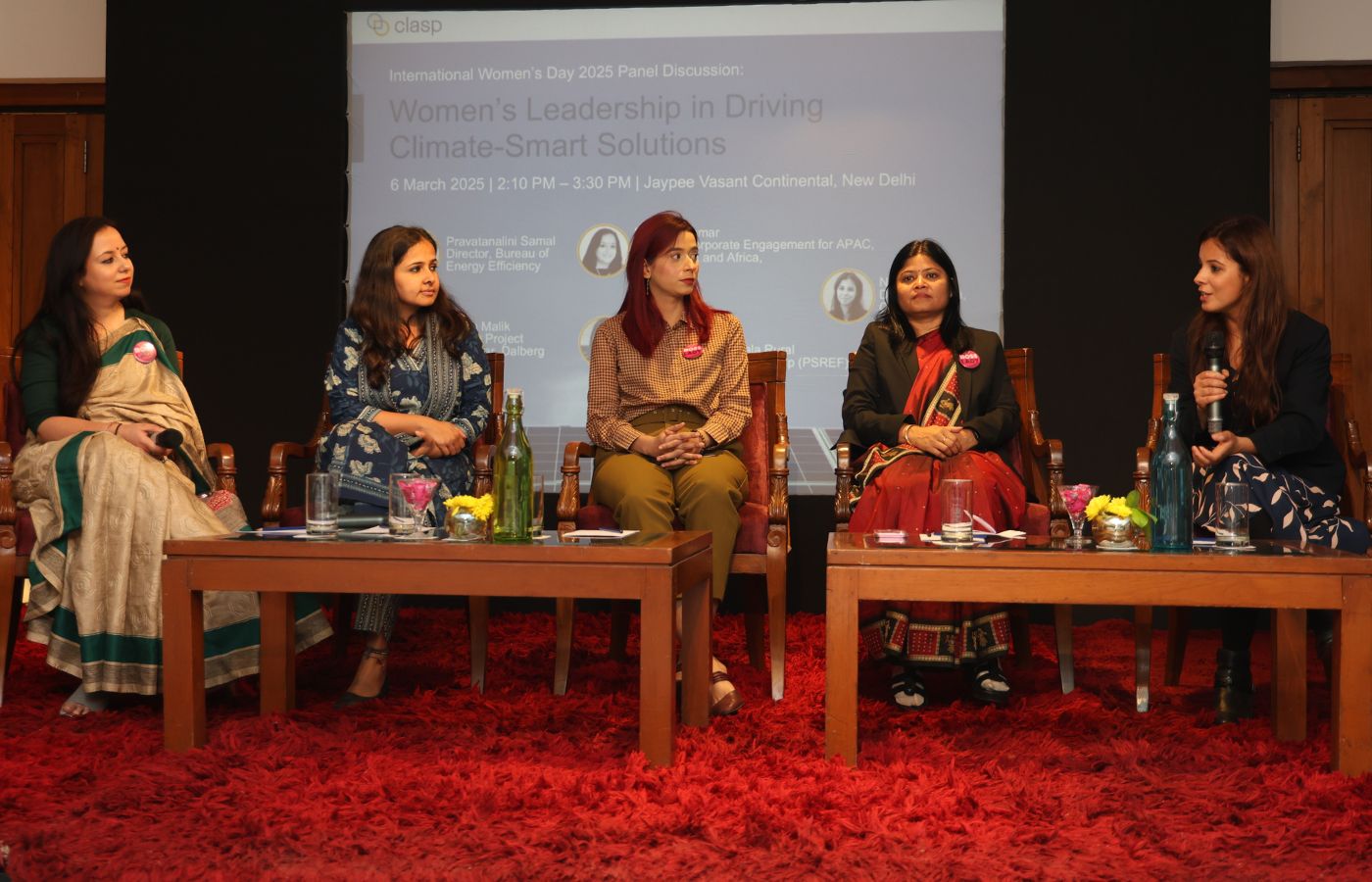
Photo by CLASP
The first discussion featured representatives from India’s Bureau of Energy Efficiency, Dalberg Advisors, PRIME-Sauramandala Rural Entrepreneurship Fellowship and S&P Global. The experts explored how a multifaceted approach to workforce engagement drives innovation, improves outcomes, and strengthens grassroots climate efforts.
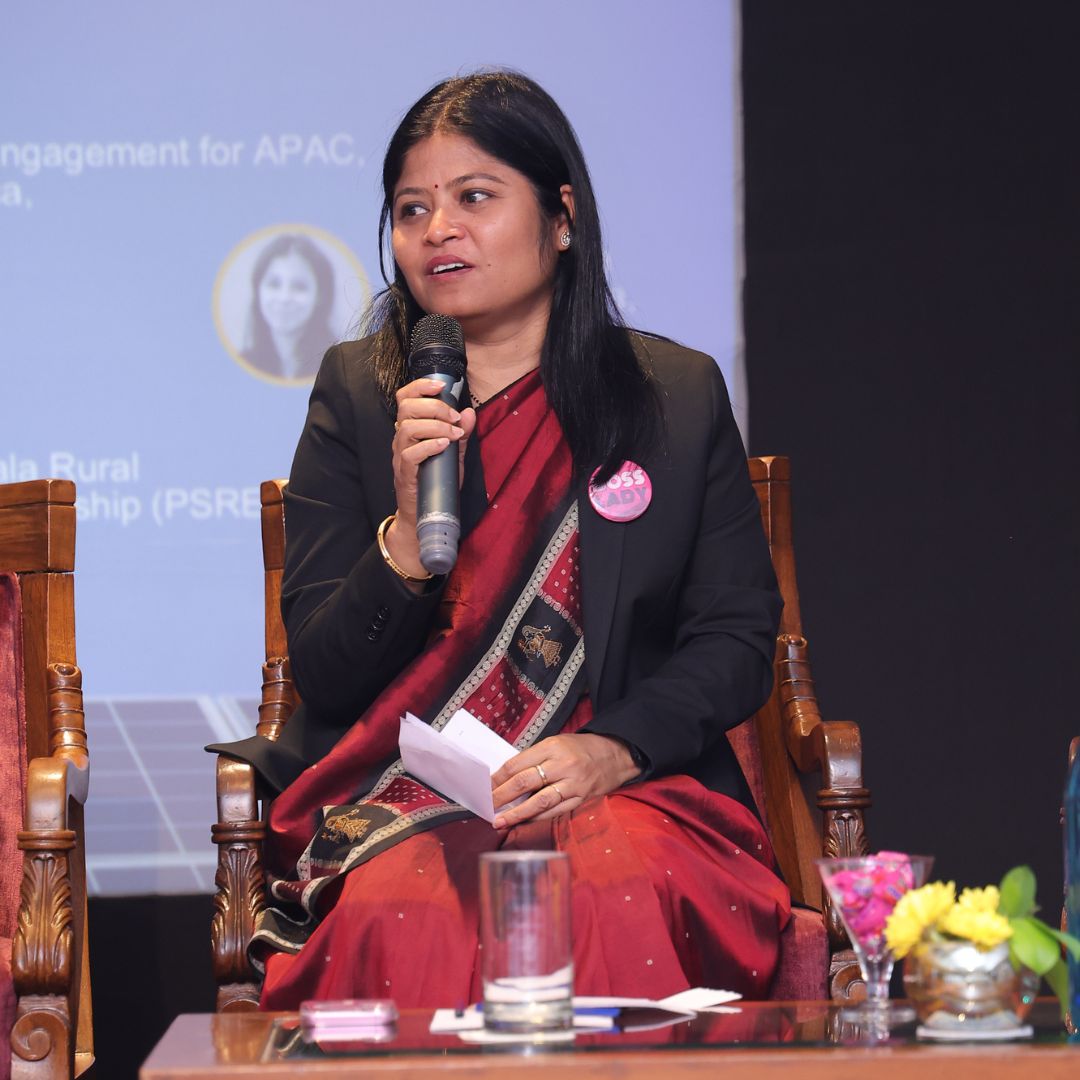
“Today, I see how perseverance has created the space for new perspectives to be valued. To aspiring professionals: stay the course, and your voice will find its place,” explained Pravatanalini Samal of India’s Bureau of Energy Efficiency
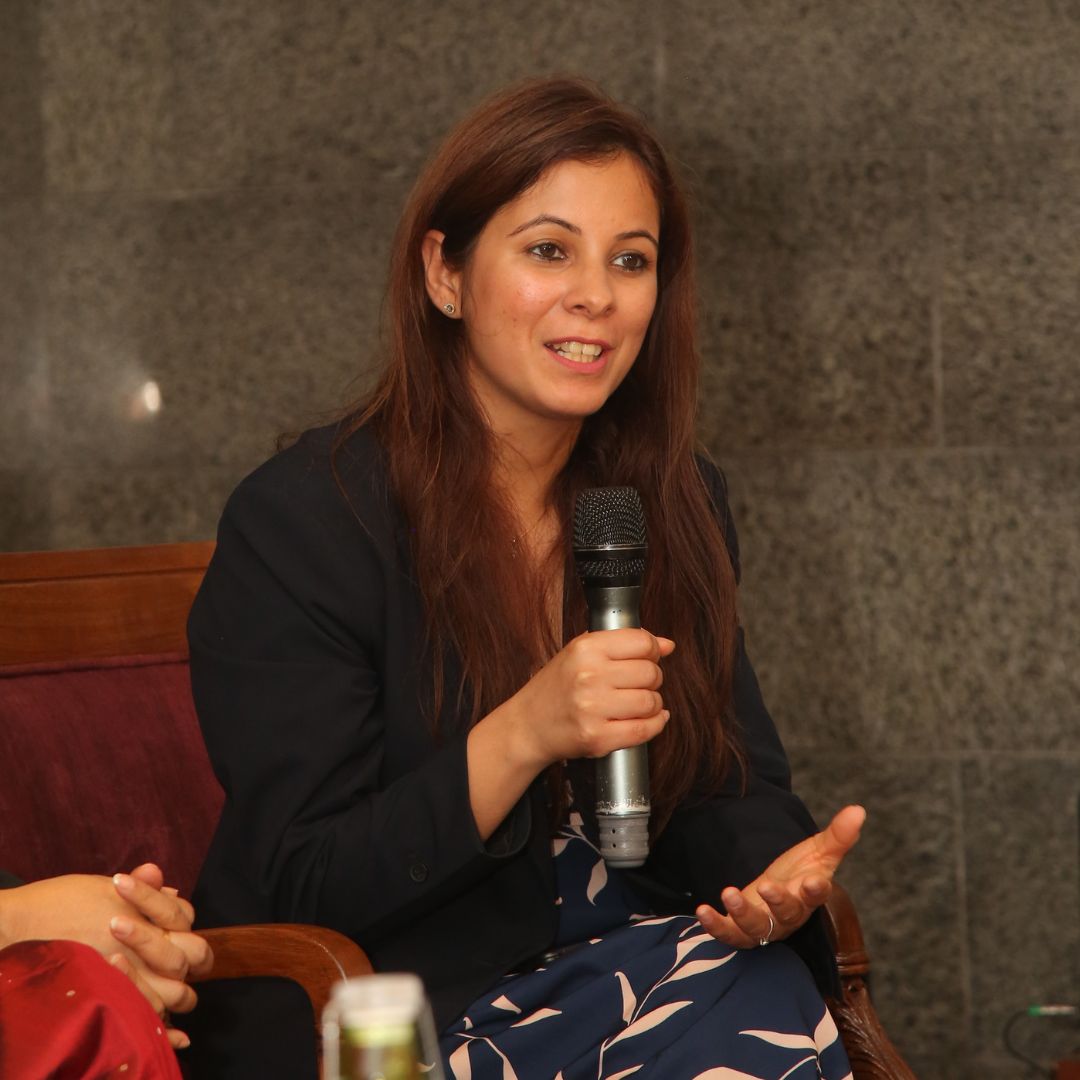
“A broad and representative workforce is essential to tackling climate challenges effectively. At CLASP, we are proud to contribute to a sector that values strong leadership and expertise,” emphasized CLASP's Neha Dhingra.
Best practices from leading organizations
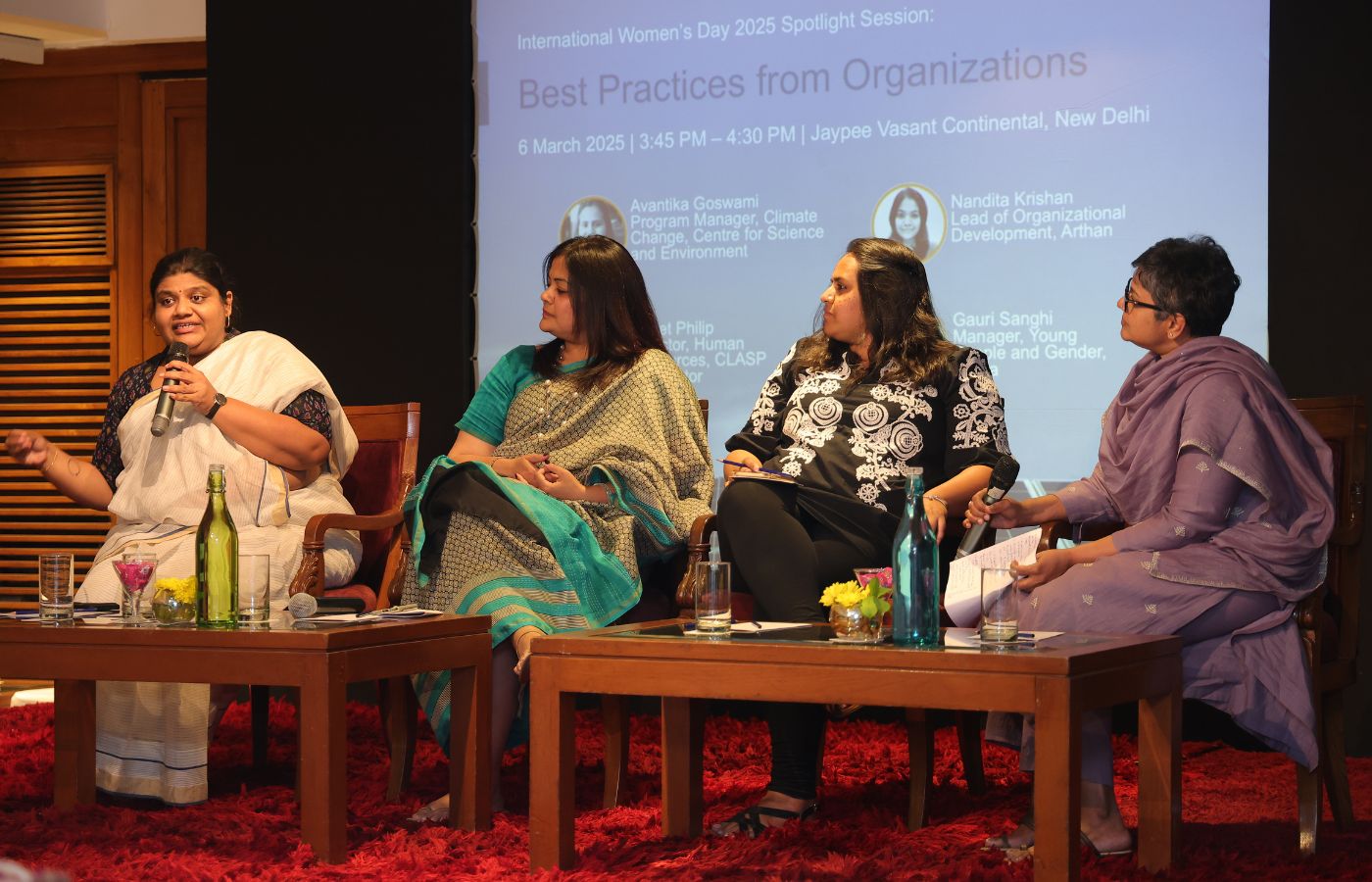
Photo by CLASP
A second discussion examined how human resource strategies influence workforce development and leadership cultivation. Moderated by Meret Philip, CLASP’s Human Resources (HR) Director, this panel brought together Arthan, Centre for Science and Environment, and Dasra who shared key strategies to foster an engaged and dynamic workforce.
Key takeaways included:
- Organizations should create environments that encourage professionals to contribute effectively from early career stages to leadership roles.
- Mentorship, role models, and access to professional networks are essential for career advancement and fostering leadership.
Marking the occasion, Meret also shared insights in this article, on how CLASP implements HR strategies to strengthen new leadership opportunities across various functions.
By cultivating a collaborative and forward-thinking workplace culture, organizations can enhance industry innovation and contribute to long-term climate and energy goals.
History of Women’s Day
Officially recognized by the United Nations in 1977, International Women’s Day is celebrated on 8 March each year in many countries around the world. It is a day when women are recognized and celebrated for their achievements
Appliance Efficiency Can Supercharge National Climate Plans
At the heart of the Paris Climate Agreement lie country-specific climate plans developed by governments around the world, officially known as nationally determined contributions, or NDCs. The third iteration of these plans, due this year, will play a key role in determining whether the world hits critical 2030 climate targets.
In the first two rounds, one powerful tool for reducing emissions—appliance efficiency—was notably underutilized. CLASP is working to change this for NDC 3.0, providing a toolkit to help policymakers incorporate appliances into their 2025 NDCs.
Lauren Boucher, a Washington, DC–based member of CLASP’s research team, led the creation of the toolkit. She spoke with CLASP editor Sarah Wesseler about the importance of appliance efficiency in climate mitigation and the role of national climate plans in achieving it.
*
Sarah Wesseler: I want to start by zooming out to the big picture of efficiency in climate mitigation. In climate media, we hear a lot about the need to transition away from fossil fuels, but not as much about the need to use energy more effectively, regardless of the source. Does this reflect the actual mitigation potential of renewable energy compared to efficiency? Where does efficiency actually fit in?
Lauren Boucher: It’s true that efficiency is often left out of conversations about the energy transition, but that’s definitely not because the two things are unrelated, or because renewables are inherently more important.
One way to think about it is that when we ignore energy efficiency, we’re making the transition to renewables harder and more expensive.
I’ll back up and give some more context. In 2015, when the Paris Agreement was signed, the international community set a formal target of limiting warming to no more than two degrees, and also agreed that NDCs would be the mechanism for reaching net zero emissions by 2050. But most people working on climate change didn’t know exactly what this should look like in practice. What, specifically, did countries need to do to hit the two-degree target?
One of the leading organizations that’s been helping to answer these questions is the IEA [International Energy Agency]. In 2021, it put out a really influential report showing that reaching net zero would require the world to triple its renewable energy capacity, but also double the pace at which efficiency improves every year.
People sometimes look at the doubling energy efficiency and tripling renewable energy targets as two distinct goals, but they’re actually fundamentally intertwined. Efficiency measures reduce overall energy demand, which allows the share of renewables in a country’s energy mix to grow faster.
It’s also important to think about the doubling efficiency target in the context of the global economy. Historically, when a country’s standard of living has improved, its energy consumption has risen significantly. Obviously, we want to see living standards around the world continue to rise, particularly in places where people can’t meet their basic needs today. But we don’t want to use more energy in the process, since that would mean needing to build even more renewables—which isn’t always easy—or continuing to use fossil fuels.
The IPCC’s [Intergovernmental Panel on Climate Change] modeling addresses this issue by showing that we need to decouple economic growth from emissions. The idea is that the world needs to use the same amount of energy, or ideally even less, to produce more goods and services. So energy efficiency enables us to achieve both climate change mitigation and economic development.
This is even more important because the world isn’t on track to meet the tripling target. A lot of countries have made real progress in building more renewables, but globally, we’re not where we need to be.

When we ignore energy efficiency, we’re making the transition to renewables harder and more expensive.Lauren Boucher
Wesseler: Where do appliances come into this picture? Why focus on appliance efficiency specifically?
Boucher: Well, it’s important to note that when people in the energy sector talk about appliances, they’re actually referring to a much wider range of things than you might think. CLASP specializes in appliances, but our scope isn’t limited to domestic products like dishwashers and refrigerators—we also work on industrial motors, lighting, space heating and cooling equipment, et cetera. Basically, for energy experts, appliances is a catch-all term for products on the demand side of the energy equation.
So when you talk about efficiency, you have to talk about appliances. Products like fans, refrigerators, motors, and streetlights are everywhere—they work silently in the background of our lives to make them easier, safer, and more convenient.
And when you tally up the emissions produced by all these things, it really adds up. In fact, the appliance sector is responsible for about 40% of all energy-related CO2 emissions globally.
The upside of all this is that, because these products are so ubiquitous, appliance efficiency is an incredibly powerful climate solution with a ton of co-benefits. In places where the grid is powered by fossil fuels, improving appliance efficiency leads to significant emissions reductions and also improves outdoor air quality. But there are benefits even in areas with a cleaner energy supply—lower bills for consumers, for instance, and reduced strain on electric grids. Efficiency also helps more people afford appliances like refrigerators and air conditioners, which are really vital for adaptation and economic development. So appliance efficiency is a true win–win for everyone.
And the good news is, we already know how to make appliances more efficient. Policy mechanisms like standards and labeling have been delivering results around the world for decades. We know they work.
These policies are also extremely cost-effective, which is particularly crucial in a world of limited climate finance. CLASP has data showing that in terms of administrative costs, you can reduce tons of emissions for pennies. And the IEA has shown that the benefits of standards and labeling programs outweigh the costs by a margin of four to one.
So, in short, the energy transition depends on balancing energy supply and demand, and appliance efficiency is one of the cheapest, smartest ways to do that. But unfortunately, we’re off track in making that a reality.
Wesseler: How far off track are we talking?
Boucher: Well, NDCs can help us understand this, since they provide detailed information about national priorities. CLASP ran keyword searches on the first two rounds of NDCs, which were submitted in 2015 and 2020/21. The results clearly showed that countries haven’t been prioritizing appliance efficiency enough. More than half of them didn’t mention appliances at all, and the ones that did established pretty underwhelming efficiency targets, if they had them at all.
There is a lot of variation from country to country, though. Some governments have clear, quantifiable efficiency targets for specific appliances in NDCs, while others take a more general approach, like just saying they’ll improve the efficiency of air conditioners. And it’s possible that some countries considered appliance efficiency when setting their targets for overall emissions reductions, but didn’t mention it in the final NDC text.
But as a whole, NDCs certainly haven’t been ambitious enough to hit net zero emissions by 2050. CLASP published a report in 2023 that identified specific energy efficiency targets for ten key appliances, which we call the Net Zero Heroes. Hitting those targets would get the appliance sector very close to net zero by 2050, but what we’re seeing in NDCs, and in practice, is far from that.
Wesseler: So what’s the solution? What advice would you give to policymakers who are working on their 2025 NDCs?
Boucher: Every country can take real, meaningful action on appliance efficiency. Countries that currently have limited appliance efficiency policies can put in place strong regulatory frameworks and adopt robust standards that prevent technology lock-in of energy-hogging appliances. This would create a ton of benefits within those countries: lower energy demand for the nation as a whole and reduced energy bills for consumers, plus protection against international manufacturers’ dumping practices that leave people stuck with outdated, inefficient appliances.
But countries with strong regulations can also do more. Our analyses clearly show that even some of the most stringent appliance efficiency requirements currently in place are not enough to reach net zero. Motors and air conditioners, in particular, need a lot of work to hit Net Zero Hero targets. The leading countries should continue to push the envelope and regularly update their regulations for these and other appliances, charting a path for others to follow.
There’s so much more juice to squeeze from appliance efficiency, and all governments should take advantage of that.
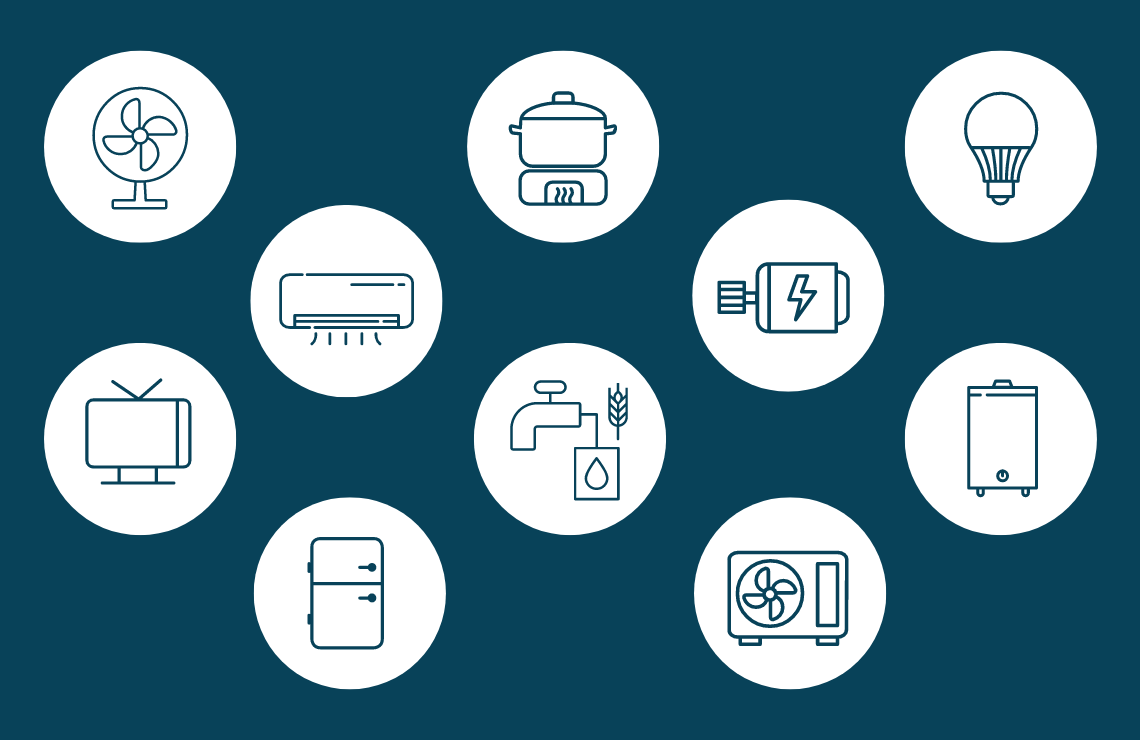
CLASP's Net Zero Appliances NDC Toolkit helps governments incorporate climate-friendly targets for appliance efficiency into Nationally Determined Contributions to the Paris Agreement.
Bridging the Gap: Efficient Appliances in Healthcare
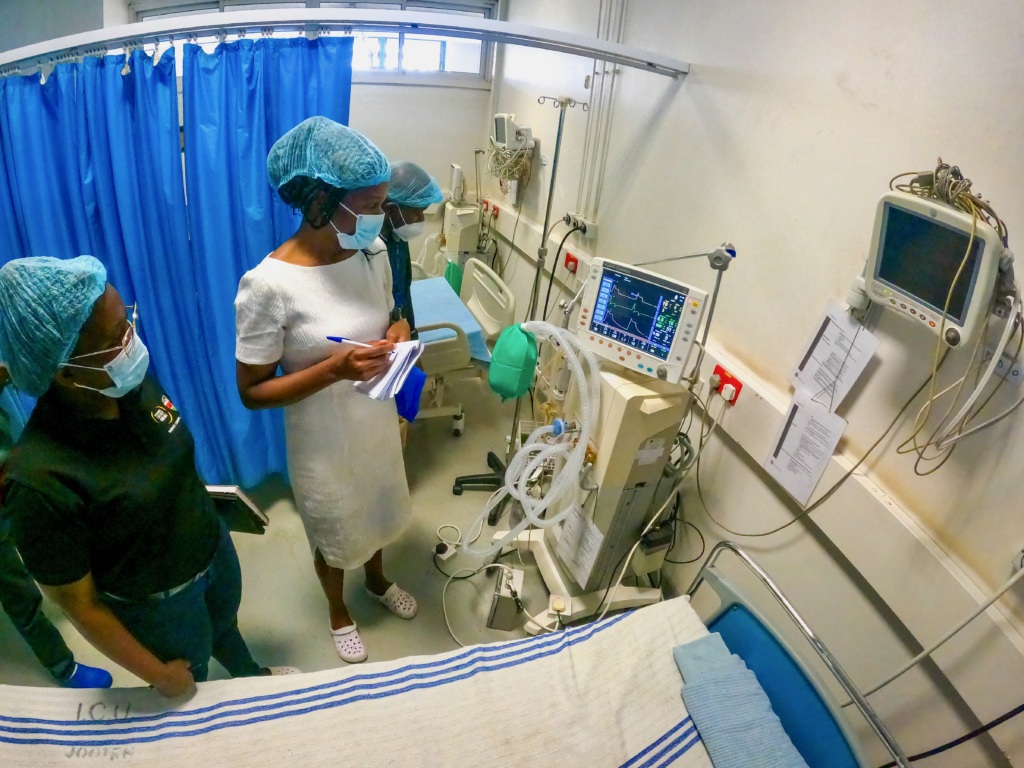
Access to healthcare is a fundamental human right, but for more than 600 million Africans, it remains unattainable. Frequent power cuts and incompatible, power-hungry medical equipment makes it difficult and expensive to provide essential medical services to rural communities. This means patients suffer: mothers give birth in darkness, premature babies lack incubators to help them survive, and preventative care for a wide range of treatable conditions is unavailable.
Designing medical appliances tailored to the different energy settings across the continent is key to improving healthcare in off and weak-grid communities.
Mismatched equipment and energy
Medical equipment, from basic diagnostic equipment to life-saving devices like incubators and vaccine refrigerators, often fail in areas with unreliable energy. They are designed for stable grids in different contexts, which means that around 70% of medical devices in the Global South do not function and go unused. To date, little progress has been made in the adoption of energy-efficient medical appliances.
“Most of the electric medical appliances do not conform to the wiring system and their electricity demands are too high in terms of their voltage, leading to frequent damage of appliances and high electricity bills,” says Victor Ajumbo, the Facility in Charge at the Ober Kamoth Sub-County Hospital in Kisumu.
CLASP, in partnership with SEforALL, is studying the efficiency and performance of medical appliances in off and weak-grid clinics in Kisumu, Kenya–one of the first attempts to assess the suitability of conventional medical devices and appliances in energy-constrained settings. Findings from the Medical Appliances for Clinic Electrification project will help manufacturers design appliances that are better suited to these contexts and support governments in developing appropriate clinic electrification solutions.
Energy efficiency matters in healthcare
Reliable energy and efficient medical appliances are key to addressing Kenya’s healthcare energy gap, where 26% of facilities lack electricity and only 15% have access to reliable power. Many clinic electrification projects install energy systems that are too small or unreliable to meet the needs of their medical equipment. Frequent power cuts and voltage fluctuations often destroy the equipment. Studying the energy consumption of medical equipment is the first step to understanding the scale of the problem and designing appropriate appliances that can safely deliver reliable healthcare in these unique contexts.
“We can’t conduct baby deliveries when there is a power outage,” says Irene Akello, Facility in Charge at the Kuoyo Health Centre in Kisumu County. “It’s a risk the facility cannot take, so pregnant mothers are referred elsewhere. Reliable energy is essential to power critical devices like the resuscitaire (incubator), which supports babies born in critical condition.”

Reliable cooling creates opportunities for growth
Energy efficient appliances not only improve access to healthcare in complex settings but also greatly contribute to sustainability in Africa’s medical sector. Hospitals require around 119 kWh of electricity per square meter annually to function properly, making them one of the most energy-demanding institutions to run. To put this into perspective, a single hospital bed needs as much power as three to four single-family houses. Replacing the inefficient devices in medical facilities with energy efficient alternatives can help to reduce electricity consumption, which in turn cuts operating costs and reduces carbon emissions.
“The healthcare sector contributes 5% of global greenhouse gas emissions globally. Around 71% of that comes from supply chains, which include medical appliances. Transitioning to efficient appliances can lower this impact considerably while supporting clinics in off and weak-grid areas to buy the right equipment to serve their communities,” says CLASP’s Emily Bolo.

A path forward
Africa’s ever-changing landscape needs an energy system that matches its diversity and growth, and the demands that come with it. Efficient medical appliances are an important part of this system and can be a game changer for healthcare delivery in Africa’s off and weak-grid communities.
CLASP’s research in Kenya is a crucial step towards bridging the gap between energy and healthcare. With the right energy systems and efficient appliances that match them, under-resourced communities can come one step closer to rightly realising their fundamental human right to healthcare.
Read the groundbreaking report, “Medical appliances for resource-constrained settings.”
Sign up for our newsletter to read our upcoming report, “Efficient Appliances for Health Clinic Electrification,” launching in March 2025.