
Millions of People Lack Electricity. Solar Appliances Can Help
Cooling down on a scorching day, lighting the house at night, heating a pan to cook dinner: In wealthy countries, people take for granted the ability to meet their basic needs by switching on appliances. But in low-income nations, these appliances, along with the electricity needed to power them, are often out of reach.
As the planet warms, the lack of critical appliances has increasingly severe consequences, making it harder for people to thrive—and, in some cases, simply survive—in ever-harsher environments. Solar-powered appliances are a promising solution.
In this interview, Martha Wakoli, who works on CLASP’s clean energy access team in Nairobi, discusses their potential and how to reach it.
*
Sarah Wesseler, CLASP managing editor: Let’s start with some basics about solar appliances. What are they? Why should people who are interested in sustainable development and climate change care about them?
Martha Wakoli: Well, in places like the States or Europe, if you need light, you switch on a light bulb. But in other parts of the world, millions of people don’t have that option—they’re not connected to the electric grid. So they’ve found creative solutions for accessing services like lighting, cooling, and cooking. And that’s where the idea of solar appliances developed.
For a long time, this technology was used for things like charging phones and lighting homes. But increasingly, we’re seeing the potential to power much larger, almost industrial-level processes with solar appliances. Say you’re a clothing manufacturer in a place that doesn’t have electricity: The machines you need could be powered by the sun.
There’s more and more research and investment in these kinds of appliances. That opens a whole new pathway of solutions for the millions of people who continue to live without electricity.
Wesseler: When you say these appliances are powered by the sun, how does that work? I’m thinking about the US, where I live: A lot of people have solar panels on their roofs, but they still use standard appliances plugged into standard wall outlets. How are solar appliances different?
Wakoli: Well, with solar appliances, the appliance is connected directly to a solar panel on your roof via a cable. And depending on how many panels you have and how large they are, you could have multiple cables powering multiple appliances at the same time. And for appliances that are used outdoors—water pumps, for example—the cables from the solar panel also run directly to the appliance.

Solar irrigation in India
Credit: IDE Global / Bimala Colavito
Wesseler: What if the sun’s not out? Can you still run solar appliances then?
Wakoli: Yes. Solar appliances come with a little bit of energy storage, typically in the form of a battery, that allows them to keep functioning when it’s not sunny. For example, solar refrigerators keep things cool even at night.
Wesseler: That all makes sense. But why not just connect more people to the electric grid? Why focus on solar appliances instead?
Wakoli: There are a lot of reasons, but the most important is that it’s typically much more expensive to extend the power grid to far-flung places than it is to provide solar appliances. Solar appliances are more cost-effective in rural areas.
Providing solar appliances is also faster than building out the grid, which takes a long time. This is important given the urgency of the climate disaster, which we’re observing in real time, whether it’s heatwaves in India or droughts in Zambia. People need appliances that can help them adapt to climate change now.
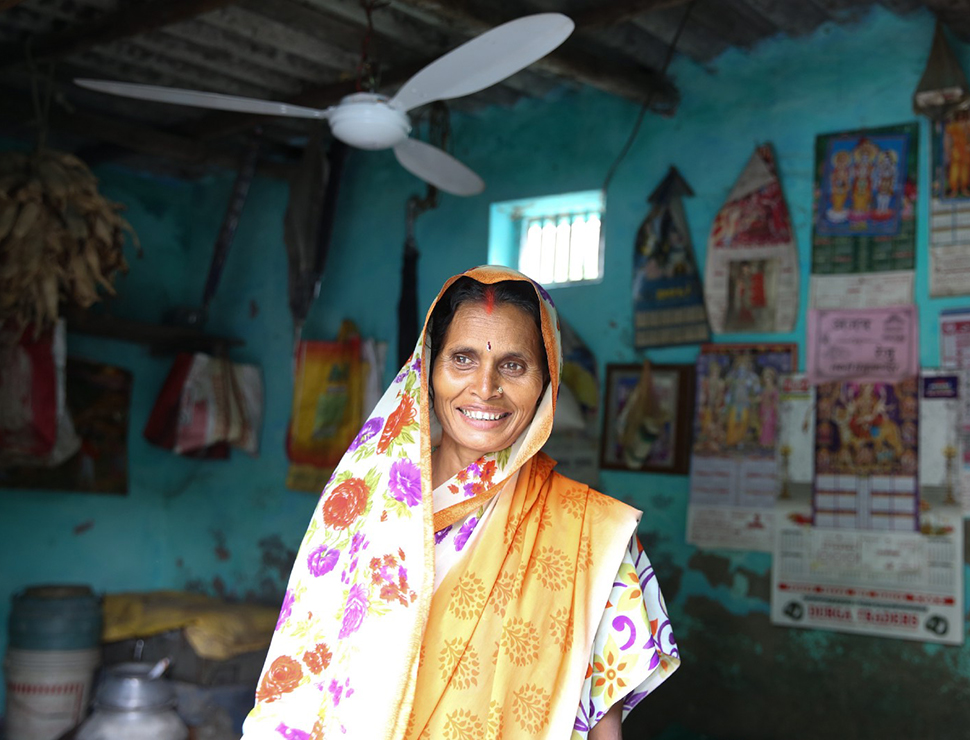
Credit: Monica Tiwari, SPI

Credit: Efficiency for Access
Solar appliances can also help people build climate resilience and empower them to be more active participants in their own development. I’ll give you an example: In Mozambique, the government used taxpayer money to build an electric grid, but in 2023, Cyclone Freddie knocked it out. Compare that to decentralized systems, where people can have their own solar panels on their roofs or solar pumps on their farms. Because these appliances are modular, the scale of damage tends to be much smaller.
This kind of resilience is especially important for facilities like schools and hospitals. When floods or droughts make it impossible for them to operate where they are, there’s not much they can do if they rely on the electric grid. But with solar, they can move to a safer location and take their power source with them.
Another reason is that the grid itself is changing. Around the world, we’re preparing for what we’re calling the grid of the future. A lot of people now have electric vehicles, and in some areas, these vehicles can be plugged back into the wall, sending that power back to the grid, right? So you now have a complex bidirectional electric system that’s very different from what has existed for the last 70 years. Instead of having very few energy producers and many consumers, you have a growing number of what’s called “prosumers”: They produce the energy and they’re also consumers. This subset of people is growing everywhere.
Wesseler: You recently led research seeking to understand the number of people globally who need solar appliances. Why did you focus on this issue in particular?

Solar appliances can help people build climate resilience and empower them to be more active participants in their own development.Martha Wakoli
Wakoli: Well, in the development sector—so essentially, organizations that are trying to lift people out of poverty—if we cannot quantify a problem, it is difficult to know what interventions are needed in terms of money, regulations, and human capital. So providing information like this helps decision makers develop solutions.
And in this case, the problem we are looking at involves energy services to help marginalized people lift themselves out of poverty while also building resilience. This is important because, as we know, these groups are already being affected by climate change. So one goal of our work is to help the development and climate sectors understand that they’re working toward a common target.
This is particularly critical because, as we recently saw at COP29, there’s still a lot of resistance to the idea that the nations most responsible for climate change should fund other nations to protect themselves from it. But what the international community needs to understand is that that if we don’t mitigate climate disasters in the most vulnerable communities, the damage won’t just stay in those communities. Issues like climate-driven displacement and public health crises can easily spill over borders, making climate change an even more complex and expensive problem to solve. So I believe the international community should collaborate to address energy access challenges immediately to avoid this complication.
Wesseler: What did you learn from the research?
Wakoli: The key finding was that only about 2% of the need for key appliances is being met.
I think people in the international development and energy sectors intuitively knew that we are falling behind on providing universal electricity access, but there was still maybe not a good understanding of how far behind. With this research, we put a number to it: There are over 500 million people who need these appliances but don’t have them and won’t be able to afford them unless there are major changes in the appliance sector. That’s a massive gap.

Solar mill in Nigeria
Credit: CLASP
Wesseler: What would it take to close this gap?
Wakoli: Well, we need more investment at all levels of solar appliances. We need to invest in people who can support the sector: students, researchers, manufacturers, distributors, maintenance people. Companies need money to build these appliances, to test business models, to scale. We also need money for governments to conduct awareness campaigns. People need to go into communities to let them know about these appliances and demonstrate how they work.
We also need more cross-disciplinary dialogue. Lifting people out of poverty requires more than electricity or appliances; the solution has to involve people who work in agriculture, environmental advocacy, etc. A practical example is solar water pumps, which make it easier for farmers to generate income. But productivity is not only a function of water; farmers also need good seeds, fertilizer, and good soil. So people outside the energy sector need to be involved as well.
Ultimately, we need to build a market that can exist without external support. Think of Coca-Cola. Soda is the one thing that is ubiquitous in every place I have been, even where people don’t have high incomes. Coca-Cola has figured out how to reach the last mile in countries like Kenya and India. The solar appliance sector needs to get to the same place.
Developing a self-sustaining market for solar appliances will require collaboration across governments, the private sector, and development partners. Governments need to prioritize solar appliances and other energy-efficient solutions as part of their national electrification strategies, and the appliance sector needs to build muscle in distribution and consumer awareness. What’s more, all these actors need to prioritize ensuring that solar appliances support increased productivity, driving up incomes for communities living below the poverty line.
Many critical pieces of this puzzle are currently missing. Right now, a lot of the money in the solar appliance sector comes from European governments as part of their international aid programs. But if we’re thinking about a sustainable solution for more than 50 countries and more than half a billion people, it cannot be contingent on well-wishers alone.
Interview edited and condensed.
Cool for Business: Solar Refrigerators Powering Off-grid Communities
“Naija no dey carry last” in Pidgin means Nigerians always aim to finish first. This spirit is reflected in the country’s focus on innovation, driven by creativity and passion. However, for over 86 million Nigerians without reliable electricity, the struggle to keep businesses running means often relying on costly, polluting diesel generators. This added expense and the uncertainty brought on by regular power cuts place a significant burden on the country’s people, economy, and environment.
Affordable, solar-powered refrigerators are an elegant solution with the potential to transform small businesses in Nigeria’s rural, off- or weak-grid communities.
Solar appliances for any wallet
Solar refrigerators are efficient and effective but high costs and limited financing keep them out of reach for many Nigerians who could benefit from their impact. Recognizing this gap, CLASP’s Productive Use Financing Facility (PUFF) stepped in, offering grants, subsidies, and business support to companies such as Consistent Energy Limited to put affordable, life-changing technologies into the hands of those who need them most.
“The grant that was given to us by CLASP under this project really helped us building our capacity to reach last-mile distribution chain. The landed costs of the fridge to a customer in Nigeria will have been very high if not for the subsidy that we received,” says Segun Adaju, the CEO of Consistent Energy.
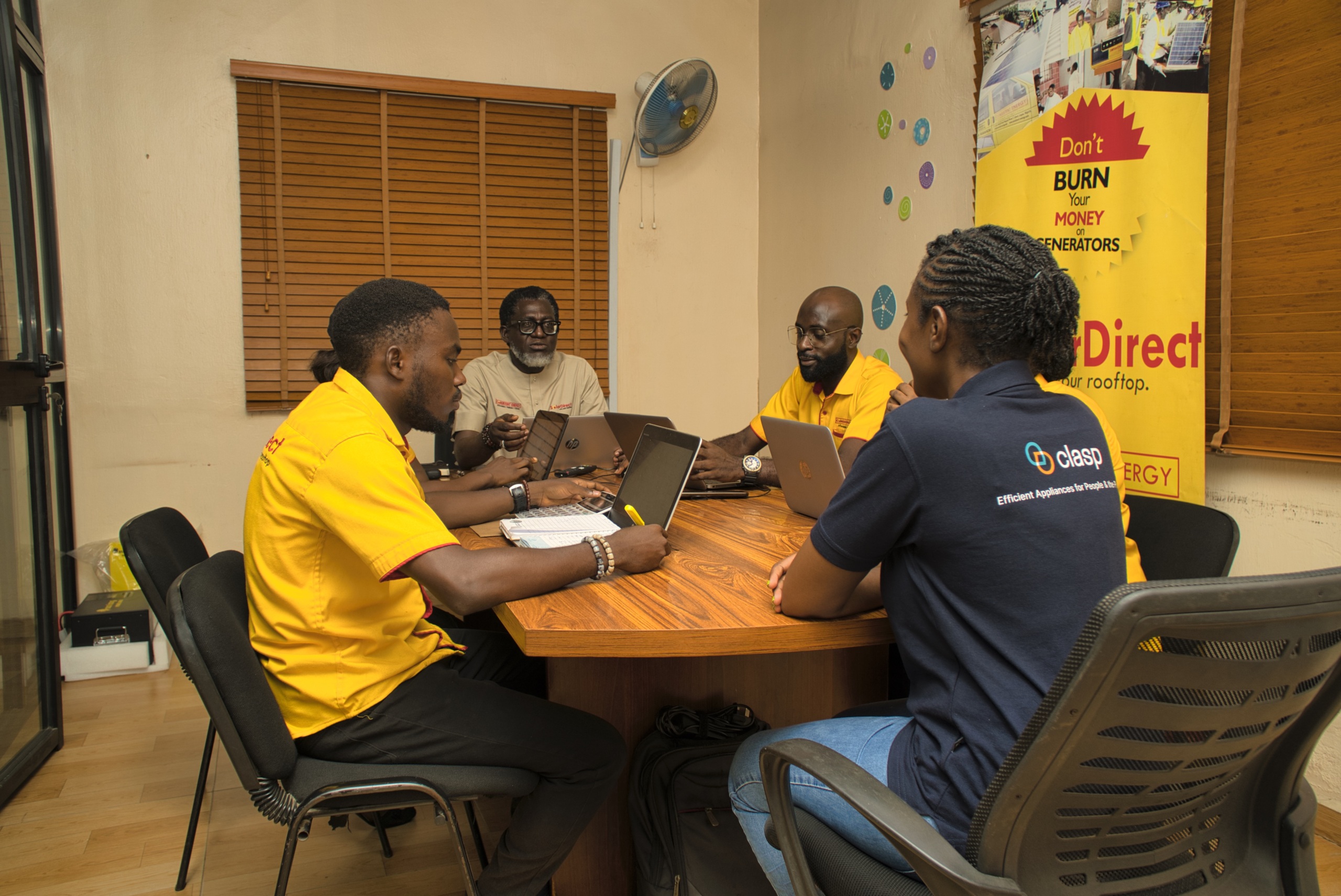
Solar refrigerators: A boon for businesses and customers
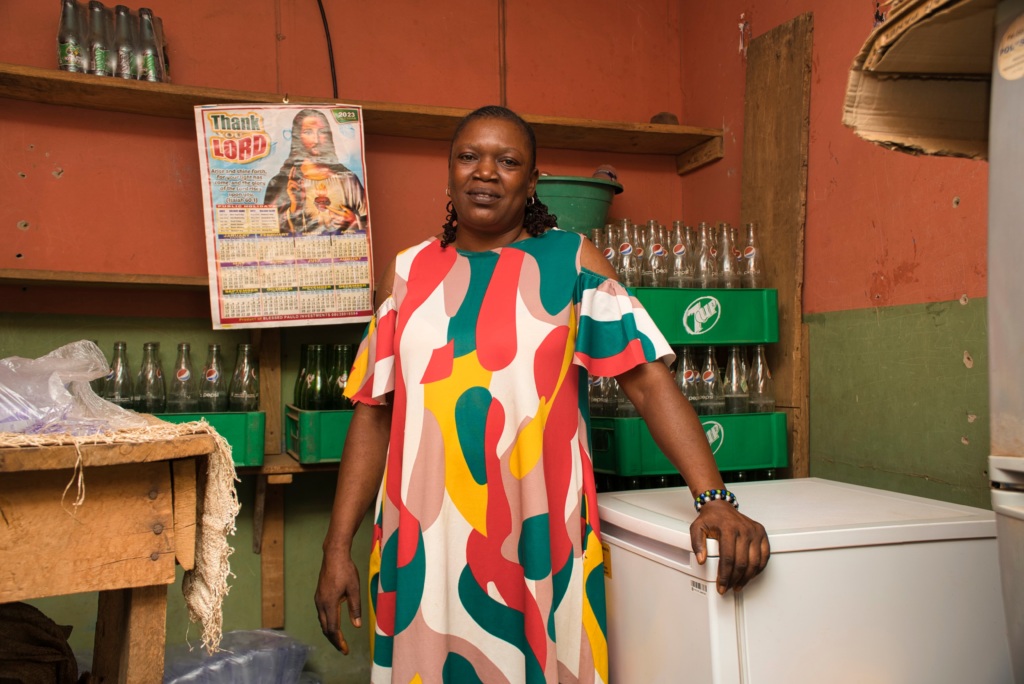
Solar refrigerators keep food cool, safe, and marketable and reduces waste. Without reliable refrigeration, shopkeepers spend more time and money on temporary cooling options such as ice and coolers and are forced to raise prices to do so, hurting both the business and their customers. This cycle was no longer viable for small business owners such as Abibat in Nigeria.
“We were buying ice blocks which led us to some debt, and after a while, the block would melt. We no longer had cold items for sale,” says Abibat Akinwale, a shopkeeper and Consistent Energy client. “The solar fridge has really increased sales. Business is very good now because I’m able to sell cold drinks.”
Consistent cooling creates opportunities for growth
Reliable, long-term cooling keeps food prices stable, meaning that Abibat’s customers have good reason to return to their shop. In Nigeria, the appeal of solar refrigerators lies in their reliability, a quality that resonates with businesses that refuse to “carry last.”
In a country where every Naira counts, solar-powered refrigerators are a game changer for small business owners in Nigeria. Because they are powered by renewable energy, solar refrigerators provide cooling without the cost of constant refueling. This switch to solar means that entrepreneurs save thousands each month that would otherwise be spent on generator costs, fuel, and maintenance. Instead, they can channel those funds to more productive uses and fully participate in the country’s growing economy.
Such opportunities for growth are especially important for women like Helen Obina, who make up a large percentage of the small business owners in Nigeria. For her, business was “not really moving” because she relied on the grid and generators. Installing her solar refrigerator relegated those worries to the past. “Having a solar fridge has really changed my business. The sales have really increased, and the business is moving,” she shared. Helen’s story is not isolated, it is an example of a growing trend for those who are able to access life-changing solar appliances.
Solar solutions bridge the energy gap
Refrigerators are an essential appliance for sustainable development, but 60% of the population in Africa does not own one. For nearly a decade, CLASP has been working to bridge this energy access gap by improving access to efficient appliances that work in off-grid or weak-grid areas.
“Over 600 million Africans don’t have access to electricity. Efficient appliances are an affordable and clean option for these cut-off communities who are otherwise forced to use polluting and expensive alternatives to maintain a good standard of living and actively participate in their economies,” says Ruth Kimani, a Senior Associate at CLASP.
These productive-use appliances (PUAs), such as solar-powered refrigerators, solar water pumps, and solar milling machines are technologies that have a direct, transformative impact on local communities, small businesses, and people’s livelihoods. They are also a necessary shift toward clean energy and reduced reliance on diesel-powered generators.
Shift to solar signals promising future
CLASP and companies such as Consistent Energy have helped small business owners in Nigeria gain independence from unreliable and costly energy sources through renewable appliances. They are now free to chase their dreams and ambitions with renewed fervor, which will have a positive impact on the economy, people, and the planet.

About The Productive Use Financing Facility
CLASP’s Productive Use Financing Facility, is supported by The Global Energy Alliance for People and Planet (GEAPP). It has provided financing to 24 companies in six countries, to enable the distribution of over 13,000 productive-use appliances, directly impacting more than 58,000 households.
Find CLASP at the Global Off-Grid Solar Forum and Expo
CLASP drives technology innovation and catalyzes appliance market growth, putting efficient, affordable, high-quality appliances and equipment within reach of low-income families and communities, as well as smallholder farmers. From 8 to 10 October 2024, we will be bringing our solutions to the eighth Global Off-Grid Solar Forum and Expo (GOGSFE) taking place in Nairobi, Kenya.
Why are solar or off-grid appliances crucial?
Energy poverty is a reality for more than one billion people worldwide, with detrimental effects on health, productivity, and livelihoods.
A new report from Efficiency for Access (EforA), the coalition CLASP co-manages with Energy Saving Trust, shows that while approximately 159 million off-grid solar fans, water pumps, refrigerators, and grain mills are needed to serve people who lack access to the grid, less than 2% of this demand is being met. The off-grid solar sector must grow rapidly in scale and ambition in order to avoid leaving people behind.

About the event:
GOGSFE will gather policymakers, investors, entrepreneurs, and development actors from around the world to discuss strategies to help move toward universal electricity access, build climate resilience, and improve equity, agriculture, and health.
CLASP is hosting three key events during the Forum:
- A 25th anniversary party celebrating CLASP’s expertise in efficient appliances’ role in fighting climate change and improving people’s lives
- A breakfast meeting for donors and grantees of the Energy Access Institutions Facility
- And an industry dinner with GOGLA for all Forum attendees.
In addition, several CLASP experts are presenting and contributing to discussions throughout the Forum. These will showcase the critical role energy-efficient appliances play in the race to universal electrification.
Find CLASP at the following events:
| Date and Time | Location | Event | CLASP Speakers |
|---|---|---|---|
| Tuesday 8 October 1:30 PM – 2:45 PM EAT | Lenana | Agricultural processing: unlocking the potential for the next productive use frontier | Nyamolo Abagi and Michael Maina (both representing CLASP and EforA) |
| Tuesday 8 October 1:30 PM - 2:45 PM EAT | Aberdares | Over 3.3 million jobs by 2030: How workforce and human capital investment can grow Africa's green economy | Abigail Kuria (representing CLASP and EforA) |
| Wednesday 9 October 3:45 PM - 5:00 PM EAT | Turkana | Last mile repair: a collaboration opportunity for manufacturers and distributors | Martha Wakoli (representing CLASP and EforA) |
| Thursday 10 October 1:30-2:45 PM EAT | Tsavo B | Taking the credit: unlocking the DRE carbon finance opportunity | Sam Grant (representing CLASP and EforA |
Leave No One Behind: Bridging the Energy Access Gap with Innovative Off-Grid Solar Solutions
Millions of people lack access to the power grid, particularly in low-income rural areas of Africa and South Asia. If the current slow pace of electrification continues, 660 million people – most of them in Africa – will remain without electricity in 2030. Due to numerous challenges, people in off-grid settings typically have a lower quality of life, worse health outcomes, higher energy costs, and fewer economic opportunities than their grid-connected peers. High-quality, efficient off-grid solar appliances are a proven solution to these challenges.
This report – the third in the State of the Off-Grid Appliance Market series – finds that while the sector has strong fundamentals, it must rapidly grow in scale and ambition to avoid leaving people behind.
Key Findings:
- Approximately 159 million off-grid solar fans, water pumps, refrigerators, and grain mills are needed to serve people who lack access to the electric grid. Less than 2% of this demand is being met, leaving more than half a billion people without life-changing appliances.
- There is a significant market opportunity of $58 billion USD for off-grid solar appliances like fans, water pumps, refrigerators, and grain mills.
- The off-grid appliance sector is characterized by a multitude of business models, reflecting a diverse range of technologies, end users, and operating environments. There is no one right business model; rather, chosen models need to be managed appropriately.
- Closing the energy service gap in sub-Saharan Africa and South Asia requires exponential growth in the appliance sector. This can be achieved by deploying significantly more capital, strengthening cross-sectoral collaboration, and developing coherent policies and innovative business models.
Recommendations:
- Governments should emphasize quality assurance and consumer protection through rigorous quality standards and tax and duty exemptions to make high-quality solar products more accessible; support an enabling environment by incentivizing local manufacturers and launching consumer awareness campaigns; and develop integrated policies by establishing cross-ministry task forces to integrate and harmonize policies and regulations.
- Investors, development partners, and financiers should encourage market entry by increasing the deployment of capital over the next ten years; create public-private partnerships by developing programs that combine public and private funding; integrate with climate finance by leveraging carbon credits and other climate finance mechanisms; and provide innovation funding to local and foreign technology innovators.
- Technology innovators should design appliances that meet the specific needs of local off-grid consumers; and enhance product durability and reliability that focuses on long-term user satisfaction and low maintenance costs.
- Venture builders and entrepreneurs should work to expand pay-as-you-go (PAYGo) models; leverage catalytic grants to innovate business models and build partnerships; and focus on specific market segments to enhance efficiency and increase market penetration.
- All market actors should prioritize user-centric data that directly benefits appliance users; harmonize methodologies that establish standardized tracking systems for assessing progress and informing policy decisions; and facilitate data sharing to inform decision-making and policy development.
About Efficiency for Access
Efficiency for Access is a global coalition working to promote renewable and energy efficient appliances to deliver clean energy to the world’s poorest people. It is coordinated jointly by CLASP and the UK’s Energy Saving Trust.
Market Assessment Report for Commercial Beverage Coolers in India
Commercial beverage coolers, or visi coolers, are glass-fronted refrigerators used in stores and restaurants to display bottled and canned drinks. According to the India Cooling Action Plan (ICAP), this sector will grow 2-fold in the next decade and 6-fold in the following one, increasing energy use by 2.2 to 6 times.
While domestic refrigeration in India is regulated for energy efficiency, many commercial refrigeration products are not yet covered by the Bureau of Energy Efficiency (BEE) standards and labeling program. Given the growing market, BEE plans to introduce energy efficiency labels for visi coolers to promote more efficient models. CLASP supports BEE by conducting market assessments and developing efficiency policies for these appliances.
CLASP’s market analysis of visi coolers in India revealed several key findings:
- In India, visi coolers vary widely in demand and popularity across the market.
- About 75% of manufacturers specialize in models with capacities ranging from 200 to 500 liters, expected to last around 7 years on average.
- International suppliers play a significant role in the visi coolers market, with 30% of parts imported from countries like China, South Korea, Thailand, and Slovakia.
- Many visi coolers in the market remain in use for more than 7 years, indicating their longevity.
- Different types of stores use visi coolers differently; for example, dairy shops use coolers to keep milk and dairy products cool, while smaller stores may switch the coolers off when product is cold.
- Overloading of shelves and frequent opening can reduce cooling efficiency and increase energy consumption.
- Single-door visi coolers are prevalent due to space constraints in stores.
- Furthermore, single-door models constitute almost 90% of production, while nearly 100% of respondents manufacture floor-standing, vertical visi coolers.
The labeling program for commercial beverage cooler was launched under voluntary phase by BEE on 1st March, 2024. The validity of the program will be from 1st March, 2024 to 31st December, 2026.
The program is expected to reduce energy expenditure by 11.67 billion kWh from 2024–2034, and reduce CO2 emissions by 8.35 megatons (Mt) CO2.
Financing for Impact: CLASP Supports Companies Delivering Sustainable Cooling in Nigeria
Nigeria, like many West African countries, has experienced record-breaking temperatures in recent months. These intense heatwaves threaten people’s health, reduce food production, and increase energy costs as people try to stay cool.
Affordable Solar Cooling to Replace Diesel Generators
Inconsistent power supply in the country means households and businesses rely on expensive, polluting diesel generators for electricity – a system not everyone can afford.
The solar refrigerators sold by companies like Koolboks, offer an affordable and reliable cooling solution.
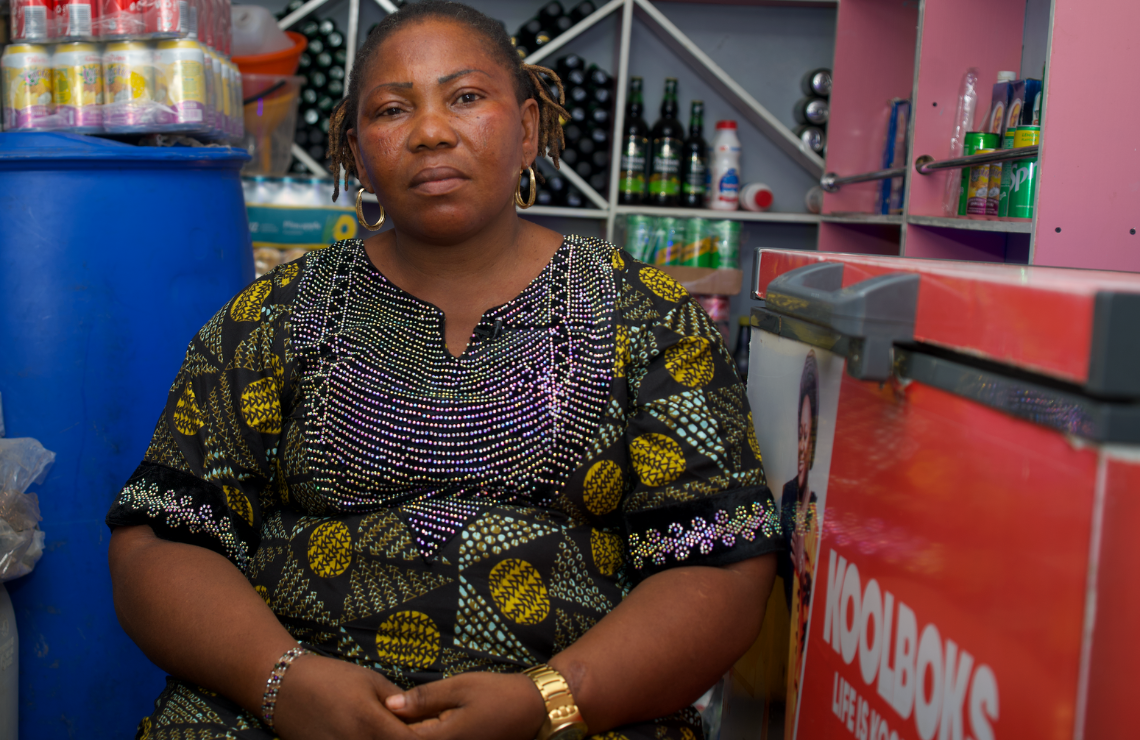
“When my customers come to me saying they have no power supply and ask how I have electricity? I tell them, "I am using Koolboks to chill my drinks.”
Doris Chuwa, Koolboks customer
CLASP Increases Access to Life-Changing Appliances
Lack of reliable access to electricity is a reality for half of the world’s population, 3.5 billion people worldwide. This energy poverty has detrimental effects on health, productivity, and livelihoods.
For close to a decade, CLASP has been working to improve access to efficient appliances that work in off-grid or weak-grid areas. These productive-use appliances (PUAs), such as solar-powered refrigerators, solar water pumps, and solar milling machines are technologies that have a direct, transformative impact on local communities, small businesses, and people’s livelihoods. As these appliances are often powered by renewable energy, they have far lower running costs for consumers, and they reduce harm to the environment and the climate.
Innovative financing for Local Distributors
Through its regional presence in four continents, CLASP has researched and worked on different mechanisms to increase access to life-changing, off-grid appliances. Since 2016, CLASP has been driving technology innovation and catalyzing appliance market growth through innovative financing. CLASP works to put efficient, affordable, high-quality appliances and equipment within reach of low-income families and communities through financing projects like the Energy Access Institutions Facility and various results-based financing initiatives like the Higher-Tier Cooking Component and Global LEAP Awards.
CLASP also initiated the Productive Use Financing Facility, a $6.5 million USD innovative financing program aimed at catalyzing the uptake of productive use appliances across East, West, and Central Africa. This innovative facility delivers support to companies through capacity-building grants, subsidies, and business support.
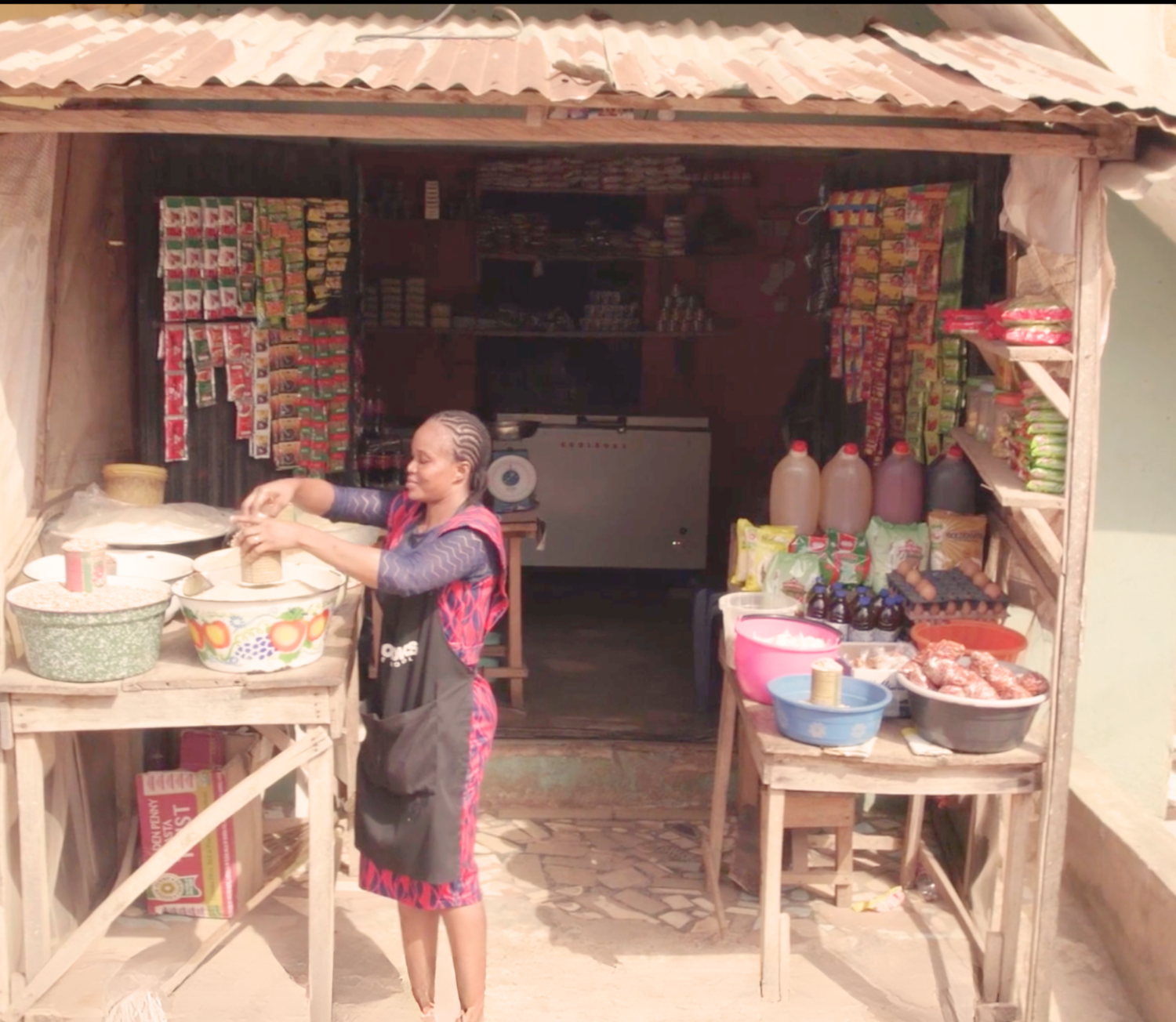
The Facility strengthens the role of appliance suppliers and distributors by providing capacity-building grants to companies like Koolboks. In addition to business support, CLASP improves appliance performance testing to verify appliance quality, ensuring Koolboks consumers receive reliable information about the efficiency and quality of the products on sale.
“Thanks to the capacity-building funds, we were able to set up the local assembly plant. Now, customers are able to have access to some amount of discounts on their product, which made it more affordable for them.” Lolade Esther Alonge, Project Manager, Koolboks
Watch the video to hear more from Koolboks and their customers on the impact of access to affordable cooling.
***
About The Productive Use Financing Facility
CLASP’s Productive Use Financing Facility, is supported by The Global Energy Alliance for People and Planet (GEAPP). It has provided financing to 24 companies in six countries, to enable the distribution of over 13,000 productive-use appliances, directly impacting more than 58,000 households.
China’s Path to High-Efficiency Cooling
The recent China Refrigeration Symposium 2024 and the China Cooling Expo 2024 took place in Beijing. China also announced it will promote the use of CO₂ and other natural refrigerants to reduce the harmful environmental impact of cooling systems.
CLASP was there too, to present our global research on the interlinked climate and sustainable development opportunities affordable, efficient cooling appliances can bring, as well as the policy mechanisms that can expedite a country’s transition to efficiency. CLASP research indicates that improved appliance efficiency policies in China would reduce 500 million tons of CO₂ by 2040.

CLASP has supported data and analysis to support China’s policy upgrades for commercial refrigerators, room air conditioners among other appliances. The China Labeling Program covers more than 150 appliances and emphasizes high efficiency standards.
The China National Institute of Standardization (CNIS) and leading universities like Southeast University develop frameworks for improved efficiency policies.
“CLASP has provided international best practices to CNIS and immense support to our technical teams, helping us make significant progress in improving appliance energy efficiency in China. Our efforts will help the country meet its commitments of peaking carbon emission by 2030, and reaching carbon neutrality before 2060,” said Liqiang Xing, Director of Resource & Environment, CNIS.
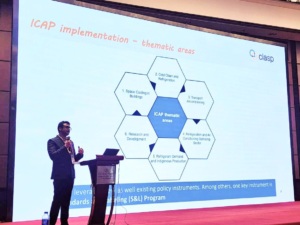
CLASP’s research highlights the opportunity and urgency needed for concerted global efforts to achieve high-efficiency cooling solutions. “The critical role of policymaking in implementation of high-efficiency technologies cannot be overstated. Chinese leaders who set strict standards for energy efficiency are a beacon for the global community”, said Steven Zeng, CLASP’s Program Lead in China.
As CLASP continues to collaborate with international policymakers, industry stakeholders and global partners, momentum for high-efficient cooling is picking up pace. By leveraging collective expertise and shared goals, the path to a more energy-efficient and environmentally sustainable future for cooling systems is increasingly attainable.
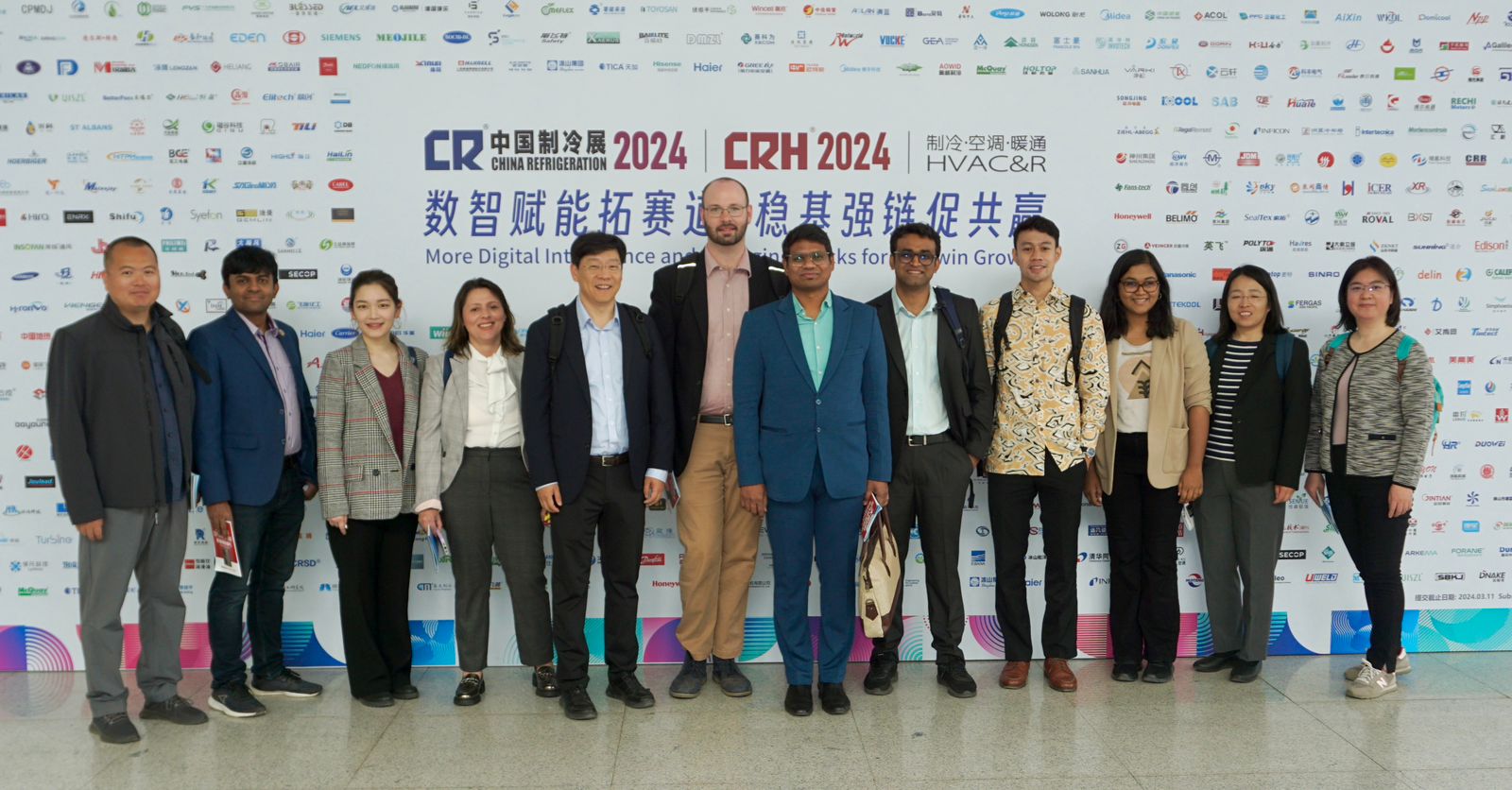
CLASP's global team at the China Cooling Expo 2024
Brazil Is Driving Down Consumer Costs by Revving Up Efficiency
Brazil is one of the world’s most unequal countries, with 24% of the population living in poverty as of 2022. Millions of people in the dense, low-income communities known as favelas struggle to access the energy needed to keep their lights on, forcing many to turn to dangerous, illegal alternatives like electricity theft.
Inequalities in Brazilian energy access are glaring. Basic services like cooling and cooking are becoming increasingly cost prohibitive to households with fewer resources. Getting affordable, efficient appliances into the hands of more Brazilians is critical to protecting the country’s health, productivity, and economic sustainability.
Take refrigeration, for example. According to recent UN data, about a third of Brazilians face moderate or severe food insecurity. Putting more efficient refrigerators on the market can reduce energy bills, promote food security, and drive appliance affordability.
Understanding the importance of this opportunity, Brazil’s government revised its refrigerator minimum efficiency policy in 2023 with technical support from CLASP.
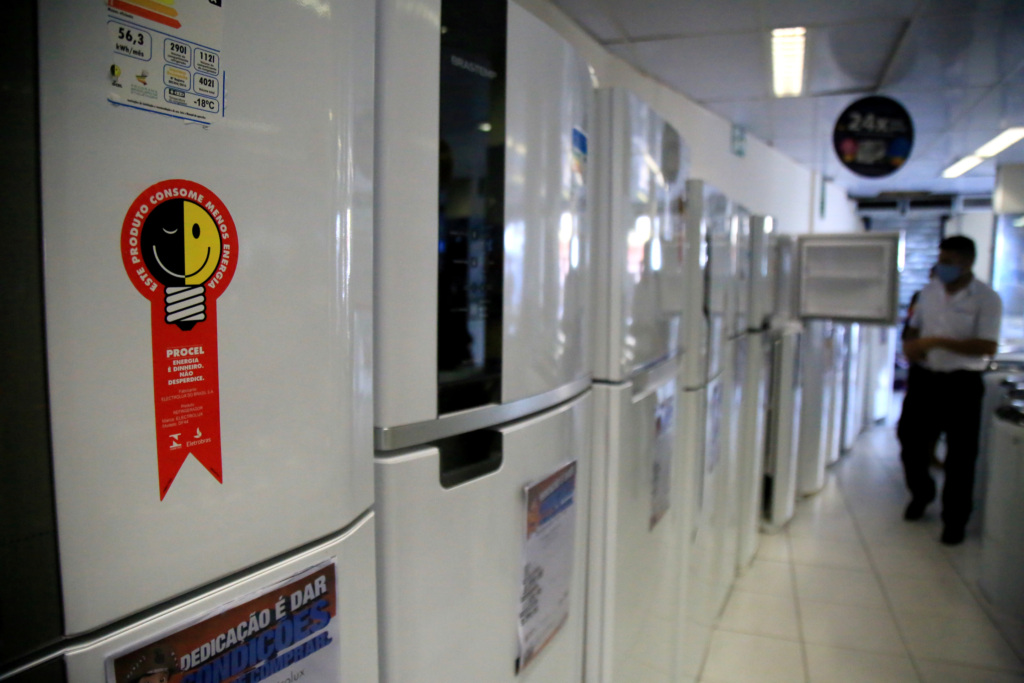
Efficiency drives affordability
While the new policy was being debated, appliance manufacturers implemented a mass media campaign to stoke public fear. They claimed that removing the least-efficient refrigerators from the market would make refrigeration unaffordable to average Brazilians, predicting that all refrigerators would cost more than $1,000 USD under the new rule.
This proved to be far from the truth.
Within days of the refrigerator policy’s implementation, Brazilian manufacturer Esmaltec introduced a new, high-efficiency refrigerator listed for only $358 USD— well within the average historic price range. Whirlpool, Brazil’s largest manufacturer, also announced that its prices would not increase as a result of the policy.
Other nations that have passed ambitious new appliance policies have seen similar results. When a country raises its appliance energy efficiency levels, manufacturers are prompted to increase production of innovative technologies that meet the market’s new requirements. As production volumes increase, the upfront prices of more-efficient equipment like air conditioners, stoves, and lightbulbs drop as the market for these products becomes more competitive. The cost savings increase over an efficient appliance’s lifetime due to reduced energy use.
In Brazil, CLASP anticipates that this trend will extend to the full domestic refrigerator market. The new refrigerator policy is expected to save consumers an average of US$164 on electricity bills over the lifetime of the appliance.
Policymakers have proven tools on hand
Energy labels and minimum efficiency policies are proven policymaking tools to reduce upfront appliance costs and cut household energy use. Brazil’s government has committed to improving appliance efficiency in the upcoming years — opening the floodgates for affordable, planet-friendly appliances for all Brazilians.
In 2024, CLASP is supporting Brazilian policymakers in developing minimum efficiency policy and labels for lighting, as well as the country’s first-ever minimum efficiency policies for commercial air conditioners and refrigerators.
CLASP’s report, Net Zero Heroes: Scaling Efficient Appliances for Climate Change Mitigation, Adaptation & Resilience, offers ambitious efficiency targets for the most impactful appliances and equipment. Explore our recommendations here.
CLASP Chosen to Lead Initiative with Potential to Bring Clean Energy to Millions
Kigali, Rwanda – At the Transforming Energy Access (TEA) Forum in Kigali, Rwanda this week, CLASP was announced as the new host and manager of the Energy Access Institutions Facility, an initiative that seeks to provide core funding and technical assistance to organizations who accelerate access to life-changing, off-grid energy to millions of people around the world.
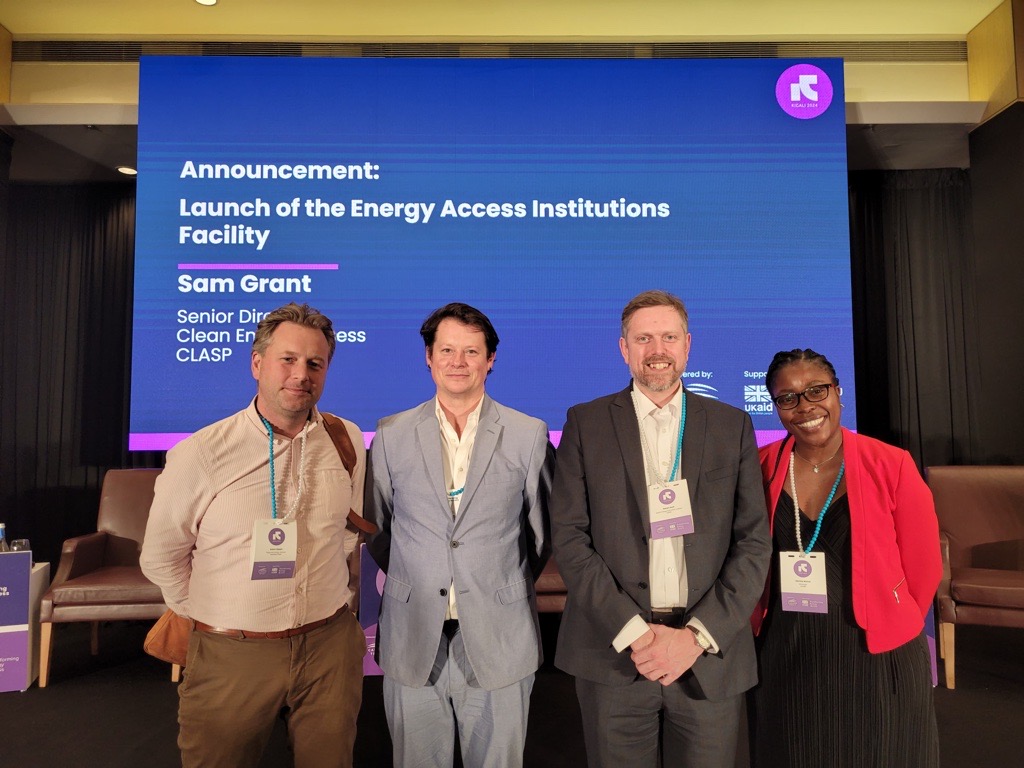
Over the next five years, the Facility’s vision is to deploy $25 million USD to a portfolio of five to ten impactful organizations, known as “market institutions”, that are working to grow the distributed renewable energy (DRE) sector. DRE systems are stand-alone, off-grid energy solutions that generate and distribute renewable energy without needing to be connected to the main grid. Expanding this sector has the potential to transform lives and livelihoods by increasing incomes, empowering women, enhancing educational opportunities, improving healthcare, reducing food waste, avoiding greenhouse gas emissions, and much more.
The Facility’s growing portfolio of organizations is expected to have reach across several countries in sub-Saharan Africa and South Asia, potentially increasing the delivery of renewable off-grid energy to millions of people from low-income communities.
Market institutions that support the following will be eligible to apply to the Energy Access Institutions Facility:
- Clean cooking solutions
- Energy efficient appliances and equipment
- Productive Use of Energy
- Standalone solar systems
- Micro grids and mini grids
This Facility is a result of multiple years of funding and commitment by the UK’s Foreign, Commonwealth and Development Office (FCDO) and the UK charity Shell Foundation (SF), and two years of incubation and development managed by Open Capital. FCDO and SF provided $5.5 million USD in seed funding to the first tranche of market institutions to prove this concept.
In the Facility’s first year, five market institutions, including the Africa Minigrid Developers Association (AMDA), Ethiopia Energy Market Accelerator (EMA), GOGLA, Nigeria Off-Grid Market Accelerator Programme (NOMAP), and the Uganda Off-Grid Market Accelerator, were the first grantees.
The Swedish International Development Cooperation Agency (Sida) has recently announced its commitment to providing approximately $4.5 million USD in funding for this next phase led by CLASP. This support will enable the Facility to disperse further funding to another round of market institutions and accelerate the Facility’s growth. In the coming months, CLASP is committed to securing additional funding from donors who have already indicated an interest in this impactful initiative.
Anders Arvidson, Senior Advisor and Team Lead in Sida’s Power Africa Team, noted:
“The Facility’s vision of accelerating access to clean energy for the world’s lowest-income people strategically aligns with Sida’s mission to reduce poverty around the world by partnering with the private sector in support of market development and mobilization of capital. We are proud to offer our support to take this initiative to its next phase, and to accelerate necessary growth in the clean energy sector. We look forward to working closely with CLASP to realize this vision.”
CLASP was selected because of the organization’s 25-year tenure as the leading, global organization advancing affordable, efficient appliances to mitigate climate change and help communities adapt and thrive. CLASP has proven expertise managing similar programs, including serving as the co-secretariat of the Efficiency for Access Coalition, an initiative supporting off-grid appliance market research and innovation; and as Operating Agent for the Super-efficient Appliance and Equipment Deployment (SEAD), a $20 million initiative under the Clean Energy Ministerial. CLASP also manages the Productive Use Financing Facility, a $6.5 million financing facility to catalyze the uptake of productive use appliances across East, West and Central Africa.
Christine Egan, CEO at CLASP, reflected on how the Energy Access Institutions Facility would push for real impact in the sector:
“The Energy Access Institutions Facility is positioned to impact and enhance millions of lives at a critical moment for sustainable development and global climate ambition. Exponentially increasing the number of people using off-grid, renewable energy and appliances will be a livelihood game changer in regions where access to traditional grid electricity is insufficient or non-existent. CLASP is committed to serving the sector and partnering with essential energy access institutions to deliver and scale collective impacts.”
In the coming months, CLASP will communicate opportunities for involvement and next steps for market-enabling organizations who are interested in participating, as well as donors who are interested in further supporting the Facility.
About the Facility
The Energy Access Institutions Facility is a joint donor initiative to support and strengthen the institutions that are essential for the achievement of Sustainable Development Goal 7, universal access to affordable, reliable, sustainable, and modern energy by 2030. The Facility is supported by the Swedish International Development Agency (Sida) and UK aid via the Transforming Energy Access (TEA) platform.
Learn more about the Facility.
About CLASP
CLASP is the leading global authority with 25 years’ expertise on how appliance efficiency drives climate mitigation, adaptation and improves the lives and livelihoods of people. An international nonprofit with offices on four continents, CLASP collaborates with policymakers, appliance manufacturers, and leading experts to deliver sound policy recommendations, innovative tools, groundbreaking research, and clear pathways to a more sustainable world for people and the planet.
CLASP Supports India Deliver Two More Appliance Efficiency Policies
On 1 March 2024, India’s Bureau of Energy Efficiency (BEE) announced two new appliance efficiency policies set to reduce roughly 16 million tonnes of CO2 emissions by 2033. CLASP supported BEE with technical assistance in the development of these policies.
The two new appliance efficiency polices are set to enhance the energy performances of commercial beverage coolers and packaged boilers. This was announced by Shri R. K. Singh, India’s Minister of Power and New and Renewable Energy at the 22nd anniversary of the founding of Bureau of Energy Efficiency (BEE). In implementing these, India aims to achieve 16 million tonnes reduction in CO2 emissions, cumulatively by 2033, helping the country meet its climate targets, reduce pressure on the national power grid and lower the running costs for businesses.
BEE’s Standards & Labeling Program now covers 37 efficiency policies, including appliances and equipment across residential, commercial, and industrial sectors. CLASP has collaborated with BEE for many years, providing technical assistance, research expertise and policy advice.
Reflecting on the launch, Bishal Thapa, Senior Director at CLASP, commended BEE for its proactive approach to energy efficiency and expressed optimism about the impact of these policies. “Energy efficiency is paramount to tackle climate change, and India’s commitment is commendable,” Bishal remarked. “At CLASP, we are pleased to provide technical assistance to BEE in the development and implementation of appliance efficiency policies in India. CLASP stands ready to support BEE in implementing these policies effectively, ensuring that they deliver tangible benefits for both India and the global community.”
The two policies cover the following appliances:
Commercial Beverage Coolers
While domestic refrigeration is already regulated for energy consumption in India, the India Cooling Action Plan (ICAP) noted the opportunity to increase the energy efficiency and lower the running costs of various commercial refrigeration products. This is timely as the number of commercial refrigerators, including commercial beverage coolers, is poised to double in the next decade.
Packaged Boilers
Packaged boilers are small-sized boilers essential for meeting steam and hot water needs of process industries. These small capacity boilers consume a significant amount of energy in industrial and commercial settings. The introduction of a new efficiency labeling program will allow consumers to select more energy-efficient package boilers that are much cheaper to run.
For close to 25 years, CLASP has developed effective tactics for driving climate mitigation and adaptation and improving people’s lives through appliance efficiency. CLASP collaborates with policymakers, appliance manufactures, and leading experts to deliver leading research, sound policy recommendations, innovative tools, and clear pathways to a more sustainable world.