
CLASP Contributes to European Commission Dialogue on Energy-Efficient Products
In October 2025, CLASP was invited to join policymakers, manufacturers, retailers, civil society representatives, and market surveillance authorities at the European Commission’s implementation dialogue on energy-efficient product legislation.
Hosted by Commissioner for Energy and Housing Dan Jørgensen, the discussion focused on how to strengthen the implementation, enforcement, and real-world impact of the European Union’s (EU) product efficiency policies.
During the dialogue, Nicole Kearney, the director of CLASP’s Europe program, highlighted that ambitious ecodesign and energy labeling policies drive progress far beyond the EU’s borders. Drawing on CLASP’s global experience and collaboration with policymakers, she noted how countries like Australia, Brazil, China, India, and South Africa often look to EU policies as models for their own frameworks—or even adopt them directly.
“The European Union sets the pace for global progress on energy and climate through product efficiency,” Kearney said. “Every step forward in Brussels accelerates action worldwide, and every delay slows it down.”
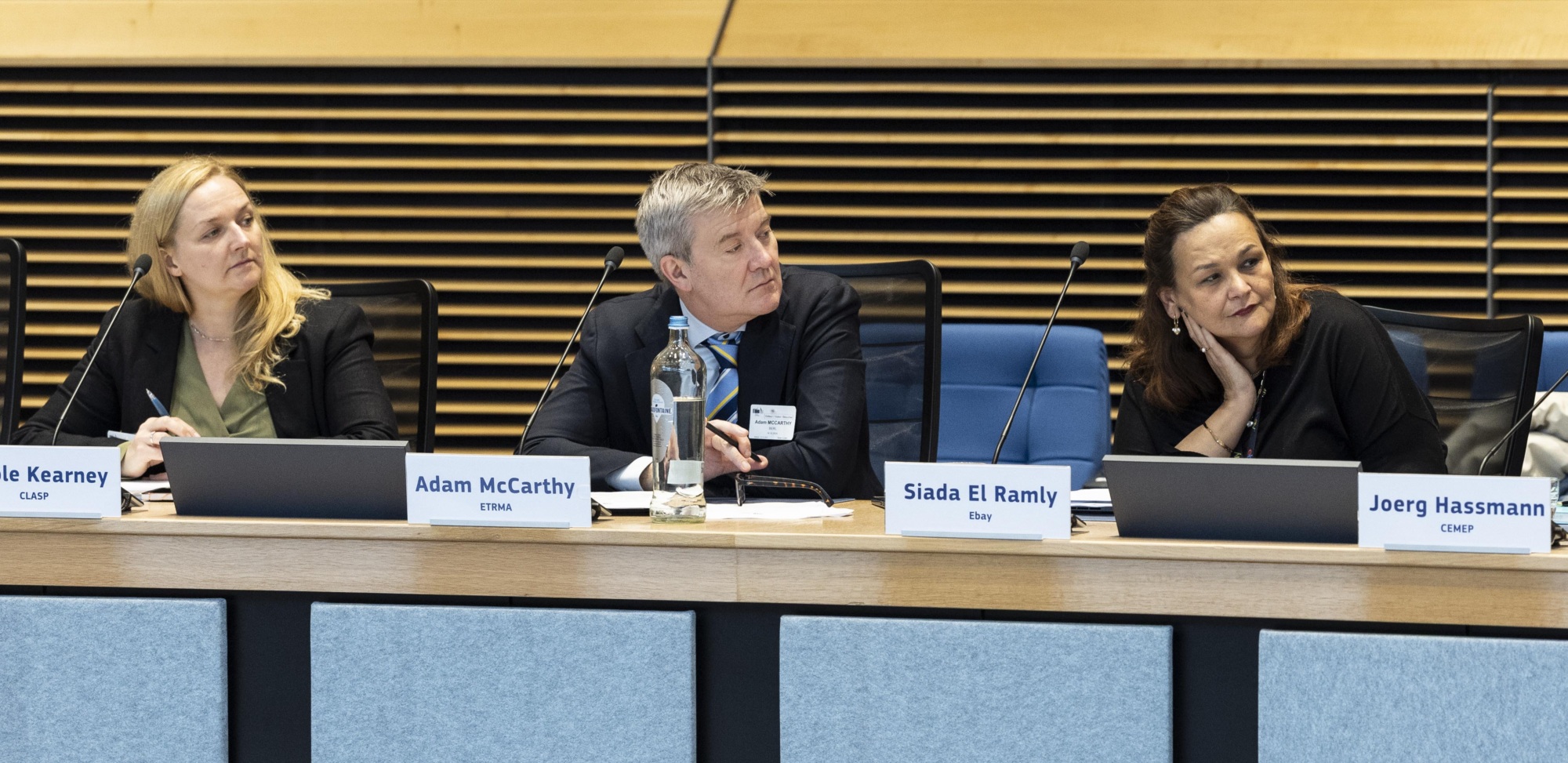
Left to right: Nicole Kearney, Director at CLASP, Adam McCarthy, Secretary General of the European Tyre and Rubber Manufacturers Association, and Siada El Ramly, Head of Government Affairs EU at eBay at the European Commission's Implementation Dialogue on energy efficiency of products in October 2025.
[Photo: Lukasz Kobus] © European Union, 2025, CC BY 4.0
Most organizations present stressed the need for clear, transparent, and well-resourced policy processes to minimize delays and enable the EU to achieve its climate and energy objectives. Many emphasized the importance of strengthening market surveillance and compliance mechanisms and supporting them with additional resources.
CLASP also called for deeper civil society engagement in standards development to help ensure that standards remain relevant, ambitious, and responsive to technological innovation.
In addition, CLASP believes that improved coordination, digital tools, and consistent guidance across EU Member States are key to ensuring that products sold on the market meet EU efficiency standards.
CLASP is proud to support the European Commission and EU Member States in strengthening product efficiency policies that benefit people, businesses, and the planet, in Europe and beyond.
CLASP Cooks Up Change at Brussels Event
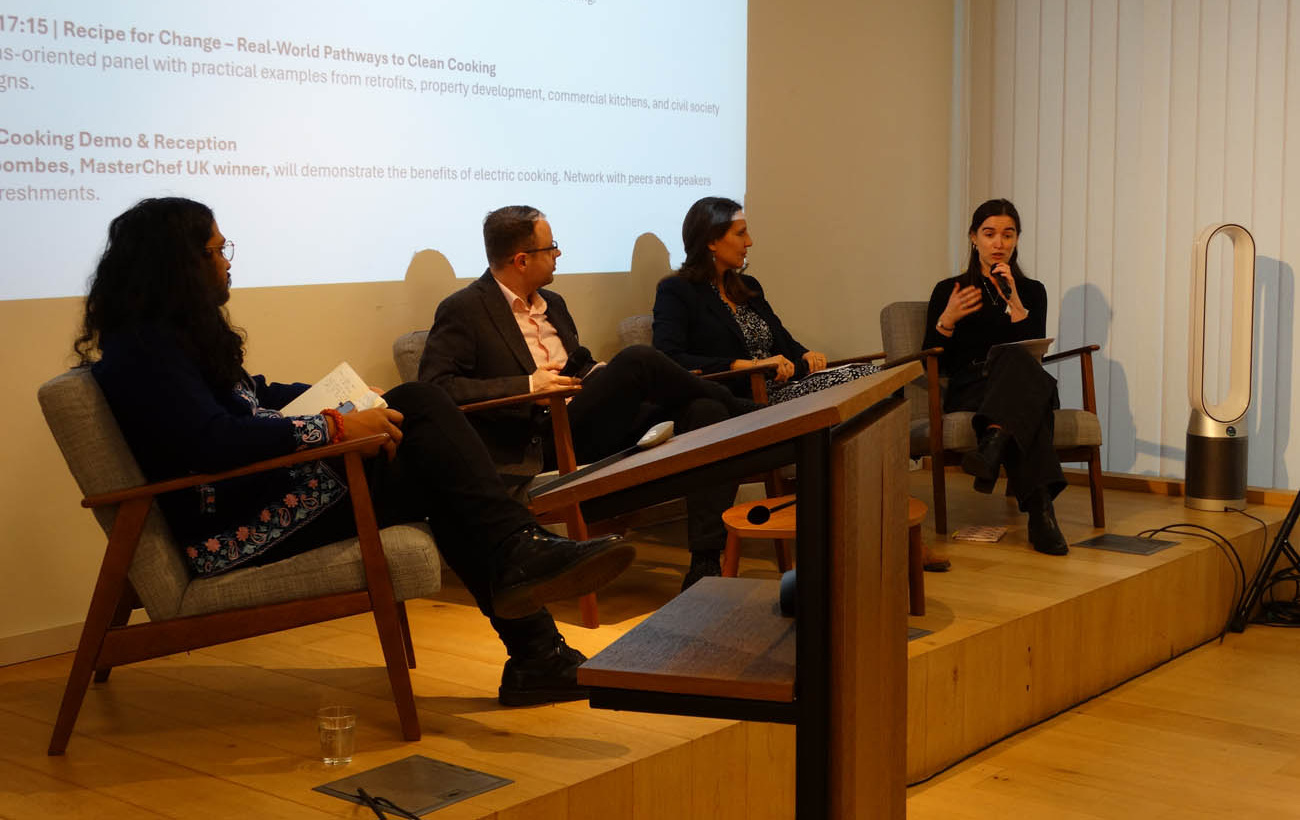
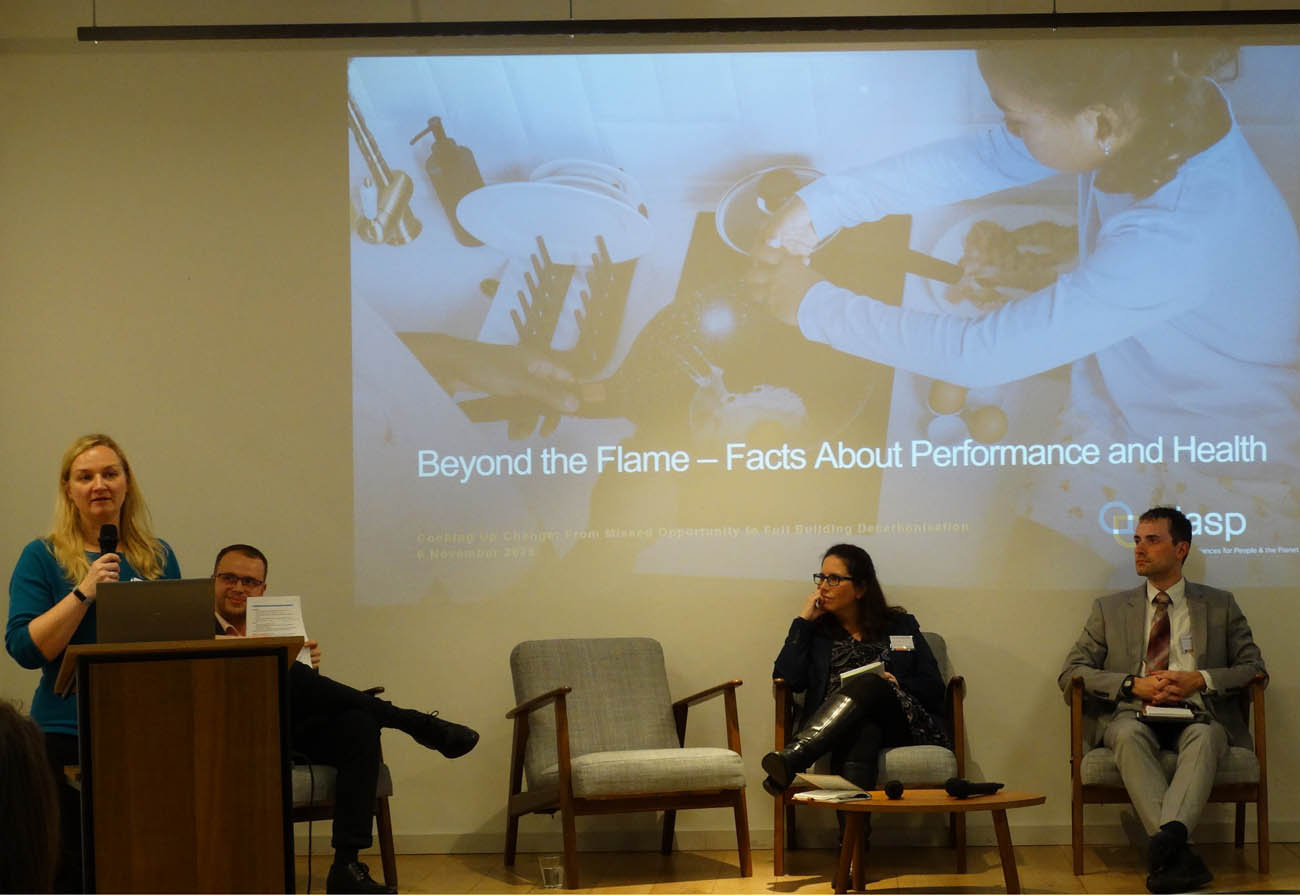
In early November, CLASP joined global experts in Brussels, Belgium, to discuss the path toward electrifying cooking in Europe—a crucial but often overlooked step in building decarbonization. The daylong meeting brought together representatives from CLASP, E3G, ECOS, European Public Health Alliance (EPHA), Global Cooksafe Coalition, PSE Healthy Energy, Respire, and Universitat Jaume I.
The event took place as the European Union revises its ecodesign product regulations for cooking appliances. Today, less than half of Europeans use electricity to cook food, although clean cooking is more efficient, healthier, safer, and affordable than cooking with gas. The revision is an important opportunity to bring these benefits to people across the European market, while also making it easier for consumers to compare different hob models.
In panel discussions, speakers emphasized that cooking electrification is an important piece of the building decarbonization puzzle and noted that full household decarbonization may not happen without targeted support for cooking electrification. They also stressed the importance of an equitable, universal transition to clean cooking and discussed the critical role of consumer education in facilitating this transition.
The event featured a live induction cooking demo and food tasting with MasterChef UK winner Ping Coombes. Coombes demonstrated the versatility of electric cooking by creating a smoky flavor—often associated with open-flame cooking—in a wok heated by an inexpensive portable induction hob.
Learn more about CLASP’s work on electrifying cooking in Europe.

International Benchmarking Analysis of Air Source Heat Pump and Chiller Standards
This report presents a technical assessment of testing methods, energy efficiency metrics, and minimum energy performance standards (MEPS) for air-to-water heat pumps and chillers in cooling mode across China, the European Union (EU), and the United States (US). These regions represent the largest markets for heat pump technologies, each employing distinct testing protocols, metrics, and requirements.
The analyses offer insights into how Chinese, EU, and US standards align or diverge, how performance comparisons can be made across energy efficiency standards, and where opportunities for international standard alignment exist.
Key findings:
- The US energy efficiency metric approximates 114% of China’s metric, while the EU’s metric differs by ±3% compared to China’s.
- China’s revised MEPS matches or exceeds EU and US efficiency benchmarks for low-capacity units.
- Requirements for high-capacity products in China still show room for improvement.
European Union
Energy-Efficient Appliances Are Essential to the Global Climate Response
At the recent International Energy Agency (IEA) Global Conference on Energy Efficiency in Brussels, Bishal Thapa, Chief of Impact & Strategy at CLASP, sat down with We Don’t Have Time’s Nicholas Nuttall to make a compelling case for integrating appliance energy efficiency into global climate strategies.
His message was clear: energy efficiency isn’t just a technical solution; it’s a practical, equitable, and urgently needed approach to solving today’s intertwined energy and climate crises.
“Energy efficiency is about doing more with less,” Bishal explained. “It’s about using fewer resources to deliver better results.” This principle is especially powerful when applied to appliances and equipment, which account for approximately 40% of global energy-related emissions.
Watch the full interview for more insights:
Improving appliance energy efficiency is one of the fastest, most cost-effective ways to cut emissions. The benefits are far-reaching: efficient appliances reduce energy costs for consumers, expand access to clean electricity in underserved communities, and improve climate resilience and productivity.
“Efficient appliances are tools of equity, opportunity, and climate resilience and they’re ready now.”
With 666 million people around the world still lacking access to electricity, efficient appliances can make the difference between who gets power and who doesn’t, particularly in energy-constrained regions where every kilowatt-hour counts.
New European Union Rules for Sustainable Mobile Devices Now in Effect
On 20 June 2025, a new European Union (EU) regulation was rolled out. This sets ambitious standards for the design, energy efficiency, and repairability of smartphones, tablets, and cordless phones sold within the EU. These new requirements are part of a broader push toward sustainable consumption, longer product lifespans, and reduced environmental impact.
Making it easier for Europeans to fix or reuse smartphones and tablets instead of replacing them will help cut down on electronic waste, lower carbon emissions, and save consumers money.
Marie Baton
Senior Manager, CLASP
The European Commission (EC) expects these measures to significantly reduce greenhouse gas emissions, save around 2.2 terawatt hours of electricity by 2030, and lower consumer costs by an estimated €20 billion.
Improving durability, battery life, and repairability
The rules are designed to improve product durability against drops, scratches, dust, and water. Batteries must be longer-lasting and endure at least 800 charge cycles while retaining 80% of their original capacity. To improve repairability, manufacturers are now required to provide key spare parts within five to ten working days and ensure their availability for at least seven years after a product model is discontinued. In addition, operating system updates must be made available for a minimum of five years following the sale of the last unit. To support independent repair, professionals will be granted fair access to the necessary software and firmware. The rules also include measures to promote device reuse, including requirements for easy deletion of personal data, as well as clear, accessible information on battery health.
Along with durability, repair, and reuse provisions, the new regulation introduces mandatory energy labeling for these devices. Labels will include energy efficiency ratings, battery performance metrics, and, for the first time, a repairability score ranging from A (most repairable) to E (least repairable), designed to help consumers make more informed, sustainable choices.
Understanding the Smartphones and Tablets Energy Label
- Scale of energy efficiency classes from A to G.
- The energy efficiency class of this product.
- The battery endurance per cycle, in hours and minutes per full battery charge.
- Repeated free fall reliability class.
- Battery endurance in cycles.
- Repairability class.
- Ingress Protection rating.
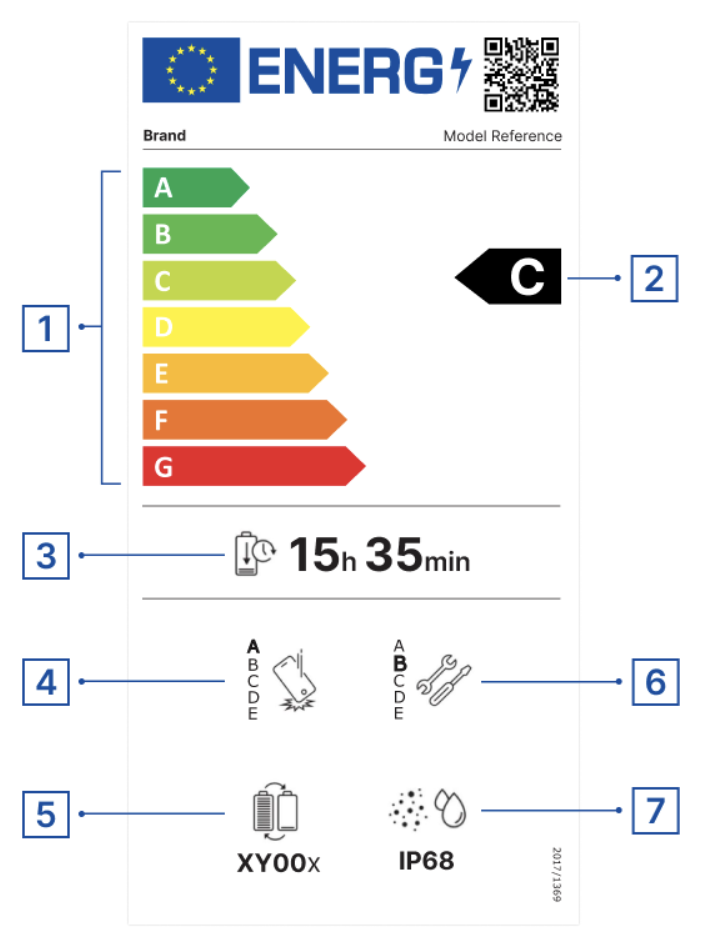
Source: European Commission
Big wins for consumers and the climate
By making products more durable and easier to repair, the rules help extend product lifespan and reduce the need for critical raw materials. At the same time, specific requirements encourage recyclability, supporting efforts toward building a more circular economy.
The EC’s impact assessment estimates that the new regulation could lead to important annual reductions of carbon dioxide emissions (CO2), reaching 3,5 megatons (Mt) in 2030 alone. CLASP’s analysis of the EC’s Impact Accounting study found that, over the longer term, cumulative CO2 emissions reductions could reach 96 Mt by 2050. Should similar regulations improving the repairability of smartphones be adopted globally within the next five years, up to 1,500 Mt of CO2 emissions can be avoided by 2050.
CLASP’s key contributions
CLASP’s research, carried out in collaboration with the Right to Repair coalition, highlighted the barriers consumers face when trying to repair their devices. The paper shed light on how certain manufacturer practices limit the ability of independent repairers and users to replace serialized parts.
As a result of the paper’s findings, the final regulation was updated to ensure that independent repair professionals and users can access all the tools and support needed to replace and connect key spare parts. This means repairs are no longer limited to manufacturer-approved service centers and represents a significant step toward fairer, more accessible product repair.
Opportunity for future improvements
While the EU regulation improves transparency, product durability, and technical repairs, there remain important opportunities to strengthen the rules in future revisions and unlock a more open and competitive repair system that further benefits people and the environment.
Currently, manufacturers must provide transparent pricing for spare parts and ensure fair access to the tools and software required for repairs. This transparency is a crucial first step but does not fully eliminate the risk of discriminatory practices. In many cases, the use of serialization allows manufacturers to control part compatibility and charge excessively high prices for replacements.
Serialization could be further restricted to open the market to third-party replacement parts. While the current requirements enable independent repairers and end-users to install key spare parts, manufacturers can still use a process called digital pairing, which limits or blocks parts that aren’t digitally recognized and authorized by the original manufacturer.
Banning serialization would give consumers the freedom to choose between parts from original manufacturers or alternatives from other suppliers. It would also help address concerns around high prices for spare parts.
As the EU market adapts to the new regulation, compliance and upcoming policy revisions will be key to ensuring that it delivers on its full potential for people and the planet, both within the EU and beyond. To support this, CLASP will seek opportunities to monitor industry practices and inform the upcoming assessment of these rules, planned for 2027.
CLASP Joins Energy-Efficiency Leaders at IEA Conference
As governments accelerate efforts to meet climate goals while tackling rising energy demand, one message rang clear in Brussels last week: energy efficiency is no longer a side solution, it must become the cornerstone of a just and sustainable energy transition.
CLASP’s Bishal Thapa, Chief Strategy and Impacts Officer, and Ari Reeves, Senior Director of Research, participated in the International Energy Agency’s (IEA) 10th Annual Global Conference on Energy Efficiency, alongside ministers, CEOs, and delegates from over 90 countries.
Energy efficiency: critical to solving energy challenges
Amid sessions on financing and industrial competitiveness, conversations were grounded in the shared recognition that energy efficiency is critical to achieving a sustainable and affordable energy system. While scaling up renewables is essential to meeting global energy demand, speakers stressed that energy efficiency must take the lead in addressing today’s urgent energy and climate challenges.

Photo by CLASP.
Left to right: Ari Reeves, Senior Director of Research at CLASP, Rosalinde van der Vlies, Director at the European Commission, and Manelle Ait Sahlia, Deputy Head of Energy at the French Development Agency.
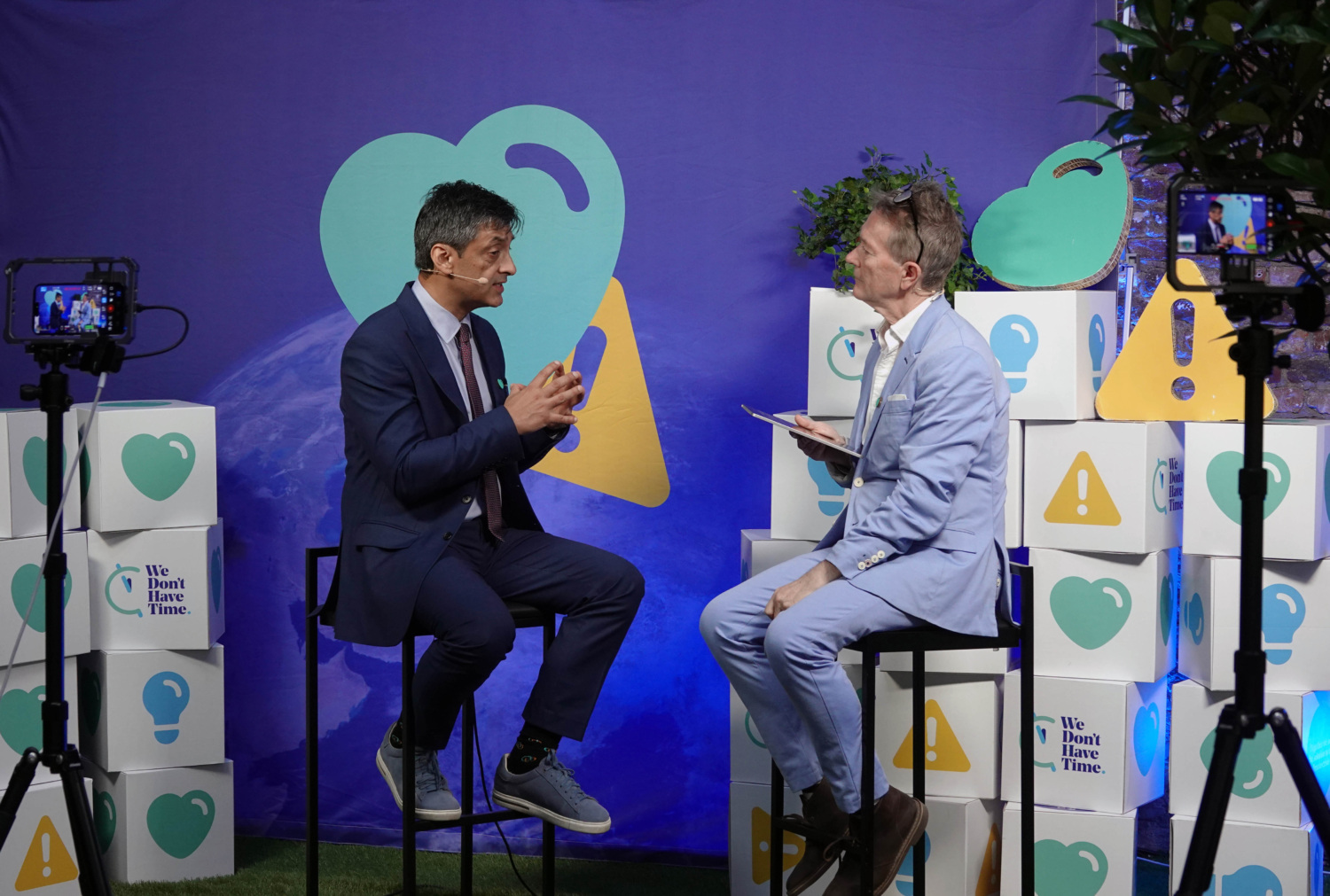
Photo by CLASP.
CLASP’s Bishal Thapa (left), Chief Strategy and Impacts Officer sits down for an interview with Nicholas Nuttal, broadcast host at We Don’t Have Time, during the IEA’s 10th Global Conference on Energy Efficiency.

Photo by CLASP.
CLASP’s Ari Reeves, Senior Director of Research, presents insights from a new analysis at the IEA’s 10th Global Conference on Energy Efficiency.
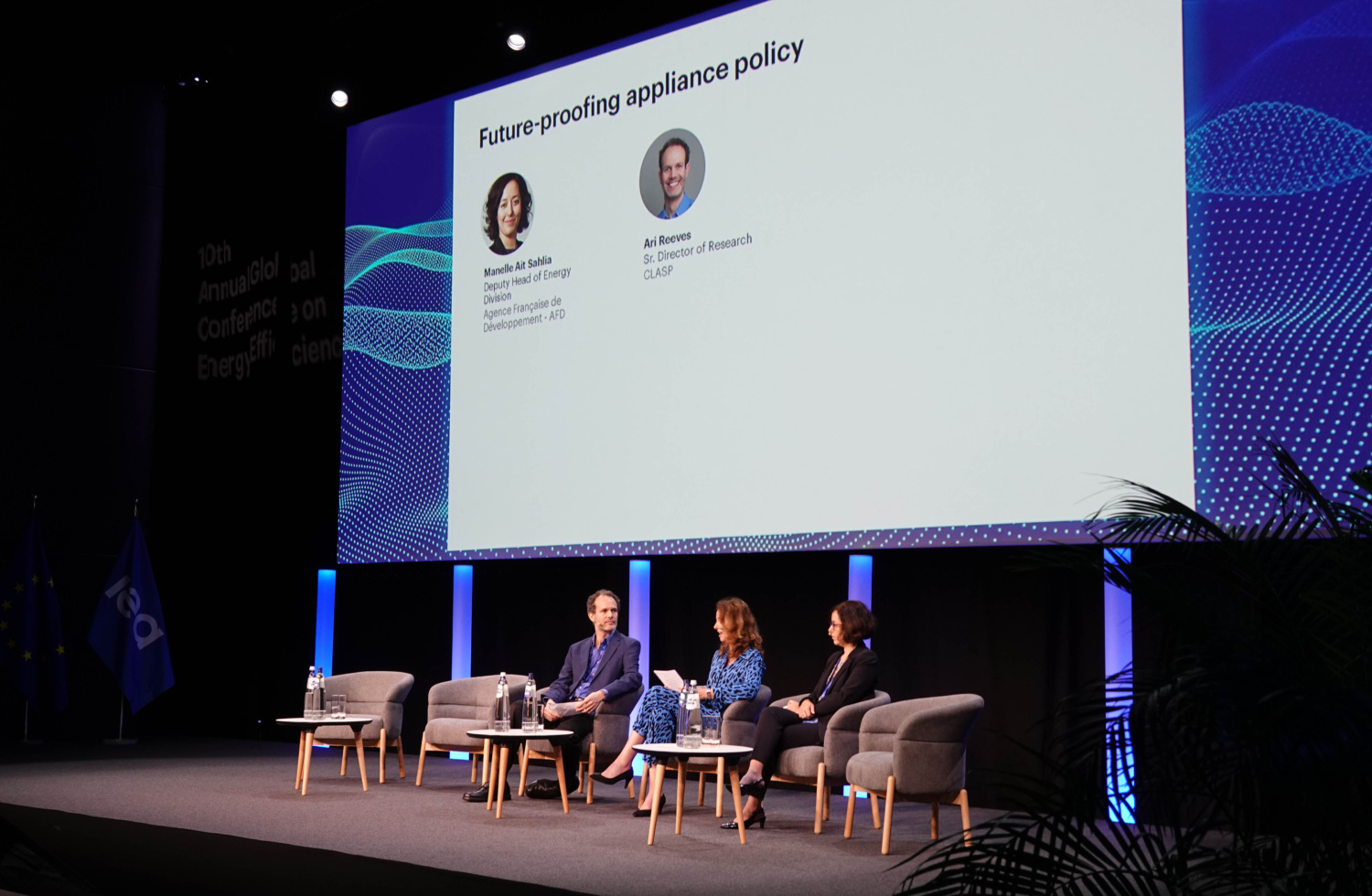
Photo by CLASP.
Left to right: Ari Reeves, Senior Director of Research at CLASP, Rosalinde van der Vlies, Director at the European Commission, and Manelle Ait Sahlia, Deputy Head of Energy at the French Development Agency.
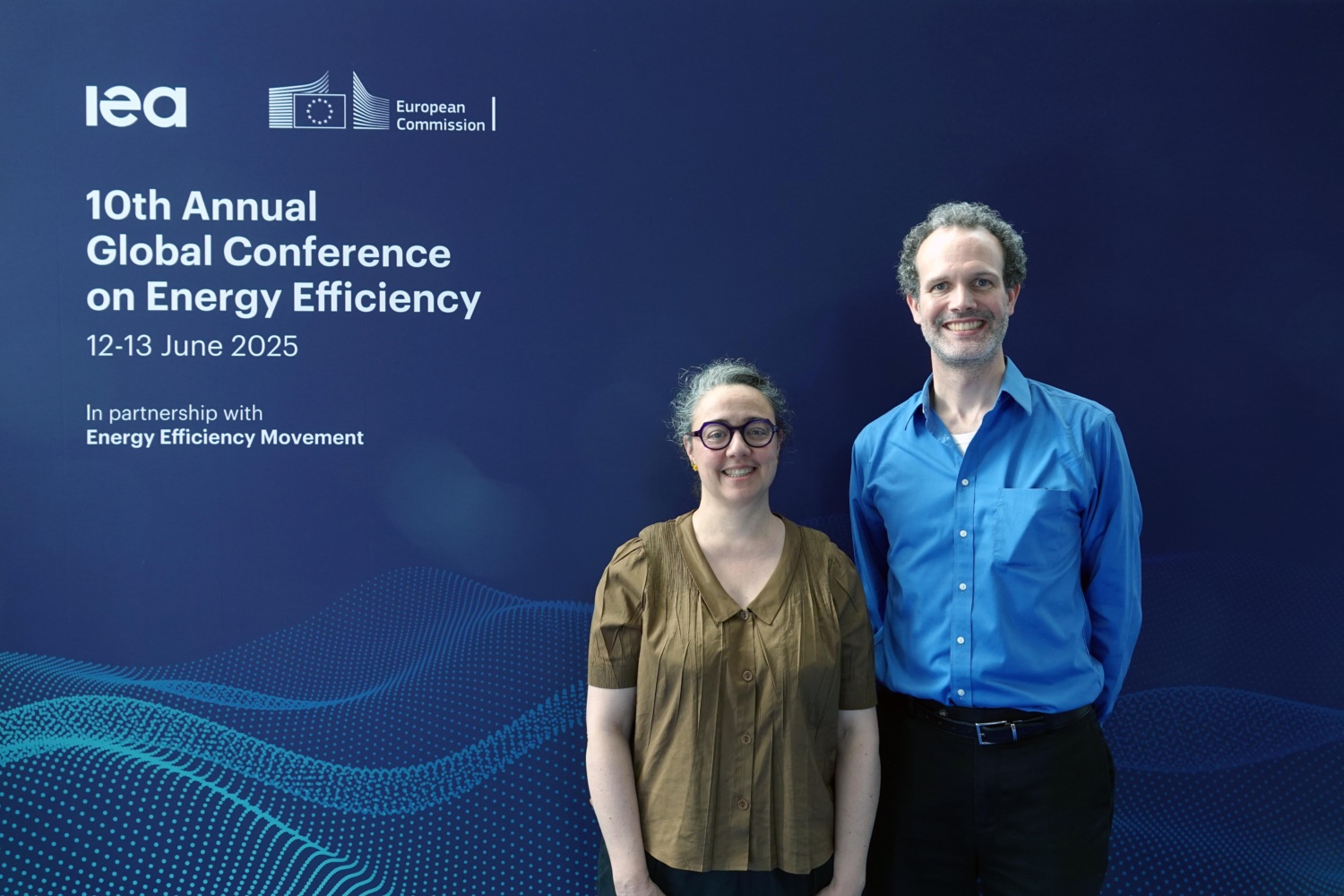
Photo by CLASP.
Sophie Attali (left), Energy Efficiency Policy Analyst at IEA, and Ari Reeves, Senior Director of Research at CLASP.
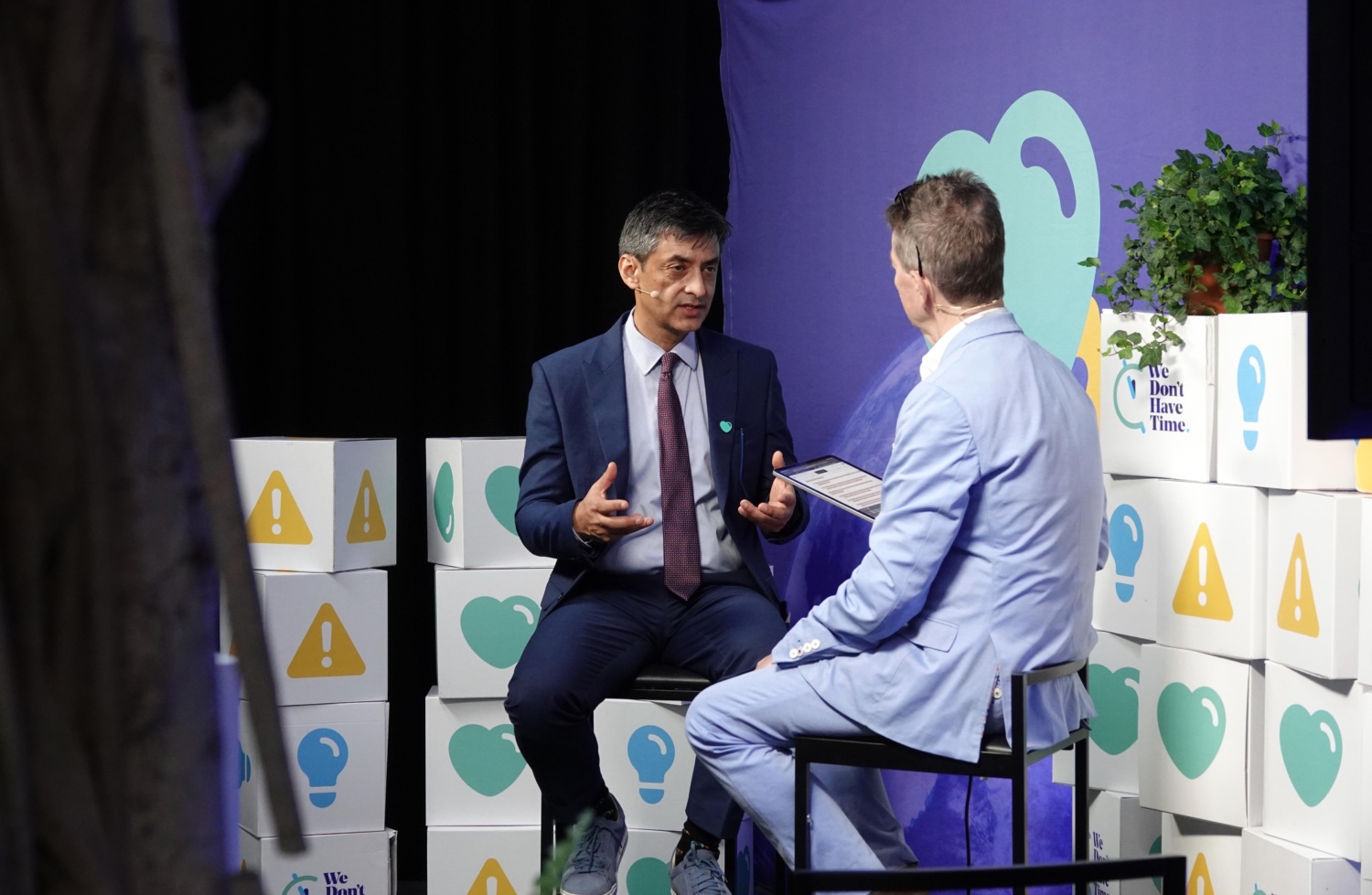
Photo by CLASP.
CLASP’s Bishal Thapa (left), Chief Strategy and Impacts Officer (speaks with Nicholas Nuttal, broadcast host at We Don’t Have Time, during the IEA’s 10th Global Conference on Energy Efficiency.
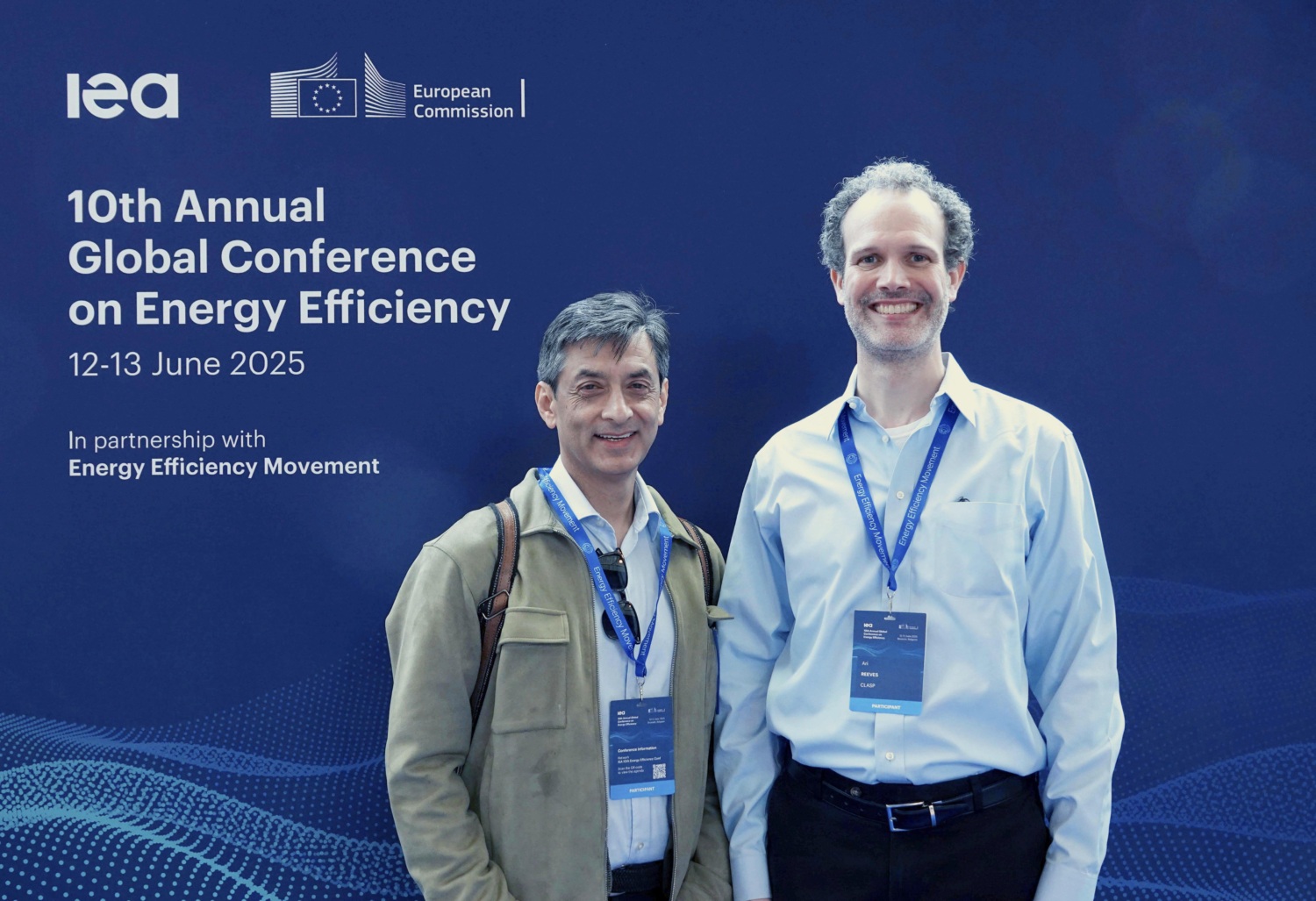
Photo by CLASP.
CLASP’s Bishal Thapa (left), Chief Strategy and Impacts Officer, and Ari Reeves, CLASP’s Senior Director of Research.
Speakers agreed that unlocking the full potential of energy efficiency requires greater public awareness, supportive policies, and investment frameworks. To help drive this shift, CLASP collaborates with policymakers and industry leaders to meet growing energy demand and deliver tangible benefits for people and the planet through energy-efficient appliances and equipment.
At the conference, Ari Reeves presented CLASP’s preliminary analysis of the energy demand reductions achievable through stronger appliance efficiency policies. He also pointed to CLASP’s analysis of the first 20 Nationally Determined Contribution (NDC 3.0) submissions, finding that appliance energy efficiency features more prominently than in previous rounds.
It’s time to scale what already works
Improving appliance energy efficiency is a proven, cost-effective way to cut emissions, strengthen climate resilience in vulnerable communities, and support sustainable development by expanding energy access. Energy-efficient appliances also reduce energy demand, lower costs for households and businesses, and ease pressure on national grids.
Appliance energy efficiency is key to simultaneously advance emissions reductions, energy access, and climate adaptation. Efficient appliances can deliver quick, measurable impacts, and they are ready to scale.
Bishal Thapa
Chief Strategy & Impacts Officer at CLASP
According to the IEA, energy efficiency has already generated major benefits across industries, households, and economies, boosting competitiveness and energy security. In 2023, energy demand in IEA countries would have been more than 20% greater if not for the contributions of energy efficiency.1
Throughout the conference, there was strong consensus: we know what needs to be done, and now is the time to act — efficiency must come first. As global momentum grows, CLASP will continue collaborating with key partners like the IEA, across sectors and borders, to put energy efficiency at the forefront of solving the world’s most pressing challenges.
0. International Energy Agency. Energy Savings. June 2025.
United Kingdom’s First Plan to Shift the Nation to Electric Cookers Presented to Members of Parliament
Government ‘blind spot’ on polluting gas stoves failing to prevent nearly 4,000 early deaths annually
1.5 million more gas hobs will be installed without policy change
London, 27 May 2025 – The United Kingdom’s (UK) first detailed plan to prevent thousands of early deaths by transitioning the nation from gas to electric cookers has been presented in Parliament.
Gas cookers regularly raise pollution above recommended safety levels in British homes, leading to an estimated 3,928 early deaths and about 500,000 children having asthma symptoms [1].
The cookers remain common and the government has no published plan to phase them out or stop them being installed in 1.5 million planned new homes [2]. This despite a legal obligation to decarbonise homes by 2050 and advice from Parliament’s Climate Change Committee to phase-out gas cookers by the mid 2030s.
Today, the UK’s first comprehensive package of proposals to transition to cleaner electric cookers was published by non-profit Global Action Plan, organiser of Clean Air Day, and international appliance efficiency NGO CLASP.
The 36-page document urges government to halt the installation of gas cookers by 2035 as the cornerstone of a “strategically managed transition”. Cleaner induction hobs and electric ovens could be encouraged through measures such as introducing pollution standards for appliances and helping homeowners replace their cookers through scrappage schemes, which already exist for gas boilers. With housebuilding a government priority, the NGOs want the Ministry of Housing, Communities and Local Government to move ahead with its Future Homes Standard that would effectively stop mains gas being connected to new housing developments.
The paper was published alongside results of a retrofit pilot project carried out in partnership with Greater Manchester Combined Authority [3]. This replaced gas for electric cookers in 10 social housing properties in Manchester. All residents said they favour induction hobs over gas, despite broad earlier scepticism, and the homes no longer depend on the gas network. The project was intended to demonstrate how the transition to electric cooking could work for many social housing associations, where residents may need financial support to make the switch.
The policy roadmap and retrofit findings were first presented at an event in Parliament last week and shared with ministers.

Nicole Kearney, Director at CLASP.
Photo by Douglas Kurn.

Larissa Lockwood, Director of Policy & Campaigns at Global Action Plan.
Photo by Douglas Kurn.

Afzal Khan, Member of UK Parliament.
Photo by Douglas Kurn.

Dr Juana Maria Delgado-Saborit, Distinguished Researcher at University Jaume I.
Photo by Douglas Kurn.

Left to right: Yannai Kashtan, Air Quality Scientist, and Eric Lebel, Research Scientist at PSE Healthy Energy.
Photo by Douglas Kurn.

Cristina Pricop, Senior Associate at CLASP.
Photo by Douglas Kurn.

Left to right: Ed Green, Sustainability Director at Grosvenor, Rory Mathews, Senior Policy and Partnerships Officer at Greater Manchester Combined Authority, and Cristina Pricop, Senior Associate at CLASP.
Photo by CLASP.

Left to right: Steve Guppy, Senior Sustainability Manager at B&Q, and Ed Green, Sustainability Director at Grosvenor.
Photo by Douglas Kurn.

Left to right: Rory Mathews, Senior Policy and Partnerships Officer at Greater Manchester Combined Authority, and Cristina Pricop, Senior Associate at CLASP.
Photo by Douglas Kurn.
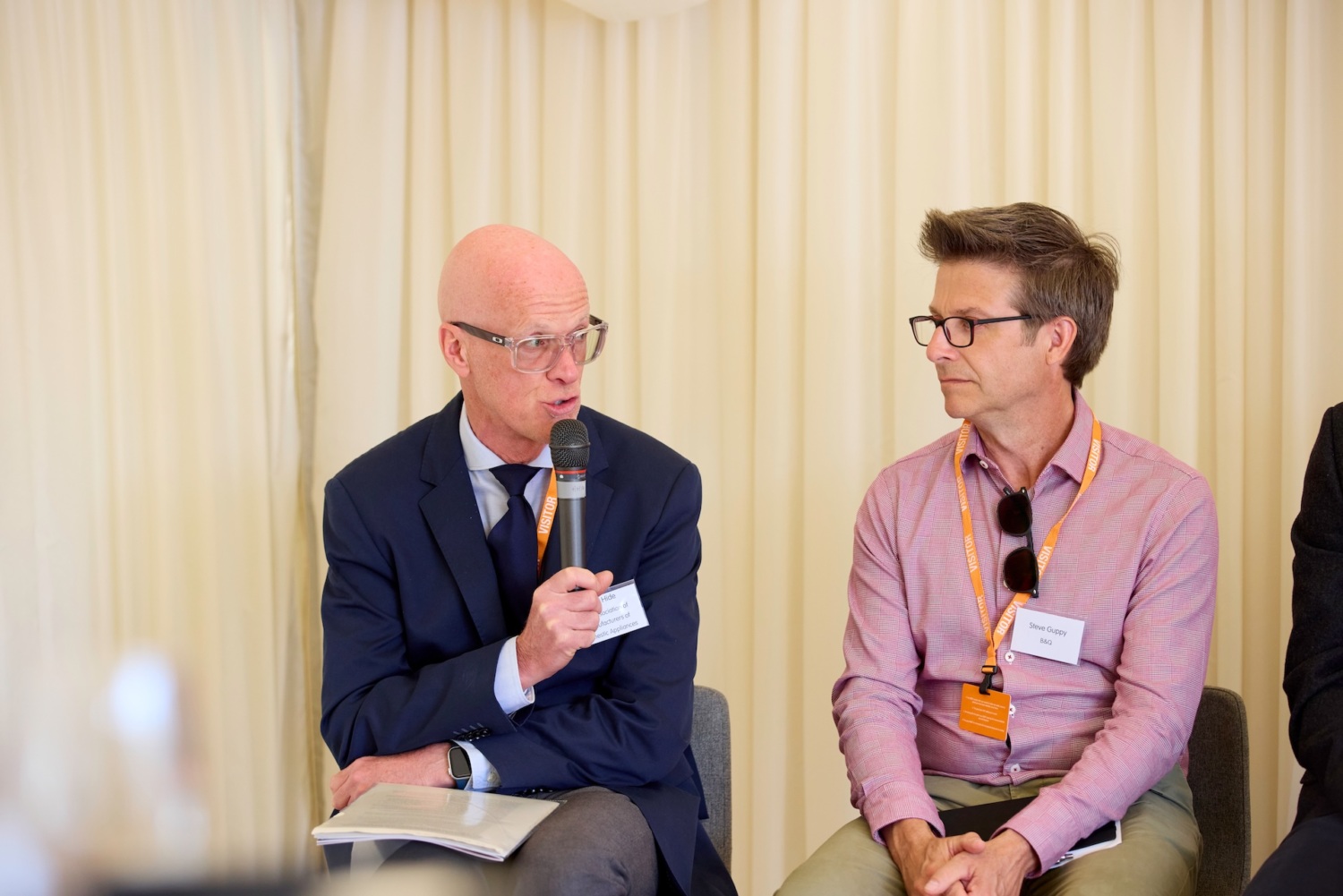
Left to right: Paul Hide, Chief Executive Officer at the Association of Manufacturers of Domestic Appliances, and Steve Guppy, Senior Sustainability Manager at B&Q.
Photo by Douglas Kurn.
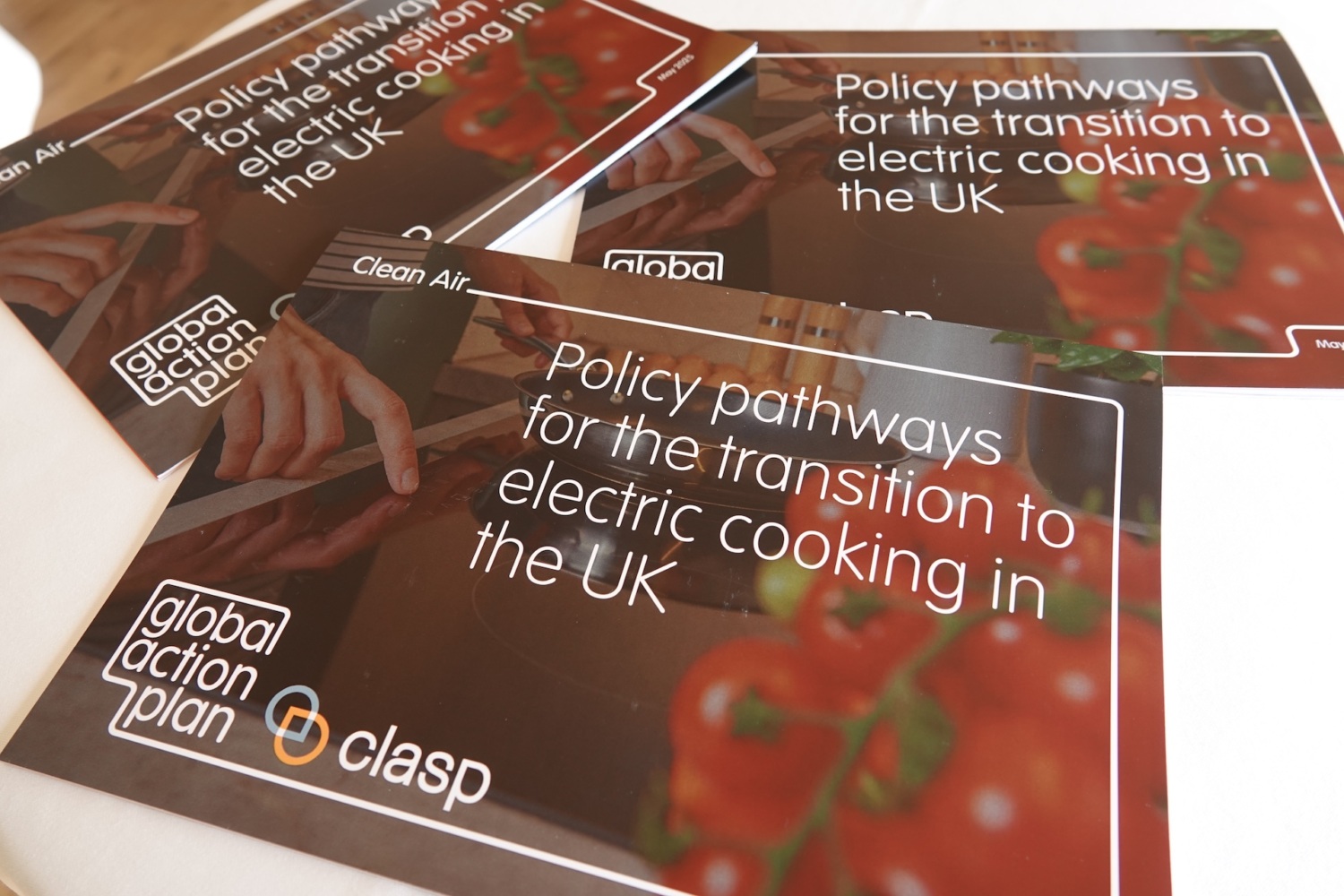
Photo by CLASP.
Larissa Lockwood, Director of Policy & Campaigns at Global Action Plan: “Homes with gas stoves can have nitrogen dioxide levels up to 400% higher than those without – this is the same type of toxic air pollution that comes from car exhausts and is linked to a range of health conditions including lung and heart disease. Transitioning from gas to electric cooking across the UK is a win-win: it will benefit public health through improving indoor air quality, as well as reducing household emissions and energy use. Today we are launching a robust policy roadmap that demonstrates how the UK can transition from gas to electric cooking by 2035, in line with Government home decarbonisation commitments and Climate Change Committee recommendations. We urge policymakers to ensure that UK households are not left behind in the transition to cleaner, safer, and more efficient cooking methods.”
Nicole Kearney, CLASP Director, Europe said: “As governments across Europe move to decarbonise heating, gas cooking remains a blind spot, a neglected source of indoor air pollution that keeps homes locked into using fossil fuels. The solution to bridge these gaps and make cleaner, healthier, and more efficient electric cooking accessible to everyone is available and ready for implementation. The UK Government should seize this opportunity and set a powerful precedent by championing an equitable transition.”
Manchester MP Afzal Khan, host of the parliamentary event, said: “Air pollution from gas cooking is linked to a range of health problems including asthma, lung and heart disease. I’m pleased to see Manchester leading locally on the transition from gas to electric cooking in social housing and demonstrating the value of electric cooking as a solution to improve air quality, boost public health, cut emissions and reduce household energy bills in the long run. We need to see action on a national scale to ensure that cooking isn’t left out of home decarbonisation efforts. Global Action Plan’s new report provides a comprehensive pathway to transition to electric cooking across the UK, and I urge the Government to review the recommendations set out within it.”
Quarterly polling by Opinium for Global Action Plan of 2,000 British adults shows that public awareness of gas cooking pollution and concern over its health, safety and environmental impacts is relatively low but has been steadily rising for years.
Some 2% of UK carbon dioxide emissions come from cooking. Phasing-out gas hobs would cut the equivalent of all of Birmingham, Glasgow, Edinburgh and Sheffield’s greenhouse gas emissions combined, CLASP calculates. The government had planned to phase-out gas boilers by 2035, but has so far overlooked the need to transition away from fossil fuel cooking appliances.
Ends
Notes
[1] Burning gas in the kitchen produces levels of indoor air pollution that exceed legal outdoor limits. The World Health Organization daily limit value for nitrogen dioxide exposure was broken in about half (55%) of British homes using gas hobs and/or gas ovens measured under normal living conditions by a Dutch scientific institute. Pollution spikes lasted several hours and were more intense the longer the cooking time. No breaches in homes using electric appliances were recorded. The same institute estimated that 557,326 British children report asthma symptoms. Spanish scientists built on the Dutch research to estimate the number of premature deaths in the UK from gas cookers.
[2] Public awareness of the risks has been growing steadily and gas cooker sales are slowly declining. But they still make up around 40% of sales and gas hobs are installed in around half of all UK homes. Government polling in 2023 found that two thirds of those asked intend to replace their gas hobs. The Government recognises air pollution as the biggest environmental health risk in the UK. Cookers and heaters are the main sources of air pollution inside homes that use gas. Despite this, there is currently no legislation or policy framework in place to warn UK consumers about the risks or encourage a shift to cleaner alternatives. Unless that changes, GAP estimates that well over 1.5 million new gas hobs will be installed in this parliamentary term, based on existing sales data. Gas cookers tend to be used for around 19 years, experts say, prolonging exposure to indoor air pollution.
[3] Residents in ten Southway Housing Trust properties agreed to have their gas ovens and hobs replaced with induction hobs and electric ovens in early 2025. Some of the gas cookers had been installed decades earlier. Interviews were conducted with all ten households one week before the installation and with seven that remained in the pilot one week after the retrofit. Of these, five said the transition was very easy and one said it was easy. Before the switch, only one household thought induction was easy to use. The project was supported by Beko, B&Q and Electrolux.
Contacts
- Global Action Plan press office press@globalactionplan.org.uk
- CLASP Director, Europe Nicole Kearney (EN) +44 75 4486 5924
- CLASP Senior Communications Associate Païline Caroni (EN, FR) +32 473 127 674
- CLASP Communications Consultant Jack Hunter: jack@fthe.fr +33 7 54 54 35 48
Global Action Plan mobilises people and organisations to take action on the systems that harm us and our planet. We are an environmental charity focused on issues where the connection between the health of people and our planet is most tangible. Our current focus issues are air pollution, big tech, and the education system.
CLASP is the leading global authority on efficient appliances’ role in fighting climate change and improving people’s lives. An international NGO with 25 years of expertise and offices on four continents, CLASP collaborates with policymakers, industry leaders, and other experts to create a more sustainable future for people and the planet. CLASP and our partners are dedicated to solving the world’s most pressing, interconnected crises: the climate emergency, poverty, inequality, and access to energy.
0. International Energy Agency. Energy Savings. June 2025.
CLASP Calls for Cleaner Heat Pumps in the European Union
CLASP, along with eight leading European environmental organizations, submitted a letter urging European Union (EU) countries to prioritize climate-friendly refrigerant heat pumps to help achieve climate goals.
The letter, submitted to the European Commission (EC), was timely, as EU Member States prepare to allocate funding from a €86 billion Social Climate Fund (SCF) and implement the EU’s goal for rapid heat pump deployment.
Key recommendations to the European Commission
- Prioritize heat pumps with natural refrigerants over high-global warming potential (GWP) hydrofluorocarbons (HFCs or F-gases). There is a long-term climate risk linked to the use of HFC-based systems, as HFCs have hundreds to thousands of times more GWP than natural refrigerants.
- Establish financial incentives for natural refrigerant heat pumps. EU Member States should offer extra subsidies or bonuses for the adoption of natural refrigerant heat pumps. Germany’s additional 5% grant, for homeowners who install heat pumps using natural refrigerants, provides an example of how targeted support can accelerate the shift to more climate-friendly heat pumps.
- Set a clear timeline for phasing out public funding for F-gas heat pumps. CLASP, the Environmental Investigation Agency, and the other signatories suggest defining a cut-off date, after which the installation of heat pumps that use climate-damaging HFC refrigerants should no longer be funded. This would align with the direction of EU legislation and offer much-needed clarity for industry and European consumers. Germany has already taken action: from 2028, only natural refrigerant heat pumps will be eligible for funding.2
Why is it important to transition to climate-friendly heat pumps?
If Member States continue allowing the installation of new equipment using HFCs, heat pumps installed today could still be operating decades from now, impacting the EU’s ability to meet its 2050 net zero target.
Data from the German incentive scheme3 indicate that natural refrigerant heat pumps are, on average, more energy-efficient than F-gas systems across all temperature ranges. This means they require less energy and reduce consumers costs to run. Their ability to operate at high temperatures also makes them an ideal choice for boiler retrofits.
To support market transformation efforts in this field, CLASP is researching the deployment of natural refrigerant heat pumps and the barriers to their adoption in the EU and the United Kingdom. More information on the topic can be found here.
0. International Energy Agency. Energy Savings. June 2025.
1. Umweltbundesamt “Heat Pumps” August 2023
https://www.umweltbundesamt.de/en/topics/climate-energy/fluorinated-greenhouse-gases-fully-halogenated-cfcs/application-domains-emission-reduction/heat-pumps
2. Bundesamt für Wirtschaft und Ausfuhrkontrolle “Liste der förderfähigen
Wärmepumpen mit Prüf-/Effizienznachweis” April 2025 https://www.bafa.de/SharedDocs/Downloads/DE/Energie/beg_waermepumpen_pruef_effizienznachweis.html
Leveraging Low-Global Warming Potential Heat Pumps to Power Climate Action
Heat pumps are highly efficient solutions for space heating and cooling. When it comes to heating, they’re three to four times more efficient than electric resistance heaters which convert electricity into heat at 100% efficiency. Heat pumps are also far more efficient than the most advanced gas heating systems, which operate at only 85-99% efficiency.
Transitioning away from burning fossil fuels to efficient and sustainable heat pumps is key for decarbonizing heating and cooling systems and achieving carbon neutrality. In the European Union (EU), over 24 million heat pumps have already been installed, with over 3 million sold in 20234. To accelerate progress, the EU’s REPowerEU plan aims to scale up heat pump adoption, targeting 60 million installed units by 2030. The United Kingdom (UK) has set its own goal to install 600,000 heat pumps annually by 20285.
In addition to being more efficient and sustainable than electric resistance heaters and gas heating systems, heat pumps deliver a wide range of benefits, including improved energy security, power system flexibility, and job creation.
The Benefits of Heat Pumps in Europe

F-gases and forever chemicals harm the environment and human health
Heat pumps use refrigerants to regulate temperature by absorbing and releasing heat between indoor and outdoor spaces. Currently, most heat pumps use hydrofluorocarbon (HFC) refrigerants R-32 and R-410A. These refrigerants, also known as ‘F-gases’, have a high global warming potential (GWP) and trap more heat in the atmosphere than carbon dioxide (CO2). With respective GWPs of 675 and 2088, they are hundreds to thousands of times more potent greenhouse gases than CO2.
While refrigerants are meant to remain contained within a piece of equipment, leaks and accidental releases can happen during maintenance or end of life disposal. Some refrigerants, like R-410A, also contain per- and polyfluoroalkyl substances (PFAS). These ‘forever chemicals’ persist in the environment for decades and pose risks to human health and the environment6.

There are more sustainable alternatives to HFC refrigerants, including a class of refrigerants known as hydrocarbons, often called ‘natural’ refrigerants.
Low-GWP refrigerants: the climate-friendly solution
There are more sustainable alternatives to HFC refrigerants, including a class of refrigerants known as hydrocarbons, often called ‘natural’ refrigerants. These natural refrigerants have much lower global warming potential than traditional HFC refrigerants. Natural refrigerants include:
- R-290 (propane, GWP 3)
- R717 (ammonia, GWP 0)
- R744 (carbon dioxide, GWP 1)
- R600a (isobutane, GWP 3)
While these alternative refrigerants are not yet widely used in Europe, the availability of technologies using natural refrigerants is expanding with more manufacturers adding them to their product portfolios7. In addition to their environmental benefits, low-GWP heat pumps can operate at high temperatures, making them a convenient boiler replacement option without requiring changes to the rest of a heating system of building envelope.
In the EU, the recent approval of the F-gas Regulation (EU) 2024/5735 presents a significant opportunity to improve the heat pump market’s sustainability with ambitious HFC phase-down timelines. As demand for natural refrigerant heat pumps increases in the EU, it will drive innovation in manufacturing processes and technological advancements within the heat pump industry. This will, in turn, allow the EU to set the standard for sustainable heating and cooling solutions and boost the EU’s competitiveness in the green technology sector. Having not yet aligned with the EU’s regulation, the UK risks becoming a destination for high-GWP products that can’t be sold in the EU.
Now is the time to act
Without stringent regulation, F-gases could stay locked into European heating systems for years to come. Newly installed heat pump systems have an average lifetime of 10-15 years. This means that HFC heat pumps installed this year will continue to leak high-GWP gases during the next decade and more. Specialized equipment and technicians will have to be available for the next fifteen years to successfully repair and dismantle HFC heat pumps without releasing significant amounts of F-gases.

Despite a slump in sales from 2023-2024, the European heat pump market has experienced significant growth over the past decade8. With the continued, increasing prevalence of heat pumps in European households, we need to seize the opportunity to accelerate the transition to more sustainable refrigerants, rather than further increase the pool of F-gas-dependent heat pumps. The F-gas Regulation sets a timeline for phasing out F-gases in the EU, and this transition should be proactively planned and replicated in the UK. It’s time to shift the heat pump refrigerant landscape toward safer, more environmentally-responsible alternatives.
Recommendations for sustainable heating and cooling in Europe
- National and local governments should expand or amend existing incentives to offer additional incentives for low-GWP refrigerant systems to make them more affordable and encourage adoption. Incentives, like the Boiler Upgrade Scheme9 in the UK, are already widely available in some European countries. Germany, for example, has introduced an additional 5% incentive10 for installing heat pumps that use natural refrigerants, on top of the base subsidy that amounts to 25% of the total system cost.
- Governments and installers should raise awareness on the benefits of low-GWP heat pumps, especially for those unfamiliar with or skeptical of the technology. Raising awareness can help dispel myths about the installation process, safety, and efficiency of low-GWP heat pumps, highlighting them as a suitable alternative for heating and cooling system replacements.
- The UK Government should update its F-gas Regulation to align with the EU’s regulation. This alignment is essential for phasing out harmful HFC refrigerants and would ultimately encourage the development and adoption of safer, more sustainable refrigerants in heat pumps and other types of equipment, supporting climate targets.
- The EU and UK Governments should revise energy labeling requirements to include the type of refrigerant used in heat pump systems. Refrigerant information should be easily available for European consumers, allowing them to choose the most efficient and sustainable heating and cooling systems available.
How CLASP is making a difference
CLASP is conducting extensive research and engaging key stakeholders in the EU and the UK, focusing on the deployment of natural refrigerant heat pumps, as well as the barriers to their adoption. We aim to identify effective programs and strategies that can increase the awareness, availability, and adoption of these heating and cooling systems at local, national, and EU levels.
To drive market transformation, CLASP is seeking local partners and governments interested in developing and implementing policy interventions that accelerate the adoption of low-GWP heat pumps.
Download this brief.
0. International Energy Agency. Energy Savings. June 2025.
1. Umweltbundesamt “Heat Pumps” August 2023
https://www.umweltbundesamt.de/en/topics/climate-energy/fluorinated-greenhouse-gases-fully-halogenated-cfcs/application-domains-emission-reduction/heat-pumps
2. Bundesamt für Wirtschaft und Ausfuhrkontrolle “Liste der förderfähigen
Wärmepumpen mit Prüf-/Effizienznachweis” April 2025 https://www.bafa.de/SharedDocs/Downloads/DE/Energie/beg_waermepumpen_pruef_effizienznachweis.html
3. European Heat Pump Association, European Heat Pump Market and Statistics Report 2024, https://www.ehpa.org/wp-content/uploads/2024/08/Executive-summary_EHPA-heat-pump-market-and-statistic-report-2024-2.pdf
4. UK Government, Energy Security Bill factsheet: Low-carbon heat scheme, 2023, https://www.gov.uk/government/publications/energy-security-bill-factsheets/energy-security-bill-factsheet-low-carbon-heat-scheme
5. United States Environmental Protection Agency, PFAS Explained, https://www.epa.gov/pfas/pfas-explained
6. Christina Hayes and Jae Haroldsen, ATMO Market Report 2024 “Natural Refrigerants: State of the Industry 2024”, https://atmosphere.cool/atmo-market-report-2024
7. European Heat Pump Association, European Heat Pump Market and Statistics Report 2024, https://www.ehpa.org/wp-content/uploads/2024/08/Executive-summary_EHPA-heat-pump-market-and-statistic-report-2024-2.pdf
8. Energy Saving Trust, “Boiler Upgrade Scheme,” 2024, https://energysavingtrust.org.uk/grants-and-loans/boiler-upgrade-scheme/
9. Thomas Trevisan, “Germany Grants Bonus Subsidy to Home Heat Pumps That Use Natural Refrigerants,” 10 January 2023, https://naturalrefrigerants.com/germany-grants-bonus-subsidy-to-home-heat-pumps-that-use-natural-refrigerants/