
2025 CLASP Annual Report
Collective action for people,
prosperity, and planet.
A note from CLASP’s CEO,
Christine Egan
Appliance and equipment energy efficiency is a triple-win for people, planet, and prosperity. In a time of multiplying global crises, it stands out as a durable climate solution and key element of smart decarbonization strategies. It also creates jobs and improves livelihoods, enhances energy security and food system resilience, and helps people adapt to a changing climate.
Looking back at 2025, I’m wowed by the work of CLASP’s global team and dedicated partners, and the focus of the decisionmakers we support. Through purposeful collaboration, we forged the policy instruments, finance, and intelligence to drive positive momentum.
Together, we are changing the way we use energy.

2025 by the numbers:
4.6 Gt 18 CLASP-supported appliance and equipment efficiency policies will avoid 4.6 gigatons of CO2 by 2050, improving planetary and human health and saving money.
30K+ Over 30,000 people experienced improved health and livelihoods via access to efficient, solar powered appliances and equipment.

Skyline of Jakarta, Indonesia
Image credit: CLASP
Elevating Appliance Efficiency in National Climate Commitments
What we did
Ahead of COP30, CLASP led a global campaign to improve inclusion of appliance and equipment energy efficiency in national climate goals (nationally determined contributions or NDCs).
How we did it
Through our Net Zero Appliance NDC Toolkit and bespoke support for governments around the globe, CLASP elevated appliance efficiency policy as a key climate mitigation solution. Now, appliance and equipment efficiency policy is included in 90% of all submitted NDCs—up from below 50% in the last cycle.
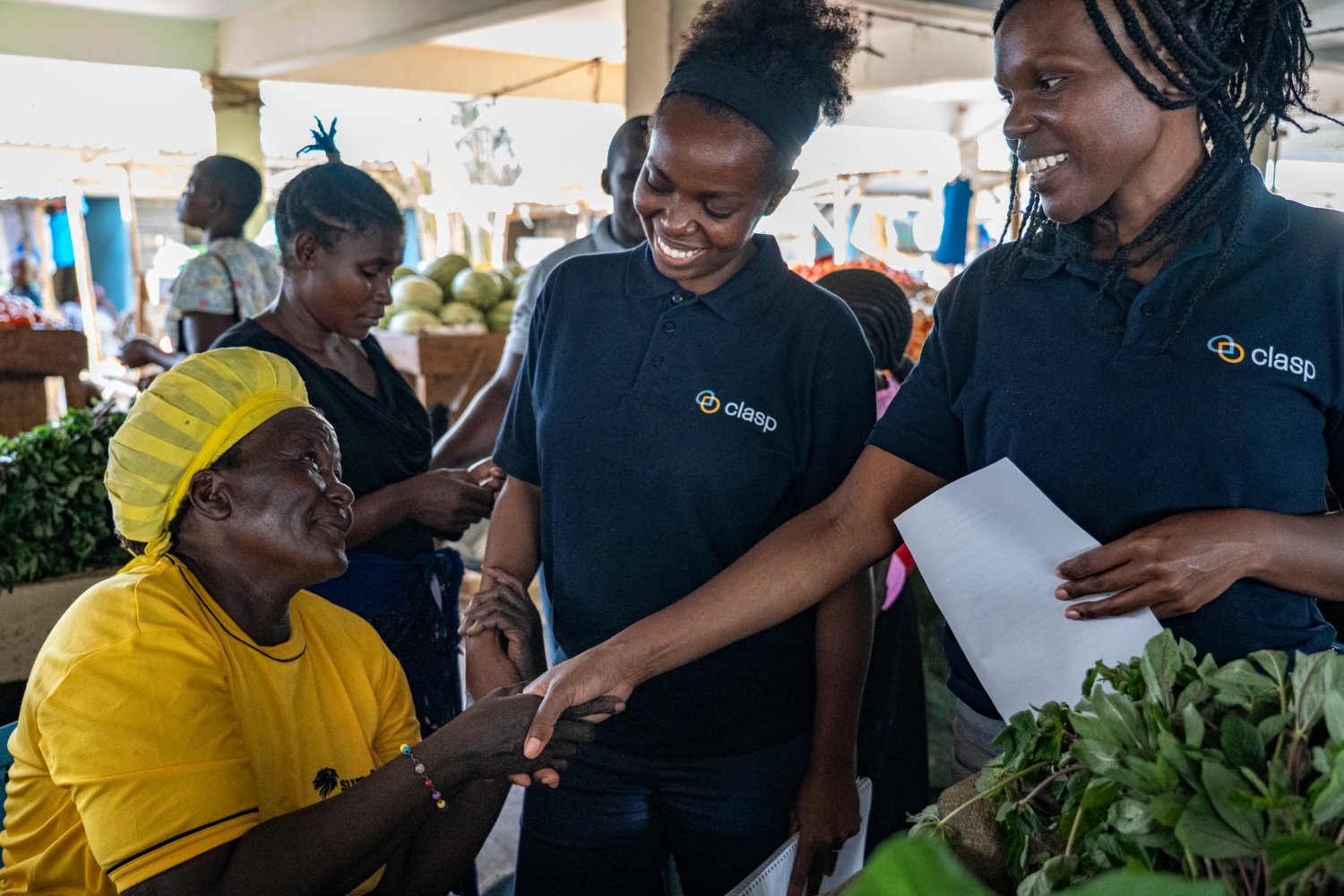
Image credit: CLASP
Powering Africa’s Green Economy
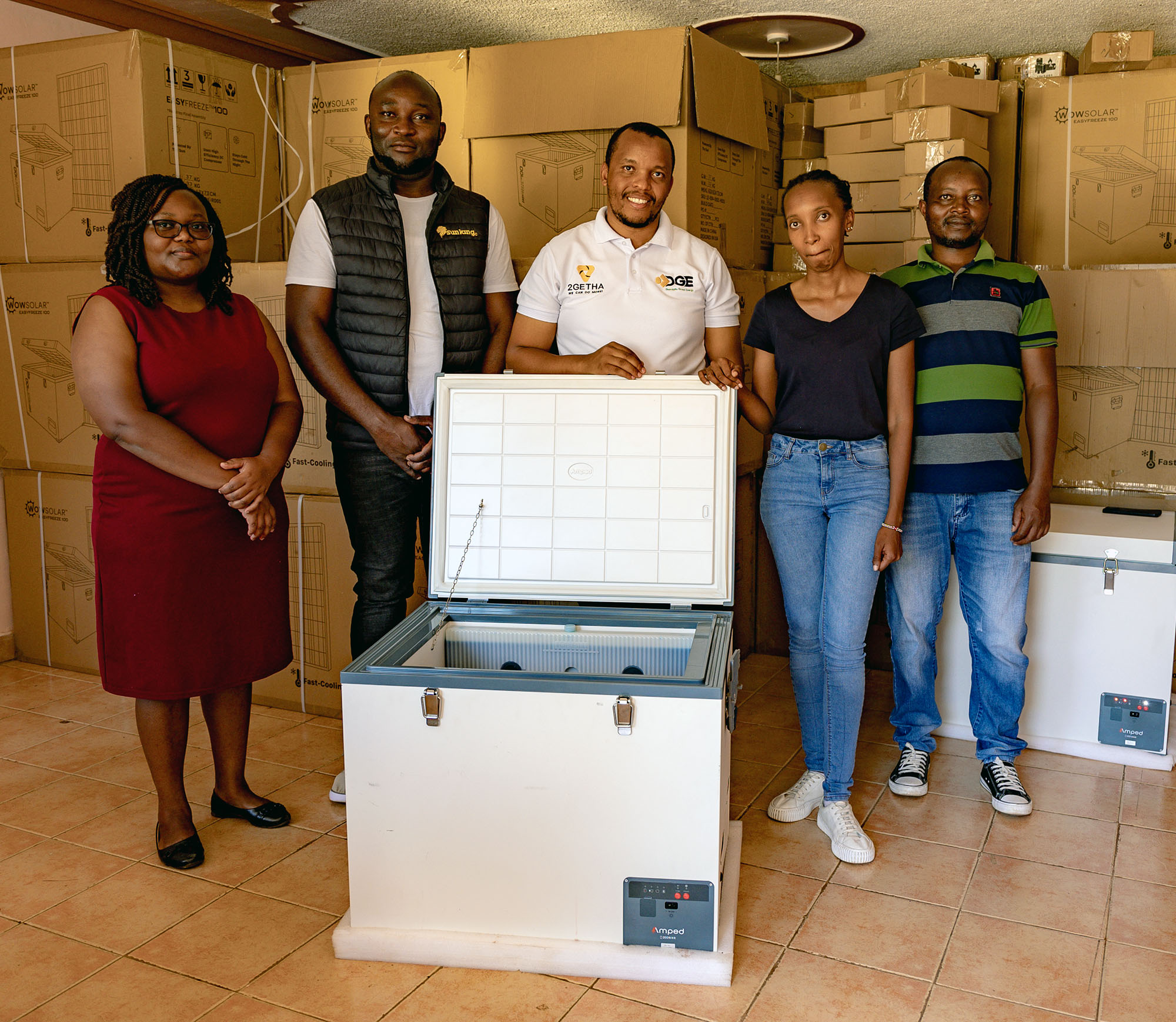
Solar-powered appliances and equipment turn energy into opportunity, helping small businesses generate jobs and income. In 2025, CLASP re-launched our innovative Productive Use Financing Facility to make it cheaper and easier for entrepreneurs, farmers, and small businesses in Ethiopia, Kenya, and Nigeria to buy solar-powered appliances and equipment that power livelihoods. Last year, CLASP partnered with 11 companies to drive jobs and economic growth in Africa’s informal and agricultural sectors, which make up 70-80% of African economies.
Slashing Emissions Through Smart Policy
Australia
National leaders passed a lighting policy that will transition Australia’s market to an all-LED future and avoid 41 Mt of CO₂ by 2050, informed by CLASP-led analysis.
Brazil
Policymakers made strides in Brazil’s LED transition with CLASP’s support, approving a lighting policy package that will slash nearly 3 Mt CO₂ by 2050.
China
CLASP supported seven major policy updates, including for compressed air systems, refrigerators, and water pumps. Altogether, the new policies are estimated to cut nearly 3 Gt CO₂ by 2050.
India
CLASP supported the advancement of policies for space cooling appliances that will place India among global leaders in efficiency and cut 1.2 Gt CO₂ by 2050.
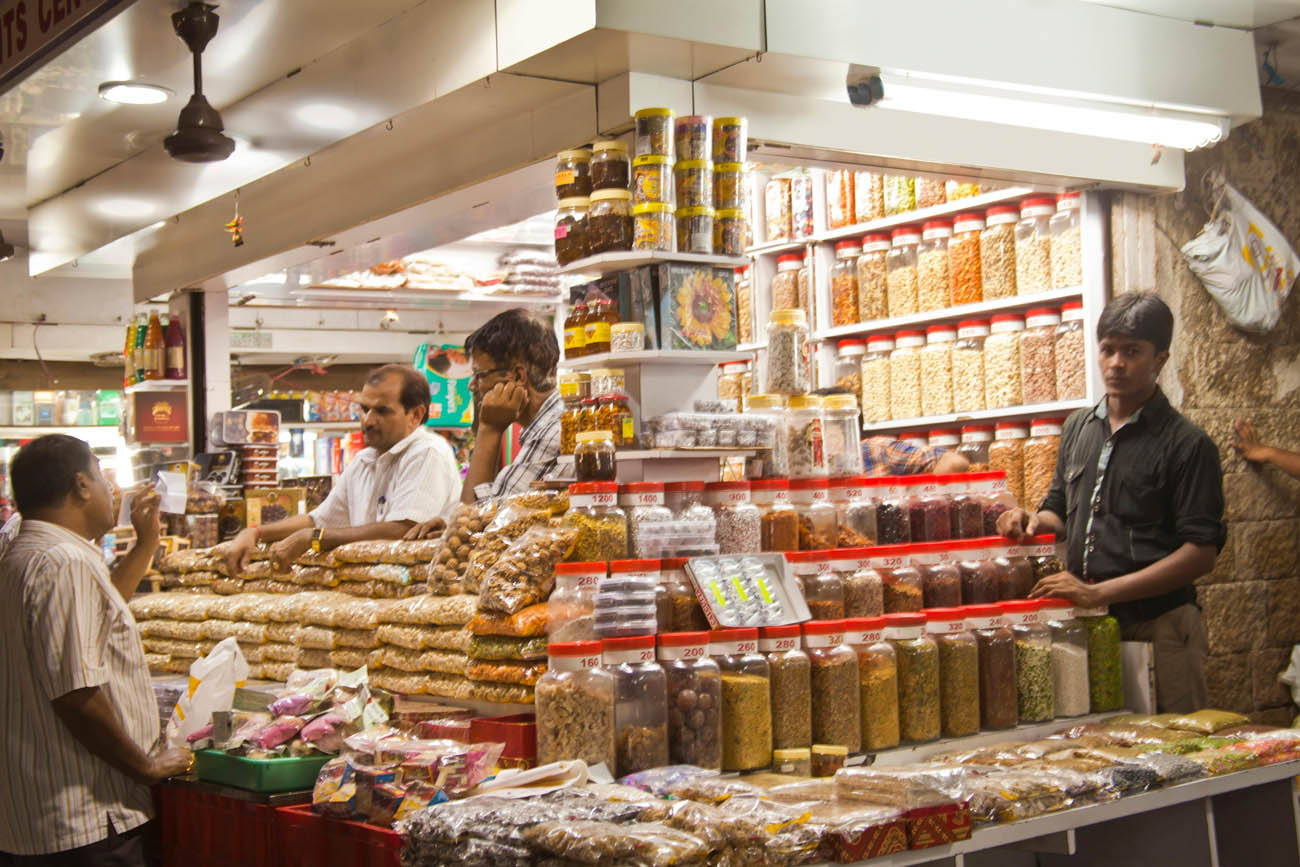
Image credit: ImageDB
Making Efficient, Affordable Fans the New Standard in India
India is one of the places on the planet most at risk of extreme heat. 90% of households rely on fans as their only form of space cooling. CLASP partnered with government and private sector partners to drastically improve fan efficiency, availability, and affordability. A major part of the effort was supporting small and medium enterprises to improve their production capacity.
The impact has been catalytic. Together, CLASP and partners cut energy demand and climate emissions from cooling, while safeguarding jobs, strengthening local supply chains, and making efficient cooling more affordable to the people who need it.
Joining Up with the Modern Energy Cooking Services (MECS) Programme
CLASP joined the UK Aid-supported MECS programme as a core partner alongside Loughborough University and the World Bank’s ESMAP. CLASP now leads on venture building and market shaping, helping e-cooking businesses scale up. In 2025, CLASP launched the Global LEAP Awards Induction Cooktops Competition to identify and promote the most innovative electric cooktops on the market.
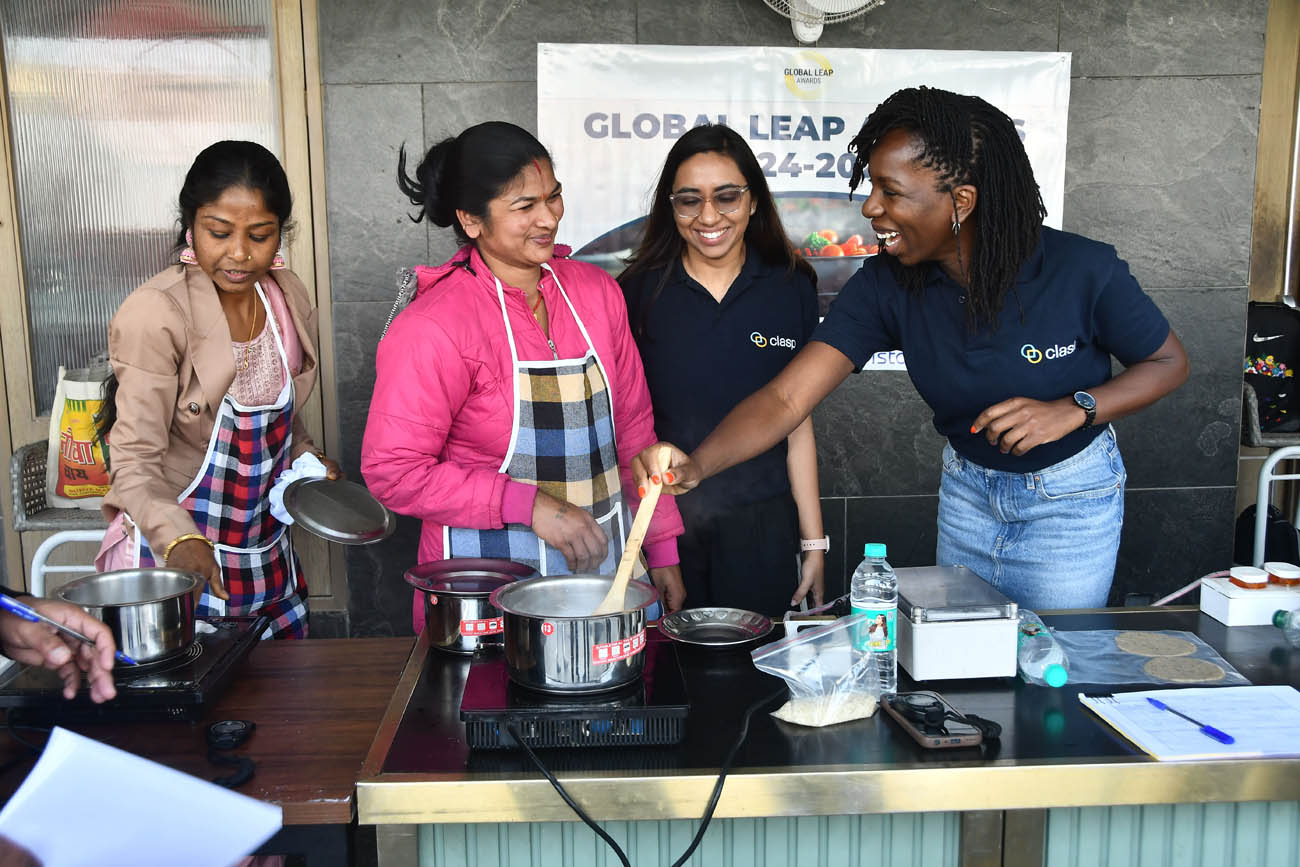
CLASP's Sumedha Awasthy & Nya Abagi at the Global LEAP Awards Induction Cooktops Competition workshop in New Delhi, India.
Image credit: CLASP
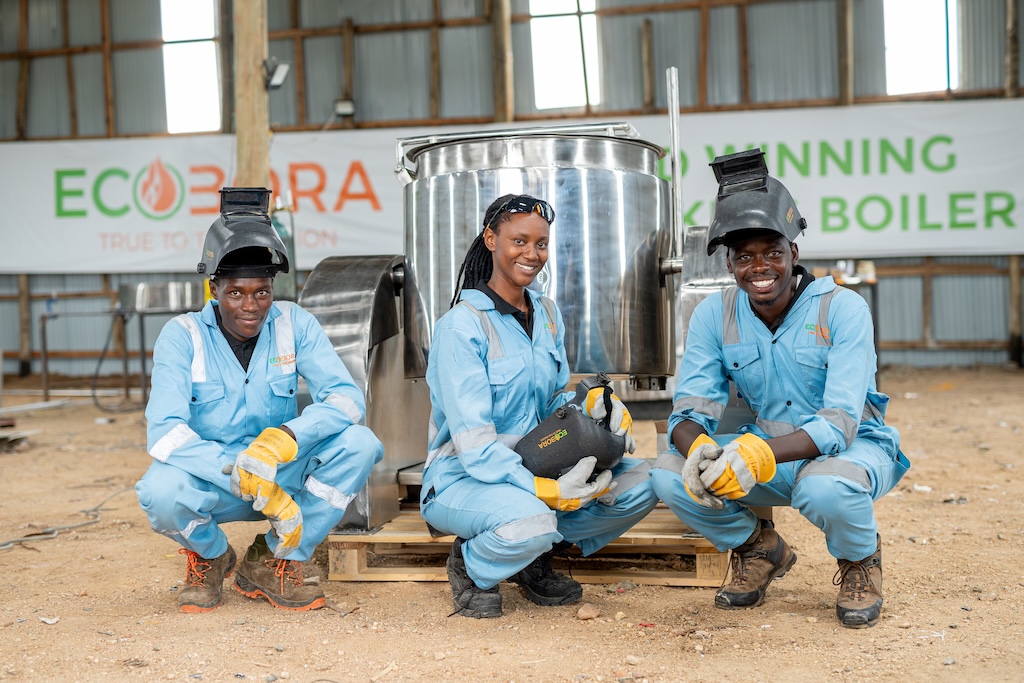
EcoBora, an innovative electric cooking company in Kenya, supported by CLASP through the MECS programme.
Image credit: CLASP
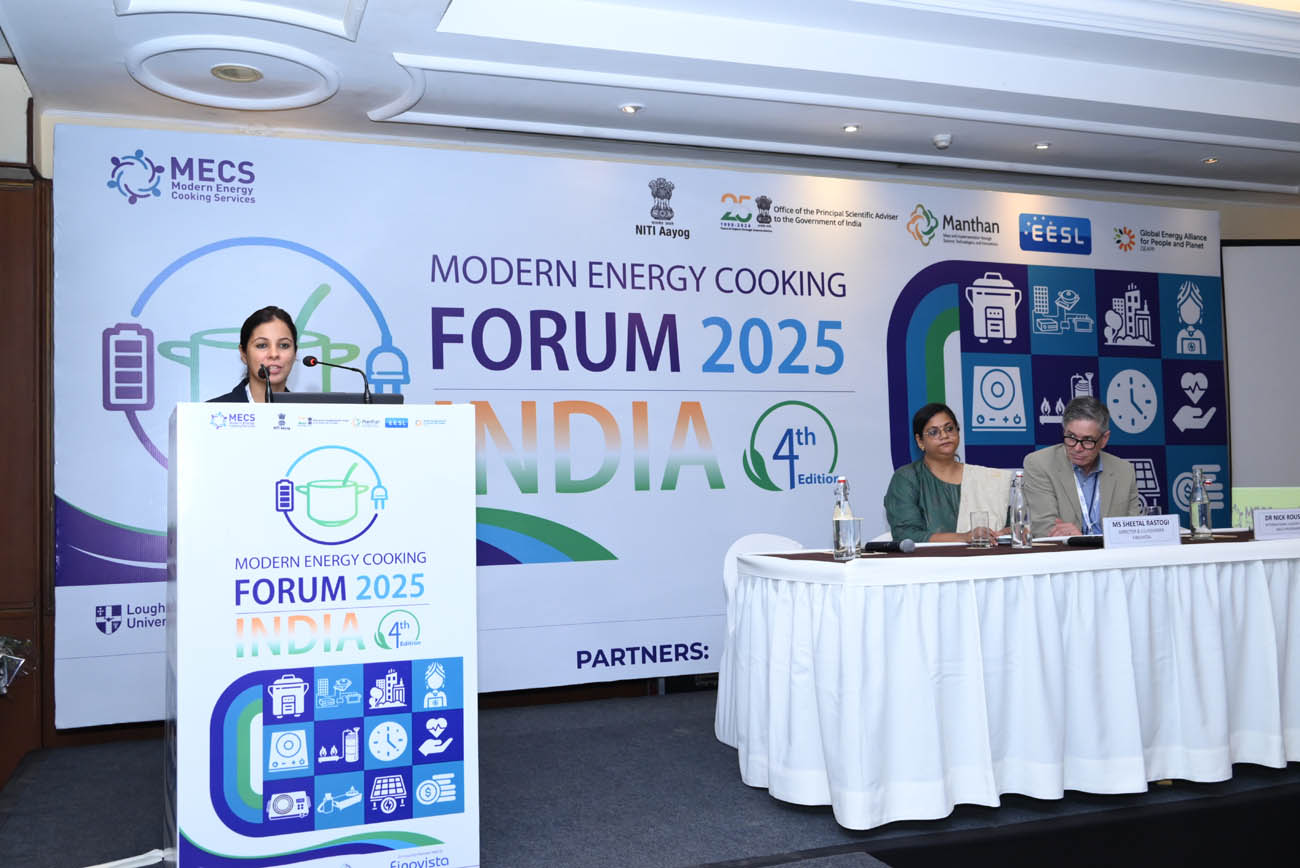
CLASP’s India Director, Neha Dhingra, speaking at the Modern Energy Cooking Forum in New Delhi, India, in September 2025.
Image credit: Finovista
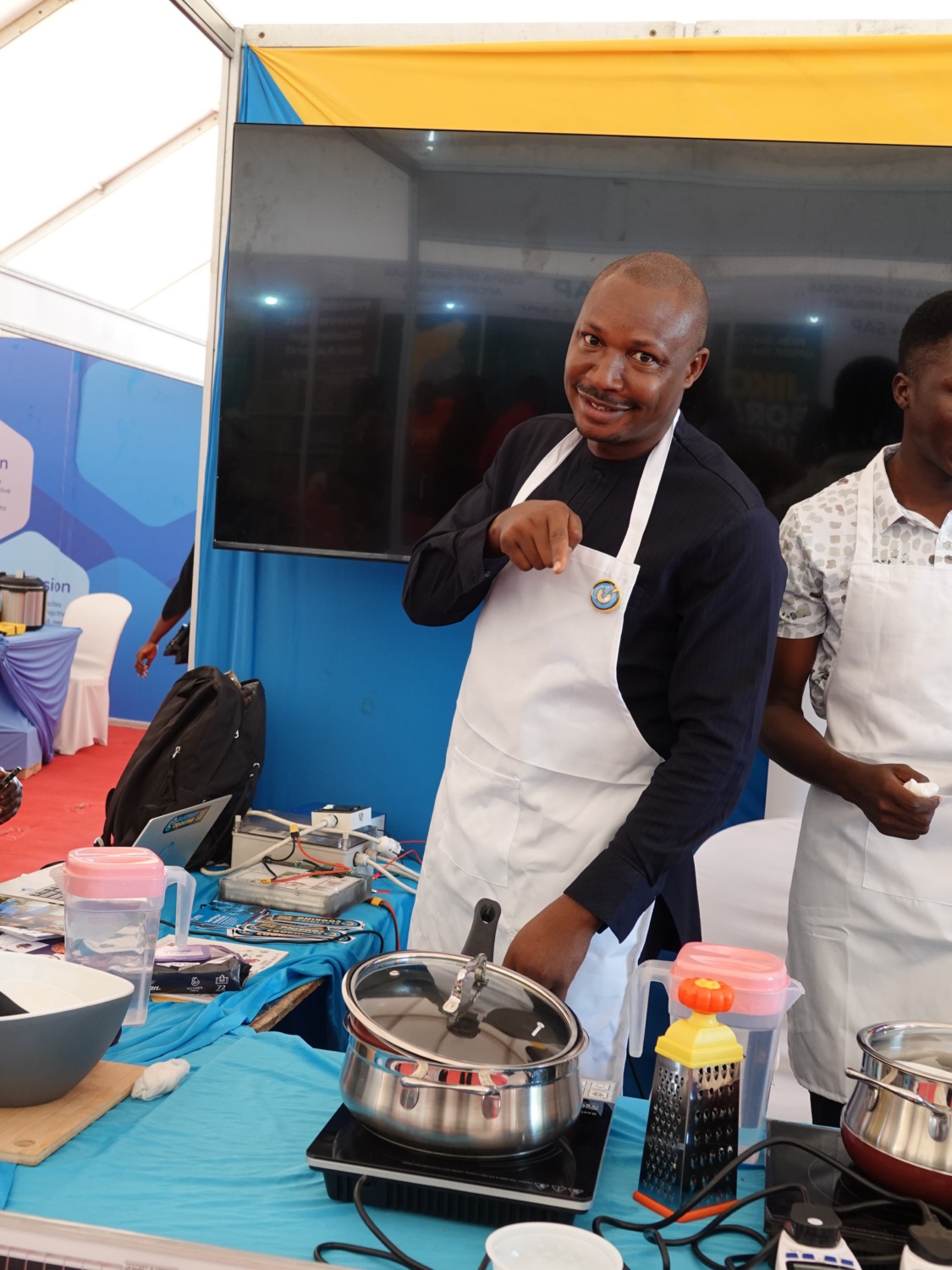
Emmanuel Aziebor, CLASP’s Senior Director, Africa, at Kenya Clean Cooking Week.
Image credit: CLASP
How UK Housing Authorities Can Power the Switch to Electric Cooking
Global Action Plan, in partnership with CLASP, piloted gas-to-electric cooking retrofits in a social housing community in Manchester.
For participating households, switching to electric meant more than lower emissions. It meant breathing more easily in the kitchen, a cleaner and more practical cooking experience, and greater peace of mind for families with young children. Every household preferred its new induction cooktop over gas.
Watch the video:
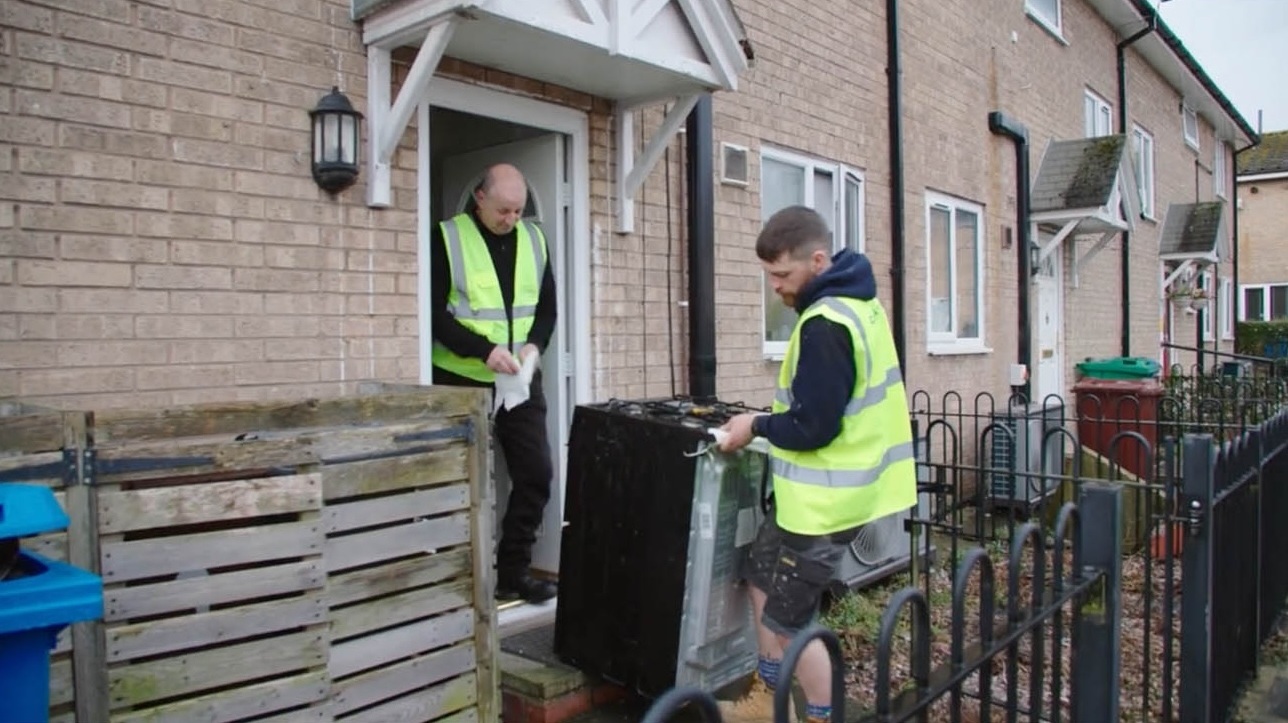
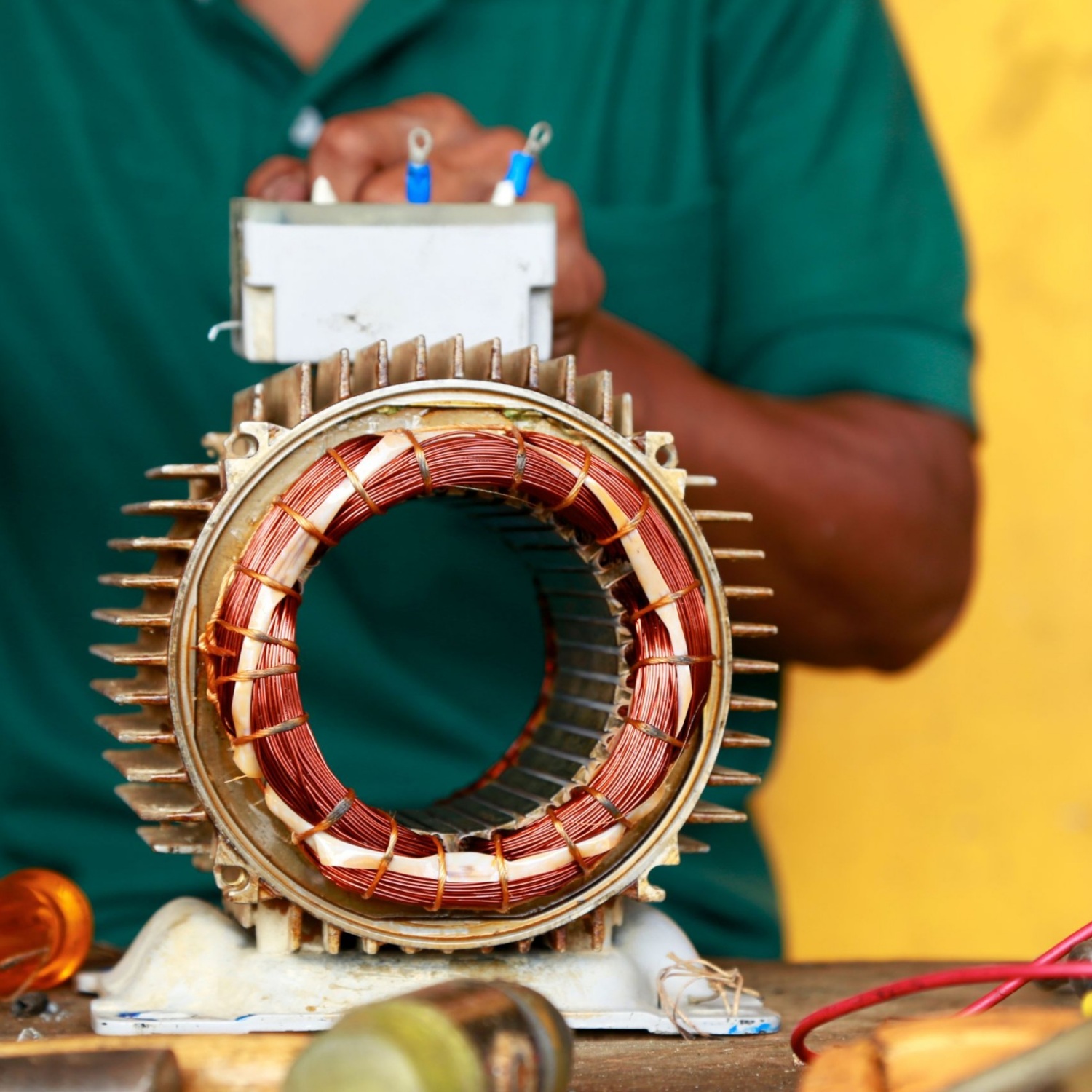
Image credit: CLASP
Economies Can Boom When Powered by Efficient Motor Systems
Industrial motor systems are the invisible heartbeat of economic development. Universally used across industrial facilities, they power the production of goods like metals, paper, cement, textiles, and packaged food. Motor systems are also ferocious energy consumers, due to their function and prevalence. Without intervention, and in step with global economic development and industrialization, by 2050 motor systems will account for 35% of global electricity demand and 19% of energy related emissions. CLASP is taking action on this priority appliance in the fight for Net Zero, identifying high impact opportunities at national and global scales to drive up efficiency, slash emissions, and boost economic progress.
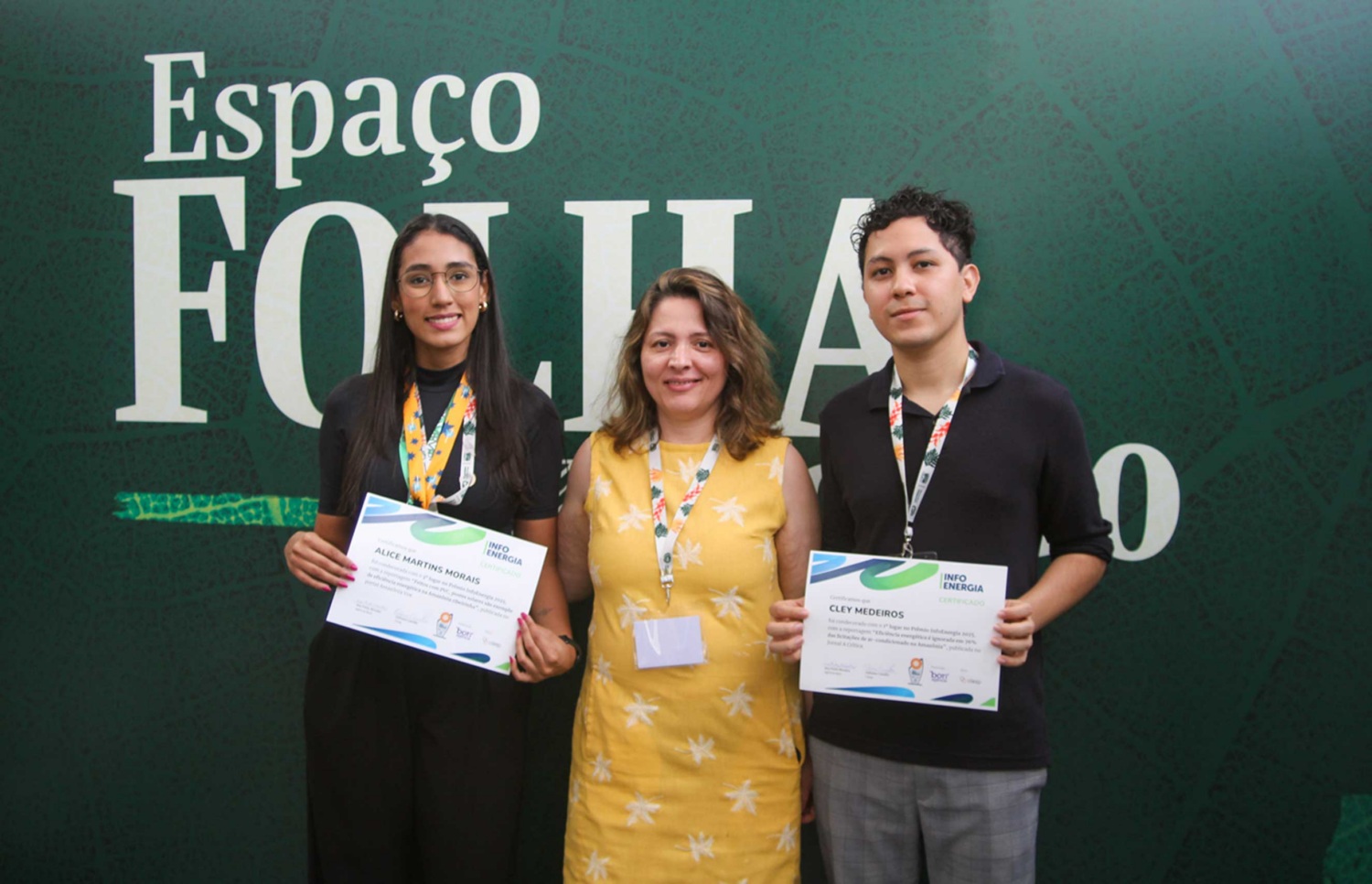
Image credit: CLASP
In Brazil, Partnering for Change
Ahead of COP30 in Brazil, CLASP joined forces with science communication agency Bori to drive national awareness of the benefits of appliance efficiency. Our InfoEnergia Mentorship was an 8-week, in-depth workshop that connected 25 journalists with experts and expertise to produce smart, contextualized reporting on appliance efficiency and its social, economic, and environmental impacts. Robust local journalism is a key element of durable climate policy.
Elevating Appliance-Centered Solutions at COP30
At COP 30 in Brazil, appliance and equipment energy efficiency stood out as a powerful climate solution, driving job creation, energy security, and adaptive capacity. CLASP provided expert testimony on the power of appliance efficiency solutions.
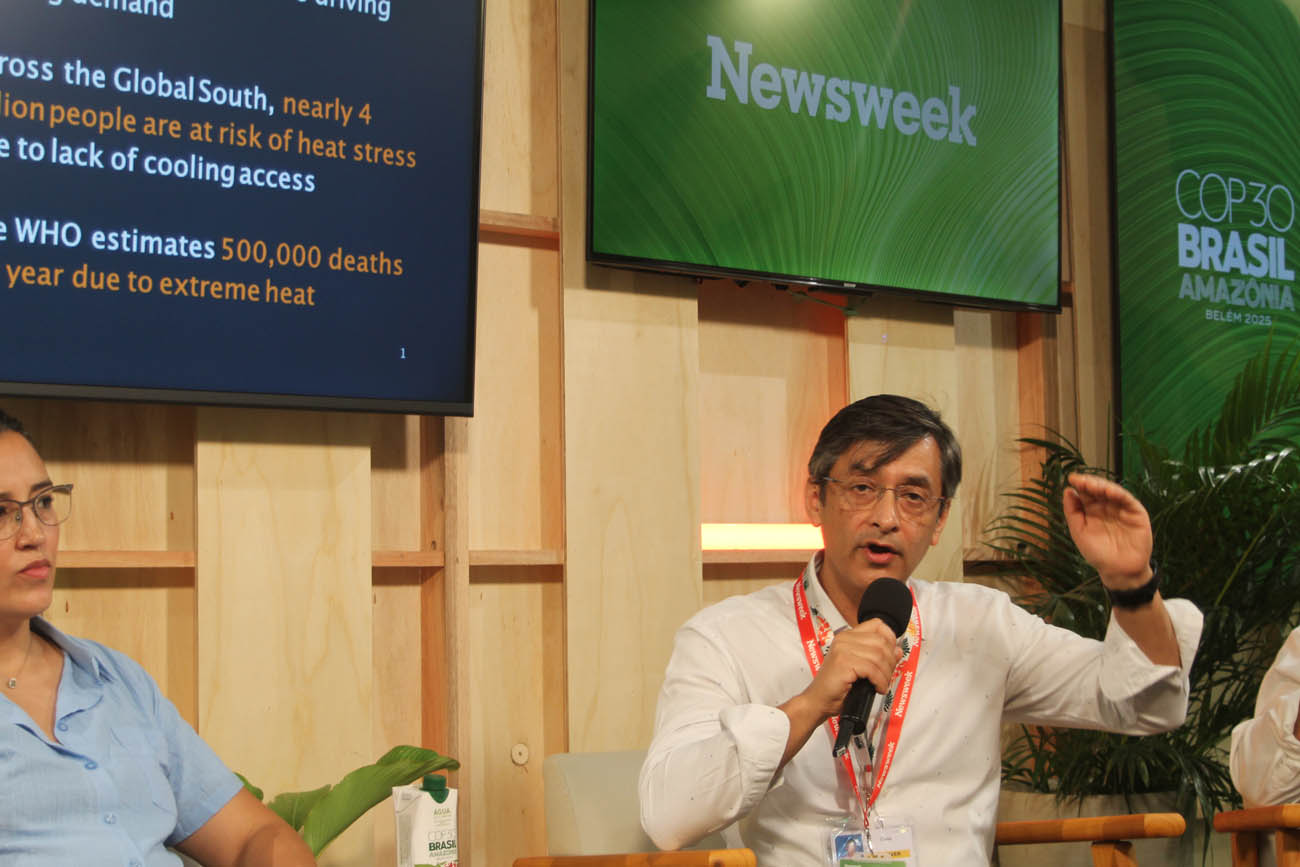
CLASP’s Bishal Thapa participated in discussion on space cooling solutions, offering insights about the benefits of efficient cooling technologies that slash emissions.
Image credit: CLASP
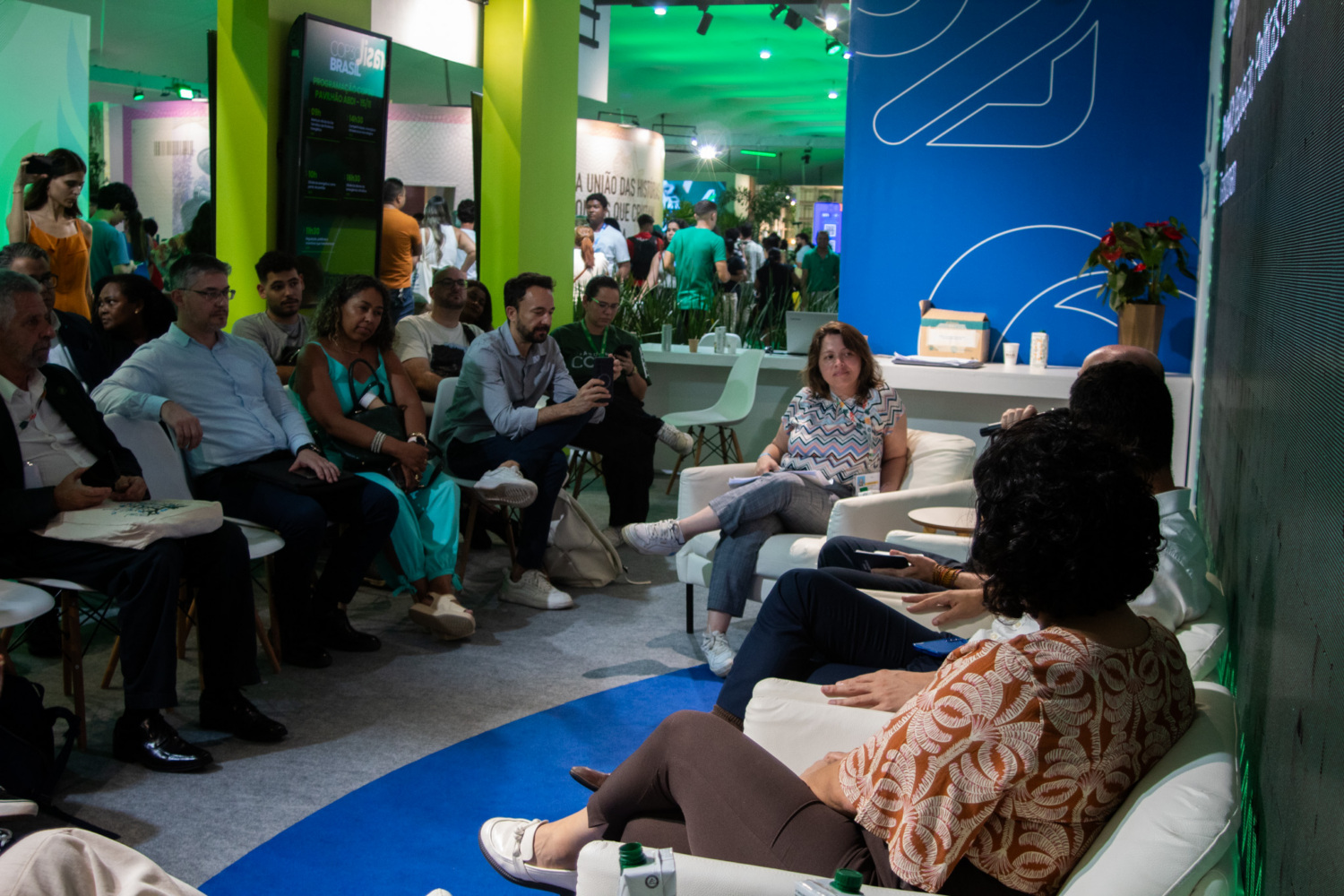
CLASP’s Edilaine Camillo moderated a conversation on the principal role of efficiency in Brazil’s energy transition during an agency-led day of efficiency themed events.
Image credit: CLASP

CLASP’s Bishal Thapa took part in a panel hosted by Casa Civil to speak about the role of energy efficiency policy in Brazil’s reindustrialization strategy.
Image credit: CLASP
Insights driving action
Delivering COP28’s Doubling Efficiency Goal Through Appliances
Appliance efficiency will play a critical role in meeting the COP28 commitment to double the global rate of energy efficiency improvement by 2030. CLASP research found it could deliver 20% of the energy savings needed, highlighting the value of strong standards, clear targets, and international collaboration.
The Missing Piece of Energy Access
666 million people, most of them in Africa, lack access to electricity. 2025 CLASP research shows that directing just 15% of existing energy investments toward efficient appliances can generate the demand needed to make grid expansions financially viable and help those currently living without electricity gain access to healthier, more productive lives.
Finances
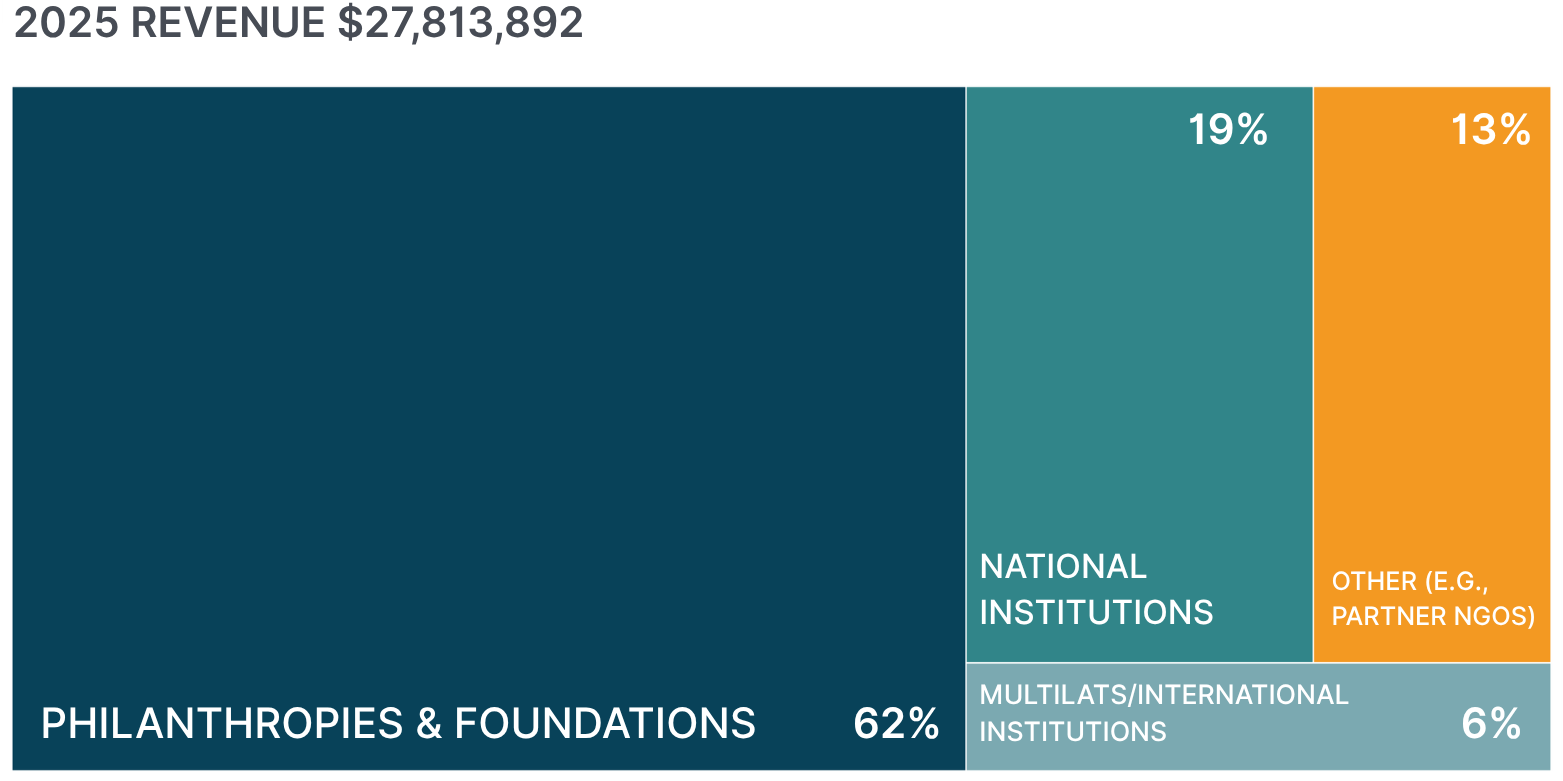
- Revenue by donor type
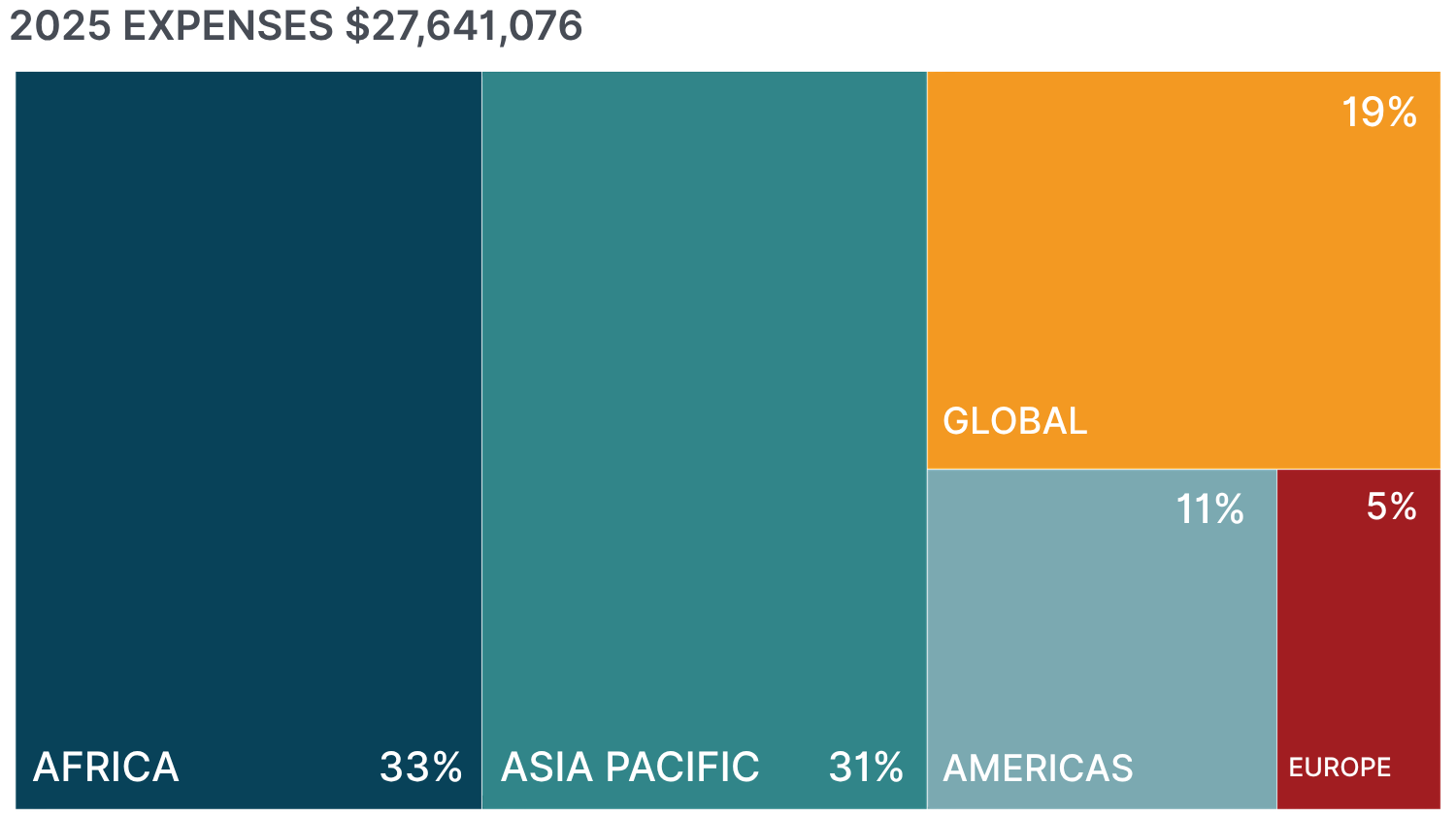
- Expenses by region
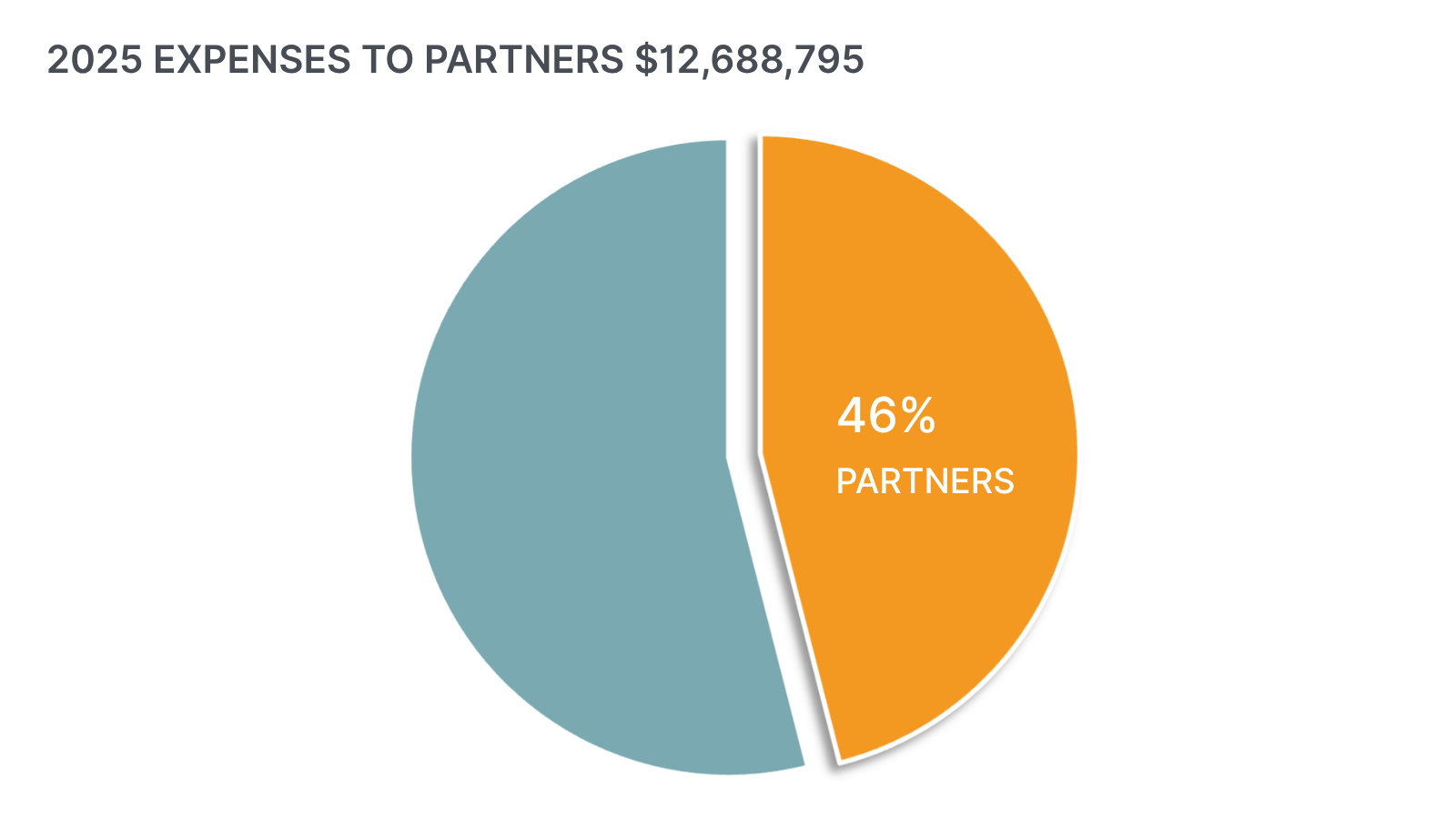
- CLASP collaborates with a global network of partners. In 2025, CLASP channeled nearly half our resources to civil society and energy groups, innovators, academic institutions, and experts — essential partners in changing the way we use energy.
About CLASP
Efficient appliances and equipment are essential drivers of economic growth and a fast, practical energy transition. With over 25 years of expertise and offices on five continents, CLASP collaborates with governments, industry leaders, and other experts to change the way we use energy.
We’re proud of what our team and partners achieved in 2025, driving progress for a better world. In 2026, we remain committed to championing appliance efficiency as a powerful solution for people, prosperity, and planet.
Efficient Appliances are a Powerful Tool for Creating Jobs and Growing Economies
As technological advances like artificial intelligence and advanced robotics reshape lives and economies around the world, it can be difficult to imagine living without even the most basic electronic devices: lights, for example. But today, this is the daily reality for millions of people.
In recent decades, governments and other actors have made significant progress in extending electricity to those who lack it, whether in the form of power grids, microgrids, or distributed solar. Today, the communities that remain without power are those that are the hardest to reach. Located primarily in sub-Saharan Africa, they’re cut off from the energy needed for economic development.
Emmanuel Aziebor, who leads CLASP’s Africa program, has spent years working on solutions to this challenge. He spoke to Marina Baur about the critical role of appliances in reducing poverty on the continent.
*
Marina Baur: Globally, there are 666 million people who aren’t connected to the electric grid. More than a billion others are dealing with frequent power outages because their grids are unreliable. A lot of the people in both groups live in sub-Saharan Africa. Can you give us a sense of how the lack of reliable electricity shapes their lived reality?
Emmanuel Aziebor: Well, if you look at the data around electricity access in sub-Saharan Africa, some countries have much better statistics than others. In countries like Ghana and Kenya, over 70% of the population has electricity. But the reality is, if you go to any of these countries, there are still people with no access to even basic electricity. And by that, I mean they’re in darkness for much of the time; their only form of lighting is something like candles and kerosene lanterns. If they’re lucky, maybe they have a solar lamp.
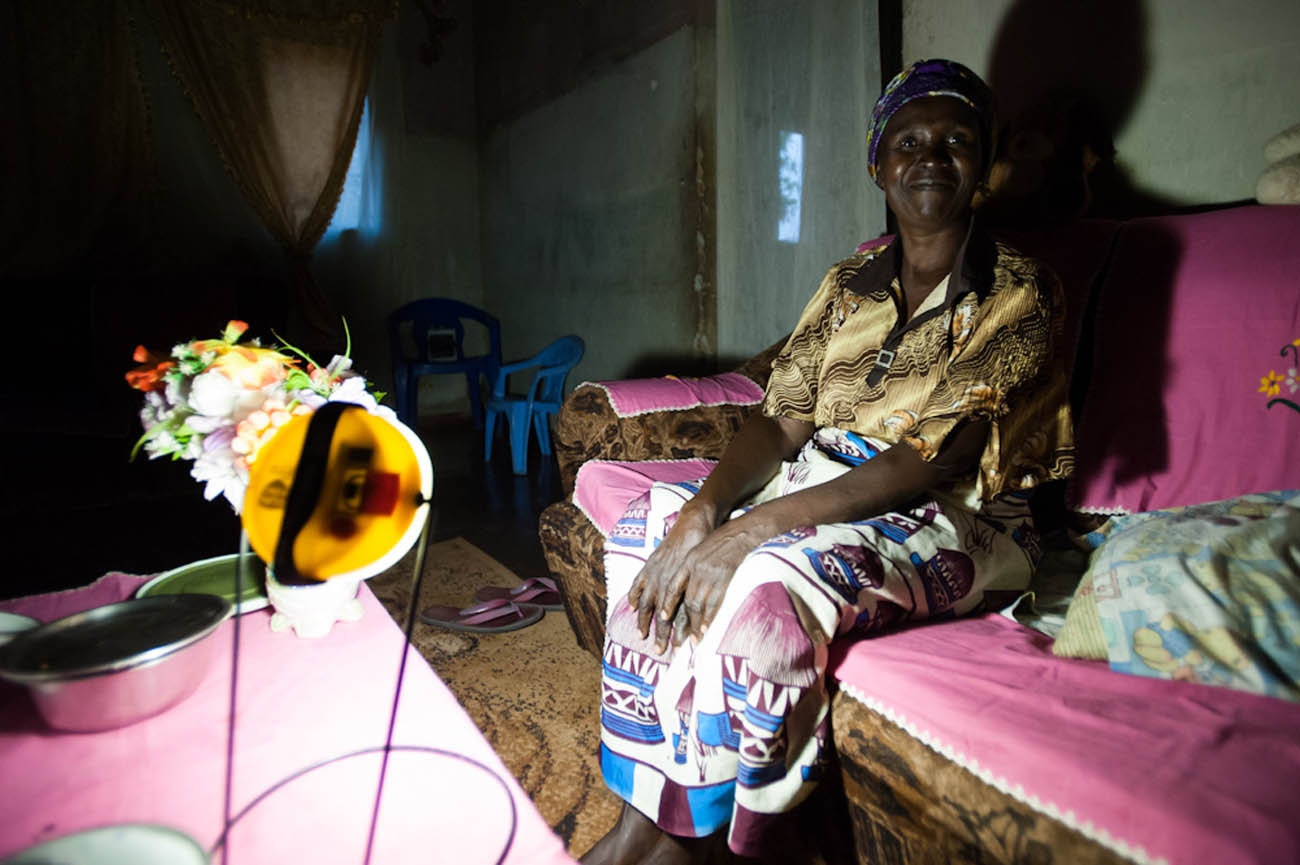
Woman with solar lamp.
Credit: Steve Woodward
Many of these communities are only about a kilometer away from the nearest grid. This happens mostly as a result of what we can think of as geographical difficulties: Maybe the community is on an island, or maybe the location is very sparsely populated—most of the time, the government only electrifies communities that have at least a few hundred people. This can become a self-fulfilling prophecy, since people leave those areas for the cities in order to get electricity and job opportunities.
So that’s one side of the energy access issue in Africa: Some people just don’t have electricity. Another side is that some people who are connected to the power grid can’t always rely on it when they need it. In countries like Nigeria, Ghana, Kenya, you still have a lot of blackouts. These happen in part because the utilities are in so much debt, which affects how efficiently they can operate.

Credit: Dreamstime
These blackouts don’t only affect people in their personal lives; they also affect businesses. We see this at CLASP. Our team in Nairobi works from home several days a week, but sometimes they have to come to the office anyway because of blackouts where they live. The office is the only place they’re sure they can get the electricity they need to be productive, because the generator in our building is always going to run.
People in all kinds of businesses are affected by electricity problems. Think about agriculture. Even though we have a lot of freshwater resources in Africa, it’s often hard for farmers to irrigate their crops because you need pumps to move that water and many farmers don’t have electricity to power those pumps. And if farmers can’t irrigate their crops, the crops don’t grow as well as they should, which keeps farmers’ incomes low and raises local food prices, which, in turn, impacts food security.
It’s also important to understand that people use energy to indirectly support their incomes. A long time ago, my father retired from the force and moved from the city to the village. That meant carrying all his appliances and everything to the village, where there was no electricity. So he bought a car battery to run this black-and-white TV. My mom started a bakery, and in the evening, people would come there to sit around and watch TV, and then they would buy bread and pastries as well. So that TV set indirectly contributed to my mom’s income. Without it, she would’ve earned less.
Baur: Thanks for that. CLASP believes that a significant percentage of the money devoted to building energy systems needs to be invested in appliances. That’s not a very intuitive idea; why do you think that’s important?
Aziebor: Well, electricity is like water flowing in a river. There are electrons all over the place, but they must be captured into usable form, and what makes that possible is appliances.
Let’s look at this issue from the macro level. Utilities set up generation plants and transmission systems to transfer those electrons to a point of distribution: a pole that is metered, with a wire that goes into a home. Currently, in the energy sector, we measure these poles and say things like, “We have connected 10,000 households to electricity.” But having that connection in your home doesn’t mean you can actually use those electrons. That can only happen through a device that draws that power and turns it into the services you need. That device could be a light bulb or a TV; it could be a fan or an air conditioner.
So the actual benefit of electricity only happens when people have appliances. And that’s actually true for the utility as well. If nobody uses the electrons they generate and transmit, utilities do not make profit. A lot of utilities in Africa are in debt, partly because people aren’t using the electricity that essentially just stops at the metering point.

The actual benefit of electricity only happens when people have appliances.Emmanuel Aziebor
This is what CLASP focuses on, and it has implications at every level of society. At the individual or household level, appliances can improve quality of life, reduce sicknesses, and improve incomes. For example, in very hot places like West Africa, it’s hard to sleep without an air conditioner or fan, and if you can’t sleep well, your quality of life and productivity suffer.
At the institutional level, if you, say, provide high-quality appliances in health clinics and hospitals, enabling things like reliable refrigeration of vaccines, the provision of healthcare improves. It also becomes more cost-effective because you’re not wasting valuable resources that you then have to buy more of.
And at the small business level, businesses that have appliances will be able to earn more profit. This is very important for economies in sub-Saharan Africa, since small and medium companies make up 95% of registered businesses in the region. Today, many of these businesses are struggling, for a wide variety of reasons. Having better access to devices that turn energy into the services they need could really be a game-changer.
So when you talk about community resilience, appliances play a major role. They help people access better information, higher incomes, and less sickness. Appliances are how we turn energy into opportunities, into comfort, into quality of life.

A cook at a Kenyan school uses an electronic cooker.
Credit: CLASP
This is a very important topic in Africa. But for a very long time, it hasn’t really been explained—even to government decisionmakers—from a strategic position.
Baur: What could African governments do to help more people access appliances? What types of interventions should they be thinking about when they decide where to spend money or what solutions to drive forward?
Aziebor: If you speak to African policymakers, the main things they’re concerned about are job creation and economic development. So that’s what we focus on.
Seventy percent of the population in sub-Saharan Africa is under 30, and many of these young people can’t find jobs. If they cannot get opportunities in-country, they move out, and then we see all this risk on the Mediterranean. So how can we encourage African governments to look at appliance access as a solution to that problem?
Basically, we say that one way to resolve issues around youth unemployment and economic development is to utilize the abundance of energy that is available. A lot of countries have installed grid capacity that is not being utilized. Well, what if we used that capacity to support rural enterprises? About 60% of the labor force in sub-Saharan Africa works in agriculture. So there are major opportunities there, and we already have a good idea of where interventions would do the most good. Most countries are mapped out into places where there is agricultural productivity, places where you can have agricultural processing. So we could say, “Okay, we know this area is good for rice production. Let’s get some irrigation systems into that area to produce more rice and get the youth involved in this business.” Then, we could encourage rice processing, which adds value—we can provide rice mills to help people get into that business. And then those workers would earn money that can be invested back into their businesses. So with appliances, governments can use energy to catalyze rural economic development.
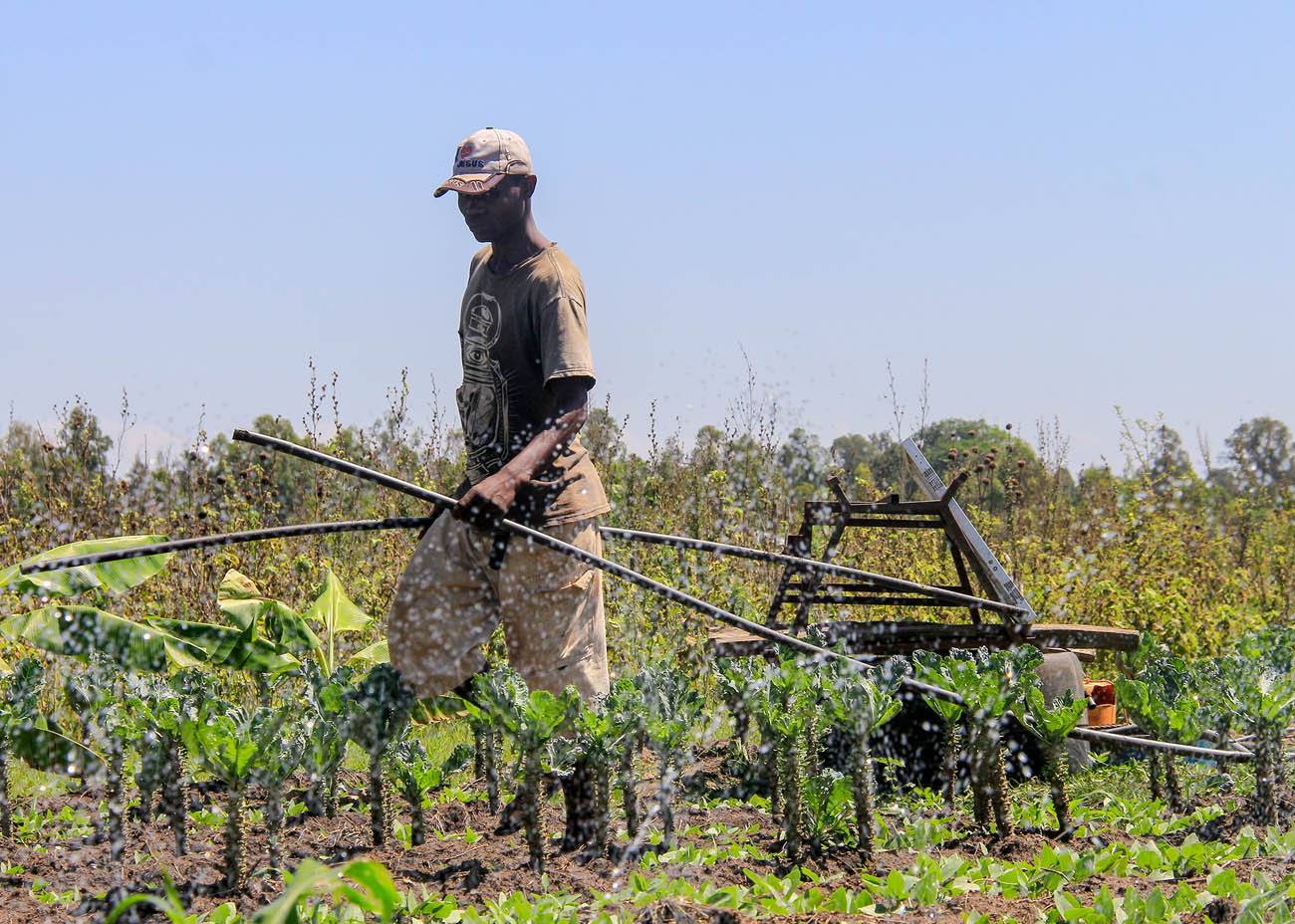
A farmer sets up a solar-powered sprinkler near Siaya, Kenya.
Credit: Futurepump
Another thing governments can do is introduce regulations to make appliances run more efficiently and eventually lead to lower consumption of energy. This may seem like a contradiction: If utilities need people to use more energy in order to be profitable, why would governments want appliances to use less energy? Well, the issue in Africa is that inefficient appliances have been dumped here for a long time. They overconsume energy, which creates an inflated need for grid capacity. And then governments build generation capacity to meet these inflated projections, which creates a huge delta in capital investment relative to the actual need. As a result, they’re spending money on power grids that could’ve been invested elsewhere, like schools or hospitals or job creation. Making matters even worse, these big generation capacities put the utilities in even greater debt because there aren’t enough appliances to use them all.
So our hypothesis here is that if we introduce efficiency regulations into the appliance sector, it allows the government and utilities to right-size the grid and right-size their capital spending.
Baur: Can you give examples of where this kind of approach has been tried and found successful?
Aziebor: Well, if you look at appliance dumping, African leaders have been at the forefront of a lot of these initiatives. For a long time, companies have sent products they can no longer sell in other parts of the world to the continent. This was happening with fluorescent lighting, which is extremely toxic, and African policymakers pushed back, which was instrumental in getting global agreement to phase out the production of fluorescent bulbs.
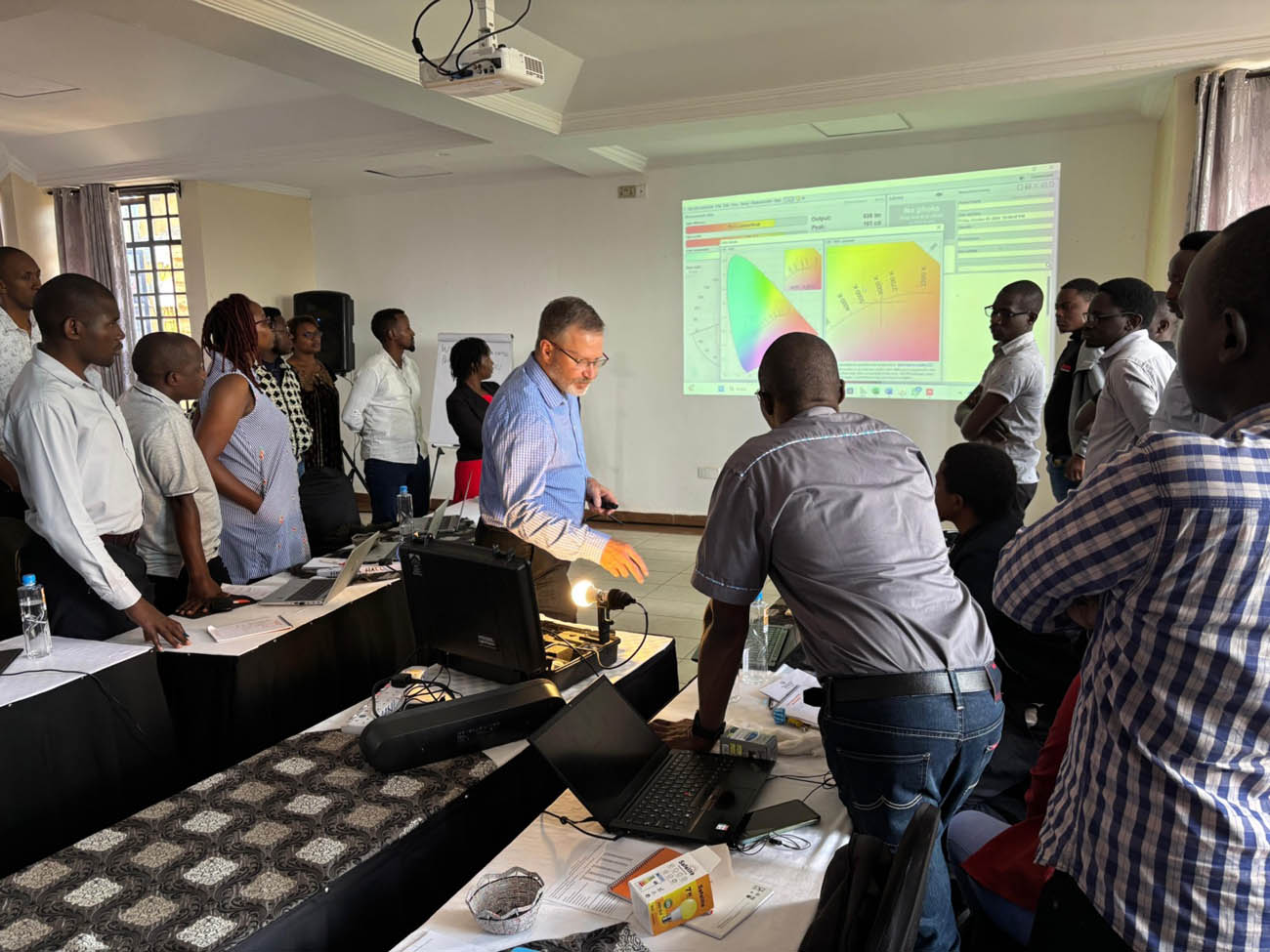
Lighting policy workshop in Kenya.
Credit: CLASP
I haven’t seen a large-scale program for other appliances, but I will mention a related example. Some time ago, the national government in Ghana came up with a way to transition all urban communities from charcoal to LPG (liquefied petroleum gas) as a cooking fuel, because we have abundant natural gas resources and the use of charcoal was causing deforestation in rural communities. So what did they do? They basically set up a government-owned LPG cylinder manufacturing company. They said, “Everybody, you’re going to get a subsidized cylinder and your first LPG fill-up is going to be free.” They also used a portion of taxes from petrol sales to fund the LPG program. All that helped people get used to cooking with LPG, since cooking is so cultural.
This program has been running for more than more than 20 years. Now, if you go to urban homes in Ghana, every one has a gas cylinder that they are using.
So this is one clear example where at the national level, the government drove adoption. And we see successful examples all the time with other kinds of infrastructure. The government provides the funding to build the airport and we all pay for flights to keep it operating. The government builds the road and we all pay a toll to use it. So these things can be translated into conversations about appliances—how public capital could be used at scale to address a particular solution.
But one problem we have in the appliance sector in Africa is that there are too many Mickey Mouse pilot projects. The problem has always been around scaling.
That means the government needs to be involved. For a very long time, we’ve had the impression that the private sector and nonprofits are the most important partners in the appliance sector. The idea was that nonprofits bring the money to derisk the private sector. But we must flip this equation. To reach the scale we need, we need to bring government to the table very early on.
The government is a fulcrum around which we all must build. The nonprofit brings philanthropic capital, the private sector brings commercial capital, and governments bring public capital to scale. But if we are not looking at scale with that equation in mind, it becomes difficult. We must be intentional. We know solar water pumps work; we know green milling can become a conduit for local economic development. So how can we get governments to scale these solutions, creating national programs where they invest public money into resolving both job creation and access-related issues? That is where I think the conversation should be.
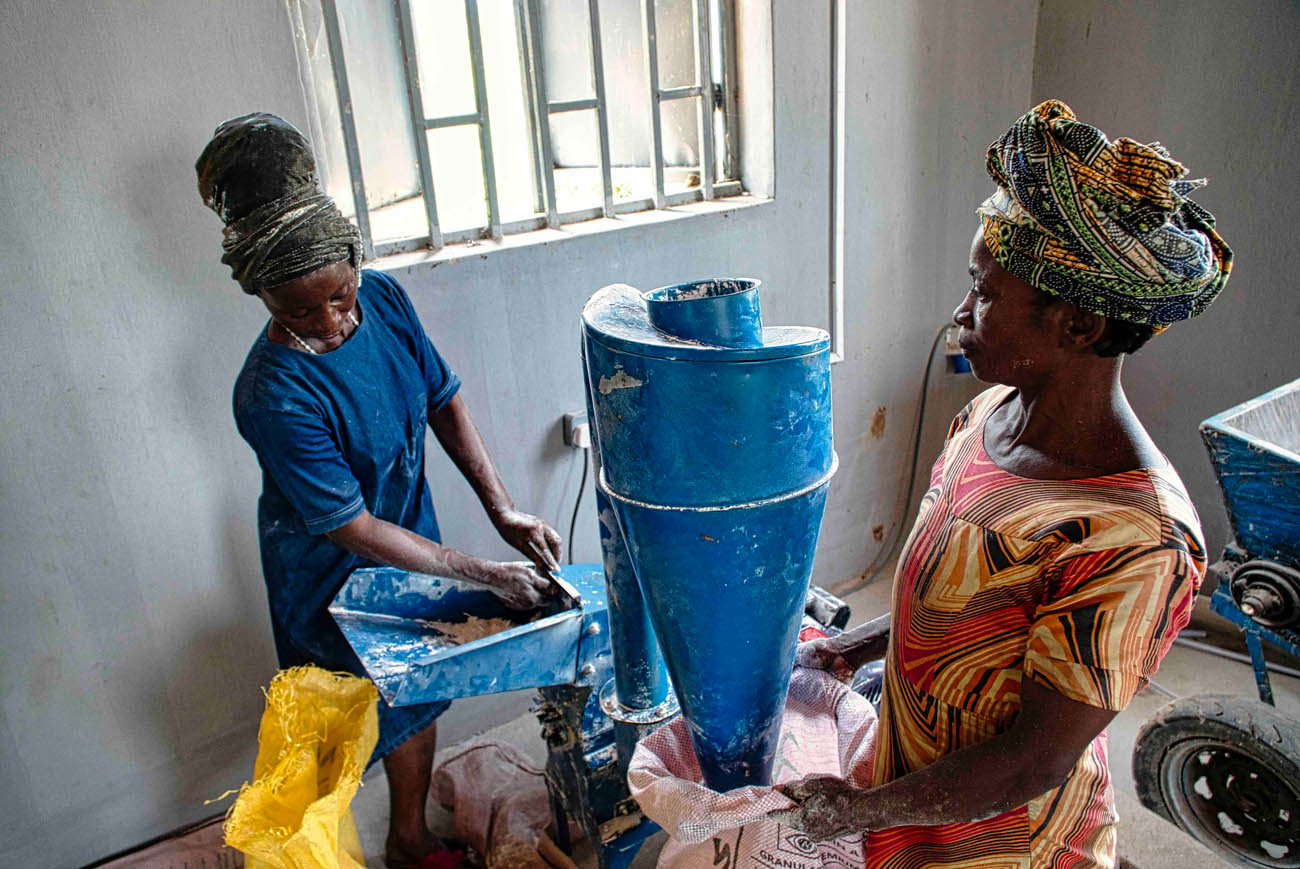
Women use a solar-powered mill in Nigeria.
Credit: CLASP
Take a company like SunCulture, which makes solar irrigation. So far, they’ve sold about 200,000 solar pumps, which is just a drop in the bucket compared to the need, even just in Kenya. But what if we were able to partner with the government of Kenya to say, “We’re going to put public money in the budget to support to every corn farmer in Kenya. All you need to go is to go to your district government, sign up, and then you get a subsidized solar water pump.” That is what we need to scale these solutions, and that is how the issues around jobs and incomes can be addressed.
I want to wake up one day and find that my nonprofit job no longer exists because this problem has been solved. That’s how I’ll know we’ve succeeded. But that requires that public capital and public partnership.
Interview edited and condensed.
Learn More

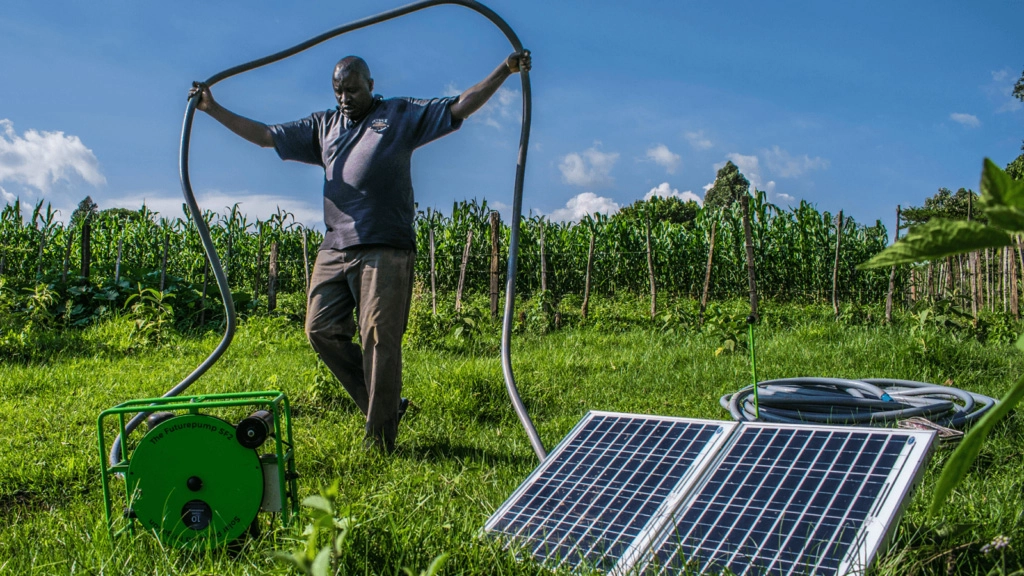
CLASP’s Research Informs South Africa’s New Water Efficiency Standards
In a country that regularly endures water shortages, South Africa is taking a major step towards water sustainability by developing its first Water Efficiency Labelling Scheme (WELS) for taps, showerheads and toilets sold there. If fully implemented, CLASP’s analysis shows that adopting water-efficient products—especially for faucets and showerheads—could help South Africa save over 1 trillion litres of water, reduce energy use by 18 terawatt-hours, and avoid 16 million tonnes of carbon dioxide emissions each year. This will help reduce water consumption, lower energy demand, and advance the country’s climate goals.
CLASP’s technical analysis supported the call for a new standard
CLASP’s 2022 research “South African Shower heads Testing Report” informed the proposal to create a South African standard for shower heads that is aligned with international standards.

To develop the standards, the South African Department of Water and Sanitation (DWS), in collaboration with SANEDI, the Water Research Commission (WRC), Jackstra Solutions, and CLASP, and under the guidance of the WELS Project Steering Committee recently hosted a Water Efficiency Labelling Scheme (WELS) Forum in Pretoria. This aimed to share progress and raise awareness about the WELS project, gather strategic and technical input from stakeholders, and foster collaboration and partnerships to support successful implementation.
The WELS Forum had strong representation from both the public and private sectors.
Angellah Wekongo, Senior Associate at CLASP, attended as well. She shared international WELS case studies, highlighting the global uptake of water efficiency labelling schemes. She also emphasized the importance of central product registers in supporting these initiatives and noted the need for the WELS hosting agency in South Africa to have the system.
Notably, the private sector expressed strong support for the initiative, underscoring a shared commitment to advancing water efficiency in South Africa. This was reinforced by the industry position statement from the Institute of Plumbing South Africa (IOPSA), which states:
“Products displaying a water efficiency label empower consumers to choose in ways that benefit their household, communities and the environment. However, we recognize that education enforcement and affordability of water efficient products are key drivers in promoting widespread acceptance and adoption.”
The project has now moved onto its second phase: the water efficiency standard has been submitted to the South African Bureau of Standards (SABS). A complementary efficiency label is also being designed. The Steering Committee is also actively engaging stakeholders to explore feasible options for hosting and maintaining a central product registration system for the WELS.
The development of South Africa’s WELS in line with international best practices in sustainable water management will go a long way in reducing water waste, lowering utility bills, and will contribute to a more resilient and sustainable future for millions of people.
Read more about this in: Matthews, S. (2025) ‘Every drop counts: New labels to help South Africans save water(and money)’, The Water Wheel, July–September 2025. Pretoria: Water Research Commission (WRC). Available at: https://wrcwebsite.azurewebsites.net/wpcontent/uploads/mdocs/WW%20July%20-%20Sept%202025_WATER%20EFFICIENCY.pdf
South Africa
CLASP Supports Water Efficiency in South Africa
South Africa is taking a major step toward water sustainability by developing its first Water Efficiency Labelling Scheme (WELS). This national initiative will help reduce water consumption, lower energy demand, and advance the country’s climate goals.
The scheme will introduce standardized labels for products such as taps, toilets and showerheads to help people and businesses make smarter choices that save water and lower costs. It is being led by the Department of Water and Sanitation (DWS) in partnership with the South African National Energy Development Institute (SANEDI), Water Research Commission (WRC), Department of Trade, Industry and Competition (dtic) with technical support from CLASP.
CLASP experts provided timely research that helped shape the scheme. Their in-depth analysis found that adopting water-efficient products—especially for faucets and showerheads—could help South Africa save over 1 trillion litres of water, reduce energy use by 18 terawatt-hours, and avoid 16 million tonnes of carbon dioxide emissions each year.

“This scheme lays the groundwork for widespread adoption of water-efficient technologies in homes and commercial buildings. It supports smarter consumer decisions and accelerates progress toward climate resilience,” Angellah Wekongo, Senior Associate at CLASP.
The WELS initiative comes at a critical time, as South Africa faces growing water stress and a projected 17% shortfall by 2030. CLASP’s research shows that appliance energy efficiency is one of the most cost-effective means of reducing emissions, improving resilience for climate-vulnerable communities, and supporting sustainable development.
“We work with policymakers around the world to provide technical expertise and cutting-edge research on how to achieve international best practice in appliance efficiency. Water efficiency is a strategic priority, and our partnerships in South Africa are key to strengthening climate action and advancing sustainability across Africa,” Anne Muhonja Songole, CLASP’s Africa Climate Manager.
About CLASP
CLASP is the leading global authority on efficient appliances’ role in fighting climate change and improving people’s lives. An international NGO with 25 years of expertise and offices on four continents, CLASP collaborates with policymakers, industry leaders, and other experts to create a more sustainable future for people and the planet.
South African Shower Heads Testing Report
A growing population and reliance on increasingly unpredictable rainfall has left South Africa in a water crisis. In partnership with the South African Energy Development Institute (SANEDI) and Institute of Plumber South Africa (IOPSA), CLASP is supporting water efficiency policies to preserve this diminishing and essential resource.
The Department of Water and Sanitation (DWS) published the South African Water and Sanitation Masterplan, outlining a strategy to introduce a Water Efficiency Labelling Scheme (WELS) by 2025. The plan identified shower heads as a key component of future water efficiency programs and the WELS scheme.
Limited data on the flow rate performance of commercially available shower heads poses a challenge for researchers and policymakers. This report builds on previous CLASP research and provides an overview of the flow rate profiles of the tested showerheads, as well as depictions of product spray patterns.
Some of the key findings from the showerhead testing include:
- Less expensive showerheads are less water efficient. Less costly options have an average higher flow rate: over 30 l/min. More expensive showerheads have lower flow rates: less than 10 l/min.
- Using flow rate regulators can significantly reduce flow rates.
- South Africa will experience significant water savings by complying with CLASP recommendations. In previous reports, CLASP recommended the 7.5 L/min flow rate across showerhead options – this could substantially reduce water wastage across the country.
- The majority of shower heads available in South Africa are inefficient. The research found that 58% of the showerheads were of a fixed orifice type and delivered flow rates at an average of 27 L/min when tested at 300 kPa pressure.
Based on these findings CLASP recommends South African National Standards (SANS) for shower heads in line with international standards. Performance requirements such as maximum flow rate and water saving flow rate should aim to ensure positive user experienced when using showerheads with lower flow rates.
With insights from this report, DWS, the South African National Energy Development Institute (SANEDI) and other relevant agencies can establish flow rate requirements for shower heads. The data in this study can also help determine appropriate water efficiency levels for the WELS.
All brand and model identifications have been removed and obscured in depictions to maintain anonymity.
Watch this video to learn how to identify an efficient showerhead.
Seeking Industry Input on Efficient TV Policies in South Africa
In South Africa, televisions are one of the most common appliances – research shows that 92% of households own at least one TV. To increase TV efficiency levels, the government invites industry stakeholders to participate in the development of new standards.
Seeking industy input on new TV standards
The Department of Mineral Resources and Energy (DMRE) has mandated the South African National Energy Development Institute (SANEDI) to implement the national Energy Efficiency Appliance Standards and Labelling (S&L) Programme. SANEDI invites stakeholders, including TV manufacturers, assemblers, and distributors, to participate in upcoming engagements to support the development of new standards. CLASP acts as a technical partner to SANEDI on the development of MEPS.
The standards aim to improve the energy performance of televisions manufactured and imported into South Africa and provide an energy efficiency label to guide consumer buying choices. Taken together, these efforts will mitigate further strain on the national grid during the ongoing energy crisis. Lower appliance energy consumption reduces electricity costs and greenhouse gas emissions in line with South Africa’s Nationally Determined Contributions (NDCs) and industry sustainability goals.
TVs require larger energy inputs
Research on residential electricity consumption in South Africa conducted in 2021 shows that 92% of households have one television, while 36% have two or more. Most households (60%) use their TVs for more than 4 hours a day.
TVs are using an increasingly larger share of electrical power. A recent report estimated TVs will use an additional 1.23 TWh in 2021 compared to 2017. The TV market is projected to grow to approximately 28.4 million units by 2032; increasing TV screen size also results in greater unit power consumption.
The global television industry is implementing new technological innovations that require greater TV energy consumption, like the switch from analogue to digital for high-definition broadcasts and screens. High-definition requires more power than standard-definition tuners and screens, irrespective of the processing signal.
Energy standards and labelling are an essential policy instrument
Minimum energy performance standards (MEPS) and energy labelling are among the most effective policy tools to promote energy efficiency in electricity-powered appliances. If the MEPS are adopted, South Africa will save 2.6 TWh of energy and 1.97 MT CO2 by 2030.
Stakeholder consultation is required in the development of any proposed legislation. SANEDI invites industry stakeholders to participate in activities to inform the development of proposed performance standards and an energy label for televisions.
Please contact SANEDI’s Programme Manager for Energy Efficiency Appliance Standards and Labelling- Ms. Ashanti Mbanga, to be added to the outreach database or to clarify any information shared in this release at AshantiM@sanedi.org.za.
About the Standards & Labelling Programme
The Programme has been in place for large residential appliances since 2015. Its success has resulted in an expansion of products with the support of CLASP, which includes the development of Minimum Energy Performance Standards (MEPS) and an energy efficiency label for televisions in South Africa. Learn more at www.savingenergy.org.za.
Water Efficiency in a Drying South Africa
A growing population and reliance on increasingly unpredictable rainfall has left South Africa in a water crisis. In partnership with the South African Energy Development Institute (SANEDI) and Institute of Plumber South Africa (IOPSA), CLASP is supporting water efficiency policies to preserve this diminishing and essential resource.
Low water, high risk
Water security is a growing concern in South Africa. The dwindling supply is under threat exacerbated by climate change, amid increasing demand and low water availability. An additional 17% of water is needed by 2030 to meet the growing demand but sources are already strained.
Among the interventions found to be most impactful in preserving water are Water Efficiency Labelling Standards (WELS) schemes. Under the National Water and Sanitation Plan, South Africa has committed to introduce WELS by 2025, targeting common household appliances such as taps and showerheads that contribute to unsustainable water consumption habits across the country.
Understanding the water appliance market
Establishing an efficient labelling system calls for uniformity in water appliance policy requirements. A report published by CLASP this year recommends a South African National Standard (SANS) for showerheads –limiting showerhead flowrates to 7.5 L/min. However, limited data on the performance of commercially available showerheads called for an assessment of commonly available showerheads.
“We tested a wide range of showerheads to better understand the water flow rates and spray patterns of the commonly available appliances,” says Monica Wambui of CLASP East Africa.
“Our findings will be vital in supporting a policy decision to develop standards for showerheads.” said Monica Wambui of CLASP East Africa.”
Current flow rates vary depending on appliance cost
CLASP worked with a South Africa-based partner to test the commonly available showerheads. The testing showed that cheaper showerheads were usually less efficient than the more expensive options. Budget price showerheads had flow rates above 30 L/min whereas showerheads in the high-price categories had flow rates below 10 L/min. Showerheads with significantly high flow rates and those with 10 L/min were available in medium and low-price categories.
The tests also found that flow regulators, costing approximately R10 (US $0.55) each, significantly reduced flow rates. These findings indicate that South Africans could benefit from relatively affordable flow rate reductions, without compromising the quality of shower experience.
Prioritizing showerhead efficiency
CLASP recommends a South African National Standard for showerheads, including lower flow rates and performance requirements. This standard should also encourage the use of acceptable flow rate regulators.
The transition to more efficient showerheads is one step towards more sustainable water consumption in the country. CLASP will continue to support our partners to identify complementary policies that preserve both water and energy.
BRICS Meets to Discuss Global Efficiency Standards
On 28 June, CLASP participated in an international workshop hosted by The China National Institute of Standardization (CNIS) with representatives from the BRICS nations. The “BRICS Workshop on Carbon Peaking and Carbon Neutrality Standards” built on the alliance’s desire to transition to a greener, lower-carbon, and circular economy, in alignment with the Paris Agreement. CNIS led the session, focusing on how to support other BRICS countries to take maximum advantage of energy efficiency standards in their own climate agendas.
This type of knowledge exchange is critical for influencing world economies and allow countries with different experiences share lessons for effective mobilization. BRICS consists of highly populous countries (Brazil, Russia, India, China, and South Africa) with rapidly increasing appliance markets. This shift in energy demand will continue to have an enormous global impact on energy usage and subsequent energy-related emissions. Facilitating the expansion of energy efficiency programs through international partnerships is a key component of quickly reaching our collective climate goals.
CNIS shared their experience with efficiency standards and their role in dramatically reducing energy consumption and associated GHG emissions. They presented their legal and technical framework as an example for further strengthening the existing programs of the other four member countries.
Policymakers from Brazil and South Africa emphasized the importance of CLASP’s role in improving national energy efficiency policy for several priority products. The Research Institute at the Environmental Industrial Policy Centre in Russia also expressed interest in future collaboration on efficiency regulations beyond appliances, like agriculture and industry. Our team will continue to participate in international knowledge sharing among BRICS entities, working together toward a more efficient future.
CLASP Supports Water Solutions in Increasingly Dry South Africa
In 2021, CLASP found that South Africa will require 17% more water by 2030 to meet growing demand; efficiency policies for taps and shower-heads could reduce demand for water and electricity. In a new study, the South African Energy Development Institute (SANEDI) and CLASP found that South Africa can reduce water wastage and mitigate a water crisis by implementing a labelling scheme.
Aligning Domestic with International Water Policies
The new study outlines the path to a South African water efficiency labeling program, in line with the country’s Water and Sanitation Master Plan. To ensure the program is effective, the report indicates that local policies must align with international standards.
“The report aims to advance water and in turn, energy efficiency, in South Africa by making recommendations for alignment to international standards which have improved efficiency globally,” says Ashanti Mogosetsi, Project Manager for Appliance Standards and Labelling at SANEDI. “We encourage South Africans to engage with the report and take steps to align their plumbing needs with the country’s evolving regulatory framework. Conserving water also conserves energy, which reduces your annual water and electricity bills.”
User experience should not be compromised
The report analyses flow rate requirements and test conditions for all products submitted to the South African regulatory body. It suggests the best minimum and maximum flow rates that would not compromise user experience, while still conserving water. CLASP recommends analyzing the application of the tap (domestic, public or commercial) as well as the function (continuous/running flow or to fill a measured volume) before developing a standard.
“We took into consideration all the different uses for taps,” explains Monica Wambui, Senior Associate at CLASP. “We analyzed which flow rate would provide the best experience for South Africans.”
Limiting the flow rate for taps that are intended to fill a measured volume – like a bath – will likely not save water. Low flow rates instead may lead to user dissatisfaction. However, for taps like kitchen sinks, the report recommends maximum flow rate restrictions, while still allowing enough flow to not frustrate the user.
“The findings in this report will guide the alignment in policies for taps. Developing these water efficiency policies and labels will benefit everyone – from the household to the national level,” says Wambui.