
Ensuring an All-LED Future: Global Campaign Ends on a Flourish
The thwack of the gavel preceded the thunder of applause as the audience cheered the universal win for people and planet: our future will be lit only by LEDs. In 2023, representatives from 147 countries agreed to phase out florescent lighting globally and completely by 2027. This will avoid nearly 3 gigatons of CO2 through 2050. The decision was taken at the fifth meeting of the Conference of the Parties to the Minamata Convention on Mercury (COP-5) in Geneva.
Since 2020, CLASP’s Clean Lighting Coalition (CLiC) was a campaign created to drive universal access to efficient, safe lighting. CLiC was powered by experts delivering undeniable data about the risks of fluorescent lighting and case studies about the financial and climate emission benefits of efficient LEDs. Integral to the success of the campaign were the advocacy specialists who built the coalition and presented the proof to governments and the media.

The problem with fluorescent lighting
Outdated fluorescents persisting on international markets are toxic and pose a health risk because they contain mercury. They are also inefficient, leading to higher energy bills. LEDs are a safer lighting solution and are twice as efficient – saving money, human and environmental health, and lowering climate emissions.
Global lighting change led by Africa
African policy leaders recognized the feasibility of a global LED transition. In addition to the global climate impacts, ending the production of fluorescents will protect the continent from the toxic, costly and outdated lamps exported to African markets by developed countries unable to sell them domestically.
Armed with sector leading data and technical support from CLiC and partners, Africa region lighting champions led the charge toward the global climate win. In 2022 and 2023, the Africa Group at the United Nations representing 54 African Member States, proposed amendments to the Minamata Convention on Mercury calling on the international community to say farewell to fluorescents.
“Policymakers in Africa led the charge on this campaign, rooted in deep-seeded concerns about the challenges of toxic lamp disposal. Turns out, this was a concern shared by many countries around the globe,” recalls CLiC campaign lead and CLASP Senior Director Ana Maria Carreño. “African leaders’ efforts to raise awareness about the risks of fluorescents and build consensus on a solution via Minamata led to decisive global action protecting people and planet.”
CLiC: The power of international solidarity
For the last three years, CLiC collaborated with over 300 partners spanning every corner of the globe to make the case for LEDs. From civil society to government to industry, from climate to health to waste management, CLiC coordinated an extensive partner network to spotlight the lasting, positive impacts of a clean lighting transition.
“The world is finally able to say, ‘Farewell to Fluorescents’ due in large part to the hundreds of organizations and policy leaders that came together in pursuit of a safer, healthier future for all via the Clean Lighting Coalition,” observed Elena Lymberidi-Settimo, International co-coordinator of the Zero Mercury Working Group and Policy Manager at the European Environmental Bureau. ”The campaign’s success spotlights how extensive networks of trusted and diverse partners are key for making rapid, meaningful change; and we are happy to have been a part of it.”

Photo by CLASP

Photo by CLASP

Photo by CLASP

Photo by CLASP

Photo by CLASP

Photo by Kiara Worth
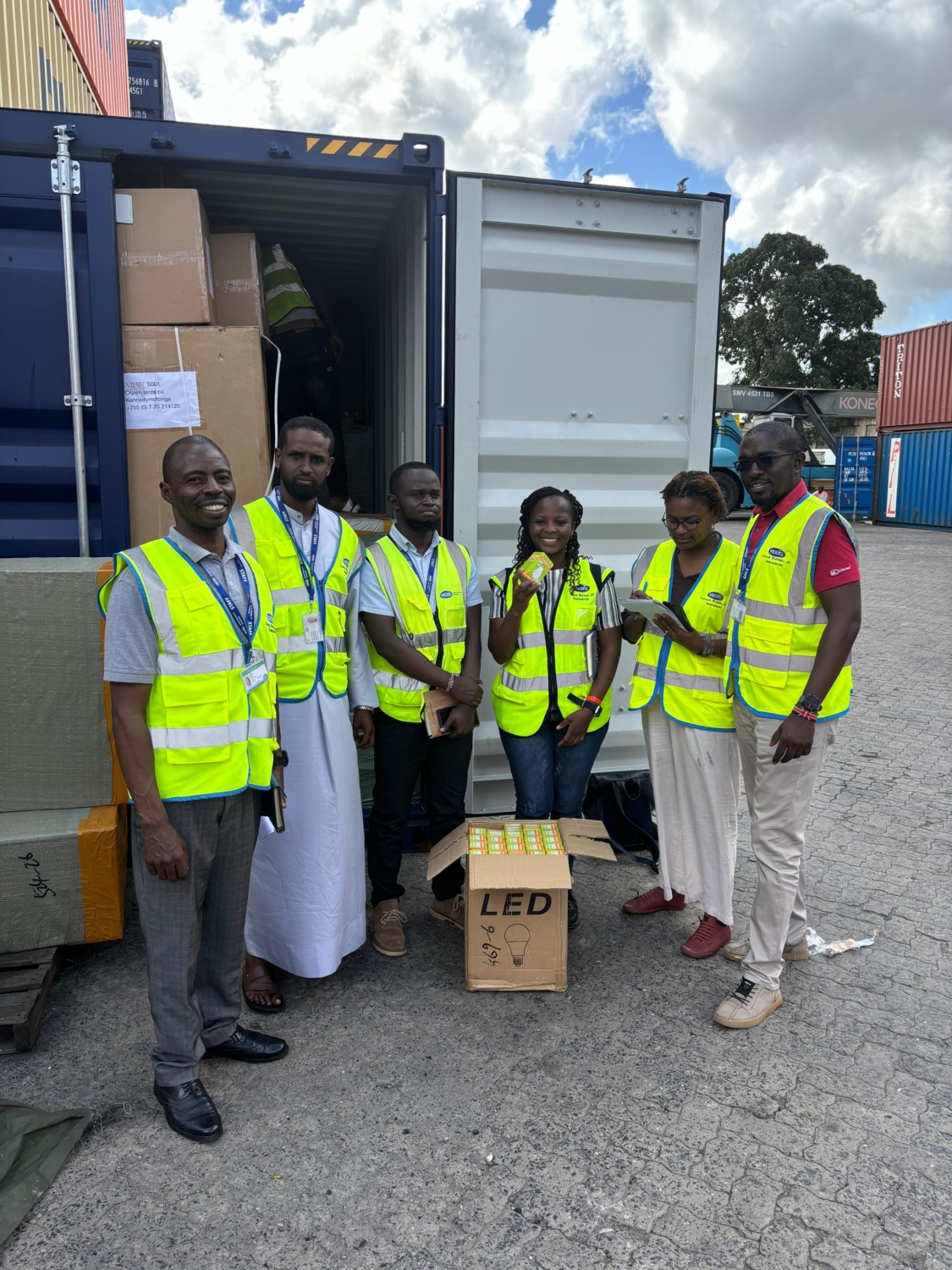
Photo by CLASP

Photo by Kiara Worth

Photo by CLASP

Photo by CLASP
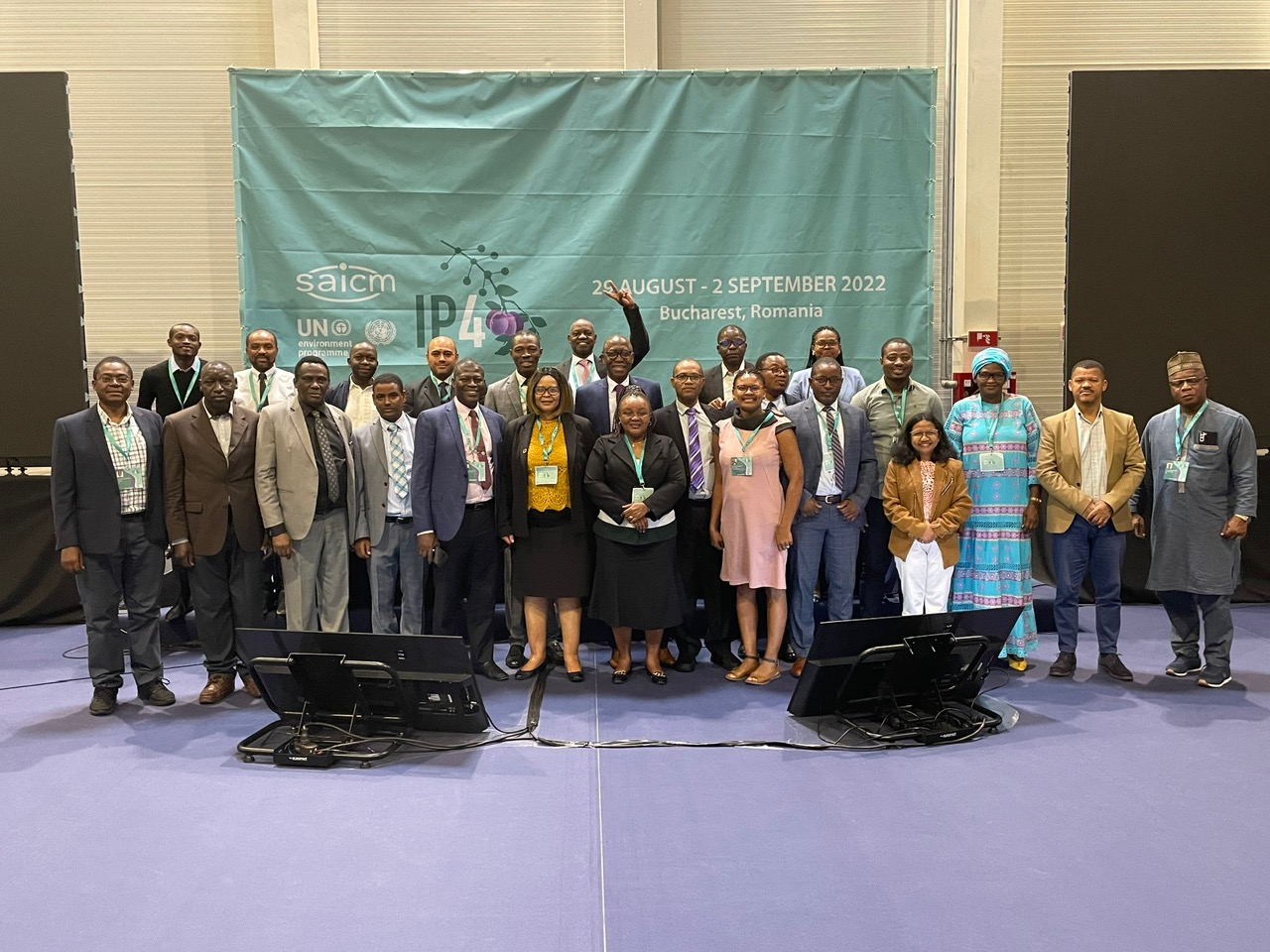
Photo by CLASP

Photo by CLASP

Photo by CLASP

Photo by CLASP

Photo by CLASP

A people and planet win that can be replicated
The success of the CLiC campaign provides a glint of optimism in our worsening climate crisis: meaningful and substantial global change IS possible.
“Being directly involved in the Clean Lighting Coalition was one of the greatest experiences of my professional life,” commented Nithi Nesadurai, CLiC team member and director at Climate Action Network Southeast Asia. “CLASP conducted a flawless strategic and tactical campaign which led to success with the decision in November 2023 at the Minamata Convention on Mercury to eliminate fluorescent lamps by 2027. I have gone on record to say this is probably the most successful global environmental campaign, given the speed in which the goal was achieved.”
The full and lasting benefits of a clean lighting future rely on the commitment of governments to follow through and implement the terms of the agreement in a timely manner. The research is clear, and the global community agrees: an LED transition is feasible for every market. Although the CLiC campaign has concluded, our lighting experts at CLASP continue to offer technical support to countries working to advance towards their LED future.
Recent News


E-Cookers Bring Clean Cooking to Schools in Kenya
Firewood is the primary cooking fuel in many Kenyan schools, contributing to deforestation, air pollution, and poor health. But with electricity now reaching around 75% of the country, there is a great opportunity for cleaner, safer, and more efficient cooking.

CLASP is partnering with Kenyan innovators Ecobora to expand access to clean cooking solutions in schools across Kenya. Through the Efficiency for Access e-cooking project, the team is testing how electric cooking can replace biomass fuels in school kitchens and other institutions in Kenya. This research will inform the design, deployment, and operation of commercial electric cooking technologies and directly impact how schools feed students in the country.
Ecobora’s award-winning electric cooker is purpose-built for large-scale use. This clean energy innovation features a patented thermal conversion system that enables faster, even cooking. The appliance includes a self-cooking function and supports both solar and electric power for maximum efficiency and flexibility. By eliminating firewood use, it cuts indoor air pollution significantly providing a healthier workplace for the chefs and conserves Kenyan forests. When powered by the sun, it eliminates energy costs, so is much cheaper to run.

Photo by: CLASP
To date, the project has brought electric cooking to nine schools across seven counties in Kenya, helping feed over 12,000 students. These e-cookers are actively in use and consistently show that electric cooking is not only efficient, reliable, and affordable, but also capable of producing delicious meals, including traditional Kenyan dishes.
The Efficiency for Access coalition is co-managed by CLASP and Energy Saving Trust.
About CLASP
CLASP is the leading global authority on efficient appliances’ role in fighting climate change and improving people’s lives. An international NGO with 25 years of expertise and offices on four continents, CLASP collaborates with policymakers, industry leaders, and other experts to create a more sustainable future for people and the planet. CLASP and our partners are dedicated to solving the world’s most pressing, interconnected crises: the climate emergency, poverty, inequality, and access to energy.
Doubling Cooling Efficiency
New CLASP research, “Bridging the Cooling Gap: Energy Efficiency as a Driver for Appliance Access”, finds that doubling cooling appliance efficiency in India, Indonesia, and Nigeria would make cooling more affordable, expand access to millions of people, and improve climate resilience.
Energy-efficient cooling appliances play a critical role in improving living standards, promoting economic growth, enhancing energy security, and reducing climate emissions. They are also saving consumers money as they have lower running costs. Building on recommended targets in CLASP’s Net Zero Hero analysis, doubling the efficiency of fans, refrigerators, and air conditioners in the three countries by 2030 would drive down the total costs of ownership for each appliance by close to 60% in 2050.
Other benefits include:
- $105 billion USD in annual consumer savings through reduced purchase and running costs in 2050
- Access to cooling appliances for an additional 510 million people
- More than 420,000 avoided premature heat-related deaths
Total energy consumed by these appliances would be halved compared to business as usual, as shown in the graph below.

National room air conditioner energy use between 2023-2050 (indexed to 2023) in TWh under Net Zero Hero and Business as Usual scenarios.
This research highlights how smart energy efficiency policies reduce costs, boost appliance ownership for people who need them, lower energy demand, and curb emissions.
Click here to read the full report.
Energy for Everyone
Energy is everywhere, and it connects us all. At CLASP, we know that the distribution of affordable, efficient appliances ensures more people have access to modern, safer energy services. This creates opportunities, powers businesses, and improves lives. Get our solutions: https://www.clasp.ngo/
About CLASP
CLASP is the leading global authority on efficient appliances’ role in fighting climate change and improving people’s lives. An international NGO with 25 years of expertise and offices on four continents, CLASP collaborates with policymakers, industry leaders, and other experts to create a more sustainable future for people and the planet. CLASP and our partners are dedicated to solving the world’s most pressing, interconnected crises: the climate emergency, poverty, inequality, and access to energy.
Solar Appliances, a Sustainable Development Success Story, Need Support to Scale
When there’s no electricity to power the appliances essential to wellbeing and prosperity, what’s a community to do?
In sub-Saharan Africa, the answer is often turning to kerosene and diesel to run everything from lights to farm equipment. But fossil fuels are expensive and polluting. Reliance on these energy sources leads to a host of negative impacts across the region, from financial stress to lower crop yields.
David Wanjau, a Kenyan entrepreneur and rabbit farmer who trained as a scientist, spent six years watching this issue play out across sub-Saharan Africa while working at a nonprofit focused on food security. The experience changed his life.
“I noticed that every farmer we were supporting did not have access to electricity,” he said. “So I stopped what I was doing to focus on energy access and become an agent of change in these communities.”
Today, Wanjau leads Nairobi-based distributor Deevabits Green Energy, a small business that’s one of more than 200 companies working to expand solar energy access to the hundreds of millions of people in Africa who lack access to the electric grid.
Deevabits began by selling solar lights, but customers soon began asking for more. “They wanted solutions that could be used for their businesses: for cooling drinks, or for meat preservation,” Wanjau said. So his team decided to start stocking solar-powered refrigerators.
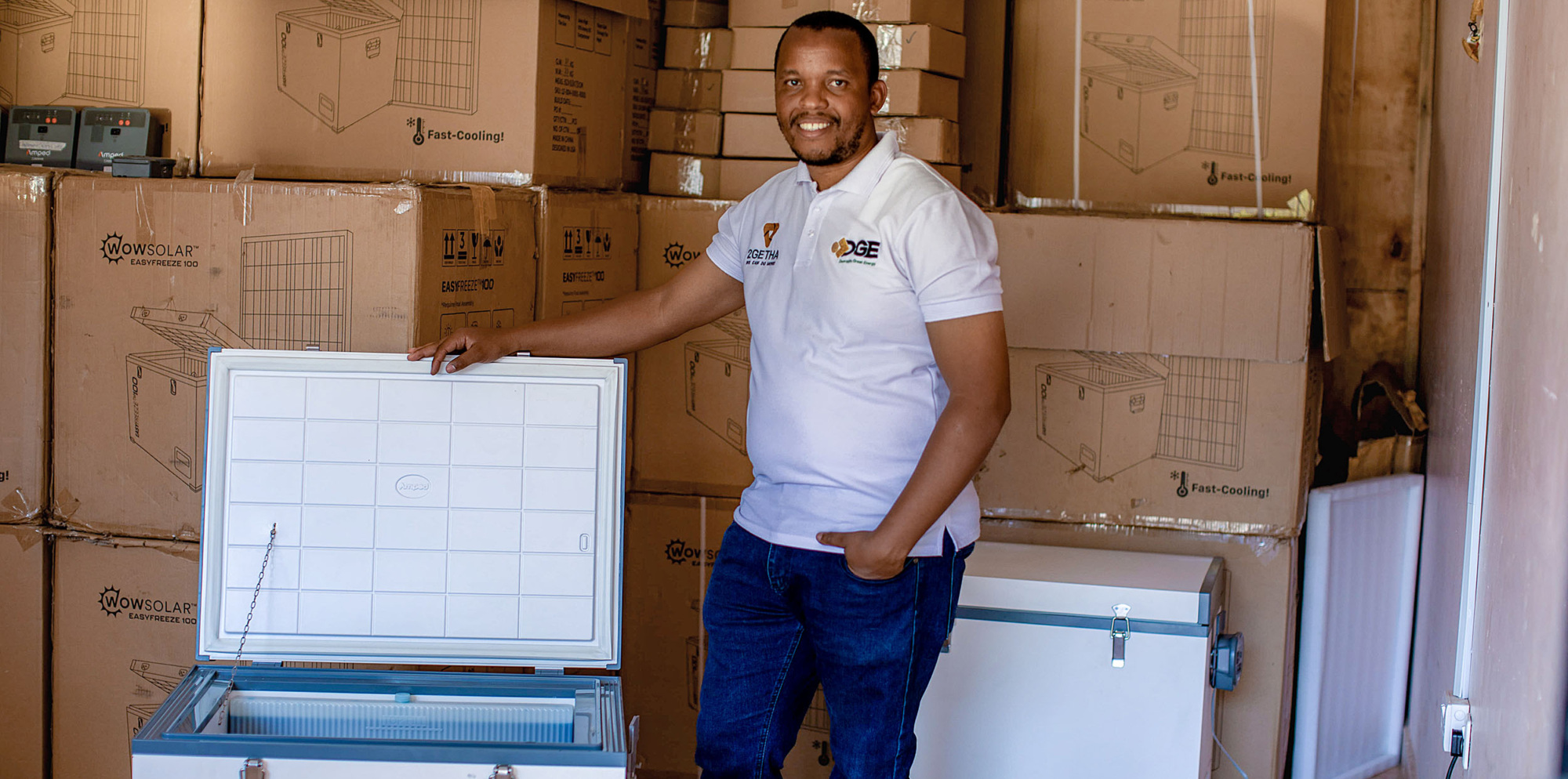
Deevabits founder David Wanjau in his company’s warehouse in Nairobi, Kenya.
CLASP
“Our company now wants to be on the forefront of providing energy efficient, standalone productive-use [i.e., income-generating] appliances,” he explained. “We just need to position ourselves to be able to tap into this big market.”
Meeting high demand for cooling and other energy services
Sales of solar appliances more than tripled between 2018 and 2023 as new manufacturers and distributors entered the sector, according to Leave No One Behind: Bridging the Energy Access Gap with Innovative Off-Grid Solar Solutions, a 2024 report published by the Efficiency for Access coalition. (CLASP co-manages the coalition with Energy Saving Trust, a UK-based nonprofit.)
The business potential is tremendous. The report’s modeling shows that if everyone who needs solar appliances could purchase them, the market value would reach $58 billion USD.
“It’s a huge market opportunity,” said Peter Wangila, Kenya operations and finance manager at SureChill, a manufacturer selling solar fridges in over ten African countries. The company’s patented battery-less design reduces the need for maintenance over the fridges’ lifespan and eliminates the need for expensive battery replacements.
“We’ve done over 1,000 installations, but we haven’t even scratched the surface. There’s a high demand for cooling,” Wangila said.
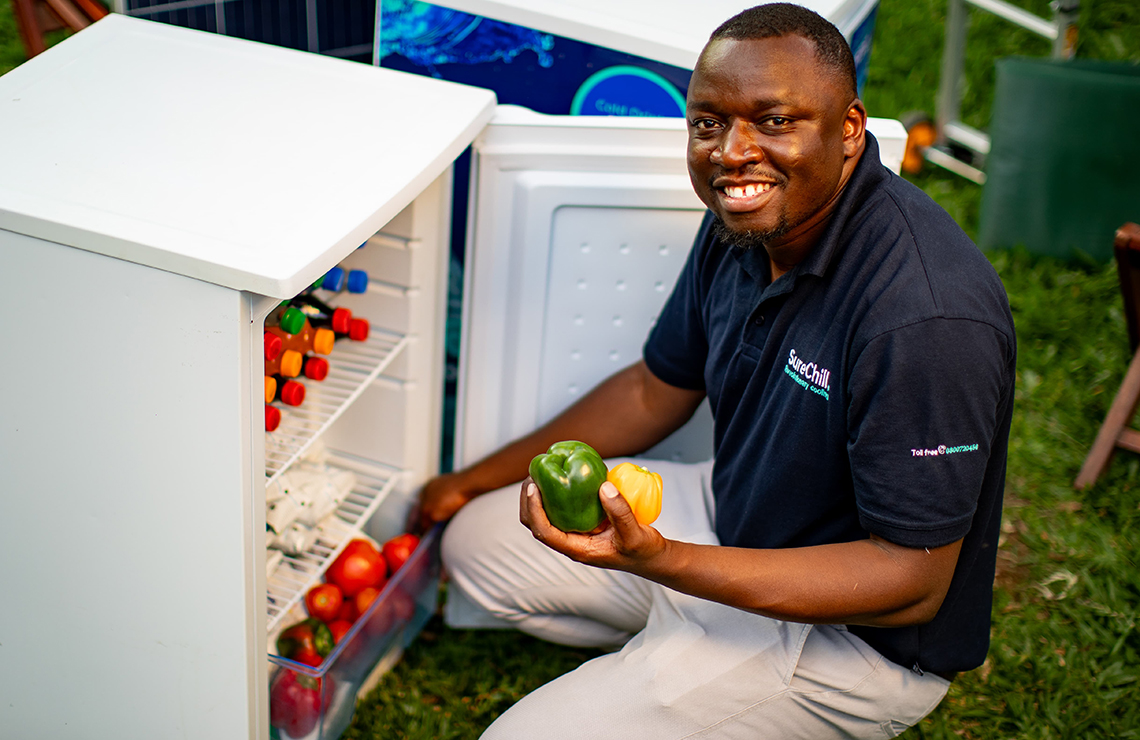
We’ve done over 1,000 installations, but we haven’t even scratched the surface. There's a high demand for cooling.Peter Wangila
SureChill
Today, sales cover less than 2% of the estimated global demand for solar appliances. It’s a gap that has remained frustratingly difficult to bridge, said CLASP’s Nyamolo Abagi, a coauthor of Leave No One Behind.
“Here in sub-Saharan Africa, 60% of households still do not own a refrigerator, an essential appliance for preserving food that is almost ubiquitous in homes across the Global North. This is a classic example of energy poverty,” she said. “The solar appliance sector has to grow rapidly in both scale and ambition in order to serve this enormous need.”
Solar appliances are a gamechanger for small businesses
Most solar fridge customers live in rural areas with no grid access. Deevabits’ customers are typically small shopkeepers selling cold beverages—water, juice, milk, yogurt, and soda—to parched customers. “In very hot areas, cold drinks are a luxury,” said Wanjau. “That’s why for shops, these fridges are gamechangers.”
The company also serves clients in the medical and food retail sectors. Clinics use solar-powered fridges to keep vaccines and medicines cold, explained Wanjau, while fish traders see fridges as a safer way to preserve their wares than the traditional drying or deep frying.
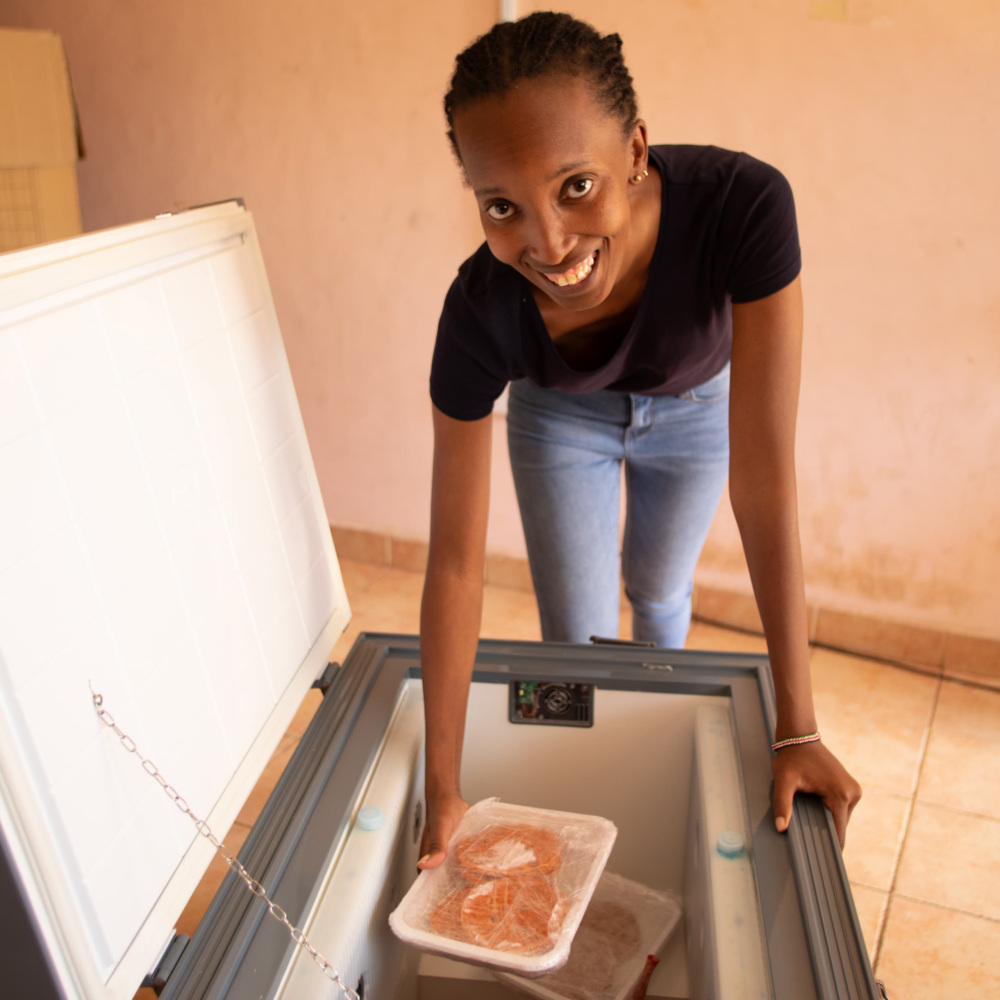
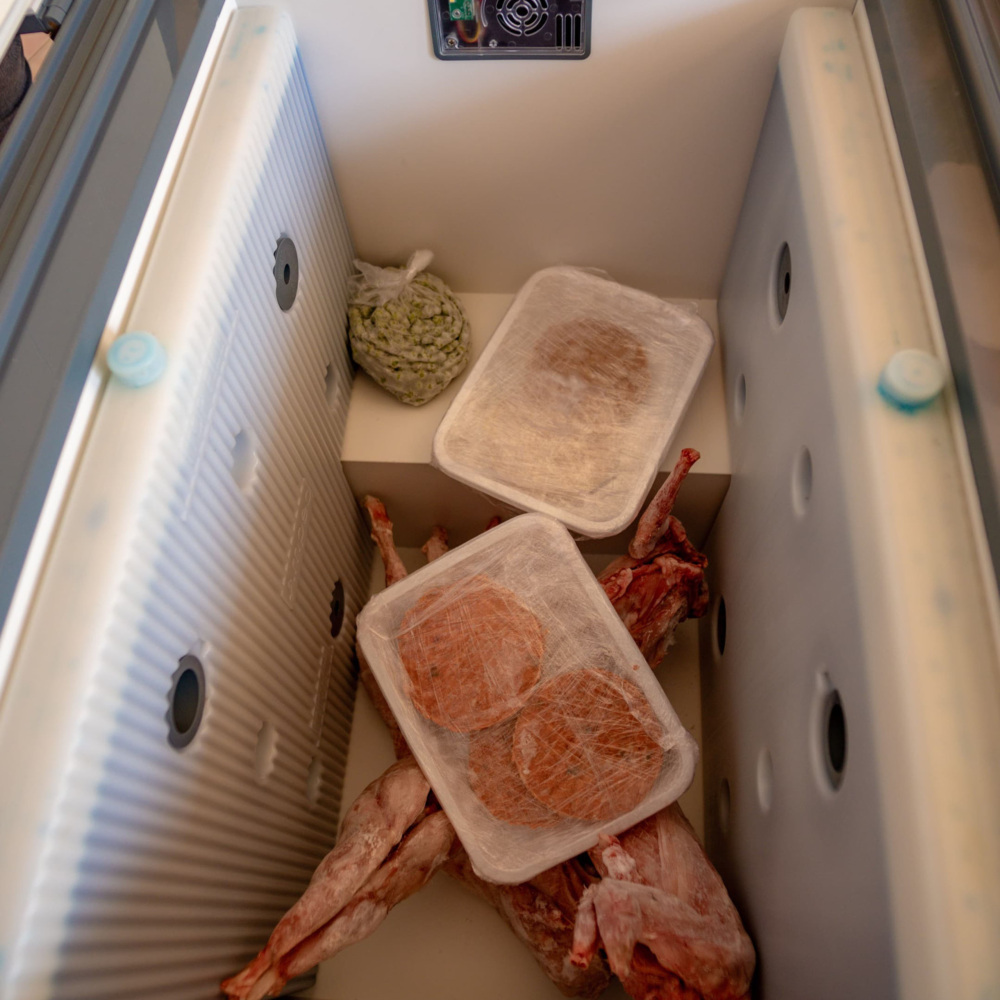
Meanwhile, butchers tend to use the freezer setting on the Deevabits model to reduce waste. Before acquiring these appliances, “they would hang their meat, and it would go bad after two or three days,” Wanjau said. “Now people can stock larger volumes and sell it for a whole week.”
CLASP
CLASP
SureChill works with a similar clientele. “We primarily target productive-use customers: someone with a small shop or someone in the homemade juice business,” said Wangila. “They do not have a lot of money, but they make enough to be able to support a fridge. They are able to see the positive financial impact that owning a fridge could have on their business.”
For most shopkeepers, a solar fridge can significantly boost revenue. “It attracts more customers,” Wangila explained. “And if they buy a cold beverage, those customers will also buy something else, which increases overall sales for the business.”
Increased income for a shopkeeper has ripple effects within families and communities, he added. “It benefits them and four or five other people. That’s how our communities work.”

A shop with a solar refrigerator.
CLASP
SureChill also serves the medical field, offering World Health Organization–approved vaccine fridges, in addition to cost-effective alternatives designed to store temperature-sensitive medications when power is unavailable.
The challenge of scaling up
Despite the advantages such appliances offer, many companies in the sector struggle to scale.
“Compared to a product like lights, productive-use appliances like these are energy-intensive, specialized, and expensive,” noted CLASP’s Abagi. “Fewer consumers can afford them, and the distribution model is more complicated. This makes the growth of companies trying to sell these bigger solar appliances slow.”
Cost is a major barrier. Many people would like to have solar refrigerators at home, but with prices up to $1,800 USD per unit (85% of the average annual household income in Kenya), they typically can’t afford them. “People want the fridge, but they then say, ‘Oh my goodness, it’s so expensive!’” explained Wanjau.
Appliances’ sheer weight and bulk also make it difficult to attract new customers through tactics like door-to-door sales. “You have to get people to believe that a solar fridge works,” said Wangila. “So when salespeople can’t carry it around, it’s a big challenge.”
Wanjau agrees. “When people are not aware of the product, they don’t demand it. They don’t have a reference point for a solar-powered fridge, so they need to see it—maybe feel the chill, take a cold soda from it.”
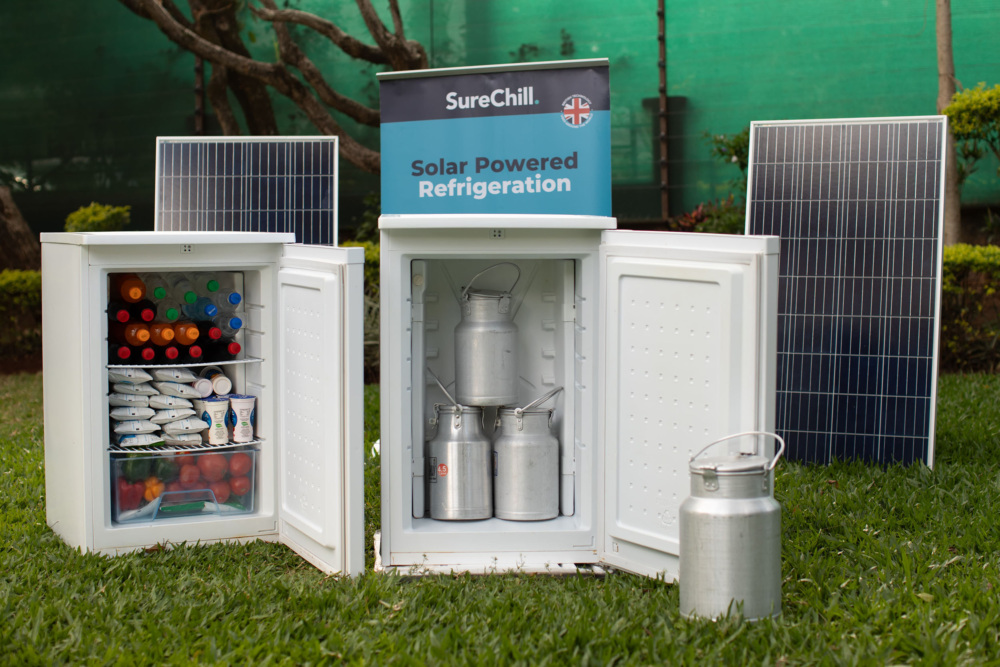
CLASP
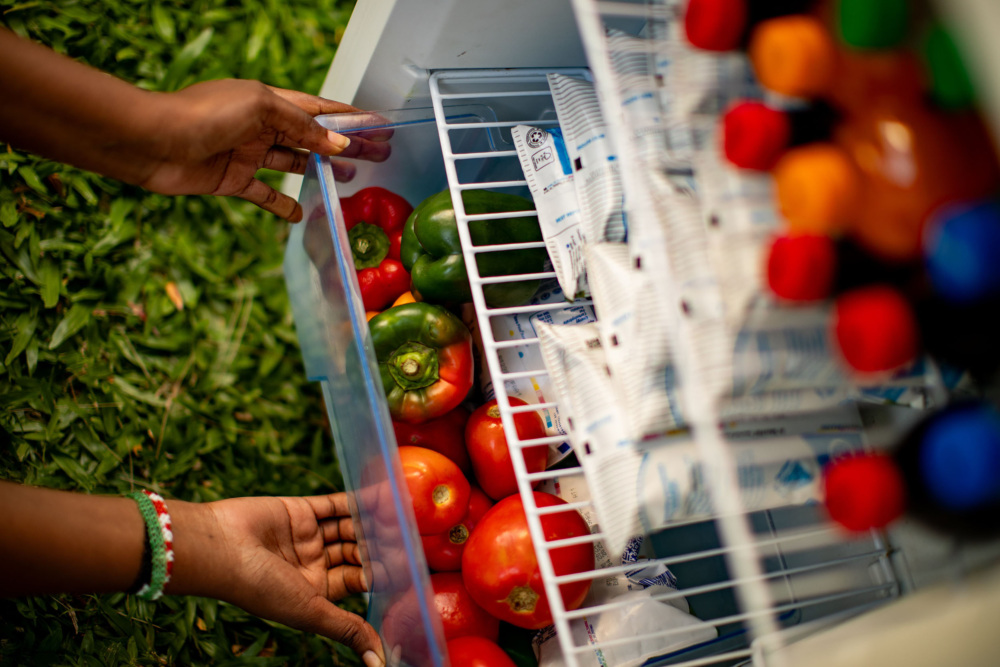
CLASP
Companies like his participate in roadshows and market exhibitions required to build this awareness, but this costs money, ultimately driving up the price of their appliances.
Innovating to improve affordability
Solar appliance companies have been searching for ways to make their products more affordable for low-income customers. Both Deevabits and SureChill sell fridges on a rent-to-own basis, using internet-connected devices that activate the fridge when customers make weekly or monthly mobile money payments. This model enables shopkeepers to own their fridges after several years, allowing them to benefit from cooling without tying down their capital.

John Odongo, finance manager at Deevabits, explains how a Pay-go payment enabling device works.
CLASP
Another payment innovation is cooling-as-a-service (CaaS), in which customers lease appliances indefinitely. But despite its potential to bring down costs, both companies have found CaaS challenging to implement on the ground. “The way people use those fridges can be very unpredictable,” noted Wanjau. “If someone stops using it, how do you take it back? How can you resell it if it’s dirty and the butchers were cutting meat on top of it?”
In both cases, Wangila added, the risk of default is high. “That money is competing with school fees and medication when a family member falls sick. We try to mitigate this by telling them to pay more when business is good, to cover for the dry season.” But, he said, “even if you do very good customer selection, there are always people who will default.”
Stimulating growth
Ultimately, said Abagi, companies like Deevabits and SureChill need a more supportive environment to help bridge Africa’s yawning energy service gap. While they provide a crucial service, they can’t meet the overwhelming demand on their own.
“We need innovators, but we also need to attract incumbent manufacturers who have more resources,” she said. “Governments have a role to play in terms of better regulations and lower tariffs, and we also need development partners to help with long-term, consistent subsidies.”
Wangila and Wanjau point to the importance of grant funding in developing their own businesses. Both companies have benefitted from CLASP market activation grants, which help small businesses meet costs associated with product sales, marketing, distribution, and delivery in remote areas.
“Grants can be a sort of non-dilutive funding to help people scale,” said Wanjau. “A lot of these [solar appliance companies] are locally owned businesses, and grants could really stimulate their growth.”
Despite the challenges they face, both men are confident that solar appliances are the clean energy solution Africa needs.
“We are so blessed to have a lot of sun, so the future is bright,” Wangila insisted. “It’s just a question of maintaining focus and getting the right support in place.”
Bridging the Gap: Efficient Appliances in Healthcare
Access to healthcare is a fundamental human right, but for more than 600 million Africans, it remains unattainable. Frequent power cuts and incompatible, power-hungry medical equipment makes it difficult and expensive to provide essential medical services to rural communities. This means patients suffer: mothers give birth in darkness, premature babies lack incubators to help them survive, and preventative care for a wide range of treatable conditions is unavailable.
Designing medical appliances tailored to the different energy settings across the continent is key to improving healthcare in off and weak-grid communities.
Mismatched equipment and energy
Medical equipment, from basic diagnostic equipment to life-saving devices like incubators and vaccine refrigerators, often fail in areas with unreliable energy. They are designed for stable grids in different contexts, which means that around 70% of medical devices in the Global South do not function and go unused. To date, little progress has been made in the adoption of energy-efficient medical appliances.
“Most of the electric medical appliances do not conform to the wiring system and their electricity demands are too high in terms of their voltage, leading to frequent damage of appliances and high electricity bills,” says Victor Ajumbo, the Facility in Charge at the Ober Kamoth Sub-County Hospital in Kisumu.
CLASP, in partnership with SEforALL, is studying the efficiency and performance of medical appliances in off and weak-grid clinics in Kisumu, Kenya–one of the first attempts to assess the suitability of conventional medical devices and appliances in energy-constrained settings. Findings from the Medical Appliances for Clinic Electrification project will help manufacturers design appliances that are better suited to these contexts and support governments in developing appropriate clinic electrification solutions.
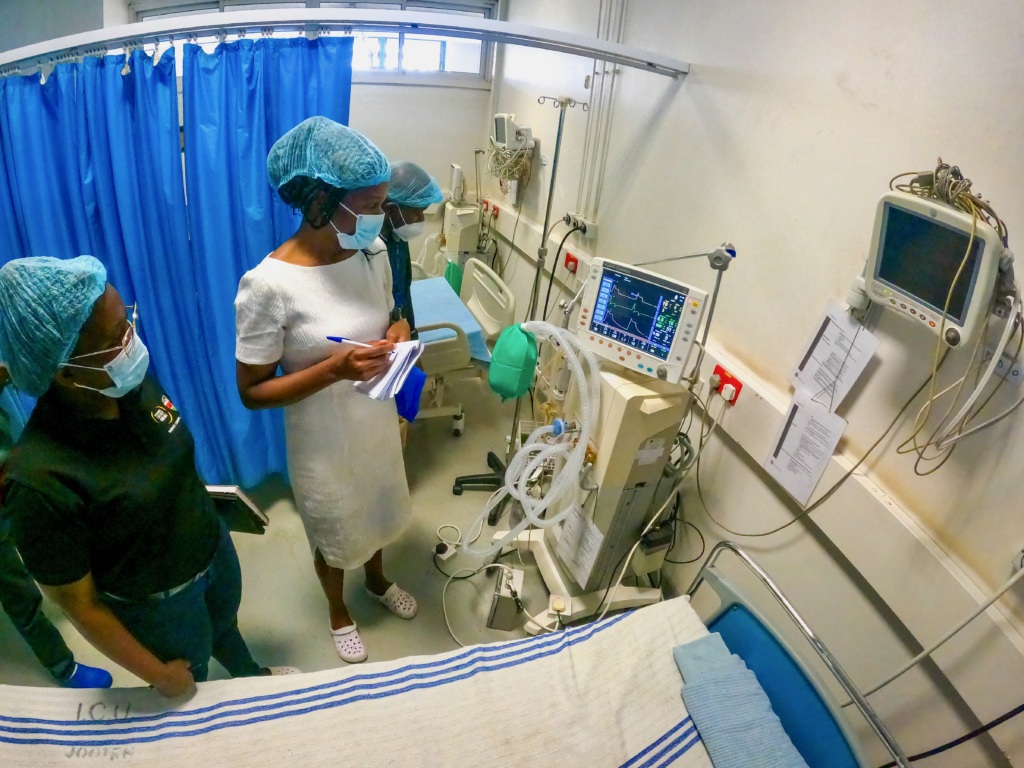
Energy efficiency matters in healthcare
Reliable energy and efficient medical appliances are key to addressing Kenya’s healthcare energy gap, where 26% of facilities lack electricity and only 15% have access to reliable power. Many clinic electrification projects install energy systems that are too small or unreliable to meet the needs of their medical equipment. Frequent power cuts and voltage fluctuations often destroy the equipment. Studying the energy consumption of medical equipment is the first step to understanding the scale of the problem and designing appropriate appliances that can safely deliver reliable healthcare in these unique contexts.
“We can’t conduct baby deliveries when there is a power outage,” says Irene Akello, Facility in Charge at the Kuoyo Health Centre in Kisumu County. “It’s a risk the facility cannot take, so pregnant mothers are referred elsewhere. Reliable energy is essential to power critical devices like the resuscitaire (incubator), which supports babies born in critical condition.”

Reliable cooling creates opportunities for growth
Energy efficient appliances not only improve access to healthcare in complex settings but also greatly contribute to sustainability in Africa’s medical sector. Hospitals require around 119 kWh of electricity per square meter annually to function properly, making them one of the most energy-demanding institutions to run. To put this into perspective, a single hospital bed needs as much power as three to four single-family houses. Replacing the inefficient devices in medical facilities with energy efficient alternatives can help to reduce electricity consumption, which in turn cuts operating costs and reduces carbon emissions.
“The healthcare sector contributes 5% of global greenhouse gas emissions globally. Around 71% of that comes from supply chains, which include medical appliances. Transitioning to efficient appliances can lower this impact considerably while supporting clinics in off and weak-grid areas to buy the right equipment to serve their communities,” says CLASP’s Emily Bolo.

A path forward
Africa’s ever-changing landscape needs an energy system that matches its diversity and growth, and the demands that come with it. Efficient medical appliances are an important part of this system and can be a game changer for healthcare delivery in Africa’s off and weak-grid communities.
CLASP’s research in Kenya is a crucial step towards bridging the gap between energy and healthcare. With the right energy systems and efficient appliances that match them, under-resourced communities can come one step closer to rightly realising their fundamental human right to healthcare.
Read the groundbreaking report, “Medical appliances for resource-constrained settings.”
Sign up for our newsletter to read our upcoming report, “Efficient Appliances for Health Clinic Electrification,” launching in March 2025.
The Push for Efficient, Healthy Cooktops
Hobs, also known as cooktops, are found in nearly every household, yet they lack proper scrutiny in terms of their nitrogen dioxide (NO2) emissions and energy efficiency.
The impact of gas cooktops on health and climate
- Gas hobs contribute to poor indoor air quality. CLASP and Jaume I University’s research shows that gas hobs emit levels of NO2, that exceed outdoor air quality standards in the EU and UK, which can be harmful to our health. Until now, gas hob manufacturers have been able to sell appliances without any consideration of the amount of NO2 they emit. Introducing new NO2 tests and limits for gas hobs will help reduce pollutants emitted into the kitchen and improve indoor air quality.
- The energy efficiency of gas hobs is also overestimated, in comparison to their electric counterparts. Gas and electric hobs are currently tested in different conditions, which could result in overestimated energy efficiency results for gas-fueled technologies. For example, gas hobs are tested using pots which are larger than those typically used in kitchens – a larger pot captures more heat from the flame, which results in better efficiency than if a smaller pot is used.
Without real-world and comparable electric and gas energy efficiency performance standards, it is impossible to accurately assess which appliances are best for human health and reducing climate emissions. CLASP’s research shows that more ambitious policies could cut emissions by 60Mt CO2 by 2050.
To help address these issues, CLASP has developed a new method to test gas and electric hobs that reflects how people cook and identifies potential technological improvements. This test method also satisfies energy efficiency and health-related concerns.

CLASP’s call to action for the European Commission and Member States
- Set NO2 emissions limits: Setting limits on NO2 emissions from gas hobs is critical for improving indoor air quality. CLASP encourages the adoption of a new emissions test, with meaningful limits, to ensure only the safest and cleanest appliances make it to the market.
- Introduce a comparable test method for gas and electric hobs: The European Commission should adopt an improved and comparable test method that provides a fair and accurate energy efficiency rating for gas and electric hobs. When these appliances are tested in the same conditions, consumers can better identify the best options which will in turn drive innovation within the industry.
- Transparency of efficiency and emissions data: Consumers and policymakers need open access to better information on how these products perform on energy efficiency and emissions. An improved common test method will ensure people can accurately and fairly compare the performance of different hob technologies. Energy and emissions data should be shared with the product specifications on product websites and in instruction manuals, and in a future energy label for hobs. This will allow people to make informed decisions about the products they purchase, and governments will have better data to develop more impactful policies.
- Take immediate action: CLASP emphasizes the need for swift policy adoption, application, and revision timelines. Slower timescales will result in missed opportunities to protect people’s health, reduce utility bills, and climate mitigation impacts. The European Commission should collaborate with national institutions and industry to collect data on emissions and energy efficiency to guide future policy revisions.
In the European Union, countries like Italy and Poland continue to rely heavily on gas cooking appliances. CLASP’s proposed policy changes could have a wide-reaching impact. Our latest research, based on consumer surveys conducted in eight European countries, shows that most Europeans believe manufacturers should improve product efficiency and reduce pollution emitted by hobs. Consumers also hold government responsible for supporting their transition away from gas to cleaner, electric cooking.

CLASP’s recommendations are backed by health and environmental organizations, including the European Public Health Alliance (EPHA), the International Society of Doctors for the Environment Italy, and Respire. Organizations, like ECOS and the European Environmental Bureau, are working on improving standards and policies for cleaner, efficient, and sustainable cooktops, amongst other products, while EPHA is working towards policies for better indoor air quality.
CLASP and partners call on policymakers, industry leaders, and consumers to support these crucial changes for a healthier, more sustainable future.
For more information about CLASP’s research on gas and electric cooking, visit: https://www.clasp.ngo/cook-cleaner-europe/
UK Aid to Support Research in the Global Push to Transition to Electric Cooking Solutions
At the UN Climate Change Conference in Baku, Azerbaijan (COP 29), UK Aid (FCDO) announced a substantial extension of their Modern Energy Cooking Services (MECS) program. This funding boost will help accelerate the adoption of clean cooking practices and transform the lives of millions of people across Africa, Indo-Pacific, and South and Southeast Asia. CLASP looks forward to continued collaboration with MECS to expand access to clean, modern cooking solutions.
Clean cooking: Good for people and planet
The MECS programme is speeding-up the shift to clean cooking by driving research, testing new technologies, and tracking global tools and trends. It targets the 2.1 billion people—26% of the world’s population—who still rely on polluting fuels such as firewood and charcoal for their cooking. A transition to modern, clean cooking would help eliminate the harmful effect of these fuels on income, health, and the environment and have a profound social and economic impact on communities, especially on the women and children that bear the disproportionate burden of collecting fuel and preparing food.

MECS extension powers future impact
The MECS extension builds on the six-year success of the MECS programme in advancing the clean cooking agenda globally. To date, the programme has helped 3.8 million people adopt cleaner, more efficient cooking practices that lower fuel use, improve air quality, and boost income. It has also attracted £400 million of additional investment for clean energy innovation and published over 300 research papers. This compelling evidence base has already informed the adoption in policy of electric cooking (e-Cooking) in Kenya, Uganda, and Tanzania.
Aligning with the global goals
The MECS programme budget will increase by £44 million, raising the total value to £99 million, and pushing its work to December 2030 to align with the target dates of the Sustainable Development Goals. This extension will enable the implementing partners to continue driving even more impactful clean cooking solutions. By 2030, MECS aims to improve clean cooking access for 10 million people, leverage £1 billion in investments, publish 650 research products, and influence policy adoption in 12 countries. The MECS extension is expected to have reach across 17 countries in Africa, Indo-Pacific, and South and Southeast Asia, where clean energy transitions are urgently needed.
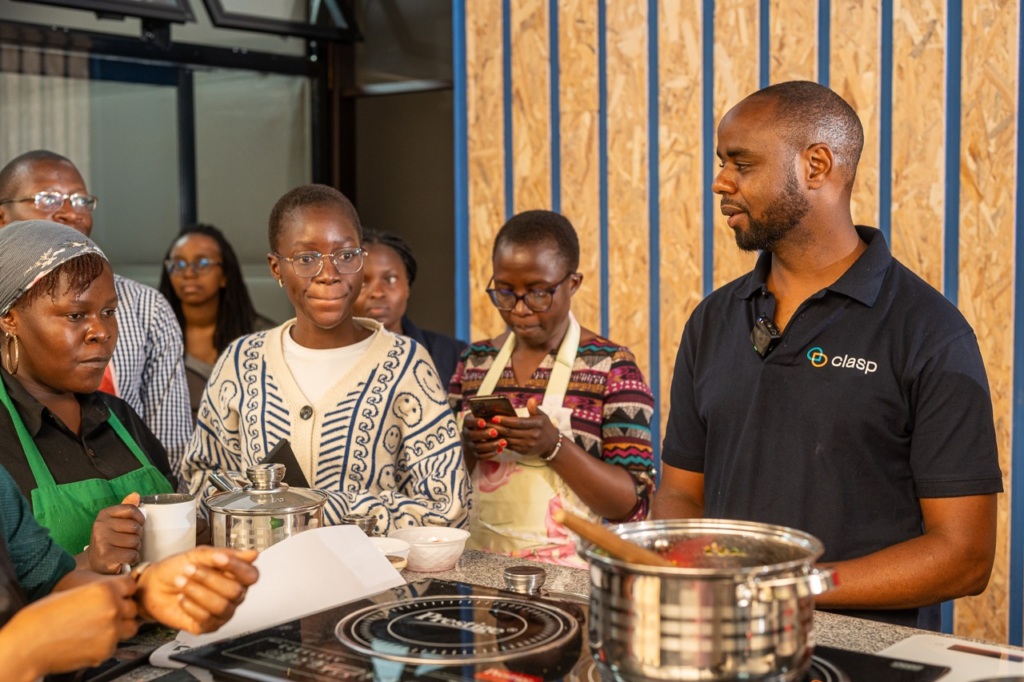
About CLASP
CLASP is the leading global authority with 25 years’ expertise on how applianceefficiency drives climate mitigation, adaptation, and improves the lives and livelihoodsof people. An international non-profit with offices on four continents, CLASPcollaborates with policymakers, appliance manufacturers, and leading experts todeliver sound policy recommendations, innovative tools, ground-breaking research,and clear pathways to a more sustainable world for people and the planet.
Moving Towards Healthier, Efficient Electric Cooking: Consumer Perspectives from Eight European Countries
This CLASP report presents insights from surveys of 8,000 demographically representative adults across eight European countries, France, Italy, Poland, Romania, Slovakia, Spain, Sweden, and the United Kingdom. The research provides valuable data for European policymakers on ways to accelerate the transition to cleaner, more efficient electric hobs (cooktops).
The report examines European consumers’ views and behaviours concerning gas and electric hobs, focusing on their usage, preferences, energy efficiency awareness, purchase criteria, health perceptions, ventilation practices, and opinions on potential policy measures.
Key Findings
- Most Europeans support a shift to cleaner, safer, and healthier electric cooking, but they need more exposure to induction technology to be fully convinced of its benefits.
- Supportive pricing and clear information are key factors in encouraging the transition to electric cooking, as consumers tend to prefer more energy-efficient and less polluting products.
- Consumers lack accurate information about the real efficiency of different hob technologies; their views are shaped by their personal experiences and familiarity with the hobs they use.
- Europeans have limited awareness of the impact gas cooking has on indoor air quality and often fail to ventilate adequately while cooking.
- Consumers feel that it’s the manufacturers’ responsibility to reduce pollution from gas hobs, and governments should help support the transition to more efficient and healthier electric cooking.
Recommendations
- Consumers should be able to select the most energy-efficient and least polluting hobs. Ecodesign regulations should remove the least efficient and most polluting options from the market. Clear information on the health risks of gas hobs should be made available through instruction manuals, webpages, or displayed on a future energy label or warning icon on hobs and ventilation hoods.
- National governments should offer incentives to encourage the shift to electric cooking and ensure that electricity prices are competitive with gas.
- Consumer organisations, non-governmental organisations, and forward-thinking producers and retailers should inform consumers about the health risks of gas cooking and the benefits of electric hobs. A successful transition to cleaner, more efficient electric hobs requires consumers to experience a new electric technology firsthand.

European consumers are ready for a shift to healthier, more efficient electric cooking, but to make this transition possible, people need clear information and supportive policies.Nicole Kearney
CLASP Europe Director
The surveys address technical, behavioural, and policy questions related to hob usage, which have been raised by policymakers, industry, and civil society. Detailed results for each country can be found in the annexes.
To ensure objectivity and representative results, CLASP commissioned Opinium Research, an independent polling organisation, to conduct the surveys. CLASP analysed the Europe-wide data and compiled this report, which builds on Opinium’s national analyses and findings.
Visit our Cook Cleaner Europe webpage to view additional resources on gas and electric cooking.
Ten US States Commit to LEDs
Policymakers from ten states across the United States (US) – California, Colorado, Hawai’i, Illinois, Maine, Minnesota, Oregon, Rhode Island, Vermont, and Washington – have passed ‘clean lighting bills’ in the last two years, advancing their transition to more efficient, cleaner light-emitting diode (LED) lighting technology. Together, the ten states will cumulatively avoid 13.6 megatons (Mt) of CO2 by 2050.
The clean lighting bills mean that over 20% of the US fluorescent lighting sold will switch to LED.
Why are LED Lights Better than Fluorescent?
LEDs are widely accessible, mercury-free lighting solutions that are twice as efficient and last two to three times longer than fluorescent alternatives. This means they reduce energy demand, carbon emissions, and electricity bills – high priorities for many states.
“Hawai‘i pays the highest electricity rates in the country, almost three times as high as the U.S. average,” said Jodi Robinson of the Blue Planet Foundation, who helped lead the effort to phase out fluorescents in Hawai’i. “Energy efficiency policies, like adopting clean lighting standards, are the most cost-effective solution to reduce greenhouse gas emissions, while also addressing the high energy burden facing our island’s residents and businesses.”
Vermont and California, the first and second states respectively to pass clean lighting bills, are now implementing the change.
“In Vermont, we are proud to have led the nation in moving to mercury-free lighting,” said Paul Burns, Executive Director of the Vermont Public Interest Research Group. “It was always our hope that other states would quickly follow, and it’s wonderful to see that happening, thanks to some excellent advocacy and organizing work. “
US States Matching Global Moves to Efficient Lighting
The ongoing revisions to the US’s federal lighting policies are incrementally raising the required efficiency of bulbs being sold on the market, slowly edging out the most inefficient and polluting products; however, there is an immediate opportunity to shut the door on costly lighting technologies.
“There is global momentum around the LED transition and US states are leading the pack,” said Ana Maria Carreño, Senior Climate Director at CLASP. “A national clean lighting policy would benefit every household and business across the US and help usher in the next generation of energy and cost-efficient lighting, while preventing further mercury pollution.”
At the recent Minamata Convention Fifth Conference of the Parties (COP5), countries agreed to phase out fluorescents globally by 2027. As the US is a party to the Convention, both state and federal action will be crucial to carrying out the decision nationally.
More states are signaling interest in passing their own clean lighting bills in upcoming legislative cycles. The CLASP lighting experts are watching closely to see when federal action will take advantage of the multifaceted benefits of an all-LED future.
__
CLASP and the Appliance Standards Awareness Project (ASAP) would like to thank the nearly 200 state advocate organizations who are making the clean lighting transition a reality across the US, including the clean lighting champions at:
- Blue Planet Foundation
- Environment Oregon
- Fresh Energy
- Green Energy Consumers Alliance
- Hawaii Energy
- Illinois Public Interest Research Group
- Massachusetts Public Interest Research Group
- Mercury Policy Project
- National Product Stewardship Council
- Natural Resources Council of Maine
- Northwest Energy Coalition
- Responsible Purchasing Network
- Southwest Energy Efficiency Project
- Vermont Public Interest Research Group