CLASP Cooks Up Change at Brussels Event
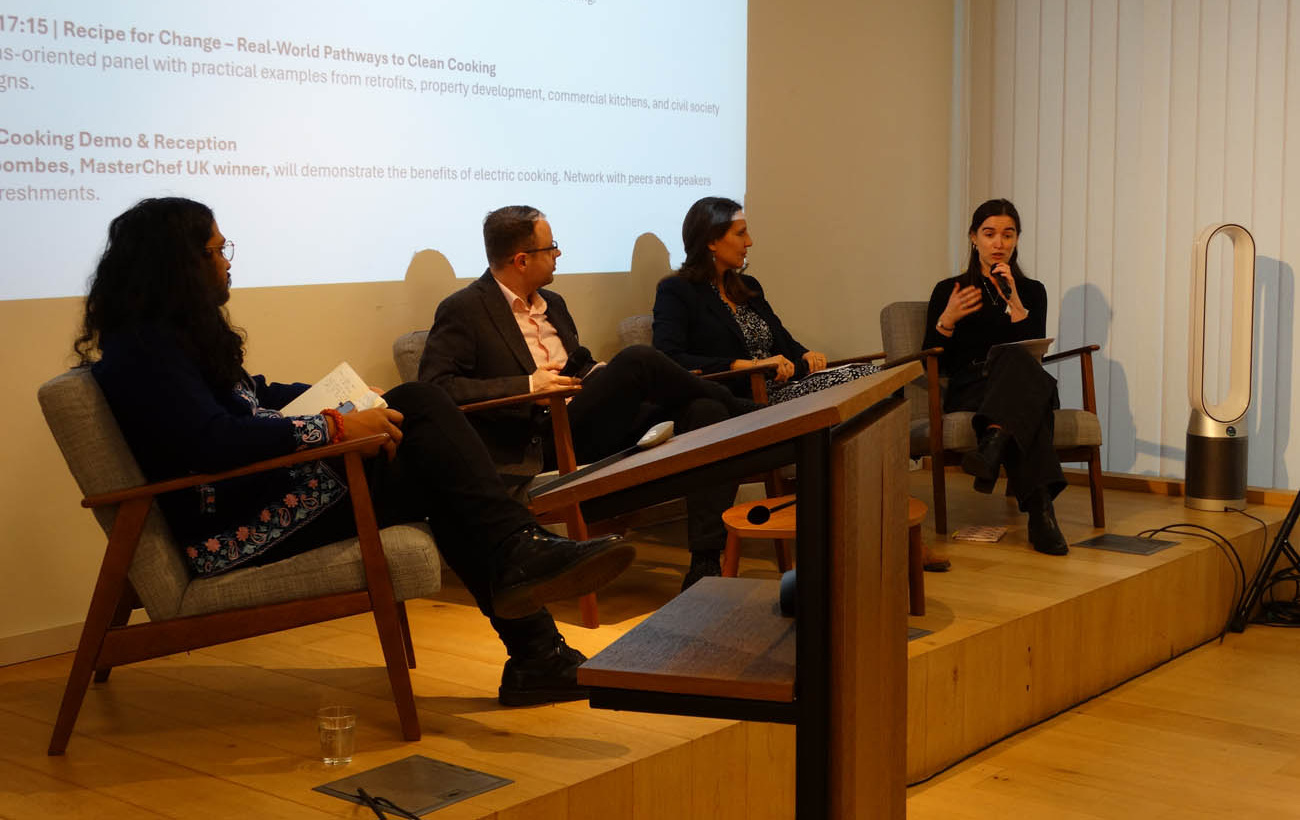
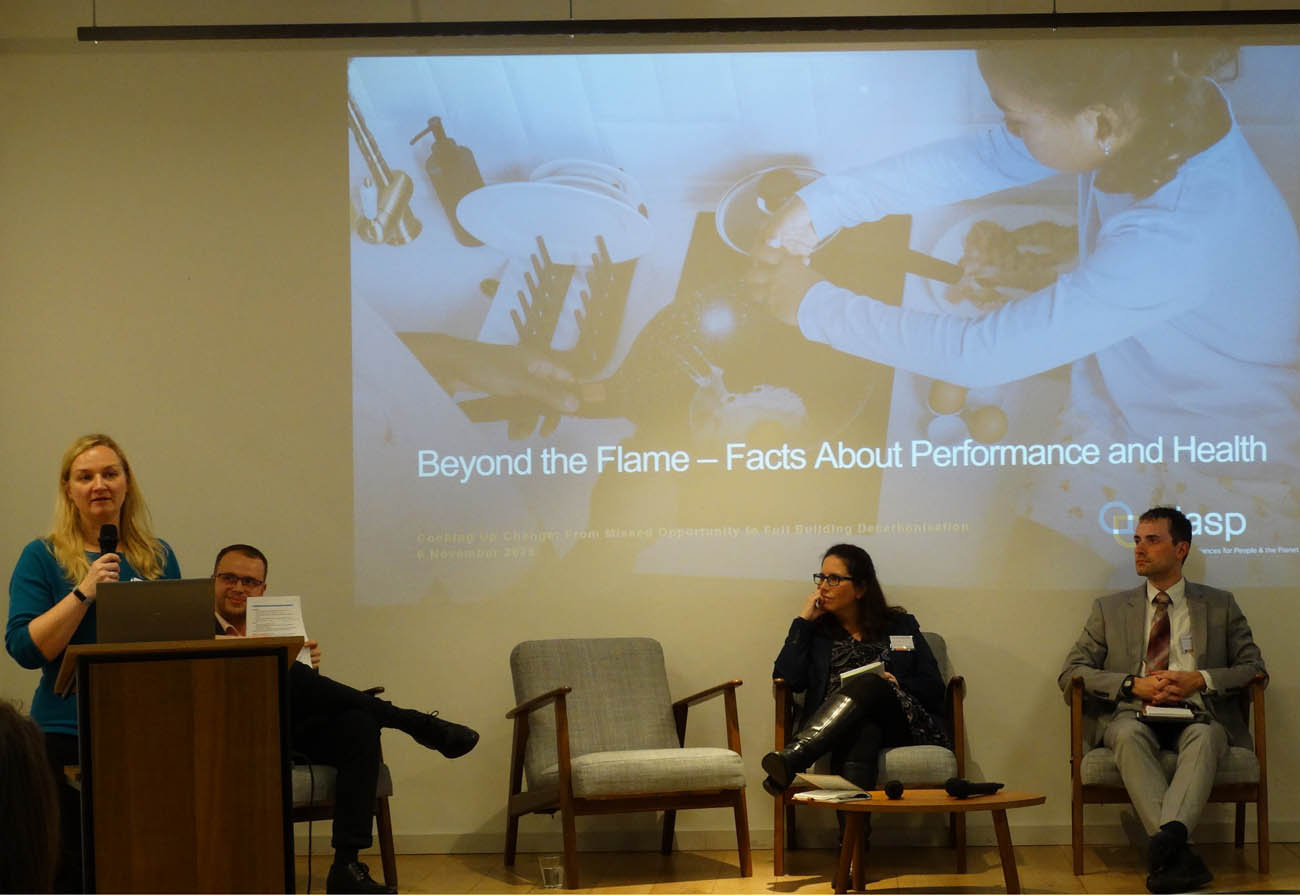
In early November, CLASP joined global experts in Brussels, Belgium, to discuss the path toward electrifying cooking in Europe—a crucial but often overlooked step in building decarbonization. The daylong meeting brought together representatives from CLASP, E3G, ECOS, European Public Health Alliance (EPHA), Global Cooksafe Coalition, PSE Healthy Energy, Respire, and Universitat Jaume I.
The event took place as the European Union revises its ecodesign product regulations for cooking appliances. Today, less than half of Europeans use electricity to cook food, although clean cooking is more efficient, healthier, safer, and affordable than cooking with gas. The revision is an important opportunity to bring these benefits to people across the European market, while also making it easier for consumers to compare different hob models.
In panel discussions, speakers emphasized that cooking electrification is an important piece of the building decarbonization puzzle and noted that full household decarbonization may not happen without targeted support for cooking electrification. They also stressed the importance of an equitable, universal transition to clean cooking and discussed the critical role of consumer education in facilitating this transition.
The event featured a live induction cooking demo and food tasting with MasterChef UK winner Ping Coombes. Coombes demonstrated the versatility of electric cooking by creating a smoky flavor—often associated with open-flame cooking—in a wok heated by an inexpensive portable induction hob.
Learn more about CLASP’s work on electrifying cooking in Europe.

Efficient Appliances are a Powerful Tool for Creating Jobs and Growing Economies
As technological advances like artificial intelligence and advanced robotics reshape lives and economies around the world, it can be difficult to imagine living without even the most basic electronic devices: lights, for example. But today, this is the daily reality for millions of people.
In recent decades, governments and other actors have made significant progress in extending electricity to those who lack it, whether in the form of power grids, microgrids, or distributed solar. Today, the communities that remain without power are those that are the hardest to reach. Located primarily in sub-Saharan Africa, they’re cut off from the energy needed for economic development.
Emmanuel Aziebor, who leads CLASP’s Africa program, has spent years working on solutions to this challenge. He spoke to Marina Baur about the critical role of appliances in reducing poverty on the continent.
*
Marina Baur: Globally, there are 666 million people who aren’t connected to the electric grid. More than a billion others are dealing with frequent power outages because their grids are unreliable. A lot of the people in both groups live in sub-Saharan Africa. Can you give us a sense of how the lack of reliable electricity shapes their lived reality?
Emmanuel Aziebor: Well, if you look at the data around electricity access in sub-Saharan Africa, some countries have much better statistics than others. In countries like Ghana and Kenya, over 70% of the population has electricity. But the reality is, if you go to any of these countries, there are still people with no access to even basic electricity. And by that, I mean they’re in darkness for much of the time; their only form of lighting is something like candles and kerosene lanterns. If they’re lucky, maybe they have a solar lamp.
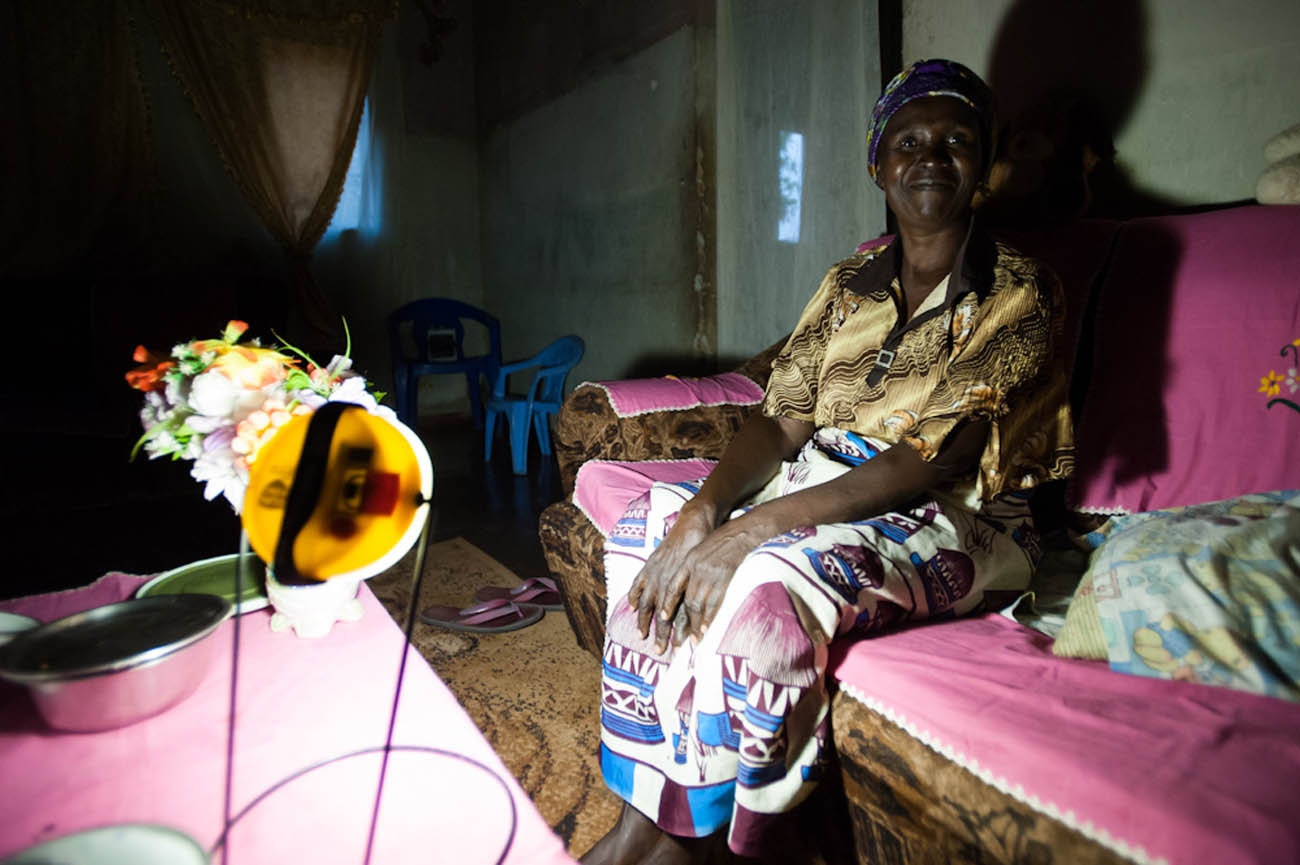
Woman with solar lamp.
Credit: Steve Woodward
Many of these communities are only about a kilometer away from the nearest grid. This happens mostly as a result of what we can think of as geographical difficulties: Maybe the community is on an island, or maybe the location is very sparsely populated—most of the time, the government only electrifies communities that have at least a few hundred people. This can become a self-fulfilling prophecy, since people leave those areas for the cities in order to get electricity and job opportunities.
So that’s one side of the energy access issue in Africa: Some people just don’t have electricity. Another side is that some people who are connected to the power grid can’t always rely on it when they need it. In countries like Nigeria, Ghana, Kenya, you still have a lot of blackouts. These happen in part because the utilities are in so much debt, which affects how efficiently they can operate.

Credit: Dreamstime
These blackouts don’t only affect people in their personal lives; they also affect businesses. We see this at CLASP. Our team in Nairobi works from home several days a week, but sometimes they have to come to the office anyway because of blackouts where they live. The office is the only place they’re sure they can get the electricity they need to be productive, because the generator in our building is always going to run.
People in all kinds of businesses are affected by electricity problems. Think about agriculture. Even though we have a lot of freshwater resources in Africa, it’s often hard for farmers to irrigate their crops because you need pumps to move that water and many farmers don’t have electricity to power those pumps. And if farmers can’t irrigate their crops, the crops don’t grow as well as they should, which keeps farmers’ incomes low and raises local food prices, which, in turn, impacts food security.
It’s also important to understand that people use energy to indirectly support their incomes. A long time ago, my father retired from the force and moved from the city to the village. That meant carrying all his appliances and everything to the village, where there was no electricity. So he bought a car battery to run this black-and-white TV. My mom started a bakery, and in the evening, people would come there to sit around and watch TV, and then they would buy bread and pastries as well. So that TV set indirectly contributed to my mom’s income. Without it, she would’ve earned less.
Baur: Thanks for that. CLASP believes that a significant percentage of the money devoted to building energy systems needs to be invested in appliances. That’s not a very intuitive idea; why do you think that’s important?
Aziebor: Well, electricity is like water flowing in a river. There are electrons all over the place, but they must be captured into usable form, and what makes that possible is appliances.
Let’s look at this issue from the macro level. Utilities set up generation plants and transmission systems to transfer those electrons to a point of distribution: a pole that is metered, with a wire that goes into a home. Currently, in the energy sector, we measure these poles and say things like, “We have connected 10,000 households to electricity.” But having that connection in your home doesn’t mean you can actually use those electrons. That can only happen through a device that draws that power and turns it into the services you need. That device could be a light bulb or a TV; it could be a fan or an air conditioner.
So the actual benefit of electricity only happens when people have appliances. And that’s actually true for the utility as well. If nobody uses the electrons they generate and transmit, utilities do not make profit. A lot of utilities in Africa are in debt, partly because people aren’t using the electricity that essentially just stops at the metering point.

The actual benefit of electricity only happens when people have appliances.Emmanuel Aziebor
This is what CLASP focuses on, and it has implications at every level of society. At the individual or household level, appliances can improve quality of life, reduce sicknesses, and improve incomes. For example, in very hot places like West Africa, it’s hard to sleep without an air conditioner or fan, and if you can’t sleep well, your quality of life and productivity suffer.
At the institutional level, if you, say, provide high-quality appliances in health clinics and hospitals, enabling things like reliable refrigeration of vaccines, the provision of healthcare improves. It also becomes more cost-effective because you’re not wasting valuable resources that you then have to buy more of.
And at the small business level, businesses that have appliances will be able to earn more profit. This is very important for economies in sub-Saharan Africa, since small and medium companies make up 95% of registered businesses in the region. Today, many of these businesses are struggling, for a wide variety of reasons. Having better access to devices that turn energy into the services they need could really be a game-changer.
So when you talk about community resilience, appliances play a major role. They help people access better information, higher incomes, and less sickness. Appliances are how we turn energy into opportunities, into comfort, into quality of life.

A cook at a Kenyan school uses an electronic cooker.
Credit: CLASP
This is a very important topic in Africa. But for a very long time, it hasn’t really been explained—even to government decisionmakers—from a strategic position.
Baur: What could African governments do to help more people access appliances? What types of interventions should they be thinking about when they decide where to spend money or what solutions to drive forward?
Aziebor: If you speak to African policymakers, the main things they’re concerned about are job creation and economic development. So that’s what we focus on.
Seventy percent of the population in sub-Saharan Africa is under 30, and many of these young people can’t find jobs. If they cannot get opportunities in-country, they move out, and then we see all this risk on the Mediterranean. So how can we encourage African governments to look at appliance access as a solution to that problem?
Basically, we say that one way to resolve issues around youth unemployment and economic development is to utilize the abundance of energy that is available. A lot of countries have installed grid capacity that is not being utilized. Well, what if we used that capacity to support rural enterprises? About 60% of the labor force in sub-Saharan Africa works in agriculture. So there are major opportunities there, and we already have a good idea of where interventions would do the most good. Most countries are mapped out into places where there is agricultural productivity, places where you can have agricultural processing. So we could say, “Okay, we know this area is good for rice production. Let’s get some irrigation systems into that area to produce more rice and get the youth involved in this business.” Then, we could encourage rice processing, which adds value—we can provide rice mills to help people get into that business. And then those workers would earn money that can be invested back into their businesses. So with appliances, governments can use energy to catalyze rural economic development.
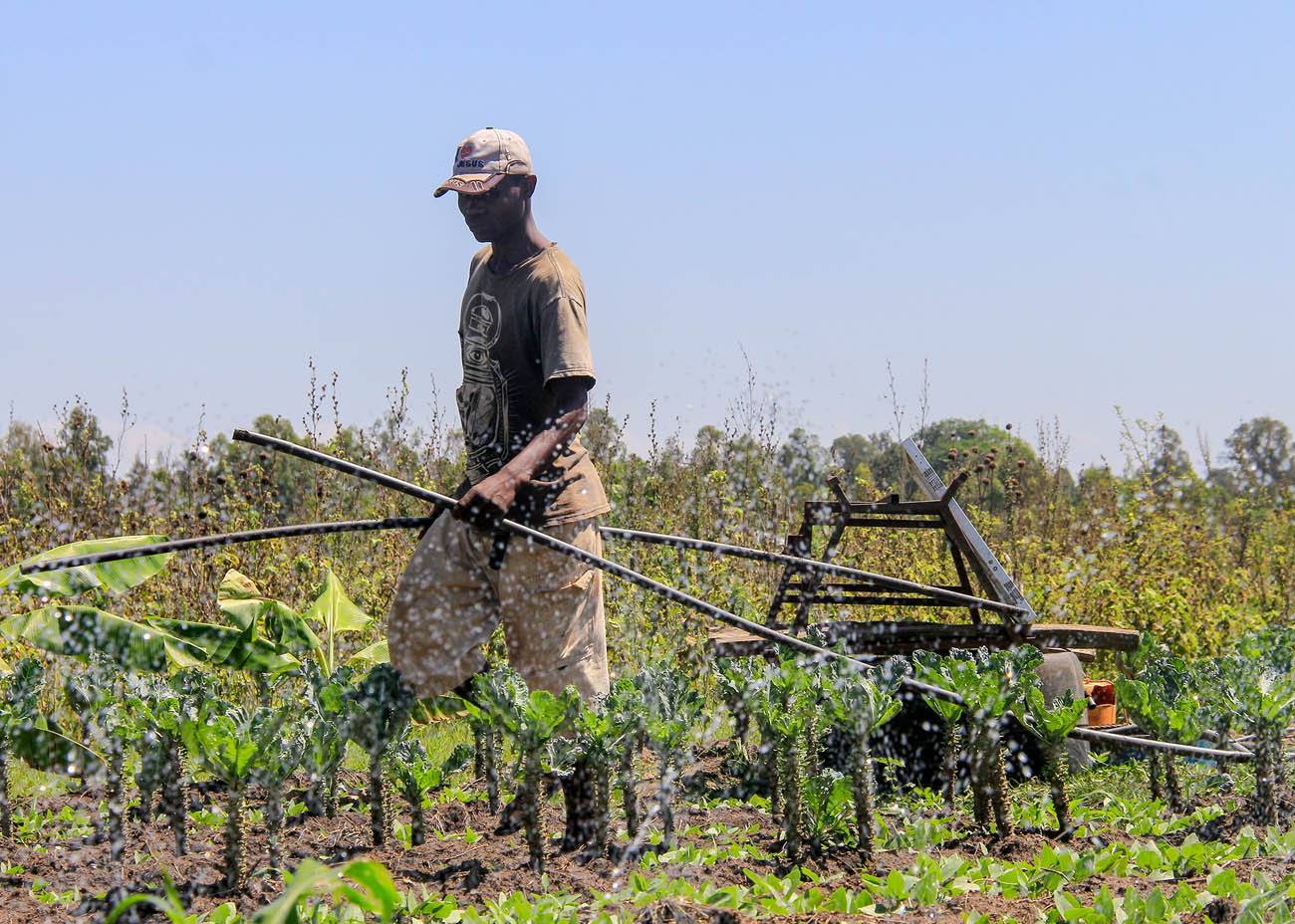
A farmer sets up a solar-powered sprinkler near Siaya, Kenya.
Credit: Futurepump
Another thing governments can do is introduce regulations to make appliances run more efficiently and eventually lead to lower consumption of energy. This may seem like a contradiction: If utilities need people to use more energy in order to be profitable, why would governments want appliances to use less energy? Well, the issue in Africa is that inefficient appliances have been dumped here for a long time. They overconsume energy, which creates an inflated need for grid capacity. And then governments build generation capacity to meet these inflated projections, which creates a huge delta in capital investment relative to the actual need. As a result, they’re spending money on power grids that could’ve been invested elsewhere, like schools or hospitals or job creation. Making matters even worse, these big generation capacities put the utilities in even greater debt because there aren’t enough appliances to use them all.
So our hypothesis here is that if we introduce efficiency regulations into the appliance sector, it allows the government and utilities to right-size the grid and right-size their capital spending.
Baur: Can you give examples of where this kind of approach has been tried and found successful?
Aziebor: Well, if you look at appliance dumping, African leaders have been at the forefront of a lot of these initiatives. For a long time, companies have sent products they can no longer sell in other parts of the world to the continent. This was happening with fluorescent lighting, which is extremely toxic, and African policymakers pushed back, which was instrumental in getting global agreement to phase out the production of fluorescent bulbs.
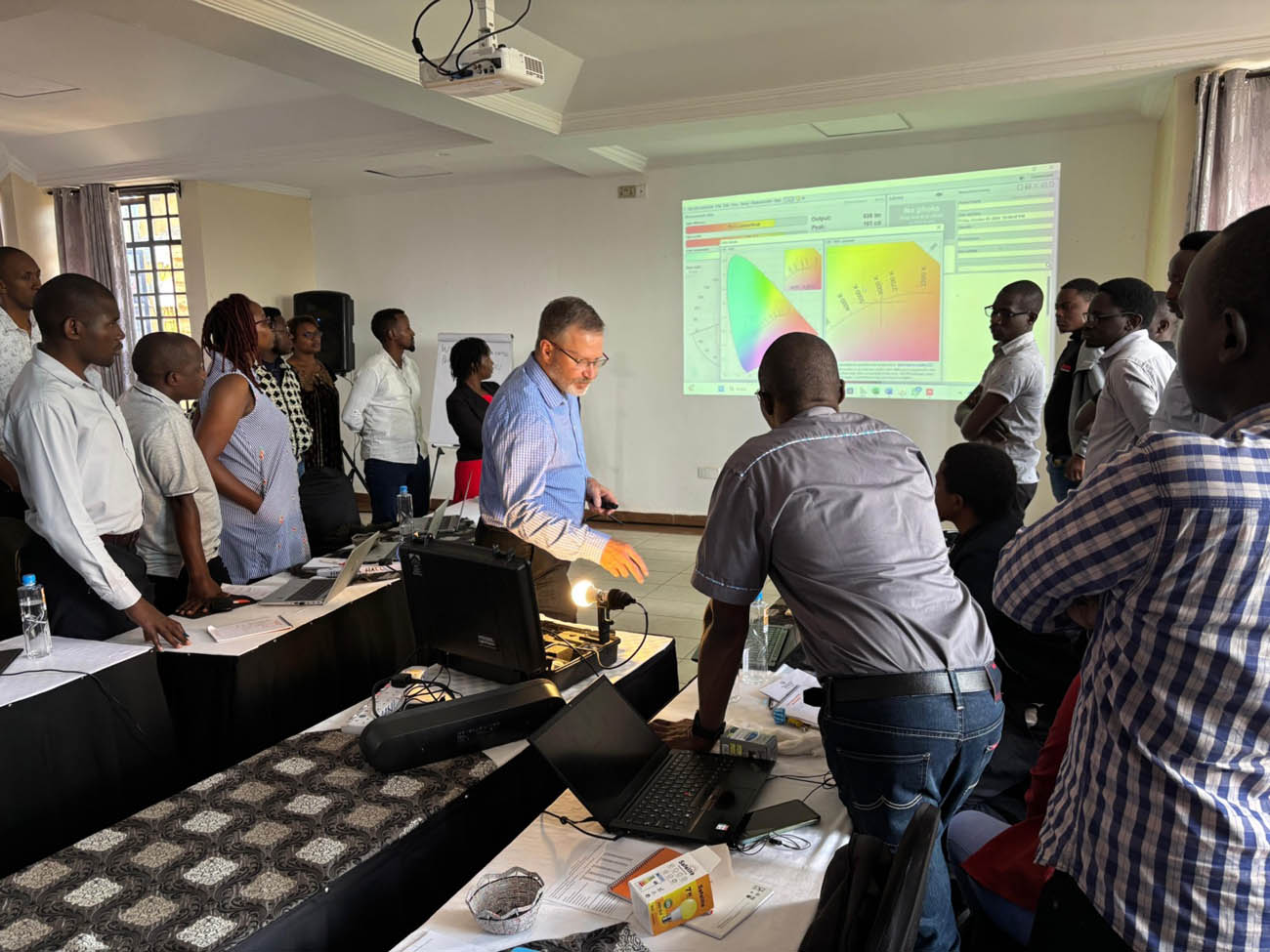
Lighting policy workshop in Kenya.
Credit: CLASP
I haven’t seen a large-scale program for other appliances, but I will mention a related example. Some time ago, the national government in Ghana came up with a way to transition all urban communities from charcoal to LPG (liquefied petroleum gas) as a cooking fuel, because we have abundant natural gas resources and the use of charcoal was causing deforestation in rural communities. So what did they do? They basically set up a government-owned LPG cylinder manufacturing company. They said, “Everybody, you’re going to get a subsidized cylinder and your first LPG fill-up is going to be free.” They also used a portion of taxes from petrol sales to fund the LPG program. All that helped people get used to cooking with LPG, since cooking is so cultural.
This program has been running for more than more than 20 years. Now, if you go to urban homes in Ghana, every one has a gas cylinder that they are using.
So this is one clear example where at the national level, the government drove adoption. And we see successful examples all the time with other kinds of infrastructure. The government provides the funding to build the airport and we all pay for flights to keep it operating. The government builds the road and we all pay a toll to use it. So these things can be translated into conversations about appliances—how public capital could be used at scale to address a particular solution.
But one problem we have in the appliance sector in Africa is that there are too many Mickey Mouse pilot projects. The problem has always been around scaling.
That means the government needs to be involved. For a very long time, we’ve had the impression that the private sector and nonprofits are the most important partners in the appliance sector. The idea was that nonprofits bring the money to derisk the private sector. But we must flip this equation. To reach the scale we need, we need to bring government to the table very early on.
The government is a fulcrum around which we all must build. The nonprofit brings philanthropic capital, the private sector brings commercial capital, and governments bring public capital to scale. But if we are not looking at scale with that equation in mind, it becomes difficult. We must be intentional. We know solar water pumps work; we know green milling can become a conduit for local economic development. So how can we get governments to scale these solutions, creating national programs where they invest public money into resolving both job creation and access-related issues? That is where I think the conversation should be.
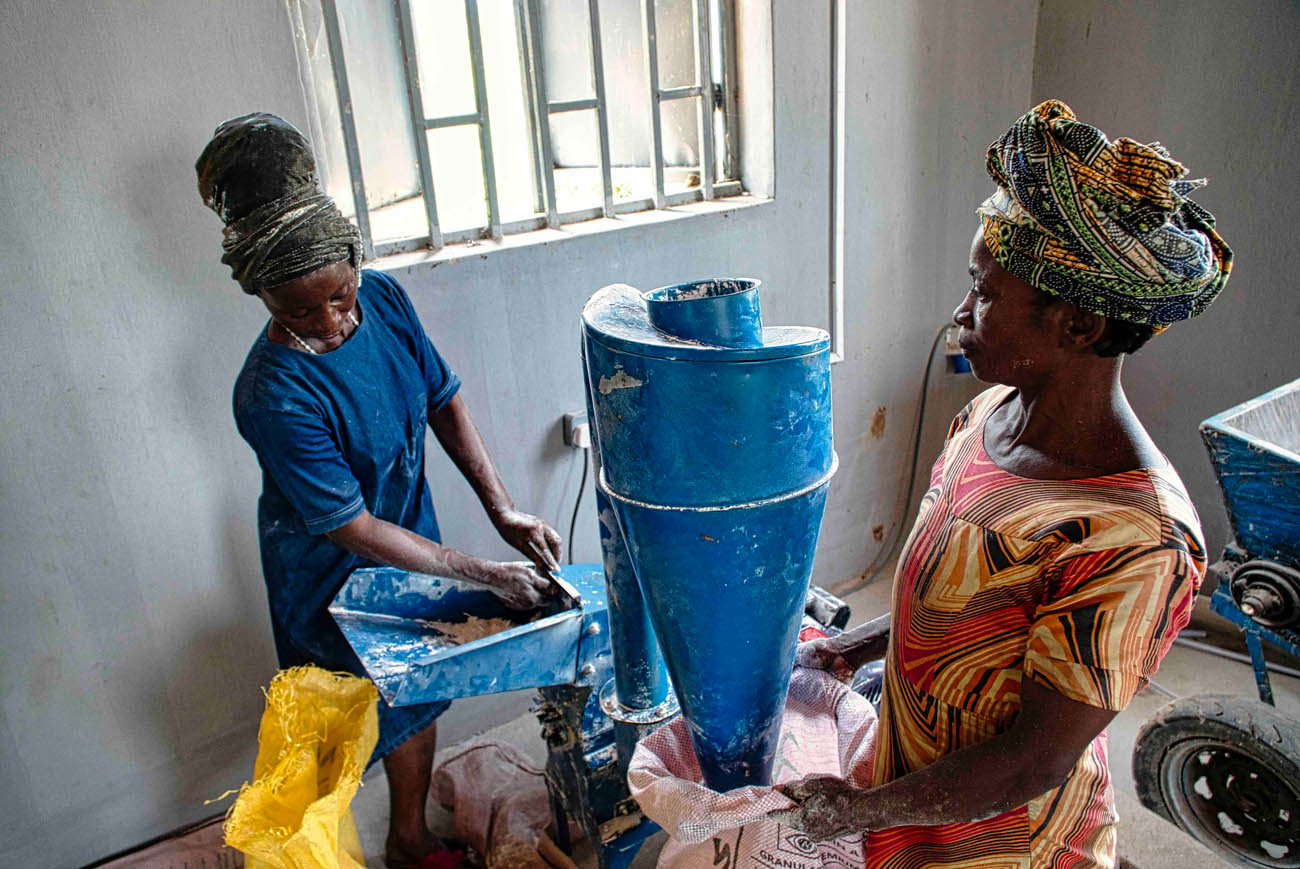
Women use a solar-powered mill in Nigeria.
Credit: CLASP
Take a company like SunCulture, which makes solar irrigation. So far, they’ve sold about 200,000 solar pumps, which is just a drop in the bucket compared to the need, even just in Kenya. But what if we were able to partner with the government of Kenya to say, “We’re going to put public money in the budget to support to every corn farmer in Kenya. All you need to go is to go to your district government, sign up, and then you get a subsidized solar water pump.” That is what we need to scale these solutions, and that is how the issues around jobs and incomes can be addressed.
I want to wake up one day and find that my nonprofit job no longer exists because this problem has been solved. That’s how I’ll know we’ve succeeded. But that requires that public capital and public partnership.
Interview edited and condensed.
Learn More

India Raises AC Efficiency Amid Growing Demand
India is facing hotter summers and more frequent heatwaves, making cooling essential for millions of households. About 110 million room air conditioners (ACs) are already in use in the country, which is expected to add another 130–150 million units over the next decade, making it one of the fastest-growing cooling markets in the world. The International Energy Agency (IEA) forecasts a ninefold rise in home AC ownership in the country by 2050. This growth could increase peak power demand by more than 180 gigawatts (GW) by 2035, putting significant strain on the power system.
Yet access to cooling remains highly unequal. Only about 8% of India’s 300 million households own an AC, with higher-income urban families accounting for most of this group. Rural AC ownership remains at around 1%, and the richest 10% of households hold the majority of ACs.
Why efficiency matters
Without stronger energy efficiency standards, the growth in AC ownership will lock in high energy use, drive up emissions, and increase household energy costs. Efficient ACs reduce electricity consumption, lower peak demand on the grid, and make cooling more affordable.
India’s energy labeling program has already helped buyers choose better-performing ACs and has shaped the market toward higher efficiency, but more can be done.
India’s new room AC efficiency standards
To meet the rising cooling demand, the Bureau of Energy Efficiency (BEE) in India has approved stringent efficiency standards for room ACs, effective January 2026, with further revisions in 2028, which will put India’s standards at global best levels. The standards establish minimum efficiency levels that appliances must meet, encouraging the use of more energy-efficient models.
By 2030, the new efficiency standards could reduce India’s peak electricity load by 8–10 GW, avoiding the need for more than 20 large coal power plants. Consumers could collectively save $12 billion on electricity bills annually, making cooling more affordable, especially for low and middle-income households. At the same time, they could help the country avoid up to 12 megatons (Mt) of CO₂ emissions annually.
India’s efficiency journey
The BEE has led India’s AC efficiency journey for nearly two decades. It introduced the star labeling system for room air conditioners in 2006 to remove inefficient appliances from the market and enable informed decision-making for consumers who might purchase high-efficiency products. Since then, baseline standards have been periodically tightened, resulting in a 43% energy efficiency improvement in ACs sold in the country. Inverter ACs, which are more energy-efficient, now dominate the domestic market, and companies have adopted a default temperature of 24°C to save energy.
These standards advance the goals of the India Cooling Action Plan (ICAP), which targets a 20–25% reduction in cooling demand by 2037–38 through efficient appliances, sustainable refrigerants, and improved building design.
By promoting efficient cooling, India is managing energy use, strengthening resilience against extreme heat, protecting public health, and creating jobs in manufacturing, testing, and supply chains.
Data-driven support for stronger standards
CLASP supported BEE by providing robust, evidence-based analysis to ensure that the new standards are both ambitious and achievable. It built clear evidence through product tests and an analysis of the Indian market, demonstrating that upgraded standards were both technically achievable and practical. It conducted affordability and feasibility studies and reviewed global pricing trends. It also assessed the financial performance of publicly listed companies and original equipment manufacturers (OEMs). The analysis confirmed that higher efficiency was financially viable. By providing this evidence, CLASP helped ensure that the revised standards are technically sound, cost-effective, and aligned with India’s goals of reducing electricity demand, emissions, and consumer costs.
India’s approach shows that fast-growing economies can expand access to cooling without harming the environment. Higher efficiency will also spur the adoption of next-generation ACs, creating new jobs in manufacturing, design, and testing, and contributing to economic growth.
CLASP Highlights Appliance Repairability at Africa International E-Waste Conference
In October, CLASP’s Mike Ofuya discussed our work on appliance repairability at the Africa International E-Waste Conference in Mombasa, Kenya.
The conference focused on:
- Global e-waste trends.
- The impact of technological advancements on recycling.
- The urgent need for effective solar and battery waste management as Africa’s renewable energy sector expands.
- The importance of taking into account every stage in a product’s lifecycle, from design and manufacturing to distribution, use, and disposal.
It brought together representatives from key stakeholder groups including regional governments, the private sector, development organizations, academia, and financial institutions.


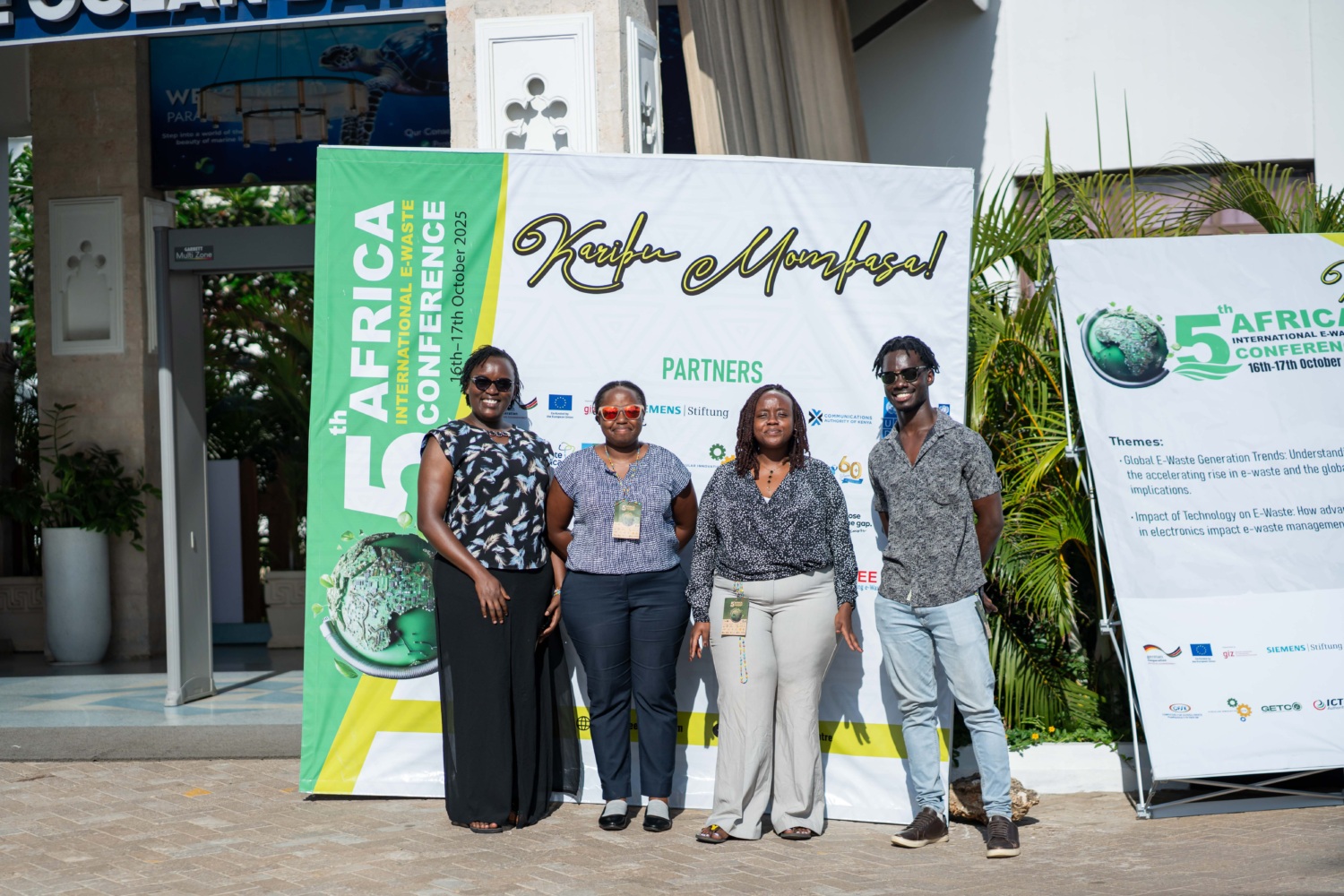
Speaking on a panel focused on recycling challenges and circular opportunities for solar, Ofuya emphasized that making appliances easy to repair reduces e-waste and saves consumers money. This is particularly critical in regions that lack reliable electricity, given the high purchase price of appliances suitable for those environments. For example, in Kenya, the cost of solar refrigerators is roughly equivalent to 85% of the average annual household income, making it cost-prohibitive to replace them if they stop functioning.
Ofuya’s presentation drew on the findings of CLASP’s ongoing research into appliance repairability, the Solar Appliance Reliability Index Series. An index providing criteria for assessing and scoring the repairability of solar water pumps, solar fans, and solar refrigerators is forthcoming in 2026.
Just How Bad Is Air Conditioning for the Climate—and What Can We Do About It?
As the planet warms, air conditioning is becoming a critical necessity in much of the world. But common AC technologies have an outsized climate impact, driving temperatures even higher.
Ana Maria Carreño has spent years working to disrupt this cycle. As CLASP’s senior director of climate, she identifies and implements solutions for keeping people cool without heating up the planet.
In this interview with CLASP’s Sarah Wesseler, she discusses AC’s mitigation challenges and what it would take to solve them.
*
Sarah Wesseler: The links between climate change and air conditioning have been widely covered in the media. It’s a complex problem, though, and I suspect most climate advocates don’t have a nuanced understanding of it, let alone a sense of how to solve it. What do you see as the most important things to understand about reducing emissions from ACs?
Ana Maria Carreño: Well, first of all, you have to reduce the demand for artificial cooling. But that doesn’t mean asking people to live with excess heat. Instead, it means changing the way we design cities and buildings.
If you look at places built before modern HVAC [heating, ventilation, and air conditioning] equipment was invented, they’re highly responsive to their local climates. In hot places, design solutions like shade and natural ventilation kept people comfortable even during the summer. Things like large porches, internal courtyards, and trees kept direct sunlight out of building interiors, for example. Even something as simple as light-colored roofs that reflect heat away from buildings can make a huge difference.
Today, a lot of this nuance has been lost. You can find essentially the same types of buildings and neighborhoods being built in very different climates, which leads to unnecessarily huge air conditioning loads. It also means more heating is needed in the winter, but that’s another story.
So we need to go back to this older model of working with local environmental conditions to create places that are comfortable in hot weather even without air conditioning.
There’s a lot of really interesting work happening on this front. For example, in Colombia, where I’m from, the city of Medellín has had a lot of success in reducing heat by planting trees on busy streets to create shade. The program has really made a difference, lowering local temperatures by 2º degrees Celsius (3.6º Fahrenheit).

So reducing the demand for mechanical cooling is the first step. And then once we get that as low as it can go, we need to meet the remaining demand in a way that’s as climate-friendly as possible. That means paying close attention to electricity and refrigerants, which are the two main sources of emissions.
The electricity emissions come from burning fossil fuels in places where the electricity used by ACs is produced with oil, gas, or coal. Because a lot of electricity is produced this way, ACs are indirectly responsible for a large volume of emissions. That’s why it’s important to use efficient equipment. As we reduce the amount of energy needed to run ACs, we can reduce the amount of fossil fuels burned.
Refrigerants are also really important. They’re classified in terms of their global warming potential, which is extremely high for some refrigerants. One of the most common ones used in air conditioners, R-410A, is 2,000 times more potent than carbon dioxide.
The world is moving away from refrigerants that have high global warming potential, but that transition is not happening as fast as it should. The transition is being driven by commitments many countries made under the Kigali Amendment of the Montreal Protocol to phase down and phase out these refrigerants. But national regulations are needed to speed the process, and in many countries there is no regulation.
Wesseler: OK, so electricity use and refrigerants make ACs problematic from a climate perspective. How problematic, specifically? How much of a climate risk does AC pose?
Carreño: Well, data from CLASP’s appliance efficiency policy model, Mepsy, show that the projected emissions in 2030 from room air conditioners alone—so not counting any other type of space cooling, like fans—are about 800 megatons, which is almost a gigaton. That’s roughly equivalent to driving 186 million gasoline-powered cars for a year.
We’ve also found that, to achieve net zero scenarios by 2050, emissions from the entire appliance sector need to fall by nine gigatons by 2050. So when you consider that room air conditioners will reach one gigaton of emissions in 2030, that tells you the magnitude of the challenge AC poses for the climate community.

Credit: Shutterstock
What makes this even more difficult is that, at the same time that we need to reduce emissions from AC, we need to help more people get access to air conditioners.
For many years, the efficiency community talked about air conditioners being a luxury—something that was only for households with the capacity to purchase the equipment and pay high electricity bills. But now summers are becoming so hot in many places that it’s almost impossible to stay healthy, to work, to study without AC. But there’s still very low access to air conditioning in Southeast Asia, Latin America, and Africa.
Brazil is a good example. Only 20% of households there own an air conditioner—most people use fans for cooling since they’re cheaper than AC. But the summers are becoming hotter and hotter. This year, the temperature reached 44° Celsius (111° Fahrenheit) in Rio de Janeiro. In heat like that, fans are no longer enough to keep people cool.
Brazil actually set a new record for air conditioner sales in 2024 because of the growing heat. There were six million new ACs sold, which is a 38% increase from 2023.

Air conditioners above a Rio de Janeiro street. Credit: CLASP
This same kind of growth is happening in other countries as well. The IEA (International Energy Agency) has forecast that demand for cooling will triple by 2050.
Wesseler: You mentioned that regulations are critical to reducing the climate impact of ACs. What kinds of regulations are most effective?
Carreño: National governments have various policy options. The most popular, and the most effective, are energy efficiency standards. With standards, governments essentially say, “All ACs sold in this country have to operate above this specific level of efficiency.”
Of course, there’s more to it than simply setting the efficiency level. The policy has to be widely communicated to industry—manufacturers, importers, and others—and there have to be mechanisms for testing and certifying products for compliance. But in general, standards are a relatively simple and very effective tool for removing the least-efficient products from the market.
Another important policy is labeling. Labels are a consumer-facing tool; you use them to inform consumers about the different levels of performance of the equipment available on the market. So if you’re interested in purchasing an appliance that uses less energy, that has less impact on the climate, you can easily identify those products using this simple label system.

Brazilian air conditioner energy efficiency label. Credit: CLASP
Some governments also use incentives to promote the purchase of more efficient appliances. Public procurement is a very good incentive. Many governments purchase massive amounts of equipment for official buildings, for municipalities. When policymakers require high efficiency and low climate impact as part of this process, that incentivizes manufacturers and importers to bring in more equipment that meets those criteria. It’s an important lever.
Governments can also provide incentives to help consumers replace obsolete appliances they already own. There are a lot of examples of replacement programs for refrigerators, for instance.
Governments can also support local industry in upgrading appliance production lines. This is something CLASP is looking into in Brazil and India. Brazil produces about 90% of the air conditioners used in the country, and it already has good efficiency standards, but the idea is to support the domestic production of high-efficiency equipment and continue raising the level of ambition. We’re working with the Brazilian Agency for Industrial Development to incorporate energy efficiency into its programs. That’s turning out to be a very, very interesting program.
Wesseler: So it sounds like AC policy can be a win/win for the public and private sectors—it’s not necessarily punitive for manufacturers.
Carreño: Yeah, and this is a really important point. In general, countries’ AC policies are led by countries’ ministries of energy. Reducing energy demand and improving energy security is front and center for these ministries, of course, but they also assess the impacts of these policies on industry and consumers. And that means that policies cannot increase the price of the equipment for consumers or impact local manufacturing. That’s a challenge, because when you improve AC policies, sometimes local manufacturing is going to be impacted. So it’s important to work with local industries so they can continue to be competitive. In some cases, these upgrades can improve their competitiveness in export markets, too.
But this is the main challenge for AC policy in many of these countries. For many years, it’s the reason why policy progress has been slow.
Wesseler: Which countries are doing the most interesting things on AC policy today?
Carreño: China has the current world-leading standard for air conditioners, and the government is looking to go even farther. It’s trying to improve the technology itself, investing in research and development with the goal of doubling the efficiency of cooling equipment. The idea is that when that technology is available, that higher level of efficiency will become the new policy standard. So China is really pushing the envelope.
Brazil is another good example of where policy has really shifted the market to efficient products. For many years, Brazil didn’t revise its AC policies, but this has changed, partly because of efforts by the advocacy community in Brazil. So when the new AC label was published five years ago, followed by a new standard two years later, it really shifted the market to very efficient products.
India is also interesting. The government essentially sets up a schedule that gives manufacturers notice on what efficiency levels they need to reach in future years, helping them understand how policies will change over time. I think that’s a very good practice.

Residential buildings in Kolkata, India. Credit: Shutterstock
Wesseler: We’ve talked about national-level policymakers and manufacturers. Are those the main actors determining the future of air conditioning? Or are there other important nodes of influence?
Carreño: Well, policymakers are critical for advancing cooling efficiency, and in CLASP’s work they are an important stakeholder. Industry has the capacity to invest in innovation and producing the next generation of ACs, so it’s critical. And some of the interventions CLASP is working on focus on creating a policy environment that enables this kind of investment. We’re also looking at how global supply chains affect the cost of producing efficient AC units and their components, understanding that manufacturers need to keep prices down in order to stay competitive.
Things work differently on the refrigerants side. Ideally, air conditioner standards would also set requirements for refrigerant global warming potential, but ministries of energy are usually the ones that set those standards, and they don’t deal with refrigerants. That falls under the implementation of the Montreal Protocol, which is under the ministry of environment’s remit. But there are efforts to bring these issues together and help agencies collaborate.
Wesseler: You mentioned CLASP’s efforts. It sounds like, in addition to governments and industry, the nonprofit sector is also an important node of influence on this issue.
Carreño: Yeah. There’s a large community of organizations working in this space, striving to provide governments with the best research and technical evidence so that they can advance cooling policy, and identifying solutions for manufacturers and consumers as well.
Wesseler: What about people who don’t work in this space but want to do something about global warming? Let’s say somebody volunteers with a climate group like 350.org or the Sunrise Movement. What are some ways individual climate activists can influence what happens on this massive global issue?
Carreño: Participating in public consultations—for example, attending a meeting about building code standards or government incentive programs—can make a real difference. It can also help people understand the impacts of policies like these on their own communities.
This kind of advocacy is critical, because governments need to get feedback that this is an issue that’s important to their constituents. The more voices at the table the better.
Interview edited and condensed.
Universal Electricity Access is Possible—If 15% of Current Spending is Invested in Energy-Efficient Appliances
Nairobi, Kenya, 20 October 2025 – New research conducted by CLASP shows that to provide electricity for the 1.6 billion people who live with unreliable power and the 666 million who completely lack access, we must prioritize appliance access alongside energy infrastructure investments.
The International Energy Agency (IEA) estimates that achieving universal energy access by 2030 will take at least $50 billion USD of annual public investment. CLASP has determined that 10–15% of this amount (about $7.5 billion USD annually, or $38 billion USD in total) should be devoted to improving appliance access.
A reliable supply starts with reliable demand
CLASP’s new report, The Missing Piece of Energy Access: Why 15% of Energy Infrastructure Investment Must Go to Appliances, describes how the communities that remain unconnected to power supply infrastructure (located primarily in Sub-Saharan Africa) are those that are hardest to reach and have the lowest ability to pay. This makes the expense of building new infrastructure hard to justify for power supply developers and policymakers.
The report suggests that policymakers and other decision makers allocate 10–15% of power supply investments to establishing sustainable electricity demand growth. These investments should target market failures that hinder appliance use—in particular, a lack of affordability and consumer confidence. Importantly, all stakeholders should prioritize energy-efficient appliances over standard, less-efficient appliance options.
In-depth analysis also demonstrates that energy-efficient appliances are essential to reaching the United Nations’ Sustainable Development Goal 7 (SDG 7) of universal energy access by 2030 and the Paris Agreement target of net zero emissions by 2050. Researchers found that prioritizing energy-efficient appliances over less-efficient alternatives could avoid as much as 2.6 gigatons of CO2 equivalent emissions annually.
“I think we have to look at the pace of change in terms of the SDG indicators, not in its absolute but relative to what’s happening, and ask the questions, what’s not working?” —Bishal Thapa, Chief Strategy and Impact Officer
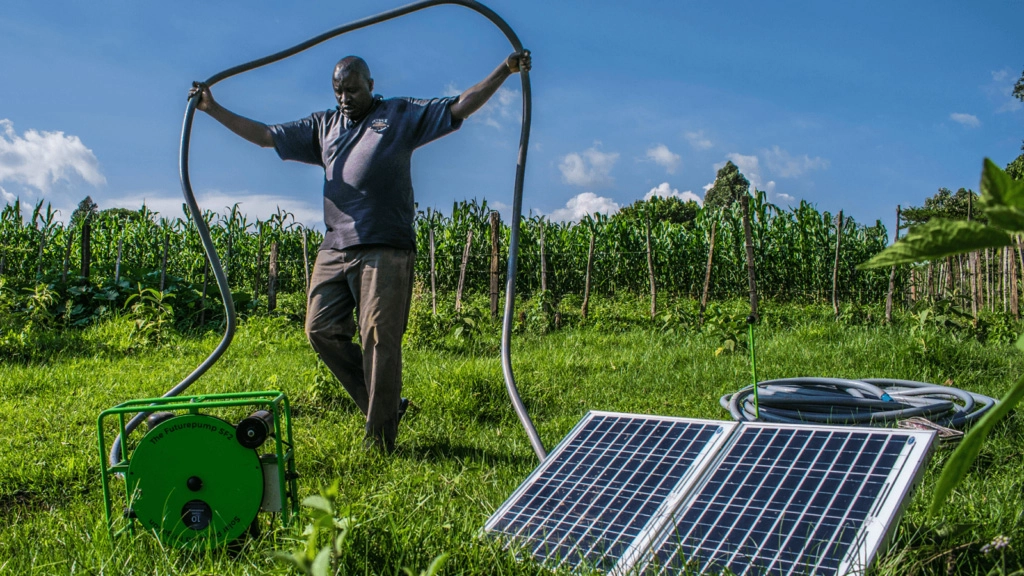
A solar-powered water pump in use: a standalone system delivering electricity where the grid doesn't reach. Credit: Dan Odero
Successfully deploying this strategy is possible
Africa currently spends approximately $800 billion USD every year as part of its 2010–2030 energy investment cycle. Governments and energy markets have proven their ability to mobilize resources at the scale required to achieve universal electricity access.
From 2013 to 2022, annual global grid electricity generation increased by 5,827 terawatt hours. Just 0.15% of this energy would be enough to provide at least 200 watt-hours daily per household.
Across the continent of Africa, where approximately 85% of the population lives without access to electricity, annual grid electricity generation grew by 178 terawatt hours from 2013 to 2022, an annual average growth rate of 2.5%. Just 4% of this growth would be sufficient to provide a basic electricity supply of at least eight hours daily for every African who currently lacks access.
Additional efforts could fully erase the electricity access gap by 2030—but the pace of progress must accelerate and utilize a variety of distribution approaches like grid extension, mini-grids, and standalone distributed energy systems.
These and other methods to improve access to energy-efficient appliances are viable and could serve as a stepping stone toward higher economic growth, improved livelihoods, and increased social wellbeing.
CONTACT
For more information or media queries about The Missing Piece of Energy Access: Why 15% of Energy Infrastructure Investment Must Go to Appliances, please contact Communications Associate Marina Baur at publication@clasp.ngo.
About CLASP
CLASP is the leading global authority on efficient appliances’ role in fighting climate change and improving people’s lives. With 25 years of expertise and offices on four continents, CLASP collaborates with policymakers, industry leaders, and other experts to deliver clear pathways to a more sustainable world for people and the planet.
Recent News


Global LEAP Awards Launches the 2025 Solar Generator Competition
On behalf of Global LEAP Awards, we are pleased to announce the launch of the first-ever Global LEAP Awards competition for solar generators!
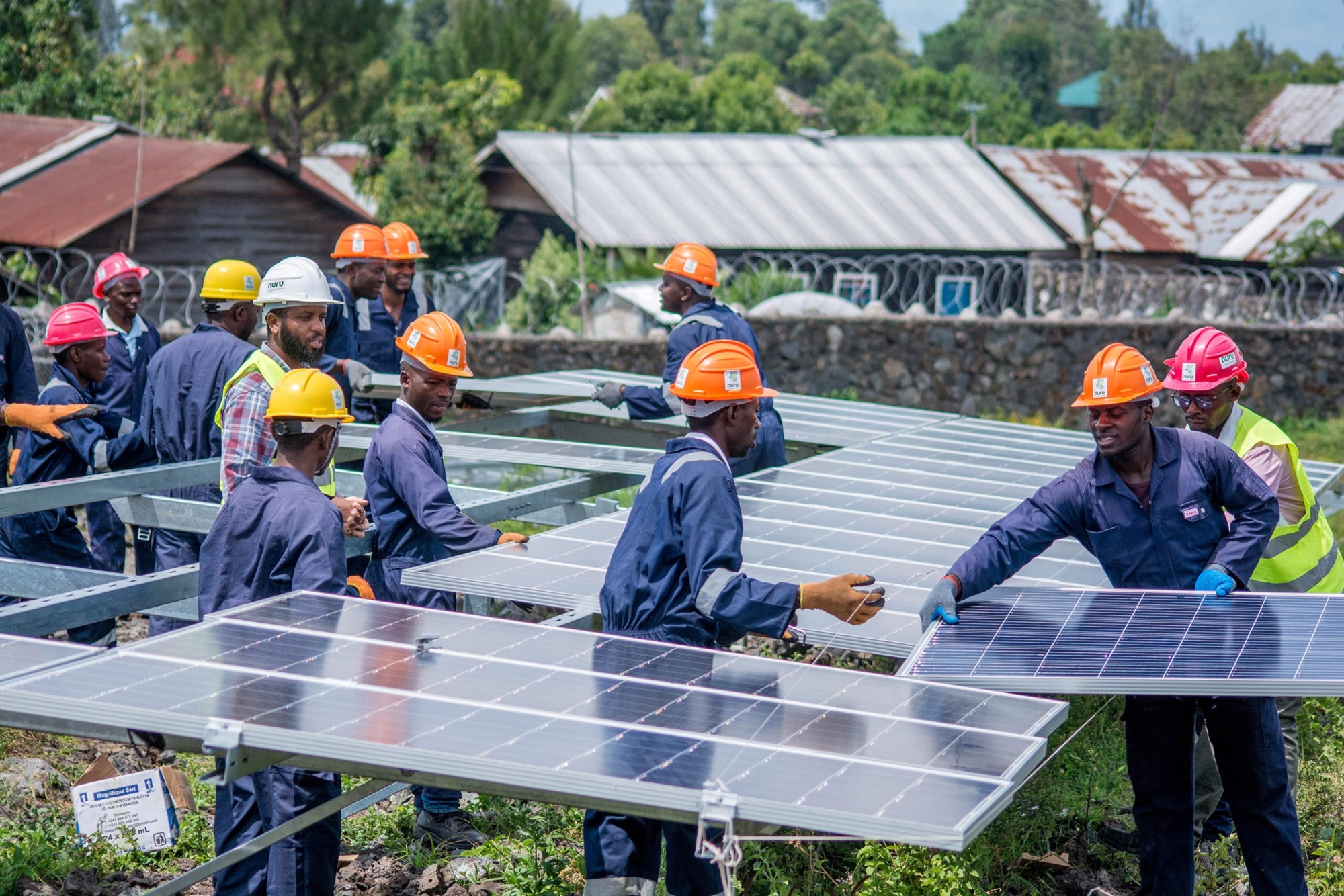
Globally, more than 82 million fossil fuel generators are currently in use, driving pollution, greenhouse gas emissions, noise, and health risks. Modern solar-powered generators offer cleaner, quieter, and more cost-effective alternatives for people living in energy-constrained settings.
The 2025 Global LEAP Awards Solar Generator Competition will identify and promote the best solar-powered generators. Using a competition-based approach, Global LEAP Awards will drive innovation in early-stage technologies, while building valuable technical and commercial market infrastructure.
Why participate?
- Gain global visibility and credibility through Global LEAP Solar Generators Buyer’s Guide
- Benchmark your products through rigorous laboratory and real-world user testing
- Compete for $100,000 in innovation prizes, awarded to top-performing products across categories
- Tap into the ZE-Gen and TEA network to access business development and partnership opportunities
Key Information for Nominators
- Nomination window: Open now through 7 November 2025. Submit nominations online via the Solar Generator Competition website.
- Who can apply: Manufacturers and distributors with eligible products are encouraged to submit a nomination. Check product eligibility criteria and key safety documentation needed for the nomination in Terms & Conditions.
- Info session: Join our webinar on 15 October 2025 for details on eligibility, nomination process, and timeline. Register here.
We look forward to your nomination! For any questions, please reach us at globalleap@efficiencyforaccess.org
The 2025 Global LEAP Awards Solar Generator Competition is implemented by CLASP and funded by ZE-Gen. ZE-Gen is a collaborative initiative by The Carbon Trust and Innovate UK, with funding from the IKEA Foundation and UK Government via the Transforming Energy Access platform. Launched at COP27, ZE-Gen is the leading international initiative working to improve the lives of people across Sub-Saharan Africa, South Asia, and the Indo-Pacific region by driving the use of renewable energy in place of polluting fossil fuel generators.
Funded by:
Bringing Global Expertise to Pakistan’s Motor Manufacturers
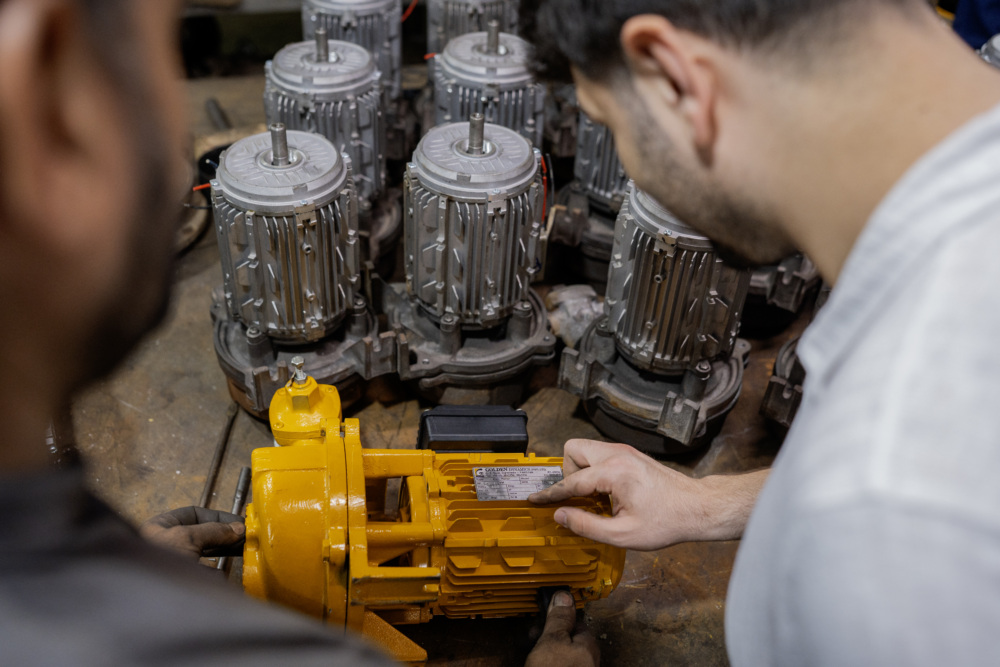
In Gujranwala, Pakistan, family‑run motor manufacturers share a common ambition: to produce world‑class motors that meet international efficiency standards.
To support this, CLASP and SAMA Verte’s Industry Accelerator Program is linking Pakistan’s local motor makers with international expertise to upgrade motor designs, improve efficiency, and help the motor industry thrive.
Working with Pakistan Pumps & Electric Motors Manufacturers Association (PPEMMA), and representatives from EMOSAD, a Turkish Motors Association, the Industry Accelerator Program combines decades of local craftsmanship with the latest global technical insights.


CLASP
CLASP
The program’s work supporting improved motor testing labs is already helping local engineers to identify energy losses, improve designs, and meet national efficiency standards for motors.
——
About CLASP’s Industry Accelerator Program in Pakistan
A collaborative initiative between CLASP and SAMA^Verte, the Industry Accelerator is aimed at transforming Pakistan’s electric motor manufacturing sector. Launched in 2023, the program focuses on enhancing the energy efficiency of locally produced electric motors and modernizing production processes. By providing technical assistance, facilitating international knowledge exchange, and supporting the development of energy-efficiency standards, the Industry Accelerator seeks to reduce energy consumption, lower CO₂ emissions, and strengthen the competitiveness of Pakistan’s motor industry.
Recent News



Driving Quality and Innovation for Solar Generators
London and Nairobi 15 September 2025 – An international partnership has launched today to improve consumer choice, affordability and reliability in the solar generator market by driving competition and inspiring innovation.
The collaboration between ZE-Gen, the leading global initiative working to end the use of fossil fuel generators, and CLASP, the international NGO focused on appliance efficiency, will strengthen excellence in a clean technology that can transform communities, economies and the environment by ending the need for fossil fuel generators.
The new partnership will include launching a new international solar-powered generator competition in October to showcase innovation in the market as part of the Global LEAP Awards, which promote the world’s most innovative, high performing and efficient solar solutions in the off-grid sector.
ZE-Gen, together with CLASP, aims to catalyse a shift towards clean, affordable, and reliable energy through solar-powered generators across low-and middle-income countries. The project is part of ZE-Gen’s work to transform the clean energy eco-system across Sub-Saharan Africa, South Asia and the Pacific Islands.

A zero-emission generator produces electricity without releasing pollutants.
Photo: Shutterstock
The LEAP Award will be paired with a VeraSol quality assurance framework to ensure quality, safety, and performance transparency for consumers and showcase modern solar generators that are more reliable, cost-effective to operate, and significantly less polluting than outdated fossil fuel generators.
This includes the development of test methods and rigorous lab- and user-testing to provide a strong basis for evaluating the Global LEAP Awards participants, as well as address gaps in existing test procedures and establish quality and safety requirements for solar generators more broadly.
Globally, around 1.5 billion people lack access to reliable electricity and more than 82.6 million fossil fuel generators are in use worldwide by communities living with weak, unreliable, or no access to electricity. Despite their widespread use, fossil fuel generators cause pollution, greenhouse gas emissions and noise, coupled with adverse effects on health and unpredictable cost and availability of the fuel needed to run them.
Historically fossil fuel generators have dominated the market due to availability, purchase price and perceived reliability. However modern high quality solar-powered generators are quieter, don’t pollute, and do not have the health effects associated with old-fashioned fossil fuel generators. Renewable energy generators eliminate the need to source or pay for fuel, so beyond their purchase price, solar-powered generators are a cost-effective and long-lasting solution in resource-constrained settings, making them a better option for people, the economy and the planet.
ZE-Gen lead, Lily Beadle said: “The rapidly emerging market for solar-powered generators has huge commercial potential and offers a more reliable and safer solution for energy than highly polluting fossil fuel generators. Our partnership with CLASP will develop a new quality assurance programme which supports ZE-Gen’s wider programme of work and will help protect customers when they switch to renewable energy.”
CLASP’s Senior Director, Africa, Emmanuel Aziebor added: “In emerging economies, solar-powered generators are a game changer for people and businesses without access to reliable electricity. Testing and showcasing innovative, efficient, and user-friendly products will support CLASP and ZE-Gen’s mission to ensure cleaner, affordable generators powered by renewable energy become the default option for communities everywhere.”
This partnership is part of ZE-Gen and CLASP’s broader work under the UK Government’s Transforming Energy Access platform to transform the clean energy eco-system across emerging economies.
ZE-Gen’s unique approach tackles market barriers to renewable energy-based alternatives by developing real-world solutions that unite innovation, finance and skills to drive competitive market growth.
Background Information: ZE-Gen
Launched at COP27, ZE-Gen, is the leading international initiative working to improve the lives of people across Sub-Saharan Africa, South Asia and the Pacific Islands by driving the use of renewable energy in place of polluting fossil fuel generators.
ZE-Gen is a collaborative initiative by the Carbon Trust and Innovate UK and has an ambition to mobilise £100m of funding to inspire action and implement real-world change, delivered in partnership with sector specialists. ZE-Gen brings partners together and engages with the public and private sector to identify new opportunities and provide; al; commercialisation support such as investment readiness, market engagement, strategy & sales and product/service development.
To date, ZE-Gen has catalysed £39.75m including support from the IKEA Foundation and the UK Government’s Ayrton Fund and has supported more than 35 localised renewable energy projects across Nigeria, the Philippines, Cote d’Ivoire, Fiji, South Africa, Malawi and Uganda.
The Carbon Trust leads on ZE-Gen’s policy, research, outreach and strategy, with input and oversight across the whole ZE-Gen programme.
Innovate UK is responsible for delivering grant funding to advance renewable technology through the ZE-Gen Innovation Fund.
About the Ayrton Fund
The UK Government announced the Ayrton Fund commitment of up to £1bn for clean energy innovation at the UN Climate Action Summit in 2019. It is part of the total £11.6bn of UK International Climate Finance also announced over the period from 2021 to 2026.
The vision of the Ayrton Fund is to help drive forward the clean energy transition in developing countries, by creating and demonstrating new technologies and business models to deploy them.
It will demonstrate UK leadership and expertise in cutting global emissions through world-leading innovations. The Foreign, Commonwealth & Development Office (FCDO), the Department for Energy Security and Net Zero (DESNZ) and the Department for Science, Innovation and Technology (DSIT) jointly manage the Ayrton Fund.
For more information please contact: ze-gen@carbontrust.com
Visit the ZE-Gen programme website – https://www.ze-gen.org
About CLASP
CLASP is the leading global authority on efficient appliances’ role in fighting climate change and improving people’s lives. An international NGO with 25 years of expertise and offices on five continents, CLASP collaborates with policymakers, industry leaders, and other experts to create a more sustainable future for people and the planet. CLASP is dedicated to solving the world’s most pressing, interconnected crises: the climate emergency, poverty, inequality, and access to energy.
About VeraSol
VeraSol maintains the world’s most widely recognized quality assurance framework for pico-solar products and solar home system kits. Managed by CLASP, VeraSol has expanded its services to meet the industry’s growing need for quality assurance in off-grid appliances and productive use equipment. VeraSol aims to make safe, affordable, and durable off-grid products the default choice in the market by providing testing, product data sharing, and other support services.
About the Global LEAP Awards
The Global LEAP Awards is an international competition that identifies and promotes the world’s best, most energy-efficient appliances for use in off-grid and weak-grid areas. Managed by CLASP through the Efficiency for Access coalition, it is designed to drive innovation, build market infrastructure, and accelerate the adoption of high-quality, energy-efficient appliances in developing countries.
Nominations for the Global LEAP Solar Generator Competition open on 8 October. See the competition website for details on eligibility and timelines.
Recent News
Why Appliances Are Essential Energy Infrastructure

Hundreds of millions of people globally still live without access to electricity. That means no way to cool their homes during hot summers, refrigerate food to keep it fresh, cook without inhaling toxic fumes, or farm without hours of grueling, manual labor.
For decades, the response has focused on expanding energy infrastructure. But power lines alone can’t deliver the full benefits. A village may get connected, but without a fridge, a fan, or a clean cookstove, electricity access remains incomplete.
This is where efficient, affordable appliances come in. They transform energy into opportunity for better health, productivity, and livelihoods. They also improve the economics of grid expansion which makes investment more attractive and sustainable.
To achieve the goal of universal energy access and improve millions of lives, we need to look beyond electricity. Appliances are not a luxury; they are essential energy infrastructure.
To learn more, explore CLASP’s research report “The Missing Piece of Energy Access: Why 15% of Energy Infrastructure Investment Must go to Appliances”.