
Brighter Futures for Rural Youth with Solar
Solar-powered farm equipment could be a crucial tool in overcoming the challenge of unemployment in rural areas across many emerging economies, according to new research by Efficiency for Access and Power for All. The solar irrigation sector in India and Kenya alone has the potential to create over 115,000 jobs by 2030.
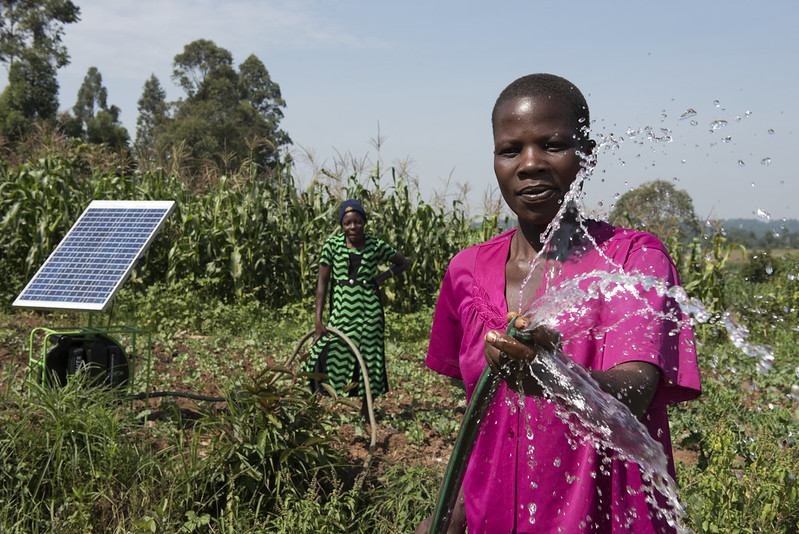
The report Green Jobs for Rural Youth analyzes four countries Kenya, India, Nigeria and Uganda. It finds that there is a significant opportunity to combat youth unemployment through innovative solar technologies.
Promising findings
The findings are promising: solar-powered farm equipment could generate thousands of sustainable jobs, transforming agriculture and improving life quality in rural communities.
Abigail Kuria, the lead researcher from CLASP, who co-authored the report, notes, “These technologies equip rural youth with transferable skills and long-term employment while advancing sustainable development.”
Addressing barriers to adoption
However, affordability and awareness remain significant barriers to wide-spread adoption. Kuria urges, “Investors, financiers, philanthropies, and governments must bolster financial support and market incentives to drive demand for renewable energy in agriculture and tackle affordability issues. This includes funding interventions and rolling out awareness campaigns to boost technology adoption.”
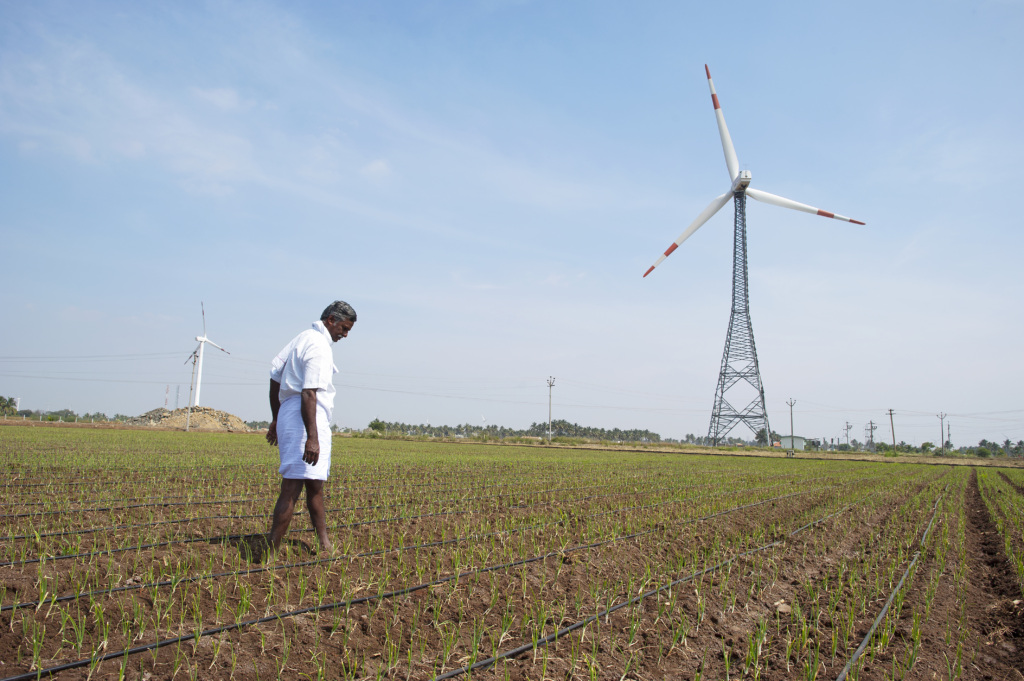
For this report Kuria collaborated with Hannibal Tesfahunegn from Power for All, a nonprofit advocating and scaling solutions in the off-grid sector. The research addresses a critical data gap that has hindered effective policymaking and sector growth, arriving at a pivotal moment for those looking to invest in sustainable development.
Discover how solar innovations can open new job opportunities and benefit rural areas by exploring the full report here.
The Efficiency for Access coalition is co-managed by CLASP and Energy Saving Trust.
Green Jobs for Rural Youth: Unlocking Renewable Energy’s Potential in Agriculture
Youth unemployment is at an all-time high in sub-Saharan Africa and South Asia. At the same time, populations are growing rapidly in these regions, increasing the need for meaningful employment opportunities. Decentralized renewable energy (DRE) technologies offer a promising solution by creating sustainable growth and green jobs. DRE technologies generate green electricity near the point of use, reducing reliance on centralized power plants, increasing productivity, and improving sustainability. This creates new and enhanced employment opportunities in rural communities, particularly in agriculture, the largest employer in these regions, with 50% to 85% of the labor force working in the sector. However, high upfront costs, limited product availability, lack of awareness of the benefits, and shortage of local talent hinder the widespread adoption of DRE technologies in emerging economies.
Efficiency for Access’ new research fills many of the data gaps in this sector by analyzing four countries, and quantifying the jobs created by DRE technologies in agriculture. It also provides the first comprehensive estimate of employment levels and trends at the country level.
Key Findings
- The solar irrigation sector in India and Kenya alone has the potential to create more than 115,000 jobs by 2030, offering higher incomes for graduates from DRE courses.
- DRE creates opportunities for farm workers to transition into less physically demanding roles, avoiding long-term job displacement and improving life quality.
- DRE innovations significantly reduce labor-intensive tasks for women. In India, mechanized roti-rolling can save women up to 1,800 labor hours per year.
Recommendations
- Investors, financiers, philanthropies, and governments should improve financial support and market incentives to increase the demand for DRE equipment in the agriculture sector to address consumer affordability – the biggest challenge for the growth of DRE markets. This includes creating better financing options to make it easier for farmers to adopt these technologies.
- Governments and stakeholders need to strengthen the manufacturing sector for solar equipment to create thousands of skilled jobs in the DRE industry. For example, India could see up to 5,500 manufacturing jobs created in the solar water pump sector by 2030.
- Educational institutions, government bodies, DRE companies, and development programs need to collaborate to strengthen the DRE workforce. Technical and Vocational Education and Training Institutes (TVETs) can play a key role in rural skill development but face challenges like outdated curricula and high tuition costs. To support labor transitions in the DRE sector, integrating short-term internships, apprenticeships, and job training programs is essential.
- Improving coordination between agricultural and energy stakeholders is critical to improve the adoption of DRE products. Uganda has successfully integrated renewable energy into its agricultural development plans by assigning responsible parties to establish key performance indicators (KPIs) for implementing renewable energy targets. This approach has stimulated growth in the DRE market and attracted business investment in the sector.
Read the Green Jobs for Rural Youth: Unlocking Renewable Energy’s Potential in Agriculture report here.
About Efficiency for Access
Efficiency for Access is a global coalition working to promote renewable and energy efficient appliances to deliver clean energy to the world’s poorest people. It is coordinated jointly by CLASP and the UK’s Energy Saving Trust.
Financing for Impact: CLASP Supports Companies Delivering Sustainable Cooling in Nigeria
Nigeria, like many West African countries, has experienced record-breaking temperatures in recent months. These intense heatwaves threaten people’s health, reduce food production, and increase energy costs as people try to stay cool.
Affordable Solar Cooling to Replace Diesel Generators
Inconsistent power supply in the country means households and businesses rely on expensive, polluting diesel generators for electricity – a system not everyone can afford.
The solar refrigerators sold by companies like Koolboks, offer an affordable and reliable cooling solution.
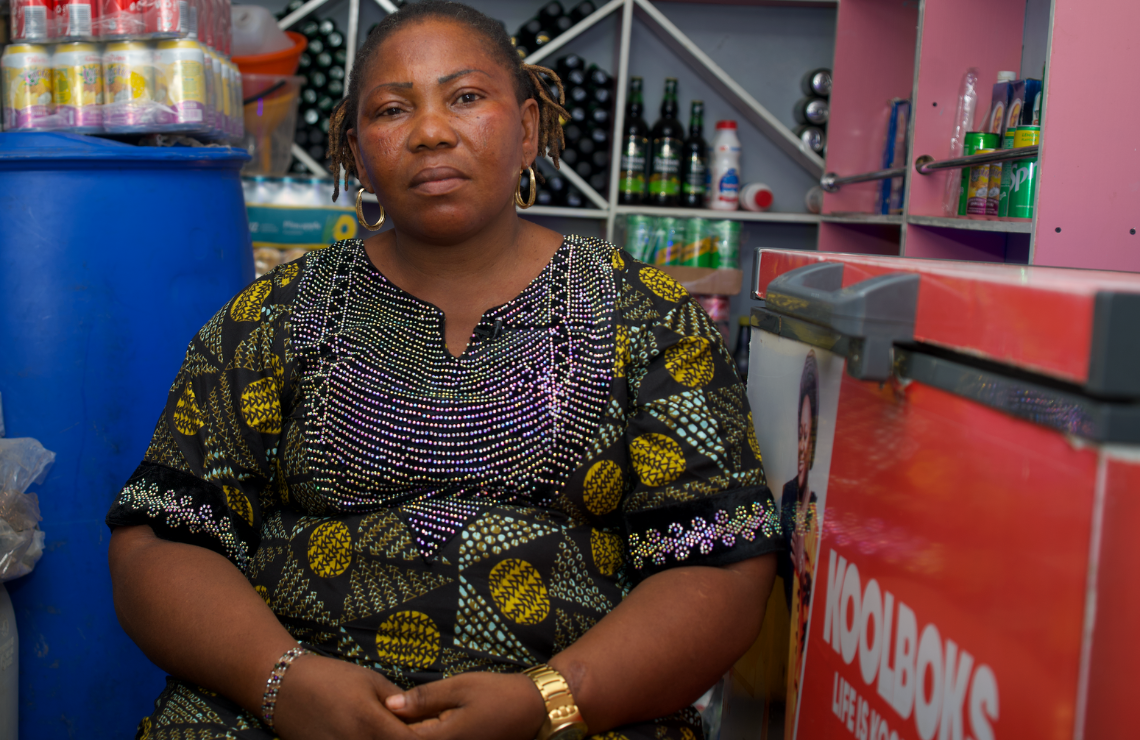
“When my customers come to me saying they have no power supply and ask how I have electricity? I tell them, "I am using Koolboks to chill my drinks.”
Doris Chuwa, Koolboks customer
CLASP Increases Access to Life-Changing Appliances
Lack of reliable access to electricity is a reality for half of the world’s population, 3.5 billion people worldwide. This energy poverty has detrimental effects on health, productivity, and livelihoods.
For close to a decade, CLASP has been working to improve access to efficient appliances that work in off-grid or weak-grid areas. These productive-use appliances (PUAs), such as solar-powered refrigerators, solar water pumps, and solar milling machines are technologies that have a direct, transformative impact on local communities, small businesses, and people’s livelihoods. As these appliances are often powered by renewable energy, they have far lower running costs for consumers, and they reduce harm to the environment and the climate.
Innovative financing for Local Distributors
Through its regional presence in four continents, CLASP has researched and worked on different mechanisms to increase access to life-changing, off-grid appliances. Since 2016, CLASP has been driving technology innovation and catalyzing appliance market growth through innovative financing. CLASP works to put efficient, affordable, high-quality appliances and equipment within reach of low-income families and communities through financing projects like the Energy Access Institutions Facility and various results-based financing initiatives like the Higher-Tier Cooking Component and Global LEAP Awards.
CLASP also initiated the Productive Use Financing Facility, a $6.5 million USD innovative financing program aimed at catalyzing the uptake of productive use appliances across East, West, and Central Africa. This innovative facility delivers support to companies through capacity-building grants, subsidies, and business support.
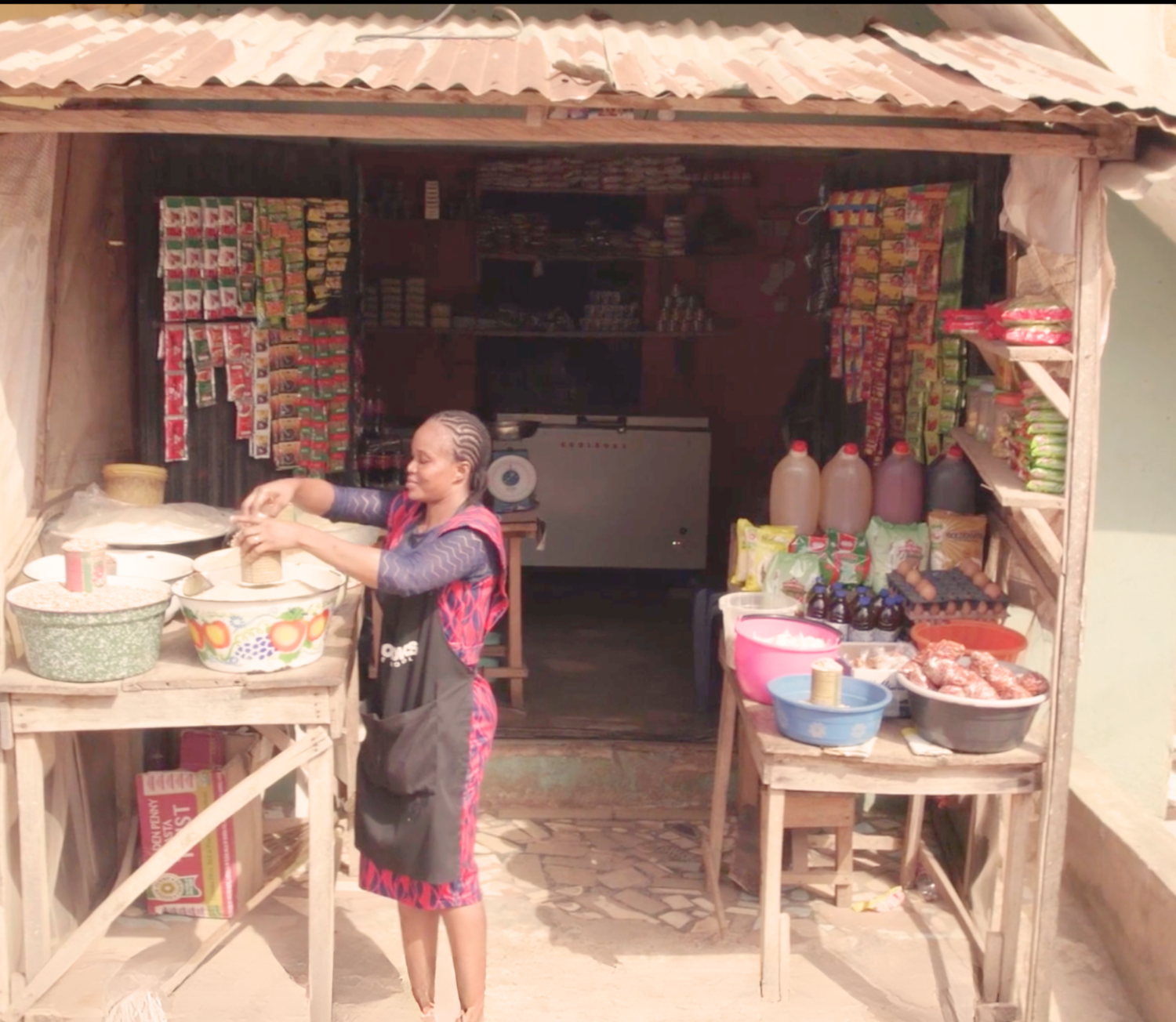
The Facility strengthens the role of appliance suppliers and distributors by providing capacity-building grants to companies like Koolboks. In addition to business support, CLASP improves appliance performance testing to verify appliance quality, ensuring Koolboks consumers receive reliable information about the efficiency and quality of the products on sale.
“Thanks to the capacity-building funds, we were able to set up the local assembly plant. Now, customers are able to have access to some amount of discounts on their product, which made it more affordable for them.” Lolade Esther Alonge, Project Manager, Koolboks
Watch the video to hear more from Koolboks and their customers on the impact of access to affordable cooling.
***
About The Productive Use Financing Facility
CLASP’s Productive Use Financing Facility, is supported by The Global Energy Alliance for People and Planet (GEAPP). It has provided financing to 24 companies in six countries, to enable the distribution of over 13,000 productive-use appliances, directly impacting more than 58,000 households.
Efficient Appliances Translate to Higher Business Revenues, Field Tests Show
CLASP recently spent several months field-testing a range of renewable appliances and technologies in Rwanda. Working with 12 entrepreneurs focused on hospitality, farming, and mobility in four districts across the country, we tested electric pressure cookers in busy restaurants, solar water pumps on working farms, and electric motorbikes. Our team collaborated with the business owners to measure the efficiency of these products, assess air quality improvements, and quantify time savings and income generated or saved.
Our findings: a direct correlation between the adoption of efficient appliances and increased incomes.

Energy-Efficient Appliances Work for People and the Planet
Energy-efficient solar water pumps, electric pressure cookers, and electric bikes have significant benefits over fossil fuel–powered equivalents, costing less to operate and producing less pollution that warms the planet and damages human health.
However, the relatively high upfront purchase price of these products, as well as the wide range in quality, efficiency, and affordability between different models, present challenges for consumers.

Impartial Tests Build Consumer Confidence
As more of these appliances have come on the market over the last two decades, CLASP has carried out extensive field testing to help consumers, distributors, and governments make sound decisions about which models to invest in. This information is particularly crucial for developing markets with little history of appliance usage or community exposure to these products. Focusing on communities without a strong electric grid, our tests provide verified, impartial information about appliance performance.
This research is critical because laboratory appliance testing can only indicate how different models perform in a controlled environment. Field testing provides data on how products operate under the rigors of real use.
About the Project
The Productive Use of Energy Pilot Study in Rwanda was conducted by CLASP and EED Advisory with the support of Sustainable Energy for All (SEforALL) and the World Bank. The appliances tested were electric pressure cookers, electric motorbikes, solar water pumps, and solar-powered fridges.
CLASP Chosen to Lead Initiative with Potential to Bring Clean Energy to Millions
Kigali, Rwanda – At the Transforming Energy Access (TEA) Forum in Kigali, Rwanda this week, CLASP was announced as the new host and manager of the Energy Access Institutions Facility, an initiative that seeks to provide core funding and technical assistance to organizations who accelerate access to life-changing, off-grid energy to millions of people around the world.
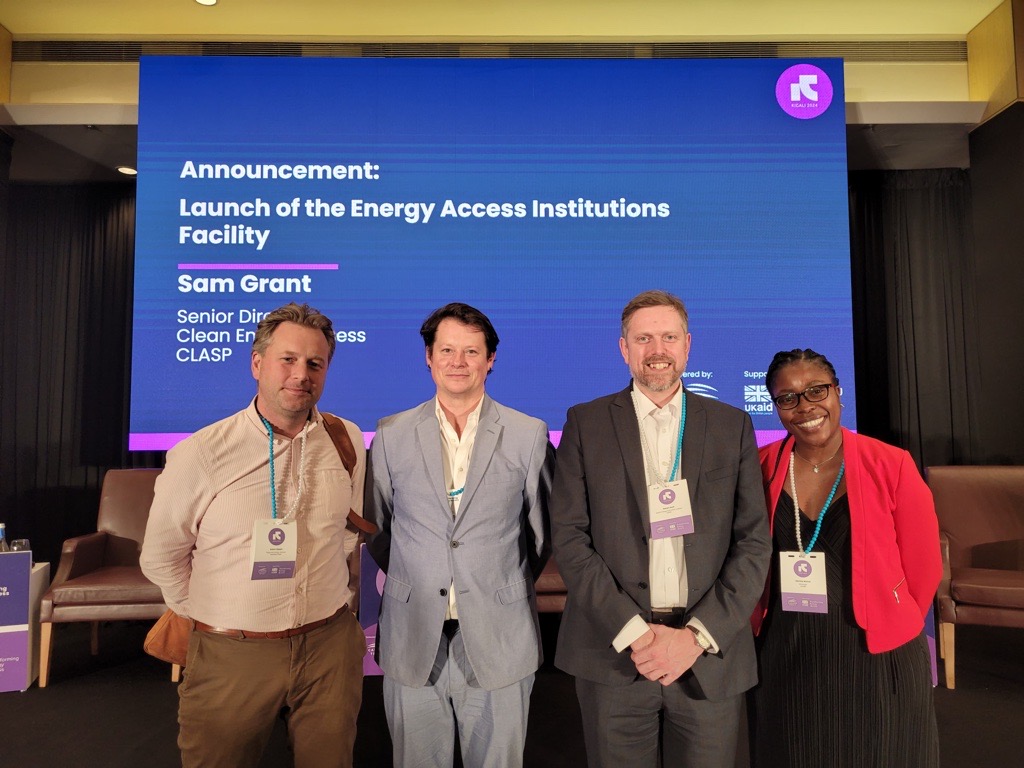
Over the next five years, the Facility’s vision is to deploy $25 million USD to a portfolio of five to ten impactful organizations, known as “market institutions”, that are working to grow the distributed renewable energy (DRE) sector. DRE systems are stand-alone, off-grid energy solutions that generate and distribute renewable energy without needing to be connected to the main grid. Expanding this sector has the potential to transform lives and livelihoods by increasing incomes, empowering women, enhancing educational opportunities, improving healthcare, reducing food waste, avoiding greenhouse gas emissions, and much more.
The Facility’s growing portfolio of organizations is expected to have reach across several countries in sub-Saharan Africa and South Asia, potentially increasing the delivery of renewable off-grid energy to millions of people from low-income communities.
Market institutions that support the following will be eligible to apply to the Energy Access Institutions Facility:
- Clean cooking solutions
- Energy efficient appliances and equipment
- Productive Use of Energy
- Standalone solar systems
- Micro grids and mini grids
This Facility is a result of multiple years of funding and commitment by the UK’s Foreign, Commonwealth and Development Office (FCDO) and the UK charity Shell Foundation (SF), and two years of incubation and development managed by Open Capital. FCDO and SF provided $5.5 million USD in seed funding to the first tranche of market institutions to prove this concept.
In the Facility’s first year, five market institutions, including the Africa Minigrid Developers Association (AMDA), Ethiopia Energy Market Accelerator (EMA), GOGLA, Nigeria Off-Grid Market Accelerator Programme (NOMAP), and the Uganda Off-Grid Market Accelerator, were the first grantees.
The Swedish International Development Cooperation Agency (Sida) has recently announced its commitment to providing approximately $4.5 million USD in funding for this next phase led by CLASP. This support will enable the Facility to disperse further funding to another round of market institutions and accelerate the Facility’s growth. In the coming months, CLASP is committed to securing additional funding from donors who have already indicated an interest in this impactful initiative.
Anders Arvidson, Senior Advisor and Team Lead in Sida’s Power Africa Team, noted:
“The Facility’s vision of accelerating access to clean energy for the world’s lowest-income people strategically aligns with Sida’s mission to reduce poverty around the world by partnering with the private sector in support of market development and mobilization of capital. We are proud to offer our support to take this initiative to its next phase, and to accelerate necessary growth in the clean energy sector. We look forward to working closely with CLASP to realize this vision.”
CLASP was selected because of the organization’s 25-year tenure as the leading, global organization advancing affordable, efficient appliances to mitigate climate change and help communities adapt and thrive. CLASP has proven expertise managing similar programs, including serving as the co-secretariat of the Efficiency for Access Coalition, an initiative supporting off-grid appliance market research and innovation; and as Operating Agent for the Super-efficient Appliance and Equipment Deployment (SEAD), a $20 million initiative under the Clean Energy Ministerial. CLASP also manages the Productive Use Financing Facility, a $6.5 million financing facility to catalyze the uptake of productive use appliances across East, West and Central Africa.
Christine Egan, CEO at CLASP, reflected on how the Energy Access Institutions Facility would push for real impact in the sector:
“The Energy Access Institutions Facility is positioned to impact and enhance millions of lives at a critical moment for sustainable development and global climate ambition. Exponentially increasing the number of people using off-grid, renewable energy and appliances will be a livelihood game changer in regions where access to traditional grid electricity is insufficient or non-existent. CLASP is committed to serving the sector and partnering with essential energy access institutions to deliver and scale collective impacts.”
In the coming months, CLASP will communicate opportunities for involvement and next steps for market-enabling organizations who are interested in participating, as well as donors who are interested in further supporting the Facility.
About the Facility
The Energy Access Institutions Facility is a joint donor initiative to support and strengthen the institutions that are essential for the achievement of Sustainable Development Goal 7, universal access to affordable, reliable, sustainable, and modern energy by 2030. The Facility is supported by the Swedish International Development Agency (Sida) and UK aid via the Transforming Energy Access (TEA) platform.
Learn more about the Facility.
About CLASP
CLASP is the leading global authority with 25 years’ expertise on how appliance efficiency drives climate mitigation, adaptation and improves the lives and livelihoods of people. An international nonprofit with offices on four continents, CLASP collaborates with policymakers, appliance manufacturers, and leading experts to deliver sound policy recommendations, innovative tools, groundbreaking research, and clear pathways to a more sustainable world for people and the planet.
Financing for Impact: Providing Affordable and Sustainable Energy Solutions in Ethiopia
Rain-fed agriculture is a fundamental pillar of the Ethiopian economy. In 2022, agriculture employed about 80% percent of the country’s workforce and contributed nearly 38% to gross domestic product (GDP).1 However, persistent droughts have posed significant challenges to farmers’ livelihoods and reduced food yields.
Off-grid irrigation as a solution
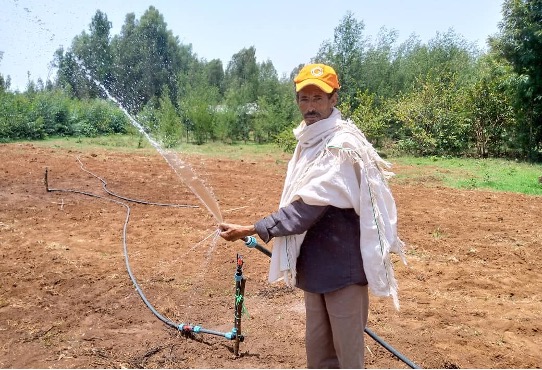
Solar water pumps are a sustainable, off-grid solution to improve small-scale irrigation, strengthen community resilience, and support sustainable economic growth. Powered by the sun, solar water pumps also reduce the use of fossil fuels, so they are less harmful to the climate. Rekik Bekele is the founder and CEO of Green Scene Energy, a thriving solar appliance distributor. Green Scene recently received business support through CLASP’s Productive Use Financing Facility to increase its supply of affordable solar water pumps.
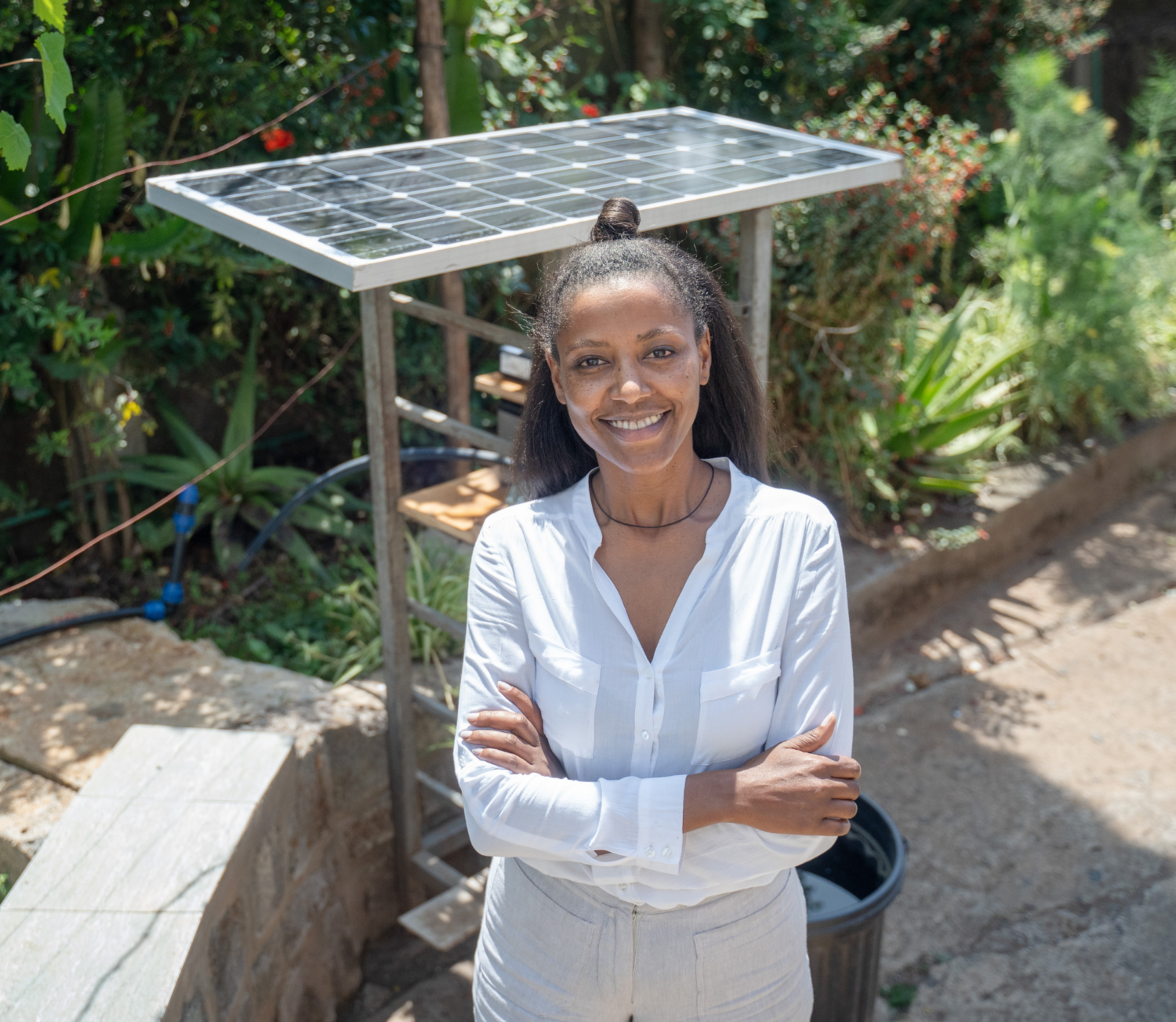
Founded by Rekik Bekele in 2016, Green Scene Energy provides affordable, high-quality solar energy products in off-grid areas of Ethiopia. Green Scene began by specializing in solar home lighting systems, later expanding its portfolio to include solar mini-grid, commercial and industrial solar engineering, procurement and construction (EPC) solutions for off-grid projects.
In 2022, in response to the growing need for irrigation pumping in rural areas across Ethiopia, Green Scene began distributing solar-powered water pumps. To date, the company has successfully positioned itself as a market leader in the provision of affordable solar water pumping systems.
Financial support catalyzing progress
Despite a growing demand for solar water pumps, the substantial upfront capital required exposes significant challenges. According to Rekik, CLASP’s Productive Use Financing Facility has been instrumental in allowing Green Scene to continue selling solar water pumps in 2023. “We had been seeking investment for some time; by the end of 2022, we were only importing small numbers of pumps at a time, using existing sales revenue,” observed Rekik.
“Green Scene’s expanded capacity to make larger, more efficient orders, is allowing us to reach many more end users. Response to the introduction of the pumps is incredibly positive. The farmers are pleased with the improvements.”
Appliances with a transformative potential
Efficient productive use appliances (PUAs), like solar water pumps, refrigerators, and milling machines, have transformative effects on local communities, small businesses, and the environment. However, despite their potential for income generation, PUA sales remain remarkably low in emerging markets due to their relatively high upfront costs and a lack of access to finance. CLASP’s innovative financing facility addresses these challenges by helping distribution companies like Green Scene sell their products at lower prices.
Multifaceted support
The Facility’s support to Green Scene is multifaceted. Subsidies to lower product prices are easing import constraints, while increased performance testing verifies product quality. A capacity-building grant is also helping with a variety of one-off costs and purchases associated with introducing new product lines.
“The funding has assisted Green Scene in selling over 50 solar water pumps,” adds Rekik. “We expect to sell at least another 250 during the upcoming months.”
According to Rekik, demand is leading Green Scene away from the sole retail of solar lighting, toward a greater focus on solar-powered productive-use appliances (PUAs). She attributes this strategic transition to the considerable success achieved with solar water pumps and a recognition of the tremendous potential within the PUA market.
Assisting customers to access finance
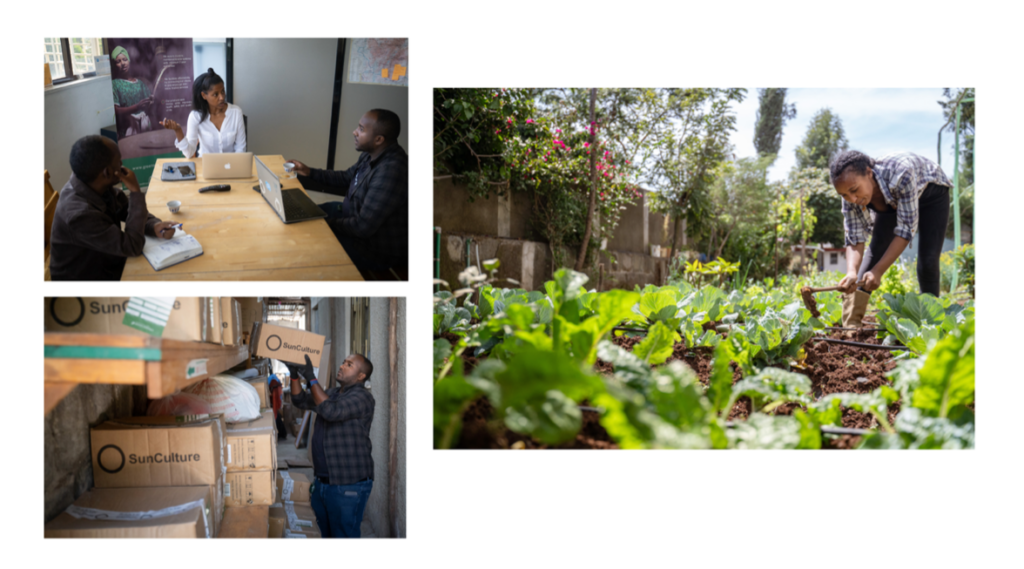
In addition to expanding and diversifying its portfolio, Green Scene Energy has also leveraged the Facility’s support to unlock consumer financing for solar water pumps. Rekik and her colleagues have been working closely with an Ethiopian bank to design the bank’s first-ever consumer loan product for solar water pumps.
“Previously, the Bank had provided loans for solar lighting to consumers through Micro-Finance Institutions (MFI),” explains Rekik. “However, solar water pumps have become more expensive and technologically complex. For the first time, the MFIs are now offering collateral-free loans for solar water pumps.”
According to Rekik, CLASP’s financing has been critical for Green Scene because it is in a scale-up stage. They have been able to use the funding to gain confidence and trust in their business, which has in turn facilitated the securing of additional private financing.
***
About The Productive Use Financing Facility
CLASP’s Productive Use Financing Facility, is supported by The Global Energy Alliance for People and Planet (GEAPP). It has provided financing to 24 companies in six countries, to enable the distribution of over 13,000 productive-use appliances, directly impacting more than 58,000 households.
0. Ethiopia – Country Commercial Guide; https://www.trade.gov/country-commercial-guides/ethiopia-agro-processing
Financing for Impact: Powering Change in Northern Uganda with Solar
Appliances Supporting Life-Saving Health Facilities
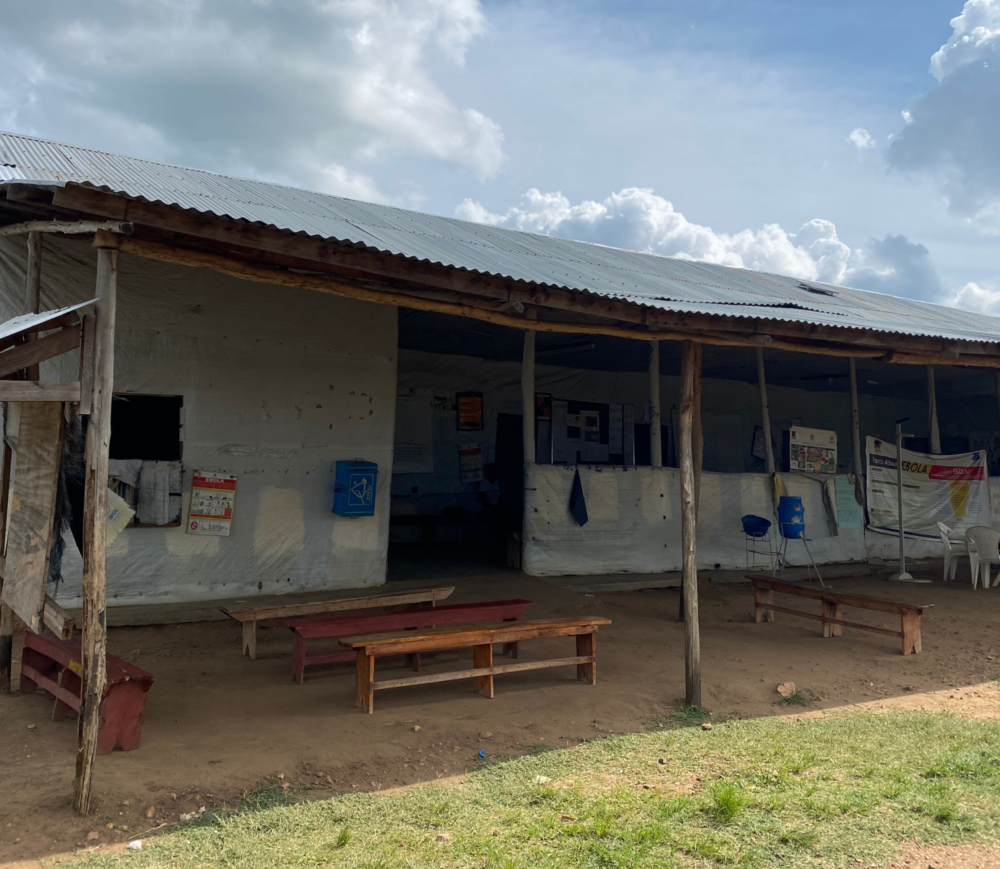
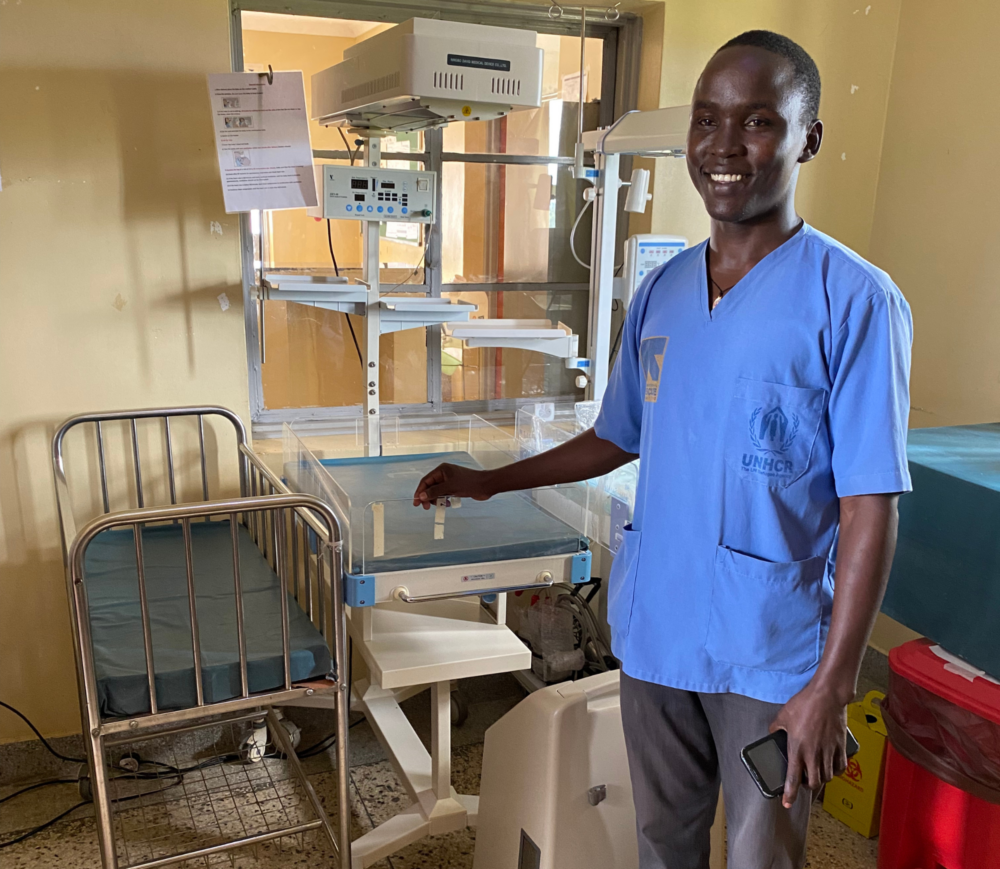
The Rhino Camp is a refugee settlement camp in Northern Uganda. Within the camp is the Ofua Health Center 3, a solar-powered medical facility with just two doctors attending to a population of over 45,000 people. Dr. Gideon Anguerini highlights a pressing challenge: the center’s reliance on a single, energy-inefficient fridge unsuitable for solar power. The health center aims to purchase an efficient solar-powered fridge from POPO Africa, an appliance distributor based in Uganda. With the fridge, the health center’s services will be expanded, its energy costs significantly lowered and it can treat more patients.
Delivering Change through Solar Solutions
From the outset, POPO Africa’s vision aimed at enhancing maternal health by ensuring that clinics in refugee camps had reliable solar lighting powered by solar battery packs. This expanded, as the company moved into leasing the battery packs to the wider community.
POPO’s solar batteries are a lifeline for community businesses, enabling them to operate after dark, offer phone charging services, and more. With 54 distribution points across five districts, POPO’s impact is widespread, directly employing 75 people and indirectly supporting many more through their distribution network. POPO Africa also places a strong emphasis on women’s economic empowerment, boasting a workforce that is 70% female.
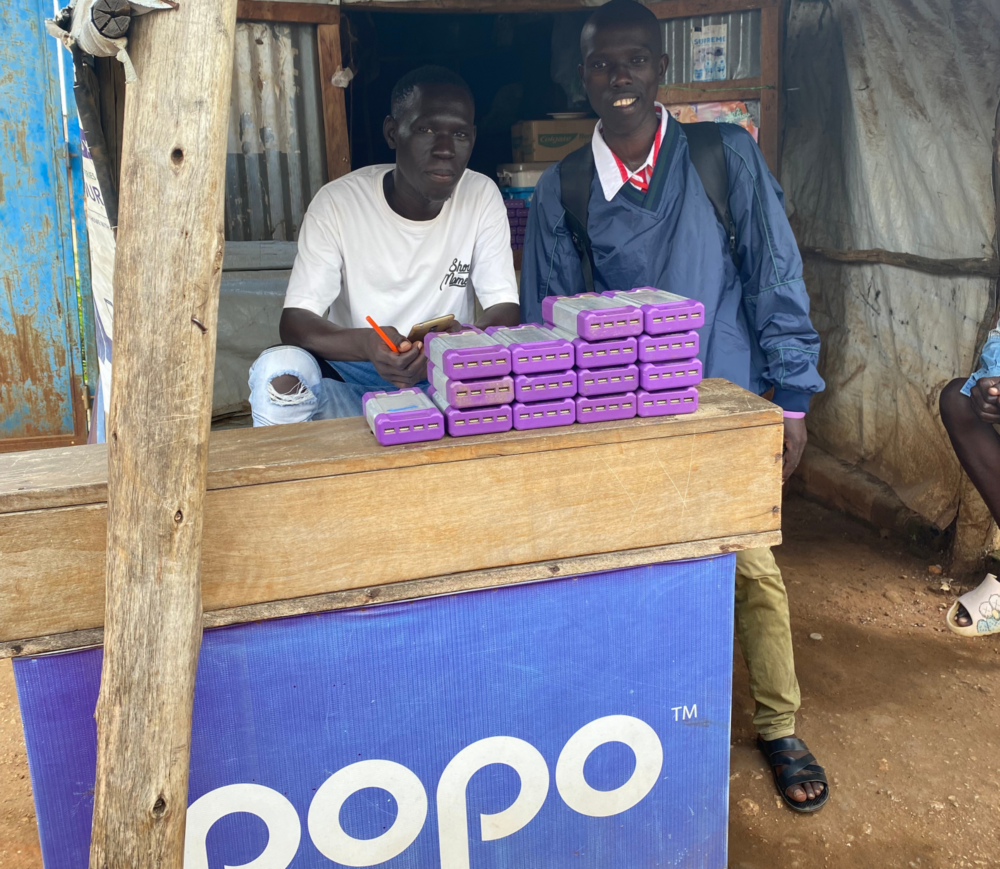
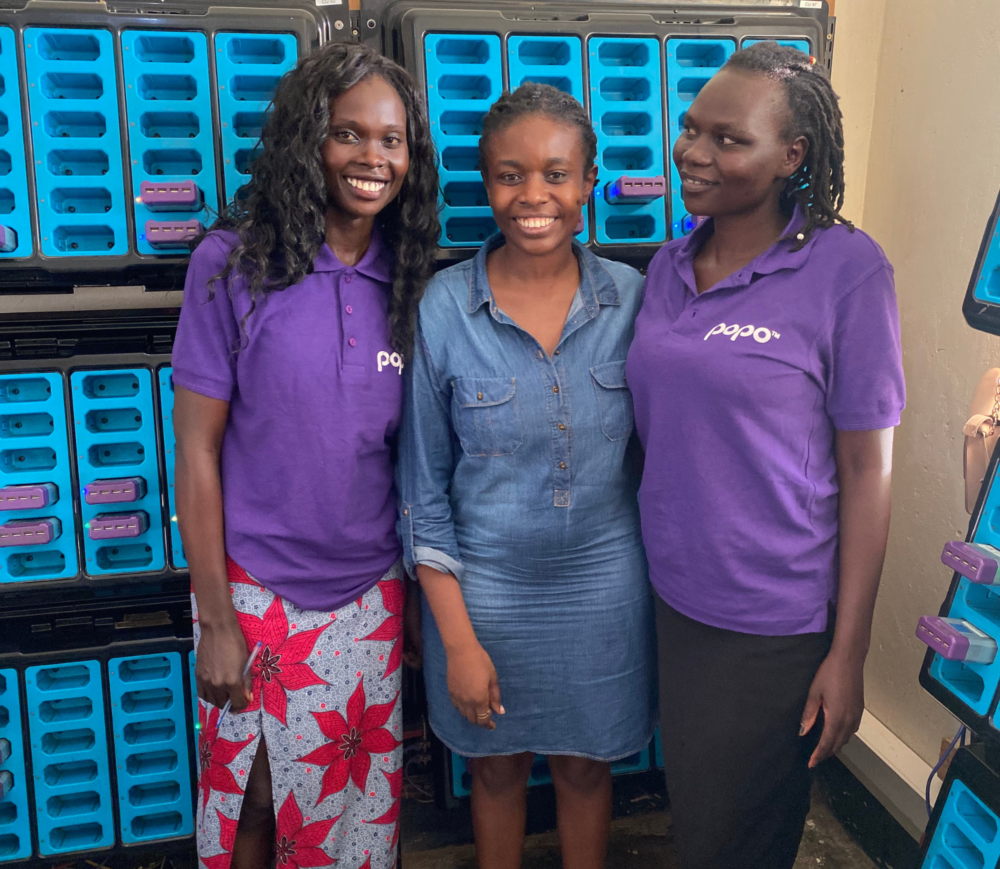
Recognizing the critical need for cooling services POPO aimed to revolutionize the off-grid cold chain service in Northern Uganda. The only barrier to this was capital constraints. POPO could not pursue the cold chain opportunity without external support. With funding from CLASP’s Productive Use Financing Facility, POPO was able to start selling solar-powered refrigerators, that will benefit healthcare facilities and empower local businesses.
Transformative, Impactful Financing
Efficient productive-use appliances (PUAs) like solar-powered refrigerators, pumps, and milling machines can have transformative effects on local communities, small businesses, and the environment. However, despite their potential for income generation, PUA sales remain remarkably low in emerging markets due to their relatively high upfront costs and a lack of access to finance. CLASP set up the Productive Use Financing Facility to address these challenges by helping distribution companies like POPO Africa sell their products at lower prices.
Overcoming Capital Constraints
With CLASP’s Facility’s procurement subsidies and capacity-building grant, POPO is working to sell approximately 140 refrigerators within a year. They have made that transformative step into the cold chain market and are now extending affordable, off-grid cooling to their customers, like the Ofua Health Center.
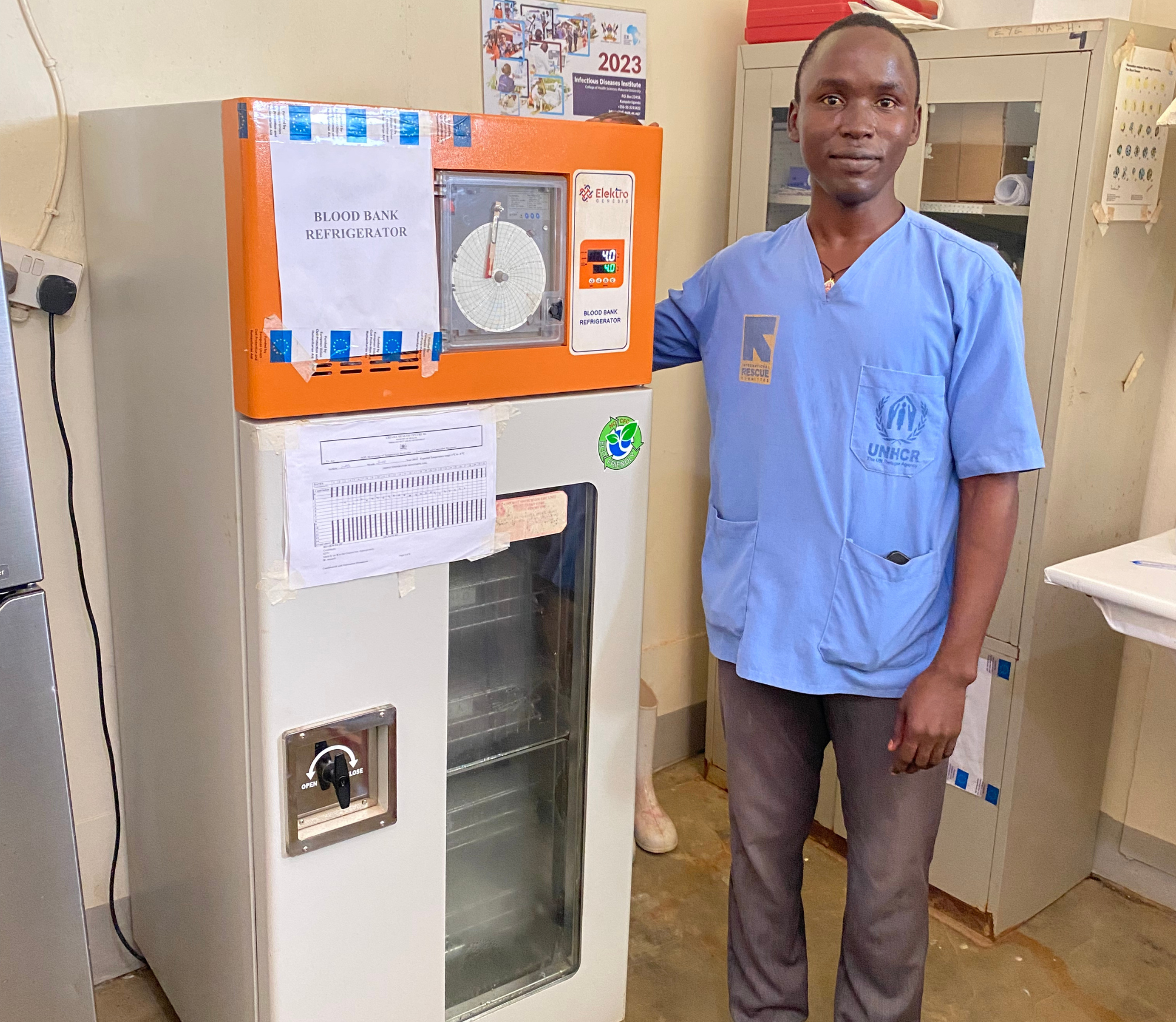
With each solar-powered battery and refrigerator, POPO is helping to build a future where energy is accessible, businesses thrive, and healthcare advances, even in the most remote corners of the world.
***
About The Productive Use Financing Facility
CLASP’s Productive Use Financing Facility, is supported by The Global Energy Alliance for People and Planet (GEAPP). It has provided financing to 24 companies in six countries, to enable the distribution of over 13,000 productive-use appliances, directly impacting more than 58,000 households.
0. Ethiopia – Country Commercial Guide; https://www.trade.gov/country-commercial-guides/ethiopia-agro-processing
Securing Year-Round Water Supply On Small Farms In Rwanda
Cosmos Ntare’s farm is in Kayonza, three hours outside of Kigali. Until recently, his ability to grow his main crops — peas, mangoes, oranges, maize, and beans — was limited by the availability of water. “Without irrigation, you only have two seasons to grow crops,” he points out. “With irrigation, I will be able to grow crops in the third season, the dry season.”
Water has also posed a challenge for Ntare’s livestock operations. He keeps several cows and goats at the top of a hill, where it can be difficult to transport heavy liquids.
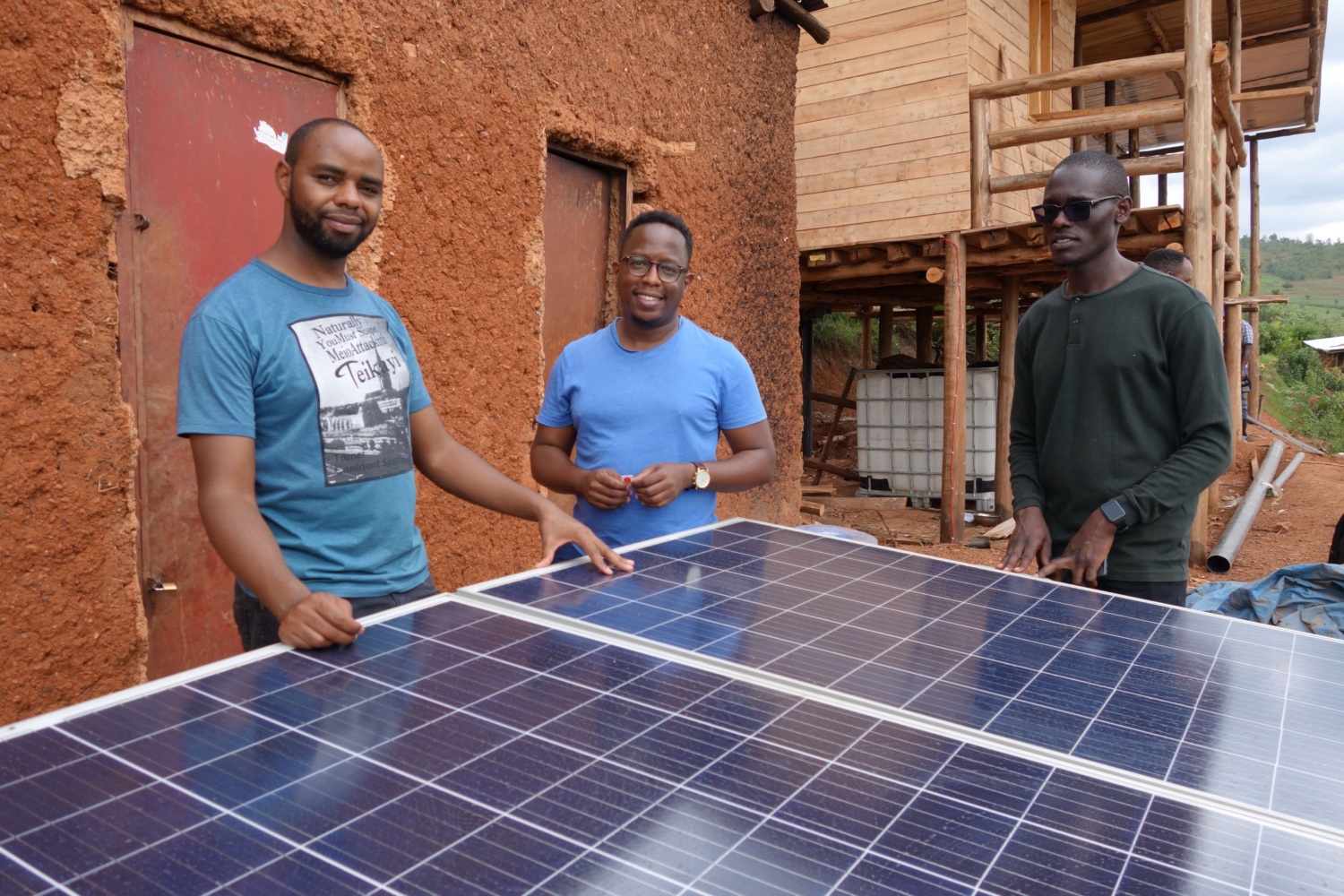
To support Ntare in overcoming these issues, CLASP selected his farm to field test a solar water pump. Ntare had seen these devices on display in shops in Kigali, but hadn’t had the opportunity to try one out yet due to their cost.
Testing clean irrigation solutions
Secure irrigation is becoming a necessity as our planet heats. Solar water pumps are off-grid appliances that use sunlight for power. Photovoltaic panels generate electricity that powers a motor, allowing the pump to draw water from either under the ground or from ponds, lakes, and rivers.
By ensuring a regular supply of water, these pumps can increase a farm’s yield. In addition, they avoid the use of diesel pumps for off-grid electricity, so they have cheaper running costs and lower greenhouse gas emissions.
To understand how these productive use appliances perform in a working farm over time, CLASP and Sustainable Energy for All (SEforALL) selected Ntare’s farm to field-test a solar water pump for four months. CLASP’s team set up the pump, along with monitors designed to measure its efficiency. The researchers are also surveying the farmers during the testing period to understand whether these appliances are a good fit for their needs.
Measuring efficiency and business viability
While laboratory testing gives a glimpse of appliance performance in a controlled environment, it provides only a limited representation of how products operate under the rigors of real use. Field testing like that underway at Ntare’s farm is critical to measure the appliance’s efficiency and durability over an extended period of time. It can quantify time savings and additional income generated or saved, as well as calculate avoided CO2.
These measurements are particularly important in markets where there may not be a history of appliance usage or community awareness of how appliances can impact the livelihoods of first-time users.
About the project
This project is part of the Productive Use of Energy Pilot Study in Rwanda, conducted by CLASP with the support of Sustainable Energy for All (SEforALL) and the World Bank. The appliances being tested are electric pressure cookers, electric bikes, solar water pumps, and solar-powered fridges.
CLASP works enhance the access to affordable, energy-efficient appliances to improve the lives of people and reduce the impact on our climate.
0. Ethiopia – Country Commercial Guide; https://www.trade.gov/country-commercial-guides/ethiopia-agro-processing
Net Zero Heroes Event: The Essential Appliances for Climate Action
On 28 November 2023, CLASP hosted a virtual launch of the landmark publication ‘Net Zero Heroes: Scaling Efficient Appliances for Climate Change Mitigation, Adaptation & Resilience’. The event showcased how ten essential appliances, the #NetZeroHeroes, are crucial for achieving global climate objectives and advancing climate adaptation and resilience efforts.
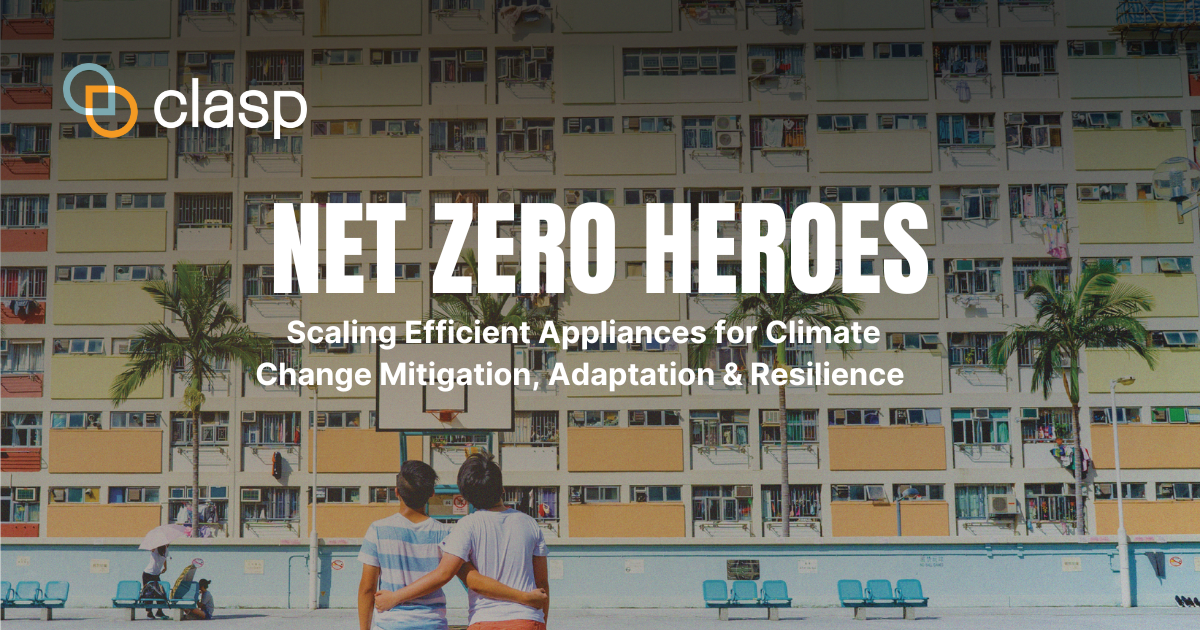
Watch the recording to hear inspirational case studies and powerful data that prove the effectiveness and scalability of affordable, efficient appliance solutions. The Net Zero Heroes flagship report is launched ahead of the 2023 United Nations Climate Change Conference Conference (COP28) to be held in Dubai, United Arab Emirates (30 November-12 December 2023).
Event speakers
Our event featured a diverse group of experts who shared their insights and experiences in the world of energy efficiency, climate action, and appliance innovation.
- Axum Teferra – Clean Cooling Collaborative
- Christine Eibs Singer – Shine Campaign
- Christine Egan – CLASP
- Duncan Gibb – Regulatory Assistance Project (RAP)
- Oliver-Bealby Wright – Consumers International
The event was moderated by Joyita Mukherjee, a CLASP board member and expert in international development and blended finance.
Follow our #NetZeroHeroes digital campaign on social media.
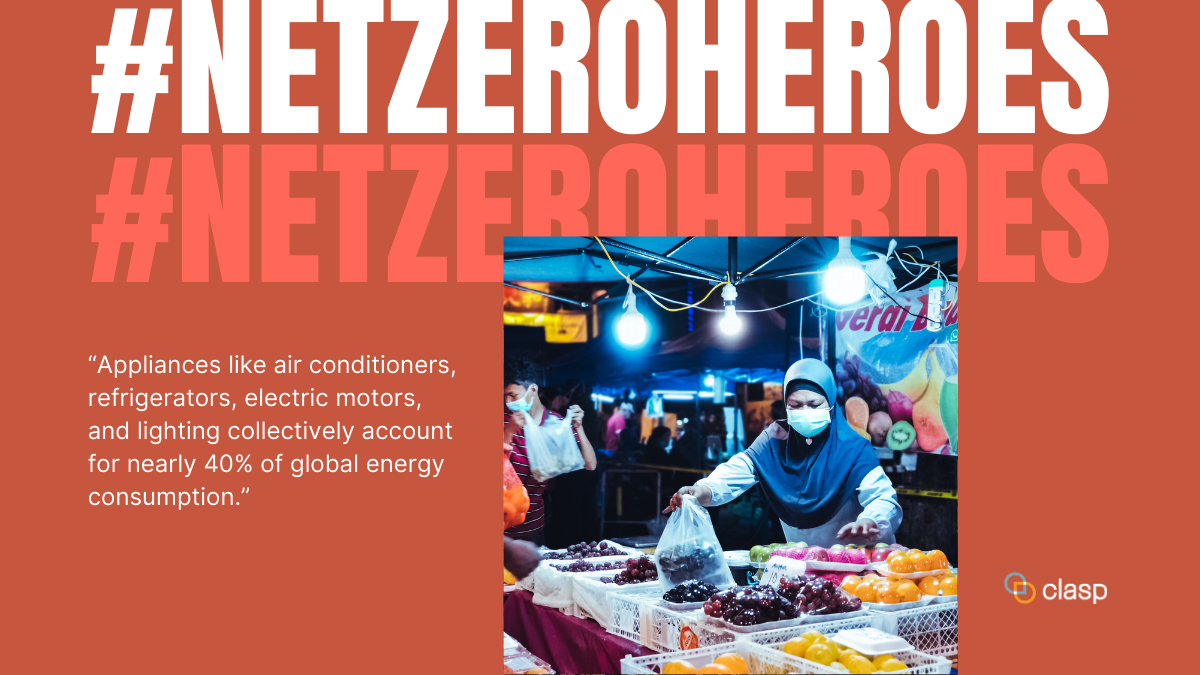
CLASP's Net Zero Heroes Air Conditioners, Comfort Fans, Refrigerator-Freezers, Heat Pump Space & Water Heaters, Electric Motors, Electric Cookers, Televisions, Solar Water Pumps
0. Ethiopia – Country Commercial Guide; https://www.trade.gov/country-commercial-guides/ethiopia-agro-processing
Unlocking Green Jobs for Rural Youth in Solar Irrigation
Driven by the sustainable growth of the market for solar-powered irrigation systems (SPIS) in Kenya, valued at approximately USD 30 million, the sector is offering expanding job opportunities. In Kenya alone, the SPIS sector is projected to create approximately 7,000 to 10,000 direct jobs by 2027. These well-paying and impactful positions can offer employment to rural youth who often face challenges accessing education, employment, or training.
Efficiency for Access, in collaboration with Dalberg, is committed to equipping these young individuals with the essential hard and soft skills to excel in the SPIS sector. Given that opportunities in this sector often demand specialized skills that are in short supply among youth, we are introducing a pilot program that will provide SPIS training to young adults post-high school. This specialized training not only meets the needs of underemployed youth but also addresses the growing demand for skilled labor as the solar irrigation sector continues to expand.
Through the successful implementation of this program, Efficiency for Access’ and Dalberg’s aim is to establish a blueprint and proof of concept that can be replicated in other regions and in the broader realm of green jobs, particularly within the productive-use renewable energy (PURE) sector.
Learn more about Efficiency for Access’ pilot concept and how you can be a part of this initiative.
If interested in collaborating, please contact:
- Sam Grant, Senior Director, Clean Energy Access, CLASP, sgrant@clasp.ngo
- Charlie Habershon, Associate Partner, Dalberg, Charlie.Habershon@dalberg.com
Download the Unlocking Green Jobs for Rural Youth in Solar Irrigation presentation to learn more.
About Efficiency for Access
Efficiency for Access is a global coalition working to promote high-performing, energy-efficient appliances that enable access to clean energy for the world’s poorest people. It is a catalyst for change, accelerating the growth of off-grid appliance markets to boost incomes, reduce carbon emissions, improve quality of life, and support sustainable development. The Efficiency for Access Coalition is coordinated jointly by CLASP, an international not-for-profit appliance energy efficiency and market development specialist organization, and UK’s Energy Saving Trust, which specializes in energy efficiency product verification, data and insight, advice, and research.
0. Ethiopia – Country Commercial Guide; https://www.trade.gov/country-commercial-guides/ethiopia-agro-processing