
$1.5M USD Awarded for Income-Generating Appliances in Africa
Nairobi, Kenya, 9 July 2026—Nineteen productive use appliance companies across Kenya, Nigeria, and Ethiopia have been awarded $1.5 million USD through the Productive Use Financing Facility (PUFF) to expand access to income-generating solar appliances for entrepreneurs and small businesses.
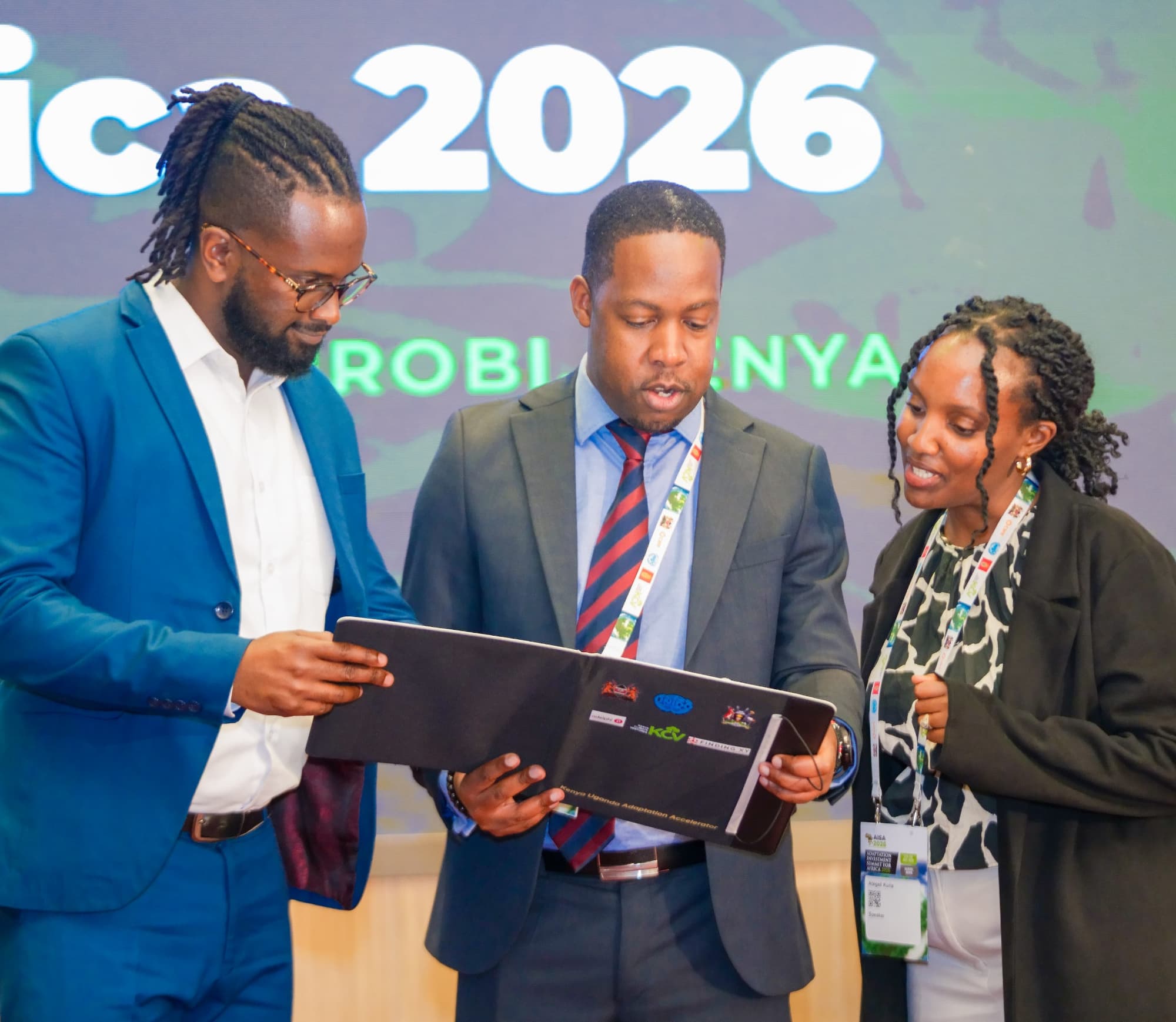
The funding, announced by CLASP at the Adaptation Investment Summit 2026, will help beneficiaries to increase productivity, create jobs, and grow local economies. The funding targets to deploy 3,800 productive use equipment (PUE), supporting over 3,000 green jobs across the three countries.
The selected beneficiary companies are:
- Five from Ethiopia: Awdi Negesti Special Purpose Machinery Manufacturing, Center for Applied Manufacturing Service & Engineering, Green Scene Energy PLC, Inter Ethiopia, Zicon Trading
- Six from Kenya: Agsol Limited, Epicenter Africa Limited, Plexus Energy Limited, Suncool Storage, SunCulture Kenya Limited, Sunspot Energy Kenya (Spark Possibilities)
- Eight from Nigeria: Asolar System Nigeria Limited, Ceesolar Energy Limited, Cloud Energy Photoelectric, Consistent Energy Ltd, D@ech Nig Ltd, Ecotutu, Sosai Renewable Energies, GreenPower Overseas Limited
While electricity access across Africa continues to grow through initiatives such as Mission 300, many businesses lack access to the appliances needed to turn energy into jobs, income, and opportunity. These appliances include solar-powered water pumps, solar-powered refrigeration, solar-powered milling equipment, and other income-generating appliances. High upfront set up costs and costs associated with running inefficient appliances are the primary barriers for growth for businesses in Africa.
PUFF, an initiative managed by CLASP and supported by the Global Energy Alliance for People and Planet, will fund the selected companies to help reduce upfront production costs and make the appliances more affordable and accessible to farmers, entrepreneurs, and small businesses across the target regions. This access will enable more entrepreneurs to grow their businesses, creating increased income and impact for their families and communities.
Commenting on the initiative, Emmanuel Aziebor, Senior Director, Africa at CLASP, said, “Africa’s economic future depends not just on expanding access to electricity, but on ensuring that energy powers businesses, creates jobs, and improves livelihoods. The technologies already exist. The challenge is making them accessible to the entrepreneurs who need them most. Through PUFF, we are helping bridge that gap so more businesses can invest, grow, and drive local economic development.”
The selected companies are entering a sector with considerable room to grow: The productive use appliances (appliances that generate income) sector currently reaches less than 1% of the serviceable African market. If the sector was able to bridge that gap, it would lead to more jobs and increased incomes, reaching an income potential of almost $16 billion USD each year and the creation of 50 million new jobs over the next decade.
Carol Koech, Vice President for Africa at the Global Energy Alliance, said, “We understand that creating access to affordable capital is essential for accelerating the adoption of renewable energy technologies. Our goal is to empower African entrepreneurs with the tools to grow their businesses by aligning finance, technology, markets, and enabling policies that do this while accelerating more equitable energy transition across the region.”
“What we’ve learned through PUFF is that the market is ready,” said William Mulehi, Senior Manager at CLASP. “The next step is helping businesses overcome the upfront cost of investing in productive-use appliances. This second round of funding is designed to do exactly that, enabling the selected companies to adopt technologies that will enable them reach more entrepreneurs and expand into new markets.”
PUFF has a proven track record. The initiative provided $2.7 million USD in its first round of funding between 2022 and 2024 to support the sale of almost 16,000 income-generating appliances across the region, directly impacting over 53,000 people across Africa.
About the Productive Use Financing Facility
The Productive Use Financing Facility (PUFF) is an innovative program that provides grants, procurement subsidies and technical assistance to suppliers and distributors in order to lower appliance prices and reach more customers. This makes it easier for small businesses, entrepreneurs, and households to buy energy-efficient technologies, such as solar water pumps, mills, and refrigerators, at favorable prices.
This program is supported by the Global Alliance for People and Planet. For more information, read the financing facility 2.0 press release, contact financing@clasp.ngo, and follow us on LinkedIn for regular updates on how the financing facility is benefiting people and our planet.
About CLASP
CLASP is the leading global authority on efficient appliances’ role in fighting climate change and improving people’s lives. With 25 years of expertise and offices on four continents, CLASP collaborates with policymakers, industry leaders, and other experts to deliver clear pathways to a more sustainable world for people and the planet.
About the Global Energy Alliance for People and Planet
Global Energy Alliance for People and Planet is a global nonprofit that builds public, private, and philanthropic partnerships to accelerate clean energy and economic opportunity. Founded in 2021 by The Rockefeller Foundation, IKEA Foundation and Bezos Earth Fund, we build the technical, financial and institutional foundations that make clean energy investable and scalable across emerging economies. Our work is anchored in two mutually reinforcing global pillars that together address the market fragmentation that has historically slowed down progress on energy access and economic development. Grids of the Future strengthens energy supply through AI-enabled, renewables-ready power grids. Powering Opportunity builds demand, helping people harness clean energy to power businesses, create jobs and drive economic growth. Together, these pillars create a reinforcing cycle of abundant energy and economic opportunity.
With 130 projects across Africa, Asia and Latin America and the Caribbean, we are on track to reach 91 million people with clean energy, create or improve more than 3 million jobs and prevent nearly 300 million tons of carbon emissions. For more information, please visit www.energyalliance.org and follow us on LinkedIn.
Media contacts
Evelyne Kopar
ekopar@clasp.ngo
Catherine Karanja
catherine.karanja@quillhouse.co.ke
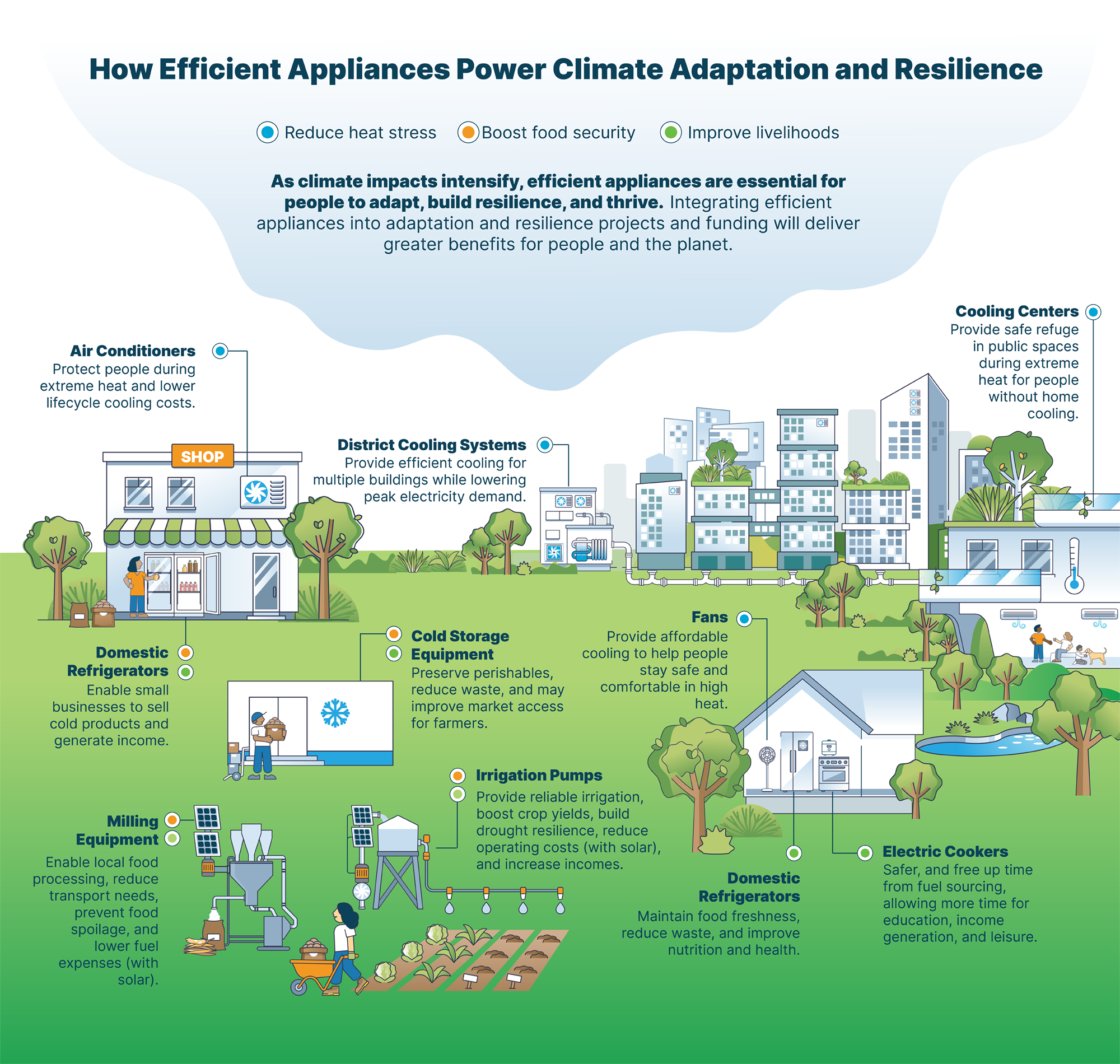
Powering Thriving Communities: Efficient Appliances for Climate Change Adaptation and Resilience
CLASP
In India, Solar-Powered Crop Storage Helps Farmers and the Economy
For Lokratnam, a farmer in Andhra Pradesh, India, some of the biggest challenges in her work used to begin after the harvest. Heatwaves, floods, and a lack of refrigerated storage often forced her to watch her produce rot or sell it as quickly as possible.
“All our produce would get spoiled, and we would throw it out as waste. Whatever was left, we used to sell, but at rock-bottom prices, with no profits to show for it,” she said.
Her experience reflects a wider reality across many low- and middle-income countries. According to the United Nations, a lack of refrigeration is a key driver of food waste, resulting in the loss of roughly 12% of the world’s produce—enough to feed an estimated 1 billion people—in 2017.
In India, the world’s second-largest producer of fruits and vegetables, crop loss has serious implications for the national economy. According to the Ministry of Finance, agriculture and related fields account for roughly 16% of the nation’s GDP and employ approximately half of its workforce. But 30 to 40% of India’s fruits and vegetables are lost after harvest, dramatically reducing farmers’ earning potential.
Room-size refrigerated storage equipment, often referred to as cold storage units or walk-in cold rooms, can change this reality. By keeping fruits and vegetables fresh for longer, cold storage units reduce losses and give farmers more control over when they sell their crops and for what price. For farmers, this translates to increased profits, a more stable income, and improved livelihoods. For the nation, it means economic growth.
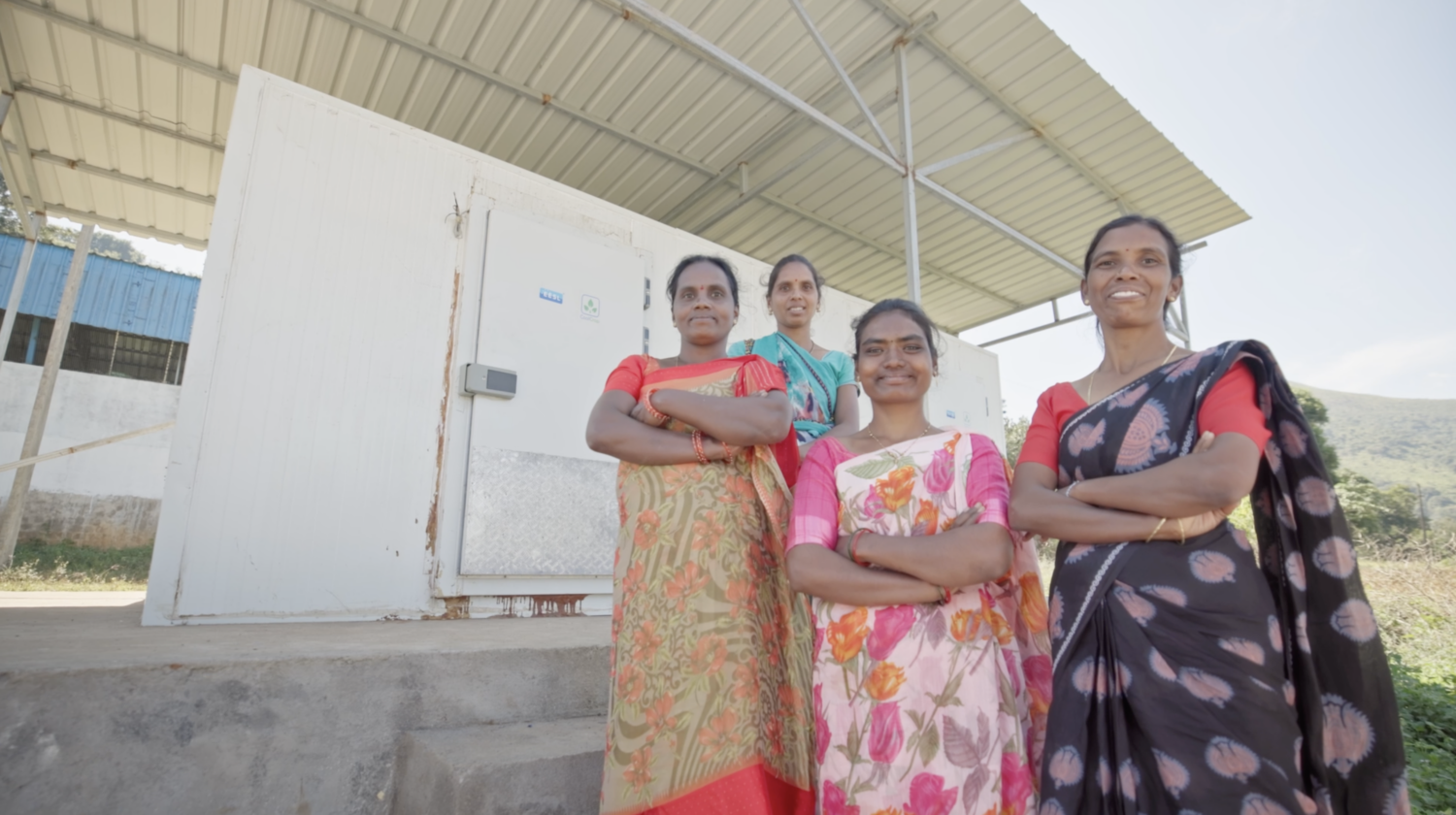
Solar energy is key to helping more Indian farmers access cold storage units, making it possible to locate this equipment in rural areas, where the power grid is often absent or unreliable. Solar-powered systems offer dependable, affordable solutions for storing produce close to where it is grown.
India’s government is working to help more farmers access this important solution. Energy Efficiency Services Limited, a joint venture under the Ministry of Power, is collaborating with CLASP to expand access through the Low-Energy Inclusive Appliances (LEIA) programme, a flagship research, development, and demonstration initiative under Efficiency for Access.
The collaboration began with the installation of six micro solar cold storage units across the states of Andhra Pradesh, Gujarat, Himachal Pradesh, Karnataka, and Odisha. Financing from The Asia Development Bank covered 75% of the capital costs, with farmers paying the rest.
There are now plans to deploy up to 150 units nationwide, unlocking $3.6 million in financing from the Indian government, private investors, and farmers (who are receiving loans to help cover their costs).
This effort will one day reverberate across India’s economy. For farmers like Lokratnam, however, the benefits are immediate and tangible.
“Now, with the cold storage, we are able to keep our custard apple, tamarind, and honey fresh and sell them later,” she said, referring to high-value crops. “It has changed everything for us, bringing profits without any losses.”
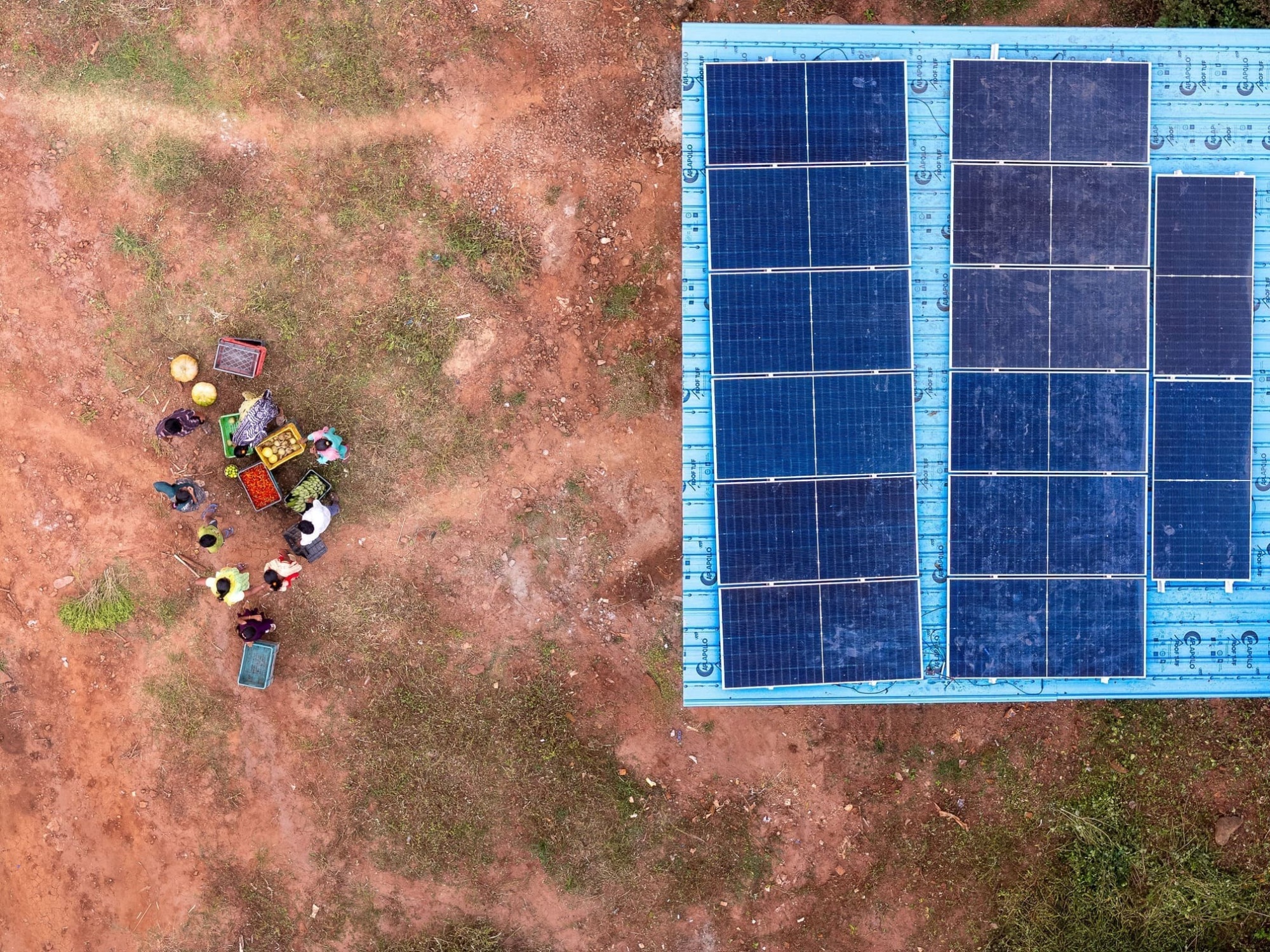
Farmers gathered beside a solar-powered cold storage unit.
CLASP
Source list
“Agriculture and Food Management: Raising Productivity, Securing Incomes and Ensuring Food Security.” In Economic Survey 2025–2026. Government of India, Ministry of Finance. Accessed May 21, 2026.
Food and Agriculture Organization of the United Nations. “India at a Glance.” Accessed May 21, 2026.
Government of India, Press Information Bureau Delhi. “Highlights of Economic Survey 2024–25.” Accessed May 21, 2026.
Ranjan, Juhi, and Ramesh Sahni. “Post Harvest Losses of Fruits and Vegetables in India.” Ropan, September 2023, 41–45.
Sustainable Food Cold Chains: Opportunities, Challenges and the Way Forward. United Nations Environment Programme and Food and Agriculture Organization of the United Nations, 2022.
2025 CLASP Annual Report
Collective action for people,
prosperity, and planet.
A note from CLASP’s CEO,
Christine Egan
Appliance and equipment energy efficiency is a triple-win for people, planet, and prosperity. In a time of multiplying global crises, it stands out as a durable climate solution and key element of smart decarbonization strategies. It also creates jobs and improves livelihoods, enhances energy security and food system resilience, and helps people adapt to a changing climate.
Looking back at 2025, I’m wowed by the work of CLASP’s global team and dedicated partners, and the focus of the decisionmakers we support. Through purposeful collaboration, we forged the policy instruments, finance, and intelligence to drive positive momentum.
Together, we are changing the way we use energy.

2025 by the numbers:
4.6 Gt 18 CLASP-supported appliance and equipment efficiency policies will avoid 4.6 gigatons of CO2 by 2050, improving planetary and human health and saving money.
30K+ Over 30,000 people experienced improved health and livelihoods via access to efficient, solar powered appliances and equipment.

Skyline of Jakarta, Indonesia
Image credit: CLASP
Elevating Appliance Efficiency in National Climate Commitments
What we did
Ahead of COP30, CLASP led a global campaign to improve inclusion of appliance and equipment energy efficiency in national climate goals (nationally determined contributions or NDCs).
How we did it
Through our Net Zero Appliance NDC Toolkit and bespoke support for governments around the globe, CLASP elevated appliance efficiency policy as a key climate mitigation solution. Now, appliance and equipment efficiency policy is included in 90% of all submitted NDCs—up from below 50% in the last cycle.
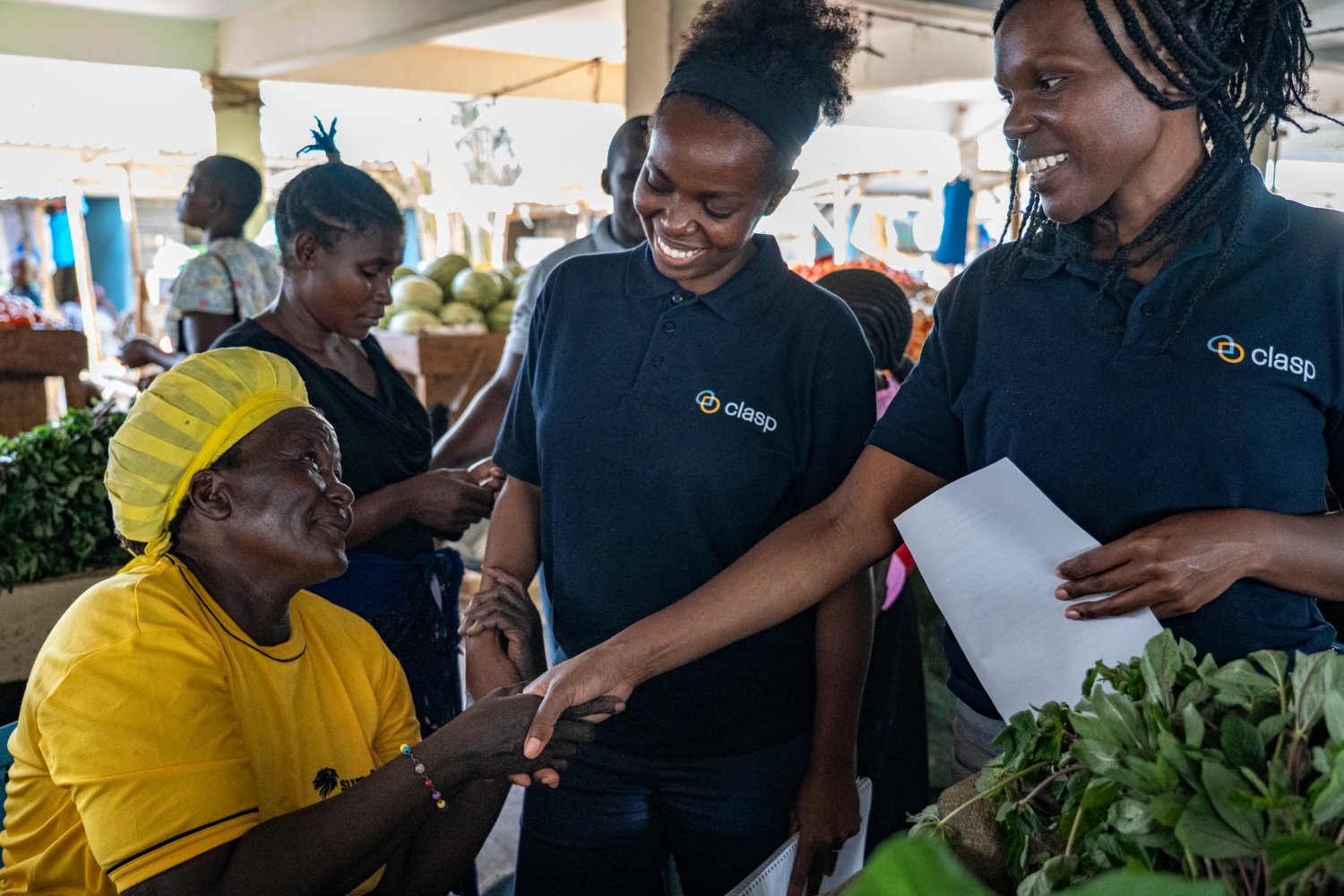
Image credit: CLASP
Powering Africa’s Green Economy
Solar-powered appliances and equipment turn energy into opportunity, helping small businesses generate jobs and income. In 2025, CLASP re-launched our innovative Productive Use Financing Facility to make it cheaper and easier for entrepreneurs, farmers, and small businesses in Ethiopia, Kenya, and Nigeria to buy solar-powered appliances and equipment that power livelihoods. Last year, CLASP partnered with 11 companies to drive jobs and economic growth in Africa’s informal and agricultural sectors, which make up 70-80% of African economies.
Slashing Emissions Through Smart Policy
Australia
National leaders passed a lighting policy that will transition Australia’s market to an all-LED future and avoid 41 Mt of CO₂ by 2050, informed by CLASP-led analysis.
Brazil
Policymakers made strides in Brazil’s LED transition with CLASP’s support, approving a lighting policy package that will slash nearly 3 Mt CO₂ by 2050.
China
CLASP supported seven major policy updates, including for compressed air systems, refrigerators, and water pumps. Altogether, the new policies are estimated to cut nearly 3 Gt CO₂ by 2050.
India
CLASP supported the advancement of policies for space cooling appliances that will place India among global leaders in efficiency and cut 1.2 Gt CO₂ by 2050.
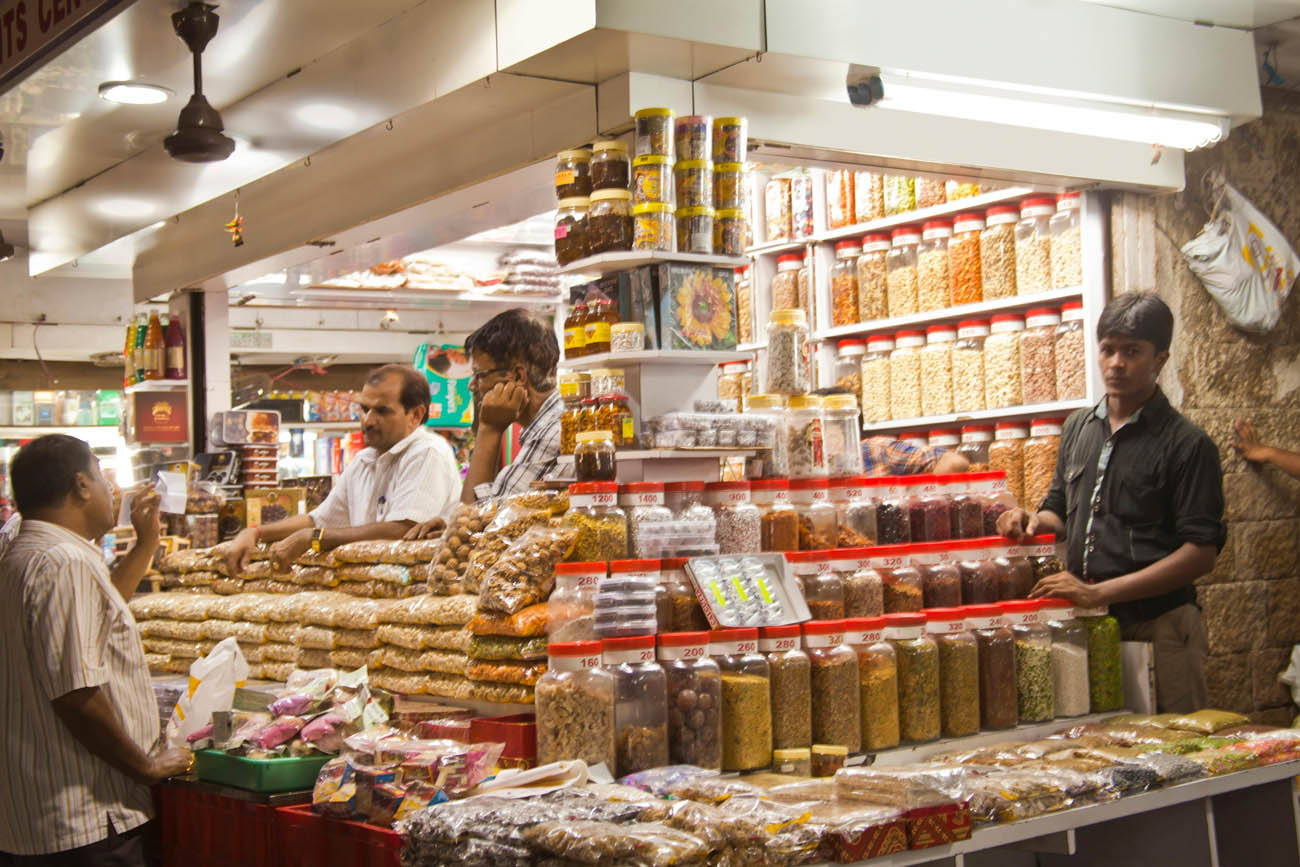
Image credit: ImageDB
Making Efficient, Affordable Fans the New Standard in India
India is one of the places on the planet most at risk of extreme heat. 90% of households rely on fans as their only form of space cooling. CLASP partnered with government and private sector partners to drastically improve fan efficiency, availability, and affordability. A major part of the effort was supporting small and medium enterprises to improve their production capacity.
The impact has been catalytic. Together, CLASP and partners cut energy demand and climate emissions from cooling, while safeguarding jobs, strengthening local supply chains, and making efficient cooling more affordable to the people who need it.
Joining Up with the Modern Energy Cooking Services (MECS) Programme
CLASP joined the UK Aid-supported MECS programme as a core partner alongside Loughborough University and the World Bank’s ESMAP. CLASP now leads on venture building and market shaping, helping e-cooking businesses scale up. In 2025, CLASP launched the Global LEAP Awards Induction Cooktops Competition to identify and promote the most innovative electric cooktops on the market.
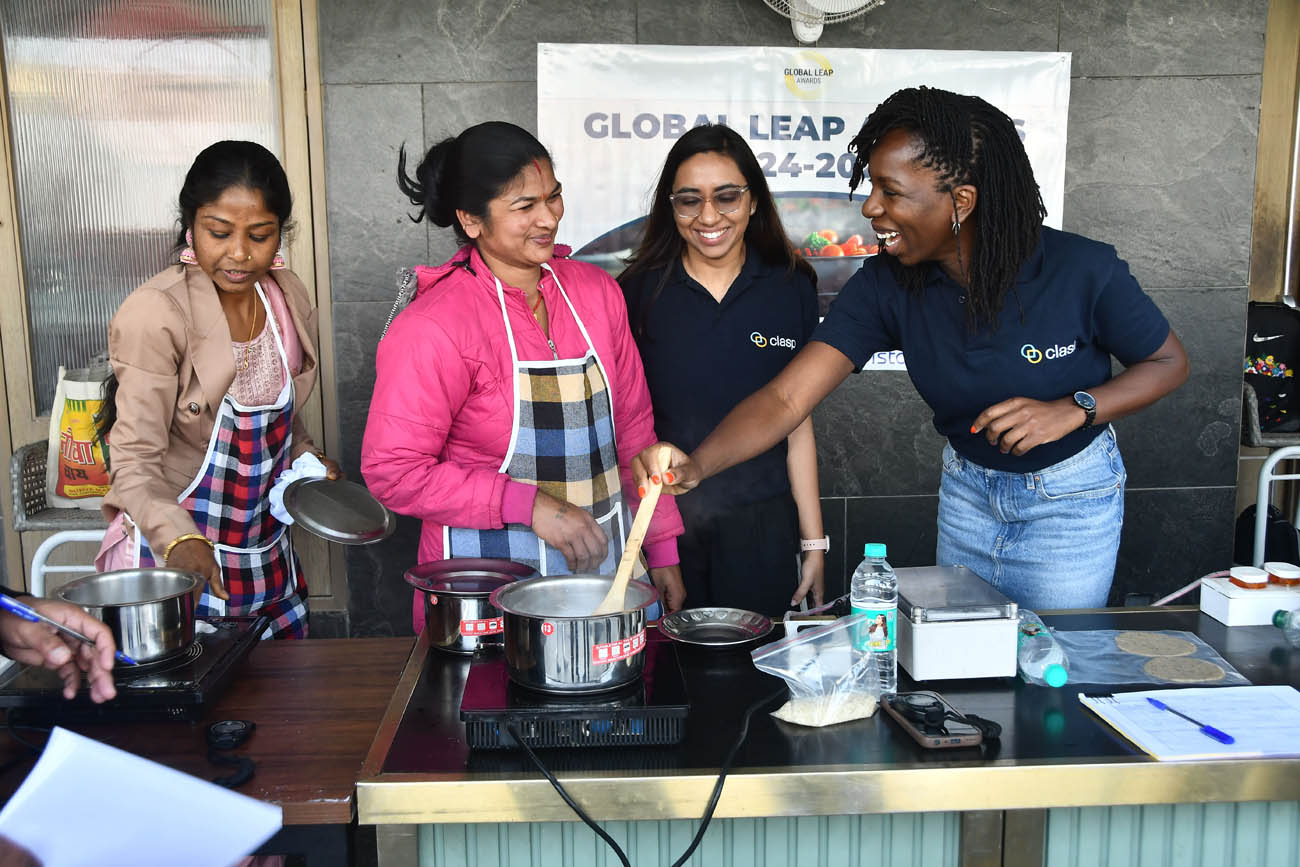
CLASP's Sumedha Awasthy & Nya Abagi at the Global LEAP Awards Induction Cooktops Competition workshop in New Delhi, India.
Image credit: CLASP
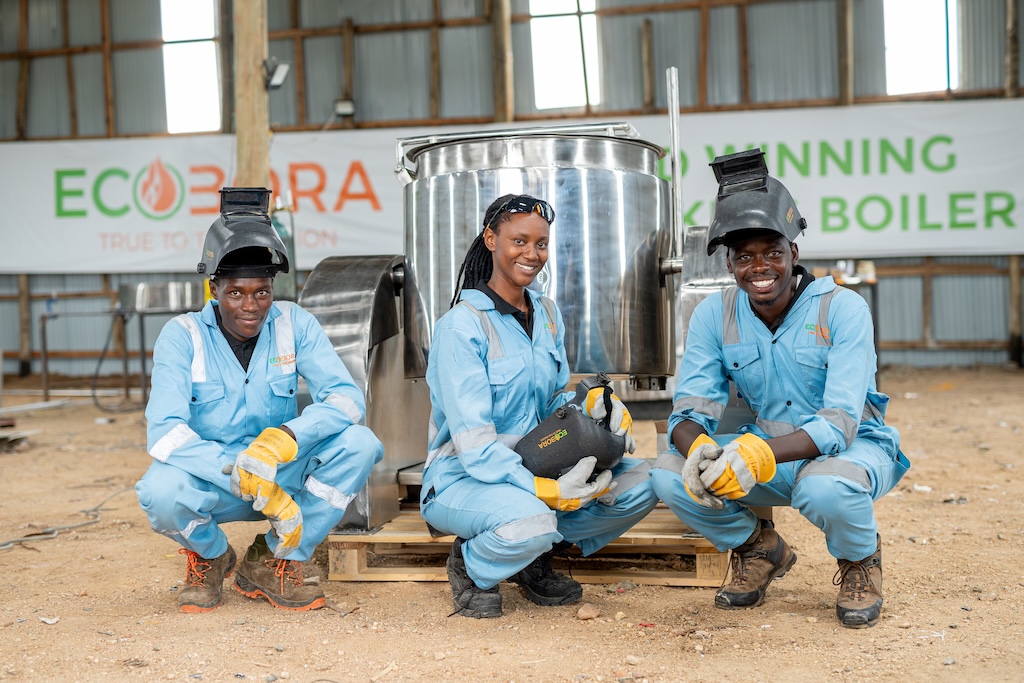
EcoBora, an innovative electric cooking company in Kenya, supported by CLASP through the MECS programme.
Image credit: CLASP
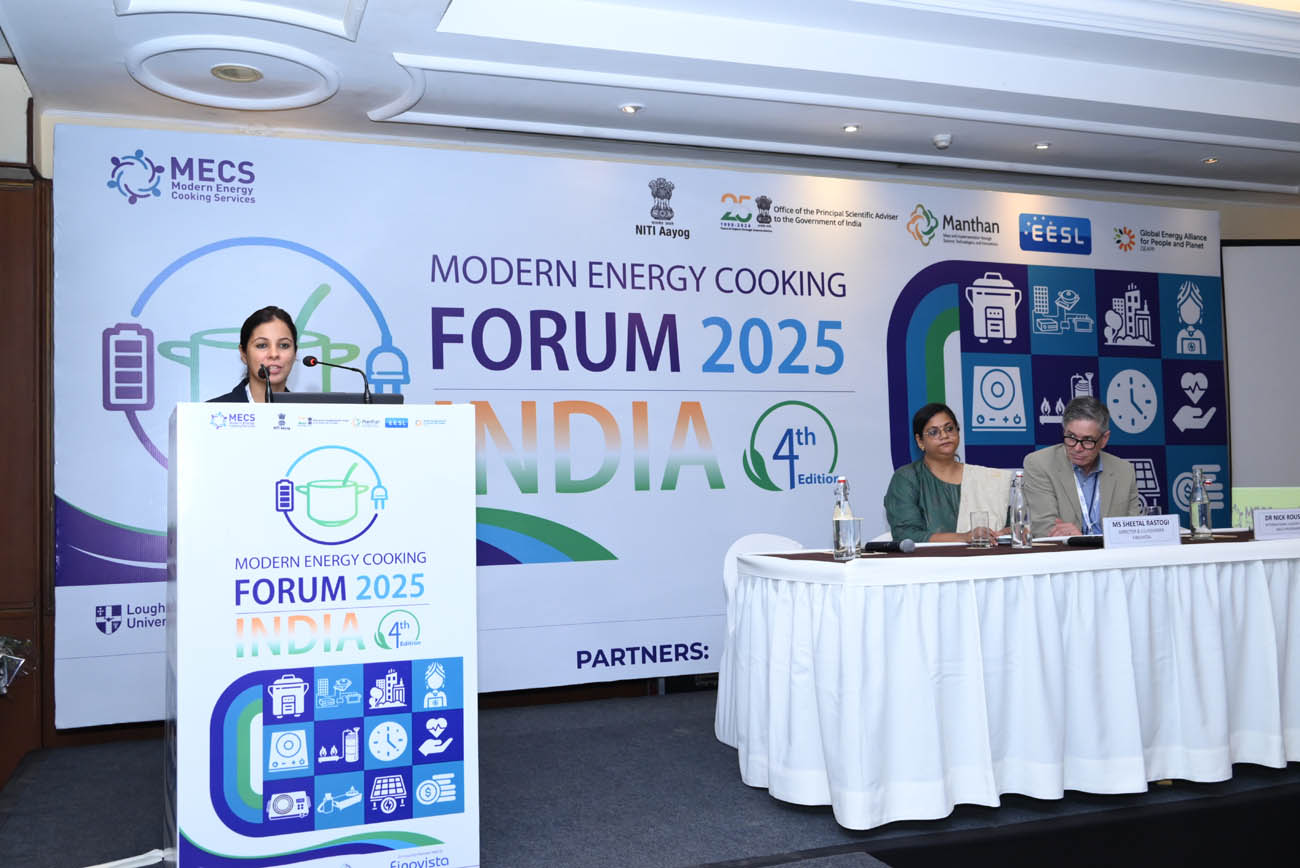
CLASP’s India Director, Neha Dhingra, speaking at the Modern Energy Cooking Forum in New Delhi, India, in September 2025.
Image credit: Finovista
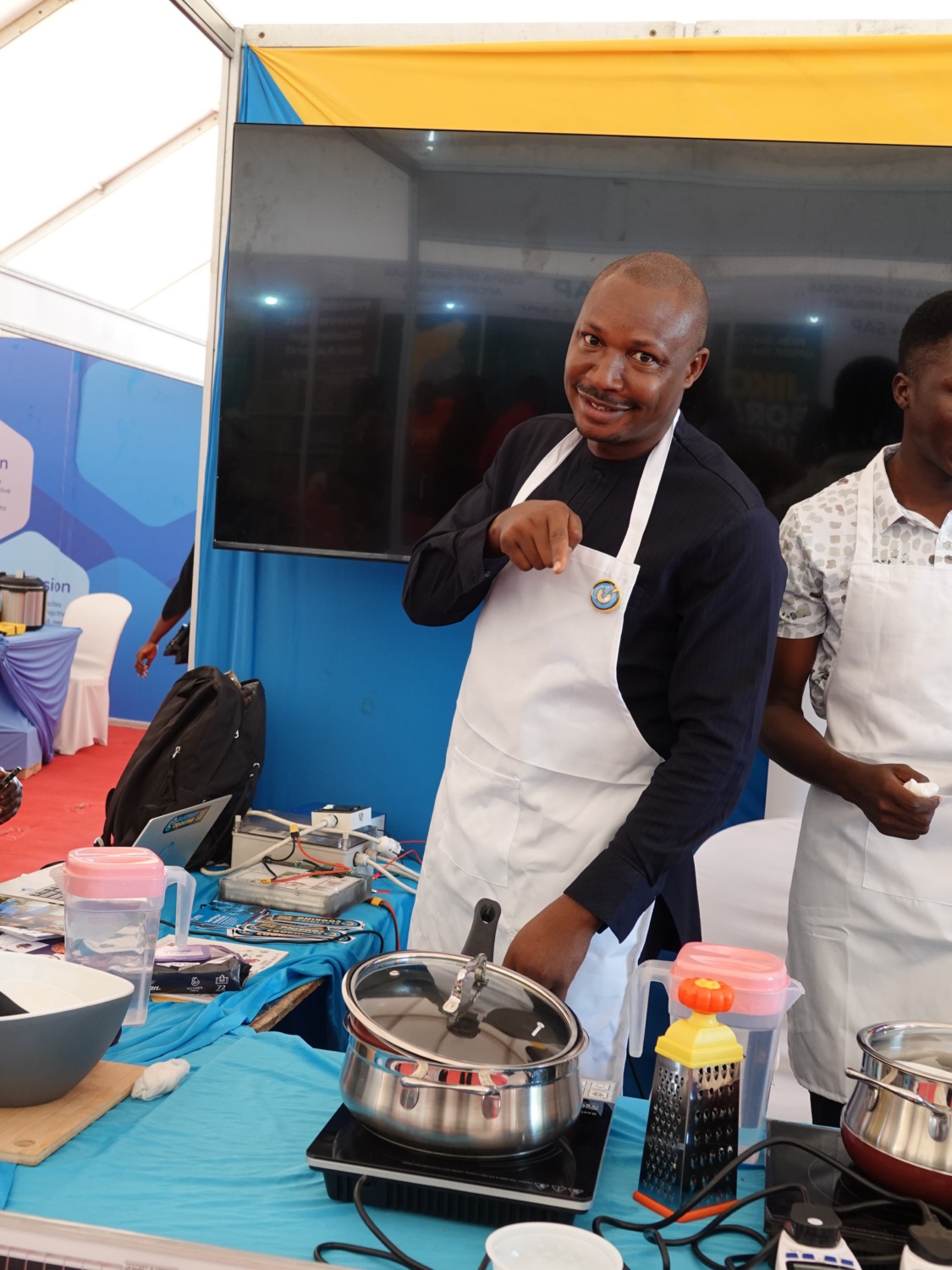
Emmanuel Aziebor, CLASP’s Senior Director, Africa, at Kenya Clean Cooking Week.
Image credit: CLASP
How UK Housing Authorities Can Power the Switch to Electric Cooking
Global Action Plan, in partnership with CLASP, piloted gas-to-electric cooking retrofits in a social housing community in Manchester.
For participating households, switching to electric meant more than lower emissions. It meant breathing more easily in the kitchen, a cleaner and more practical cooking experience, and greater peace of mind for families with young children. Every household preferred its new induction cooktop over gas.
Watch the video:
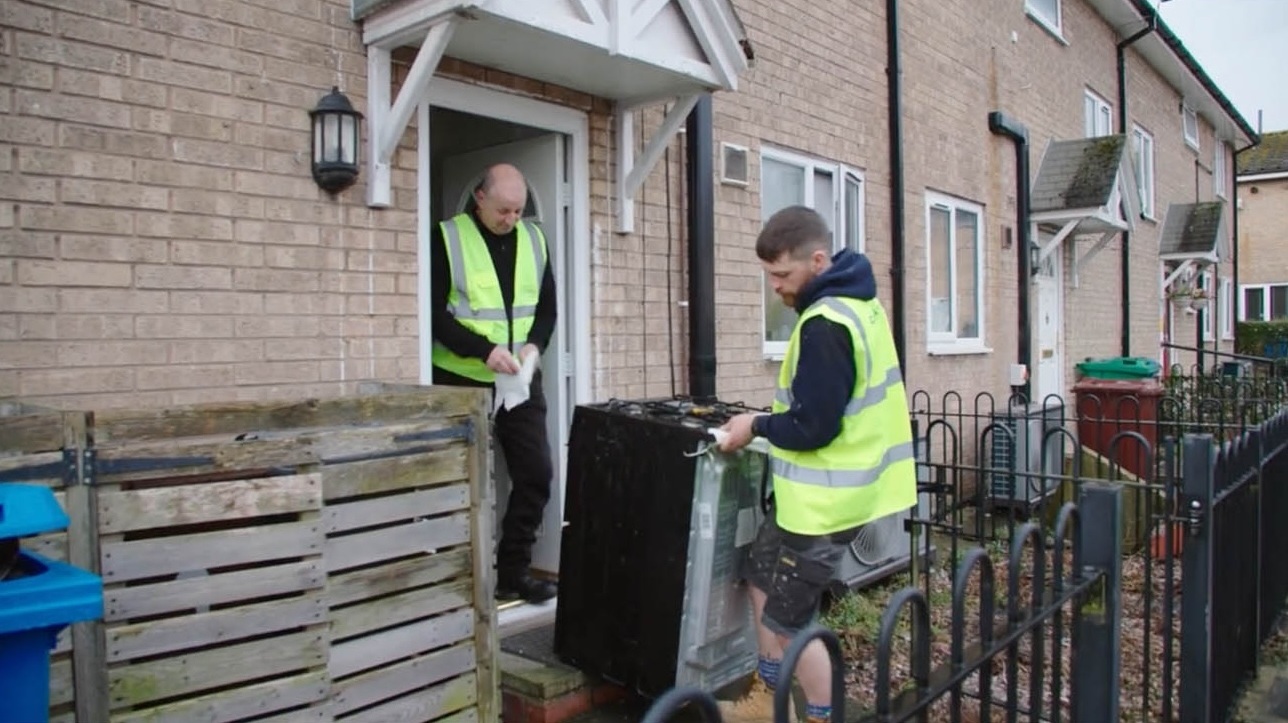
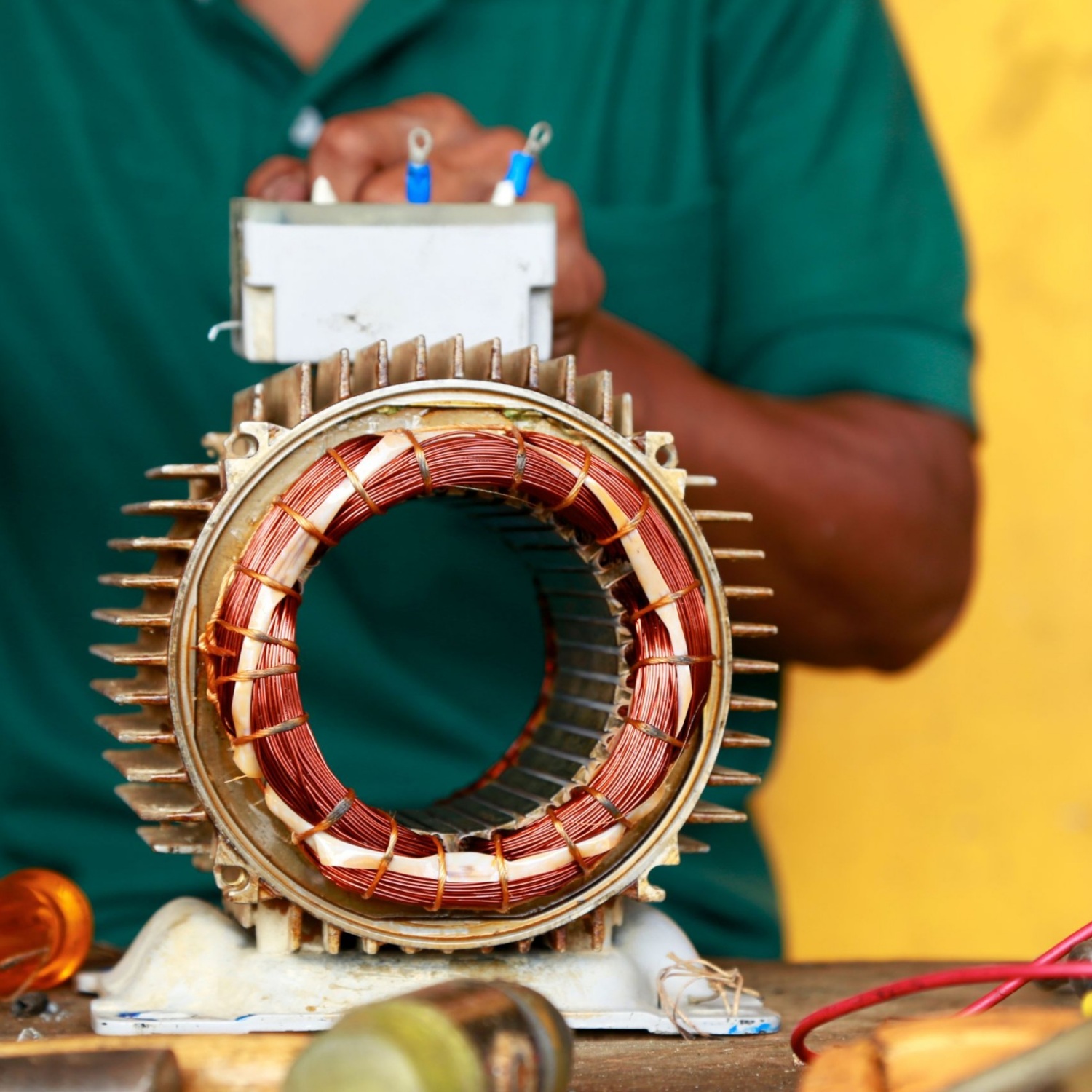
Image credit: CLASP
Economies Can Boom When Powered by Efficient Motor Systems
Industrial motor systems are the invisible heartbeat of economic development. Universally used across industrial facilities, they power the production of goods like metals, paper, cement, textiles, and packaged food. Motor systems are also ferocious energy consumers, due to their function and prevalence. Without intervention, and in step with global economic development and industrialization, by 2050 motor systems will account for 35% of global electricity demand and 19% of energy related emissions. CLASP is taking action on this priority appliance in the fight for Net Zero, identifying high impact opportunities at national and global scales to drive up efficiency, slash emissions, and boost economic progress.
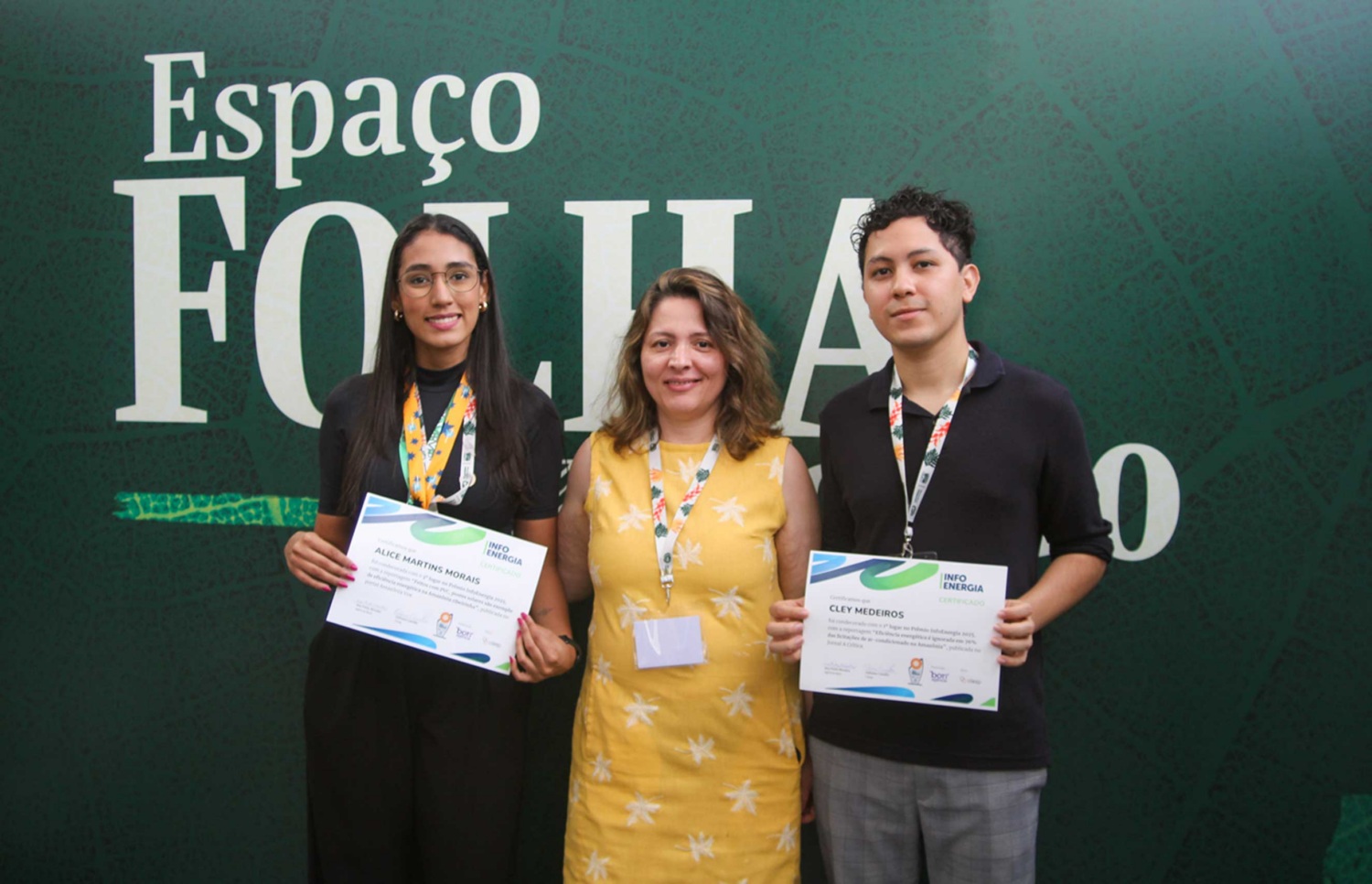
Image credit: CLASP
In Brazil, Partnering for Change
Ahead of COP30 in Brazil, CLASP joined forces with science communication agency Bori to drive national awareness of the benefits of appliance efficiency. Our InfoEnergia Mentorship was an 8-week, in-depth workshop that connected 25 journalists with experts and expertise to produce smart, contextualized reporting on appliance efficiency and its social, economic, and environmental impacts. Robust local journalism is a key element of durable climate policy.
Elevating Appliance-Centered Solutions at COP30
At COP 30 in Brazil, appliance and equipment energy efficiency stood out as a powerful climate solution, driving job creation, energy security, and adaptive capacity. CLASP provided expert testimony on the power of appliance efficiency solutions.
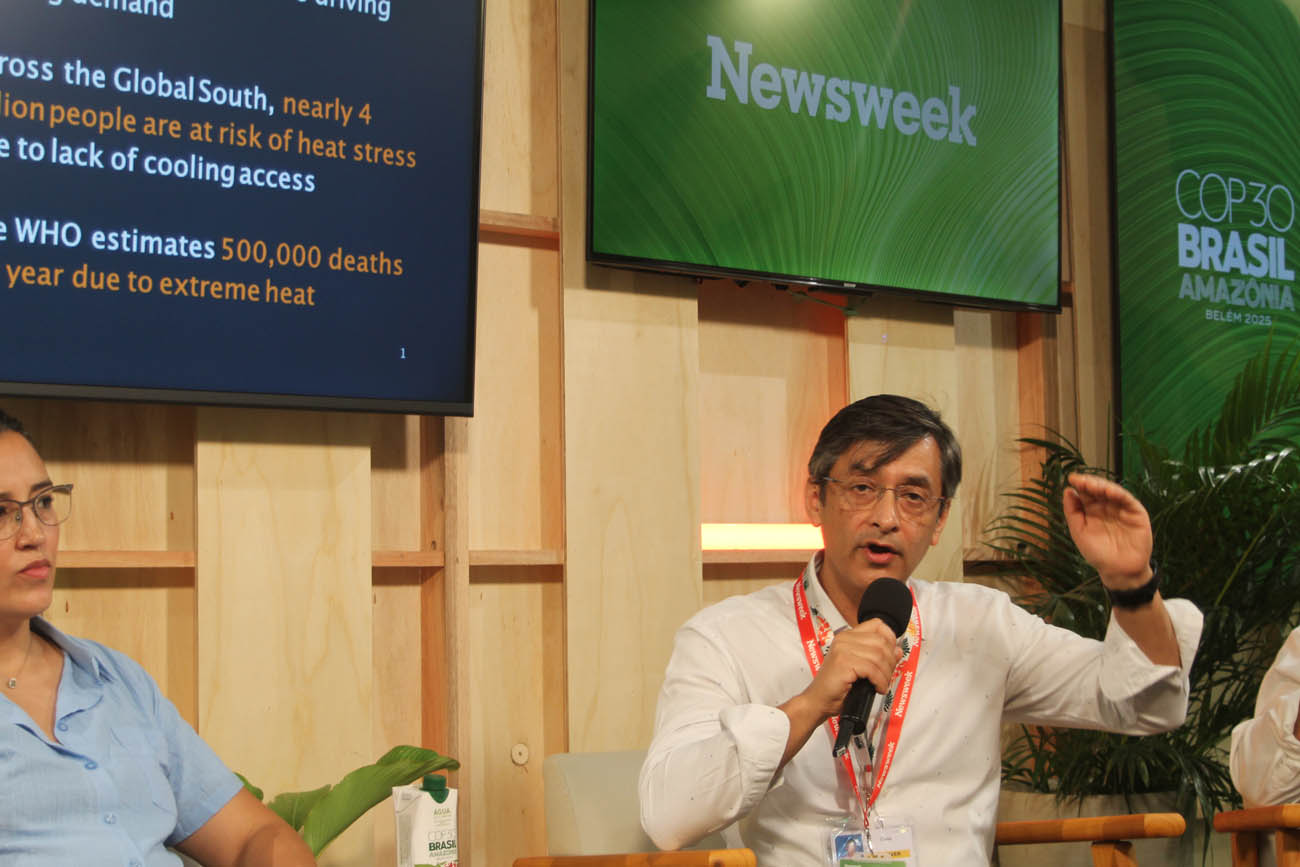
CLASP’s Bishal Thapa participated in discussion on space cooling solutions, offering insights about the benefits of efficient cooling technologies that slash emissions.
Image credit: CLASP
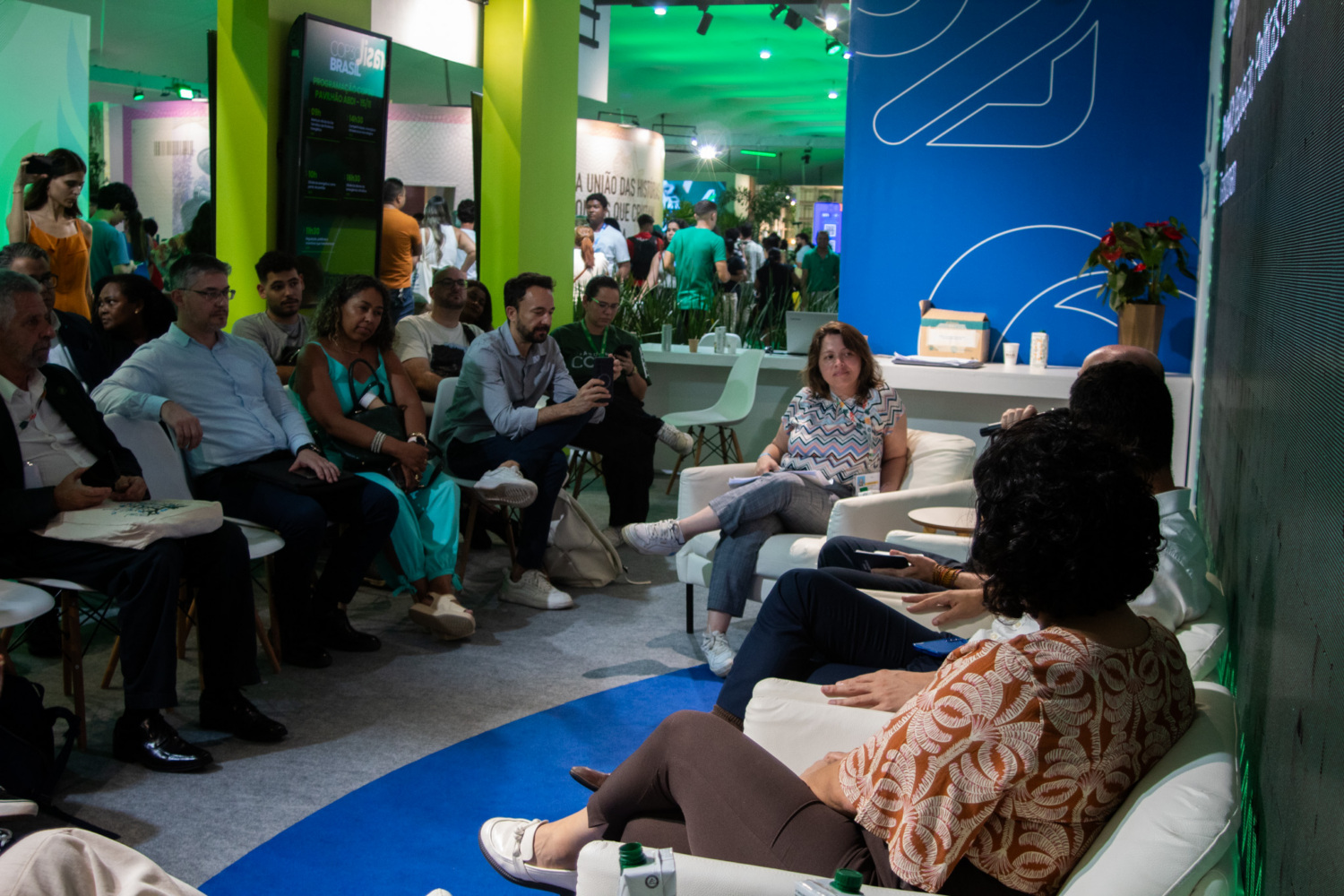
CLASP’s Edilaine Camillo moderated a conversation on the principal role of efficiency in Brazil’s energy transition during an agency-led day of efficiency themed events.
Image credit: CLASP

CLASP’s Bishal Thapa took part in a panel hosted by Casa Civil to speak about the role of energy efficiency policy in Brazil’s reindustrialization strategy.
Image credit: CLASP
Insights driving action
Delivering COP28’s Doubling Efficiency Goal Through Appliances
Appliance efficiency will play a critical role in meeting the COP28 commitment to double the global rate of energy efficiency improvement by 2030. CLASP research found it could deliver 20% of the energy savings needed, highlighting the value of strong standards, clear targets, and international collaboration.
The Missing Piece of Energy Access
666 million people, most of them in Africa, lack access to electricity. 2025 CLASP research shows that directing just 15% of existing energy investments toward efficient appliances can generate the demand needed to make grid expansions financially viable and help those currently living without electricity gain access to healthier, more productive lives.
Finances
- Revenue by donor type
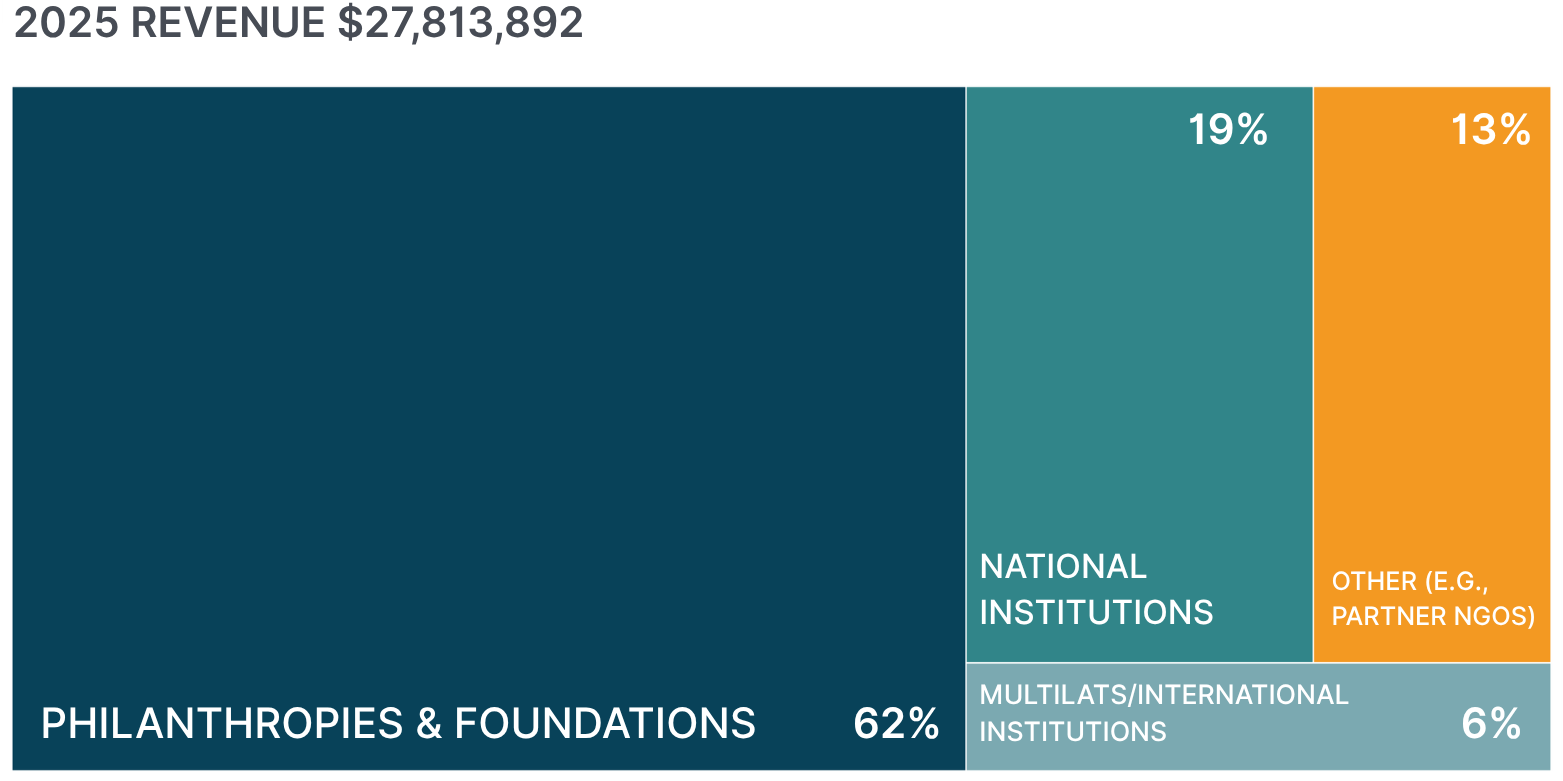
- Expenses by region
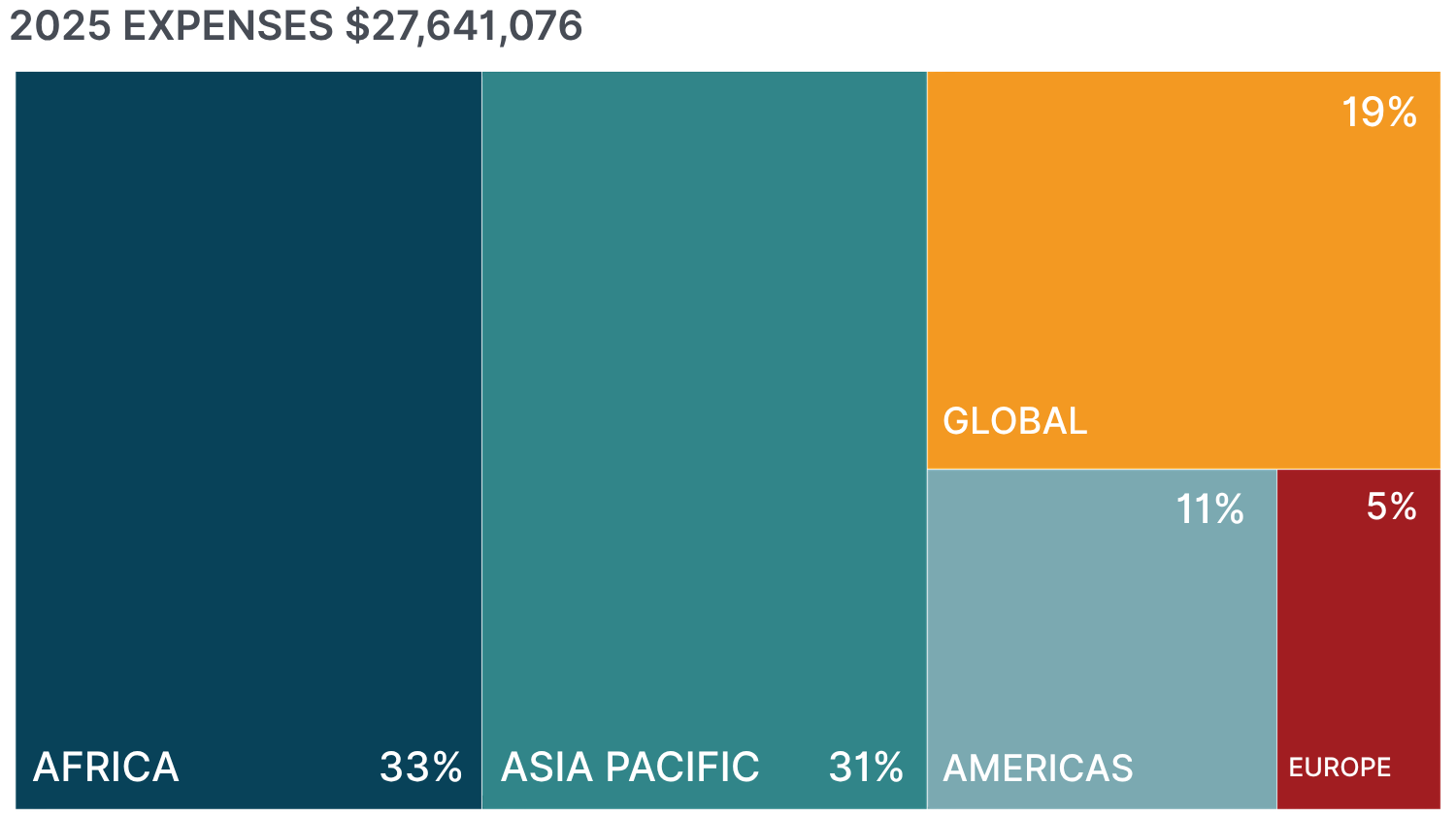
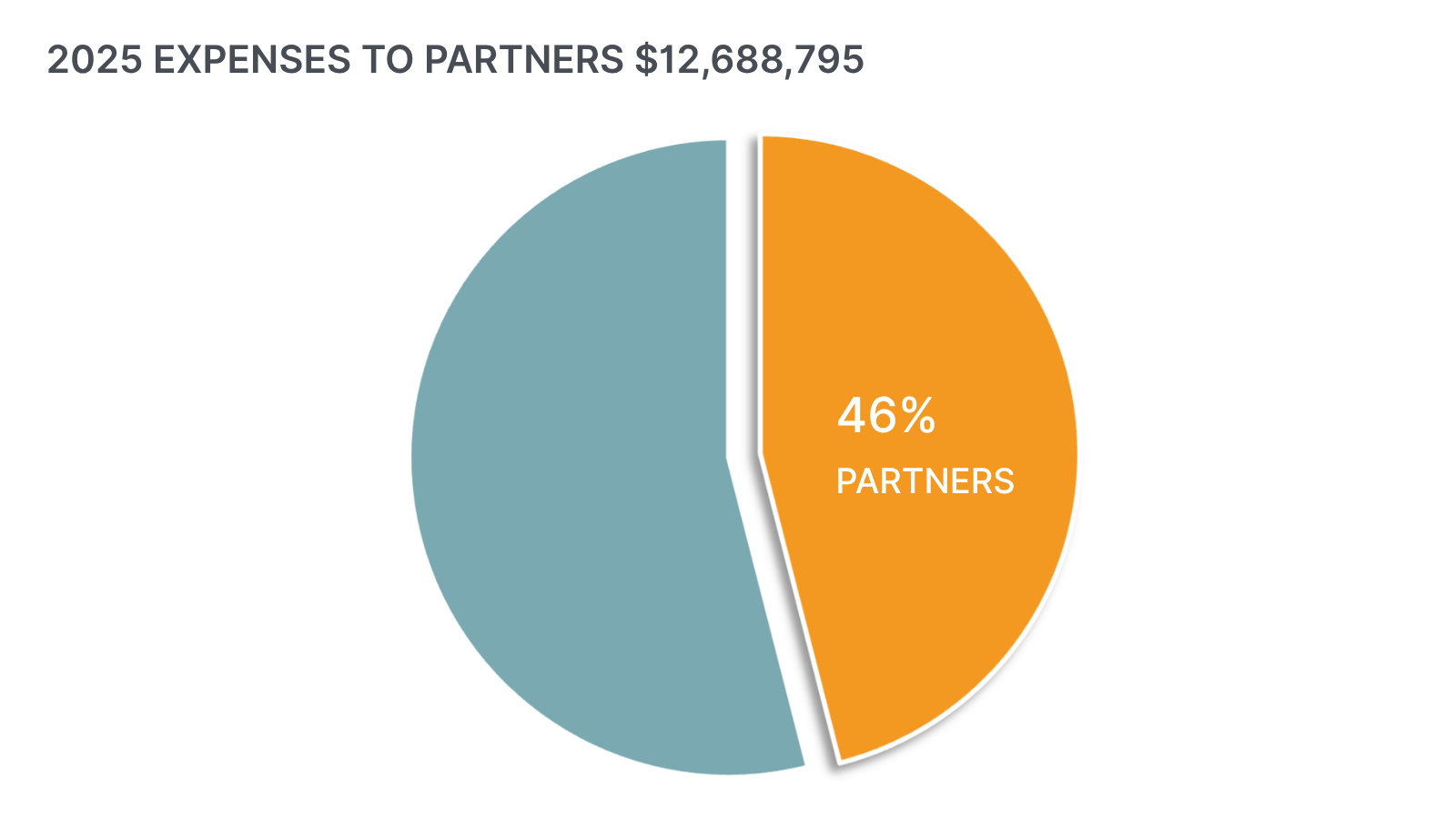
- CLASP collaborates with a global network of partners. In 2025, CLASP channeled nearly half our resources to civil society and energy groups, innovators, academic institutions, and experts — essential partners in changing the way we use energy.
About CLASP
Efficient appliances and equipment are essential drivers of economic growth and a fast, practical energy transition. With over 25 years of expertise and offices on five continents, CLASP collaborates with governments, industry leaders, and other experts to change the way we use energy.
We’re proud of what our team and partners achieved in 2025, driving progress for a better world. In 2026, we remain committed to championing appliance efficiency as a powerful solution for people, prosperity, and planet.
Global Distributors Collective Joins Effort to Bring Clean Energy and Appliances to More Homes and Businesses Worldwide
The Global Distributors Collective (GDC) is the newest member of the Energy Access Institutions Facility, an initiative led by CLASP to help more people gain access to reliable and affordable energy.
Extensive network and wider reach
For nearly a decade, GDC has worked with locally owned businesses (or ‘last mile distributors’), globally, to get efficient products like solar-powered lights, clean cookers, and water filters, to underserved homes and communities. By partnering with the Facility, GDC joins a group of like-minded institutions committed to delivering energy access across the continent.
GDC’s impact is significant. Its network includes 300 distributors across more than 60 countries, which collectively reach more than 60 million people with beneficial household products, including essential sustainable energy products. These distributors operate at the ‘last mile’; the elusive final stretch between services and the often rural, low-income or otherwise marginalized people trying to access those services.
Focused scope for meaningful impact
GDC’s unique selling point is its strong focus on small, locally owned businesses, many of which face a lot of challenges growing or attracting investment. The Collective helps by providing practical training, tools, and support to help these businesses strengthen their operations; making industry knowledge available and more readily accessible; and linking businesses to investment opportunities. Equally important, GDC amplifies the voices of those businesses in decision-making spaces at the global level, where they have traditionally lacked a seat at the table.
Last-mile distributors are vital to connecting the billions of people worldwide who still lack access to potentially transformational energy products. GDC’s partnership with the Facility will enable us to ramp up our work providing support and services that strengthen and grow these businesses—ultimately helping them to reach even more underserved customers.
Jessica Utichi
Head of the Global Distributors Collective
We’re excited to welcome GDC to the Facility. Their unique blend of local expertise and experience, as well as their perspective on last-mile energy access in different geographies, will help us create a more practical, people-centered approach to energy and appliance access, and strengthen our role in supporting those leading the way.
Emmanuel Aziebor
Senior Director Africa, CLASP
The Facility partners with institutions that strengthen off-grid energy markets and help companies succeed and deliver not just electricity, but the skills, tools, and appliances that allow families and businesses to benefit from it. With GDC on board, the coalition is even better positioned to reach more people with solutions that work.
——
About the Energy Access Institutions Facility
The Energy Access Institutions Facility, or “The Facility,” is a joint donor initiative to support and strengthen the institutions that are essential for the achievement of Sustainable Development Goal 7, universal access to affordable, reliable, sustainable, and modern energy by 2030. The Facility is supported by DOEN Foundation, British International Investment, Good Energies Foundation, the Swedish International Development Agency (Sida), and the UK Government via the Transforming Energy Access (TEA) platform and is managed by CLASP.
This material has been funded by UK International Development from the UK Government; however, the views expressed do not necessarily reflect the UK Government’s official policies.
Reflections on the Productive Use Financing Facility
The Productive Use Financing Facility (the Financing Facility), an innovative program implemented by CLASP and supported by the Global Energy Alliance for People and Planet (the Alliance), makes energy-efficient appliances more affordable to consumers and businesses in emerging markets in Africa.
As the Financing Facility celebrates its first anniversary and concludes the initial phase of this expanded program, we look at the lives and communities it has already transformed and consider paths towards reaching our goals to help generate green jobs and equitable opportunities for thousands across Africa.
Empowering communities with the right tools
A single appliance has the potential to improve the quality of life for an entire household or community. Women entrepreneurs with access to an off-grid refrigerator can sell cold beverages, attracting customers and increasing their income. Solar-powered mills can provide a central flour-processing location for smallholder farmers in remote communities, allowing them to offer new products, reduce workloads, and avoid transportation costs.
Despite the potential of these technologies, many businesses and households that need them can’t afford them due to high costs and limited financing options. For the 750 million–plus people worldwide who live without access to electricity and the approximately 700 million living in extreme poverty, energy-efficient appliances are still out of reach.
The Financing Facility’s role in driving access and opportunity
The Financing Facility offers a solution: make these life-changing appliances more affordable to those who need them. By providing grants, subsidies, and technical assistance, the Financing Facility enables small businesses, entrepreneurs, and households to acquire energy-efficient appliances at lower prices.
The initiative’s two-year pilot project ran from 2022 to 2024, worked with 24 companies across six countries, deployed nearly 16,000 appliances, and directly improved the lives of over 58,000 households. In June 2025, the Financing Facility entered a second phase with the announcement of its expansion and a $6.1 million USD funding boost. During this phase, the initiative aims to create over 3,000 green jobs through the sale and use of over 10,000 appliances in four years.
One year on: expanding reach and impact
A new cohort of 11 appliance companies, announced in November 2025, remains focused on productive-use appliances (in other words, technologies people use to generate income) like grain mills, solar water pumps, walk-in cold rooms, and refrigerator/freezers. From this cohort alone, the Financing Facility aims to deploy over 2,000 appliances across Kenya to women-owned and -led businesses.
The second cohort selection, launching in February 2026, will be open to appliance companies in Ethiopia, Nigeria, and Kenya. CLASP will announce and detail the process via the Financing Facility web page, LinkedIn, and Bluesky.
Committed to the most underserved communities
While electrification is expanding globally, deliberate efforts must be made to ensure the sustainability and commercial viability of renewable energy infrastructure. Programs like the Financing Facility place appliances into people’s hands and homes, energizing ambition and output amongst local businesses and farms. Increased incomes from these activities drive economic growth, create jobs, and improve the quality of life, giving communities the tools to thrive. For example, Helen Obinna, a small business owner in Nigeria, has witnessed her business transform: her refrigerator can keep products cool despite inconsistent power, and sales of cold beverages have substantially increased.
About the Productive Use Financing Facility
The Financing Facility is an innovative program that provides grants, subsidies, and technical assistance to suppliers and distributors to lower appliance prices and reach more customers. This makes it easier for small businesses, entrepreneurs, and households to buy energy-efficient technologies, such as solar water pumps, mills, and refrigerators, at favorable prices.
This program is supported by the Global Alliance for People and Planet.
For more information, read the Productive Use Financing Facility 2.0 press release, contact financing@clasp.ngo, and follow us on LinkedIn for regular updates on how the Financing Facility is benefiting people and our planet.
About CLASP
CLASP is the leading global authority on efficient appliances’ role in fighting climate change and improving people’s lives. With 25 years of expertise and offices on four continents, CLASP collaborates with policymakers, industry leaders, and other experts to deliver clear pathways to a more sustainable world for people and the planet.
About the Global Alliance for People and Planet
The Global Energy Alliance for People and Planet works for a world where everyone has access to affordable, reliable, clean electricity and the means to use it to improve their lives. Our Alliance builds transformative public, private, philanthropic partnerships to end energy poverty and accelerate green economic opportunity. Founded in 2021 by The Rockefeller Foundation, IKEA Foundation, and Bezos Earth Fund, we unlock finance, strengthen institutions and transform markets, delivering progress anchored in deep community engagement. By uniting actors across the value chain, from households to heads of state, we go beyond individual projects to drive lasting systems change. With work in more than 30 countries across Africa, Asia, Latin America and the Caribbean, our Alliance aims to reach 1 billion people with clean electricity, prevent 4 billion tons of carbon emissions and create or improve 150 million jobs. For more information, please visit energyalliance.org.
Powering Progress: Three Local Appliance Companies Generate Job and Income Growth Across Africa
CLASP has selected 11 appliance companies to receive funding in support of job and income growth in sub-Saharan Africa. This support will be provided through the Productive Use Financing Facility (the Financing Facility), an initiative managed by CLASP and supported by the Global Energy Alliance for People and Planet (the Energy Alliance). The Financing Facility aims to accelerate the adoption of clean, energy-efficient appliances to power small businesses and support smallholder farmers, potentially transforming the lives of millions across Africa.
Baridi, Irri-hub, and Koolboks are three of the 11 impact-driven companies selected for the program whose work is already transforming the continent.
Solar appliances drive economic growth
For a smallholder farmer or business owner in sub-Saharan Africa, even a single appliance can go a long way. For example, a CLASP survey found that business owners in Uganda who purchased an off-grid refrigerator were able to increase their incomes twofold.
For women, an appliance can be a major driver of income. In the Finance Facility’s pilot program, households where women purchased an appliance saw incomes increase an average of 94%. From selling cold drinks using a refrigerator-freezer to growing high-value crops with a solar water pump, equitable access to reliable and affordable appliances can transform not only individual lives, but entire communities. Solar-powered appliances can reduce the physical strain attached to traditional working conditions, expand business opportunities, improve nutrition, and create local jobs.
Three African appliance companies making an impact
For Facility grantees like Baridi, Irri-hub, and Koolboks, this kind of transformative impact is what drives their work.
Baridi supplies solar-powered chilling technologies to smallholder farmers in Kenya, ensuring that their hard-earned produce remains fresh and market-ready.

Photo credit: Baridi

Photo credit: Baridi
Koolboks designs and distributes affordable solar-powered refrigerator-freezers, ensuring access for small businesses and farmers across the region. By providing reliable cold storage, Koolboks helps entrepreneurs expand product offerings and reduce the economic risks tied to spoilage.

Photo credit: Koolboks
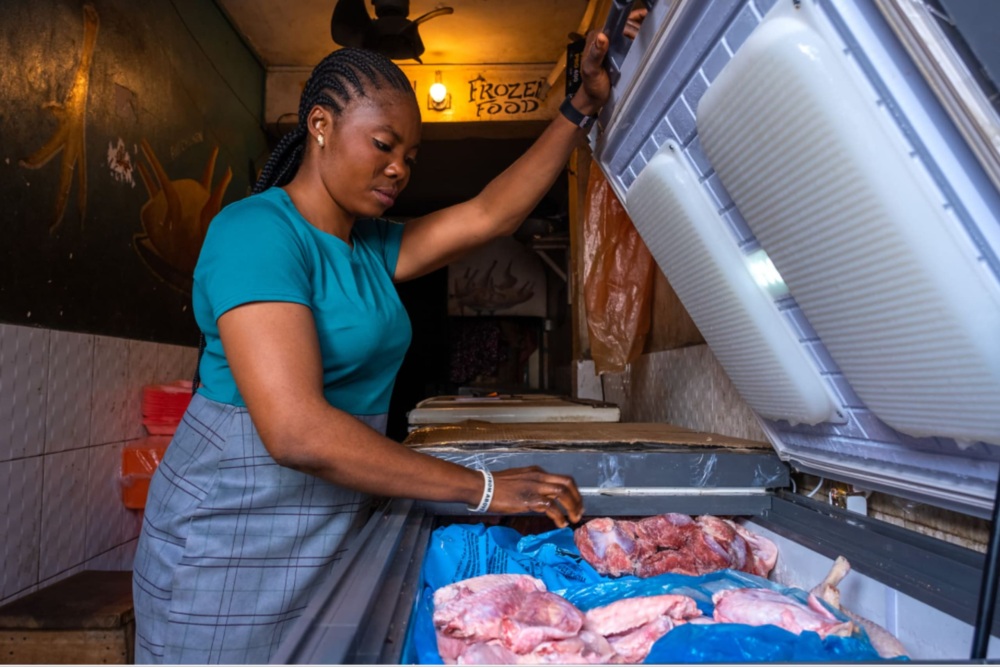
Photo credit: Koolboks
Irri-hub is a provider of affordable water management solutions, including solar water pumps, that help smallholder farmers increase yields, improve crop predictability, and expand production.
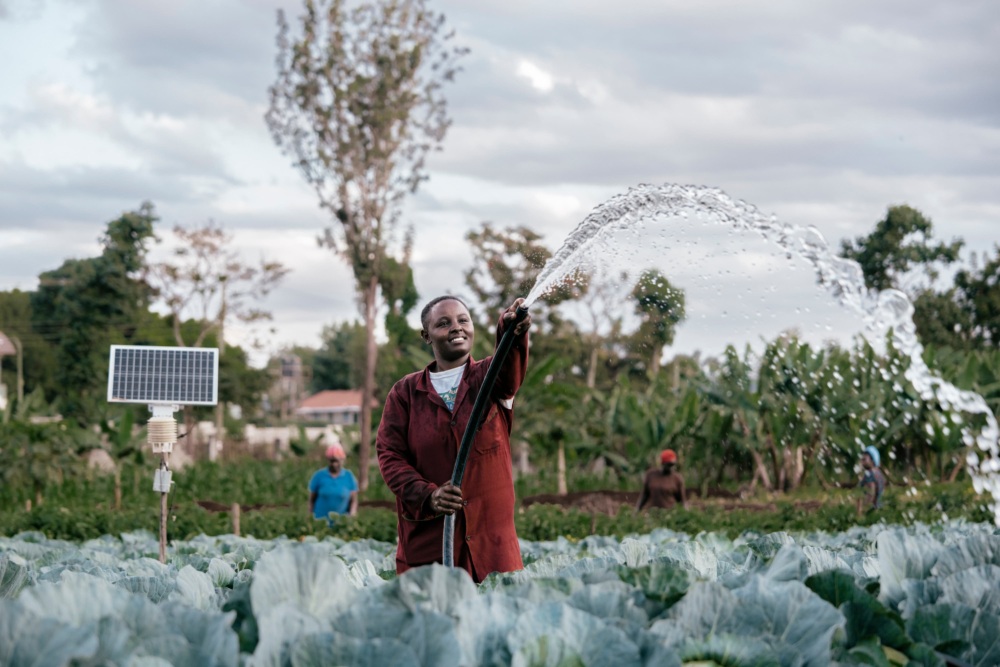
Photo credit: Irri-hub

Photo credit: Irri-hub
Solar water pumps offer an enormous amount of income and job growth potential. CLASP’s report “Leave No One Behind: Bridging the Energy Access Gap with Innovative Off-Grid Solar Solutions” found that 87% of farmers in Rwanda who obtained a solar water pump reported an increase in their monthly incomes, while 64% reported hiring more laborers and growing more crops.
Enduring partnerships are the key to transforming lives and livelihoods
Both Baridi and Koolboks have longstanding partnerships with CLASP. Baridi was a finalist in the 2022 Global LEAP Awards Off-Grid Cold Chain Challenge, while Koolboks received funding from the first round of the Financing Facility.
This round of the Financing Facility is Irri-hub’s first partnership with CLASP.
From long and enduring partnerships to new collaborations, these kinds of local, on-the-ground partnerships are key to helping transform the sector, bringing life-changing appliances to the millions who need them. CLASP remains committed to strengthening these relationships and investing in partners who are creating green jobs and equitable opportunities across Africa.
–
About the Productive Use Financing Facility
The Financing Facility is an innovative program that provides grants, subsidies, and technical assistance to suppliers and distributors, helping to lower appliance prices and expand customer bases. The Facility makes it easier for small businesses, entrepreneurs, and households to buy energy-efficient technologies, such as solar water pumps, mills, and refrigerators, at favorable prices.
This program is supported by the Global Alliance for People and Planet .
For more information, read the Productive Use Financing Facility 2.0 press release, contact financing@clasp.ngo, and follow us on LinkedIn for regular updates on how the facility is benefiting people and our planet.
About CLASP
CLASP is the leading global authority on efficient appliances’ role in fighting climate change and improving people’s lives. With 25 years of expertise and offices on four continents, CLASP collaborates with policymakers, industry leaders, and other experts to deliver clear pathways to a more sustainable world for people and the planet.
About the Global Alliance for People and Planet
The Global Energy Alliance for People and Planet works for a world where everyone has access to affordable, reliable, clean electricity and the means to use it to improve their lives. Our Alliance builds transformative public, private, philanthropic partnerships to end energy poverty and accelerate green economic opportunity. Founded in 2021 by The Rockefeller Foundation, IKEA Foundation, and Bezos Earth Fund, we unlock finance, strengthen institutions, and transform markets, delivering progress anchored in deep community engagement. Our Alliance aims to reach 1 billion people with clean electricity, prevent 4 billion tons of carbon emissions, and create or improve 150 million jobs. For more information, please visit www.energyalliance.org and follow us on X at @EnergyAlliance.
Driving Quality and Innovation for Solar Generators
London and Nairobi 15 September 2025 – An international partnership has launched today to improve consumer choice, affordability and reliability in the solar generator market by driving competition and inspiring innovation.
The collaboration between ZE-Gen, the leading global initiative working to end the use of fossil fuel generators, and CLASP, the international NGO focused on appliance efficiency, will strengthen excellence in a clean technology that can transform communities, economies and the environment by ending the need for fossil fuel generators.
The new partnership will include launching a new international solar-powered generator competition in October to showcase innovation in the market as part of the Global LEAP Awards, which promote the world’s most innovative, high performing and efficient solar solutions in the off-grid sector.
ZE-Gen, together with CLASP, aims to catalyse a shift towards clean, affordable, and reliable energy through solar-powered generators across low-and middle-income countries. The project is part of ZE-Gen’s work to transform the clean energy eco-system across Sub-Saharan Africa, South Asia and the Pacific Islands.

A zero-emission generator produces electricity without releasing pollutants.
Photo: Shutterstock
The LEAP Award will be paired with a VeraSol quality assurance framework to ensure quality, safety, and performance transparency for consumers and showcase modern solar generators that are more reliable, cost-effective to operate, and significantly less polluting than outdated fossil fuel generators.
This includes the development of test methods and rigorous lab- and user-testing to provide a strong basis for evaluating the Global LEAP Awards participants, as well as address gaps in existing test procedures and establish quality and safety requirements for solar generators more broadly.
Globally, around 1.5 billion people lack access to reliable electricity and more than 82.6 million fossil fuel generators are in use worldwide by communities living with weak, unreliable, or no access to electricity. Despite their widespread use, fossil fuel generators cause pollution, greenhouse gas emissions and noise, coupled with adverse effects on health and unpredictable cost and availability of the fuel needed to run them.
Historically fossil fuel generators have dominated the market due to availability, purchase price and perceived reliability. However modern high quality solar-powered generators are quieter, don’t pollute, and do not have the health effects associated with old-fashioned fossil fuel generators. Renewable energy generators eliminate the need to source or pay for fuel, so beyond their purchase price, solar-powered generators are a cost-effective and long-lasting solution in resource-constrained settings, making them a better option for people, the economy and the planet.
ZE-Gen lead, Lily Beadle said: “The rapidly emerging market for solar-powered generators has huge commercial potential and offers a more reliable and safer solution for energy than highly polluting fossil fuel generators. Our partnership with CLASP will develop a new quality assurance programme which supports ZE-Gen’s wider programme of work and will help protect customers when they switch to renewable energy.”
CLASP’s Senior Director, Africa, Emmanuel Aziebor added: “In emerging economies, solar-powered generators are a game changer for people and businesses without access to reliable electricity. Testing and showcasing innovative, efficient, and user-friendly products will support CLASP and ZE-Gen’s mission to ensure cleaner, affordable generators powered by renewable energy become the default option for communities everywhere.”
This partnership is part of ZE-Gen and CLASP’s broader work under the UK Government’s Transforming Energy Access platform to transform the clean energy eco-system across emerging economies.
ZE-Gen’s unique approach tackles market barriers to renewable energy-based alternatives by developing real-world solutions that unite innovation, finance and skills to drive competitive market growth.
Background Information: ZE-Gen
Launched at COP27, ZE-Gen, is the leading international initiative working to improve the lives of people across Sub-Saharan Africa, South Asia and the Pacific Islands by driving the use of renewable energy in place of polluting fossil fuel generators.
ZE-Gen is a collaborative initiative by the Carbon Trust and Innovate UK and has an ambition to mobilise £100m of funding to inspire action and implement real-world change, delivered in partnership with sector specialists. ZE-Gen brings partners together and engages with the public and private sector to identify new opportunities and provide; al; commercialisation support such as investment readiness, market engagement, strategy & sales and product/service development.
To date, ZE-Gen has catalysed £39.75m including support from the IKEA Foundation and the UK Government’s Ayrton Fund and has supported more than 35 localised renewable energy projects across Nigeria, the Philippines, Cote d’Ivoire, Fiji, South Africa, Malawi and Uganda.
The Carbon Trust leads on ZE-Gen’s policy, research, outreach and strategy, with input and oversight across the whole ZE-Gen programme.
Innovate UK is responsible for delivering grant funding to advance renewable technology through the ZE-Gen Innovation Fund.
About the Ayrton Fund
The UK Government announced the Ayrton Fund commitment of up to £1bn for clean energy innovation at the UN Climate Action Summit in 2019. It is part of the total £11.6bn of UK International Climate Finance also announced over the period from 2021 to 2026.
The vision of the Ayrton Fund is to help drive forward the clean energy transition in developing countries, by creating and demonstrating new technologies and business models to deploy them.
It will demonstrate UK leadership and expertise in cutting global emissions through world-leading innovations. The Foreign, Commonwealth & Development Office (FCDO), the Department for Energy Security and Net Zero (DESNZ) and the Department for Science, Innovation and Technology (DSIT) jointly manage the Ayrton Fund.
For more information please contact: ze-gen@carbontrust.com
Visit the ZE-Gen programme website – https://www.ze-gen.org
About CLASP
CLASP is the leading global authority on efficient appliances’ role in fighting climate change and improving people’s lives. An international NGO with 25 years of expertise and offices on five continents, CLASP collaborates with policymakers, industry leaders, and other experts to create a more sustainable future for people and the planet. CLASP is dedicated to solving the world’s most pressing, interconnected crises: the climate emergency, poverty, inequality, and access to energy.
About VeraSol
VeraSol maintains the world’s most widely recognized quality assurance framework for pico-solar products and solar home system kits. Managed by CLASP, VeraSol has expanded its services to meet the industry’s growing need for quality assurance in off-grid appliances and productive use equipment. VeraSol aims to make safe, affordable, and durable off-grid products the default choice in the market by providing testing, product data sharing, and other support services.
About the Global LEAP Awards
The Global LEAP Awards is an international competition that identifies and promotes the world’s best, most energy-efficient appliances for use in off-grid and weak-grid areas. Managed by CLASP through the Efficiency for Access coalition, it is designed to drive innovation, build market infrastructure, and accelerate the adoption of high-quality, energy-efficient appliances in developing countries.
Nominations for the Global LEAP Solar Generator Competition open on 8 October. See the competition website for details on eligibility and timelines.
Recent News

Making Climate Action Work for Africa’s Development
Excerpts from this article first appeared in Business Daily Africa in the lead-up to the second Africa Climate Summit in 2025.
By centering climate responses within Africa’s development needs, the continent can unlock new investments, boost incomes, and enhance its resilience. As leaders gather in Addis Ababa for the Africa Climate Summit, the continent must define a bold narrative that strategically links climate action with development progress.
Climate change should not be a global emergency that Africa is simply signing up to solve. This crisis is already costing Africa billions every year, and an estimated 110 million people have been directly affected by climate-related hazards.
Climate action can and must be made to work for Africa by recasting it through an Africa-centered development lens. Responses to the climate crisis offer Africa an opportunity to leverage climate solutions and sustainable technologies to increase incomes, accelerate poverty reduction, and improve adaptation and resilience.
African and global leaders will be converging at the second Africa Climate Summit in Ethiopia from 5 to 10 September. When we gather in Addis Ababa, we must use the Summit as a platform to drive bold reforms and ambitious actions that can repurpose climate change solutions to address Africa’s core development imperatives.
Framing climate action as an opportunity for Africa’s development
Income growth and poverty reduction remain as Africa’s core development pathway, the rising tide that promises improvements across all other social, economic and political indicators.
Africa’s income growth and poverty reduction needs are clear. The average GDP per capita of Sub-Saharan Africa was $1,506 USD in 2024, 40% lower than middle-income countries, and 90% lower than upper upper-middle-income countries. The continent’s GDP grew by 3.3% in 2024. That annual growth rate must increase to approximately 19% on average for GDP per capita to double by 2030. The continent’s GDP must multiply seven times over for African countries to reach middle-income country status.
The pathway to income growth and poverty reduction is equally clear. Africa must increase investments several-fold to drive economic growth, create new jobs, increase productivity, improve competitiveness and enhance social services. Sustained economic growth will result in higher incomes, delivering the poverty reductions that are urgently needed.
Climate change response strategies can be repurposed to meet Africa’s income growth and poverty reduction goals in two ways. First, climate solutions can free up investments, which can then be more productively deployed to drive economic growth. Second, climate solutions can be used to reduce climate vulnerability, improve adaptation, resilience and enable sustained economic growth.
Climate solutions can free up investments for economic growth
Energy efficiency can help secure the emissions reductions that the world needs to achieve to minimize the harshest impacts of the climate emergency. Improving energy efficiency also means lower utility bills for consumers and businesses, and less demand on power grids for governments. The International Energy Agency (IEA) estimates that Africa currently uses 3.7 gigajoules (GJ) of energy for every thousand USD of Gross Domestic Product (GDP). By transitioning to a higher efficiency of 2.7 GJ per thousand USD of GDP by 2030, consistent with IEA’s net zero emissions pathway, Africa could save billions through avoided energy and infrastructure costs. These avoided investments could then be productively deployed for economic and income growth in areas where they are needed.
Climate solutions can reduce climate vulnerability
Climate change is already costing Africa 2-5% of its GDP, the World Meteorological Organization (WMO) estimated. In Sub-Saharan Africa, for example, that translates to approximately $ 40 – $100 billion USD of lost incomes in 2023 – money that could have been utilized to enhance economic growth or support social services.
Africa bears a disproportionately large share of climate impacts because the poor and vulnerable are the least prepared to face climate vulnerabilities when they occur. The WMO projects that by 2030, 118 million extremely poor people in Africa will remain highly vulnerable to climate impacts such as heat stress, droughts and floods.
Energy-efficient appliances, such as lights, fans, air-conditioners, refrigerators, electric cookers, water pumps, cold storages, and milling equipment, are crucial to building adaptive capacity and resilience to climate change among the world’s most vulnerable populations. CLASP estimates that more than half of the population in Africa lacks access to many essential appliances, such as fans and refrigerators. There are equally large ownership gaps for agricultural equipment, such as water pumps, milling equipment and cold storage. These appliances are critical to helping reduce the risks of income and productivity losses from climate impacts.
CLASP estimates that increasing access to seven key appliances across Africa could create a market worth approximately $50 billion USD and catalyse accelerated power infrastructure development to provide electricity for all. It would improve people’s access to essential services, helping individuals manage environmental stressors and economic instability.
Climate change was not Africa’s making, but it is Africa’s fight to shape. If leaders gathering at the Africa Climate Summit in Ethiopia can reframe the response to the climate crisis as an opportunity to accelerate income growth and poverty reduction, then climate action will not only protect the vulnerable but also power the continent’s prosperity. The future is not about choosing between climate action and development; it is about making climate action the very centre of Africa’s development.
Recent News
Investing in Institutions that Power Energy Access
The road to universal energy access runs through strong institutions. That’s the core idea behind the Energy Access Institutions Facility, or the Facility, a joint donor initiative hosted by CLASP. The Facility is supporting market institutions uniquely positioned to scale the energy access sector and help deliver clean, reliable energy to millions of people in Africa and South Asia.
The $25M+ initiative is empowering key institutions to expand distributed renewable energy solutions, including clean cooking, solar systems, productive-use appliances, and mini-grids, targeting millions of underserved communities across Africa and South Asia over the next five years.
Rather than funding individual technologies or businesses, the Facility focuses on the market institutions and accelerators that make energy access possible. They include trade alliances, policy accelerators, and quality assurance organizations that shape markets, influence regulations, and connect stakeholders. This new model, investing directly in institutions, is designed to scale what works, attract meaningful investment, and deliver energy solutions that last.
To enable market institutions to fulfill their role, the Facility provides critical inputs that empower market institutions and accelerators to build financial resilience, enhance their operational capacities, and foster strategic collaborations. The Facility achieves this through three main pillars:
- Core funding unlocks strategic decision-making for market institutions and accelerators, enables the pursuit of bolder visions distinct from project-driven objectives, and the flexibility to pivot to emerging opportunities in a fast-moving sector.
- Institutional health grants build high-functioning, sustainable institutions, and resilience to external shocks.
- Cross-learning and collaboration support a common theory of change to drive faster achievement of Sustainable Development Goal 7 and encourage alignment of resources and action opportunities.
The Facility’s group of grantees is a dynamic mix of organizations working across regions and technologies. Here’s a closer look at who they are and what they do.
Africa Minigrid Developers Association (AMDA)
AMDA represents over 40 mini-grid developers across the continent and is a strong voice for policies, financing, and standards that enable scale. The organization actively engages in regulatory reform and promotes sustainable business models.
“In the face of challenges that seem insurmountable, one truth remains: Business as usual is not an option. We cannot unlock universal energy access with fragmented strategies. We cannot power 680 million people still in the dark by 2030 without bold, coordinated, and scalable action,” Olamide (‘Lamide) Niyi-Afuye, CEO, AMDA.
Fun Fact: Mini-grids are key to reaching remote communities and AMDA is uniquely positioned to ensure the enabling environment keeps pace with the sector’s growth.
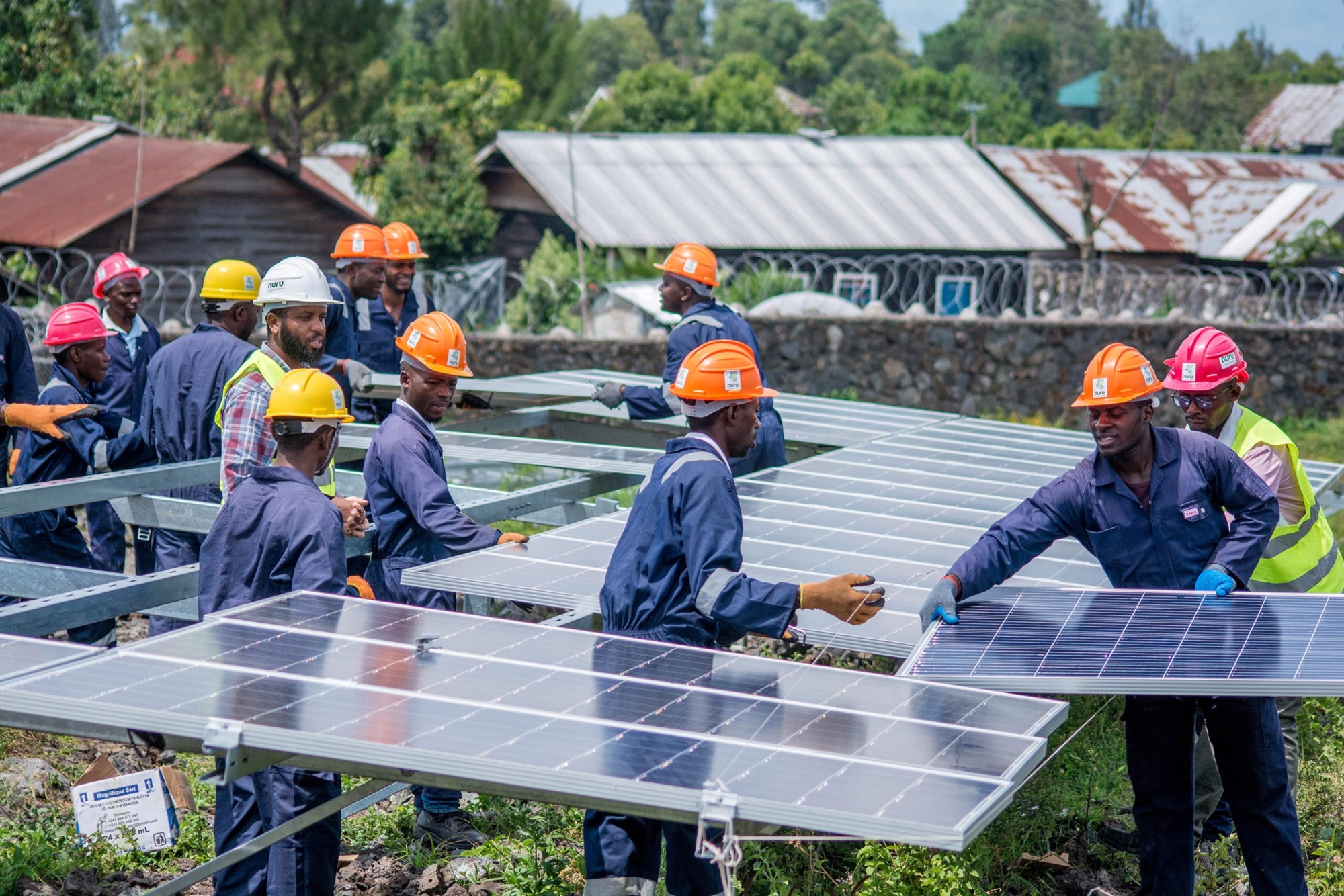
Nuru, Democratic Republic of the Congo
[Photo: AMDA]
Clean Cooking Alliance (CCA)
CCA drives efforts to make clean cooking affordable, accessible, and aspirational. Their work spans research, policy, investment facilitation, and ecosystem coordination.
“Whether from an energy access, climate, environment, health, or empowerment perspective, clean cooking is increasingly recognized as a critical component of a just energy transition. CCA is proud to have contributed to this shift. Our focus remains on turning commitments into actionable policies, business opportunities, and tangible investments that transform the pathways to clean cooking for the billions of people who still live without it,” Dymphna van der Lans, CEO, CCA.
Fun Fact: The clean cooking sector needs strong institutions to match its ambition. CCA brings the convening power, technical capacity, and cross-sectoral reach needed to transform this critical area of energy access.
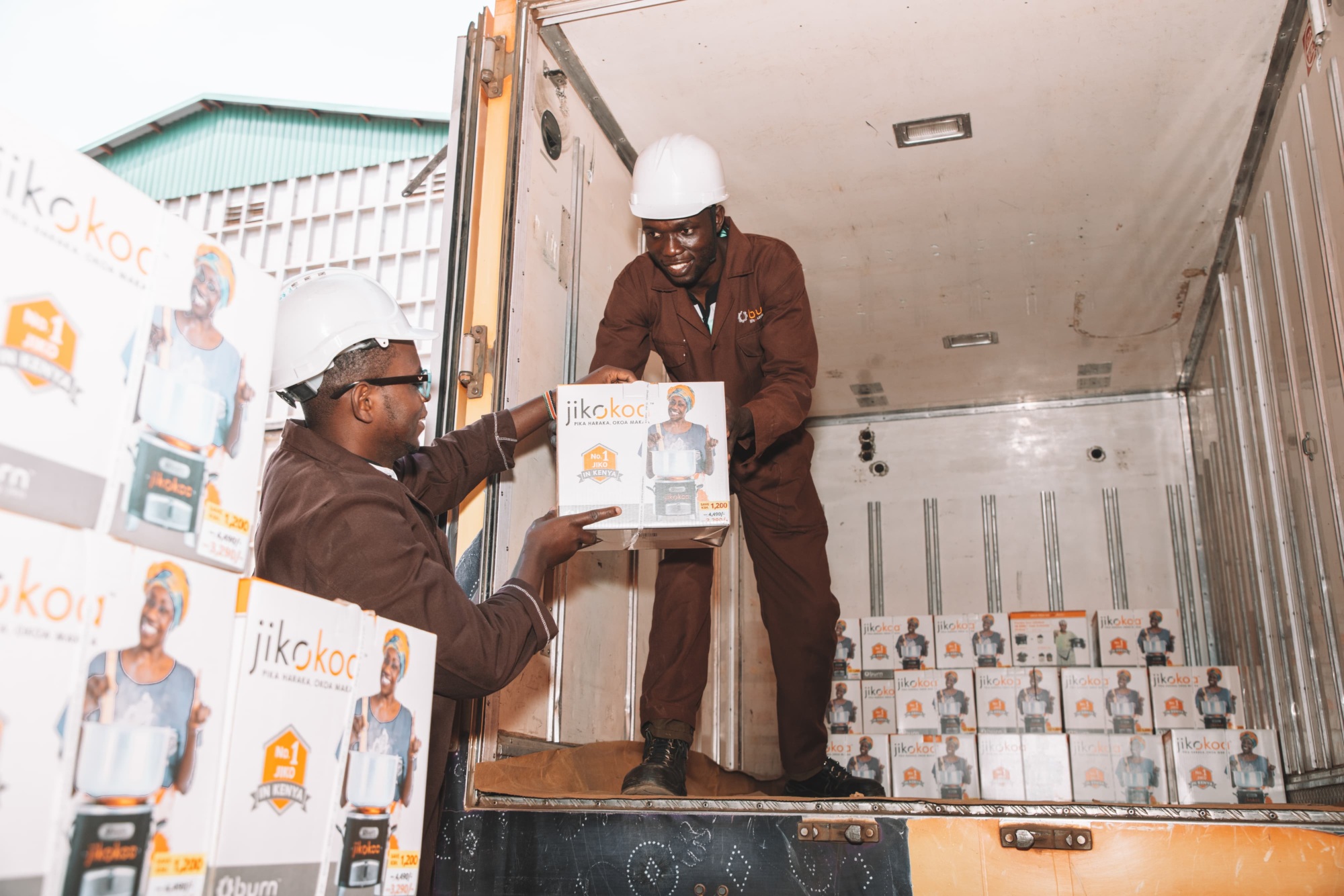
[Clean Cooking Alliance]
GOGLA
GOGLA is the global association for the off-grid solar energy industry, representing over 200 members. As a long-standing convener and advocate, GOGLA plays a critical role in shaping policy, collecting market intelligence, and promoting consumer protection. Their leadership helps build a transparent and investable solar market.
Fun Fact: GOGLA’s deep sector expertise, strong relationships with governments and financiers, and commitment to evidence-based advocacy make them a linchpin in advancing off-grid solar.
VeraSol
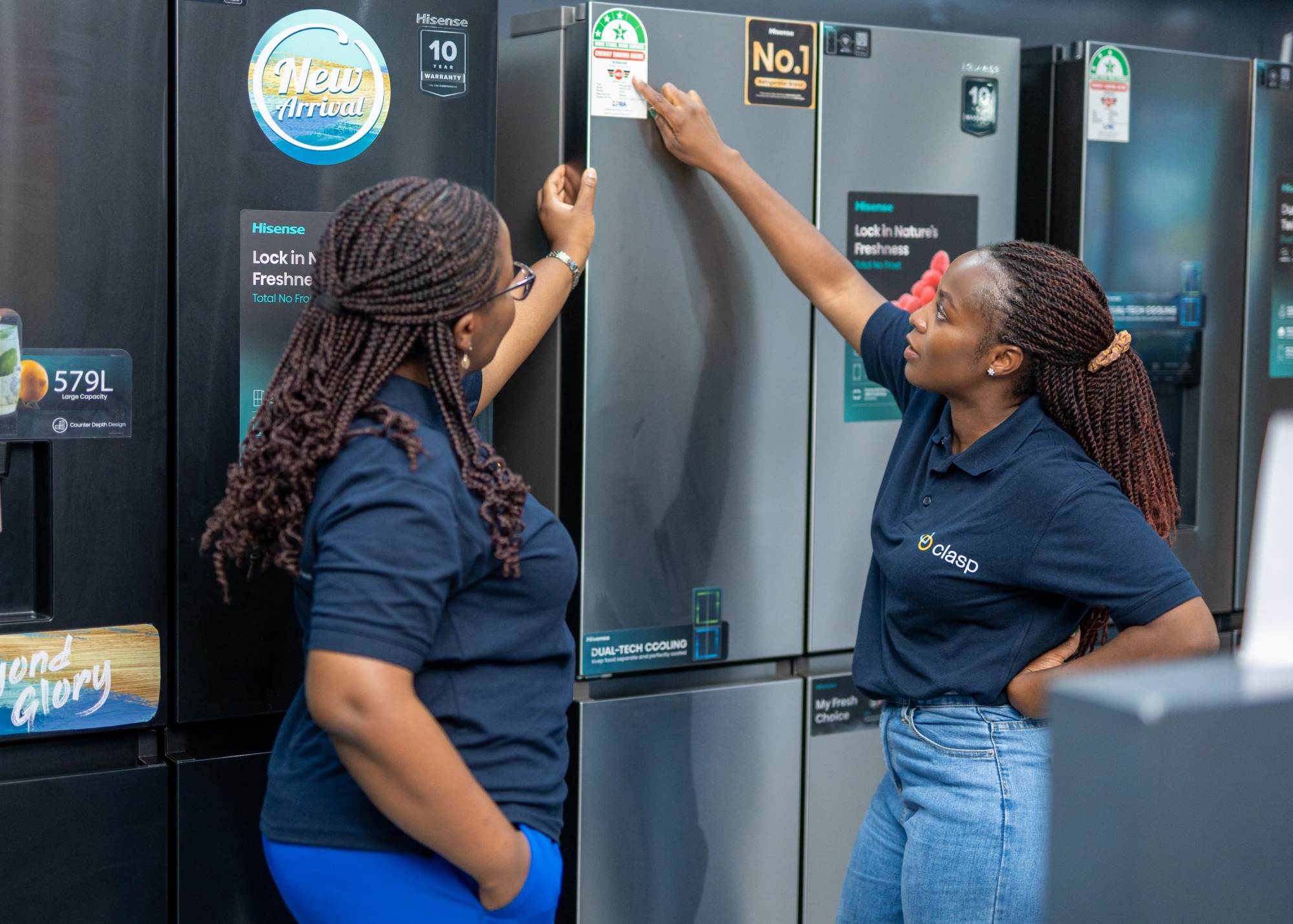
VeraSol provides quality assurance for off-grid solar products and appliances, including testing and certification services. Their standards and lab network help governments, donors, and consumers identify trustworthy products.
“VeraSol is a fundamental quality assurance framework that protects the poorest consumers. By protecting consumers and markets from sub-standard products, VeraSol safeguards investments in clean energy transitions, especially in fragile and underserved communities,” Elisa Lai, Senior Program Manager, VeraSol.
Fun Fact: As distributed energy markets grow, protecting consumers from poor-quality products is essential. VeraSol is the gold standard in this space, offering a proven pathway to quality and trust.
[Photo: CLASP]
Nigeria Off-grid Market Accelerator Program (NOMAP)
NOMAP supports Nigeria’s distributed renewable energy market through policy analysis, investor engagement, and ecosystem strengthening.
Fun Fact: NOMAP is helping to tackle Nigeria’s energy access challenge with strategic, locally grounded solutions and strong partnerships.
Precise
Precise builds learning ecosystems and delivers cutting-edge research and insights to business, governments, and non-profits in Ethiopia to help them make strategic development decisions.
“At Precise, we build market systems that empower local innovators and entrepreneurs to win the war against poverty. By partnering with philanthropies, we design and deliver bold, private sector-led solutions tailored to local realities. Solutions that help our partners do more with less. Our work drives systemic change that supports climate-resilient growth, creates jobs, raises incomes, improves nutrition and health, and empowers women,” Henok Assefa, Managing Partner, Precise.
Fun Fact: Precise designs and delivers bold, private sector-led solutions tailored to local realities that help their partners do more with less.

[Photo: Precise]
Uganda Off-grid Market Accelerator (UOMA)
UOMA works closely with government, industry, and development partners to identify market barriers and coordinate solutions. Their work includes technical assistance, data analysis, and stakeholder engagement to advance energy access nationally.
“UOMA has played a pivotal role in Uganda’s energy access journey, unlocking capital, enabling last-mile delivery, and supporting over 250,000 households. As the sector grows more complex, UOMA’s role as a neutral intermediary is critical in bridging silos, aligning stakeholders, and translating ambition into coordinated, on-the-ground action, especially in emerging areas like productive use and humanitarian energy access,” Reza Fazel, Associate Partner at Open Capital and Head of UOMA.
Fun Fact: Uganda is a key energy access frontier, and UOMA has a strong record of translating insights into action and facilitating national-level collaboration.
[Photo: UOMA]
A new model for impact
While these organizations vary in scope and geography, they share common strengths: strong governance, technical expertise, trusted relationships, and a commitment to systemic change. By supporting their growth and resilience, the Facility aims to create a more coordinated, capable, and impactful energy access ecosystem.
——
About The Facility
The Energy Access Institutions Facility is a joint donor initiative to support and strengthen the institutions that are essential for the achievement of Sustainable Development Goal 7, universal access to affordable, reliable, sustainable, and modern energy by 2030. The Facility is supported by DOEN, British International Investment, Good Energies Foundation, the Swedish International Development Agency (Sida), and UK aid via the Transforming Energy Access (TEA) platform and is managed by CLASP.