
Brazil Is Driving Down Consumer Costs by Revving Up Efficiency
Brazil is one of the world’s most unequal countries, with 24% of the population living in poverty as of 2022. Millions of people in the dense, low-income communities known as favelas struggle to access the energy needed to keep their lights on, forcing many to turn to dangerous, illegal alternatives like electricity theft.
Inequalities in Brazilian energy access are glaring. Basic services like cooling and cooking are becoming increasingly cost prohibitive to households with fewer resources. Getting affordable, efficient appliances into the hands of more Brazilians is critical to protecting the country’s health, productivity, and economic sustainability.
Take refrigeration, for example. According to recent UN data, about a third of Brazilians face moderate or severe food insecurity. Putting more efficient refrigerators on the market can reduce energy bills, promote food security, and drive appliance affordability.
Understanding the importance of this opportunity, Brazil’s government revised its refrigerator minimum efficiency policy in 2023 with technical support from CLASP.
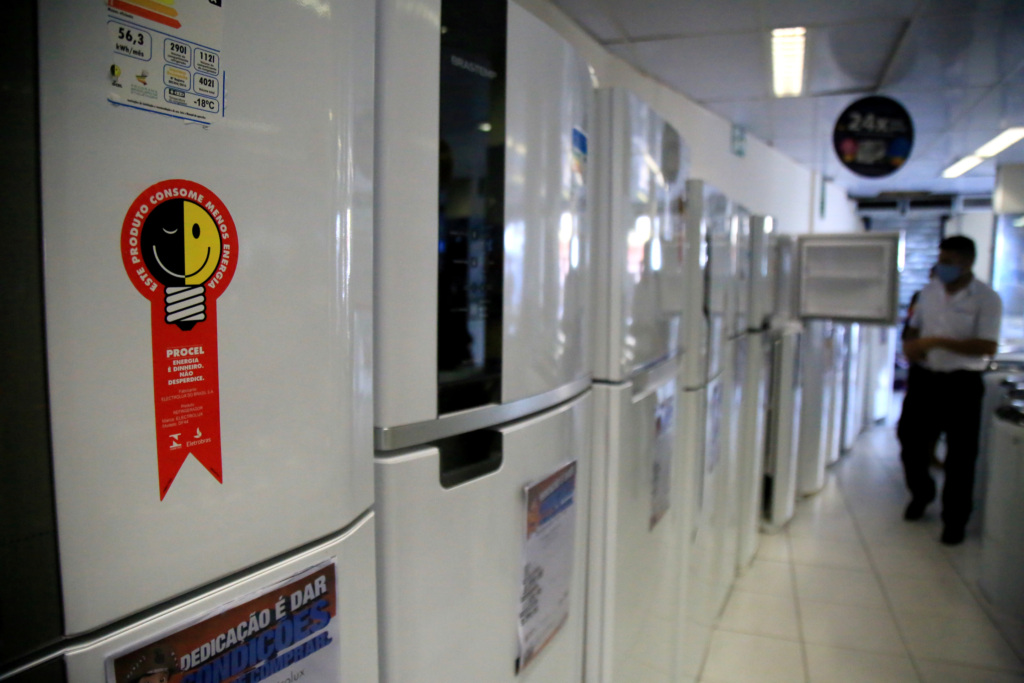
Efficiency drives affordability
While the new policy was being debated, appliance manufacturers implemented a mass media campaign to stoke public fear. They claimed that removing the least-efficient refrigerators from the market would make refrigeration unaffordable to average Brazilians, predicting that all refrigerators would cost more than $1,000 USD under the new rule.
This proved to be far from the truth.
Within days of the refrigerator policy’s implementation, Brazilian manufacturer Esmaltec introduced a new, high-efficiency refrigerator listed for only $358 USD— well within the average historic price range. Whirlpool, Brazil’s largest manufacturer, also announced that its prices would not increase as a result of the policy.
Other nations that have passed ambitious new appliance policies have seen similar results. When a country raises its appliance energy efficiency levels, manufacturers are prompted to increase production of innovative technologies that meet the market’s new requirements. As production volumes increase, the upfront prices of more-efficient equipment like air conditioners, stoves, and lightbulbs drop as the market for these products becomes more competitive. The cost savings increase over an efficient appliance’s lifetime due to reduced energy use.
In Brazil, CLASP anticipates that this trend will extend to the full domestic refrigerator market. The new refrigerator policy is expected to save consumers an average of US$164 on electricity bills over the lifetime of the appliance.
Policymakers have proven tools on hand
Energy labels and minimum efficiency policies are proven policymaking tools to reduce upfront appliance costs and cut household energy use. Brazil’s government has committed to improving appliance efficiency in the upcoming years — opening the floodgates for affordable, planet-friendly appliances for all Brazilians.
In 2024, CLASP is supporting Brazilian policymakers in developing minimum efficiency policy and labels for lighting, as well as the country’s first-ever minimum efficiency policies for commercial air conditioners and refrigerators.
CLASP’s report, Net Zero Heroes: Scaling Efficient Appliances for Climate Change Mitigation, Adaptation & Resilience, offers ambitious efficiency targets for the most impactful appliances and equipment. Explore our recommendations here.
CLASP Chosen to Lead Initiative with Potential to Bring Clean Energy to Millions
Kigali, Rwanda – At the Transforming Energy Access (TEA) Forum in Kigali, Rwanda this week, CLASP was announced as the new host and manager of the Energy Access Institutions Facility, an initiative that seeks to provide core funding and technical assistance to organizations who accelerate access to life-changing, off-grid energy to millions of people around the world.
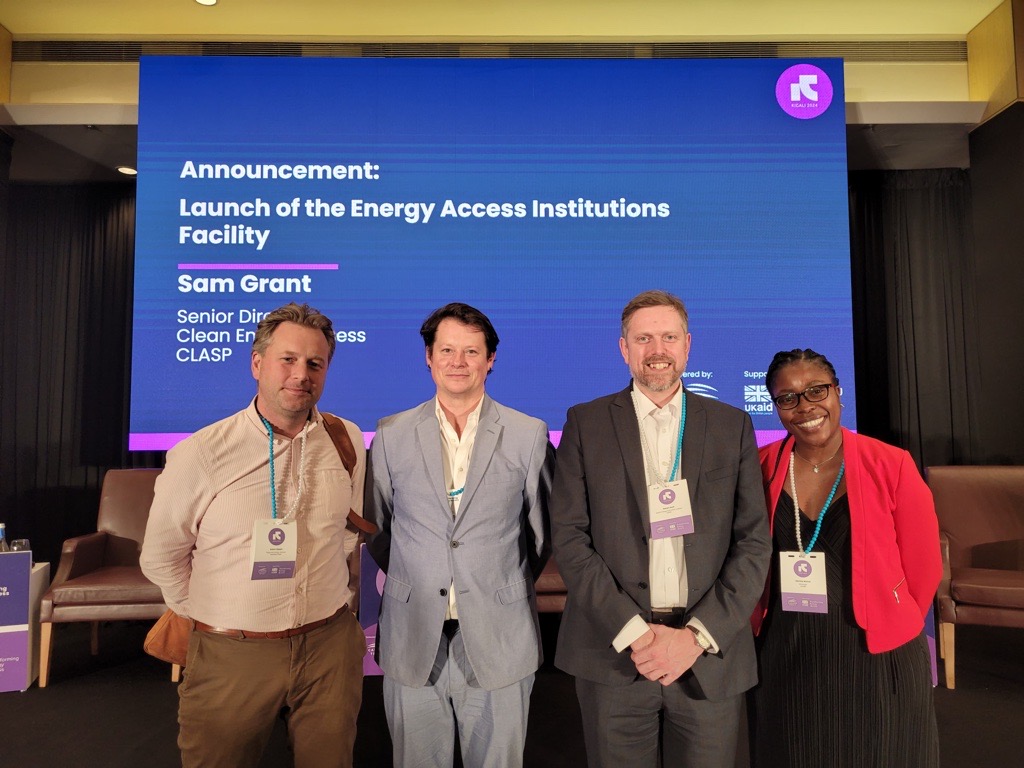
Over the next five years, the Facility’s vision is to deploy $25 million USD to a portfolio of five to ten impactful organizations, known as “market institutions”, that are working to grow the distributed renewable energy (DRE) sector. DRE systems are stand-alone, off-grid energy solutions that generate and distribute renewable energy without needing to be connected to the main grid. Expanding this sector has the potential to transform lives and livelihoods by increasing incomes, empowering women, enhancing educational opportunities, improving healthcare, reducing food waste, avoiding greenhouse gas emissions, and much more.
The Facility’s growing portfolio of organizations is expected to have reach across several countries in sub-Saharan Africa and South Asia, potentially increasing the delivery of renewable off-grid energy to millions of people from low-income communities.
Market institutions that support the following will be eligible to apply to the Energy Access Institutions Facility:
- Clean cooking solutions
- Energy efficient appliances and equipment
- Productive Use of Energy
- Standalone solar systems
- Micro grids and mini grids
This Facility is a result of multiple years of funding and commitment by the UK’s Foreign, Commonwealth and Development Office (FCDO) and the UK charity Shell Foundation (SF), and two years of incubation and development managed by Open Capital. FCDO and SF provided $5.5 million USD in seed funding to the first tranche of market institutions to prove this concept.
In the Facility’s first year, five market institutions, including the Africa Minigrid Developers Association (AMDA), Ethiopia Energy Market Accelerator (EMA), GOGLA, Nigeria Off-Grid Market Accelerator Programme (NOMAP), and the Uganda Off-Grid Market Accelerator, were the first grantees.
The Swedish International Development Cooperation Agency (Sida) has recently announced its commitment to providing approximately $4.5 million USD in funding for this next phase led by CLASP. This support will enable the Facility to disperse further funding to another round of market institutions and accelerate the Facility’s growth. In the coming months, CLASP is committed to securing additional funding from donors who have already indicated an interest in this impactful initiative.
Anders Arvidson, Senior Advisor and Team Lead in Sida’s Power Africa Team, noted:
“The Facility’s vision of accelerating access to clean energy for the world’s lowest-income people strategically aligns with Sida’s mission to reduce poverty around the world by partnering with the private sector in support of market development and mobilization of capital. We are proud to offer our support to take this initiative to its next phase, and to accelerate necessary growth in the clean energy sector. We look forward to working closely with CLASP to realize this vision.”
CLASP was selected because of the organization’s 25-year tenure as the leading, global organization advancing affordable, efficient appliances to mitigate climate change and help communities adapt and thrive. CLASP has proven expertise managing similar programs, including serving as the co-secretariat of the Efficiency for Access Coalition, an initiative supporting off-grid appliance market research and innovation; and as Operating Agent for the Super-efficient Appliance and Equipment Deployment (SEAD), a $20 million initiative under the Clean Energy Ministerial. CLASP also manages the Productive Use Financing Facility, a $6.5 million financing facility to catalyze the uptake of productive use appliances across East, West and Central Africa.
Christine Egan, CEO at CLASP, reflected on how the Energy Access Institutions Facility would push for real impact in the sector:
“The Energy Access Institutions Facility is positioned to impact and enhance millions of lives at a critical moment for sustainable development and global climate ambition. Exponentially increasing the number of people using off-grid, renewable energy and appliances will be a livelihood game changer in regions where access to traditional grid electricity is insufficient or non-existent. CLASP is committed to serving the sector and partnering with essential energy access institutions to deliver and scale collective impacts.”
In the coming months, CLASP will communicate opportunities for involvement and next steps for market-enabling organizations who are interested in participating, as well as donors who are interested in further supporting the Facility.
About the Facility
The Energy Access Institutions Facility is a joint donor initiative to support and strengthen the institutions that are essential for the achievement of Sustainable Development Goal 7, universal access to affordable, reliable, sustainable, and modern energy by 2030. The Facility is supported by the Swedish International Development Agency (Sida) and UK aid via the Transforming Energy Access (TEA) platform.
Learn more about the Facility.
About CLASP
CLASP is the leading global authority with 25 years’ expertise on how appliance efficiency drives climate mitigation, adaptation and improves the lives and livelihoods of people. An international nonprofit with offices on four continents, CLASP collaborates with policymakers, appliance manufacturers, and leading experts to deliver sound policy recommendations, innovative tools, groundbreaking research, and clear pathways to a more sustainable world for people and the planet.
CLASP Supports India Deliver Two More Appliance Efficiency Policies
On 1 March 2024, India’s Bureau of Energy Efficiency (BEE) announced two new appliance efficiency policies set to reduce roughly 16 million tonnes of CO2 emissions by 2033. CLASP supported BEE with technical assistance in the development of these policies.
The two new appliance efficiency polices are set to enhance the energy performances of commercial beverage coolers and packaged boilers. This was announced by Shri R. K. Singh, India’s Minister of Power and New and Renewable Energy at the 22nd anniversary of the founding of Bureau of Energy Efficiency (BEE). In implementing these, India aims to achieve 16 million tonnes reduction in CO2 emissions, cumulatively by 2033, helping the country meet its climate targets, reduce pressure on the national power grid and lower the running costs for businesses.
BEE’s Standards & Labeling Program now covers 37 efficiency policies, including appliances and equipment across residential, commercial, and industrial sectors. CLASP has collaborated with BEE for many years, providing technical assistance, research expertise and policy advice.
Reflecting on the launch, Bishal Thapa, Senior Director at CLASP, commended BEE for its proactive approach to energy efficiency and expressed optimism about the impact of these policies. “Energy efficiency is paramount to tackle climate change, and India’s commitment is commendable,” Bishal remarked. “At CLASP, we are pleased to provide technical assistance to BEE in the development and implementation of appliance efficiency policies in India. CLASP stands ready to support BEE in implementing these policies effectively, ensuring that they deliver tangible benefits for both India and the global community.”
The two policies cover the following appliances:
Commercial Beverage Coolers
While domestic refrigeration is already regulated for energy consumption in India, the India Cooling Action Plan (ICAP) noted the opportunity to increase the energy efficiency and lower the running costs of various commercial refrigeration products. This is timely as the number of commercial refrigerators, including commercial beverage coolers, is poised to double in the next decade.
Packaged Boilers
Packaged boilers are small-sized boilers essential for meeting steam and hot water needs of process industries. These small capacity boilers consume a significant amount of energy in industrial and commercial settings. The introduction of a new efficiency labeling program will allow consumers to select more energy-efficient package boilers that are much cheaper to run.
For close to 25 years, CLASP has developed effective tactics for driving climate mitigation and adaptation and improving people’s lives through appliance efficiency. CLASP collaborates with policymakers, appliance manufactures, and leading experts to deliver leading research, sound policy recommendations, innovative tools, and clear pathways to a more sustainable world.
Financing for Impact: Powering Change in Northern Uganda with Solar
Appliances Supporting Life-Saving Health Facilities
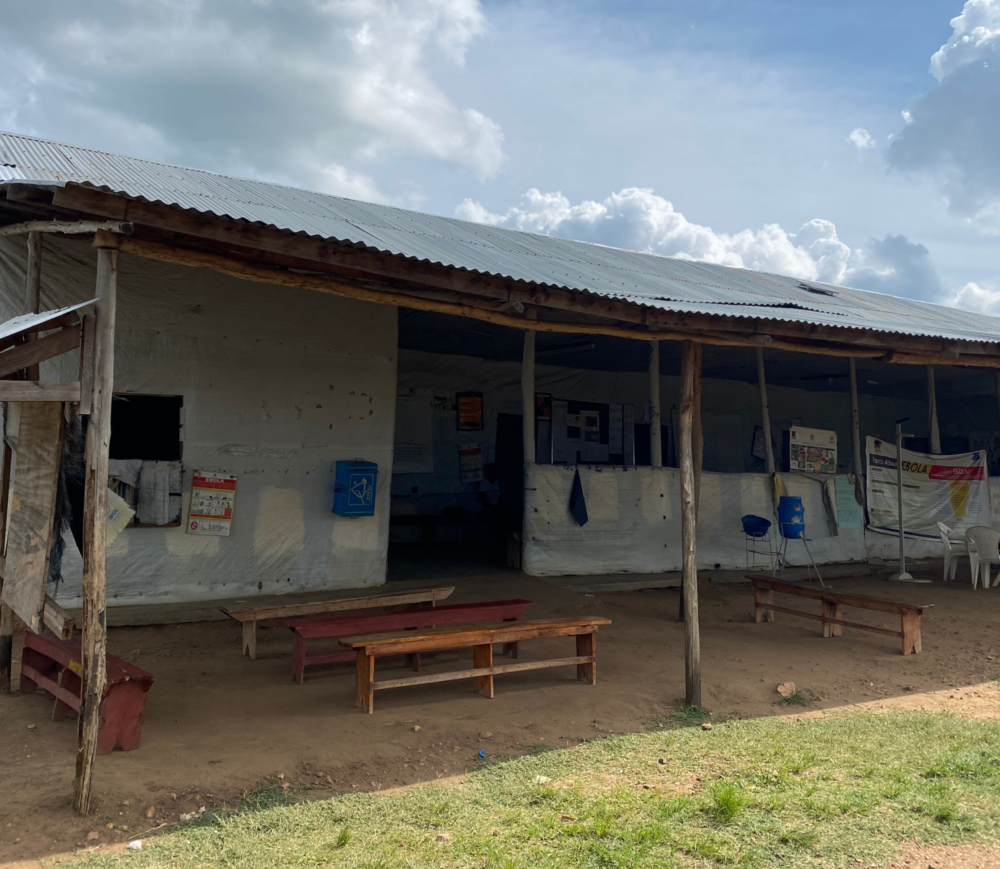
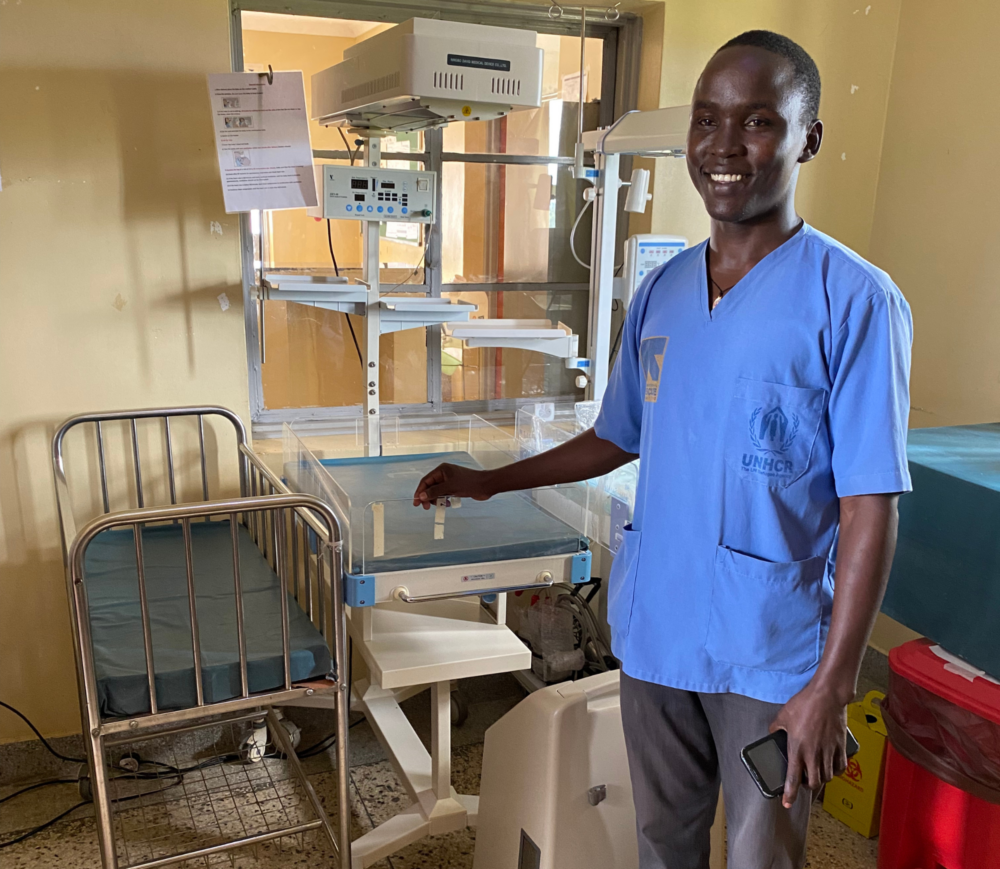
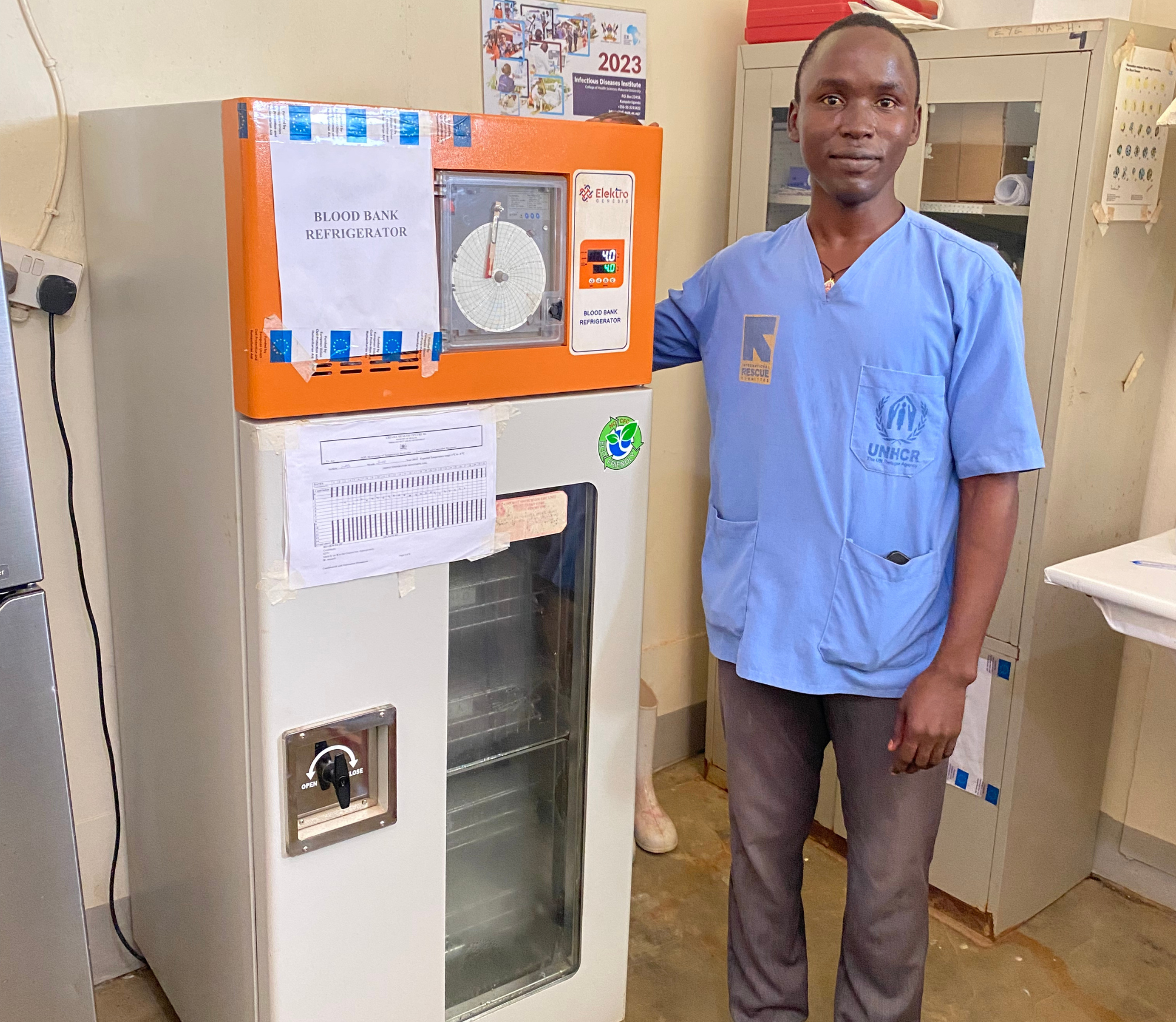
The Rhino Camp is a refugee settlement camp in Northern Uganda. Within the camp is the Ofua Health Center 3, a solar-powered medical facility with just two doctors attending to a population of over 45,000 people. Dr. Gideon Anguerini highlights a pressing challenge: the center’s reliance on a single, energy-inefficient fridge unsuitable for solar power. The health center aims to purchase an efficient solar-powered fridge from POPO Africa, an appliance distributor based in Uganda. With the fridge, the health center’s services will be expanded, its energy costs significantly lowered and it can treat more patients.
Delivering Change through Solar Solutions
From the outset, POPO Africa’s vision aimed at enhancing maternal health by ensuring that clinics in refugee camps had reliable solar lighting powered by solar battery packs. This expanded, as the company moved into leasing the battery packs to the wider community.
POPO’s solar batteries are a lifeline for community businesses, enabling them to operate after dark, offer phone charging services, and more. With 54 distribution points across five districts, POPO’s impact is widespread, directly employing 75 people and indirectly supporting many more through their distribution network. POPO Africa also places a strong emphasis on women’s economic empowerment, boasting a workforce that is 70% female.
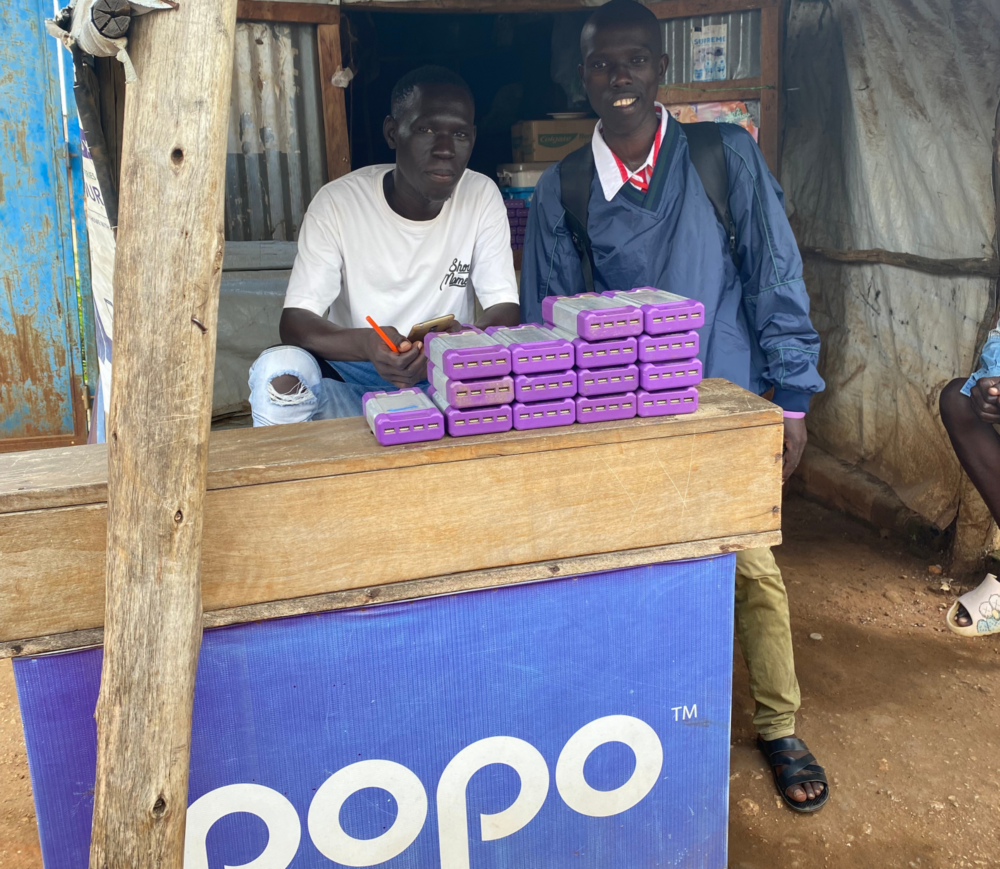
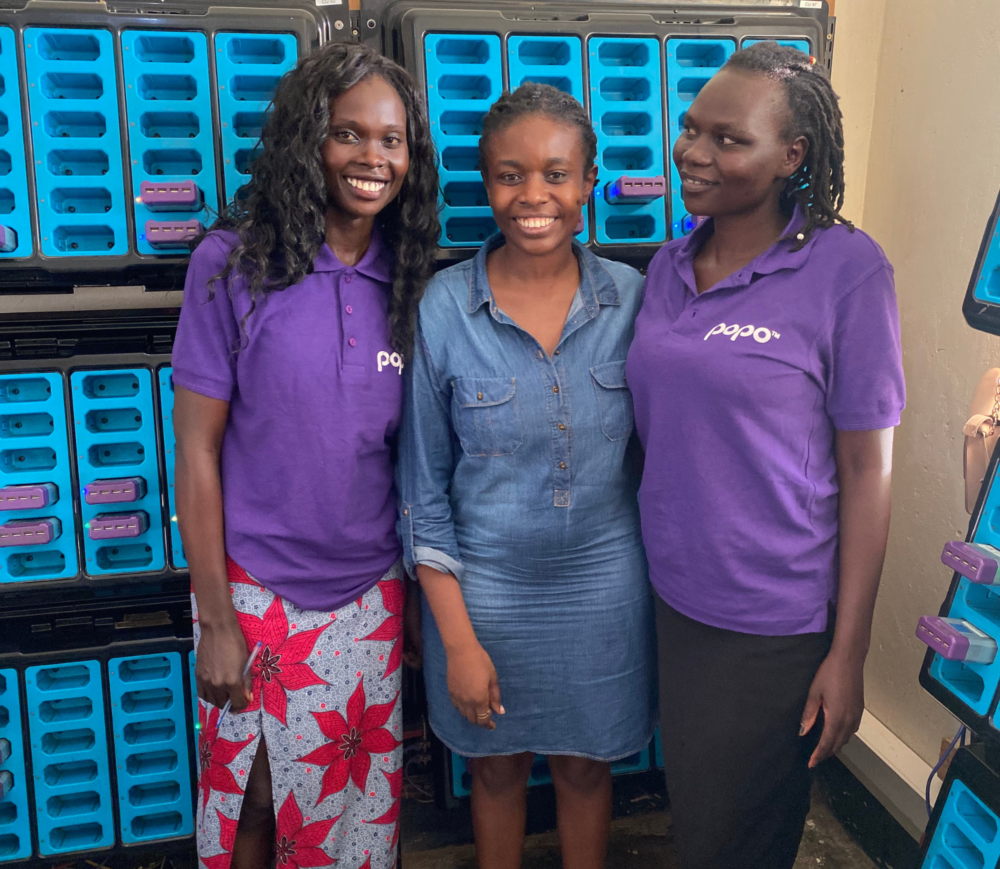
Recognizing the critical need for cooling services POPO aimed to revolutionize the off-grid cold chain service in Northern Uganda. The only barrier to this was capital constraints. POPO could not pursue the cold chain opportunity without external support. With funding from CLASP’s Productive Use Financing Facility, POPO was able to start selling solar-powered refrigerators, that will benefit healthcare facilities and empower local businesses.
Transformative, Impactful Financing
Efficient productive-use appliances (PUAs) like solar-powered refrigerators, pumps, and milling machines can have transformative effects on local communities, small businesses, and the environment. However, despite their potential for income generation, PUA sales remain remarkably low in emerging markets due to their relatively high upfront costs and a lack of access to finance. CLASP set up the Productive Use Financing Facility to address these challenges by helping distribution companies like POPO Africa sell their products at lower prices.
Overcoming Capital Constraints
With CLASP’s Facility’s procurement subsidies and capacity-building grant, POPO is working to sell approximately 140 refrigerators within a year. They have made that transformative step into the cold chain market and are now extending affordable, off-grid cooling to their customers, like the Ofua Health Center.
With each solar-powered battery and refrigerator, POPO is helping to build a future where energy is accessible, businesses thrive, and healthcare advances, even in the most remote corners of the world.
***
About The Productive Use Financing Facility
CLASP’s Productive Use Financing Facility, is supported by The Global Energy Alliance for People and Planet (GEAPP). It has provided financing to 24 companies in six countries, to enable the distribution of over 13,000 productive-use appliances, directly impacting more than 58,000 households.
Improving Public Health & Advancing Equity Goals with Appliance Energy Efficiency Standards
Federal energy efficiency standards for appliances and equipment lead to cleaner air, creating health benefits. By conserving energy, standards reduce both indirect emissions (from power plants) and direct emissions (from fossil fuel appliances). This decreases human exposure to fine particulate matter (PM2.5) pollution, a harmful form of particle pollution capable of entering the lungs and bloodstream and contributing to increased incidences of respiratory and cardiovascular health complications.
This factsheet summarizes the key findings from a recent report that estimates the distribution of public health benefits in disadvantaged communities in the United States. Specifically, it estimates the reductions in PM2.5-related deaths that can be attributed to standards adopted over a 30-year period and explores how standards can contribute to Justice40 Initiative goals.
Net Zero Heroes Event: The Essential Appliances for Climate Action
On 28 November 2023, CLASP hosted a virtual launch of the landmark publication ‘Net Zero Heroes: Scaling Efficient Appliances for Climate Change Mitigation, Adaptation & Resilience’. The event showcased how ten essential appliances, the #NetZeroHeroes, are crucial for achieving global climate objectives and advancing climate adaptation and resilience efforts.
Watch the recording to hear inspirational case studies and powerful data that prove the effectiveness and scalability of affordable, efficient appliance solutions. The Net Zero Heroes flagship report is launched ahead of the 2023 United Nations Climate Change Conference Conference (COP28) to be held in Dubai, United Arab Emirates (30 November-12 December 2023).
Event speakers
Our event featured a diverse group of experts who shared their insights and experiences in the world of energy efficiency, climate action, and appliance innovation.
- Axum Teferra – Clean Cooling Collaborative
- Christine Eibs Singer – Shine Campaign
- Christine Egan – CLASP
- Duncan Gibb – Regulatory Assistance Project (RAP)
- Oliver-Bealby Wright – Consumers International
The event was moderated by Joyita Mukherjee, a CLASP board member and expert in international development and blended finance.
Follow our #NetZeroHeroes digital campaign on social media.
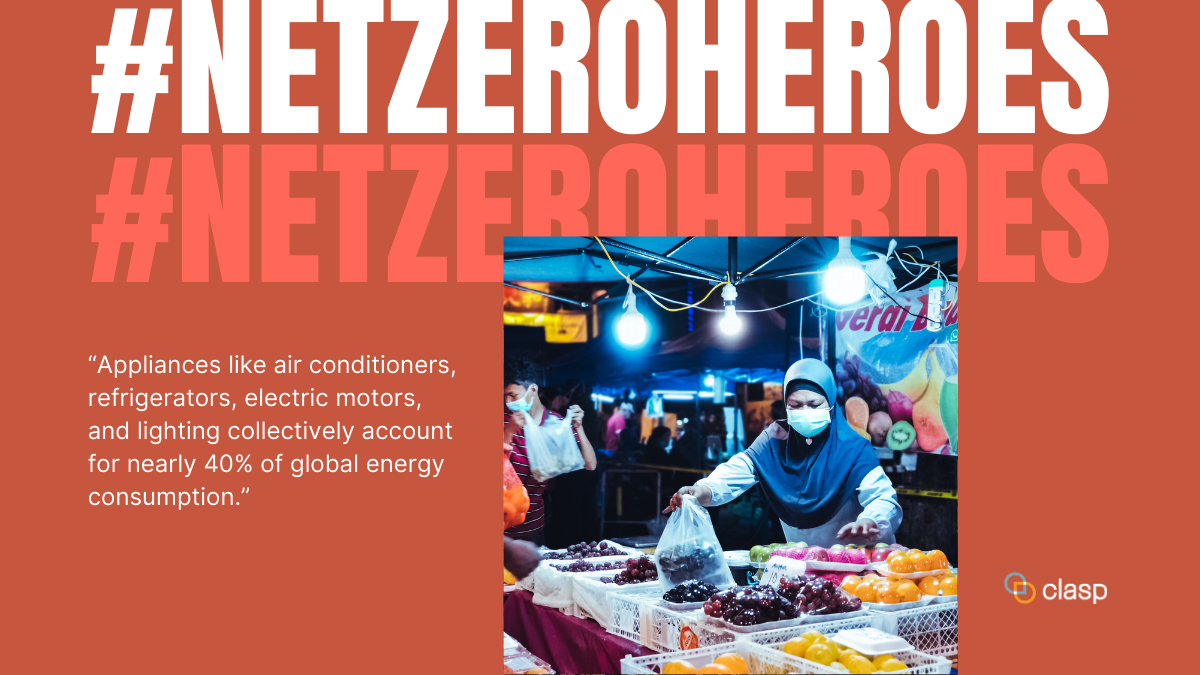
CLASP's Net Zero Heroes Air Conditioners, Comfort Fans, Refrigerator-Freezers, Heat Pump Space & Water Heaters, Electric Motors, Electric Cookers, Televisions, Solar Water Pumps
Net Zero Heroes: Scaling Efficient Appliances for Climate Change Mitigation, Adaptation & Resilience
Efficient appliances, lighting, and equipment are critical climate solutions, situated at the nexus of mitigation, adaptation, and sustainable development.
However, not enough is being done to maximize their benefits. In this report, CLASP lays out actions that must be taken by 2030 to put the world on a pathway to net zero emissions and enable a just energy transition. Our research identifies the ten appliances most vital to meeting global climate mitigation targets and improving people’s lives: the Net Zero Heroes.
Visit the Net Zero Heroes site to read and download the report.
Keep it Cool: Harnessing Cold Storage to Reduce Food Loss & Support Sustainable Food Systems in Emerging Economies
Cold storage technologies play a crucial role in preserving food freshness, preventing spoilage, and extending shelf life, but it is essential that they do so in an environmentally sustainable manner. This technology trend brief, titled “Keep it Cool: Harnessing Cold Storage to Reduce Food Loss & Support Sustainable Food Systems in Emerging Economies,” is brought to you by Efficiency for Access and partners. It highlights innovative cold chain technologies that are addressing these critical challenges.

Approximately one-third of all food produced is lost or wasted, resulting in staggering environmental impacts and economic losses.
The latest data from the Food and Agriculture Organization (FAO) offers some startling statistics about food loss. Not only is 14% of food lost in the supply chain, food waste also:
- Contributes to 8-10% of global greenhouse gas emissions;
- Squanders a land mass the size of China;
- And has an economic cost of around $1 trillion annually;
However, despite these losses, one in ten people globally remains malnourished. As the population grows and the demand for nutritious food increases, energy-efficient and sustainable cold chain becomes critical to reducing food loss, improving food security, and mitigating climate impact. We need a global paradigm shift towards cold storage technologies that align with international climate agreements.
This brief spotlights three organizations that are working alongside Efficiency for Access at the forefront of this field:
- Wageningen University & Research has developed a postharvest assessment method, which identifies key areas of food loss in the supply chain and suggests interventions to minimize waste. Their research provides valuable guidance for reducing food loss and improving the efficiency of the cold chain.
- Global Food Cold Chain Council is an independent not-for-profit industry organization that seeks to simultaneously reduce food waste, and related greenhouse gas emissions in the processing, transportation, storage, and retail display of cold food by expanding and improving access to energy efficient low-global warming potential technology.
- Champions 12.3 is a coalition of global leaders who are all committed to supporting SDG12.3 which aims to halve food waste and reduce food loss by 2030. The Champions 12.3 coalition develops and drives a number of initiatives which are targeted at tackling specific issues and problems with the food systems, thereby reducing food loss and waste.
Read the Keep it Cool: Harnessing Cold Storage to Reduce Food Loss & Support Sustainable Food Systems in Emerging Economies report here.
About Efficiency for Access
Efficiency for Access is a global coalition working to promote renewable and energy efficient appliances to deliver clean energy to the world’s poorest people. It is coordinated jointly by CLASP and the UK’s Energy Saving Trust.
Getting Appliances Back on Track: Assessing Progress Towards Global Energy Efficiency Commitments
At the United Nations Framework Convention on Climate Change (UNFCCC) 26th Conference of the Parties (COP26) in 2021 in Glasgow, Scotland, 15 countries signed onto the Super-efficient Appliance and Equipment Deployment (SEAD) Initiative Appliance Efficiency Call to Action—estimated to be the largest energy efficiency commitment ever. The 15 signatories pledged to double the energy efficiency of four priority product categories by 2030: air conditioners (ACs), lighting, electric motors, and refrigerators, which collectively account for more than 40% of global electricity consumption.
“Getting Appliances Back on Track: Assessing Global Efficiency Progress,” evaluates economies’ progress toward the goal of doubling product efficiency, including the 15 signatories plus four top-emitting economies. The report also provides insight into the leading policy levers for accelerating appliance efficiency efforts – including examples of effective implementation of key interventions like minimum energy performance standards (MEPS) and appliance energy labeling.
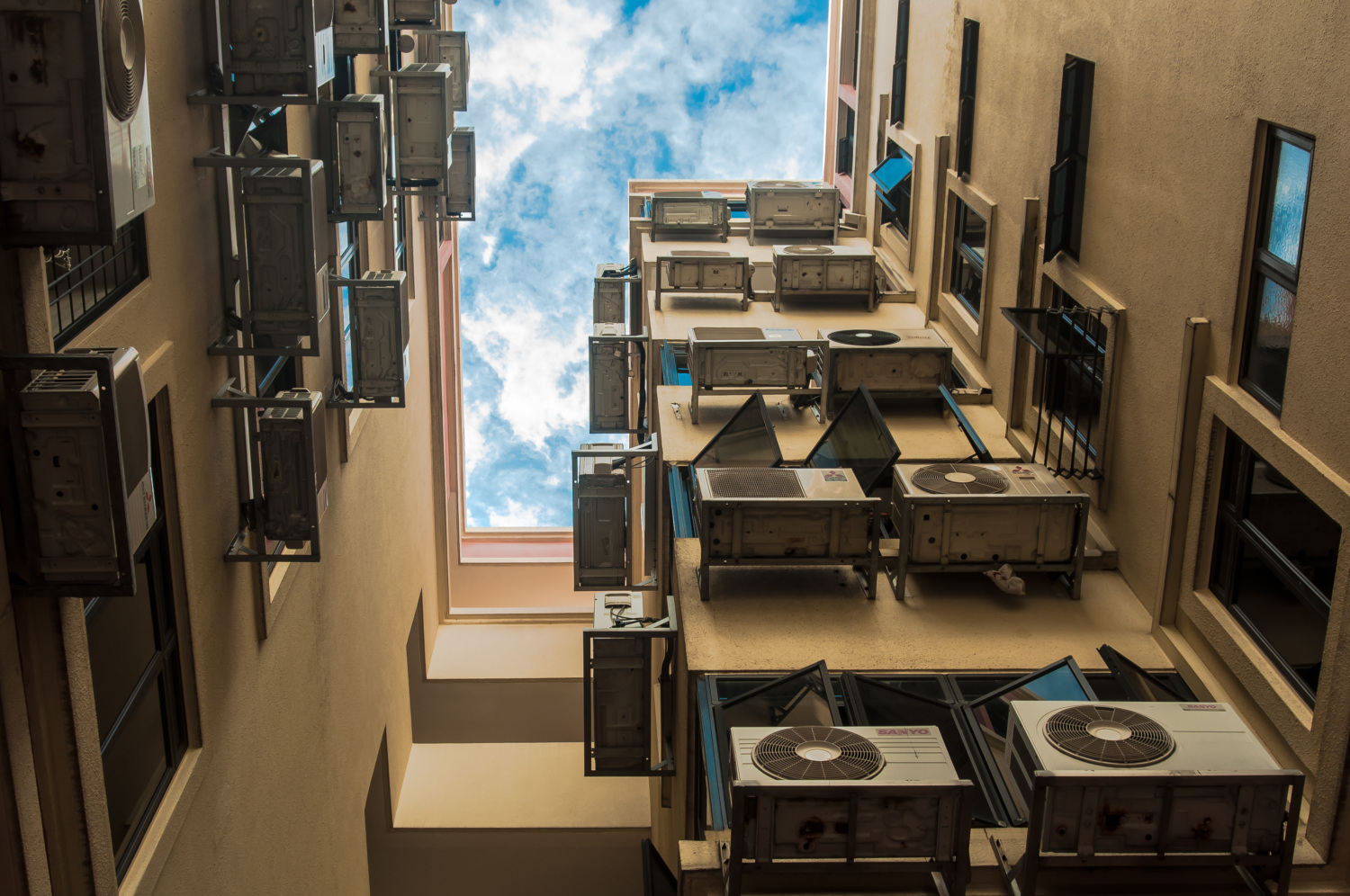
15 signatories pledged to double the energy efficiency of four priority product categories by 2030: air conditioners (ACs), lighting, electric motors, and refrigerators, which collectively account for more than 40% of global electricity consumption.
“Getting Appliances Back on Track” offers valuable analysis to economies already committed to prioritizing appliance energy efficiency, and illustrates a path toward success for governments interested in joining as a Call to Action signatory.
This report continues analysis from World’s Best MEPS, which provided a snapshot of the stringency of minimum energy performance standards (MEPS) for key products across top-emitting economies.
“Getting Appliances Back on Track” is the first publication of CLASP’s #NetZeroHeroes COP28 digital campaign, which will shine a light on the critical role of appliance energy efficiency in the lead-up to climate discussions at COP28.
2023 Tech Trends in Energy Access
Building upon the insights presented in Efficiency for Access’ 2021 Solar Appliance Technology Briefs, this Tech Trends series provides a window into the rapidly evolving appliances markets. This series synthesizes technical, impact and market research done by Efficiency for Access and partners into a digestible snapshot. It offers valuable insights into emerging trends and opportunities across various off-grid appropriate appliances that are most relevant to catalyzing energy access and achieving the Sustainable Development Goals, along with a focus on identifying critical areas that require attention, complemented by specific recommendations.
The technologies covered in this series encompass:
- Electric cooking (e-cooking)
- Fans
- Refrigerators
- Solar mills
- Solar water pumps
- Walk-in cold rooms
We will be releasing the appliance market summaries successively over the next few months.
This comprehensive series aims to inform future strategies of industry stakeholders, providing a clear understanding of the market’s trajectory. It serves as a valuable, quick-read resource for a diverse audience, ranging from interested donors and newcomers to the appliance sector to seasoned industry players seeking a convenient reference for sharing with their respective networks.
Download the 2023 Tech Trends in Energy Access technology briefs.
About Efficiency for Access
Efficiency for Access is a global coalition working to promote renewable and energy efficient appliances to deliver clean energy to the world’s poorest people. It is coordinated jointly by CLASP and the UK’s Energy Saving Trust.