
Ten US States Commit to LEDs
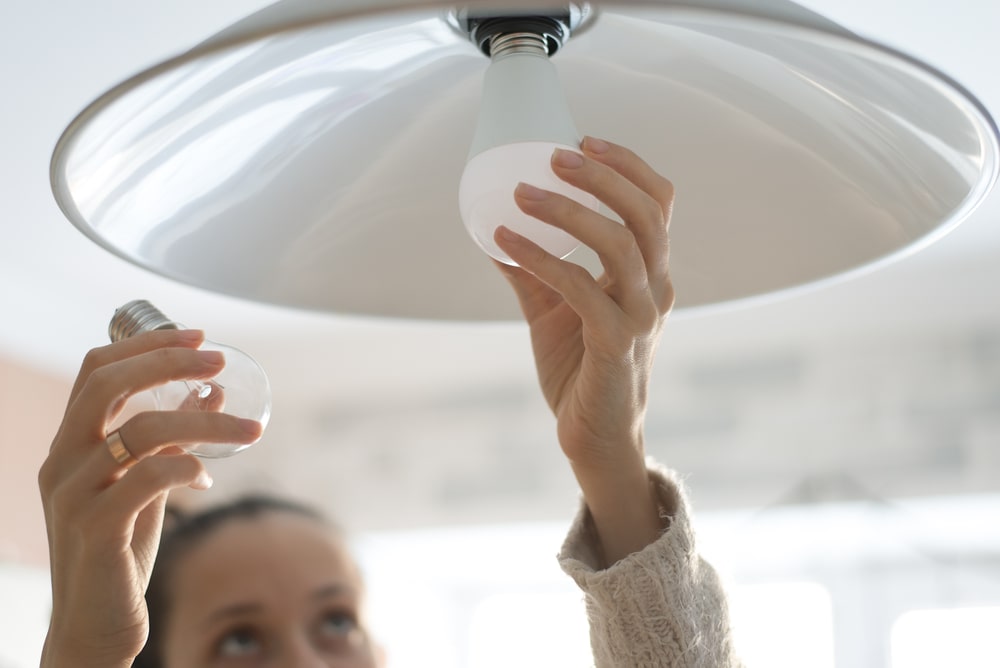
Policymakers from ten states across the United States (US) – California, Colorado, Hawai’i, Illinois, Maine, Minnesota, Oregon, Rhode Island, Vermont, and Washington – have passed ‘clean lighting bills’ in the last two years, advancing their transition to more efficient, cleaner light-emitting diode (LED) lighting technology. Together, the ten states will cumulatively avoid 13.6 megatons (Mt) of CO2 by 2050.
The clean lighting bills mean that over 20% of the US fluorescent lighting sold will switch to LED.
Why are LED Lights Better than Fluorescent?
LEDs are widely accessible, mercury-free lighting solutions that are twice as efficient and last two to three times longer than fluorescent alternatives. This means they reduce energy demand, carbon emissions, and electricity bills – high priorities for many states.
“Hawai‘i pays the highest electricity rates in the country, almost three times as high as the U.S. average,” said Jodi Robinson of the Blue Planet Foundation, who helped lead the effort to phase out fluorescents in Hawai’i. “Energy efficiency policies, like adopting clean lighting standards, are the most cost-effective solution to reduce greenhouse gas emissions, while also addressing the high energy burden facing our island’s residents and businesses.”
Vermont and California, the first and second states respectively to pass clean lighting bills, are now implementing the change.
“In Vermont, we are proud to have led the nation in moving to mercury-free lighting,” said Paul Burns, Executive Director of the Vermont Public Interest Research Group. “It was always our hope that other states would quickly follow, and it’s wonderful to see that happening, thanks to some excellent advocacy and organizing work. “
US States Matching Global Moves to Efficient Lighting
The ongoing revisions to the US’s federal lighting policies are incrementally raising the required efficiency of bulbs being sold on the market, slowly edging out the most inefficient and polluting products; however, there is an immediate opportunity to shut the door on costly lighting technologies.
“There is global momentum around the LED transition and US states are leading the pack,” said Ana Maria Carreño, Senior Climate Director at CLASP. “A national clean lighting policy would benefit every household and business across the US and help usher in the next generation of energy and cost-efficient lighting, while preventing further mercury pollution.”
At the recent Minamata Convention Fifth Conference of the Parties (COP5), countries agreed to phase out fluorescents globally by 2027. As the US is a party to the Convention, both state and federal action will be crucial to carrying out the decision nationally.
More states are signaling interest in passing their own clean lighting bills in upcoming legislative cycles. The CLASP lighting experts are watching closely to see when federal action will take advantage of the multifaceted benefits of an all-LED future.
__
CLASP and the Appliance Standards Awareness Project (ASAP) would like to thank the nearly 200 state advocate organizations who are making the clean lighting transition a reality across the US, including the clean lighting champions at:
- Blue Planet Foundation
- Environment Oregon
- Fresh Energy
- Green Energy Consumers Alliance
- Hawaii Energy
- Illinois Public Interest Research Group
- Massachusetts Public Interest Research Group
- Mercury Policy Project
- National Product Stewardship Council
- Natural Resources Council of Maine
- Northwest Energy Coalition
- Responsible Purchasing Network
- Southwest Energy Efficiency Project
- Vermont Public Interest Research Group
International Day of Light – How to Select the Best LED Bulb
Access to reliable, efficient lighting creates a better, brighter future for communities as learning, work, sport, and quality time together is not limited by the sun’s schedule. The universal need for quality, affordable lighting parallels the global market’s rapid transition to all light emitting diode (LED) lightbulbs. Today CLASP marks International Day of Light, by having our efficiency experts provide tips to select the best LED for your home or place of work.
1. Prioritize efficiency
LEDs are the most efficient lighting technology available – 40% more efficient than fluorescent lamps. Efficiency is measured in lumen per watt (lm/W), or amount of light per amount of electricity used. The more light the bulb can produce per watt, the more efficient the LED.
For the biggest cost savings and positive environmental impact, prioritize bulbs with an efficiency of 90 lm/W or above. To see how a particular LED’s efficiency stacks up to the market, look for a national energy label on the package.
2. Consider cost-effectiveness and lifespan
Higher efficiency means lower operating costs over the lifetime of the lamp – so a higher price for an efficient bulb is offset by the money saved over the LED’s use. CLASP’s research indicates that the payback period for LEDs (i.e., when the energy bill savings outweigh the upfront purchase cost of the bulb) is often only a few months, and in some cases it is instantaneous.
LEDs have a long lifespan – up to 2-3 times longer than fluorescent options. By investing in higher quality LEDs for your home or work, you can reduce the number of replacements bulbs needed in the future.
3. Select the right LED to replace obsolete lighting
Making the transition to LEDs from obsolete lighting technologies like fluorescents or incandescent should be smooth – an LED drop-in replacement that fits into your existing socket is available for the vast majority of uses. In the rare case a drop-in LED will not work for you, talk to your local electrician – there are simple, inexpensive solutions on hand.
4. Pick your favorite color
LED lightbulbs come in a wide array of color temperatures, hues, and brightness levels. Look for details on the packaging about the lamp’s aesthetic to pick the best option for your home or work. An added bonus in some markets: unlike their fluorescent counterparts, many LEDs now can change colors and sync to your WiFi system for control via your smartphone.
CLASP Chosen to Lead Initiative with Potential to Bring Clean Energy to Millions
Kigali, Rwanda – At the Transforming Energy Access (TEA) Forum in Kigali, Rwanda this week, CLASP was announced as the new host and manager of the Energy Access Institutions Facility, an initiative that seeks to provide core funding and technical assistance to organizations who accelerate access to life-changing, off-grid energy to millions of people around the world.
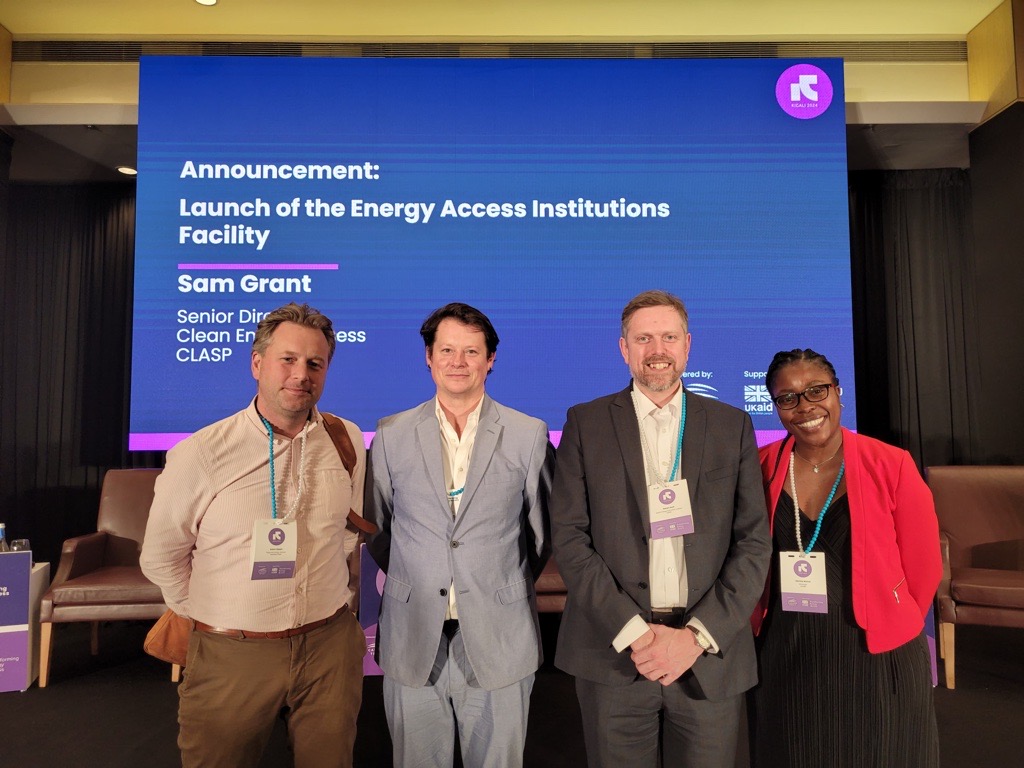
Over the next five years, the Facility’s vision is to deploy $25 million USD to a portfolio of five to ten impactful organizations, known as “market institutions”, that are working to grow the distributed renewable energy (DRE) sector. DRE systems are stand-alone, off-grid energy solutions that generate and distribute renewable energy without needing to be connected to the main grid. Expanding this sector has the potential to transform lives and livelihoods by increasing incomes, empowering women, enhancing educational opportunities, improving healthcare, reducing food waste, avoiding greenhouse gas emissions, and much more.
The Facility’s growing portfolio of organizations is expected to have reach across several countries in sub-Saharan Africa and South Asia, potentially increasing the delivery of renewable off-grid energy to millions of people from low-income communities.
Market institutions that support the following will be eligible to apply to the Energy Access Institutions Facility:
- Clean cooking solutions
- Energy efficient appliances and equipment
- Productive Use of Energy
- Standalone solar systems
- Micro grids and mini grids
This Facility is a result of multiple years of funding and commitment by the UK’s Foreign, Commonwealth and Development Office (FCDO) and the UK charity Shell Foundation (SF), and two years of incubation and development managed by Open Capital. FCDO and SF provided $5.5 million USD in seed funding to the first tranche of market institutions to prove this concept.
In the Facility’s first year, five market institutions, including the Africa Minigrid Developers Association (AMDA), Ethiopia Energy Market Accelerator (EMA), GOGLA, Nigeria Off-Grid Market Accelerator Programme (NOMAP), and the Uganda Off-Grid Market Accelerator, were the first grantees.
The Swedish International Development Cooperation Agency (Sida) has recently announced its commitment to providing approximately $4.5 million USD in funding for this next phase led by CLASP. This support will enable the Facility to disperse further funding to another round of market institutions and accelerate the Facility’s growth. In the coming months, CLASP is committed to securing additional funding from donors who have already indicated an interest in this impactful initiative.
Anders Arvidson, Senior Advisor and Team Lead in Sida’s Power Africa Team, noted:
“The Facility’s vision of accelerating access to clean energy for the world’s lowest-income people strategically aligns with Sida’s mission to reduce poverty around the world by partnering with the private sector in support of market development and mobilization of capital. We are proud to offer our support to take this initiative to its next phase, and to accelerate necessary growth in the clean energy sector. We look forward to working closely with CLASP to realize this vision.”
CLASP was selected because of the organization’s 25-year tenure as the leading, global organization advancing affordable, efficient appliances to mitigate climate change and help communities adapt and thrive. CLASP has proven expertise managing similar programs, including serving as the co-secretariat of the Efficiency for Access Coalition, an initiative supporting off-grid appliance market research and innovation; and as Operating Agent for the Super-efficient Appliance and Equipment Deployment (SEAD), a $20 million initiative under the Clean Energy Ministerial. CLASP also manages the Productive Use Financing Facility, a $6.5 million financing facility to catalyze the uptake of productive use appliances across East, West and Central Africa.
Christine Egan, CEO at CLASP, reflected on how the Energy Access Institutions Facility would push for real impact in the sector:
“The Energy Access Institutions Facility is positioned to impact and enhance millions of lives at a critical moment for sustainable development and global climate ambition. Exponentially increasing the number of people using off-grid, renewable energy and appliances will be a livelihood game changer in regions where access to traditional grid electricity is insufficient or non-existent. CLASP is committed to serving the sector and partnering with essential energy access institutions to deliver and scale collective impacts.”
In the coming months, CLASP will communicate opportunities for involvement and next steps for market-enabling organizations who are interested in participating, as well as donors who are interested in further supporting the Facility.
About the Facility
The Energy Access Institutions Facility is a joint donor initiative to support and strengthen the institutions that are essential for the achievement of Sustainable Development Goal 7, universal access to affordable, reliable, sustainable, and modern energy by 2030. The Facility is supported by the Swedish International Development Agency (Sida) and UK aid via the Transforming Energy Access (TEA) platform.
Learn more about the Facility.
About CLASP
CLASP is the leading global authority with 25 years’ expertise on how appliance efficiency drives climate mitigation, adaptation and improves the lives and livelihoods of people. An international nonprofit with offices on four continents, CLASP collaborates with policymakers, appliance manufacturers, and leading experts to deliver sound policy recommendations, innovative tools, groundbreaking research, and clear pathways to a more sustainable world for people and the planet.
Driving Sustainable Building Practices: CLASP’s Impact in Indonesia
Opportunity for change
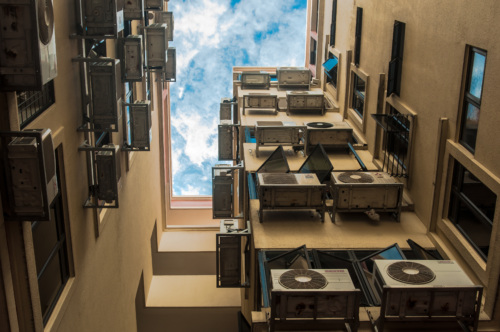
Accounting for a whopping 70% of the nation’s electricity usage, Indonesia’s building sector is poised for change. Recognizing the opportunity to enhance energy efficiency in buildings, CLASP has spearheaded initiatives to promote more sustainable building practices, particularly with energy-efficient cooling systems.
CLASP supported the establishment of the Minimum Energy Performance Standards (MEPS) for lighting and air conditioning systems. This regulation encourages building owners to adopt energy-efficient cooling solutions, reducing demand on the national power grid, and lowering energy costs for consumers. Energy audits recommended by CLASP also identify inefficiencies and allow for their rectification.
Efficiency creates energy savings and emission reduction
At a recent National Seminar on Decarbonization of the Building Sector, CLASP, ASHRAE Indonesia Chapter and the Ministry of Energy and Mineral Resources (MEMR), brought together industry experts to highlight the critical role of energy-efficient equipment, especially chillers. Chillers account for up to 60% of a building’s energy use, making it a significant opportunity for energy savings and emissions reduction.
Sripeni Inten Cahyani, expert to the MEMR Minister, noted that by embracing energy-efficient appliances and adhering to Minimum Energy Performance Standards (SKEM or MEPS), Indonesia aims to achieve a substantial 83.8 million tons reduction in CO2 emissions by 2030.
Efficiency also yields economic benefits
Sripeni noted potential annual savings of approximately IDR 1.9 trillion (USD 121 million) through the implementation of energy management practices, equivalent to 111,600 tons of oil saved per year.
CLASP’s advocacy and collaborative efforts support the drive for sustainable development in Indonesia’s building sector. By promoting energy-efficient cooling solutions and supporting the implementation of improved standards, CLASP contributes to a more sustainable, more resilient future for Indonesia and the world’s climate.
Image credits: CNA/Danang Wisanggeni
Net Zero Heroes Event: The Essential Appliances for Climate Action
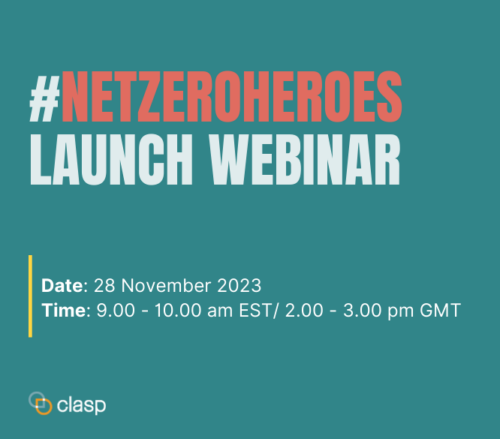
On 28 November 2023, CLASP hosted a virtual launch of the landmark publication ‘Net Zero Heroes: Scaling Efficient Appliances for Climate Change Mitigation, Adaptation & Resilience’. The event showcased how ten essential appliances, the #NetZeroHeroes, are crucial for achieving global climate objectives and advancing climate adaptation and resilience efforts.
Watch the recording to hear inspirational case studies and powerful data that prove the effectiveness and scalability of affordable, efficient appliance solutions. The Net Zero Heroes flagship report is launched ahead of the 2023 United Nations Climate Change Conference Conference (COP28) to be held in Dubai, United Arab Emirates (30 November-12 December 2023).
Event speakers
Our event featured a diverse group of experts who shared their insights and experiences in the world of energy efficiency, climate action, and appliance innovation.
- Axum Teferra – Clean Cooling Collaborative
- Christine Eibs Singer – Shine Campaign
- Christine Egan – CLASP
- Duncan Gibb – Regulatory Assistance Project (RAP)
- Oliver-Bealby Wright – Consumers International
The event was moderated by Joyita Mukherjee, a CLASP board member and expert in international development and blended finance.
Follow our #NetZeroHeroes digital campaign on social media.
CLASP's Net Zero Heroes Air Conditioners, Comfort Fans, Refrigerator-Freezers, Heat Pump Space & Water Heaters, Electric Motors, Electric Cookers, Televisions, Solar Water Pumps
Net Zero Heroes: Scaling Efficient Appliances for Climate Change Mitigation, Adaptation & Resilience
Efficient appliances, lighting, and equipment are critical climate solutions, situated at the nexus of mitigation, adaptation, and sustainable development.
However, not enough is being done to maximize their benefits. In this report, CLASP lays out actions that must be taken by 2030 to put the world on a pathway to net zero emissions and enable a just energy transition. Our research identifies the ten appliances most vital to meeting global climate mitigation targets and improving people’s lives: the Net Zero Heroes.
Visit the Net Zero Heroes site to read and download the report.
Global Leaders Agree to Full Phase-Out of Fluorescent Lighting
GENEVA, SWITZERLAND – This week at the Minamata Convention on Mercury Fifth Conference of Parties (COP5), delegates from 147 countries agreed to phase out florescent lighting globally and completely by 2027.
Fluorescent lamps contain mercury, a potent neurotoxin.
The decision will accelerate global adoption of LEDs by effectively putting an end to the fluorescent lighting industry, with the limited exception of special uses like some transport applications. LEDs are on average 40% more energy efficient than fluorescents.
COP5 decisions primarily addressed linear fluorescent lamps (LFLs), the largest contributor to lighting-based mercury pollution in the world, ubiquitously found in offices, stores, and other commercial settings and institutions. LFLs are also a major source of energy-related CO2 emissions. The decisions close the loop on continued efforts to stop the manufacture, export and import of mercury in lighting worldwide.
Global markets are going all LED.
The benefits of a full transition to LEDs by 2027 are massive. The appliance efficiency expert group CLASP estimates the move will have the following benefits (cumulatively from the phase out dates to 2050):
- Avoid 2.7 gigatonnes of CO2 emissions
- Eliminate 158 tonnes of mercury pollution, both from the light bulbs themselves and from avoided mercury emissions from coal-fired power plants
- Save US$1.13 trillion on electricity bills
“The Africa region, in deep collaboration with colleagues around the world, are proud to have made momentous progress to Make Mercury History,” said David Kapindula, Minamata COP3 President and Africa Region expert. “The decision to phase out mercury-based fluorescent lighting will have unprecedented benefits in combatting the triple planetary crisis of climate change, air pollution, and biodiversity loss. Such actions would not have been possible without the spirit of cooperation demonstrated by Parties at this Minamata COP5.”
This week’s move complements decisions at Minamata COP4 in March 2022 to phase out compact fluorescent lamps (CFLs), lamps commonly found in homes, by 2025. Proposals to phase out fluorescents at COP4 and COP5 were introduced by delegates from Africa.
“I was pleased to see a high spirit of collaboration amongst the Parties as related to matters concerning mercury lighting,” said Itsuki Kuroda, co-chair for COP5 proceedings and the Delegate from Japan. “Parties were able to align on phase out dates for all fluorescent categories, representing a positive example of successful diplomacy on the world stage.”
Fluorescent lighting contains mercury, a toxic chemical that threatens the health of people and the planet. Most fluorescents are improperly disposed of into general waste streams; broken bulbs pollute land and water, and increase health risks in vulnerable populations like children, pregnant people, and waste workers.
“The mercury-free lighting community came together to achieve a significant feat in the fight against mercury added products. Putting a stop to all lighting-related mercury pollution will have wide reaching benefits for our communities, ecosystems, and for the generations to come. We congratulate the governments and are pleased to join them in saying ‘Farewell to Fluorescents,’” said Elena Lymberidi-Settimo, International Co-coordinator of the Zero Mercury Working Group.
LED lamps pay for themselves quickly in energy savings. Recent global analysis indicates that payback periods for LED alternatives to LFLs are improving, from an average of 6.3 months in 2022 to 2.4 months in 2023.
LED sales and manufacturing rates are increasing year on year while fluorescent manufacture and sales are plummeting. Apart from the specialized blue-chip components, LEDs can be manufactured and assembled anywhere, unlike fluorescents, which are only produced by a few companies in a handful of countries. Advocates claim that the transition to all LED will drive local economic growth, especially in low- and middle- income countries, due to the affordability and availability of the lamps and increased clean energy jobs.
###
For Media and Technical Inquires Please Contact:
Alexia Ross
Clean Lighting Campaign Communications Lead
CLASP
aross[at]clasp.ngo
WhatsApp +1 399 222 4311
2023 Technical & Economic Assessment of Mercury-Free Lighting: Global Overview & Regional Profiles
Data from 60+ countries shine a light on one crucial fact: we do not need to delay an international phase out of toxic, mercury-ladened fluorescent lamps any longer as cost-effective, energy-efficient LED alternatives are widely availability across the globe.
Markets around the world are prepared to take quick action to turn off the tap of toxic mercury lighting, ushering in a new era of equitable, safe LED lighting.
A new report from the Clean Lighting Coalition, supported by our global partners, adds to the mounting evidence calling for an end to the already dwindling production, export and import of fluorescent lamps. The report reviews market data from the Africa, Asia Pacific, and Latin America and the Caribbean regions.
The data highlight that energy efficient, mercury-free LED alternatives for linear fluorescent lamps (LFLs) and compact fluorescent lamps with a non-integrated ballast (CFLnis) are ready to meet international lighting demand now – supporting health, economic, and climate and pollution mitigation targets.
LED manufacturing is booming in every region CLiC investigated, according to the report, and the lamps pay for themselves quickly in energy savings. Global LED stock is projected to keep growing and the major manufacturers are prepared to meet lamp by lamp replacement of fluorescents at the end of their useful life – a strategy that avoids an influx of mercury waste to manage while also stopping new mercury from entering the market.
The 147 Parties to the Minamata Convention on Mercury Fifth Conference of the Parties (COP5) have the opportunity to protect the global communities, particularly underregulated markets, from the dangers of fluorescent bulbs. The report illustrates that the longer we needlessly wait to phase out all remaining fluorescents, the more each country risks.
It’s time to say #FarewelltoFluorescents – read the report and explore CLiC’s new LED manufacturing map to learn more about the clear roadmap to end toxic lighting once and for all.
Read & download the reports
Getting Appliances Back on Track: Assessing Progress Towards Global Energy Efficiency Commitments
At the United Nations Framework Convention on Climate Change (UNFCCC) 26th Conference of the Parties (COP26) in 2021 in Glasgow, Scotland, 15 countries signed onto the Super-efficient Appliance and Equipment Deployment (SEAD) Initiative Appliance Efficiency Call to Action—estimated to be the largest energy efficiency commitment ever. The 15 signatories pledged to double the energy efficiency of four priority product categories by 2030: air conditioners (ACs), lighting, electric motors, and refrigerators, which collectively account for more than 40% of global electricity consumption.
“Getting Appliances Back on Track: Assessing Global Efficiency Progress,” evaluates economies’ progress toward the goal of doubling product efficiency, including the 15 signatories plus four top-emitting economies. The report also provides insight into the leading policy levers for accelerating appliance efficiency efforts – including examples of effective implementation of key interventions like minimum energy performance standards (MEPS) and appliance energy labeling.
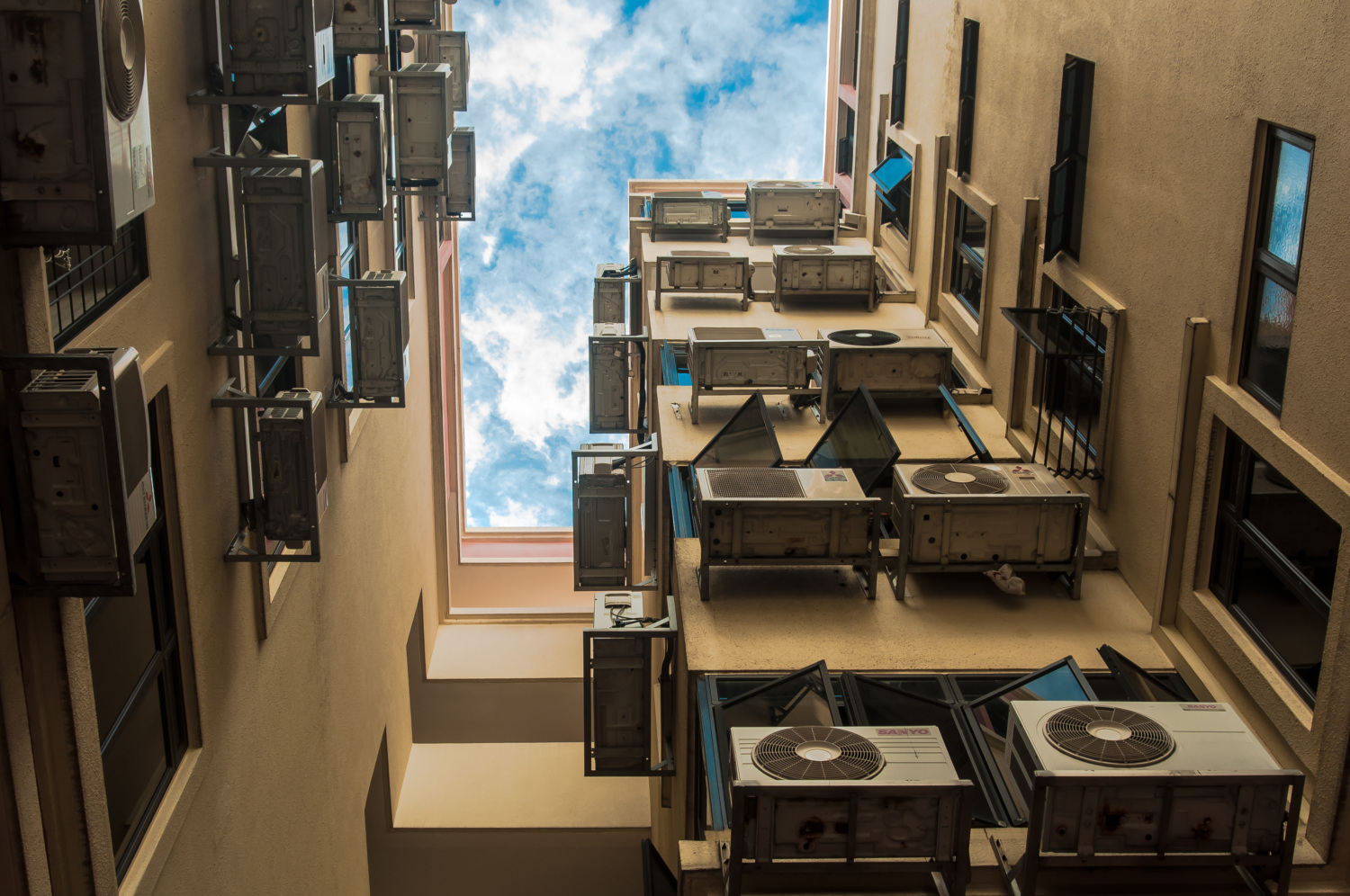
15 signatories pledged to double the energy efficiency of four priority product categories by 2030: air conditioners (ACs), lighting, electric motors, and refrigerators, which collectively account for more than 40% of global electricity consumption.
“Getting Appliances Back on Track” offers valuable analysis to economies already committed to prioritizing appliance energy efficiency, and illustrates a path toward success for governments interested in joining as a Call to Action signatory.
This report continues analysis from World’s Best MEPS, which provided a snapshot of the stringency of minimum energy performance standards (MEPS) for key products across top-emitting economies.
“Getting Appliances Back on Track” is the first publication of CLASP’s #NetZeroHeroes COP28 digital campaign, which will shine a light on the critical role of appliance energy efficiency in the lead-up to climate discussions at COP28.
CLASP’s #NetZeroHeroes hit back at the climate crisis with actionable solutions
In the lead up to the United Nations Framework Convention on Climate Change 28th Conference of the Parties (COP28) in Dubai, United Arab Emirates from 30 November – 12 December, CLASP is launching #NetZeroHeroes – a celebration of the people and appliance heroes that are critical in reaching global Net Zero targets and promoting resilience in an already warming world.
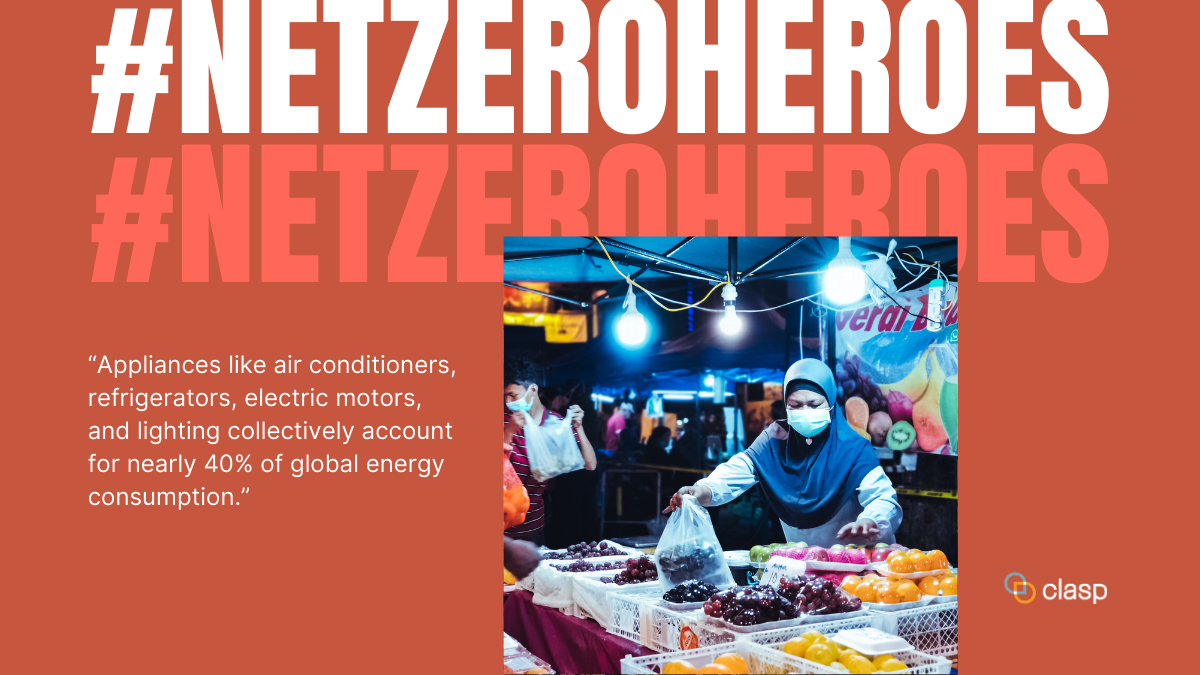
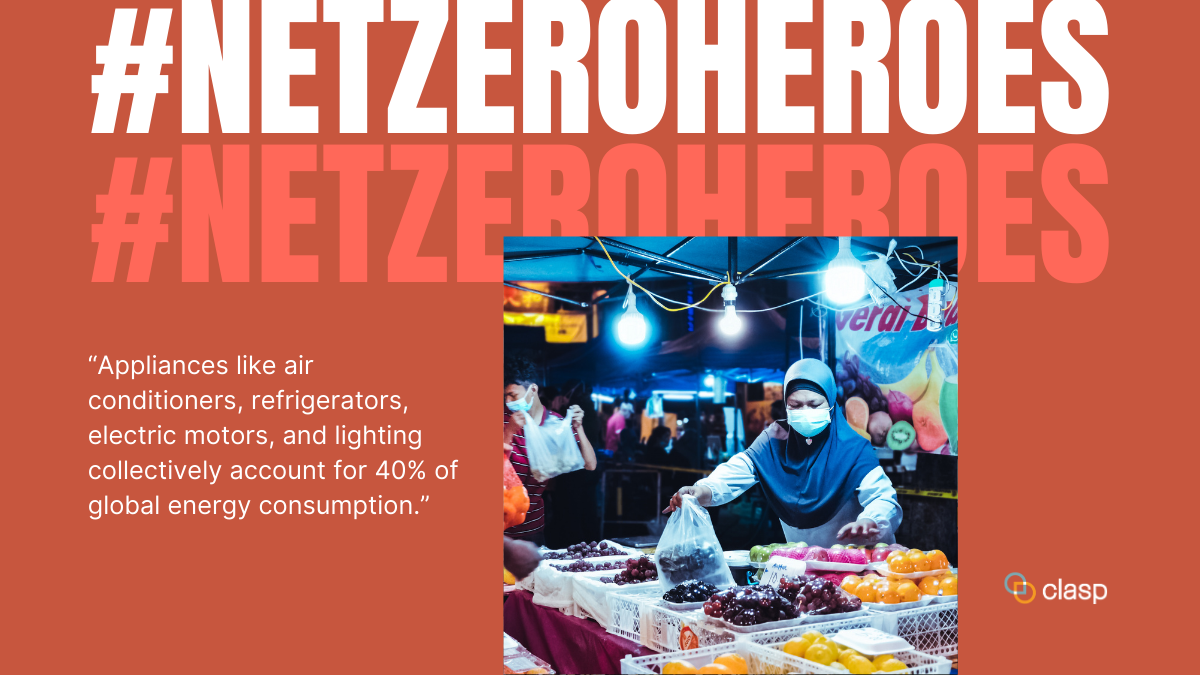
Appliances like air conditioners, refrigerators, electric motors, and lighting collectively have a major climate impact. They are responsible for a staggering 40% of energy-related carbon dioxide (CO2) emissions globally, according to CLASP’s forthcoming report ‘Net Zero Heroes: Scaling Efficient Appliances for Climate Change Mitigation, Adaptation & Resilience.’ CLASP’s research shows how rolling out affordable, energy efficient alternatives is key to mitigating and adapting to the climate crisis and achieving the United Nations’ Sustainable Development Goals.
CLASP's Net Zero Heroes Air Conditioners, Comfort Fans, Refrigerator-Freezers, Heat Pump Space & Water Heaters, Electric Motors, Electric Cookers, Televisions, Solar Water Pumps
Through a series of reports, videos and articles highlighting stories of leadership and expert perspectives from across the sector, #NetZeroHeroes will amplify the urgent and immediate need to deploy efficient appliances at speed and scale to protect people and the planet.
The campaign will culminate in CLASP’s groundbreaking publication, “Net Zero Heroes: Scaling efficient appliances for climate change mitigation, adaptation & resilience” – launching the week before COP28 and available on CLASP’s website.
This research will highlight the transformative potential of efficient appliances by:
- Quantifying appliances’ ability to achieve the emissions reductions needed to meet the goals of the Paris Climate Agreement;
- Indicating where we should scale our efforts this decade for maximum impact;
- Analyzing gaps in access to appliances and recommending where scale-up would better enable communities to adapt in a warming world;
- Providing a roadmap of solutions that governments, investors and other stakeholders can implement today to get on track to net zero emissions and an inclusive energy transition.
Stay tuned and follow #NetZeroHeroes on social media. This page will serve as a homebase for all campaign materials and will be updated regularly.
If you are interested in getting involved with the campaign, reach out to Lexi Ross at aross@clasp.ngo.
Explore the Campaign

Net Zero Heroes
CLASP’s landmark report identifies the ten appliances that should form the basis of an unprecedented efficiency push: the #NetZeroHeroes.
Efficient appliances combat the triple planetary crisis of climate change, air pollution, and biodiversity loss.
CLASP’s analysis finds that the appliance sector accounts for nearly 40% of energy-related CO2 emissions. Appliances are on pace to surpass the IEA’s 2050 net zero targets by over 9 gigatons CO2. At the same time, there are profound inequities in access to appliances, leaving billions vulnerable to the effects of climate change. At least 1.2 billion people lack access to air conditioners and fans, making it difficult to cope as temperatures rise.
The first-of-its-kind report provides a clear roadmap for realizing mitigation and adaptation potential by rapidly increasing the efficiency of the Net Zero Heroes.
Explore the data, recommendations, and analysis, and download the report on our interactive Net Zero Heroes Report Website.
Net Zero Heroes Webinar: The Essential Appliances for Climate Action
This webinar launched CLASP’s landmark publication ‘Net Zero Heroes: Scaling Efficient Appliances for Climate Change Mitigation, Adaptation & Resilience’ with an expert panel.
A compelling discussion about the efficient appliances that are key to mitigating and adapting to the climate crisis.
This webinar launched CLASP’s landmark publication ‘Net Zero Heroes: Scaling Efficient Appliances for Climate Change Mitigation, Adaptation & Resilience’, with a compelling discussion about the efficient appliances that are key to mitigating and adapting to the climate crisis and achieving the world’s Sustainable Development Goals.
During the event, our panelists also discussed inspirational case studies and powerful data that prove the effectiveness and scalability of affordable, efficient appliance solutions. The event panel includes a diverse group of experts who shared their insights and experiences in the world of energy efficiency, climate action, and appliance innovation.
- Axum Teferra – Clean Cooling Collaborative
- Christine Eibs Singer – Shine Campaign
- Christine Egan – CLASP
- Duncan Gibb -Regulatory Assistance Project (RAP)
- Oliver-Bealby Wright – Consumers International
The event is moderated by Joyita Mukherjee, a CLASP board member and expert in international development and blended finance.

Appliance Efficiency in NDCs
In the leadup to COP28, this report emphasizes the opportunity for governments to bolster their climate commitments by integrating ambitious appliance efficiency targets into the next round of NDCs.
Appliance efficiency is an important mitigation solution, but it’s often left out of nationally determined contributions (NDCs)
Nationally determined contributions (NDCs) lie at the heart of the Paris Agreement, guiding the actions of governments around the globe. One climate solution that’s often missing from these plans is appliance efficiency, which is critical to lowering global energy demand and emissions. New CLASP analysis reveals that only 47% of NDCs mention appliances, while a mere 25% reference key policies such as Minimum Energy Performance Standards (MEPS) and appliance labeling. To realize the enormous potential of appliance efficiency, CLASP urges governments to take action.
Getting Appliances Back on Track
This report tracks the progress of 15 countries who signed onto the Appliance Efficiency Call to Action in 2021 at COP26 in Glasgow, which pledged to double the energy efficiency of four product categories by 2030.
Air conditioners (ACs), lighting, electric motors, and refrigerators collectively account for more than 40% of global electricity consumption.
“Getting Appliances Back on Track” is the first publication of CLASP’s #NetZeroHeroes COP28 digital campaign. The report offers valuable analysis to economies already committed to prioritizing appliance energy efficiency, and illustrates a path toward success for governments interested in joining as a Call to Action signatory.
The Global Appliance Stocktake
Director of Climate Research at CLASP and author of the “Getting Appliances Back on Track” report, Matt Malinowski, provides an honest look at where we stand globally with energy efficiency commitments.
Countries are not on track to meet their commitments to double the efficiency of priority appliances.
“In the wake of this year’s alarming UN climate global stocktake, my colleagues at CLASP and I looked back on the Call to Action and wondered: Are countries on track to meet their commitments to double the efficiency of priority appliances? The short answer is no. The long answer is that we are falling behind, but there is a clear path to success.” -Matt Malinowski, Director of Climate Research & author of “Getting Appliances Back on Track”

2023 Tech Trends Series
This series offers up-to-date market insights for off-grid cooling, cooking and agricultural productive-use appliances.
Off-grid refrigeration plays a vital role in a warming world, but new research from Efficiency for Access shows that the sector is struggling.
Building upon the insights presented in Efficiency for Access’ 2021 Solar Appliance Technology Briefs, this Tech Trends series provides a window into the rapidly evolving appliances markets. This series synthesizes technical, impact and market research done by Efficiency for Access and partners into a digestible snapshot.