
Boosting Industrial Competitiveness in Pakistan
To counter the cost of living crisis, soaring electricity tariffs, and acute natural gas shortages, Pakistan is embracing energy efficiency solutions including an industrial accelerator program across its economy. This is set to deliver reduced energy costs for consumers, reduced industry costs, and harness previously wasted energy.
Minimum Energy Performance Standards (MEPS) and equipment labels are viewed as key pathways to improving appliance and equipment efficiency in Pakistan. The National Energy Efficiency and Conservation Authority (NEECA) has developed MEPS and labelling policies for several appliances. However, lack of affordable, locally manufactured, energy-efficient appliances has hampered the widespread deployment of these efficiency requirements.
The Great Manufacturing Challenge
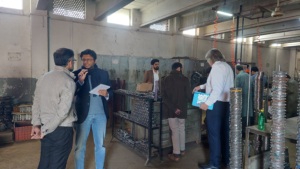
Manufacturing in Pakistan is typically labour-intensive and relies on highly skilled engineers. These skills have traditionally been acquired through on-the-job learning, and knowledge passed between generations, rather than through any formal academic training. While intergenerational knowledge transfer is valuable, it has limited the pace and understanding of new appliance designs, working practices, and production techniques. In fact, a number of local appliances still rely on designs and production techniques drawn from the 1950s and 60s.
The Efficiency Gap: Water Heaters and Electric Motors
The local production of water heaters exemplifies this, with Pakistan-made models operating at 30% lower efficiency than international ones. Another concern is the 50-60% less efficient domestically produced electric motors. The consequence of this lack of technical innovation is appliance inefficiency, increased energy consumption costs for consumers and an energy burden in the national grid. It also hinders access to lucrative export markets for Pakistani manufacturers, as they are unable to produce contemporary appliances that meet international performance requirements.
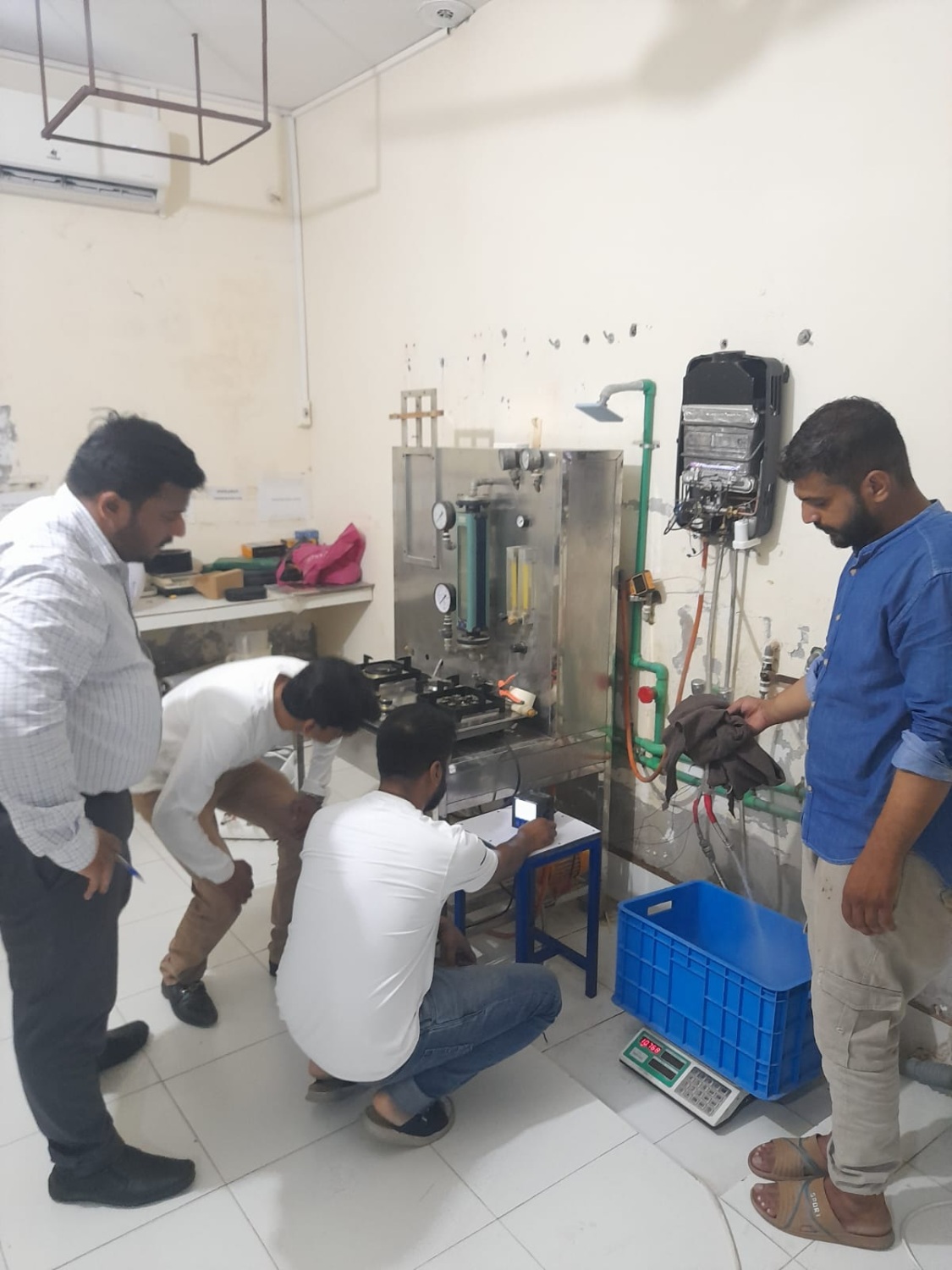
In response to manufacturing challenges, CLASP’s Industrial Accelerator (IA) program has emerged as a transformative initiative in driving the development and production of energy-efficient appliances within Pakistan.
CLASP’s Collaborative Solution: The IA Program
The IA is being undertaken in partnership with several producers from the Motor Manufacturers’ Association, Punjab-based testing facilities and a number of other public and private groups. Initially piloted in water heater and motor industries, the IA program aims to enable manufacturers to produce MEPS-compliant appliances for domestic and international markets.
Leveraging International Expertise
The IA program leverages international production and design experts to collaborate with local industry manufacturers. This is geared towards reimagining product designs, optimizing material sourcing, and revamping production practices – enhancing the energy efficiency of water heaters and motors.
Knowledge Resource Development
A key aspects of the IA program is the creation and dissemination of comprehensive appliance design guides and test briefs based on international standards and best practices.
To foster innovation, the IA program encourages appliance development and testing by manufacturers, nurturing a culture of continuous improvement and enhanced energy efficiency.
The IA program aims to strengthen manufacturer and national laboratory testing capabilities by collaborating with international laboratories – enabling manufacturers to accurately gauge appliance performance and meet energy efficiency standards.
CLASP’s IA program is focused on surpassing MEPS requirements to elevate the industry’s efficiency standards beyond compliance levels. This forward-looking approach equips both the water heater and motor industries to participate effectively in international markets where stringent efficiency standards are the norm.
Quantifying Appliance Access Gaps for a Climate-Resilient Africa
Energy-efficient appliances, lighting and equipment are key to climate-resilient development. Sitting at the nexus of three global priorities—climate change mitigation, climate change resilience, and sustainable development—efficient appliances can help lower greenhouse gas emissions globally and improve the quality of life for the 3.6 billion people living in regions that are highly vulnerable to climate change.
This report makes the case for prioritizing appliances in efforts to promote climate resilient development. It estimates appliance access gaps at the national level in Africa for five appliances: refrigerators, televisions, fans, air conditioners, and solar water pumps. The report closes with a summary of what is needed to bridge existing access gaps for African nations. Read the full report to learn more.
A full analysis of global appliance access gaps for ten appliances will be presented in CLASP’s forthcoming Net Zero Heroes report, scheduled for publication in late November 2023.
Find CLASP at the Africa Climate Summit 2023
On September 5 from 8 am to 9 am, CLASP planned a side event at the Africa Climate Summit entitled ‘The Opportunity of Appliance Access for a Climate-Resilient Africa’. This event aimed to showcase actionable solutions that African nations can implement today to accelerate the transition towards a net-zero emissions future.

Millions of people across Africa lack access to electricity and energy-efficient appliances. Often, the very same people are most at risk of exposure to climate hazards, which can result in displacement, serious health issues, and, in the worst cases, premature death. Appliances and equipment are cornerstones of life, essential for living productively and—increasingly—coping with global warming and its associated shocks. With numerous households in Africa already feeling the effects of climate change, the time to close the appliance access gaps is now, and doing this will have profound benefits for people and our planet.
Crucially, the discussions aimed to feature effective and affordable appliance solutions that foster resilient communities and drive progress toward national and global emissions reduction targets. The opportunity is here to build a more inclusive, sustainable world while positioning Africa as a global leader and advocate for universal access to efficient appliances and equipment.
Speakers at the event
Moderator – Christine Egan – CEO, CLASP
- Chianda Njogu – The Global Energy Alliance for People and Planet (GEAPP)
- David Mutisya – Directorate of Renewable Energy, Ministry of Energy (Kenya)
- Martha Wakoli – CLASP
- Mikayla Czajkowski – SunCulture
- Rebecca Mincy – The Acumen Resilient Agriculture Fund (ARAF)
Event details:
Tuesday 5 September | 2.30 to 3.30 pm | The Opportunity of Appliance Access for a Climate-Resilient Africa | Lenana Hall
Redefining Heating Efficiency: CLASP Presents a Unified Approach to Heat Pump Adoption in China
At the China Heat Pump Annual Conference in Nanjing, CLASP presented new research on the opportunity to employ technology-neutral policies to scale adoption of energy-efficient heat pumps. CLASP and partners found that requiring heating technologies sold in the country to meet a new minimum energy threshold can reduce a total of 2.25 billion tons of CO2 by 2060.
Policy opportunities to spur heat pump market growth
Heat pumps constitute only 3% and 5% of China’s national water heater and space heating markets, respectively (2021). To drive further adoption, CLASP looked into the opportunity for a unified energy efficiency standard and test method. A unified test method, otherwise known as ‘technology-neutral,’ means that all types of heating technologies – gas and electric resistant, as well as heat pumps – will be required to use the same energy efficiency measurement metrics and classification schemes.
Using analysis from World’s Best MEPS, CLASP’s Matt Malinowski spoke virtually on policy instruments to shift from fossil fuel-run heating technologies to heat pumps, which can be 100% more efficient. He noted that technology-neutral performance standards and labels have already assisted consumers in other regions, like the European Union, identify and select heat pumps as the most efficient option. Malinowski also discussed how CLASP’s policy toolkit could be applied for global mass heat pump deployment.

Verifying a unified water heater policy in China
Since 2022, CLASP, CNIS, and the test lab CVC tested the validity of China’s first unified test method1 for water heaters. At the Conference, CLASP’s Bo Hu shared insights – finding that the test method is valid and ready to be promoted as a national-level policy.

“The test method provided strong evidence that heat pump water heaters are more climate friendly – in terms of energy efficiency and carbon emission reductions – compared to gas and electric water heaters. With improvements, this standard will lay a solid foundation for a unified policy for water heaters in China.” – Bo Hu, Technical Manager at CLASP.
Heat pumps support net zero ambitions
Bo Hu also presented the modeled scenario for the transition to high efficiency and the best heating technologies – finding significant reductions in carbon emissions by 2060.

The climate impacts of these policies would be significant: a reduction of 2.25 billion tons of CO2 by 2060. In a new report2, CLASP and partner CHPA found that heat pumps are a critical technology for the decarbonization of heat in domestic building sector and a “necessary pathway” for China to realize its 2060 net zero goal. Heat pumps deployed in newly built ultra-low energy buildings across China will save 210 GJ of energy and 69.4 million tCO2 by 2035.
“By working with our fantastic partners, we are proud to be part of the nation’s commitment and efforts in promoting heat pump. Technology-neutral MEPS and labels are key drivers for efficiency improvement and widespread proliferation. CLASP will continue support Chinese stakeholders further the market for heat pumps.” – Steven Zeng, Director of CLASP China.
China Heat Pump Annual Conference is the largest heat pump event in China, organized and hosted by China Energy Conservation Association. This year, more than 1,500 participants gathered together do discuss technology development, policy innovation and market opportunities.
0. T/CECA-G 0022-2019: Testing and calculation method for energy efficiency of household and similar water heaters
1. The report is titled: Application of Ultra-Low Energy Building Heat Pump Technology
Bridging the Innovation Gap: Pakistani Manufacturers Tour Chinese Test Facility
In an effort to spur innovation within the Pakistani domestic appliance industry, CLASP and partners led a group of manufacturers on a lab tour of the China Household Electric Appliance Research Institute (CHEARI), a leading appliance test facility in China. As gas reserves dwindle and the country faces some of the harshest temperatures in the world, Pakistan must improve and scale more efficient uses of energy – starting with the most common and energy-intensive household appliances.
“Pakistan is running out of gas by 9% each year. We believe in the future, these reserves will be critically low,” says Muhammad Salman Zaffar, Technical Lead for CLASP’s Pakistan Program.
Despite the drop in availability, the majority of Pakistani households rely on inefficient gas-powered appliances to meet their daily needs.
Pakistan boasts a robust domestic appliance manufacturing industry, yet certain technologies – like water heaters – have not evolved over the last 60 years. Last year, CLASP and local partner SAMA^Verte launched an Industry Accelerator Program to address this lag. The Program is in its pilot stage and currently supporting electric motor and water heater manufacturers. The current aim is to improve water heater efficiency by convening industry stakeholders and offering global expertise, best practices and technology know-how. Then, the program will expand the lessons and capabilities learned to the industry at large.
What can Pakistan learn from China’s expertise?
SAMA^Verte and the CLASP team in Pakistan, with support from the CLASP China team, arranged a full day tour to CHEARI in Chuzhou for representatives from Canon Appliances and Super Asia. The trip to China offered an opportunity for Pakistani manufacturers to contextualize insights from the Industry Accelerator Program – enhancing their knowledge of test lab equipment, methodologies and processes.
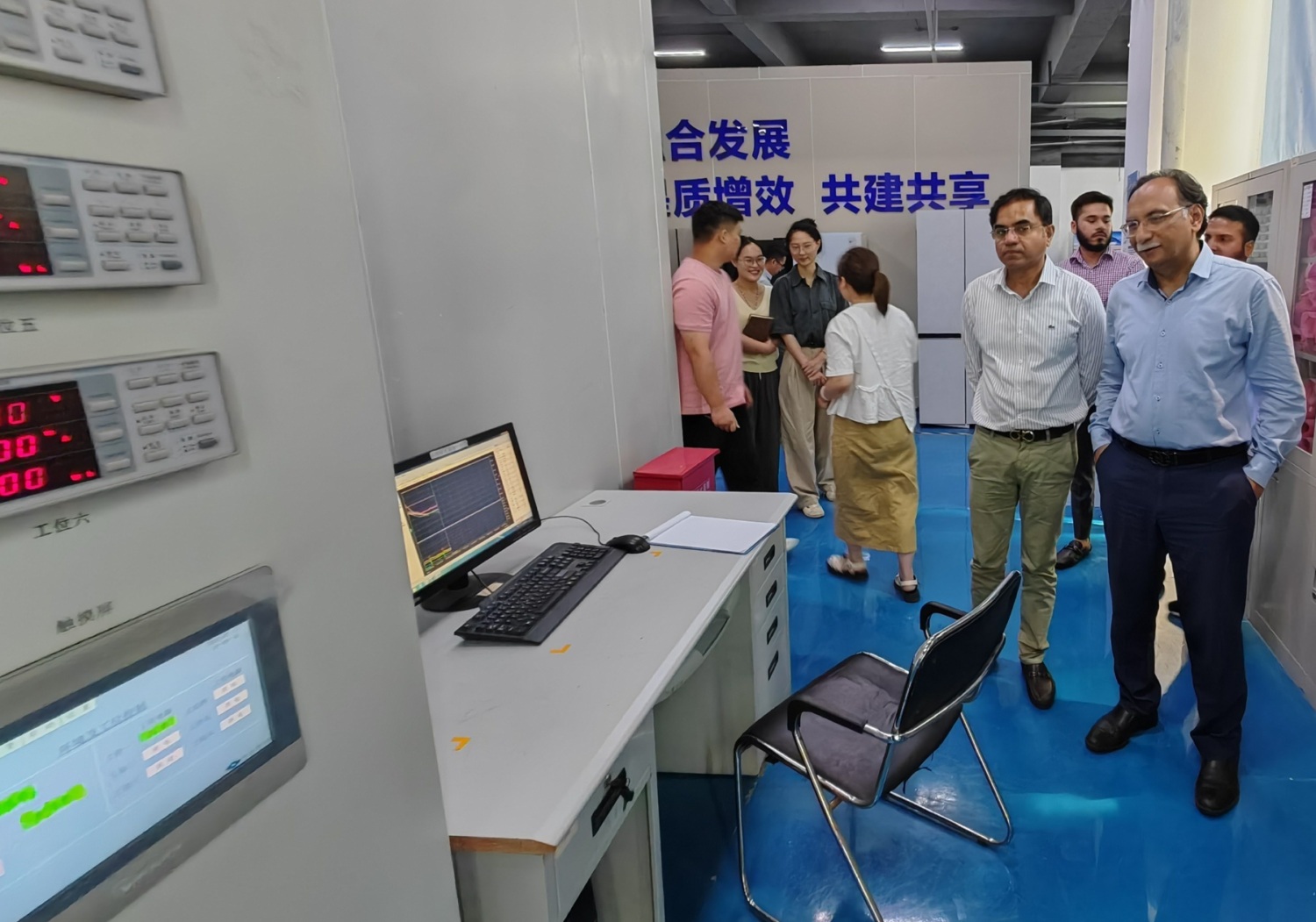
We were thrilled to visit the state-of-the-art appliance testing facility at CHEARI. It has been a great learning experience and we will bring back with us ideas for improved water heater designs, as well as connections and ideas for future testing and other product development.Mr. Muhammad Bilal
Director of Canon Home Appliances
With firsthand exposure to Chinese best practices, Pakistani manufacturers can integrate similar technologies into their own manufacturing processes to develop higher-quality, more efficient and improved appliances. The visit also allowed for discussions on future collaboration between Chinese and Pakistani appliance stakeholders, helping to position Pakistan at the forefront of regional manufacturing.
_____
China Household Electric Appliance Research Institute (CHEARI)was established in 1964. CHEARI is approved by State Commission Office of Public Sectors Reform (SCOPSR), is affiliated by State-owned Assets Supervision and Administration Commission of the State Council (SASAC).
Canon is a Lahore-based manufacturer of a range of home appliances including gas storage, gas instant, and hybrid storage water heaters, with a commitment to improving efficiency based on previous collaborations with CLASP.
Super Asia is a large Pakistani appliance manufacturer producing a wide range of products, including electric water heaters, and aiming to localize their supply chain and enhance exports. They are based out of Gujranwala.
0. T/CECA-G 0022-2019: Testing and calculation method for energy efficiency of household and similar water heaters
1. The report is titled: Application of Ultra-Low Energy Building Heat Pump Technology
Innovative Financing Facility Supports 18 Productive Use Companies in Africa
18 Small and medium-sized companies selling productive use appliances (PUAs) were selected by the Productive Use Financing Facility to receive procurement subsidies and capacity-building grants.
PUAs are energy-efficient, income-generating appliances like refrigerators, walk-in cold rooms, electric cookers, solar water pumps and milling machines. Despite their transformative potential for local communities, small businesses and the environment, PUA sales are extremely low in emerging markets due to affordability and access to finance.
CLASP and Nithio want to change this. They set up the Facility, with support from the Global Energy Alliance for People and Planet (GEAPP), to make PUAs more affordable to consumers and companies. In this funding round, CLASP received over 80 applications from companies across Central, East and West Africa, representing a range of PUA technologies. Solar water pumps were the most common technology, followed by refrigerators and fans.
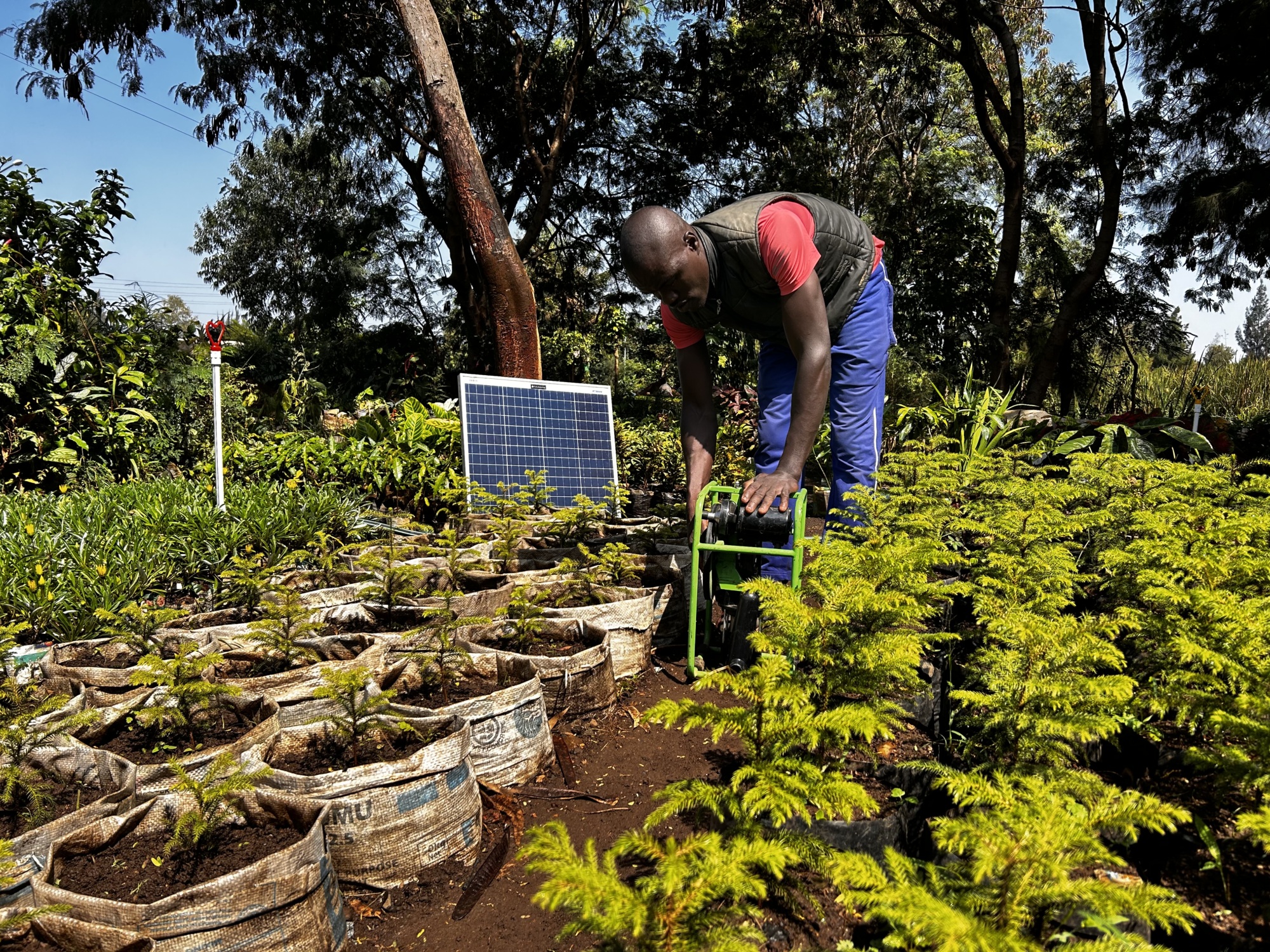
Kenyan solar water pump user
Subsidies with a transformative impact
The 18 companies selected will use their funding to sell a combined amount of 12,135 PUAs that will introduce life-changing productive use technology to over 500,000 people. The successful companies target both households and small businesses, with the PUA providing a transformative community-level impact by enabling customers to generate more income, save time, and improve their quality of life.
“We are excited to support such a wide range of early movers and leaders in the productive use market,” commented Jeff Sottlemyer, CLASP program lead for the Facility. “We look forward to seeing the impact of this support on the lives of their customers and the communities they live and work in.”
Many applicants laid out strategies to specifically market appliances to women, showcasing the sector’s recognition of equitable uptake of PUA. BrightLife, a Ugandan refrigerator distributor, incentivizes sales agents to reach targets of at least 50% women shop owners and farmers for sales of refrigeration products. The companies also have a strong representation of women on their payroll. For example, women comprise more than 70% of the Ugandan-based and owned company POPO Africa’s workforce, while ALLTIMEFRESH in Nigeria is owned and predominately run by women.
“We anticipate the Facility will help early movers reduce unit costs, improving access to affordable, high-quality appliances,” noted Makena Ireri, Director at the Global Energy Alliance for People and Planet “Unit cost reduction is a necessary step in demonstrating commercially sustainable PUA businesses that can attract private investment and propel market growth.”
The goal of the Productive Use Financing Facility is to support companies with the potential to scale quickly, and this round prioritized companies that are ready to sell. Already sales are underway at many of these companies, with the others expected to commence within the next month.
Following a rigorous evaluation, CLASP selected the following 18 companies:
| Company | Country | PUA |
|---|---|---|
| Acme Engineering And Trading Plc | Ethiopia | Solar water pumps |
| ALLTIMEFRESH LIMITED | Nigeria | Walk-in cold storage, solar milling |
| Altech Group | DRC | Fans, Refrigerators, Walk-in cold storage |
| Baobab+ Group | Nigeria | Refrigerators |
| Bidhaa Sasa | Kenya | Electric pressure cookers |
| Brightlife | Uganda | Refrigerators |
| BURN Manufacturing USA LLA (Kenya Branch) | DRC, Kenya | Electric Induction Cookers |
| Consistent Energy Limited | Nigeria | Refrigerators |
| Deevabits Green Energy Limited | Kenya | Refrigerators |
| Ecozen Solutions Private Limited | DRC, Kenya, Nigeria, Uganda | Solar milling, Solar water pumps, Walk-in cold storage |
| Green Scene Energy PLC | Ethiopia | Solar water pumps |
| Ignite Power SL Limited | Sierra Leone | Refrigerators |
| POPO Africa Limited | Uganda | Refrigerators |
| SokoFresh AgriInnovations East Africa Limited | Kenya | Walk-in cold storage |
| SureChill Africa Limited | Kenya, Nigeria | Refrigerators, Walk-in cold storage |
| Rensys Engineering and Trading PLC | Ethiopia | Solar water pumps |
| Tulima Solar Limited | Uganda | Solar water pumps |
| Village Energy Limited | Uganda | Refrigerators |
Subscribe to our newsletter for more updates on the Facility.
About The Productive Use Financing Facility
CLASP’s Productive Use Financing Facility, is supported by The Global Energy Alliance for People and Planet (GEAPP).
0. T/CECA-G 0022-2019: Testing and calculation method for energy efficiency of household and similar water heaters
1. The report is titled: Application of Ultra-Low Energy Building Heat Pump Technology
Results from China’s Energy Efficiency Program Encourage Further Progress
Over the past decade, China has made significant progress implementing mandatory energy efficiency policies. According to the IEA, energy efficiency standards decreased expected energy use in China by 20% in 2018. Since the announcement of CLASP’s official partnership with China National Institute of Standardization (CNIS) last July, three of our research reports have shown that strong energy efficiency policies have enormous potential to mitigate CO2 emissions and reduce energy costs in the world’s largest emitter.
In our most recent report, China’s MEPS Lead to Major AC Market Transformation, evidence demonstrates the success of such policies and serves as a case study for other countries, as well as China itself, to keep pushing for better standards. Room air conditioner (RAC) use in China is soaring, along with the percentage of efficient models on the market. This unprecedented market transformation, in just two years, is thanks to a timely update to China’s RAC efficiency levels.
In just two years, highly efficient ACs with variable speed technology went from 60% to 98% of the Chinese market.
Sustained partnership with government and industry is necessary to ensure China does not stagnate, but rather continues to achieve higher levels of efficiency for high-emitting appliances. The study found that the energy efficiency of cooling products can still improve by 30-50%.
The benefits of China’s standards are global. As the world’s largest exporter of RAC units, domestic policies can raise efficiency levels for dozens of other countries, potentially lowering energy costs for billions of people. China also has the opportunity to incorporate stricter requirements for refrigerant efficiency, the main cause of direct emissions from RACs.
These findings align with IEA’s Efficient World Scenario analysis that advises MEPS remain a central energy efficiency policy for China. To discuss China’s commitments and better understand progress, CLASP recently visited CNIS and several industry leaders, including National Lighting Test Center (NLTC), China Heat Pump Association (CHPA) and Vkan Certification and Verification Center (CVC), and attended the 34th China Refrigeration Expo in Shanghai.
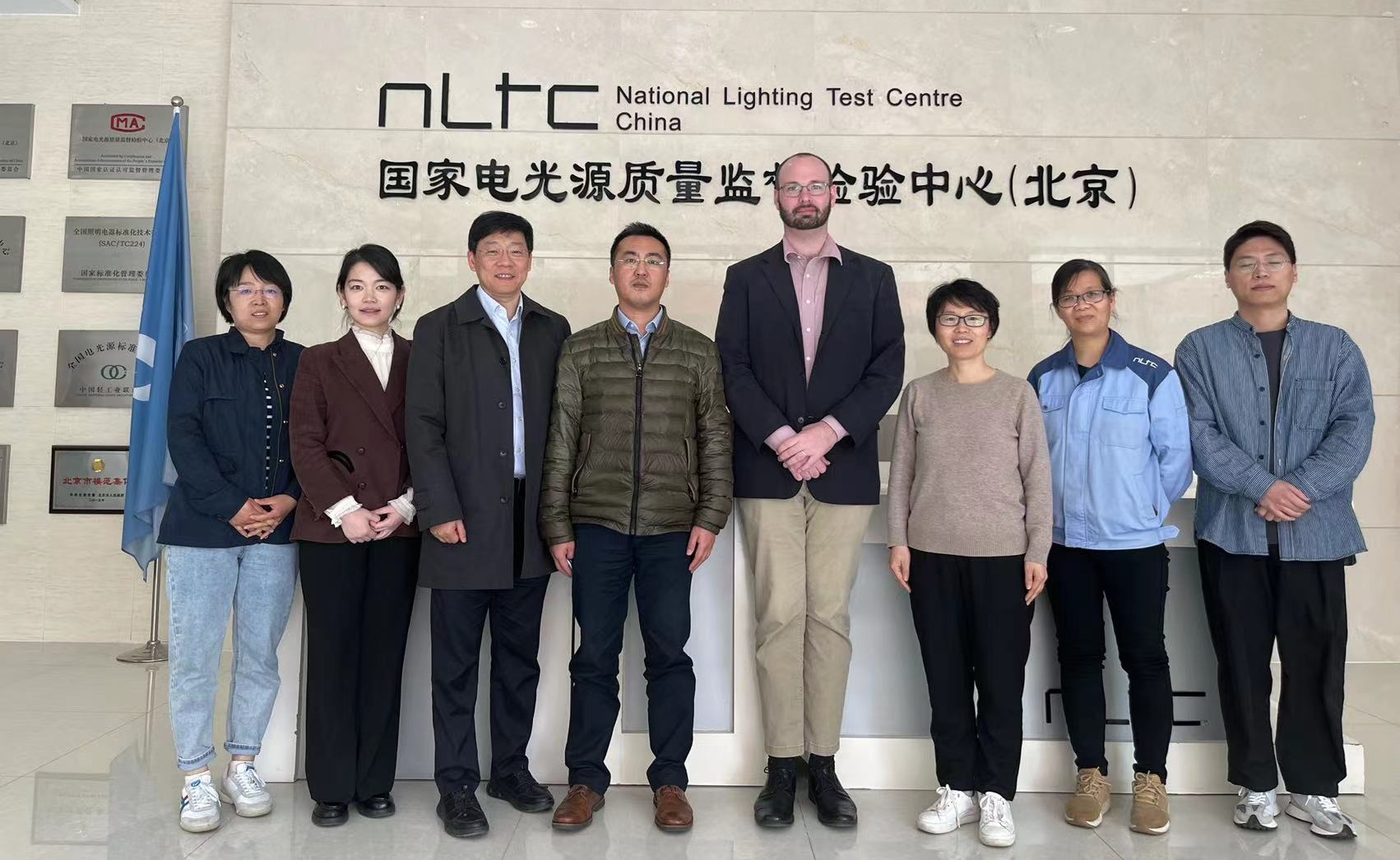
CLASP and Chinese partners agreed to continue prioritizing the development and revision of minimum energy performance standards (MEPS) for key products – cooling and refrigeration, water heaters, LED lighting, heat pump heating equipment, among others. We also will continue facilitating international knowledge exchanges to support other countries’ testing capabilities and policy processes, using lessons learned in China to realize policy breakthroughs around the world.
“CLASP will continue working with the National Development and Reform Commission and State Administration for Market Regulation to officially launch the 2023-2024 work plan,” says Steven Zeng, China Program Lead. “The plan includes developing policies that will reduce energy consumption by a cumulative 10,000 TWh by 2050. That translates to a 3.8 Gt reduction in CO₂ emissions, equivalent to China’s annual emissions from industry, transportation, agricultural, buildings, and fugitive emissions. Long-term, the China program hopes to become the global leader and role model for product energy efficiency policies.”
0. T/CECA-G 0022-2019: Testing and calculation method for energy efficiency of household and similar water heaters
1. The report is titled: Application of Ultra-Low Energy Building Heat Pump Technology
Building Resilience in Low-Income Communities – The Role of Off-Grid Appliances
Energy-efficient off-grid appliances are crucial in addressing climate change and promoting resilience and adaptation, particularly for rural communities in sub-Saharan Africa. These communities often face the brunt of weather-related disasters and have limited access to resources and infrastructure for coping.
To tackle this challenge, CLASP through Efficiency for Access commissioned Rural Senses to gather insights from the community in Siaya County, Kenya. The objective was to understand their perceptions of climate change challenges and identify pathways to enhance resilience. The study also delved into the role of seven off-grid solar products and equipment, such as electric pressure cookers, fans, motorbikes, refrigerators, televisions, water pumps, grain mills, and solar PV systems, in building resilience.
Read the full report to learn more about the community’s primary concerns regarding climate events, existing barriers to resilience-building, the potential of off-grid appliances, and suggested pathways for fostering resilience.
Download the Building Resilience in Low-Income Communities – The Role of Off-Grid Appliances report.
About Efficiency for Access
Efficiency for Access is a global coalition working to promote renewable and energy efficient appliances to deliver clean energy to the world’s poorest people. It is coordinated jointly by CLASP and the UK’s Energy Saving Trust.
0. T/CECA-G 0022-2019: Testing and calculation method for energy efficiency of household and similar water heaters
1. The report is titled: Application of Ultra-Low Energy Building Heat Pump Technology
China’s MEPS Lead to Major AC Market Transformation
As climate change continues to heat the earth to unprecedented temperatures, billions of people will rely on air conditioners to accomplish everyday tasks. However, air conditioners and electric fans already account for about 20% of global building electricity use, much of which is generated by fossil fuels. In China, highly polluting coal is the largest source of energy.
China is also the world’s largest manufacturer, exporter, and consumer of room air conditioners (RACs). In the past two decades, minimum energy performance standards (MEPS) have been enacted and revised to encourage more-efficient technologies, slashing energy costs, consumption, and CO₂ emissions. The most recent air-conditioning energy efficiency standard, GB 21455-2019, made significant changes that promote highly efficient technologies and fast-tracked China’s RAC market toward climate-friendly cooling.
Key findings:
- Room AC penetration has steadily increased since 2013, and in 2020 was at 117.7%, meaning there are 117.7 units for every 100 households.
- The new, more stringent MEPS precipitated the domination of the most efficient (grade 1) RACs in just two years, growing from 19% of the market share to 56%.
- Variable-speed ACs, which are technically much more efficient than their fixed-speed counterparts, completely overtook the market, quickly rising from 60% to 98% since implementation of the new MEPS.
- Mepsy analysis shows that without the revised 2019 standard, fixed-speed ACs would still hold a 30% market share in 2030.
- These long-term shifts brought on by China’s updated RAC MEPS are projected to prevent at least 470 Mt of CO₂ emissions between 2020 and 2030. Even more reductions could be realized with full adoption of the Best Available Technology (BAT).
- The Chinese MEPS also increased the average efficiency of export markets and increased the market share of more sustainable refrigerants.
As RACs are widely traded internationally and have cross-border supply chains originating in China, this report serves as evidence to encourage countries with similar market conditions as China to use their policy as a reference.
0. T/CECA-G 0022-2019: Testing and calculation method for energy efficiency of household and similar water heaters
1. The report is titled: Application of Ultra-Low Energy Building Heat Pump Technology
Powering Up Pakistan: CLASP’s Two-Year Plan to Tackle Energy Crises & Climate Change
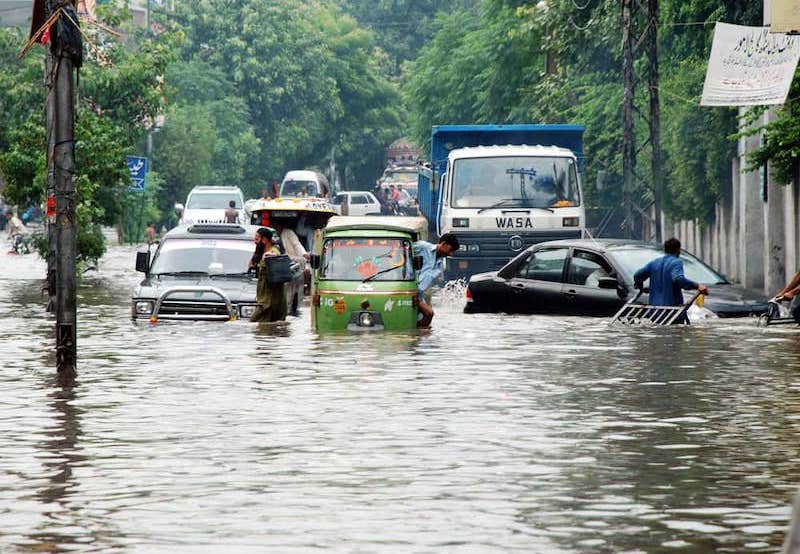
In just the past year, Pakistan has suffered some of the worst consequences of global warming, from record-breaking heatwaves to historic flooding that killed and displaced thousands of people. 25% of Pakistan’s population lives without access to electricity, a crisis that is further exacerbated by dwindling gas reserves and currency challenges that cause frequent blackouts.3 To increase access to energy-efficient, life-changing appliances that can mitigate the worst impacts of rising temperatures, CLASP is collaborating with the Pakistan government, focusing on the Punjab province that is home to 53% of the country’s population.
Compounding Energy & Climate Crises
The country routinely experiences some of the highest temperatures in the world; the Intergovernmental Panel on Climate Change (IPCC) projects a potential further 5.3°C increase for Pakistan by 2100. In 2022, Pakistan experienced an unprecedented heat wave, with recorded temperatures in some parts of the country as high as 49°C, and extreme heat affecting about a third of the land area. Only months later, extended torrential rains flooded one-third of the country, leaving over 6 million people homeless and devastating rural food production.
The climate emergency is compounded by a concurrent energy crisis: over the last year in particular, Pakistan’s dwindling natural gas supply has led to major increases in energy costs, making it difficult for people to afford critical cooling and other energy needs. Energy access remains out of reach for many — around 20% of Pakistan’s population is not connected to the grid, 45% do not have access to a refrigerator, and only 11% have access to an air conditioner.
New 2-Year Program: Interventions to Accelerate Efficiency
Since 2016, CLASP has been working with our local partner SAMA^Verte (previously HIMA^Verte) to advance appliance energy efficiency in Pakistan. Our previous work focused on supporting Pakistan’s National Energy Efficiency and Conservation Authority (NEECA) to develop some of the nation’s first energy efficiency policies, centering around performance standards and informative labeling. CLASP and NEECA introduced the first voluntary labeling system for cooling fans and developed minimum energy performance standards (MEPS) and labeling requirements for various refrigerated appliances, electric motors, and domestic water heaters used in both residential and commercial settings. This work set in motion programs that are projected to cut 20 Mt of CO₂ emissions by 2030.
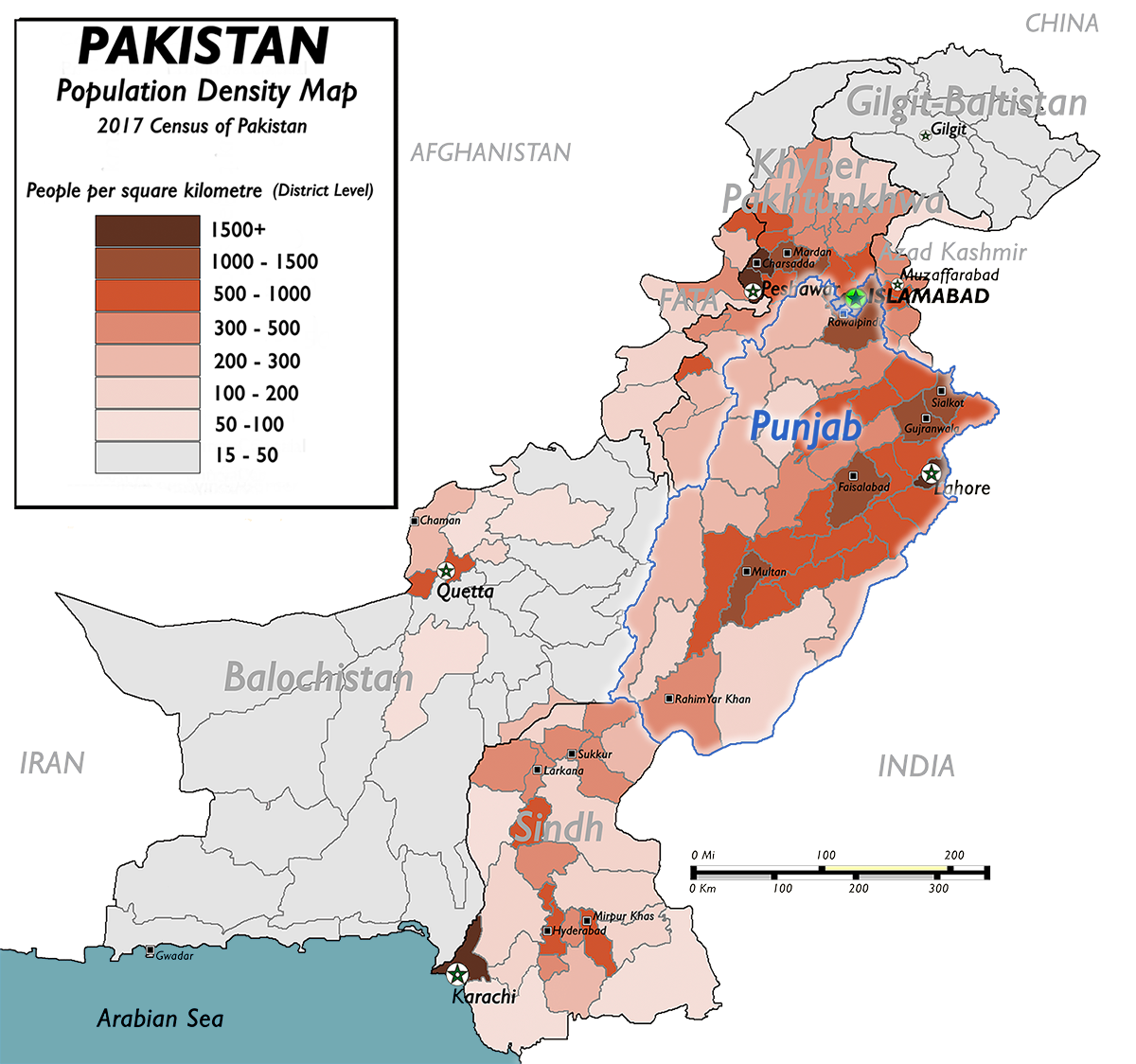
Our goals for the next two years are to deepen collaboration with regional EECAs, with a particular emphasis on the Punjab province (PEECA), and provide support to industry actors. CLASP will support the creation of procurement regulations for energy-efficient appliances and technical assistance on the construction of test labs that can provide accurate and reliable appliance test results. Additionally, in collaboration with the Clean Cooling Collaborative, CLASP is aiding the development of a National Cooling Action Plan with Pakistan’s Ministry of Climate Change. The objective of this plan is to provide viable cooling solutions for both on-grid and off-grid areas through 2030.
A Three-Pronged Approach to Appliance Efficiency in Pakistan
CLASP’s two-year plan will strengthen our existing efficiency work and include new interventions for high-impact appliances. The program includes:
- Rolling out NEECA MEPS and labeling program
Along with CLASP, several stakeholders have supported the development of appliance MEPS, but implementation of these regulations has been hindered by technical and administrative challenges. To accelerate the rollout of MEPS, CLASP is assisting in the development of appliance registration capabilities within NEECA, strengthening manufacturer and independent laboratory capabilities, and facilitating discussions between the government and manufacturers to resolve issues like fee structures and labeling details.
- Improving efficiency of manufacturers in Pakistan
Many suppliers in Pakistan are eager to adopt standards and labels for their appliances, which help differentiate higher efficiency models and open doors to lucrative export markets. However, some domestic manufacturers require technical support to further improve efficiency, particularly with electric motors and water heaters.
“Having identified limitations in current national production approaches, we are leveraging our extensive experience of working with these suppliers and initiating the development of pan-industry and supplier-specific measures to enhance national and individual production capabilities,” states Stuart Jeffcott, CLASP’s Team Leader for the Pakistan program.
- Assisting provincial Energy Efficiency and Conservation Agencies to achieve their goals
Pakistan’s provincial Energy Efficiency and Conservation Agencies (EECAs) are the designated authorities charged with delivering efficiency gains. Since 2017, CLASP has supported EECA in Punjab; our continued collaboration will include comprehensive assistance to further enhance the procurement specifications for appliance efficiency and the corresponding framework to ensure compliance. We also hope to extend our assistance to the recently formed EECA in Sindh.
This is the first of a series of articles looking at CLASP’s two-year program in Pakistan, which seeks to embed energy-efficient appliances as one of the key routes to addressing the country’s energy crisis, and enable affordable adaption to worsening climatic conditions.
0. T/CECA-G 0022-2019: Testing and calculation method for energy efficiency of household and similar water heaters
1. The report is titled: Application of Ultra-Low Energy Building Heat Pump Technology
2. Pakistan is ranked among the top 9 critical countries with the greatest number of people at high risk from inadequate cooling.