
CLASP research helps set the stage for climate-friendly, efficient cooling in Indonesia

Home to over 280 million people, Indonesia is one of the world’s top 20 emitters of greenhouse gases. With temperatures rising, the government’s Nationally Determined Contribution (NDC) commits to reducing emissions while continuing to support the nation’s economic growth.
Meeting both of these goals requires a strong focus on air conditioning. With global warming driving temperatures ever higher and the nation’s middle class growing, more Indonesians are buying ACs. By 2050, 85% of households in the country are expected to own ACs. But while this will create important quality-of-life benefits, it also poses risks. Today, low-efficiency ACs dominate the Indonesian market. Unless this changes, increased AC use will result in a significant rise in emissions and electricity usage across the country, jeopardizing the nation’s climate goals and raising consumers’ electricity bills.
One of the easiest and most cost-effective ways to make air conditioners more efficient and affordable is to improve national policies that determine the energy efficiency of appliances produced and sold in the market.
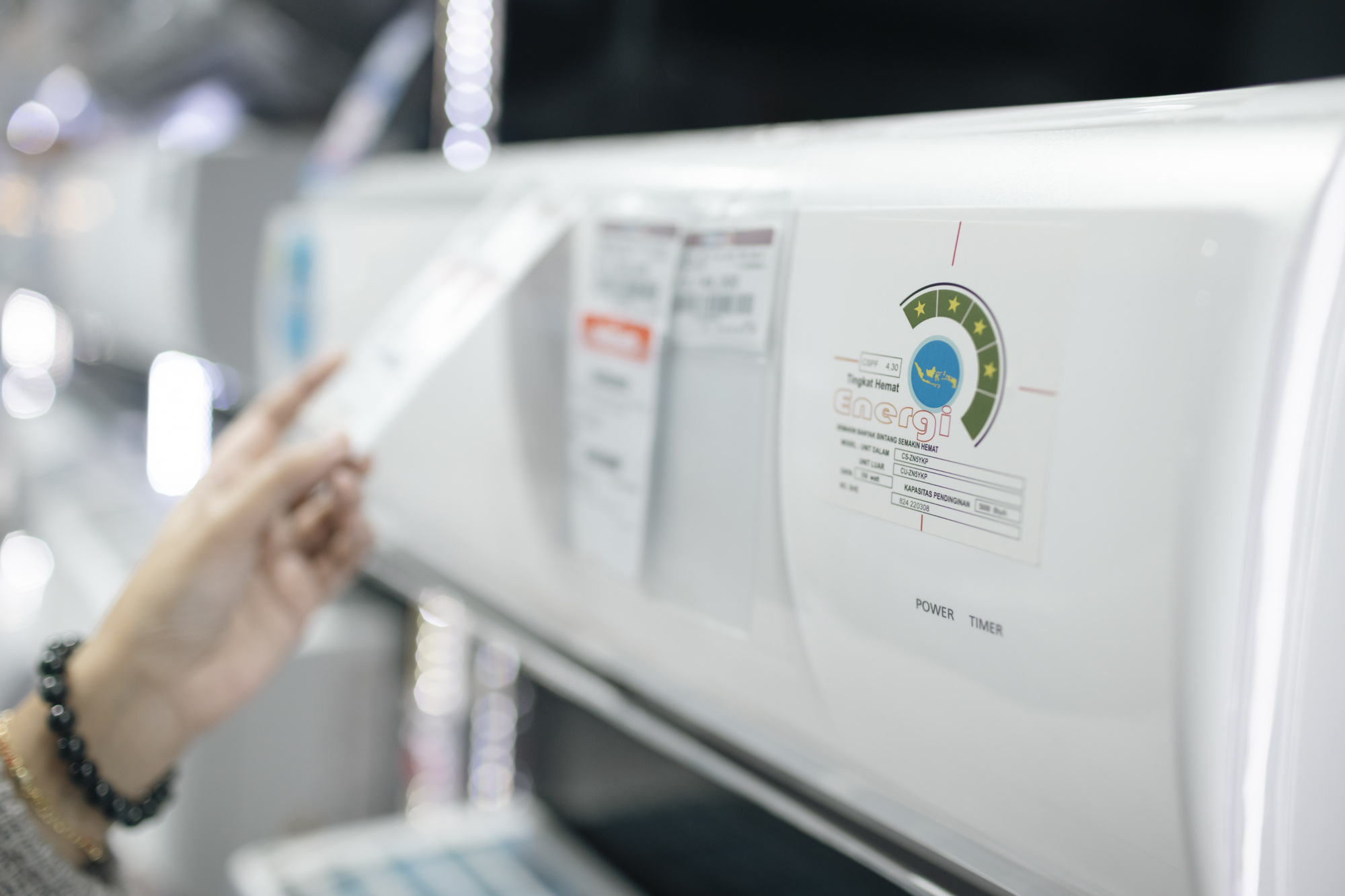
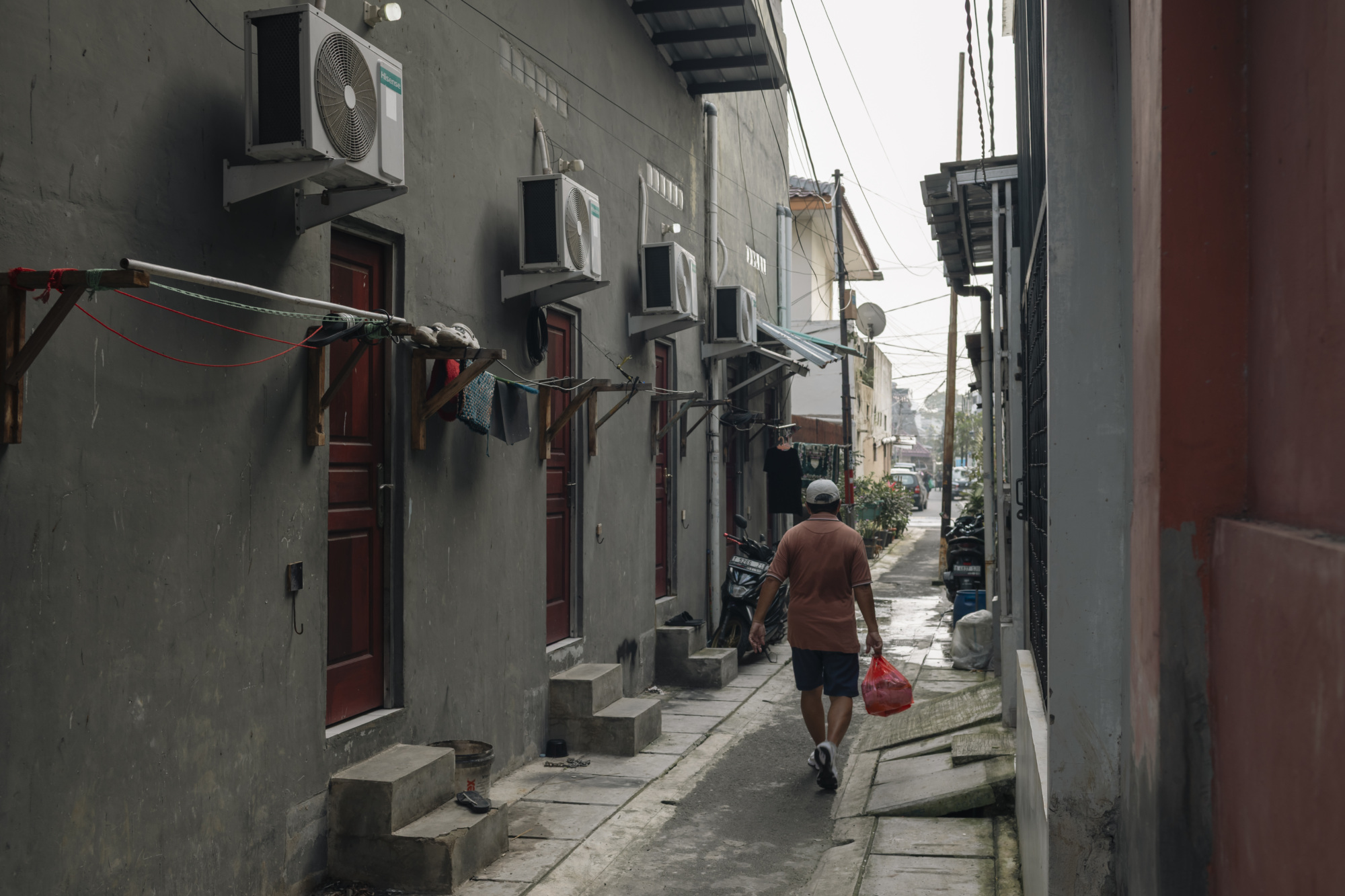
An air conditioner in Indonesia with an energy rating label
CLASP
Setting realistic and effective AC efficiency standards requires rigorous data on air conditioner performance. The Indonesian government, with technical support from CLASP, undertook a recent project to strengthen this evidence base.
We partnered with India’s CEPT University, University of Indonesia and other local universities, government and industry representatives, and certified AC technicians to study one important aspect of air conditioners: the difference in energy consumption between inverter and non-inverter technology.
Most air conditioners fall into these two types. An inverter AC can adjust how much power it uses depending on the cooling needed in the space, using less energy to maintain the right temperature. A non-inverter AC, on the other hand, repeatedly switches on and off to cool the room, which tends to consume more energy.
CLASP studied the energy consumption of these two technologies over a period of six months in three Indonesian cities: Jakarta, Medan, and Bali. In each location, two identical homes with identical bedroom conditions were identified. One home was fitted with an inverter AC and the other with a non-inverter unit, allowing researchers to compare their electricity usage under the same conditions.
The results showed:
- Inverter ACs consistently used less electricity. For example, in Medan, inverter units used 54.6% less electricity than the non-inverter unit.
- The difference in energy use remained steady throughout the testing period, with inverter ACs consistently using less electricity.
Research has also shown that while inverter ACs cost more upfront, their lower electricity usage means households typically recover the extra cost in a few years through reduced electricity bills and continue saving afterward.
By providing empirical data to stakeholders and policymakers in Indonesia and elsewhere, CLASP aims to support stronger efficiency standards for air conditioners. These policies can help bring more efficient models to the market and encourage large-scale production, which can ultimately reduce the cost of operating ACs, helping more people stay cool.
CLASP Conducting New Motor Assessment in Indonesia to Inform Efficiency Policies
CLASP has identified 10 appliances that are critical to fighting climate change and improving people’s lives. Industrial Motors are one of them. They power our economies and consume a significant amount of the world’s industrial electricity demand—27%. The resulting high energy consumption leads to greenhouse gas emissions and can strain power grids.
In Indonesia, the industrial sector consumes nearly 45% of the country’s total energy. Much of this demand comes from equipment powered by electric motors, which is expected to rise as Indonesia’s local manufacturing grows.
Given energy-efficient motors’ ability to consume less electricity when performing a task, and transitioning global motor stock to modern, efficient models would have major environmental and social benefits. Higher efficiency motors offer a win-win solution.
A market assessment to inform motor efficiency policies in Indonesia
Indonesia’s rapid industrial and economic growth is increasing the demand for commercial and industrial equipment. This makes improving the efficiency of motors embedded in pumps, fans, compressors, and conveyors a priority for national policy. However, there is limited information about the country’s current domestic motor market to guide policy development.
CLASP aims to fill this gap through a detailed market assessment of electric motors. The study will quantify the market’s size and composition, including motor sizes, brands, and efficiency levels, of Indonesia’s motor market and provide policymakers with reliable data to develop new national efficiency policies. This assessment is being conducted in coordination with the Ministry of Energy and Mineral Resources (EBTKE), and key motor brands and associations, including ABB, Siemens, TEKO, and Grundfos.
What Indonesia can gain from more efficient motors
Once in place, motor efficiency policies informed by this assessment could deliver major benefits. Early projections show that by 2060, Indonesia could save ~542 TWh of electricity, enough to power 115 million Indonesian households for one year, and avoid ~460 Mt CO₂ emissions, equal to taking 100 million passenger cars off the road for one year. This will support the country’s 2060 net-zero climate goals and its Nationally Determined Contribution, or national climate goal.
For consumers and businesses, efficient motors mean access to higher-quality products and lower energy bills during the equipment’s lifespan. For the broader economy, efficient motors mean improved productivity, stronger industrial competitiveness, and enhanced energy security.
Ensuring that Indonesia’s industrial motors become more energy efficient is key to building a competitive and sustainable industrial future.
India Raises AC Efficiency Amid Growing Demand
India is facing hotter summers and more frequent heatwaves, making cooling essential for millions of households. About 110 million room air conditioners (ACs) are already in use in the country, which is expected to add another 130–150 million units over the next decade, making it one of the fastest-growing cooling markets in the world. The International Energy Agency (IEA) forecasts a ninefold rise in home AC ownership in the country by 2050. This growth could increase peak power demand by more than 180 gigawatts (GW) by 2035, putting significant strain on the power system.
Yet access to cooling remains highly unequal. Only about 8% of India’s 300 million households own an AC, with higher-income urban families accounting for most of this group. Rural AC ownership remains at around 1%, and the richest 10% of households hold the majority of ACs.
Why efficiency matters
Without stronger energy efficiency standards, the growth in AC ownership will lock in high energy use, drive up emissions, and increase household energy costs. Efficient ACs reduce electricity consumption, lower peak demand on the grid, and make cooling more affordable.
India’s energy labeling program has already helped buyers choose better-performing ACs and has shaped the market toward higher efficiency, but more can be done.
India’s new room AC efficiency standards
To meet the rising cooling demand, the Bureau of Energy Efficiency (BEE) in India has approved stringent efficiency standards for room ACs, effective January 2026, with further revisions in 2028, which will put India’s standards at global best levels. The standards establish minimum efficiency levels that appliances must meet, encouraging the use of more energy-efficient models.
By 2030, the new efficiency standards could reduce India’s peak electricity load by 8–10 GW, avoiding the need for more than 20 large coal power plants. Consumers could collectively save $12 billion on electricity bills annually, making cooling more affordable, especially for low and middle-income households. At the same time, they could help the country avoid up to 12 megatons (Mt) of CO₂ emissions annually.
India’s efficiency journey
The BEE has led India’s AC efficiency journey for nearly two decades. It introduced the star labeling system for room air conditioners in 2006 to remove inefficient appliances from the market and enable informed decision-making for consumers who might purchase high-efficiency products. Since then, baseline standards have been periodically tightened, resulting in a 43% energy efficiency improvement in ACs sold in the country. Inverter ACs, which are more energy-efficient, now dominate the domestic market, and companies have adopted a default temperature of 24°C to save energy.
These standards advance the goals of the India Cooling Action Plan (ICAP), which targets a 20–25% reduction in cooling demand by 2037–38 through efficient appliances, sustainable refrigerants, and improved building design.
By promoting efficient cooling, India is managing energy use, strengthening resilience against extreme heat, protecting public health, and creating jobs in manufacturing, testing, and supply chains.
Data-driven support for stronger standards
CLASP supported BEE by providing robust, evidence-based analysis to ensure that the new standards are both ambitious and achievable. It built clear evidence through product tests and an analysis of the Indian market, demonstrating that upgraded standards were both technically achievable and practical. It conducted affordability and feasibility studies and reviewed global pricing trends. It also assessed the financial performance of publicly listed companies and original equipment manufacturers (OEMs). The analysis confirmed that higher efficiency was financially viable. By providing this evidence, CLASP helped ensure that the revised standards are technically sound, cost-effective, and aligned with India’s goals of reducing electricity demand, emissions, and consumer costs.
India’s approach shows that fast-growing economies can expand access to cooling without harming the environment. Higher efficiency will also spur the adoption of next-generation ACs, creating new jobs in manufacturing, design, and testing, and contributing to economic growth.
Pathways to Prevent Dumping of Climate Harming Room Air Conditioners in the Global South
Low-efficiency, climate-harming room air conditioners are common across the Global South. This is due largely to a practice known as environmental dumping, which raises costs for consumers, strains national electric grids, and jeopardizes climate mitigation targets.
What is environmental dumping?
When appliances that don’t meet the regulatory standards of the countries where they are manufactured are export to countries with lower or no standards, this is considered environmental dumping.
Environmental dumping of room air conditioners is a common practice, resulting in high volumes of low-efficiency, high-global-warming potential (GWP) room air conditioners in countries that lack stringent room AC standards and refrigerant regulations.
This occurs across the Global South, as research by CLASP and the Institute for Governance & Sustainable Development (IGSD) has revealed. Studies from Africa (2020) and Southeast Asia (2023) have confirmed that low-efficiency, high-GWP cooling appliances are prevalent in both regions.

What are the impacts on people & planet?
As temperatures rise around the globe, the demand for cooling appliances is growing rapidly. The number of ACs in use is projected to grow from 1.6 billion units in 2023 to 5.6 billion in 2050, according to the IEA. Despite that, only 15% of the 3.5 billion people living in warm regions have air conditioning. Making cooling more accessible requires overcoming a key barrier: affordability.
The prevalence of low-efficiency room air conditioners in the Global South makes this more difficult to achieve, as these appliances cost consumers more to run.
Low-efficiency, high-GWP room air conditioners also strain electricity systems and lock countries into higher energy use and emissions, slowing progress toward national and global climate goals.
How can environmental dumping be prevented?
Ambitious national appliance efficiency policies are a powerful way to help markets shift toward next-generation technologies that lower electricity costs and cut CO₂ emissions. Complementary government action on obsolete refrigerants can further speed the transition to climate-friendly alternatives.
Still, no single country can tackle environmental dumping or the spread of outdated, high-emission products alone. Addressing these challenges requires shared responsibility and close collaboration among governments, industry, civil society, and international partners.
What is CLASP doing?
To further expand the knowledge base and understand the extent of environmental dumping globally, CLASP and IGSD have partnered with the Climate & Clean Air Coalition (CCAC) and the United Nations Environment Programme (UNEP) to research environmental dumping of room air conditioners across Latin America and the Caribbean.
In addition to assessing the extent of environmental dumping, this upcoming research also highlights how it may contribute to cooling access and affordability challenges in the region, especially for vulnerable populations such as women and low-income households.
Accelerating India’s Shift to Clean Cooking
CLASP participated in the fourth Modern Energy Cooking Forum (MECF 2025) in New Delhi on 26 September. The event brought together diverse stakeholders to work towards integrating electric cooking (e-cooking) into India’s energy and climate policies.
Efficient cooking advances health, equity, and climate goals
Globally, more than 2 billion people still rely on polluting fuels like wood, charcoal, kerosene, or coal as their main cooking fuel1. In India, about 54% of households use traditional solid fuels, either as their main source of energy or alongside liquefied petroleum gas, contributing significantly to indoor air pollution2. Dependence on solid fuels negatively impacts people’s quality of life. It harms people’s health through exposure to smoke and pollutants, and it also limits productivity and keeps households trapped in a never-ending cycle of labor-intensive chores.
Improving household access to e-cooking helps address these challenges while advancing energy and climate goals. Shifting to cleaner, more efficient electric cooking can help reduce respiratory illness symptoms and other health impacts, save households time and money, while freeing up hours spent on fuel collection and cooking. From a climate perspective, the widespread adoption of e-cooking can reduce emissions from the residential energy sector and contribute to India’s decarbonization goals.
CLASP supports India's shift to clean cooking
At MECF 2025, Neha Dhingra, CLASP’s Director, India, shared CLASP’s approach for accelerating India’s clean cooking transition. The approach focuses on market-shaping activities:
- Policy and institutional collaborations: CLASP has a longstanding relationship with the Bureau of Energy Efficiency (BEE) and will continue working with government stakeholders to align policies, standards, and procurement with clean cooking solutions. These collaborations are critical to ensuring that solutions are available and supported by national policies.
- Evidence and risk reduction: By providing robust appliance performance data and consumer insights, CLASP helps policymakers, financiers, and companies make informed investments in e-cooking.
- Consumer awareness and demand: CLASP will continue supporting campaigns that highlight the tangible benefits of e-cooking, from household savings to improved air quality and safer kitchens.
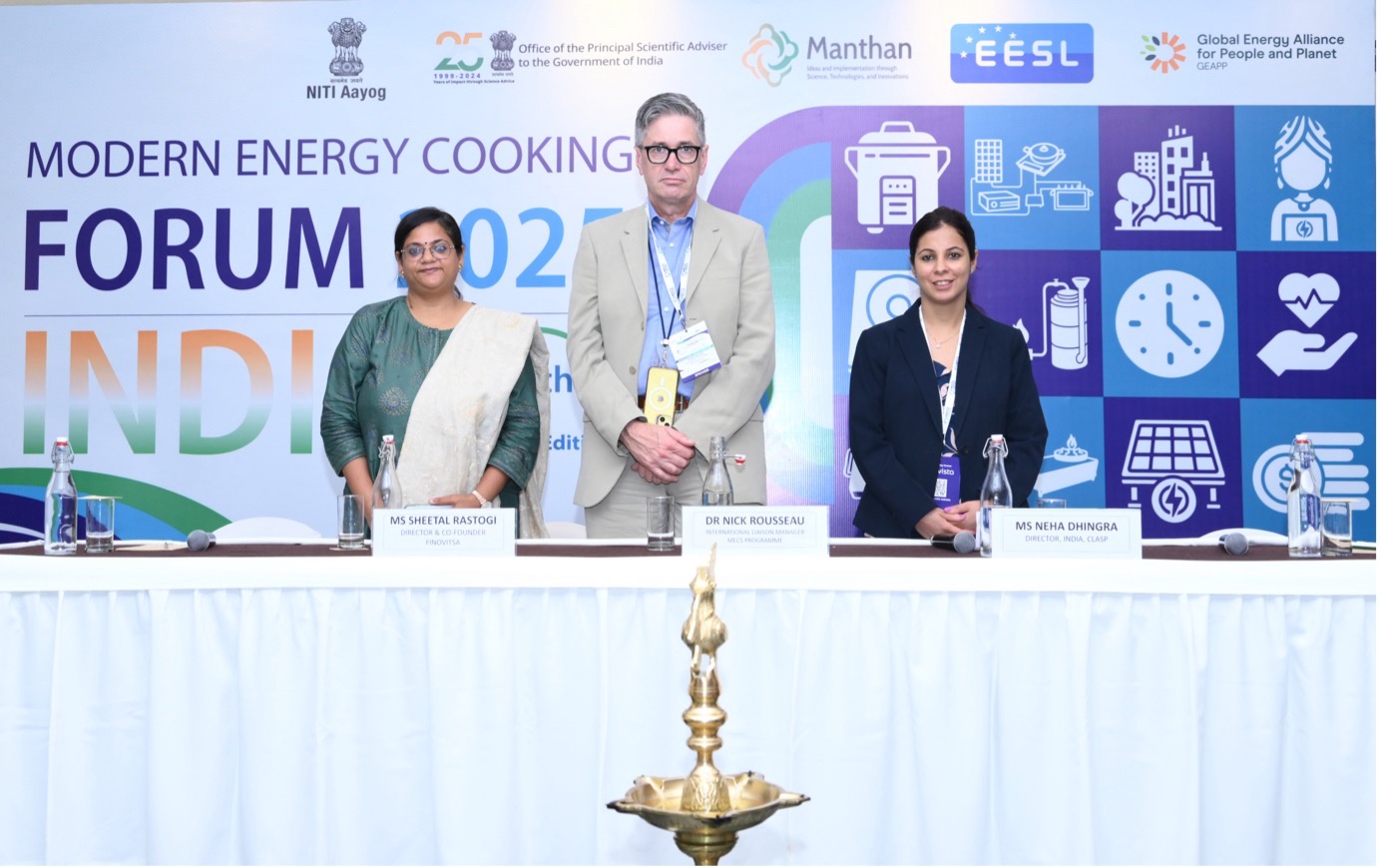
Photo by Finovista.
Left to right: Sheetal Rastogi, Director and Co-founder of Finovista, Dr. Nick Rousseau, International Liason Manager at MECS Programme, and Neha Dhingra, Director at CLASP.
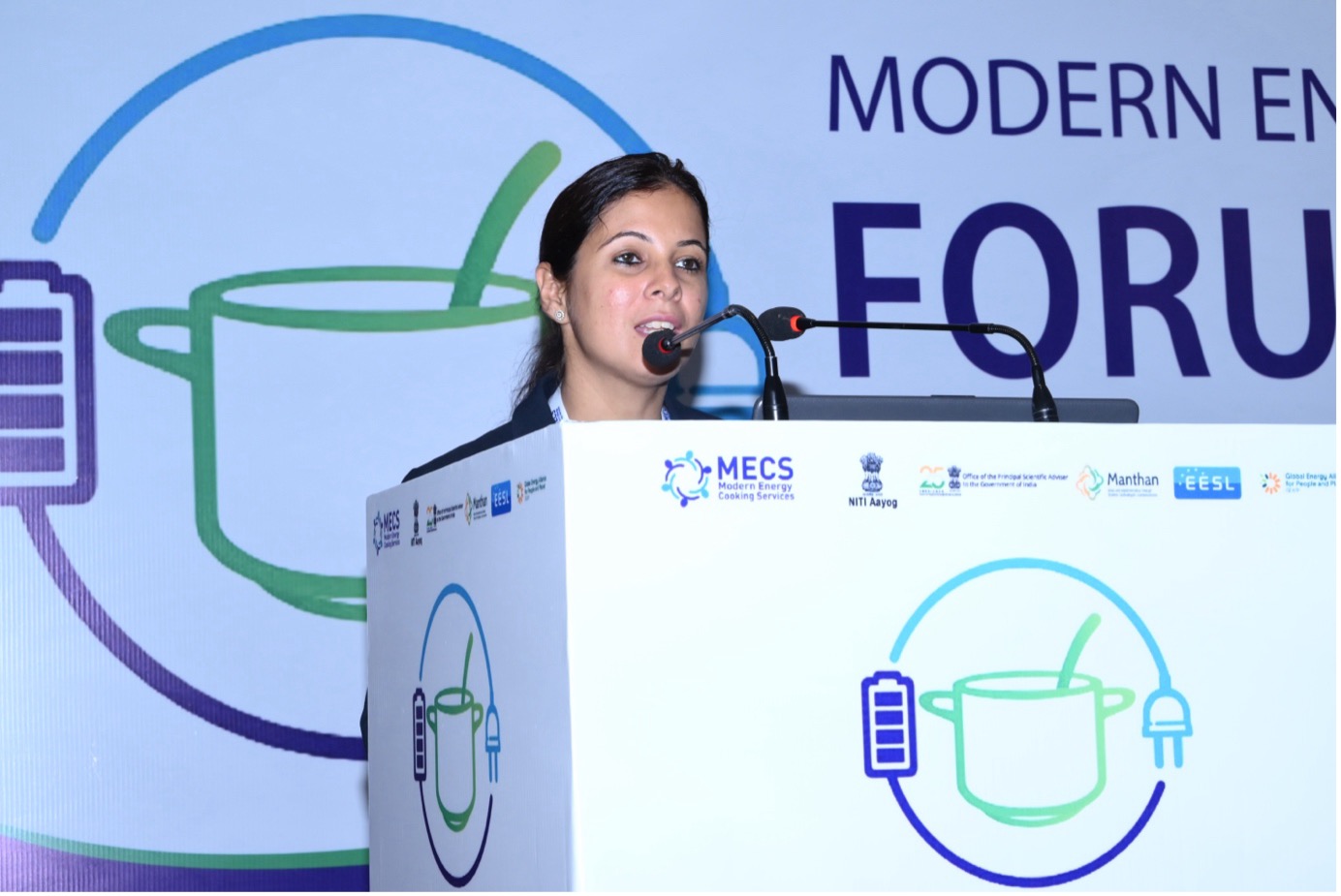
Photo by Finovista.
Neha Dhingra, Director at CLASP, presents CLASP's approach for scaling clean cooking in India at the Modern Energy Cooking Forum (MECF) 2025 in New Delhi.
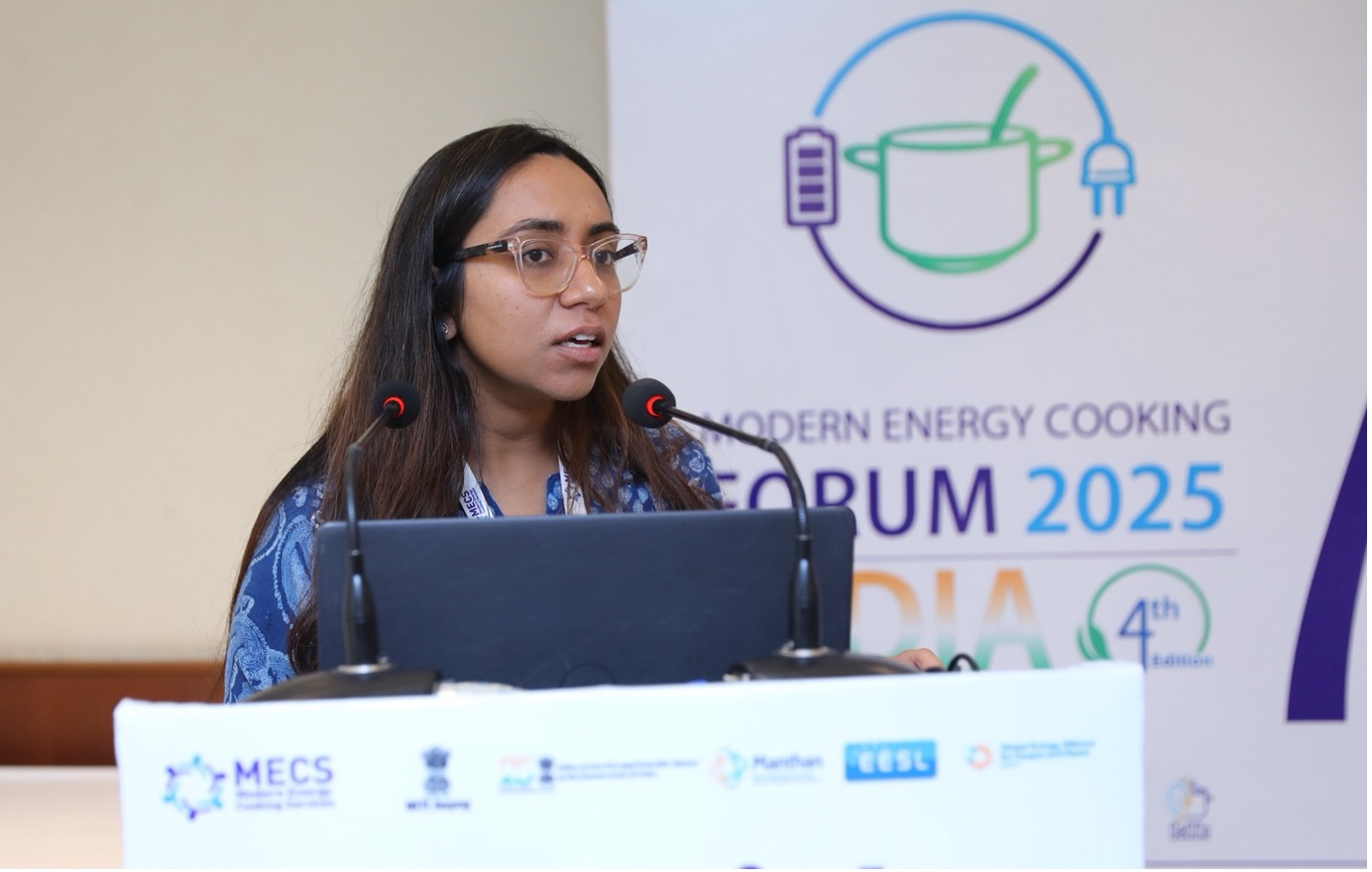
Photo by Finovista.
Sumedha Awasthy, Senior Associate at CLASP, showcases CLASP's clean cooking initiatives at MECF 2025.
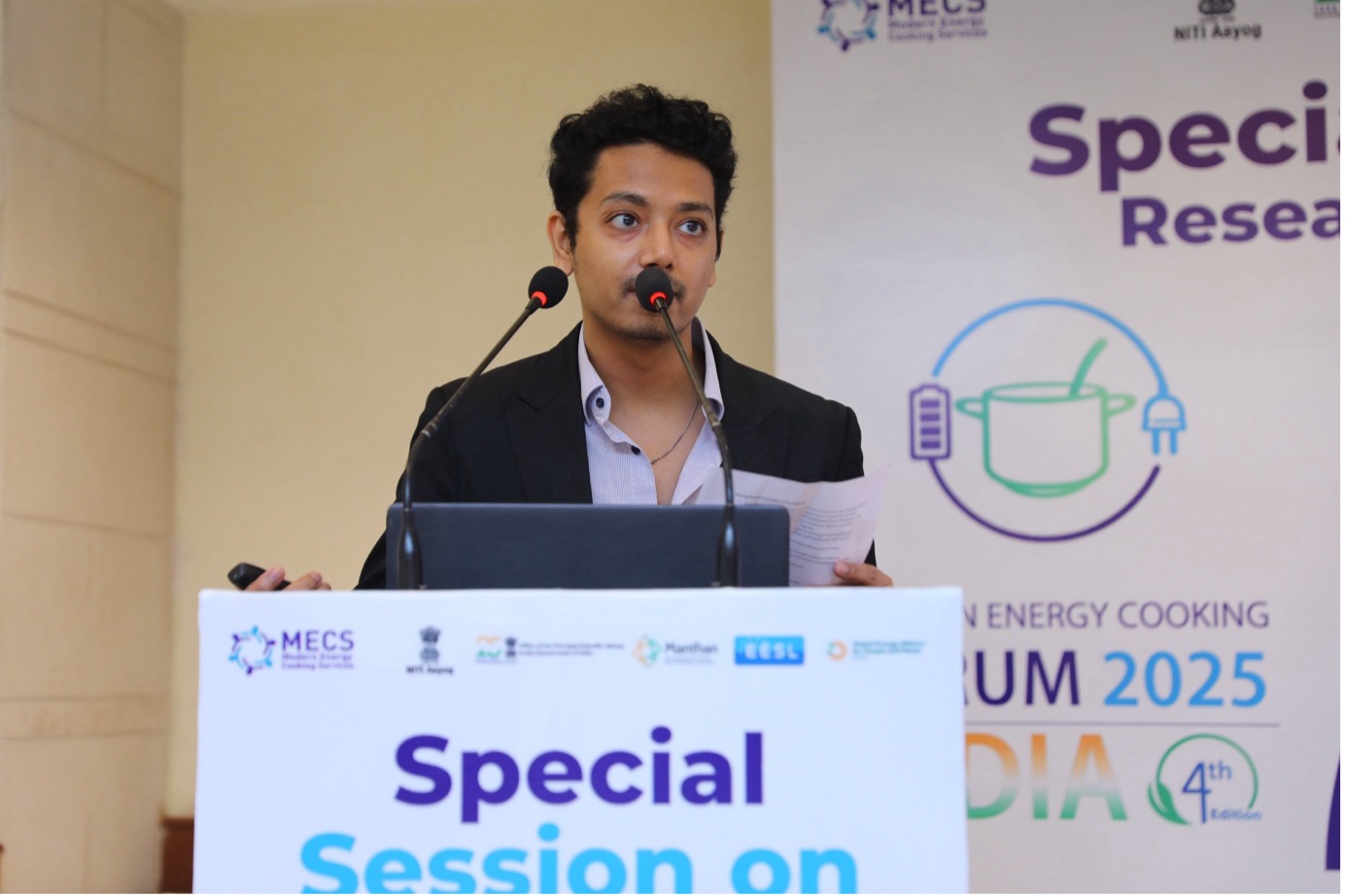
Photo by Finovista.
Jatin Mathur, Associate at CLASP, speaks in a session on research in clean cooking at MECF 2025.
“Through MECS, we see opportunities for Indian companies to grow in the domestic market and expand into new markets globally. CLASP is excited to help fill gaps where we can, and ensure that together, we accelerate the transition to efficient e-cooking in India and beyond.”
Neha Dhingra
Director, India (CLASP)
With this approach, CLASP aims to ensure that clean cooking appliances are available, but also affordable, trusted, and widely adopted. Through our partnership with MECS and in collaboration with local partners like Finovista, CLASP will provide venture-building support to Indian manufacturers, help identify high-growth opportunities, refine business models, and develop strategic connections with funders and partners.
CLASP’s Sumedha Awasthy (Senior Associate, Clean Energy Access) and Jatin Mathur (Associate, Clean Energy Access) also contributed to a special session on research and innovation in e-cooking, demonstrating how policy, finance, and market-building can speed up the shift. Their presentation highlighted initiatives such as the Global Leap Awards and the Institutional E-Cooking Demo.
The opportunity for India to scale efficient e-cooking
With universal electricity access3 and a strong cooking appliance industry, India is well-positioned to scale domestic adoption and tap into international markets. CLASP is committed to working alongside partners in India and beyond to ensure that affordable, efficient, clean cooking solutions reach households that need it most. By further improving standards and policies, building markets, and implementing consumer-centric approaches, India can turn MECF’s momentum into lasting impact.
About the Modern Energy Cooking Forum (MECF)
MECF is hosted by Finovista and the Modern Energy Cooking Services (MECS) programme. This year’s forum strengthened its role as a key platform driving India’s clean cooking dialogue and strategy since 2022. MECF 2025 was supported by NITI Aayog, the Office of the Principal Scientific Adviser to the Government of India, Energy Efficiency Services Limited, and the Global Energy Alliance for People and Planet.
Discussions focused on decarbonizing the cooking sector, equity, state-level programs, financing, and demand-side challenges and opportunities to scale up e-cooking. A highlight of the forum was the Innovation Pavilion, where new technologies were showcased through live cooking demonstrations for diverse consumer segments.
0. International Energy Agency, “Access to Clean Cooking”. https://www.iea.org/reports/sdg7-data-and-projections/access-to-clean-cooking
1. Modern Energy Cooking Services programme, “The Green Shift in Clean Cooking Fuel in India”, 18 May 2023. https://mecs.org.uk/blog/the-green-shift-in-clean-cooking-fuel-in-india/
2. International Energy Agency, “Electricity access continues to improve in 2024 – after first global setback in decades”, 5 November 2024. https://www.iea.org/reports/sdg7-data-and-projections/access-to-clean-cooking
Bringing Global Expertise to Pakistan’s Motor Manufacturers
In Gujranwala, Pakistan, family‑run motor manufacturers share a common ambition: to produce world‑class motors that meet international efficiency standards.
To support this, CLASP and SAMA Verte’s Industry Accelerator Program is linking Pakistan’s local motor makers with international expertise to upgrade motor designs, improve efficiency, and help the motor industry thrive.
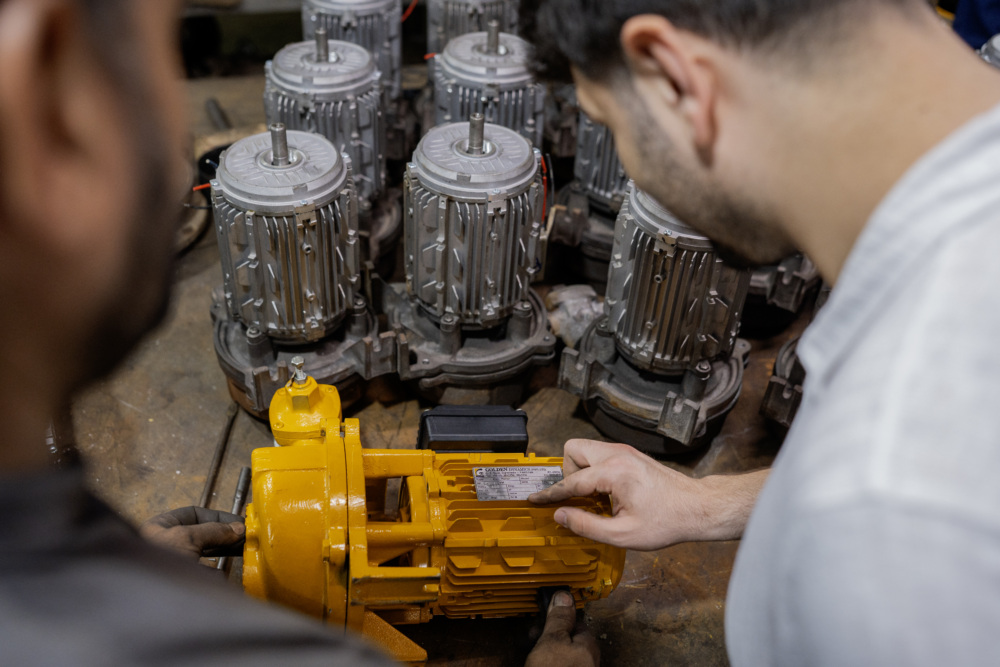
Working with Pakistan Pumps & Electric Motors Manufacturers Association (PPEMMA), and representatives from EMOSAD, a Turkish Motors Association, the Industry Accelerator Program combines decades of local craftsmanship with the latest global technical insights.


CLASP
CLASP
The program’s work supporting improved motor testing labs is already helping local engineers to identify energy losses, improve designs, and meet national efficiency standards for motors.
——
About CLASP’s Industry Accelerator Program in Pakistan
A collaborative initiative between CLASP and SAMA^Verte, the Industry Accelerator is aimed at transforming Pakistan’s electric motor manufacturing sector. Launched in 2023, the program focuses on enhancing the energy efficiency of locally produced electric motors and modernizing production processes. By providing technical assistance, facilitating international knowledge exchange, and supporting the development of energy-efficiency standards, the Industry Accelerator seeks to reduce energy consumption, lower CO₂ emissions, and strengthen the competitiveness of Pakistan’s motor industry.
Recent News


0. International Energy Agency, “Access to Clean Cooking”. https://www.iea.org/reports/sdg7-data-and-projections/access-to-clean-cooking
1. Modern Energy Cooking Services programme, “The Green Shift in Clean Cooking Fuel in India”, 18 May 2023. https://mecs.org.uk/blog/the-green-shift-in-clean-cooking-fuel-in-india/
2. International Energy Agency, “Electricity access continues to improve in 2024 – after first global setback in decades”, 5 November 2024. https://www.iea.org/reports/sdg7-data-and-projections/access-to-clean-cooking
Doubling Energy Efficiency with Appliances
Appliance efficiency could provide roughly one fifth of the reduction in energy demand needed to meet a pivotal climate commitment, according to CLASP’s analysis “Doubling Energy Efficiency with Appliances: How governments can leverage appliances to reach climate targets.” With nearly 110 countries pledging at COP28 to double annual energy efficiency improvements by 2030, more ambitious appliance policies are critical to reaching this goal before the narrow window for net zero by mid-century closes.
Key Findings
- To get on track for net zero emissions by mid-century, the average global annual rate of improvement in energy intensity must double to at least 4% by 2030. Appliance efficiency can deliver approximately 20% of the total reduction in energy demand required to meet this goal.
- Brazil, China, India, and Indonesia have recently taken significant steps to integrate appliance efficiency into their national strategies, recognizing its critical role in achieving energy and climate goals.
Recommendations
- Policymakers must rapidly implement stringent minimum efficiency standards for appliances, ensuring that they meet or exceed the best standards currently in place. Countries with world-leading standards should increase them further to reflect the levels of today’s best available technologies.
- Governments need to embed clear, measurable appliance efficiency targets into their national climate goals. They must also track progress with standardized metrics to stay on course to meet the doubling efficiency goal.
- All stakeholders across government, industry, and civil society must strengthen international and cross-sectoral collaboration to accelerate global energy efficiency gains. This cost-effective approach includes sharing technical expertise, conducting joint market surveillance, and harmonizing standards to overcome common barriers.
0. International Energy Agency, “Access to Clean Cooking”. https://www.iea.org/reports/sdg7-data-and-projections/access-to-clean-cooking
1. Modern Energy Cooking Services programme, “The Green Shift in Clean Cooking Fuel in India”, 18 May 2023. https://mecs.org.uk/blog/the-green-shift-in-clean-cooking-fuel-in-india/
2. International Energy Agency, “Electricity access continues to improve in 2024 – after first global setback in decades”, 5 November 2024. https://www.iea.org/reports/sdg7-data-and-projections/access-to-clean-cooking
Why Appliances Are Essential Energy Infrastructure

Hundreds of millions of people globally still live without access to electricity. That means no way to cool their homes during hot summers, refrigerate food to keep it fresh, cook without inhaling toxic fumes, or farm without hours of grueling, manual labor.
For decades, the response has focused on expanding energy infrastructure. But power lines alone can’t deliver the full benefits. A village may get connected, but without a fridge, a fan, or a clean cookstove, electricity access remains incomplete.
This is where efficient, affordable appliances come in. They transform energy into opportunity for better health, productivity, and livelihoods. They also improve the economics of grid expansion which makes investment more attractive and sustainable.
To achieve the goal of universal energy access and improve millions of lives, we need to look beyond electricity. Appliances are not a luxury; they are essential energy infrastructure.
To learn more, explore CLASP’s research report “The Missing Piece of Energy Access: Why 15% of Energy Infrastructure Investment Must go to Appliances”.
Recent News

0. International Energy Agency, “Access to Clean Cooking”. https://www.iea.org/reports/sdg7-data-and-projections/access-to-clean-cooking
1. Modern Energy Cooking Services programme, “The Green Shift in Clean Cooking Fuel in India”, 18 May 2023. https://mecs.org.uk/blog/the-green-shift-in-clean-cooking-fuel-in-india/
2. International Energy Agency, “Electricity access continues to improve in 2024 – after first global setback in decades”, 5 November 2024. https://www.iea.org/reports/sdg7-data-and-projections/access-to-clean-cooking
The Missing Piece of Energy Access: Why 15% of Energy Infrastructure Investment Must Go to Appliances
Globally, hundreds of millions of people lack electricity. Most solutions focus on extending power supply infrastructure, but in marginalized areas, low electricity demand makes the expense of such infrastructure hard to justify. Increasing the use of energy-efficient appliances in these areas can attract electricity supply investments while delivering climate benefits. Achieving sufficient levels of appliance use to meet these goals would require allocating 15% of supply-side investments, or $38 billion USD, toward demand growth between now and 2030. The funding should focus largely on improving appliance affordability.
Key Findings
- Energy-efficient appliances are essential energy infrastructure, critical for achieving universal energy access and meeting climate mitigation and adaptation goals.
- Bringing modern energy to the 666 million people who lack it (most of whom live in Sub-Saharan Africa) requires expanding power infrastructure to places with low electricity consumption.
- Increasing appliance access across Africa could generate demand for 342 terawatt hours of electricity annually, creating a market worth approximately $50 billion USD that would catalyze accelerated power infrastructure development.
- Focusing on expanding markets for energy-efficient appliances (as opposed to standard, less-efficient appliances) would provide many benefits, including avoiding an estimated 2.6 gigatons of CO2 equivalent emissions annually.
Recommendations
- The IEA estimates that at least $50 billion USD of public investment annually is needed until 2030 to achieve universal energy access. CLASP analysis shows that 10–15% of this amount—about $7.5 billion USD annually, or $38 billion USD in total—should be devoted to improving appliance access.
- Relevant decisionmakers should allocate 10–15% of power supply-side investments toward establishing sustainable electricity demand growth.
- Public institutions should target investments to overcoming market failures that limit appliance use—in particular, a lack of affordability and consumer confidence.
- All stakeholders should prioritize energy-efficient appliances over standard, less-efficient appliances.

Recent News

0. International Energy Agency, “Access to Clean Cooking”. https://www.iea.org/reports/sdg7-data-and-projections/access-to-clean-cooking
1. Modern Energy Cooking Services programme, “The Green Shift in Clean Cooking Fuel in India”, 18 May 2023. https://mecs.org.uk/blog/the-green-shift-in-clean-cooking-fuel-in-india/
2. International Energy Agency, “Electricity access continues to improve in 2024 – after first global setback in decades”, 5 November 2024. https://www.iea.org/reports/sdg7-data-and-projections/access-to-clean-cooking
In Pakistan, Labs Testing for Efficiency are Advancing Motor Manufacturing
Until recently, most local motor manufacturers in Pakistan only tested the basic functionality of the motors they produced. A recent collaboration between CLASP and SAMA_Verte is helping local manufacturers improve motor efficiency testing.
Advanced labs identify energy losses and improve motors
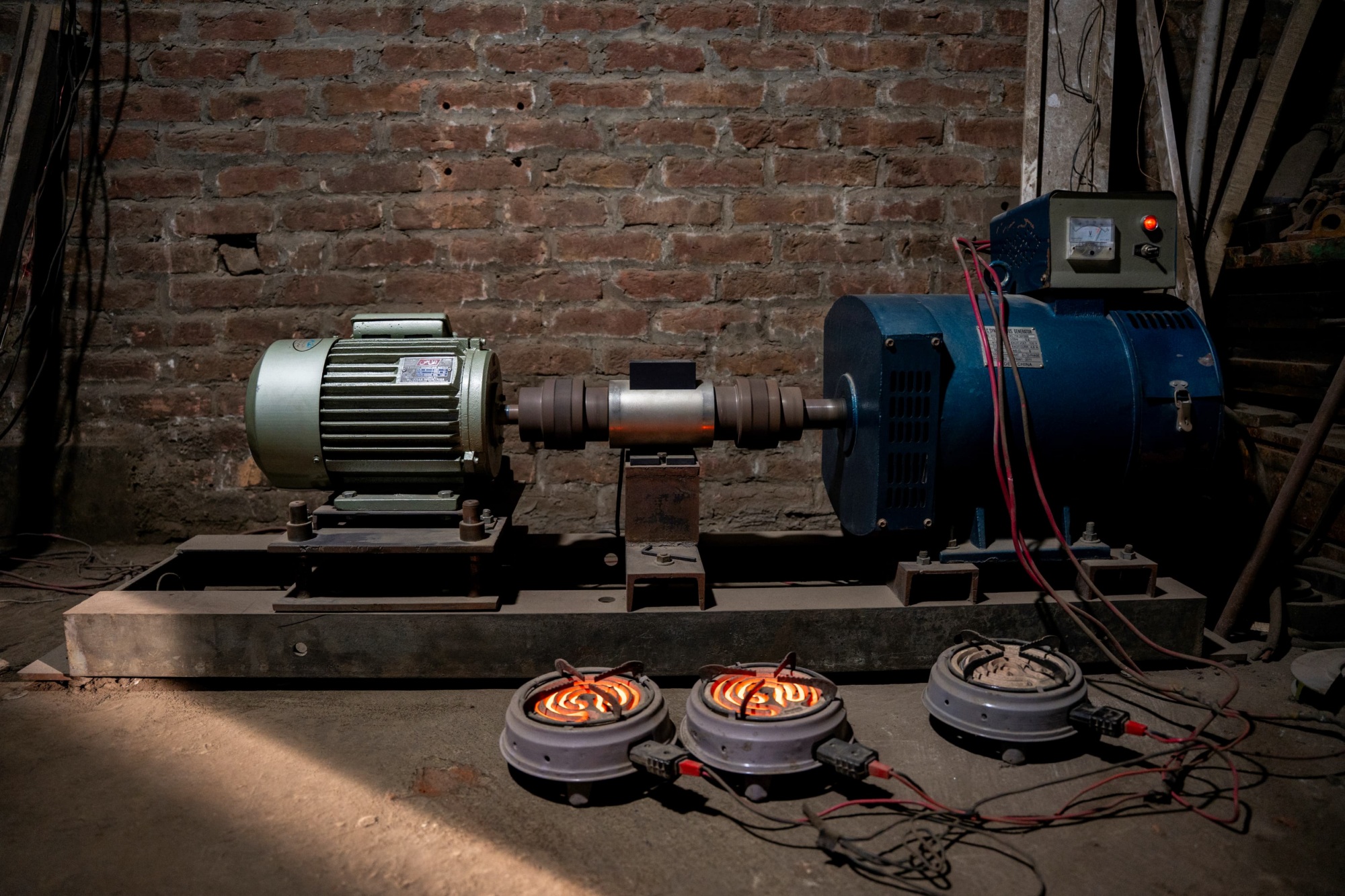
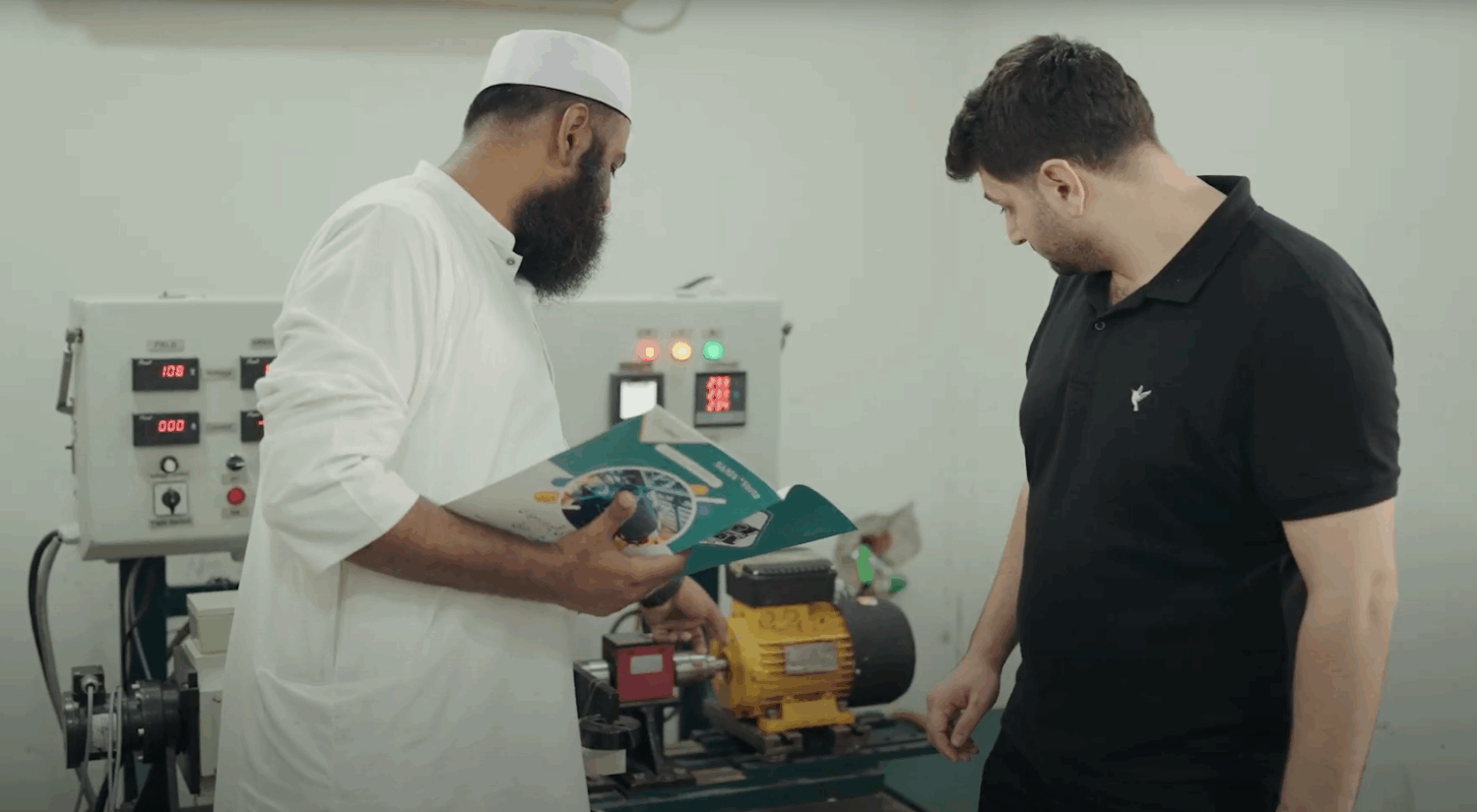
Improved, state-of-the-art testing labs are at the heart of this transformation. Equipped with advanced tools like calibrated dynamometers, power analyzers, and thermal imaging, these labs are helping engineers identify energy losses, improve designs, and ensure compliance with new national regulations set by the National Energy Efficiency & Conservation Authority (NEECA) in Pakistan.
With access to high-quality testing data, manufacturers are redesigning components, reducing energy losses by over 20%, and delivering motors that are more efficient, reliable, and cost-effective. Beyond individual products, these advancements are lifting the entire industry—with the potential to boost exports in the future, creating skilled jobs and opening doors to a more energy-efficient future.
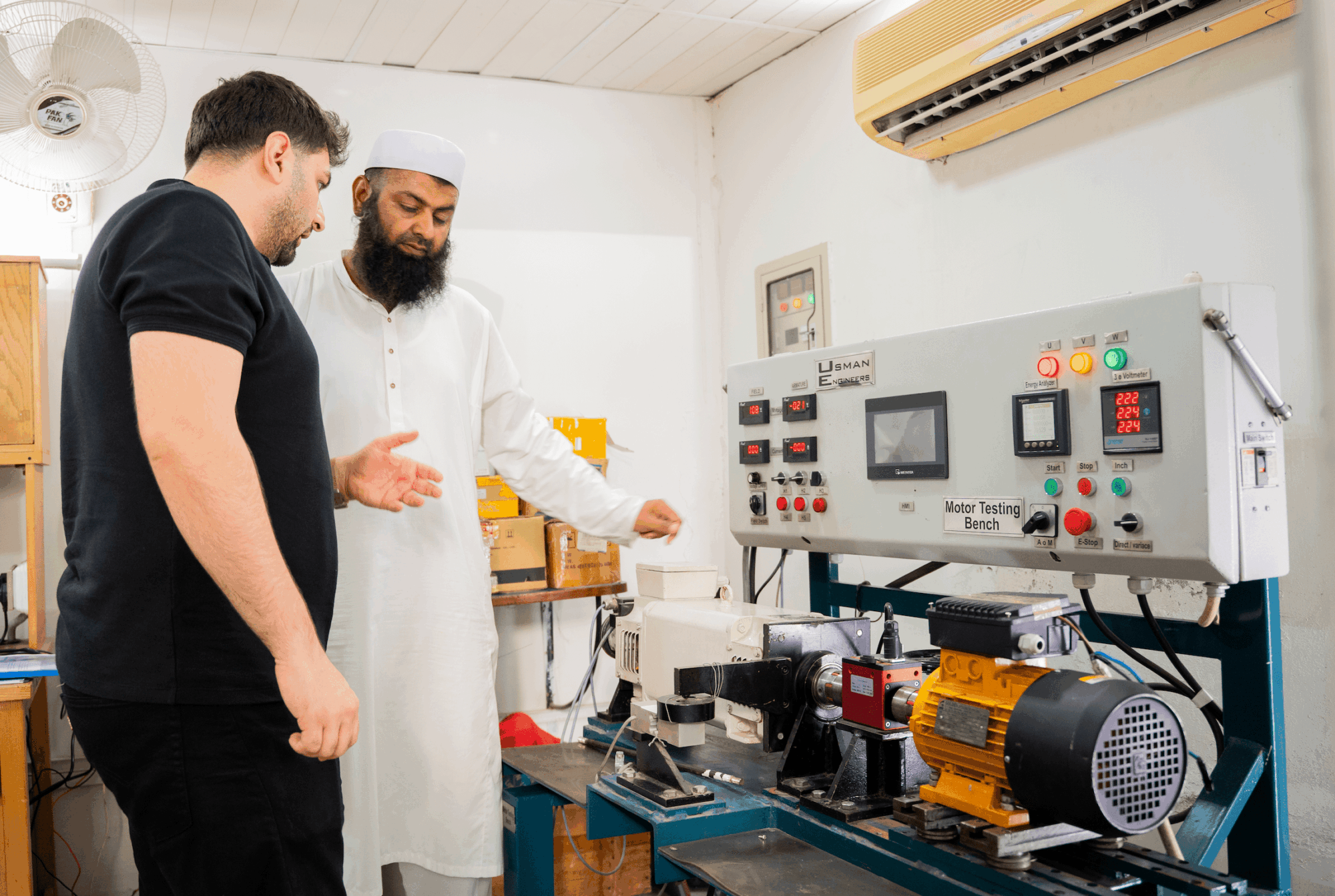
Ali Han Özcan, Turkish motor expert, with Dr. Usama at GIFT University, discussing the testing of locally manufactured motors.
CLASP
About CLASP’s Industry Accelerator Program in Pakistan
A collaborative initiative between CLASP and SAMA^Verte, the Industry Accelerator is aimed at transforming Pakistan’s electric motor manufacturing sector. Launched in 2023, the program focuses on enhancing the energy efficiency of locally produced electric motors and modernizing production processes. By providing technical assistance, facilitating international knowledge exchange, and supporting the development of energy-efficiency standards, the Industry Accelerator seeks to reduce energy consumption, lower CO₂ emissions, and strengthen the competitiveness of Pakistan’s motor industry.
Recent News
0. International Energy Agency, “Access to Clean Cooking”. https://www.iea.org/reports/sdg7-data-and-projections/access-to-clean-cooking
1. Modern Energy Cooking Services programme, “The Green Shift in Clean Cooking Fuel in India”, 18 May 2023. https://mecs.org.uk/blog/the-green-shift-in-clean-cooking-fuel-in-india/
2. International Energy Agency, “Electricity access continues to improve in 2024 – after first global setback in decades”, 5 November 2024. https://www.iea.org/reports/sdg7-data-and-projections/access-to-clean-cooking