
Efficient Appliances Translate to Higher Business Revenues, Field Tests Show
CLASP recently spent several months field-testing a range of renewable appliances and technologies in Rwanda. Working with 12 entrepreneurs focused on hospitality, farming, and mobility in four districts across the country, we tested electric pressure cookers in busy restaurants, solar water pumps on working farms, and electric motorbikes. Our team collaborated with the business owners to measure the efficiency of these products, assess air quality improvements, and quantify time savings and income generated or saved.
Our findings: a direct correlation between the adoption of efficient appliances and increased incomes.

Energy-Efficient Appliances Work for People and the Planet
Energy-efficient solar water pumps, electric pressure cookers, and electric bikes have significant benefits over fossil fuel–powered equivalents, costing less to operate and producing less pollution that warms the planet and damages human health.
However, the relatively high upfront purchase price of these products, as well as the wide range in quality, efficiency, and affordability between different models, present challenges for consumers.

Impartial Tests Build Consumer Confidence
As more of these appliances have come on the market over the last two decades, CLASP has carried out extensive field testing to help consumers, distributors, and governments make sound decisions about which models to invest in. This information is particularly crucial for developing markets with little history of appliance usage or community exposure to these products. Focusing on communities without a strong electric grid, our tests provide verified, impartial information about appliance performance.
This research is critical because laboratory appliance testing can only indicate how different models perform in a controlled environment. Field testing provides data on how products operate under the rigors of real use.
About the Project
The Productive Use of Energy Pilot Study in Rwanda was conducted by CLASP and EED Advisory with the support of Sustainable Energy for All (SEforALL) and the World Bank. The appliances tested were electric pressure cookers, electric motorbikes, solar water pumps, and solar-powered fridges.
Find CLASP at the IEA 9th Annual Global Conference on Energy Efficiency
Efficient appliances are a vital climate solution. CLASP’s landmark Net Zero Heroes report showed that the appliance sector accounts for nearly 40% of global energy-related CO2 emissions. Improving appliance efficiency is a proven, cost-effective solution to slash emissions.
The IEA’s 9th Annual Global Conference on Energy Efficiency brought together global leaders in government, business, and civil society to accelerate policy action on energy efficiency. The conference featured highly engaging panel discussions, workshops, and roundtables. CLASP participated in three sessions on Wednesday, 22 May 2024.
Special Event: Achieving Universal Access to Efficient Clean Cooking
Session 2: Scaling Up Policies and Tools to Mainstream Efficient Clean Cooking | 11:30 – 12:30 EAT | Room TBC
This panel will discuss the convergence of clean cooking and energy efficiency sectors due to the rise of modern energy-efficient electric appliances. It will explore whether integrating clean cooking and energy efficiency perspectives could enable more effective energy transitions.
Moderator: Zeph Kivungi, Regional Partnerships Manager, Africa, The Global Energy
Alliance for People and Planet (GEAPP)
Speakers at the event
- Anne Wacera Wambugu, Head of Electrification, UNESCO Chair for Climate
- Change Resilience and Sustainability
- Bishal Thapa, Senior Director, CLASP
- Geoffrey Kimiti Mburu, Co-founder, PowerPay Limited
- Luc Tossou, TEAVO, African Development Bank (AfDB)
- Naomi Wagura, Chief of Staff, The Global Energy Alliance for People and Planet
- (GEAPP) (TBC)
- Sophie Odupoy, Head of Public Affairs, KOKO Networks
Special Event: Delivering a Super-Efficient Future for Appliances
Session 2: Panel Discussion – Regional Approaches to Appliance Energy Efficiency Standards and Testing | 16:00 – 17:20 EAT | Samburu room
This panel will discuss how harmonizing regional appliance efficiency policies and testing can increase the availability of energy-efficient appliances and make them more affordable. It will also explore using regional standards cooperation to prevent dumping of inefficient products that harm the environment.
Moderator: Ari Reeves, Senior Director of Research, CLASP
Speakers at the event
- Angellah Wekongo, Associate, CLASP
- Dennis Nderitu, Manager Energy Systems for Africa, The Global Energy Alliance for People and Planet (GEAPP)
- Han Wei, Director of Projects, President’s Office, Energy Foundation China
- Karin Reiss, Industrial Development Officer, UNIDO
- Kofi Agyarko, Director, Renewable Energy, Energy Efficiency & Climate Change (REEECC), Ghana Energy Commission
- Nickson Bukachi Ongeri, Senior Policy Officer Renewable Energy and Energy Efficiency, AFREC
Special Event: Scaling Energy Efficiency Action in Industry
Roundtable Session 2: Moving “The Versailles 10X10 Actions” from What to How | 16:15 – 17:30 EAT | Room TBC
This discussion will focus on implementing the Versailles 10X10 Actions on energy efficiency strategies defined at the IEA’s 8th Global Conference. It will bring together perspectives across the value chain, including enabling factors like skills and financing, to move from defining “what” to executing “how”.
Moderator: Anna Hall, Energy Efficiency Movement
Presenters at the roundtable
- Erich Labuda, President ABB Motion Services, ABB
- Frederic Lucenet, Global Head of Manufacturing and Services, EBRD
- Martha Wakoli, Research Manager at CLASP
- Meriem El Mernissi. Les Eaux Minérales d’Oulmes, Directrice Productivité et Go To Market
- Pramod Singh, Senior Director, AEEE
- Rana Ghoneim, Chief of Decarbonisation and Sustainable Energy Division, UNIDO
- Robert Turner, Energy & Energy Transition, PWC
- Thomas Schroder, Climate Director, Grundfos
- William (Bill) Kent, CEO, Association of Energy Engineers
- Yolanda de Lange, Executive Director, Institute of Energy Professionals Africa
CLASP’s Impact Working with Africa’s Clean Cooking Sector
Modern, clean and efficient cooking solutions, such as electric pressure cookers and induction cookstoves, deliver proven health, economic, and social benefits – even in off-grid areas. Despite this, over 900 million people in Africa still lack access to these life-improving appliances.
CLASP and our partners are engaged in various initiatives across the continent to enhance the affordability and adoption of clean cooking appliances. These aim to reduce indoor air pollution, reduce the risk of fire, promote gender equality, and demonstrate the energy and cost savings associated with clean cooking practices.
Clean Cooking Improves Health and Air Quality
Household air pollution from cooking with polluting fuels is responsible for an estimated 3.2 million premature deaths annually. A significant portion of these deaths occur in low- and middle-income countries. CLASP aims to reduce the incidence of respiratory diseases and environmental damage linked to household air pollution by promoting the increased adoption of efficient, clean cooking appliances. CLASP is doing this through a range of programs such as the Global LEAP Induction Cooktops and Electric Pressure Cooker Competitions. These showcase sustainable alternatives to traditional biomass cookstoves as well as harmful fuels like kerosene. CLASP invites companies developing and supplying induction stoves to submit an expression of interest for their products to undergo usability testing in Kenya and India.
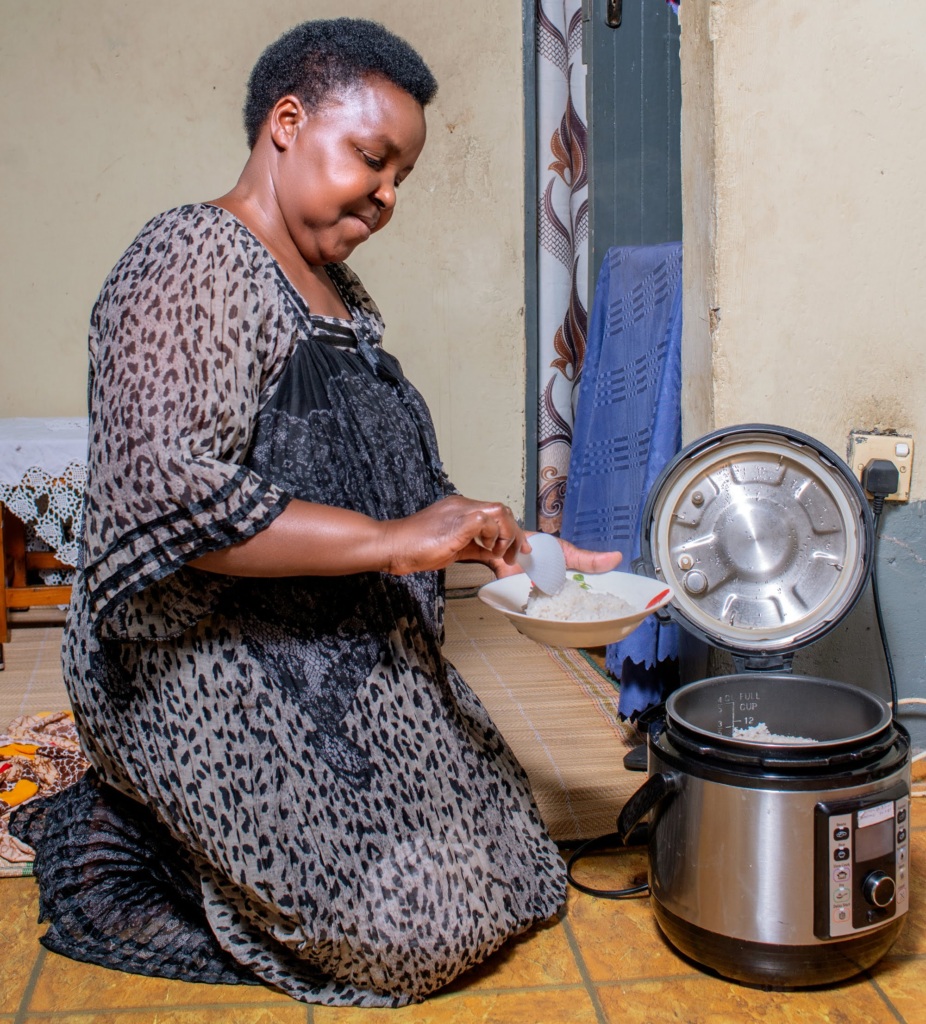
Product Testing Builds Consumer Awareness and Trust
Modern cooking appliances suitable for off-grid homes and businesses are still a developing market. This causes variations in quality, durability, and performance among the available products. CLASP conducts performance testing in household and business contexts to evaluate product performance and publish the results. This ensures consumers know which products to invest in, and manufacturers have clear benchmarks to improve the design and development of cooking solutions. This promotes energy-efficient, cost-effective, and high-functioning appliances on the market.
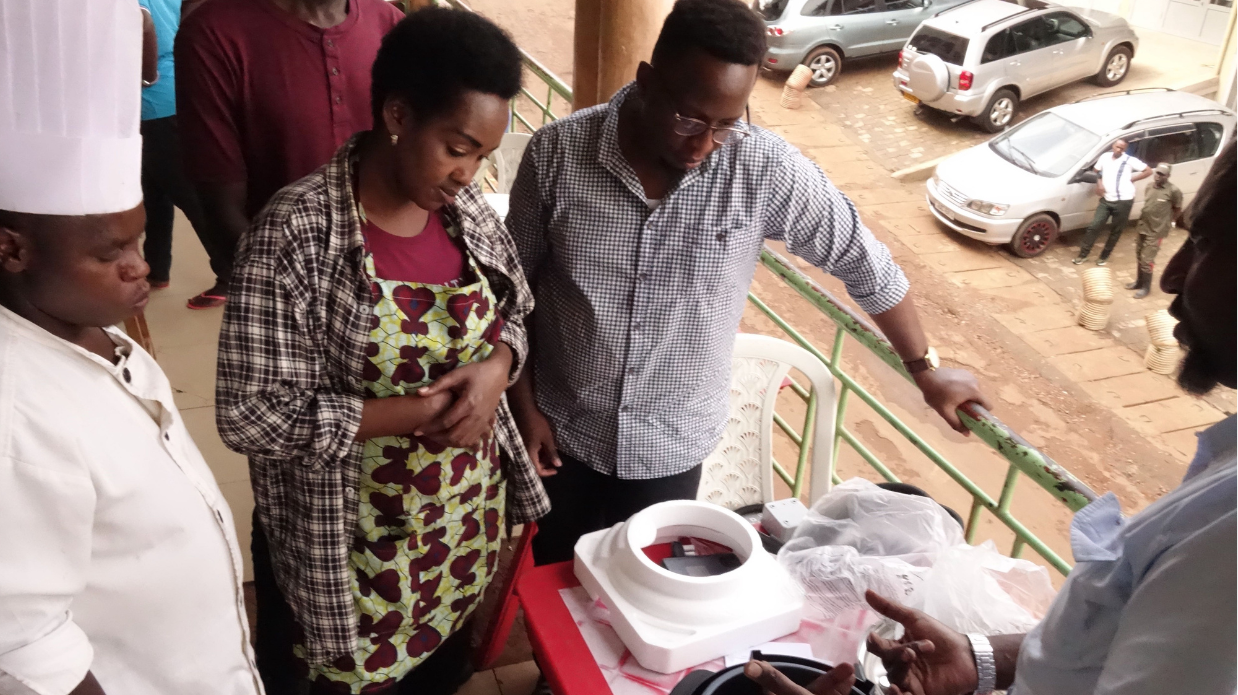
Innovative Financing Drives Supply and Affordability
Many clean cooking appliance businesses in Africa struggle to expand their customer base and scale their operations due to a lack of finance and the high costs associated with importing quality products. To address this, CLASP and our partners created initiatives such as the Higher-Tier Cooking Component (HTCC) and the Productive Use Financing Facility. Both these programs provide procurement subsidies and help companies bulk-buy electric cooking equipment, lowering their purchasing price and unlocking new markets. In addition, the companies test the performance of these products through VeraSol to verify product quality.
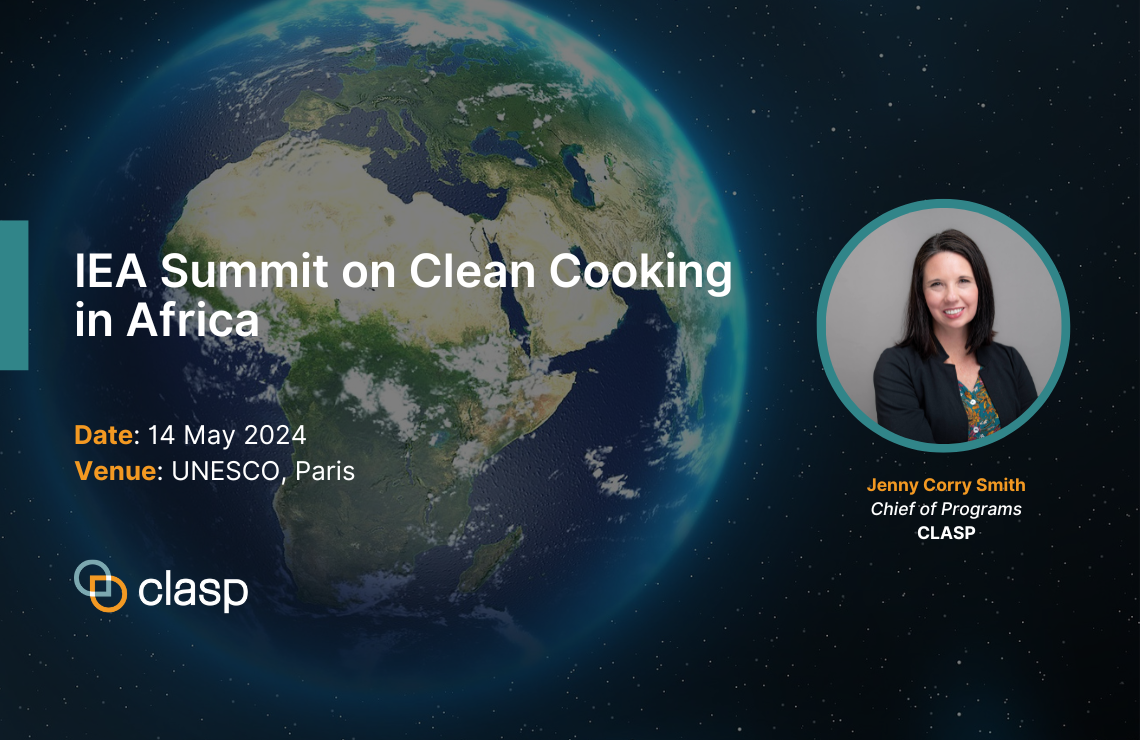
CLASP’s Chief of Programs, Jenny Corry Smith, attended the IEA Summit on Clean Cooking in Africa on 14 May 2024.
Update 14 May 2024:
At the close of the Summit on Clean Cooking in Africa, CLASP, along with a host of national governments, international organizations, civil society organizations and companies signed The Clean Cooking Declaration: Making 2024 the Pivotal Year for Clean Cooking. This declaration pledges to make clean cooking a priority, and enhance efforts toward achieving universal access for all.
The declaration emphasizes the importance of developing financing, policies and partnerships on the topic. The IEA also announced the mobilization of USD2.2 billion in related public and private sector pledges. Clean cooking is seen as essential in support of achieving Sustainable Development Goal 7, access to affordable, reliable, sustainable, and modern energy.
Seven Clean Cooking Companies Selected for CLASP Support in Uganda
Although improved access to modern, energy-efficient cooking appliances offers substantial health, economic, gender, and quality of life benefits, many small businesses in this sector still face market challenges. CLASP, in partnership with GIZ Uganda, the Netherlands Enterprise Agency (RVO), and the European Union (EU), wants to change this. Together, they will disburse $230,000 USD in subsidies to support seven small and medium businesses selling a range of electric cooking and higher-tier biomass stoves in Uganda.
Strengthening Supply for Local Businesses
This initiative, called the Higher Tier Cooking Component (HTCC) Uganda, aims to strengthen the supply side of the clean cooking sector. It works by providing procurement subsidies that the companies use to scale their business operations and increase their customer base. In turn, this will increase the affordability of higher-tier cookstoves in Uganda.
Companies selected for support
| Company | Cooking Appliance |
|---|---|
| Bidhaa Sasa | Electric Pressure Cookers, Charcoal Stoves |
| Conservation and Development Uganda Ltd (CODE) | Biomass Pellet Stoves |
| Ezylife Holdings Limited | Charcoal Stoves |
| Potential Energy, Inc. | Electric Pressure Cookers |
| ReNewable Hub (U) LTD | Electric Pressure Cookers |
| TEECO Uganda Limited (a subsidiary of PowerUp) | Electric Pressure Cookers |
| UpEnergy Uganda Limited | Electric Pressure Cookers |
Financing for Clean Cooking Outcomes
Through the program, CLASP and its partners aim to enhance the affordability of clean cooking appliances, reduce indoor air pollution, and highlight the energy and cost savings that stem from clean cooking. The ultimate goal is to increase the adoption of more efficient clean cooking appliances for households and small businesses across Uganda.
“CLASP is optimistic that our support will enable the selected companies to ramp up their e-cooking sales,” commented Sam Grant, Senior Director of Clean Energy Access at CLASP. “Similar to other initiatives focusing on clean cooking for this market, we are keen to see the number of Ugandans with access to clean cooking rise far above the current 5% of the population.”
The selected companies are expected to cumulatively sell over 12,000 electric pressure cookers and higher-tier biomass stoves. This will enable access to high-quality, low-emissions, and energy-efficient cooking technologies for more than 60,000 end-users between April 2024 and March 2025.
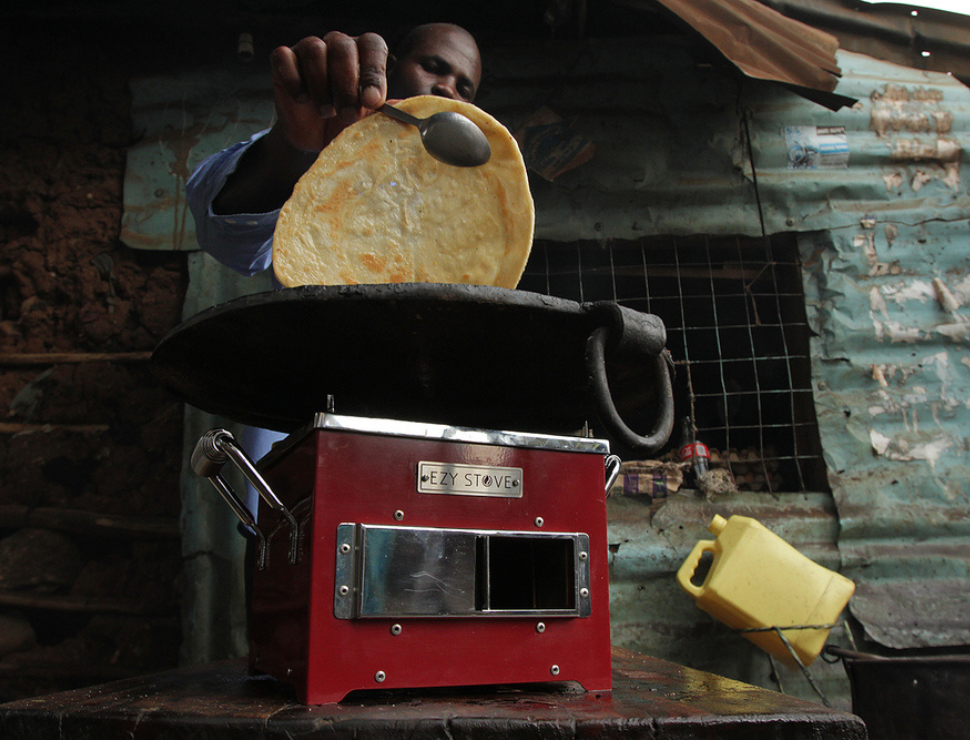
Image credit: EzyLife
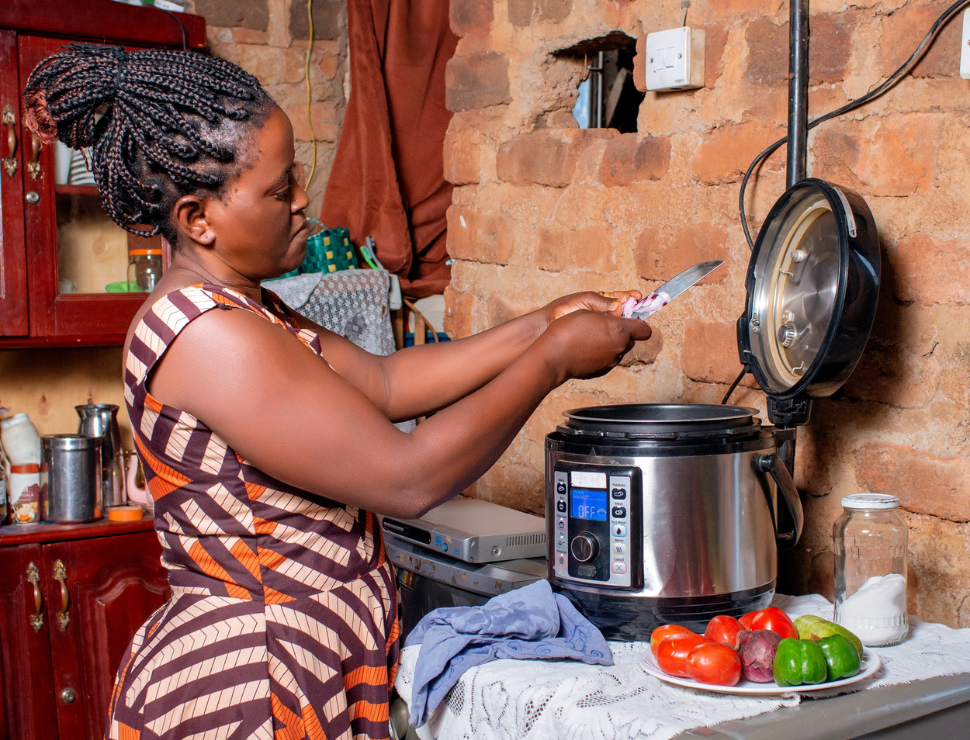
Image credit: UpEnergy
The HTCC Uganda project received 17 applications from clean cooking technology companies operating in Uganda during the public auction window. The total subsidy ask exceeded $2.19 million for 157,756 units of clean cooking products, highlighting the significant demand and potential impact of the program.
***
About the Higher-Tier Cooking Component (HTCC) Results-based Financing Program
The HTCC Uganda RBF is administered by CLASP in partnership with the German Development Agency (GIZ) with support from the Netherlands Enterprise Agency. The HTCC is part of the multi-country Strengthening the Entrepreneurial Ecosystem for the Clean Cooking (SEE-CC) program commissioned by the Netherlands Enterprise Agency and implemented in partnership with EnDev. SEE-CC supports small and medium-sized enterprises in Uganda to enhance their business operations, access finance for upscaling, and drive innovation in the clean cooking sector.
For any questions on the Higher-Tier Cooking Component program, please get in touch with financing@clasp.ngo.
Subscribe to our newsletter for more updates on the Uganda RBF Program.
CLASP Chosen to Lead Initiative with Potential to Bring Clean Energy to Millions
Kigali, Rwanda – At the Transforming Energy Access (TEA) Forum in Kigali, Rwanda this week, CLASP was announced as the new host and manager of the Energy Access Institutions Facility, an initiative that seeks to provide core funding and technical assistance to organizations who accelerate access to life-changing, off-grid energy to millions of people around the world.
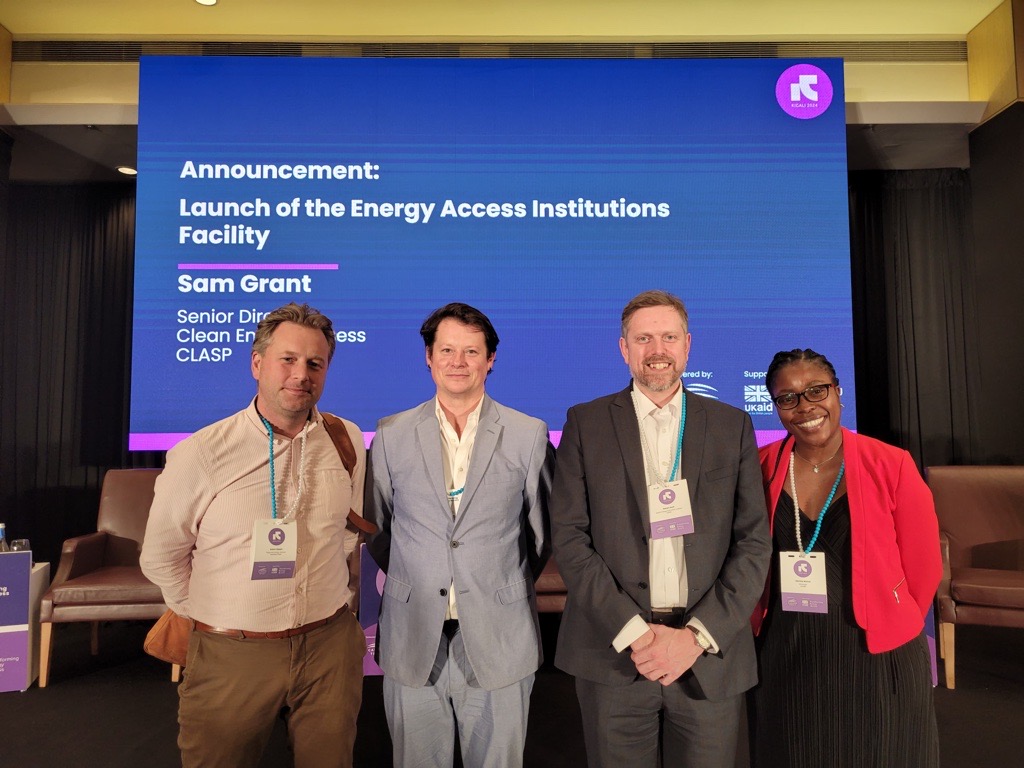
Over the next five years, the Facility’s vision is to deploy $25 million USD to a portfolio of five to ten impactful organizations, known as “market institutions”, that are working to grow the distributed renewable energy (DRE) sector. DRE systems are stand-alone, off-grid energy solutions that generate and distribute renewable energy without needing to be connected to the main grid. Expanding this sector has the potential to transform lives and livelihoods by increasing incomes, empowering women, enhancing educational opportunities, improving healthcare, reducing food waste, avoiding greenhouse gas emissions, and much more.
The Facility’s growing portfolio of organizations is expected to have reach across several countries in sub-Saharan Africa and South Asia, potentially increasing the delivery of renewable off-grid energy to millions of people from low-income communities.
Market institutions that support the following will be eligible to apply to the Energy Access Institutions Facility:
- Clean cooking solutions
- Energy efficient appliances and equipment
- Productive Use of Energy
- Standalone solar systems
- Micro grids and mini grids
This Facility is a result of multiple years of funding and commitment by the UK’s Foreign, Commonwealth and Development Office (FCDO) and the UK charity Shell Foundation (SF), and two years of incubation and development managed by Open Capital. FCDO and SF provided $5.5 million USD in seed funding to the first tranche of market institutions to prove this concept.
In the Facility’s first year, five market institutions, including the Africa Minigrid Developers Association (AMDA), Ethiopia Energy Market Accelerator (EMA), GOGLA, Nigeria Off-Grid Market Accelerator Programme (NOMAP), and the Uganda Off-Grid Market Accelerator, were the first grantees.
The Swedish International Development Cooperation Agency (Sida) has recently announced its commitment to providing approximately $4.5 million USD in funding for this next phase led by CLASP. This support will enable the Facility to disperse further funding to another round of market institutions and accelerate the Facility’s growth. In the coming months, CLASP is committed to securing additional funding from donors who have already indicated an interest in this impactful initiative.
Anders Arvidson, Senior Advisor and Team Lead in Sida’s Power Africa Team, noted:
“The Facility’s vision of accelerating access to clean energy for the world’s lowest-income people strategically aligns with Sida’s mission to reduce poverty around the world by partnering with the private sector in support of market development and mobilization of capital. We are proud to offer our support to take this initiative to its next phase, and to accelerate necessary growth in the clean energy sector. We look forward to working closely with CLASP to realize this vision.”
CLASP was selected because of the organization’s 25-year tenure as the leading, global organization advancing affordable, efficient appliances to mitigate climate change and help communities adapt and thrive. CLASP has proven expertise managing similar programs, including serving as the co-secretariat of the Efficiency for Access Coalition, an initiative supporting off-grid appliance market research and innovation; and as Operating Agent for the Super-efficient Appliance and Equipment Deployment (SEAD), a $20 million initiative under the Clean Energy Ministerial. CLASP also manages the Productive Use Financing Facility, a $6.5 million financing facility to catalyze the uptake of productive use appliances across East, West and Central Africa.
Christine Egan, CEO at CLASP, reflected on how the Energy Access Institutions Facility would push for real impact in the sector:
“The Energy Access Institutions Facility is positioned to impact and enhance millions of lives at a critical moment for sustainable development and global climate ambition. Exponentially increasing the number of people using off-grid, renewable energy and appliances will be a livelihood game changer in regions where access to traditional grid electricity is insufficient or non-existent. CLASP is committed to serving the sector and partnering with essential energy access institutions to deliver and scale collective impacts.”
In the coming months, CLASP will communicate opportunities for involvement and next steps for market-enabling organizations who are interested in participating, as well as donors who are interested in further supporting the Facility.
About the Facility
The Energy Access Institutions Facility is a joint donor initiative to support and strengthen the institutions that are essential for the achievement of Sustainable Development Goal 7, universal access to affordable, reliable, sustainable, and modern energy by 2030. The Facility is supported by the Swedish International Development Agency (Sida) and UK aid via the Transforming Energy Access (TEA) platform.
Learn more about the Facility.
About CLASP
CLASP is the leading global authority with 25 years’ expertise on how appliance efficiency drives climate mitigation, adaptation and improves the lives and livelihoods of people. An international nonprofit with offices on four continents, CLASP collaborates with policymakers, appliance manufacturers, and leading experts to deliver sound policy recommendations, innovative tools, groundbreaking research, and clear pathways to a more sustainable world for people and the planet.
Financing for Impact: Providing Affordable and Sustainable Energy Solutions in Ethiopia
Rain-fed agriculture is a fundamental pillar of the Ethiopian economy. In 2022, agriculture employed about 80% percent of the country’s workforce and contributed nearly 38% to gross domestic product (GDP).1 However, persistent droughts have posed significant challenges to farmers’ livelihoods and reduced food yields.
Off-grid irrigation as a solution
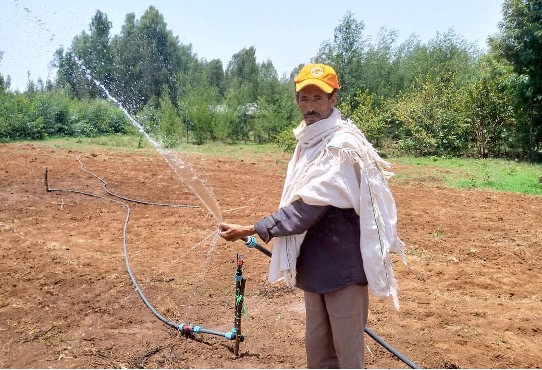
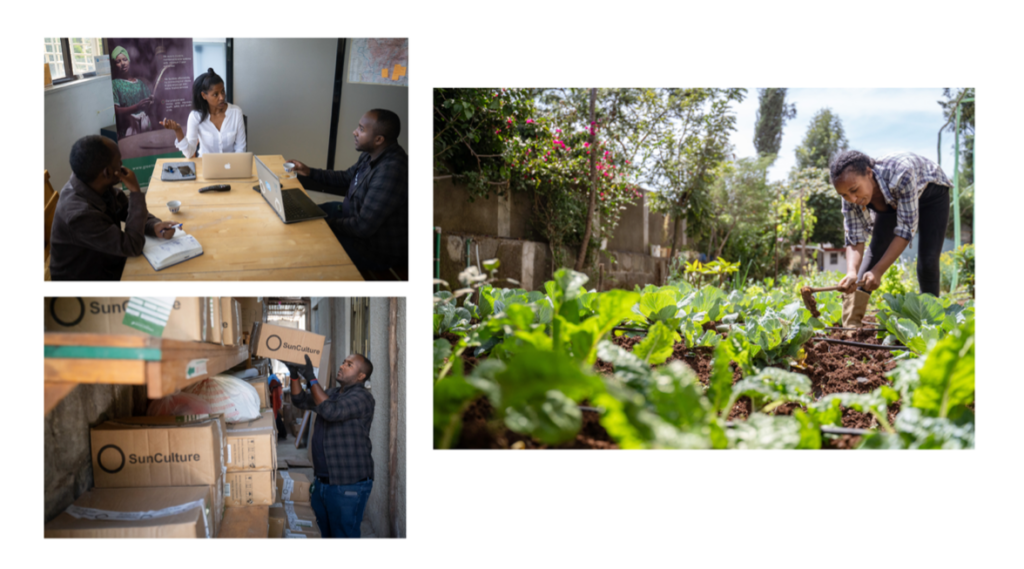
Solar water pumps are a sustainable, off-grid solution to improve small-scale irrigation, strengthen community resilience, and support sustainable economic growth. Powered by the sun, solar water pumps also reduce the use of fossil fuels, so they are less harmful to the climate. Rekik Bekele is the founder and CEO of Green Scene Energy, a thriving solar appliance distributor. Green Scene recently received business support through CLASP’s Productive Use Financing Facility to increase its supply of affordable solar water pumps.
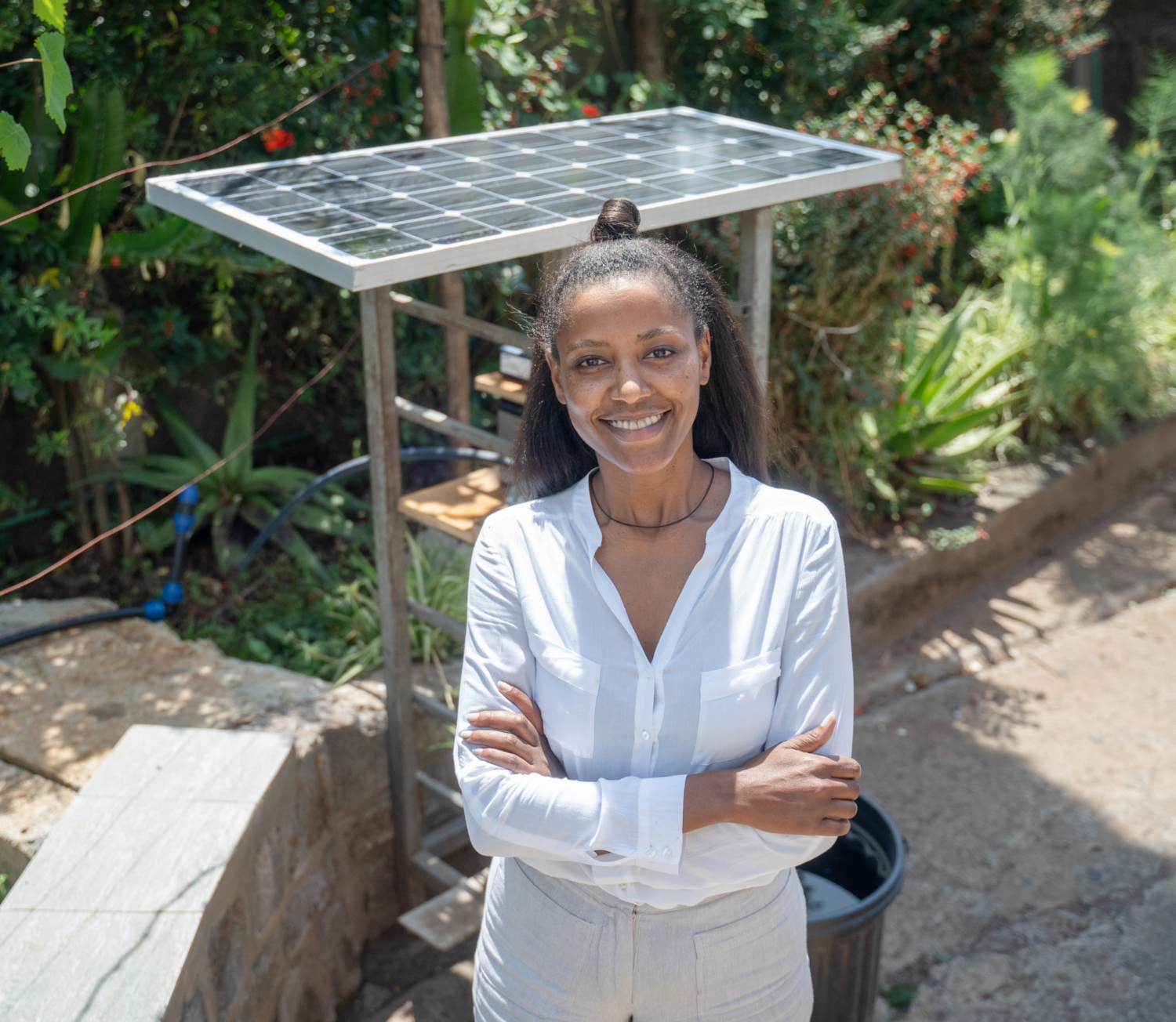
Founded by Rekik Bekele in 2016, Green Scene Energy provides affordable, high-quality solar energy products in off-grid areas of Ethiopia. Green Scene began by specializing in solar home lighting systems, later expanding its portfolio to include solar mini-grid, commercial and industrial solar engineering, procurement and construction (EPC) solutions for off-grid projects.
In 2022, in response to the growing need for irrigation pumping in rural areas across Ethiopia, Green Scene began distributing solar-powered water pumps. To date, the company has successfully positioned itself as a market leader in the provision of affordable solar water pumping systems.
Financial support catalyzing progress
Despite a growing demand for solar water pumps, the substantial upfront capital required exposes significant challenges. According to Rekik, CLASP’s Productive Use Financing Facility has been instrumental in allowing Green Scene to continue selling solar water pumps in 2023. “We had been seeking investment for some time; by the end of 2022, we were only importing small numbers of pumps at a time, using existing sales revenue,” observed Rekik.
“Green Scene’s expanded capacity to make larger, more efficient orders, is allowing us to reach many more end users. Response to the introduction of the pumps is incredibly positive. The farmers are pleased with the improvements.”
Appliances with a transformative potential
Efficient productive use appliances (PUAs), like solar water pumps, refrigerators, and milling machines, have transformative effects on local communities, small businesses, and the environment. However, despite their potential for income generation, PUA sales remain remarkably low in emerging markets due to their relatively high upfront costs and a lack of access to finance. CLASP’s innovative financing facility addresses these challenges by helping distribution companies like Green Scene sell their products at lower prices.
Multifaceted support
The Facility’s support to Green Scene is multifaceted. Subsidies to lower product prices are easing import constraints, while increased performance testing verifies product quality. A capacity-building grant is also helping with a variety of one-off costs and purchases associated with introducing new product lines.
“The funding has assisted Green Scene in selling over 50 solar water pumps,” adds Rekik. “We expect to sell at least another 250 during the upcoming months.”
According to Rekik, demand is leading Green Scene away from the sole retail of solar lighting, toward a greater focus on solar-powered productive-use appliances (PUAs). She attributes this strategic transition to the considerable success achieved with solar water pumps and a recognition of the tremendous potential within the PUA market.
Assisting customers to access finance
In addition to expanding and diversifying its portfolio, Green Scene Energy has also leveraged the Facility’s support to unlock consumer financing for solar water pumps. Rekik and her colleagues have been working closely with an Ethiopian bank to design the bank’s first-ever consumer loan product for solar water pumps.
“Previously, the Bank had provided loans for solar lighting to consumers through Micro-Finance Institutions (MFI),” explains Rekik. “However, solar water pumps have become more expensive and technologically complex. For the first time, the MFIs are now offering collateral-free loans for solar water pumps.”
According to Rekik, CLASP’s financing has been critical for Green Scene because it is in a scale-up stage. They have been able to use the funding to gain confidence and trust in their business, which has in turn facilitated the securing of additional private financing.
***
About The Productive Use Financing Facility
CLASP’s Productive Use Financing Facility, is supported by The Global Energy Alliance for People and Planet (GEAPP). It has provided financing to 24 companies in six countries, to enable the distribution of over 13,000 productive-use appliances, directly impacting more than 58,000 households.
0. Ethiopia – Country Commercial Guide; https://www.trade.gov/country-commercial-guides/ethiopia-agro-processing
Financing for Impact: Powering Change in Northern Uganda with Solar
Appliances Supporting Life-Saving Health Facilities
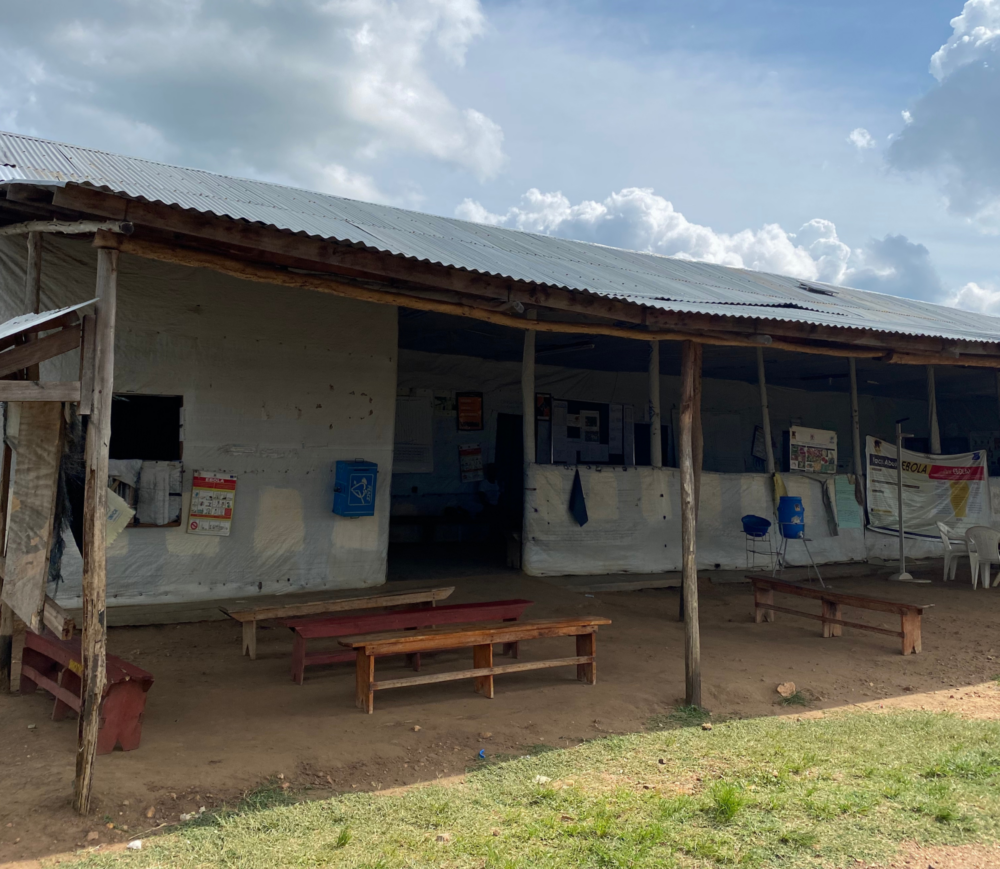
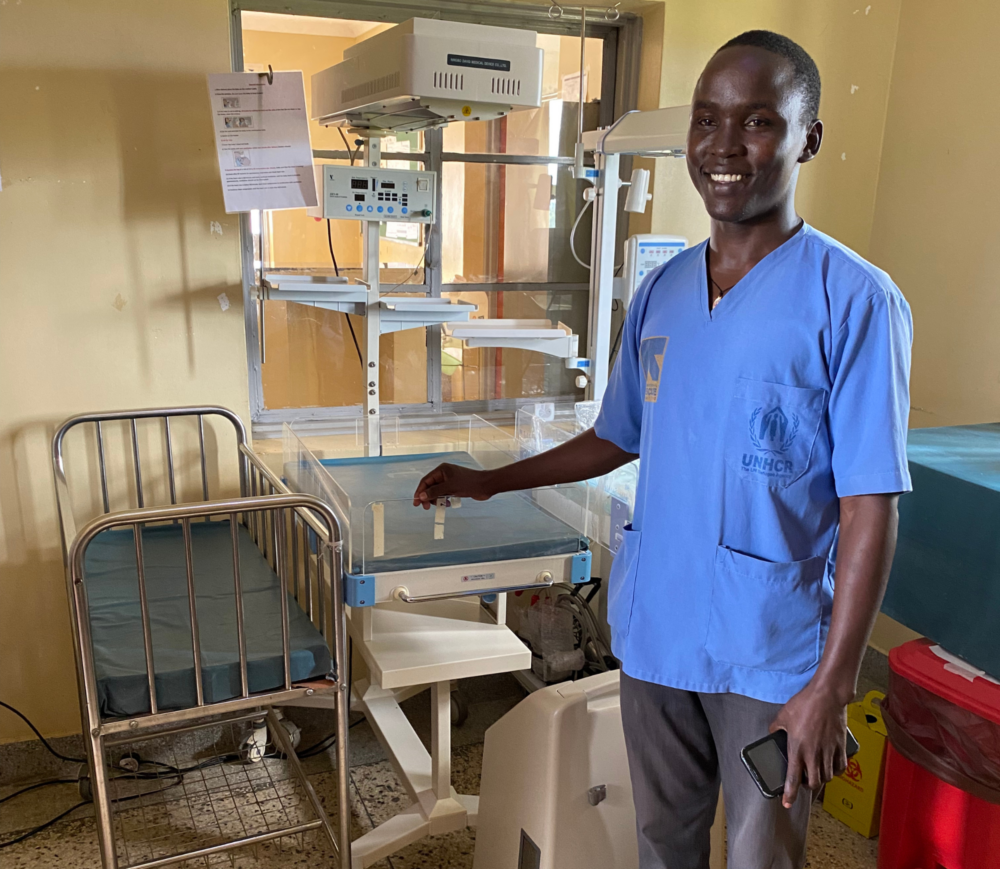
The Rhino Camp is a refugee settlement camp in Northern Uganda. Within the camp is the Ofua Health Center 3, a solar-powered medical facility with just two doctors attending to a population of over 45,000 people. Dr. Gideon Anguerini highlights a pressing challenge: the center’s reliance on a single, energy-inefficient fridge unsuitable for solar power. The health center aims to purchase an efficient solar-powered fridge from POPO Africa, an appliance distributor based in Uganda. With the fridge, the health center’s services will be expanded, its energy costs significantly lowered and it can treat more patients.
Delivering Change through Solar Solutions
From the outset, POPO Africa’s vision aimed at enhancing maternal health by ensuring that clinics in refugee camps had reliable solar lighting powered by solar battery packs. This expanded, as the company moved into leasing the battery packs to the wider community.
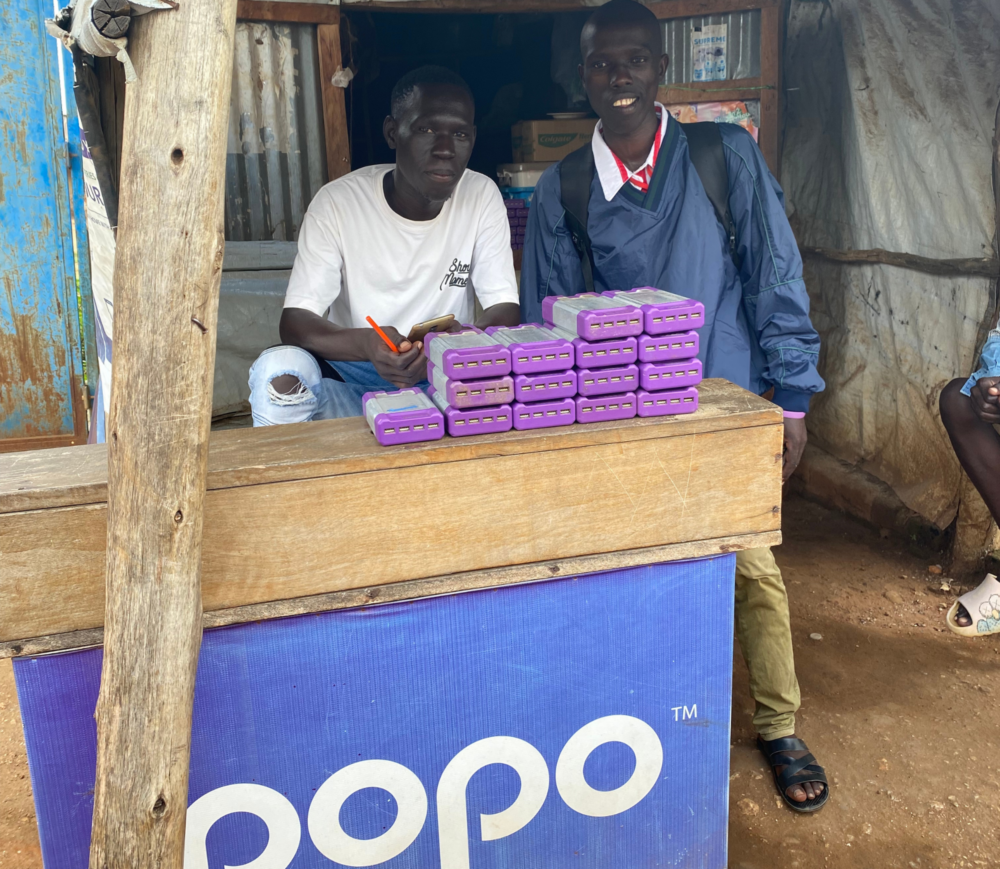
POPO’s solar batteries are a lifeline for community businesses, enabling them to operate after dark, offer phone charging services, and more. With 54 distribution points across five districts, POPO’s impact is widespread, directly employing 75 people and indirectly supporting many more through their distribution network. POPO Africa also places a strong emphasis on women’s economic empowerment, boasting a workforce that is 70% female.
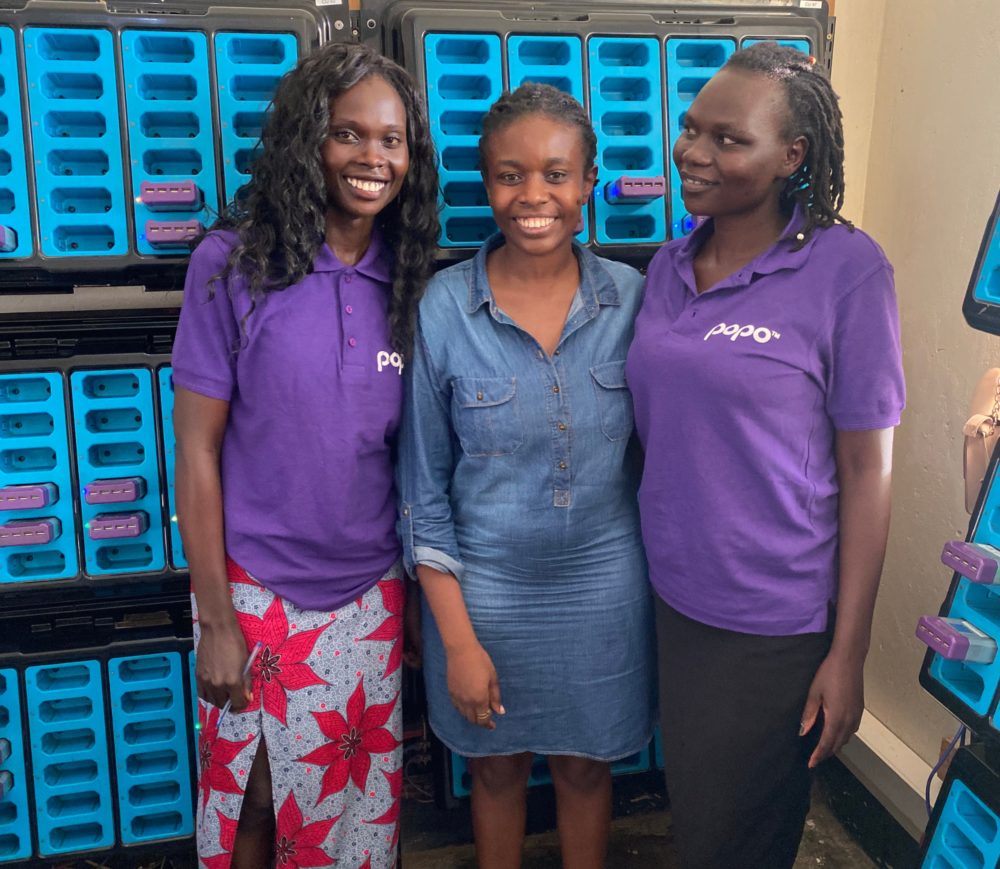
Recognizing the critical need for cooling services POPO aimed to revolutionize the off-grid cold chain service in Northern Uganda. The only barrier to this was capital constraints. POPO could not pursue the cold chain opportunity without external support. With funding from CLASP’s Productive Use Financing Facility, POPO was able to start selling solar-powered refrigerators, that will benefit healthcare facilities and empower local businesses.
Transformative, Impactful Financing
Efficient productive-use appliances (PUAs) like solar-powered refrigerators, pumps, and milling machines can have transformative effects on local communities, small businesses, and the environment. However, despite their potential for income generation, PUA sales remain remarkably low in emerging markets due to their relatively high upfront costs and a lack of access to finance. CLASP set up the Productive Use Financing Facility to address these challenges by helping distribution companies like POPO Africa sell their products at lower prices.
Overcoming Capital Constraints
With CLASP’s Facility’s procurement subsidies and capacity-building grant, POPO is working to sell approximately 140 refrigerators within a year. They have made that transformative step into the cold chain market and are now extending affordable, off-grid cooling to their customers, like the Ofua Health Center.
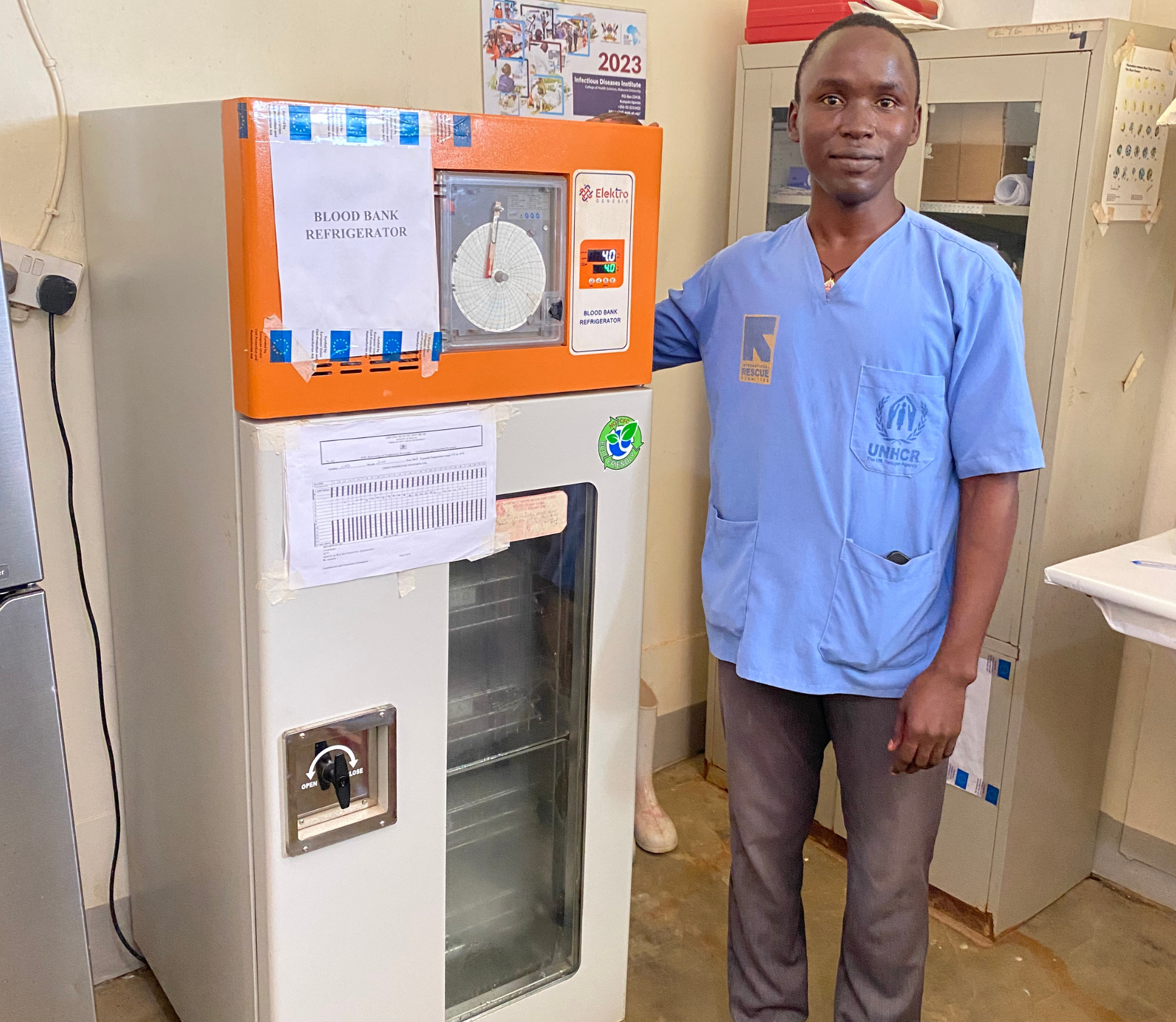
With each solar-powered battery and refrigerator, POPO is helping to build a future where energy is accessible, businesses thrive, and healthcare advances, even in the most remote corners of the world.
***
About The Productive Use Financing Facility
CLASP’s Productive Use Financing Facility, is supported by The Global Energy Alliance for People and Planet (GEAPP). It has provided financing to 24 companies in six countries, to enable the distribution of over 13,000 productive-use appliances, directly impacting more than 58,000 households.
0. Ethiopia – Country Commercial Guide; https://www.trade.gov/country-commercial-guides/ethiopia-agro-processing
Securing Year-Round Water Supply On Small Farms In Rwanda
Cosmos Ntare’s farm is in Kayonza, three hours outside of Kigali. Until recently, his ability to grow his main crops — peas, mangoes, oranges, maize, and beans — was limited by the availability of water. “Without irrigation, you only have two seasons to grow crops,” he points out. “With irrigation, I will be able to grow crops in the third season, the dry season.”
Water has also posed a challenge for Ntare’s livestock operations. He keeps several cows and goats at the top of a hill, where it can be difficult to transport heavy liquids.
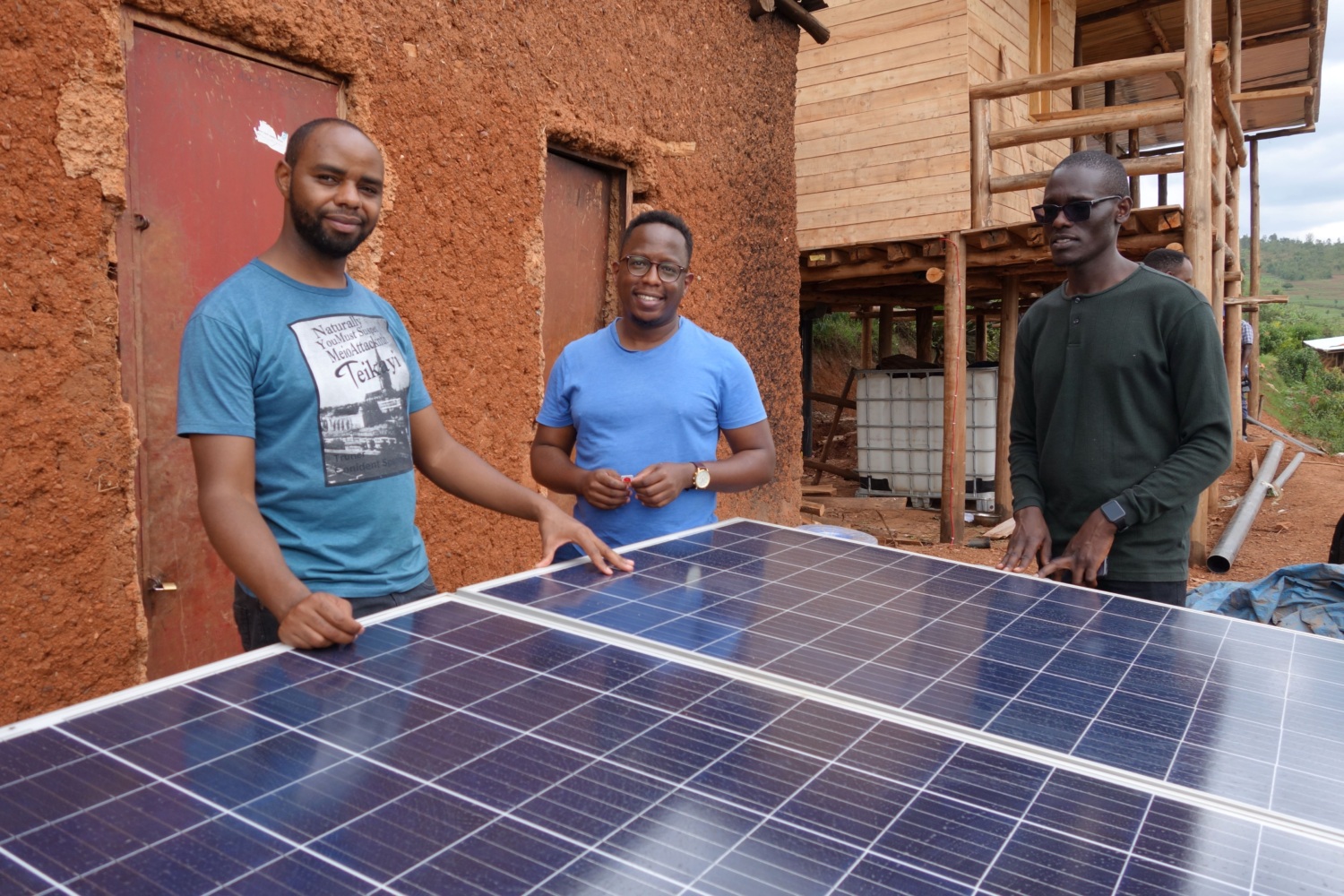
To support Ntare in overcoming these issues, CLASP selected his farm to field test a solar water pump. Ntare had seen these devices on display in shops in Kigali, but hadn’t had the opportunity to try one out yet due to their cost.
Testing clean irrigation solutions
Secure irrigation is becoming a necessity as our planet heats. Solar water pumps are off-grid appliances that use sunlight for power. Photovoltaic panels generate electricity that powers a motor, allowing the pump to draw water from either under the ground or from ponds, lakes, and rivers.
By ensuring a regular supply of water, these pumps can increase a farm’s yield. In addition, they avoid the use of diesel pumps for off-grid electricity, so they have cheaper running costs and lower greenhouse gas emissions.
To understand how these productive use appliances perform in a working farm over time, CLASP and Sustainable Energy for All (SEforALL) selected Ntare’s farm to field-test a solar water pump for four months. CLASP’s team set up the pump, along with monitors designed to measure its efficiency. The researchers are also surveying the farmers during the testing period to understand whether these appliances are a good fit for their needs.
Measuring efficiency and business viability
While laboratory testing gives a glimpse of appliance performance in a controlled environment, it provides only a limited representation of how products operate under the rigors of real use. Field testing like that underway at Ntare’s farm is critical to measure the appliance’s efficiency and durability over an extended period of time. It can quantify time savings and additional income generated or saved, as well as calculate avoided CO2.
These measurements are particularly important in markets where there may not be a history of appliance usage or community awareness of how appliances can impact the livelihoods of first-time users.
About the project
This project is part of the Productive Use of Energy Pilot Study in Rwanda, conducted by CLASP with the support of Sustainable Energy for All (SEforALL) and the World Bank. The appliances being tested are electric pressure cookers, electric bikes, solar water pumps, and solar-powered fridges.
CLASP works enhance the access to affordable, energy-efficient appliances to improve the lives of people and reduce the impact on our climate.
0. Ethiopia – Country Commercial Guide; https://www.trade.gov/country-commercial-guides/ethiopia-agro-processing
For a busy Kigali restaurant, a safer way to cook
Every day at lunchtime, dozens of hungry customers find their way to Chez Clémance, a small restaurant in Kigali, Rwanda. In the back of the shop, owner Muhimpundu Clémance and chef Nsengiyumva Célestin would traditionally have prepared their most popular dishes — meat, rice, beans, and yams — over charcoal fires.
But while their delicious food keeps patrons happy, this cooking method generates air pollution, damaging the environment and posing a health risk for staff. What’s more, the flames present a fire hazard.
Testing clean cooking solutions
Electric pressure cookers offer many benefits over cooking on charcoal. Durable, safe, and affordable, they lessen exposure to harmful air pollutants, lowering cooking costs while reducing deforestation and the burning of fossil fuels.
To understand how these appliances would perform in a busy commercial kitchen, CLASP and Sustainable Energy for All (SEforALL) selected Chez Clémance to field-test two electric pressure cookers over a period of four months. CLASP’s team set up the cookers, along with monitors designed to measure their efficiency. The researchers are also surveying the business owners to understand whether these appliances are a good fit for their needs.
Measuring efficiency and business viability
While laboratory testing gives a glimpse of appliance performance in a controlled environment, it provides only a limited representation of how products operate under the rigors of real use. Field-testing like that underway at Chez Clémance is critical to measure the appliance’s efficiency over a set time. It can quantify time savings and additional income generated or saved, as well as calculate avoided CO2.
These measurements are particularly important in newly developing appliance markets where there may not be a history of appliance usage or community exposure to how appliances can impact the livelihoods of first-time users.
About the project
This project is part of the Productive Use of Energy Pilot Study in Rwanda, conducted by CLASP with the support of Sustainable Energy for All (SEforALL) and the World Bank. The appliances being tested are electric pressure cookers, electric bikes, solar water pumps, and solar powered fridges.
CLASP works enhance the access to affordable, energy-efficient appliances to improve the lives of people and reduce the impact on our climate.
0. Ethiopia – Country Commercial Guide; https://www.trade.gov/country-commercial-guides/ethiopia-agro-processing
Applications are Open! Scaling the Sales of Clean Cooking in Uganda
Currently, less than 5% of Uganda has access to clean cooking. Modern, energy-efficient cooking can have significant health, economic, gender, and quality of life benefits for people and communities. CLASP is working to help higher-tier cookstove companies in Uganda scale the sales of affordable, cleaner and modern cooking equipment through the Higher Tier Cooking Component (HTCC) Results Based Financing (RBF)
Strengthening supply for small and medium-sized enterprises
The program aims to strengthen the supply side of the clean cooking sector by supporting small and medium-sized enterprises with access to finance for upscaling, innovation and increasing affordability of higher-tier cookstoves in Uganda. The program works by supporting small and medium-sized enterprises to improve their business operations and access to finance.
Eligible companies include manufacturers and distributors of e-cooking (electric pressure cookers and electric induction stoves) and higher tier (3-5) biomass stoves.
“In a market-based approach, results-based finance has proven to be a useful tool for de-risking companies and rewarding actions that go beyond business as usual. This is essential to move higher-tier clean cooking at a pace needed to reach global SDG-targets by 2030.” said Marnix (C.A.) van Holland, Advisor at Netherlands Enterprise Agency (RVO).
How to take part
Interested companies should send in their applications by the end of the day on 1 February 2024. Please check out these resources to learn more about the program, including eligibility requirements of the procurement subsidy auction window and how to submit a subsidy request. For any other questions, please get in touch with financing@clasp.ngo.
Watch a recording of our recent informational session on the program to learn more about the opportunity and company eligibility.
The HTCC Uganda RBF is administered by CLASP in partnership with GIZ Uganda with support from the Netherlands Enterprise Agency (RVO). Eligible companies can also apply for business development support training and mentorship implemented through the Energy Enterprise Coach (EEC) program which is administered by NIRAS. The procurement subsidies and the business development support are intended to help companies expand their reach and cater to a broader market, helping to deliver essential energy-efficient cooking products to more consumers in Uganda.
“Uganda is poised to be a leader in the Clean Cooking sector,” commented Sam Grant, Senior Director of Clean Energy Access at CLASP. “The HTCC program will play a vital role in supporting local businesses to ramp up their e-Cooking cooking equipment sales.”
Subscribe to our newsletter for more updates on the Uganda RBF Program.
0. Ethiopia – Country Commercial Guide; https://www.trade.gov/country-commercial-guides/ethiopia-agro-processing