
Making Climate Action Work for Africa’s Development
Excerpts from this article first appeared in Business Daily Africa in the lead-up to the second Africa Climate Summit in 2025.
By centering climate responses within Africa’s development needs, the continent can unlock new investments, boost incomes, and enhance its resilience. As leaders gather in Addis Ababa for the Africa Climate Summit, the continent must define a bold narrative that strategically links climate action with development progress.
Climate change should not be a global emergency that Africa is simply signing up to solve. This crisis is already costing Africa billions every year, and an estimated 110 million people have been directly affected by climate-related hazards.
Climate action can and must be made to work for Africa by recasting it through an Africa-centered development lens. Responses to the climate crisis offer Africa an opportunity to leverage climate solutions and sustainable technologies to increase incomes, accelerate poverty reduction, and improve adaptation and resilience.
African and global leaders will be converging at the second Africa Climate Summit in Ethiopia from 5 to 10 September. When we gather in Addis Ababa, we must use the Summit as a platform to drive bold reforms and ambitious actions that can repurpose climate change solutions to address Africa’s core development imperatives.
Framing climate action as an opportunity for Africa’s development
Income growth and poverty reduction remain as Africa’s core development pathway, the rising tide that promises improvements across all other social, economic and political indicators.
Africa’s income growth and poverty reduction needs are clear. The average GDP per capita of Sub-Saharan Africa was $1,506 USD in 2024, 40% lower than middle-income countries, and 90% lower than upper upper-middle-income countries. The continent’s GDP grew by 3.3% in 2024. That annual growth rate must increase to approximately 19% on average for GDP per capita to double by 2030. The continent’s GDP must multiply seven times over for African countries to reach middle-income country status.
The pathway to income growth and poverty reduction is equally clear. Africa must increase investments several-fold to drive economic growth, create new jobs, increase productivity, improve competitiveness and enhance social services. Sustained economic growth will result in higher incomes, delivering the poverty reductions that are urgently needed.
Climate change response strategies can be repurposed to meet Africa’s income growth and poverty reduction goals in two ways. First, climate solutions can free up investments, which can then be more productively deployed to drive economic growth. Second, climate solutions can be used to reduce climate vulnerability, improve adaptation, resilience and enable sustained economic growth.
Climate solutions can free up investments for economic growth
Energy efficiency can help secure the emissions reductions that the world needs to achieve to minimize the harshest impacts of the climate emergency. Improving energy efficiency also means lower utility bills for consumers and businesses, and less demand on power grids for governments. The International Energy Agency (IEA) estimates that Africa currently uses 3.7 gigajoules (GJ) of energy for every thousand USD of Gross Domestic Product (GDP). By transitioning to a higher efficiency of 2.7 GJ per thousand USD of GDP by 2030, consistent with IEA’s net zero emissions pathway, Africa could save billions through avoided energy and infrastructure costs. These avoided investments could then be productively deployed for economic and income growth in areas where they are needed.
Climate solutions can reduce climate vulnerability
Climate change is already costing Africa 2-5% of its GDP, the World Meteorological Organization (WMO) estimated. In Sub-Saharan Africa, for example, that translates to approximately $ 40 – $100 billion USD of lost incomes in 2023 – money that could have been utilized to enhance economic growth or support social services.
Africa bears a disproportionately large share of climate impacts because the poor and vulnerable are the least prepared to face climate vulnerabilities when they occur. The WMO projects that by 2030, 118 million extremely poor people in Africa will remain highly vulnerable to climate impacts such as heat stress, droughts and floods.
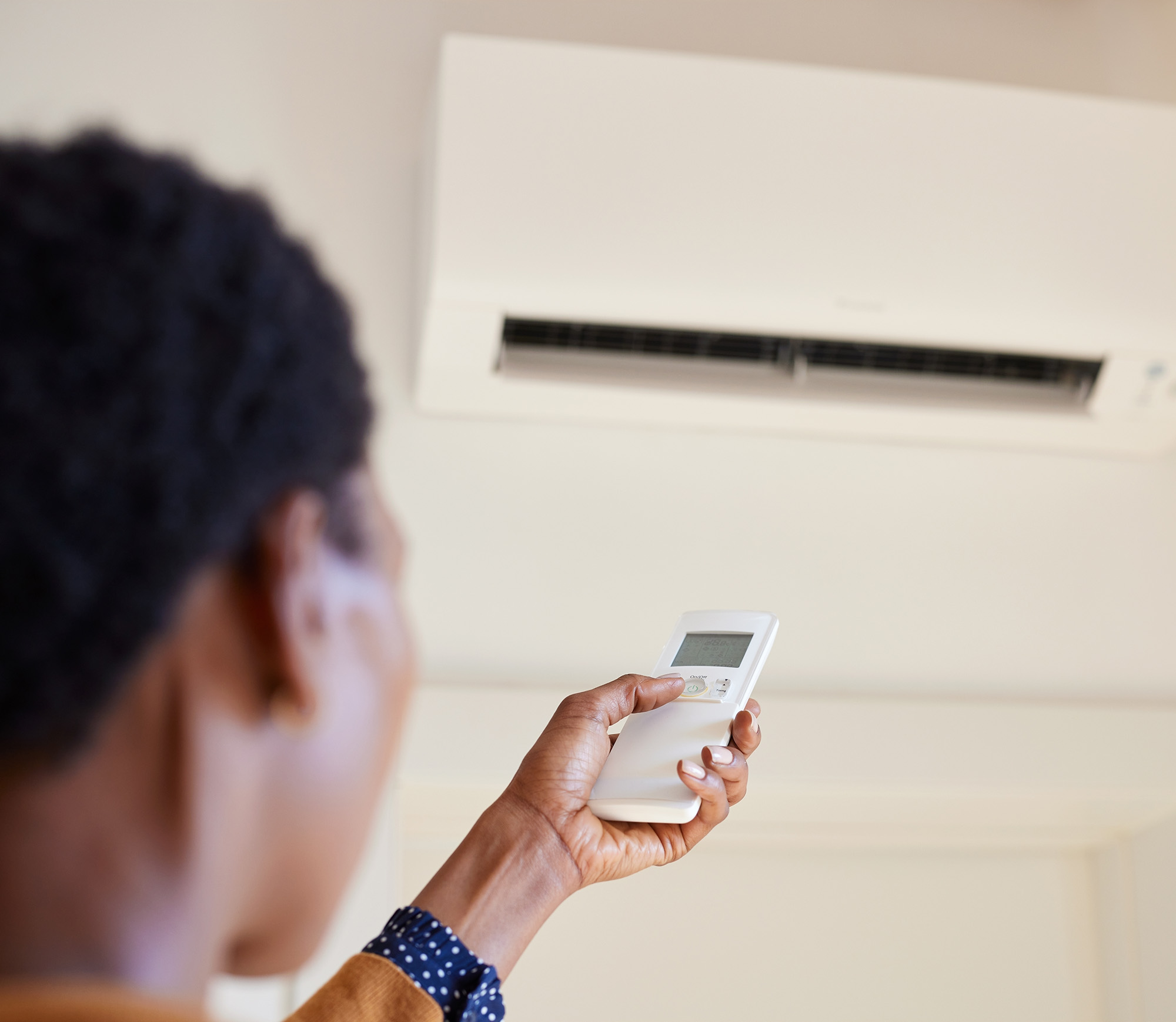
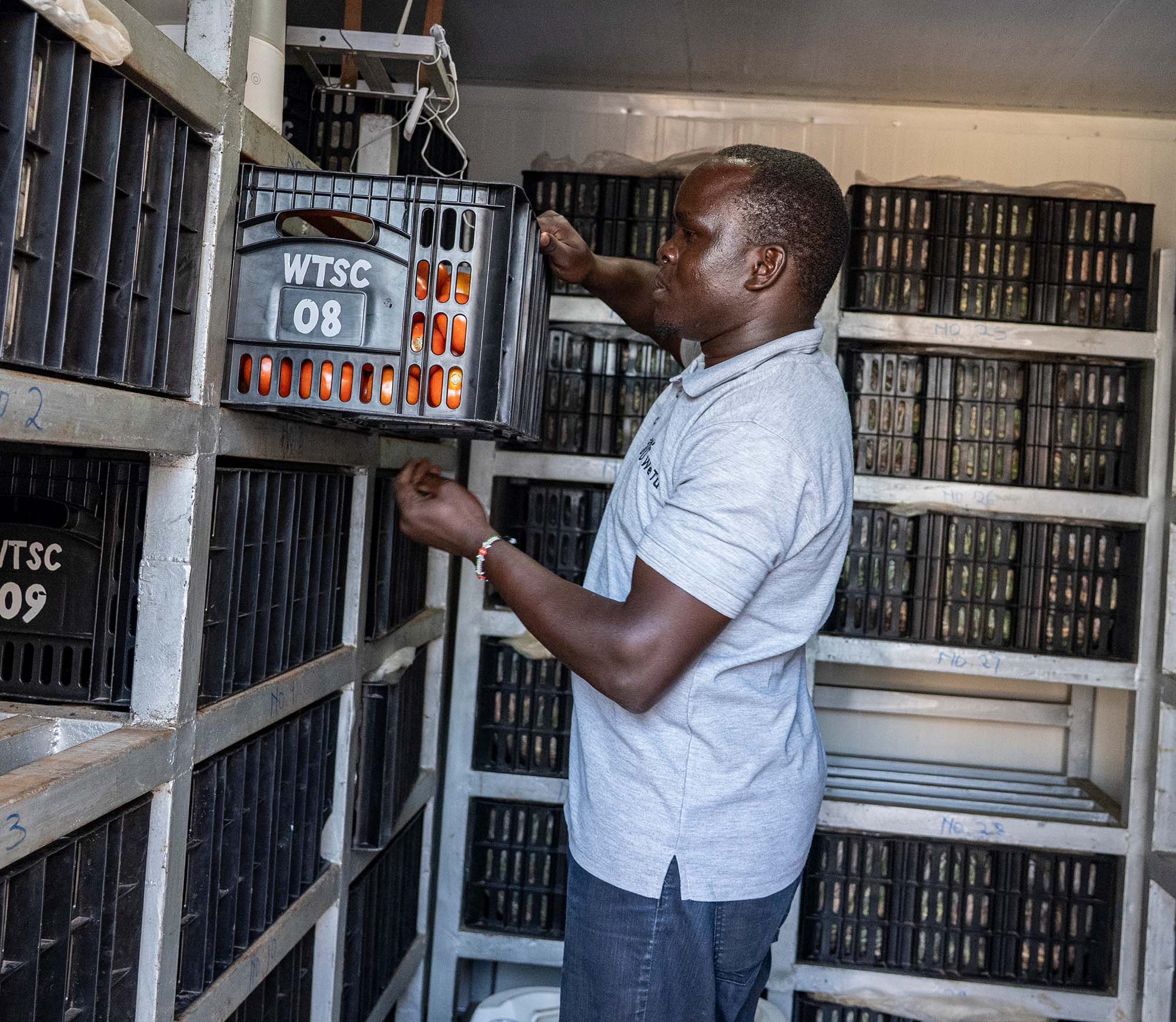
Energy-efficient appliances, such as lights, fans, air-conditioners, refrigerators, electric cookers, water pumps, cold storages, and milling equipment, are crucial to building adaptive capacity and resilience to climate change among the world’s most vulnerable populations. CLASP estimates that more than half of the population in Africa lacks access to many essential appliances, such as fans and refrigerators. There are equally large ownership gaps for agricultural equipment, such as water pumps, milling equipment and cold storage. These appliances are critical to helping reduce the risks of income and productivity losses from climate impacts.
CLASP estimates that increasing access to seven key appliances across Africa could create a market worth approximately $50 billion USD and catalyse accelerated power infrastructure development to provide electricity for all. It would improve people’s access to essential services, helping individuals manage environmental stressors and economic instability.
Climate change was not Africa’s making, but it is Africa’s fight to shape. If leaders gathering at the Africa Climate Summit in Ethiopia can reframe the response to the climate crisis as an opportunity to accelerate income growth and poverty reduction, then climate action will not only protect the vulnerable but also power the continent’s prosperity. The future is not about choosing between climate action and development; it is about making climate action the very centre of Africa’s development.
Recent News
The Missing Piece of Energy Access: Why 15% of Energy Infrastructure Investment Must Go to Appliances
Globally, hundreds of millions of people lack electricity. Most solutions focus on extending power supply infrastructure, but in marginalized areas, low electricity demand makes the expense of such infrastructure hard to justify. Increasing the use of energy-efficient appliances in these areas can attract electricity supply investments while delivering climate benefits. Achieving sufficient levels of appliance use to meet these goals would require allocating 15% of supply-side investments, or $38 billion USD, toward demand growth between now and 2030. The funding should focus largely on improving appliance affordability.
Key Findings
- Energy-efficient appliances are essential energy infrastructure, critical for achieving universal energy access and meeting climate mitigation and adaptation goals.
- Bringing modern energy to the 666 million people who lack it (most of whom live in Sub-Saharan Africa) requires expanding power infrastructure to places with low electricity consumption.
- Increasing appliance access across Africa could generate demand for 342 terawatt hours of electricity annually, creating a market worth approximately $50 billion USD that would catalyze accelerated power infrastructure development.
- Focusing on expanding markets for energy-efficient appliances (as opposed to standard, less-efficient appliances) would provide many benefits, including avoiding an estimated 2.6 gigatons of CO2 equivalent emissions annually.
Recommendations
- The IEA estimates that at least $50 billion USD of public investment annually is needed until 2030 to achieve universal energy access. CLASP analysis shows that 10–15% of this amount—about $7.5 billion USD annually, or $38 billion USD in total—should be devoted to improving appliance access.
- Relevant decisionmakers should allocate 10–15% of power supply-side investments toward establishing sustainable electricity demand growth.
- Public institutions should target investments to overcoming market failures that limit appliance use—in particular, a lack of affordability and consumer confidence.
- All stakeholders should prioritize energy-efficient appliances over standard, less-efficient appliances.

Recent News

Kenya Clean Cooking Week 2025: Turning Strategies into Action
CLASP team members joined the Kenya Clean Cooking Week in Kilifi County last week. The team showcased hands-on cooking demonstrations, competitions, and panel discussions, highlighting the role that policy support, financing, partnerships, and grassroots adoption plays in accelerating progress.

Photo by CLASP.
The winners of CLASP's clean cooking competition hold their prizes (induction cooktops and cookware).
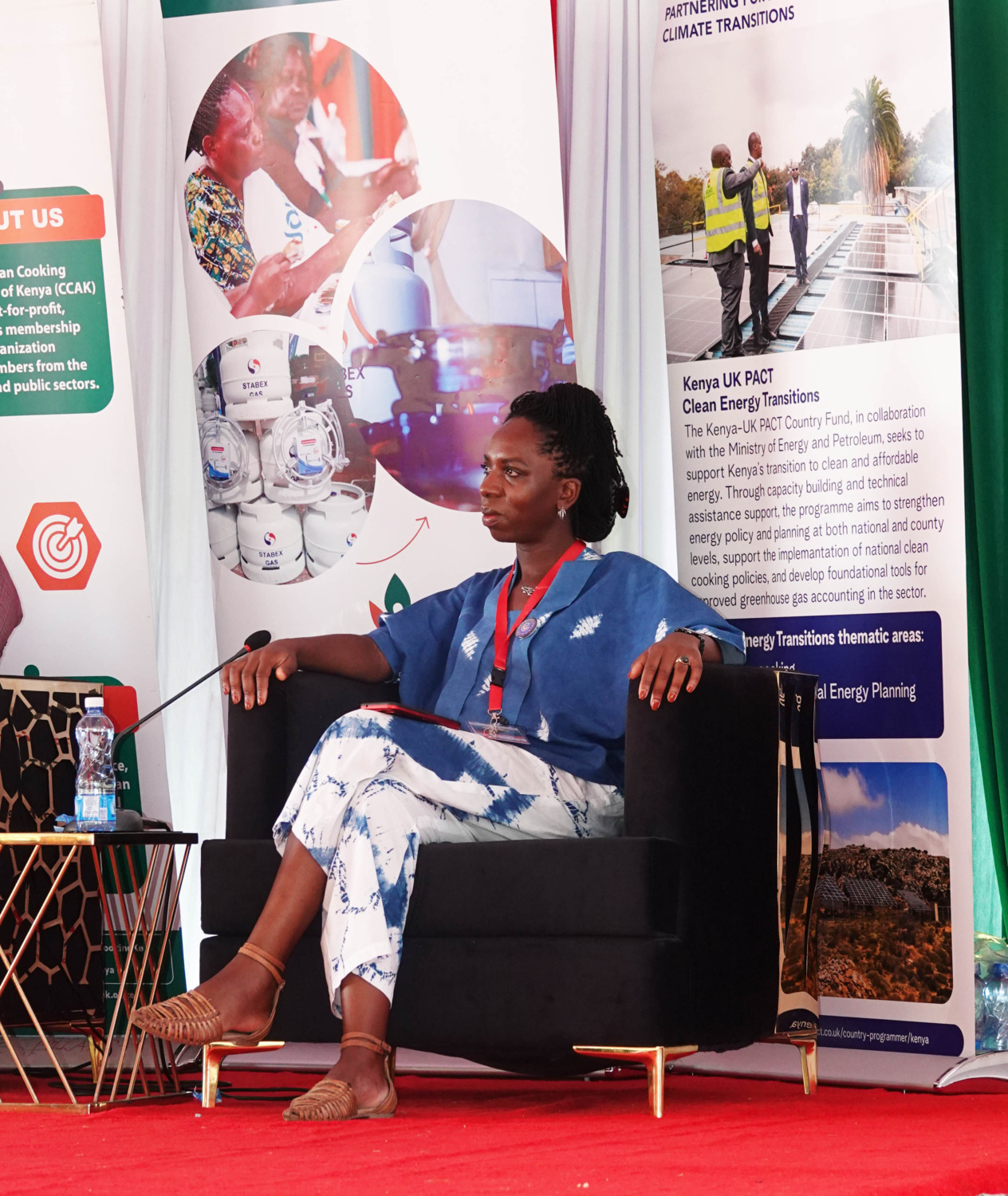
Photo by CLASP.
CLASP's Nyamolo Abagi participates in a panel discussion at Clean Cooking Week 2025.

Photo by CLASP.
Kilifi residents visit CLASP and MECS' exhibition booth at Clean Cooking Week 2025.
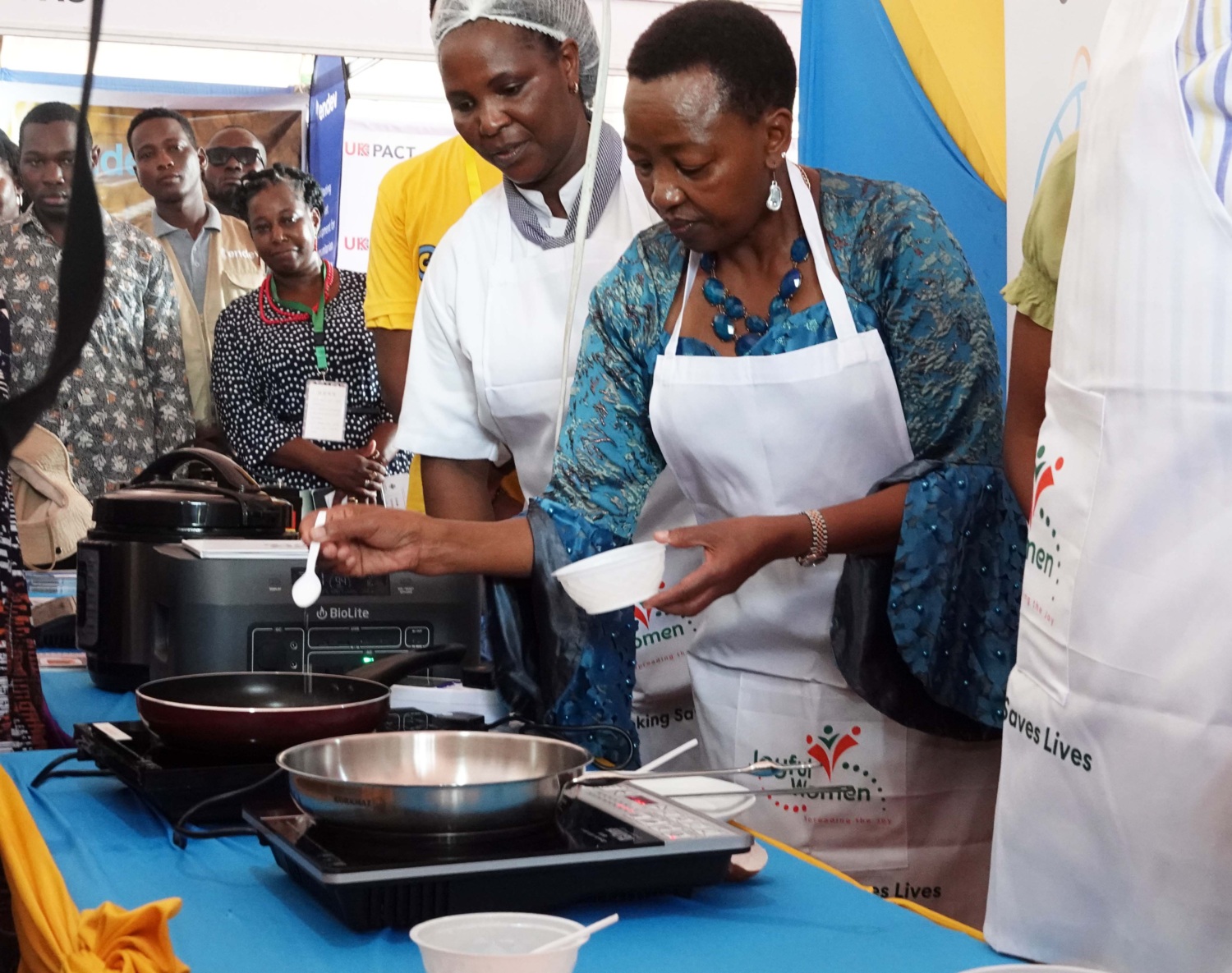
Photo by CLASP.
Mama Rachel Ruto, First Lady of Kenya, tries out an induction cooktop at CLASP and MECS' exhibition booth.

Photo by CLASP.
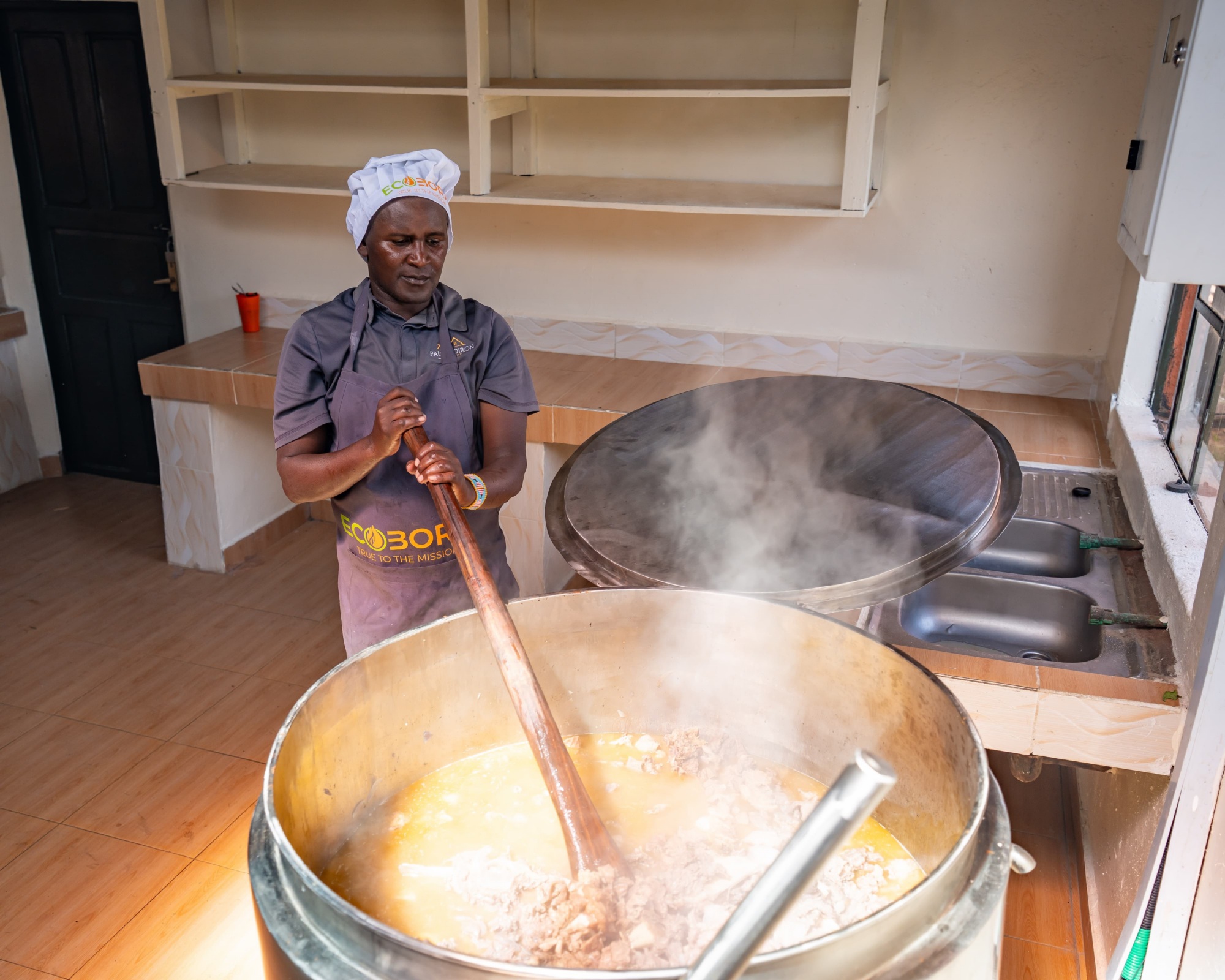
CLASP team members with a representative from Ecobora.

Photo by CLASP.
A representative from Kenya Power visits CLASP and MECS' exhibition booth.

Photo by CLASP.
Contestants of CLASP's clean cooking competition present their dishes to the judges.
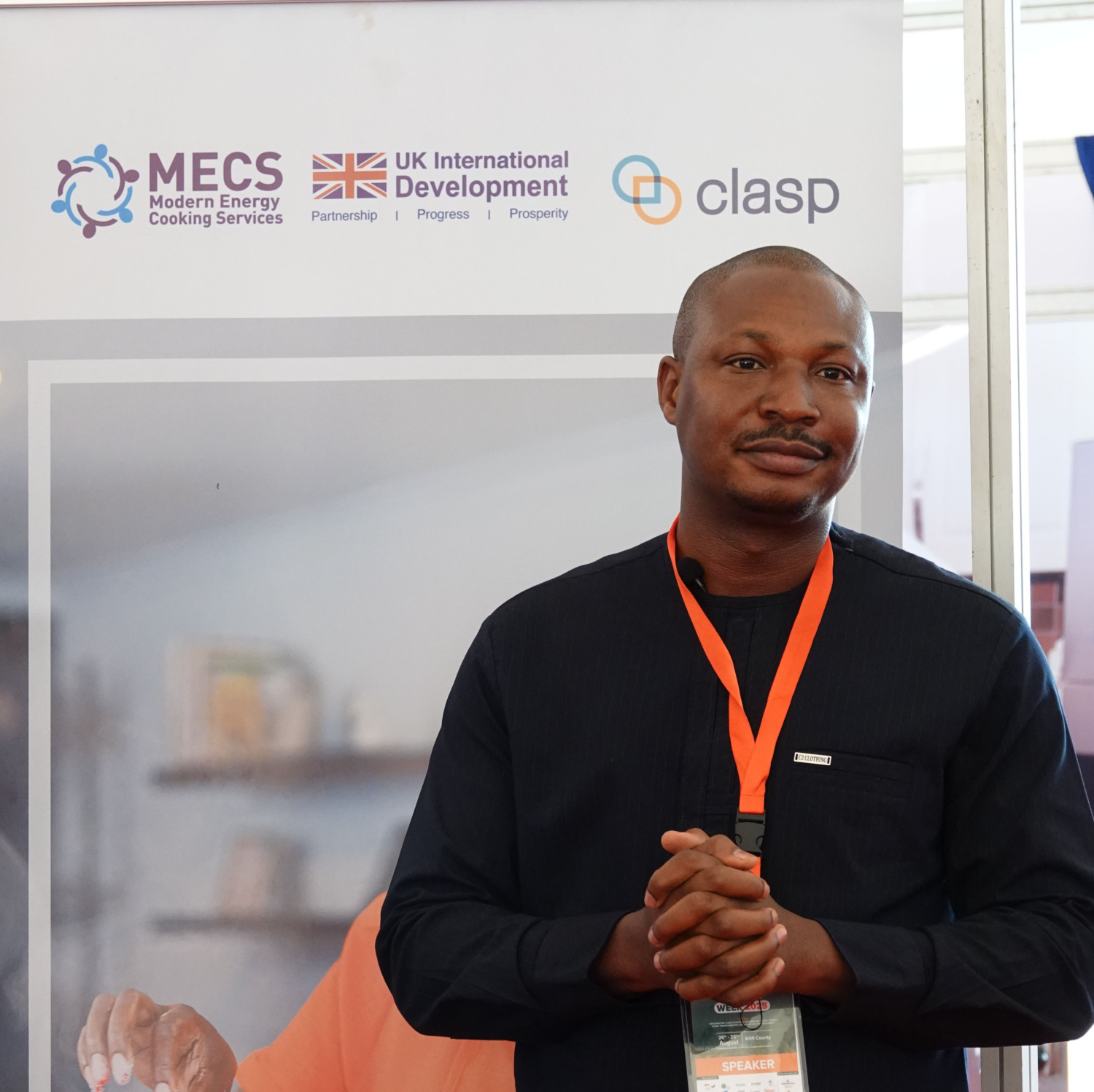
Photo by CLASP.
CLASP's Emmanuel Aziebor at Clean Cooking Week 2025.

Photo by CLASP.
Clean cooking competition judge gives feedback to contestants.

Photo by CLASP.
CLASP's Mike Ofuya participates in a panel discussion at Clean Cooking Week 2025.
Why clean cooking matters
Over the past decade, Kenya has made remarkable progress in clean cooking. The share of Kenyans using clean cooking solutions has more than doubled, rising from 15% to 31%, making it the fastest growth rate of clean cooking in Sub-Saharan Africa1. This momentum has been supported by broader advances in electrification. Electricity access in Kenya grew from 37% in 2013 to 79% in 20232, creating a strong foundation for the wider adoption of clean cooking.
Despite this, around 68.5% of the population still relies on firewood, charcoal, or kerosene; with firewood remaining the main cooking fuel3. These fuels come at a high cost. They degrade forests, pollute the air, and are linked to serious health problems ranging from heart disease and strokes to cancer4.
Electric cooking (e-cooking) appliances like induction cooktops and electric pressure cookers offer a safer, cleaner alternative. They eliminate smoke, reduce greenhouse gas emissions, and help curb deforestation by replacing wood and charcoal. They also make kitchens safer by minimizing risks of burns, fires, and explosions, improving the lives of whole communities.
CLASP at Clean Cooking Week 2025
Along with our international and local partners, Ecobora, Gamos East Africa, and MECS, CLASP hosted a cooking competition at our exhibition booth. Contestants prepared dishes of their choice on induction cooktops, using locally available ingredients.
After the cook-off, participants noted things like:
- “The appliances were surprisingly easy to use.”
- “No smoke was produced compared to firewood.”
- “The cooktop felt safe to use and minimized risks like burns.”
The competition showed that clean cooking is not just a climate or health solution, it’s a practical, safe, and efficient choice that improves people’s lives.
With representatives from the Clean Cooking Delivery Unit, GIZ, Kilifi County Government, the Office of the First Lady of Kenya, Practical Action, and UK PACT, CLASP’s Nyamolo Abagi (Director, Clean Energy Access) joined a panel on the importance of partnerships in delivering transformational change across the clean cooking sector. She emphasized that partnerships must extend beyond the usual stakeholders and include the people who use these technologies every day.
We work with governments, manufacturers, development partners and policymakers – but just as importantly, we partner with everyday users as citizen scientists. They’re not just recipients of technology; they’re co-creators of these solutions. Their lived experience brings critical insights that help shape appliances that are not only efficient, but usable, affordable, and trusted. That’s how we build clean cooking ecosystems that last.
Nyamolo Abagi
Director, Clean Energy Access
In a panel on equity and inclusion, including representatives from Kilifi County Government, Mwangaza Light, Practical Action, SOLCO Partnership, SNV, and WWF, CLASP’s Mike Ofuya (Associate, Clean Energy Access) highlighted the hidden costs of cooking with firewood and charcoal in schools. He noted that shifting to e-cooking appliances can significantly improve health outcomes while freeing up financial and human resources currently consumed by firewood use. These savings could instead fund better food, educational supplies, and infrastructure, while strengthening learning outcomes across the country.
Partnerships to push forward
The Government of Kenya aims to achieve universal access to clean cooking by 2028. CLASP is working alongside partners like Ecobora, MECS, and Jikoni Magic to accelerate this goal, by promoting the adoption of affordable, energy-efficient cooking appliances and raising awareness of their benefits.
Clean Cooking Week 2025 sent a clear message. The time for strategizing has passed, it’s time for action that delivers healthier homes, stronger economies, and a safer environment.
More information at www.clasp.ngo/appliances/electric-cooking-appliances.
About the event:
Kenya’s Clean Cooking Week is organized by the Clean Cooking Association of Kenya in partnership with the Ministry of Energy and Petroleum, and the 2025 edition ran from 26 to 28 August. This year’s theme, “Implementing Clean Cooking Strategies and County Energy Plans: Transformation, Inclusivity and Empowerment”, focused on turning strategies into action.
The event gathered diverse stakeholders, including government representatives, industry, civil society, development partners, and academia, all united by the goal of achieving universal access to clean cooking.
0. “Kenya National Cooking Strategy 2024-2028”, Ministry of Energy and Petroleum. https://www.energy.go.ke/sites/default/files/KAWI/Publication/Kenya%20National%20Cooking%20Transition%20Strategy_Signed.pdf
1. “Kenya 2024 Energy Policy Review”, International Energy Agency, April 2025. https://www.iea.org/reports/kenya-2024
2. “Kenya National Cooking Strategy 2024-2028”, Ministry of Energy and Petroleum. https://www.energy.go.ke/sites/default/files/KAWI/Publication/Kenya%20National%20Cooking%20Transition%20Strategy_Signed.pdf
3. ”Household air pollution”, World Health Organization, October 16, 2024. https://www.who.int/news-room/fact-sheets/detail/household-air-pollution-and-health
Find CLASP at the 2025 Africa Climate Summit
CLASP and our partners are dedicated to solving the world’s most pressing, interconnected crises: the climate emergency, poverty, inequality, and access to energy.
Our research shows how efficient, high-quality appliances alleviate energy poverty and promote sustainable development—positively impacting billions of people.
At this year’s Africa Climate Summit in Addis Ababa, we will be presenting solutions from our upcoming research to showcase how efficient appliances are a critical piece to achieve universal electricity access and accelerate Africa’s momentum in becoming a powerhouse of global climate solutions.
CLASP experts attending:
- Emmanuel Aziebor – Senior Director, Africa
- Anne Muhonja Songole – Manager, Climate
If you are interested in connecting with us to speak at or attend your events, please contact mbaur@clasp.ngo.
Where to find us:
Date | Time and Venue | Event |
|---|---|---|
Sunday 7 September 2025 | 10:45-11:45 | WEDO Panel: From Ground to Global: African Women’s Power in Climate Action |
Tuesday 9 September 2025 | 09:30-11:00 Addis International Convention Center (Room AP2) | Precise Panel: Transforming Livelihoods Through Climate-Smart Decentralized Renewable Energy (DRE) Ecosystem Collaboration |
Tuesday 9 September 2025 | 11:30-13:00 Rockefeller Foundation Pavillion | GEAP Panel: Leveraging Increasing Energy Access to Create Jobs, Drive Economic Transformation, and Increase Climate Resilience |
Tuesday 9 September 2025 | 13:30-15:00 | IWMI and GOGLA Panel: Climate-Smart Irrigation: Scaling Solar Solutions for Africa’s Smallholder Resilience |
0. “Kenya National Cooking Strategy 2024-2028”, Ministry of Energy and Petroleum. https://www.energy.go.ke/sites/default/files/KAWI/Publication/Kenya%20National%20Cooking%20Transition%20Strategy_Signed.pdf
1. “Kenya 2024 Energy Policy Review”, International Energy Agency, April 2025. https://www.iea.org/reports/kenya-2024
2. “Kenya National Cooking Strategy 2024-2028”, Ministry of Energy and Petroleum. https://www.energy.go.ke/sites/default/files/KAWI/Publication/Kenya%20National%20Cooking%20Transition%20Strategy_Signed.pdf
3. ”Household air pollution”, World Health Organization, October 16, 2024. https://www.who.int/news-room/fact-sheets/detail/household-air-pollution-and-health
Energy Appliances for the Rwandan Humanitarian Context: Stakeholder Mapping and Consumer Insights
This research, conducted by CLASP, Efficiency for Access, Practical Action and Verasol, shows why appliances designed for off-grid use are important in Rwanda’s humanitarian context. Electrical appliances improve people’s livelihoods and enhance their overall well-being through clean cooking, lighting, and improved access to education, and economic opportunities.
The report explores three key considerations for procuring appliances in the Rwandan humanitarian context:
- Appliance categorization by sector (household, business, and community use), highlighting how different users prioritize parameters such as energy efficiency, affordability, and ease of repair
- Procurement challenges unique to refugee contexts, including financing barriers, supply chain constraints, and the tension between short-term affordability and long-term sustainability
- Policy and practical considerations associated with Rwanda’s e-waste regulations and the logistical hurdles of distributing and maintaining appliances in camp environments
Closing Rwanda’s refugee energy gap requires appliances that are affordable, durable, and aligned with user needs—backed by smart financing, policy, and cross-sector collaboration.
Explore “Energy Appliances for the Rwandan Humanitarian Context: Stakeholder Mapping and Consumer Insights” for more findings.
About Efficiency for Access
Efficiency for Access is a global coalition dedicated to advancing access to energy and affordable, energy efficient appliances. It is co-managed by CLASP and Energy Saving Trust.
0. “Kenya National Cooking Strategy 2024-2028”, Ministry of Energy and Petroleum. https://www.energy.go.ke/sites/default/files/KAWI/Publication/Kenya%20National%20Cooking%20Transition%20Strategy_Signed.pdf
1. “Kenya 2024 Energy Policy Review”, International Energy Agency, April 2025. https://www.iea.org/reports/kenya-2024
2. “Kenya National Cooking Strategy 2024-2028”, Ministry of Energy and Petroleum. https://www.energy.go.ke/sites/default/files/KAWI/Publication/Kenya%20National%20Cooking%20Transition%20Strategy_Signed.pdf
3. ”Household air pollution”, World Health Organization, October 16, 2024. https://www.who.int/news-room/fact-sheets/detail/household-air-pollution-and-health
The Procurement Handbook for Off- and Weak-Grid Appliances
This Efficiency for Access research provides practical procurement guidelines for energy appliances suitable for off- and weak-grid communities. In the face of rapid global changes and growing demand for sustainable energy solutions, the need for reliable access to clean energy has never been more urgent. This is especially true for off-grid communities and in humanitarian settings, where access to energy can be a critical lifeline. In these contexts, high-quality energy appliances are not just a matter of performance—they are essential for health, safety, and resilience.
But here’s the problem: when procurement lacks clear guidelines, poor-quality appliances fail early. Money gets wasted, and essential services collapse. That is why Efficiency for Access has created this guide. These are practical procurement guidelines for energy appliances suitable for off- and weak-grid environments.
It is intended to support procurement officers and intervention implementers by providing clear, actionable guidance on how to set appropriate quality requirements for procurement tenders and select appliances that are durable, energy-efficient, environmentally sustainable, and economically viable over time. Explore “The Procurement Handbook for Off- and Weak-Grid Appliances” for more findings.
About Efficiency for Access
Efficiency for Access is a global coalition dedicated to advancing access to energy and affordable, energy efficient appliances. It is co-managed by CLASP and Energy Saving Trust.
0. “Kenya National Cooking Strategy 2024-2028”, Ministry of Energy and Petroleum. https://www.energy.go.ke/sites/default/files/KAWI/Publication/Kenya%20National%20Cooking%20Transition%20Strategy_Signed.pdf
1. “Kenya 2024 Energy Policy Review”, International Energy Agency, April 2025. https://www.iea.org/reports/kenya-2024
2. “Kenya National Cooking Strategy 2024-2028”, Ministry of Energy and Petroleum. https://www.energy.go.ke/sites/default/files/KAWI/Publication/Kenya%20National%20Cooking%20Transition%20Strategy_Signed.pdf
3. ”Household air pollution”, World Health Organization, October 16, 2024. https://www.who.int/news-room/fact-sheets/detail/household-air-pollution-and-health
Investing in Institutions that Power Energy Access
The road to universal energy access runs through strong institutions. That’s the core idea behind the Energy Access Institutions Facility, or the Facility, a joint donor initiative hosted by CLASP. The Facility is supporting market institutions uniquely positioned to scale the energy access sector and help deliver clean, reliable energy to millions of people in Africa and South Asia.
The $25M+ initiative is empowering key institutions to expand distributed renewable energy solutions, including clean cooking, solar systems, productive-use appliances, and mini-grids, targeting millions of underserved communities across Africa and South Asia over the next five years.
Rather than funding individual technologies or businesses, the Facility focuses on the market institutions and accelerators that make energy access possible. They include trade alliances, policy accelerators, and quality assurance organizations that shape markets, influence regulations, and connect stakeholders. This new model, investing directly in institutions, is designed to scale what works, attract meaningful investment, and deliver energy solutions that last.
To enable market institutions to fulfill their role, the Facility provides critical inputs that empower market institutions and accelerators to build financial resilience, enhance their operational capacities, and foster strategic collaborations. The Facility achieves this through three main pillars:
- Core funding unlocks strategic decision-making for market institutions and accelerators, enables the pursuit of bolder visions distinct from project-driven objectives, and the flexibility to pivot to emerging opportunities in a fast-moving sector.
- Institutional health grants build high-functioning, sustainable institutions, and resilience to external shocks.
- Cross-learning and collaboration support a common theory of change to drive faster achievement of Sustainable Development Goal 7 and encourage alignment of resources and action opportunities.
The Facility’s group of grantees is a dynamic mix of organizations working across regions and technologies. Here’s a closer look at who they are and what they do.
Africa Minigrid Developers Association (AMDA)
AMDA represents over 40 mini-grid developers across the continent and is a strong voice for policies, financing, and standards that enable scale. The organization actively engages in regulatory reform and promotes sustainable business models.
“In the face of challenges that seem insurmountable, one truth remains: Business as usual is not an option. We cannot unlock universal energy access with fragmented strategies. We cannot power 680 million people still in the dark by 2030 without bold, coordinated, and scalable action,” Olamide (‘Lamide) Niyi-Afuye, CEO, AMDA.
Fun Fact: Mini-grids are key to reaching remote communities and AMDA is uniquely positioned to ensure the enabling environment keeps pace with the sector’s growth.
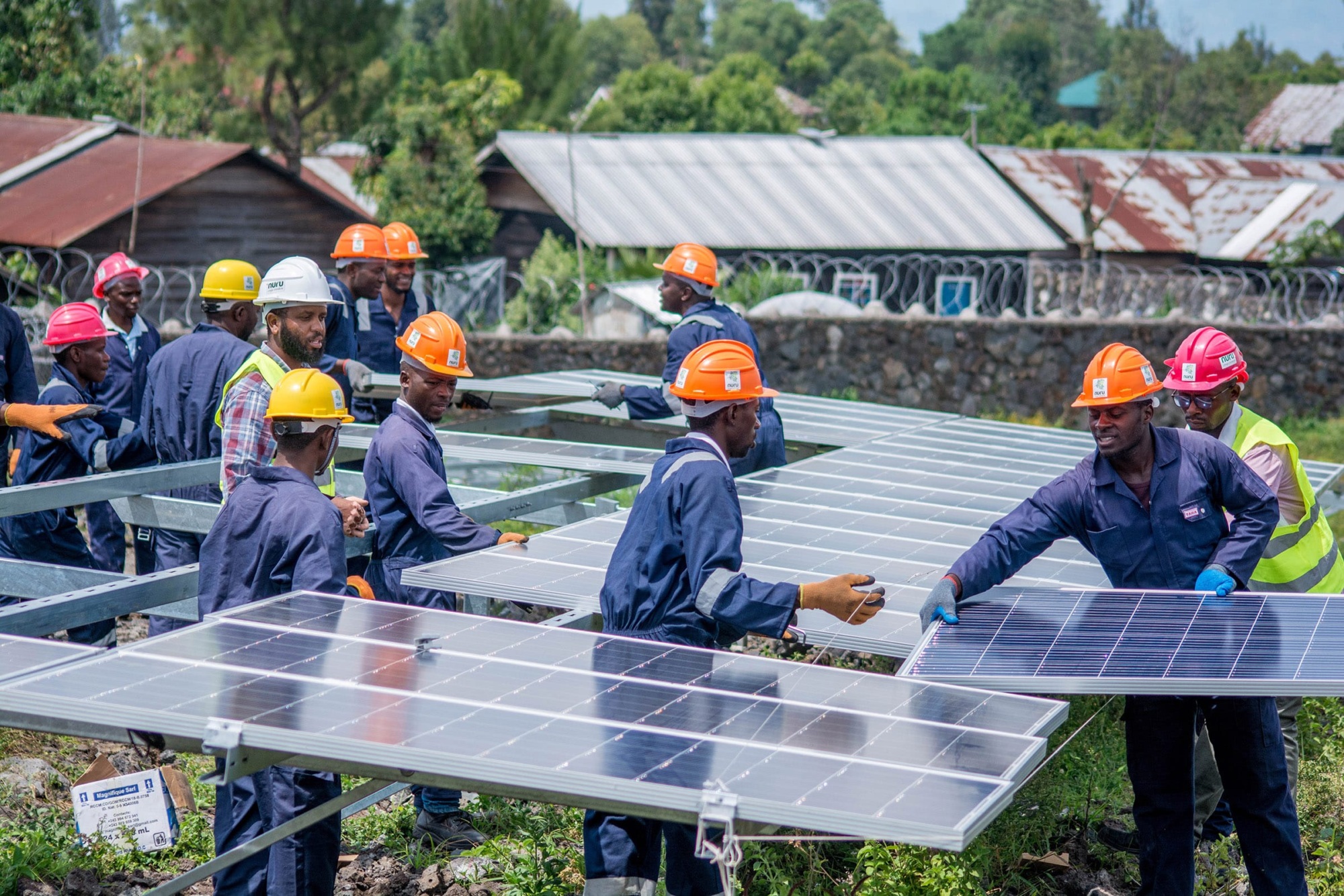
Nuru, Democratic Republic of the Congo
[Photo: AMDA]
Clean Cooking Alliance (CCA)
CCA drives efforts to make clean cooking affordable, accessible, and aspirational. Their work spans research, policy, investment facilitation, and ecosystem coordination.
“Whether from an energy access, climate, environment, health, or empowerment perspective, clean cooking is increasingly recognized as a critical component of a just energy transition. CCA is proud to have contributed to this shift. Our focus remains on turning commitments into actionable policies, business opportunities, and tangible investments that transform the pathways to clean cooking for the billions of people who still live without it,” Dymphna van der Lans, CEO, CCA.
Fun Fact: The clean cooking sector needs strong institutions to match its ambition. CCA brings the convening power, technical capacity, and cross-sectoral reach needed to transform this critical area of energy access.
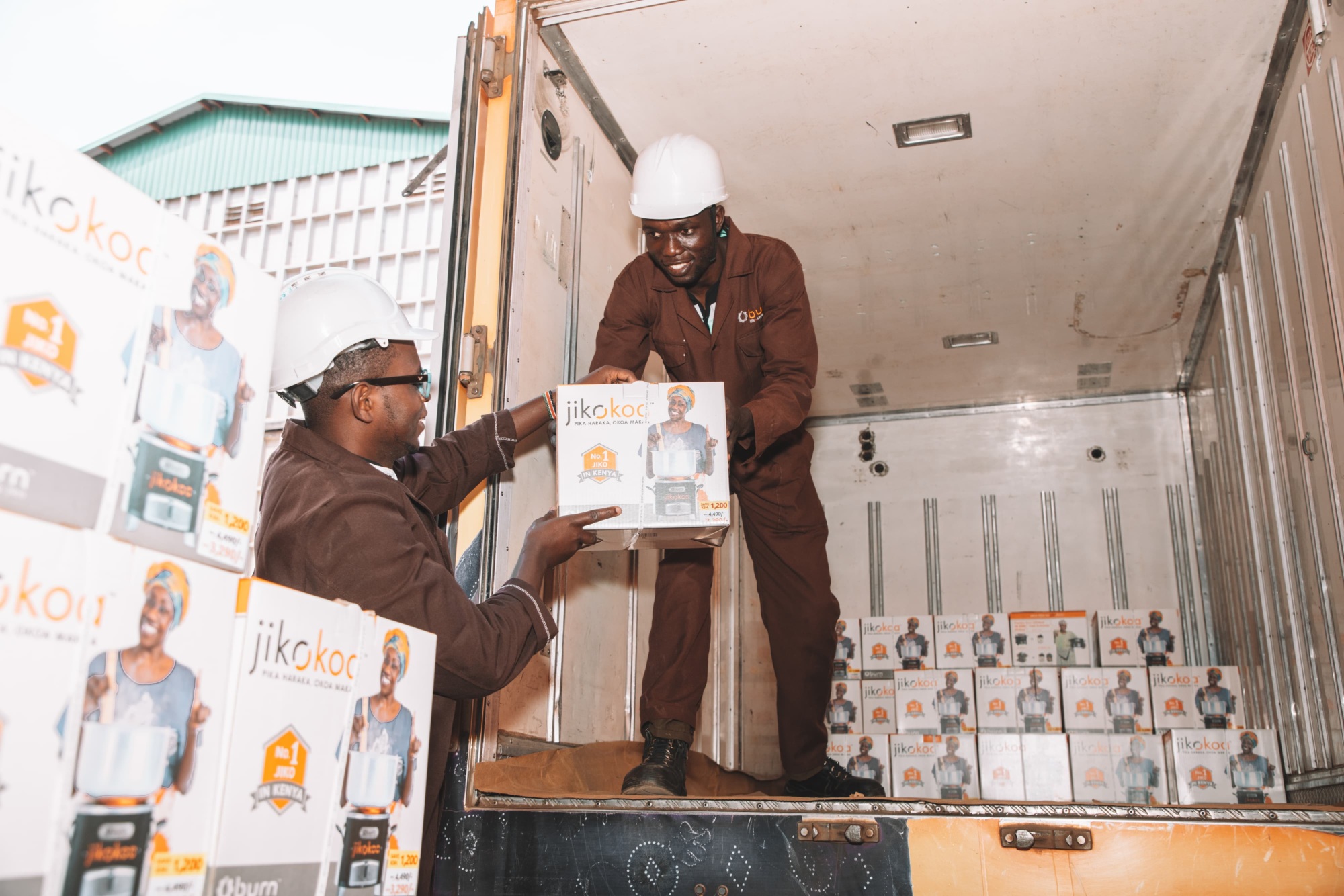
[Clean Cooking Alliance]
GOGLA
GOGLA is the global association for the off-grid solar energy industry, representing over 200 members. As a long-standing convener and advocate, GOGLA plays a critical role in shaping policy, collecting market intelligence, and promoting consumer protection. Their leadership helps build a transparent and investable solar market.
Fun Fact: GOGLA’s deep sector expertise, strong relationships with governments and financiers, and commitment to evidence-based advocacy make them a linchpin in advancing off-grid solar.
VeraSol
VeraSol provides quality assurance for off-grid solar products and appliances, including testing and certification services. Their standards and lab network help governments, donors, and consumers identify trustworthy products.
“VeraSol is a fundamental quality assurance framework that protects the poorest consumers. By protecting consumers and markets from sub-standard products, VeraSol safeguards investments in clean energy transitions, especially in fragile and underserved communities,” Elisa Lai, Senior Program Manager, VeraSol.
Fun Fact: As distributed energy markets grow, protecting consumers from poor-quality products is essential. VeraSol is the gold standard in this space, offering a proven pathway to quality and trust.
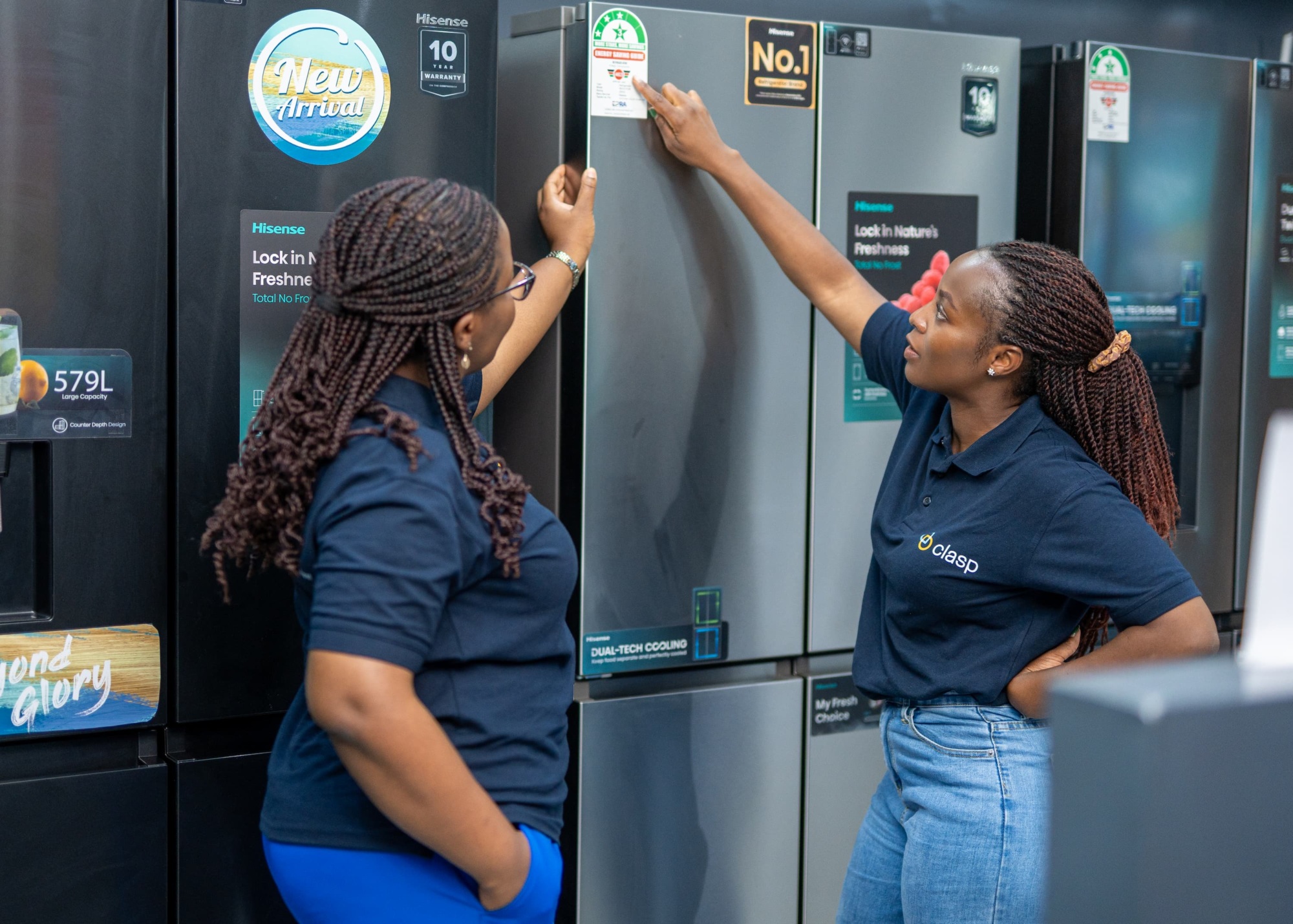
[Photo: CLASP]
Nigeria Off-grid Market Accelerator Program (NOMAP)
NOMAP supports Nigeria’s distributed renewable energy market through policy analysis, investor engagement, and ecosystem strengthening.
Fun Fact: NOMAP is helping to tackle Nigeria’s energy access challenge with strategic, locally grounded solutions and strong partnerships.
Precise
Precise builds learning ecosystems and delivers cutting-edge research and insights to business, governments, and non-profits in Ethiopia to help them make strategic development decisions.
“At Precise, we build market systems that empower local innovators and entrepreneurs to win the war against poverty. By partnering with philanthropies, we design and deliver bold, private sector-led solutions tailored to local realities. Solutions that help our partners do more with less. Our work drives systemic change that supports climate-resilient growth, creates jobs, raises incomes, improves nutrition and health, and empowers women,” Henok Assefa, Managing Partner, Precise.
Fun Fact: Precise designs and delivers bold, private sector-led solutions tailored to local realities that help their partners do more with less.

[Photo: Precise]
Uganda Off-grid Market Accelerator (UOMA)
UOMA works closely with government, industry, and development partners to identify market barriers and coordinate solutions. Their work includes technical assistance, data analysis, and stakeholder engagement to advance energy access nationally.
“UOMA has played a pivotal role in Uganda’s energy access journey, unlocking capital, enabling last-mile delivery, and supporting over 250,000 households. As the sector grows more complex, UOMA’s role as a neutral intermediary is critical in bridging silos, aligning stakeholders, and translating ambition into coordinated, on-the-ground action, especially in emerging areas like productive use and humanitarian energy access,” Reza Fazel, Associate Partner at Open Capital and Head of UOMA.
Fun Fact: Uganda is a key energy access frontier, and UOMA has a strong record of translating insights into action and facilitating national-level collaboration.
[Photo: UOMA]
A new model for impact
While these organizations vary in scope and geography, they share common strengths: strong governance, technical expertise, trusted relationships, and a commitment to systemic change. By supporting their growth and resilience, the Facility aims to create a more coordinated, capable, and impactful energy access ecosystem.
——
About The Facility
The Energy Access Institutions Facility is a joint donor initiative to support and strengthen the institutions that are essential for the achievement of Sustainable Development Goal 7, universal access to affordable, reliable, sustainable, and modern energy by 2030. The Facility is supported by DOEN, British International Investment, Good Energies Foundation, the Swedish International Development Agency (Sida), and UK aid via the Transforming Energy Access (TEA) platform and is managed by CLASP.
0. “Kenya National Cooking Strategy 2024-2028”, Ministry of Energy and Petroleum. https://www.energy.go.ke/sites/default/files/KAWI/Publication/Kenya%20National%20Cooking%20Transition%20Strategy_Signed.pdf
1. “Kenya 2024 Energy Policy Review”, International Energy Agency, April 2025. https://www.iea.org/reports/kenya-2024
2. “Kenya National Cooking Strategy 2024-2028”, Ministry of Energy and Petroleum. https://www.energy.go.ke/sites/default/files/KAWI/Publication/Kenya%20National%20Cooking%20Transition%20Strategy_Signed.pdf
3. ”Household air pollution”, World Health Organization, October 16, 2024. https://www.who.int/news-room/fact-sheets/detail/household-air-pollution-and-health
AMCEN-20 Adopts Declaration for Energy-Efficient, Mercury-Free Lighting
The 20th African Ministerial Conference on the Environment (AMCEN-20) decided to call upon African member States that are Parties to the Minamata Convention, to implement the phase out of mercury containing lighting in Africa by 2027.
The Twentieth Session of the African Ministerial Conference on the Environment (AMCEN-20) was held from 14-18 July 2025 in Nairobi, Kenya, under the theme “Four Decades of Environmental Action in Africa: Reflecting on the Past and Imagining the Future.” AMCEN is an opportunity for ministers and experts to discuss and prepare Africa’s common position and engagement in upcoming global environmental forums like the Minamata Convention on Mercury.
The decisions made during these sessions are instrumental in steering the continent toward sustainable development. Each resolution adopted at AMCEN serves as a catalyst for action, driving policy changes, fostering cooperation, and influencing international environmental frameworks. From the implementation of climate action strategies to addressing the issue of mercury, plastic pollution and promoting biodiversity conservation, AMCEN’s decisions are key to Africa’s response to the triple planetary crisis of climate change, biodiversity loss, and pollution.
The declarations adopted at AMCEN-20 for energy efficient -mercury free lighting included:
- Urging member States to fully implement Decision MC-5/4 of the Minamata Convention on Mercury, including the phase-out of all listed mercury-added products within the stipulated timelines, and to prevent any further importation of such products into the continent.
- To support the development and enforcement of harmonized minimum performance and safety standards for lighting, cooling, and other energy consuming products across the continent, with a view to eliminating substandard, mercury containing and inefficient products from the African market.
- To urge member States to expedite the preparation, and adoption of stringent minimum performance standards for the products applicable within the continent as an opportunity to ensure safety and strict compliance with the Minamata Convention on Mercury and the decisions of the Conference of the Parties to the Convention.
The declarations at AMCEN-20 complements the decisions made in November 2023, at the Fifth Conference of Parties (COP 5) to the Minamata Convention on Mercury, where delegates from 147 countries agreed to phase out florescent lighting globally by 2027. This decision is expected to accelerate global adoption of mercury-free lighting by effectively putting an end to the fluorescent lighting industry, with the limited exception of special uses like some transport applications.
The Africa region galvanized efforts to end mercury in lighting, taking the lead at introducing and negotiating amendments to phase out fluorescents under the Minamata Convention. The region championed these efforts due to concerns about becoming dumping grounds of products banned in the Global North and the challenges associated with porous borders (that fail to protect national markets from outdated technologies even when national regulations are in place).
A full transition to energy efficient and mercury-free LEDs in Africa by 2027 will have significant environmental and energy benefits. CLASP estimates that compliance with Minamata and AMCEN decisions in the region will (cumulatively from the phase out dates to 2050):
- Avoid 4 metric tons of mercury pollution from released into the environment.
- Avoid 189 million tons of CO2 emissions.
- Save approximately 500 TWh of the region’s total electricity consumption.
- Save $51 billion USD.
0. “Kenya National Cooking Strategy 2024-2028”, Ministry of Energy and Petroleum. https://www.energy.go.ke/sites/default/files/KAWI/Publication/Kenya%20National%20Cooking%20Transition%20Strategy_Signed.pdf
1. “Kenya 2024 Energy Policy Review”, International Energy Agency, April 2025. https://www.iea.org/reports/kenya-2024
2. “Kenya National Cooking Strategy 2024-2028”, Ministry of Energy and Petroleum. https://www.energy.go.ke/sites/default/files/KAWI/Publication/Kenya%20National%20Cooking%20Transition%20Strategy_Signed.pdf
3. ”Household air pollution”, World Health Organization, October 16, 2024. https://www.who.int/news-room/fact-sheets/detail/household-air-pollution-and-health
Medical Appliances for Resource-Constrained Settings
With this research, CLASP and Sustainable Energy for All (SEforALL) highlight the urgent need to improve the performance, procurement and deployment of medical appliances in healthcare facilities operating in weak- and off-grid settings. The report uncovers how energy-intensive, poorly matched, and under-maintained medical devices are contributing to poor health outcomes and increasing operational strain in low-resource environments.
Drawing on real-world data from 29 healthcare facilities in Kisumu County, Kenya, the report presents insights from on-site testing, remote energy monitoring, and interviews with frontline healthcare workers and system stakeholders.
The study identifies practical solutions for more effective healthcare electrification from integrating energy efficiency into procurement policies, to establishing minimum energy performance standards and investing in local innovation. It emphasizes the importance of designing systems that match real-world usage patterns, reduce operational costs and strengthen the long-term sustainability of electrification investments.
Explore “Medical Appliances for Resource-Constrained Settings ” for more findings.
This research was supported by Efficiency for Access, Ikea Foundation, and Transforming Energy Access.
About Efficiency for Access
Efficiency for Access is a global coalition dedicated to advancing access to energy and affordable, energy efficient appliances. It is co-managed by CLASP and Energy Saving Trust.
0. “Kenya National Cooking Strategy 2024-2028”, Ministry of Energy and Petroleum. https://www.energy.go.ke/sites/default/files/KAWI/Publication/Kenya%20National%20Cooking%20Transition%20Strategy_Signed.pdf
1. “Kenya 2024 Energy Policy Review”, International Energy Agency, April 2025. https://www.iea.org/reports/kenya-2024
2. “Kenya National Cooking Strategy 2024-2028”, Ministry of Energy and Petroleum. https://www.energy.go.ke/sites/default/files/KAWI/Publication/Kenya%20National%20Cooking%20Transition%20Strategy_Signed.pdf
3. ”Household air pollution”, World Health Organization, October 16, 2024. https://www.who.int/news-room/fact-sheets/detail/household-air-pollution-and-health
South Africa
0. “Kenya National Cooking Strategy 2024-2028”, Ministry of Energy and Petroleum. https://www.energy.go.ke/sites/default/files/KAWI/Publication/Kenya%20National%20Cooking%20Transition%20Strategy_Signed.pdf
1. “Kenya 2024 Energy Policy Review”, International Energy Agency, April 2025. https://www.iea.org/reports/kenya-2024
2. “Kenya National Cooking Strategy 2024-2028”, Ministry of Energy and Petroleum. https://www.energy.go.ke/sites/default/files/KAWI/Publication/Kenya%20National%20Cooking%20Transition%20Strategy_Signed.pdf
3. ”Household air pollution”, World Health Organization, October 16, 2024. https://www.who.int/news-room/fact-sheets/detail/household-air-pollution-and-health