
Bringing Global Expertise to Pakistan’s Motor Manufacturers
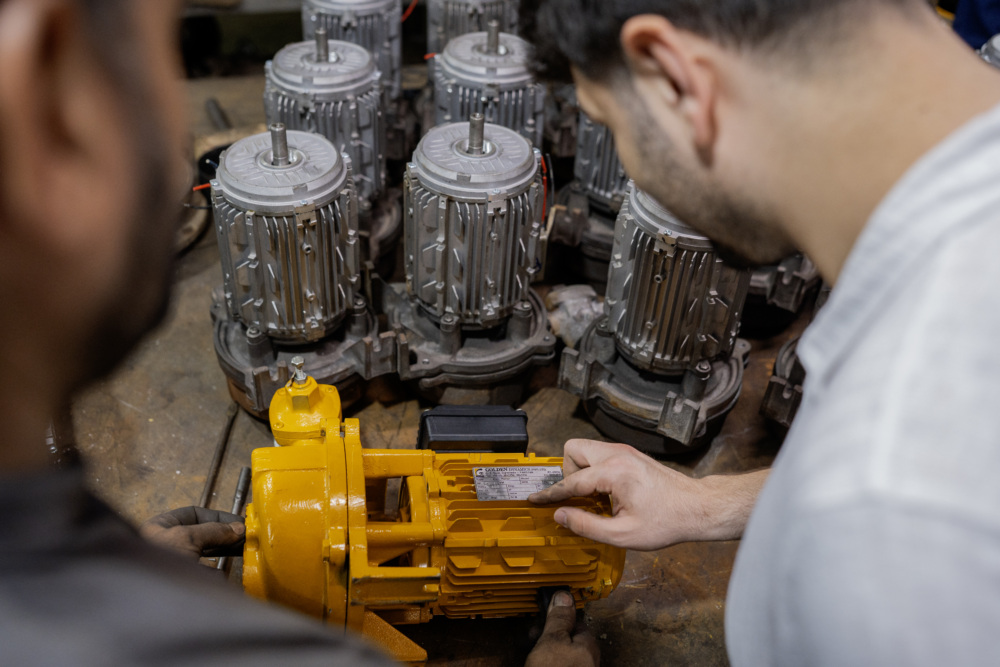
In Gujranwala, Pakistan, family‑run motor manufacturers share a common ambition: to produce world‑class motors that meet international efficiency standards.
To support this, CLASP and SAMA Verte’s Industry Accelerator Program is linking Pakistan’s local motor makers with international expertise to upgrade motor designs, improve efficiency, and help the motor industry thrive.
Working with Pakistan Pumps & Electric Motors Manufacturers Association (PPEMMA), and representatives from EMOSAD, a Turkish Motors Association, the Industry Accelerator Program combines decades of local craftsmanship with the latest global technical insights.


CLASP
CLASP
The program’s work supporting improved motor testing labs is already helping local engineers to identify energy losses, improve designs, and meet national efficiency standards for motors.
——
About CLASP’s Industry Accelerator Program in Pakistan
A collaborative initiative between CLASP and SAMA^Verte, the Industry Accelerator is aimed at transforming Pakistan’s electric motor manufacturing sector. Launched in 2023, the program focuses on enhancing the energy efficiency of locally produced electric motors and modernizing production processes. By providing technical assistance, facilitating international knowledge exchange, and supporting the development of energy-efficiency standards, the Industry Accelerator seeks to reduce energy consumption, lower CO₂ emissions, and strengthen the competitiveness of Pakistan’s motor industry.
Recent News



Why Appliances Are Essential Energy Infrastructure

Hundreds of millions of people globally still live without access to electricity. That means no way to cool their homes during hot summers, refrigerate food to keep it fresh, cook without inhaling toxic fumes, or farm without hours of grueling, manual labor.
For decades, the response has focused on expanding energy infrastructure. But power lines alone can’t deliver the full benefits. A village may get connected, but without a fridge, a fan, or a clean cookstove, electricity access remains incomplete.
This is where efficient, affordable appliances come in. They transform energy into opportunity for better health, productivity, and livelihoods. They also improve the economics of grid expansion which makes investment more attractive and sustainable.
To achieve the goal of universal energy access and improve millions of lives, we need to look beyond electricity. Appliances are not a luxury; they are essential energy infrastructure.
To learn more, explore CLASP’s research report “The Missing Piece of Energy Access: Why 15% of Energy Infrastructure Investment Must go to Appliances”.
Recent News

In Pakistan, Labs Testing for Efficiency are Advancing Motor Manufacturing
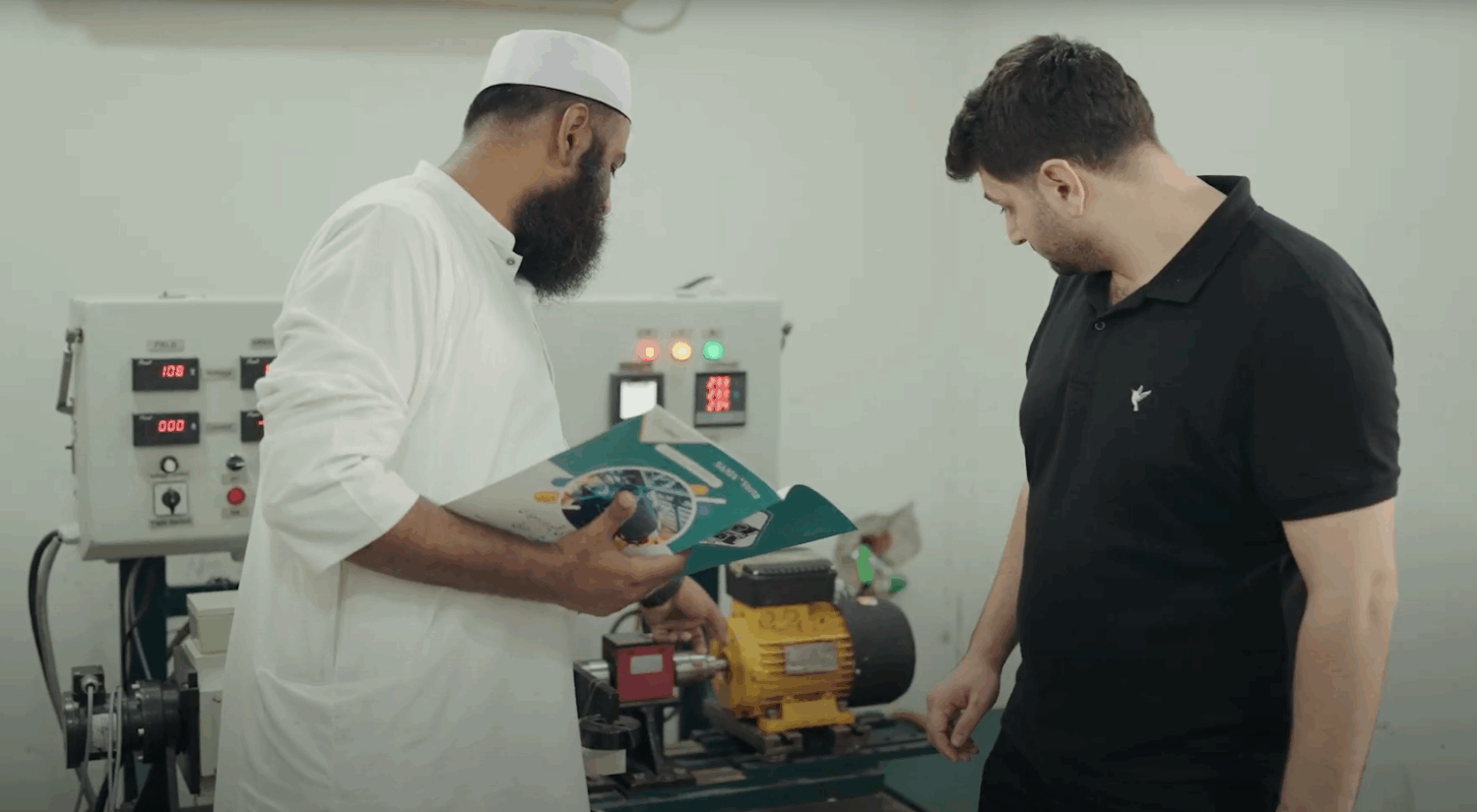
Until recently, most local motor manufacturers in Pakistan only tested the basic functionality of the motors they produced. A recent collaboration between CLASP and SAMA_Verte is helping local manufacturers improve motor efficiency testing.
Advanced labs identify energy losses and improve motors
Improved, state-of-the-art testing labs are at the heart of this transformation. Equipped with advanced tools like calibrated dynamometers, power analyzers, and thermal imaging, these labs are helping engineers identify energy losses, improve designs, and ensure compliance with new national regulations set by the National Energy Efficiency & Conservation Authority (NEECA) in Pakistan.
With access to high-quality testing data, manufacturers are redesigning components, reducing energy losses by over 20%, and delivering motors that are more efficient, reliable, and cost-effective. Beyond individual products, these advancements are lifting the entire industry—with the potential to boost exports in the future, creating skilled jobs and opening doors to a more energy-efficient future.
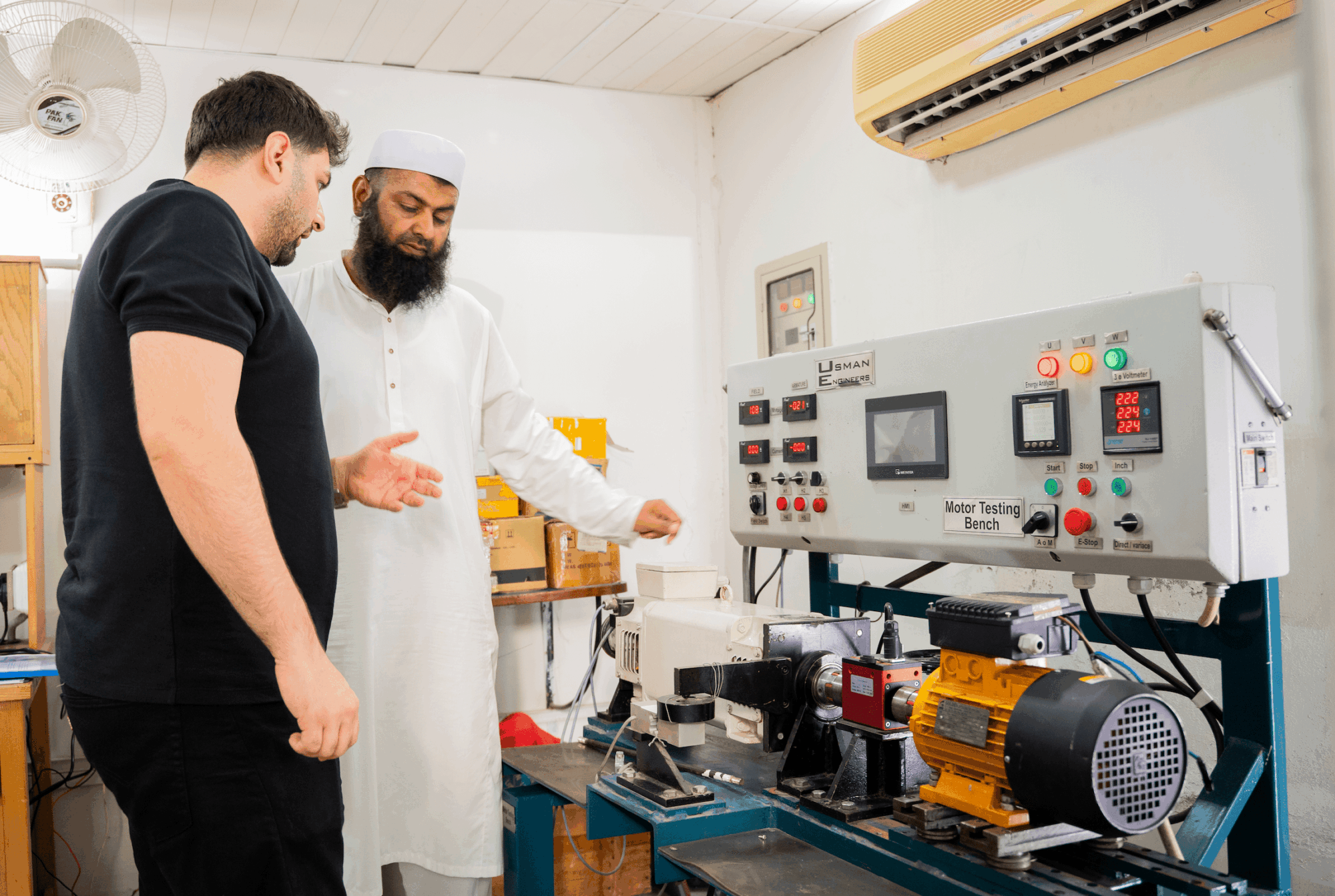
Ali Han Özcan, Turkish motor expert, with Dr. Usama at GIFT University, discussing the testing of locally manufactured motors.
CLASP
About CLASP’s Industry Accelerator Program in Pakistan
A collaborative initiative between CLASP and SAMA^Verte, the Industry Accelerator is aimed at transforming Pakistan’s electric motor manufacturing sector. Launched in 2023, the program focuses on enhancing the energy efficiency of locally produced electric motors and modernizing production processes. By providing technical assistance, facilitating international knowledge exchange, and supporting the development of energy-efficiency standards, the Industry Accelerator seeks to reduce energy consumption, lower CO₂ emissions, and strengthen the competitiveness of Pakistan’s motor industry.
Recent News
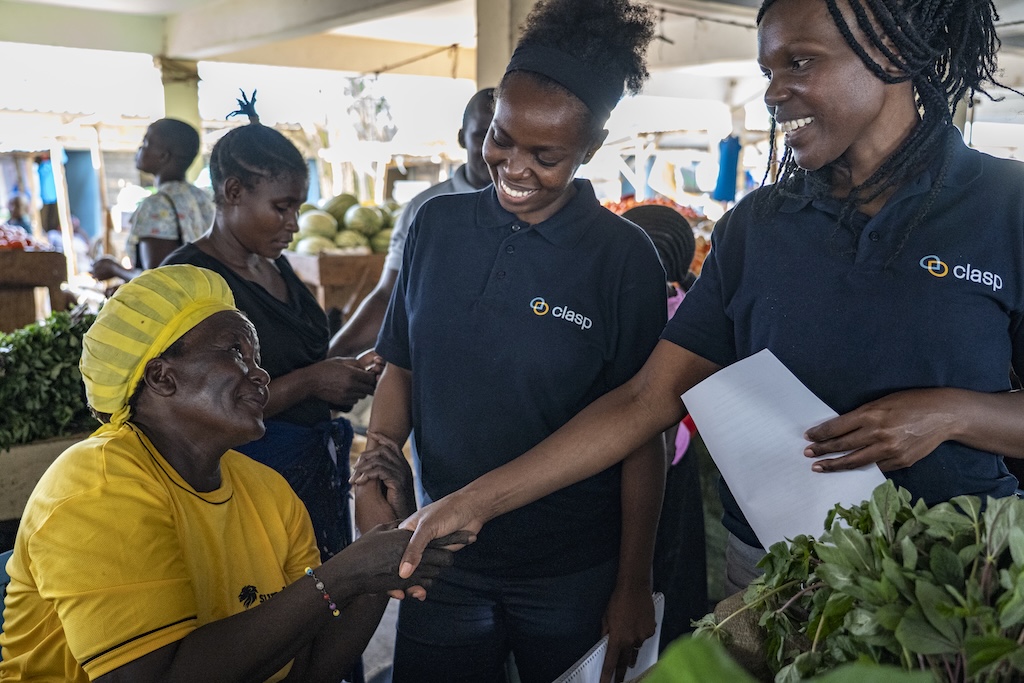
E-Cookers Bring Clean Cooking to Schools in Kenya
Firewood is the primary cooking fuel in many Kenyan schools, contributing to deforestation, air pollution, and poor health. But with electricity now reaching around 75% of the country, there is a great opportunity for cleaner, safer, and more efficient cooking.

CLASP is partnering with Kenyan innovators Ecobora to expand access to clean cooking solutions in schools across Kenya. Through the Efficiency for Access e-cooking project, the team is testing how electric cooking can replace biomass fuels in school kitchens and other institutions in Kenya. This research will inform the design, deployment, and operation of commercial electric cooking technologies and directly impact how schools feed students in the country.
Ecobora’s award-winning electric cooker is purpose-built for large-scale use. This clean energy innovation features a patented thermal conversion system that enables faster, even cooking. The appliance includes a self-cooking function and supports both solar and electric power for maximum efficiency and flexibility. By eliminating firewood use, it cuts indoor air pollution significantly providing a healthier workplace for the chefs and conserves Kenyan forests. When powered by the sun, it eliminates energy costs, so is much cheaper to run.

Photo by: CLASP
To date, the project has brought electric cooking to nine schools across seven counties in Kenya, helping feed over 12,000 students. These e-cookers are actively in use and consistently show that electric cooking is not only efficient, reliable, and affordable, but also capable of producing delicious meals, including traditional Kenyan dishes.
The Efficiency for Access coalition is co-managed by CLASP and Energy Saving Trust.
About CLASP
CLASP is the leading global authority on efficient appliances’ role in fighting climate change and improving people’s lives. An international NGO with 25 years of expertise and offices on four continents, CLASP collaborates with policymakers, industry leaders, and other experts to create a more sustainable future for people and the planet. CLASP and our partners are dedicated to solving the world’s most pressing, interconnected crises: the climate emergency, poverty, inequality, and access to energy.
Energy for Everyone
Energy is everywhere, and it connects us all. At CLASP, we know that the distribution of affordable, efficient appliances ensures more people have access to modern, safer energy services. This creates opportunities, powers businesses, and improves lives. Get our solutions: https://www.clasp.ngo/
About CLASP
CLASP is the leading global authority on efficient appliances’ role in fighting climate change and improving people’s lives. An international NGO with 25 years of expertise and offices on four continents, CLASP collaborates with policymakers, industry leaders, and other experts to create a more sustainable future for people and the planet. CLASP and our partners are dedicated to solving the world’s most pressing, interconnected crises: the climate emergency, poverty, inequality, and access to energy.
Efficient Appliances Translate to Higher Business Revenues, Field Tests Show
CLASP recently spent several months field-testing a range of renewable appliances and technologies in Rwanda. Working with 12 entrepreneurs focused on hospitality, farming, and mobility in four districts across the country, we tested electric pressure cookers in busy restaurants, solar water pumps on working farms, and electric motorbikes. Our team collaborated with the business owners to measure the efficiency of these products, assess air quality improvements, and quantify time savings and income generated or saved.
Our findings: a direct correlation between the adoption of efficient appliances and increased incomes.

Energy-Efficient Appliances Work for People and the Planet
Energy-efficient solar water pumps, electric pressure cookers, and electric bikes have significant benefits over fossil fuel–powered equivalents, costing less to operate and producing less pollution that warms the planet and damages human health.
However, the relatively high upfront purchase price of these products, as well as the wide range in quality, efficiency, and affordability between different models, present challenges for consumers.

Impartial Tests Build Consumer Confidence
As more of these appliances have come on the market over the last two decades, CLASP has carried out extensive field testing to help consumers, distributors, and governments make sound decisions about which models to invest in. This information is particularly crucial for developing markets with little history of appliance usage or community exposure to these products. Focusing on communities without a strong electric grid, our tests provide verified, impartial information about appliance performance.
This research is critical because laboratory appliance testing can only indicate how different models perform in a controlled environment. Field testing provides data on how products operate under the rigors of real use.
About the Project
The Productive Use of Energy Pilot Study in Rwanda was conducted by CLASP and EED Advisory with the support of Sustainable Energy for All (SEforALL) and the World Bank. The appliances tested were electric pressure cookers, electric motorbikes, solar water pumps, and solar-powered fridges.
Beyond the Flames: Expert Insights on Gas Cooking
Have you ever wondered about the health and environmental impacts of cooking with gas? CLASP asked Professor Frank Kelly from Imperial College London, Dr. Laura Reali, a pediatrician at the Italian Public Health System, and Tony Renucci, managing director at Respire, to shed some light on the topic.
- What happens to the air in our homes when we use gas cooking appliances?
CLASP research confirms that gas stoves and ovens emit harmful pollutants such as nitrogen dioxide (NO2) directly into people’s homes. These substances can have detrimental effects on our respiratory systems and overall health.
- What are the health risks linked to cooking with gas?
Gas-cooking households experience elevated levels of NO2, an air pollutant linked to respiratory diseases like asthma. Research by the World Health Organization (WHO) on NO2 found: “The main health outcomes of interest are respiratory symptoms, bronchoconstriction, increased bronchial reactivity, airway inflammation and decrease in immune defence leading to increased susceptibility to respiratory infection.”
However, the health risks associated with gas cooking extend beyond respiratory issues. Studies suggest that exposure to gas emissions can impact everything from our lungs to our brains, affecting individuals across all stages of life. Find out more about the health risks in this CLASP report.
- Are some people more sensitive to the health impacts linked to cooking with gas?
Due to their developing lungs, children have a heightened sensitivity to pollutants. People with pre-existing health conditions, and the elderly are also more vulnerable to the health impacts of gas cooking. The WHO found that children living in homes with gas cooking appliances have a 20% increased risk of respiratory illnesses. It’s crucial to understand and address these vulnerabilities to protect those most sensitive to the risks of cooking with gas.
- Are people aware of the impacts of cooking with gas?
Many people are unaware of the elevated levels of indoor air pollution created by gas cooking. As a result, there is a lack of awareness among the general population on the health risks linked to the use of gas cooking appliances.
According to consumer surveys conducted in 2023 by CLASP and Opinium Research, in France, 53% of surveyed adults believe that the use of gas cooking appliances isn’t linked to any health issues, whereas only 34% of adults in the United Kingdom have concerns over cooking with gas appliances in their homes. CLASP found that between 58 and 74% of consumers in Europe would consider getting rid of their gas cooker if they knew it was linked with health issues.
- What can people do to protect themselves from the health risks linked to cooking with gas appliances?
People can minimize their exposure to gas cooking emissions in a number of ways. From switching to electric cooking appliances, to ensuring proper ventilation, simple actions can help reduce the health risks associated with gas cooking. Find out how to improve air quality in your home when you have a gas hob or oven here.
- Why is now the right time to switch to electric cooking alternatives?
Given the mounting evidence that links emissions from gas cooking appliances with health risks, now is the time for governments and policymakers to incentivize the transition to safer, efficient electric alternatives. CLASP research reveals that in the European Union (EU) and the United Kingdom (UK), over 180 million people are at risk of exposure to levels of indoor air pollution that exceed the EU and WHO recommended levels for outdoor air pollution. In addition, approximately €3.5 billion is spent annually in the EU and £1.4 billion in the UK in health-related costs linked to indoor air pollution from gas cooking.
- What is the solution?
To protect public health and reduce the national health costs related to cooking with gas, governments should accelerate and incentivize the transition to electric alternatives. Policymakers can tackle indoor air pollution at the source through Ecodesign standards and energy labeling policies, and define appropriate limits for indoor pollutant levels.
With energy-efficient electric options widely available in the market, it’s time to reconsider our reliance on gas appliances and embrace a cleaner, healthier way forward to protect both people and the planet.
For more information on the topic, visit https://www.clasp.ngo/cook-cleaner-europe.