
Report Exposes Widespread Dumping of Inefficient, Climate-Damaging ACs with Obsolete Refrigerants
Jakarta, 20 September 2023 – A new report warns that multinational companies are exporting millions of inefficient air conditioners to Southeast Asia, taking advantage of loopholes in national laws and regulations. Because these units contain high global warming potential (GWP) refrigerants, this appliance dumping contributes to climate change, strains national energy grids, and burdens consumers with higher energy bills.
This report by CLASP, with support from the Institute for Governance & Sustainable Development (IGSD), documents that five of the six Southeast Asian markets studied – Indonesia, Malaysia, the Philippines, Thailand, and Vietnam – are saturated with low-efficiency room air conditioners (ACs), while only Singapore has efficient ACs with less-damaging refrigerants. The inefficient ACs are produced by multinational companies that make high-efficiency models for sale in their home country markets.
With record heatwaves sweltering Southeast Asia and elsewhere each year, demand for residential air conditioning is projected to rise rapidly to support the lives and livelihoods of billions. The report shows that if all six countries prevented inefficient AC dumping, it would reduce cumulative emissions over 25 years by more than 1 billion metric tons of carbon dioxide. Over the same 25 years, the region would also save USD 148 billion cumulatively for consumers, exceeding the combined energy investment of the six analyzed countries over the last quarter century (USD 134 billion).
The report finds:
- The dominant multinational brands responsible for this dumping are headquartered in China, Japan, South Korea, and the United States. Since the majority of electricity in Southeast Asia is generated by fossil fuels, energy-intensive RACs contribute towards substantial indirect carbon emissions.
- In 2021, a notable 74% of total sales (6.2 million units) in the six markets were classified as low efficiency. However, sales of low-efficiency RACs vary by country. Indonesia and the Philippines are the most exposed to dated technology, with 97% and 78% of RACs, respectively, falling into this category, while in Vietnam, Malaysia, and Thailand the number is around 60%. Singapore had the most efficient RAC market, with just 21% of total sales being low-efficiency models.
- Most RACs imported to Southeast Asia do not meet the applicable minimum energy performance standards (MEPS) of the export countries. This means these inefficient units cannot be sold in those domestic markets. Approximately 93% of RACs imported into Southeast Asia from China do not meet the efficiency requirements of China MEPS. 59% of RAC exports from South Korea to Southeast Asia and 21% of RAC exports from Japan to Southeast Asia are below the brands’ home-country requirements.
- The six Southeast Asian RAC markets use HFC refrigerants that have high GWPs. R-410A, an obsolete refrigerant scheduled for phasedown under the Montreal Protocol, has a GWP of 2,088, meaning it is over 2,000 times the potency of carbon dioxide. RACs containing R-410A accounted for 35% of Southeast Asia sales in 2021, measuring highest in Singapore (90%) and Thailand (66%).
Commenting on the research, Christine Egan, CEO of CLASP, said, “In the midst of a global climate emergency where high temperature records are broken annually, it is disappointing that the production and sale of affordable efficient ACs does not extend across all markets in Southeast Asia. This research shows the added financial savings and emission reductions that can come from stopping the influx of obsolete, energy-guzzling appliances that provide life-saving cooling to millions of people.”
Tad Ferris, Senior Counsel at IGSD, cautioned, “This report warns of trade practices harmful to every living creature and ecosystem. The unchecked dumping of inefficient ACs using obsolete refrigerants is exacting an exorbitant toll in vulnerable Southeast Asian communities facing record-setting heat waves during the climate emergency. It is imperative to reverse this trajectory. This report underscores a suite of solutions that include collaborative commitments between multinational corporations and exporting and importing countries, to eliminate the high lifecycle cost of inefficient ACs with obsolete refrigerants.”
Drawing from the research, the report provides actionable recommendations to mitigate dumping. It emphasizes the urgency of implementing robust energy performance standards, fostering favorable trade practices, and enforcing anti-environmental dumping policies. These steps are pivotal to ensure sustainable cooling access while reducing negative impacts on the environment and energy systems.
Press Contact Details (EN)
Karishma Joseph
Senior Communications Associate (Asia) – CLASP
Kjoseph@clasp.ngo
Whatsapp: +91 9538 372435
About CLASP
CLASP is an international nonprofit leading the research and promotion of appliance efficiency and energy access to improve the lives of people and the planet. CLASP works with governments, industry, communities, and others to propel policies and markets toward the highest-quality, lowest resource-intensive products possible.
About IGSD
The Institute for Governance & Sustainable Development (IGSD) works to ensure fast cuts to the non-carbon dioxide climate pollutants and other fast climate mitigation strategies to slow near-term warming and self-amplifying climate feedbacks and limit global temperature to 1.5 °C – or at least keep this temperature guardrail in sight. IGSD’s approach to fast mitigation includes science, technology, law and policy, and climate finance. IGSD works at the global, regional, national, and subnational levels.
Let’s Cook Clean: Navigating E-Waste Management in Kenya and Rwanda
Increasing access to electricity, levels of disposable income, and growing urbanization are key contributors to the burgeoning number of appliances across most modern societies. For instance, the Kenya home appliances market attained a value of USD 184.48 million in 2018 and is projected to reach USD 363.92 million by 2027, growing at a compounding annual growth rate (CAGR) of 7.8%.1
This significant growth speaks to the urgent need to plan for proper management of potential e-waste resulting from the scale up of the appliance market. Proper management is crucial to avoiding any health or environmental consequences of e-waste and to taking proactive steps towards protecting individuals and their communities.
In Africa, less than 1%2 of e-waste is documented as collected and recycled properly. Even though many studies have been conducted on e-waste management, very few are in sub–Saharan Africa where most countries face significant e-waste management issues.
Loughborough University, through the Modern Energy Cooking Services (MECS) Programme worked with CLASP to conduct a research study on repair and end-of-life practices related to electric cooking appliances in Kenya and Rwanda. As the market for electrical cooking (e-cooking) products is only just taking off in many African countries, the study used televisions as a proxy for e-cooking, given their relatively mature market. The study provides insights into the ecosystem of the appliance market in both countries, how it operates, what happens to products at each stage of their end-of-life pathway, and the associated impacts.
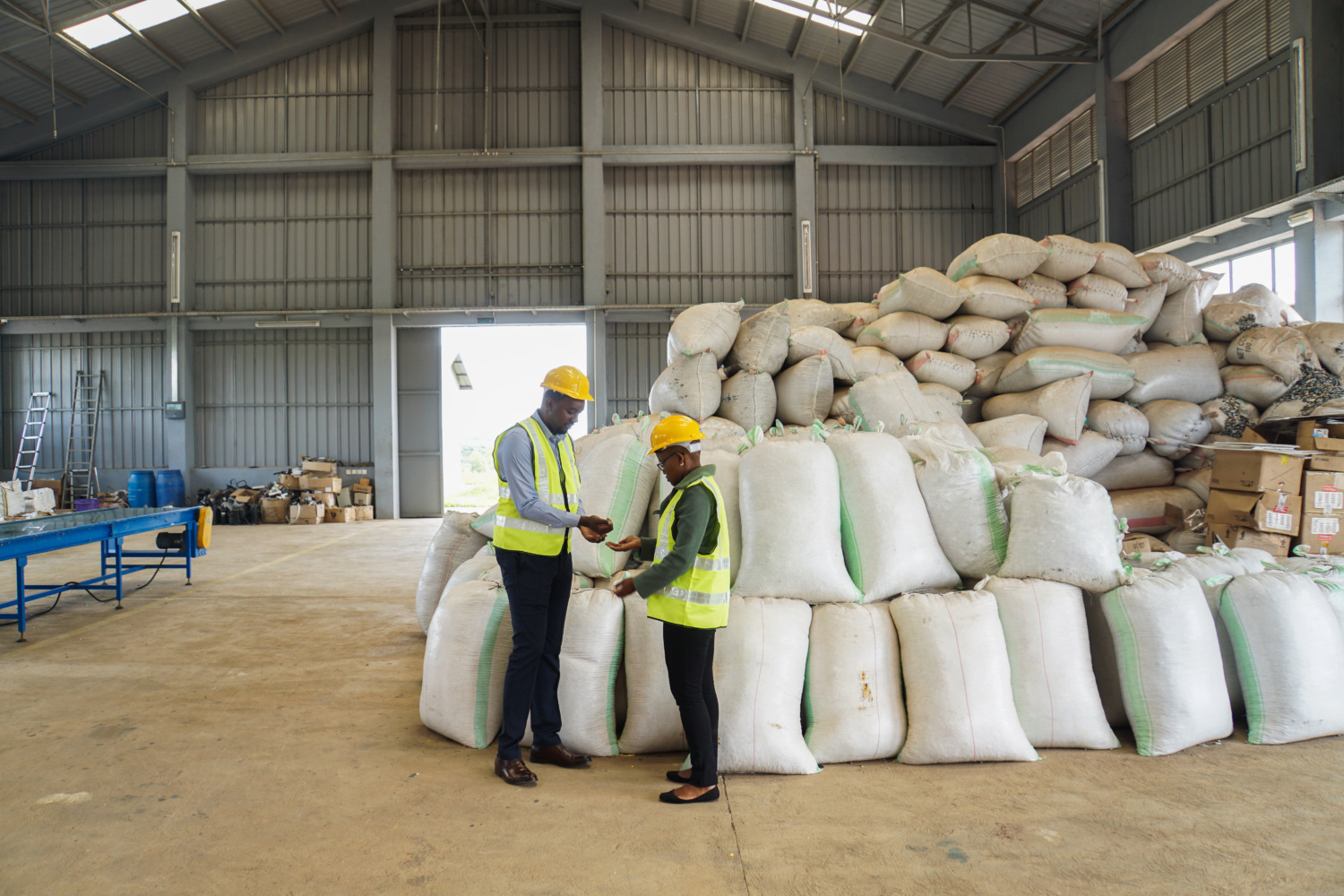
In Africa, less than 1% of e-waste is documented as collected and recycled properly.
Taking Action: Consumer Behavior and Awareness on End-of-Life Appliance Management
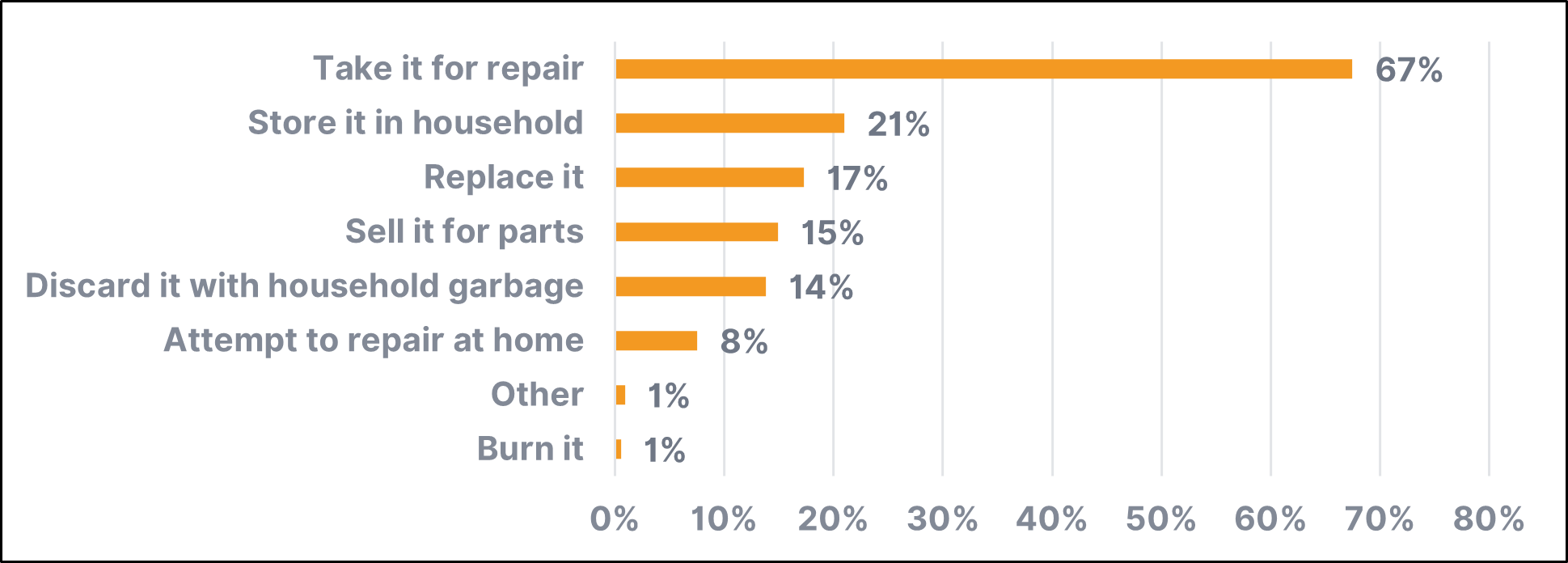
Unless externally incentivized, Consumers control the end-of-life pathway for their used electronics. This could be a formal drop-off point, informal waste collection, or storage within the home. Upon appliance failure, many consumers in both countries opt to take the appliance for repair, and this is predominantly conducted by informal local repair shops.
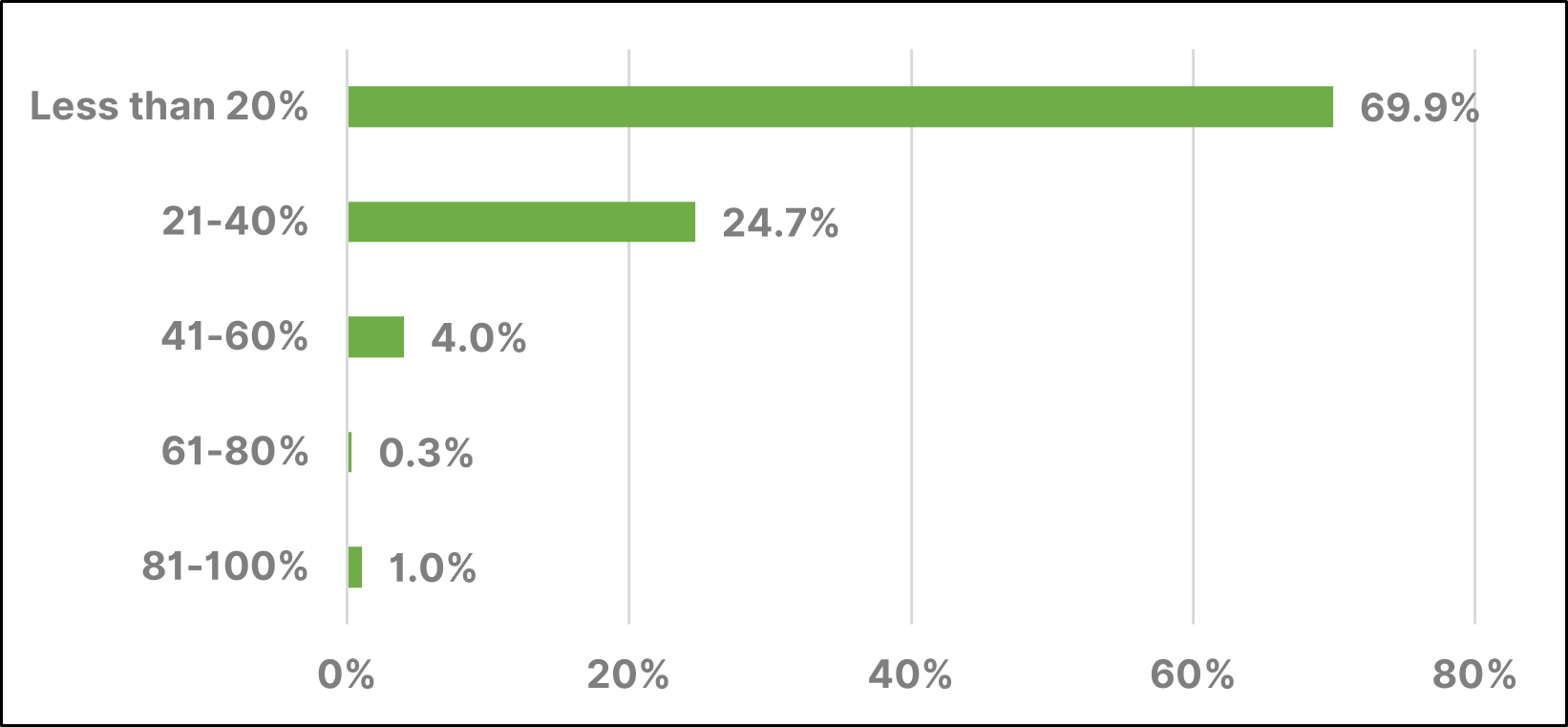
Overall, repair choices are most influenced by cost effectiveness. Consumers in Kenya who repair their appliances are willing to pay a service/repair fee of up to only 20% of the original appliance cost.
CLASP’s survey revealed that residents are generally more likely to store their non-functioning appliances in their households rather than to dispose or recycle properly, with 84% of respondents in Rwanda and 95% in Kenya reporting a lack of awareness on any designated e-waste disposal options in their communities. However, some consumers could better cite the dangers of improper e-waste disposal, indicating the benefits of awareness raising. Lilian Muthoni of the Usweni region in Kitui county in Kenya noted, “Kuna vitu hufai kuweka kwa nyumba, kama battery italipuka.” (There are things you should not store in your house, something like a battery can explode.)
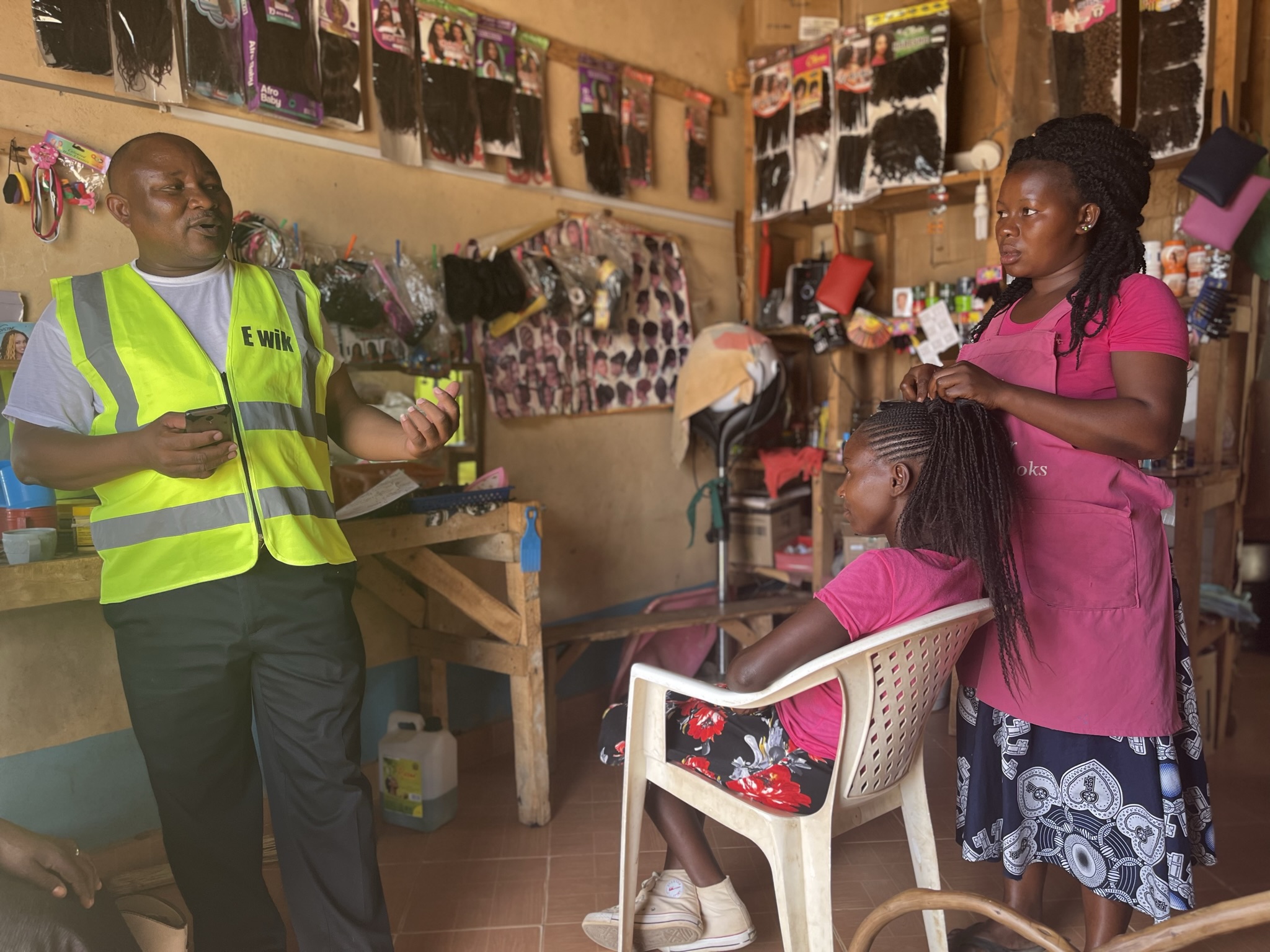
A strong majority of the survey respondents that are using unsustainable practices expressed a willingness to switch to more sustainable behavior. In summary, awareness of environmental impact of poor e-waste disposal, financial incentives, and ease of disposal are the key factors that would promote more sustainable household behavior.
From Policy to Practice: Implementing E-Waste Regulations
Kenya has adopted several regulations that govern the quality and energy efficiency of appliances such as TVs, refrigerators, and off-grid solar (OGS) products. The Energy and Petroleum Regulatory Authority (EPRA) in 2013 initiated a mandatory standards and labelling (S&L) scheme covering lighting products, refrigerators, air-conditioners and motors, and the IEC quality standards for solar products. Similarly, the Rwanda Standards Bureau (RSB) has developed and published several standards for various electrical and electronic products, as well as a dedicated standard on e-waste management. These standards prescribe handling, collection, transportation, and storage of various categories of e-waste. Both countries are party to several regional and multilateral environmental agreements, including the Basel and Bamako Conventions.
Unfortunately, there is currently no information available quantifying the effectiveness of these schemes in keeping low quality appliances off the market. This gap in information may be due to the lack of clear practical guidance on how roles and responsibilities are distributed throughout the e-waste management ecosystem.3 This was evident in the feedback among surveyed e-waste stakeholders, where many had no awareness of the regulations that impacted them; those that did could not describe their effects.
Governments in sub-Saharan African countries are working to develop policies to mitigate further environmental harm, but often lack funding, expertise, and personnel to implement regulations. To achieve a green economy, both Kenya and Rwanda will need to bring together diverse stakeholders, allocate sufficient resources, and invest in awareness raising on proper e-waste management practices and infrastructure.
Keeping Stakeholders in Sync
The e-waste landscape in both Rwanda and Kenya reveals a complex ecosystem with an array of stakeholders, each with varying levels of influence and interests. Collaborative efforts are therefore pivotal in harnessing the potential of these stakeholders to drive sustainable e-waste management and foster a circular economy.
A significant proportion of these stakeholders operate within the informal sector, highlighting the importance of their involvement in decision-making processes and the development of initiatives. For instance, households commonly opt to take their malfunctioning appliances to informal repair shops. However, most times, these repair shops often face challenges related to limited technical expertise for advanced fault resolution and unavailability of spare parts, as Claude, an appliance repairer in Muhanga District in Rwanda said. Claude points out, “Sometimes, when a customer brings a phone, radio, or television to be repaired, we cannot help them because the spare parts are not available here. It would be better if spare parts could be made available in Muhanga or even Kigali.” This sentiment is not unique to Claude.
To support the e-waste landscape, for both formal and informal players, it will be useful to incorporate their perspectives in decision-making around key initiatives designed to develop the market (e.g., capacity-building programs, establishing accessible spare part markets etc.). Moreover, the research findings underline the potential for mutually beneficial relationships to flourish, particularly between formal and informal actors. There is great opportunity for governments to play a vital role in facilitating this collaborative relationship, such as exploring innovative measures and instruments to make the formal sector more accessible to informal stakeholders.
Grounding in Numbers: The Urgent Need for Data
The need for effective e-waste management policies and regulations is apparent, yet it hinges on a fundamental understanding of materials entering and leaving the ecosystem; this is grounded in data. Unfortunately, there is a lack of data on material flows in both Kenya and Rwanda, and the relatively small stakeholder sample used in the study did not offer precise estimates of quantities handled.
Furthermore, the majority of stakeholders, especially those in the informal sector, do not keep track of the amount of materials they handle. A notable example comes from Maina Gitau, a small-scale refurbisher in Nairobi, who found it difficult to pinpoint the number of appliances and materials he sells due to the constant turnover of his inventory. While he likely keeps records of revenue, tracking the precise quantity of materials passing through his shop daily remains a challenge.
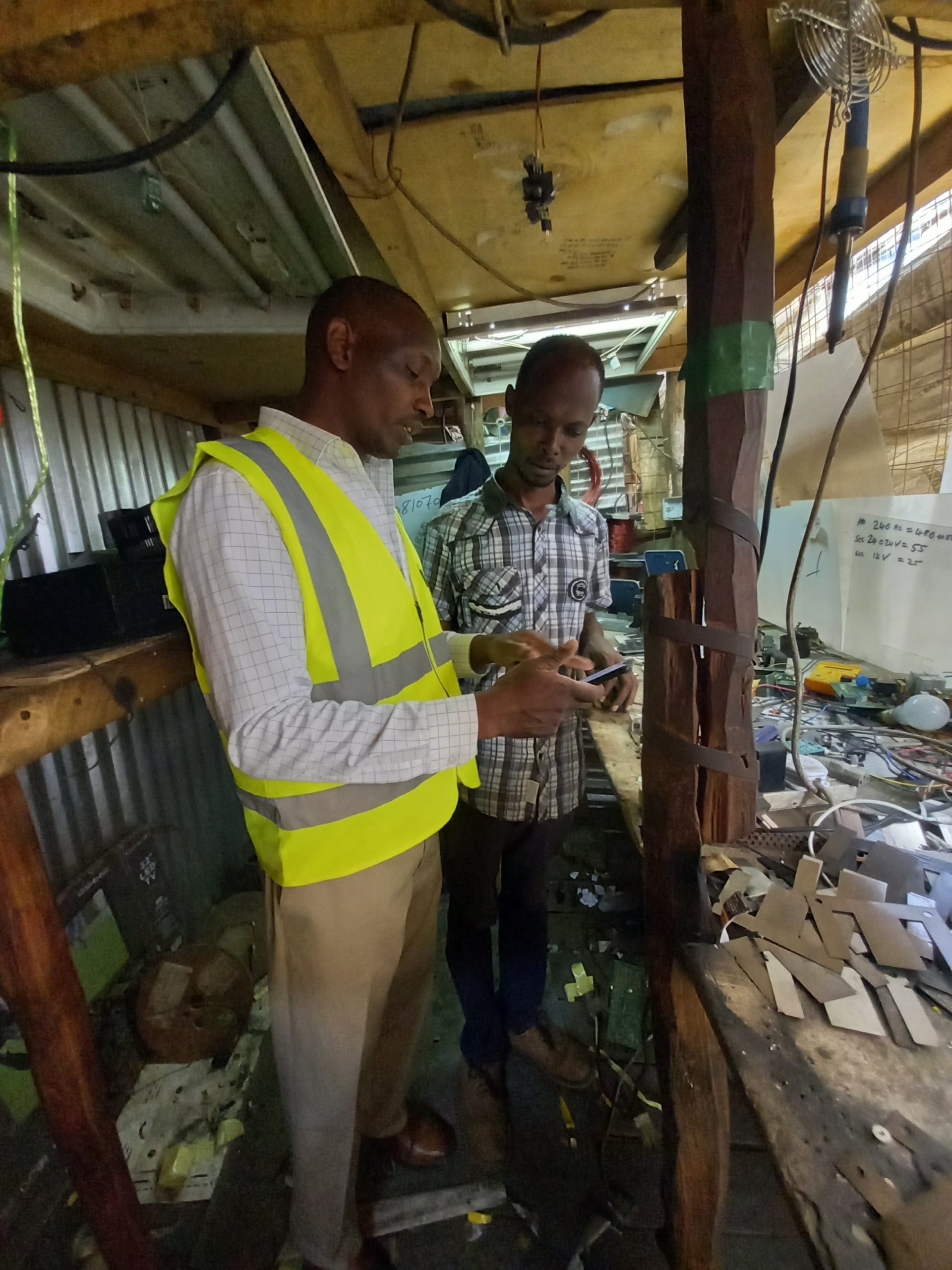
To address these data gaps and ensure an accurate assessment of e-waste flows, both countries must establish systemic data collection frameworks. These frameworks should involve relevant government agencies, including those responsible for trade and industry, to track not only material flows, but also all stakeholders within the appliance value chains.
Crucially, such data collection initiatives will help monitor the impacts of transitioning to a circular economy, which, according to the International Labor Organization, could generate over six million jobs. Furthermore, these frameworks will simplify access to information on e-waste collection and processing facilities for the public, enabling a more informed and responsible action for proper e-waste management. Lastly, government agencies can leverage this data to support collaborations, funding efforts, and infrastructure development aimed at sustainable e-waste management.
Summing it Up
Understanding end-of-life practices for appliances is pivotal in establishing sustainable frameworks for responsible disposal and for promoting the broader mission of circularity. The recommendations derived from our studies in Rwanda and Kenya hold promise far beyond these borders. By implementing robust awareness campaigns, enforcing e-waste regulations, and establishing systemic data collection systems, countries in sub-Saharan Africa can take substantial steps toward responsible e-waste management. May this study serve as a catalyst for others to continue conducting research on e-waste landscapes across sub-Saharan Africa and beyond.
The full publications for this study on Rwanda and Kenya can be accessed on the MECS website.
Explore related work and initiatives in circular economy and clean cooking that CLASP has completed, such as the Bending Toward Circular report and Use and Impacts of Electric Pressure Cookers report. Additionally, be on the lookout for our forthcoming projects, including a reparability index study for solar appliances, which will provide valuable insights into the evolving landscape of sustainable practices and offer opportunities for collaboration in our shared mission towards a more sustainable future.
International Clean Air Day: 6 Tips to Reduce Air Pollution in Your Kitchen
Did you know indoor air pollution levels can often be higher than the outdoors? Kitchens contain sources of air pollution that impact our health and the environment. To mark this International Day of Clean Air for blue skies, here are some tips that will help you reduce air pollution and breathe new life into your cooking haven.

1. Embrace electrification
Electrification is a game-changer when it comes to reducing levels of indoor air pollutants.
- Use electric or induction cooktops instead of gas burners to reduce indoor air pollution.
- Choose electric appliances instead of gas hobs and ovens, such as microwaves, kettles, air fryers and toasters, whenever possible.
2. Vigorously ventilate
Effective ventilation is essential to reduce indoor air pollution.
- If you can, open the windows when cooking.
- Turn on your ventilation hood, if you have one, when preparing meals, and keep it running for several minutes after cooking.
3. Cook cleverly
Minimise cooking emissions through healthy cooking practices.
- Avoid overheating oils and fats, which can release harmful fumes. Choose oils with higher smoke points.
- Opt for cooking methods that produce fewer emissions, such as baking, steaming or microwaving. These methods generate less fumes compared to deep-frying or grilling, for example.
4. Master maintenance
Regularly clean and maintain kitchen appliances to prevent the build-up of pollutants and cooking residue that can emit harmful particles when heated.
- Clean kitchen surfaces and appliances with eco-friendly, non-toxic cleaners. Opt for products that do not contain irritants, flammable components and fragrances.
- Fix leaky faucets and pipes to prevent moisture-related air pollution.
- Keep your kitchen well-ventilated during and after cleaning and open any doors and windows.
5. Purify perfectly
If you are looking to improve indoor air quality, there are options to explore.
- Air purifiers can help reduce fine particles and pollutants produced during cooking.
6. Monitor air quality
Indoor air quality is closely linked to outdoor conditions, so keep an eye on the air quality in your area. Different technologies can help you monitor the air quality of your kitchen:
- Smoke detectors are becoming more sophisticated and detect not only smoke, but can also detect specific pollutants, such as carbon monoxide (CO), carbon dioxide (CO2), nitrogen dioxide (NO2) and particulate matter (PM), to name a few.
- If you already have a smoke detector that does not monitor pollutants, think of using an indoor air quality monitor or sensor that can empower you to proactively address air quality concerns.
If you or someone in your household is experiencing health symptoms that might be linked to indoor air pollutants, it is important to consult a healthcare professional.
The EU Paves the Way for Greener Mobile Devices
Brussels, 4 September 2023 – The European Commission takes a major step to lower the environmental impact of smartphones and tablets. The new rules will decrease costs for consumers, mitigate carbon emissions and reduce the use of critical raw materials used in these devices.
Resource and Energy Efficiency Unite
From June 2025, in line with the new Ecodesign and Energy Labelling regulations, smartphones and tablets entering the EU market will be required to meet minimum requirements and provide information on product energy efficiency, ease of repair, battery lifespan, resilience against dust and water, as well as resistance to accidental drops. The Energy Labelling Regulation introduces a requirement for mobile devices to display the A-G energy class rating, as well as a score for each aforementioned aspect. Further product information will be accessible through the European Product Registry for Energy Labelling (EPREL).
The European Commission said, “These measures help to make the EU’s economy more circular, save energy, cut our carbon footprint, support circular business models and deliver the benefits of the European Green Deal for consumers. Mobile phones and tablets produced according to these rules will save almost 14 terawatt hours in primary energy each year by 2030. This is one third of the primary energy consumption of these products today.”
The combined impact of the Ecodesign and Energy Labelling regulations is estimated to reduce purchase, repair, maintenance and energy-related costs for consumers by 25%, while mitigating 53 megatons of carbon dioxide emissions by 2040. They also aim to decrease the use of new materials for production by 35%, along with a 22% reduction in the use of critical raw materials.
CLASP Research Empowers Repair and Sustainability
CLASP, along with Right to Repair Europe, played an instrumental role in shaping the Ecodesign Regulation. Their research highlighted the challenges EU citizens face in repairing their devices, due to limited options imposed by Original Equipment Manufacturers (OEMs) that only offer repairs for specific key parts.
CLASP found that limited repair options drive consumers to purchase new smartphones and tablets. This ultimately shortens the lifespan of devices and contributes to increased electronic waste, which threatens the repair ecosystem and undermines resource efficiency goals. Following our recommendations, the Ecodesign Regulation comprehensively addresses factors that limit product lifespans and hinder recycling. It ensures the accessibility of spare parts, encourages ease of repair, enhances reliability and promotes second-hand markets.
Nicole Kearney, CLASP Europe Director, states “The European Commission has demonstrated an exemplary focus on prioritizing circularity and the consumer’s right to repair. Ensuring Europeans can more easily repair, rather than replace, their smartphones and tablets, will help reduce e-waste, carbon emissions, as well as costs for consumers.”
Towards a circular electronics revolution
The EU’s leadership on resource and energy efficiency for smartphones sets the precedent for other regions and countries to adopt similar regulations and has the potential to create a ripple effect of positive change. The Ecodesign and Energy Labelling regulations enable a repair over a replace economy, requiring the electronic appliance industry to prioritize product durability and circular economy principles. This framework demonstrates the regulatory capacity to revolutionize the industry, fostering innovation, efficient resource utilization and environmental awareness.
Next steps
The new Ecodesign and Energy Labelling rules were published in the EU Official Journal on 31 August 2023 and will become fully applicable on 20 June 2025. This period offers stakeholders the opportunity to adjust and comply with the new regulations.
For media inquiries and more information, please contact
Païline Caroni
Communications – CLASP Europe
About CLASP:
CLASP is an international nonprofit leading the research and promotion of appliance efficiency and energy access to improve the lives of people and the planet. CLASP works to combat climate change and drive the transition to a more energy-efficient and just future where no one is left behind. Headquartered in Washington DC, and based in Beijing, Brussels, Dehli, Jakarta and Nairobi, CLASP works with governments, appliance manufacturers and partners to advance positive change on a global scale.
China’s Circular Economy Push
Following China’s policy efforts to increase circular economy (CE) principles domestically, CLASP’s China program will integrate CE into project plans for 2023-2024. Initially, CLASP may support the phase out mercury-containing fluorescent lamps and promote environmentally-friendly refrigerants. This move will strengthen CE policy both in the country and surrounding region, as China is a key manufacturer and exporter of most appliances and energy-using equipment.
“This is a practical guidance for all industry stakeholders. It helps manufacturers to enhance manufacturing capacity for energy-efficient products and collaborate with waste management facilities to grow demand in the waste appliance recycling market. Consumers will also be supported to exchange their appliances for more efficient models.”
– Mr. Pengcheng Li, CNIS Chief Analyst
Chinese policymaker interest in circular economy has grown steadily since the 2009 passage of the Circular Economy Promotion Law of People’s Republic of China. This new policy, titled Guiding Opinions on Coordinating Energy Conservation, Acceleration and the Renovation and Upgrade of Products and Equipment in Key Areas, integrates CE strategies with existing work to promote energy-efficient appliances. The overarching goal is to further the market share of high-efficiency appliances and equipment.
To manage the influx of older and less-efficient models that will be swapped for more efficient alternatives, the government is creating mandated recycling streams and requiring safe and environmentally sound disposal of associated HCFCs and HFCs (ozone-depleting refrigerants used in many appliances). Researchers and industries see this policy as a stimulus for an improved economic system of recycling, resource utilization, clean and low carbon production to help establish circular economy in the appliance sector by 2025.
“We are confident that this policy will help China to cut energy consumption intensity by 13.5% per GDP and to honor international agreement such as Kigali Amendment and the Minamata Convention on Mercury”.
– Steven Zeng, CLASP China Program Lead
Scaling Adoption of Efficient Induction Cookstoves in India
Achieving universal access to clean cooking is one of the most significant developmental challenges in India. Heavy reliance on inexpensive and unclean solid fuels such as firewood, dried biomass, cow dung, and coal for cooking exposes millions of Indians to hazardous air pollution, resulting in significant health consequences. According to the National Family Health Survey 5, 41% of households (predominantly in rural India) use solid fuels for cooking. Several studies have indicated that biomass fuel burning for cooking accounts for approximately 40% of India’s air pollution and causes around 800,000 premature deaths annually in the country.4 This poses a considerable risk factor for respiratory diseases, particularly affecting women and children. It also directly contributes to deforestation and greenhouse gas (GHG) emissions, particularly black carbon emissions.
Access to clean cooking energy is a crucial aspect of India’s energy transition journey. It is also an issue of gender equality and inclusivity, as women and girls, who often bear the burden of cooking and fuel collection, are disproportionately affected. Clean cooking solutions not only reduce drudgery and improve their environment but also promote women’s empowerment by freeing up time for education and economic activities — ultimately contributing to a shift in gender roles. These efforts align with a few Sustainable Development Goals, specifically Goal 5 on gender equality and Goal 7 on affordable and clean energy.
Recognizing the health, economic, and environmental benefits of clean cooking, the Government of India (GoI) has prioritized policies that promote cleaner cooking fuels. Notably, the Pradhan Mantri Ujjwala Yojana (PMUY) initiative is aiming to expand the coverage of Liquefied Petroleum Gas (LPG) as a cleaner and more efficient cooking fuel, with a focus on economically weaker families. The scheme has already provided over 70 million LPG connections to date.5 India also has a history of experimenting with smokeless cookstoves, with varying degrees of success.
Undoubtedly, the next significant step in India’s cooking transition will revolve around the electrification of cooking. This becomes particularly relevant with the GoI’s achievement of almost 100% household electrification through the Saubhagya initiative and the substantial growth of renewable energy capacity. In line with this, the Ministry of Power launched the “Go Electric” campaign in 2021, aiming to create mass awareness and encourage the adoption of electric cooking appliances and vehicles. Similarly, the Ministry of Petroleum and Natural Gas (MoPNG), through its agencies, has been promoting research and development of solar cooking systems to reduce dependence on fossil fuel imports.
In 2023, Prime Minister Modi launched a solar-powered indoor cooking system, emphasizing the importance of green and clean cooking in India.
Amongst the various technological options for electric cooking, induction cookstoves have the potential to bring about a paradigm shift and emerge as the ideal choice for clean, energy-efficient cooking in India. In addition to being cleaner and safer, induction cookstoves are easy to operate and resilient. Even under the “ambitious scenario” of NITI Aayog’s India Energy Security Scenario Building Tool, only 14% of rural households will use electricity for cooking by 2047.6 Therefore, marquee policy and market transformation initiatives will be necessary to transition households from fossil fuels and traditional cooking sources to induction cooking.
Recognizing the importance of induction cookstoves for achieving clean cooking, CLASP has supported Bureau of Energy Efficiency in developing an energy efficiency labeling program for induction cookstoves, which was launched in March 2023.
The market size of induction cookstoves in the 2018–2019 fiscal year was estimated to be 4 million units, with reported sales increasing at a compound annual growth rate (CAGR) of 10% from 2014 to 2019. However, despite this figure, only around 5% of the households own electric cooking appliances — of which, only half of those households use it daily. With the introduction of energy efficiency policies for induction cookstoves, there is now a need to promote adoption through awareness-building and user-centric programs.
To encourage the use of efficient and affordable induction cookstoves, a comprehensive feasibility assessment is required. This assessment should analyze the environmental, health, and economic impacts of transitioning to induction cooking. India has a strong track record of designing and implementing user-centric energy efficiency programs such as Bachat Lamp Yojana and LED market transformation. A demand aggregation program in collaboration with an electric utility or oil company has the potential to provide affordable induction cookstoves to consumers. Such a program can also offer cost-effective cooking solutions and consumer financing, making the transition more accessible. Additionally, it can play a crucial role in generating mass awareness and promoting widespread adoption of induction cookstoves.
This article was adapted into a blog for the Times of India.
2. 3. ACE-TAF, Best Practices and Challenges in implementation of E-Waste Policy and Regulatory Framework in Rwanda, 2021.
4. https://www.pmujjwalayojana.com/
5. https://www.ceew.in/sites/default/files/CEEW%20-%20Roadmap%20for%20Access%20to%20Clean%20Cooking%20Energy%20in%20India%20-%20Report%20%2031Oct19-min.pdf
UK policies do not protect the public from the impacts of gas cooking
This press release was originally posted by Global Action Plan.
A new study by CLASP, with technical input by the Netherlands Organisation for Applied Scientific Research (TNO), suggests based on simulations that cooking with gas in a home kitchen without ventilation emits levels of air pollution that exceed World Health Organisation air quality guidelines and outdoor UK air pollution standards. More than half of UK homes cook with gas, equating to over 36 million people in the UK that may be exposed to levels of air pollution that violate UK outdoor regulations. TNO is currently carrying out a field study in the UK to validate the simulation results.
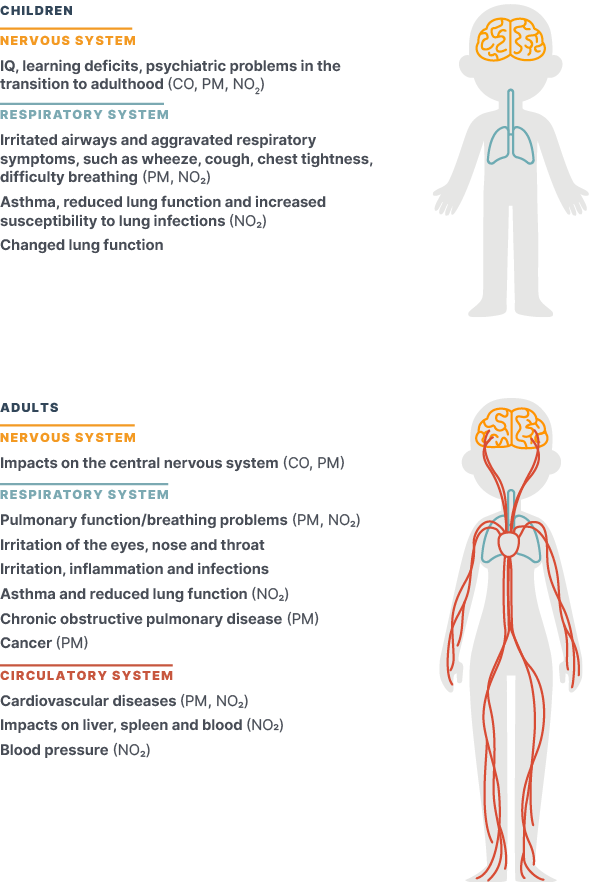
When in use, gas hobs and ovens emit carbon monoxide, carbon dioxide (CO₂), and nitrogen dioxide (NO₂) which can linger indoors for hours after use. Research indicates exposure to high levels of outdoor air pollution can cause strokes, heart disease, lung cancer, and both chronic and acute respiratory diseases, including asthma.
The economic and welfare burden of air pollution is significant. CLASP estimates that indoor air pollution from gas cooking costs the UK around £1.4 billion annually in healthcare costs, including lower life expectancy, illnesses, greater healthcare expenditure, and lower productivity. There is also growing evidence that links combustion-related air pollution with adverse effects on brain development in young children.
While the health risks of air pollution have been widely explored and publicised, the relationship between cooking on gas and indoor air quality are yet to receive the same level of public awareness.
The study determined that this is a significant but solvable public health and environmental problem, and that the UK Government has a policy opportunity to transition to cleaner alternatives but is failing to act.
Gas cooking undermines UK targets to become a climate-neutral economy by 2050. As a fossil fuel, burning gas when cooking emits both CO₂ and unburned methane, two potent greenhouse gases. With around 54% of UK households cooking on gas, cooking alone accounts for roughly 2% of total UK carbon emissions. Even when switched off, gas hobs leak methane. Methane is the main component of fossil gas used for cooking and when leaked, it can warm the Earth more than 80 times as much as the same amount of CO₂ over a 20-year period.
While boilers sold in the UK have set NO₂ emission limits, and incentives are available to upgrade to more efficient and climate-friendly heat pumps, no such policies exist for cooking appliances.
CLASP and partners are calling for the UK Government to:
- Adopt laws to protect consumers by setting limits on pollution emissions from gas cooking appliances and ensure that hobs and ovens are efficient.
- Provide a new Energy Label to enable people to directly compare the efficiency and emissions of gas and electric cooking appliances.
- Accelerate the transition to cleaner electric cooking by coupling incentives for heating and home upgrades with electric cooking appliances.
The report also provides guidance to individuals on ways to mitigate the impact of gas cooking.
Recommendations include:
- Make the switch from gas to electric cooking when and where possible, including using small plug-in appliances if they cannot upgrade to electric hobs and ovens.
- Properly ventilate kitchens when cooking, preferably with a functioning range hood that is vented to the outside, by mechanical ventilation, or by opening windows while cooking.
- Install a low-concentration carbon monoxide detector in the kitchen and get an annual gas safety check on gas hobs and ovens.
Professor Frank Kelly, Imperial College London, said: “Cooking on gas adds to the health burden of indoor air pollution, emitting harmful pollutants such as NO₂ that can impact virtually the entire human body. Removing one of the key pollutant sources — gas cookers — from our homes will help create a healthier lived environment and mitigate potential risks to public health.”
Professor Prashant Kumar, founding Director of the University of Surrey’s Global Centre for Clean Air Research (GCARE), said: “Air pollution impacts everyone but is most harmful for vulnerable populations that include babies and children whose immune systems are still developing. The research from CLASP and TNO is consistent with our findings that gas cooking negatively impacts in-kitchen air quality. Electric cooking is the best solution available in the UK to reduce exposure to harmful pollutants released every time we turn on the gas stove.”
Christine Egan, CLASP CEO, said: “Few people are aware of the harmful risks posed by gas cooking appliances. Electric appliances significantly reduce exposure risks, but there is no mechanism for buyers to compare the efficiency, performance or safety of gas versus electric hobs or ovens. There is an opportunity to transition to cleaner electrical cooking options that are already affordable and readily available across the UK.”
Larissa Lockwood, Director of Clean Air, Global Action Plan, said: “It is a myth that gas is ‘natural’ or ‘clean.’ Shamefully, the gas industry has invested heavily in positioning gas as a safe and preferred cooking option. In part because of these efforts, people are genuinely unaware of the health and environmental risks posed by gas cooking, which are well documented through decades of research.
However, in a cost-of-living crisis it is not realistic to put the onus on the individual to foot the bill of swapping to an electric oven – we need government intervention. Helping UK homes to transition to cleaner, electric alternatives would be an open goal for the Government to hit a triple-win on air pollution, health and climate goals.”
Contacts
CLASP Europe Director Nicole Kearney (EN) +44 75 4486 5924
CLASP Communications Manager Hannah Blair (EN) +1 225 239 9014
2. 3. ACE-TAF, Best Practices and Challenges in implementation of E-Waste Policy and Regulatory Framework in Rwanda, 2021.
4. https://www.pmujjwalayojana.com/
5. https://www.ceew.in/sites/default/files/CEEW%20-%20Roadmap%20for%20Access%20to%20Clean%20Cooking%20Energy%20in%20India%20-%20Report%20%2031Oct19-min.pdf
The Public Health & Environmental Impacts of Cooking with Gas
Cooking on gas adds to the health burden of indoor air pollution, emitting harmful pollutants such as NO₂ that can impact virtually the entire human body. Removing one of the key pollutant sources — gas cookers — from our homes will help create a healthier lived environment and mitigate potential risks to public health.Professor Frank Kelly
Imperial College London
Cooking with gas releases hazardous air pollutants into our homes. Over 36 million people in the UK cook with gas appliances and may be exposed to levels of indoor air pollution that would violate UK outdoor air pollution regulations. When in use, gas hobs and ovens emit carbon monoxide (CO), carbon dioxide (CO₂), and nitrogen dioxide (NO₂) which can linger indoors after use. Research indicates an association between NO₂ exposure and the development of asthma in children. Gas cooking appliances also leak unburned methane, a potent greenhouse gas.
With new research, this report:
- Synthesises the health risks of cooking with gas
- Quantifies the societal cost to the UK
- Identifies how gas cooking undermines UK Government environmental, climate and electrification efforts
- Shares results from a survey of 2000 UK households on their perspectives and awareness of the health risks of gas cooking
- Provides guidance on how to improve air quality in homes that use gas hobs or ovens
- Offers insights on the shortcomings of hydrogen as a cooking fuel
- Gives actionable policy solutions to phase out gas cooking appliances in the UK, in favour of electric alternatives
CLASP and TNO are currently conducting household field studies in the UK to validate the findings in this study. The report will be launched towards the end of 2023.
Visit our Cook Cleaner Europe page to view the TNO reports and additional resources.
2. 3. ACE-TAF, Best Practices and Challenges in implementation of E-Waste Policy and Regulatory Framework in Rwanda, 2021.
4. https://www.pmujjwalayojana.com/
5. https://www.ceew.in/sites/default/files/CEEW%20-%20Roadmap%20for%20Access%20to%20Clean%20Cooking%20Energy%20in%20India%20-%20Report%20%2031Oct19-min.pdf
Guarding Against Low-Efficiency Appliances in East & Southern Africa
Across East and Southern Africa, households and businesses face increasingly frequent blackouts and rising electricity costs due to overburdened national grids. In an effort to lower energy demand, governments are implementing regulations to increase appliance efficiency levels, but face challenges ensuring products entering the market are compliant. Through UNIDO’s EELA project, CLASP is building compliance capacity throughout these regions.
Efficiency policies are limited without proper compliance
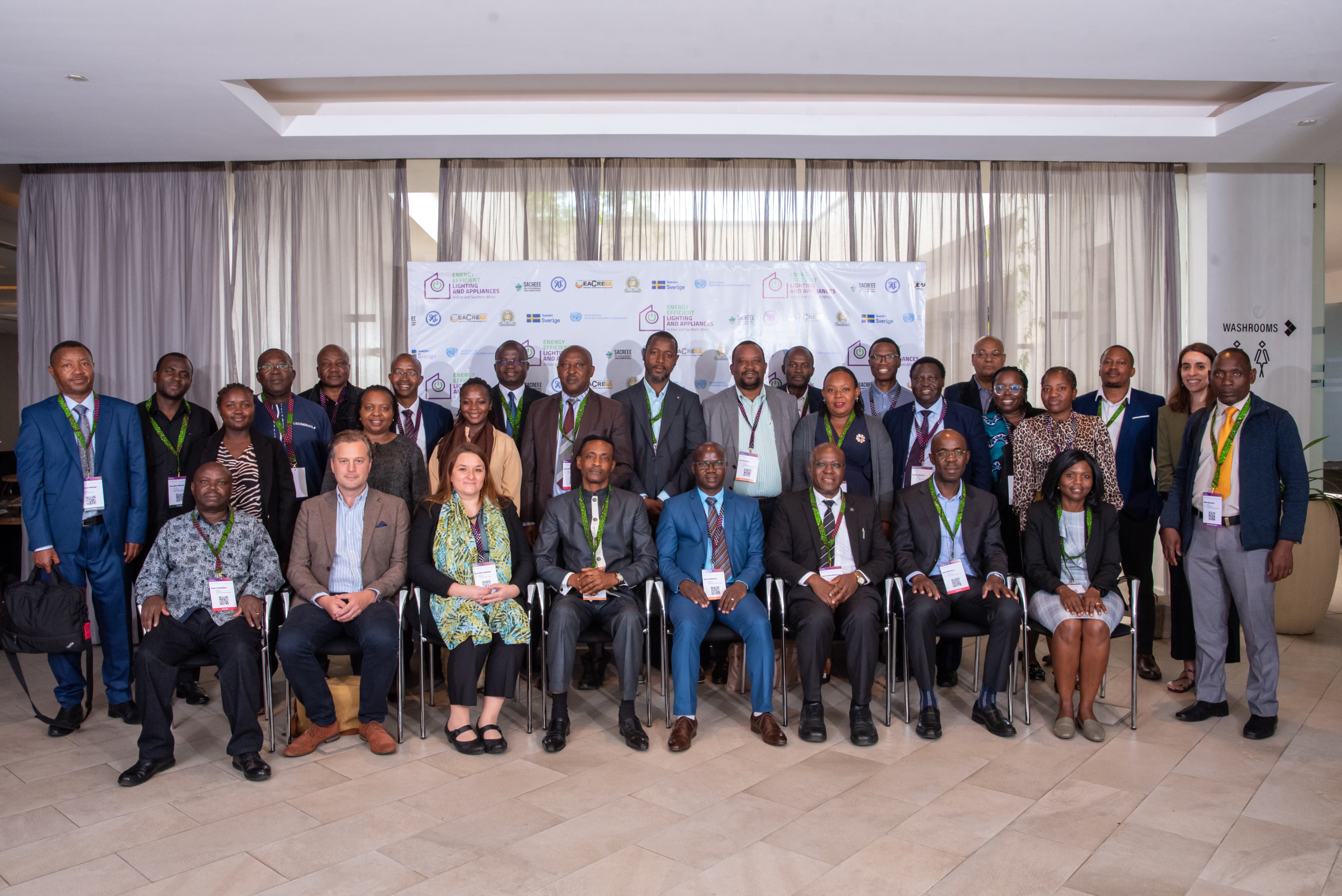
In March, CLASP joined the UNIDO Energy Efficiency Lighting & Appliances (EELA) Annual Stakeholder Forum as a technical partner, offering a workshop on compliance and joining panels on productive use and policy interventions. Most countries in East and Southern Africa are still adopting minimum energy performance standards (MEPS) and developing compliance frameworks to ensure appliances entering their markets meet the MEPS.
At the Forum, Angellah Wekongo led a training on Conformity Assessments – a mechanism to protect markets at the point of entry. The Assessment involves evaluating products before market entry through product testing, certification, and registration, to check that they comply with national requirements. In addition to ensuring compliance of appliances placed on the market, a robust conformity assessment can save costs on market surveillance and provide insights into the performance of appliances on the market.
Adopting a regionally harmonized framework
“A highlight of the meeting was voting on the adoption of the EAC/SADC region Compliance Framework that was developed by CLASP. The goal of the framework is to enable member states to effectively implement regionally harmonized energy efficiency policy measures and ultimately protect markets from non-compliant and low-quality products.” – Angellah Wekongo
The Framework objectives are to:
- Increase the efficiency of compliance efforts throughout the two regions;
- Establish appropriate communication channels and collaboration between the national compliance authorities through regional centers to share compliance intelligence and resources;
- Establish a regional product registration system;
- Ensure adequate and accessed-by-all testing capacity in the regions;
- Develop common practices and methodologies, and support alignment of national compliance regulations to the extent possible;
- and foster gender equality and women’s empowerment.
All 21 SADC countries voted in favor of the Framework, and five of the six EAC countries also voted in favor. South Sudan abstained as they had yet to read the framework.
CLASP focuses on policy & productive use appliance market opportunity
In addition to her work on compliance, Wekongo participated in a policy session about the legal, policy, and regulatory environment for energy efficient lighting and appliances. The session also shared experiences on how local markets have benefitted from harmonization of EELA policies and compliance efforts in the region.
Sam Grant, CLASP’s Director of Clean Energy Access, also moderated a session on productive use appliances to address the challenges and opportunities for market growth in the region.
To learn more about this event, visit SACREEE’s website.
2. 3. ACE-TAF, Best Practices and Challenges in implementation of E-Waste Policy and Regulatory Framework in Rwanda, 2021.
4. https://www.pmujjwalayojana.com/
5. https://www.ceew.in/sites/default/files/CEEW%20-%20Roadmap%20for%20Access%20to%20Clean%20Cooking%20Energy%20in%20India%20-%20Report%20%2031Oct19-min.pdf
Africa Region Galvanizes Efforts to End Mercury Lighting
Download the press release here.
WASHINGTON/BRUSSELS (3 May 2023) – The Zero Mercury Working Group and the Clean Lighting Coalition commend the Africa Region for proposing an amendment to phase out all the remaining fluorescent lamps at the Fifth meeting of the Conference of the Parties (COP 5) of the Minamata Convention on Mercury in Geneva.
This amendment complements the unanimous decision at Minamata COP4 to phase out compact fluorescent lamps (CLFs) by 2025. If adopted in November, the COP5 Amendment will effectively end the manufacture and trade of all fluorescent bulbs globally by 2026.
Phasing out the proposed categories of fluorescent lamps in the timeline proposed in the amendment will cumulatively:
- avoid 3.00 gigatonnes of carbon dioxide;
- save US $1.26 trillion in electricity costs, and;
- prevent 176 metric tonnes of mercury pollution – including both mercury used in lamps, and the mercury emissions from coal-fired power plants that would be avoided through lower electricity use for lighting.
“The COP5 African Lighting Amendment is the most effective strategy we have to limiting the dangerous health and environmental impacts of mercury-containing fluorescent lighting,” said Elena Lymberidi-Settimo, International Co-coordinator of the Zero Mercury Working Group. “The Africa region, and most regions around the world, do not have the recycling capacity and resources to properly manage the mercury contents of end-of-life fluorescent bulbs. Widely available LED alternatives mean these exemptions are no longer necessary – there is no justifiable reason to continue manufacturing, importing or exporting harmful fluorescent technologies.”
All fluorescent lamps contain mercury, a neurotoxin that can cause harmful and long-term health effects. Mercury is on the World Health Organization’s list of the 10 chemicals or groups of chemicals of major public health concern, as it affects the nervous, digestive and immune system. Pregnant people and children are at heightened risk for these health impacts.
When a fluorescent lamp is broken or improperly disposed of, the mercury from the lamp contaminates the atmosphere, land and water – posing a risk to workers and the local environment.
“We applaud the Africa Region for their continued leadership in the transition to more efficient mercury-free lighting,” said Rachel Kamande, Campaign Lead of the Clean Lighting Coalition. “The economic case to phase-out fluorescent lamps is even stronger today because the mercury-free LEDs have become less expensive and energy prices have increased leading to even shorter payback periods.”
LEDs are the most efficient lighting option on today’s market, consuming only half as much energy as fluorescent bulbs and have a lifespan up to three times longer. Due to the reduced energy demand, LEDs bulbs ease strain on the electric grid and have a rapid payback period for consumers. LED retrofits for fluorescents are widely available around the globe, with lamps to fit nearly every need and ballast.
Although some of the world’s largest lighting manufacturers already have plans to fully transition to LEDs in the next decade, many continue to export fluorescents – often to less regulated markets. The Africa region’s Amendment will prime the global LED market for an equitable and economically beneficial transition away from toxic lighting.
###
About the Clean Lighting Coalition: The Clean Lighting Coalition is a global partnership to capture the health and environmental benefits of eliminating mercury-based lighting. www.cleanlightingcoalition.org
About The Zero Mercury Working Group: The Zero Mercury Working Group is a coalition of more than 110 environmental and health non-governmental organizations from over 55 countries, which strives for zero supply, demand, and emissions of mercury from anthropogenic sources. www.zeromercury.org
PRESS CONTACTS
Washington, DC: Ana Maria Carreño, Director, Clean Lighting Coalition
acarreno@clasp.ngo | Phone/WhatsApp: +1 202 999 2886
Washington, DC: Alexia Ross, Strategic Communications Associate, Clean Lighting Coalition
aross@clasp.ngo | Phone/WhatsApp: +1 339 222 4311
Brussels: Elena Lymberidi-Settimo
International Co-coordinator Zero Mercury Working Group & Policy Manager, European Environmental Bureau
elena.lymberidi@eeb.org | Phone/WhatsApp: +32 496 532818
2. 3. ACE-TAF, Best Practices and Challenges in implementation of E-Waste Policy and Regulatory Framework in Rwanda, 2021.
4. https://www.pmujjwalayojana.com/
5. https://www.ceew.in/sites/default/files/CEEW%20-%20Roadmap%20for%20Access%20to%20Clean%20Cooking%20Energy%20in%20India%20-%20Report%20%2031Oct19-min.pdf