
International Clean Air Day: 6 Tips to Reduce Air Pollution in Your Kitchen
Did you know indoor air pollution levels can often be higher than the outdoors? Kitchens contain sources of air pollution that impact our health and the environment. To mark this International Day of Clean Air for blue skies, here are some tips that will help you reduce air pollution and breathe new life into your cooking haven.

1. Embrace electrification
Electrification is a game-changer when it comes to reducing levels of indoor air pollutants.
- Use electric or induction cooktops instead of gas burners to reduce indoor air pollution.
- Choose electric appliances instead of gas hobs and ovens, such as microwaves, kettles, air fryers and toasters, whenever possible.
2. Vigorously ventilate
Effective ventilation is essential to reduce indoor air pollution.
- If you can, open the windows when cooking.
- Turn on your ventilation hood, if you have one, when preparing meals, and keep it running for several minutes after cooking.
3. Cook cleverly
Minimise cooking emissions through healthy cooking practices.
- Avoid overheating oils and fats, which can release harmful fumes. Choose oils with higher smoke points.
- Opt for cooking methods that produce fewer emissions, such as baking, steaming or microwaving. These methods generate less fumes compared to deep-frying or grilling, for example.
4. Master maintenance
Regularly clean and maintain kitchen appliances to prevent the build-up of pollutants and cooking residue that can emit harmful particles when heated.
- Clean kitchen surfaces and appliances with eco-friendly, non-toxic cleaners. Opt for products that do not contain irritants, flammable components and fragrances.
- Fix leaky faucets and pipes to prevent moisture-related air pollution.
- Keep your kitchen well-ventilated during and after cleaning and open any doors and windows.
5. Purify perfectly
If you are looking to improve indoor air quality, there are options to explore.
- Air purifiers can help reduce fine particles and pollutants produced during cooking.
6. Monitor air quality
Indoor air quality is closely linked to outdoor conditions, so keep an eye on the air quality in your area. Different technologies can help you monitor the air quality of your kitchen:
- Smoke detectors are becoming more sophisticated and detect not only smoke, but can also detect specific pollutants, such as carbon monoxide (CO), carbon dioxide (CO2), nitrogen dioxide (NO2) and particulate matter (PM), to name a few.
- If you already have a smoke detector that does not monitor pollutants, think of using an indoor air quality monitor or sensor that can empower you to proactively address air quality concerns.
If you or someone in your household is experiencing health symptoms that might be linked to indoor air pollutants, it is important to consult a healthcare professional.
The EU Paves the Way for Greener Mobile Devices
Brussels, 4 September 2023 – The European Commission takes a major step to lower the environmental impact of smartphones and tablets. The new rules will decrease costs for consumers, mitigate carbon emissions and reduce the use of critical raw materials used in these devices.
Resource and Energy Efficiency Unite
From June 2025, in line with the new Ecodesign and Energy Labelling regulations, smartphones and tablets entering the EU market will be required to meet minimum requirements and provide information on product energy efficiency, ease of repair, battery lifespan, resilience against dust and water, as well as resistance to accidental drops. The Energy Labelling Regulation introduces a requirement for mobile devices to display the A-G energy class rating, as well as a score for each aforementioned aspect. Further product information will be accessible through the European Product Registry for Energy Labelling (EPREL).
The European Commission said, “These measures help to make the EU’s economy more circular, save energy, cut our carbon footprint, support circular business models and deliver the benefits of the European Green Deal for consumers. Mobile phones and tablets produced according to these rules will save almost 14 terawatt hours in primary energy each year by 2030. This is one third of the primary energy consumption of these products today.”
The combined impact of the Ecodesign and Energy Labelling regulations is estimated to reduce purchase, repair, maintenance and energy-related costs for consumers by 25%, while mitigating 53 megatons of carbon dioxide emissions by 2040. They also aim to decrease the use of new materials for production by 35%, along with a 22% reduction in the use of critical raw materials.
CLASP Research Empowers Repair and Sustainability
CLASP, along with Right to Repair Europe, played an instrumental role in shaping the Ecodesign Regulation. Their research highlighted the challenges EU citizens face in repairing their devices, due to limited options imposed by Original Equipment Manufacturers (OEMs) that only offer repairs for specific key parts.
CLASP found that limited repair options drive consumers to purchase new smartphones and tablets. This ultimately shortens the lifespan of devices and contributes to increased electronic waste, which threatens the repair ecosystem and undermines resource efficiency goals. Following our recommendations, the Ecodesign Regulation comprehensively addresses factors that limit product lifespans and hinder recycling. It ensures the accessibility of spare parts, encourages ease of repair, enhances reliability and promotes second-hand markets.
Nicole Kearney, CLASP Europe Director, states “The European Commission has demonstrated an exemplary focus on prioritizing circularity and the consumer’s right to repair. Ensuring Europeans can more easily repair, rather than replace, their smartphones and tablets, will help reduce e-waste, carbon emissions, as well as costs for consumers.”
Towards a circular electronics revolution
The EU’s leadership on resource and energy efficiency for smartphones sets the precedent for other regions and countries to adopt similar regulations and has the potential to create a ripple effect of positive change. The Ecodesign and Energy Labelling regulations enable a repair over a replace economy, requiring the electronic appliance industry to prioritize product durability and circular economy principles. This framework demonstrates the regulatory capacity to revolutionize the industry, fostering innovation, efficient resource utilization and environmental awareness.
Next steps
The new Ecodesign and Energy Labelling rules were published in the EU Official Journal on 31 August 2023 and will become fully applicable on 20 June 2025. This period offers stakeholders the opportunity to adjust and comply with the new regulations.
For media inquiries and more information, please contact
Païline Caroni
Communications – CLASP Europe
About CLASP:
CLASP is an international nonprofit leading the research and promotion of appliance efficiency and energy access to improve the lives of people and the planet. CLASP works to combat climate change and drive the transition to a more energy-efficient and just future where no one is left behind. Headquartered in Washington DC, and based in Beijing, Brussels, Dehli, Jakarta and Nairobi, CLASP works with governments, appliance manufacturers and partners to advance positive change on a global scale.
China’s Circular Economy Push
Following China’s policy efforts to increase circular economy (CE) principles domestically, CLASP’s China program will integrate CE into project plans for 2023-2024. Initially, CLASP may support the phase out mercury-containing fluorescent lamps and promote environmentally-friendly refrigerants. This move will strengthen CE policy both in the country and surrounding region, as China is a key manufacturer and exporter of most appliances and energy-using equipment.
“This is a practical guidance for all industry stakeholders. It helps manufacturers to enhance manufacturing capacity for energy-efficient products and collaborate with waste management facilities to grow demand in the waste appliance recycling market. Consumers will also be supported to exchange their appliances for more efficient models.”
– Mr. Pengcheng Li, CNIS Chief Analyst
Chinese policymaker interest in circular economy has grown steadily since the 2009 passage of the Circular Economy Promotion Law of People’s Republic of China. This new policy, titled Guiding Opinions on Coordinating Energy Conservation, Acceleration and the Renovation and Upgrade of Products and Equipment in Key Areas, integrates CE strategies with existing work to promote energy-efficient appliances. The overarching goal is to further the market share of high-efficiency appliances and equipment.
To manage the influx of older and less-efficient models that will be swapped for more efficient alternatives, the government is creating mandated recycling streams and requiring safe and environmentally sound disposal of associated HCFCs and HFCs (ozone-depleting refrigerants used in many appliances). Researchers and industries see this policy as a stimulus for an improved economic system of recycling, resource utilization, clean and low carbon production to help establish circular economy in the appliance sector by 2025.
“We are confident that this policy will help China to cut energy consumption intensity by 13.5% per GDP and to honor international agreement such as Kigali Amendment and the Minamata Convention on Mercury”.
– Steven Zeng, CLASP China Program Lead
Scaling Adoption of Efficient Induction Cookstoves in India
Achieving universal access to clean cooking is one of the most significant developmental challenges in India. Heavy reliance on inexpensive and unclean solid fuels such as firewood, dried biomass, cow dung, and coal for cooking exposes millions of Indians to hazardous air pollution, resulting in significant health consequences. According to the National Family Health Survey 5, 41% of households (predominantly in rural India) use solid fuels for cooking. Several studies have indicated that biomass fuel burning for cooking accounts for approximately 40% of India’s air pollution and causes around 800,000 premature deaths annually in the country.1 This poses a considerable risk factor for respiratory diseases, particularly affecting women and children. It also directly contributes to deforestation and greenhouse gas (GHG) emissions, particularly black carbon emissions.
Access to clean cooking energy is a crucial aspect of India’s energy transition journey. It is also an issue of gender equality and inclusivity, as women and girls, who often bear the burden of cooking and fuel collection, are disproportionately affected. Clean cooking solutions not only reduce drudgery and improve their environment but also promote women’s empowerment by freeing up time for education and economic activities — ultimately contributing to a shift in gender roles. These efforts align with a few Sustainable Development Goals, specifically Goal 5 on gender equality and Goal 7 on affordable and clean energy.
Recognizing the health, economic, and environmental benefits of clean cooking, the Government of India (GoI) has prioritized policies that promote cleaner cooking fuels. Notably, the Pradhan Mantri Ujjwala Yojana (PMUY) initiative is aiming to expand the coverage of Liquefied Petroleum Gas (LPG) as a cleaner and more efficient cooking fuel, with a focus on economically weaker families. The scheme has already provided over 70 million LPG connections to date.2 India also has a history of experimenting with smokeless cookstoves, with varying degrees of success.
Undoubtedly, the next significant step in India’s cooking transition will revolve around the electrification of cooking. This becomes particularly relevant with the GoI’s achievement of almost 100% household electrification through the Saubhagya initiative and the substantial growth of renewable energy capacity. In line with this, the Ministry of Power launched the “Go Electric” campaign in 2021, aiming to create mass awareness and encourage the adoption of electric cooking appliances and vehicles. Similarly, the Ministry of Petroleum and Natural Gas (MoPNG), through its agencies, has been promoting research and development of solar cooking systems to reduce dependence on fossil fuel imports.
In 2023, Prime Minister Modi launched a solar-powered indoor cooking system, emphasizing the importance of green and clean cooking in India.
Amongst the various technological options for electric cooking, induction cookstoves have the potential to bring about a paradigm shift and emerge as the ideal choice for clean, energy-efficient cooking in India. In addition to being cleaner and safer, induction cookstoves are easy to operate and resilient. Even under the “ambitious scenario” of NITI Aayog’s India Energy Security Scenario Building Tool, only 14% of rural households will use electricity for cooking by 2047.3 Therefore, marquee policy and market transformation initiatives will be necessary to transition households from fossil fuels and traditional cooking sources to induction cooking.
Recognizing the importance of induction cookstoves for achieving clean cooking, CLASP has supported Bureau of Energy Efficiency in developing an energy efficiency labeling program for induction cookstoves, which was launched in March 2023.
The market size of induction cookstoves in the 2018–2019 fiscal year was estimated to be 4 million units, with reported sales increasing at a compound annual growth rate (CAGR) of 10% from 2014 to 2019. However, despite this figure, only around 5% of the households own electric cooking appliances — of which, only half of those households use it daily. With the introduction of energy efficiency policies for induction cookstoves, there is now a need to promote adoption through awareness-building and user-centric programs.
To encourage the use of efficient and affordable induction cookstoves, a comprehensive feasibility assessment is required. This assessment should analyze the environmental, health, and economic impacts of transitioning to induction cooking. India has a strong track record of designing and implementing user-centric energy efficiency programs such as Bachat Lamp Yojana and LED market transformation. A demand aggregation program in collaboration with an electric utility or oil company has the potential to provide affordable induction cookstoves to consumers. Such a program can also offer cost-effective cooking solutions and consumer financing, making the transition more accessible. Additionally, it can play a crucial role in generating mass awareness and promoting widespread adoption of induction cookstoves.
This article was adapted into a blog for the Times of India.
1. https://www.pmujjwalayojana.com/
2. https://www.ceew.in/sites/default/files/CEEW%20-%20Roadmap%20for%20Access%20to%20Clean%20Cooking%20Energy%20in%20India%20-%20Report%20%2031Oct19-min.pdf
UK policies do not protect the public from the impacts of gas cooking
This press release was originally posted by Global Action Plan.
A new study by CLASP, with technical input by the Netherlands Organisation for Applied Scientific Research (TNO), suggests based on simulations that cooking with gas in a home kitchen without ventilation emits levels of air pollution that exceed World Health Organisation air quality guidelines and outdoor UK air pollution standards. More than half of UK homes cook with gas, equating to over 36 million people in the UK that may be exposed to levels of air pollution that violate UK outdoor regulations. TNO is currently carrying out a field study in the UK to validate the simulation results.
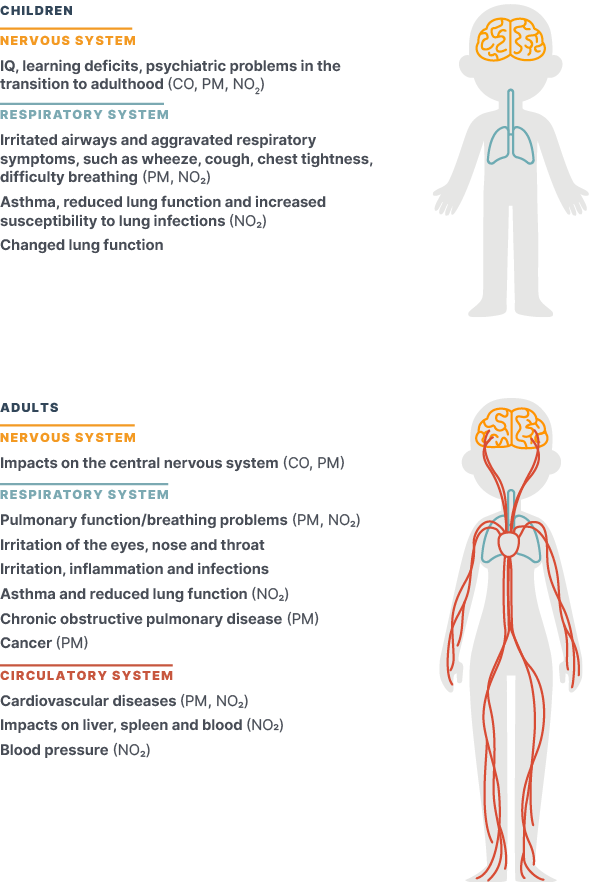
When in use, gas hobs and ovens emit carbon monoxide, carbon dioxide (CO₂), and nitrogen dioxide (NO₂) which can linger indoors for hours after use. Research indicates exposure to high levels of outdoor air pollution can cause strokes, heart disease, lung cancer, and both chronic and acute respiratory diseases, including asthma.
The economic and welfare burden of air pollution is significant. CLASP estimates that indoor air pollution from gas cooking costs the UK around £1.4 billion annually in healthcare costs, including lower life expectancy, illnesses, greater healthcare expenditure, and lower productivity. There is also growing evidence that links combustion-related air pollution with adverse effects on brain development in young children.
While the health risks of air pollution have been widely explored and publicised, the relationship between cooking on gas and indoor air quality are yet to receive the same level of public awareness.
The study determined that this is a significant but solvable public health and environmental problem, and that the UK Government has a policy opportunity to transition to cleaner alternatives but is failing to act.
Gas cooking undermines UK targets to become a climate-neutral economy by 2050. As a fossil fuel, burning gas when cooking emits both CO₂ and unburned methane, two potent greenhouse gases. With around 54% of UK households cooking on gas, cooking alone accounts for roughly 2% of total UK carbon emissions. Even when switched off, gas hobs leak methane. Methane is the main component of fossil gas used for cooking and when leaked, it can warm the Earth more than 80 times as much as the same amount of CO₂ over a 20-year period.
While boilers sold in the UK have set NO₂ emission limits, and incentives are available to upgrade to more efficient and climate-friendly heat pumps, no such policies exist for cooking appliances.
CLASP and partners are calling for the UK Government to:
- Adopt laws to protect consumers by setting limits on pollution emissions from gas cooking appliances and ensure that hobs and ovens are efficient.
- Provide a new Energy Label to enable people to directly compare the efficiency and emissions of gas and electric cooking appliances.
- Accelerate the transition to cleaner electric cooking by coupling incentives for heating and home upgrades with electric cooking appliances.
The report also provides guidance to individuals on ways to mitigate the impact of gas cooking.
Recommendations include:
- Make the switch from gas to electric cooking when and where possible, including using small plug-in appliances if they cannot upgrade to electric hobs and ovens.
- Properly ventilate kitchens when cooking, preferably with a functioning range hood that is vented to the outside, by mechanical ventilation, or by opening windows while cooking.
- Install a low-concentration carbon monoxide detector in the kitchen and get an annual gas safety check on gas hobs and ovens.
Professor Frank Kelly, Imperial College London, said: “Cooking on gas adds to the health burden of indoor air pollution, emitting harmful pollutants such as NO₂ that can impact virtually the entire human body. Removing one of the key pollutant sources — gas cookers — from our homes will help create a healthier lived environment and mitigate potential risks to public health.”
Professor Prashant Kumar, founding Director of the University of Surrey’s Global Centre for Clean Air Research (GCARE), said: “Air pollution impacts everyone but is most harmful for vulnerable populations that include babies and children whose immune systems are still developing. The research from CLASP and TNO is consistent with our findings that gas cooking negatively impacts in-kitchen air quality. Electric cooking is the best solution available in the UK to reduce exposure to harmful pollutants released every time we turn on the gas stove.”
Christine Egan, CLASP CEO, said: “Few people are aware of the harmful risks posed by gas cooking appliances. Electric appliances significantly reduce exposure risks, but there is no mechanism for buyers to compare the efficiency, performance or safety of gas versus electric hobs or ovens. There is an opportunity to transition to cleaner electrical cooking options that are already affordable and readily available across the UK.”
Larissa Lockwood, Director of Clean Air, Global Action Plan, said: “It is a myth that gas is ‘natural’ or ‘clean.’ Shamefully, the gas industry has invested heavily in positioning gas as a safe and preferred cooking option. In part because of these efforts, people are genuinely unaware of the health and environmental risks posed by gas cooking, which are well documented through decades of research.
However, in a cost-of-living crisis it is not realistic to put the onus on the individual to foot the bill of swapping to an electric oven – we need government intervention. Helping UK homes to transition to cleaner, electric alternatives would be an open goal for the Government to hit a triple-win on air pollution, health and climate goals.”
Contacts
CLASP Europe Director Nicole Kearney (EN) +44 75 4486 5924
CLASP Communications Manager Hannah Blair (EN) +1 225 239 9014
1. https://www.pmujjwalayojana.com/
2. https://www.ceew.in/sites/default/files/CEEW%20-%20Roadmap%20for%20Access%20to%20Clean%20Cooking%20Energy%20in%20India%20-%20Report%20%2031Oct19-min.pdf
The Public Health & Environmental Impacts of Cooking with Gas
Cooking on gas adds to the health burden of indoor air pollution, emitting harmful pollutants such as NO₂ that can impact virtually the entire human body. Removing one of the key pollutant sources — gas cookers — from our homes will help create a healthier lived environment and mitigate potential risks to public health.Professor Frank Kelly
Imperial College London
Cooking with gas releases hazardous air pollutants into our homes. Over 36 million people in the UK cook with gas appliances and may be exposed to levels of indoor air pollution that would violate UK outdoor air pollution regulations. When in use, gas hobs and ovens emit carbon monoxide (CO), carbon dioxide (CO₂), and nitrogen dioxide (NO₂) which can linger indoors after use. Research indicates an association between NO₂ exposure and the development of asthma in children. Gas cooking appliances also leak unburned methane, a potent greenhouse gas.
With new research, this report:
- Synthesises the health risks of cooking with gas
- Quantifies the societal cost to the UK
- Identifies how gas cooking undermines UK Government environmental, climate and electrification efforts
- Shares results from a survey of 2000 UK households on their perspectives and awareness of the health risks of gas cooking
- Provides guidance on how to improve air quality in homes that use gas hobs or ovens
- Offers insights on the shortcomings of hydrogen as a cooking fuel
- Gives actionable policy solutions to phase out gas cooking appliances in the UK, in favour of electric alternatives
CLASP and TNO are currently conducting household field studies in the UK to validate the findings in this study. The report will be launched towards the end of 2023.
Visit our Cook Cleaner Europe page to view the TNO reports and additional resources.
1. https://www.pmujjwalayojana.com/
2. https://www.ceew.in/sites/default/files/CEEW%20-%20Roadmap%20for%20Access%20to%20Clean%20Cooking%20Energy%20in%20India%20-%20Report%20%2031Oct19-min.pdf
Guarding Against Low-Efficiency Appliances in East & Southern Africa
Across East and Southern Africa, households and businesses face increasingly frequent blackouts and rising electricity costs due to overburdened national grids. In an effort to lower energy demand, governments are implementing regulations to increase appliance efficiency levels, but face challenges ensuring products entering the market are compliant. Through UNIDO’s EELA project, CLASP is building compliance capacity throughout these regions.
Efficiency policies are limited without proper compliance
In March, CLASP joined the UNIDO Energy Efficiency Lighting & Appliances (EELA) Annual Stakeholder Forum as a technical partner, offering a workshop on compliance and joining panels on productive use and policy interventions. Most countries in East and Southern Africa are still adopting minimum energy performance standards (MEPS) and developing compliance frameworks to ensure appliances entering their markets meet the MEPS.
At the Forum, Angellah Wekongo led a training on Conformity Assessments – a mechanism to protect markets at the point of entry. The Assessment involves evaluating products before market entry through product testing, certification, and registration, to check that they comply with national requirements. In addition to ensuring compliance of appliances placed on the market, a robust conformity assessment can save costs on market surveillance and provide insights into the performance of appliances on the market.

Adopting a regionally harmonized framework
“A highlight of the meeting was voting on the adoption of the EAC/SADC region Compliance Framework that was developed by CLASP. The goal of the framework is to enable member states to effectively implement regionally harmonized energy efficiency policy measures and ultimately protect markets from non-compliant and low-quality products.” – Angellah Wekongo
The Framework objectives are to:
- Increase the efficiency of compliance efforts throughout the two regions;
- Establish appropriate communication channels and collaboration between the national compliance authorities through regional centers to share compliance intelligence and resources;
- Establish a regional product registration system;
- Ensure adequate and accessed-by-all testing capacity in the regions;
- Develop common practices and methodologies, and support alignment of national compliance regulations to the extent possible;
- and foster gender equality and women’s empowerment.
All 21 SADC countries voted in favor of the Framework, and five of the six EAC countries also voted in favor. South Sudan abstained as they had yet to read the framework.
CLASP focuses on policy & productive use appliance market opportunity
In addition to her work on compliance, Wekongo participated in a policy session about the legal, policy, and regulatory environment for energy efficient lighting and appliances. The session also shared experiences on how local markets have benefitted from harmonization of EELA policies and compliance efforts in the region.
Sam Grant, CLASP’s Director of Clean Energy Access, also moderated a session on productive use appliances to address the challenges and opportunities for market growth in the region.
To learn more about this event, visit SACREEE’s website.
1. https://www.pmujjwalayojana.com/
2. https://www.ceew.in/sites/default/files/CEEW%20-%20Roadmap%20for%20Access%20to%20Clean%20Cooking%20Energy%20in%20India%20-%20Report%20%2031Oct19-min.pdf
Africa Region Galvanizes Efforts to End Mercury Lighting
Download the press release here.
WASHINGTON/BRUSSELS (3 May 2023) – The Zero Mercury Working Group and the Clean Lighting Coalition commend the Africa Region for proposing an amendment to phase out all the remaining fluorescent lamps at the Fifth meeting of the Conference of the Parties (COP 5) of the Minamata Convention on Mercury in Geneva.
This amendment complements the unanimous decision at Minamata COP4 to phase out compact fluorescent lamps (CLFs) by 2025. If adopted in November, the COP5 Amendment will effectively end the manufacture and trade of all fluorescent bulbs globally by 2026.
Phasing out the proposed categories of fluorescent lamps in the timeline proposed in the amendment will cumulatively:
- avoid 3.00 gigatonnes of carbon dioxide;
- save US $1.26 trillion in electricity costs, and;
- prevent 176 metric tonnes of mercury pollution – including both mercury used in lamps, and the mercury emissions from coal-fired power plants that would be avoided through lower electricity use for lighting.
“The COP5 African Lighting Amendment is the most effective strategy we have to limiting the dangerous health and environmental impacts of mercury-containing fluorescent lighting,” said Elena Lymberidi-Settimo, International Co-coordinator of the Zero Mercury Working Group. “The Africa region, and most regions around the world, do not have the recycling capacity and resources to properly manage the mercury contents of end-of-life fluorescent bulbs. Widely available LED alternatives mean these exemptions are no longer necessary – there is no justifiable reason to continue manufacturing, importing or exporting harmful fluorescent technologies.”
All fluorescent lamps contain mercury, a neurotoxin that can cause harmful and long-term health effects. Mercury is on the World Health Organization’s list of the 10 chemicals or groups of chemicals of major public health concern, as it affects the nervous, digestive and immune system. Pregnant people and children are at heightened risk for these health impacts.
When a fluorescent lamp is broken or improperly disposed of, the mercury from the lamp contaminates the atmosphere, land and water – posing a risk to workers and the local environment.
“We applaud the Africa Region for their continued leadership in the transition to more efficient mercury-free lighting,” said Rachel Kamande, Campaign Lead of the Clean Lighting Coalition. “The economic case to phase-out fluorescent lamps is even stronger today because the mercury-free LEDs have become less expensive and energy prices have increased leading to even shorter payback periods.”
LEDs are the most efficient lighting option on today’s market, consuming only half as much energy as fluorescent bulbs and have a lifespan up to three times longer. Due to the reduced energy demand, LEDs bulbs ease strain on the electric grid and have a rapid payback period for consumers. LED retrofits for fluorescents are widely available around the globe, with lamps to fit nearly every need and ballast.
Although some of the world’s largest lighting manufacturers already have plans to fully transition to LEDs in the next decade, many continue to export fluorescents – often to less regulated markets. The Africa region’s Amendment will prime the global LED market for an equitable and economically beneficial transition away from toxic lighting.
###
About the Clean Lighting Coalition: The Clean Lighting Coalition is a global partnership to capture the health and environmental benefits of eliminating mercury-based lighting. www.cleanlightingcoalition.org
About The Zero Mercury Working Group: The Zero Mercury Working Group is a coalition of more than 110 environmental and health non-governmental organizations from over 55 countries, which strives for zero supply, demand, and emissions of mercury from anthropogenic sources. www.zeromercury.org
PRESS CONTACTS
Washington, DC: Ana Maria Carreño, Director, Clean Lighting Coalition
acarreno@clasp.ngo | Phone/WhatsApp: +1 202 999 2886
Washington, DC: Alexia Ross, Strategic Communications Associate, Clean Lighting Coalition
aross@clasp.ngo | Phone/WhatsApp: +1 339 222 4311
Brussels: Elena Lymberidi-Settimo
International Co-coordinator Zero Mercury Working Group & Policy Manager, European Environmental Bureau
elena.lymberidi@eeb.org | Phone/WhatsApp: +32 496 532818
1. https://www.pmujjwalayojana.com/
2. https://www.ceew.in/sites/default/files/CEEW%20-%20Roadmap%20for%20Access%20to%20Clean%20Cooking%20Energy%20in%20India%20-%20Report%20%2031Oct19-min.pdf
Productive Use Financing Facility Opens First Public Auction Window
Nairobi, Kenya, 12 April 2023 – Access to productive use appliances can deliver significant economic, health, education, and quality of life benefits for the approximately 600 million people across the African continent who lack access to electricity. This can also put under-electrified parts of the world on a low-carbon pathway to electrification. However, affordability remains a major barrier to access and scale. The Productive Use Financing Facility aims to help address the affordability barrier, and the current auction window will make procurement subsidies available for companies in six African countries.
Makena Ireri, Director at the Global Energy Alliance for People and Planet, said, “The Facility will help make high-quality, productive use appliances more affordable and accessible. These technologies can transform lives and livelihoods by helping to create new green energy-enabled jobs, enhance income generation for micro-enterprises and smallholder farmers, and improve the sustainability of renewable energy infrastructure projects through increased demand for electricity.”
The Facility’s initial scope includes the Democratic Republic of Congo, Ethiopia, Kenya, Nigeria, Sierra Leone, and Uganda based on growth potential and market maturity. Eligible technologies include electric pressure cookers, fans, milling, solar water pumps, refrigerators/freezers, and walk-in cold storage. All technologies must complete quality assurance testing, helping to ensure that users receive high-quality products.
Eligible distributors can also apply for capacity-building small grants to offset one-off costs associated with nascent PUA business lines, such as warehouse space, staffing, or training. The procurement subsidies and capacity-building grants will allow eligible companies to lower costs for customers while investing in long-term growth. Participating companies may also agree for the Facility to share their information with Nithio, should they wish to be considered for debt investment to help them further scale their business and reach more consumers.
Interested companies should send in their applications by the end of day on April 21, 2023. Please check out these resources to learn more about the program, including eligibility requirements of the procurement subsidy auction window and how to submit a subsidy request. For any other questions, please get in touch with financing@clasp.ngo.
About the Facility
Launched in October 2022 by CLASP and Nithio, with support from the Global Energy Alliance for People and Planet (GEAPP), the Facility supports companies in catalyzing the growth of productive use appliance markets. Facility operations will also generate a foundational data set on appliance market activity and the developmental impacts of appliances, improving our collective knowledge base on appliance performance, national markets, and consumer experience and satisfaction.
Companies can leverage the Facility to access bulk discounts on solar appliance procurement and offer products on credit to lower the cost of appliances for end-user. The Facility also provides smaller capacity-building grants and advisory support for PUA distributors to help establish credit systems and increase their investment readiness.
Facility support is intended to help companies expand their reach and cater to a broader market, helping to deliver essential technologies to more consumers in East and West Africa.
About CLASP
CLASP focuses on appliance & equipment energy performance and quality, to mitigate and adapt to climate change and expand access to clean energy. Super-efficient and high-quality appliances accelerate access to and use of renewable energy for the world’s poorest people. CLASP supports progress on the United Nations’ Sustainable Development Goal 7, affordable and sustainable energy for all. Renewable energy services like cooling, communications, and mechanization empower low-income communities and improve lives in a climate-friendly way. CLASP works globally and has teams in Washington, DC; Nairobi, Kenya; New Delhi, India; Brussels, Belgium; and Jakarta, Indonesia.
About Nithio
Nithio is an energy financing platform powered by its innovative credit risk analytics engine. Nithio leverages its deep sector expertise, geospatial data, and artificial intelligence (AI) to forecast repayment patterns by consumer segment, provide detailed insight on projected cash flows, and finance energy access technologies.
About the Global Energy Alliance for People and Planet (GEAPP)
The Global Energy Alliance for People and Planet (GEAPP) is an alliance of local entrepreneurs, governments in emerging and developed economies, and technology, policy, and financing partners. Our common mission is to support developing countries’ shift to a clean energy, pro-growth model that ensures universal energy access and unlocks a new era of inclusive economic growth, while enabling the global community to meet critical climate goals during the next decade. In doing so, as an Alliance we aim to enable 150 million new jobs, reduce 4 gigatons of future carbon emissions, and expand clean energy access to one billion people. With philanthropic partners, Bezos Earth Fund, IKEA Foundation, and The Rockefeller Foundation, GEAPP works to build the enabling environment, capacity, and market conditions for private sector solutions, catalyze new business models through innovation and entrepreneurship, and deploy high-risk capital to encourage private sector solutions, and assist just transition solutions. For more information, please visit www.energyalliance.org and follow us on Twitter at @EnergyAlliance.
Media Contact
Lisa Kahuthu, CLASP: lkahuthu@clasp.ngo
1. https://www.pmujjwalayojana.com/
2. https://www.ceew.in/sites/default/files/CEEW%20-%20Roadmap%20for%20Access%20to%20Clean%20Cooking%20Energy%20in%20India%20-%20Report%20%2031Oct19-min.pdf
How Can We Cool India Faster?
Cooling is central to economic development. As India faces record-breaking temperatures, how can the country meet increasing cooling demand, while simultaneously reducing energy intensity and mitigating potential environmental impacts? This emerged as the key question in a conference that CLASP hosted to explore how implementation of India’s Cooling Action Plan could be accelerated.
India, with its predominantly tropical climate, is experiencing rising temperatures along with population growth and rapid urbanization, which are contributing to a steep increase in cooling demand. As temperatures continue to rise due to climate change, there will be an increase in cooling demand and greenhouse gas emissions.
To meet a growing cooling demand in a sustainable manner, India set a precedent with the launch of a comprehensive National Cooling Action Plan (ICAP) in 2019. ICAP aimed to lower cooling needs across various industries by 20-25% and decrease the energy required for cooling by 25-40% by 2037-38. The plan prioritizes the deployment of a robust mix of energy-efficient cooling technologies and environment-friendly refrigerants to meet growing cooling requirements.
In December 2022, CLASP hosted a workshop to convene key industry representatives, government agencies, civil society organizations, manufacturers, and other stakeholders to explore how ICAP implementation could be accelerated.
Abhay Bakre, Director General of the Bureau of Energy Efficiency (BEE), delivered the keynote address and highlighted the role of efficient cooling devices in reducing peak energy demand. He also stressed on the need to transition to the best available cooling technologies.
Arijit Sengupta, Director of BEE, highlighted key action areas and initiatives of BEE in implementing ICAP. These include efficiency policies and programs across space cooling in buildings, cold chain and refrigeration and transport air conditioning.
“India plays a leadership role globally in setting the cooling agenda. Dramatic climate changes demonstrate the critical role cooling appliances play in keeping economies healthy and productive. The ICAP is both a challenge and an opportunity for India to address rising cooling needs through policy and coordinated action.” – Christine Egan, CLASP CEO
Some of the key takeaways from the workshop include:
- Representatives from Energy Efficiency Services Limited, Refrigeration and Air-Conditioning Manufacturers Association, United Nations Environment Program and Consumer Electronics and Appliances Manufacturers Association discussed the need to create incentives programs for utilities/consumers to transform the market towards efficient cooling appliances.
- Civil society organisations (CSOs) play an important role in accelerating ICAP implementation. Representatives from AEEE, Prayas (Energy Group), Consumer Voice, NRDC, and CLASP discussed the need to improve the availability of energy efficiency best practices, operation and maintenance guidelines in local languages.
- The importance of enhancing communication and connecting with people to showcase the monetary benefits of using efficient (labelled) appliances to change consumer behaviour.
“The workshop emphasized the importance of collaboration and coordination among diverse stakeholders to achieve ICAP targets,” explains Bishal Thapa, CLASP’s Senior Director. “It is clear that the ICAP is a critical step towards reducing energy consumption, protecting the environment and promoting sustainable development.”
1. https://www.pmujjwalayojana.com/
2. https://www.ceew.in/sites/default/files/CEEW%20-%20Roadmap%20for%20Access%20to%20Clean%20Cooking%20Energy%20in%20India%20-%20Report%20%2031Oct19-min.pdf