
Pollution & Waste
New European Union Rules for Sustainable Mobile Devices Now in Effect
On 20 June 2025, a new European Union (EU) regulation was rolled out. This sets ambitious standards for the design, energy efficiency, and repairability of smartphones, tablets, and cordless phones sold within the EU. These new requirements are part of a broader push toward sustainable consumption, longer product lifespans, and reduced environmental impact.
Making it easier for Europeans to fix or reuse smartphones and tablets instead of replacing them will help cut down on electronic waste, lower carbon emissions, and save consumers money.
Marie Baton
Senior Manager, CLASP
The European Commission (EC) expects these measures to significantly reduce greenhouse gas emissions, save around 2.2 terawatt hours of electricity by 2030, and lower consumer costs by an estimated €20 billion.
Improving durability, battery life, and repairability
The rules are designed to improve product durability against drops, scratches, dust, and water. Batteries must be longer-lasting and endure at least 800 charge cycles while retaining 80% of their original capacity. To improve repairability, manufacturers are now required to provide key spare parts within five to ten working days and ensure their availability for at least seven years after a product model is discontinued. In addition, operating system updates must be made available for a minimum of five years following the sale of the last unit. To support independent repair, professionals will be granted fair access to the necessary software and firmware. The rules also include measures to promote device reuse, including requirements for easy deletion of personal data, as well as clear, accessible information on battery health.
Along with durability, repair, and reuse provisions, the new regulation introduces mandatory energy labeling for these devices. Labels will include energy efficiency ratings, battery performance metrics, and, for the first time, a repairability score ranging from A (most repairable) to E (least repairable), designed to help consumers make more informed, sustainable choices.
Understanding the Smartphones and Tablets Energy Label
- Scale of energy efficiency classes from A to G.
- The energy efficiency class of this product.
- The battery endurance per cycle, in hours and minutes per full battery charge.
- Repeated free fall reliability class.
- Battery endurance in cycles.
- Repairability class.
- Ingress Protection rating.
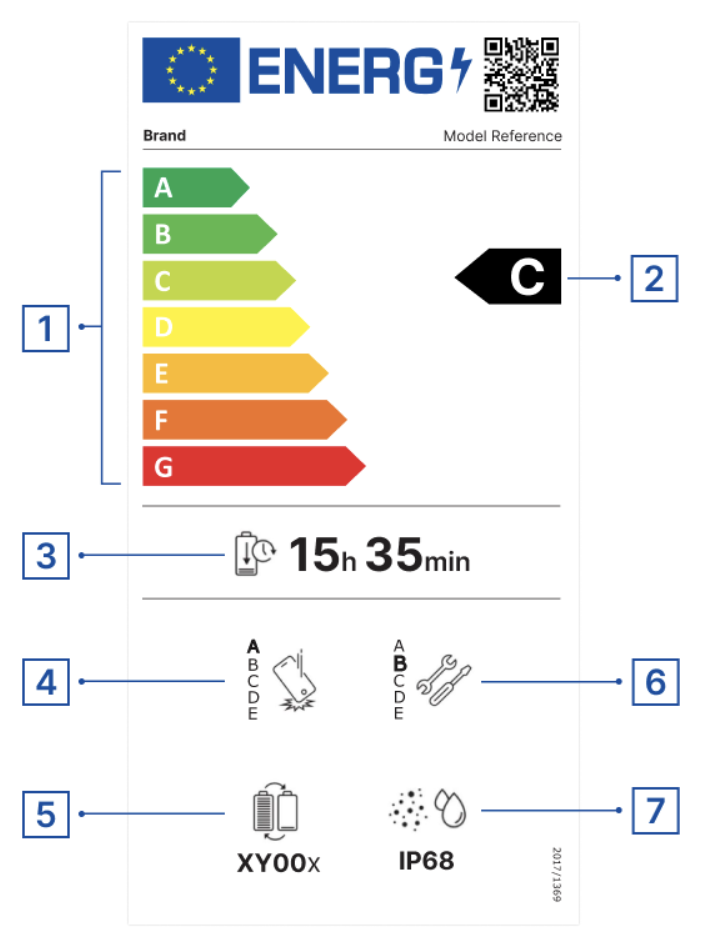
Source: European Commission
Big wins for consumers and the climate
By making products more durable and easier to repair, the rules help extend product lifespan and reduce the need for critical raw materials. At the same time, specific requirements encourage recyclability, supporting efforts toward building a more circular economy.
The EC’s impact assessment estimates that the new regulation could lead to important annual reductions of carbon dioxide emissions (CO2), reaching 3,5 megatons (Mt) in 2030 alone. CLASP’s analysis of the EC’s Impact Accounting study found that, over the longer term, cumulative CO2 emissions reductions could reach 96 Mt by 2050. Should similar regulations improving the repairability of smartphones be adopted globally within the next five years, up to 1,500 Mt of CO2 emissions can be avoided by 2050.
CLASP’s key contributions
CLASP’s research, carried out in collaboration with the Right to Repair coalition, highlighted the barriers consumers face when trying to repair their devices. The paper shed light on how certain manufacturer practices limit the ability of independent repairers and users to replace serialized parts.
As a result of the paper’s findings, the final regulation was updated to ensure that independent repair professionals and users can access all the tools and support needed to replace and connect key spare parts. This means repairs are no longer limited to manufacturer-approved service centers and represents a significant step toward fairer, more accessible product repair.
Opportunity for future improvements
While the EU regulation improves transparency, product durability, and technical repairs, there remain important opportunities to strengthen the rules in future revisions and unlock a more open and competitive repair system that further benefits people and the environment.
Currently, manufacturers must provide transparent pricing for spare parts and ensure fair access to the tools and software required for repairs. This transparency is a crucial first step but does not fully eliminate the risk of discriminatory practices. In many cases, the use of serialization allows manufacturers to control part compatibility and charge excessively high prices for replacements.
Serialization could be further restricted to open the market to third-party replacement parts. While the current requirements enable independent repairers and end-users to install key spare parts, manufacturers can still use a process called digital pairing, which limits or blocks parts that aren’t digitally recognized and authorized by the original manufacturer.
Banning serialization would give consumers the freedom to choose between parts from original manufacturers or alternatives from other suppliers. It would also help address concerns around high prices for spare parts.
As the EU market adapts to the new regulation, compliance and upcoming policy revisions will be key to ensuring that it delivers on its full potential for people and the planet, both within the EU and beyond. To support this, CLASP will seek opportunities to monitor industry practices and inform the upcoming assessment of these rules, planned for 2027.
United Kingdom’s First Plan to Shift the Nation to Electric Cookers Presented to Members of Parliament
Government ‘blind spot’ on polluting gas stoves failing to prevent nearly 4,000 early deaths annually
1.5 million more gas hobs will be installed without policy change
London, 27 May 2025 – The United Kingdom’s (UK) first detailed plan to prevent thousands of early deaths by transitioning the nation from gas to electric cookers has been presented in Parliament.
Gas cookers regularly raise pollution above recommended safety levels in British homes, leading to an estimated 3,928 early deaths and about 500,000 children having asthma symptoms [1].
The cookers remain common and the government has no published plan to phase them out or stop them being installed in 1.5 million planned new homes [2]. This despite a legal obligation to decarbonise homes by 2050 and advice from Parliament’s Climate Change Committee to phase-out gas cookers by the mid 2030s.
Today, the UK’s first comprehensive package of proposals to transition to cleaner electric cookers was published by non-profit Global Action Plan, organiser of Clean Air Day, and international appliance efficiency NGO CLASP.
The 36-page document urges government to halt the installation of gas cookers by 2035 as the cornerstone of a “strategically managed transition”. Cleaner induction hobs and electric ovens could be encouraged through measures such as introducing pollution standards for appliances and helping homeowners replace their cookers through scrappage schemes, which already exist for gas boilers. With housebuilding a government priority, the NGOs want the Ministry of Housing, Communities and Local Government to move ahead with its Future Homes Standard that would effectively stop mains gas being connected to new housing developments.
The paper was published alongside results of a retrofit pilot project carried out in partnership with Greater Manchester Combined Authority [3]. This replaced gas for electric cookers in 10 social housing properties in Manchester. All residents said they favour induction hobs over gas, despite broad earlier scepticism, and the homes no longer depend on the gas network. The project was intended to demonstrate how the transition to electric cooking could work for many social housing associations, where residents may need financial support to make the switch.
The policy roadmap and retrofit findings were first presented at an event in Parliament last week and shared with ministers.
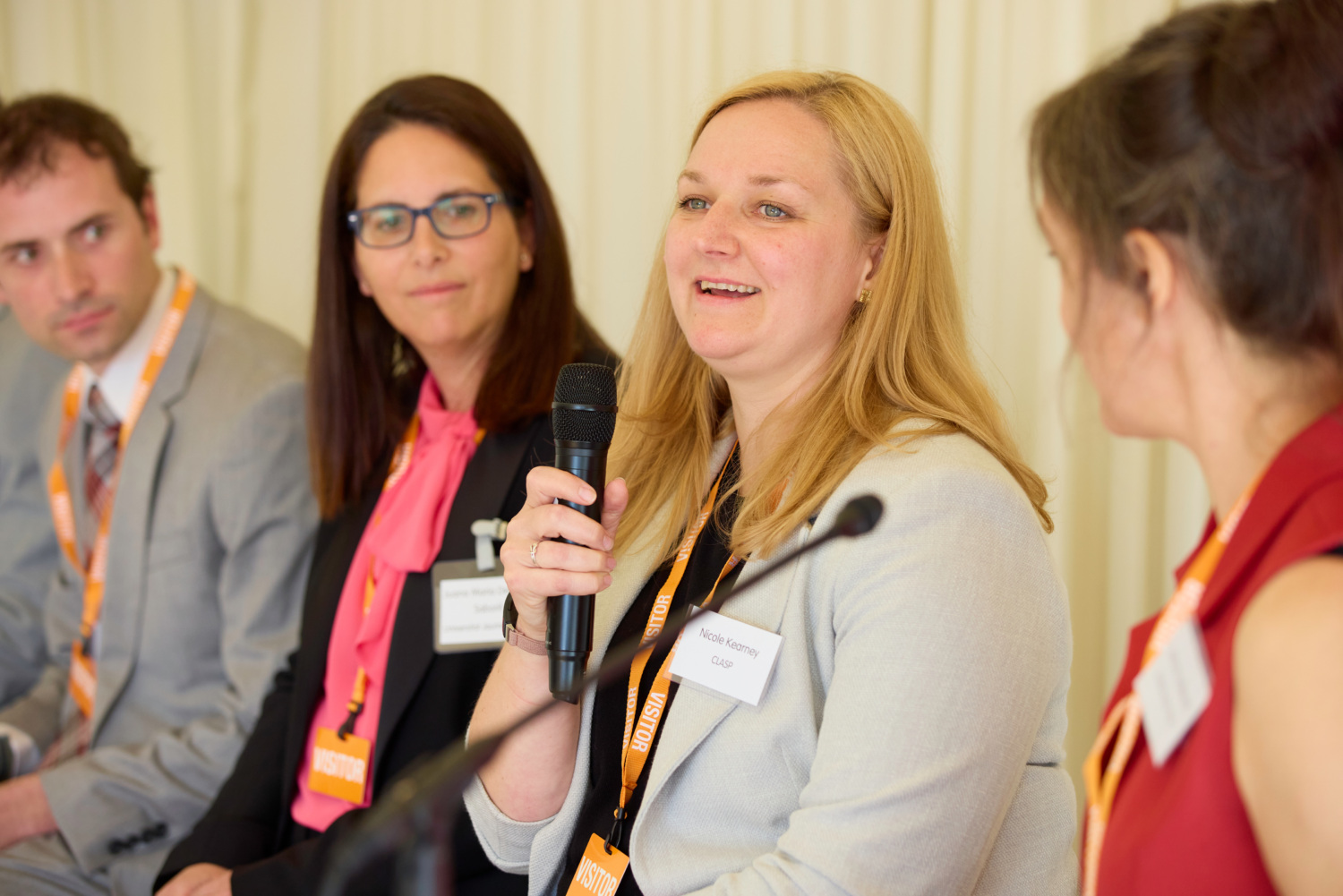
Nicole Kearney, Director at CLASP.
Photo by Douglas Kurn.

Larissa Lockwood, Director of Policy & Campaigns at Global Action Plan.
Photo by Douglas Kurn.

Afzal Khan, Member of UK Parliament.
Photo by Douglas Kurn.
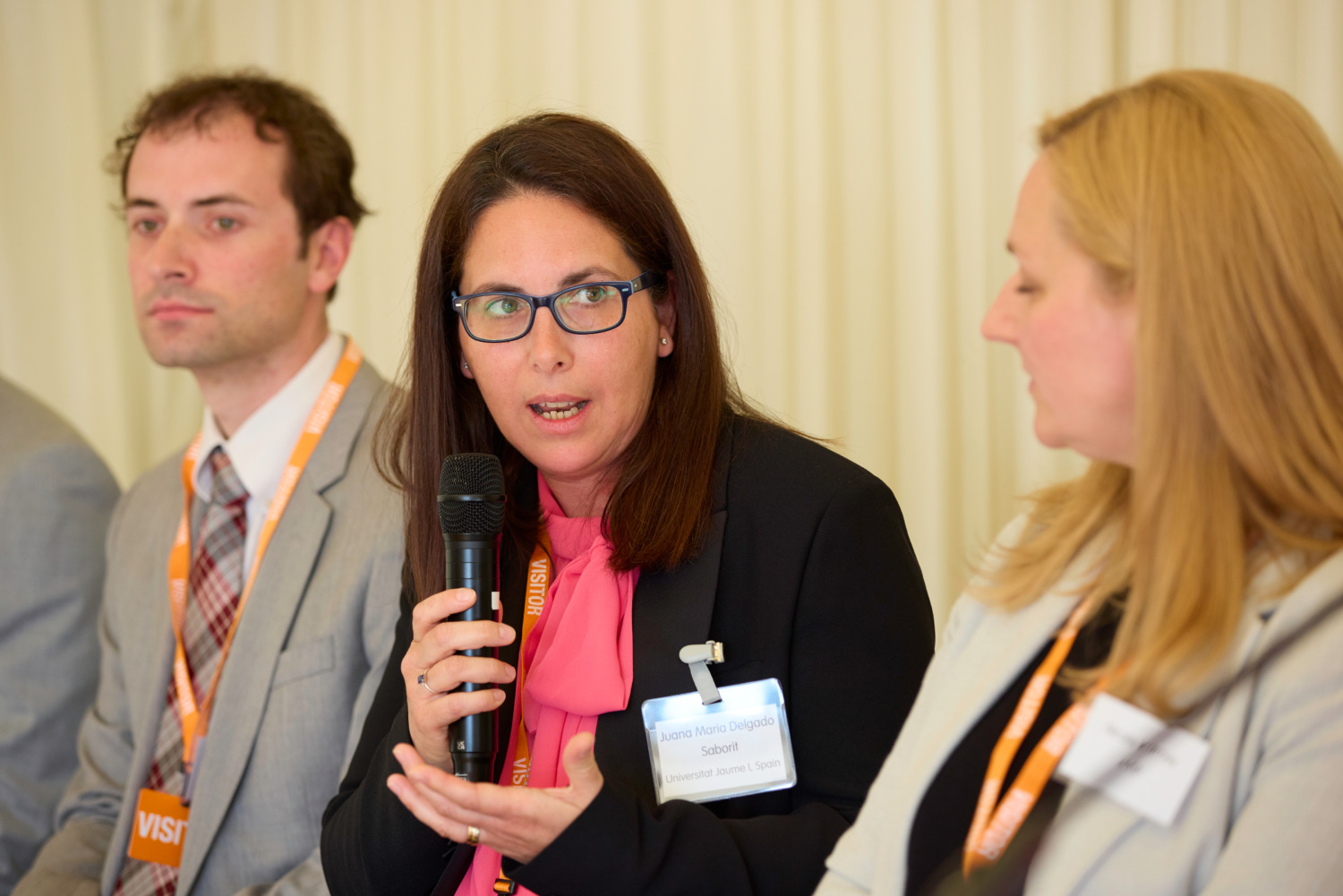
Dr Juana Maria Delgado-Saborit, Distinguished Researcher at University Jaume I.
Photo by Douglas Kurn.

Left to right: Yannai Kashtan, Air Quality Scientist, and Eric Lebel, Research Scientist at PSE Healthy Energy.
Photo by Douglas Kurn.
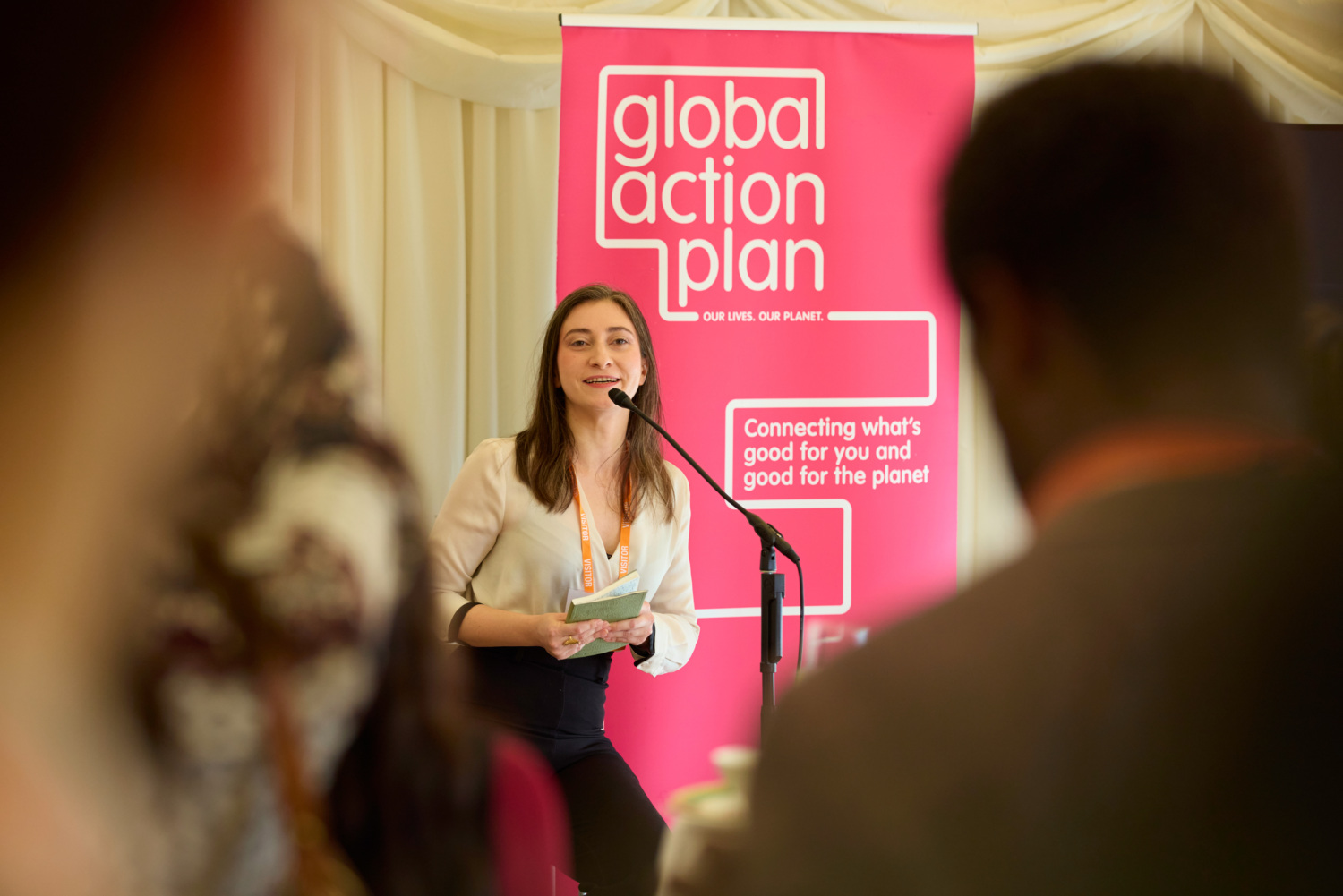
Cristina Pricop, Senior Associate at CLASP.
Photo by Douglas Kurn.

Left to right: Ed Green, Sustainability Director at Grosvenor, Rory Mathews, Senior Policy and Partnerships Officer at Greater Manchester Combined Authority, and Cristina Pricop, Senior Associate at CLASP.
Photo by CLASP.

Left to right: Steve Guppy, Senior Sustainability Manager at B&Q, and Ed Green, Sustainability Director at Grosvenor.
Photo by Douglas Kurn.
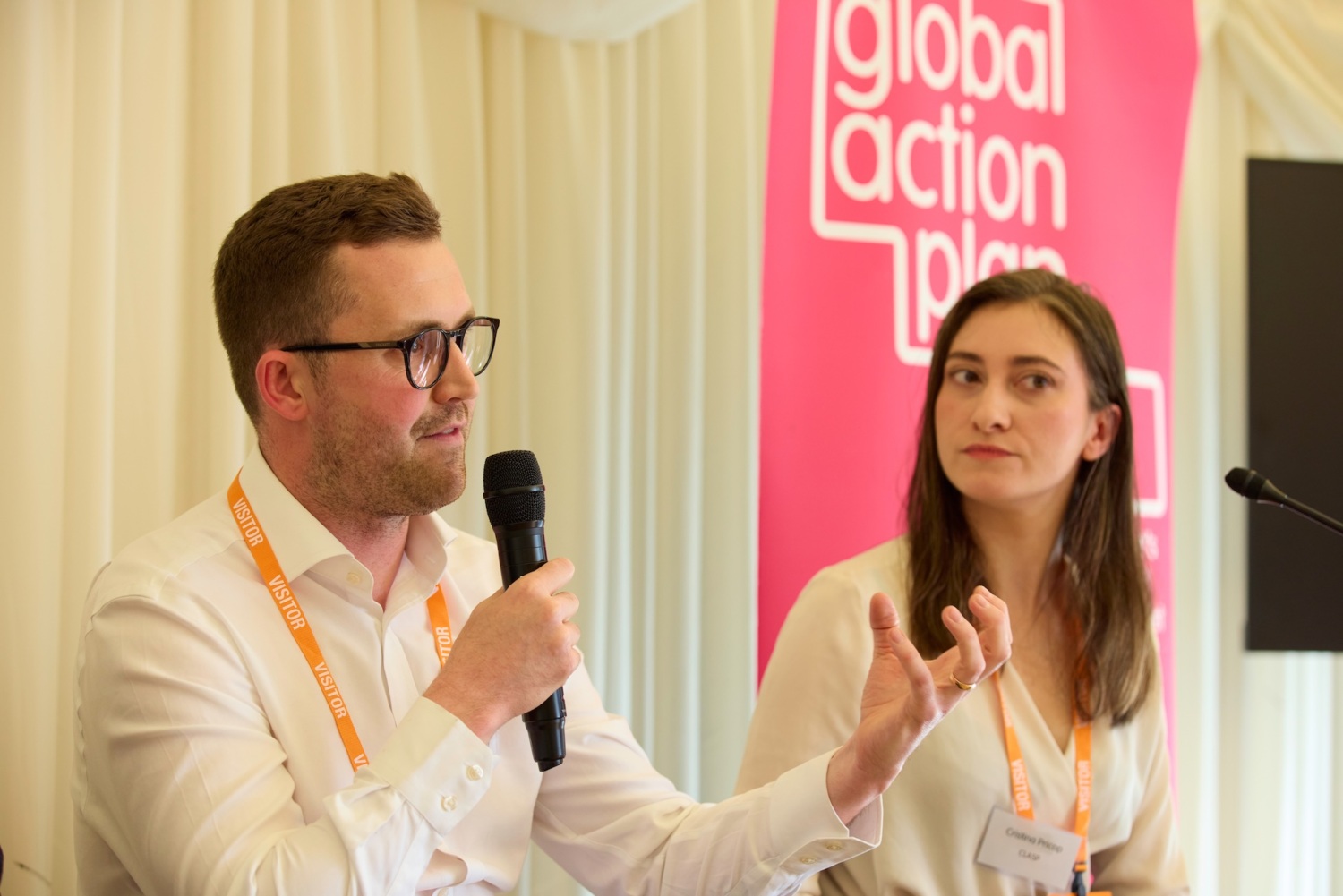
Left to right: Rory Mathews, Senior Policy and Partnerships Officer at Greater Manchester Combined Authority, and Cristina Pricop, Senior Associate at CLASP.
Photo by Douglas Kurn.
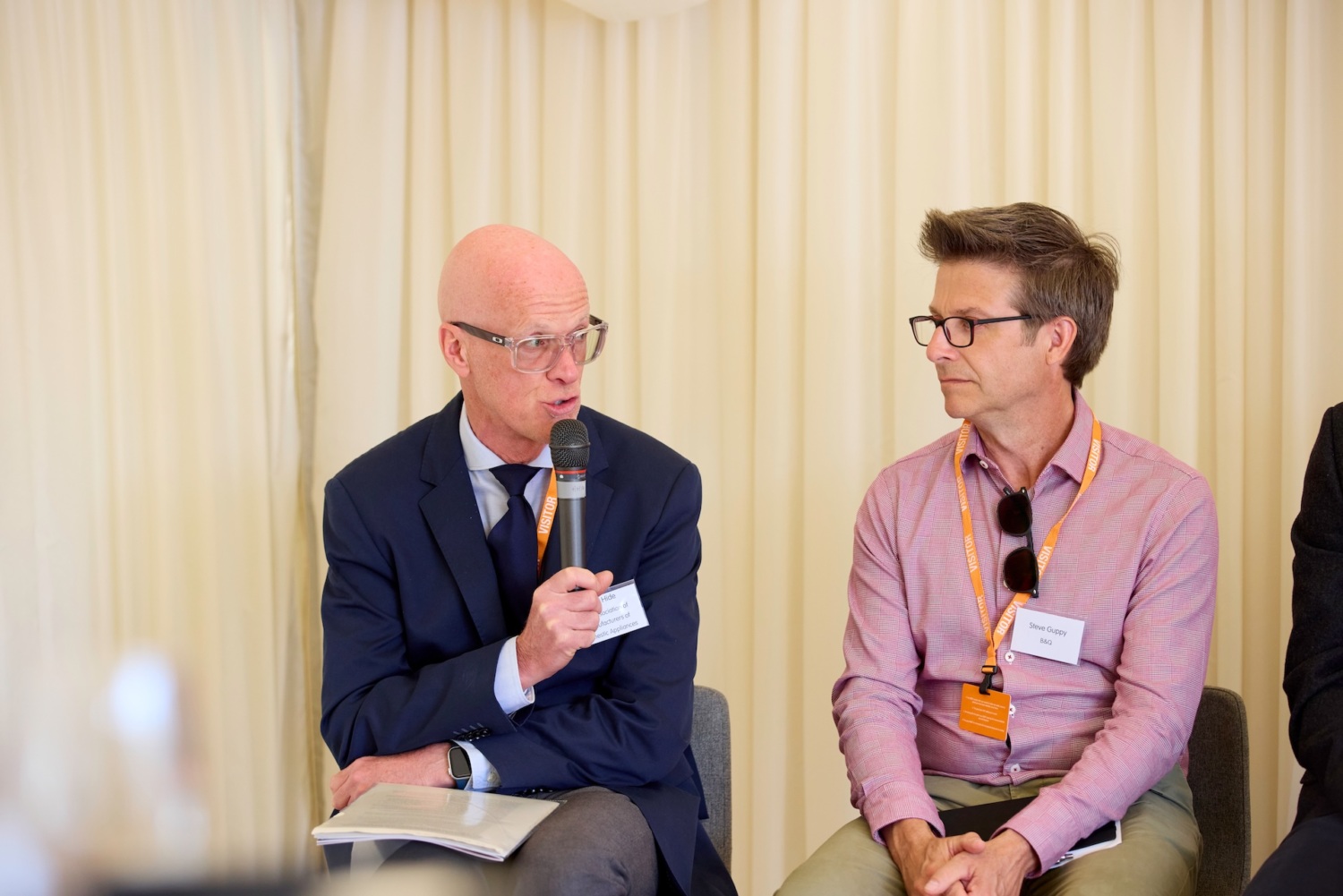
Left to right: Paul Hide, Chief Executive Officer at the Association of Manufacturers of Domestic Appliances, and Steve Guppy, Senior Sustainability Manager at B&Q.
Photo by Douglas Kurn.
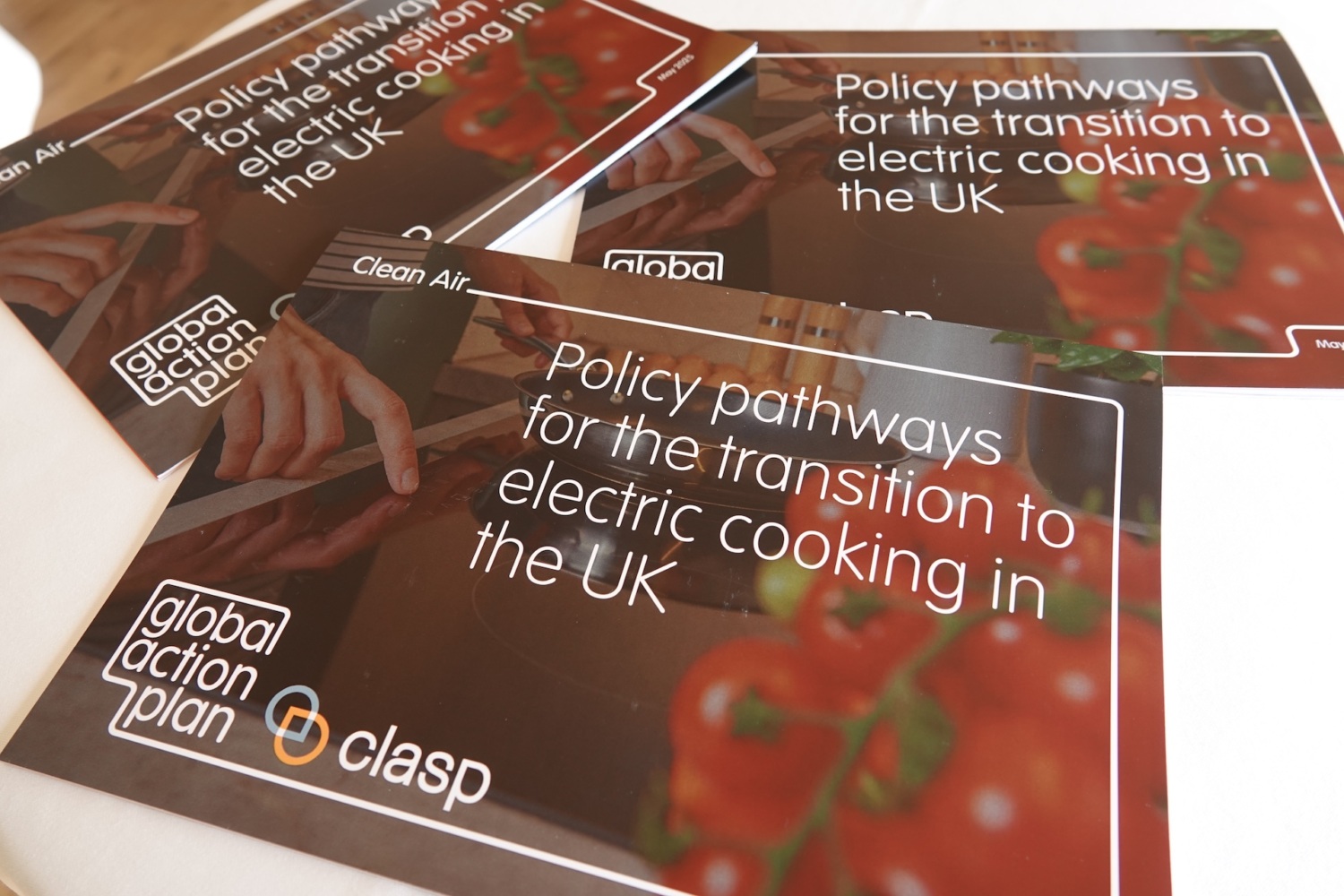
Photo by CLASP.
Larissa Lockwood, Director of Policy & Campaigns at Global Action Plan: “Homes with gas stoves can have nitrogen dioxide levels up to 400% higher than those without – this is the same type of toxic air pollution that comes from car exhausts and is linked to a range of health conditions including lung and heart disease. Transitioning from gas to electric cooking across the UK is a win-win: it will benefit public health through improving indoor air quality, as well as reducing household emissions and energy use. Today we are launching a robust policy roadmap that demonstrates how the UK can transition from gas to electric cooking by 2035, in line with Government home decarbonisation commitments and Climate Change Committee recommendations. We urge policymakers to ensure that UK households are not left behind in the transition to cleaner, safer, and more efficient cooking methods.”
Nicole Kearney, CLASP Director, Europe said: “As governments across Europe move to decarbonise heating, gas cooking remains a blind spot, a neglected source of indoor air pollution that keeps homes locked into using fossil fuels. The solution to bridge these gaps and make cleaner, healthier, and more efficient electric cooking accessible to everyone is available and ready for implementation. The UK Government should seize this opportunity and set a powerful precedent by championing an equitable transition.”
Manchester MP Afzal Khan, host of the parliamentary event, said: “Air pollution from gas cooking is linked to a range of health problems including asthma, lung and heart disease. I’m pleased to see Manchester leading locally on the transition from gas to electric cooking in social housing and demonstrating the value of electric cooking as a solution to improve air quality, boost public health, cut emissions and reduce household energy bills in the long run. We need to see action on a national scale to ensure that cooking isn’t left out of home decarbonisation efforts. Global Action Plan’s new report provides a comprehensive pathway to transition to electric cooking across the UK, and I urge the Government to review the recommendations set out within it.”
Quarterly polling by Opinium for Global Action Plan of 2,000 British adults shows that public awareness of gas cooking pollution and concern over its health, safety and environmental impacts is relatively low but has been steadily rising for years.
Some 2% of UK carbon dioxide emissions come from cooking. Phasing-out gas hobs would cut the equivalent of all of Birmingham, Glasgow, Edinburgh and Sheffield’s greenhouse gas emissions combined, CLASP calculates. The government had planned to phase-out gas boilers by 2035, but has so far overlooked the need to transition away from fossil fuel cooking appliances.
Ends
Notes
[1] Burning gas in the kitchen produces levels of indoor air pollution that exceed legal outdoor limits. The World Health Organization daily limit value for nitrogen dioxide exposure was broken in about half (55%) of British homes using gas hobs and/or gas ovens measured under normal living conditions by a Dutch scientific institute. Pollution spikes lasted several hours and were more intense the longer the cooking time. No breaches in homes using electric appliances were recorded. The same institute estimated that 557,326 British children report asthma symptoms. Spanish scientists built on the Dutch research to estimate the number of premature deaths in the UK from gas cookers.
[2] Public awareness of the risks has been growing steadily and gas cooker sales are slowly declining. But they still make up around 40% of sales and gas hobs are installed in around half of all UK homes. Government polling in 2023 found that two thirds of those asked intend to replace their gas hobs. The Government recognises air pollution as the biggest environmental health risk in the UK. Cookers and heaters are the main sources of air pollution inside homes that use gas. Despite this, there is currently no legislation or policy framework in place to warn UK consumers about the risks or encourage a shift to cleaner alternatives. Unless that changes, GAP estimates that well over 1.5 million new gas hobs will be installed in this parliamentary term, based on existing sales data. Gas cookers tend to be used for around 19 years, experts say, prolonging exposure to indoor air pollution.
[3] Residents in ten Southway Housing Trust properties agreed to have their gas ovens and hobs replaced with induction hobs and electric ovens in early 2025. Some of the gas cookers had been installed decades earlier. Interviews were conducted with all ten households one week before the installation and with seven that remained in the pilot one week after the retrofit. Of these, five said the transition was very easy and one said it was easy. Before the switch, only one household thought induction was easy to use. The project was supported by Beko, B&Q and Electrolux.
Contacts
- Global Action Plan press office press@globalactionplan.org.uk
- CLASP Director, Europe Nicole Kearney (EN) +44 75 4486 5924
- CLASP Senior Communications Associate Païline Caroni (EN, FR) +32 473 127 674
- CLASP Communications Consultant Jack Hunter: jack@fthe.fr +33 7 54 54 35 48
Global Action Plan mobilises people and organisations to take action on the systems that harm us and our planet. We are an environmental charity focused on issues where the connection between the health of people and our planet is most tangible. Our current focus issues are air pollution, big tech, and the education system.
CLASP is the leading global authority on efficient appliances’ role in fighting climate change and improving people’s lives. An international NGO with 25 years of expertise and offices on four continents, CLASP collaborates with policymakers, industry leaders, and other experts to create a more sustainable future for people and the planet. CLASP and our partners are dedicated to solving the world’s most pressing, interconnected crises: the climate emergency, poverty, inequality, and access to energy.
Ensuring an All-LED Future: Global Campaign Ends on a Flourish
The thwack of the gavel preceded the thunder of applause as the audience cheered the universal win for people and planet: our future will be lit only by LEDs. In 2023, representatives from 147 countries agreed to phase out florescent lighting globally and completely by 2027. This will avoid nearly 3 gigatons of CO2 through 2050. The decision was taken at the fifth meeting of the Conference of the Parties to the Minamata Convention on Mercury (COP-5) in Geneva.
Since 2020, CLASP’s Clean Lighting Coalition (CLiC) was a campaign created to drive universal access to efficient, safe lighting. CLiC was powered by experts delivering undeniable data about the risks of fluorescent lighting and case studies about the financial and climate emission benefits of efficient LEDs. Integral to the success of the campaign were the advocacy specialists who built the coalition and presented the proof to governments and the media.

The problem with fluorescent lighting
Outdated fluorescents persisting on international markets are toxic and pose a health risk because they contain mercury. They are also inefficient, leading to higher energy bills. LEDs are a safer lighting solution and are twice as efficient – saving money, human and environmental health, and lowering climate emissions.
Global lighting change led by Africa
African policy leaders recognized the feasibility of a global LED transition. In addition to the global climate impacts, ending the production of fluorescents will protect the continent from the toxic, costly and outdated lamps exported to African markets by developed countries unable to sell them domestically.
Armed with sector leading data and technical support from CLiC and partners, Africa region lighting champions led the charge toward the global climate win. In 2022 and 2023, the Africa Group at the United Nations representing 54 African Member States, proposed amendments to the Minamata Convention on Mercury calling on the international community to say farewell to fluorescents.
“Policymakers in Africa led the charge on this campaign, rooted in deep-seeded concerns about the challenges of toxic lamp disposal. Turns out, this was a concern shared by many countries around the globe,” recalls CLiC campaign lead and CLASP Senior Director Ana Maria Carreño. “African leaders’ efforts to raise awareness about the risks of fluorescents and build consensus on a solution via Minamata led to decisive global action protecting people and planet.”
CLiC: The power of international solidarity
For the last three years, CLiC collaborated with over 300 partners spanning every corner of the globe to make the case for LEDs. From civil society to government to industry, from climate to health to waste management, CLiC coordinated an extensive partner network to spotlight the lasting, positive impacts of a clean lighting transition.
“The world is finally able to say, ‘Farewell to Fluorescents’ due in large part to the hundreds of organizations and policy leaders that came together in pursuit of a safer, healthier future for all via the Clean Lighting Coalition,” observed Elena Lymberidi-Settimo, International co-coordinator of the Zero Mercury Working Group and Policy Manager at the European Environmental Bureau. ”The campaign’s success spotlights how extensive networks of trusted and diverse partners are key for making rapid, meaningful change; and we are happy to have been a part of it.”

Photo by CLASP

Photo by CLASP

Photo by CLASP

Photo by CLASP

Photo by CLASP

Photo by Kiara Worth

Photo by CLASP

Photo by Kiara Worth

Photo by CLASP

Photo by CLASP
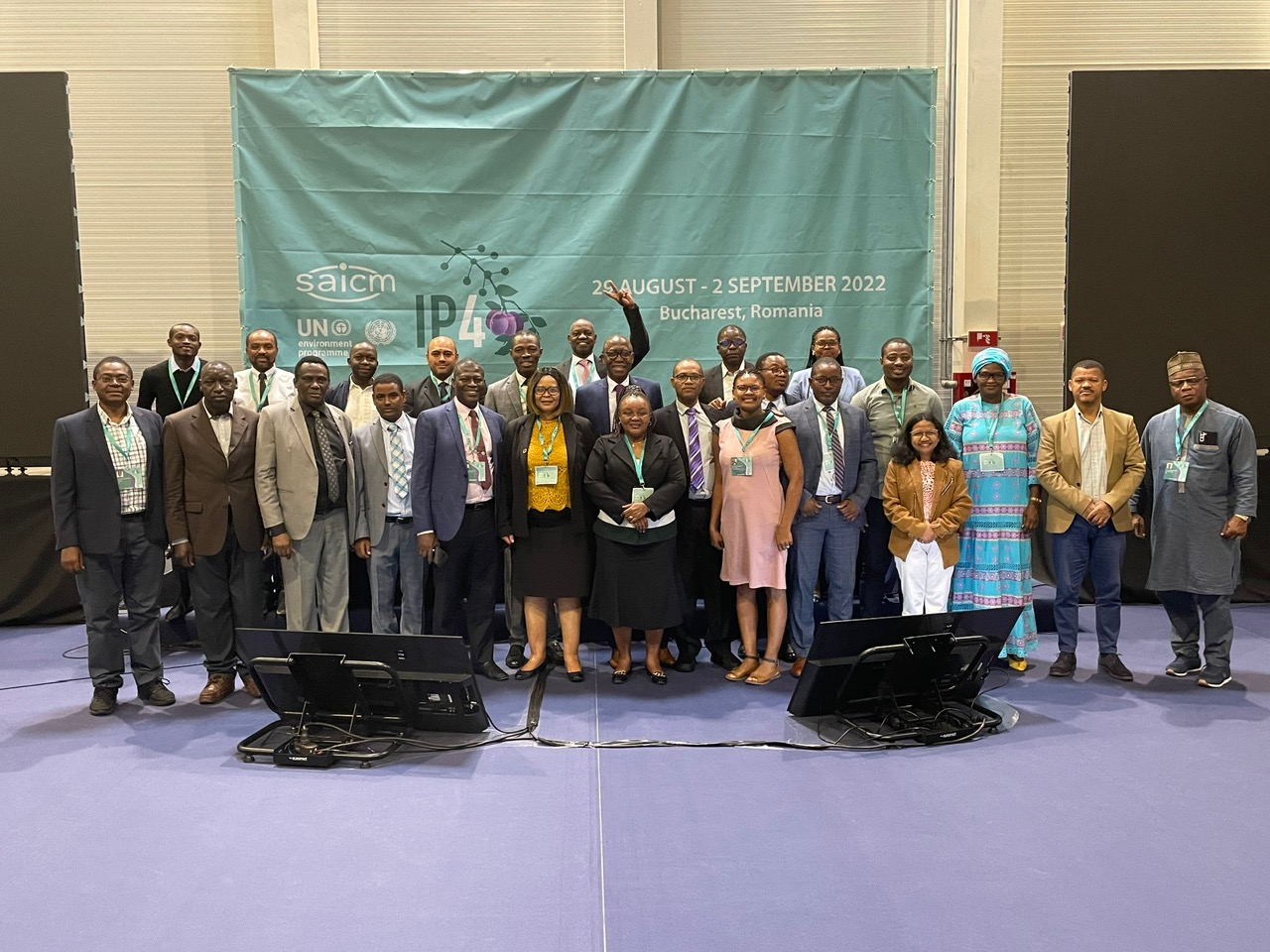
Photo by CLASP

Photo by CLASP

Photo by CLASP

Photo by CLASP

Photo by CLASP

A people and planet win that can be replicated
The success of the CLiC campaign provides a glint of optimism in our worsening climate crisis: meaningful and substantial global change IS possible.
“Being directly involved in the Clean Lighting Coalition was one of the greatest experiences of my professional life,” commented Nithi Nesadurai, CLiC team member and director at Climate Action Network Southeast Asia. “CLASP conducted a flawless strategic and tactical campaign which led to success with the decision in November 2023 at the Minamata Convention on Mercury to eliminate fluorescent lamps by 2027. I have gone on record to say this is probably the most successful global environmental campaign, given the speed in which the goal was achieved.”
The full and lasting benefits of a clean lighting future rely on the commitment of governments to follow through and implement the terms of the agreement in a timely manner. The research is clear, and the global community agrees: an LED transition is feasible for every market. Although the CLiC campaign has concluded, our lighting experts at CLASP continue to offer technical support to countries working to advance towards their LED future.
Recent News

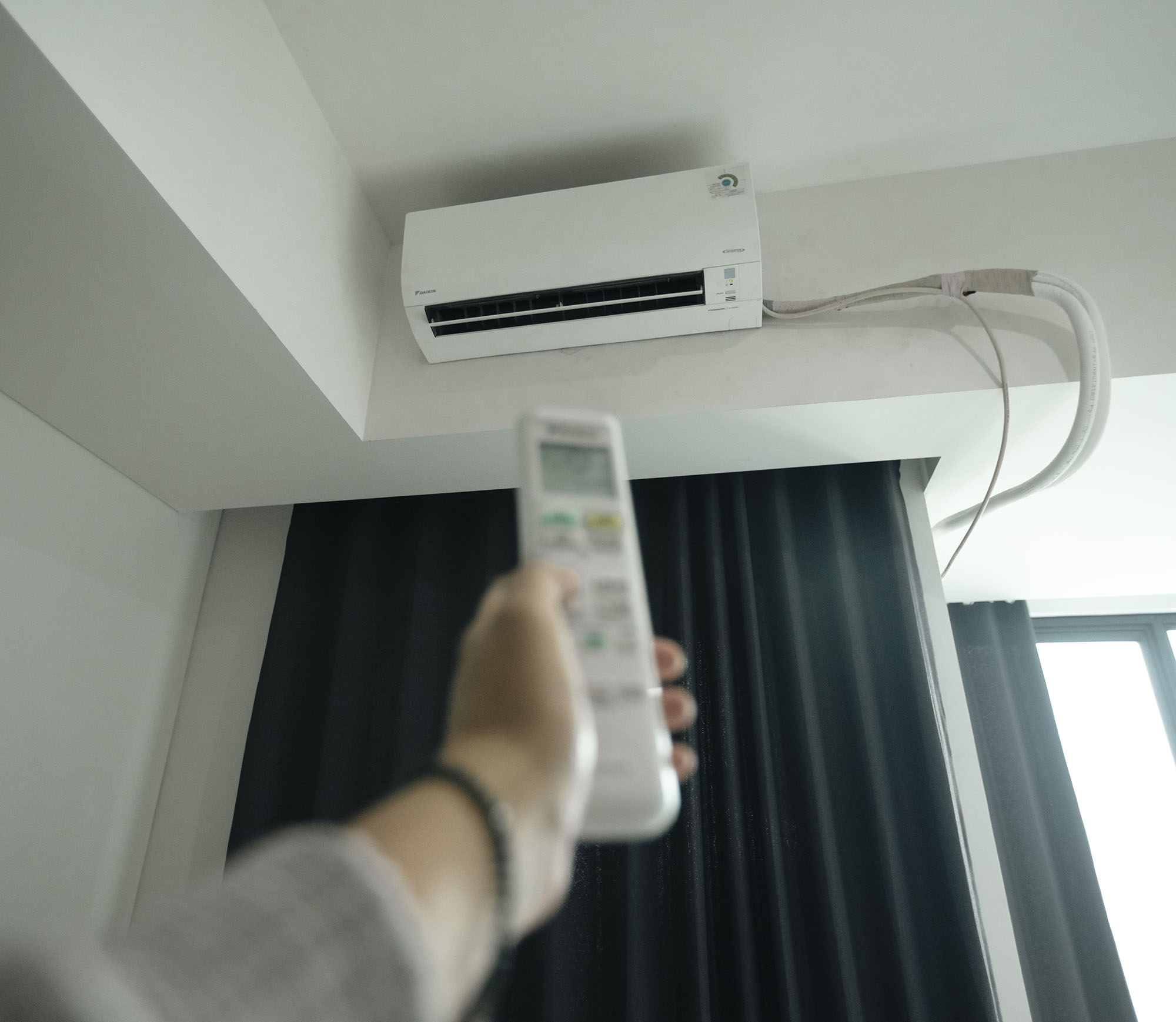

CLASP Calls for Cleaner Heat Pumps in the European Union
CLASP, along with eight leading European environmental organizations, submitted a letter urging European Union (EU) countries to prioritize climate-friendly refrigerant heat pumps to help achieve climate goals.
The letter, submitted to the European Commission (EC), was timely, as EU Member States prepare to allocate funding from a €86 billion Social Climate Fund (SCF) and implement the EU’s goal for rapid heat pump deployment.
Key recommendations to the European Commission
- Prioritize heat pumps with natural refrigerants over high-global warming potential (GWP) hydrofluorocarbons (HFCs or F-gases). There is a long-term climate risk linked to the use of HFC-based systems, as HFCs have hundreds to thousands of times more GWP than natural refrigerants.
- Establish financial incentives for natural refrigerant heat pumps. EU Member States should offer extra subsidies or bonuses for the adoption of natural refrigerant heat pumps. Germany’s additional 5% grant, for homeowners who install heat pumps using natural refrigerants, provides an example of how targeted support can accelerate the shift to more climate-friendly heat pumps.
- Set a clear timeline for phasing out public funding for F-gas heat pumps. CLASP, the Environmental Investigation Agency, and the other signatories suggest defining a cut-off date, after which the installation of heat pumps that use climate-damaging HFC refrigerants should no longer be funded. This would align with the direction of EU legislation and offer much-needed clarity for industry and European consumers. Germany has already taken action: from 2028, only natural refrigerant heat pumps will be eligible for funding.1
Why is it important to transition to climate-friendly heat pumps?
If Member States continue allowing the installation of new equipment using HFCs, heat pumps installed today could still be operating decades from now, impacting the EU’s ability to meet its 2050 net zero target.
Data from the German incentive scheme2 indicate that natural refrigerant heat pumps are, on average, more energy-efficient than F-gas systems across all temperature ranges. This means they require less energy and reduce consumers costs to run. Their ability to operate at high temperatures also makes them an ideal choice for boiler retrofits.
To support market transformation efforts in this field, CLASP is researching the deployment of natural refrigerant heat pumps and the barriers to their adoption in the EU and the United Kingdom. More information on the topic can be found here.
0. Umweltbundesamt “Heat Pumps” August 2023
https://www.umweltbundesamt.de/en/topics/climate-energy/fluorinated-greenhouse-gases-fully-halogenated-cfcs/application-domains-emission-reduction/heat-pumps
1. Bundesamt für Wirtschaft und Ausfuhrkontrolle “Liste der förderfähigen
Wärmepumpen mit Prüf-/Effizienznachweis” April 2025 https://www.bafa.de/SharedDocs/Downloads/DE/Energie/beg_waermepumpen_pruef_effizienznachweis.html
Maximizing Motor Efficiency to Minimize Emissions
Electric motors transform electrical energy into mechanical energy, powering everything from household appliances to equipment in commercial buildings and industrial facilities. They are essential components of electric motor-driven systems (EMDS), which currently account for around 30% of global electricity demand3.
Industrial motors, in particular, are the main drivers behind increasing global demand for electricity4, with approximately 65% of industry’s electricity consumption powering motor-driven systems5. Yet, despite their crucial role, many motors and motor systems are outdated and inefficient. The International Energy Agency reports that low efficiency motors represent two-thirds of the current global stock6. This contributes heavily to energy waste and increasing carbon emissions.
Looking ahead, CLASP’s initiatives in China, the European Union, India, and the United States aim to avoid up to nine gigatons of CO2 emissions by 2050.
Improving the energy efficiency of electric motors and EMDS presents significant potential for reducing electricity demand and curbing carbon dioxide (CO2) emissions. By partnering with national stakeholders to raise standards, implementing replacement incentive programs, and promoting cross-sector collaboration, CLASP is driving global efforts to unlock this potential.
CLASP’s global efforts to make motors more efficient
In Brazil, a partnership between CLASP and the Ministry of Mines and Energy is paving the way for an ambitious new regulatory agenda. This aims to establish the country’s first-ever efficiency standards for pumps and air compressors by 2027. Setting minimum efficiency standards helps phase out the least efficient models and prevents businesses from getting stuck with outdated, energy-wasting technologies. CLASP will continue working closely with the Ministry to help ensure the timely completion of the regulatory agenda and the implementation of key policies in the next two years.

Meanwhile, China is making significant strides in industrial efficiency and the potential benefits of improving motor efficiency are immense. Motors represent 55% of the country’s total energy consumption and 75% of its industrial energy use7. Since 2023, CLASP has supported the China National Institute of Standardization in developing two new efficiency standards for high-voltage induction motors and permanent magnet synchronous motors. These new standards are expected to cut 920 megatons (Mt) of CO2 emissions by 2040. They will also position China as the first country to adopt a policy exceeding the world’s most energy-efficient motor standard, IE5, setting a new benchmark for global industrial standards.
Motors account for over 50% of India’s industrial electricity consumption8. CLASP is supporting the Bureau of Energy Efficiency in strengthening efficiency standards for three-phase induction motors and providing technical assistance for a new labeling program for single-phase induction motors to meet growing demand. Together, the labeling programs for three-phase and single-phase induction motors are expected to save approximately 30.1 terawatt hours of electricity and reduce 23.83 Mt of CO2 emissions, contributing significantly to India’s energy efficiency and climate goals.
CLASP, in partnership with SAMA^Verte, is helping build a competitive, sustainable motor industry in Pakistan. Through the Industry Accelerator program, local manufacturers gain access to technical expertise and resources to produce high-efficiency components for electric motors. The program strengthens the local manufacturing sector by reducing dependency on imports and enabling businesses to expand their market share. For industries that rely on these motors, the shift toward high-efficiency components translates into lower energy costs and reduced emissions. By 2050, the program is expected to reduce 12.8 Mt of CO2 emissions and improve motor efficiency by 10%.
These initiatives, along with CLASP’s upcoming projects in other countries, will help reduce global energy consumption, increase industrial energy efficiency, and support industry in shifting to more environmentally-friendly processes. CLASP collaborates with policymakers, industry leaders, and other experts to create a more sustainable future for people and the planet.
Are you interested in driving industrial innovation in your region? Connect with CLASP to explore collaboration opportunities.
0. Umweltbundesamt “Heat Pumps” August 2023
https://www.umweltbundesamt.de/en/topics/climate-energy/fluorinated-greenhouse-gases-fully-halogenated-cfcs/application-domains-emission-reduction/heat-pumps
1. Bundesamt für Wirtschaft und Ausfuhrkontrolle “Liste der förderfähigen
Wärmepumpen mit Prüf-/Effizienznachweis” April 2025 https://www.bafa.de/SharedDocs/Downloads/DE/Energie/beg_waermepumpen_pruef_effizienznachweis.html
2. International Energy Agency “World Energy Outlook 2019” https://iea.blob.core.windows.net/assets/98909c1b-aabc-4797-9926-35307b418cdb/WEO2019-free.pdf
3. International Energy Agency “World Energy Outlook 2019” https://iea.blob.core.windows.net/assets/98909c1b-aabc-4797-9926-35307b418cdb/WEO2019-free.pdf
4. International Energy Agency “World Energy Outlook 2023” https://iea.blob.core.windows.net/assets/86ede39e-4436-42d7-ba2a-edf61467e070/WorldEnergyOutlook2023.pdf
5. International Energy Agency “World Energy Outlook 2019” https://iea.blob.core.windows.net/assets/98909c1b-aabc-4797-9926-35307b418cdb/WEO2019-free.pdf
6. International Copper Association “ICA China Motor Program: 20 Years of Promoting Energy Efficiency” https://internationalcopper.org/resource/ica-china-motor-program-20-years-of-promoting-energy-efficiency/
7. International Copper Association India “Energy Efficient Motors” https://copperindia.org/energy-efficient-motors/
The Push for Efficient, Healthy Cooktops
Hobs, also known as cooktops, are found in nearly every household, yet they lack proper scrutiny in terms of their nitrogen dioxide (NO2) emissions and energy efficiency.
The impact of gas cooktops on health and climate
- Gas hobs contribute to poor indoor air quality. CLASP and Jaume I University’s research shows that gas hobs emit levels of NO2, that exceed outdoor air quality standards in the EU and UK, which can be harmful to our health. Until now, gas hob manufacturers have been able to sell appliances without any consideration of the amount of NO2 they emit. Introducing new NO2 tests and limits for gas hobs will help reduce pollutants emitted into the kitchen and improve indoor air quality.
- The energy efficiency of gas hobs is also overestimated, in comparison to their electric counterparts. Gas and electric hobs are currently tested in different conditions, which could result in overestimated energy efficiency results for gas-fueled technologies. For example, gas hobs are tested using pots which are larger than those typically used in kitchens – a larger pot captures more heat from the flame, which results in better efficiency than if a smaller pot is used.
Without real-world and comparable electric and gas energy efficiency performance standards, it is impossible to accurately assess which appliances are best for human health and reducing climate emissions. CLASP’s research shows that more ambitious policies could cut emissions by 60Mt CO2 by 2050.
To help address these issues, CLASP has developed a new method to test gas and electric hobs that reflects how people cook and identifies potential technological improvements. This test method also satisfies energy efficiency and health-related concerns.

CLASP’s call to action for the European Commission and Member States
- Set NO2 emissions limits: Setting limits on NO2 emissions from gas hobs is critical for improving indoor air quality. CLASP encourages the adoption of a new emissions test, with meaningful limits, to ensure only the safest and cleanest appliances make it to the market.
- Introduce a comparable test method for gas and electric hobs: The European Commission should adopt an improved and comparable test method that provides a fair and accurate energy efficiency rating for gas and electric hobs. When these appliances are tested in the same conditions, consumers can better identify the best options which will in turn drive innovation within the industry.
- Transparency of efficiency and emissions data: Consumers and policymakers need open access to better information on how these products perform on energy efficiency and emissions. An improved common test method will ensure people can accurately and fairly compare the performance of different hob technologies. Energy and emissions data should be shared with the product specifications on product websites and in instruction manuals, and in a future energy label for hobs. This will allow people to make informed decisions about the products they purchase, and governments will have better data to develop more impactful policies.
- Take immediate action: CLASP emphasizes the need for swift policy adoption, application, and revision timelines. Slower timescales will result in missed opportunities to protect people’s health, reduce utility bills, and climate mitigation impacts. The European Commission should collaborate with national institutions and industry to collect data on emissions and energy efficiency to guide future policy revisions.
In the European Union, countries like Italy and Poland continue to rely heavily on gas cooking appliances. CLASP’s proposed policy changes could have a wide-reaching impact. Our latest research, based on consumer surveys conducted in eight European countries, shows that most Europeans believe manufacturers should improve product efficiency and reduce pollution emitted by hobs. Consumers also hold government responsible for supporting their transition away from gas to cleaner, electric cooking.

CLASP’s recommendations are backed by health and environmental organizations, including the European Public Health Alliance (EPHA), the International Society of Doctors for the Environment Italy, and Respire. Organizations, like ECOS and the European Environmental Bureau, are working on improving standards and policies for cleaner, efficient, and sustainable cooktops, amongst other products, while EPHA is working towards policies for better indoor air quality.
CLASP and partners call on policymakers, industry leaders, and consumers to support these crucial changes for a healthier, more sustainable future.
For more information about CLASP’s research on gas and electric cooking, visit: https://www.clasp.ngo/cook-cleaner-europe/
0. Umweltbundesamt “Heat Pumps” August 2023
https://www.umweltbundesamt.de/en/topics/climate-energy/fluorinated-greenhouse-gases-fully-halogenated-cfcs/application-domains-emission-reduction/heat-pumps
1. Bundesamt für Wirtschaft und Ausfuhrkontrolle “Liste der förderfähigen
Wärmepumpen mit Prüf-/Effizienznachweis” April 2025 https://www.bafa.de/SharedDocs/Downloads/DE/Energie/beg_waermepumpen_pruef_effizienznachweis.html
2. International Energy Agency “World Energy Outlook 2019” https://iea.blob.core.windows.net/assets/98909c1b-aabc-4797-9926-35307b418cdb/WEO2019-free.pdf
3. International Energy Agency “World Energy Outlook 2019” https://iea.blob.core.windows.net/assets/98909c1b-aabc-4797-9926-35307b418cdb/WEO2019-free.pdf
4. International Energy Agency “World Energy Outlook 2023” https://iea.blob.core.windows.net/assets/86ede39e-4436-42d7-ba2a-edf61467e070/WorldEnergyOutlook2023.pdf
5. International Energy Agency “World Energy Outlook 2019” https://iea.blob.core.windows.net/assets/98909c1b-aabc-4797-9926-35307b418cdb/WEO2019-free.pdf
6. International Copper Association “ICA China Motor Program: 20 Years of Promoting Energy Efficiency” https://internationalcopper.org/resource/ica-china-motor-program-20-years-of-promoting-energy-efficiency/
7. International Copper Association India “Energy Efficient Motors” https://copperindia.org/energy-efficient-motors/
UK Aid to Support Research in the Global Push to Transition to Electric Cooking Solutions
At the UN Climate Change Conference in Baku, Azerbaijan (COP 29), UK Aid (FCDO) announced a substantial extension of their Modern Energy Cooking Services (MECS) program. This funding boost will help accelerate the adoption of clean cooking practices and transform the lives of millions of people across Africa, Indo-Pacific, and South and Southeast Asia. CLASP looks forward to continued collaboration with MECS to expand access to clean, modern cooking solutions.
Clean cooking: Good for people and planet
The MECS programme is speeding-up the shift to clean cooking by driving research, testing new technologies, and tracking global tools and trends. It targets the 2.1 billion people—26% of the world’s population—who still rely on polluting fuels such as firewood and charcoal for their cooking. A transition to modern, clean cooking would help eliminate the harmful effect of these fuels on income, health, and the environment and have a profound social and economic impact on communities, especially on the women and children that bear the disproportionate burden of collecting fuel and preparing food.

MECS extension powers future impact
The MECS extension builds on the six-year success of the MECS programme in advancing the clean cooking agenda globally. To date, the programme has helped 3.8 million people adopt cleaner, more efficient cooking practices that lower fuel use, improve air quality, and boost income. It has also attracted £400 million of additional investment for clean energy innovation and published over 300 research papers. This compelling evidence base has already informed the adoption in policy of electric cooking (e-Cooking) in Kenya, Uganda, and Tanzania.
Aligning with the global goals
The MECS programme budget will increase by £44 million, raising the total value to £99 million, and pushing its work to December 2030 to align with the target dates of the Sustainable Development Goals. This extension will enable the implementing partners to continue driving even more impactful clean cooking solutions. By 2030, MECS aims to improve clean cooking access for 10 million people, leverage £1 billion in investments, publish 650 research products, and influence policy adoption in 12 countries. The MECS extension is expected to have reach across 17 countries in Africa, Indo-Pacific, and South and Southeast Asia, where clean energy transitions are urgently needed.

About CLASP
CLASP is the leading global authority with 25 years’ expertise on how applianceefficiency drives climate mitigation, adaptation, and improves the lives and livelihoodsof people. An international non-profit with offices on four continents, CLASPcollaborates with policymakers, appliance manufacturers, and leading experts todeliver sound policy recommendations, innovative tools, ground-breaking research,and clear pathways to a more sustainable world for people and the planet.
0. Umweltbundesamt “Heat Pumps” August 2023
https://www.umweltbundesamt.de/en/topics/climate-energy/fluorinated-greenhouse-gases-fully-halogenated-cfcs/application-domains-emission-reduction/heat-pumps
1. Bundesamt für Wirtschaft und Ausfuhrkontrolle “Liste der förderfähigen
Wärmepumpen mit Prüf-/Effizienznachweis” April 2025 https://www.bafa.de/SharedDocs/Downloads/DE/Energie/beg_waermepumpen_pruef_effizienznachweis.html
2. International Energy Agency “World Energy Outlook 2019” https://iea.blob.core.windows.net/assets/98909c1b-aabc-4797-9926-35307b418cdb/WEO2019-free.pdf
3. International Energy Agency “World Energy Outlook 2019” https://iea.blob.core.windows.net/assets/98909c1b-aabc-4797-9926-35307b418cdb/WEO2019-free.pdf
4. International Energy Agency “World Energy Outlook 2023” https://iea.blob.core.windows.net/assets/86ede39e-4436-42d7-ba2a-edf61467e070/WorldEnergyOutlook2023.pdf
5. International Energy Agency “World Energy Outlook 2019” https://iea.blob.core.windows.net/assets/98909c1b-aabc-4797-9926-35307b418cdb/WEO2019-free.pdf
6. International Copper Association “ICA China Motor Program: 20 Years of Promoting Energy Efficiency” https://internationalcopper.org/resource/ica-china-motor-program-20-years-of-promoting-energy-efficiency/
7. International Copper Association India “Energy Efficient Motors” https://copperindia.org/energy-efficient-motors/
Moving Towards Healthier, Efficient Electric Cooking: Consumer Perspectives from Eight European Countries
This CLASP report presents insights from surveys of 8,000 demographically representative adults across eight European countries, France, Italy, Poland, Romania, Slovakia, Spain, Sweden, and the United Kingdom. The research provides valuable data for European policymakers on ways to accelerate the transition to cleaner, more efficient electric hobs (cooktops).
The report examines European consumers’ views and behaviours concerning gas and electric hobs, focusing on their usage, preferences, energy efficiency awareness, purchase criteria, health perceptions, ventilation practices, and opinions on potential policy measures.
Key Findings
- Most Europeans support a shift to cleaner, safer, and healthier electric cooking, but they need more exposure to induction technology to be fully convinced of its benefits.
- Supportive pricing and clear information are key factors in encouraging the transition to electric cooking, as consumers tend to prefer more energy-efficient and less polluting products.
- Consumers lack accurate information about the real efficiency of different hob technologies; their views are shaped by their personal experiences and familiarity with the hobs they use.
- Europeans have limited awareness of the impact gas cooking has on indoor air quality and often fail to ventilate adequately while cooking.
- Consumers feel that it’s the manufacturers’ responsibility to reduce pollution from gas hobs, and governments should help support the transition to more efficient and healthier electric cooking.
Recommendations
- Consumers should be able to select the most energy-efficient and least polluting hobs. Ecodesign regulations should remove the least efficient and most polluting options from the market. Clear information on the health risks of gas hobs should be made available through instruction manuals, webpages, or displayed on a future energy label or warning icon on hobs and ventilation hoods.
- National governments should offer incentives to encourage the shift to electric cooking and ensure that electricity prices are competitive with gas.
- Consumer organisations, non-governmental organisations, and forward-thinking producers and retailers should inform consumers about the health risks of gas cooking and the benefits of electric hobs. A successful transition to cleaner, more efficient electric hobs requires consumers to experience a new electric technology firsthand.

European consumers are ready for a shift to healthier, more efficient electric cooking, but to make this transition possible, people need clear information and supportive policies.Nicole Kearney
CLASP Europe Director
The surveys address technical, behavioural, and policy questions related to hob usage, which have been raised by policymakers, industry, and civil society. Detailed results for each country can be found in the annexes.
To ensure objectivity and representative results, CLASP commissioned Opinium Research, an independent polling organisation, to conduct the surveys. CLASP analysed the Europe-wide data and compiled this report, which builds on Opinium’s national analyses and findings.
Visit our Cook Cleaner Europe webpage to view additional resources on gas and electric cooking.
0. Umweltbundesamt “Heat Pumps” August 2023
https://www.umweltbundesamt.de/en/topics/climate-energy/fluorinated-greenhouse-gases-fully-halogenated-cfcs/application-domains-emission-reduction/heat-pumps
1. Bundesamt für Wirtschaft und Ausfuhrkontrolle “Liste der förderfähigen
Wärmepumpen mit Prüf-/Effizienznachweis” April 2025 https://www.bafa.de/SharedDocs/Downloads/DE/Energie/beg_waermepumpen_pruef_effizienznachweis.html
2. International Energy Agency “World Energy Outlook 2019” https://iea.blob.core.windows.net/assets/98909c1b-aabc-4797-9926-35307b418cdb/WEO2019-free.pdf
3. International Energy Agency “World Energy Outlook 2019” https://iea.blob.core.windows.net/assets/98909c1b-aabc-4797-9926-35307b418cdb/WEO2019-free.pdf
4. International Energy Agency “World Energy Outlook 2023” https://iea.blob.core.windows.net/assets/86ede39e-4436-42d7-ba2a-edf61467e070/WorldEnergyOutlook2023.pdf
5. International Energy Agency “World Energy Outlook 2019” https://iea.blob.core.windows.net/assets/98909c1b-aabc-4797-9926-35307b418cdb/WEO2019-free.pdf
6. International Copper Association “ICA China Motor Program: 20 Years of Promoting Energy Efficiency” https://internationalcopper.org/resource/ica-china-motor-program-20-years-of-promoting-energy-efficiency/
7. International Copper Association India “Energy Efficient Motors” https://copperindia.org/energy-efficient-motors/
Ten US States Commit to LEDs
Policymakers from ten states across the United States (US) – California, Colorado, Hawai’i, Illinois, Maine, Minnesota, Oregon, Rhode Island, Vermont, and Washington – have passed ‘clean lighting bills’ in the last two years, advancing their transition to more efficient, cleaner light-emitting diode (LED) lighting technology. Together, the ten states will cumulatively avoid 13.6 megatons (Mt) of CO2 by 2050.
The clean lighting bills mean that over 20% of the US fluorescent lighting sold will switch to LED.
Why are LED Lights Better than Fluorescent?
LEDs are widely accessible, mercury-free lighting solutions that are twice as efficient and last two to three times longer than fluorescent alternatives. This means they reduce energy demand, carbon emissions, and electricity bills – high priorities for many states.
“Hawai‘i pays the highest electricity rates in the country, almost three times as high as the U.S. average,” said Jodi Robinson of the Blue Planet Foundation, who helped lead the effort to phase out fluorescents in Hawai’i. “Energy efficiency policies, like adopting clean lighting standards, are the most cost-effective solution to reduce greenhouse gas emissions, while also addressing the high energy burden facing our island’s residents and businesses.”
Vermont and California, the first and second states respectively to pass clean lighting bills, are now implementing the change.
“In Vermont, we are proud to have led the nation in moving to mercury-free lighting,” said Paul Burns, Executive Director of the Vermont Public Interest Research Group. “It was always our hope that other states would quickly follow, and it’s wonderful to see that happening, thanks to some excellent advocacy and organizing work. “
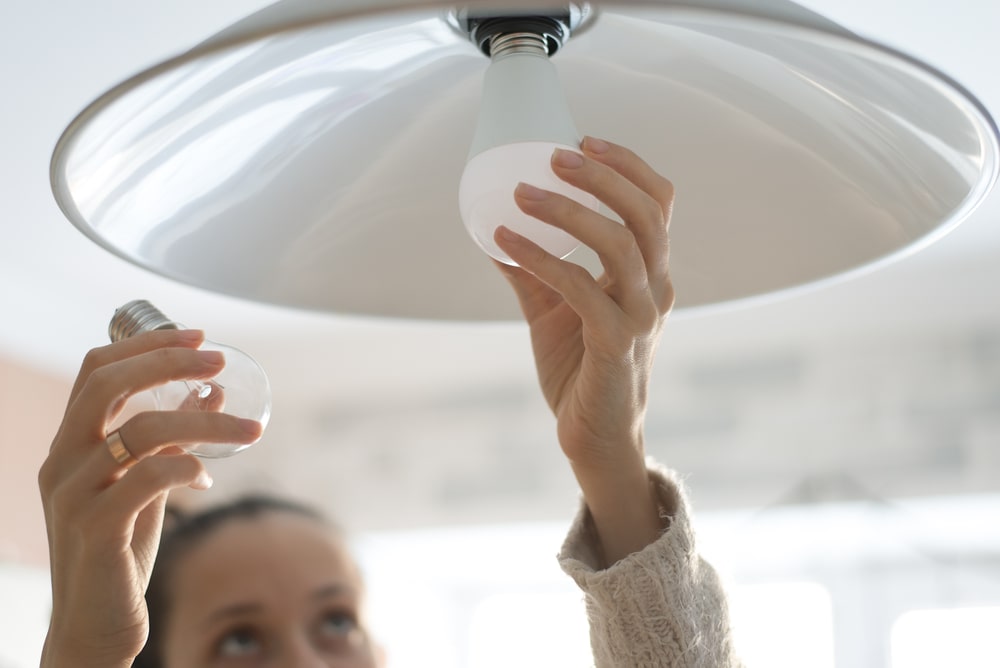
US States Matching Global Moves to Efficient Lighting
The ongoing revisions to the US’s federal lighting policies are incrementally raising the required efficiency of bulbs being sold on the market, slowly edging out the most inefficient and polluting products; however, there is an immediate opportunity to shut the door on costly lighting technologies.
“There is global momentum around the LED transition and US states are leading the pack,” said Ana Maria Carreño, Senior Climate Director at CLASP. “A national clean lighting policy would benefit every household and business across the US and help usher in the next generation of energy and cost-efficient lighting, while preventing further mercury pollution.”
At the recent Minamata Convention Fifth Conference of the Parties (COP5), countries agreed to phase out fluorescents globally by 2027. As the US is a party to the Convention, both state and federal action will be crucial to carrying out the decision nationally.
More states are signaling interest in passing their own clean lighting bills in upcoming legislative cycles. The CLASP lighting experts are watching closely to see when federal action will take advantage of the multifaceted benefits of an all-LED future.
__
CLASP and the Appliance Standards Awareness Project (ASAP) would like to thank the nearly 200 state advocate organizations who are making the clean lighting transition a reality across the US, including the clean lighting champions at:
- Blue Planet Foundation
- Environment Oregon
- Fresh Energy
- Green Energy Consumers Alliance
- Hawaii Energy
- Illinois Public Interest Research Group
- Massachusetts Public Interest Research Group
- Mercury Policy Project
- National Product Stewardship Council
- Natural Resources Council of Maine
- Northwest Energy Coalition
- Responsible Purchasing Network
- Southwest Energy Efficiency Project
- Vermont Public Interest Research Group
0. Umweltbundesamt “Heat Pumps” August 2023
https://www.umweltbundesamt.de/en/topics/climate-energy/fluorinated-greenhouse-gases-fully-halogenated-cfcs/application-domains-emission-reduction/heat-pumps
1. Bundesamt für Wirtschaft und Ausfuhrkontrolle “Liste der förderfähigen
Wärmepumpen mit Prüf-/Effizienznachweis” April 2025 https://www.bafa.de/SharedDocs/Downloads/DE/Energie/beg_waermepumpen_pruef_effizienznachweis.html
2. International Energy Agency “World Energy Outlook 2019” https://iea.blob.core.windows.net/assets/98909c1b-aabc-4797-9926-35307b418cdb/WEO2019-free.pdf
3. International Energy Agency “World Energy Outlook 2019” https://iea.blob.core.windows.net/assets/98909c1b-aabc-4797-9926-35307b418cdb/WEO2019-free.pdf
4. International Energy Agency “World Energy Outlook 2023” https://iea.blob.core.windows.net/assets/86ede39e-4436-42d7-ba2a-edf61467e070/WorldEnergyOutlook2023.pdf
5. International Energy Agency “World Energy Outlook 2019” https://iea.blob.core.windows.net/assets/98909c1b-aabc-4797-9926-35307b418cdb/WEO2019-free.pdf
6. International Copper Association “ICA China Motor Program: 20 Years of Promoting Energy Efficiency” https://internationalcopper.org/resource/ica-china-motor-program-20-years-of-promoting-energy-efficiency/
7. International Copper Association India “Energy Efficient Motors” https://copperindia.org/energy-efficient-motors/