
The Induction Revolution: Top Chefs Embrace Electric Cooking
The shift to induction stoves is gaining momentum in professional kitchens around the world, as demonstrated at the Global Cooksafe Coalition’s (GCC) launch in the United Kingdom on 3 June 2024. CLASP participated in the event, along with world-renowned chefs, public health and climate experts, and industry leaders. There was consensus in the call for a rapid transition from fossil fuel powered cooking to healthier, affordable, and safer electric kitchens powered by renewable energy.

Key Takeaways from the Event
- Culinary excellence: Modern electric cooking technologies provide excellent cooking performance for both professional and home kitchens as they offer precise temperature control and the ability to heat food faster.
- Health and safety: Transitioning to electric cooking can significantly improve indoor air quality and reduce health risks associated with gas cooking. Electric cooking also creates safer cooking conditions, with more manageable room temperatures for chefs, compared to open flame stoves. This reduces heat-related stress and fatigue and leads to higher productivity and better physical and mental health.
- Environmental impact: Electrifying kitchens is a critical step in decarbonizing restaurants and homes, lowering climate emissions, and achieving global climate targets.
- Economic viability: Electric stoves are much easier to clean than gas stoves, saving restaurant staff hours each week. In addition, renewable energy combined with electric appliances offers a cost-effective and stable energy solution, reducing dependency on volatile fossil fuel markets.
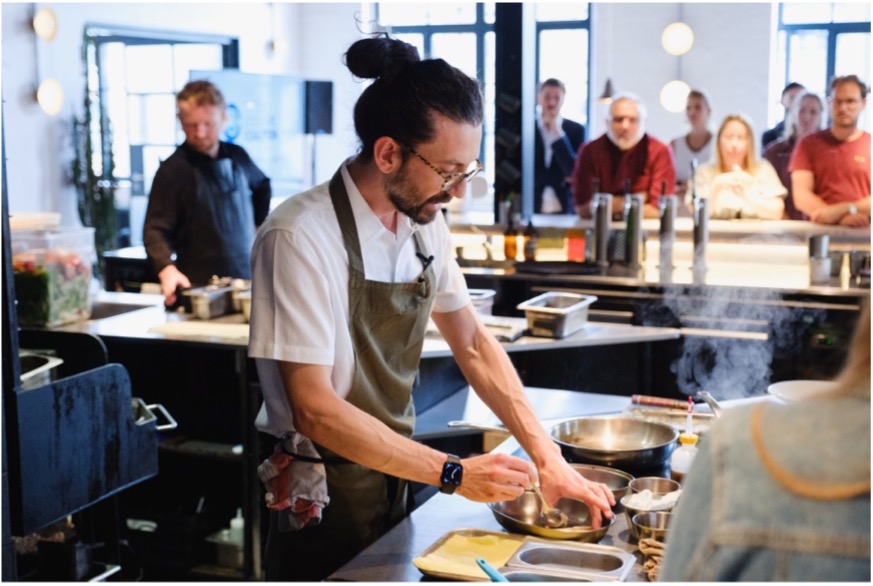
I worked in a couple of kitchens doing pop-ups and things where they had induction suites and I just really enjoy working on them. I loved the control. I loved the ability to clean it so easily and also not having so much heat generated from it. I actually switched my entire house to induction very recently. I just felt it was the future.Chef John Chantarasak
Owner of AngloThai
Top UK Chefs Embrace Electric Cooking
During the event, professional chefs and GCC ambassadors, John Chantarasak and Chantelle Nicholson, along with Chef Douglas McMaster, highlighted the advantages of electric cooking. They demonstrated how modern induction stoves offer precise control and superior cooking quality, dispelling common misconceptions about electric cooking’s limitations.
The Future is Electric
Chefs around the world are increasingly embracing electric alternatives like induction, making it a compelling option for households as well. Innovations in electric cooking technologies cater to all varieties of culinary needs.

Induction is just so accurate, so precise, so clean. It’s 3 times more efficient. It’s absolutely the way forward.Chef Douglas McMaster
Owner of Silo London
By using electromagnetic energy to directly heat cookware, induction stoves produce less ambient heat, creating a safer, healthier, and more comfortable work environment, particularly during busy restaurant shifts. The absence of open flames on electric or induction stoves also reduces the risk of accidental fires and eliminates pollutants caused by burning gas.
Reducing Risks for Healthier Homes
Electrifying kitchens is a solution to growing health concerns. Cooking with gas releases toxic pollutants, such as nitrogen dioxide and benzene, into kitchens and homes. It puts people at greater risk of respiratory diseases like asthma, particularly for vulnerable groups such as children or those with pre-existing health conditions. There is growing evidence linking combustion-related air pollution with adverse health effects on brain development in young children. For adults, emissions from gas cooking can lead to negative impacts on the brain, respiratory, and nervous systems.

We spend roughly 80% of our time indoors – in our homes, in our schools, in our workplaces. So why has all the focus and concentration been on what we breathe outdoors when we’re potentially at more risk breathing what is present in indoor air?Professor Frank Kelly
Battcock Chair in Community Health and Policy, Imperial College London
Transitioning to electric appliances and ensuring proper ventilation can help lower the risks of gas cooking. For people who cannot adopt electric options, there are several ways to minimize exposure to gas cooking emissions. Find out how to improve the air quality in your home when you use a gas stove or oven.
About the Global Cooksafe Coalition
As a founding member of the GCC, CLASP supports the coalition’s mission by researching cleaner, more efficient electric alternatives while also addressing the health and environmental impacts of cooking with gas. Together, CLASP and GCC work for a healthier and more sustainable future for all.
More information about CLASP’s research on gas and electric cooking: www.clasp.ngo/cook-cleaner-europe
For more information about the GCC’s launch in the United Kingdom: www.cooksafecoalition.org/grosvenor-lendlease-electric
CLASP’s Impact Working with Africa’s Clean Cooking Sector
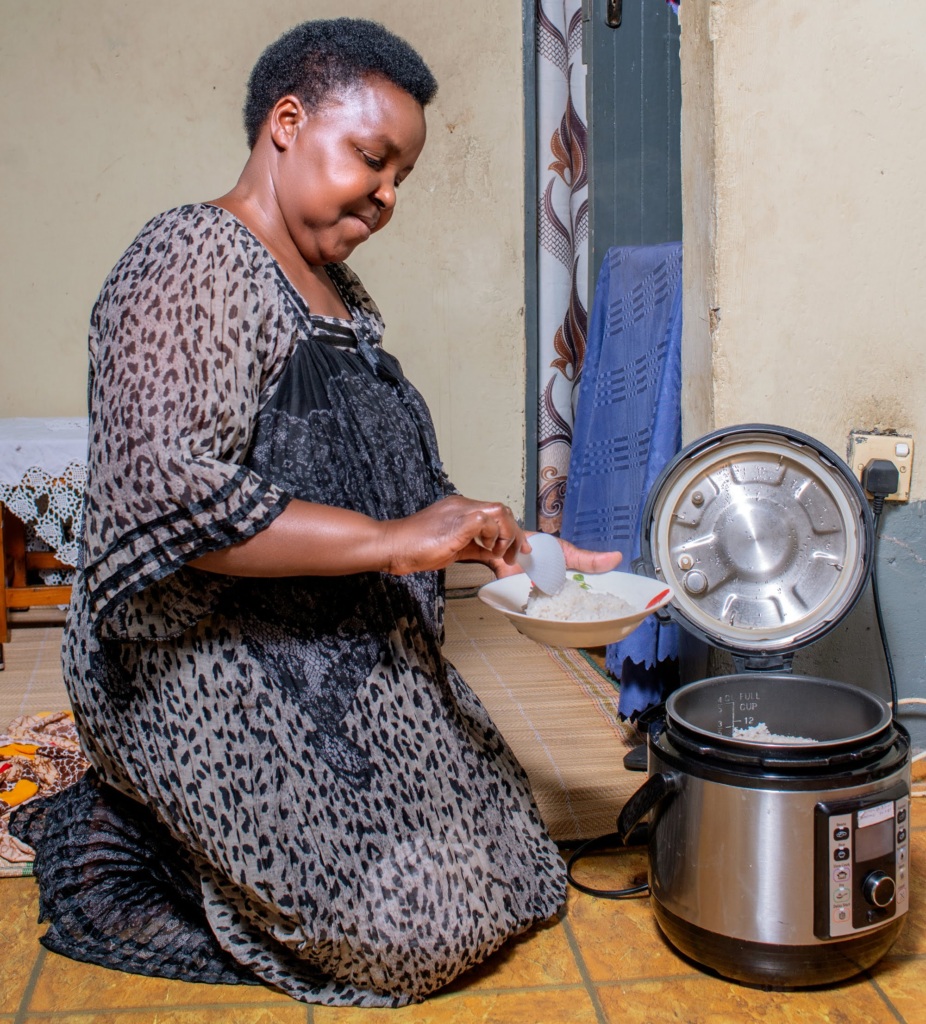
Modern, clean and efficient cooking solutions, such as electric pressure cookers and induction cookstoves, deliver proven health, economic, and social benefits – even in off-grid areas. Despite this, over 900 million people in Africa still lack access to these life-improving appliances.
CLASP and our partners are engaged in various initiatives across the continent to enhance the affordability and adoption of clean cooking appliances. These aim to reduce indoor air pollution, reduce the risk of fire, promote gender equality, and demonstrate the energy and cost savings associated with clean cooking practices.
Clean Cooking Improves Health and Air Quality
Household air pollution from cooking with polluting fuels is responsible for an estimated 3.2 million premature deaths annually. A significant portion of these deaths occur in low- and middle-income countries. CLASP aims to reduce the incidence of respiratory diseases and environmental damage linked to household air pollution by promoting the increased adoption of efficient, clean cooking appliances. CLASP is doing this through a range of programs such as the Global LEAP Induction Cooktops and Electric Pressure Cooker Competitions. These showcase sustainable alternatives to traditional biomass cookstoves as well as harmful fuels like kerosene. CLASP invites companies developing and supplying induction stoves to submit an expression of interest for their products to undergo usability testing in Kenya and India.
Product Testing Builds Consumer Awareness and Trust
Modern cooking appliances suitable for off-grid homes and businesses are still a developing market. This causes variations in quality, durability, and performance among the available products. CLASP conducts performance testing in household and business contexts to evaluate product performance and publish the results. This ensures consumers know which products to invest in, and manufacturers have clear benchmarks to improve the design and development of cooking solutions. This promotes energy-efficient, cost-effective, and high-functioning appliances on the market.

Innovative Financing Drives Supply and Affordability
Many clean cooking appliance businesses in Africa struggle to expand their customer base and scale their operations due to a lack of finance and the high costs associated with importing quality products. To address this, CLASP and our partners created initiatives such as the Higher-Tier Cooking Component (HTCC) and the Productive Use Financing Facility. Both these programs provide procurement subsidies and help companies bulk-buy electric cooking equipment, lowering their purchasing price and unlocking new markets. In addition, the companies test the performance of these products through VeraSol to verify product quality.

CLASP’s Chief of Programs, Jenny Corry Smith, attended the IEA Summit on Clean Cooking in Africa on 14 May 2024.
Update 14 May 2024:
At the close of the Summit on Clean Cooking in Africa, CLASP, along with a host of national governments, international organizations, civil society organizations and companies signed The Clean Cooking Declaration: Making 2024 the Pivotal Year for Clean Cooking. This declaration pledges to make clean cooking a priority, and enhance efforts toward achieving universal access for all.
The declaration emphasizes the importance of developing financing, policies and partnerships on the topic. The IEA also announced the mobilization of USD2.2 billion in related public and private sector pledges. Clean cooking is seen as essential in support of achieving Sustainable Development Goal 7, access to affordable, reliable, sustainable, and modern energy.
The Respiratory Benefits of Electric Cooking
CLASP is collaborating with partner organizations and policymakers around the world to address the health and environmental impacts associated with open-flame cooking appliances, and increase the uptake of electric cooking.
CLASP research shows that gas and solid fuel stoves produce a cocktail of air pollutants within homes, posing significant risks to respiratory systems. These pollutants impact people and children with asthma more notably. However, the solutions already exist: transitioning to electric cooking appliances. Replacing open-flame stoves with cleaner, energy-efficient electric alternatives remains the healthiest and safest option available.
Addressing Gas Cooking
Cooking with gas emits a cocktail of pollutants, one of them, nitrogen dioxide (NO2), is formed when gas flames react with oxygen in the air. A recent CLASP study conducted in Europe found that levels of NO2 in households with gas cooking appliances often exceed WHO air quality guidelines. In fact, indoor air quality, particularly in gas-cooking households, can often be poorer than outdoor air quality.

CLASP is working with the European Commission to introduce NO2 limits into the Ecodesign standards that govern cooking appliances. More information on CLASP’s research and recommendations on gas and electric cooking in Europe can be found here.
Tackling Solid Fuel Cooking
In regions like Africa and South East Asia, millions rely on burning solid fuels, like coal, firewood, and biomass for cooking. This has significant health consequences.
“The evidence is clear: transitioning to electric cooking is a vital step towards protecting respiratory health and reducing air pollution. CLASP is fostering healthier homes and communities worldwide by promoting cleaner, safer, and more sustainable, energy-efficient cooking appliances, to make a tangible improvement on people’s lives.” Sam Grant, Senior Director of Clean Energy Access at CLASP
To mitigate the air pollution caused by cooking methods in Rwanda and Uganda, CLASP is encouraging the widespread adoption of affordable electric pressure cookers. In India, CLASP promotes the adoption of efficient induction cookstoves, as a cleaner alternative to traditional solid fuel cooking appliances.
Understanding the Respiratory Risks
Air pollution stands among the World Health Organization’s (WHO) top ten global health concerns. The WHO considers NO2 a dangerous air pollutant that can cause serious respiratory problems, including, “…bronchoconstriction, increased bronchial reactivity, air way inflammation and decrease in immune defense leading to increased susceptibility to respiratory infection.”

Those already suffering from asthma symptoms are particularly sensitive to the pollutants emitted by gas and solid fuel cooking appliances.
“Electric cooking is not just about preparing meals: it is about safeguarding our health. NO2 exposure, brief or prolonged, harms respiratory health. Studies indicate that switching to electric cooking could prevent as many as 700,000 children in Europe from developing asthma, making up 12% of all cases. Recognizing these risks, EPHA is mobilizing the public health community and advocating for policy changes that promote electric cooking, safeguard respiratory health, and ensure a healthier future for all.” Sara Bertucci, Policy Manager at the European Public Health Alliance
Clean Cooking Solutions
Both health and air quality experts recommend accelerating the transition to electric cooking. To minimize exposure to cooking pollutants, effective ventilation practices can be beneficial, but the ultimate solution is adopting plug-in electric appliances. Governments have a pivotal role to play by enforcing stricter appliance standards and incentivizing the widespread and equitable adoption of electric cooking appliances. Manufacturers and healthcare professionals should also inform people about the indoor air pollution linked with gas and solid fuel cooking appliances, as well as possible alternatives.
Collective action from policymakers, manufacturers, and healthcare professionals can ensure significant progress is made in reducing people’s exposure to cooking emissions and promoting respiratory health.
National Cooking Trends from Six European Countries: Insights and Policy Recommendations
Despite advancements in electric cooking technologies, millions of households across Europe still rely on gas for cooking. Gas cooking appliances contribute to high levels of indoor air pollution and pose substantial health, environmental, and economic challenges.
CLASP’s has produced incisive factsheets on gas cooking trends in six countries. These provide insights and policy recommendations, covering consumer trends, as well as health, environmental, and cost concerns in these countries:
The Risks and the Solutions
CLASP’s research reveals elevated levels of NO2 in homes using gas stoves and ovens compared to those using electric alternatives. These levels exceed benchmarks set by World Health Organization guidelines and European Union (EU) and United Kingdom (UK) limits for outdoor air pollution.
- Health Impacts: Exposure to high levels of pollution is known to cause strokes, heart disease, lung cancer, and both chronic and acute respiratory diseases, including asthma.
- Climate Change: Gas cooking contradicts net-zero and emissions reduction targets, highlighting the need to transition to electric alternatives. The reliance on fossil fuels for domestic cooking contributes to indoor air pollution and greenhouse gas emissions, undermining efforts to mitigate the impacts of climate change.
- Consumer Trends: Despite health and environmental concerns, many consumers remain unaware of the risks of gas cooking.
- Cost Considerations: Gas cooking masks significant societal costs. While gas appliances may offer initial cost savings in some cases, the hidden costs associated with indoor air pollution, such as healthcare expenses and environmental impacts, outweigh any apparent economic benefits.
- Policy Recommendations and Regulatory Measures: In the EU and the UK, Ecodesign and Energy Labelling policies provide opportunities to advance energy-efficient and healthier electric alternatives. At the national level, governments can accelerate the transition to electric cooking through electricity tariff reforms, targeted subsidies, awareness campaigns, and holistic support. Incentives and financial assistance programs can encourage households to adopt electric cooking technologies, facilitating a shift towards cleaner and more sustainable cooking practices.
For more information on the topic, visit https://www.clasp.ngo/cook-cleaner-europe/.
Beyond the Flames: Expert Insights on Gas Cooking
Have you ever wondered about the health and environmental impacts of cooking with gas? CLASP asked Professor Frank Kelly from Imperial College London, Dr. Laura Reali, a pediatrician at the Italian Public Health System, and Tony Renucci, managing director at Respire, to shed some light on the topic.
- What happens to the air in our homes when we use gas cooking appliances?
CLASP research confirms that gas stoves and ovens emit harmful pollutants such as nitrogen dioxide (NO2) directly into people’s homes. These substances can have detrimental effects on our respiratory systems and overall health.
- What are the health risks linked to cooking with gas?
Gas-cooking households experience elevated levels of NO2, an air pollutant linked to respiratory diseases like asthma. Research by the World Health Organization (WHO) on NO2 found: “The main health outcomes of interest are respiratory symptoms, bronchoconstriction, increased bronchial reactivity, airway inflammation and decrease in immune defence leading to increased susceptibility to respiratory infection.”
However, the health risks associated with gas cooking extend beyond respiratory issues. Studies suggest that exposure to gas emissions can impact everything from our lungs to our brains, affecting individuals across all stages of life. Find out more about the health risks in this CLASP report.
- Are some people more sensitive to the health impacts linked to cooking with gas?
Due to their developing lungs, children have a heightened sensitivity to pollutants. People with pre-existing health conditions, and the elderly are also more vulnerable to the health impacts of gas cooking. The WHO found that children living in homes with gas cooking appliances have a 20% increased risk of respiratory illnesses. It’s crucial to understand and address these vulnerabilities to protect those most sensitive to the risks of cooking with gas.
- Are people aware of the impacts of cooking with gas?
Many people are unaware of the elevated levels of indoor air pollution created by gas cooking. As a result, there is a lack of awareness among the general population on the health risks linked to the use of gas cooking appliances.
According to consumer surveys conducted in 2023 by CLASP and Opinium Research, in France, 53% of surveyed adults believe that the use of gas cooking appliances isn’t linked to any health issues, whereas only 34% of adults in the United Kingdom have concerns over cooking with gas appliances in their homes. CLASP found that between 58 and 74% of consumers in Europe would consider getting rid of their gas cooker if they knew it was linked with health issues.
- What can people do to protect themselves from the health risks linked to cooking with gas appliances?
People can minimize their exposure to gas cooking emissions in a number of ways. From switching to electric cooking appliances, to ensuring proper ventilation, simple actions can help reduce the health risks associated with gas cooking. Find out how to improve air quality in your home when you have a gas hob or oven here.
- Why is now the right time to switch to electric cooking alternatives?
Given the mounting evidence that links emissions from gas cooking appliances with health risks, now is the time for governments and policymakers to incentivize the transition to safer, efficient electric alternatives. CLASP research reveals that in the European Union (EU) and the United Kingdom (UK), over 180 million people are at risk of exposure to levels of indoor air pollution that exceed the EU and WHO recommended levels for outdoor air pollution. In addition, approximately €3.5 billion is spent annually in the EU and £1.4 billion in the UK in health-related costs linked to indoor air pollution from gas cooking.
- What is the solution?
To protect public health and reduce the national health costs related to cooking with gas, governments should accelerate and incentivize the transition to electric alternatives. Policymakers can tackle indoor air pollution at the source through Ecodesign standards and energy labeling policies, and define appropriate limits for indoor pollutant levels.
With energy-efficient electric options widely available in the market, it’s time to reconsider our reliance on gas appliances and embrace a cleaner, healthier way forward to protect both people and the planet.
For more information on the topic, visit https://www.clasp.ngo/cook-cleaner-europe.
CLASP Study Shows Appliance Efficiency Standards in the US Prevented Up to 4,400 Pollutant-Related Deaths Annually, Valued at $41 Billion
Washington DC, 11 March, 2024 – CLASP’s latest report, “How National Appliance and Equipment Energy Conservation Standards Can Improve Public Health and Advance Justice40 Initiative Goals,” finds that standards adopted over the past 30 years have led to substantial reductions in fine particulate matter (PM2.5) and PM2.5 precursor emissions, which are harmful pollutants that can cause respiratory and cardiovascular health issues such as asthma, lung cancer, or heart disease. Data from 2017 suggest that this reduction could prevent between 1,900 and 4,400 PM2.5-related deaths every year. Using the value of statistical life, this translates to monetary benefits of $18 to $41 billion.
Importantly, CLASP’s study finds that the benefits of these standards are distributed relatively equitably among communities with those designated as disadvantaged by Justice40, an initiative aiming to ensure that 40% of the overall benefit of federal climate investments go to disadvantaged communities, receiving a significant share.
These findings demonstrate the far-reaching positive impacts of standards and highlight the importance of the US Department of Energy meeting its deadlines for updating approximately 50 appliance efficiency standards, including for water heaters, by January 2025. Finalizing all pending standards could avert 2.5 billion metric tons of greenhouse gas emissions while saving consumers nearly $1 trillion over 30 years, according to the agency.
The report outlines actionable recommendations to amplify the benefits of standards and suggests ways to measure their contribution towards Justice40 goals. By implementing these recommendations, policymakers, industry stakeholders, and communities can work together to ensure that national appliance standards continue to drive positive change for all people and the planet.
Read the full report here.
How National Appliance and Equipment Energy Conservation Standards Can Improve Public Health in the US
Gain insight into the critical role of national appliance standards in improving public health and discover how to measure their impact against Justice40 goals. Find actionable recommendations for maximizing their benefits for a healthier, greener, and fairer future.
Key findings
- National appliance standards have led to significant reductions in PM2.5 and PM2.5 precursor emissions, avoiding hundreds of thousands of tons of pollutants in 2017.
- These standards prevented between 1,900 and 4,400 PM2.5-related deaths in 2017, translating to monetary benefits of $18 to $41 billion.
- Health benefits from national appliance standards have been distributed relatively equitably. Communities designated as disadvantaged by Justice40, representing 33% of the total population, have received 36% of the health benefits.
Recommendations
- The US Department of Energy must meet legal deadlines for updating appliance efficiency standards to maximize public health benefits.
- Governments should expand outreach and incentives to promote efficient appliance adoption, prioritizing disadvantaged communities, renters, and low-income households.
- Engage disadvantaged communities and people of color in all stages of policy development and implementation.
___________________________________________________________________________________________
Additional Resources:
Financing for Impact: Powering Change in Northern Uganda with Solar
Appliances Supporting Life-Saving Health Facilities
The Rhino Camp is a refugee settlement camp in Northern Uganda. Within the camp is the Ofua Health Center 3, a solar-powered medical facility with just two doctors attending to a population of over 45,000 people. Dr. Gideon Anguerini highlights a pressing challenge: the center’s reliance on a single, energy-inefficient fridge unsuitable for solar power. The health center aims to purchase an efficient solar-powered fridge from POPO Africa, an appliance distributor based in Uganda. With the fridge, the health center’s services will be expanded, its energy costs significantly lowered and it can treat more patients.


Delivering Change through Solar Solutions
From the outset, POPO Africa’s vision aimed at enhancing maternal health by ensuring that clinics in refugee camps had reliable solar lighting powered by solar battery packs. This expanded, as the company moved into leasing the battery packs to the wider community.
POPO’s solar batteries are a lifeline for community businesses, enabling them to operate after dark, offer phone charging services, and more. With 54 distribution points across five districts, POPO’s impact is widespread, directly employing 75 people and indirectly supporting many more through their distribution network. POPO Africa also places a strong emphasis on women’s economic empowerment, boasting a workforce that is 70% female.

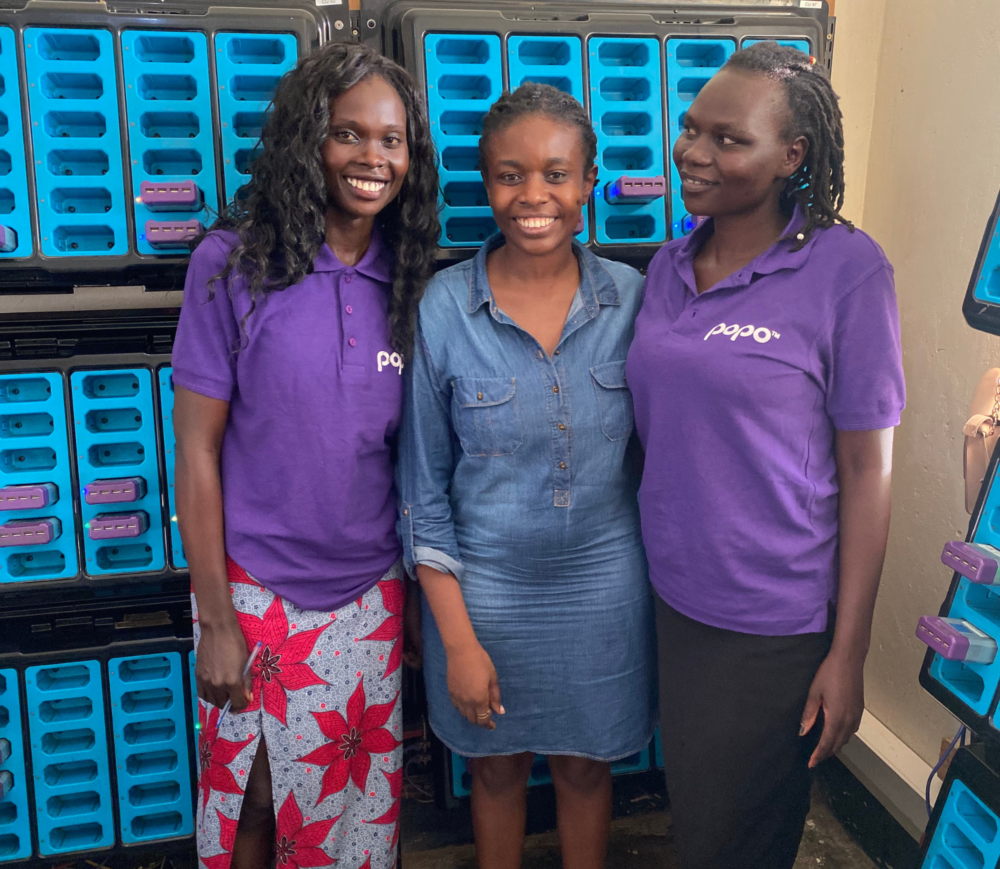
Recognizing the critical need for cooling services POPO aimed to revolutionize the off-grid cold chain service in Northern Uganda. The only barrier to this was capital constraints. POPO could not pursue the cold chain opportunity without external support. With funding from CLASP’s Productive Use Financing Facility, POPO was able to start selling solar-powered refrigerators, that will benefit healthcare facilities and empower local businesses.
Transformative, Impactful Financing
Efficient productive-use appliances (PUAs) like solar-powered refrigerators, pumps, and milling machines can have transformative effects on local communities, small businesses, and the environment. However, despite their potential for income generation, PUA sales remain remarkably low in emerging markets due to their relatively high upfront costs and a lack of access to finance. CLASP set up the Productive Use Financing Facility to address these challenges by helping distribution companies like POPO Africa sell their products at lower prices.
Overcoming Capital Constraints
With CLASP’s Facility’s procurement subsidies and capacity-building grant, POPO is working to sell approximately 140 refrigerators within a year. They have made that transformative step into the cold chain market and are now extending affordable, off-grid cooling to their customers, like the Ofua Health Center.
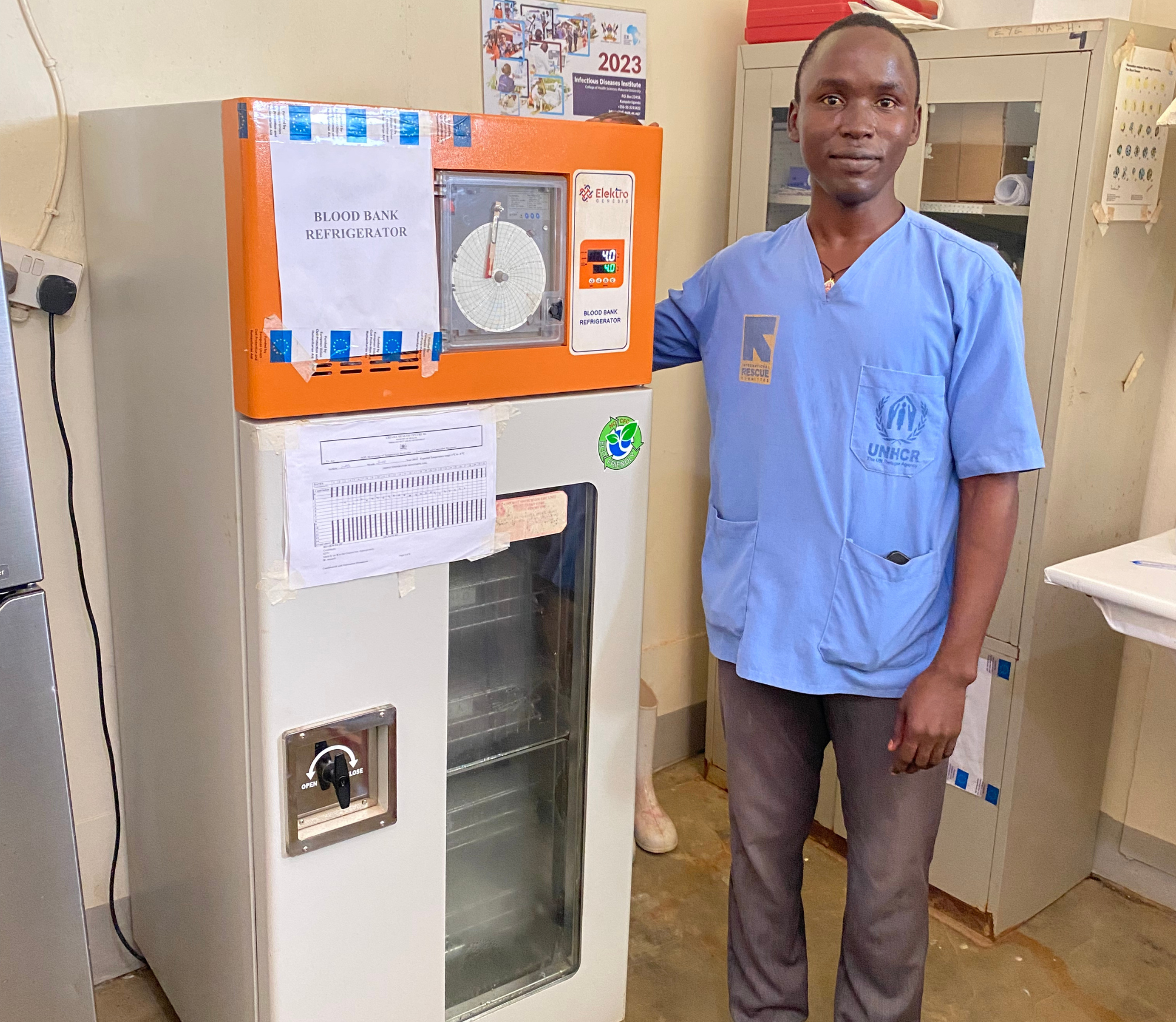
With each solar-powered battery and refrigerator, POPO is helping to build a future where energy is accessible, businesses thrive, and healthcare advances, even in the most remote corners of the world.
***
About The Productive Use Financing Facility
CLASP’s Productive Use Financing Facility, is supported by The Global Energy Alliance for People and Planet (GEAPP). It has provided financing to 24 companies in six countries, to enable the distribution of over 13,000 productive-use appliances, directly impacting more than 58,000 households.
Electrifying Cooking for Healthier and Cleaner Homes
In our daily lives, an often-overlooked activity may be impacting our health more than we realize. When we burn gas in our homes, we’re not just preparing meals; we’re cooking up a cocktail of pollutants. These pollutants pose health risks, particularly for vulnerable individuals and those with pre-existing conditions like asthma, according to environmental health expert Frank Kelly, a professor at Imperial College London. Transitioning from gas to electric hobs and ovens can eliminate the health risks associated with gas combustion, Kelly said.
The field study
In 2023, CLASP, in collaboration with TNO and Opinium, carried out the largest indoor air quality study focused on gas cooking ever conducted in Europe to understand the extent of the problem. Researchers provided air quality sensors to 250 households across 7 European countries. Over two weeks, the sensors measured and recorded levels of nitrogen dioxide (NO2), carbon dioxide, and particulate matter emitted in kitchens.
In kitchens equipped with gas stoves, researchers found that levels of NO2 often exceed the World Health Organization’s (WHO) air quality guidelines and outdoor air pollution limits in the European Union (EU) and the United Kingdom (UK). The study’s findings demonstrate the necessity to improve air quality in our homes, along with a critical need to inform people about the health risks associated with gas cooking and transition to cleaner cooking alternatives.
The hidden cost of cooking with gas
The repercussions extend beyond health; they’re also impacting our wallets. Each year, indoor air pollution related to gas cooking is estimated to cost the European Union around €3.5 billion and the UK government approximately £1.4 billion. These costs include lost earnings, decreased productivity, increased healthcare expenses, and missed educational opportunities.
A recipe for change
Professor Frank Kelly emphasizes that, given the wealth of information linking gas use to health issues and climate impact, “the use of gas is now outdated.” There is a pressing need for change. The most significant decrease in indoor concentrations of NO2 can be accomplished by making the switch from gas to electric cooking appliances. Accelerating the transition to electric cooking is identified by experts as the most effective solution, alongside raising awareness about the need for adequate ventilation.
To safeguard public health, action is required. Governments, industry leaders, healthcare providers, researchers, and individuals all have a role to play in reducing indoor air pollution related to gas cooking:
- Government: Policymakers across the EU and UK can help accelerate the transition to electric cooking by strengthening appliance standards and establishing energy labels for hobs that inform consumers about pollution levels.
- Industry: Manufacturers and retailers should privilege the production of electric cooking appliances, make the most efficient products more affordable, and discontinue the production of gas hobs and ovens.
- Civil society and healthcare: Advocates should raise awareness of the health risks associated with the use of gas cooking appliances.
- Research: By conducting further studies and fostering innovation, researchers can contribute valuable insights to guide policy decisions and technological advancements.
- On an individual level, adopting cleaner electric hobs and ovens is recommended to limit exposure to NO2. Ventilating kitchens during and after cooking is a simple, practical step toward mitigating the health risks associated with the use of gas hobs and ovens.
Our culinary choices carry significant health, economic, and environmental weight. Let’s make informed choices to protect our health and contribute to a cleaner future.
CLASP is working with governments to ensure they consider frameworks and incentives that encourage a transition away from gas cooking to electric alternatives.
For more information, visit https://www.clasp.ngo/cook-cleaner-europe/.
For a busy Kigali restaurant, a safer way to cook
Every day at lunchtime, dozens of hungry customers find their way to Chez Clémance, a small restaurant in Kigali, Rwanda. In the back of the shop, owner Muhimpundu Clémance and chef Nsengiyumva Célestin would traditionally have prepared their most popular dishes — meat, rice, beans, and yams — over charcoal fires.
But while their delicious food keeps patrons happy, this cooking method generates air pollution, damaging the environment and posing a health risk for staff. What’s more, the flames present a fire hazard.
Testing clean cooking solutions
Electric pressure cookers offer many benefits over cooking on charcoal. Durable, safe, and affordable, they lessen exposure to harmful air pollutants, lowering cooking costs while reducing deforestation and the burning of fossil fuels.
To understand how these appliances would perform in a busy commercial kitchen, CLASP and Sustainable Energy for All (SEforALL) selected Chez Clémance to field-test two electric pressure cookers over a period of four months. CLASP’s team set up the cookers, along with monitors designed to measure their efficiency. The researchers are also surveying the business owners to understand whether these appliances are a good fit for their needs.
Measuring efficiency and business viability
While laboratory testing gives a glimpse of appliance performance in a controlled environment, it provides only a limited representation of how products operate under the rigors of real use. Field-testing like that underway at Chez Clémance is critical to measure the appliance’s efficiency over a set time. It can quantify time savings and additional income generated or saved, as well as calculate avoided CO2.
These measurements are particularly important in newly developing appliance markets where there may not be a history of appliance usage or community exposure to how appliances can impact the livelihoods of first-time users.
About the project
This project is part of the Productive Use of Energy Pilot Study in Rwanda, conducted by CLASP with the support of Sustainable Energy for All (SEforALL) and the World Bank. The appliances being tested are electric pressure cookers, electric bikes, solar water pumps, and solar powered fridges.
CLASP works enhance the access to affordable, energy-efficient appliances to improve the lives of people and reduce the impact on our climate.