
Driving Impact in the Energy Sector
The energy sector is evolving rapidly, requiring diverse expertise and leadership to address emerging challenges. For International Women’s Day 2025, CLASP hosted a discussion in New Delhi, India, to explore strategies for strengthening the sector through effective workforce development, leadership approaches, and organizational strategies.
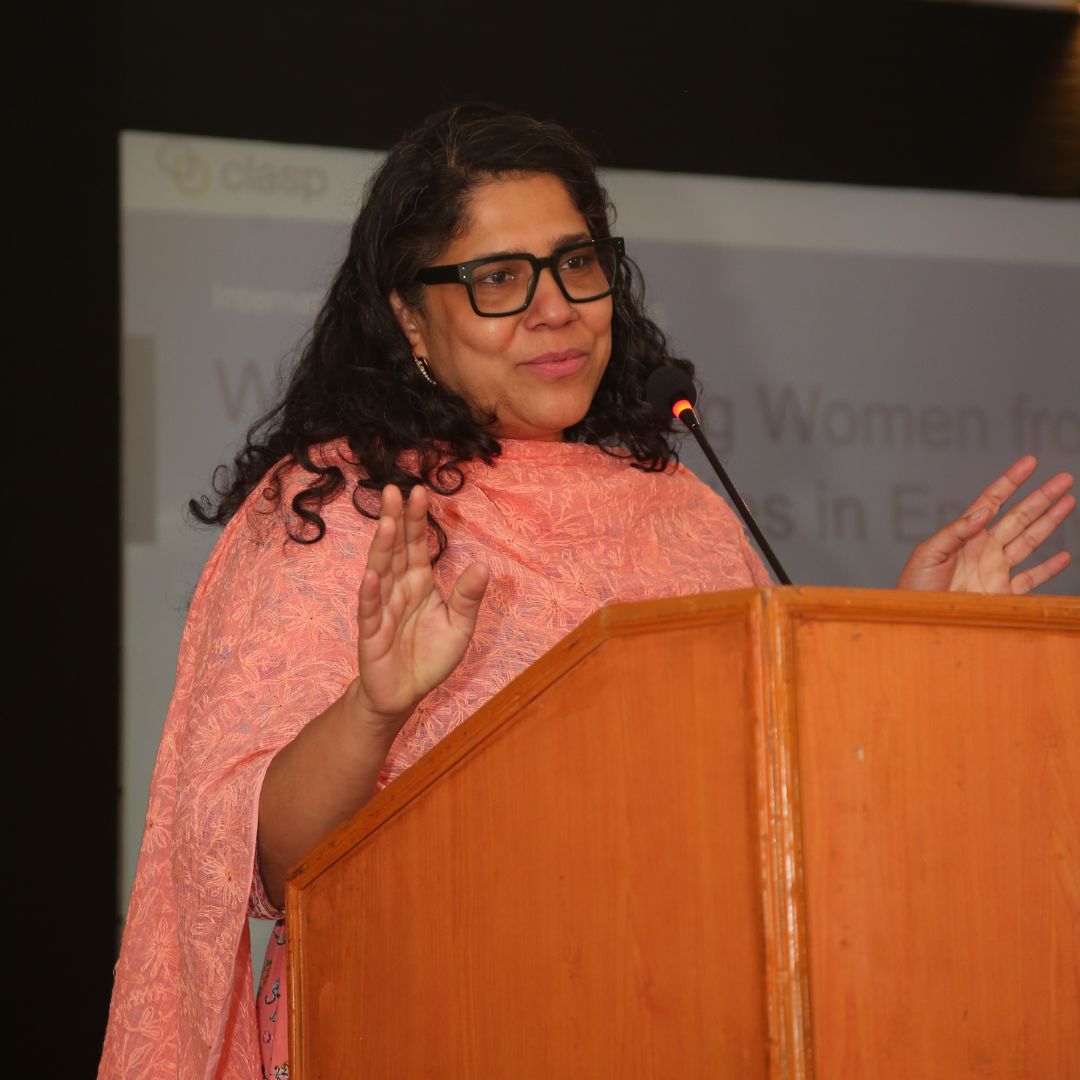
Yamini Mishra of the MacArthur Foundation emphasized the importance of broad participation in the energy workforce to overcome challenges and drive meaningful change.
Industry leader perspectives
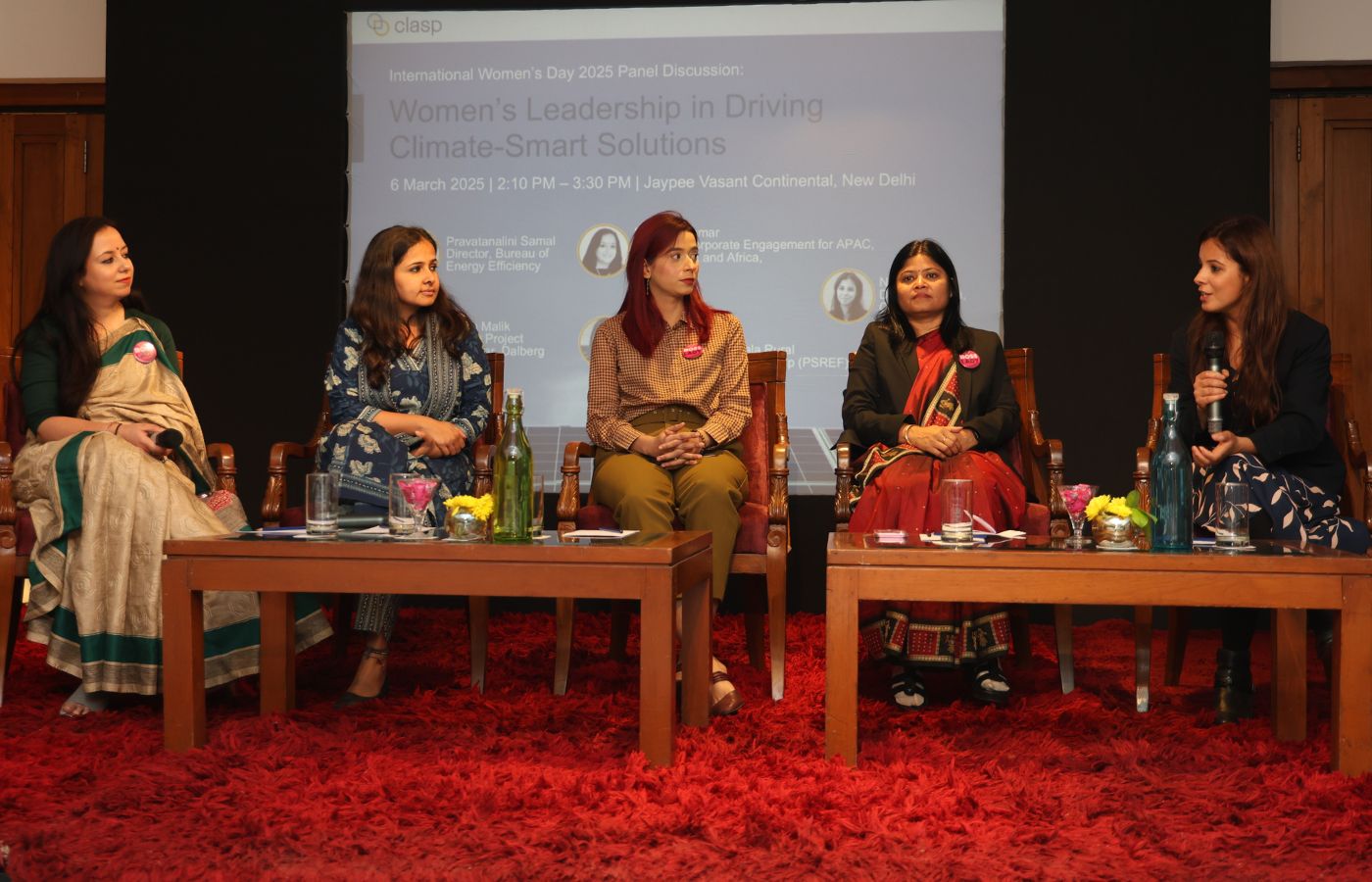
Photo by CLASP
The first discussion featured representatives from India’s Bureau of Energy Efficiency, Dalberg Advisors, PRIME-Sauramandala Rural Entrepreneurship Fellowship and S&P Global. The experts explored how a multifaceted approach to workforce engagement drives innovation, improves outcomes, and strengthens grassroots climate efforts.
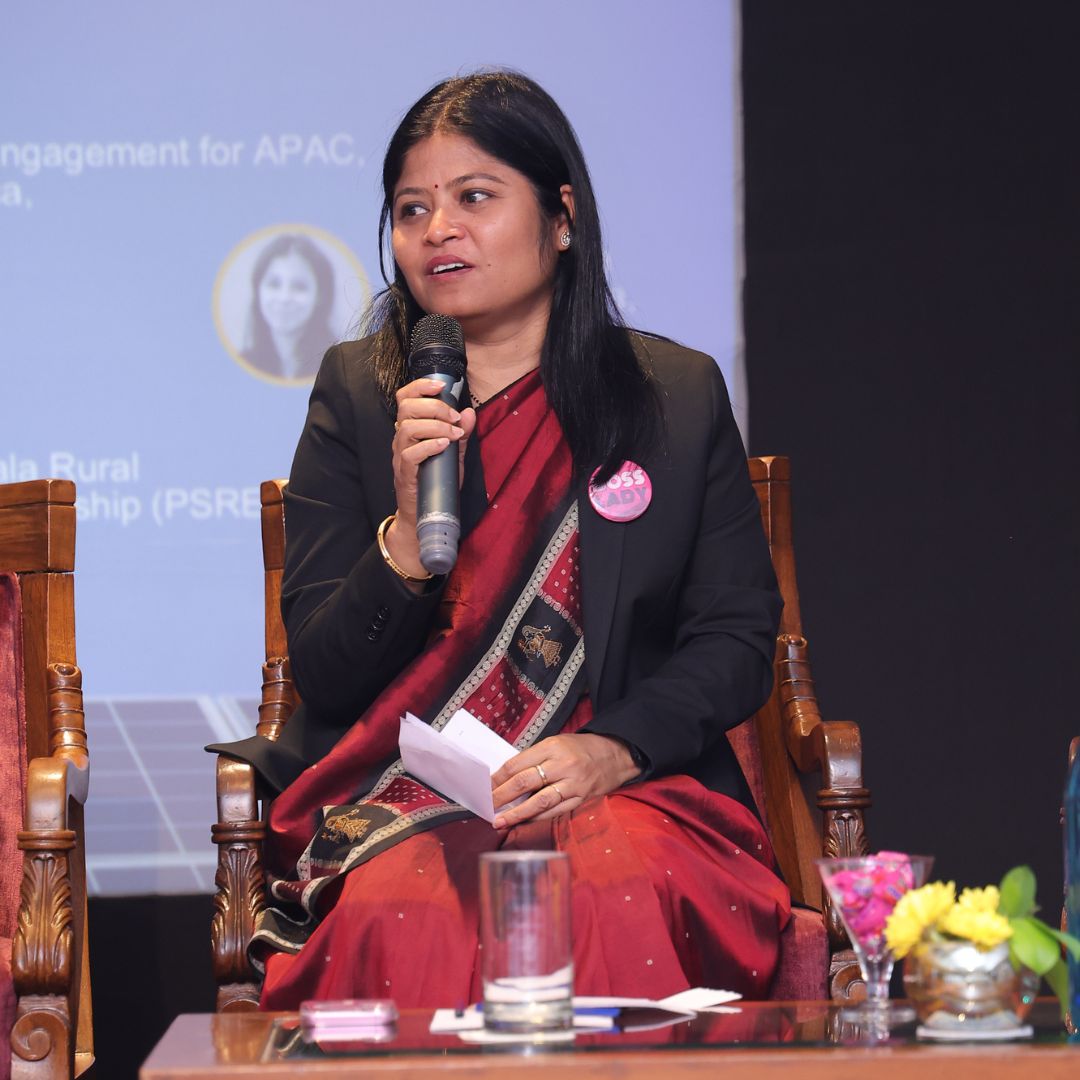
“Today, I see how perseverance has created the space for new perspectives to be valued. To aspiring professionals: stay the course, and your voice will find its place,” explained Pravatanalini Samal of India’s Bureau of Energy Efficiency
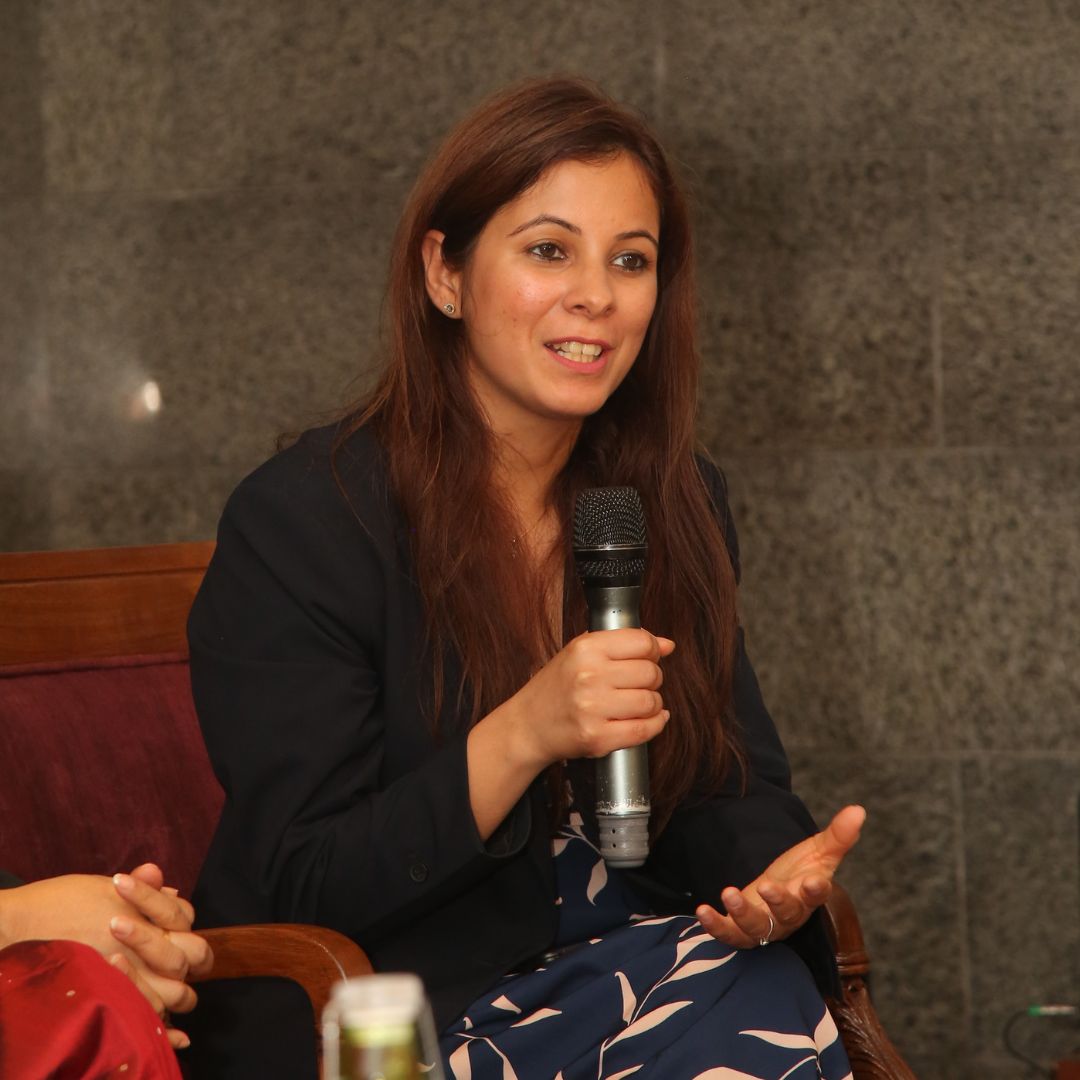
“A broad and representative workforce is essential to tackling climate challenges effectively. At CLASP, we are proud to contribute to a sector that values strong leadership and expertise,” emphasized CLASP's Neha Dhingra.
Best practices from leading organizations
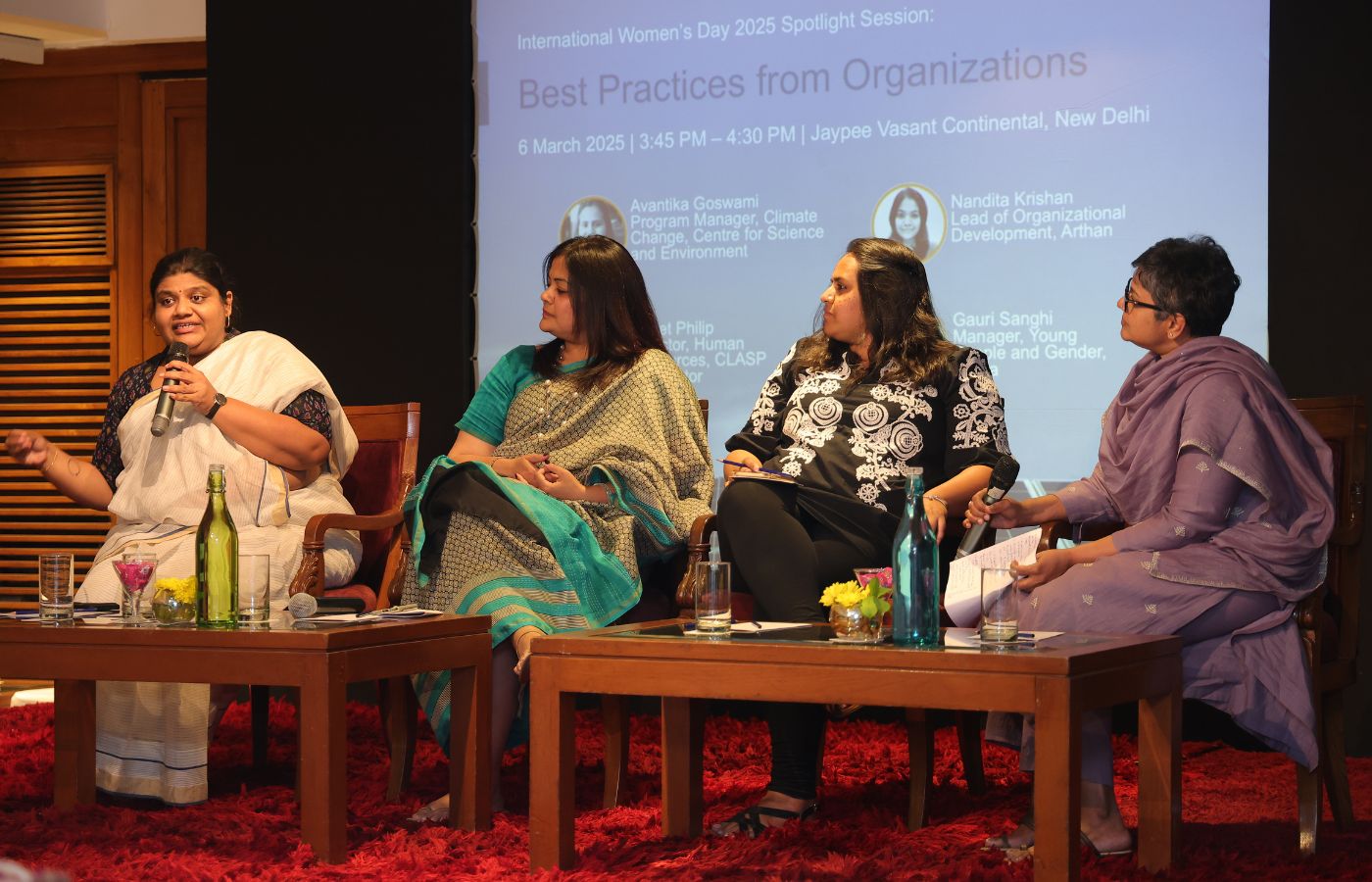
Photo by CLASP
A second discussion examined how human resource strategies influence workforce development and leadership cultivation. Moderated by Meret Philip, CLASP’s Human Resources (HR) Director, this panel brought together Arthan, Centre for Science and Environment, and Dasra who shared key strategies to foster an engaged and dynamic workforce.
Key takeaways included:
- Organizations should create environments that encourage professionals to contribute effectively from early career stages to leadership roles.
- Mentorship, role models, and access to professional networks are essential for career advancement and fostering leadership.
Marking the occasion, Meret also shared insights in this article, on how CLASP implements HR strategies to strengthen new leadership opportunities across various functions.
By cultivating a collaborative and forward-thinking workplace culture, organizations can enhance industry innovation and contribute to long-term climate and energy goals.
History of Women’s Day
Officially recognized by the United Nations in 1977, International Women’s Day is celebrated on 8 March each year in many countries around the world. It is a day when women are recognized and celebrated for their achievements
UK Aid to Support Research in the Global Push to Transition to Electric Cooking Solutions
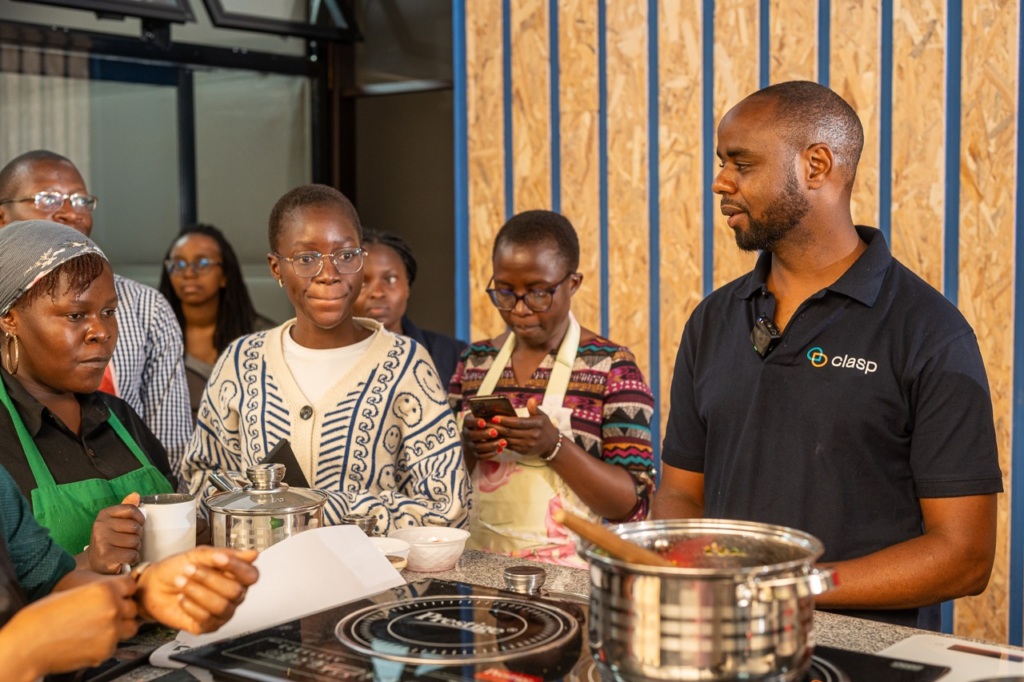
At the UN Climate Change Conference in Baku, Azerbaijan (COP 29), UK Aid (FCDO) announced a substantial extension of their Modern Energy Cooking Services (MECS) program. This funding boost will help accelerate the adoption of clean cooking practices and transform the lives of millions of people across Africa, Indo-Pacific, and South and Southeast Asia. CLASP looks forward to continued collaboration with MECS to expand access to clean, modern cooking solutions.
Clean cooking: Good for people and planet
The MECS programme is speeding-up the shift to clean cooking by driving research, testing new technologies, and tracking global tools and trends. It targets the 2.1 billion people—26% of the world’s population—who still rely on polluting fuels such as firewood and charcoal for their cooking. A transition to modern, clean cooking would help eliminate the harmful effect of these fuels on income, health, and the environment and have a profound social and economic impact on communities, especially on the women and children that bear the disproportionate burden of collecting fuel and preparing food.

MECS extension powers future impact
The MECS extension builds on the six-year success of the MECS programme in advancing the clean cooking agenda globally. To date, the programme has helped 3.8 million people adopt cleaner, more efficient cooking practices that lower fuel use, improve air quality, and boost income. It has also attracted £400 million of additional investment for clean energy innovation and published over 300 research papers. This compelling evidence base has already informed the adoption in policy of electric cooking (e-Cooking) in Kenya, Uganda, and Tanzania.
Aligning with the global goals
The MECS programme budget will increase by £44 million, raising the total value to £99 million, and pushing its work to December 2030 to align with the target dates of the Sustainable Development Goals. This extension will enable the implementing partners to continue driving even more impactful clean cooking solutions. By 2030, MECS aims to improve clean cooking access for 10 million people, leverage £1 billion in investments, publish 650 research products, and influence policy adoption in 12 countries. The MECS extension is expected to have reach across 17 countries in Africa, Indo-Pacific, and South and Southeast Asia, where clean energy transitions are urgently needed.
About CLASP
CLASP is the leading global authority with 25 years’ expertise on how applianceefficiency drives climate mitigation, adaptation, and improves the lives and livelihoodsof people. An international non-profit with offices on four continents, CLASPcollaborates with policymakers, appliance manufacturers, and leading experts todeliver sound policy recommendations, innovative tools, ground-breaking research,and clear pathways to a more sustainable world for people and the planet.
Cool for Business: Solar Refrigerators Powering Off-grid Communities
“Naija no dey carry last” in Pidgin means Nigerians always aim to finish first. This spirit is reflected in the country’s focus on innovation, driven by creativity and passion. However, for over 86 million Nigerians without reliable electricity, the struggle to keep businesses running means often relying on costly, polluting diesel generators. This added expense and the uncertainty brought on by regular power cuts place a significant burden on the country’s people, economy, and environment.
Affordable, solar-powered refrigerators are an elegant solution with the potential to transform small businesses in Nigeria’s rural, off- or weak-grid communities.
Solar appliances for any wallet
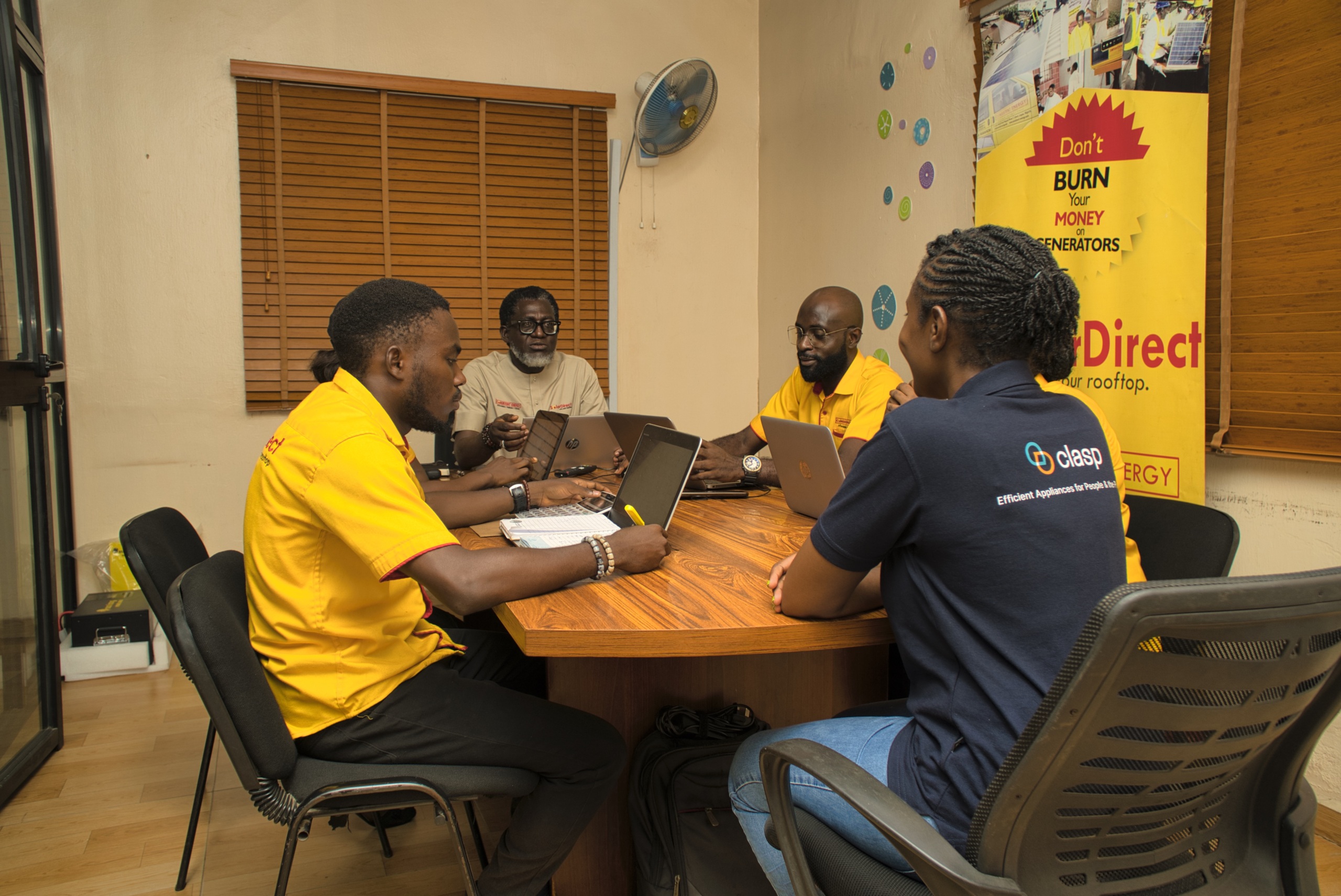
Solar refrigerators are efficient and effective but high costs and limited financing keep them out of reach for many Nigerians who could benefit from their impact. Recognizing this gap, CLASP’s Productive Use Financing Facility (PUFF) stepped in, offering grants, subsidies, and business support to companies such as Consistent Energy Limited to put affordable, life-changing technologies into the hands of those who need them most.
“The grant that was given to us by CLASP under this project really helped us building our capacity to reach last-mile distribution chain. The landed costs of the fridge to a customer in Nigeria will have been very high if not for the subsidy that we received,” says Segun Adaju, the CEO of Consistent Energy.
Solar refrigerators: A boon for businesses and customers
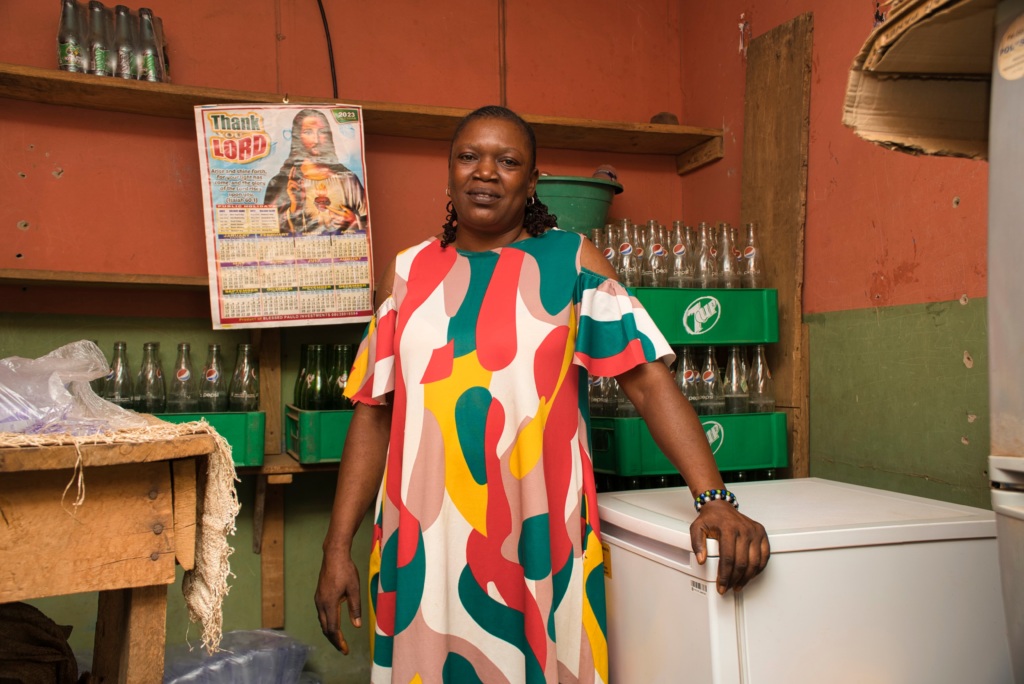
Solar refrigerators keep food cool, safe, and marketable and reduces waste. Without reliable refrigeration, shopkeepers spend more time and money on temporary cooling options such as ice and coolers and are forced to raise prices to do so, hurting both the business and their customers. This cycle was no longer viable for small business owners such as Abibat in Nigeria.
“We were buying ice blocks which led us to some debt, and after a while, the block would melt. We no longer had cold items for sale,” says Abibat Akinwale, a shopkeeper and Consistent Energy client. “The solar fridge has really increased sales. Business is very good now because I’m able to sell cold drinks.”
Consistent cooling creates opportunities for growth
Reliable, long-term cooling keeps food prices stable, meaning that Abibat’s customers have good reason to return to their shop. In Nigeria, the appeal of solar refrigerators lies in their reliability, a quality that resonates with businesses that refuse to “carry last.”
In a country where every Naira counts, solar-powered refrigerators are a game changer for small business owners in Nigeria. Because they are powered by renewable energy, solar refrigerators provide cooling without the cost of constant refueling. This switch to solar means that entrepreneurs save thousands each month that would otherwise be spent on generator costs, fuel, and maintenance. Instead, they can channel those funds to more productive uses and fully participate in the country’s growing economy.
Such opportunities for growth are especially important for women like Helen Obina, who make up a large percentage of the small business owners in Nigeria. For her, business was “not really moving” because she relied on the grid and generators. Installing her solar refrigerator relegated those worries to the past. “Having a solar fridge has really changed my business. The sales have really increased, and the business is moving,” she shared. Helen’s story is not isolated, it is an example of a growing trend for those who are able to access life-changing solar appliances.
Solar solutions bridge the energy gap
Refrigerators are an essential appliance for sustainable development, but 60% of the population in Africa does not own one. For nearly a decade, CLASP has been working to bridge this energy access gap by improving access to efficient appliances that work in off-grid or weak-grid areas.
“Over 600 million Africans don’t have access to electricity. Efficient appliances are an affordable and clean option for these cut-off communities who are otherwise forced to use polluting and expensive alternatives to maintain a good standard of living and actively participate in their economies,” says Ruth Kimani, a Senior Associate at CLASP.
These productive-use appliances (PUAs), such as solar-powered refrigerators, solar water pumps, and solar milling machines are technologies that have a direct, transformative impact on local communities, small businesses, and people’s livelihoods. They are also a necessary shift toward clean energy and reduced reliance on diesel-powered generators.
Shift to solar signals promising future
CLASP and companies such as Consistent Energy have helped small business owners in Nigeria gain independence from unreliable and costly energy sources through renewable appliances. They are now free to chase their dreams and ambitions with renewed fervor, which will have a positive impact on the economy, people, and the planet.

About The Productive Use Financing Facility
CLASP’s Productive Use Financing Facility, is supported by The Global Energy Alliance for People and Planet (GEAPP). It has provided financing to 24 companies in six countries, to enable the distribution of over 13,000 productive-use appliances, directly impacting more than 58,000 households.
Improving Communities and Women’s Lives with Solar Mills in Nigeria
Feeding a community or household can be time-consuming and even back-breaking work, especially for the women in sub-Saharan Africa who spend a collective 40 billion hours each year on milling.1 Although diesel-powered mills have largely replaced time-consuming manual grinding and pounding, diesel mills remain difficult to operate, expensive, unreliable, and polluting. They are also often located far from users’ farms, so incur additional transport costs.
Solar mills save time, money, and the environment
Unlike their diesel counterparts, solar mills are often portable, easy to use, and environmentally friendly. For women and children who often perform most of the milling work in off-grid regions of Africa, these agro-processing machines can help save valuable time that they can then devote to other pursuits.
According to Matt Carr, CEO of Agsol, a solar-powered agro-processing company based in Kenya, “Solar milling has the potential to be one of the greatest liberators of off-grid women’s time”.2
Boosting incomes and productivity
Coupled with their impact on gender equity and empowerment, solar mills can boost the income and quality of life of smallholder farmers by lowering operating costs, increasing farm productivity, and enhancing food security. By completely eliminating the need for pollutive diesel fuels, solar mills are also a boon for environmental and human health.
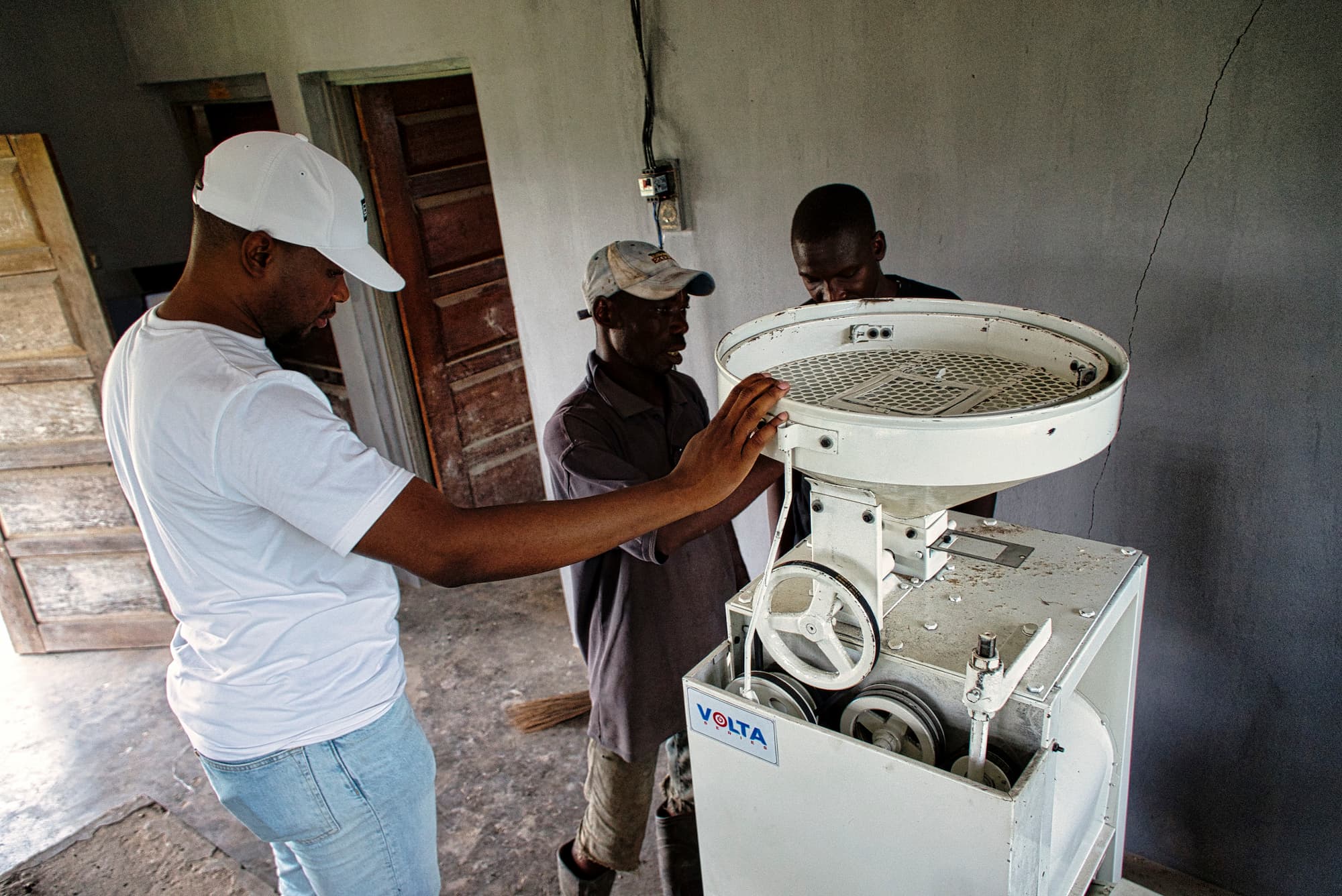
Enhancing food security in Nigeria
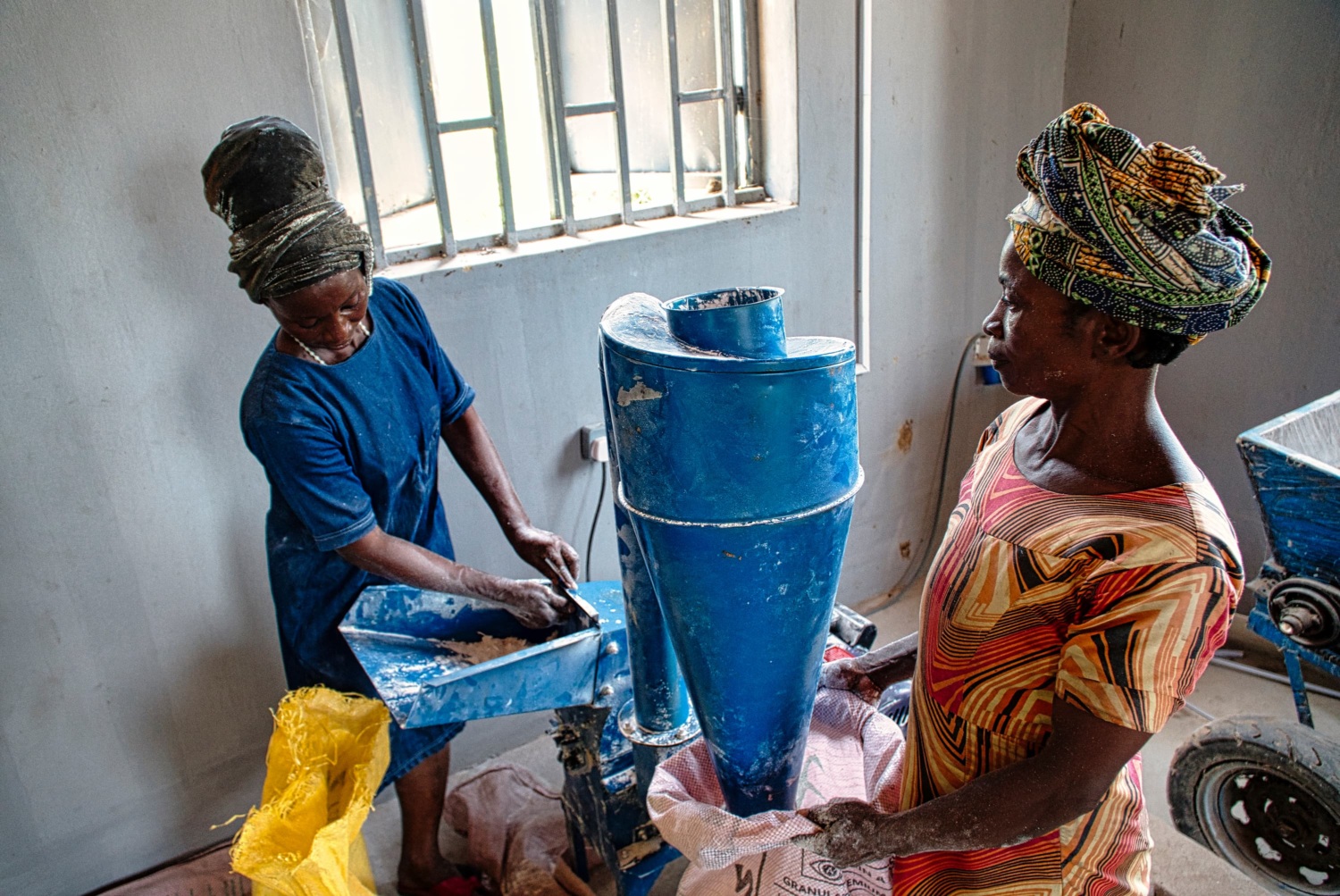
Farm Warehouse is an agricultural technology distributor that offers portable, solar-powered mills to smallholder farmers in Nigeria. Through the support of CLASP’s Productive Use Financing Facility – an innovative financing program that delivers support to companies through capacity-building grants, subsidies, and business support – Farm Warehouse has been able to deliver life-changing technologies into the hands of those who need them.
Farm Warehouse customers affirm the benefits of these grain mills:
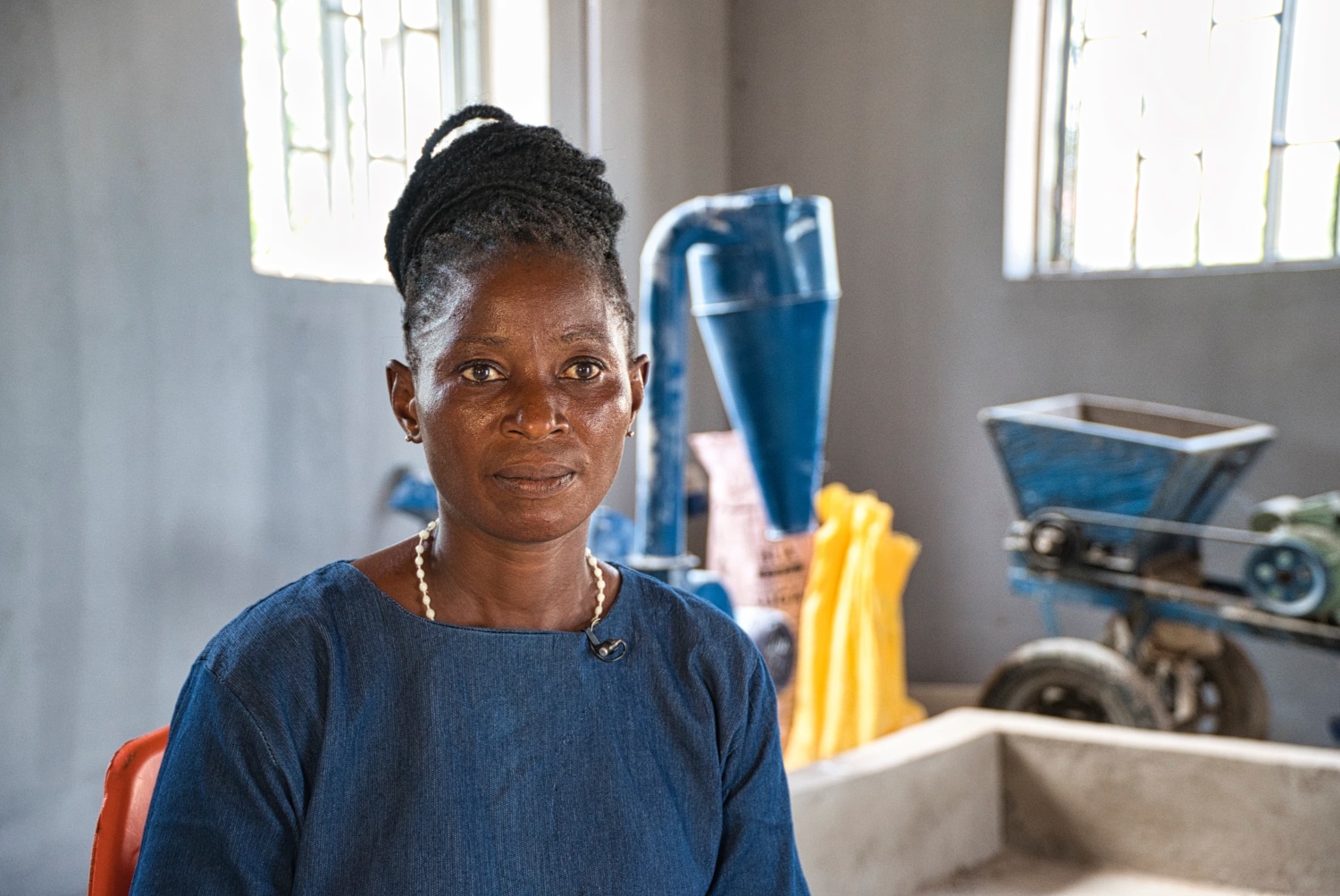
“Any type of flour that you want to produce, this machine can produce it. That is why we need this machine more, so we can have more money to help ourselves and have enough food to give out for people that need it.”
Okwei Sunday Ibor, Farm Warehouse client
Not only do these mills increase food production, they also significantly decrease food wastage. According to Kuma Mede, CEO of Farm Warehouse, before the introduction of these appliances, farmers were losing roughly 30% of their harvest; with Farm Warehouse’s portable, solar mill, farmers are able to significantly reduce wastage and reap more from their harvest.
For close to a decade, CLASP has been working to improve access to efficient appliances that work in off-grid or weak-grid areas. These productive-use appliances (PUAs), such as solar-powered refrigerators, solar water pumps, and solar milling machines are technologies that have a direct, transformative impact on local communities, small businesses, and people’s livelihoods. As these appliances are often powered by renewable energy, they have far lower running costs for consumers, and they reduce harm to the environment and the climate.
The Facility helps strengthen the role of appliance suppliers and distributors by providing capacity-building grants to companies like Farm Warehouse. In addition to business support, CLASP improves appliance performance testing to verify appliance quality, ensuring Farm Warehouse consumers receive reliable information about the efficiency and quality of the products on sale.
About the Productive Use Financing Facility
CLASP’s Productive Use Financing Facility, is supported by The Global Energy Alliance for People and Planet (GEAPP). It has provided financing to 24 companies in six countries, to enable the distribution of over 13,000 productive-use appliances, directly impacting more than 58,000 households.
0. Efficiency for Access: “Solar Milling: Exploring Market Requirements to Close the Commercial Viability Gap” (January 2020) https://efficiencyforaccess.org/wp-content/uploads/SolarMilling_Market-Requirements.pdf.
1. Efficiency for Access Coalition: “Solar Milling: Exploring Market Requirements to Close the Commercial Viability Gap” (January 2020), https://efficiencyforaccess.org/publications/solar-milling-exploring-market-requirements-to-close-the-commercial-viability-gap/?_gl=1*1wc2jau*_gcl_au*NjI0MDk1ODI5LjE3MTYzNzg1NjQ.*_ga*MTk0MDQ1NjQ5LjE3MTYzNzg1NjA.*_ga_RSE4P06FCR*MTcyMDQ0MjU0Mi4xMDIuMS4xNzIwNDQzODk3LjAuMC4w.
Brighter Futures for Rural Youth with Solar
Solar-powered farm equipment could be a crucial tool in overcoming the challenge of unemployment in rural areas across many emerging economies, according to new research by Efficiency for Access and Power for All. The solar irrigation sector in India and Kenya alone has the potential to create over 115,000 jobs by 2030.
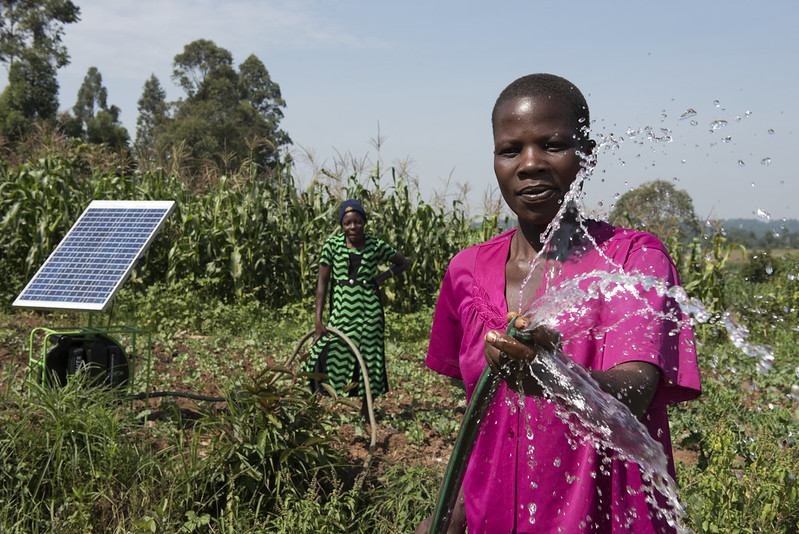
The report Green Jobs for Rural Youth analyzes four countries Kenya, India, Nigeria and Uganda. It finds that there is a significant opportunity to combat youth unemployment through innovative solar technologies.
Promising findings
The findings are promising: solar-powered farm equipment could generate thousands of sustainable jobs, transforming agriculture and improving life quality in rural communities.
Abigail Kuria, the lead researcher from CLASP, who co-authored the report, notes, “These technologies equip rural youth with transferable skills and long-term employment while advancing sustainable development.”
Addressing barriers to adoption
However, affordability and awareness remain significant barriers to wide-spread adoption. Kuria urges, “Investors, financiers, philanthropies, and governments must bolster financial support and market incentives to drive demand for renewable energy in agriculture and tackle affordability issues. This includes funding interventions and rolling out awareness campaigns to boost technology adoption.”
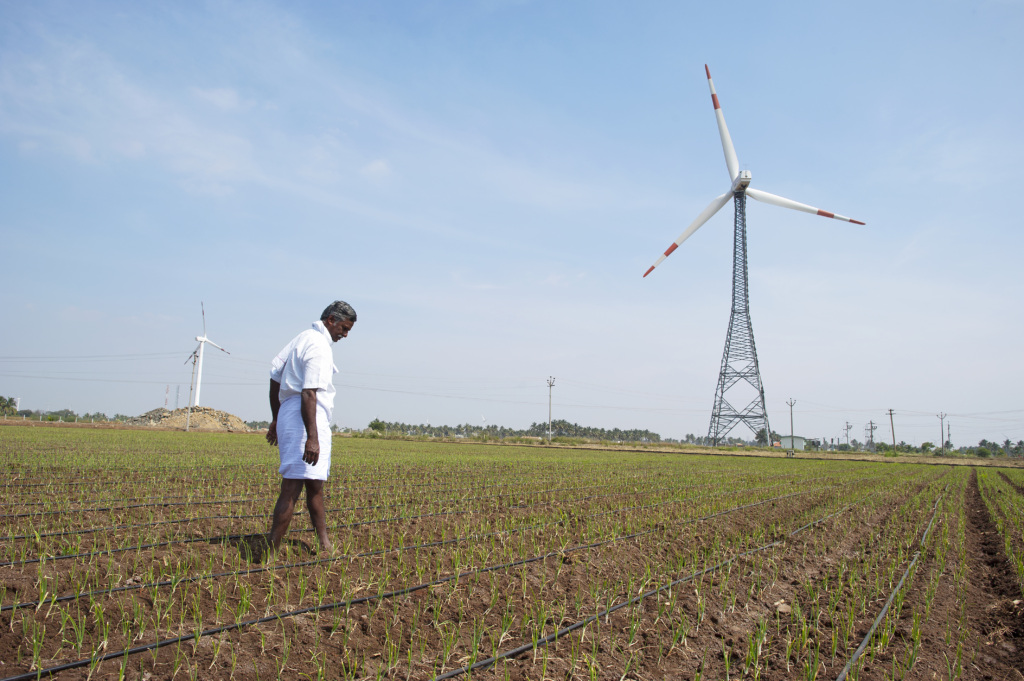
For this report Kuria collaborated with Hannibal Tesfahunegn from Power for All, a nonprofit advocating and scaling solutions in the off-grid sector. The research addresses a critical data gap that has hindered effective policymaking and sector growth, arriving at a pivotal moment for those looking to invest in sustainable development.
Discover how solar innovations can open new job opportunities and benefit rural areas by exploring the full report here.
The Efficiency for Access coalition is co-managed by CLASP and Energy Saving Trust.
0. Efficiency for Access: “Solar Milling: Exploring Market Requirements to Close the Commercial Viability Gap” (January 2020) https://efficiencyforaccess.org/wp-content/uploads/SolarMilling_Market-Requirements.pdf.
1. Efficiency for Access Coalition: “Solar Milling: Exploring Market Requirements to Close the Commercial Viability Gap” (January 2020), https://efficiencyforaccess.org/publications/solar-milling-exploring-market-requirements-to-close-the-commercial-viability-gap/?_gl=1*1wc2jau*_gcl_au*NjI0MDk1ODI5LjE3MTYzNzg1NjQ.*_ga*MTk0MDQ1NjQ5LjE3MTYzNzg1NjA.*_ga_RSE4P06FCR*MTcyMDQ0MjU0Mi4xMDIuMS4xNzIwNDQzODk3LjAuMC4w.
Green Jobs for Rural Youth: Unlocking Renewable Energy’s Potential in Agriculture
Youth unemployment is at an all-time high in sub-Saharan Africa and South Asia. At the same time, populations are growing rapidly in these regions, increasing the need for meaningful employment opportunities. Decentralized renewable energy (DRE) technologies offer a promising solution by creating sustainable growth and green jobs. DRE technologies generate green electricity near the point of use, reducing reliance on centralized power plants, increasing productivity, and improving sustainability. This creates new and enhanced employment opportunities in rural communities, particularly in agriculture, the largest employer in these regions, with 50% to 85% of the labor force working in the sector. However, high upfront costs, limited product availability, lack of awareness of the benefits, and shortage of local talent hinder the widespread adoption of DRE technologies in emerging economies.
Efficiency for Access’ new research fills many of the data gaps in this sector by analyzing four countries, and quantifying the jobs created by DRE technologies in agriculture. It also provides the first comprehensive estimate of employment levels and trends at the country level.
Key Findings
- The solar irrigation sector in India and Kenya alone has the potential to create more than 115,000 jobs by 2030, offering higher incomes for graduates from DRE courses.
- DRE creates opportunities for farm workers to transition into less physically demanding roles, avoiding long-term job displacement and improving life quality.
- DRE innovations significantly reduce labor-intensive tasks for women. In India, mechanized roti-rolling can save women up to 1,800 labor hours per year.
Recommendations
- Investors, financiers, philanthropies, and governments should improve financial support and market incentives to increase the demand for DRE equipment in the agriculture sector to address consumer affordability – the biggest challenge for the growth of DRE markets. This includes creating better financing options to make it easier for farmers to adopt these technologies.
- Governments and stakeholders need to strengthen the manufacturing sector for solar equipment to create thousands of skilled jobs in the DRE industry. For example, India could see up to 5,500 manufacturing jobs created in the solar water pump sector by 2030.
- Educational institutions, government bodies, DRE companies, and development programs need to collaborate to strengthen the DRE workforce. Technical and Vocational Education and Training Institutes (TVETs) can play a key role in rural skill development but face challenges like outdated curricula and high tuition costs. To support labor transitions in the DRE sector, integrating short-term internships, apprenticeships, and job training programs is essential.
- Improving coordination between agricultural and energy stakeholders is critical to improve the adoption of DRE products. Uganda has successfully integrated renewable energy into its agricultural development plans by assigning responsible parties to establish key performance indicators (KPIs) for implementing renewable energy targets. This approach has stimulated growth in the DRE market and attracted business investment in the sector.
Read the Green Jobs for Rural Youth: Unlocking Renewable Energy’s Potential in Agriculture report here.
About Efficiency for Access
Efficiency for Access is a global coalition working to promote renewable and energy efficient appliances to deliver clean energy to the world’s poorest people. It is coordinated jointly by CLASP and the UK’s Energy Saving Trust.
0. Efficiency for Access: “Solar Milling: Exploring Market Requirements to Close the Commercial Viability Gap” (January 2020) https://efficiencyforaccess.org/wp-content/uploads/SolarMilling_Market-Requirements.pdf.
1. Efficiency for Access Coalition: “Solar Milling: Exploring Market Requirements to Close the Commercial Viability Gap” (January 2020), https://efficiencyforaccess.org/publications/solar-milling-exploring-market-requirements-to-close-the-commercial-viability-gap/?_gl=1*1wc2jau*_gcl_au*NjI0MDk1ODI5LjE3MTYzNzg1NjQ.*_ga*MTk0MDQ1NjQ5LjE3MTYzNzg1NjA.*_ga_RSE4P06FCR*MTcyMDQ0MjU0Mi4xMDIuMS4xNzIwNDQzODk3LjAuMC4w.
Seven Impact-Driven Organizations to Receive Funding to Alleviate Energy Poverty for Millions
In late 2023, with support from the Swedish International Development and Cooperation Agency (Sida) who committed approximately $4.5 million USD in funding, CLASP was selected to take over as host and manager of the Energy Access Institutions Facility (the Facility). This joint donor initiative is set up to support industry organizations known as market institutions (MIs) that serve an essential function in facilitating a more efficient pathway to achieving Sustainable Development Goal 7: affordable, reliable, sustainable, and modern energy for all.
Expanding access to clean energy has ripple effects across people’s livelihoods, helping to improve crop yields and irrigation, reduce food loss and waste, increase incomes, address gender inequities, and avoid significant amounts of planet-warming carbon emissions.
Seven Organizations Chosen for Impact & Potential
Following several months of due diligence, the Facility has just announced the first cohort of Facility grantees. Nominated and selected with input from Facility funders, the seven organizations – four global institutions and three country-specific market accelerators – will be supported based on their impactful track record and their potential to achieve SDG 7. Operating at various geographic levels and filling discrete but complementary roles, these organizations and their members are ideally placed to help alleviate energy poverty for millions of low-income people in sub-Saharan Africa and South Asia.
Meet the Seven Grantees
| Market Institution | Expertise | Geographical Reach | Impact |
|---|---|---|---|
| Africa Minigrid Developers Association (AMDA) | AMDA aims to end energy poverty across the African continent by accelerating minigrid companies’ pathway to scale and sustainability by supporting the achievement of SDG 7 by 2030. | AMDA represents over 44 companies that are operating minigrids across 22 countries in Africa. | As of 2022, AMDA members were operating more than 400 projects with more than 78,000 installed connections that impacted more than 750,000 people, healthcare facilities, schools, and businesses. |
| Clean Cooking Alliance (CCA) | CCA builds thriving, diverse, and competitive markets to accelerate equitable access to modern and affordable clean cooking solutions. | CCA has 30 staff in 10 countries, with projects in over 40 countries. | Over 8 million people gained access to clean cooking solutions between 2019 and 2022 thanks to CCA projects. |
| GOGLA | GOGLA helps the off-grid industry build buoyant and sustainable markets that deliver high-quality products and services to customers with no, or insufficient, access to electricity. | GOGLA’s 200 members include companies and financiers and 18 National Renewable Energy Associations in Africa, as well as a network of government representatives from 21 African governments and three regional bodies. | GOGLA affiliate companies reached 461 million people through life-changing energy access products between 2012 and 2022. |
| VeraSol | VeraSol strives to make safe, affordable, and durable products the default option in the market through a variety of quality assurance services. | More than 40 countries worldwide use VeraSol certification of solar energy kits. | As of 2022, more than 60 million VeraSol-certified products have been sold, benefitting over 180 million people worldwide. |
| Market Accelerator | Expertise | Geographical Reach | Impact |
|---|---|---|---|
| Ethiopia Energy Market Accelerator (EMA) | EMA accelerates clean, affordable, and renewable energy for Ethiopia and the Horn of Africa by overcoming market barriers and unleashing the power of private sector initiative, innovation, and capital. | EMA works with 35 local and 20 international partners. | EMA projects helped improve the lives of 1.7 million people through access to clean energy. |
| Nigeria Off-grid Market Accelerator Program (NOMAP) | NOMAP catalyzes energy access through reliable market intelligence, piloting new business models for mini-grid/SHS companies, and policy and regulatory support to subnational and Federal governments in Nigeria. | Through six market interventions, NOMAP has supported more than 30 off-grid companies and six subnational governments in Nigeria. | NOMAP’s interventions have delivered 40,000 new connections in Nigeria and leveraged more than USD 15 million. |
| Uganda Off-grid Energy Market Accelerator (UOMA) | UOMA coordinates industry actors and provides technical input, expertise, and private and public sector support to deliver universal access to affordable and clean energy for Ugandans. | UOMA has led more than 25 innovative pilot blueprints and raised USD 40M+ in funding for last-mile, off-grid companies across Uganda. | UOMA facilitated 250,000+ new connections from pilots for Uganda’s hardest to reach, impacting over a million Ugandans. |
Facility Support to MIs, Donors, and the Sector
By channeling flexible, pooled donor funding, the Facility aims to help MIs facilitate an enabling environment that can give rise to initiatives and technologies that improve people’s livelihoods and better protect the planet. The Facility’s long-term vision is to deploy $50 million USD to a portfolio of impactful MIs that are accelerating the pathway to achieving affordable, sustainable, and life-changing energy for all.

Farm Warehouse solar-powered mill in Nigeria
About the Facility
The Energy Access Institutions Facility is a joint donor initiative to support and strengthen the institutions that are essential for the achievement of Sustainable Development Goal 7, universal access to affordable, reliable, sustainable, and modern energy by 2030. The Facility is currently supported by the Swedish International Development Agency (Sida) and UK aid via the Transforming Energy Access (TEA) platform, and is managed by CLASP.
This material has been funded by UK aid from the UK government; however, the views expressed do not necessarily reflect the UK government’s official policies.
About CLASP
CLASP is the leading global authority on efficient appliances’ role in fighting climate change and improving people’s lives. With 25 years of expertise and offices on four continents, CLASP collaborates with policymakers, industry leaders, and other experts to deliver clear pathways to a more sustainable world for people and the planet.
0. Efficiency for Access: “Solar Milling: Exploring Market Requirements to Close the Commercial Viability Gap” (January 2020) https://efficiencyforaccess.org/wp-content/uploads/SolarMilling_Market-Requirements.pdf.
1. Efficiency for Access Coalition: “Solar Milling: Exploring Market Requirements to Close the Commercial Viability Gap” (January 2020), https://efficiencyforaccess.org/publications/solar-milling-exploring-market-requirements-to-close-the-commercial-viability-gap/?_gl=1*1wc2jau*_gcl_au*NjI0MDk1ODI5LjE3MTYzNzg1NjQ.*_ga*MTk0MDQ1NjQ5LjE3MTYzNzg1NjA.*_ga_RSE4P06FCR*MTcyMDQ0MjU0Mi4xMDIuMS4xNzIwNDQzODk3LjAuMC4w.
Financing for Impact: CLASP Supports Companies Delivering Sustainable Cooling in Nigeria
Nigeria, like many West African countries, has experienced record-breaking temperatures in recent months. These intense heatwaves threaten people’s health, reduce food production, and increase energy costs as people try to stay cool.
Affordable Solar Cooling to Replace Diesel Generators
Inconsistent power supply in the country means households and businesses rely on expensive, polluting diesel generators for electricity – a system not everyone can afford.
The solar refrigerators sold by companies like Koolboks, offer an affordable and reliable cooling solution.
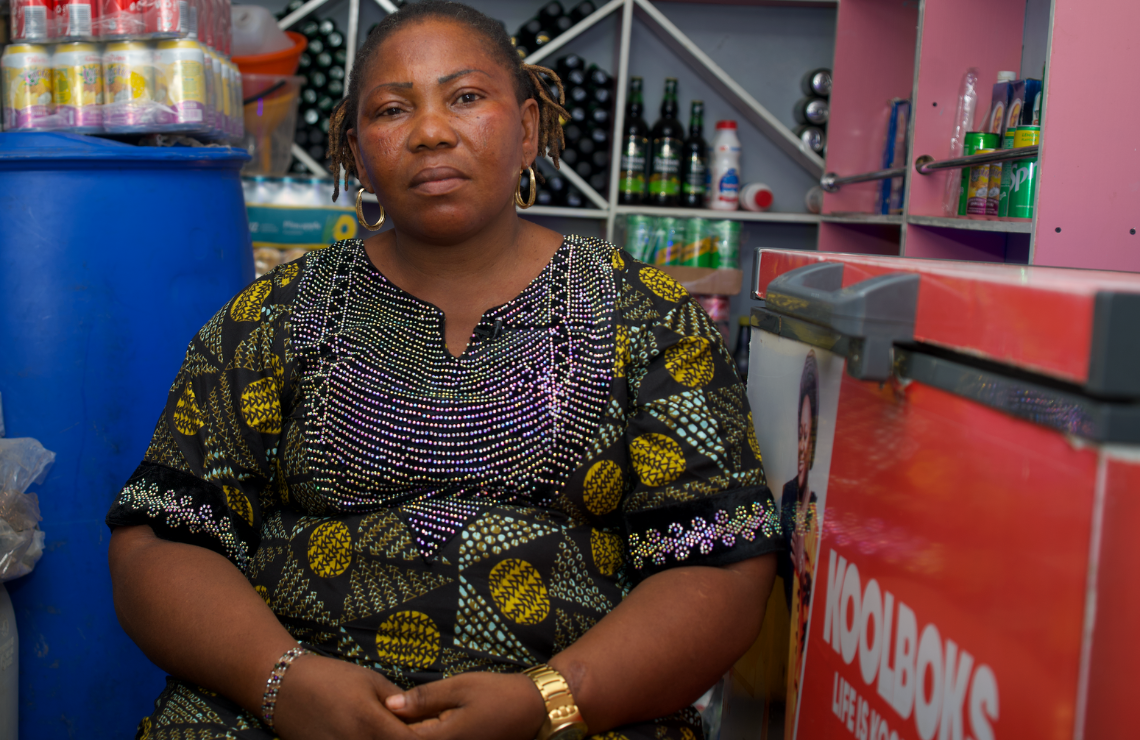
“When my customers come to me saying they have no power supply and ask how I have electricity? I tell them, "I am using Koolboks to chill my drinks.”
Doris Chuwa, Koolboks customer
CLASP Increases Access to Life-Changing Appliances
Lack of reliable access to electricity is a reality for half of the world’s population, 3.5 billion people worldwide. This energy poverty has detrimental effects on health, productivity, and livelihoods.
For close to a decade, CLASP has been working to improve access to efficient appliances that work in off-grid or weak-grid areas. These productive-use appliances (PUAs), such as solar-powered refrigerators, solar water pumps, and solar milling machines are technologies that have a direct, transformative impact on local communities, small businesses, and people’s livelihoods. As these appliances are often powered by renewable energy, they have far lower running costs for consumers, and they reduce harm to the environment and the climate.
Innovative financing for Local Distributors
Through its regional presence in four continents, CLASP has researched and worked on different mechanisms to increase access to life-changing, off-grid appliances. Since 2016, CLASP has been driving technology innovation and catalyzing appliance market growth through innovative financing. CLASP works to put efficient, affordable, high-quality appliances and equipment within reach of low-income families and communities through financing projects like the Energy Access Institutions Facility and various results-based financing initiatives like the Higher-Tier Cooking Component and Global LEAP Awards.
CLASP also initiated the Productive Use Financing Facility, a $6.5 million USD innovative financing program aimed at catalyzing the uptake of productive use appliances across East, West, and Central Africa. This innovative facility delivers support to companies through capacity-building grants, subsidies, and business support.
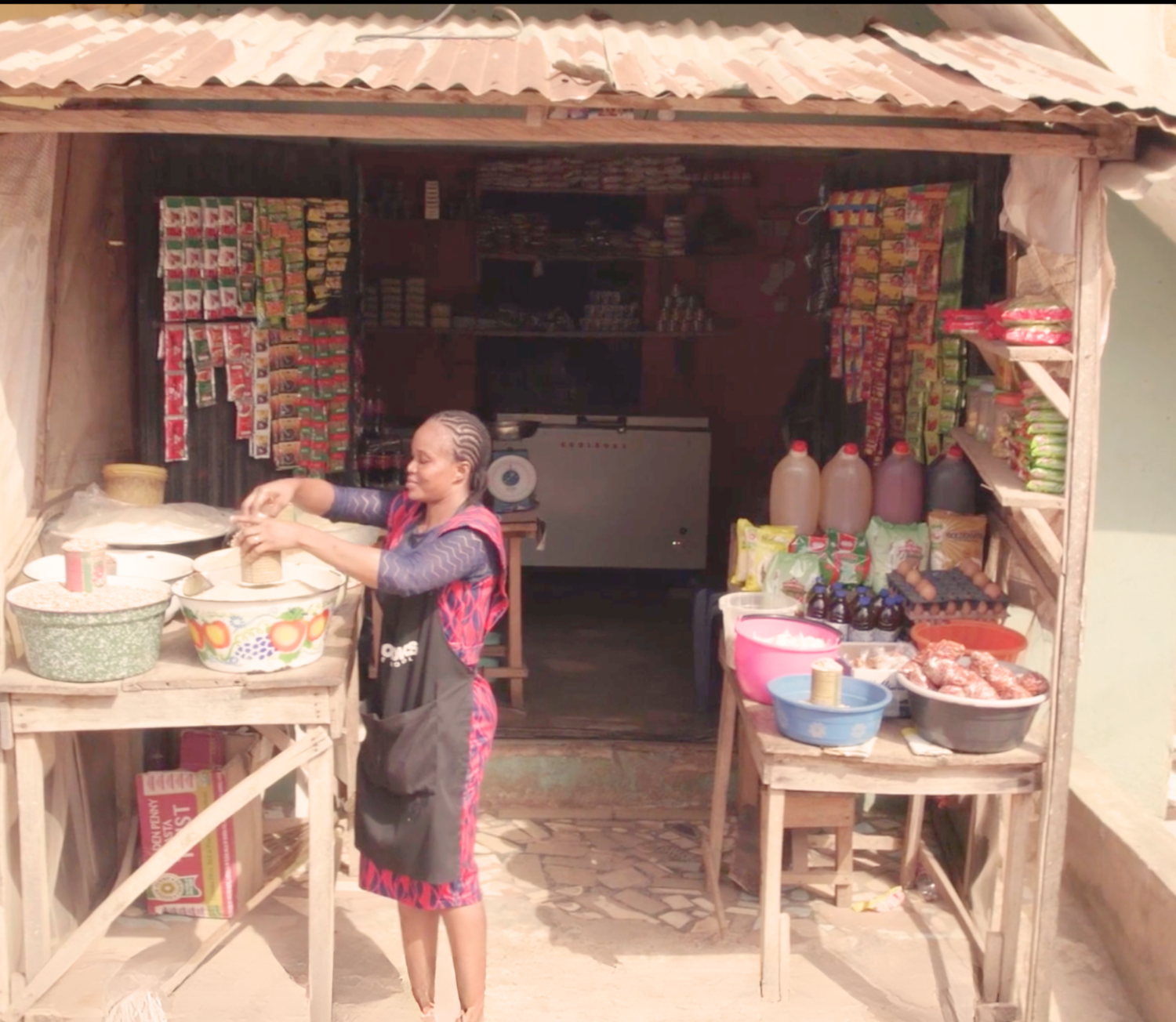
The Facility strengthens the role of appliance suppliers and distributors by providing capacity-building grants to companies like Koolboks. In addition to business support, CLASP improves appliance performance testing to verify appliance quality, ensuring Koolboks consumers receive reliable information about the efficiency and quality of the products on sale.
“Thanks to the capacity-building funds, we were able to set up the local assembly plant. Now, customers are able to have access to some amount of discounts on their product, which made it more affordable for them.” Lolade Esther Alonge, Project Manager, Koolboks
Watch the video to hear more from Koolboks and their customers on the impact of access to affordable cooling.
***
About The Productive Use Financing Facility
CLASP’s Productive Use Financing Facility, is supported by The Global Energy Alliance for People and Planet (GEAPP). It has provided financing to 24 companies in six countries, to enable the distribution of over 13,000 productive-use appliances, directly impacting more than 58,000 households.
0. Efficiency for Access: “Solar Milling: Exploring Market Requirements to Close the Commercial Viability Gap” (January 2020) https://efficiencyforaccess.org/wp-content/uploads/SolarMilling_Market-Requirements.pdf.
1. Efficiency for Access Coalition: “Solar Milling: Exploring Market Requirements to Close the Commercial Viability Gap” (January 2020), https://efficiencyforaccess.org/publications/solar-milling-exploring-market-requirements-to-close-the-commercial-viability-gap/?_gl=1*1wc2jau*_gcl_au*NjI0MDk1ODI5LjE3MTYzNzg1NjQ.*_ga*MTk0MDQ1NjQ5LjE3MTYzNzg1NjA.*_ga_RSE4P06FCR*MTcyMDQ0MjU0Mi4xMDIuMS4xNzIwNDQzODk3LjAuMC4w.
How National Appliance and Equipment Energy Conservation Standards Can Improve Public Health in the US
Gain insight into the critical role of national appliance standards in improving public health and discover how to measure their impact against Justice40 goals. Find actionable recommendations for maximizing their benefits for a healthier, greener, and fairer future.
Key findings
- National appliance standards have led to significant reductions in PM2.5 and PM2.5 precursor emissions, avoiding hundreds of thousands of tons of pollutants in 2017.
- These standards prevented between 1,900 and 4,400 PM2.5-related deaths in 2017, translating to monetary benefits of $18 to $41 billion.
- Health benefits from national appliance standards have been distributed relatively equitably. Communities designated as disadvantaged by Justice40, representing 33% of the total population, have received 36% of the health benefits.
Recommendations
- The US Department of Energy must meet legal deadlines for updating appliance efficiency standards to maximize public health benefits.
- Governments should expand outreach and incentives to promote efficient appliance adoption, prioritizing disadvantaged communities, renters, and low-income households.
- Engage disadvantaged communities and people of color in all stages of policy development and implementation.
___________________________________________________________________________________________
Additional Resources:
0. Efficiency for Access: “Solar Milling: Exploring Market Requirements to Close the Commercial Viability Gap” (January 2020) https://efficiencyforaccess.org/wp-content/uploads/SolarMilling_Market-Requirements.pdf.
1. Efficiency for Access Coalition: “Solar Milling: Exploring Market Requirements to Close the Commercial Viability Gap” (January 2020), https://efficiencyforaccess.org/publications/solar-milling-exploring-market-requirements-to-close-the-commercial-viability-gap/?_gl=1*1wc2jau*_gcl_au*NjI0MDk1ODI5LjE3MTYzNzg1NjQ.*_ga*MTk0MDQ1NjQ5LjE3MTYzNzg1NjA.*_ga_RSE4P06FCR*MTcyMDQ0MjU0Mi4xMDIuMS4xNzIwNDQzODk3LjAuMC4w.
Powering Inclusion in India’s Energy Sector
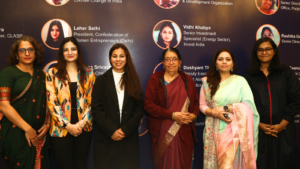
Around the world, women make up only 32% of the renewable energy workforce, in India this figure is just 11%. To speak to this topic, CLASP hosted an event in New Delhi, to shine a light on the strategic benefit of increasing equity and inclusion in India’s energy sector. The first-of-its-kind event, titled “Equity Surge: Powering Inclusion in India’s Energy Sector”, brought together respected leaders and experts to delve into the various facets of gender inclusion and its impact on India’s energy transition.
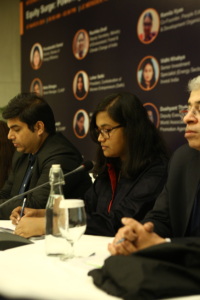
The first discussion, moderated by Neha Dhingra, Senior Manager at CLASP, shed light on the evolving landscape of India’s energy sector and the pivotal role women play within it. Speakers, including Ruchika Drall from Ministry of Environment, Forest and Climate Change, Ramila Vyas from People Education & Development Organization, Mandira Kalra Kalaan from Purpose, and Leher Sethi from the Confederation of Women Entrepreneurs, Delhi, provided valuable insights into women’s participation, their role as community leaders and decision-makers, and the need for gender-responsive policies.
The first discussion, moderated by Neha Dhingra, Senior Manager at CLASP, shed light on the evolving landscape of India’s energy sector and the pivotal role women play within it. Speakers, including Ruchika Drall from Ministry of Environment, Forest and Climate Change, Ramila Vyas from People Education & Development Organization, Mandira Kalra Kalaan from Purpose, and Leher Sethi from the Confederation of Women Entrepreneurs, Delhi, provided valuable insights into women’s participation, their role as community leaders and decision-makers, and the need for gender-responsive policies.
The speakers noted that women are not just underrepresented in the energy sector but also disproportionately affected by the impacts of climate change. The need for mainstreaming gender and fostering a gender-neutral framework was emphasized to break stereotypes and achieve gender balance in the workforce.
The solutions include enabling women’s access to finance and community engagement, as well as fostering leadership among women in the energy sector. The importance of monetizing unpaid household care work by women and communicating gender-responsive policies effectively were also underscored as critical steps toward achieving equity and inclusion.
According to India’s Council on Energy, Environment, and Water, if women’s participation in the energy sector is increased to 30%, it could create up to 3.2 million additional jobs by 2025. This CLASP event served as a crucial platform for fostering dialogue, learning and collaboration to encourage a more inclusive and equitable energy sector in India. CLASP continues to steer efforts and collective action globally with the vision of a just and inclusive energy transition for all.
0. Efficiency for Access: “Solar Milling: Exploring Market Requirements to Close the Commercial Viability Gap” (January 2020) https://efficiencyforaccess.org/wp-content/uploads/SolarMilling_Market-Requirements.pdf.
1. Efficiency for Access Coalition: “Solar Milling: Exploring Market Requirements to Close the Commercial Viability Gap” (January 2020), https://efficiencyforaccess.org/publications/solar-milling-exploring-market-requirements-to-close-the-commercial-viability-gap/?_gl=1*1wc2jau*_gcl_au*NjI0MDk1ODI5LjE3MTYzNzg1NjQ.*_ga*MTk0MDQ1NjQ5LjE3MTYzNzg1NjA.*_ga_RSE4P06FCR*MTcyMDQ0MjU0Mi4xMDIuMS4xNzIwNDQzODk3LjAuMC4w.