Green Jobs for Rural Youth: Unlocking Renewable Energy’s Potential in Agriculture
Youth unemployment is at an all-time high in sub-Saharan Africa and South Asia. At the same time, populations are growing rapidly in these regions, increasing the need for meaningful employment opportunities. Decentralized renewable energy (DRE) technologies offer a promising solution by creating sustainable growth and green jobs. DRE technologies generate green electricity near the point of use, reducing reliance on centralized power plants, increasing productivity, and improving sustainability. This creates new and enhanced employment opportunities in rural communities, particularly in agriculture, the largest employer in these regions, with 50% to 85% of the labor force working in the sector. However, high upfront costs, limited product availability, lack of awareness of the benefits, and shortage of local talent hinder the widespread adoption of DRE technologies in emerging economies.
Efficiency for Access’ new research fills many of the data gaps in this sector by analyzing four countries, and quantifying the jobs created by DRE technologies in agriculture. It also provides the first comprehensive estimate of employment levels and trends at the country level.
Key Findings
- The solar irrigation sector in India and Kenya alone has the potential to create more than 115,000 jobs by 2030, offering higher incomes for graduates from DRE courses.
- DRE creates opportunities for farm workers to transition into less physically demanding roles, avoiding long-term job displacement and improving life quality.
- DRE innovations significantly reduce labor-intensive tasks for women. In India, mechanized roti-rolling can save women up to 1,800 labor hours per year.
Recommendations
- Investors, financiers, philanthropies, and governments should improve financial support and market incentives to increase the demand for DRE equipment in the agriculture sector to address consumer affordability – the biggest challenge for the growth of DRE markets. This includes creating better financing options to make it easier for farmers to adopt these technologies.
- Governments and stakeholders need to strengthen the manufacturing sector for solar equipment to create thousands of skilled jobs in the DRE industry. For example, India could see up to 5,500 manufacturing jobs created in the solar water pump sector by 2030.
- Educational institutions, government bodies, DRE companies, and development programs need to collaborate to strengthen the DRE workforce. Technical and Vocational Education and Training Institutes (TVETs) can play a key role in rural skill development but face challenges like outdated curricula and high tuition costs. To support labor transitions in the DRE sector, integrating short-term internships, apprenticeships, and job training programs is essential.
- Improving coordination between agricultural and energy stakeholders is critical to improve the adoption of DRE products. Uganda has successfully integrated renewable energy into its agricultural development plans by assigning responsible parties to establish key performance indicators (KPIs) for implementing renewable energy targets. This approach has stimulated growth in the DRE market and attracted business investment in the sector.
Read the Green Jobs for Rural Youth: Unlocking Renewable Energy’s Potential in Agriculture report here.
About Efficiency for Access
Efficiency for Access is a global coalition working to promote renewable and energy efficient appliances to deliver clean energy to the world’s poorest people. It is coordinated jointly by CLASP and the UK’s Energy Saving Trust.
Seven Impact-Driven Organizations to Receive Funding to Alleviate Energy Poverty for Millions
In late 2023, with support from the Swedish International Development and Cooperation Agency (Sida) who committed approximately $4.5 million USD in funding, CLASP was selected to take over as host and manager of the Energy Access Institutions Facility (the Facility). This joint donor initiative is set up to support industry organizations known as market institutions (MIs) that serve an essential function in facilitating a more efficient pathway to achieving Sustainable Development Goal 7: affordable, reliable, sustainable, and modern energy for all.
Expanding access to clean energy has ripple effects across people’s livelihoods, helping to improve crop yields and irrigation, reduce food loss and waste, increase incomes, address gender inequities, and avoid significant amounts of planet-warming carbon emissions.
Seven Organizations Chosen for Impact & Potential
Following several months of due diligence, the Facility has just announced the first cohort of Facility grantees. Nominated and selected with input from Facility funders, the seven organizations – four global institutions and three country-specific market accelerators – will be supported based on their impactful track record and their potential to achieve SDG 7. Operating at various geographic levels and filling discrete but complementary roles, these organizations and their members are ideally placed to help alleviate energy poverty for millions of low-income people in sub-Saharan Africa and South Asia.
Meet the Seven Grantees
| Market Institution | Expertise | Geographical Reach | Impact |
|---|---|---|---|
| Africa Minigrid Developers Association (AMDA) | AMDA aims to end energy poverty across the African continent by accelerating minigrid companies’ pathway to scale and sustainability by supporting the achievement of SDG 7 by 2030. | AMDA represents over 44 companies that are operating minigrids across 22 countries in Africa. | As of 2022, AMDA members were operating more than 400 projects with more than 78,000 installed connections that impacted more than 750,000 people, healthcare facilities, schools, and businesses. |
| Clean Cooking Alliance (CCA) | CCA builds thriving, diverse, and competitive markets to accelerate equitable access to modern and affordable clean cooking solutions. | CCA has 30 staff in 10 countries, with projects in over 40 countries. | Over 8 million people gained access to clean cooking solutions between 2019 and 2022 thanks to CCA projects. |
| GOGLA | GOGLA helps the off-grid industry build buoyant and sustainable markets that deliver high-quality products and services to customers with no, or insufficient, access to electricity. | GOGLA’s 200 members include companies and financiers and 18 National Renewable Energy Associations in Africa, as well as a network of government representatives from 21 African governments and three regional bodies. | GOGLA affiliate companies reached 461 million people through life-changing energy access products between 2012 and 2022. |
| VeraSol | VeraSol strives to make safe, affordable, and durable products the default option in the market through a variety of quality assurance services. | More than 40 countries worldwide use VeraSol certification of solar energy kits. | As of 2022, more than 60 million VeraSol-certified products have been sold, benefitting over 180 million people worldwide. |
| Market Accelerator | Expertise | Geographical Reach | Impact |
|---|---|---|---|
| Ethiopia Energy Market Accelerator (EMA) | EMA accelerates clean, affordable, and renewable energy for Ethiopia and the Horn of Africa by overcoming market barriers and unleashing the power of private sector initiative, innovation, and capital. | EMA works with 35 local and 20 international partners. | EMA projects helped improve the lives of 1.7 million people through access to clean energy. |
| Nigeria Off-grid Market Accelerator Program (NOMAP) | NOMAP catalyzes energy access through reliable market intelligence, piloting new business models for mini-grid/SHS companies, and policy and regulatory support to subnational and Federal governments in Nigeria. | Through six market interventions, NOMAP has supported more than 30 off-grid companies and six subnational governments in Nigeria. | NOMAP’s interventions have delivered 40,000 new connections in Nigeria and leveraged more than USD 15 million. |
| Uganda Off-grid Energy Market Accelerator (UOMA) | UOMA coordinates industry actors and provides technical input, expertise, and private and public sector support to deliver universal access to affordable and clean energy for Ugandans. | UOMA has led more than 25 innovative pilot blueprints and raised USD 40M+ in funding for last-mile, off-grid companies across Uganda. | UOMA facilitated 250,000+ new connections from pilots for Uganda’s hardest to reach, impacting over a million Ugandans. |
Facility Support to MIs, Donors, and the Sector
By channeling flexible, pooled donor funding, the Facility aims to help MIs facilitate an enabling environment that can give rise to initiatives and technologies that improve people’s livelihoods and better protect the planet. The Facility’s long-term vision is to deploy $50 million USD to a portfolio of impactful MIs that are accelerating the pathway to achieving affordable, sustainable, and life-changing energy for all.

Farm Warehouse solar-powered mill in Nigeria
About the Facility
The Energy Access Institutions Facility is a joint donor initiative to support and strengthen the institutions that are essential for the achievement of Sustainable Development Goal 7, universal access to affordable, reliable, sustainable, and modern energy by 2030. The Facility is currently supported by the Swedish International Development Agency (Sida) and UK aid via the Transforming Energy Access (TEA) platform, and is managed by CLASP.
This material has been funded by UK aid from the UK government; however, the views expressed do not necessarily reflect the UK government’s official policies.
About CLASP
CLASP is the leading global authority on efficient appliances’ role in fighting climate change and improving people’s lives. With 25 years of expertise and offices on four continents, CLASP collaborates with policymakers, industry leaders, and other experts to deliver clear pathways to a more sustainable world for people and the planet.
Catalyzing Global Energy Efficiency
As the world faces the urgency of addressing climate change, COP28’s Global Renewables & Energy Efficiency Pledge called on nations to double global energy efficiency by 2030. Achieving this ambitious target requires stronger policies, de-risking finance, and widespread adoption of efficient technologies and services.
At the Asia Clean Energy Forum (ACEF) 2024, CLASP, SE4All and Mission Efficiency’s event delved into how to get this done. These are the main takeaways:
Balancing Costs and Benefits of Energy Efficiency
A central theme at ACEF 2024 was the financial challenges associated with implementing energy efficiency measures. The experts emphasized the need to balance the initial high purchase costs with long-term benefits and savings. The consensus was clear: the long-term advantages of energy efficiency, such as reduced energy bills and environmental benefits, outweigh the upfront investments.
Integrating Energy Access and Energy Efficiency
Energy access and energy efficiency are interconnected. Efforts to improve energy access must be integrated with efficiency measures to maximize impact. This holistic approach ensures that increasing energy availability is coupled with efficient and judicious use, preventing wastage.

Akash Goenka, Associate Fellow, Alliance for an Energy Efficient Economy(AEEE): The progress made by G20 countries in advancing energy efficiency emphasized the need to double the global energy efficiency rate by 2030 to meet international climate goals. The main drivers for achieving these targets remain robust policies and collaboration between stakeholders.
Developing a Comprehensive Implementation Plan
Participants emphasized the need for a detailed implementation plan to achieve energy efficiency goals. This plan should involve all relevant stakeholders and include clear milestones and deadlines. Regular monitoring and reporting systems at both national and global levels were deemed essential for tracking progress and ensuring accountability.
Patrick Aquino, Director of the Energy Utilization Management Bureau, Department of Energy Philippines: “Access to affordable, clean energy is important for improving quality of life. Transitioning to renewable energy sources and enhancing appliance efficiency are crucial for reducing energy consumption and environmental impact.”
Making Access to Efficiency Affordable
Munira Sultana, Chairman, Sustainable and Renewable Energy Development Authority (SREDA), Bangladesh, pointed out that the provision of low-cost financing for energy-efficient equipment helped facilitate the adoption of energy-efficient technologies significantly.
Sushil Chandra Tiwari, Government of Nepal Secretary, Minister of Energy, Water Resources and Irrigation mentioned that increasing energy efficiency in Nepal would require raising awareness, implementing robust efficiency policies, establishing standards for energy-efficient appliances, and reducing fossil fuel imports.

CLASP delegates at the Asia Clean Energy Forum 2024 in Manila, Philippines
This discussion at ACEF 2024 reaffirmed the importance of energy efficiency as a vital component of sustainable development and climate goals. With clear strategies, collaborative efforts, and comprehensive implementation plans, the path toward a more energy-efficient and sustainable future is within reach.

Financing for Impact: CLASP Supports Companies Delivering Sustainable Cooling in Nigeria
Nigeria, like many West African countries, has experienced record-breaking temperatures in recent months. These intense heatwaves threaten people’s health, reduce food production, and increase energy costs as people try to stay cool.
Affordable Solar Cooling to Replace Diesel Generators
Inconsistent power supply in the country means households and businesses rely on expensive, polluting diesel generators for electricity – a system not everyone can afford.
The solar refrigerators sold by companies like Koolboks, offer an affordable and reliable cooling solution.
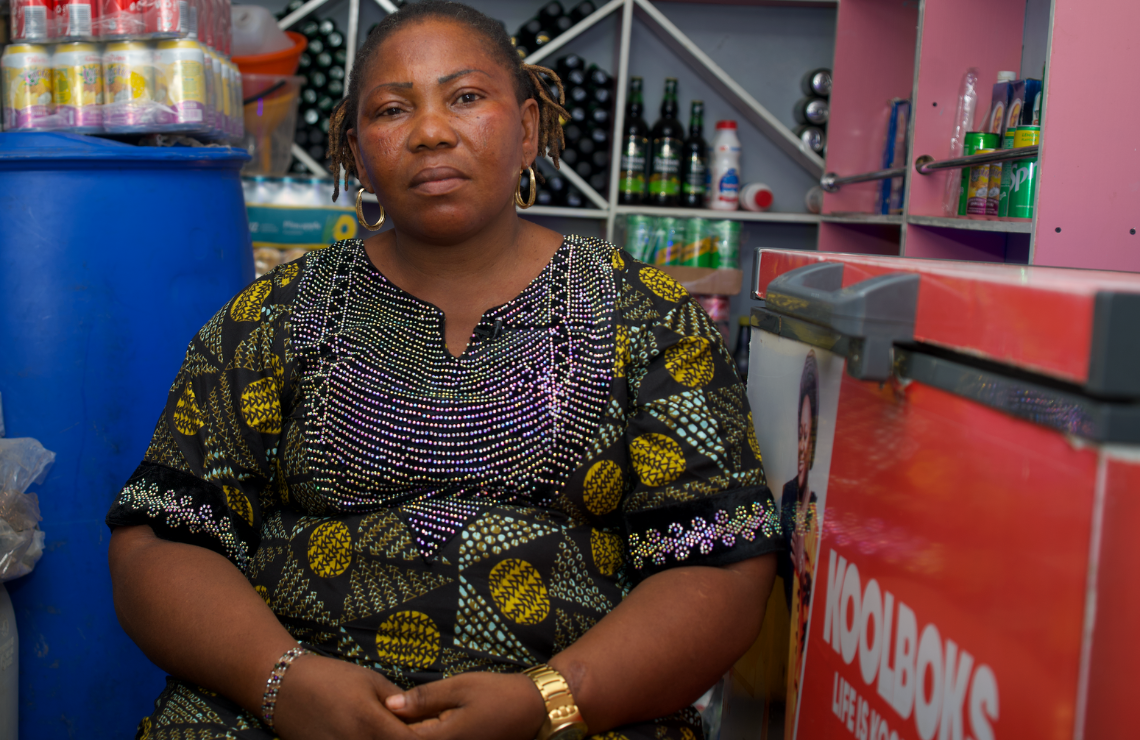
“When my customers come to me saying they have no power supply and ask how I have electricity? I tell them, "I am using Koolboks to chill my drinks.”
Doris Chuwa, Koolboks customer
CLASP Increases Access to Life-Changing Appliances
Lack of reliable access to electricity is a reality for half of the world’s population, 3.5 billion people worldwide. This energy poverty has detrimental effects on health, productivity, and livelihoods.
For close to a decade, CLASP has been working to improve access to efficient appliances that work in off-grid or weak-grid areas. These productive-use appliances (PUAs), such as solar-powered refrigerators, solar water pumps, and solar milling machines are technologies that have a direct, transformative impact on local communities, small businesses, and people’s livelihoods. As these appliances are often powered by renewable energy, they have far lower running costs for consumers, and they reduce harm to the environment and the climate.
Innovative financing for Local Distributors
Through its regional presence in four continents, CLASP has researched and worked on different mechanisms to increase access to life-changing, off-grid appliances. Since 2016, CLASP has been driving technology innovation and catalyzing appliance market growth through innovative financing. CLASP works to put efficient, affordable, high-quality appliances and equipment within reach of low-income families and communities through financing projects like the Energy Access Institutions Facility and various results-based financing initiatives like the Higher-Tier Cooking Component and Global LEAP Awards.
CLASP also initiated the Productive Use Financing Facility, a $6.5 million USD innovative financing program aimed at catalyzing the uptake of productive use appliances across East, West, and Central Africa. This innovative facility delivers support to companies through capacity-building grants, subsidies, and business support.
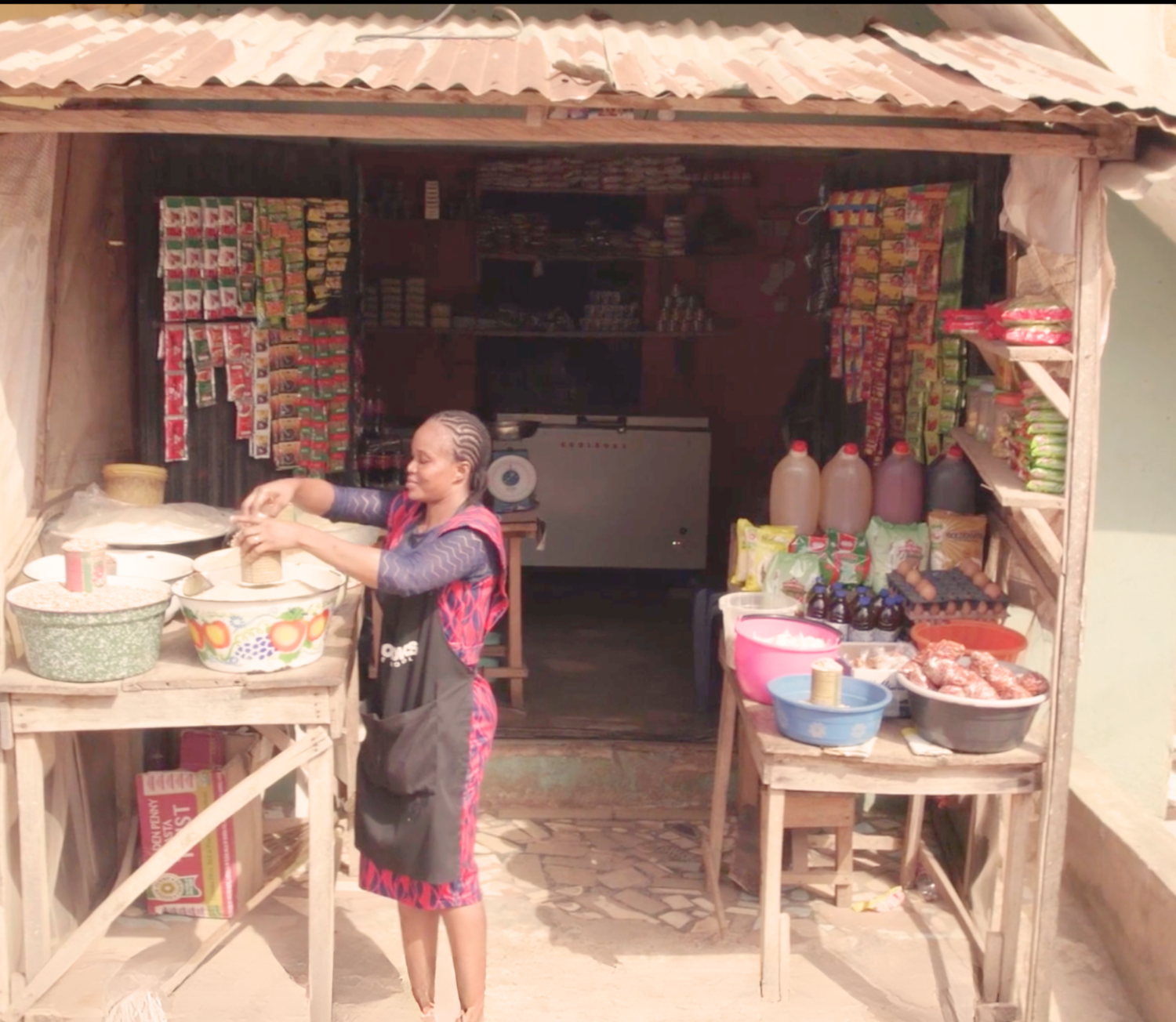
The Facility strengthens the role of appliance suppliers and distributors by providing capacity-building grants to companies like Koolboks. In addition to business support, CLASP improves appliance performance testing to verify appliance quality, ensuring Koolboks consumers receive reliable information about the efficiency and quality of the products on sale.
“Thanks to the capacity-building funds, we were able to set up the local assembly plant. Now, customers are able to have access to some amount of discounts on their product, which made it more affordable for them.” Lolade Esther Alonge, Project Manager, Koolboks
Watch the video to hear more from Koolboks and their customers on the impact of access to affordable cooling.
***
About The Productive Use Financing Facility
CLASP’s Productive Use Financing Facility, is supported by The Global Energy Alliance for People and Planet (GEAPP). It has provided financing to 24 companies in six countries, to enable the distribution of over 13,000 productive-use appliances, directly impacting more than 58,000 households.
Efficient Appliances Translate to Higher Business Revenues, Field Tests Show
CLASP recently spent several months field-testing a range of renewable appliances and technologies in Rwanda. Working with 12 entrepreneurs focused on hospitality, farming, and mobility in four districts across the country, we tested electric pressure cookers in busy restaurants, solar water pumps on working farms, and electric motorbikes. Our team collaborated with the business owners to measure the efficiency of these products, assess air quality improvements, and quantify time savings and income generated or saved.
Our findings: a direct correlation between the adoption of efficient appliances and increased incomes.

Energy-Efficient Appliances Work for People and the Planet
Energy-efficient solar water pumps, electric pressure cookers, and electric bikes have significant benefits over fossil fuel–powered equivalents, costing less to operate and producing less pollution that warms the planet and damages human health.
However, the relatively high upfront purchase price of these products, as well as the wide range in quality, efficiency, and affordability between different models, present challenges for consumers.

Impartial Tests Build Consumer Confidence
As more of these appliances have come on the market over the last two decades, CLASP has carried out extensive field testing to help consumers, distributors, and governments make sound decisions about which models to invest in. This information is particularly crucial for developing markets with little history of appliance usage or community exposure to these products. Focusing on communities without a strong electric grid, our tests provide verified, impartial information about appliance performance.
This research is critical because laboratory appliance testing can only indicate how different models perform in a controlled environment. Field testing provides data on how products operate under the rigors of real use.
About the Project
The Productive Use of Energy Pilot Study in Rwanda was conducted by CLASP and EED Advisory with the support of Sustainable Energy for All (SEforALL) and the World Bank. The appliances tested were electric pressure cookers, electric motorbikes, solar water pumps, and solar-powered fridges.
Find CLASP at the IEA 9th Annual Global Conference on Energy Efficiency
Efficient appliances are a vital climate solution. CLASP’s landmark Net Zero Heroes report showed that the appliance sector accounts for nearly 40% of global energy-related CO2 emissions. Improving appliance efficiency is a proven, cost-effective solution to slash emissions.
The IEA’s 9th Annual Global Conference on Energy Efficiency brought together global leaders in government, business, and civil society to accelerate policy action on energy efficiency. The conference featured highly engaging panel discussions, workshops, and roundtables. CLASP participated in three sessions on Wednesday, 22 May 2024.
Special Event: Achieving Universal Access to Efficient Clean Cooking
Session 2: Scaling Up Policies and Tools to Mainstream Efficient Clean Cooking | 11:30 – 12:30 EAT | Room TBC
This panel will discuss the convergence of clean cooking and energy efficiency sectors due to the rise of modern energy-efficient electric appliances. It will explore whether integrating clean cooking and energy efficiency perspectives could enable more effective energy transitions.
Moderator: Zeph Kivungi, Regional Partnerships Manager, Africa, The Global Energy
Alliance for People and Planet (GEAPP)
Speakers at the event
- Anne Wacera Wambugu, Head of Electrification, UNESCO Chair for Climate
- Change Resilience and Sustainability
- Bishal Thapa, Senior Director, CLASP
- Geoffrey Kimiti Mburu, Co-founder, PowerPay Limited
- Luc Tossou, TEAVO, African Development Bank (AfDB)
- Naomi Wagura, Chief of Staff, The Global Energy Alliance for People and Planet
- (GEAPP) (TBC)
- Sophie Odupoy, Head of Public Affairs, KOKO Networks
Special Event: Delivering a Super-Efficient Future for Appliances
Session 2: Panel Discussion – Regional Approaches to Appliance Energy Efficiency Standards and Testing | 16:00 – 17:20 EAT | Samburu room
This panel will discuss how harmonizing regional appliance efficiency policies and testing can increase the availability of energy-efficient appliances and make them more affordable. It will also explore using regional standards cooperation to prevent dumping of inefficient products that harm the environment.
Moderator: Ari Reeves, Senior Director of Research, CLASP
Speakers at the event
- Angellah Wekongo, Associate, CLASP
- Dennis Nderitu, Manager Energy Systems for Africa, The Global Energy Alliance for People and Planet (GEAPP)
- Han Wei, Director of Projects, President’s Office, Energy Foundation China
- Karin Reiss, Industrial Development Officer, UNIDO
- Kofi Agyarko, Director, Renewable Energy, Energy Efficiency & Climate Change (REEECC), Ghana Energy Commission
- Nickson Bukachi Ongeri, Senior Policy Officer Renewable Energy and Energy Efficiency, AFREC
Special Event: Scaling Energy Efficiency Action in Industry
Roundtable Session 2: Moving “The Versailles 10X10 Actions” from What to How | 16:15 – 17:30 EAT | Room TBC
This discussion will focus on implementing the Versailles 10X10 Actions on energy efficiency strategies defined at the IEA’s 8th Global Conference. It will bring together perspectives across the value chain, including enabling factors like skills and financing, to move from defining “what” to executing “how”.
Moderator: Anna Hall, Energy Efficiency Movement
Presenters at the roundtable
- Erich Labuda, President ABB Motion Services, ABB
- Frederic Lucenet, Global Head of Manufacturing and Services, EBRD
- Martha Wakoli, Research Manager at CLASP
- Meriem El Mernissi. Les Eaux Minérales d’Oulmes, Directrice Productivité et Go To Market
- Pramod Singh, Senior Director, AEEE
- Rana Ghoneim, Chief of Decarbonisation and Sustainable Energy Division, UNIDO
- Robert Turner, Energy & Energy Transition, PWC
- Thomas Schroder, Climate Director, Grundfos
- William (Bill) Kent, CEO, Association of Energy Engineers
- Yolanda de Lange, Executive Director, Institute of Energy Professionals Africa
CLASP’s Impact Working with Africa’s Clean Cooking Sector
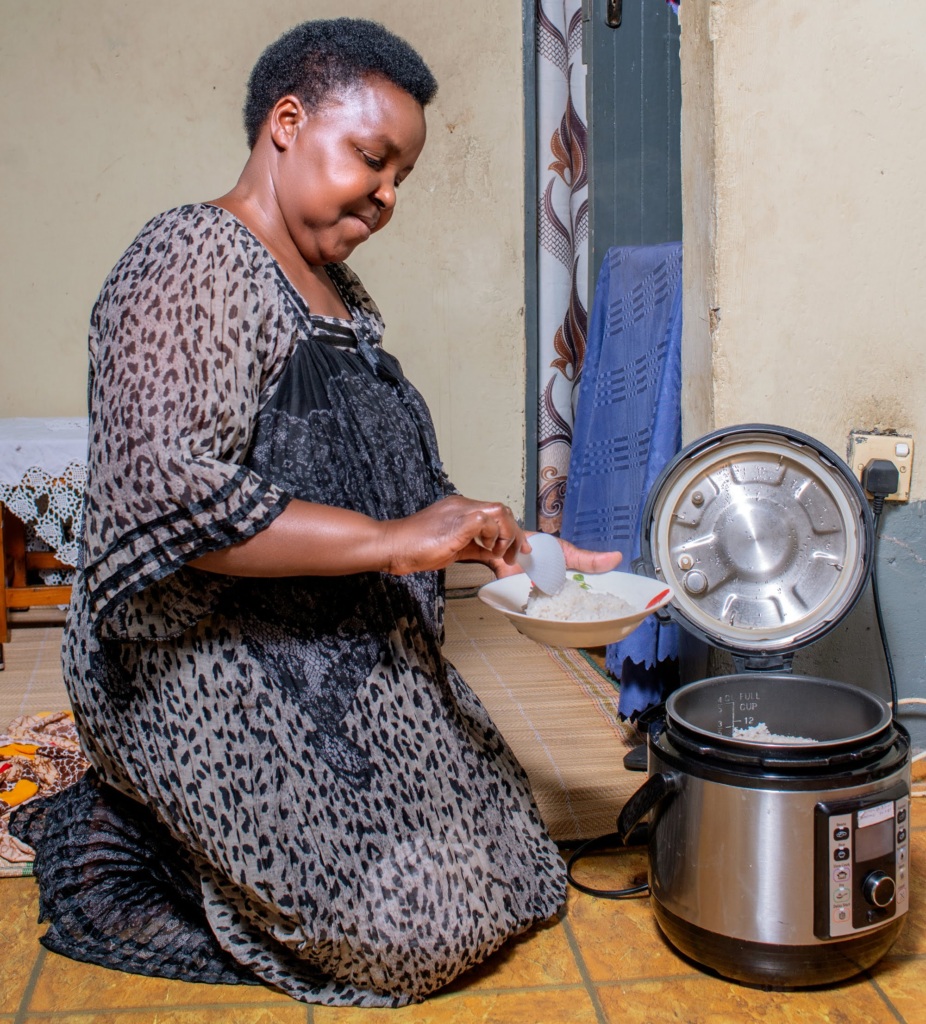
Modern, clean and efficient cooking solutions, such as electric pressure cookers and induction cookstoves, deliver proven health, economic, and social benefits – even in off-grid areas. Despite this, over 900 million people in Africa still lack access to these life-improving appliances.
CLASP and our partners are engaged in various initiatives across the continent to enhance the affordability and adoption of clean cooking appliances. These aim to reduce indoor air pollution, reduce the risk of fire, promote gender equality, and demonstrate the energy and cost savings associated with clean cooking practices.
Clean Cooking Improves Health and Air Quality
Household air pollution from cooking with polluting fuels is responsible for an estimated 3.2 million premature deaths annually. A significant portion of these deaths occur in low- and middle-income countries. CLASP aims to reduce the incidence of respiratory diseases and environmental damage linked to household air pollution by promoting the increased adoption of efficient, clean cooking appliances. CLASP is doing this through a range of programs such as the Global LEAP Induction Cooktops and Electric Pressure Cooker Competitions. These showcase sustainable alternatives to traditional biomass cookstoves as well as harmful fuels like kerosene. CLASP invites companies developing and supplying induction stoves to submit an expression of interest for their products to undergo usability testing in Kenya and India.
Product Testing Builds Consumer Awareness and Trust
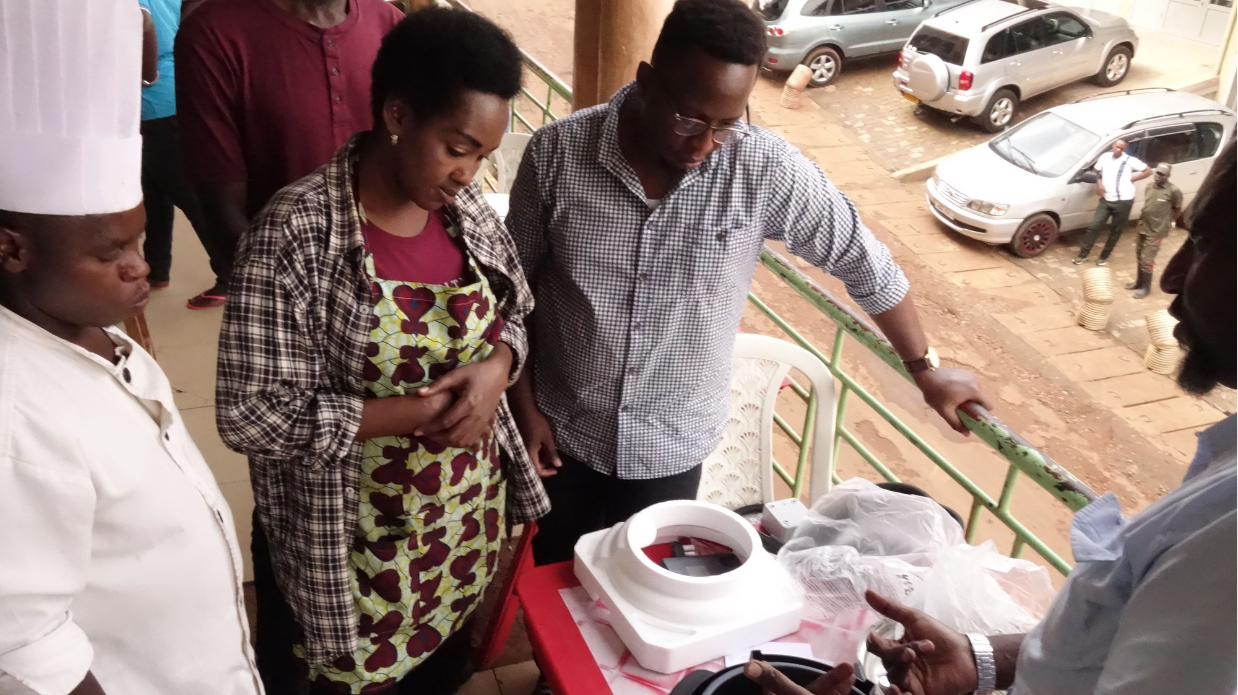
Modern cooking appliances suitable for off-grid homes and businesses are still a developing market. This causes variations in quality, durability, and performance among the available products. CLASP conducts performance testing in household and business contexts to evaluate product performance and publish the results. This ensures consumers know which products to invest in, and manufacturers have clear benchmarks to improve the design and development of cooking solutions. This promotes energy-efficient, cost-effective, and high-functioning appliances on the market.
Innovative Financing Drives Supply and Affordability
Many clean cooking appliance businesses in Africa struggle to expand their customer base and scale their operations due to a lack of finance and the high costs associated with importing quality products. To address this, CLASP and our partners created initiatives such as the Higher-Tier Cooking Component (HTCC) and the Productive Use Financing Facility. Both these programs provide procurement subsidies and help companies bulk-buy electric cooking equipment, lowering their purchasing price and unlocking new markets. In addition, the companies test the performance of these products through VeraSol to verify product quality.
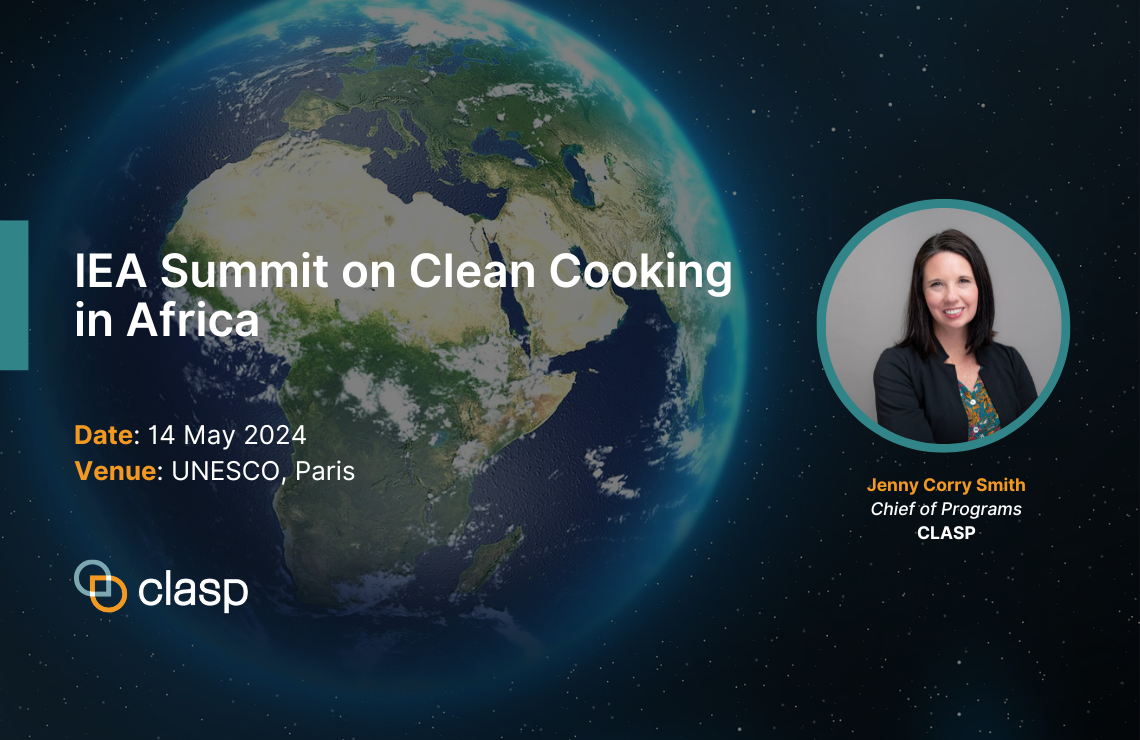
CLASP’s Chief of Programs, Jenny Corry Smith, attended the IEA Summit on Clean Cooking in Africa on 14 May 2024.
Update 14 May 2024:
At the close of the Summit on Clean Cooking in Africa, CLASP, along with a host of national governments, international organizations, civil society organizations and companies signed The Clean Cooking Declaration: Making 2024 the Pivotal Year for Clean Cooking. This declaration pledges to make clean cooking a priority, and enhance efforts toward achieving universal access for all.
The declaration emphasizes the importance of developing financing, policies and partnerships on the topic. The IEA also announced the mobilization of USD2.2 billion in related public and private sector pledges. Clean cooking is seen as essential in support of achieving Sustainable Development Goal 7, access to affordable, reliable, sustainable, and modern energy.
The Respiratory Benefits of Electric Cooking
CLASP is collaborating with partner organizations and policymakers around the world to address the health and environmental impacts associated with open-flame cooking appliances, and increase the uptake of electric cooking.
CLASP research shows that gas and solid fuel stoves produce a cocktail of air pollutants within homes, posing significant risks to respiratory systems. These pollutants impact people and children with asthma more notably. However, the solutions already exist: transitioning to electric cooking appliances. Replacing open-flame stoves with cleaner, energy-efficient electric alternatives remains the healthiest and safest option available.
Addressing Gas Cooking
Cooking with gas emits a cocktail of pollutants, one of them, nitrogen dioxide (NO2), is formed when gas flames react with oxygen in the air. A recent CLASP study conducted in Europe found that levels of NO2 in households with gas cooking appliances often exceed WHO air quality guidelines. In fact, indoor air quality, particularly in gas-cooking households, can often be poorer than outdoor air quality.

CLASP is working with the European Commission to introduce NO2 limits into the Ecodesign standards that govern cooking appliances. More information on CLASP’s research and recommendations on gas and electric cooking in Europe can be found here.
Tackling Solid Fuel Cooking
In regions like Africa and South East Asia, millions rely on burning solid fuels, like coal, firewood, and biomass for cooking. This has significant health consequences.
“The evidence is clear: transitioning to electric cooking is a vital step towards protecting respiratory health and reducing air pollution. CLASP is fostering healthier homes and communities worldwide by promoting cleaner, safer, and more sustainable, energy-efficient cooking appliances, to make a tangible improvement on people’s lives.” Sam Grant, Senior Director of Clean Energy Access at CLASP
To mitigate the air pollution caused by cooking methods in Rwanda and Uganda, CLASP is encouraging the widespread adoption of affordable electric pressure cookers. In India, CLASP promotes the adoption of efficient induction cookstoves, as a cleaner alternative to traditional solid fuel cooking appliances.
Understanding the Respiratory Risks
Air pollution stands among the World Health Organization’s (WHO) top ten global health concerns. The WHO considers NO2 a dangerous air pollutant that can cause serious respiratory problems, including, “…bronchoconstriction, increased bronchial reactivity, air way inflammation and decrease in immune defense leading to increased susceptibility to respiratory infection.”

Those already suffering from asthma symptoms are particularly sensitive to the pollutants emitted by gas and solid fuel cooking appliances.
“Electric cooking is not just about preparing meals: it is about safeguarding our health. NO2 exposure, brief or prolonged, harms respiratory health. Studies indicate that switching to electric cooking could prevent as many as 700,000 children in Europe from developing asthma, making up 12% of all cases. Recognizing these risks, EPHA is mobilizing the public health community and advocating for policy changes that promote electric cooking, safeguard respiratory health, and ensure a healthier future for all.” Sara Bertucci, Policy Manager at the European Public Health Alliance
Clean Cooking Solutions
Both health and air quality experts recommend accelerating the transition to electric cooking. To minimize exposure to cooking pollutants, effective ventilation practices can be beneficial, but the ultimate solution is adopting plug-in electric appliances. Governments have a pivotal role to play by enforcing stricter appliance standards and incentivizing the widespread and equitable adoption of electric cooking appliances. Manufacturers and healthcare professionals should also inform people about the indoor air pollution linked with gas and solid fuel cooking appliances, as well as possible alternatives.
Collective action from policymakers, manufacturers, and healthcare professionals can ensure significant progress is made in reducing people’s exposure to cooking emissions and promoting respiratory health.
Seven Clean Cooking Companies Selected for CLASP Support in Uganda
Although improved access to modern, energy-efficient cooking appliances offers substantial health, economic, gender, and quality of life benefits, many small businesses in this sector still face market challenges. CLASP, in partnership with GIZ Uganda, the Netherlands Enterprise Agency (RVO), and the European Union (EU), wants to change this. Together, they will disburse $230,000 USD in subsidies to support seven small and medium businesses selling a range of electric cooking and higher-tier biomass stoves in Uganda.
Strengthening Supply for Local Businesses
This initiative, called the Higher Tier Cooking Component (HTCC) Uganda, aims to strengthen the supply side of the clean cooking sector. It works by providing procurement subsidies that the companies use to scale their business operations and increase their customer base. In turn, this will increase the affordability of higher-tier cookstoves in Uganda.
Companies selected for support
| Company | Cooking Appliance |
|---|---|
| Bidhaa Sasa | Electric Pressure Cookers, Charcoal Stoves |
| Conservation and Development Uganda Ltd (CODE) | Biomass Pellet Stoves |
| Ezylife Holdings Limited | Charcoal Stoves |
| Potential Energy, Inc. | Electric Pressure Cookers |
| ReNewable Hub (U) LTD | Electric Pressure Cookers |
| TEECO Uganda Limited (a subsidiary of PowerUp) | Electric Pressure Cookers |
| UpEnergy Uganda Limited | Electric Pressure Cookers |
Financing for Clean Cooking Outcomes
Through the program, CLASP and its partners aim to enhance the affordability of clean cooking appliances, reduce indoor air pollution, and highlight the energy and cost savings that stem from clean cooking. The ultimate goal is to increase the adoption of more efficient clean cooking appliances for households and small businesses across Uganda.
“CLASP is optimistic that our support will enable the selected companies to ramp up their e-cooking sales,” commented Sam Grant, Senior Director of Clean Energy Access at CLASP. “Similar to other initiatives focusing on clean cooking for this market, we are keen to see the number of Ugandans with access to clean cooking rise far above the current 5% of the population.”
The selected companies are expected to cumulatively sell over 12,000 electric pressure cookers and higher-tier biomass stoves. This will enable access to high-quality, low-emissions, and energy-efficient cooking technologies for more than 60,000 end-users between April 2024 and March 2025.
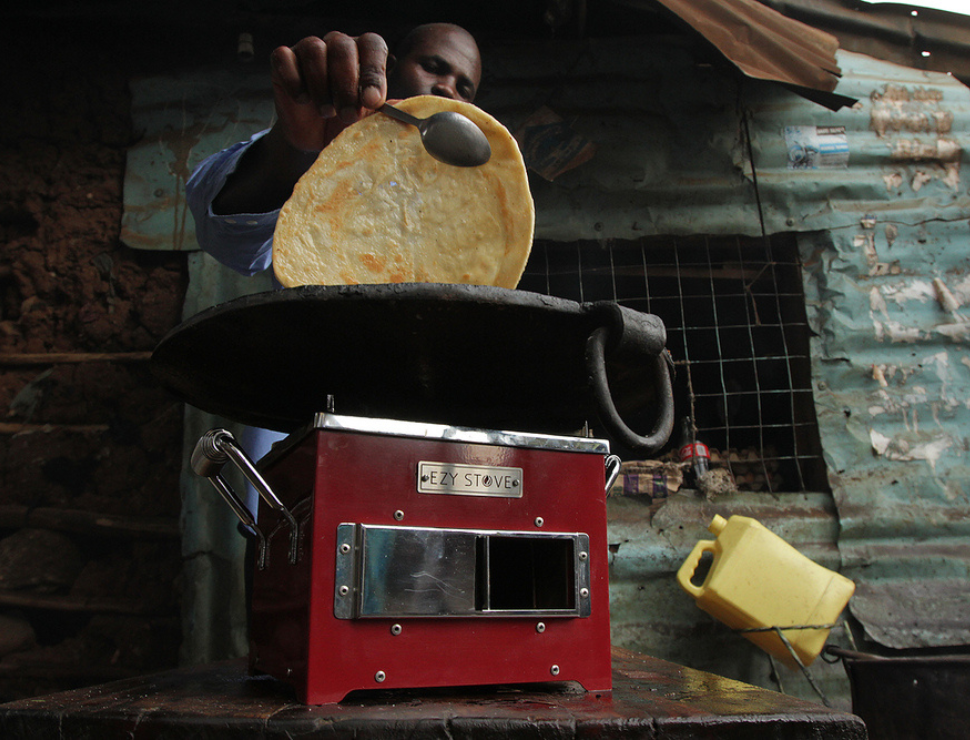
Image credit: EzyLife
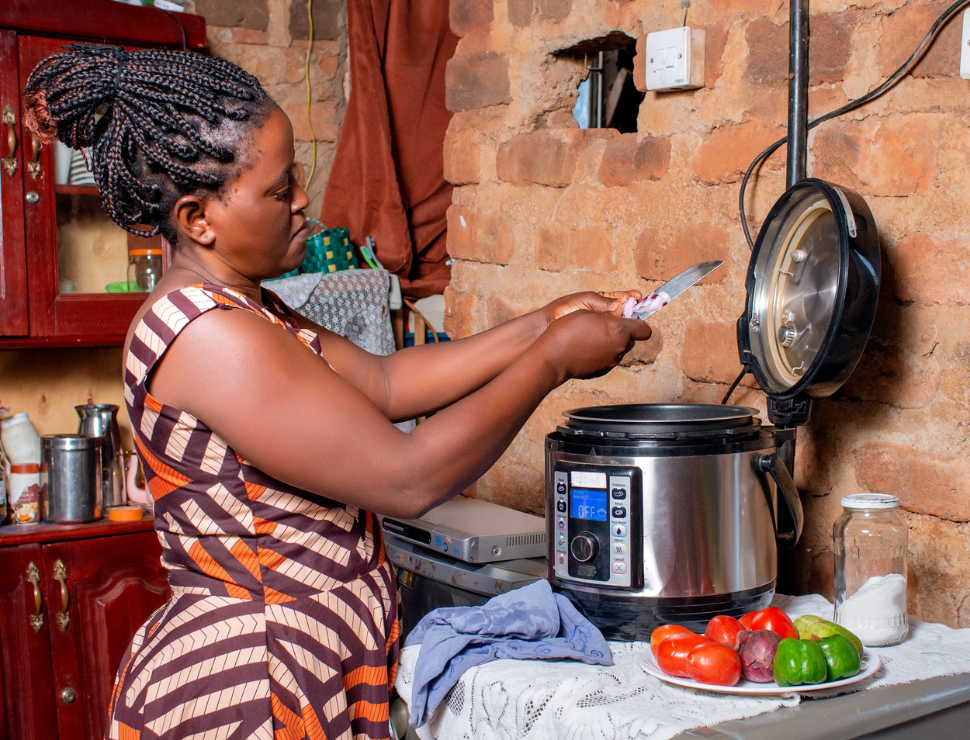
Image credit: UpEnergy
The HTCC Uganda project received 17 applications from clean cooking technology companies operating in Uganda during the public auction window. The total subsidy ask exceeded $2.19 million for 157,756 units of clean cooking products, highlighting the significant demand and potential impact of the program.
***
About the Higher-Tier Cooking Component (HTCC) Results-based Financing Program
The HTCC Uganda RBF is administered by CLASP in partnership with the German Development Agency (GIZ) with support from the Netherlands Enterprise Agency. The HTCC is part of the multi-country Strengthening the Entrepreneurial Ecosystem for the Clean Cooking (SEE-CC) program commissioned by the Netherlands Enterprise Agency and implemented in partnership with EnDev. SEE-CC supports small and medium-sized enterprises in Uganda to enhance their business operations, access finance for upscaling, and drive innovation in the clean cooking sector.
For any questions on the Higher-Tier Cooking Component program, please get in touch with financing@clasp.ngo.
Subscribe to our newsletter for more updates on the Uganda RBF Program.
2023 CLASP Annual Report

Appliance efficiency: proven solutions at a critical moment
The climate emergency is here. Extreme temperatures and unpredictable weather now affect every person and place on earth. At the same time, millions of people still lack access to vital, modern energy services like cooking and cooling.
CLASP has solutions. CLASP is the leading global authority on appliance efficiency, which drives climate mitigation and adaptation and alleviates energy poverty. Increasing the energy-efficiency and affordability of the appliances people need to live healthy, productive lives is one of the fastest and most cost-effective ways to cut emissions, address rising energy demand, improve livelihoods, and help communities adapt to more extreme temperatures.
For 24 years, CLASP has led the charge to inform decision makers and push for collective action to create a more sustainable world for future generations.
2023 was a big year for CLASP. We expanded our team, published groundbreaking research, and supported ambitious policies. We also improved our suite of tools that show how increasing appliance efficiency can yield substantial and immediate gains in climate and energy access for sustainable development.
With five regional offices spanning the globe, CLASP is a trusted partner. We collaborate with governments, industry, civil society, and other key stakeholders to build momentum for positive change and catalyze markets for affordable, efficient appliances.
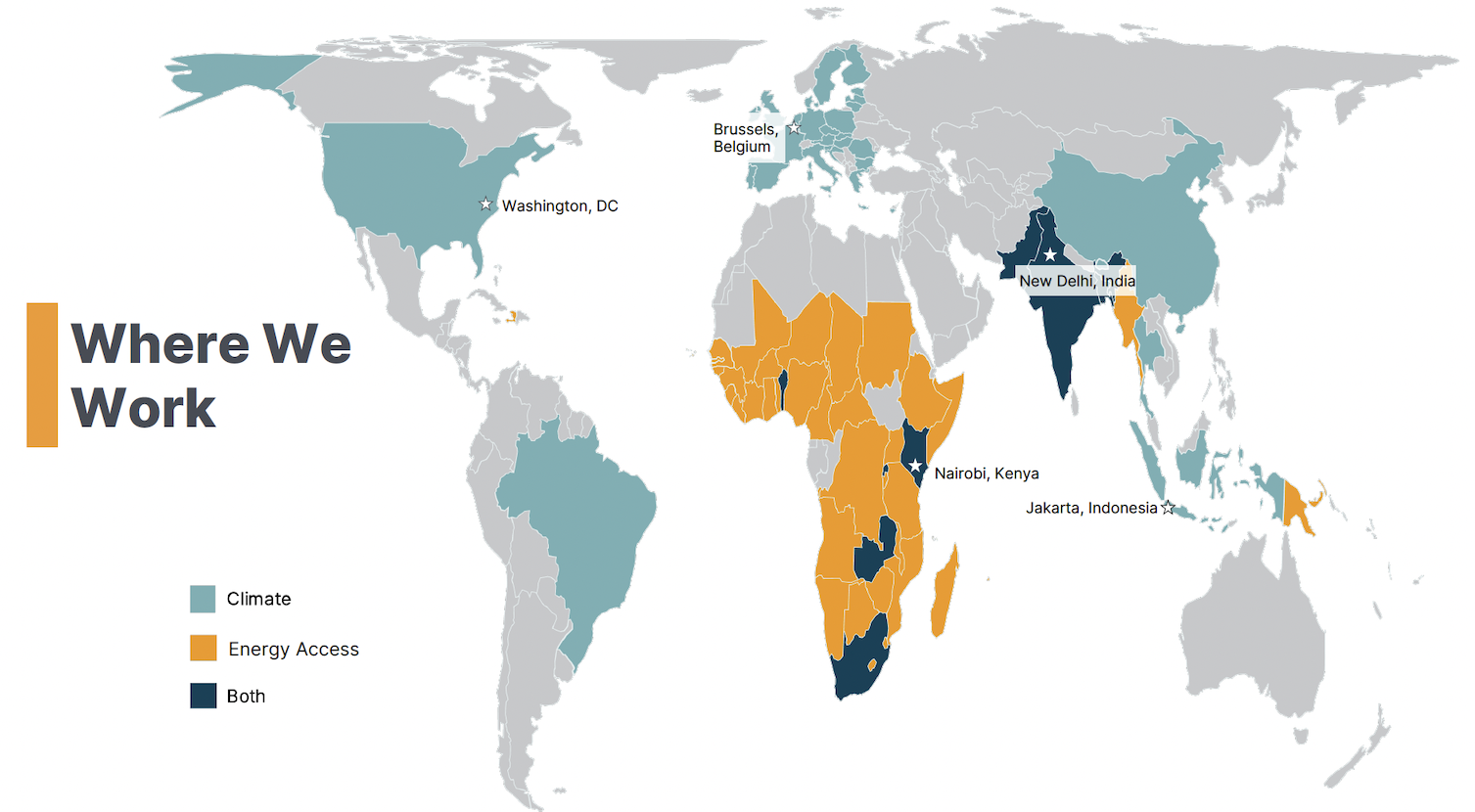
In 2023, CLASP led impactful work through our five regional offices and our constellation of global partners and industry experts.
Illuminating proven solutions for busy policymakers
Robust appliance efficiency policies bolster energy security, job creation, and climate mitigation and adaptation. CLASP works in dozens of countries, collaborating with and supporting those who have the authority to prioritize energy efficiency action.
Brazil Between 2020 and 2023, CLASP supported the Brazilian government in revising refrigerator efficiency policies. CLASP analyzed potential impacts of different policy options and supported Brazil’s Ministry of Mines and Energy with the data and analysis needed to respond to industry inquiry during the public consultation period. The new policy will save consumers an average of $164 USD over the lifetime of each refrigerator and reduce national CO2 emissions by 32 megatons (Mt) by 2040.
China CLASP provided international perspectives on policies for renewable energy transformers, motors, and external power supply. These are projected to avoid 1,330 Mt of CO2 by 2040. CLASP is also providing ongoing technical support to improve and launch seven additional appliance policies in the future.
India CLASP provided technical assistance to India’s Bureau of Energy Efficiency as it launched a record-breaking 15 appliance efficiency policies in 2023. The policies range from essential household appliances to industrial equipment. CLASP’s supported robust policies to align with global best practices. The 15 policies are estimated to avoid 120 Mt of CO2 cumulatively by 2030.
Indonesia Throughout 2023, CLASP played a pivotal role in supporting the development of new efficiency policies for refrigerated display cases and televisions that are projected to avoid 13.5 Mt of CO2 by 2040. In addition, leveraging data from CLASP’s research on the dumping of climate harming room air conditioners in Southeast Asia, policymakers in Indonesia phased out the lowest-efficiency class of room air conditioners, cutting 230 Mt of CO2 by 2040.

Farewell to Fluorescents
Through our Clean Lighting Coalition campaign, CLASP facilitated a fast global transition to LEDs by driving support for African governments who were calling for a phaseout of inefficient, toxic fluorescent lighting under the Minamata Convention on Mercury.
At Minamata COP5 in November, 147 governments agreed to put an end to fluorescent lighting once and for all in 2027. The move, building on a complementary decision at Minamata COP4, will avoid 2.9 gigatons of CO2 from the phaseout dates to 2050.
Flagship Research
CLASP’s sector-leading research bridges the gap between analysis and action, providing policymakers, innovators, and advocates with the robust data and expert recommendations needed to catalyze pivotal solutions.


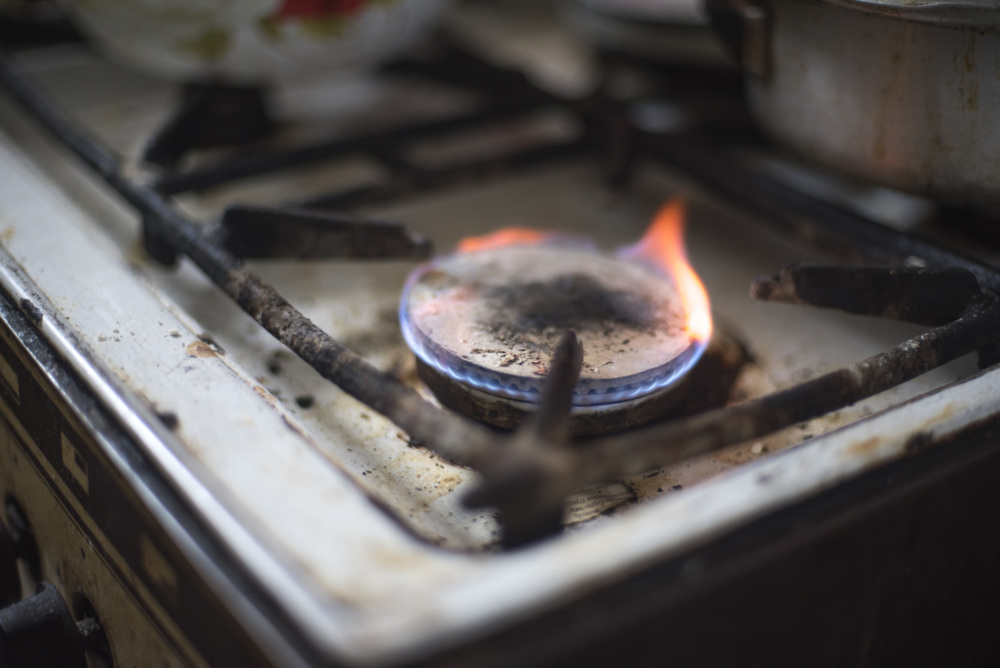

Net Zero Heroes
CLASP launched the landmark report “Net Zero Heroes: Scaling Efficient Appliances for Climate Change Mitigation, Adaptation & Resilience” in parallel to a multi-month digital campaign and CLASP’s significant presence at UNFCCC COP28 in Dubai. The analysis revealed the appliance sector accounts for nearly 40% of energy-related CO2 emissions. At the same time, billions of people do not have access to the appliances needed to live healthy, productive lives.
CLASP identified ambitious efficiency targets for ten appliances – the Net Zero Heroes – that must form the basis of an unprecedented push to curb the climate crisis.
The Global Stage
In 2023, CLASP and our partners informed leaders and civil society of the huge climate and development opportunities affordable, efficient appliances can bring.
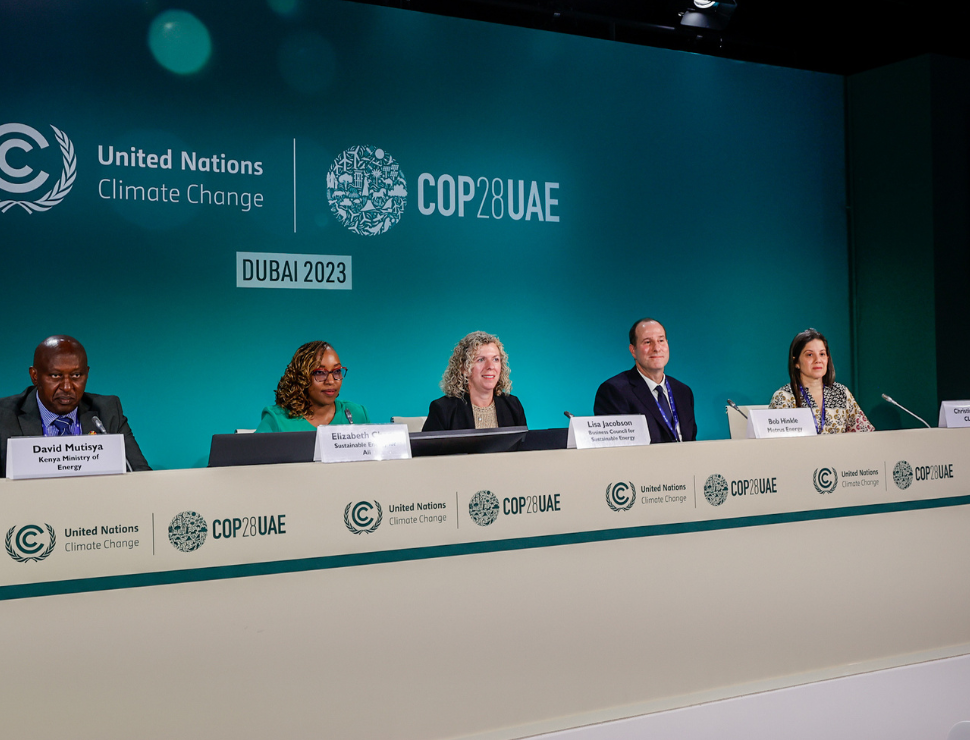
1. United Nations Framework Convention on Climate Change COP28
At COP28, energy efficiency was finally spotlit as a low-cost, highly effective mitigation solution – culminating a new requirement to double efficiency by 2030. In this context, CLASP highlighted efficient appliances at over 15 events.
Pictured: CLASP CEO Christine Egan sits on panel at UNFCCC COP28 alongside partners including representatives from the Kenya Ministry of Energy and Sustainable Energy for All.
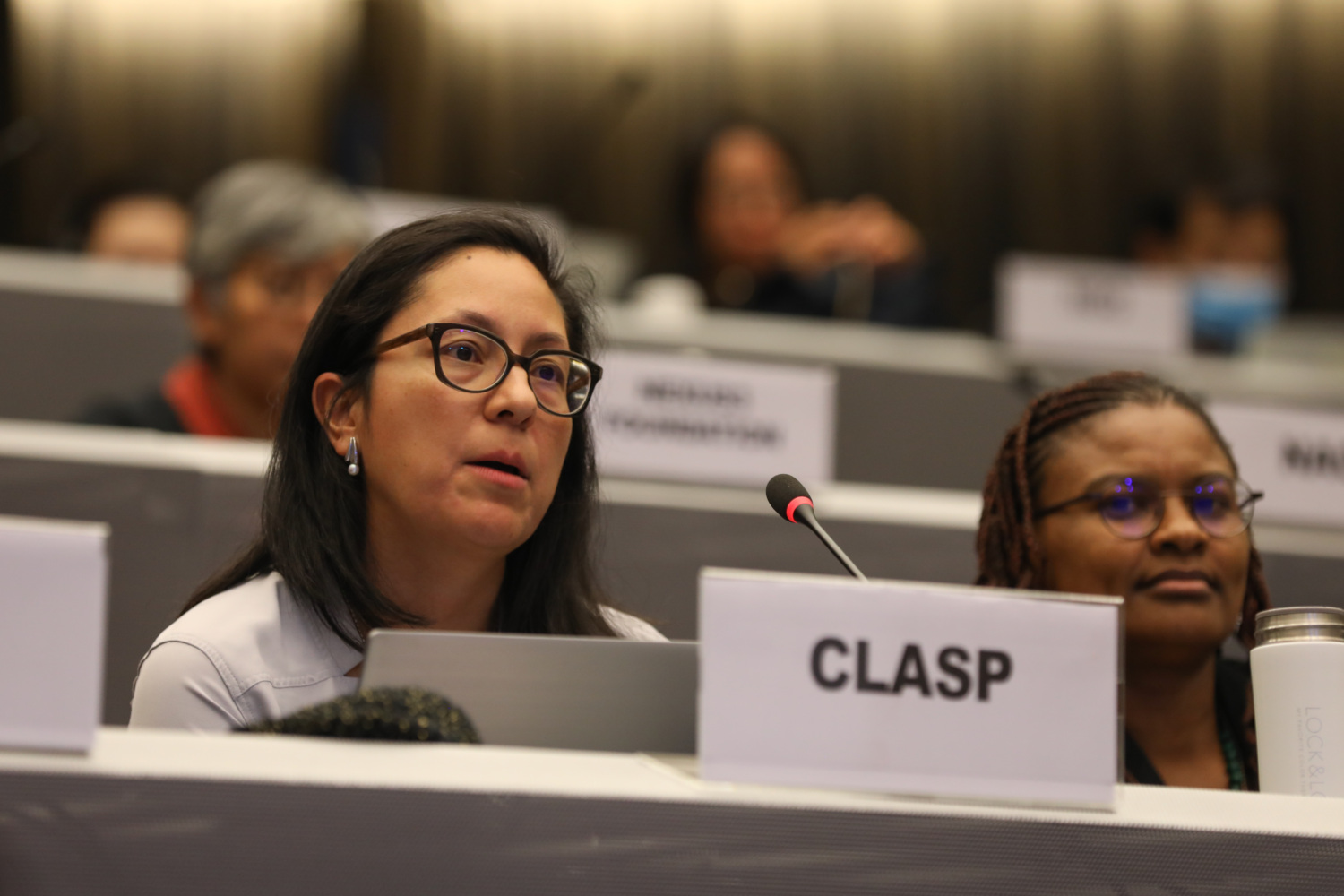
2. Minamata Convention on Mercury Fifth Conference of the Parties (COP5)
CLASP was present in Geneva to support policymakers through the Clean Lighting Coalition campaign. Delegates from 147 countries agreed to phase out florescent lighting globally by 2027.
Pictured: CLASP’s Senior Climate Director Ana Maria Carreño with campaign partner Rachel Kamande at Minamata COP5 closing plenary.
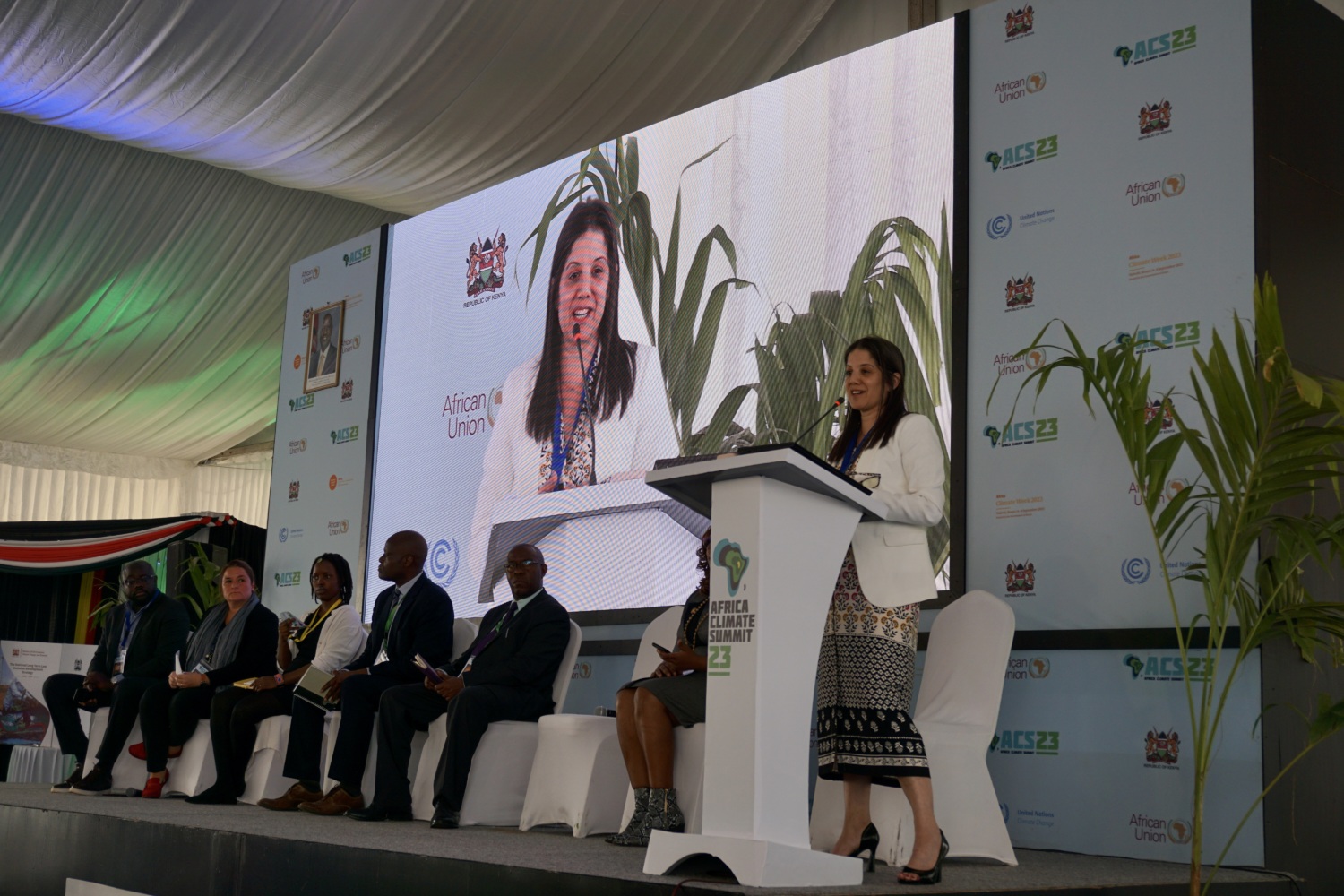
3. Africa Climate Summit
CLASP presented solutions at the first-ever Africa Climate Summit, convened by the African Union (AU) and hosted by the Kenyan government.
Pictured: CLASP CEO Christine Egan speaks at the Africa Climate Summit at an event showcasing the opportunities of energy efficiency, hosted by the International Energy Agency and Sustainable Energy for All.
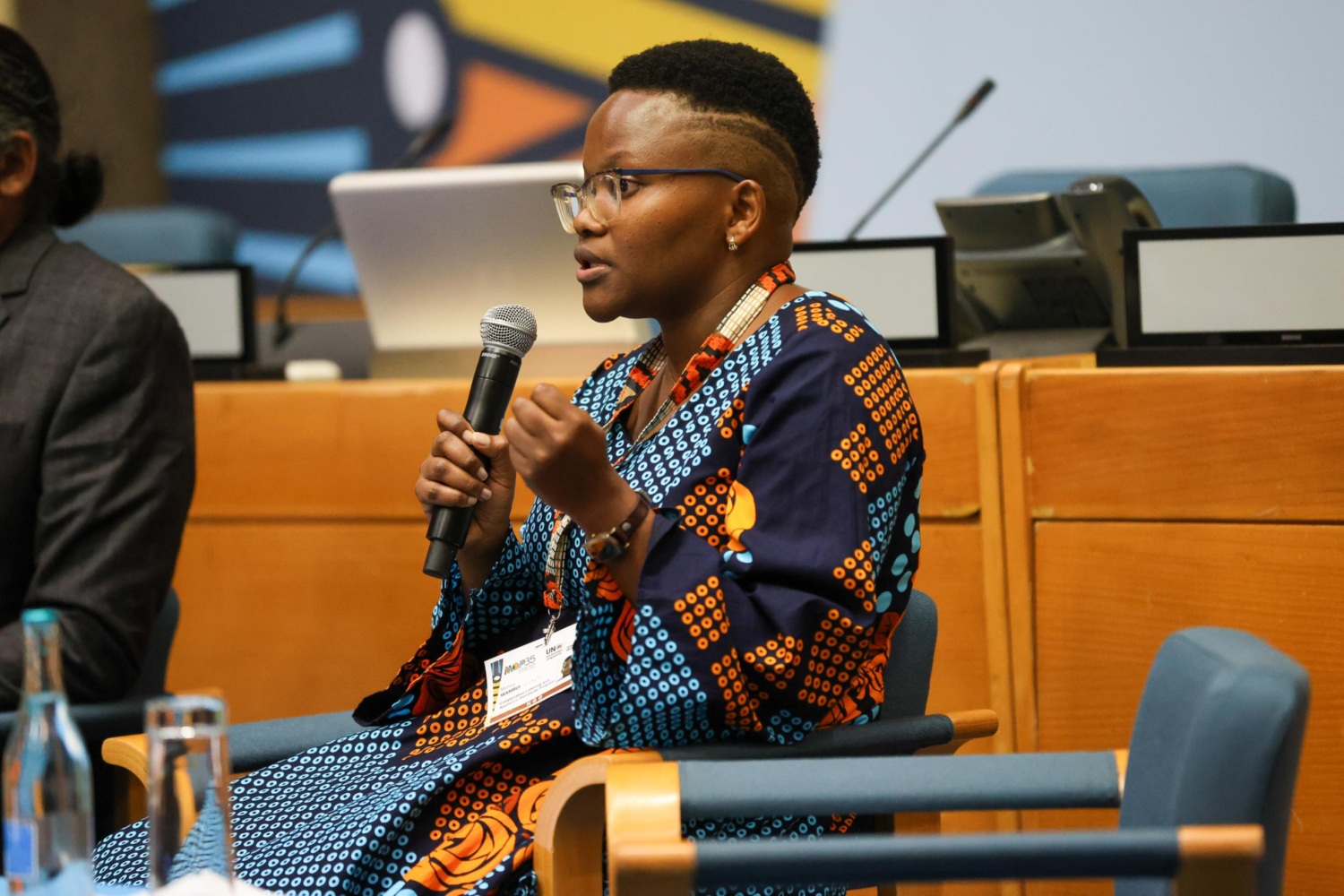
4. 35th Meeting of the Parties to the Montreal Protocol on Substances that Deplete the Ozone Layer (MOP35)
CLASP brought our expertise to the World Cold Chain Symposium and led a stimulating workshop on energy efficiency.
Pictured: CLASP’s Monica Wambui leading a policy workshop at MOP35 hosted by UNEP’s Ozone Secretariat. Photo by IISD.
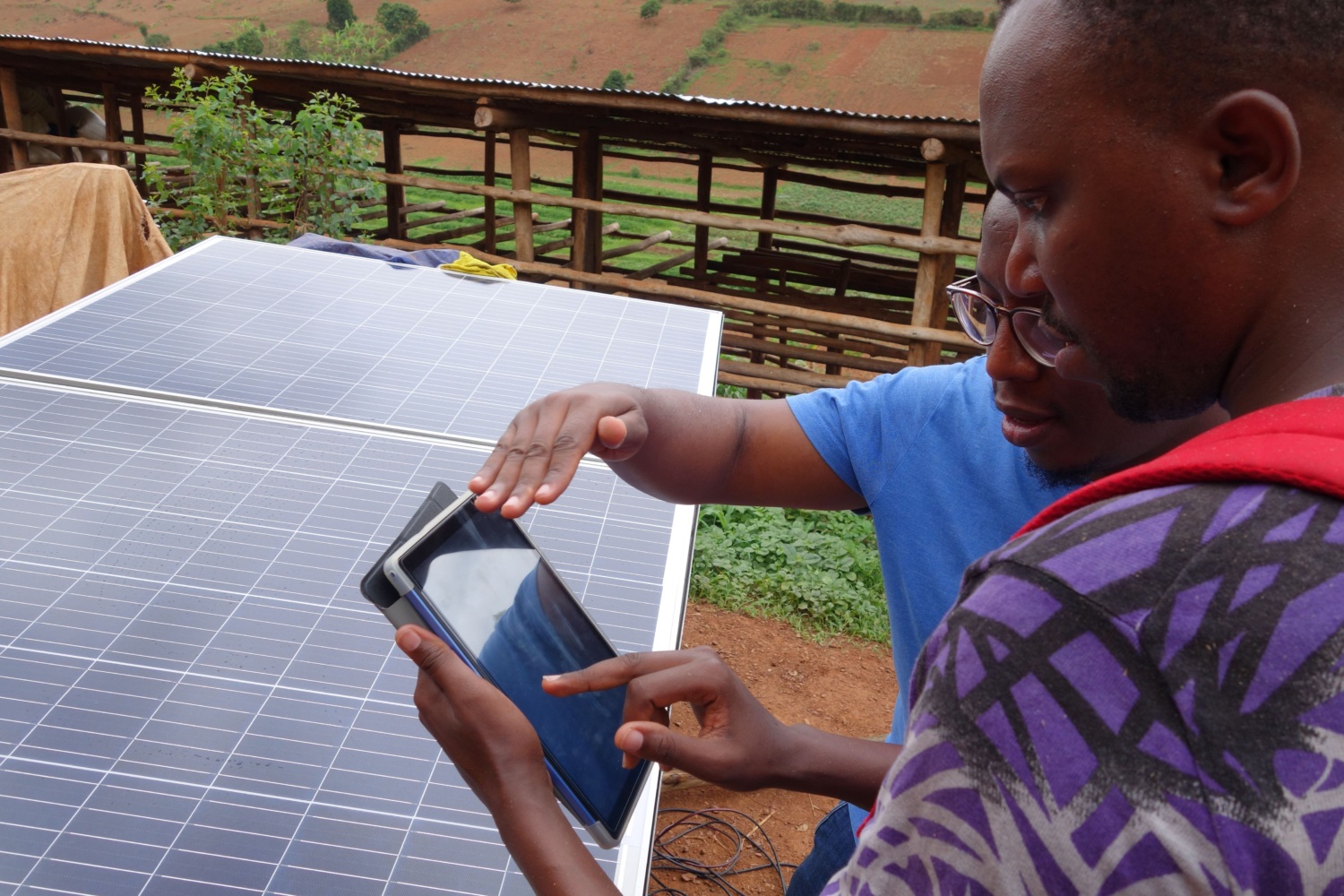
Unlocking Green Jobs
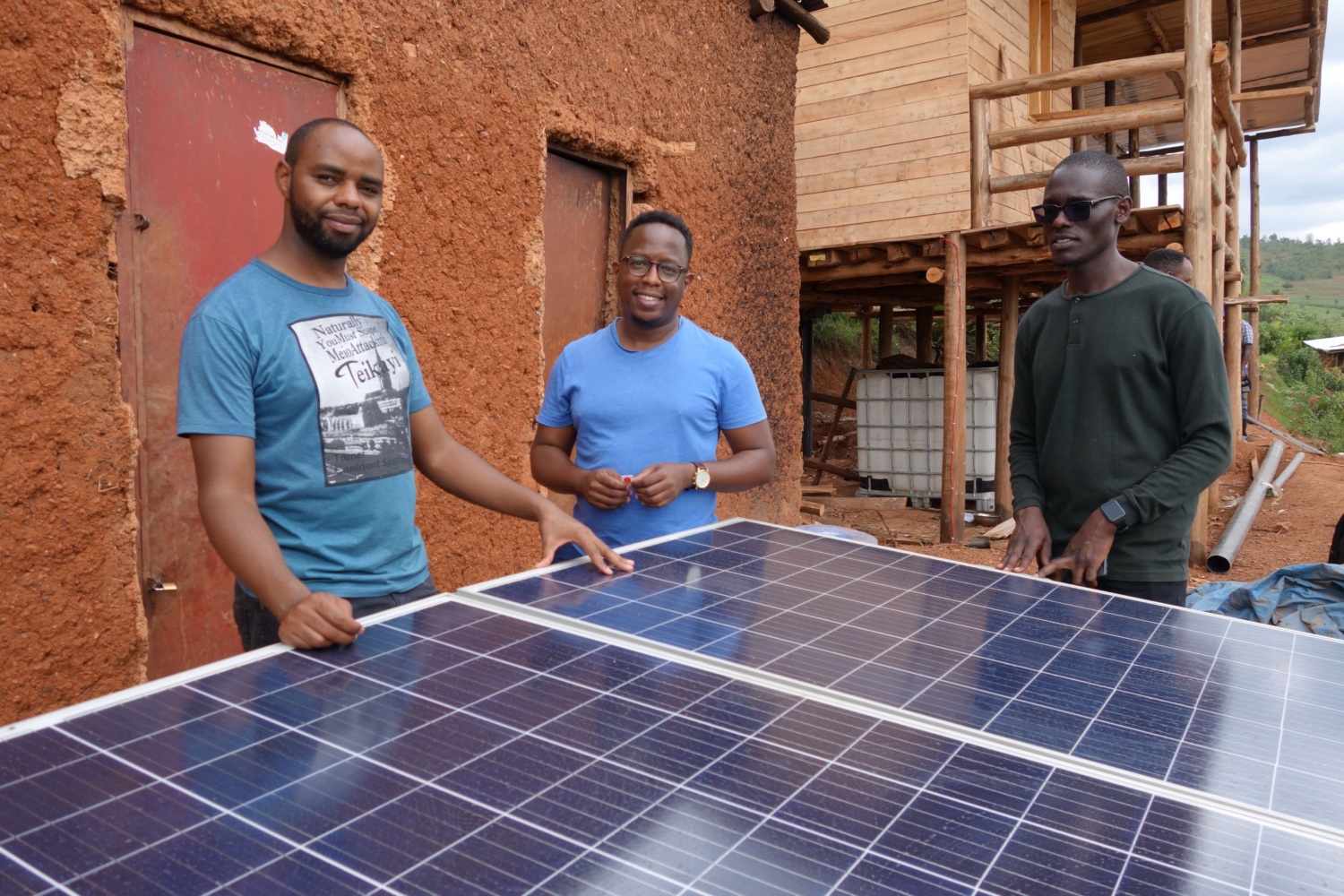
CLASP is working to strengthen job creation through appliance and equipment ownership, as well as training and skills development. This will provide farmers and small businesses with the right tools to excel in our modern economy. Through the Efficiency for Access (EforA) Coalition, we collaborated with Dalberg on a report advocating for green skills to facilitate youth employment in Kenya's solar irrigation sector. CLASP co-manages EforA with Energy Saving Trust.
Innovative Financing Catalyzes Access to Transformative Appliances
CLASP’s innovative financing methods make appliances affordable to those who need them most.
Twenty-four companies selling productive-use appliances like solar-powered refrigerators, pumps, and milling machines across six countries in Africa were selected to receive subsidies and capacity-building grants through CLASP’s Productive Use Financing Facility, in partnership with Nithio. Companies will use their funding to sell over 20,000 appliances, impacting over 90,000 households.
Efficient productive use appliances have transformative effects on local communities, small businesses, and the environment. However, despite their potential for sustainable development outcomes, appliance sales remain low in emerging markets due to their relatively high upfront costs and a lack of access to finance.
CLASP’s innovative financing facility, supported by the Global Energy Alliance for People and Planet, addresses these challenges by helping appliance distribution companies sell their products at lower prices.
IMPACT STORIES
Providing Affordable and Sustainable Energy Solutions in Ethiopia
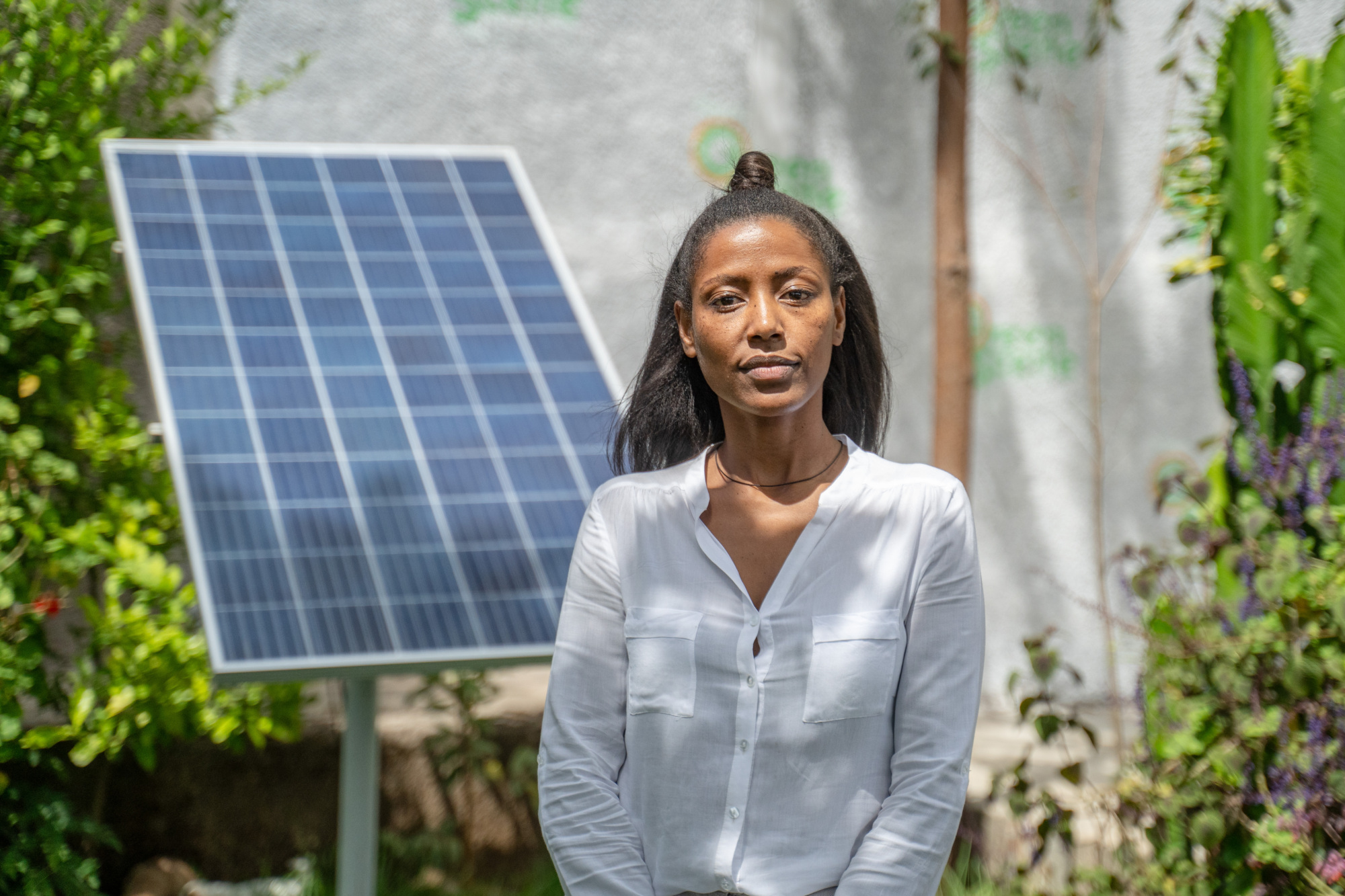
People & Culture
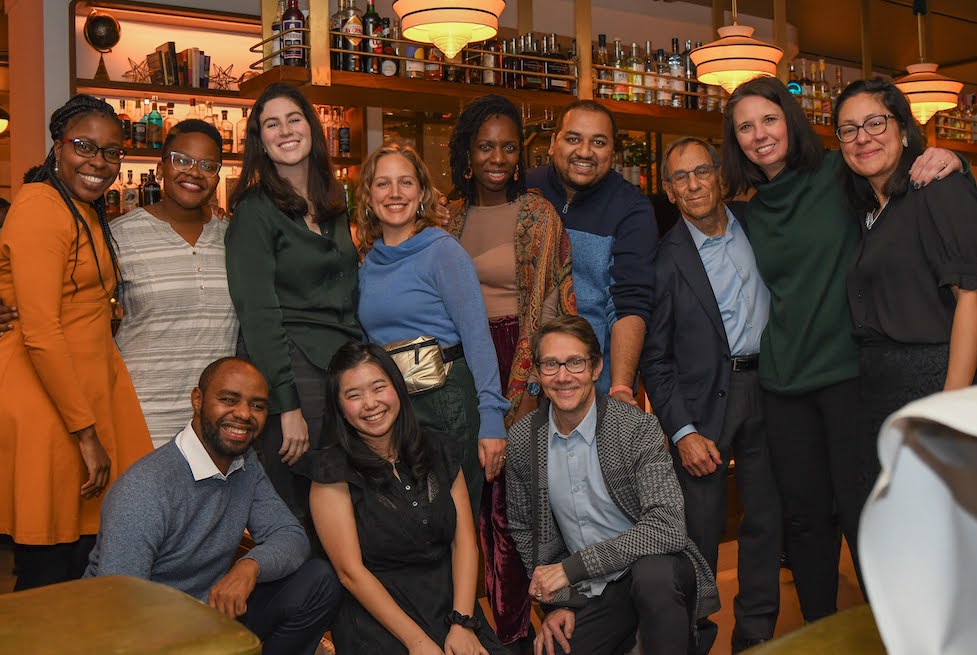
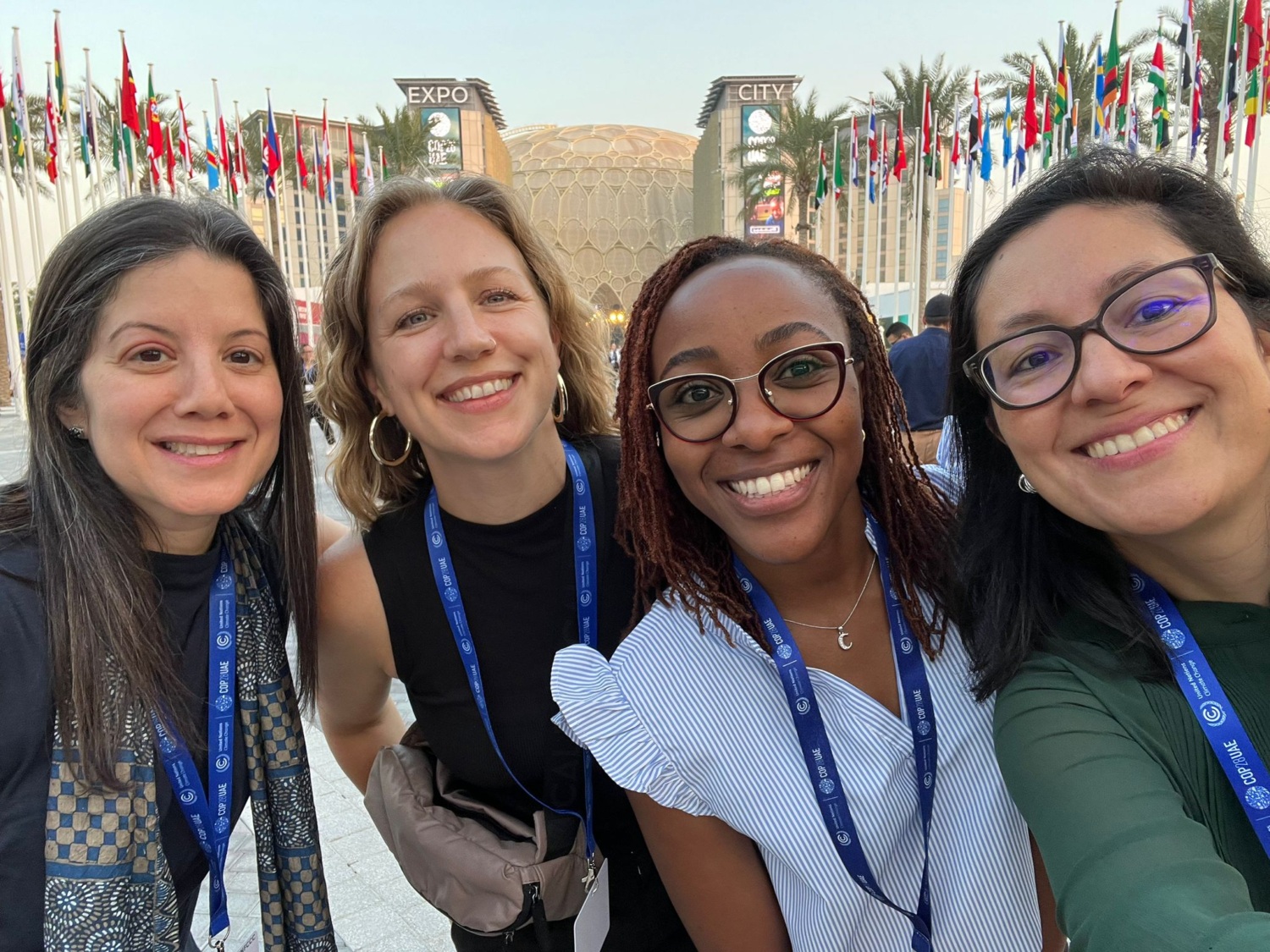
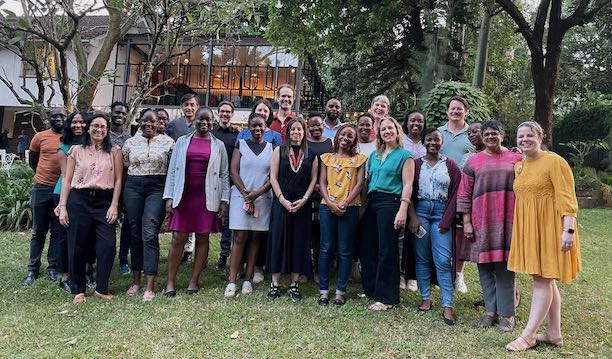
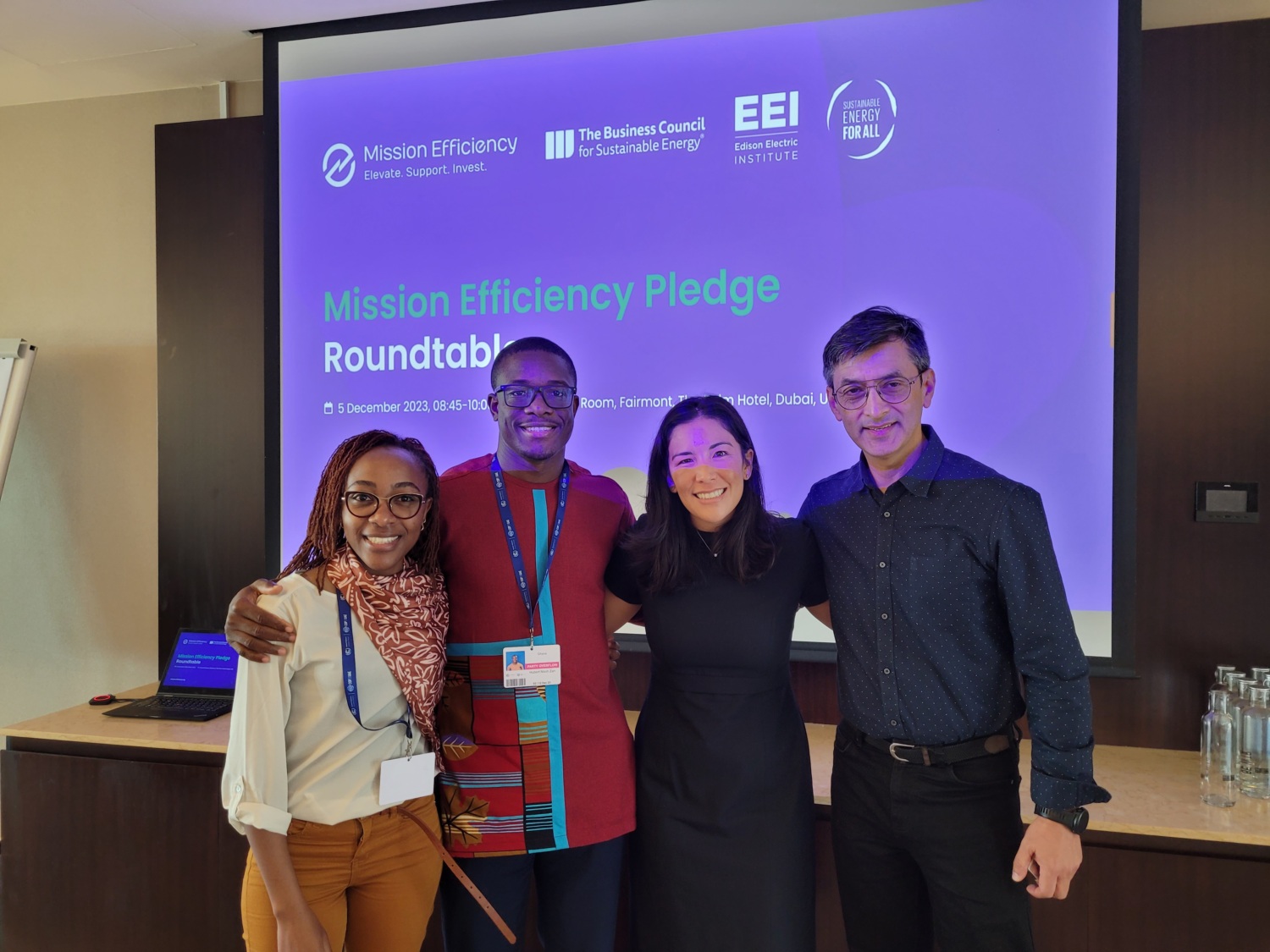
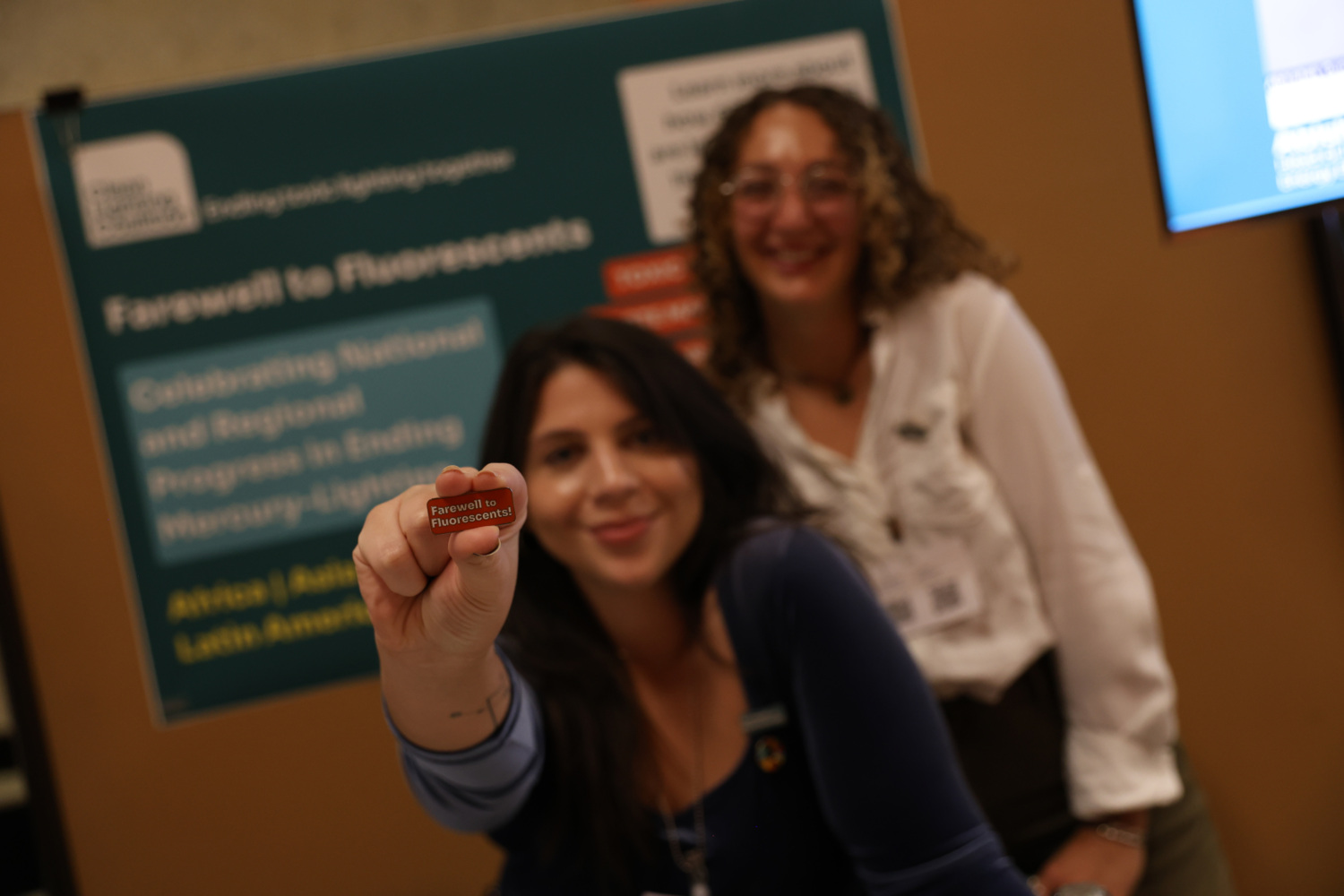
As the world increases its focus on energy efficiency, CLASP’s expertise is in high demand. In 2023, CLASP expanded our team of experts, adding 15 new faces to our international roster.




Finances
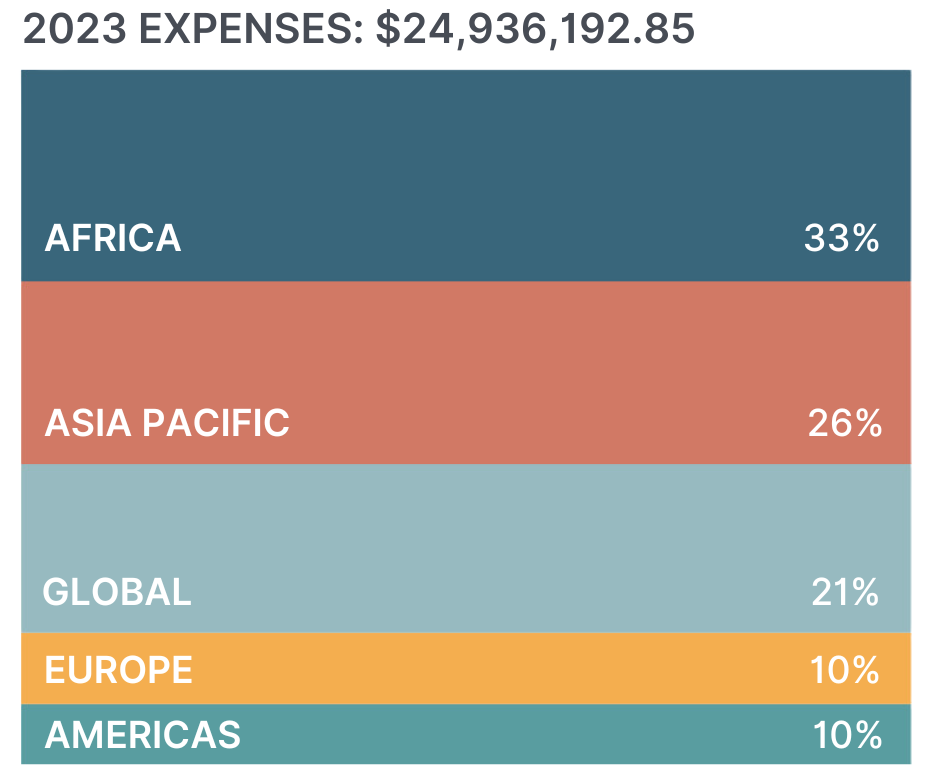
With generous donor support for our mission, CLASP expanded our funding in 2023 – increasing our revenue by 24% as compared to 2022.
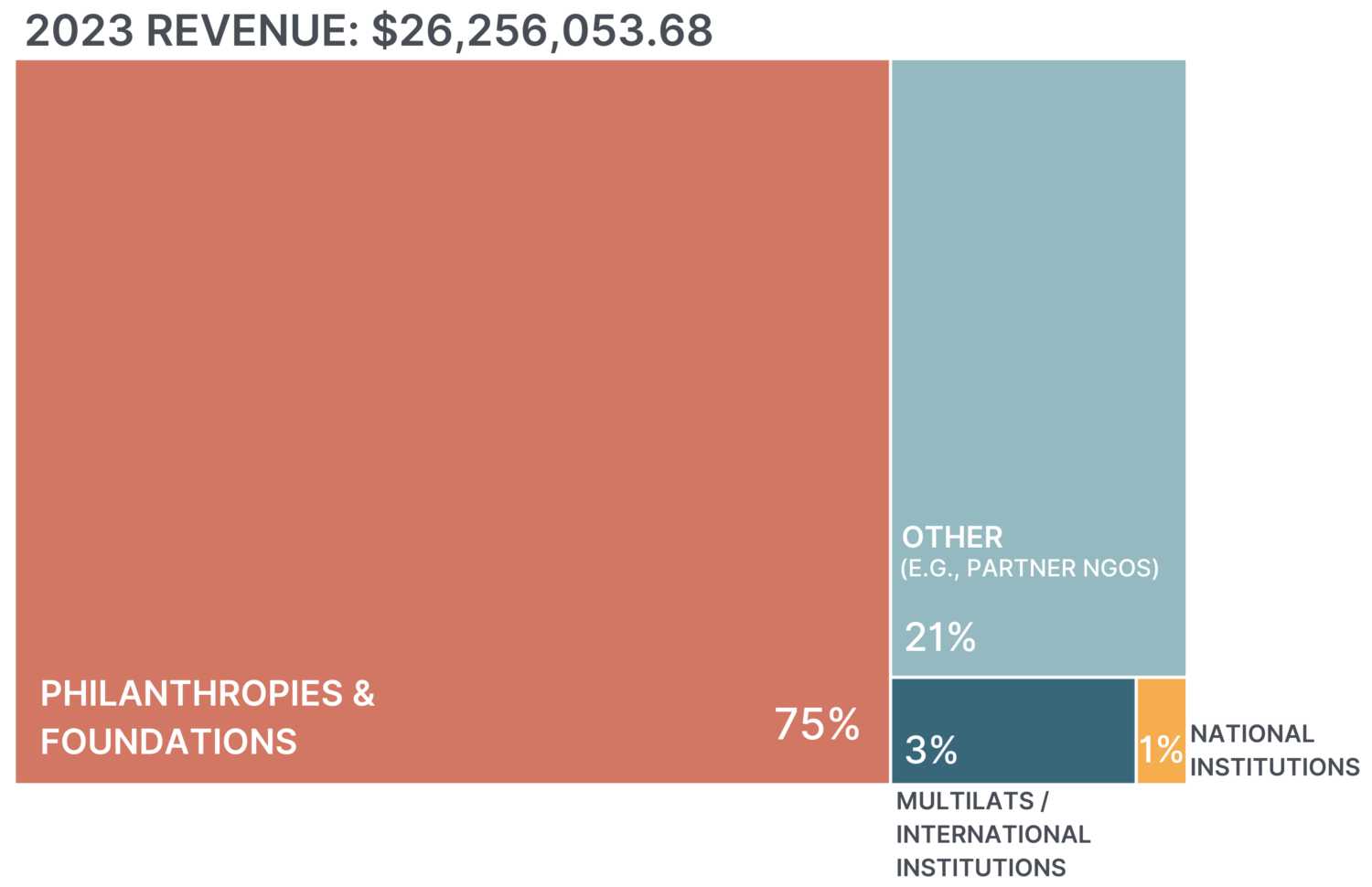
2023 Funding By Donor Type