
Residential Energy Consumption Patterns and Appliance Ownership in India: Insights From a 2024 Household Survey
India’s energy landscape is rapidly evolving, driven by a growing population, an expanding economy, and growing access to modern energy services.
With a population exceeding 1.4 billion, India’s residential sector is a key contributor to the country’s overall electricity consumption. As of 2024–25, it accounts for ~25% of total electricity usage in the country, with an annual growth rate of 6%.
To better understand the factors driving up this energy use, CLASP conducted a study examining appliance ownership, usage patterns, and their impact on residential electricity demand. The study draws on data collected from a sample of 4,321 households across 20 states, covering both urban and rural areas and representing major climatic zones.
Key findings
- Energy consumption in surveyed households is not uniform: Climatic conditions, socioeconomic status, awareness of energy efficiency strongly influence appliance use.
- Among surveyed households, electricity use is primarily driven by thermal comfort, which accounts for 40% of total consumption, reflecting the growing demand for cooling solutions. Kitchen appliances contribute 28% to electricity use, while lighting accounts for 11%, and other miscellaneous uses make up the remaining 21%.
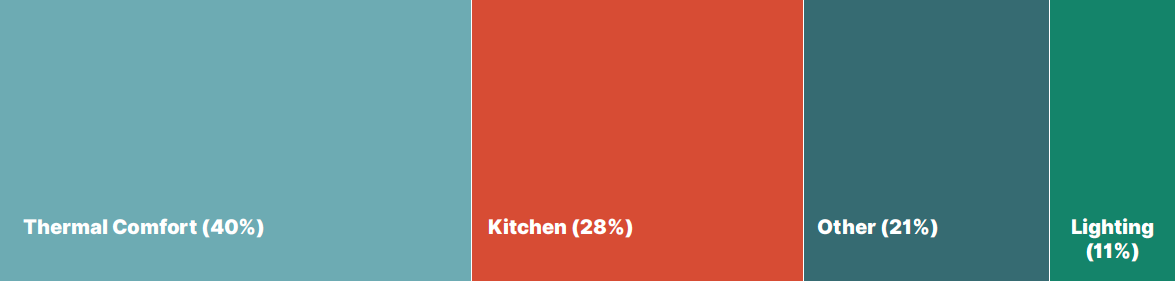
Annual electricity use in surveyed households by end use
- Affordability is a decisive factor in appliance purchases, often outweighing energy efficiency considerations.
- Consumer behavior around energy efficiency is inconsistent. All surveyed households reported using LED lighting, however, only 2% actively considered energy efficiency when purchasing lighting solutions. This contrast highlights the importance of initiatives promoting the adoption of energy-efficient technologies.
By identifying the key factors that influence residential energy use, this study aims to inform the development of effective energy efficiency policies and provide policy recommendations for managing growing demand efficiently. By acting on these insights, India can ensure that its residential sector evolves in a sustainable, energy-efficient, and climate-resilient manner.
2025 CLASP Annual Report
Collective action for people,
prosperity, and planet.
A note from CLASP’s CEO,
Christine Egan
Appliance and equipment energy efficiency is a triple-win for people, planet, and prosperity. In a time of multiplying global crises, it stands out as a durable climate solution and key element of smart decarbonization strategies. It also creates jobs and improves livelihoods, enhances energy security and food system resilience, and helps people adapt to a changing climate.
Looking back at 2025, I’m wowed by the work of CLASP’s global team and dedicated partners, and the focus of the decisionmakers we support. Through purposeful collaboration, we forged the policy instruments, finance, and intelligence to drive positive momentum.
Together, we are changing the way we use energy.

2025 by the numbers:
4.6 Gt 18 CLASP-supported appliance and equipment efficiency policies will avoid 4.6 gigatons of CO2 by 2050, improving planetary and human health and saving money.
30K+ Over 30,000 people experienced improved health and livelihoods via access to efficient, solar powered appliances and equipment.

Skyline of Jakarta, Indonesia
Image credit: CLASP
Elevating Appliance Efficiency in National Climate Commitments
What we did
Ahead of COP30, CLASP led a global campaign to improve inclusion of appliance and equipment energy efficiency in national climate goals (nationally determined contributions or NDCs).
How we did it
Through our Net Zero Appliance NDC Toolkit and bespoke support for governments around the globe, CLASP elevated appliance efficiency policy as a key climate mitigation solution. Now, appliance and equipment efficiency policy is included in 90% of all submitted NDCs—up from below 50% in the last cycle.

Image credit: CLASP
Powering Africa’s Green Economy
Solar-powered appliances and equipment turn energy into opportunity, helping small businesses generate jobs and income. In 2025, CLASP re-launched our innovative Productive Use Financing Facility to make it cheaper and easier for entrepreneurs, farmers, and small businesses in Ethiopia, Kenya, and Nigeria to buy solar-powered appliances and equipment that power livelihoods. Last year, CLASP partnered with 11 companies to drive jobs and economic growth in Africa’s informal and agricultural sectors, which make up 70-80% of African economies.
Slashing Emissions Through Smart Policy
Australia
National leaders passed a lighting policy that will transition Australia’s market to an all-LED future and avoid 41 Mt of CO₂ by 2050, informed by CLASP-led analysis.
Brazil
Policymakers made strides in Brazil’s LED transition with CLASP’s support, approving a lighting policy package that will slash nearly 3 Mt CO₂ by 2050.
China
CLASP supported seven major policy updates, including for compressed air systems, refrigerators, and water pumps. Altogether, the new policies are estimated to cut nearly 3 Gt CO₂ by 2050.
India
CLASP supported the advancement of policies for space cooling appliances that will place India among global leaders in efficiency and cut 1.2 Gt CO₂ by 2050.
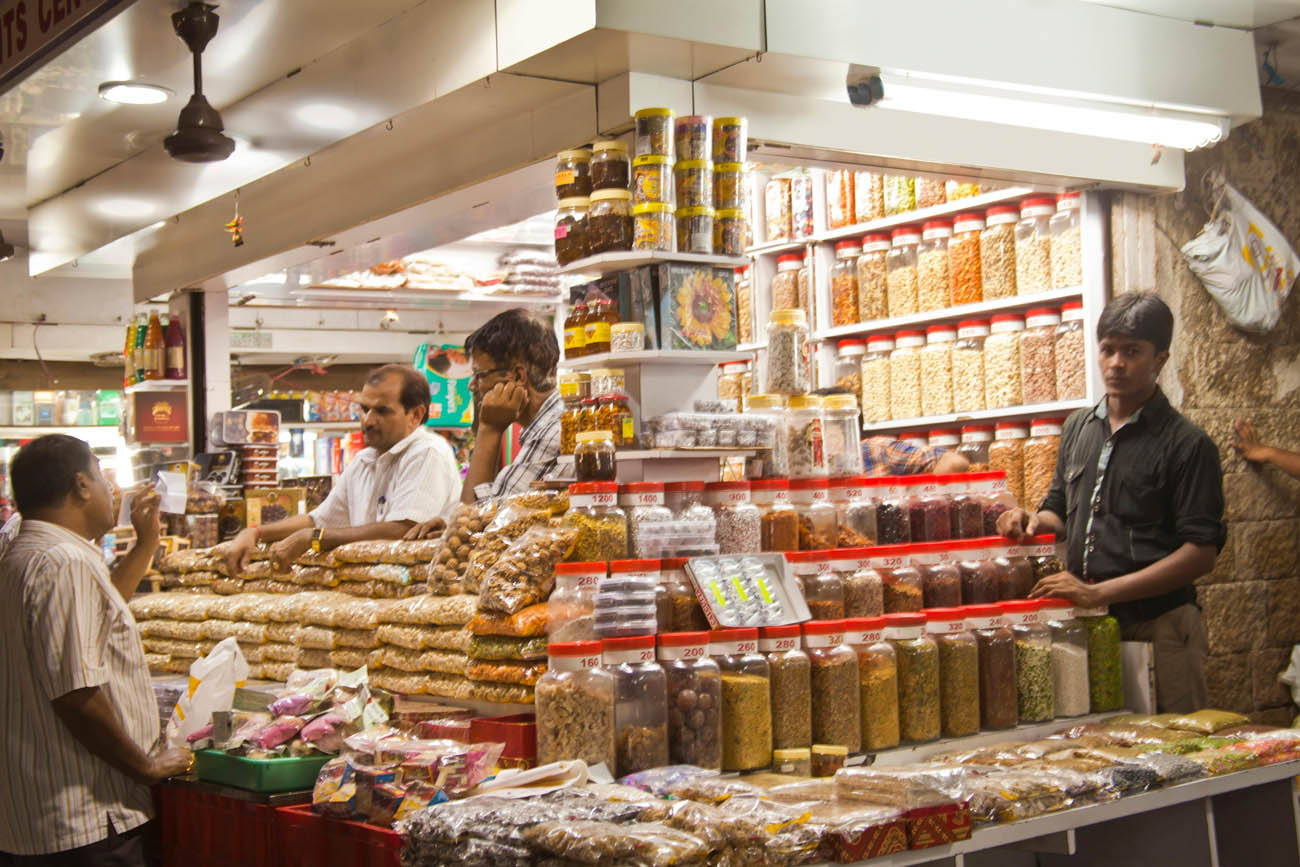
Image credit: ImageDB
Making Efficient, Affordable Fans the New Standard in India
India is one of the places on the planet most at risk of extreme heat. 90% of households rely on fans as their only form of space cooling. CLASP partnered with government and private sector partners to drastically improve fan efficiency, availability, and affordability. A major part of the effort was supporting small and medium enterprises to improve their production capacity.
The impact has been catalytic. Together, CLASP and partners cut energy demand and climate emissions from cooling, while safeguarding jobs, strengthening local supply chains, and making efficient cooling more affordable to the people who need it.
Joining Up with the Modern Energy Cooking Services (MECS) Programme
CLASP joined the UK Aid-supported MECS programme as a core partner alongside Loughborough University and the World Bank’s ESMAP. CLASP now leads on venture building and market shaping, helping e-cooking businesses scale up. In 2025, CLASP launched the Global LEAP Awards Induction Cooktops Competition to identify and promote the most innovative electric cooktops on the market.
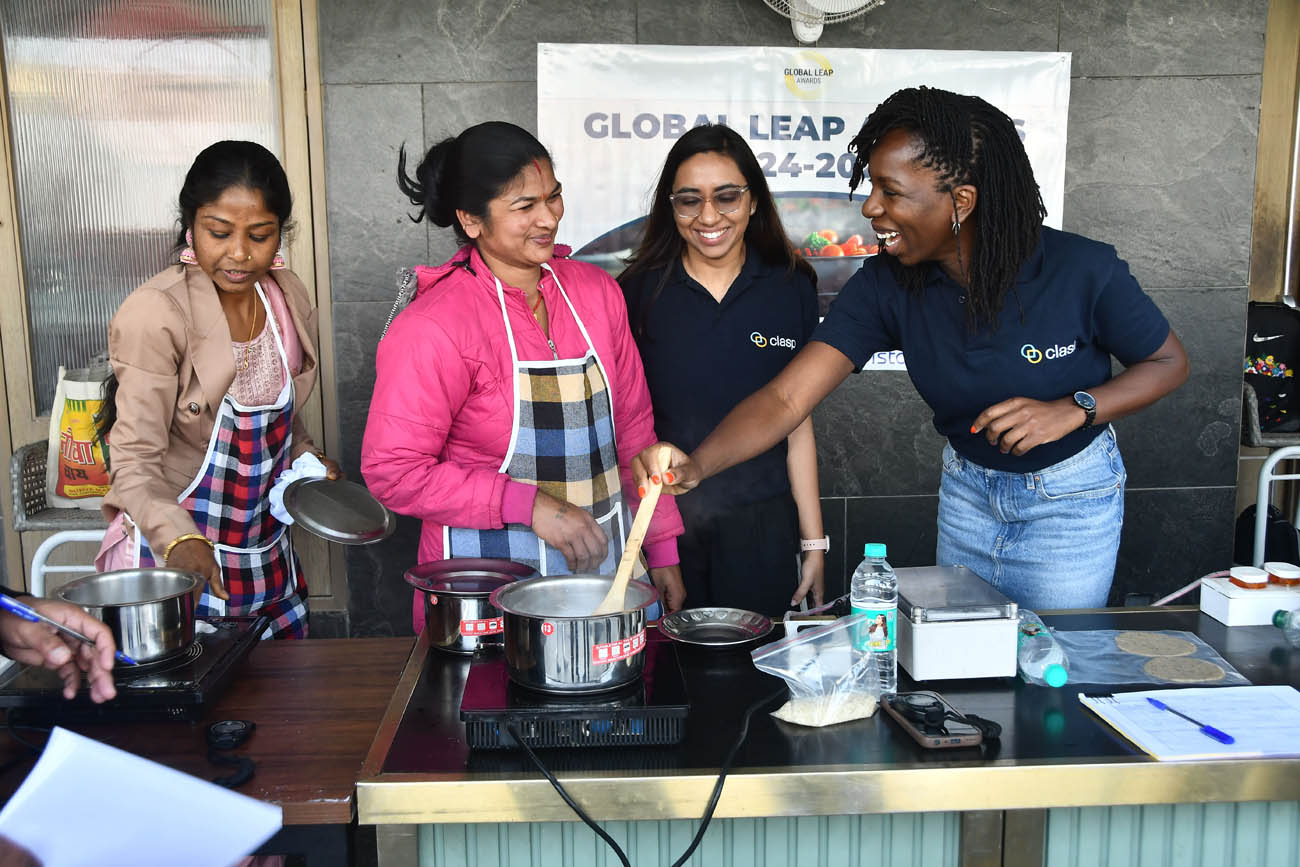
CLASP's Sumedha Awasthy & Nya Abagi at the Global LEAP Awards Induction Cooktops Competition workshop in New Delhi, India.
Image credit: CLASP
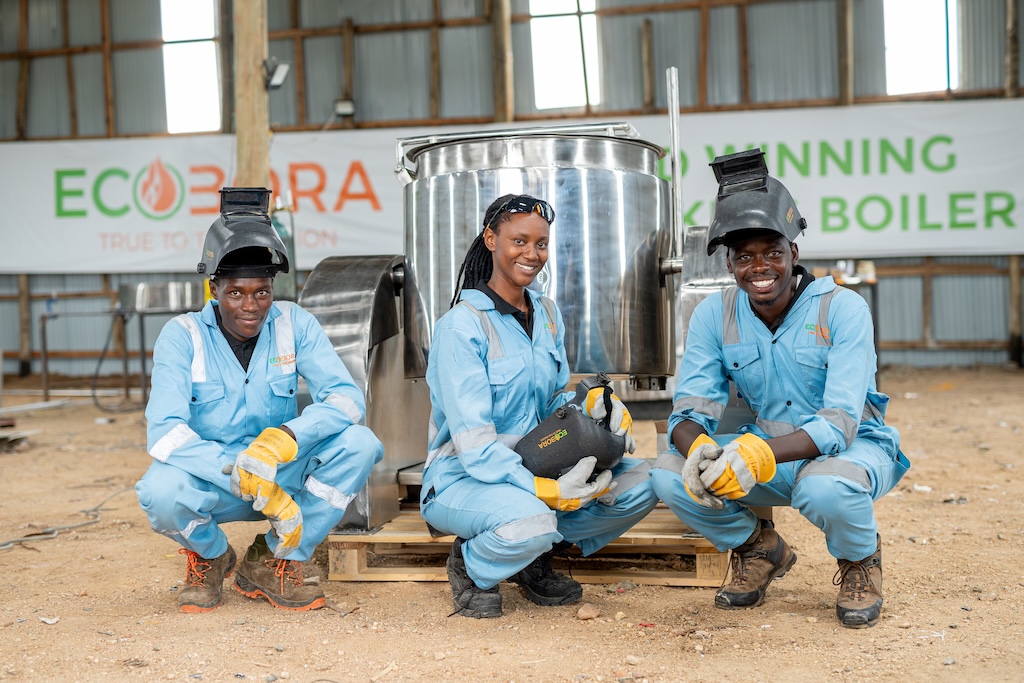
EcoBora, an innovative electric cooking company in Kenya, supported by CLASP through the MECS programme.
Image credit: CLASP
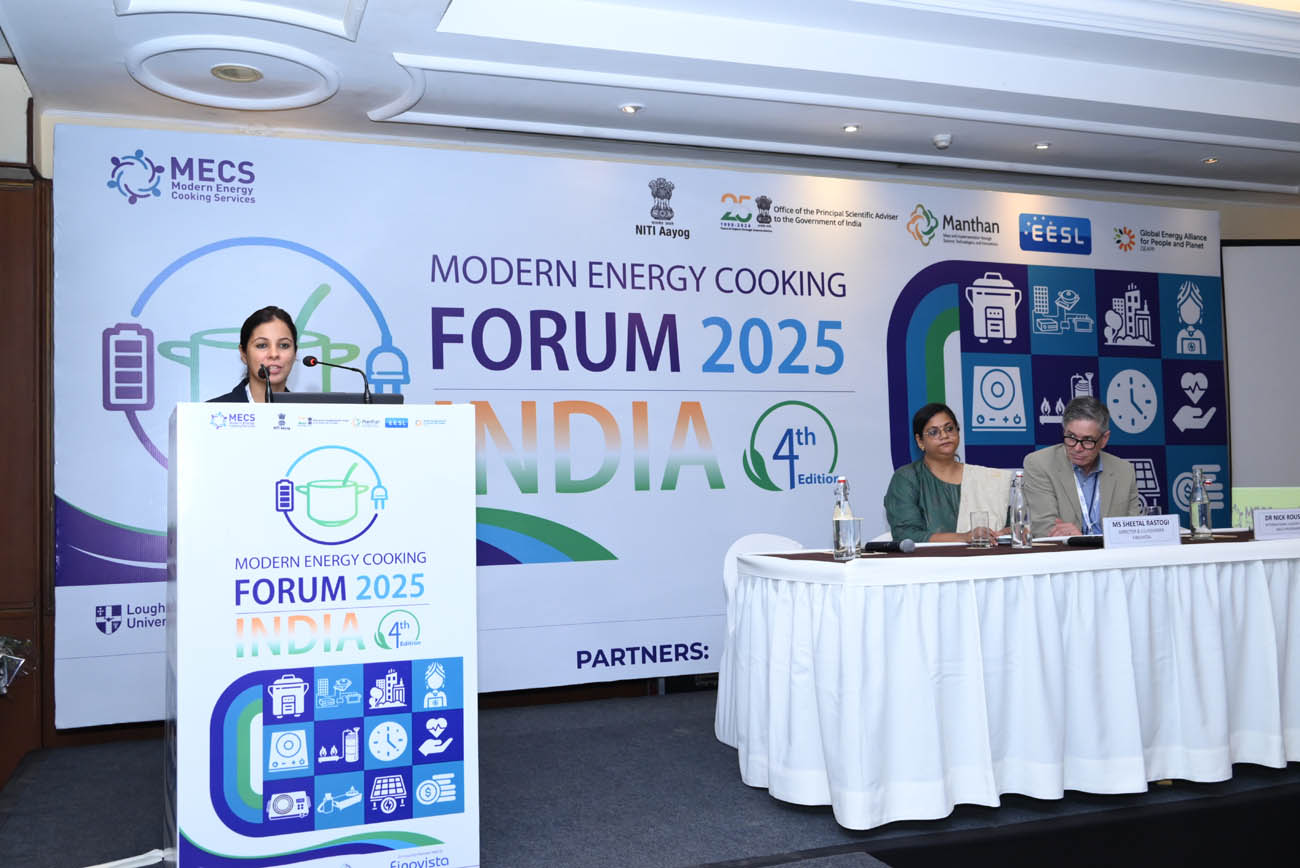
CLASP’s India Director, Neha Dhingra, speaking at the Modern Energy Cooking Forum in New Delhi, India, in September 2025.
Image credit: Finovista
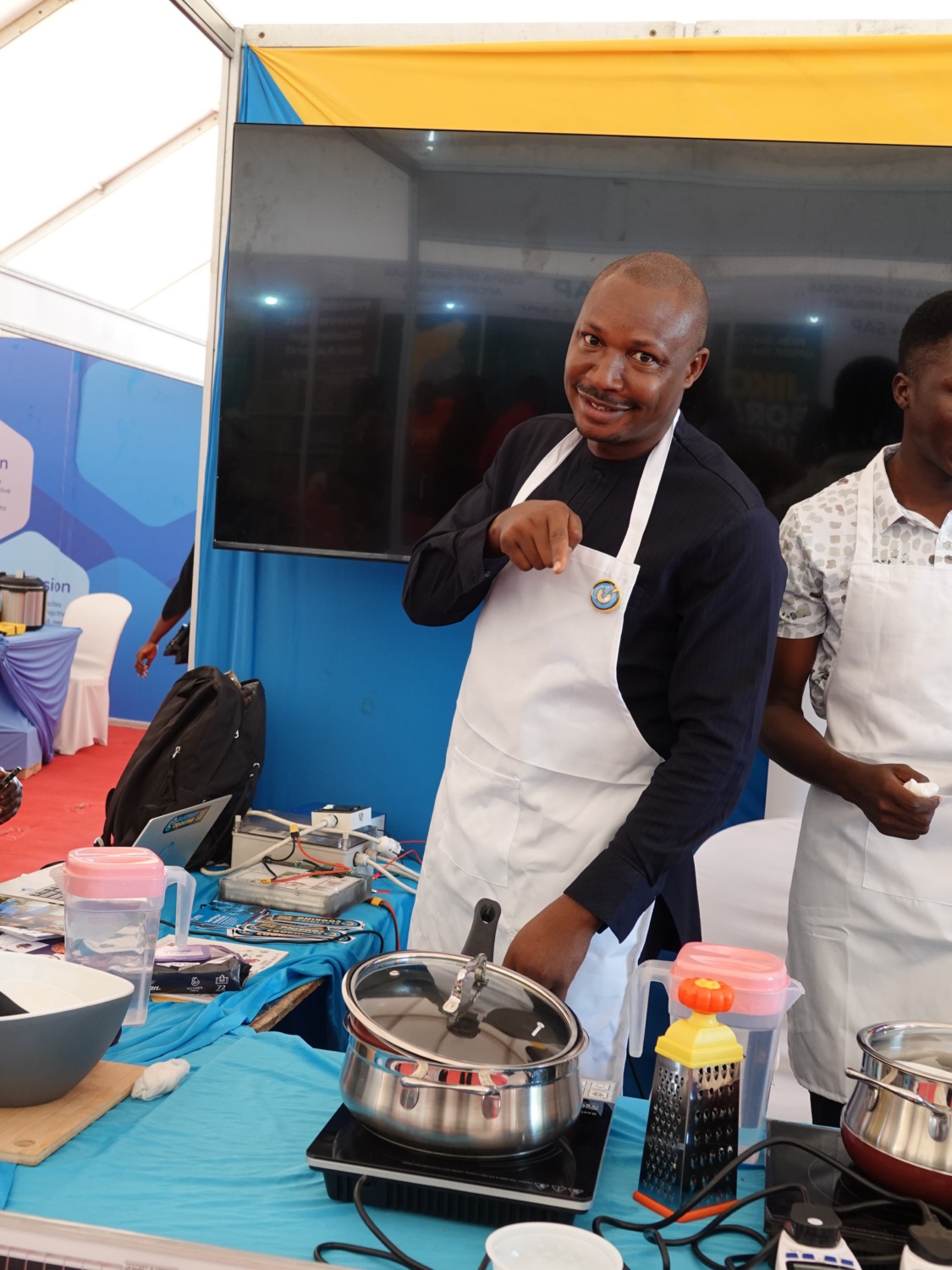
Emmanuel Aziebor, CLASP’s Senior Director, Africa, at Kenya Clean Cooking Week.
Image credit: CLASP
How UK Housing Authorities Can Power the Switch to Electric Cooking
Global Action Plan, in partnership with CLASP, piloted gas-to-electric cooking retrofits in a social housing community in Manchester.
For participating households, switching to electric meant more than lower emissions. It meant breathing more easily in the kitchen, a cleaner and more practical cooking experience, and greater peace of mind for families with young children. Every household preferred its new induction cooktop over gas.
Watch the video:
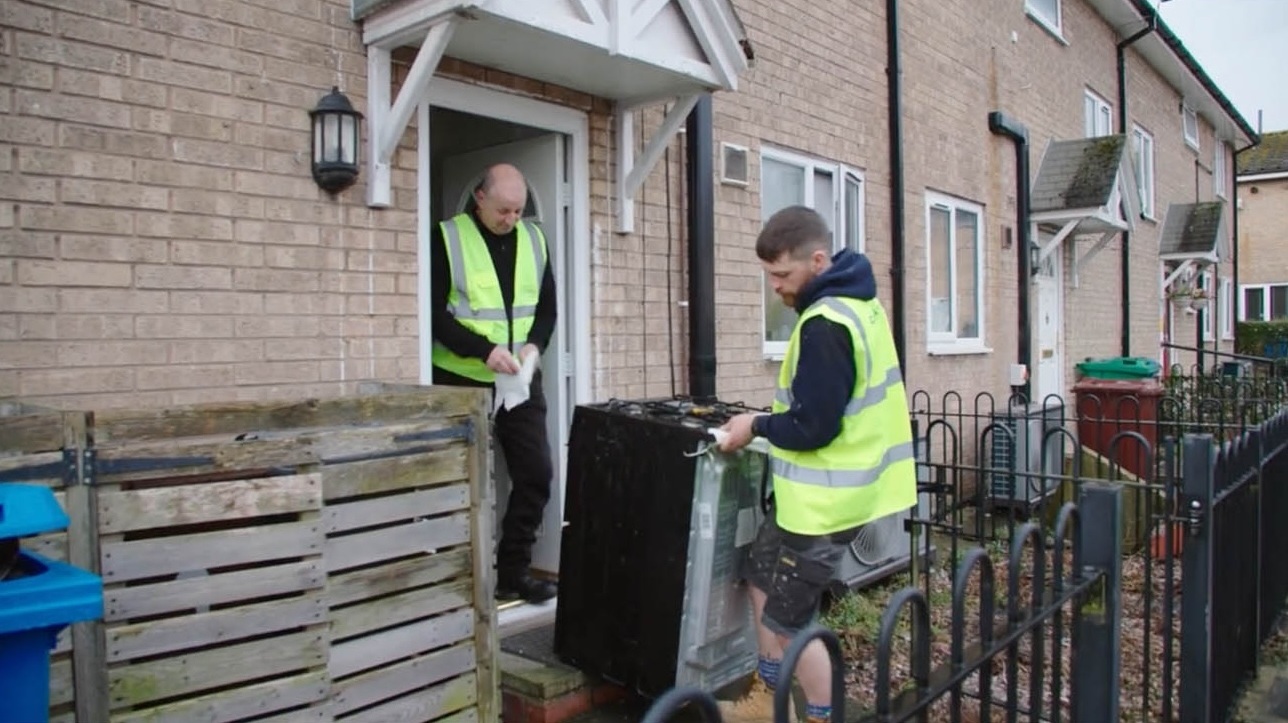
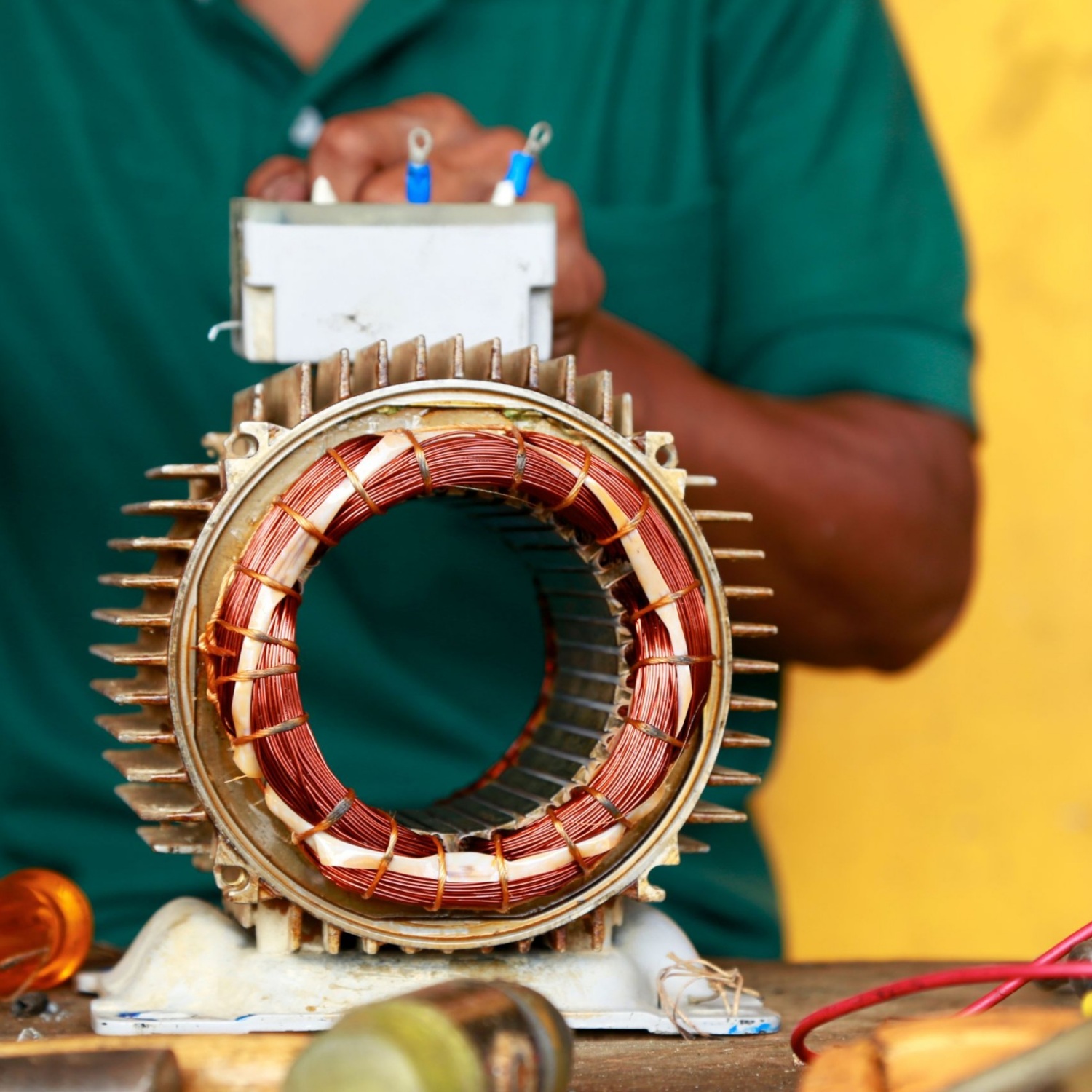
Image credit: CLASP
Economies Can Boom When Powered by Efficient Motor Systems
Industrial motor systems are the invisible heartbeat of economic development. Universally used across industrial facilities, they power the production of goods like metals, paper, cement, textiles, and packaged food. Motor systems are also ferocious energy consumers, due to their function and prevalence. Without intervention, and in step with global economic development and industrialization, by 2050 motor systems will account for 35% of global electricity demand and 19% of energy related emissions. CLASP is taking action on this priority appliance in the fight for Net Zero, identifying high impact opportunities at national and global scales to drive up efficiency, slash emissions, and boost economic progress.
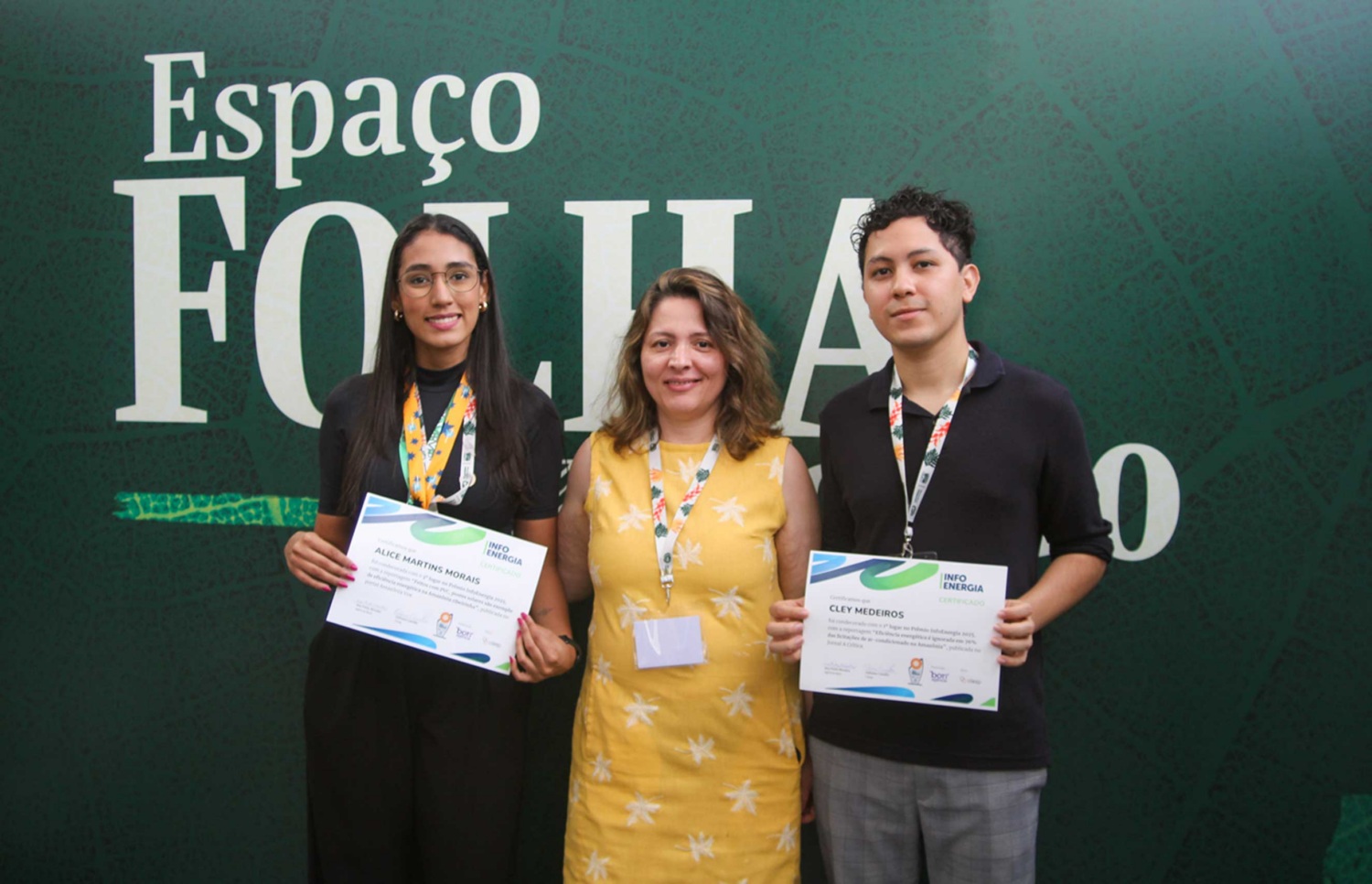
Image credit: CLASP
In Brazil, Partnering for Change
Ahead of COP30 in Brazil, CLASP joined forces with science communication agency Bori to drive national awareness of the benefits of appliance efficiency. Our InfoEnergia Mentorship was an 8-week, in-depth workshop that connected 25 journalists with experts and expertise to produce smart, contextualized reporting on appliance efficiency and its social, economic, and environmental impacts. Robust local journalism is a key element of durable climate policy.
Elevating Appliance-Centered Solutions at COP30
At COP 30 in Brazil, appliance and equipment energy efficiency stood out as a powerful climate solution, driving job creation, energy security, and adaptive capacity. CLASP provided expert testimony on the power of appliance efficiency solutions.
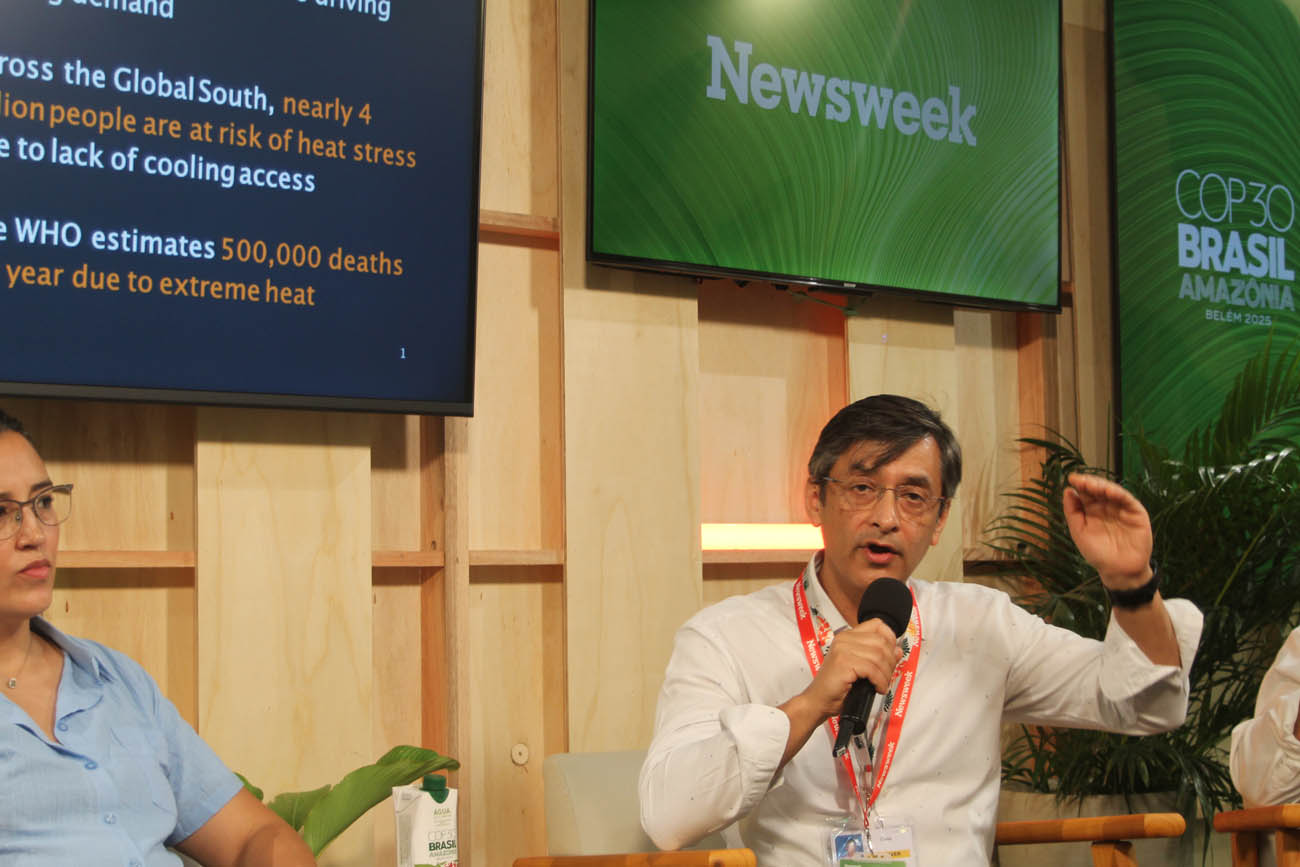
CLASP’s Bishal Thapa participated in discussion on space cooling solutions, offering insights about the benefits of efficient cooling technologies that slash emissions.
Image credit: CLASP
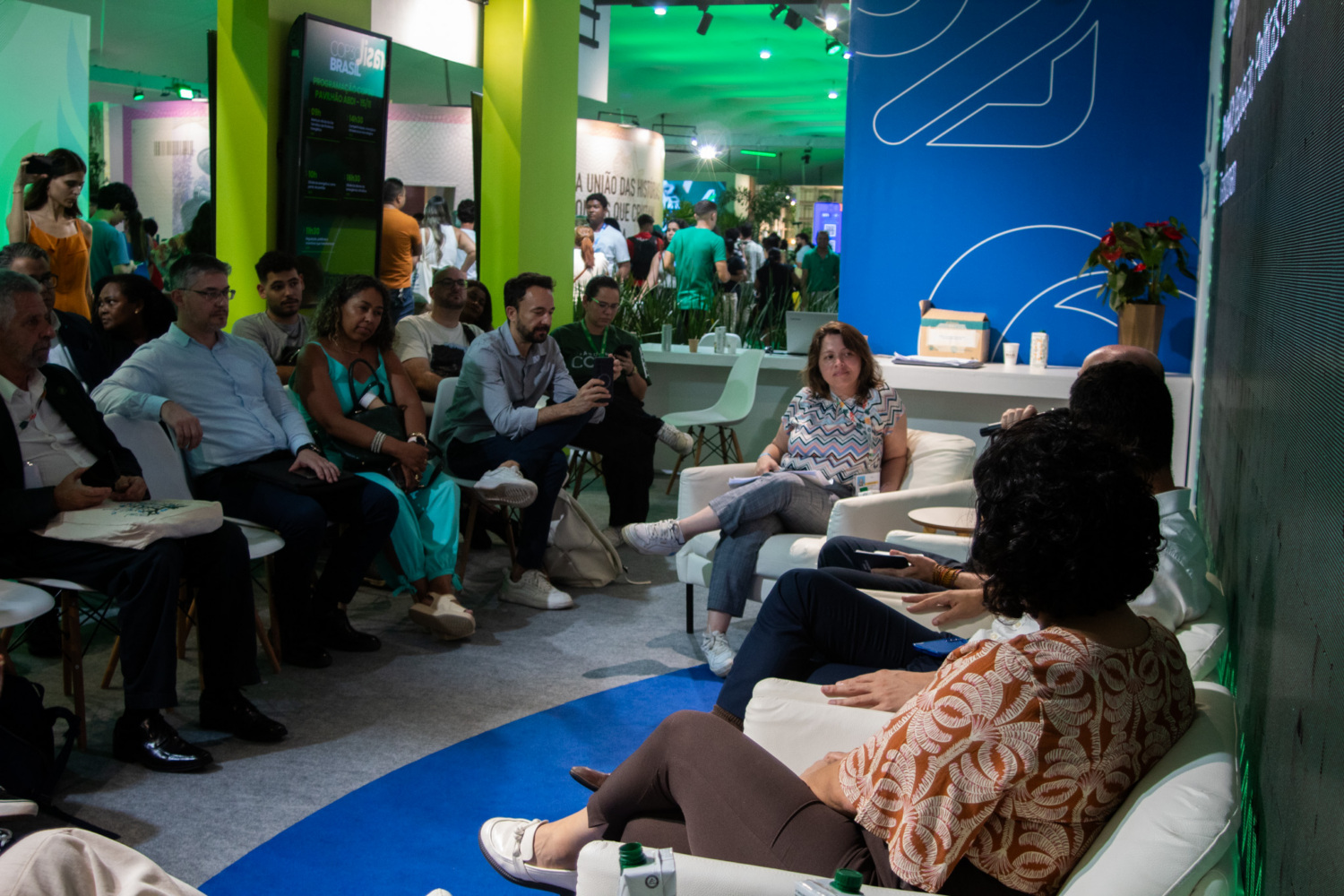
CLASP’s Edilaine Camillo moderated a conversation on the principal role of efficiency in Brazil’s energy transition during an agency-led day of efficiency themed events.
Image credit: CLASP

CLASP’s Bishal Thapa took part in a panel hosted by Casa Civil to speak about the role of energy efficiency policy in Brazil’s reindustrialization strategy.
Image credit: CLASP
Insights driving action
Delivering COP28’s Doubling Efficiency Goal Through Appliances
Appliance efficiency will play a critical role in meeting the COP28 commitment to double the global rate of energy efficiency improvement by 2030. CLASP research found it could deliver 20% of the energy savings needed, highlighting the value of strong standards, clear targets, and international collaboration.
The Missing Piece of Energy Access
666 million people, most of them in Africa, lack access to electricity. 2025 CLASP research shows that directing just 15% of existing energy investments toward efficient appliances can generate the demand needed to make grid expansions financially viable and help those currently living without electricity gain access to healthier, more productive lives.
Finances
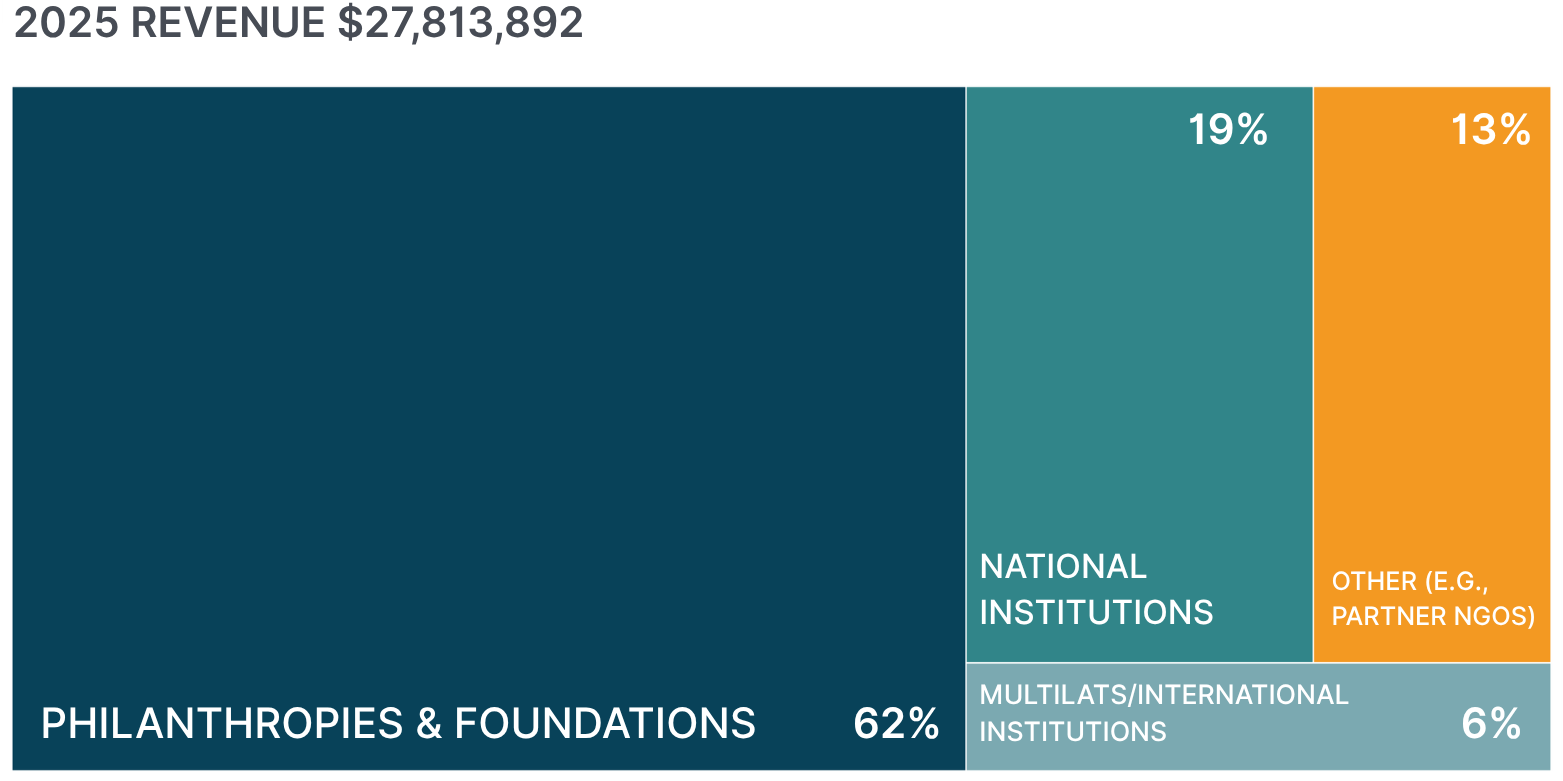
- Revenue by donor type
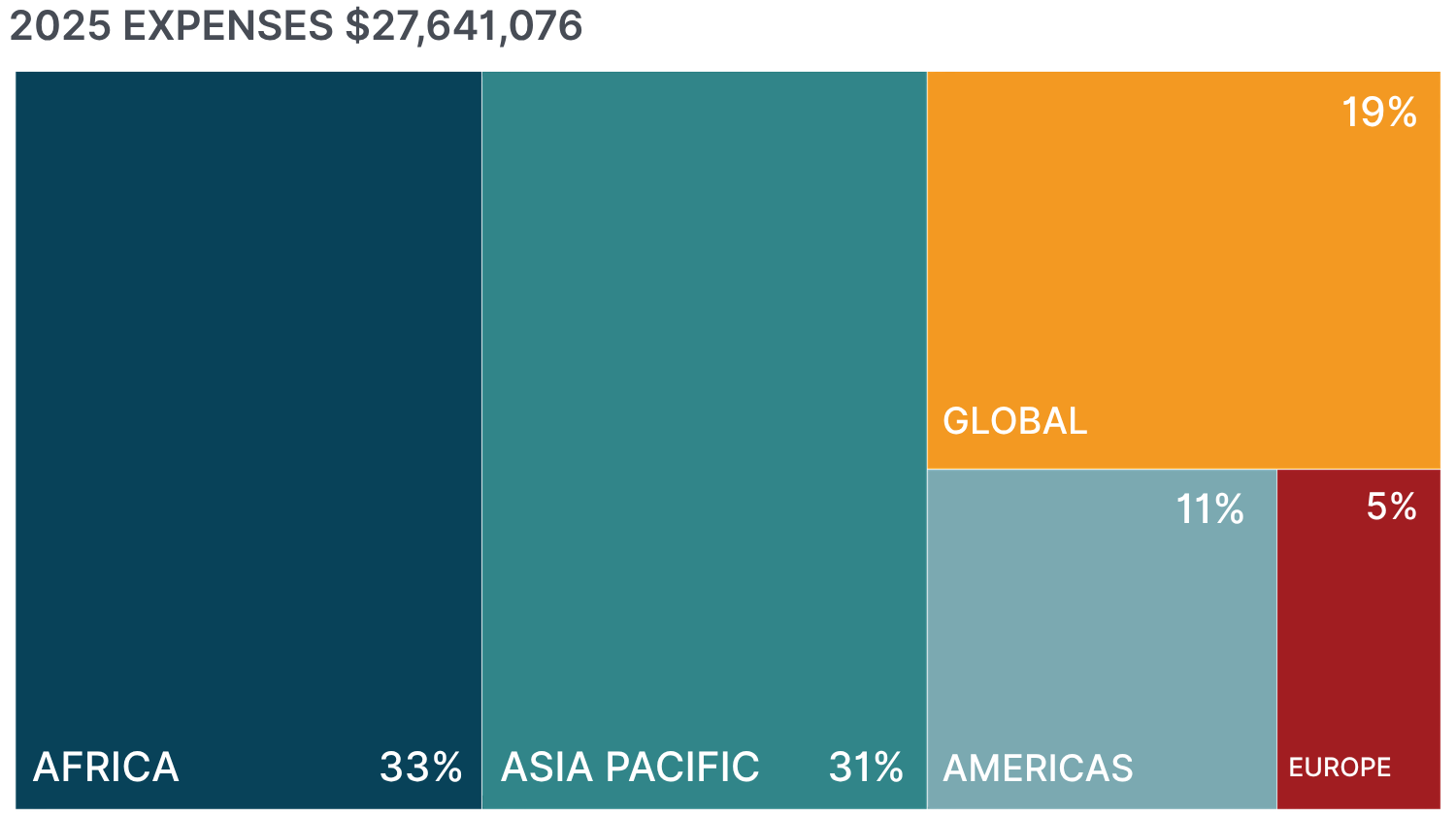
- Expenses by region
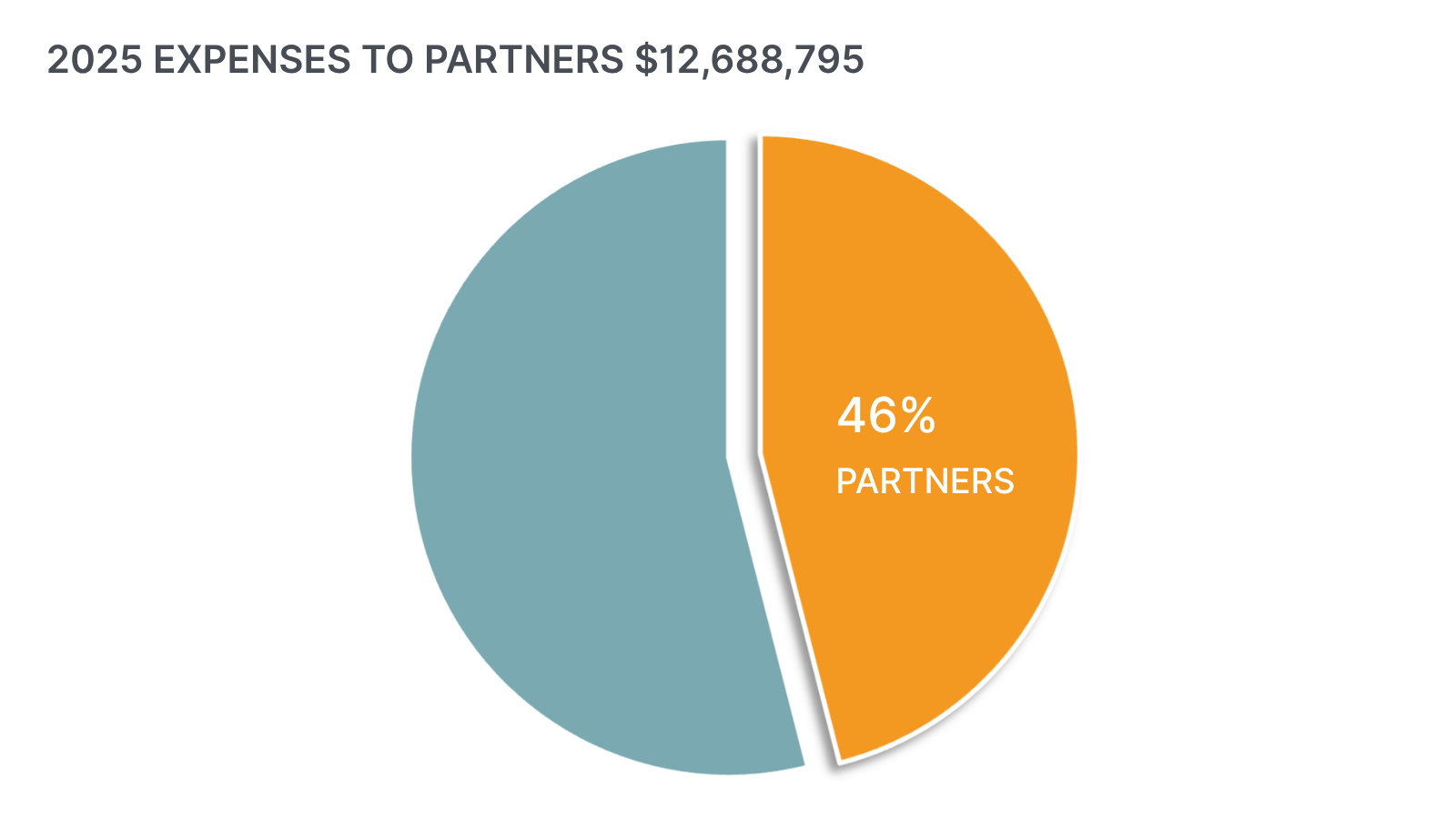
- CLASP collaborates with a global network of partners. In 2025, CLASP channeled nearly half our resources to civil society and energy groups, innovators, academic institutions, and experts — essential partners in changing the way we use energy.
About CLASP
Efficient appliances and equipment are essential drivers of economic growth and a fast, practical energy transition. With over 25 years of expertise and offices on five continents, CLASP collaborates with governments, industry leaders, and other experts to change the way we use energy.
We’re proud of what our team and partners achieved in 2025, driving progress for a better world. In 2026, we remain committed to championing appliance efficiency as a powerful solution for people, prosperity, and planet.
Televisions
Net Zero Heroes: Scaling Efficient Appliances for Climate Change Mitigation, Adaptation & Resilience
Efficient appliances, lighting, and equipment are critical climate solutions, situated at the nexus of mitigation, adaptation, and sustainable development.
However, not enough is being done to maximize their benefits. In this report, CLASP lays out actions that must be taken by 2030 to put the world on a pathway to net zero emissions and enable a just energy transition. Our research identifies the ten appliances most vital to meeting global climate mitigation targets and improving people’s lives: the Net Zero Heroes.
Visit the Net Zero Heroes site to read and download the report.
Appliance Impacts Over Time
Between 2015 -2021, in partnership with 60 Decibels, CLASP through Efficiency for Access surveyed over 4000 solar refrigerator, water pump and television customers across East, West and Southern Africa. Understanding these customers’ needs, experiences and satisfaction levels provides strategic insights to support the growth of the nascent solar appliance sector.
The ‘Appliance Impacts Over Time‘ report presents the findings of this longitudinal study and offers an exciting opportunity to understand how customers’ relationships with their solar appliances change over time based on product quality, durability, satisfaction, impact, and uptake indicators. The data presented is categorised by appliance type and ownership tenure to produce specific and actionable insights, share feedback from consumers and signal opportunities for improvement.
The customer cohort examined in the report is represented in previous Efficiency for Access and 60 Decibels reports that explore the use and impact of off-grid appliances (electric pressure cookers, refrigerators, solar water pumps & TVs). We recommend referencing the use and benefits reports together with this report for deeper insights.
Download the Appliance Impacts Over Time report.
About Efficiency for Access
Efficiency for Access is a global coalition working to promote renewable and energy efficient appliances to deliver clean energy to the world’s poorest people. It is coordinated jointly by CLASP and the UK’s Energy Saving Trust.
Development of Efficiency Policy for Ultra High Definition Televisions in India
Televisions are ubiquitous electronic appliances that are popular around the world. Research by the Broadcast Audience Research Council (BARC) India suggests that televisions are owned by nearly 200 million Indian households, out of nearly 300 million households, which implies that 66% of Indian households have a television.
The total number of televisions purchased in India has been increasing, and the average number of hours that the TV audience is watching television has also been growing. As per BARC study measuring viewership in India, in the year 2016, India recorded 35 trillion hours of television viewing, which grew to 48.4 trillion hours in 2019.
Recognizing the increase in energy consumption due to the increasing number of hours of television viewership compounded by the increasing number of televisions sold in India, the Bureau of Energy Efficiency (BEE) has made it mandatory for televisions (with native resolution up to 1920 X 1080 pixels) being sold in the country to follow Minimum Energy Performance Standards (MEPS) as well as energy performance labeling . The BEE’s program also facilitates comparative energy performance of different television models to enable informed purchase decision making for consumers towards energy efficient televisions. A new technology commercially known as Ultra High Definition (UHD) television is now available in the market, and sales of UHD televisions are growing every year. The UHD televisions are not covered under BEE’s existing program for televisions and therefore, as more consumers replace their current television with UHD televisions, or purchase additional televisions which are UHD, television energy consumption is expected to increase significantly.
BEE, with support from CLASP, is expanding the scope of the existing television labelling program to cover televisions with UHD technology. To achieve this, BEE and CLASP worked with Environmental Design Solutions (EDS) to make a comprehensive assessment of the Indian UHD television market through primary and secondary research to formulate a comparative energy efficiency labeling standard for UHD televisions. The research focused on multiple aspects of the UHD television market, such as the overall size of the market, the distribution of sales among various size categories, the market shares of various market players, the performance data of the various models of each market player, the supply chain of the products, etc.
This work was supported by the John D. and Catherine T. MacArthur Foundation.
Quality Assurance for Off-Grid TVs and Fans: Lessons Learned and Paths Forward
Inconsistencies in performance reporting and a lack of reliable data make it difficult for buyers to identify high-performing products such as TVs and fans. Coupling this with the fact that appliances are a significant cost for most off-grid consumers, ensuring that products are high-quality and perform as expected is crucial.
To help market actors evaluate and compare product quality, Efficiency for Access piloted a quality assurance (QA) framework for standalone off-grid TVs and fans. Building on Equip Data’s appliance testing and data-sharing process, Efficiency for Access developed a set of quality criteria, evaluated products using the quality criteria, and shared findings and data with stakeholders to promote quality products.
The learning paper documents key learnings from testing and evaluating off-grid TVs and fans and provide recommendations for future QA efforts. The learnings aim to help the off-grid solar sector align and standardize on test methods and performance reporting, and enable market actors across the value chain to make faster, more informed decisions about off-grid products.
Download the learning paper here: Quality Assurance for Off-Grid TVs and Fans: Lessons Learned and Paths Forward
About Efficiency for Access
Efficiency for Access is a global coalition working to promote renewable and energy efficient appliances to deliver clean energy to the world’s poorest people. It is coordinated jointly by CLASP and the UK’s Energy Saving Trust.
Use and Impact of Solar TVs
Solar TVs represent one of the most sought after appliances in off- and weak-grid communities yet, little is known about how customers view, value, and interact with their TV. From 2018-2019, Efficiency for Access partnered with 60 Decibels to survey Global LEAP results-based financing customers in East Africa about their experiences with solar TVs. This analysis provides valuable insights into customers’ demographics, usage, and challenges with solar TVs. Most notably, it provides compelling preliminary evidence on the impacts solar TVs have on social development and quality of life through the eyes of a consumer.
Download the report here: Use and Impact of Solar TVs
About Efficiency for Access
Efficiency for Access is a global coalition working to promote renewable and energy efficient appliances to deliver clean energy to the world’s poorest people. It is coordinated jointly by CLASP and the UK’s Energy Saving Trust.
Solar TV System Offers Information & Safety to Families in Rural Kenya
In 2007, when Kenya’s presidential election turned deadly, western Kenya faced the brunt of the violence. Riots left 1,500 people dead and over half a million displaced.
Dorine Adhiambo, her husband, and four children live on the edge of Kolwa in Western Kenya. In Dorine’s village, only three of her neighbours have grid connections, and one other family owns a solar home system with TV.
Dorine walks to nearby towns to sell second-hand clothes at the markets. Disconnected from energy services, Dorine had no way of knowing if it was safe to go to work during the riots and often had to flee home for safety.
“In town there were clashes, police walking around with guns, fires lit and people running all around”, said Dorine. “People were killed.”
This year, Dorine and her husband saved enough money – 6,200 shillings ($62) – for a down payment on a Mobisol Solar TV System, which comes with a TV and two lights. Dorine stays caught up on current events and local news, making sure that she and her family are safe.
Now, her home is a destination for neighbourhood children, who crowd into her modest mud-walled house to watch cartoons and educational programs. The kids learn from the programs they watch, and it helps their English.
Though their daily income is variable, Dorine and her husband only pay 58 shillings a day, which Dorine says is affordable. In three years they will own the system.
In off- or weak-grid communities, televisions are the second most desired off-grid appliance, according to a recent Global LEAP survey. They can have significant social and economic impacts, particularly for women and children. The Global LEAP Awards have held three awards programs to identify and promote super-efficient, high quality, off- and weak-grid appropriate televisions.
Global LEAP Awards 2017 Buyer’s Guide for Off-Grid Fans & Televisions
The Global LEAP Awards Buyer’s Guide is a catalog of the world’s best off-grid appliances. The 2017 edition contains information about off-grid fans and televisions that were named Winners and Finalists in the 2016-17 Global LEAP Awards. It is designed to serve as a procurement tool for use by off-grid solar companies and other distributors, and to provide general market intelligence to other interested stakeholders. It includes rated product specifications, performance metrics based on laboratory testing, and sales contact information.
The Global LEAP Awards identify one Winner as the best overall product nominated for each category, with other high-quality products in that category identified as Finalists. The 2017 Buyer’s Guide lists these products, and contains a total of 17 off-grid fans and 15 off-grid televisions.
The 2017 Global LEAP Awards Buyer’s Guide is published by Global Lighting and Energy Access Partnership (Global LEAP), an initiative of the Clean Energy Ministerial (CEM) with support from Power Africa’s Beyond the Grid Initiative.
Download the 2017 Global LEAP Awards Buyer’s Guide: Fans and Televisions here.
About Efficiency for Access
Efficiency for Access is a global coalition working to promote renewable and energy efficient appliances to deliver clean energy to the world’s poorest people. It is coordinated jointly by CLASP and the UK’s Energy Saving Trust.