
In India, Solar-Powered Crop Storage Helps Farmers and the Economy
For Lokratnam, a farmer in Andhra Pradesh, India, some of the biggest challenges in her work used to begin after the harvest. Heatwaves, floods, and a lack of refrigerated storage often forced her to watch her produce rot or sell it as quickly as possible.
“All our produce would get spoiled, and we would throw it out as waste. Whatever was left, we used to sell, but at rock-bottom prices, with no profits to show for it,” she said.
Her experience reflects a wider reality across many low- and middle-income countries. According to the United Nations, a lack of refrigeration is a key driver of food waste, resulting in the loss of roughly 12% of the world’s produce—enough to feed an estimated 1 billion people—in 2017.
In India, the world’s second-largest producer of fruits and vegetables, crop loss has serious implications for the national economy. According to the Ministry of Finance, agriculture and related fields account for roughly 16% of the nation’s GDP and employ approximately half of its workforce. But 30 to 40% of India’s fruits and vegetables are lost after harvest, dramatically reducing farmers’ earning potential.
Room-size refrigerated storage equipment, often referred to as cold storage units or walk-in cold rooms, can change this reality. By keeping fruits and vegetables fresh for longer, cold storage units reduce losses and give farmers more control over when they sell their crops and for what price. For farmers, this translates to increased profits, a more stable income, and improved livelihoods. For the nation, it means economic growth.
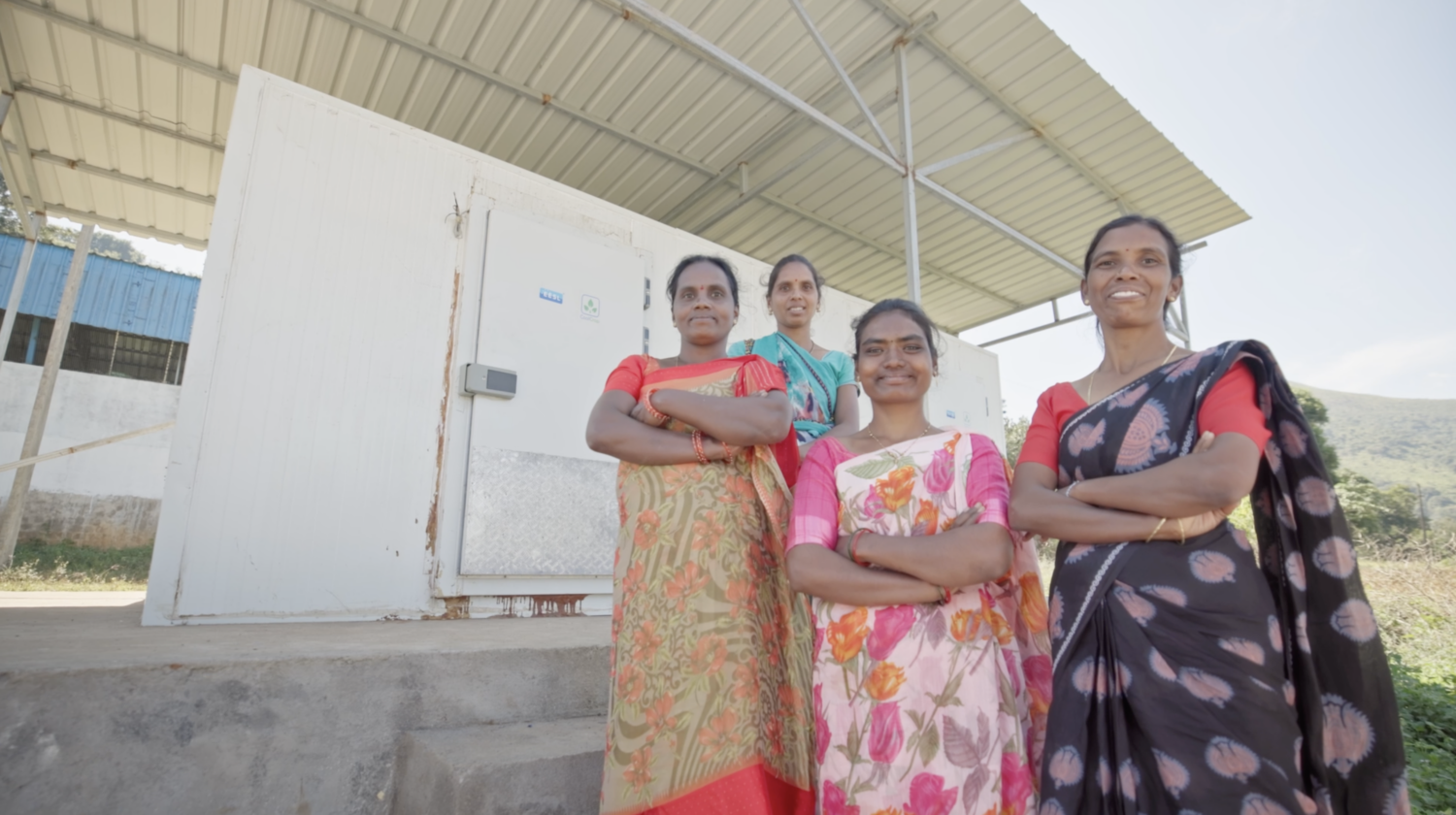
Solar energy is key to helping more Indian farmers access cold storage units, making it possible to locate this equipment in rural areas, where the power grid is often absent or unreliable. Solar-powered systems offer dependable, affordable solutions for storing produce close to where it is grown.
India’s government is working to help more farmers access this important solution. Energy Efficiency Services Limited, a joint venture under the Ministry of Power, is collaborating with CLASP to expand access. The initiative began with the installation of six micro solar cold storage units across the states of Andhra Pradesh, Gujarat, Himachal Pradesh, Karnataka, and Odisha. Financing from The Asia Development Bank covered 75% of the capital costs, with farmers paying the rest.
There are now plans to deploy up to 150 units nationwide, unlocking $3.6 million in financing from the Indian government, private investors, and farmers (who are receiving loans to help cover their costs).
This effort will one day reverberate across India’s economy. For farmers like Lokratnam, however, the benefits are immediate and tangible.
“Now, with the cold storage, we are able to keep our custard apple, tamarind, and honey fresh and sell them later,” she said, referring to high-value crops. “It has changed everything for us, bringing profits without any losses.”
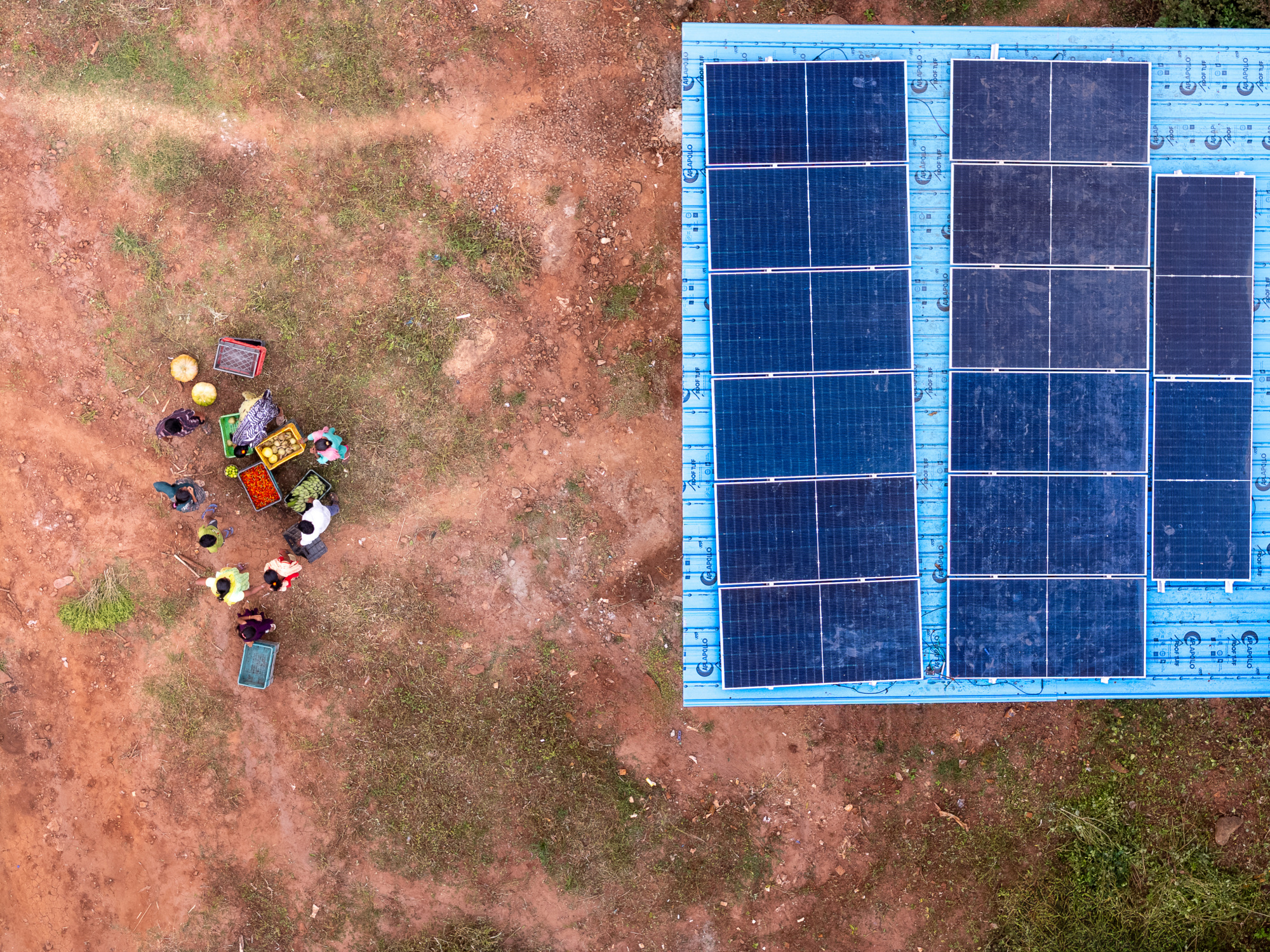
Farmers gathered beside a solar-powered cold storage unit.
CLASP
Source list
“Agriculture and Food Management: Raising Productivity, Securing Incomes and Ensuring Food Security.” In Economic Survey 2025–2026. Government of India, Ministry of Finance. Accessed May 21, 2026.
Food and Agriculture Organization of the United Nations. “India at a Glance.” Accessed May 21, 2026.
Government of India, Press Information Bureau Delhi. “Highlights of Economic Survey 2024–25.” Accessed May 21, 2026.
Ranjan, Juhi, and Ramesh Sahni. “Post Harvest Losses of Fruits and Vegetables in India.” Ropan, September 2023, 41–45.
Sustainable Food Cold Chains: Opportunities, Challenges and the Way Forward. United Nations Environment Programme and Food and Agriculture Organization of the United Nations, 2022.
Residential Energy Consumption Patterns and Appliance Ownership in India: Insights From a 2024 Household Survey
India’s energy landscape is rapidly evolving, driven by a growing population, an expanding economy, and growing access to modern energy services.
With a population exceeding 1.4 billion, India’s residential sector is a key contributor to the country’s overall electricity consumption. As of 2024–25, it accounts for ~25% of total electricity usage in the country, with an annual growth rate of 6%.
To better understand the factors driving up this energy use, CLASP conducted a study examining appliance ownership, usage patterns, and their impact on residential electricity demand. The study draws on data collected from a sample of 4,321 households across 20 states, covering both urban and rural areas and representing major climatic zones.
Key findings
- Energy consumption in surveyed households is not uniform: Climatic conditions, socioeconomic status, awareness of energy efficiency strongly influence appliance use.
- Among surveyed households, electricity use is primarily driven by thermal comfort, which accounts for 40% of total consumption, reflecting the growing demand for cooling solutions. Kitchen appliances contribute 28% to electricity use, while lighting accounts for 11%, and other miscellaneous uses make up the remaining 21%.
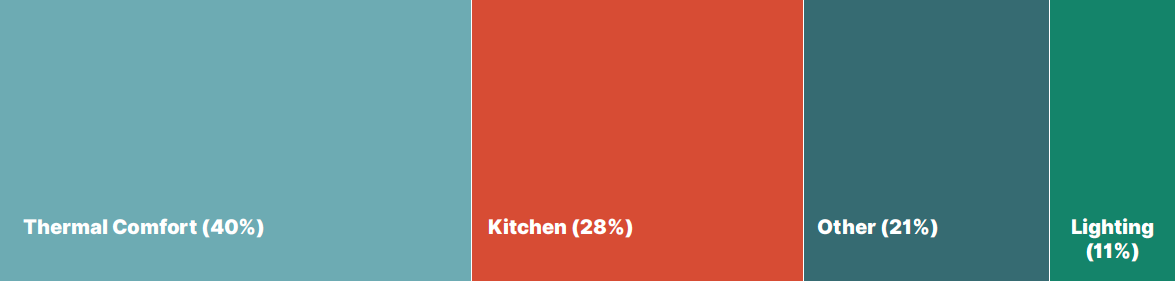
Annual electricity use in surveyed households by end use
- Affordability is a decisive factor in appliance purchases, often outweighing energy efficiency considerations.
- Consumer behavior around energy efficiency is inconsistent. All surveyed households reported using LED lighting, however, only 2% actively considered energy efficiency when purchasing lighting solutions. This contrast highlights the importance of initiatives promoting the adoption of energy-efficient technologies.
By identifying the key factors that influence residential energy use, this study aims to inform the development of effective energy efficiency policies and provide policy recommendations for managing growing demand efficiently. By acting on these insights, India can ensure that its residential sector evolves in a sustainable, energy-efficient, and climate-resilient manner.
2025 CLASP Annual Report
Collective action for people,
prosperity, and planet.
A note from CLASP’s CEO,
Christine Egan
Appliance and equipment energy efficiency is a triple-win for people, planet, and prosperity. In a time of multiplying global crises, it stands out as a durable climate solution and key element of smart decarbonization strategies. It also creates jobs and improves livelihoods, enhances energy security and food system resilience, and helps people adapt to a changing climate.
Looking back at 2025, I’m wowed by the work of CLASP’s global team and dedicated partners, and the focus of the decisionmakers we support. Through purposeful collaboration, we forged the policy instruments, finance, and intelligence to drive positive momentum.
Together, we are changing the way we use energy.

2025 by the numbers:
4.6 Gt 18 CLASP-supported appliance and equipment efficiency policies will avoid 4.6 gigatons of CO2 by 2050, improving planetary and human health and saving money.
30K+ Over 30,000 people experienced improved health and livelihoods via access to efficient, solar powered appliances and equipment.

Skyline of Jakarta, Indonesia
Image credit: CLASP
Elevating Appliance Efficiency in National Climate Commitments
What we did
Ahead of COP30, CLASP led a global campaign to improve inclusion of appliance and equipment energy efficiency in national climate goals (nationally determined contributions or NDCs).
How we did it
Through our Net Zero Appliance NDC Toolkit and bespoke support for governments around the globe, CLASP elevated appliance efficiency policy as a key climate mitigation solution. Now, appliance and equipment efficiency policy is included in 90% of all submitted NDCs—up from below 50% in the last cycle.
Image credit: CLASP
Powering Africa’s Green Economy
Solar-powered appliances and equipment turn energy into opportunity, helping small businesses generate jobs and income. In 2025, CLASP re-launched our innovative Productive Use Financing Facility to make it cheaper and easier for entrepreneurs, farmers, and small businesses in Ethiopia, Kenya, and Nigeria to buy solar-powered appliances and equipment that power livelihoods. Last year, CLASP partnered with 11 companies to drive jobs and economic growth in Africa’s informal and agricultural sectors, which make up 70-80% of African economies.
Slashing Emissions Through Smart Policy
Australia
National leaders passed a lighting policy that will transition Australia’s market to an all-LED future and avoid 41 Mt of CO₂ by 2050, informed by CLASP-led analysis.
Brazil
Policymakers made strides in Brazil’s LED transition with CLASP’s support, approving a lighting policy package that will slash nearly 3 Mt CO₂ by 2050.
China
CLASP supported seven major policy updates, including for compressed air systems, refrigerators, and water pumps. Altogether, the new policies are estimated to cut nearly 3 Gt CO₂ by 2050.
India
CLASP supported the advancement of policies for space cooling appliances that will place India among global leaders in efficiency and cut 1.2 Gt CO₂ by 2050.
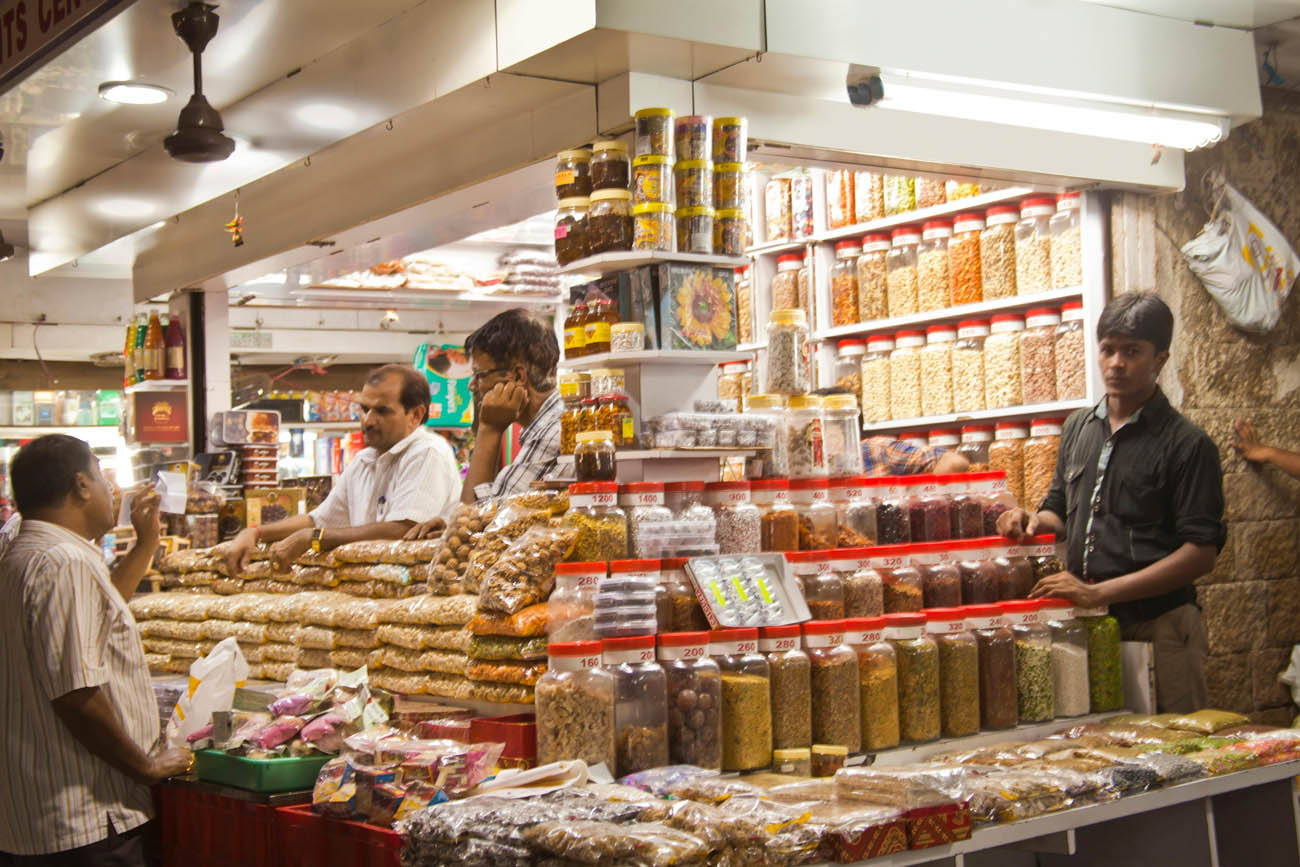
Image credit: ImageDB
Making Efficient, Affordable Fans the New Standard in India
India is one of the places on the planet most at risk of extreme heat. 90% of households rely on fans as their only form of space cooling. CLASP partnered with government and private sector partners to drastically improve fan efficiency, availability, and affordability. A major part of the effort was supporting small and medium enterprises to improve their production capacity.
The impact has been catalytic. Together, CLASP and partners cut energy demand and climate emissions from cooling, while safeguarding jobs, strengthening local supply chains, and making efficient cooling more affordable to the people who need it.
Joining Up with the Modern Energy Cooking Services (MECS) Programme
CLASP joined the UK Aid-supported MECS programme as a core partner alongside Loughborough University and the World Bank’s ESMAP. CLASP now leads on venture building and market shaping, helping e-cooking businesses scale up. In 2025, CLASP launched the Global LEAP Awards Induction Cooktops Competition to identify and promote the most innovative electric cooktops on the market.
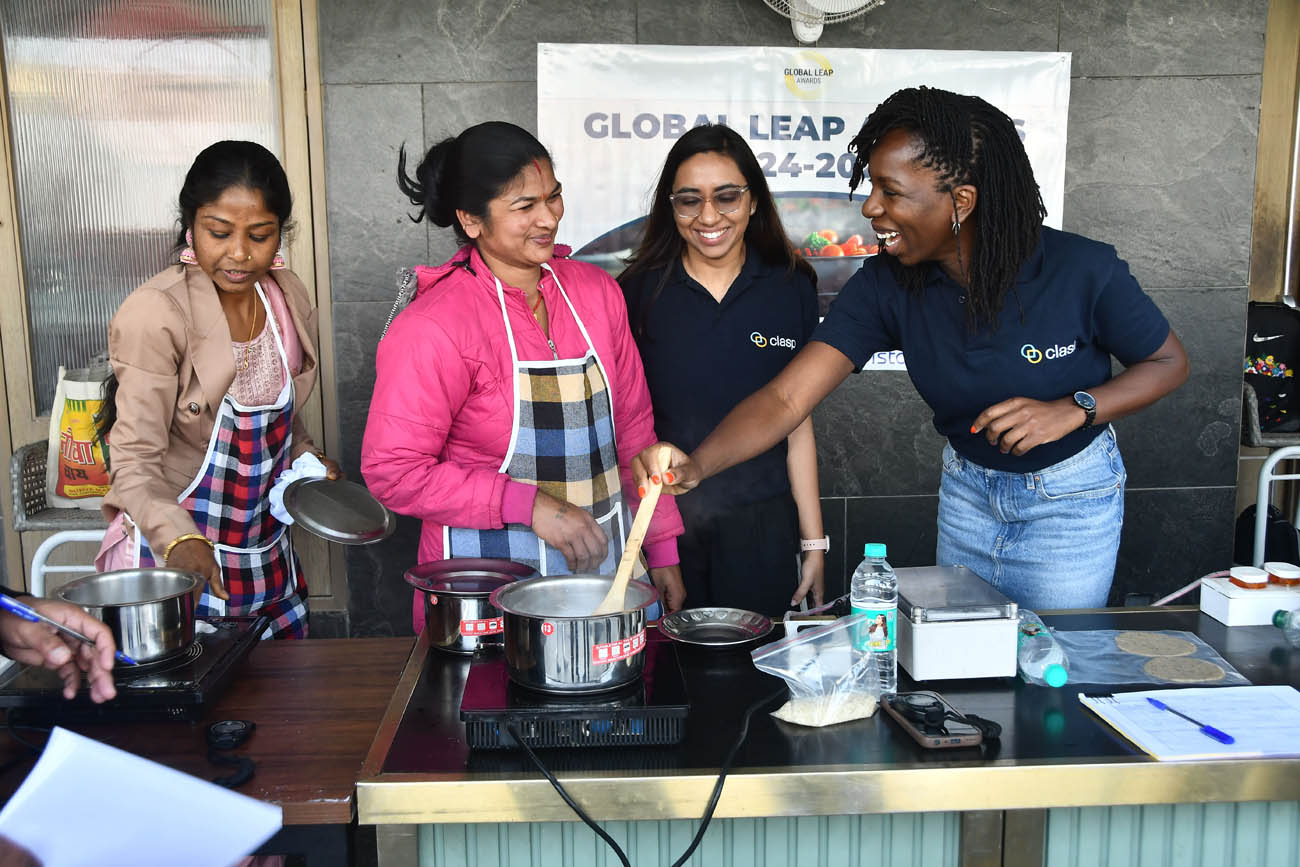
CLASP's Sumedha Awasthy & Nya Abagi at the Global LEAP Awards Induction Cooktops Competition workshop in New Delhi, India.
Image credit: CLASP
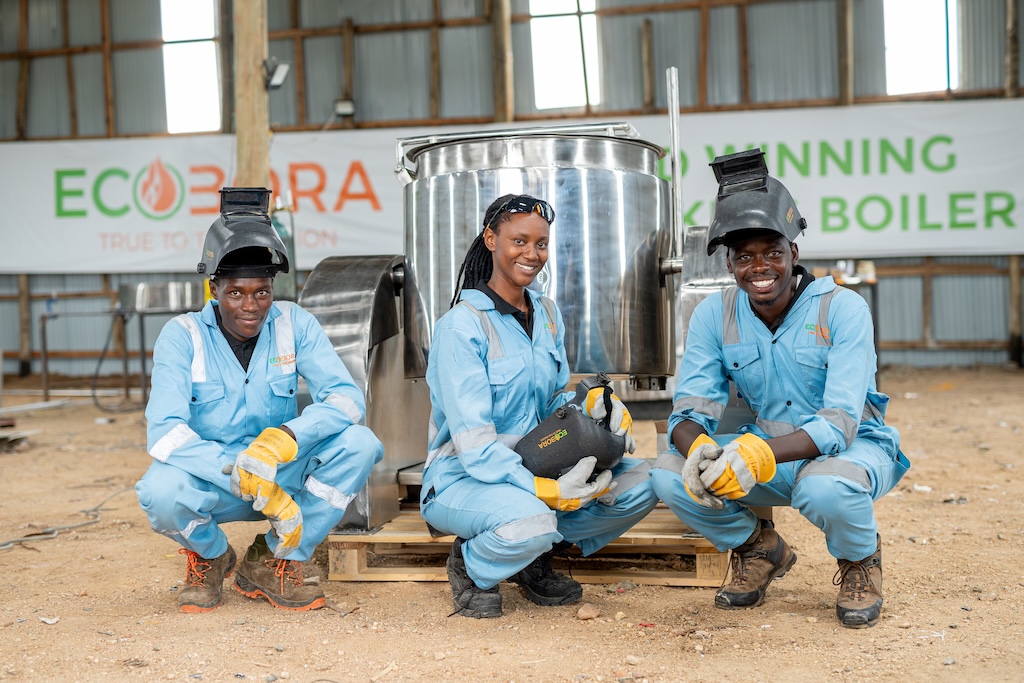
EcoBora, an innovative electric cooking company in Kenya, supported by CLASP through the MECS programme.
Image credit: CLASP
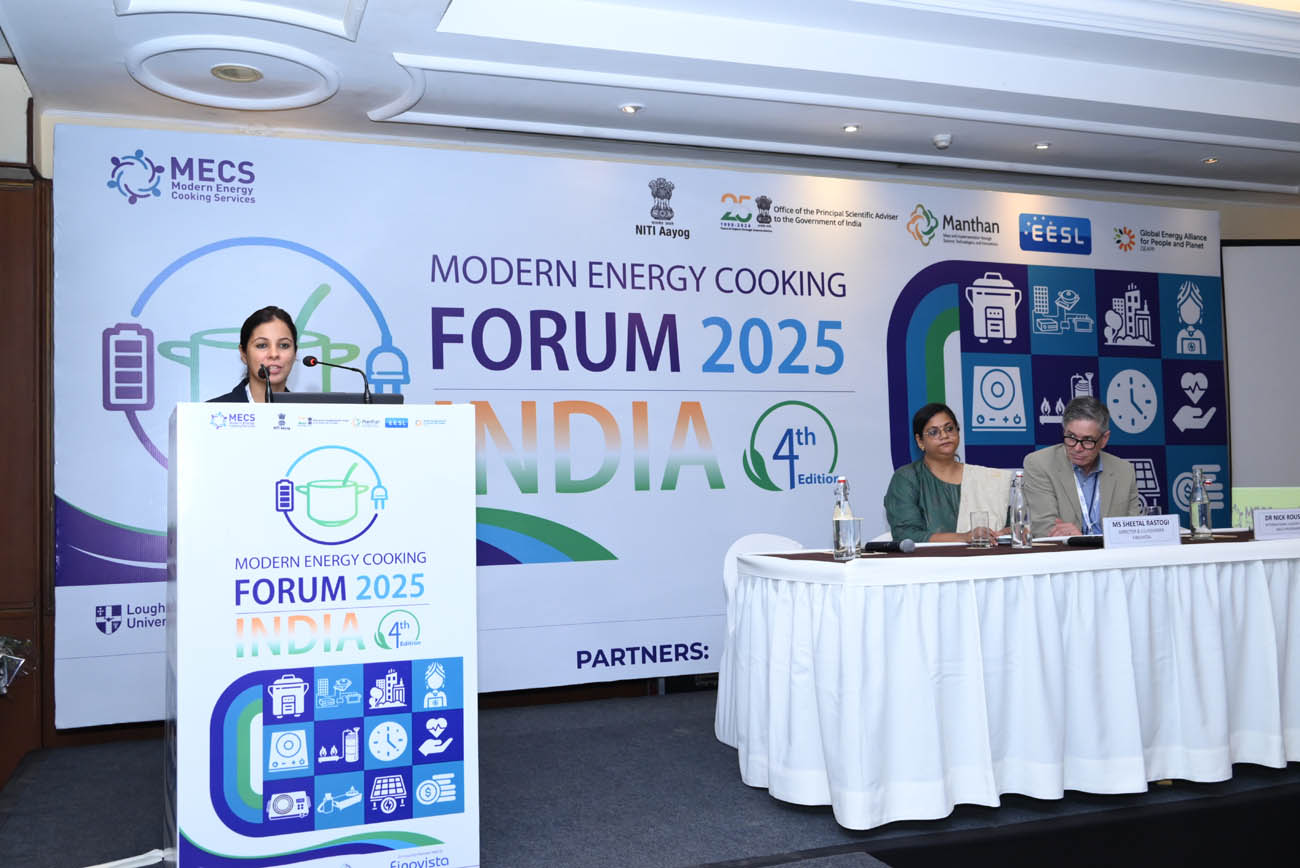
CLASP’s India Director, Neha Dhingra, speaking at the Modern Energy Cooking Forum in New Delhi, India, in September 2025.
Image credit: Finovista
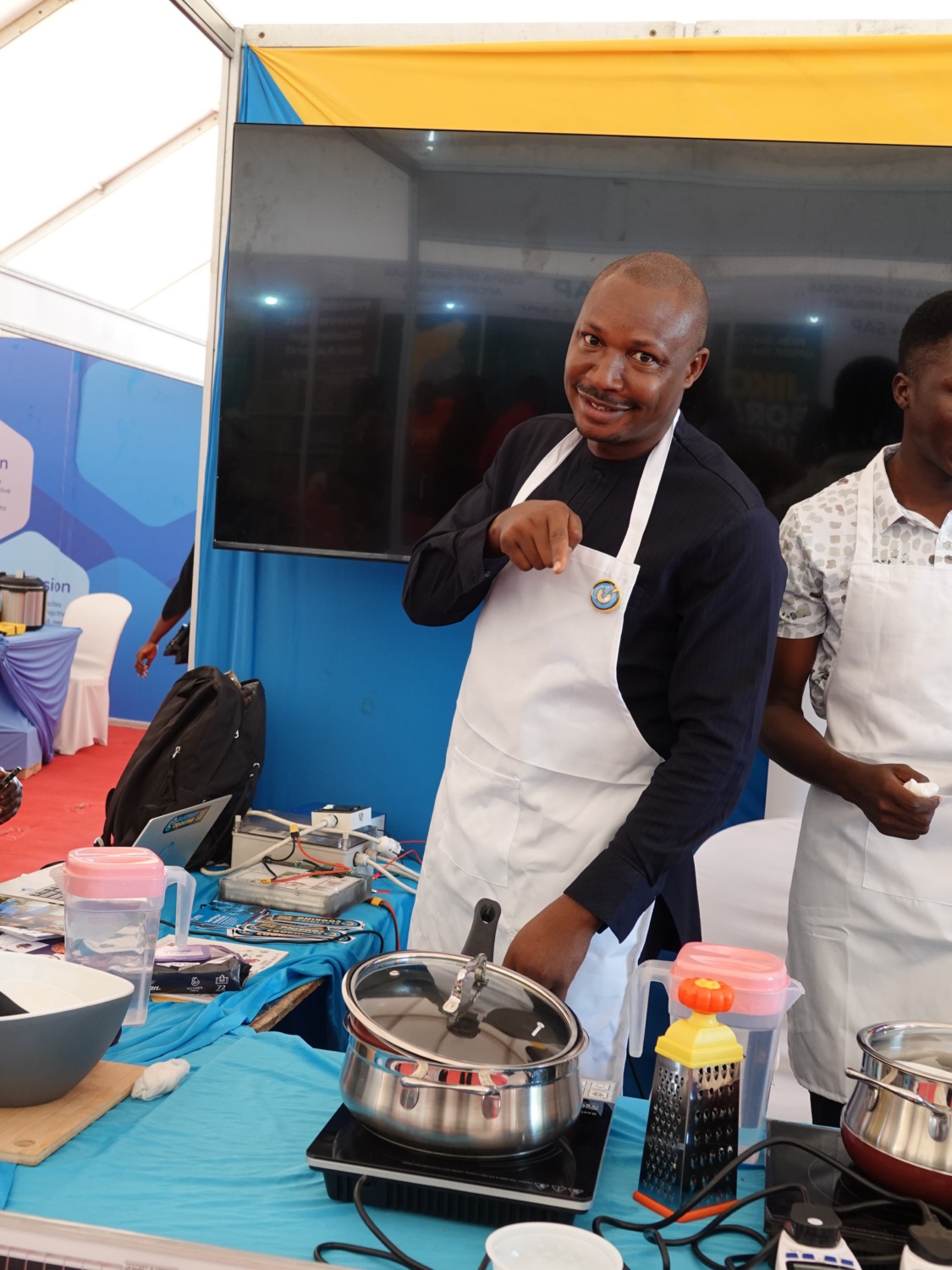
Emmanuel Aziebor, CLASP’s Senior Director, Africa, at Kenya Clean Cooking Week.
Image credit: CLASP
How UK Housing Authorities Can Power the Switch to Electric Cooking
Global Action Plan, in partnership with CLASP, piloted gas-to-electric cooking retrofits in a social housing community in Manchester.
For participating households, switching to electric meant more than lower emissions. It meant breathing more easily in the kitchen, a cleaner and more practical cooking experience, and greater peace of mind for families with young children. Every household preferred its new induction cooktop over gas.
Watch the video:
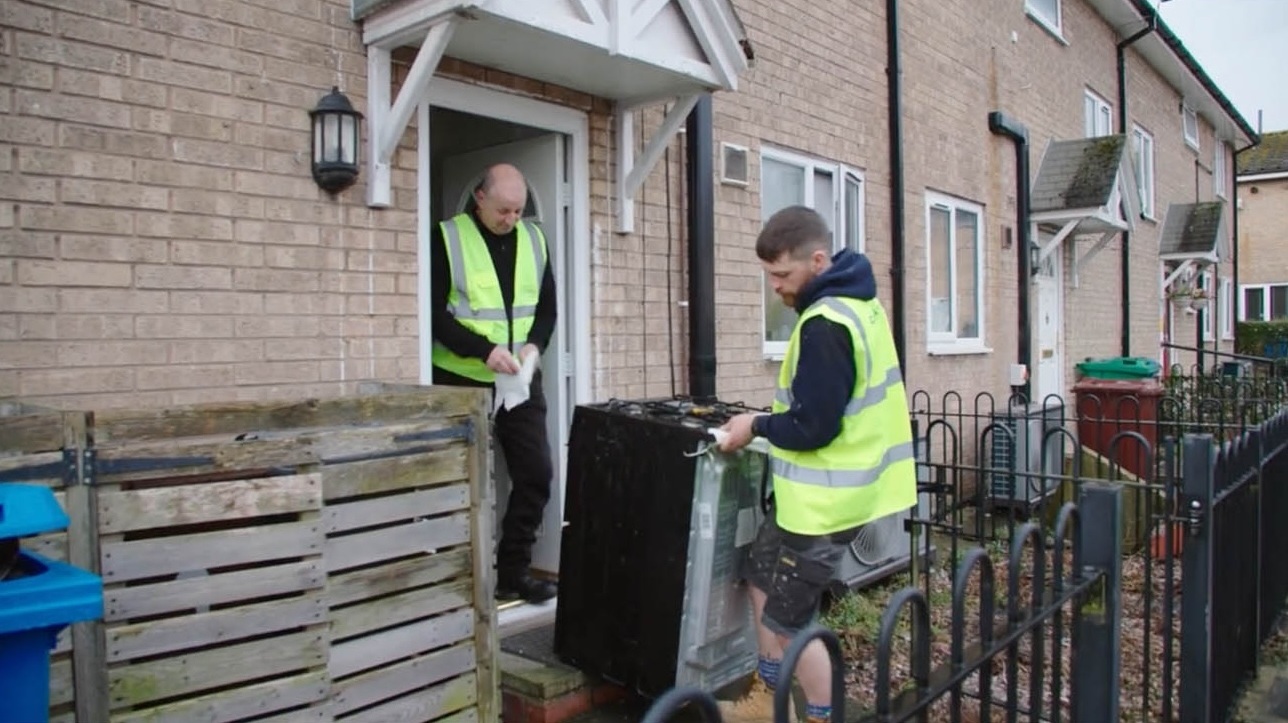
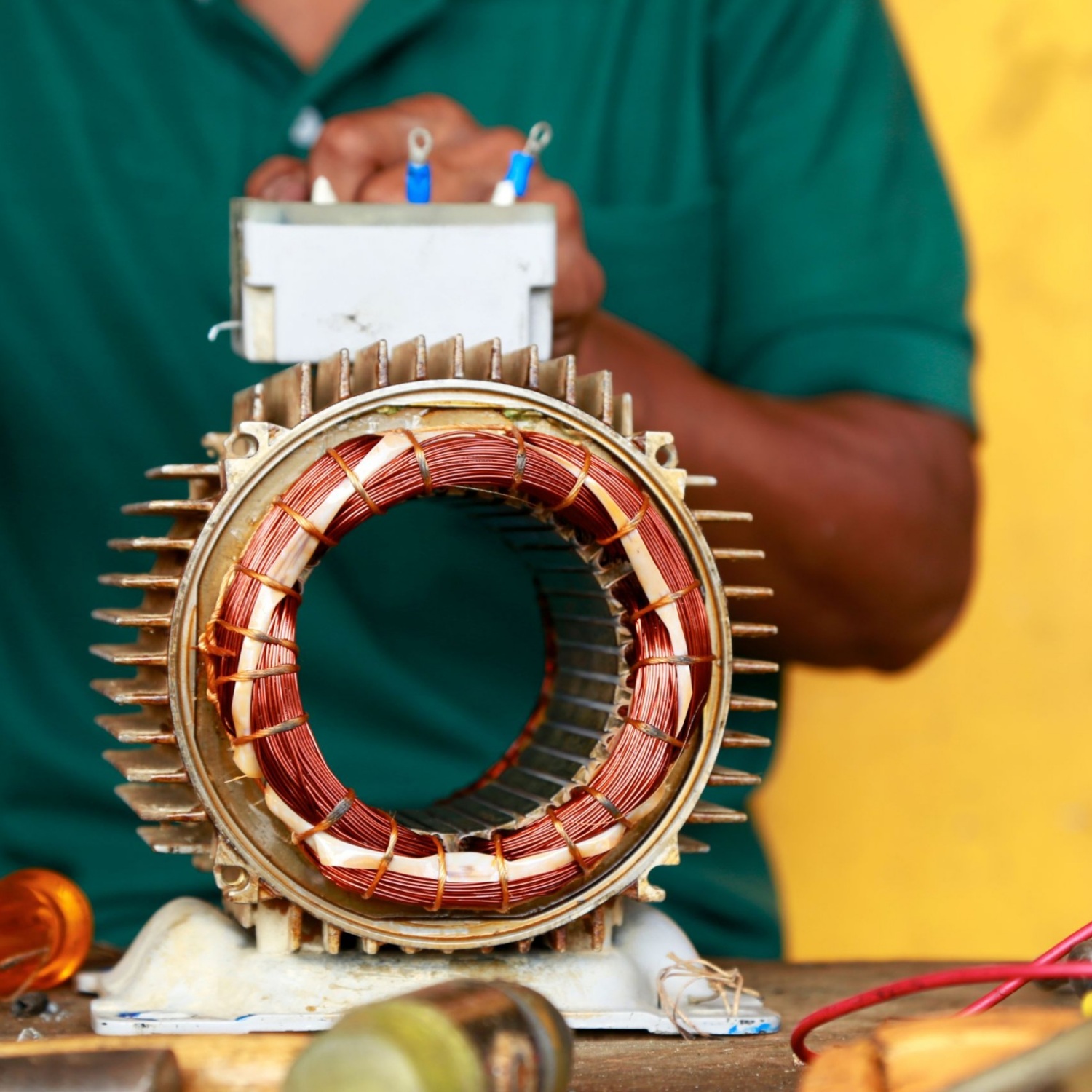
Image credit: CLASP
Economies Can Boom When Powered by Efficient Motor Systems
Industrial motor systems are the invisible heartbeat of economic development. Universally used across industrial facilities, they power the production of goods like metals, paper, cement, textiles, and packaged food. Motor systems are also ferocious energy consumers, due to their function and prevalence. Without intervention, and in step with global economic development and industrialization, by 2050 motor systems will account for 35% of global electricity demand and 19% of energy related emissions. CLASP is taking action on this priority appliance in the fight for Net Zero, identifying high impact opportunities at national and global scales to drive up efficiency, slash emissions, and boost economic progress.
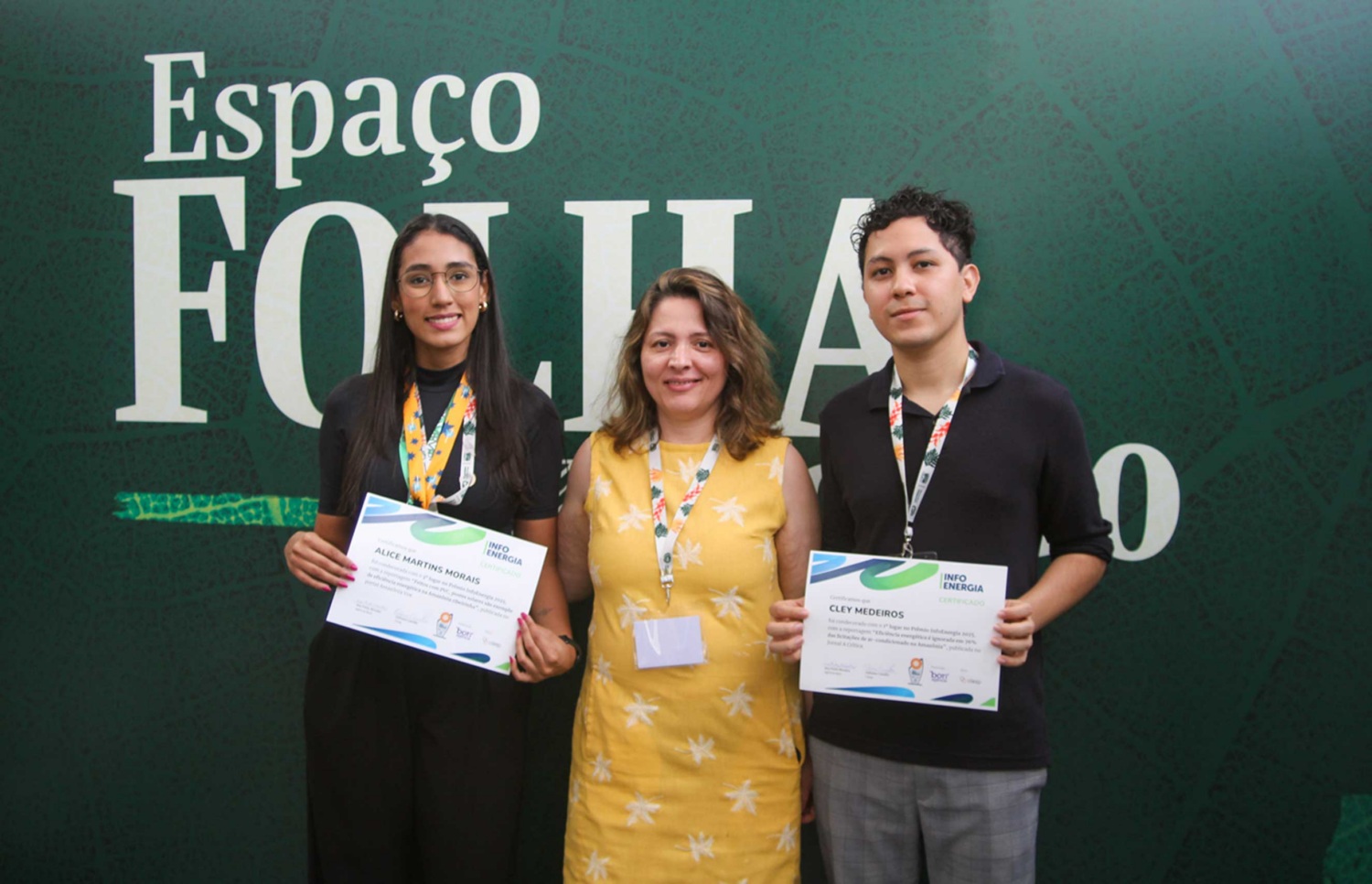
Image credit: CLASP
In Brazil, Partnering for Change
Ahead of COP30 in Brazil, CLASP joined forces with science communication agency Bori to drive national awareness of the benefits of appliance efficiency. Our InfoEnergia Mentorship was an 8-week, in-depth workshop that connected 25 journalists with experts and expertise to produce smart, contextualized reporting on appliance efficiency and its social, economic, and environmental impacts. Robust local journalism is a key element of durable climate policy.
Elevating Appliance-Centered Solutions at COP30
At COP 30 in Brazil, appliance and equipment energy efficiency stood out as a powerful climate solution, driving job creation, energy security, and adaptive capacity. CLASP provided expert testimony on the power of appliance efficiency solutions.
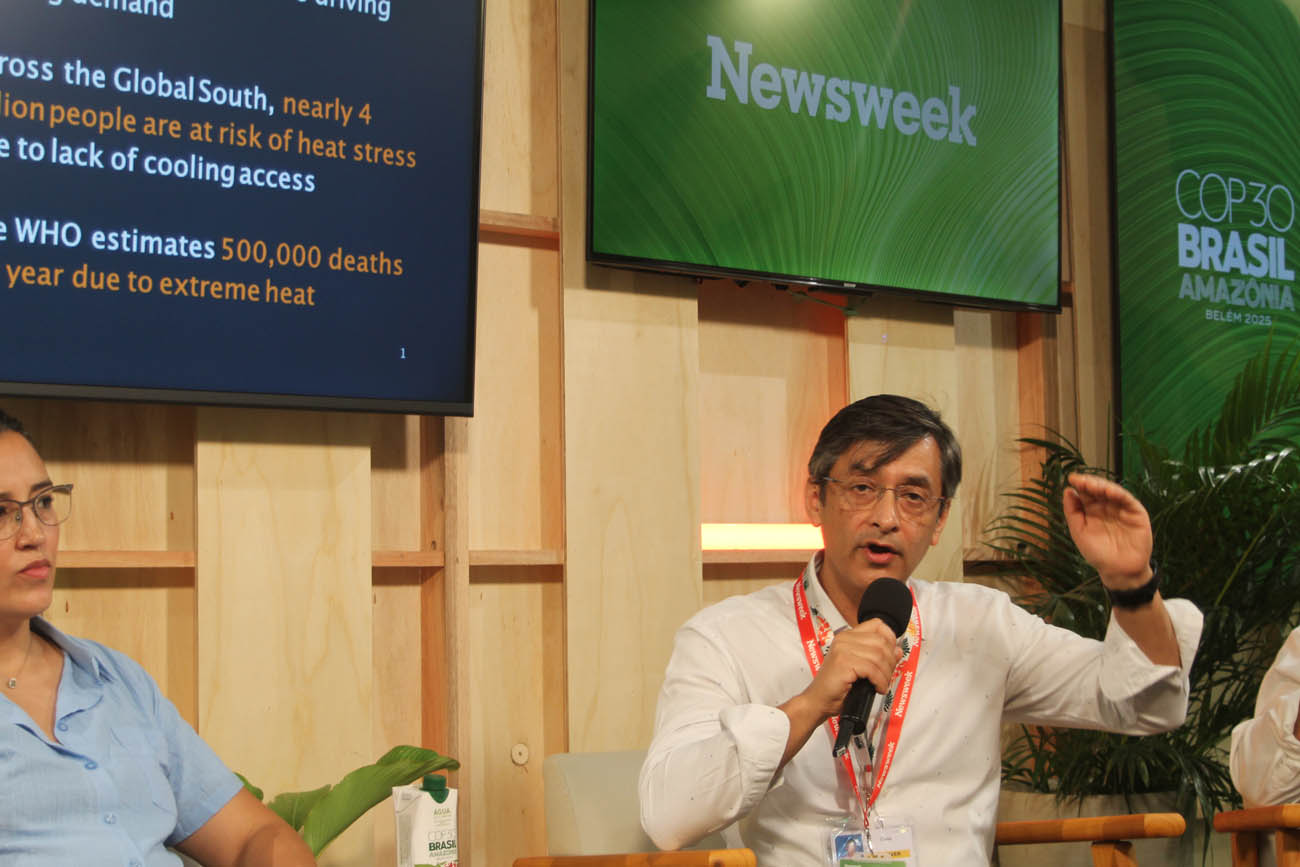
CLASP’s Bishal Thapa participated in discussion on space cooling solutions, offering insights about the benefits of efficient cooling technologies that slash emissions.
Image credit: CLASP
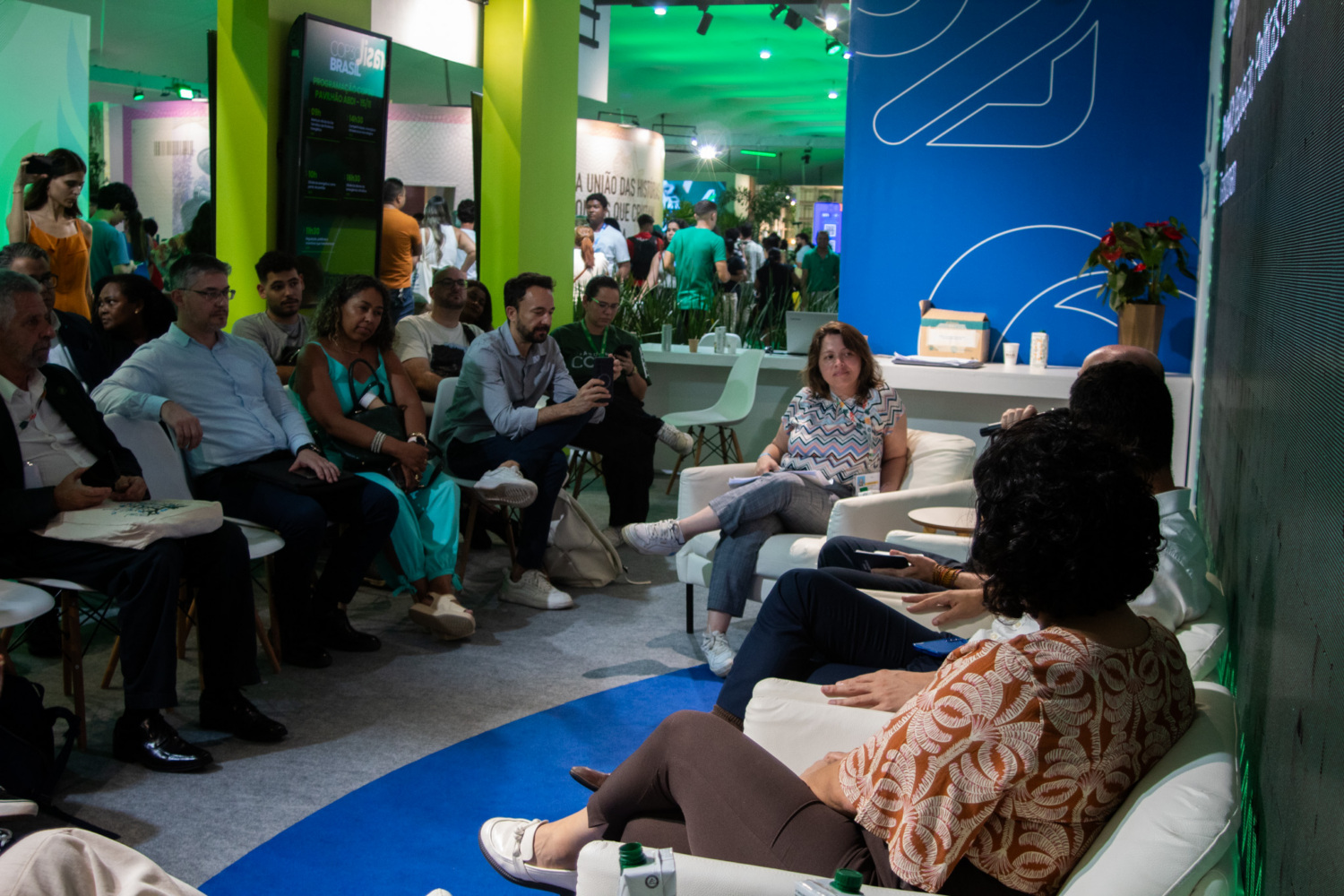
CLASP’s Edilaine Camillo moderated a conversation on the principal role of efficiency in Brazil’s energy transition during an agency-led day of efficiency themed events.
Image credit: CLASP

CLASP’s Bishal Thapa took part in a panel hosted by Casa Civil to speak about the role of energy efficiency policy in Brazil’s reindustrialization strategy.
Image credit: CLASP
Insights driving action
Delivering COP28’s Doubling Efficiency Goal Through Appliances
Appliance efficiency will play a critical role in meeting the COP28 commitment to double the global rate of energy efficiency improvement by 2030. CLASP research found it could deliver 20% of the energy savings needed, highlighting the value of strong standards, clear targets, and international collaboration.
The Missing Piece of Energy Access
666 million people, most of them in Africa, lack access to electricity. 2025 CLASP research shows that directing just 15% of existing energy investments toward efficient appliances can generate the demand needed to make grid expansions financially viable and help those currently living without electricity gain access to healthier, more productive lives.
Finances
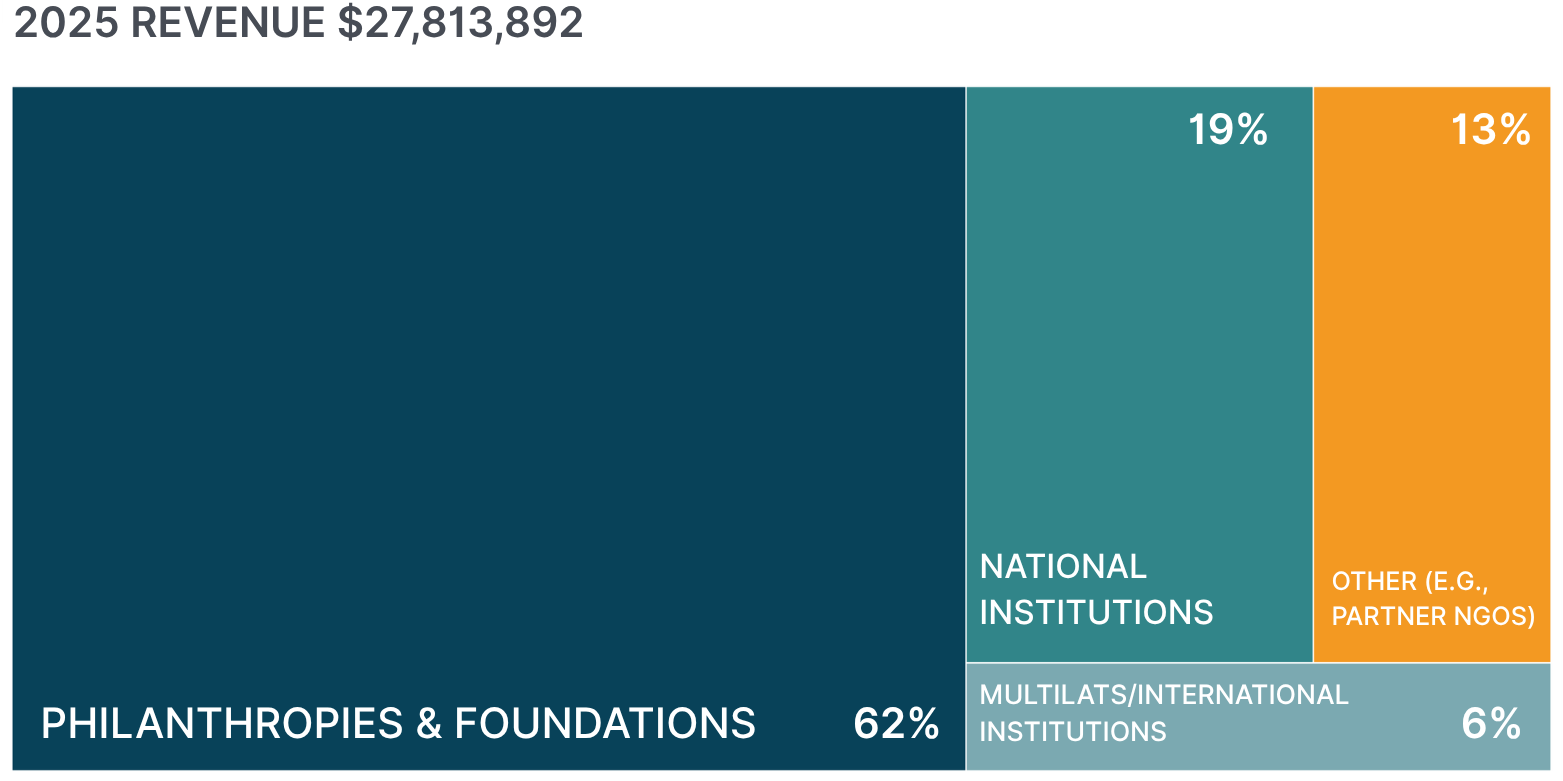
- Revenue by donor type
- Expenses by region
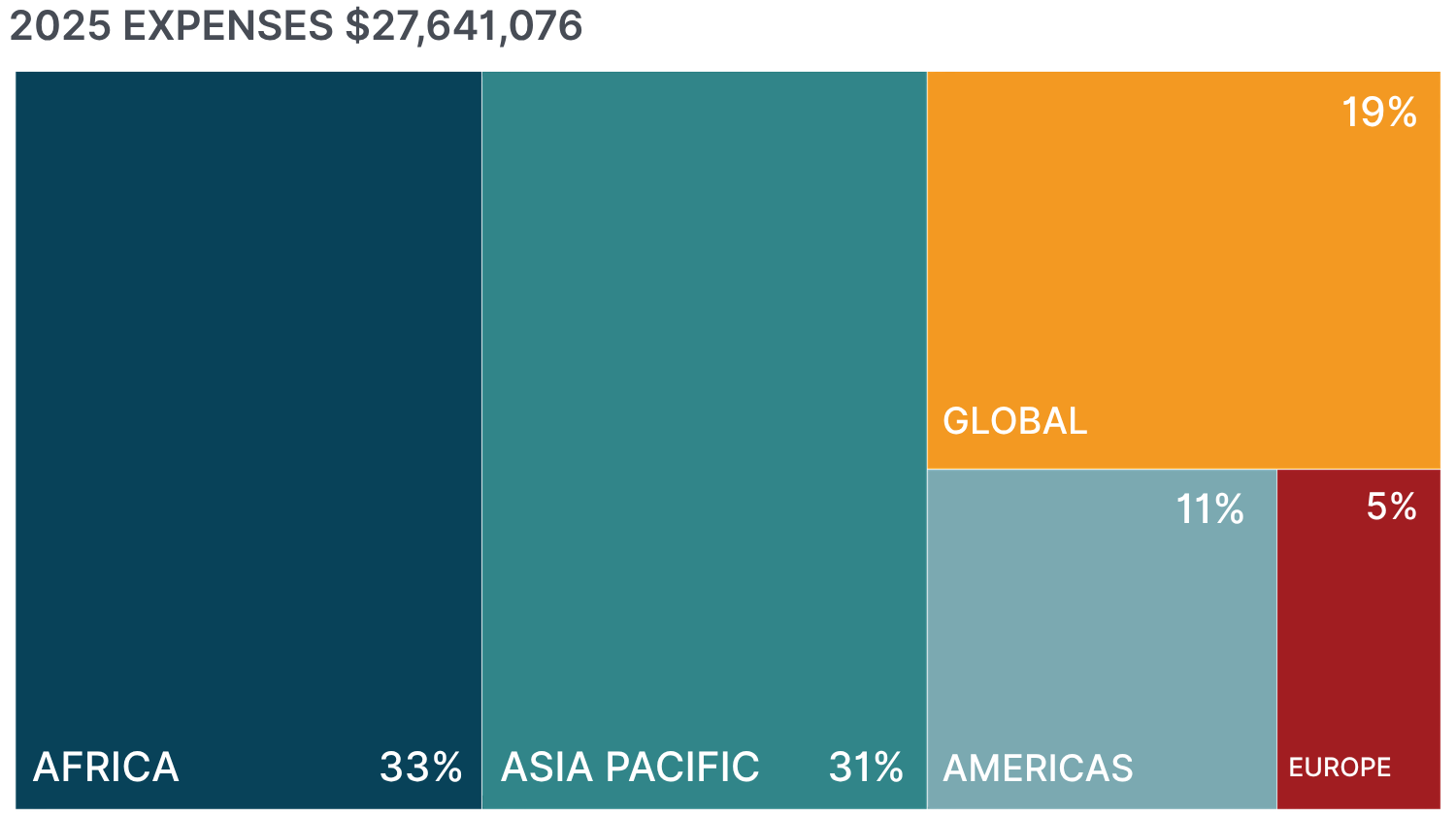
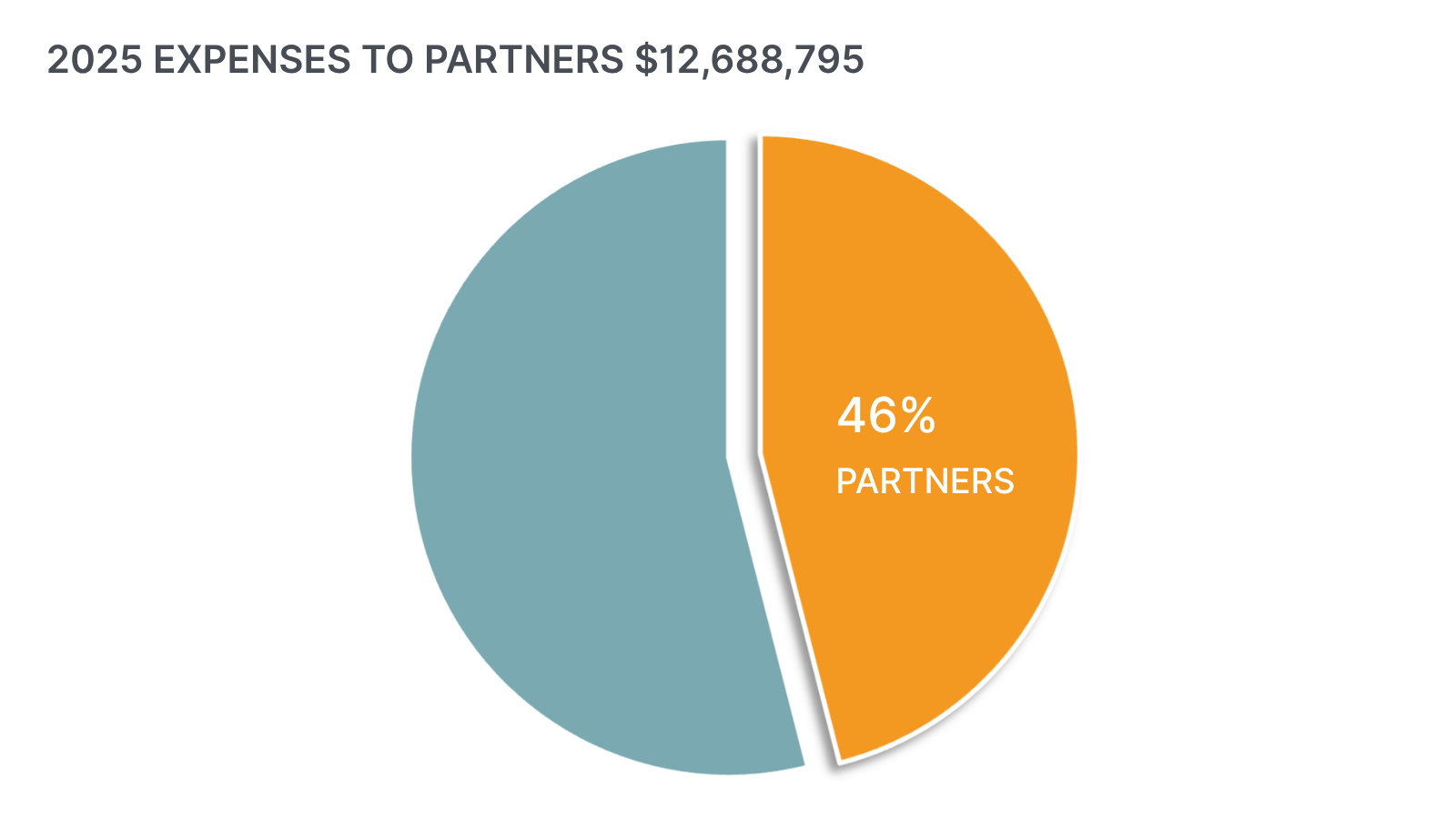
- CLASP collaborates with a global network of partners. In 2025, CLASP channeled nearly half our resources to civil society and energy groups, innovators, academic institutions, and experts — essential partners in changing the way we use energy.
About CLASP
Efficient appliances and equipment are essential drivers of economic growth and a fast, practical energy transition. With over 25 years of expertise and offices on five continents, CLASP collaborates with governments, industry leaders, and other experts to change the way we use energy.
We’re proud of what our team and partners achieved in 2025, driving progress for a better world. In 2026, we remain committed to championing appliance efficiency as a powerful solution for people, prosperity, and planet.
Reflections on the Productive Use Financing Facility
The Productive Use Financing Facility (the Financing Facility), an innovative program implemented by CLASP and supported by the Global Energy Alliance for People and Planet (the Alliance), makes energy-efficient appliances more affordable to consumers and businesses in emerging markets in Africa.
As the Financing Facility celebrates its first anniversary and concludes the initial phase of this expanded program, we look at the lives and communities it has already transformed and consider paths towards reaching our goals to help generate green jobs and equitable opportunities for thousands across Africa.
Empowering communities with the right tools
A single appliance has the potential to improve the quality of life for an entire household or community. Women entrepreneurs with access to an off-grid refrigerator can sell cold beverages, attracting customers and increasing their income. Solar-powered mills can provide a central flour-processing location for smallholder farmers in remote communities, allowing them to offer new products, reduce workloads, and avoid transportation costs.
Despite the potential of these technologies, many businesses and households that need them can’t afford them due to high costs and limited financing options. For the 750 million–plus people worldwide who live without access to electricity and the approximately 700 million living in extreme poverty, energy-efficient appliances are still out of reach.
The Financing Facility’s role in driving access and opportunity
The Financing Facility offers a solution: make these life-changing appliances more affordable to those who need them. By providing grants, subsidies, and technical assistance, the Financing Facility enables small businesses, entrepreneurs, and households to acquire energy-efficient appliances at lower prices.
The initiative’s two-year pilot project ran from 2022 to 2024, worked with 24 companies across six countries, deployed nearly 16,000 appliances, and directly improved the lives of over 58,000 households. In June 2025, the Financing Facility entered a second phase with the announcement of its expansion and a $6.1 million USD funding boost. During this phase, the initiative aims to create over 3,000 green jobs through the sale and use of over 10,000 appliances in four years.
One year on: expanding reach and impact
A new cohort of 11 appliance companies, announced in November 2025, remains focused on productive-use appliances (in other words, technologies people use to generate income) like grain mills, solar water pumps, walk-in cold rooms, and refrigerator/freezers. From this cohort alone, the Financing Facility aims to deploy over 2,000 appliances across Kenya to women-owned and -led businesses.
The second cohort selection, launching in February 2026, will be open to appliance companies in Ethiopia, Nigeria, and Kenya. CLASP will announce and detail the process via the Financing Facility web page, LinkedIn, and Bluesky.
Committed to the most underserved communities
While electrification is expanding globally, deliberate efforts must be made to ensure the sustainability and commercial viability of renewable energy infrastructure. Programs like the Financing Facility place appliances into people’s hands and homes, energizing ambition and output amongst local businesses and farms. Increased incomes from these activities drive economic growth, create jobs, and improve the quality of life, giving communities the tools to thrive. For example, Helen Obinna, a small business owner in Nigeria, has witnessed her business transform: her refrigerator can keep products cool despite inconsistent power, and sales of cold beverages have substantially increased.
About the Productive Use Financing Facility
The Financing Facility is an innovative program that provides grants, subsidies, and technical assistance to suppliers and distributors to lower appliance prices and reach more customers. This makes it easier for small businesses, entrepreneurs, and households to buy energy-efficient technologies, such as solar water pumps, mills, and refrigerators, at favorable prices.
This program is supported by the Global Alliance for People and Planet.
For more information, read the Productive Use Financing Facility 2.0 press release, contact financing@clasp.ngo, and follow us on LinkedIn for regular updates on how the Financing Facility is benefiting people and our planet.
About CLASP
CLASP is the leading global authority on efficient appliances’ role in fighting climate change and improving people’s lives. With 25 years of expertise and offices on four continents, CLASP collaborates with policymakers, industry leaders, and other experts to deliver clear pathways to a more sustainable world for people and the planet.
About the Global Alliance for People and Planet
The Global Energy Alliance for People and Planet works for a world where everyone has access to affordable, reliable, clean electricity and the means to use it to improve their lives. Our Alliance builds transformative public, private, philanthropic partnerships to end energy poverty and accelerate green economic opportunity. Founded in 2021 by The Rockefeller Foundation, IKEA Foundation, and Bezos Earth Fund, we unlock finance, strengthen institutions and transform markets, delivering progress anchored in deep community engagement. By uniting actors across the value chain, from households to heads of state, we go beyond individual projects to drive lasting systems change. With work in more than 30 countries across Africa, Asia, Latin America and the Caribbean, our Alliance aims to reach 1 billion people with clean electricity, prevent 4 billion tons of carbon emissions and create or improve 150 million jobs. For more information, please visit energyalliance.org.
Powering Progress: Three Local Appliance Companies Generate Job and Income Growth Across Africa
CLASP has selected 11 appliance companies to receive funding in support of job and income growth in sub-Saharan Africa. This support will be provided through the Productive Use Financing Facility (the Financing Facility), an initiative managed by CLASP and supported by the Global Energy Alliance for People and Planet (the Energy Alliance). The Financing Facility aims to accelerate the adoption of clean, energy-efficient appliances to power small businesses and support smallholder farmers, potentially transforming the lives of millions across Africa.
Baridi, Irri-hub, and Koolboks are three of the 11 impact-driven companies selected for the program whose work is already transforming the continent.
Solar appliances drive economic growth
For a smallholder farmer or business owner in sub-Saharan Africa, even a single appliance can go a long way. For example, a CLASP survey found that business owners in Uganda who purchased an off-grid refrigerator were able to increase their incomes twofold.
For women, an appliance can be a major driver of income. In the Finance Facility’s pilot program, households where women purchased an appliance saw incomes increase an average of 94%. From selling cold drinks using a refrigerator-freezer to growing high-value crops with a solar water pump, equitable access to reliable and affordable appliances can transform not only individual lives, but entire communities. Solar-powered appliances can reduce the physical strain attached to traditional working conditions, expand business opportunities, improve nutrition, and create local jobs.
Three African appliance companies making an impact
For Facility grantees like Baridi, Irri-hub, and Koolboks, this kind of transformative impact is what drives their work.
Baridi supplies solar-powered chilling technologies to smallholder farmers in Kenya, ensuring that their hard-earned produce remains fresh and market-ready.

Photo credit: Baridi

Photo credit: Baridi
Koolboks designs and distributes affordable solar-powered refrigerator-freezers, ensuring access for small businesses and farmers across the region. By providing reliable cold storage, Koolboks helps entrepreneurs expand product offerings and reduce the economic risks tied to spoilage.

Photo credit: Koolboks
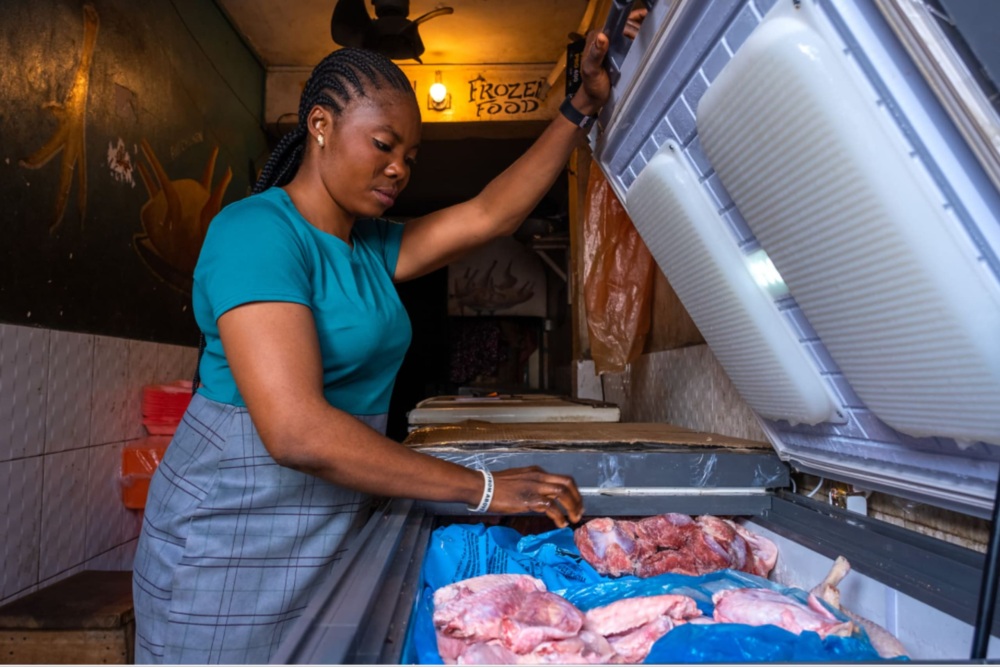
Photo credit: Koolboks
Irri-hub is a provider of affordable water management solutions, including solar water pumps, that help smallholder farmers increase yields, improve crop predictability, and expand production.
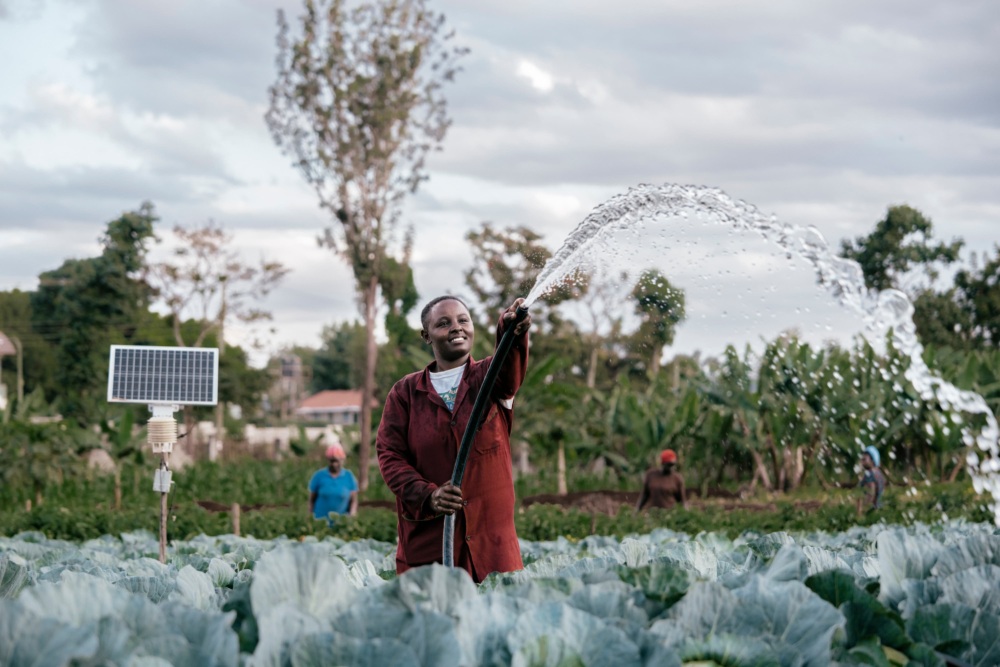
Photo credit: Irri-hub

Photo credit: Irri-hub
Solar water pumps offer an enormous amount of income and job growth potential. CLASP’s report “Leave No One Behind: Bridging the Energy Access Gap with Innovative Off-Grid Solar Solutions” found that 87% of farmers in Rwanda who obtained a solar water pump reported an increase in their monthly incomes, while 64% reported hiring more laborers and growing more crops.
Enduring partnerships are the key to transforming lives and livelihoods
Both Baridi and Koolboks have longstanding partnerships with CLASP. Baridi was a finalist in the 2022 Global LEAP Awards Off-Grid Cold Chain Challenge, while Koolboks received funding from the first round of the Financing Facility.
This round of the Financing Facility is Irri-hub’s first partnership with CLASP.
From long and enduring partnerships to new collaborations, these kinds of local, on-the-ground partnerships are key to helping transform the sector, bringing life-changing appliances to the millions who need them. CLASP remains committed to strengthening these relationships and investing in partners who are creating green jobs and equitable opportunities across Africa.
–
About the Productive Use Financing Facility
The Financing Facility is an innovative program that provides grants, subsidies, and technical assistance to suppliers and distributors, helping to lower appliance prices and expand customer bases. The Facility makes it easier for small businesses, entrepreneurs, and households to buy energy-efficient technologies, such as solar water pumps, mills, and refrigerators, at favorable prices.
This program is supported by the Global Alliance for People and Planet .
For more information, read the Productive Use Financing Facility 2.0 press release, contact financing@clasp.ngo, and follow us on LinkedIn for regular updates on how the facility is benefiting people and our planet.
About CLASP
CLASP is the leading global authority on efficient appliances’ role in fighting climate change and improving people’s lives. With 25 years of expertise and offices on four continents, CLASP collaborates with policymakers, industry leaders, and other experts to deliver clear pathways to a more sustainable world for people and the planet.
About the Global Alliance for People and Planet
The Global Energy Alliance for People and Planet works for a world where everyone has access to affordable, reliable, clean electricity and the means to use it to improve their lives. Our Alliance builds transformative public, private, philanthropic partnerships to end energy poverty and accelerate green economic opportunity. Founded in 2021 by The Rockefeller Foundation, IKEA Foundation, and Bezos Earth Fund, we unlock finance, strengthen institutions, and transform markets, delivering progress anchored in deep community engagement. Our Alliance aims to reach 1 billion people with clean electricity, prevent 4 billion tons of carbon emissions, and create or improve 150 million jobs. For more information, please visit www.energyalliance.org and follow us on X at @EnergyAlliance.
Energy Appliances for the Rwandan Humanitarian Context: Stakeholder Mapping and Consumer Insights
This research, conducted by CLASP, Efficiency for Access, Practical Action and Verasol, shows why appliances designed for off-grid use are important in Rwanda’s humanitarian context. Electrical appliances improve people’s livelihoods and enhance their overall well-being through clean cooking, lighting, and improved access to education, and economic opportunities.
The report explores three key considerations for procuring appliances in the Rwandan humanitarian context:
- Appliance categorization by sector (household, business, and community use), highlighting how different users prioritize parameters such as energy efficiency, affordability, and ease of repair
- Procurement challenges unique to refugee contexts, including financing barriers, supply chain constraints, and the tension between short-term affordability and long-term sustainability
- Policy and practical considerations associated with Rwanda’s e-waste regulations and the logistical hurdles of distributing and maintaining appliances in camp environments
Closing Rwanda’s refugee energy gap requires appliances that are affordable, durable, and aligned with user needs—backed by smart financing, policy, and cross-sector collaboration.
Explore “Energy Appliances for the Rwandan Humanitarian Context: Stakeholder Mapping and Consumer Insights” for more findings.
About Efficiency for Access
Efficiency for Access is a global coalition dedicated to advancing access to energy and affordable, energy efficient appliances. It is co-managed by CLASP and Energy Saving Trust.
The Procurement Handbook for Off- and Weak-Grid Appliances
This Efficiency for Access research provides practical procurement guidelines for energy appliances suitable for off- and weak-grid communities. In the face of rapid global changes and growing demand for sustainable energy solutions, the need for reliable access to clean energy has never been more urgent. This is especially true for off-grid communities and in humanitarian settings, where access to energy can be a critical lifeline. In these contexts, high-quality energy appliances are not just a matter of performance—they are essential for health, safety, and resilience.
But here’s the problem: when procurement lacks clear guidelines, poor-quality appliances fail early. Money gets wasted, and essential services collapse. That is why Efficiency for Access has created this guide. These are practical procurement guidelines for energy appliances suitable for off- and weak-grid environments.
It is intended to support procurement officers and intervention implementers by providing clear, actionable guidance on how to set appropriate quality requirements for procurement tenders and select appliances that are durable, energy-efficient, environmentally sustainable, and economically viable over time. Explore “The Procurement Handbook for Off- and Weak-Grid Appliances” for more findings.
About Efficiency for Access
Efficiency for Access is a global coalition dedicated to advancing access to energy and affordable, energy efficient appliances. It is co-managed by CLASP and Energy Saving Trust.
Refrigerators
CLASP and GEAPP Expand Access to Affordable, Energy-Efficient Appliances in Africa
Cape Town, 18 June, 2025 – At the Africa Energy Forum in Cape Town, CLASP and the Global Energy Alliance for People and Planet (GEAPP) announced a substantial expansion of the Productive Use Financing Facility (PUFF). This $6.1 million USD funding boost will help accelerate the uptake of clean, energy-efficient appliances that power small businesses, support farmers, and transform the lives of thousands of people across Africa.
Despite their potential to improve lives globally, efficient appliances are still out of reach for over 600 million people without access to electricity. High costs and limited financing make it difficult for business and households to afford them. PUFF helps bridge that gap.
The facility provides grants, subsidies, and technical assistance to suppliers and distributors to lower prices and reach more customers. This enables small businesses, entrepreneurs, and households to purchase energy-efficient technologies at favorable prices, allowing them to grow over time.
Building on success
This extension builds on the success of the two-year pilot project that connected people with the useful appliances to earn a living. From 2022 to 2024, PUFF worked with 24 companies across six countries, helping to deploy nearly 16,000 appliances, and directly improve the lives of over 58,000 households. These appliances, such as solar-powered refrigerators, solar water pumps, and solar milling machines, had a direct, transformative impact on people’s livelihoods.
“Access to energy is foundational for economic growth. Efficient appliances and equipment, which are how people turn energy into opportunity, need to be considered essential energy infrastructure, alongside renewables. PUFF’s pilot phase proved that targeted support could unlock meaningful change. With effective financing, companies can reach more people with the right appliances, and they can change lives,” said Emmanuel Aziebor, Senior Director for Africa at CLASP.
What’s new in PUFF 2.0?
CLASP and GEAPP are renewing their partnership focused on scaling appliances for agriculture and entrepreneurship in Ethiopia, Kenya, and Nigeria. This new round aims to create over 3,000 green jobs through the sale and use of 10,000 appliances in four years, including established appliances like solar water pumps and refrigerators, and more specialized technologies such as coffee pulpers and honey extractors.
This expansion also deepens commitment to gender equity and youth inclusion. In the pilot, women made up nearly half of all appliance buyers, and households where women bought appliances saw a 94% increase in average income. PUFF 2.0 will have an even greater focus on equity by utilizing outreach and financing strategies that center women and young entrepreneurs.
“While electrification has expanded, many investments fail to turn access into economic opportunity, with limited job creation or enterprise growth. Through initiatives such as PUFF 2.0 collaboration with CLASP, we are addressing these shortfalls by ensuring that new energy connections drive productivity and power agriculture, energizing ambition in small and medium sized enterprises, and output in local manufacturing. Increased incomes from these activities spur economic growth and wellbeing in growing communities, creating jobs, and improving the quality of life,” said Makena Ireri, Managing Director for Productive Use of Energy at GEAPP.
CLASP’s Productive Use Financing Facility is supported by The Global Energy Alliance for People and Planet (GEAPP). Learn more about how it’s benefiting people and our planet.
- Appliance distribution companies who are interested in applying in this second round can get further information on the PUFF webpage and on the webinar on 8 July.
- For more information, please contact financing@clasp.ngo and follow us on LinkedIn for regular updates on how the facility is benefiting people and our planet.
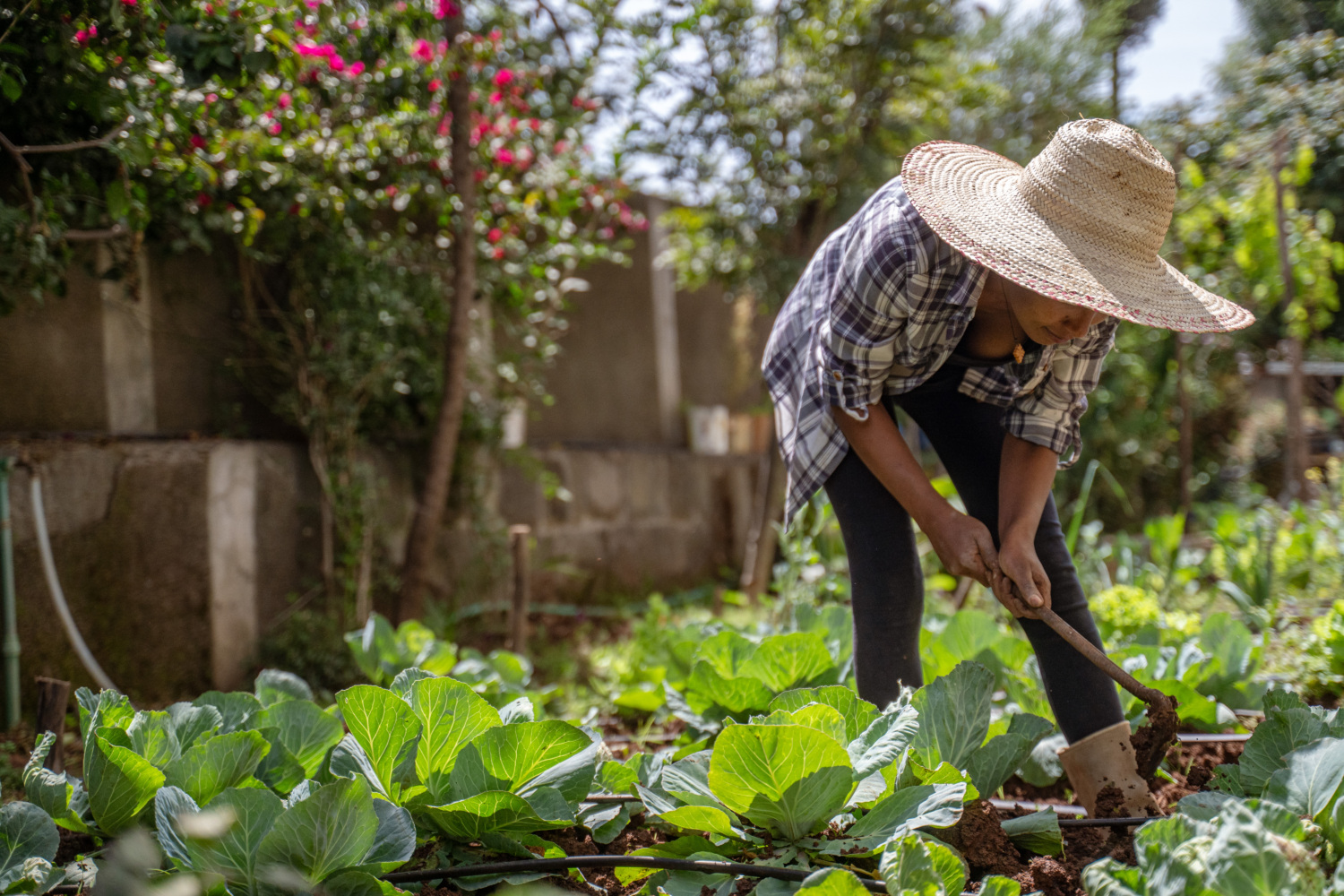
A farmer in Ethiopia using solar-powered drip irrigation acquired through PUFF support. Photo credit: CLASP
CLASP
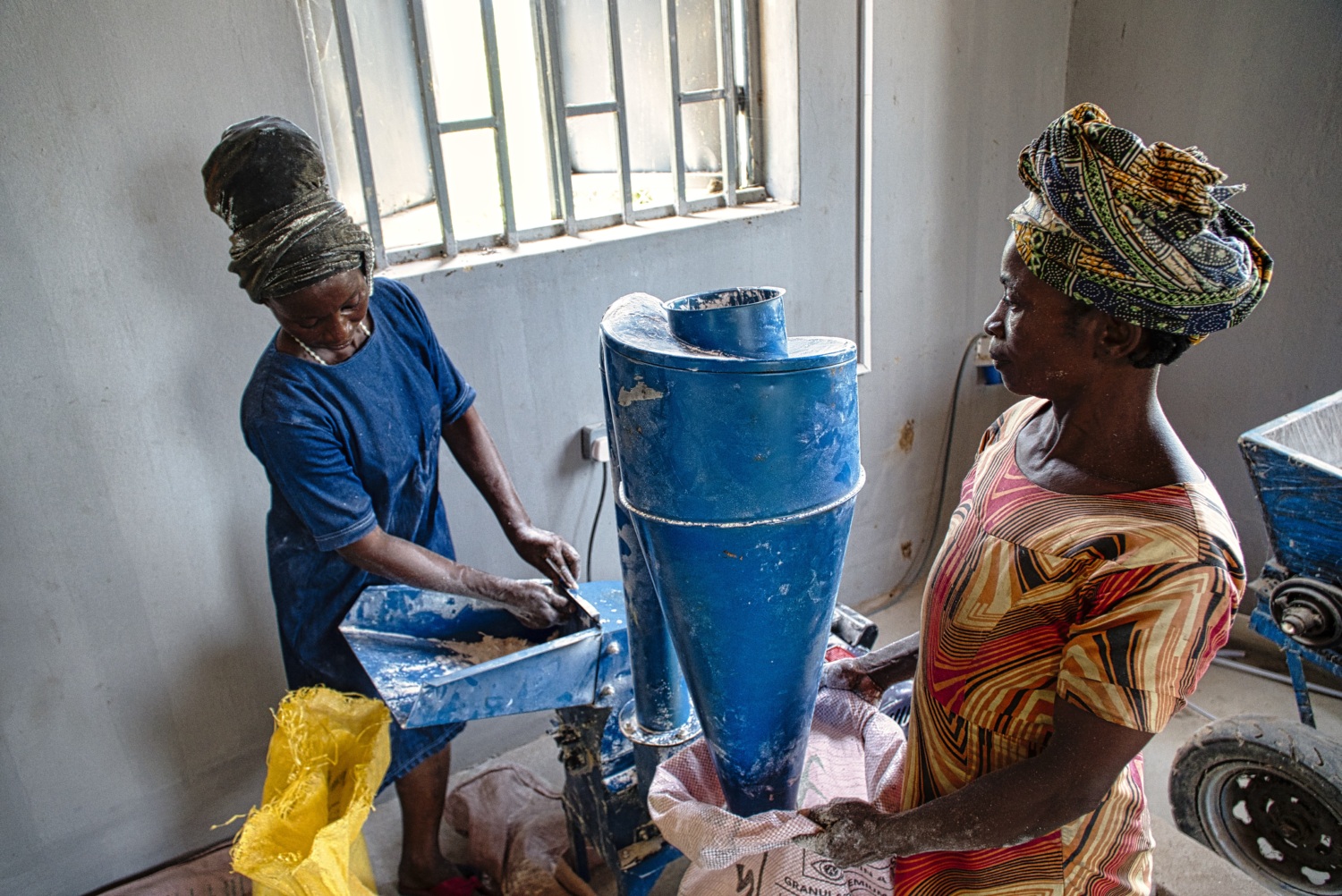
Women in Nigeria using a solar-powered mill acquired through PUFF support. Photo credit: CLASP
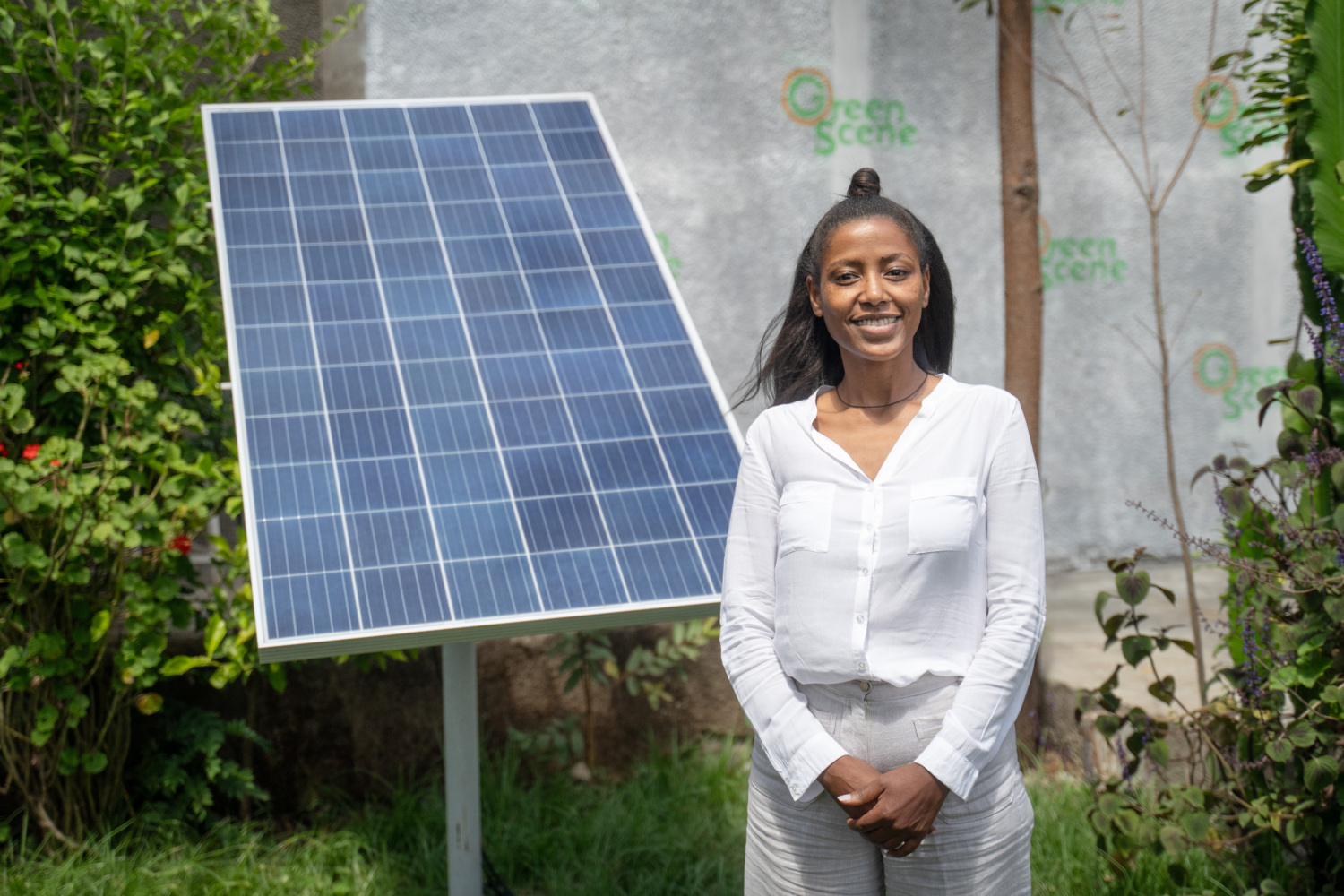
Rekik Bekele, CEO of Green Scene Energy, a leading solar appliance distributor, is expanding access to solar in Ethiopia with support from PUFF. Photo credit: CLASP

Abibat Akinwale, a shopkeeper in Nigeria, with the solar-powered refrigerator she acquired through PUFF support. Photo credit: CLASP
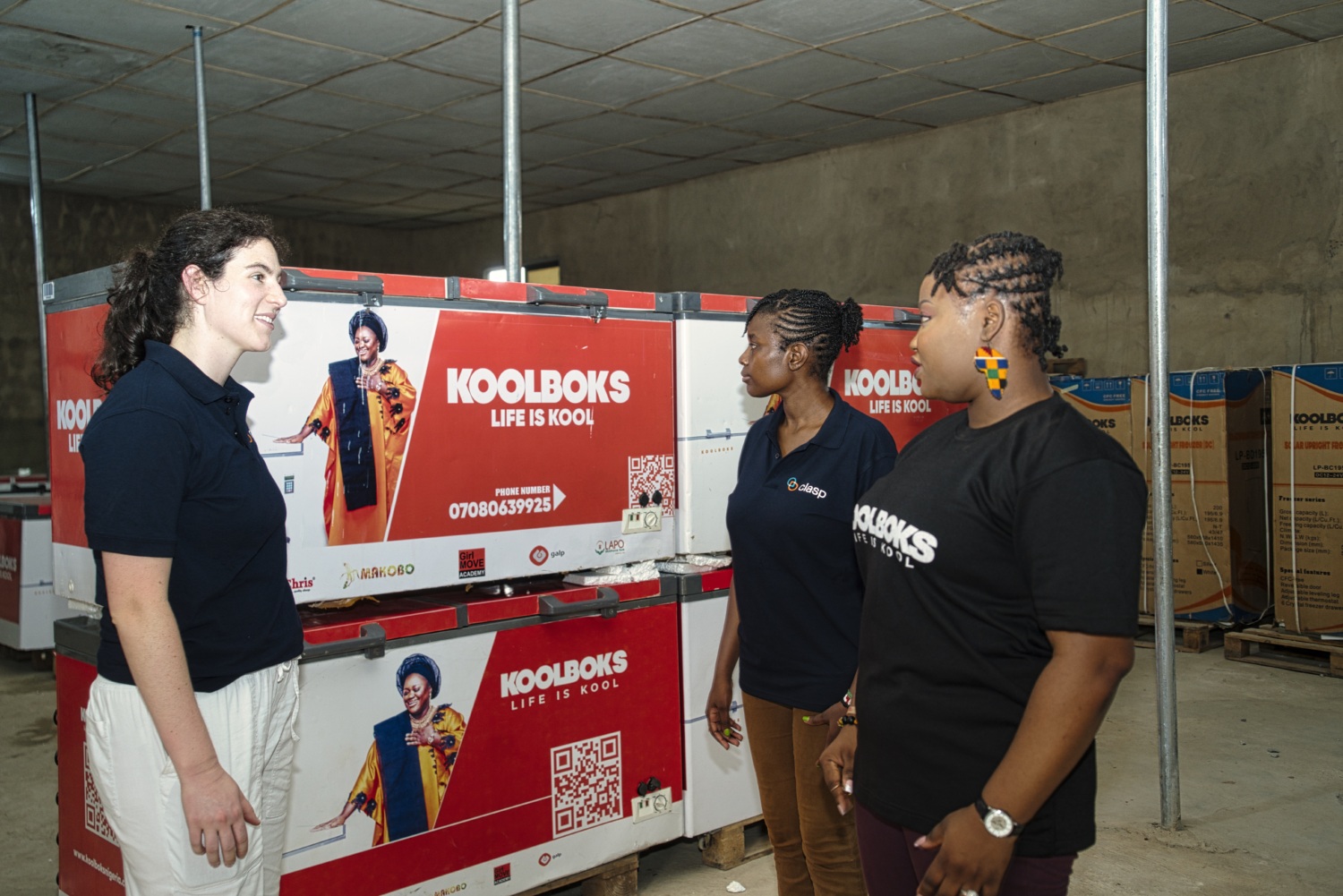
Lolade Esther Alonge of Koolboks shows the CLASP team their solar refrigerators, made more affordable for off-grid communities in Nigeria with PUFF support. Photo credit: CLASP
About CLASP
CLASP is the leading global authority on efficient appliances’ role in fighting climate change and improving people’s lives. An international NGO with 25 years of expertise and offices on four continents, CLASP collaborates with policymakers, industry leaders, and other experts to create a more sustainable future for people and the planet.
About GEAPP
The Global Energy Alliance for People and Planet (GEAPP) is an alliance of philanthropy, governments in emerging and developed economies, and technology, policy, and financing partners. Their common mission is to enable LMICs’ shift to a clean energy, pro-growth model that accelerates universal energy access and inclusive economic growth, while supporting the global community to meet critical climate goals during the next decade. As an Alliance, they aim to reduce 4 gigatons of future carbon emissions, expand clean energy access to one billion people, and enable 150 million new jobs. With philanthropic partners, IKEA Foundation, The Rockefeller Foundation, and Bezos Earth Fund, GEAPP works to build the enabling environment, capacity, and market conditions for private sector solutions, catalyze new business models through innovation and entrepreneurship, deploy high-risk capital to encourage private sector solutions, and assist just transition solutions. For more information, please visit www.energyalliance.org and follow us on LinkedIn.
Media inquiries: Stella Madete, Africa Communications Manager, smadete@clasp.ngo
India Unveils 18 New Appliance Efficiency Policies
In a landmark year for energy policy, India’s Bureau of Energy Efficiency (BEE), with support from CLASP, advanced 18 appliance efficiency regulations in 2024. This is a testimony to the country’s fast-paced policymaking and strong national commitment to appliance efficiency as a key lever for climate action and energy security.
Fast-paced policymaking to meet urgent needs
As India undergoes rapid urbanization and industrial growth, the demand for appliances is surging. Left unchecked, this growth could place immense pressure on the power grid and accelerate emissions. Recognizing this, the government prioritized improvements that directly address the rising energy demand from homes, commercial spaces, and industry.
18 new policies – large emissions cuts and cost savings
CLASP advocates for appliance efficiency which ensures that everyday products from refrigerators and fans to inverters and TVs consume less energy while delivering the same or better performance. This is critical in a country like India, where millions of households are purchasing new appliances for the first time. By using higher effiicency appliances, India is building a more resilient energy system, reducing energy bills for consumers, and cutting emissions at scale.
The cumulative effect of these 2024 policies is significant. By 2030, they are expected to save over 180 terawatt hours (TWh) of electricity and avoid nearly 146 megatons (Mt) of CO₂ emissions.
Standouts include policies covering:
- Packaged boilers, commercial beverage coolers, solar inverters, and refrigerant compressors, which are collectively estimated to save 32.2 terawatt-hours (TWh) of electricity and avoid 24 megatons (Mt) of CO₂ emissions.
- Ceiling fans, a widely used appliance that will now become more efficient, saving 35.9 terawatt-hours (TWh) of electricity and avoiding 29 megatons (Mt) of CO₂ emissions.
Full list of 2024 appliance policies:
- Room air conditioners (RAC) (fixed speed-split and window)
Improving appliance efficiency across states
CLASP has also been working closely with the State Designated Agencies (SDAs) in Odisha and Kerala to support the implementation of India’s national appliance efficiency policies. By strengthening the adoption and enforcement of BEE’s Standards & Labeling program at the state level, CLASP is helping ensure that the benefits of energy-efficient appliances reach households and industries across these regions.
Aligning with CLASP’s global mission
Emissions reductions and energy savings not only bolster India’s energy security and climate goals but also resonate with CLASP’s global mission to advance appliance efficiency for people and the planet. By supporting national institutions like BEE in strengthening appliance efficiency policies, CLASP continues to catalyze transformative, long-lasting change.