
AMCEN-20 Adopts Declaration for Energy-Efficient, Mercury-Free Lighting
The 20th African Ministerial Conference on the Environment (AMCEN-20) decided to call upon African member States that are Parties to the Minamata Convention, to implement the phase out of mercury containing lighting in Africa by 2027.
The Twentieth Session of the African Ministerial Conference on the Environment (AMCEN-20) was held from 14-18 July 2025 in Nairobi, Kenya, under the theme “Four Decades of Environmental Action in Africa: Reflecting on the Past and Imagining the Future.” AMCEN is an opportunity for ministers and experts to discuss and prepare Africa’s common position and engagement in upcoming global environmental forums like the Minamata Convention on Mercury.
The decisions made during these sessions are instrumental in steering the continent toward sustainable development. Each resolution adopted at AMCEN serves as a catalyst for action, driving policy changes, fostering cooperation, and influencing international environmental frameworks. From the implementation of climate action strategies to addressing the issue of mercury, plastic pollution and promoting biodiversity conservation, AMCEN’s decisions are key to Africa’s response to the triple planetary crisis of climate change, biodiversity loss, and pollution.
The declarations adopted at AMCEN-20 for energy efficient -mercury free lighting included:
- Urging member States to fully implement Decision MC-5/4 of the Minamata Convention on Mercury, including the phase-out of all listed mercury-added products within the stipulated timelines, and to prevent any further importation of such products into the continent.
- To support the development and enforcement of harmonized minimum performance and safety standards for lighting, cooling, and other energy consuming products across the continent, with a view to eliminating substandard, mercury containing and inefficient products from the African market.
- To urge member States to expedite the preparation, and adoption of stringent minimum performance standards for the products applicable within the continent as an opportunity to ensure safety and strict compliance with the Minamata Convention on Mercury and the decisions of the Conference of the Parties to the Convention.
The declarations at AMCEN-20 complements the decisions made in November 2023, at the Fifth Conference of Parties (COP 5) to the Minamata Convention on Mercury, where delegates from 147 countries agreed to phase out florescent lighting globally by 2027. This decision is expected to accelerate global adoption of mercury-free lighting by effectively putting an end to the fluorescent lighting industry, with the limited exception of special uses like some transport applications.
The Africa region galvanized efforts to end mercury in lighting, taking the lead at introducing and negotiating amendments to phase out fluorescents under the Minamata Convention. The region championed these efforts due to concerns about becoming dumping grounds of products banned in the Global North and the challenges associated with porous borders (that fail to protect national markets from outdated technologies even when national regulations are in place).
A full transition to energy efficient and mercury-free LEDs in Africa by 2027 will have significant environmental and energy benefits. CLASP estimates that compliance with Minamata and AMCEN decisions in the region will (cumulatively from the phase out dates to 2050):
- Avoid 4 metric tons of mercury pollution from released into the environment.
- Avoid 189 million tons of CO2 emissions.
- Save approximately 500 TWh of the region’s total electricity consumption.
- Save $51 billion USD.
LED Lighting
Compliance Guideline for Implementation of Efficient Lighting Standards in Africa
How can African policymakers and compliance and enforcement officers implement robust lighting policies and protect national markets from low quality, inefficient lighting products?
This guide provides the research and tools African governments need to lead the continent’s transition to more efficient, better performing lighting solutions. It outlines how to comply with the global mandate to phase out fluorescent lighting by 2027 under the Minamata Convention on Mercury, and covers other topics including:
- Understanding lighting technologies: Offers a detailed exploration of various lighting technologies, their applications, and market trends to help officers identify, differentiate, and assess products effectively during approval processes.
- Energy efficiency policies: Provides insights into energy-efficient lighting policies, including international, regional, and national regulations, and related compliance considerations.
- Conformity assessment: Gives an overview of processes for conformity assessments, exploring different models, their associated compliance risk levels, and the infrastructure needed for effective implementation with lighting policies before they are placed on the market.
- Market monitoring and enforcement: Provides an overview of how to identify non-compliant products in the market and how to enforce compliance with lighting regulations. Additionally, the guide highlights common non-compliance issues encountered during market monitoring offering recommended corrective actions.
- Case studies: Provides case studies from Ghana, Australia, and the European Union that showcase examples of regional harmonization in regulations, various conformity models, and national compliance programs.
Ensuring an All-LED Future: Global Campaign Ends on a Flourish
The thwack of the gavel preceded the thunder of applause as the audience cheered the universal win for people and planet: our future will be lit only by LEDs. In 2023, representatives from 147 countries agreed to phase out florescent lighting globally and completely by 2027. This will avoid nearly 3 gigatons of CO2 through 2050. The decision was taken at the fifth meeting of the Conference of the Parties to the Minamata Convention on Mercury (COP-5) in Geneva.
Since 2020, CLASP’s Clean Lighting Coalition (CLiC) was a campaign created to drive universal access to efficient, safe lighting. CLiC was powered by experts delivering undeniable data about the risks of fluorescent lighting and case studies about the financial and climate emission benefits of efficient LEDs. Integral to the success of the campaign were the advocacy specialists who built the coalition and presented the proof to governments and the media.

The problem with fluorescent lighting
Outdated fluorescents persisting on international markets are toxic and pose a health risk because they contain mercury. They are also inefficient, leading to higher energy bills. LEDs are a safer lighting solution and are twice as efficient – saving money, human and environmental health, and lowering climate emissions.
Global lighting change led by Africa
African policy leaders recognized the feasibility of a global LED transition. In addition to the global climate impacts, ending the production of fluorescents will protect the continent from the toxic, costly and outdated lamps exported to African markets by developed countries unable to sell them domestically.
Armed with sector leading data and technical support from CLiC and partners, Africa region lighting champions led the charge toward the global climate win. In 2022 and 2023, the Africa Group at the United Nations representing 54 African Member States, proposed amendments to the Minamata Convention on Mercury calling on the international community to say farewell to fluorescents.
“Policymakers in Africa led the charge on this campaign, rooted in deep-seeded concerns about the challenges of toxic lamp disposal. Turns out, this was a concern shared by many countries around the globe,” recalls CLiC campaign lead and CLASP Senior Director Ana Maria Carreño. “African leaders’ efforts to raise awareness about the risks of fluorescents and build consensus on a solution via Minamata led to decisive global action protecting people and planet.”
CLiC: The power of international solidarity
For the last three years, CLiC collaborated with over 300 partners spanning every corner of the globe to make the case for LEDs. From civil society to government to industry, from climate to health to waste management, CLiC coordinated an extensive partner network to spotlight the lasting, positive impacts of a clean lighting transition.
“The world is finally able to say, ‘Farewell to Fluorescents’ due in large part to the hundreds of organizations and policy leaders that came together in pursuit of a safer, healthier future for all via the Clean Lighting Coalition,” observed Elena Lymberidi-Settimo, International co-coordinator of the Zero Mercury Working Group and Policy Manager at the European Environmental Bureau. ”The campaign’s success spotlights how extensive networks of trusted and diverse partners are key for making rapid, meaningful change; and we are happy to have been a part of it.”

Photo by CLASP

Photo by CLASP

Photo by CLASP

Photo by CLASP

Photo by CLASP

Photo by Kiara Worth

Photo by CLASP

Photo by Kiara Worth

Photo by CLASP

Photo by CLASP
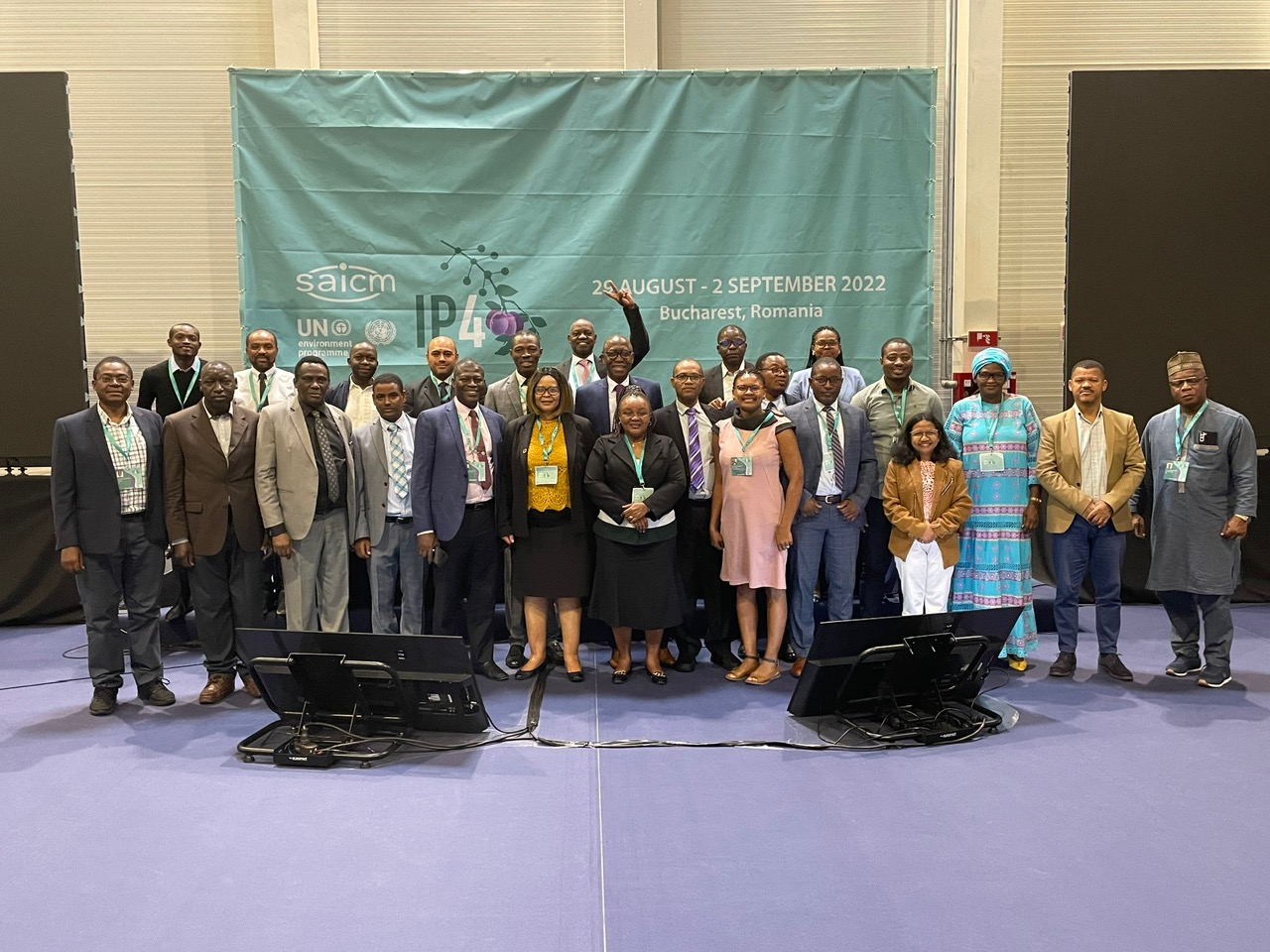
Photo by CLASP

Photo by CLASP

Photo by CLASP

Photo by CLASP

Photo by CLASP

A people and planet win that can be replicated
The success of the CLiC campaign provides a glint of optimism in our worsening climate crisis: meaningful and substantial global change IS possible.
“Being directly involved in the Clean Lighting Coalition was one of the greatest experiences of my professional life,” commented Nithi Nesadurai, CLiC team member and director at Climate Action Network Southeast Asia. “CLASP conducted a flawless strategic and tactical campaign which led to success with the decision in November 2023 at the Minamata Convention on Mercury to eliminate fluorescent lamps by 2027. I have gone on record to say this is probably the most successful global environmental campaign, given the speed in which the goal was achieved.”
The full and lasting benefits of a clean lighting future rely on the commitment of governments to follow through and implement the terms of the agreement in a timely manner. The research is clear, and the global community agrees: an LED transition is feasible for every market. Although the CLiC campaign has concluded, our lighting experts at CLASP continue to offer technical support to countries working to advance towards their LED future.
Recent News


Mepsy Methodology: Model and Approach for Climate Impact Analysis
DOI: https://doi.org/10.70098/OUAN6240
Mepsy is CLASP’s appliance and equipment climate impact calculator. It’s designed for policymakers, researchers, and other industry stakeholders to model different policy scenarios and measure their impact.
Mepsy uses a “bottom-up” accounting approach, considering the number of appliances in use in a country, the energy performance of representative products, the climate-intensity of the local power grid, and other variables to analyze the electricity use, carbon dioxide emissions, and consumer energy costs associated with a given policy scenario.
Wherever possible, the calculator references precise stock, sales, and energy performance data from recent CLASP in-country market studies, or country-level estimates from reputable market research firms. Where country-level data for a particular product are not available, calculations are based on estimates from regional or global averages, accounting for differences in country population, economics, or climate as relevant to a particular appliance. Future and past shipments are extrapolated based on recent trends.
The Mepsy Methodology outlines all underlying calculations and data sources behind the tool. For appliance-specific data for each of the ten appliances featured on Mepsy, please refer to the respective technical appendix:
- Air conditioning
- Beverage cooler
- Distribution transformer
- Fans
- Lighting
- Motors
- Refrigerator
- Space heater
- Television
- Water heater
In addition, the annex “Extending Mepsy to 2050” details the methodology behind projecting Mepsy’s insights through 2050, including key assumptions, modeling approaches, and data sources used in this effort.
To learn more about Mepsy or use our free tool, click here.
Millions of People Lack Electricity. Solar Appliances Can Help
Cooling down on a scorching day, lighting the house at night, heating a pan to cook dinner: In wealthy countries, people take for granted the ability to meet their basic needs by switching on appliances. But in low-income nations, these appliances, along with the electricity needed to power them, are often out of reach.
As the planet warms, the lack of critical appliances has increasingly severe consequences, making it harder for people to thrive—and, in some cases, simply survive—in ever-harsher environments. Solar-powered appliances are a promising solution.
In this interview, Martha Wakoli, who works on CLASP’s clean energy access team in Nairobi, discusses their potential and how to reach it.
*
Sarah Wesseler, CLASP managing editor: Let’s start with some basics about solar appliances. What are they? Why should people who are interested in sustainable development and climate change care about them?
Martha Wakoli: Well, in places like the States or Europe, if you need light, you switch on a light bulb. But in other parts of the world, millions of people don’t have that option—they’re not connected to the electric grid. So they’ve found creative solutions for accessing services like lighting, cooling, and cooking. And that’s where the idea of solar appliances developed.
For a long time, this technology was used for things like charging phones and lighting homes. But increasingly, we’re seeing the potential to power much larger, almost industrial-level processes with solar appliances. Say you’re a clothing manufacturer in a place that doesn’t have electricity: The machines you need could be powered by the sun.
There’s more and more research and investment in these kinds of appliances. That opens a whole new pathway of solutions for the millions of people who continue to live without electricity.
Wesseler: When you say these appliances are powered by the sun, how does that work? I’m thinking about the US, where I live: A lot of people have solar panels on their roofs, but they still use standard appliances plugged into standard wall outlets. How are solar appliances different?
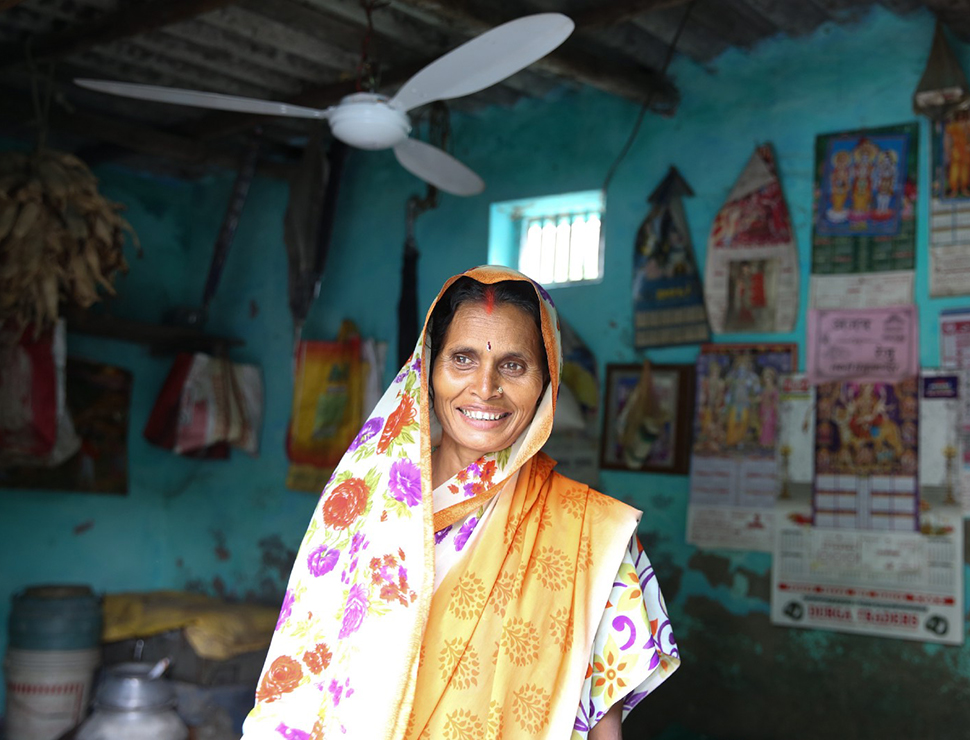
Wakoli: Well, with solar appliances, the appliance is connected directly to a solar panel on your roof via a cable. And depending on how many panels you have and how large they are, you could have multiple cables powering multiple appliances at the same time. And for appliances that are used outdoors—water pumps, for example—the cables from the solar panel also run directly to the appliance.

Solar irrigation in India
Credit: IDE Global / Bimala Colavito
Wesseler: What if the sun’s not out? Can you still run solar appliances then?
Wakoli: Yes. Solar appliances come with a little bit of energy storage, typically in the form of a battery, that allows them to keep functioning when it’s not sunny. For example, solar refrigerators keep things cool even at night.
Wesseler: That all makes sense. But why not just connect more people to the electric grid? Why focus on solar appliances instead?
Wakoli: There are a lot of reasons, but the most important is that it’s typically much more expensive to extend the power grid to far-flung places than it is to provide solar appliances. Solar appliances are more cost-effective in rural areas.
Providing solar appliances is also faster than building out the grid, which takes a long time. This is important given the urgency of the climate disaster, which we’re observing in real time, whether it’s heatwaves in India or droughts in Zambia. People need appliances that can help them adapt to climate change now.
Credit: Monica Tiwari, SPI

Credit: Efficiency for Access
Solar appliances can also help people build climate resilience and empower them to be more active participants in their own development. I’ll give you an example: In Mozambique, the government used taxpayer money to build an electric grid, but in 2023, Cyclone Freddie knocked it out. Compare that to decentralized systems, where people can have their own solar panels on their roofs or solar pumps on their farms. Because these appliances are modular, the scale of damage tends to be much smaller.
This kind of resilience is especially important for facilities like schools and hospitals. When floods or droughts make it impossible for them to operate where they are, there’s not much they can do if they rely on the electric grid. But with solar, they can move to a safer location and take their power source with them.
Another reason is that the grid itself is changing. Around the world, we’re preparing for what we’re calling the grid of the future. A lot of people now have electric vehicles, and in some areas, these vehicles can be plugged back into the wall, sending that power back to the grid, right? So you now have a complex bidirectional electric system that’s very different from what has existed for the last 70 years. Instead of having very few energy producers and many consumers, you have a growing number of what’s called “prosumers”: They produce the energy and they’re also consumers. This subset of people is growing everywhere.
Wesseler: You recently led research seeking to understand the number of people globally who need solar appliances. Why did you focus on this issue in particular?

Solar appliances can help people build climate resilience and empower them to be more active participants in their own development.Martha Wakoli
Wakoli: Well, in the development sector—so essentially, organizations that are trying to lift people out of poverty—if we cannot quantify a problem, it is difficult to know what interventions are needed in terms of money, regulations, and human capital. So providing information like this helps decision makers develop solutions.
And in this case, the problem we are looking at involves energy services to help marginalized people lift themselves out of poverty while also building resilience. This is important because, as we know, these groups are already being affected by climate change. So one goal of our work is to help the development and climate sectors understand that they’re working toward a common target.
This is particularly critical because, as we recently saw at COP29, there’s still a lot of resistance to the idea that the nations most responsible for climate change should fund other nations to protect themselves from it. But what the international community needs to understand is that that if we don’t mitigate climate disasters in the most vulnerable communities, the damage won’t just stay in those communities. Issues like climate-driven displacement and public health crises can easily spill over borders, making climate change an even more complex and expensive problem to solve. So I believe the international community should collaborate to address energy access challenges immediately to avoid this complication.
Wesseler: What did you learn from the research?
Wakoli: The key finding was that only about 2% of the need for key appliances is being met.
I think people in the international development and energy sectors intuitively knew that we are falling behind on providing universal electricity access, but there was still maybe not a good understanding of how far behind. With this research, we put a number to it: There are over 500 million people who need these appliances but don’t have them and won’t be able to afford them unless there are major changes in the appliance sector. That’s a massive gap.

Solar mill in Nigeria
Credit: CLASP
Wesseler: What would it take to close this gap?
Wakoli: Well, we need more investment at all levels of solar appliances. We need to invest in people who can support the sector: students, researchers, manufacturers, distributors, maintenance people. Companies need money to build these appliances, to test business models, to scale. We also need money for governments to conduct awareness campaigns. People need to go into communities to let them know about these appliances and demonstrate how they work.
We also need more cross-disciplinary dialogue. Lifting people out of poverty requires more than electricity or appliances; the solution has to involve people who work in agriculture, environmental advocacy, etc. A practical example is solar water pumps, which make it easier for farmers to generate income. But productivity is not only a function of water; farmers also need good seeds, fertilizer, and good soil. So people outside the energy sector need to be involved as well.
Ultimately, we need to build a market that can exist without external support. Think of Coca-Cola. Soda is the one thing that is ubiquitous in every place I have been, even where people don’t have high incomes. Coca-Cola has figured out how to reach the last mile in countries like Kenya and India. The solar appliance sector needs to get to the same place.
Developing a self-sustaining market for solar appliances will require collaboration across governments, the private sector, and development partners. Governments need to prioritize solar appliances and other energy-efficient solutions as part of their national electrification strategies, and the appliance sector needs to build muscle in distribution and consumer awareness. What’s more, all these actors need to prioritize ensuring that solar appliances support increased productivity, driving up incomes for communities living below the poverty line.
Many critical pieces of this puzzle are currently missing. Right now, a lot of the money in the solar appliance sector comes from European governments as part of their international aid programs. But if we’re thinking about a sustainable solution for more than 50 countries and more than half a billion people, it cannot be contingent on well-wishers alone.
Interview edited and condensed.
Driving Energy-Efficient Lighting in Bangladesh
Bangladesh’s appliance sector is steadily growing. Energy-efficient appliances offer a proven solution to cut emissions, reduce the strain on the national power grid, lower consumer’s running costs, and improve livelihoods.
Earlier this month, CLASP and the Bangladesh Standards and Testing Institution (BSTI) agreed to collaborate to introduce mandatory efficiency policies for lighting appliances, such as Light Emitting Diode (LED), in the country. CLASP will support BSTI by assessing and improving LED testing facilities to ensure successful implementation of the new policies.
From 2026, all lighting appliances in Bangladesh will need to meet minimum efficiency policies set by BSTI. This is projected to save consumers $1.8 billion USD and lower CO2 emissions by 22.8 million tons by 2040. CLASP will provide BSTI with technical assistance to achieve these targets.
S M Ferdous Alam, Director General, BSTI, said, “This collaboration with CLASP will help boost our technical capacity and align our standards with global benchmarks. While we have started with efficient lighting products, we intend to include more electronic appliances in this initiative moving forward.”
Asif Hassan, Senior Associate, CLASP, added, “Through collaborations and partnerships, CLASP has become a trusted resource in over 90 countries across five continents. Our global track record and deep technical expertise position us as the go-to support for leaders and doers.”
This collaboration represents a significant step in Bangladesh’s broader goal to promote energy-efficient appliance solutions while reducing energy use and environmental impact. The MoU signing between CLASP and BSTI garnered widespread attention and was covered by around 20 national newspapers in Bengali and English:
- The Financial Express
- Dhaka Tribune
- Daily Sun
- Jugantor
- Ajker Patrika
- Bayanno
+ around 14 other newspapers


ABOUT BSTI:
The Bangladesh Standards and Testing Institution is an autonomous government body under the Ministry of Industries, established to control the standards of services, goods, weights and measures, and promote the adoption of the international system of units in Bangladesh.
ABOUT CLASP:
CLASP is the leading global authority on efficient appliances’ role in fighting climate change and improving people’s lives. CLASP works with policymakers worldwide to combat climate change and drive sustainable development through appliance energy efficiency.
Ten US States Commit to LEDs
Policymakers from ten states across the United States (US) – California, Colorado, Hawai’i, Illinois, Maine, Minnesota, Oregon, Rhode Island, Vermont, and Washington – have passed ‘clean lighting bills’ in the last two years, advancing their transition to more efficient, cleaner light-emitting diode (LED) lighting technology. Together, the ten states will cumulatively avoid 13.6 megatons (Mt) of CO2 by 2050.
The clean lighting bills mean that over 20% of the US fluorescent lighting sold will switch to LED.
Why are LED Lights Better than Fluorescent?
LEDs are widely accessible, mercury-free lighting solutions that are twice as efficient and last two to three times longer than fluorescent alternatives. This means they reduce energy demand, carbon emissions, and electricity bills – high priorities for many states.
“Hawai‘i pays the highest electricity rates in the country, almost three times as high as the U.S. average,” said Jodi Robinson of the Blue Planet Foundation, who helped lead the effort to phase out fluorescents in Hawai’i. “Energy efficiency policies, like adopting clean lighting standards, are the most cost-effective solution to reduce greenhouse gas emissions, while also addressing the high energy burden facing our island’s residents and businesses.”
Vermont and California, the first and second states respectively to pass clean lighting bills, are now implementing the change.
“In Vermont, we are proud to have led the nation in moving to mercury-free lighting,” said Paul Burns, Executive Director of the Vermont Public Interest Research Group. “It was always our hope that other states would quickly follow, and it’s wonderful to see that happening, thanks to some excellent advocacy and organizing work. “
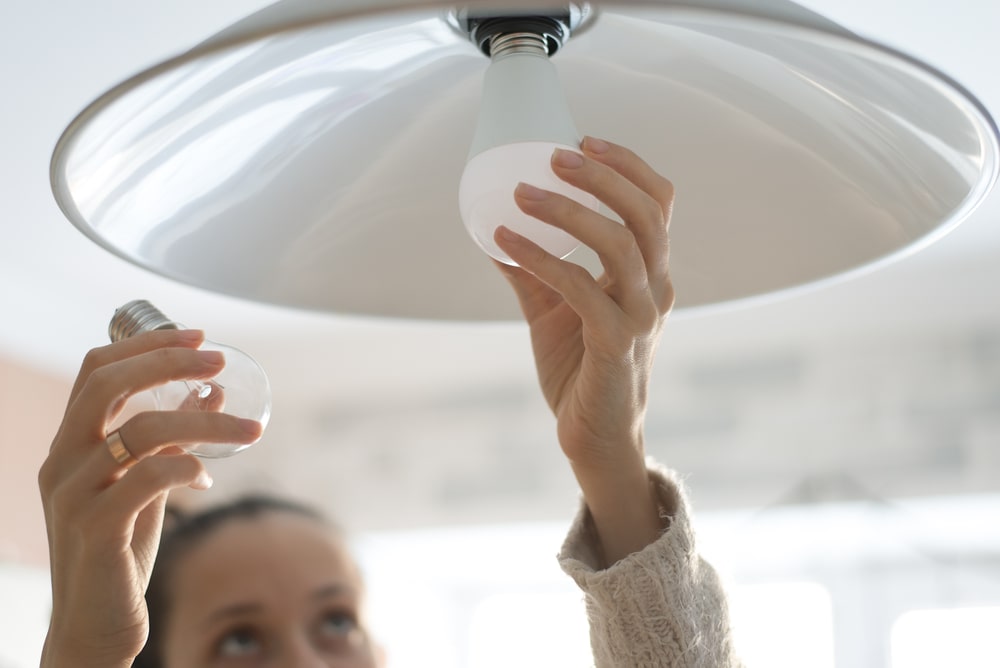
US States Matching Global Moves to Efficient Lighting
The ongoing revisions to the US’s federal lighting policies are incrementally raising the required efficiency of bulbs being sold on the market, slowly edging out the most inefficient and polluting products; however, there is an immediate opportunity to shut the door on costly lighting technologies.
“There is global momentum around the LED transition and US states are leading the pack,” said Ana Maria Carreño, Senior Climate Director at CLASP. “A national clean lighting policy would benefit every household and business across the US and help usher in the next generation of energy and cost-efficient lighting, while preventing further mercury pollution.”
At the recent Minamata Convention Fifth Conference of the Parties (COP5), countries agreed to phase out fluorescents globally by 2027. As the US is a party to the Convention, both state and federal action will be crucial to carrying out the decision nationally.
More states are signaling interest in passing their own clean lighting bills in upcoming legislative cycles. The CLASP lighting experts are watching closely to see when federal action will take advantage of the multifaceted benefits of an all-LED future.
__
CLASP and the Appliance Standards Awareness Project (ASAP) would like to thank the nearly 200 state advocate organizations who are making the clean lighting transition a reality across the US, including the clean lighting champions at:
- Blue Planet Foundation
- Environment Oregon
- Fresh Energy
- Green Energy Consumers Alliance
- Hawaii Energy
- Illinois Public Interest Research Group
- Massachusetts Public Interest Research Group
- Mercury Policy Project
- National Product Stewardship Council
- Natural Resources Council of Maine
- Northwest Energy Coalition
- Responsible Purchasing Network
- Southwest Energy Efficiency Project
- Vermont Public Interest Research Group
International Day of Light – How to Select the Best LED Bulb
Access to reliable, efficient lighting creates a better, brighter future for communities as learning, work, sport, and quality time together is not limited by the sun’s schedule. The universal need for quality, affordable lighting parallels the global market’s rapid transition to all light emitting diode (LED) lightbulbs. Today CLASP marks International Day of Light, by having our efficiency experts provide tips to select the best LED for your home or place of work.
1. Prioritize efficiency
LEDs are the most efficient lighting technology available – 40% more efficient than fluorescent lamps. Efficiency is measured in lumen per watt (lm/W), or amount of light per amount of electricity used. The more light the bulb can produce per watt, the more efficient the LED.
For the biggest cost savings and positive environmental impact, prioritize bulbs with an efficiency of 90 lm/W or above. To see how a particular LED’s efficiency stacks up to the market, look for a national energy label on the package.
2. Consider cost-effectiveness and lifespan
Higher efficiency means lower operating costs over the lifetime of the lamp – so a higher price for an efficient bulb is offset by the money saved over the LED’s use. CLASP’s research indicates that the payback period for LEDs (i.e., when the energy bill savings outweigh the upfront purchase cost of the bulb) is often only a few months, and in some cases it is instantaneous.
LEDs have a long lifespan – up to 2-3 times longer than fluorescent options. By investing in higher quality LEDs for your home or work, you can reduce the number of replacements bulbs needed in the future.
3. Select the right LED to replace obsolete lighting
Making the transition to LEDs from obsolete lighting technologies like fluorescents or incandescent should be smooth – an LED drop-in replacement that fits into your existing socket is available for the vast majority of uses. In the rare case a drop-in LED will not work for you, talk to your local electrician – there are simple, inexpensive solutions on hand.
4. Pick your favorite color
LED lightbulbs come in a wide array of color temperatures, hues, and brightness levels. Look for details on the packaging about the lamp’s aesthetic to pick the best option for your home or work. An added bonus in some markets: unlike their fluorescent counterparts, many LEDs now can change colors and sync to your WiFi system for control via your smartphone.
CLASP Chosen to Lead Initiative with Potential to Bring Clean Energy to Millions
Kigali, Rwanda – At the Transforming Energy Access (TEA) Forum in Kigali, Rwanda this week, CLASP was announced as the new host and manager of the Energy Access Institutions Facility, an initiative that seeks to provide core funding and technical assistance to organizations who accelerate access to life-changing, off-grid energy to millions of people around the world.
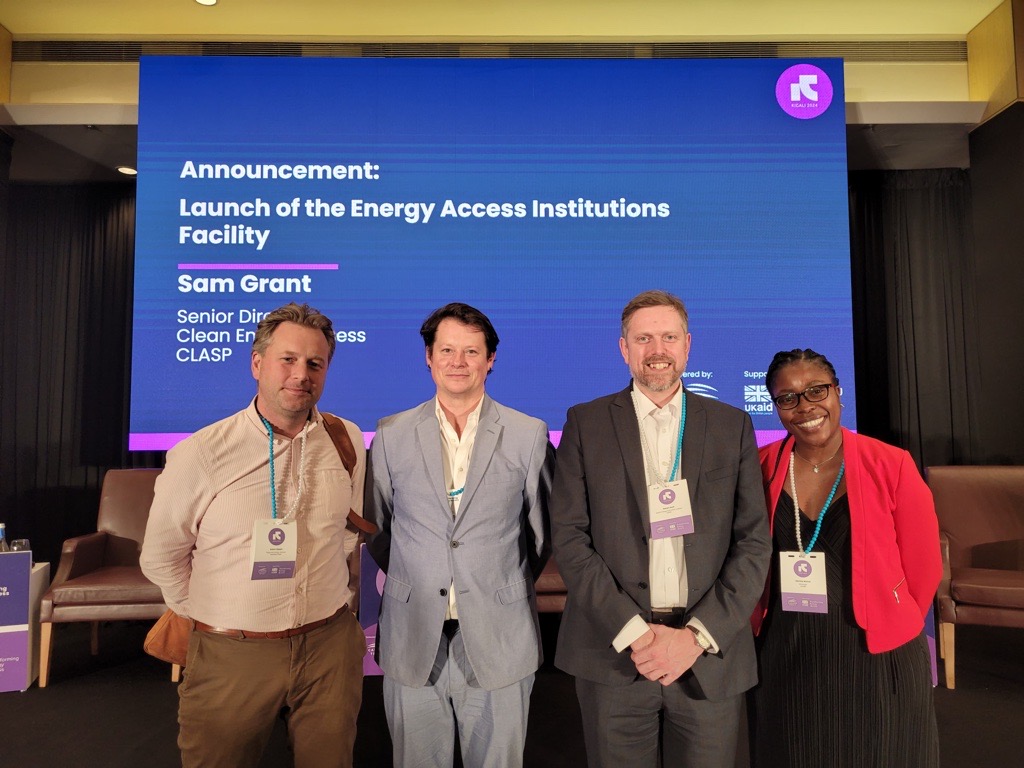
Over the next five years, the Facility’s vision is to deploy $25 million USD to a portfolio of five to ten impactful organizations, known as “market institutions”, that are working to grow the distributed renewable energy (DRE) sector. DRE systems are stand-alone, off-grid energy solutions that generate and distribute renewable energy without needing to be connected to the main grid. Expanding this sector has the potential to transform lives and livelihoods by increasing incomes, empowering women, enhancing educational opportunities, improving healthcare, reducing food waste, avoiding greenhouse gas emissions, and much more.
The Facility’s growing portfolio of organizations is expected to have reach across several countries in sub-Saharan Africa and South Asia, potentially increasing the delivery of renewable off-grid energy to millions of people from low-income communities.
Market institutions that support the following will be eligible to apply to the Energy Access Institutions Facility:
- Clean cooking solutions
- Energy efficient appliances and equipment
- Productive Use of Energy
- Standalone solar systems
- Micro grids and mini grids
This Facility is a result of multiple years of funding and commitment by the UK’s Foreign, Commonwealth and Development Office (FCDO) and the UK charity Shell Foundation (SF), and two years of incubation and development managed by Open Capital. FCDO and SF provided $5.5 million USD in seed funding to the first tranche of market institutions to prove this concept.
In the Facility’s first year, five market institutions, including the Africa Minigrid Developers Association (AMDA), Ethiopia Energy Market Accelerator (EMA), GOGLA, Nigeria Off-Grid Market Accelerator Programme (NOMAP), and the Uganda Off-Grid Market Accelerator, were the first grantees.
The Swedish International Development Cooperation Agency (Sida) has recently announced its commitment to providing approximately $4.5 million USD in funding for this next phase led by CLASP. This support will enable the Facility to disperse further funding to another round of market institutions and accelerate the Facility’s growth. In the coming months, CLASP is committed to securing additional funding from donors who have already indicated an interest in this impactful initiative.
Anders Arvidson, Senior Advisor and Team Lead in Sida’s Power Africa Team, noted:
“The Facility’s vision of accelerating access to clean energy for the world’s lowest-income people strategically aligns with Sida’s mission to reduce poverty around the world by partnering with the private sector in support of market development and mobilization of capital. We are proud to offer our support to take this initiative to its next phase, and to accelerate necessary growth in the clean energy sector. We look forward to working closely with CLASP to realize this vision.”
CLASP was selected because of the organization’s 25-year tenure as the leading, global organization advancing affordable, efficient appliances to mitigate climate change and help communities adapt and thrive. CLASP has proven expertise managing similar programs, including serving as the co-secretariat of the Efficiency for Access Coalition, an initiative supporting off-grid appliance market research and innovation; and as Operating Agent for the Super-efficient Appliance and Equipment Deployment (SEAD), a $20 million initiative under the Clean Energy Ministerial. CLASP also manages the Productive Use Financing Facility, a $6.5 million financing facility to catalyze the uptake of productive use appliances across East, West and Central Africa.
Christine Egan, CEO at CLASP, reflected on how the Energy Access Institutions Facility would push for real impact in the sector:
“The Energy Access Institutions Facility is positioned to impact and enhance millions of lives at a critical moment for sustainable development and global climate ambition. Exponentially increasing the number of people using off-grid, renewable energy and appliances will be a livelihood game changer in regions where access to traditional grid electricity is insufficient or non-existent. CLASP is committed to serving the sector and partnering with essential energy access institutions to deliver and scale collective impacts.”
In the coming months, CLASP will communicate opportunities for involvement and next steps for market-enabling organizations who are interested in participating, as well as donors who are interested in further supporting the Facility.
About the Facility
The Energy Access Institutions Facility is a joint donor initiative to support and strengthen the institutions that are essential for the achievement of Sustainable Development Goal 7, universal access to affordable, reliable, sustainable, and modern energy by 2030. The Facility is supported by the Swedish International Development Agency (Sida) and UK aid via the Transforming Energy Access (TEA) platform.
Learn more about the Facility.
About CLASP
CLASP is the leading global authority with 25 years’ expertise on how appliance efficiency drives climate mitigation, adaptation and improves the lives and livelihoods of people. An international nonprofit with offices on four continents, CLASP collaborates with policymakers, appliance manufacturers, and leading experts to deliver sound policy recommendations, innovative tools, groundbreaking research, and clear pathways to a more sustainable world for people and the planet.