
Cooling India: Energy-Efficient Fans for a Greener Tomorrow
This article was originally published in Energy Efficiency Services Limited’s quarterly newsletter by Bishal Thapa, Senior Director – CLASP.
In India, nearly 41 million units of ceiling fans are sold every year, making them one of the largest-selling cooling appliances. However, only three in every 100 households use energy-efficient ceiling fans. As the nation grapples with sweltering summers, energy-efficient and affordable fans are essential for reducing energy consumption and greenhouse emissions; cutting energy costs; and promoting sustainability.
In a country that faces hot summers every year, cooling solutions are not a luxury but a necessity. Nearly 41 million ceiling fans sold every year in India, making it the second most commonly found service product in Indian households1. These fans account for a significant 20% of India’s residential electricity consumption. However, almost 97% of these fans are not energy-efficient and lead to high energy consumption, increased greenhouse emissions, and inflated energy bills.
India’s demand for cooling solutions is expected to increase ninefold between the years 2018 and 2037, contributing to a fivefold increase in energy consumption under a business-as-usual approach as per the India Cooling Action Plan (ICAP). This surge in demand will place considerable strain on existing electricity systems and require certain additions that will result in higher emissions.
The Opportunity Gap
There is a massive opportunity for making India’s ceiling fan market more energy-efficient. This will yield benefits for the environment, consumers, and ultimately the nation’s energy consumption. With this view, India’s Bureau of Energy Efficiency made it mandatory in 2022 for ceiling fans to be manufactured with star-rating labels. Fans with 5-star rating consume up to 50% less power as compared to unlabeled or lower-starred fans.
The Collaborative Symphony of Progress
Just like the blades of a fan run in unison to produce a cooling breeze, a similarly harmonious synergy of parts is required in the form of collaborations to cool India sustainably. The government, fan manufacturers, and other stakeholders are like the three blades of a fan, each with a crucial role to play in achieving energy efficiency.
Government: Setting the Pace
With the Bureau of Energy Efficiency’s integral policy on raising the efficiency of fans and enabling market transformation, EESL launched an initiative to encourage the adoption of ten million energy-efficient fans in India. This initiative aligns perfectly with ICAP’s mission, underlining a strong commitment to a greener future. India is projected to have a stock of 700 million ceiling fans by 2037-38. Ensuring that these units are energy-efficient will alone reduce the country’s energy consumption by almost 15%, helping the country achieve its climate ambitions.
Manufacturers: Crafting Innovation
Fan manufacturers are responsible for transforming policies into tangible solutions. Under the Bureau of Energy Efficiency’s mandatory star-label policy for ceiling fans, manufacturers are increasingly designing and producing energy-efficient fans that adhere to these standards without compromising performance. These fans not only reduce electricity consumption but also highlight the innovation potential of Indian manufacturing.
A Unified Movement led by Stakeholders
The stakeholders in this energy efficiency movement include consumers, retailers, and advocacy groups, among others. Their collective involvement is of paramount importance. By choosing energy-efficient appliances, spreading awareness, and advocating sustainable choices, these stakeholders can generate a groundswell of change, magnifying the impact of their efforts.
Collaborating for a Cooler Tomorrow
With various forces coming together to address the growing demand for cooling solutions, EESL has joined hands with CLASP and other civil society partners through a Memorandum of Understanding signed at the 14th Clean Energy Ministerial in July 2023, to bring about substantial change. EESL’s vision to deploy ten million energy-efficient fans across India, if realized, has potential to significantly bring down energy consumption. With technical expertise and market transformation strategies provided by CLASP, this collaboration is a beacon of hope for a sustainable cooling revolution.
As temperatures rise, so do the energy requirements of cooling appliances. The need for sustainable cooling is thus non-negotiable. EESL’s collaborative effort paves the way for other players in the ecosystem to unite in achieving India’s sustainable cooling goals. The government, manufacturers, and stakeholders – like the three blades of a fan – must collaborate and complement each other to enable a greener, cooler tomorrow for India. Through energy-efficient fans and unwavering commitment to sustainability, India can usher in an era of responsible cooling that benefits both its present and future generations.
Net Zero Heroes: Scaling Efficient Appliances for Climate Change Mitigation, Adaptation & Resilience
Efficient appliances, lighting, and equipment are critical climate solutions, situated at the nexus of mitigation, adaptation, and sustainable development.
However, not enough is being done to maximize their benefits. In this report, CLASP lays out actions that must be taken by 2030 to put the world on a pathway to net zero emissions and enable a just energy transition. Our research identifies the ten appliances most vital to meeting global climate mitigation targets and improving people’s lives: the Net Zero Heroes.
Visit the Net Zero Heroes site to read and download the report.
Getting Appliances Back on Track: Assessing Progress Towards Global Energy Efficiency Commitments
At the United Nations Framework Convention on Climate Change (UNFCCC) 26th Conference of the Parties (COP26) in 2021 in Glasgow, Scotland, 15 countries signed onto the Super-efficient Appliance and Equipment Deployment (SEAD) Initiative Appliance Efficiency Call to Action—estimated to be the largest energy efficiency commitment ever. The 15 signatories pledged to double the energy efficiency of four priority product categories by 2030: air conditioners (ACs), lighting, electric motors, and refrigerators, which collectively account for more than 40% of global electricity consumption.
“Getting Appliances Back on Track: Assessing Global Efficiency Progress,” evaluates economies’ progress toward the goal of doubling product efficiency, including the 15 signatories plus four top-emitting economies. The report also provides insight into the leading policy levers for accelerating appliance efficiency efforts – including examples of effective implementation of key interventions like minimum energy performance standards (MEPS) and appliance energy labeling.
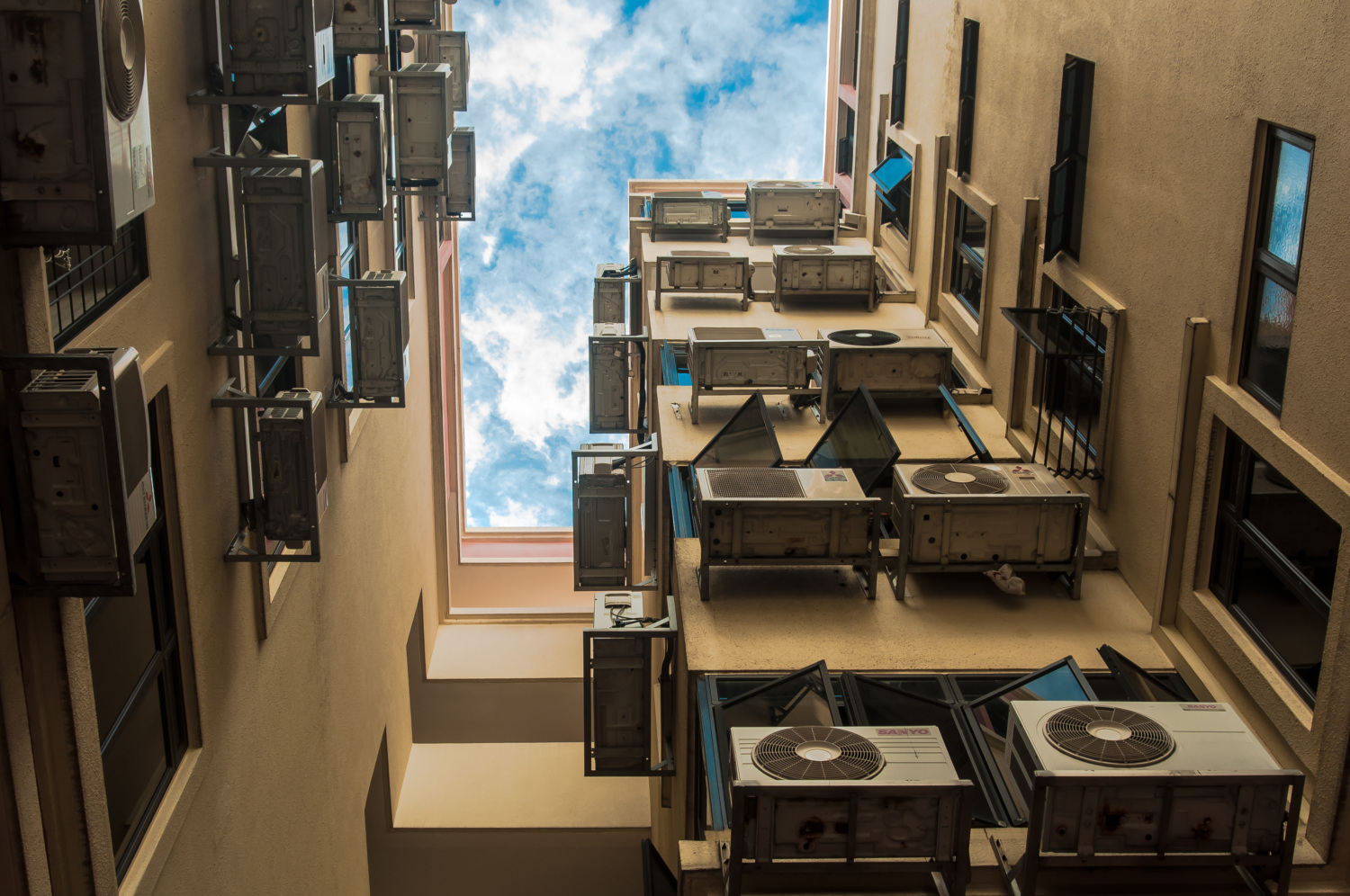
15 signatories pledged to double the energy efficiency of four priority product categories by 2030: air conditioners (ACs), lighting, electric motors, and refrigerators, which collectively account for more than 40% of global electricity consumption.
“Getting Appliances Back on Track” offers valuable analysis to economies already committed to prioritizing appliance energy efficiency, and illustrates a path toward success for governments interested in joining as a Call to Action signatory.
This report continues analysis from World’s Best MEPS, which provided a snapshot of the stringency of minimum energy performance standards (MEPS) for key products across top-emitting economies.
“Getting Appliances Back on Track” is the first publication of CLASP’s #NetZeroHeroes COP28 digital campaign, which will shine a light on the critical role of appliance energy efficiency in the lead-up to climate discussions at COP28.
2023 Tech Trends in Energy Access
Building upon the insights presented in Efficiency for Access’ 2021 Solar Appliance Technology Briefs, this Tech Trends series provides a window into the rapidly evolving appliances markets. This series synthesizes technical, impact and market research done by Efficiency for Access and partners into a digestible snapshot. It offers valuable insights into emerging trends and opportunities across various off-grid appropriate appliances that are most relevant to catalyzing energy access and achieving the Sustainable Development Goals, along with a focus on identifying critical areas that require attention, complemented by specific recommendations.
The technologies covered in this series encompass:
- Electric cooking (e-cooking)
- Fans
- Refrigerators
- Solar mills
- Solar water pumps
- Walk-in cold rooms
We will be releasing the appliance market summaries successively over the next few months.
This comprehensive series aims to inform future strategies of industry stakeholders, providing a clear understanding of the market’s trajectory. It serves as a valuable, quick-read resource for a diverse audience, ranging from interested donors and newcomers to the appliance sector to seasoned industry players seeking a convenient reference for sharing with their respective networks.
Download the 2023 Tech Trends in Energy Access technology briefs.
About Efficiency for Access
Efficiency for Access is a global coalition working to promote renewable and energy efficient appliances to deliver clean energy to the world’s poorest people. It is coordinated jointly by CLASP and the UK’s Energy Saving Trust.
Market Assessment Report for Table & Wall-Mounted Fans in India
Table and wall-mounted fans are common appliances for circulating cool breezes and regulating temperatures. Due to their portability and affordability, they are in high demand in India.
India’s fan industry generates over 60 million units annually, valued at around INR 8,000 crores (USD 1.07 billion; 2018–19), projected to exceed USD 2 billion by 2023. Growing presence of organized retail outlets, increasing spending power, and rising preference for online sales platforms and modular homes are expected to boost demand for electric fans in India over the coming years. This will be further boosted by the India Cooling Action Plan, which was launched in 2019 and has a long-term vision to address cooling demand across sectors.
Given the opportunity to mitigate greenhouse gas emissions and reduce energy consumption, CLASP collaborated with ICF Consulting India Pvt. Limited to conduct a thorough market assessment and technical analysis of table and wall-mounted fans. The study covers product sales, import and export trends, available Indian test standards and test facilities, international labeling program comparisons, and recommendations to the Bureau of Energy Efficiency (BEE) for transitioning to a mandatory energy efficiency program.
The team reached out to relevant stakeholders and key industry players with structured questionnaires and in-depth interviews, providing the following insights:
- Manufacturing of table and wall-mounted fans increased from FY 2018-19 to FY 2019-20, followed by a decline in FY 2020-21 due to the COVID-19 pandemic.
- Significant proportion of the current table and wall-mounted fan market in India is met through imports due to:
- high domestic costs for raw materials
- high domestic fuel costs
- competitive pricing of Chinese-manufactured fans (15%-20% cheaper)
- Fan exports have been growing at a compound annual growth rate of 5%.
- Fan models are categorized based on their sweep size. The highest market demand and manufacturing are observed for fans with a 400 mm sweep size (81%).
- Indian market offers 65+ manufacturers, 1,000+ variants of these fans with varying sweep sizes.
BEE has made the table and wall-mounted fan labelling program voluntary from March 1, 2023 to December 31, 2024.
As per the analysis, it is estimated that India’s fan market could reach 11.1 million by 2030. Implementation of the policy is projected to save 1.8 TWh electricity and 1.5 MtCO2 emissions.
Quantifying Appliance Access Gaps for a Climate-Resilient Africa
Energy-efficient appliances, lighting and equipment are key to climate-resilient development. Sitting at the nexus of three global priorities—climate change mitigation, climate change resilience, and sustainable development—efficient appliances can help lower greenhouse gas emissions globally and improve the quality of life for the 3.6 billion people living in regions that are highly vulnerable to climate change.
This report makes the case for prioritizing appliances in efforts to promote climate resilient development. It estimates appliance access gaps at the national level in Africa for five appliances: refrigerators, televisions, fans, air conditioners, and solar water pumps. The report closes with a summary of what is needed to bridge existing access gaps for African nations. Read the full report to learn more.
A full analysis of global appliance access gaps for ten appliances will be presented in CLASP’s forthcoming Net Zero Heroes report, scheduled for publication in late November 2023.
Catalyzing India’s Transition to Energy-Efficient Fans
In the past year, India faced some of its highest summer temperatures in 122 years. Extreme heat poses a threat to the country’s productivity, health, and energy security as the country’s cooling demand continues to expand. To keep cool, 90% of India or 1.2 billion people use a fan in their homes – more than the combined population of USA, Japan, the EU region, and Canada. However, only 3% use energy-efficient fans. Higher-efficiency ceiling fans hold the potential to reduce greenhouse gas emissions, consume lesser electricity, and save electricity costs for consumers.
Earlier last month, CLASP and Energy Efficiency Services Limited (EESL) hosted a workshop on ‘Strategies to Increase Adoption of Efficient Fans in India’, bringing together government agencies, civil society organizations, fan associations and manufacturers, consumer groups, and academia. The objective of the workshop was to facilitate a discussion on mass deployment of energy-efficient fans in the Indian market and the role of various stakeholders in driving market transformation.
“For millions in India and around the world, fans differentiate a good night’s rest from a bad one. Or in extreme cases, fans can be the difference between life and death”, noted Bishal Thapa, Senior Director – India, CLASP as he highlighted the importance of fans for efficient and affordable cooling at the inauguration of the event.
What makes fans important in India?
- Nearly 60 million units of ceiling fans are sold every year, make it one of the most sold cooling appliances
- Ceiling fans alone accounted for ~40% of India’s residential electricity consumption in 2021, and this number is expected to remain significant at 32% in 2030
- India’s electric fan market is expected to cross INR 16,000 crore (USD 1.95 billion) by 2027-28
With the growing popularity of ceiling fans, India’s Bureau of Energy Efficiency (BEE) upgraded the Standards and Labeling (S&L) program for ceiling fans to a mandatory category in 2023. Today, all ceiling fans in India must display an energy efficiency star rating label. This initiative will ensure that vulnerable populations have access to affordable ceiling fans, while reducing carbon emissions.
“Aggregating demand and collaborating with manufacturers to increase supply of energy-efficient fans will help drive market transformation”, observed Milind Deore, Secretary, BEE.
To drive market transformation, EESL launched an initiative in 2023 to deploy 10 million energy-efficient fans in the Indian market. By transitioning the entire stock of residential ceiling fans, India could save 15% of its residential power consumption annually. This is also in line with India’s commitment to achieving net-zero carbon emission by 2070.
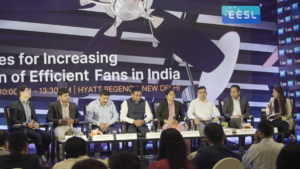
The workshop included two panel discussions that explored opportunities for growth in India’s fan supply chain and the potential routes for market transformation. The panels consisted of representatives from BEE, EESL, government agencies, manufacturers, think tanks, NGOs. The rich and engaging discussions were well received by over 150 attendees in person.
Pravati Samal, Director – Bureau of Energy Efficiency (BEE), highlighted the profound emotional attachment that rural Indians have towards their older ceiling fans. Despite the minimal cost to upgrade to a more efficient model, the sentimental value of these fans often overshadows considerations of energy efficiency.
Key takeaways from the discussion included:
- Combining education, awareness, and dialogue, will be essential to striking a balance between cultural sentiments and the pursuit of energy conservation
- Replacement value must be passed onto those who upgrade to energy-efficient models
- Awareness and targeted messaging must be designed for relevant consumer groups
- Dedicated platforms must be created for consumers and manufacturers
- Subsidies and incentives must be granted to fan manufacturers
- CSR funds should be used to increase awareness
This workshop included a live demonstration of fans of various star ratings running through the course of the event. The conventional, 3-star, and 5-star fans provided participants to practically understand the difference that efficiency can have on energy consumed and cost incurred by ceiling fans.
Lesser energy consumption of ceiling fans will result in fewer resources used, reduced energy generated, energy costs saved, and consequently, will mitigate emissions exponentially. Energy-efficient fans in India can help extend critical cooling to people, especially those vulnerable to rising temperatures without access to to cooling appliances.
Market Assessment for Pedestal Fans in India
Pedestal fans are used for various purposes in residential, commercial, industrial, office spaces, warehouses, and institution settings due to their portability. They are common appliances for circulating cool breezes and regulating temperatures.
India’s fan industry generates over 60 million units annually, valued at around INR 8,000 crores (USD 1.07 billion; 2018–19), projected to exceed USD 2 billion by 2023. Growing presence of organized retail outlets, increasing spending power, and rising preference for online sales platforms and modular homes are expected to boost demand for electric fans in India over the coming years. As cooling demands increase, the usage of pedestal fans will grow.
Given the opportunity to mitigate greenhouse gas emissions and reduce energy consumption, CLASP collaborated with ICF Consulting India Pvt. Limited to conduct a thorough market assessment of pedestal fans in India. The study covers product sales, import/export trends, available Indian test standards and test facilities, international labeling program comparisons, and recommendations for the Bureau of Energy Efficiency (BEE) in developing a mandatory energy efficiency program for pedestal fans in India.
The team conducted in-depth interviews with key stakeholders and used structured questionnaires to provide the following insights:
- Manufacturing of pedestal fans increased steadily between FY 2018-19 to FY 2019-20. Followed by a decline in FY 2020-21 due to the COVID-19 pandemic.
- Export for pedestal fans has been increasing at a compound annual growth rate of 8%.
- The Indian market has over 50 manufacturers offering more than 1000 variants of pedestal fans.
- Significant proportion of the current market demand is met through import from external players due to:
- high domestic costs for raw materials
- high domestic fuel costs
- competitive pricing of Chinese-manufactured fans (15%-20% cheaper)
BEE has made the pedestal fan labelling program voluntary from March 1, 2023 to December 31, 2024.
According to the technical analysis, it is estimated that the Indian market for pedestal fans will grow up to 9.3 million by 2030. Transitioning of the policy is expected to save an estimated 4.4 TWh of electricity and reduce 3.5 MtCO2 emissions by 2030.
Energy Efficiency in the Favelas
A new report from Catalytic Communities offers insights into the efficiency of service provision and use in favelas across Rio de Janeiro where inefficiency affects lowest income residents the worst. CLASP provided trainings to the researchers on energy efficiency, helping to craft the survey design and questions.
The data presented in the new report Energy Efficiency in the Favelas reflect the reality of 1,156 families (4,164 people) in 15 favelas from five municipalities across the Greater Rio metropolitan region, and specifically show the relationship between energy and poverty, focusing on the efficiency of service provision and use.
Key Findings
- The lowest-income families make up the majority of those facing energy poverty. 31% of surveyed families experience energy poverty,1 with a disproportionate amount of the family budget going to pay the electric bill.
- 69% of respondents stated that if their electric bill were halved, they would use the money to buy food, which indicates that energy poverty is directly linked to food insecurity for interviewees.
- Air conditioning is responsible for over half (51.4%) of energy consumption in the sample, followed by electric showers (13.8%) and refrigerators (13.6%).
- Energy-saving habits are at a good level across the sample population. Among those interviewed, 78% always remember to turn off the lights when leaving a room and 67% choose LED bulbs.
- Knowledge of energy-efficient appliances and the country’s labeling and assistance programs is low among low-income families: 50.6% state they know what the National Energy Conservation Label (ENCE) means. Of those that know the label, 49.1% state they have bought an electrical appliance based on it being classified in the ENCE A category.
- The Social Electricity Tariff (TSEE) offers discounts on electric bills and provides rewards for energy savings. Approximately 60% of families in the study meet the income criteria for the TSEE, but only 8% state that they receive the benefit. Of the families that meet income criteria to qualify for the TSEE, 90% say they do not receive the benefit.
This report is a follow-up to Water and Energy Justice in the Favelas.
Learn more
0. Energy poverty refers to when an electric bill takes up over 10% of a family’s monthly income (the recommended is below 6.8%).
Water and Energy Justice in the Favelas
The millions of residents in low-income communities known as favelas are feeling the worst effects of the energy crisis in Brazil. Many government programs are ineffective due to structural inequality, gang-related violence, and general distrust of government by residents. As a result, there is often a mismatch between the community’s needs and municipal services. Catalytic Communities, a Rio-based NGO working to provide strategic support to favela organizers, led a research course to train favela youth to perform research and data collection that could be used for political advocacy. CLASP supported training on energy efficiency and its impacts on residents’ quality of life.
The research focused on the impact of minimal energy and water access for favela residents, highlighting the country’s unique relationship to hydroelectric power. Recent droughts — and floods — have led to a decrease in water quality and availability, subsequently affecting power availability and costs. Meanwhile, energy is needed to pump water to homes. Many people in the favelas struggle to choose between keeping the lights on and having enough to eat. Key findings from the report include:
- At least a fifth of interviewees suffer from blackouts at least once a month.
- 68.7% were not aware of Social Electricity Tariff (TSEE), a program aimed at subsidizing electricity costs for low-income households. Only 8% participated in the program.
- Energy as a cost disproportionally affects lower-income families — over 30% are considered to be in energy poverty.
These conditions are only worsening, as energy prices rise and utility companies are unresponsive to service requests. This collectively-produced report outlines recommendations for the government and utilities to improve responsiveness and keep the lights on.
This report precedes a more specialized “Energy Efficiency in the Favelas” report, which will be released 21 April, in advance of Earth Day 2023.
0. Energy poverty refers to when an electric bill takes up over 10% of a family’s monthly income (the recommended is below 6.8%).