To Electrify, Europe Needs Efficient, Demand-Flexible Appliances
Europe's new Electrification Action Plan promises cleaner, more affordable energy. Achieving this requires rethinking energy demand.

Reading time: 3 minutes
The European Union (EU) has set an ambitious course for its clean energy transition. The European Commission’s Electrification Action Plan, which launched in July, aims to nearly double the share of electricity in the continent’s energy system, bringing it from 23% today to 46% by 2040. Achieving this would reduce reliance on imported fossil fuels, strengthen energy security, boost competitiveness, and lower costs.
But this shift to electrification hinges on how power is used across homes, businesses, and systems. Efficient, demand-flexible appliances can provide the foundation that allows the plan to succeed.
Appliance efficiency policy lowers electricity costs and protects power grids
Without efficiency, electrification becomes more expensive. In addition to costing people more to run, inefficient appliances add unnecessary demand to the power system, placing greater pressure on electricity grids. This can require the development of expensive new power infrastructure whose cost is passed on to ratepayers, further driving up electricity bills.
Moreover, the more electricity Europeans use, the more fossil fuels are used to produce it, linking people’s utility bills to volatile oil and gas prices. The dramatic rise in energy demand from data centers is only adding to this challenge.
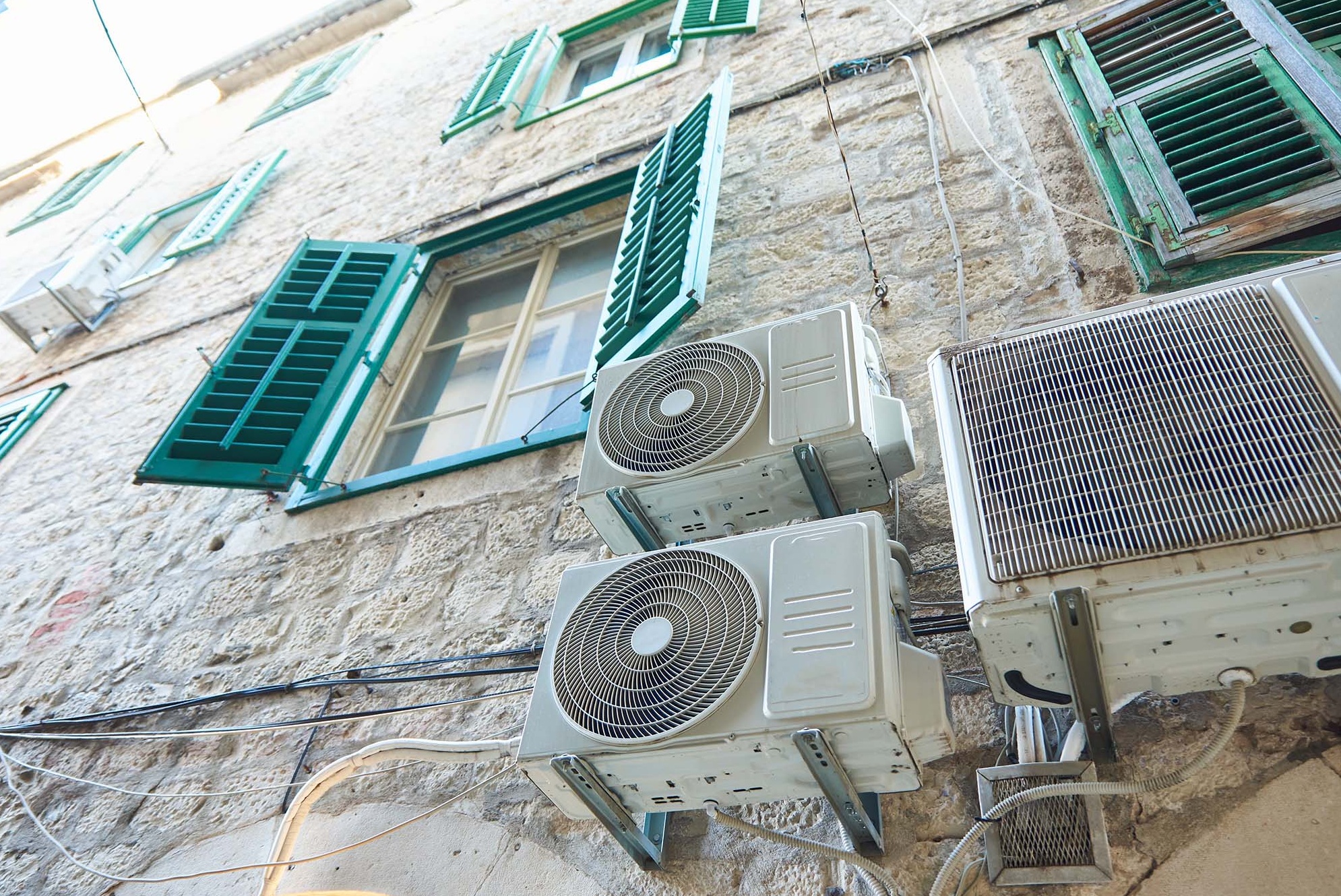
Efficiency is becoming even more crucial as climate change brings more extreme weather events like heat waves, leading to greater use of appliances like air conditioners and fans. As power grids strain to manage these growing loads, inefficient appliances will heighten the challenge, increasing the risk of blackouts.
Credit: Shutterstock
Government action is therefore essential. Appliance policy is a proven, cost-effective solution for increasing the efficiency of the appliances and equipment people rely on every day.
Demand-flexible appliances unlock decarbonization and resilience
Efficiency alone isn’t enough to meet the goals of the Electrification Action Plan, however—Europe’s appliances must also be flexible.
Appliances equipped with smart controls can automatically shift electricity use to moments when renewable generation is abundant or energy demand is lower. This, combined with batteries that feed power into the grid when demand is highest, will enable electrification to unlock decarbonization and resilience. Together with efficiency, these measures can reduce the need for fossil fuel generation while keeping the grid strong when people need appliances most, such as during heat waves.
Analysis from the Regulatory Assistance Project, a global nonprofit focused on the energy transition, shows that many European households and businesses can already benefit from demand-side flexibility through programs designed to help them use electricity when it is cheaper, cleaner, and more plentiful. For example, German company 1KOMMA5° offers an AI-driven service that syncs automatically with home heat pumps to maximize their use of renewable energy.
While most of the programs the Regulatory Assistance Project studied don’t require demand-flexible appliances, these devices make it easier for consumers to participate and take full advantage of flexibility. However, while demand-flexible heat pumps, water heaters, electric vehicle chargers, and other appliances are readily available on the market today, they’re not always easy for consumers to identify. Including information about this feature on Europe’s appliance labels would address this barrier to adoption.
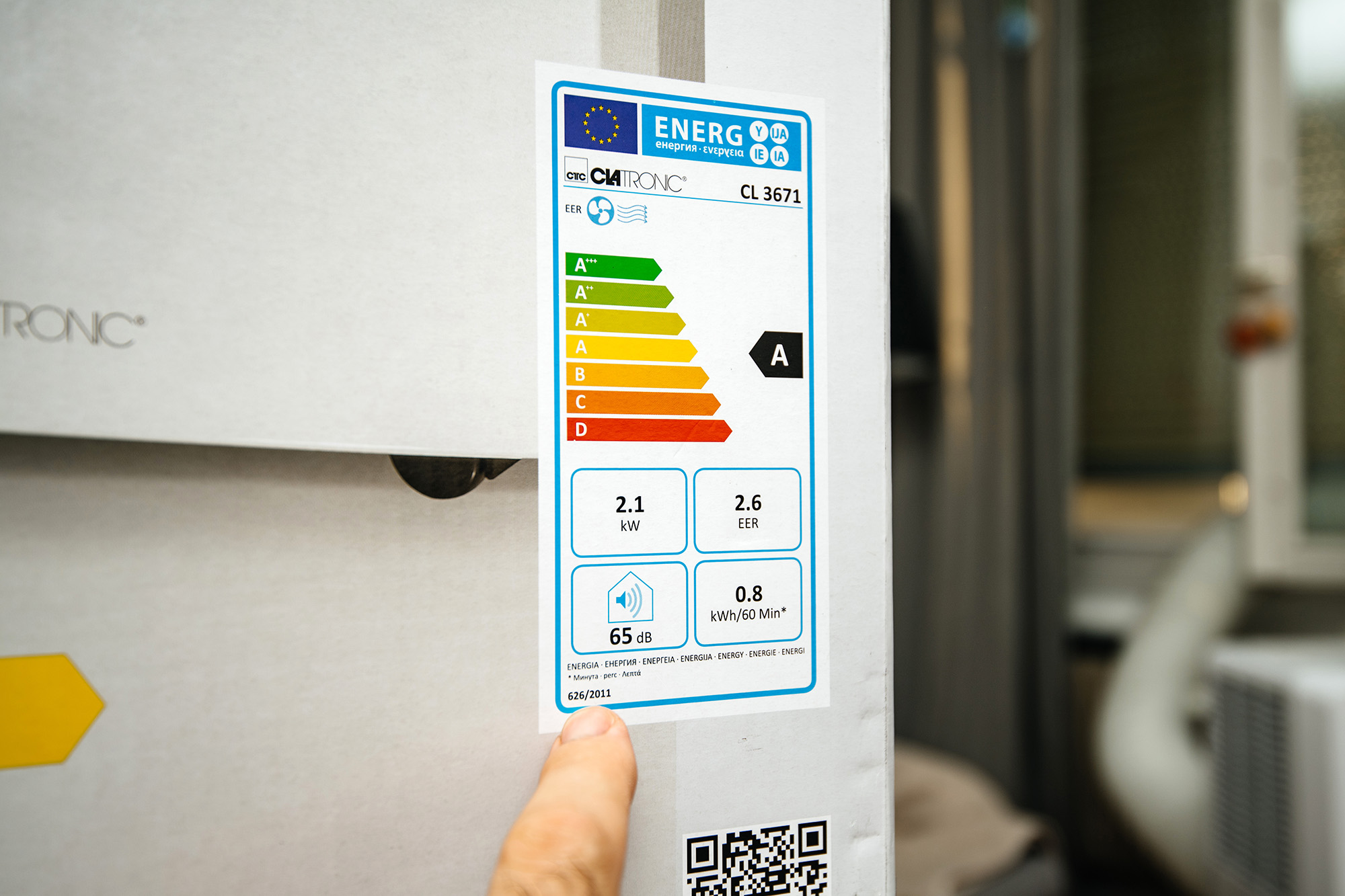
European appliance energy label
Credit: Shutterstock
Importantly, labeling would also help procurement specialists include these appliances in large-scale buys, as well as aid governments in supporting their growth.
A global energy solution
The benefits of efficient, flexible appliances are not limited to Europe. As governments around the world pursue electrification, pairing this activity with ambitious appliance policies can lower costs while building more secure, flexible, and affordable energy systems.