
Agriculture & Appliances
Advances in off-grid, efficient agricultural appliances, such as irrigation systems, cold storage, and processing equipment, support farmers and agri-businesses to improve their yields and farmer livelihoods.

CLASP’s key stats on agriculture
- CLASP’s energy access programs have benefited over 1,100 smallholder farmers.
- A CLASP-led report finds that the solar irrigation sector in Kenya and India alone has the potential to create over 115,000 jobs by 2030.
- A CLASP article highlights that before the introduction of solar mills, farmers lost 30% of their harvest.
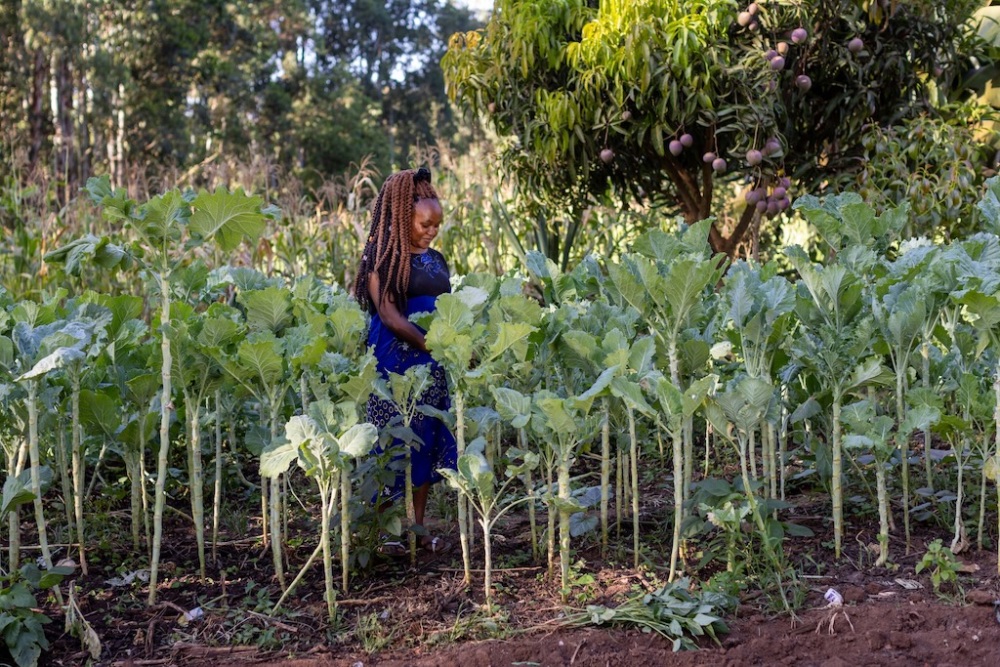
[Photo: CLASP]
How do energy-efficient appliances support agriculture?
Agriculture is the world’s second-largest employer, sustaining the livelihoods of 40% of the global population.1 Many smallholder farms in Africa and parts of Asia have not changed how they grow and harvest food for centuries, and large numbers (estimated at one in seven2 people globally) do not have access to cooling technologies, resulting in food loss and reduced income. In Africa, 65% of farms still rely on manual labor3 to irrigate, harvest, and process their crops.
Modern, solar-powered agricultural equipment, such as cold chain, grain processors, and water pumps, enable farmers with unpredictable or no access to electricity to sustainably increase their yields and reduce food loss with less time and labour. Increasing the agricultural productivity of these kinds of farms has a direct impact on poverty alleviation: a 10% increase in a smallholder farm’s productivity in Africa leads to a 7% reduction in poverty.4
Solar-powered agricultural appliances and equipment also reap multiple climate benefits and enhance food security. According to the Food and Agriculture Organization (FAO), 14% of food is lost in the world’s food supply chain, contributing to 8 to 10% of global greenhouse gas emissions. Equipment such as energy-efficient, sustainable cold chain becomes critical to reducing food loss, improving food security, and mitigating climate impact.
CLASP works to expand access to solar-powered agricultural appliances and equipment to provide farmers the essential services they need to thrive. Through data-driven research, performance testing, consumer awareness campaigns, and awards-based competitions to identify best-in-class technologies, CLASP partners closely with leaders in the agriculture and clean energy sectors to enhance the food security and climate resilience of the world’s most vulnerable regions.
Related News

How does CLASP’s work support agriculture?
Our programs support access to energy-efficient, durable technologies that improve the livelihoods of smallholder farmers, reduce food waste, generate jobs, reduce climate emissions, and improve resilience to climate impacts. CLASP programs and partnerships that have an impact on agriculture include:
Efficient appliances advancing agriculture
CLASP has identified the highest priority appliances, lighting, and equipment that are key to lowering emissions, improving lives, and building resilience to climate risks: these are the “Net Zero Heroes.” The following appliances have a profound impact on agriculture:

Milling, Grain, and Spice Processing
Solar mills offer an affordable, sustainable alternative to diesel-powered mills with numerous benefits for the planet and farmers, especially women and girls.

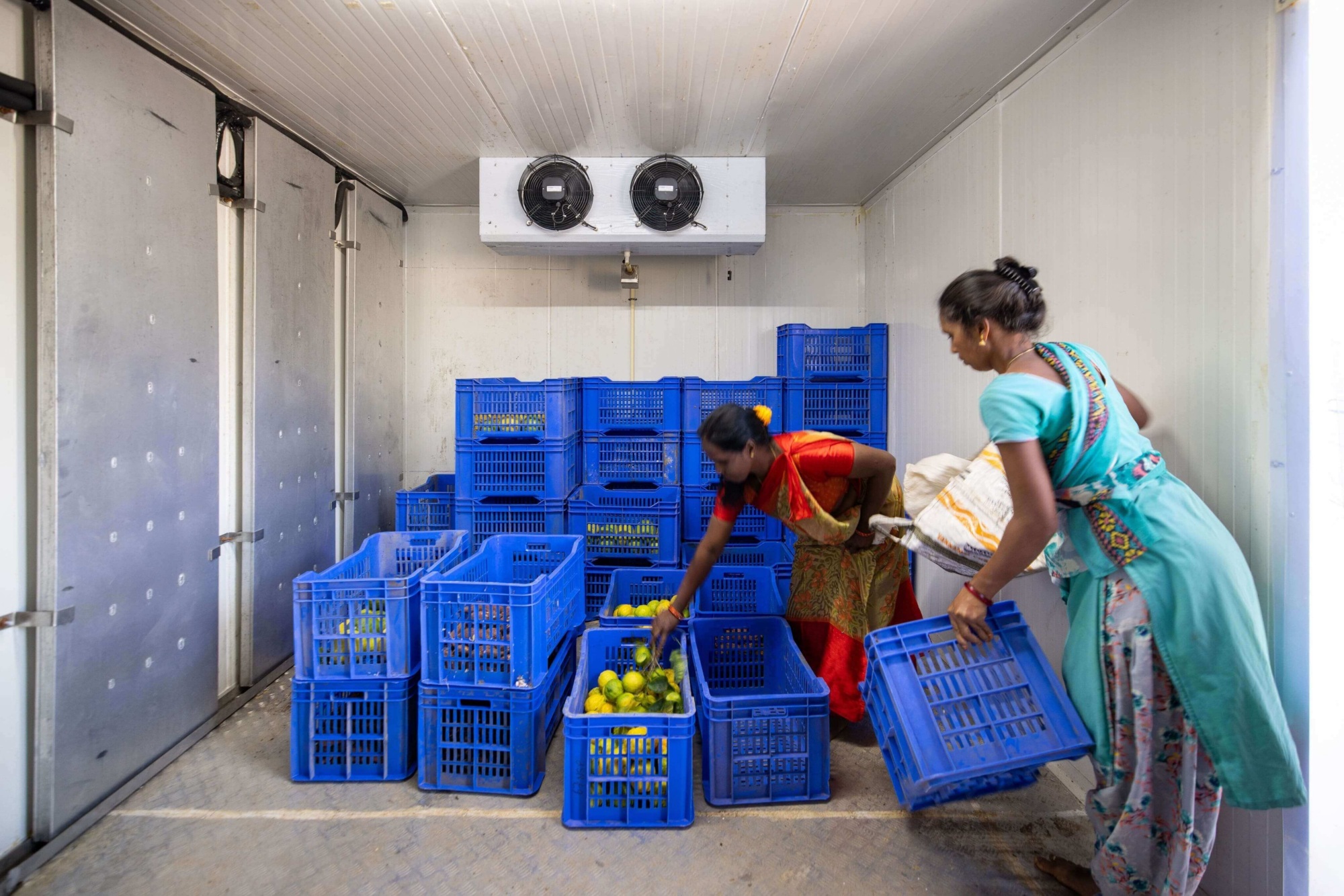
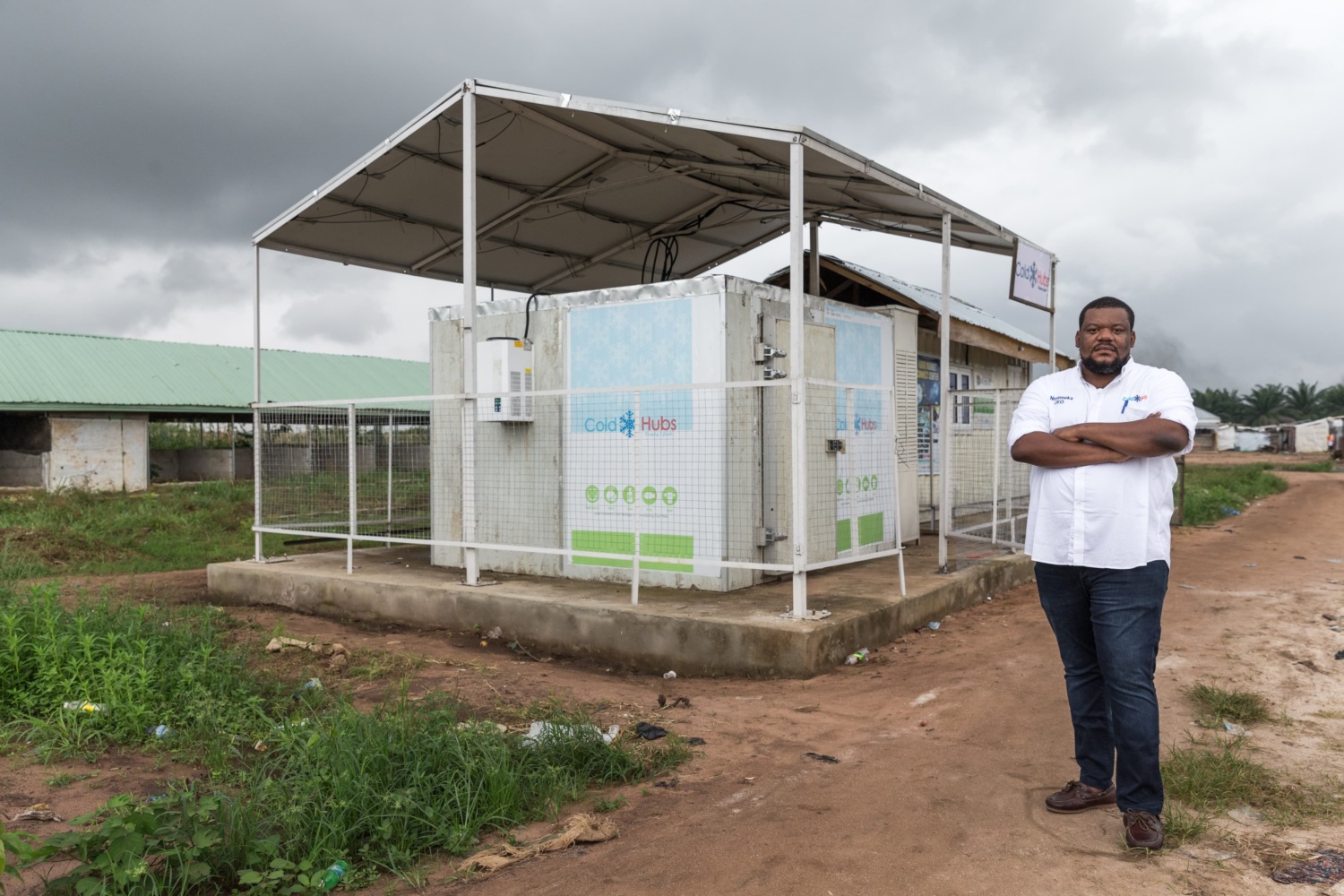
Modern cold chain technology, like solar-powered refrigerators and coolers, is crucial to reducing food loss and improving incomes.

Solar Generators
Solar-powered zero emission generators (ZE Gen) are portable power stations that are used as individual use resources to power things like small businesses, schools, or campsites.
Solar Mini-Grids
Solar mini-grids provide access to clean energy in electricity-constrained regions.
Situated at the heart of the water-food-energy nexus, solar water pumps play a critical role in improving the incomes and resilience of rural households while unlocking environmental benefits.
0. Jim Woodhill et al., “Farmers and Food Systems: What future for small-scale agriculture?”, Environmental Change Institute, Oxford University, 2020. https://www.eci.ox.ac.uk/sites/default/files/2022-05/Farming-food-WEB.pdf.
1. “1 in 7 people globally at high risk due to lack of access to cooling, with numbers set to rise by 2030”, Sustainable Energy for All, May 17, 2020. https://www.seforall.org/news/1-in-7-people-globally-at-high-risk-due-to-lack-of-access-to-cooling#:~:text=For%20those%20living%20below%20the,pan%2DAfrican%20in%20scope.%22.
2. Mukasa, A. et al. “Africa’s Agricultural Transformation: Identifying Priority Areas and Overcoming Challenges”, Africa Economic Brief, Vol. 8 (issue 3), 2017. https://www.afdb.org/sites/default/files/documents/publications/aeb_volume_8_issue_3.pdf.
3. Ritchie, H. “Increasing agricultural productivity across sub-Saharan Africa is one of the most important problems this century”, Our World in Data, April 4, 2022. https://ourworldindata.org/africa-yields-problem#:~:text=To%20escape%20poverty%2C%20farmers%20need,problems%20to%20tackle%20this%20century.