
Paving Pakistan’s Pathway to Efficient Cooling
Pakistan endures some of the highest temperatures in the world, however access to adequate cooling technologies and appliances, vital for health and productivity, remains low. In fact, Pakistan is one of nine critical countries with the highest risk of negative effects from lack of cooling.1
To address this, CLASP and local partner, SAMA^Verte are supporting the Government of Pakistan to develop the first integrated cooling strategy, Pakistan Cooling Action Plan (PCAP) to promote energy-efficient cooling and reduce greenhouse gas emissions.
Goals of the Pakistan Cooling Action Plan
PCAP is being implemented until 2030, with the ambition of fostering a sustainable cooling ecosystem for Pakistan. It aims to manage the growth of cooling-related energy consumption and minimize possible environmental impacts, such as direct and indirect greenhouse gas emissions that are expected to increase by about 25% by 2030, if not addressed. The PCAP will define Pakistan’s cooling ambitions and serve as a national strategy to prioritize and coordinate cooling sector activities by accommodating present and future cooling needs, such as energy efficiency standards, inefficient appliance replacement programs and use of refrigerants with lower global-warming-potential (GWP).

Developing a National Cooling Action Plan
PCAP is a priority for Pakistan’s revised Nationally Determined Contributions (NDCs). NDCs are climate action plans to cut emissions and adapt to climate impacts. Each of the 193 countries that signed up to the UN Paris Agreement in 2015 is required to design and submit these to the UN. Pakistan submitted a plan in October 2021. To establish a baseline of the country’s cooling needs, a comprehensive, data-driven Cooling Needs Assessment (CNA) was conducted by CLASP and SAMA^Verte with support from the Ministry of Climate Change – these findings significantly contributed to the development of PCAP.
To facilitate a collaborative plan and gather inputs from various stakeholders, a PCAP Working Group (WG) was established. Members included representatives from key ministries, provincial departments, industry associations, and SAMA^Verte who identified the main priorities for PCAP:
- Accelerating a national market transition to high-efficiency cooling appliances,
- Moving the cooling sector to lower-GWP refrigerants, and
- Increasing access to areas with no or minimal electricity access.
How will PCAP benefit Pakistan?
PCAP aims to increase access to cooling for more than 3 million people residing in off-grid and weak-grid areas across Pakistan. A complete and timely implementation of PCAP would reduce mitigation by 46 TWh, and mitigate 272 MtCO2e of direct and indirect emissions (from 2024-2030).2
PCAP is being finalized for the submission to the government of Pakistan later in 2023.
The development of the Pakistan Cooling Action Plan is supported by the Clean Cooling Collaborative.
Feature image credits: THETHIRDPOLE/Zofeen T Ebrahim
0. https://www.seforall.org/system/files/2022-07/seforall-chilling-prospects-2022.pdf
1. Comprising 5 Mt CO2e in direct emissions and 23 Mt CO2e in indirect emissions
Boosting Industrial Competitiveness in Pakistan
To counter the cost of living crisis, soaring electricity tariffs, and acute natural gas shortages, Pakistan is embracing energy efficiency solutions including an industrial accelerator program across its economy. This is set to deliver reduced energy costs for consumers, reduced industry costs, and harness previously wasted energy.
Minimum Energy Performance Standards (MEPS) and equipment labels are viewed as key pathways to improving appliance and equipment efficiency in Pakistan. The National Energy Efficiency and Conservation Authority (NEECA) has developed MEPS and labelling policies for several appliances. However, lack of affordable, locally manufactured, energy-efficient appliances has hampered the widespread deployment of these efficiency requirements.
The Great Manufacturing Challenge
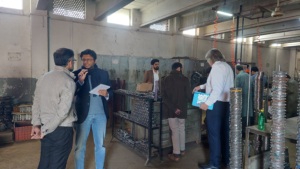
Manufacturing in Pakistan is typically labour-intensive and relies on highly skilled engineers. These skills have traditionally been acquired through on-the-job learning, and knowledge passed between generations, rather than through any formal academic training. While intergenerational knowledge transfer is valuable, it has limited the pace and understanding of new appliance designs, working practices, and production techniques. In fact, a number of local appliances still rely on designs and production techniques drawn from the 1950s and 60s.
The Efficiency Gap: Water Heaters and Electric Motors
The local production of water heaters exemplifies this, with Pakistan-made models operating at 30% lower efficiency than international ones. Another concern is the 50-60% less efficient domestically produced electric motors. The consequence of this lack of technical innovation is appliance inefficiency, increased energy consumption costs for consumers and an energy burden in the national grid. It also hinders access to lucrative export markets for Pakistani manufacturers, as they are unable to produce contemporary appliances that meet international performance requirements.
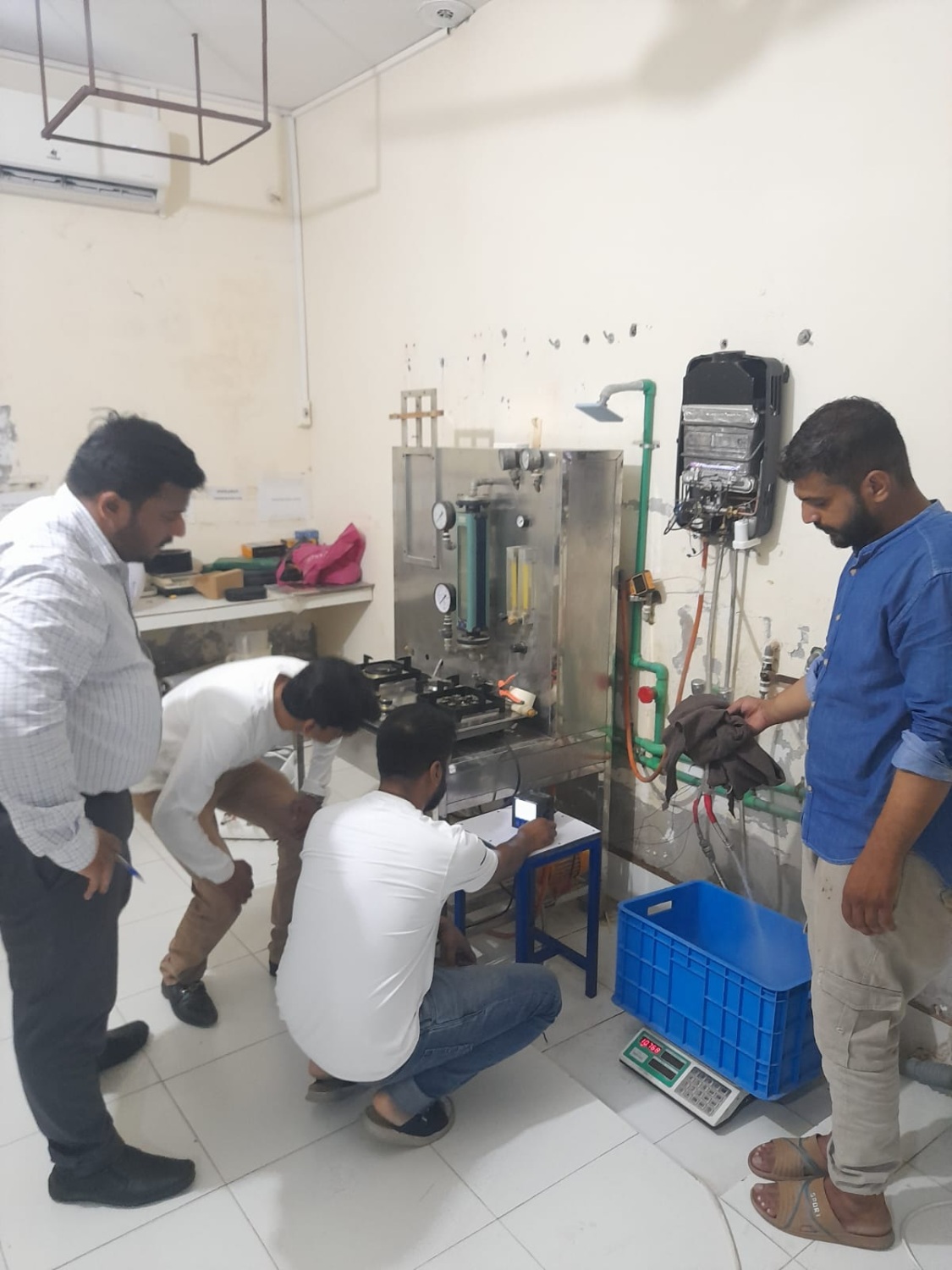
In response to manufacturing challenges, CLASP’s Industrial Accelerator (IA) program has emerged as a transformative initiative in driving the development and production of energy-efficient appliances within Pakistan.
CLASP’s Collaborative Solution: The IA Program
The IA is being undertaken in partnership with several producers from the Motor Manufacturers’ Association, Punjab-based testing facilities and a number of other public and private groups. Initially piloted in water heater and motor industries, the IA program aims to enable manufacturers to produce MEPS-compliant appliances for domestic and international markets.
Leveraging International Expertise
The IA program leverages international production and design experts to collaborate with local industry manufacturers. This is geared towards reimagining product designs, optimizing material sourcing, and revamping production practices – enhancing the energy efficiency of water heaters and motors.
Knowledge Resource Development
A key aspects of the IA program is the creation and dissemination of comprehensive appliance design guides and test briefs based on international standards and best practices.
To foster innovation, the IA program encourages appliance development and testing by manufacturers, nurturing a culture of continuous improvement and enhanced energy efficiency.
The IA program aims to strengthen manufacturer and national laboratory testing capabilities by collaborating with international laboratories – enabling manufacturers to accurately gauge appliance performance and meet energy efficiency standards.
CLASP’s IA program is focused on surpassing MEPS requirements to elevate the industry’s efficiency standards beyond compliance levels. This forward-looking approach equips both the water heater and motor industries to participate effectively in international markets where stringent efficiency standards are the norm.
0. https://www.seforall.org/system/files/2022-07/seforall-chilling-prospects-2022.pdf
1. Comprising 5 Mt CO2e in direct emissions and 23 Mt CO2e in indirect emissions
Punjab’s Sustainable Energy Future: The Energy Endorsement Label
In collaboration with the Punjab Energy Efficiency and Conservation Agency (PEECA), CLASP aims to enhance the Pakistani consumer appliance experience by introducing an innovative Energy Endorsement Label. This label will simplify the selection of energy-saving appliances that cost less to run, saving consumers money and bolstering a more resilient and sustainable national energy system.
“Our partnership with CLASP marks a significant milestone in our journey towards energy efficiency. By working together, we can create a sustainable future for Punjab while ensuring economic growth and environmental preservation.” – Mr. Abdur Rehman, Managing Director at PEECA
As temperatures soar and the national grid faces mounting pressure, the Energy Endorsement Label will play a pivotal role in fostering a more resilient future. According to the Asian Development Bank, Pakistan is expected to experience an alarming increase of temperatures from 3°C to 5°C by the end of the century. Punjab is experiencing some of the worst heat waves, leading to a surge in demand for air conditioning. As one of the highest energy-consuming appliances, the growth in demand for ACs will exacerbate energy consumption and result in higher carbon emissions if the more efficient ACs that are cheaper to run and available on the market now are not clearly labeled and marketed.
Total electricity consumption in Pakistan increased from 116,816 GWh in 2021 to 133,666.000 GWh in 2022 (CEIC). To address this rise, with CLASP’s technical support, PEECA is launching the Punjab Procurement of Energy Efficient Appliances initiative. The first stage of the project encourages government departments and public enterprises to procure energy efficient ACs, motors and fans that meet stringent energy efficiency standards. These ACs are cheaper to run, are far less demanding on the national grid, and reduce carbon emissions. In the second stage, the endorsement label will be rolled out to the public.
The Energy Endorsement Label is destined to become a symbol of recognition for air conditioners, motors, and fans that excel in energy efficiency. The aim is to encourage consumers to make more energy and cost-saving choices, as well incentivize manufacturers to produce more energy-efficient appliances. CLASP and PEECA will also conduct training programs, develop informational materials, and organized workshops to empower retailers, manufacturers, and consumers to support the transition to more energy-efficient appliances in Pakistan.
0. https://www.seforall.org/system/files/2022-07/seforall-chilling-prospects-2022.pdf
1. Comprising 5 Mt CO2e in direct emissions and 23 Mt CO2e in indirect emissions
Powering Up Pakistan: CLASP’s Two-Year Plan to Tackle Energy Crises & Climate Change
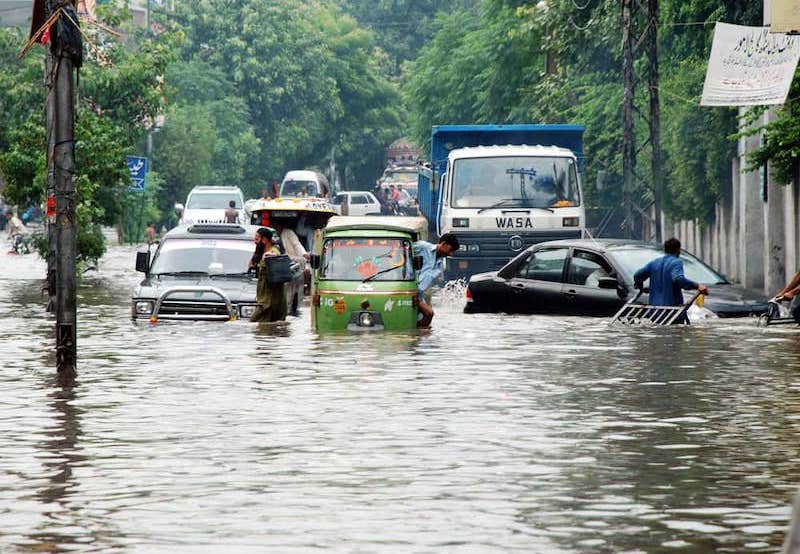
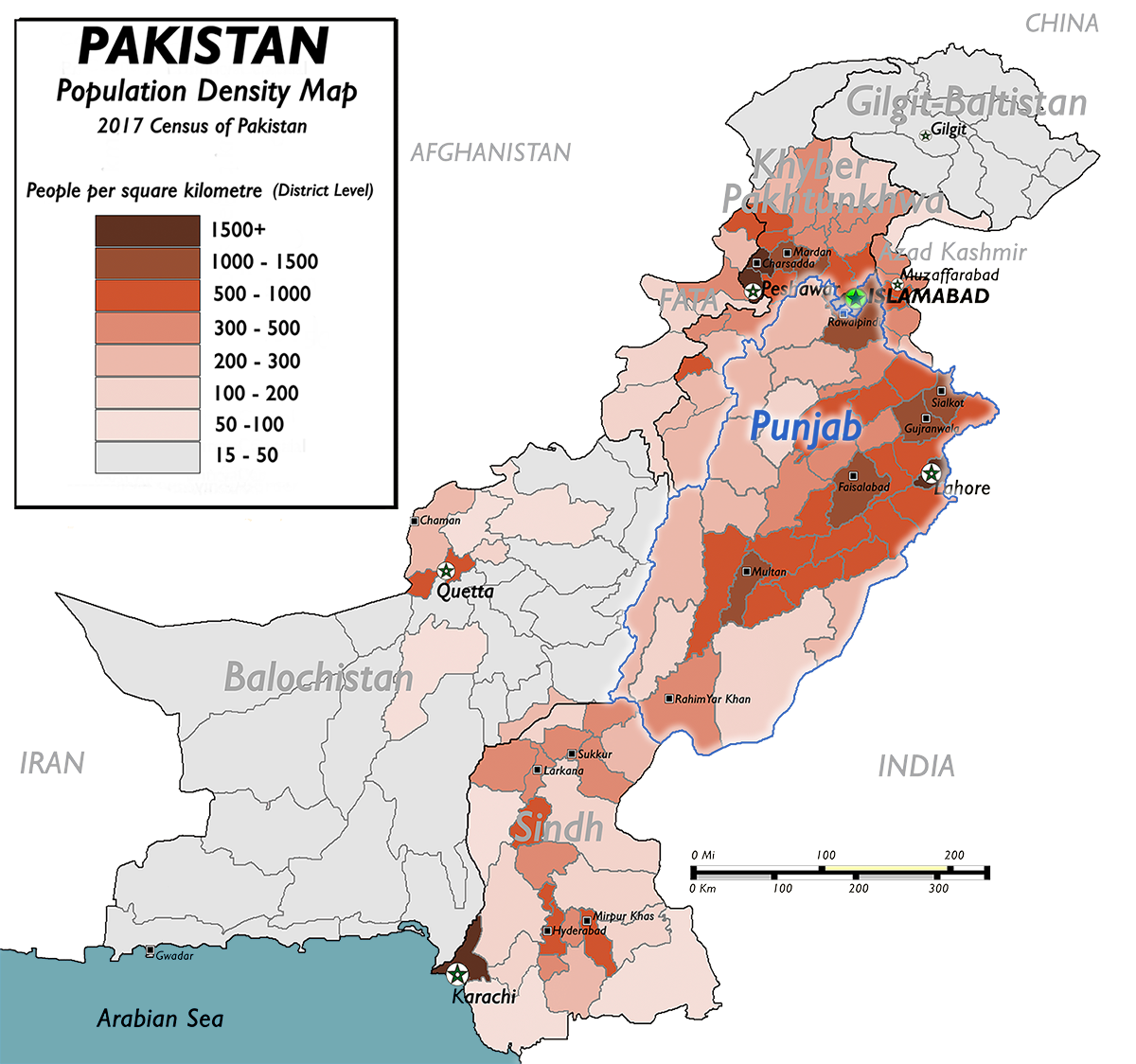
In just the past year, Pakistan has suffered some of the worst consequences of global warming, from record-breaking heatwaves to historic flooding that killed and displaced thousands of people. 25% of Pakistan’s population lives without access to electricity, a crisis that is further exacerbated by dwindling gas reserves and currency challenges that cause frequent blackouts.3 To increase access to energy-efficient, life-changing appliances that can mitigate the worst impacts of rising temperatures, CLASP is collaborating with the Pakistan government, focusing on the Punjab province that is home to 53% of the country’s population.
Compounding Energy & Climate Crises
The country routinely experiences some of the highest temperatures in the world; the Intergovernmental Panel on Climate Change (IPCC) projects a potential further 5.3°C increase for Pakistan by 2100. In 2022, Pakistan experienced an unprecedented heat wave, with recorded temperatures in some parts of the country as high as 49°C, and extreme heat affecting about a third of the land area. Only months later, extended torrential rains flooded one-third of the country, leaving over 6 million people homeless and devastating rural food production.
The climate emergency is compounded by a concurrent energy crisis: over the last year in particular, Pakistan’s dwindling natural gas supply has led to major increases in energy costs, making it difficult for people to afford critical cooling and other energy needs. Energy access remains out of reach for many — around 20% of Pakistan’s population is not connected to the grid, 45% do not have access to a refrigerator, and only 11% have access to an air conditioner.
New 2-Year Program: Interventions to Accelerate Efficiency
Since 2016, CLASP has been working with our local partner SAMA^Verte (previously HIMA^Verte) to advance appliance energy efficiency in Pakistan. Our previous work focused on supporting Pakistan’s National Energy Efficiency and Conservation Authority (NEECA) to develop some of the nation’s first energy efficiency policies, centering around performance standards and informative labeling. CLASP and NEECA introduced the first voluntary labeling system for cooling fans and developed minimum energy performance standards (MEPS) and labeling requirements for various refrigerated appliances, electric motors, and domestic water heaters used in both residential and commercial settings. This work set in motion programs that are projected to cut 20 Mt of CO₂ emissions by 2030.
Our goals for the next two years are to deepen collaboration with regional EECAs, with a particular emphasis on the Punjab province (PEECA), and provide support to industry actors. CLASP will support the creation of procurement regulations for energy-efficient appliances and technical assistance on the construction of test labs that can provide accurate and reliable appliance test results. Additionally, in collaboration with the Clean Cooling Collaborative, CLASP is aiding the development of a National Cooling Action Plan with Pakistan’s Ministry of Climate Change. The objective of this plan is to provide viable cooling solutions for both on-grid and off-grid areas through 2030.
A Three-Pronged Approach to Appliance Efficiency in Pakistan
CLASP’s two-year plan will strengthen our existing efficiency work and include new interventions for high-impact appliances. The program includes:
- Rolling out NEECA MEPS and labeling program
Along with CLASP, several stakeholders have supported the development of appliance MEPS, but implementation of these regulations has been hindered by technical and administrative challenges. To accelerate the rollout of MEPS, CLASP is assisting in the development of appliance registration capabilities within NEECA, strengthening manufacturer and independent laboratory capabilities, and facilitating discussions between the government and manufacturers to resolve issues like fee structures and labeling details.
- Improving efficiency of manufacturers in Pakistan
Many suppliers in Pakistan are eager to adopt standards and labels for their appliances, which help differentiate higher efficiency models and open doors to lucrative export markets. However, some domestic manufacturers require technical support to further improve efficiency, particularly with electric motors and water heaters.
“Having identified limitations in current national production approaches, we are leveraging our extensive experience of working with these suppliers and initiating the development of pan-industry and supplier-specific measures to enhance national and individual production capabilities,” states Stuart Jeffcott, CLASP’s Team Leader for the Pakistan program.
- Assisting provincial Energy Efficiency and Conservation Agencies to achieve their goals
Pakistan’s provincial Energy Efficiency and Conservation Agencies (EECAs) are the designated authorities charged with delivering efficiency gains. Since 2017, CLASP has supported EECA in Punjab; our continued collaboration will include comprehensive assistance to further enhance the procurement specifications for appliance efficiency and the corresponding framework to ensure compliance. We also hope to extend our assistance to the recently formed EECA in Sindh.
This is the first of a series of articles looking at CLASP’s two-year program in Pakistan, which seeks to embed energy-efficient appliances as one of the key routes to addressing the country’s energy crisis, and enable affordable adaption to worsening climatic conditions.
0. https://www.seforall.org/system/files/2022-07/seforall-chilling-prospects-2022.pdf
1. Comprising 5 Mt CO2e in direct emissions and 23 Mt CO2e in indirect emissions
2. Pakistan is ranked among the top 9 critical countries with the greatest number of people at high risk from inadequate cooling.
Videos: CLASP Collaborates with Industry in Pakistan to Tackle Energy Crisis
In Pakistan, a severe energy crisis is putting undue strain on the grid and gas reserves are running low. In collaboration with the National Energy Efficiency & Conservation Authority of Pakistan (NEECA), CLASP is bringing industry into policymaking process to achieve national climate targets.
To demonstrate solutions, CLASP produced two videos that detail how our collaboration with industry spurs technological innovation. We initially led a series of workshops to train manufacturers on international best practices for energy-efficient water heater and motor design, equipping them with the knowledge and skills to make the transition. By building local capacity, we are transforming the local appliance market to help Pakistan achieve national efficiency goals.
Watch the videos to learn more about industry’s response to the policymaking process.
For more videos on CLASP’s work, visit our YouTube channel.
0. https://www.seforall.org/system/files/2022-07/seforall-chilling-prospects-2022.pdf
1. Comprising 5 Mt CO2e in direct emissions and 23 Mt CO2e in indirect emissions
2. Pakistan is ranked among the top 9 critical countries with the greatest number of people at high risk from inadequate cooling.
Off- and Weak-Grid Appliance Market: Pakistan
While Pakistan’s electrification rate is relatively high, with 75% of the populationreported to have access to electricity – households and businesses still experience frequent power outages due to load shedding. Recurring outages for grid-connected homes and the high percentage of rural households without access to electricity (39%) provide an opportunity for off-grid solar energy solutions to meet household energy demand, such as lighting and appliances.
CLASP, as co-Secretariat of Efficiency for Access engaged a local consultant in collecting appliance data from over 100 retail shops and reporting on the market conditions in Pakistan. Overall, our findings on solar appliance sales in Pakistan reflect a thriving market built primarily on fan uptake. The country’s productive use of renewable energy (PURE) and large appliance sectors, including refrigerators, solar water pumps, and evaporative air coolers, are just emerging with immense potential to transform the productivity and livelihoods of rural and urban consumers. The market is defined by widespread local manufacturing of fans, evaporative air coolers, and appliance motors, which have had positive impacts on appliance affordability, efficiency, and warranties. However, for the market to expand and for uptake of larger and productive appliances to increase, consumer awareness-raising of the benefits of off- and weak-grid appliances and ensuring quality and durability through warranties and after-sales care will be key.
Read the full report for detailed insights on the off- and weak-grid market landscape, the common power type, size, price, warranty, and performance of off-grid appliances sold in retail markets, and other findings relevant to sector stakeholders working in Pakistan.
Download the Off- and Weak-Grid Appliance Market: Pakistan report here.
About Efficiency for Access
Efficiency for Access is a global coalition working to promote renewable and energy efficient appliances to deliver clean energy to the world’s poorest people. It is coordinated jointly by CLASP and the UK’s Energy Saving Trust.
0. https://www.seforall.org/system/files/2022-07/seforall-chilling-prospects-2022.pdf
1. Comprising 5 Mt CO2e in direct emissions and 23 Mt CO2e in indirect emissions
2. Pakistan is ranked among the top 9 critical countries with the greatest number of people at high risk from inadequate cooling.
New Visi Cooler Policy could Save Pakistani Shopkeepers Millions
The importance of cooling appliances to human health and wellbeing cannot be understated, especially in countries like Pakistan, where record-setting heat waves will only increase as the climate warms. Since 2016, CLASP has been working with local partner HIMA^Verte to help national stakeholders deliver a sustainable future for cooling in Pakistan. On 28 February 2022, our team submitted a final proposal for the introduction of minimum performance requirements and comparative labeling for refrigerated display cabinets, locally known as visi coolers.
Visi Coolers in Pakistan
Visis are ubiquitous in Pakistan, with almost every small store having at least one but often several. Nationwide, there are already an estimated 1.5 million visi coolers; this number is projected to climb to 2.4 million by 2030. While necessary, this increased cooling load will simultaneously exacerbate greenhouse gas emissions and increase energy costs for people already facing economic turbulence. Mitigating these negative impacts is critical, and the recent policy proposal aims to do just that, potentially saving shopkeepers a staggering ₨.160 billion PKR ($900 million USD) by 2030, as well as reducing carbon emissions by 2.9 Mt.
Displaying everything from chilled soda to fruit juices and water, visis serve as an important source of income for shopkeepers. Although they benefit from the use of the visis, shopkeepers neither own the units nor have much of a choice over which ones are installed. Even so, they foot the bill for all the electricity the units consume – typically around ₨.50,000-₨.100,000 PKR/year ($270-$540 USD/year).
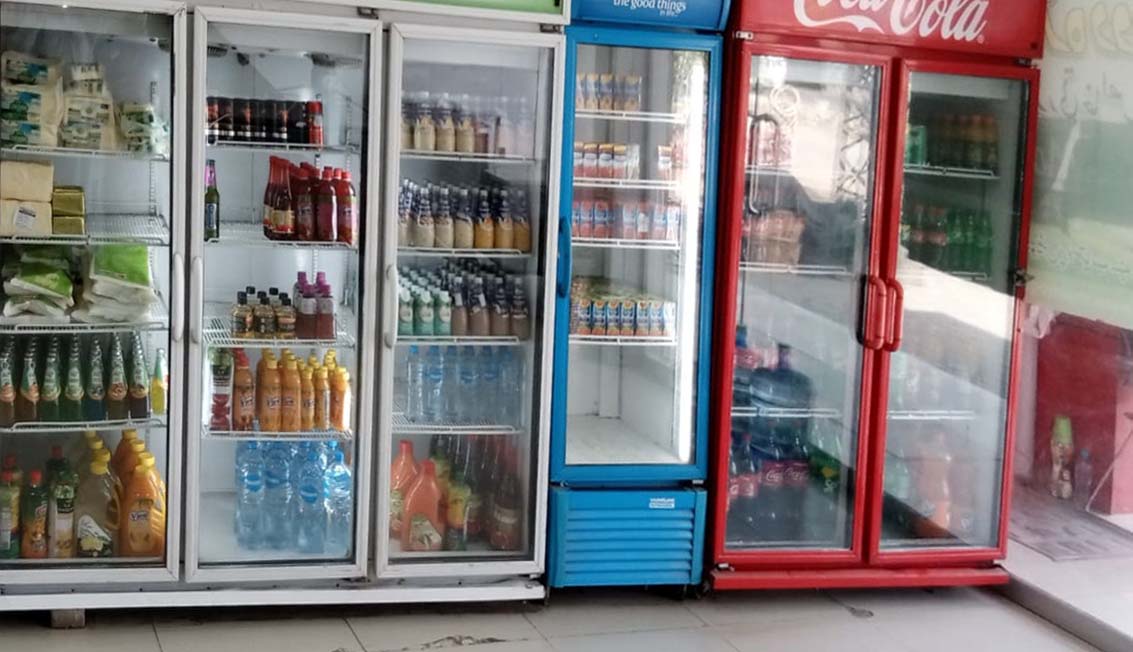
Almost 90% of visi coolers are owned by global companies. These companies typically procure visis against global specifications which align with their corporate sustainability goals. The units are then supplied to shopkeepers to display the international and local branded drinks. Visi procurement specifications are generally viewed as commercially sensitive, so their users have little understanding of the resulting operational costs. There is also no mechanism to check if products are compliant with the original procurement specifications.
In situ testing
So, to understand actual visi performance, our team worked with local retailers and installed monitoring equipment to collect real-time energy consumption data over several weeks. A small number of new units were also purchased and tested against international standards in a laboratory setting.
Interestingly, the laboratory tests indicated the new units were not meeting the performance levels specified by the global beverage brands, with energy consumption 10-20% above typical minimum requirements.
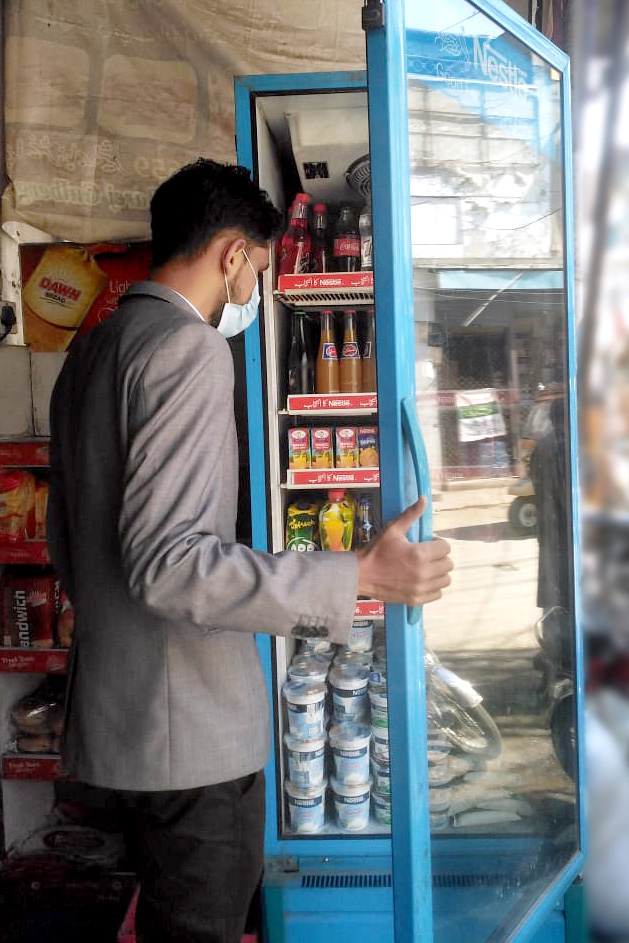
Due to high ambient temperatures and frequent door openings, units in the field typically consumed 50% more electricity than in the lab.
Real market understanding is critical: In-store testing showed that sophisticated energy management control of visis would have little impact in Pakistan, as units were manually turned off during slow retail periods and at night. Despite efforts to cut energy costs with these strategies, shopkeepers were still paying exorbitantly for inefficient appliances.
Collaborative policymaking
When presented with the locally collected data and evidence of more efficient models available in international markets, local stakeholders showed universal interest in upgrading their equipment. Through a series of one-on-one meetings and larger workshops, our team worked with stakeholders to explore options for technical improvements and their ensuing economic impacts. During this highly collaborative process, proposals were developed for minimum performance standards based on the new ISO international test method and closely aligned with existing corporate specifications.
Most importantly, the standards would now be mandatory and subject to independent performance verification to ensure compliance. These minimum requirements will be combined with a 5-star labeling program that gives consumer-facing visibility to the comparative performance of units. The proposed visi cooler policy has already influenced one major purchaser to commit to buying only 3-star products, a significant improvement over those currently procured.
The proposed policy has an effective start date of 1 January 2023, with the next step for stronger requirements set for 2025. The proposals now sit with the National Energy Efficiency & Conservation Authority and Pakistan Standard & Quality Control Authority for formal review and adoption.
0. https://www.seforall.org/system/files/2022-07/seforall-chilling-prospects-2022.pdf
1. Comprising 5 Mt CO2e in direct emissions and 23 Mt CO2e in indirect emissions
2. Pakistan is ranked among the top 9 critical countries with the greatest number of people at high risk from inadequate cooling.
Press Release: Pakistan Commits to Cut 50% of its GHG Emissions by 2030 in its Revised NDC
Pakistan has been identified by Sustainable Energy for All (SEforALL) as one of nine countries where lack of access to cooling is a major challenge due to extreme heat. As a producer of only 1% of the world’s total greenhouse gas (GHG) emissions, their revised Nationally Determined Contribution (NDC) aims to decrease their output further, with a proposed overall GHG emissions reduction of 50% by 2030.
Part of this commitment includes the development of a Pakistan Cooling Action Program, which would seek to address an increasing need for cooling technology with minimal impact to the environment. With support from the Clean Cooling Collaborative’s NDC Support Facility for Efficient, Climate-friendly Cooling, CLASP and its partner HIMA^Verte will collaborate with the Ministry of Climate Change, the National Energy Efficiency & Conservation Authority, and WWF-Pakistan to pave the path toward a efficient, climate-friendly cooling future.
Read the full press release here.
0. https://www.seforall.org/system/files/2022-07/seforall-chilling-prospects-2022.pdf
1. Comprising 5 Mt CO2e in direct emissions and 23 Mt CO2e in indirect emissions
2. Pakistan is ranked among the top 9 critical countries with the greatest number of people at high risk from inadequate cooling.