
Unlocking Green Jobs for Rural Youth in Solar Irrigation
Driven by the sustainable growth of the market for solar-powered irrigation systems (SPIS) in Kenya, valued at approximately USD 30 million, the sector is offering expanding job opportunities. In Kenya alone, the SPIS sector is projected to create approximately 7,000 to 10,000 direct jobs by 2027. These well-paying and impactful positions can offer employment to rural youth who often face challenges accessing education, employment, or training.
Efficiency for Access, in collaboration with Dalberg, is committed to equipping these young individuals with the essential hard and soft skills to excel in the SPIS sector. Given that opportunities in this sector often demand specialized skills that are in short supply among youth, we are introducing a pilot program that will provide SPIS training to young adults post-high school. This specialized training not only meets the needs of underemployed youth but also addresses the growing demand for skilled labor as the solar irrigation sector continues to expand.
Through the successful implementation of this program, Efficiency for Access’ and Dalberg’s aim is to establish a blueprint and proof of concept that can be replicated in other regions and in the broader realm of green jobs, particularly within the productive-use renewable energy (PURE) sector.
Learn more about Efficiency for Access’ pilot concept and how you can be a part of this initiative.
If interested in collaborating, please contact:
- Sam Grant, Senior Director, Clean Energy Access, CLASP, sgrant@clasp.ngo
- Charlie Habershon, Associate Partner, Dalberg, Charlie.Habershon@dalberg.com
Download the Unlocking Green Jobs for Rural Youth in Solar Irrigation presentation to learn more.
About Efficiency for Access
Efficiency for Access is a global coalition working to promote high-performing, energy-efficient appliances that enable access to clean energy for the world’s poorest people. It is a catalyst for change, accelerating the growth of off-grid appliance markets to boost incomes, reduce carbon emissions, improve quality of life, and support sustainable development. The Efficiency for Access Coalition is coordinated jointly by CLASP, an international not-for-profit appliance energy efficiency and market development specialist organization, and UK’s Energy Saving Trust, which specializes in energy efficiency product verification, data and insight, advice, and research.
Keep it Cool: Harnessing Cold Storage to Reduce Food Loss & Support Sustainable Food Systems in Emerging Economies
Cold storage technologies play a crucial role in preserving food freshness, preventing spoilage, and extending shelf life, but it is essential that they do so in an environmentally sustainable manner. This technology trend brief, titled “Keep it Cool: Harnessing Cold Storage to Reduce Food Loss & Support Sustainable Food Systems in Emerging Economies,” is brought to you by Efficiency for Access and partners. It highlights innovative cold chain technologies that are addressing these critical challenges.

Approximately one-third of all food produced is lost or wasted, resulting in staggering environmental impacts and economic losses.
The latest data from the Food and Agriculture Organization (FAO) offers some startling statistics about food loss. Not only is 14% of food lost in the supply chain, food waste also:
- Contributes to 8-10% of global greenhouse gas emissions;
- Squanders a land mass the size of China;
- And has an economic cost of around $1 trillion annually;
However, despite these losses, one in ten people globally remains malnourished. As the population grows and the demand for nutritious food increases, energy-efficient and sustainable cold chain becomes critical to reducing food loss, improving food security, and mitigating climate impact. We need a global paradigm shift towards cold storage technologies that align with international climate agreements.
This brief spotlights three organizations that are working alongside Efficiency for Access at the forefront of this field:
- Wageningen University & Research has developed a postharvest assessment method, which identifies key areas of food loss in the supply chain and suggests interventions to minimize waste. Their research provides valuable guidance for reducing food loss and improving the efficiency of the cold chain.
- Global Food Cold Chain Council is an independent not-for-profit industry organization that seeks to simultaneously reduce food waste, and related greenhouse gas emissions in the processing, transportation, storage, and retail display of cold food by expanding and improving access to energy efficient low-global warming potential technology.
- Champions 12.3 is a coalition of global leaders who are all committed to supporting SDG12.3 which aims to halve food waste and reduce food loss by 2030. The Champions 12.3 coalition develops and drives a number of initiatives which are targeted at tackling specific issues and problems with the food systems, thereby reducing food loss and waste.
Read the Keep it Cool: Harnessing Cold Storage to Reduce Food Loss & Support Sustainable Food Systems in Emerging Economies report here.
About Efficiency for Access
Efficiency for Access is a global coalition working to promote renewable and energy efficient appliances to deliver clean energy to the world’s poorest people. It is coordinated jointly by CLASP and the UK’s Energy Saving Trust.
2023 Tech Trends in Energy Access
Building upon the insights presented in Efficiency for Access’ 2021 Solar Appliance Technology Briefs, this Tech Trends series provides a window into the rapidly evolving appliances markets. This series synthesizes technical, impact and market research done by Efficiency for Access and partners into a digestible snapshot. It offers valuable insights into emerging trends and opportunities across various off-grid appropriate appliances that are most relevant to catalyzing energy access and achieving the Sustainable Development Goals, along with a focus on identifying critical areas that require attention, complemented by specific recommendations.
The technologies covered in this series encompass:
- Electric cooking (e-cooking)
- Fans
- Refrigerators
- Solar mills
- Solar water pumps
- Walk-in cold rooms
We will be releasing the appliance market summaries successively over the next few months.
This comprehensive series aims to inform future strategies of industry stakeholders, providing a clear understanding of the market’s trajectory. It serves as a valuable, quick-read resource for a diverse audience, ranging from interested donors and newcomers to the appliance sector to seasoned industry players seeking a convenient reference for sharing with their respective networks.
Download the 2023 Tech Trends in Energy Access technology briefs.
About Efficiency for Access
Efficiency for Access is a global coalition working to promote renewable and energy efficient appliances to deliver clean energy to the world’s poorest people. It is coordinated jointly by CLASP and the UK’s Energy Saving Trust.
Let’s Cook Clean: Navigating E-Waste Management in Kenya and Rwanda
Increasing access to electricity, levels of disposable income, and growing urbanization are key contributors to the burgeoning number of appliances across most modern societies. For instance, the Kenya home appliances market attained a value of USD 184.48 million in 2018 and is projected to reach USD 363.92 million by 2027, growing at a compounding annual growth rate (CAGR) of 7.8%.1
This significant growth speaks to the urgent need to plan for proper management of potential e-waste resulting from the scale up of the appliance market. Proper management is crucial to avoiding any health or environmental consequences of e-waste and to taking proactive steps towards protecting individuals and their communities.
In Africa, less than 1%2 of e-waste is documented as collected and recycled properly. Even though many studies have been conducted on e-waste management, very few are in sub–Saharan Africa where most countries face significant e-waste management issues.
Loughborough University, through the Modern Energy Cooking Services (MECS) Programme worked with CLASP to conduct a research study on repair and end-of-life practices related to electric cooking appliances in Kenya and Rwanda. As the market for electrical cooking (e-cooking) products is only just taking off in many African countries, the study used televisions as a proxy for e-cooking, given their relatively mature market. The study provides insights into the ecosystem of the appliance market in both countries, how it operates, what happens to products at each stage of their end-of-life pathway, and the associated impacts.
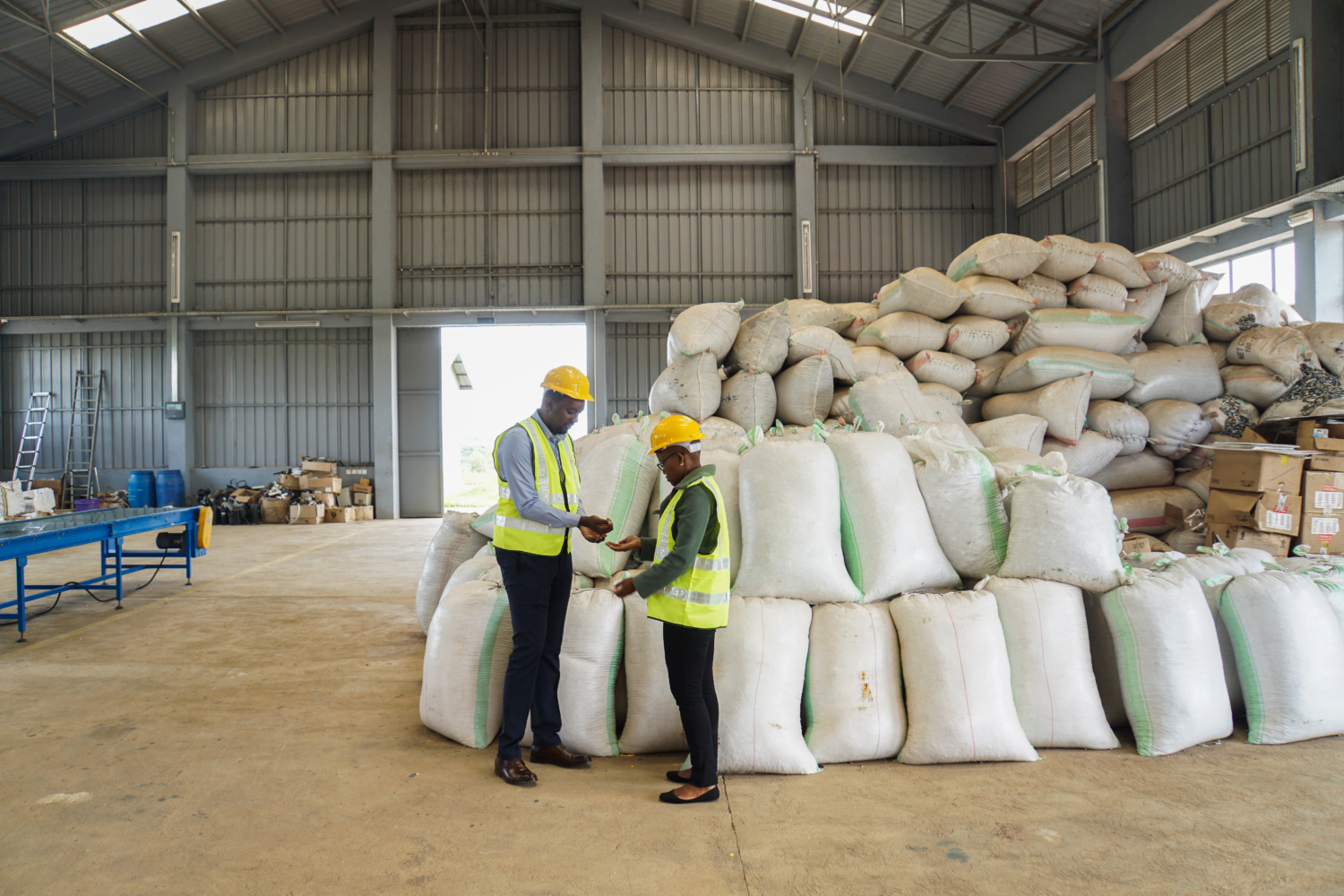
In Africa, less than 1% of e-waste is documented as collected and recycled properly.
Taking Action: Consumer Behavior and Awareness on End-of-Life Appliance Management
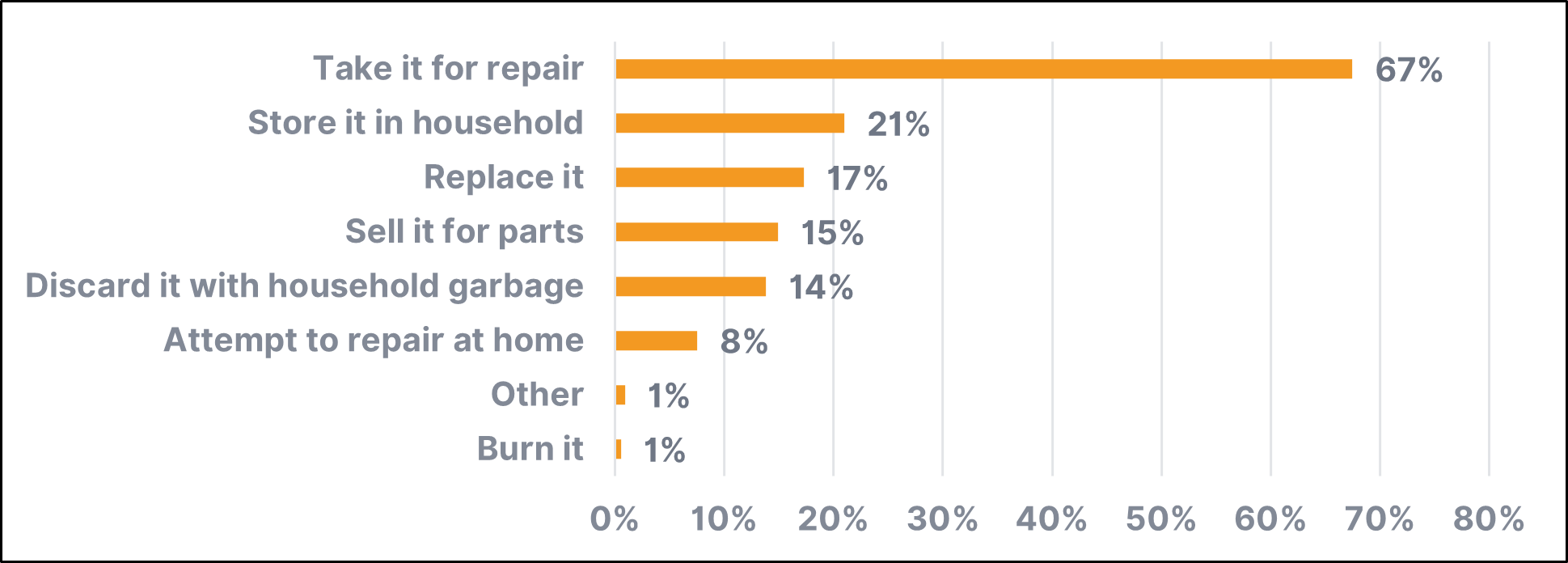
Unless externally incentivized, Consumers control the end-of-life pathway for their used electronics. This could be a formal drop-off point, informal waste collection, or storage within the home. Upon appliance failure, many consumers in both countries opt to take the appliance for repair, and this is predominantly conducted by informal local repair shops.
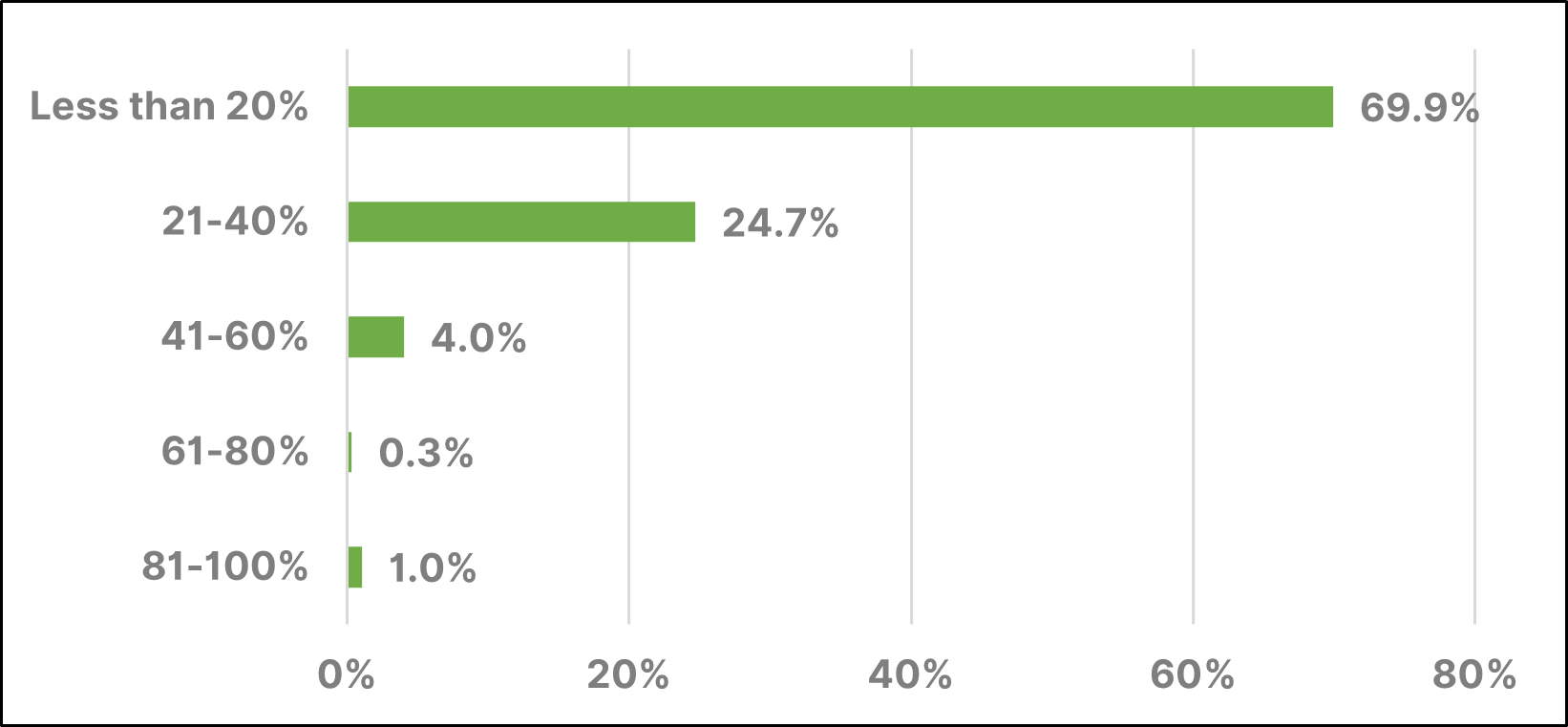
Overall, repair choices are most influenced by cost effectiveness. Consumers in Kenya who repair their appliances are willing to pay a service/repair fee of up to only 20% of the original appliance cost.
CLASP’s survey revealed that residents are generally more likely to store their non-functioning appliances in their households rather than to dispose or recycle properly, with 84% of respondents in Rwanda and 95% in Kenya reporting a lack of awareness on any designated e-waste disposal options in their communities. However, some consumers could better cite the dangers of improper e-waste disposal, indicating the benefits of awareness raising. Lilian Muthoni of the Usweni region in Kitui county in Kenya noted, “Kuna vitu hufai kuweka kwa nyumba, kama battery italipuka.” (There are things you should not store in your house, something like a battery can explode.)
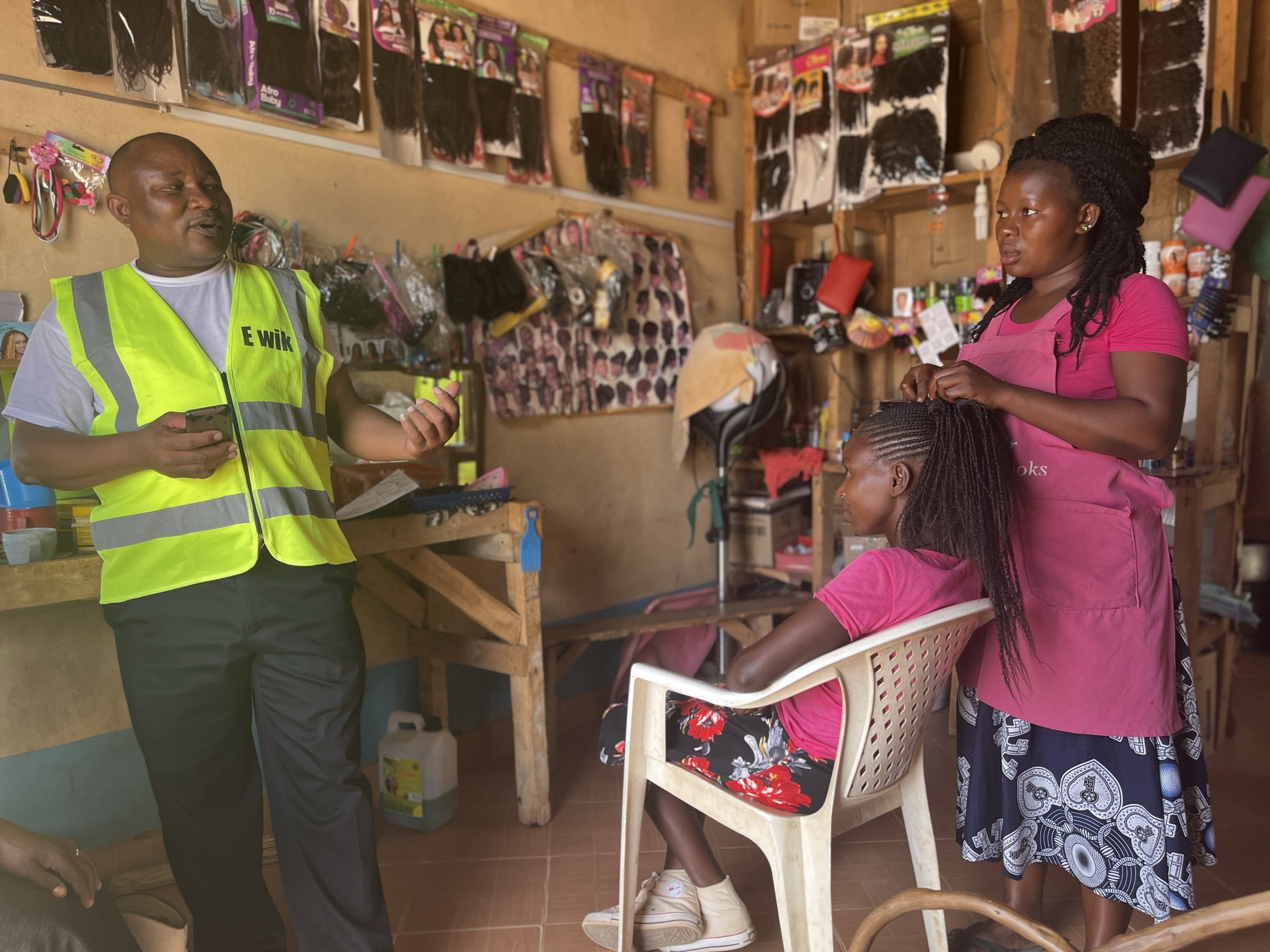
A strong majority of the survey respondents that are using unsustainable practices expressed a willingness to switch to more sustainable behavior. In summary, awareness of environmental impact of poor e-waste disposal, financial incentives, and ease of disposal are the key factors that would promote more sustainable household behavior.
From Policy to Practice: Implementing E-Waste Regulations
Kenya has adopted several regulations that govern the quality and energy efficiency of appliances such as TVs, refrigerators, and off-grid solar (OGS) products. The Energy and Petroleum Regulatory Authority (EPRA) in 2013 initiated a mandatory standards and labelling (S&L) scheme covering lighting products, refrigerators, air-conditioners and motors, and the IEC quality standards for solar products. Similarly, the Rwanda Standards Bureau (RSB) has developed and published several standards for various electrical and electronic products, as well as a dedicated standard on e-waste management. These standards prescribe handling, collection, transportation, and storage of various categories of e-waste. Both countries are party to several regional and multilateral environmental agreements, including the Basel and Bamako Conventions.
Unfortunately, there is currently no information available quantifying the effectiveness of these schemes in keeping low quality appliances off the market. This gap in information may be due to the lack of clear practical guidance on how roles and responsibilities are distributed throughout the e-waste management ecosystem.3 This was evident in the feedback among surveyed e-waste stakeholders, where many had no awareness of the regulations that impacted them; those that did could not describe their effects.
Governments in sub-Saharan African countries are working to develop policies to mitigate further environmental harm, but often lack funding, expertise, and personnel to implement regulations. To achieve a green economy, both Kenya and Rwanda will need to bring together diverse stakeholders, allocate sufficient resources, and invest in awareness raising on proper e-waste management practices and infrastructure.
Keeping Stakeholders in Sync
The e-waste landscape in both Rwanda and Kenya reveals a complex ecosystem with an array of stakeholders, each with varying levels of influence and interests. Collaborative efforts are therefore pivotal in harnessing the potential of these stakeholders to drive sustainable e-waste management and foster a circular economy.
A significant proportion of these stakeholders operate within the informal sector, highlighting the importance of their involvement in decision-making processes and the development of initiatives. For instance, households commonly opt to take their malfunctioning appliances to informal repair shops. However, most times, these repair shops often face challenges related to limited technical expertise for advanced fault resolution and unavailability of spare parts, as Claude, an appliance repairer in Muhanga District in Rwanda said. Claude points out, “Sometimes, when a customer brings a phone, radio, or television to be repaired, we cannot help them because the spare parts are not available here. It would be better if spare parts could be made available in Muhanga or even Kigali.” This sentiment is not unique to Claude.
To support the e-waste landscape, for both formal and informal players, it will be useful to incorporate their perspectives in decision-making around key initiatives designed to develop the market (e.g., capacity-building programs, establishing accessible spare part markets etc.). Moreover, the research findings underline the potential for mutually beneficial relationships to flourish, particularly between formal and informal actors. There is great opportunity for governments to play a vital role in facilitating this collaborative relationship, such as exploring innovative measures and instruments to make the formal sector more accessible to informal stakeholders.
Grounding in Numbers: The Urgent Need for Data
The need for effective e-waste management policies and regulations is apparent, yet it hinges on a fundamental understanding of materials entering and leaving the ecosystem; this is grounded in data. Unfortunately, there is a lack of data on material flows in both Kenya and Rwanda, and the relatively small stakeholder sample used in the study did not offer precise estimates of quantities handled.
Furthermore, the majority of stakeholders, especially those in the informal sector, do not keep track of the amount of materials they handle. A notable example comes from Maina Gitau, a small-scale refurbisher in Nairobi, who found it difficult to pinpoint the number of appliances and materials he sells due to the constant turnover of his inventory. While he likely keeps records of revenue, tracking the precise quantity of materials passing through his shop daily remains a challenge.
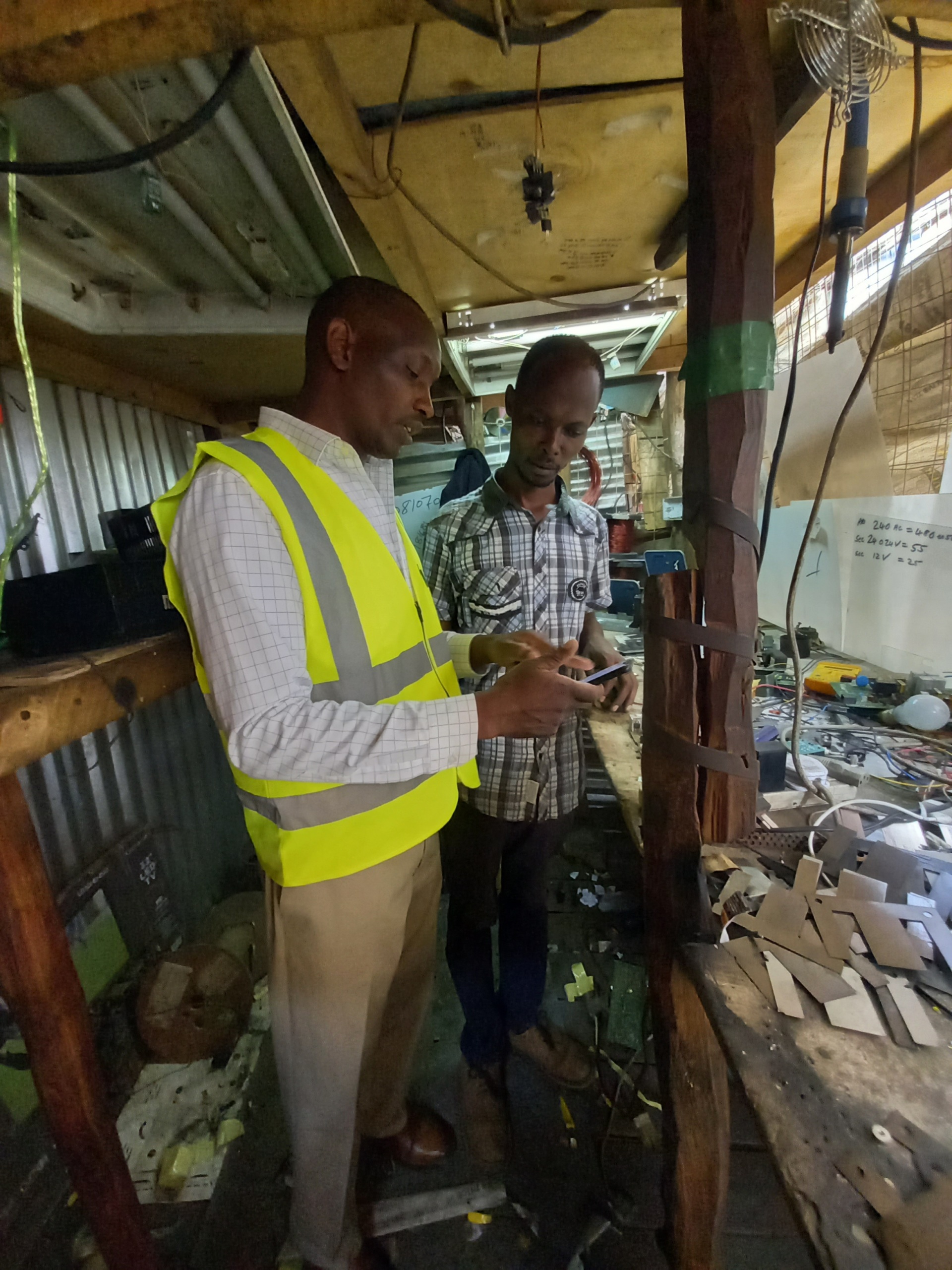
To address these data gaps and ensure an accurate assessment of e-waste flows, both countries must establish systemic data collection frameworks. These frameworks should involve relevant government agencies, including those responsible for trade and industry, to track not only material flows, but also all stakeholders within the appliance value chains.
Crucially, such data collection initiatives will help monitor the impacts of transitioning to a circular economy, which, according to the International Labor Organization, could generate over six million jobs. Furthermore, these frameworks will simplify access to information on e-waste collection and processing facilities for the public, enabling a more informed and responsible action for proper e-waste management. Lastly, government agencies can leverage this data to support collaborations, funding efforts, and infrastructure development aimed at sustainable e-waste management.
Summing it Up
Understanding end-of-life practices for appliances is pivotal in establishing sustainable frameworks for responsible disposal and for promoting the broader mission of circularity. The recommendations derived from our studies in Rwanda and Kenya hold promise far beyond these borders. By implementing robust awareness campaigns, enforcing e-waste regulations, and establishing systemic data collection systems, countries in sub-Saharan Africa can take substantial steps toward responsible e-waste management. May this study serve as a catalyst for others to continue conducting research on e-waste landscapes across sub-Saharan Africa and beyond.
The full publications for this study on Rwanda and Kenya can be accessed on the MECS website.
Explore related work and initiatives in circular economy and clean cooking that CLASP has completed, such as the Bending Toward Circular report and Use and Impacts of Electric Pressure Cookers report. Additionally, be on the lookout for our forthcoming projects, including a reparability index study for solar appliances, which will provide valuable insights into the evolving landscape of sustainable practices and offer opportunities for collaboration in our shared mission towards a more sustainable future.
Quantifying Appliance Access Gaps for a Climate-Resilient Africa
Energy-efficient appliances, lighting and equipment are key to climate-resilient development. Sitting at the nexus of three global priorities—climate change mitigation, climate change resilience, and sustainable development—efficient appliances can help lower greenhouse gas emissions globally and improve the quality of life for the 3.6 billion people living in regions that are highly vulnerable to climate change.
This report makes the case for prioritizing appliances in efforts to promote climate resilient development. It estimates appliance access gaps at the national level in Africa for five appliances: refrigerators, televisions, fans, air conditioners, and solar water pumps. The report closes with a summary of what is needed to bridge existing access gaps for African nations. Read the full report to learn more.
A full analysis of global appliance access gaps for ten appliances will be presented in CLASP’s forthcoming Net Zero Heroes report, scheduled for publication in late November 2023.
Find CLASP at the Africa Climate Summit 2023
On September 5 from 8 am to 9 am, CLASP planned a side event at the Africa Climate Summit entitled ‘The Opportunity of Appliance Access for a Climate-Resilient Africa’. This event aimed to showcase actionable solutions that African nations can implement today to accelerate the transition towards a net-zero emissions future.

Millions of people across Africa lack access to electricity and energy-efficient appliances. Often, the very same people are most at risk of exposure to climate hazards, which can result in displacement, serious health issues, and, in the worst cases, premature death. Appliances and equipment are cornerstones of life, essential for living productively and—increasingly—coping with global warming and its associated shocks. With numerous households in Africa already feeling the effects of climate change, the time to close the appliance access gaps is now, and doing this will have profound benefits for people and our planet.
Crucially, the discussions aimed to feature effective and affordable appliance solutions that foster resilient communities and drive progress toward national and global emissions reduction targets. The opportunity is here to build a more inclusive, sustainable world while positioning Africa as a global leader and advocate for universal access to efficient appliances and equipment.
Speakers at the event
Moderator – Christine Egan – CEO, CLASP
- Chianda Njogu – The Global Energy Alliance for People and Planet (GEAPP)
- David Mutisya – Directorate of Renewable Energy, Ministry of Energy (Kenya)
- Martha Wakoli – CLASP
- Mikayla Czajkowski – SunCulture
- Rebecca Mincy – The Acumen Resilient Agriculture Fund (ARAF)
Event details:
Tuesday 5 September | 2.30 to 3.30 pm | The Opportunity of Appliance Access for a Climate-Resilient Africa | Lenana Hall
Innovative Financing Facility Supports 18 Productive Use Companies in Africa
18 Small and medium-sized companies selling productive use appliances (PUAs) were selected by the Productive Use Financing Facility to receive procurement subsidies and capacity-building grants.
PUAs are energy-efficient, income-generating appliances like refrigerators, walk-in cold rooms, electric cookers, solar water pumps and milling machines. Despite their transformative potential for local communities, small businesses and the environment, PUA sales are extremely low in emerging markets due to affordability and access to finance.
CLASP and Nithio want to change this. They set up the Facility, with support from the Global Energy Alliance for People and Planet (GEAPP), to make PUAs more affordable to consumers and companies. In this funding round, CLASP received over 80 applications from companies across Central, East and West Africa, representing a range of PUA technologies. Solar water pumps were the most common technology, followed by refrigerators and fans.
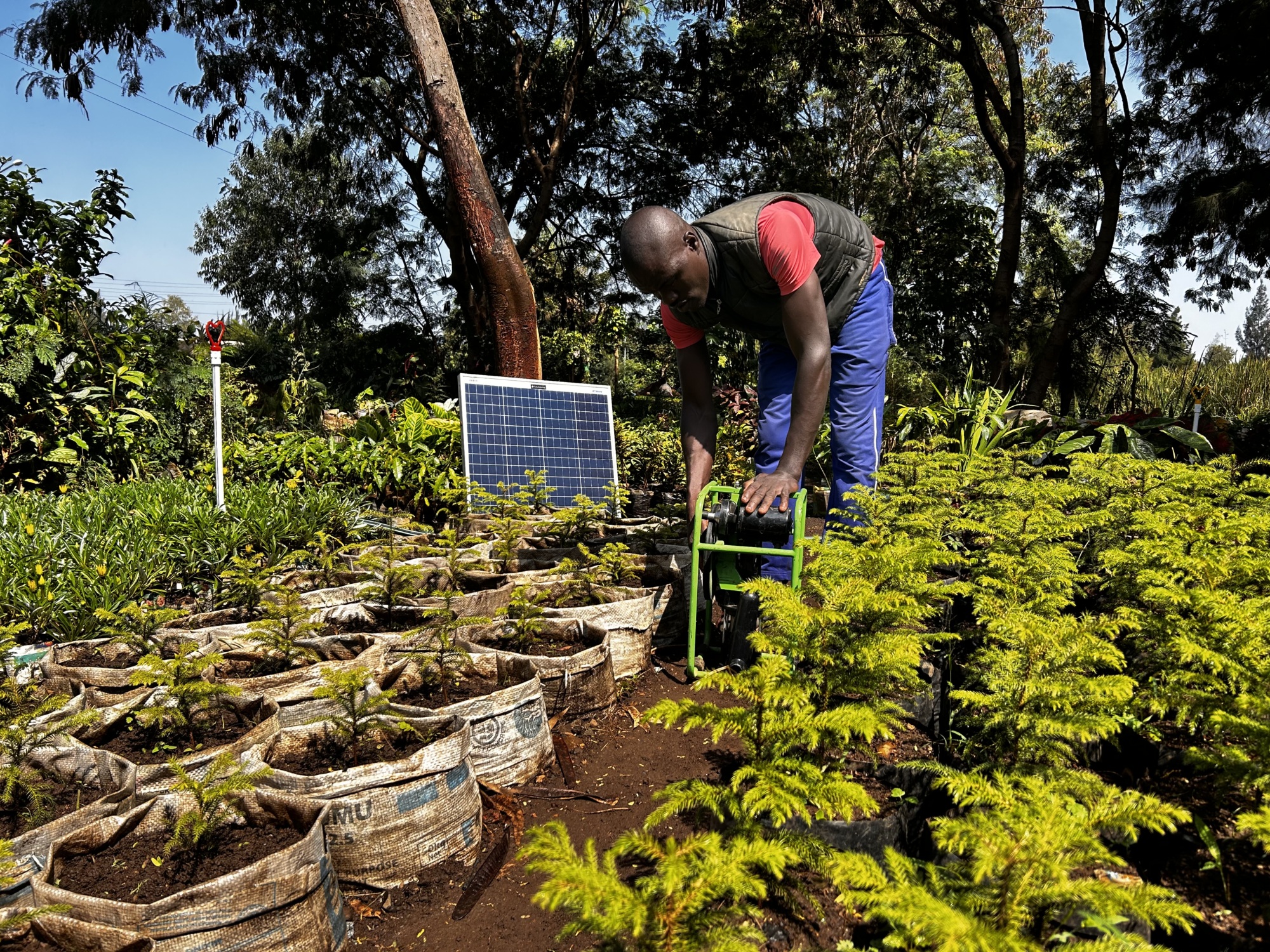
Kenyan solar water pump user
Subsidies with a transformative impact
The 18 companies selected will use their funding to sell a combined amount of 12,135 PUAs that will introduce life-changing productive use technology to over 500,000 people. The successful companies target both households and small businesses, with the PUA providing a transformative community-level impact by enabling customers to generate more income, save time, and improve their quality of life.
“We are excited to support such a wide range of early movers and leaders in the productive use market,” commented Jeff Sottlemyer, CLASP program lead for the Facility. “We look forward to seeing the impact of this support on the lives of their customers and the communities they live and work in.”
Many applicants laid out strategies to specifically market appliances to women, showcasing the sector’s recognition of equitable uptake of PUA. BrightLife, a Ugandan refrigerator distributor, incentivizes sales agents to reach targets of at least 50% women shop owners and farmers for sales of refrigeration products. The companies also have a strong representation of women on their payroll. For example, women comprise more than 70% of the Ugandan-based and owned company POPO Africa’s workforce, while ALLTIMEFRESH in Nigeria is owned and predominately run by women.
“We anticipate the Facility will help early movers reduce unit costs, improving access to affordable, high-quality appliances,” noted Makena Ireri, Director at the Global Energy Alliance for People and Planet “Unit cost reduction is a necessary step in demonstrating commercially sustainable PUA businesses that can attract private investment and propel market growth.”
The goal of the Productive Use Financing Facility is to support companies with the potential to scale quickly, and this round prioritized companies that are ready to sell. Already sales are underway at many of these companies, with the others expected to commence within the next month.
Following a rigorous evaluation, CLASP selected the following 18 companies:
| Company | Country | PUA |
|---|---|---|
| Acme Engineering And Trading Plc | Ethiopia | Solar water pumps |
| ALLTIMEFRESH LIMITED | Nigeria | Walk-in cold storage, solar milling |
| Altech Group | DRC | Fans, Refrigerators, Walk-in cold storage |
| Baobab+ Group | Nigeria | Refrigerators |
| Bidhaa Sasa | Kenya | Electric pressure cookers |
| Brightlife | Uganda | Refrigerators |
| BURN Manufacturing USA LLA (Kenya Branch) | DRC, Kenya | Electric Induction Cookers |
| Consistent Energy Limited | Nigeria | Refrigerators |
| Deevabits Green Energy Limited | Kenya | Refrigerators |
| Ecozen Solutions Private Limited | DRC, Kenya, Nigeria, Uganda | Solar milling, Solar water pumps, Walk-in cold storage |
| Green Scene Energy PLC | Ethiopia | Solar water pumps |
| Ignite Power SL Limited | Sierra Leone | Refrigerators |
| POPO Africa Limited | Uganda | Refrigerators |
| SokoFresh AgriInnovations East Africa Limited | Kenya | Walk-in cold storage |
| SureChill Africa Limited | Kenya, Nigeria | Refrigerators, Walk-in cold storage |
| Rensys Engineering and Trading PLC | Ethiopia | Solar water pumps |
| Tulima Solar Limited | Uganda | Solar water pumps |
| Village Energy Limited | Uganda | Refrigerators |
Subscribe to our newsletter for more updates on the Facility.
About The Productive Use Financing Facility
CLASP’s Productive Use Financing Facility, is supported by The Global Energy Alliance for People and Planet (GEAPP).
Kenya Launches First National Cooling Action Plan
On 14 June, Kenya’s Ministry of Environment, Climate Change, and Forestry officially launched the National Cooling Action Plan for Kenya (NCAP). Since 2018, CLASP has worked closely with government agencies and key stakeholders to develop the Plan that will guide sustainable cooling solutions in the country through 2027.
Growing Demand for Cooling in Kenya
As temperatures rise, cooling technologies are needed to support resilient food supply chains and keep society healthy and productive. However, these same technologies are highly energy-intensive and can contribute to significant carbon emissions. With a strong focus on aligning with Kenya’s climate commitments, the National Cooling Action Plan (NCAP) sets out to play a crucial role in achieving the nation’s greenhouse gas (GHG) emissions reduction target of at least 32% by 2030, as outlined in its Nationally Determined Contributions (NDC).
In Kenya, only 12.8% of households currently own a refrigerator, while 15% of residential and 30% of commercial buildings employ air conditioning. However, these numbers are expected to rise with the expansion of the national grid, economic growth and increasing average temperatures. The NCAP will provide a concrete approach to address growing cooling demand, without exacerbating strain on the national grid or further contributing to climate change.
Promoting Environmentally Friendly Cooling Solutions
Speaking at the launch event organized by Sustainable Energy for All (SEforALL), Engineer Festus Ng’eno, the Principal Secretary for Environment and Climate, emphasized the objectives of the NCAP:
“With the implementation of this Plan, we are setting a course towards a more efficient, environmentally friendly, and inclusive refrigeration and air-conditioning sector in Kenya.”
The NCAP aims to expand access to sustainable cooling by focusing on key areas:
- Enhancing the performance and efficiency of energy-consuming cooling appliances;
- Transitioning the cooling sector to refrigerants with minimal environmental impact;
- Increasing access to energy-efficient cooling solutions with a low environmental footprint; and
Improving access to agricultural cold chains to support a resilient agricultural sector and reduce food waste.
Kenya’s National Cooling Action Plan represents a significant step towards addressing the country’s growing demand for sustainable cooling. By promoting energy efficiency, eco-friendly refrigerants, and improved access to cooling services, the NCAP aims to create a more inclusive and environmentally-conscious refrigeration and air-conditioning sector.
The development of the NCAP is led by Kenya’s Ministry of Environment, Climate Change and Forestry, supported by the Department of Multilateral Environment Agreements (MEAs), the Government of Germany through the Green Cooling Initiative II, Deutsche Gesellschaft für Internationale Zusammenarbeit (GIZ) GmbH, Sustainable Energy for All (SEforALL) and CLASP.
Building Resilience in Low-Income Communities – The Role of Off-Grid Appliances
Energy-efficient off-grid appliances are crucial in addressing climate change and promoting resilience and adaptation, particularly for rural communities in sub-Saharan Africa. These communities often face the brunt of weather-related disasters and have limited access to resources and infrastructure for coping.
To tackle this challenge, CLASP through Efficiency for Access commissioned Rural Senses to gather insights from the community in Siaya County, Kenya. The objective was to understand their perceptions of climate change challenges and identify pathways to enhance resilience. The study also delved into the role of seven off-grid solar products and equipment, such as electric pressure cookers, fans, motorbikes, refrigerators, televisions, water pumps, grain mills, and solar PV systems, in building resilience.
Read the full report to learn more about the community’s primary concerns regarding climate events, existing barriers to resilience-building, the potential of off-grid appliances, and suggested pathways for fostering resilience.
Download the Building Resilience in Low-Income Communities – The Role of Off-Grid Appliances report.
About Efficiency for Access
Efficiency for Access is a global coalition working to promote renewable and energy efficient appliances to deliver clean energy to the world’s poorest people. It is coordinated jointly by CLASP and the UK’s Energy Saving Trust.
Minimizing Energy Losses: Botswana Increases Efficiency for Distribution Transformers
Botswana has one of the highest electrification rates in sub-Saharan Africa, with 77% of urban and 37% of rural areas electrified. The Government of Botswana aims to achieve 100% electrification by 2030, which could strain the national grid and supply. CLASP supported the government to leapfrog to energy-efficient high-impact appliances – including distribution transformers.
Distribution transformers play a crucial role in supplying power to homes and businesses.
Transformers lower electricity voltage transmitted through power lines to ensure customers receive appropriate voltage for everyday use. However, energy loss during this process is common, and poorly designed transformers can result in substantial financial burdens for consumers and distribution companies. Recent research indicates that transformers in Botswana contribute to approximately 30% of distribution losses.
Over the past two years, CLASP supported the UN Climate Technology Centre & Network (CTCN) to implement the “National Framework for Leapfrogging to Energy Efficient Appliances and Equipment in Botswana[1],” project.[2] The initiative, funded by the Green Climate Fund, aims to facilitate Botswana’s transition towards more efficient appliances and electrical equipment.

Under the project, the Government of Botswana has recently approved the adoption of minimum energy performance standards (MEPS) for distribution transformers. This milestone represents a significant stride towards reducing energy wastage and maximizing efficiency in Botswana’s market, benefiting households and businesses alike.
“The adoption and implementation of these standards will revolutionize Botswana’s energy landscape, ensuring greater efficiency and cost savings for all stakeholders involved,” said Mr. Ayob Serema from the Botswana Bureau of Standards (BOBS).
The MEPS are expected to be published in June 2023. Once published, they will be made available to the public for purchase, enabling the industry to implement the standards and procure only energy-efficient transformers.
—
References & Footnotes:
[1] (Refrigerators and Distribution Transformers) through regulatory and financing mechanisms.
[2] https://www.ctc-n.org/technical-assistance/projects/leapfrogging-botswana-s-market-energy-efficient-refrigerators-and