
CLASP Research Highlights Urgent Need to Supercharge Efficiency of 10 “Net Zero Hero” Appliances to Meet Climate Goals
Washington DC, 16 November 2023 – New analysis from CLASP shows that the appliances sector has a staggeringly large climate impact, accounting for 39.3% of all energy-related CO2 emissions — roughly equivalent to the combined emissions of China, Europe, and Brazil in 2020. If current trends continue, appliance emissions will overshoot the International Energy Agency’s 2050 net zero targets by at least 9 gigatons.
The report, “Net Zero Heroes: Scaling Efficient Appliances for Climate Change Mitigation, Adaptation & Resilience,” also reveals profound inequities in access to appliances, leaving billions of people more vulnerable to the effects of climate change. For example, at least 1.2 billion people lack access to air conditioners and fans, making it difficult to cope with rising temperatures.
Fortunately, the appliances sector offers a time-tested solution for dramatically reducing emissions while bringing life-changing services to more people: energy efficiency.
CLASP provides a roadmap for realizing the sector’s mitigation and adaptation potential by rapidly increasing the efficiency of 10 key appliances: the Net Zero Heroes. This group is comprised of air conditioners, comfort fans, electric cookers, electric motors, heat pump space heaters, heat pump water heaters, LED lighting, refrigerator-freezers, solar water pumps, and televisions.
Dramatically reducing the energy consumption of the Net Zero Heroes would bring far-reaching benefits. In addition to avoiding emissions, thoughtful appliance efficiency policies contribute to end-use electrification and grid decarbonization. Efficient appliances are also less expensive to purchase and operate, making them more attainable for people in low- and middle-income countries and communities.
The report urges governments and manufacturers to supercharge the efficiency of the Net Zero Heroes within the next few years. It provides targets for each appliance and estimates the emissions reductions and resilience benefits associated with reaching them. It also describes proven policy and financing mechanisms for achieving these goals within the ambitious timeline required.
Compared to many climate solutions, appliance energy efficiency is low-cost and easy to deploy, making it a particularly vital tool for governments seeking to meet their Paris Agreement commitments. Efficiency pushes can deliver results relatively quickly by leveraging existing technologies and supply chains while harmonizing with existing policies.
For more information about “Net Zero Heroes: Scaling Efficient Appliances for Climate Change Mitigation, Adaptation & Resilience,” please contact:
Corinne Schneider
Chief Communications Officer
CLASP
cschneider[at]clasp.ngo
+1-202-375-9814
About CLASP:
CLASP is an international nonprofit dedicated to promoting appliance efficiency and energy access, working with governments, industry, and communities to advance policies and markets towards the highest-quality, lowest resource-intensive appliances, for the benefit of people and the planet.
###
Unlocking Green Jobs for Rural Youth in Solar Irrigation
Driven by the sustainable growth of the market for solar-powered irrigation systems (SPIS) in Kenya, valued at approximately USD 30 million, the sector is offering expanding job opportunities. In Kenya alone, the SPIS sector is projected to create approximately 7,000 to 10,000 direct jobs by 2027. These well-paying and impactful positions can offer employment to rural youth who often face challenges accessing education, employment, or training.
Efficiency for Access, in collaboration with Dalberg, is committed to equipping these young individuals with the essential hard and soft skills to excel in the SPIS sector. Given that opportunities in this sector often demand specialized skills that are in short supply among youth, we are introducing a pilot program that will provide SPIS training to young adults post-high school. This specialized training not only meets the needs of underemployed youth but also addresses the growing demand for skilled labor as the solar irrigation sector continues to expand.
Through the successful implementation of this program, Efficiency for Access’ and Dalberg’s aim is to establish a blueprint and proof of concept that can be replicated in other regions and in the broader realm of green jobs, particularly within the productive-use renewable energy (PURE) sector.
Learn more about Efficiency for Access’ pilot concept and how you can be a part of this initiative.
If interested in collaborating, please contact:
- Sam Grant, Senior Director, Clean Energy Access, CLASP, sgrant@clasp.ngo
- Charlie Habershon, Associate Partner, Dalberg, Charlie.Habershon@dalberg.com
Download the Unlocking Green Jobs for Rural Youth in Solar Irrigation presentation to learn more.
About Efficiency for Access
Efficiency for Access is a global coalition working to promote high-performing, energy-efficient appliances that enable access to clean energy for the world’s poorest people. It is a catalyst for change, accelerating the growth of off-grid appliance markets to boost incomes, reduce carbon emissions, improve quality of life, and support sustainable development. The Efficiency for Access Coalition is coordinated jointly by CLASP, an international not-for-profit appliance energy efficiency and market development specialist organization, and UK’s Energy Saving Trust, which specializes in energy efficiency product verification, data and insight, advice, and research.
CLASP’s #NetZeroHeroes hit back at the climate crisis with actionable solutions
In the lead up to the United Nations Framework Convention on Climate Change 28th Conference of the Parties (COP28) in Dubai, United Arab Emirates from 30 November – 12 December, CLASP is launching #NetZeroHeroes – a celebration of the people and appliance heroes that are critical in reaching global Net Zero targets and promoting resilience in an already warming world.
Appliances like air conditioners, refrigerators, electric motors, and lighting collectively have a major climate impact. They are responsible for a staggering 40% of energy-related carbon dioxide (CO2) emissions globally, according to CLASP’s forthcoming report ‘Net Zero Heroes: Scaling Efficient Appliances for Climate Change Mitigation, Adaptation & Resilience.’ CLASP’s research shows how rolling out affordable, energy efficient alternatives is key to mitigating and adapting to the climate crisis and achieving the United Nations’ Sustainable Development Goals.
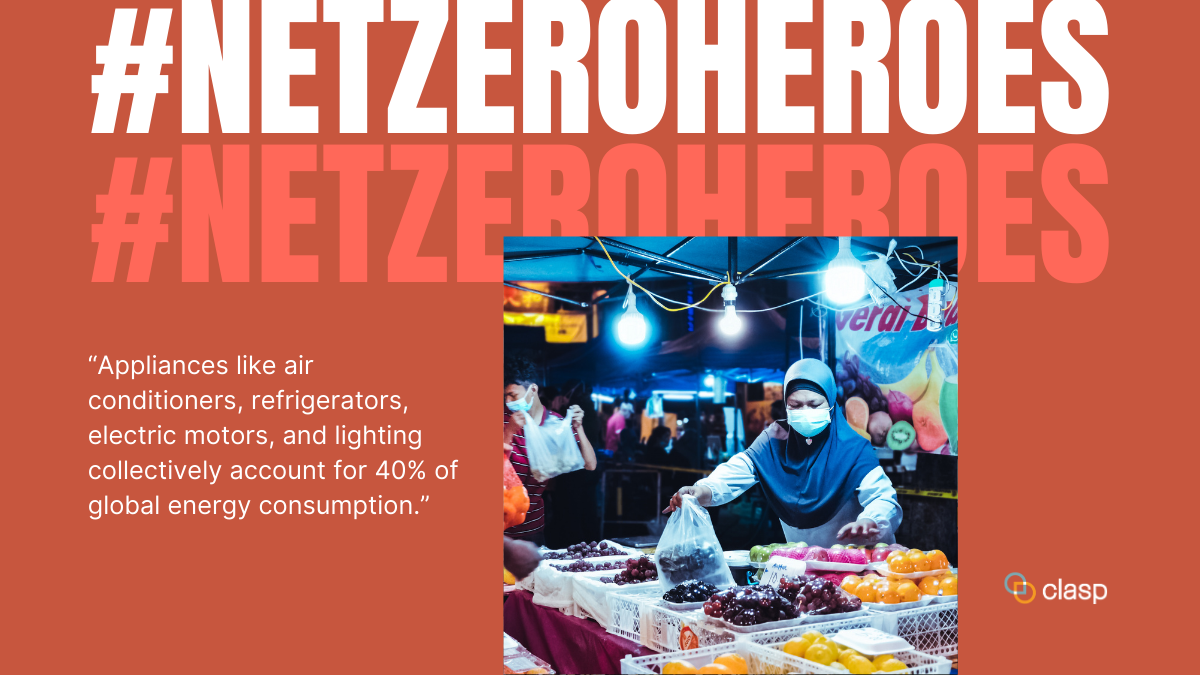
CLASP's Net Zero Heroes Air Conditioners, Comfort Fans, Refrigerator-Freezers, Heat Pump Space & Water Heaters, Electric Motors, Electric Cookers, Televisions, Solar Water Pumps
Through a series of reports, videos and articles highlighting stories of leadership and expert perspectives from across the sector, #NetZeroHeroes will amplify the urgent and immediate need to deploy efficient appliances at speed and scale to protect people and the planet.
The campaign will culminate in CLASP’s groundbreaking publication, “Net Zero Heroes: Scaling efficient appliances for climate change mitigation, adaptation & resilience” – launching the week before COP28 and available on CLASP’s website.
This research will highlight the transformative potential of efficient appliances by:
- Quantifying appliances’ ability to achieve the emissions reductions needed to meet the goals of the Paris Climate Agreement;
- Indicating where we should scale our efforts this decade for maximum impact;
- Analyzing gaps in access to appliances and recommending where scale-up would better enable communities to adapt in a warming world;
- Providing a roadmap of solutions that governments, investors and other stakeholders can implement today to get on track to net zero emissions and an inclusive energy transition.
Stay tuned and follow #NetZeroHeroes on social media. This page will serve as a homebase for all campaign materials and will be updated regularly.
If you are interested in getting involved with the campaign, reach out to Lexi Ross at aross@clasp.ngo.
Explore the Campaign

Net Zero Heroes
CLASP’s landmark report identifies the ten appliances that should form the basis of an unprecedented efficiency push: the #NetZeroHeroes.
Efficient appliances combat the triple planetary crisis of climate change, air pollution, and biodiversity loss.
CLASP’s analysis finds that the appliance sector accounts for nearly 40% of energy-related CO2 emissions. Appliances are on pace to surpass the IEA’s 2050 net zero targets by over 9 gigatons CO2. At the same time, there are profound inequities in access to appliances, leaving billions vulnerable to the effects of climate change. At least 1.2 billion people lack access to air conditioners and fans, making it difficult to cope as temperatures rise.
The first-of-its-kind report provides a clear roadmap for realizing mitigation and adaptation potential by rapidly increasing the efficiency of the Net Zero Heroes.
Explore the data, recommendations, and analysis, and download the report on our interactive Net Zero Heroes Report Website.
Net Zero Heroes Webinar: The Essential Appliances for Climate Action
This webinar launched CLASP’s landmark publication ‘Net Zero Heroes: Scaling Efficient Appliances for Climate Change Mitigation, Adaptation & Resilience’ with an expert panel.
A compelling discussion about the efficient appliances that are key to mitigating and adapting to the climate crisis.
This webinar launched CLASP’s landmark publication ‘Net Zero Heroes: Scaling Efficient Appliances for Climate Change Mitigation, Adaptation & Resilience’, with a compelling discussion about the efficient appliances that are key to mitigating and adapting to the climate crisis and achieving the world’s Sustainable Development Goals.
During the event, our panelists also discussed inspirational case studies and powerful data that prove the effectiveness and scalability of affordable, efficient appliance solutions. The event panel includes a diverse group of experts who shared their insights and experiences in the world of energy efficiency, climate action, and appliance innovation.
- Axum Teferra – Clean Cooling Collaborative
- Christine Eibs Singer – Shine Campaign
- Christine Egan – CLASP
- Duncan Gibb -Regulatory Assistance Project (RAP)
- Oliver-Bealby Wright – Consumers International
The event is moderated by Joyita Mukherjee, a CLASP board member and expert in international development and blended finance.
Appliance Efficiency in NDCs
In the leadup to COP28, this report emphasizes the opportunity for governments to bolster their climate commitments by integrating ambitious appliance efficiency targets into the next round of NDCs.
Appliance efficiency is an important mitigation solution, but it’s often left out of nationally determined contributions (NDCs)
Nationally determined contributions (NDCs) lie at the heart of the Paris Agreement, guiding the actions of governments around the globe. One climate solution that’s often missing from these plans is appliance efficiency, which is critical to lowering global energy demand and emissions. New CLASP analysis reveals that only 47% of NDCs mention appliances, while a mere 25% reference key policies such as Minimum Energy Performance Standards (MEPS) and appliance labeling. To realize the enormous potential of appliance efficiency, CLASP urges governments to take action.
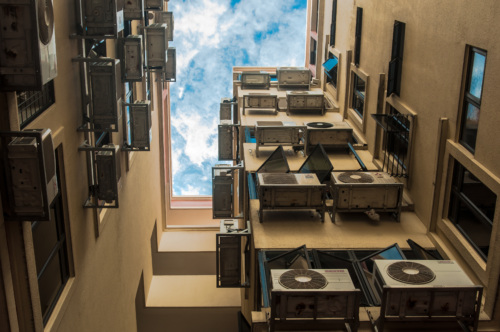
Getting Appliances Back on Track
This report tracks the progress of 15 countries who signed onto the Appliance Efficiency Call to Action in 2021 at COP26 in Glasgow, which pledged to double the energy efficiency of four product categories by 2030.
Air conditioners (ACs), lighting, electric motors, and refrigerators collectively account for more than 40% of global electricity consumption.
“Getting Appliances Back on Track” is the first publication of CLASP’s #NetZeroHeroes COP28 digital campaign. The report offers valuable analysis to economies already committed to prioritizing appliance energy efficiency, and illustrates a path toward success for governments interested in joining as a Call to Action signatory.

The Global Appliance Stocktake
Director of Climate Research at CLASP and author of the “Getting Appliances Back on Track” report, Matt Malinowski, provides an honest look at where we stand globally with energy efficiency commitments.
Countries are not on track to meet their commitments to double the efficiency of priority appliances.
“In the wake of this year’s alarming UN climate global stocktake, my colleagues at CLASP and I looked back on the Call to Action and wondered: Are countries on track to meet their commitments to double the efficiency of priority appliances? The short answer is no. The long answer is that we are falling behind, but there is a clear path to success.” -Matt Malinowski, Director of Climate Research & author of “Getting Appliances Back on Track”

2023 Tech Trends Series
This series offers up-to-date market insights for off-grid cooling, cooking and agricultural productive-use appliances.
Off-grid refrigeration plays a vital role in a warming world, but new research from Efficiency for Access shows that the sector is struggling.
Building upon the insights presented in Efficiency for Access’ 2021 Solar Appliance Technology Briefs, this Tech Trends series provides a window into the rapidly evolving appliances markets. This series synthesizes technical, impact and market research done by Efficiency for Access and partners into a digestible snapshot.
Innovative Financing Facility Supports 18 Productive Use Companies in Africa
18 Small and medium-sized companies selling productive use appliances (PUAs) were selected by the Productive Use Financing Facility to receive procurement subsidies and capacity-building grants.
PUAs are energy-efficient, income-generating appliances like refrigerators, walk-in cold rooms, electric cookers, solar water pumps and milling machines. Despite their transformative potential for local communities, small businesses and the environment, PUA sales are extremely low in emerging markets due to affordability and access to finance.
CLASP and Nithio want to change this. They set up the Facility, with support from the Global Energy Alliance for People and Planet (GEAPP), to make PUAs more affordable to consumers and companies. In this funding round, CLASP received over 80 applications from companies across Central, East and West Africa, representing a range of PUA technologies. Solar water pumps were the most common technology, followed by refrigerators and fans.
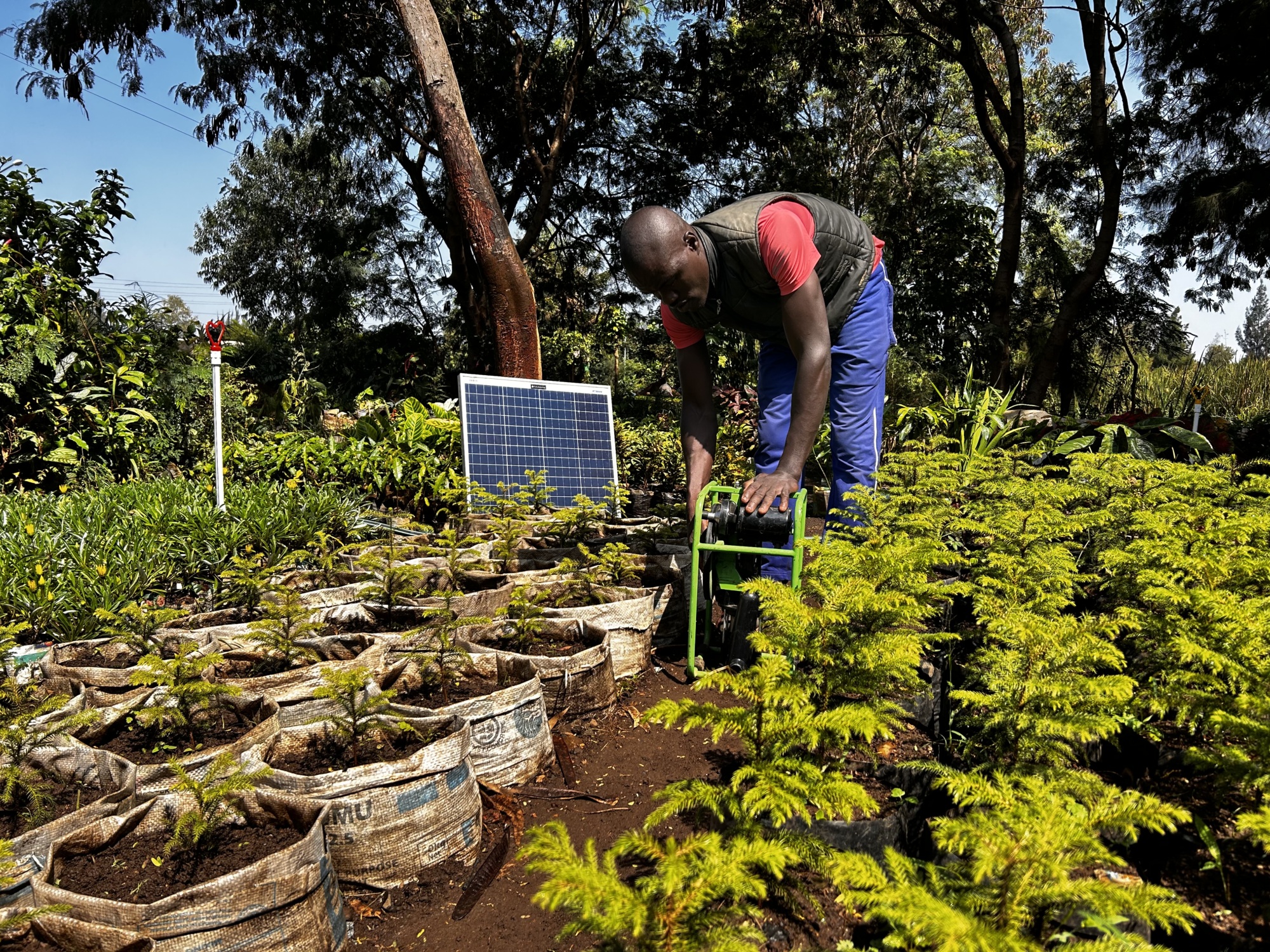
Kenyan solar water pump user
Subsidies with a transformative impact
The 18 companies selected will use their funding to sell a combined amount of 12,135 PUAs that will introduce life-changing productive use technology to over 500,000 people. The successful companies target both households and small businesses, with the PUA providing a transformative community-level impact by enabling customers to generate more income, save time, and improve their quality of life.
“We are excited to support such a wide range of early movers and leaders in the productive use market,” commented Jeff Sottlemyer, CLASP program lead for the Facility. “We look forward to seeing the impact of this support on the lives of their customers and the communities they live and work in.”
Many applicants laid out strategies to specifically market appliances to women, showcasing the sector’s recognition of equitable uptake of PUA. BrightLife, a Ugandan refrigerator distributor, incentivizes sales agents to reach targets of at least 50% women shop owners and farmers for sales of refrigeration products. The companies also have a strong representation of women on their payroll. For example, women comprise more than 70% of the Ugandan-based and owned company POPO Africa’s workforce, while ALLTIMEFRESH in Nigeria is owned and predominately run by women.
“We anticipate the Facility will help early movers reduce unit costs, improving access to affordable, high-quality appliances,” noted Makena Ireri, Director at the Global Energy Alliance for People and Planet “Unit cost reduction is a necessary step in demonstrating commercially sustainable PUA businesses that can attract private investment and propel market growth.”
The goal of the Productive Use Financing Facility is to support companies with the potential to scale quickly, and this round prioritized companies that are ready to sell. Already sales are underway at many of these companies, with the others expected to commence within the next month.
Following a rigorous evaluation, CLASP selected the following 18 companies:
| Company | Country | PUA |
|---|---|---|
| Acme Engineering And Trading Plc | Ethiopia | Solar water pumps |
| ALLTIMEFRESH LIMITED | Nigeria | Walk-in cold storage, solar milling |
| Altech Group | DRC | Fans, Refrigerators, Walk-in cold storage |
| Baobab+ Group | Nigeria | Refrigerators |
| Bidhaa Sasa | Kenya | Electric pressure cookers |
| Brightlife | Uganda | Refrigerators |
| BURN Manufacturing USA LLA (Kenya Branch) | DRC, Kenya | Electric Induction Cookers |
| Consistent Energy Limited | Nigeria | Refrigerators |
| Deevabits Green Energy Limited | Kenya | Refrigerators |
| Ecozen Solutions Private Limited | DRC, Kenya, Nigeria, Uganda | Solar milling, Solar water pumps, Walk-in cold storage |
| Green Scene Energy PLC | Ethiopia | Solar water pumps |
| Ignite Power SL Limited | Sierra Leone | Refrigerators |
| POPO Africa Limited | Uganda | Refrigerators |
| SokoFresh AgriInnovations East Africa Limited | Kenya | Walk-in cold storage |
| SureChill Africa Limited | Kenya, Nigeria | Refrigerators, Walk-in cold storage |
| Rensys Engineering and Trading PLC | Ethiopia | Solar water pumps |
| Tulima Solar Limited | Uganda | Solar water pumps |
| Village Energy Limited | Uganda | Refrigerators |
Subscribe to our newsletter for more updates on the Facility.
About The Productive Use Financing Facility
CLASP’s Productive Use Financing Facility, is supported by The Global Energy Alliance for People and Planet (GEAPP).
Tackling Water and Energy Inequality in the Favelas of Rio
In September 2022, Rio de Janeiro’s Sustainable Favela Network (SFN) and Favelas Unified Dashboard published the report “Water and Energy Justice in the Favelas: Community Researchers Gather Data Revealing Inequalities and Calling for Action.”
The publication was the culmination of an intensive 6-month research course “Researching and Monitoring Water and Energy Justice in the Favelas,” engaging two youth and one leader from each of 15 favelas in Rio de Janeiro (45 people in total) to learn the entire arc of research, from why it’s important for their communities, to the development of useful indicators, all the way through how to report and advocate using data produced. As one of seven modules, participants generated “data by and for the favelas.”
CLASP collaborated with Catalytic Communities (CatComm), an NGO that has supported favela community organizers since 2000 and which facilitates the Sustainable Favela Network and Favelas Unified Dashboard. We contributed expertise on energy efficiency, leading intro to energy efficiency and policy sessions and helping community organizers develop indicators used in the survey. In the courses, we emphasized the connection between energy efficiency and electric bills, and how data are used in policymaking processes.
The Energy Needs of Underserved Favelas
Favelas are informal communities that emerge from an unmet need for affordable housing. Although a common English translation is “slums,” this term carries a negative connotation that fails to honor the unique historical consolidation and cultural context of favelas in Brazil. In Rio de Janeiro, most favelas are over 50 years old and some 24% of the population lives in these communities.
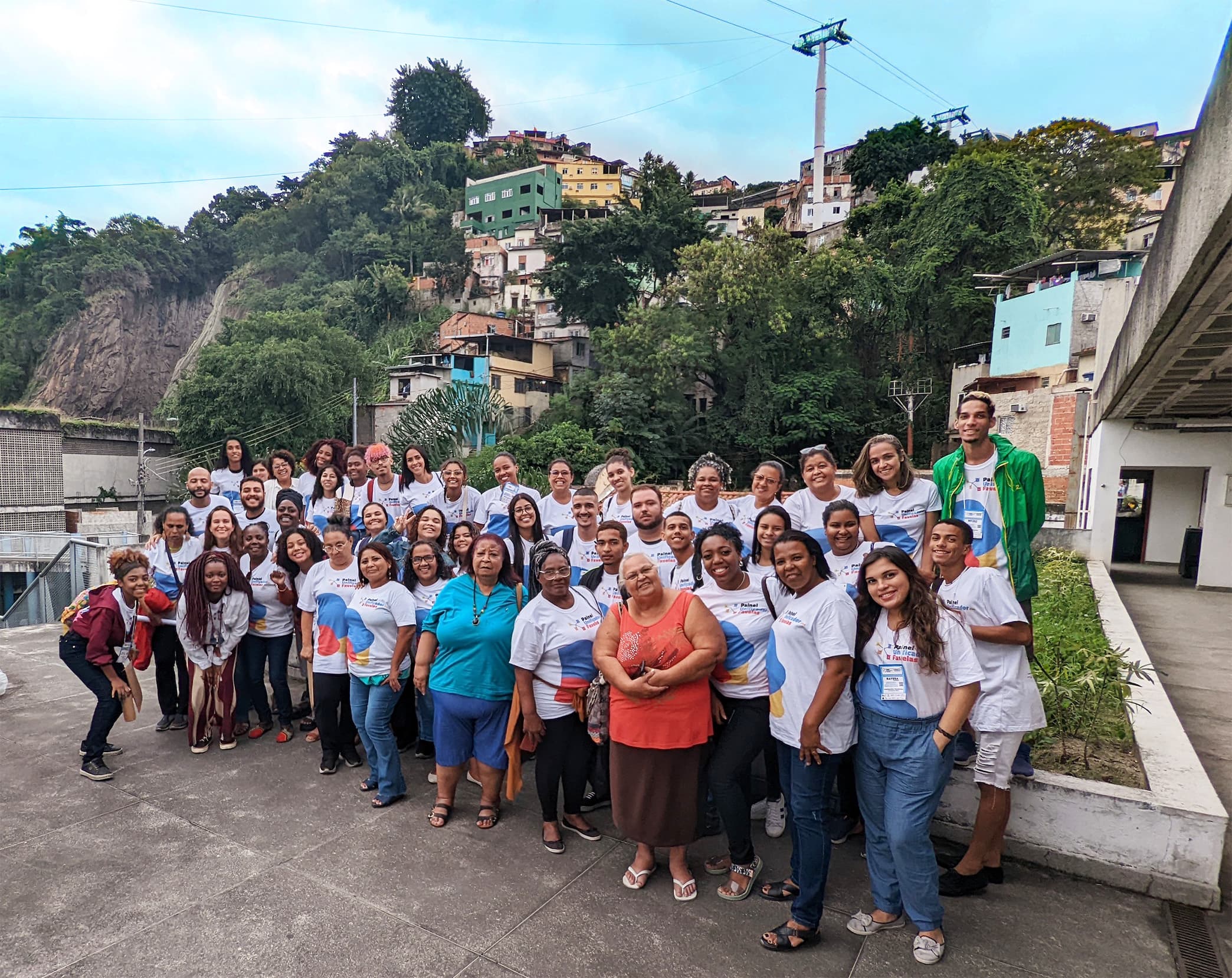
The course was created for youth in the favelas to better understand the importance of data — including how to collect, analyze, understand, and use it to communicate community needs. Community members collecting data of use to them and using it for advocacy represents an effort to remedy the underrepresentation of low-income populations in policymaking processes.
We spoke with Kayo Moura, a graduate student completing his second degree in Statistics, who led many of the course sessions centered on data and analysis for the reports. Kayo also served as the local leader for the Jacarezinho favela in the survey, drawing from his work with LabJaca, one of the 15 community organizations involved with the course, focused on “research, training, and production of data and narratives about favelas and peripheries.”
Kayo was raised across the Guanabara Bay in Niterói by a single mother who always encouraged him to study hard — so he did, earning a scholarship to the private Pontifical Catholic University (PUC) of Rio de Janeiro. After living in different places in and around favelas, interacting with PUC’s surrounding neighborhood with a high population of wealthy and white students, was eye-opening.

“I realized that everything I ever achieved in my life was thanks to public policies that supported me in getting to those places. That’s when I decided I was going to study and work toward public policies and projects that train and educate people, enabling them not just to transform their own lives but also to transform their communities.”
Kayo Moura
LabJaca, Sustainable Favela Network
This commitment led Kayo to the research course, designed to help youth better understand the extent of the injustices they have experienced in their respective communities and the role they can play in addressing them. “It is people with similar problems, or perhaps with different ones, sharing their experiences and lessons learned that strengthens and enhances everybody’s work. That is what happened during the course.”
Energy Efficiency Improves Energy And Water Access
Reducing energy demand is especially crucial now — climate change has diminished the reliability of Brazil’s hydroelectric power, and combined with turbulent economic conditions, more households are struggling with high energy burdens. When households cannot afford electric bills, they resort to siphoning electricity from the grid, known locally as using a “gato.”
“A resident turned to me and said that she had no reason to lie; she has a ‘gato’ because she doesn’t even have money for the basics in her house, let alone paying for electricity and water. But I told her that electricity and water are basics for human beings… that we deserve and need to survive.”
— Domênica Ferreira (Morro dos Macacos)
Utilities can decline to service areas with “gatos” or Areas with Severe Operational Restrictions (ASRO), which some favelas are categorized as due to the presence of armed criminal groups. During the data collection, Rio experienced the second deadliest operation in its history in Vila Cruzeiro, only surpassed by the operations in Jacarezinho just one year earlier. These conditions are an additional barrier preventing residents in the favela from accessing basic services.
When the Light Goes Out
In response to this lack of authorized access as well as very long response times from the electric utility (Light) when servicing favelas during blackouts, survey respondents indicated that they typically resolve electricity supply issues within the community. 30% turn to a community electrician and 21% solve the problem themselves, compared to only 38% who request service from the utility.
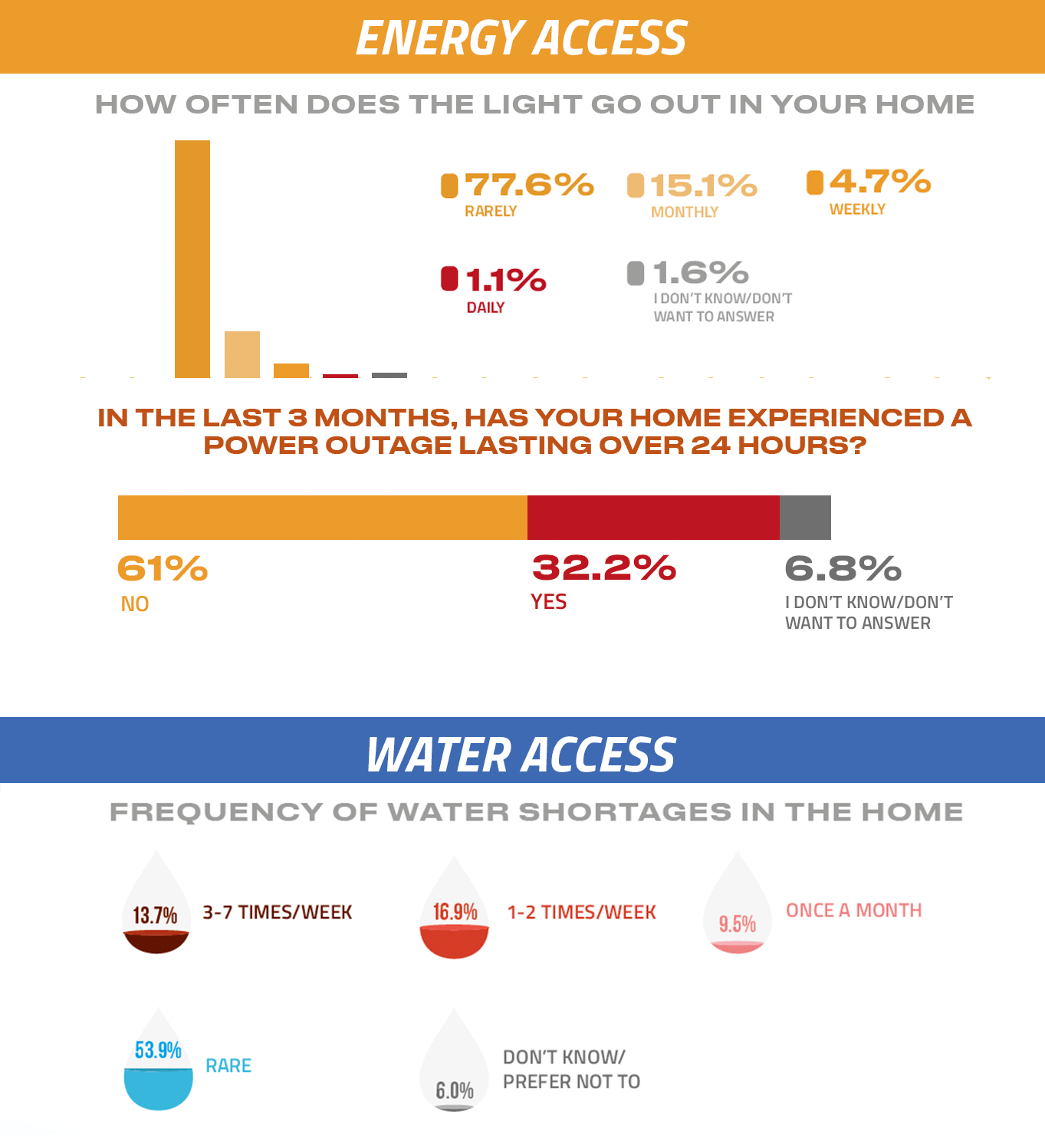
Poor access to public services was evident in the survey; within the last three months, 32% of households experienced a power outage and 26% had water services interrupted for longer than 24 hours. Inefficient products, in addition to raising energy costs for consumers, also contribute to strain on the electric grid, exacerbating the frequency and length of blackouts. Residents showed themselves concerned with efficiency, 67% indicating that they always choose LED bulbs.
Considering nearly half of respondents required a pump to receive water in their households due to water supply issues, the unreliable electric grid has serious implications on access to water. And of the water they do receive, over a quarter reported that it is discolored and has an abnormal taste. The confluence of these issues suggests the importance of further investigation of energy efficiency as a means of addressing poverty and access to basic human rights. This will be the focus of a second report, to be launched prior to Earth Day 2023.
“One of the problems here is the cost of energy to supply water. To have water requires a lot of energy.”
Juliana Cesário
Cosmorama/Mesquita
This research has shown that collaboration is needed to design programs that provide meaningful benefits to underserved populations. As experts on their own needs and living conditions, residents play a critical role in designing both relevant surveys, and the solutions necessary for successful policy action.
Interested in learning more?
- Water and Energy Justice in the Favelas report (English)
- Insights into Energy Efficiency in the Favelas
- Research Is Also ‘By Us for Us!’ Leaders and Youth From 15 Favelas Prepare to Launch ‘Water and Energy Justice in the Favelas’ Report
- Comprehensive report (in Portuguese)
- 43 min documentary on the research course
- 5 min report launch video
Water and Energy Justice in the Favelas
The millions of residents in low-income communities known as favelas are feeling the worst effects of the energy crisis in Brazil. Many government programs are ineffective due to structural inequality, gang-related violence, and general distrust of government by residents. As a result, there is often a mismatch between the community’s needs and municipal services. Catalytic Communities, a Rio-based NGO working to provide strategic support to favela organizers, led a research course to train favela youth to perform research and data collection that could be used for political advocacy. CLASP supported training on energy efficiency and its impacts on residents’ quality of life.
The research focused on the impact of minimal energy and water access for favela residents, highlighting the country’s unique relationship to hydroelectric power. Recent droughts — and floods — have led to a decrease in water quality and availability, subsequently affecting power availability and costs. Meanwhile, energy is needed to pump water to homes. Many people in the favelas struggle to choose between keeping the lights on and having enough to eat. Key findings from the report include:
- At least a fifth of interviewees suffer from blackouts at least once a month.
- 68.7% were not aware of Social Electricity Tariff (TSEE), a program aimed at subsidizing electricity costs for low-income households. Only 8% participated in the program.
- Energy as a cost disproportionally affects lower-income families — over 30% are considered to be in energy poverty.
These conditions are only worsening, as energy prices rise and utility companies are unresponsive to service requests. This collectively-produced report outlines recommendations for the government and utilities to improve responsiveness and keep the lights on.
This report precedes a more specialized “Energy Efficiency in the Favelas” report, which will be released 21 April, in advance of Earth Day 2023.
Solar-Powered Irrigation Systems: Challenges & Opportunities in Kenya
In sub-Saharan Africa, 95% of farmers primarily rely on rainfall for irrigation but climate change threatens crop yields & livelihoods. Solar-powered irrigation systems are a key solution – yet uptake is low. To develop and discuss how we could make progress, CLASP hosted a workshop in June 2022 with participants that included manufacturers, distributors, financiers, program implementors, and government officials.
This report identifies barriers in four categories, technology developing & innovation, affordability & financing, consumer awareness, and business & operational models, and suggests solutions for each one. These possible next steps will inform the Kenya Productive Use of Renewable Energy Program’s strategy to supporting smallholder farmers across the country.
Solutions included:
- Prioritize development of irrigation solutions that are high-performing, low-cost, require low maintenance, and can work under low solar irradiance.
- Bundle financing solutions for SWPs with other irrigation equipment, such as drip irrigation kits, water harvesting & storage structures.
- Create centers of excellence/demonstration centers for experiential learning targeting smallholder farmers, including village-based champion farmers who can serve as ambassadors and trainers for fellow smallholder farmers.
- Leverage the existing network of local technical installers by building their capacity through training and certification to build a healthy installation and aftersales support ecosystem.
For Women, By Women: Unlocking a More Inclusive, Gender-Diverse Energy Sector
India’s G-20 presidency will be inclusive, ambitious, decisive, and action-oriented. India will strive to ensure that the G-20 acts as a global “prime mover” to envision new ideas and accelerate collective action over the next one year.Shri. Narendra Modi
Honourable Prime Minister of India
Recently, India’s PM Modi identified women-led development as a high priority for India’s G20 presidency, and created an engagement group “Women 20” focused on gender equity. While women’s contributions – including different perspectives and approaches to business – result in more inclusive and effective workplaces is widely acknowledged, today only 21 women are at the helm of Fortune 500 Companies.1
The energy sector represents a unique gender imbalance: energy remains one the least gender-diverse sectors, yet women experience the greatest obstacles in access to quality energy services. According to the IEA, the energy sector workforce has 76% fewer women than men, in contrast with the total global workforce gap of roughly 8%. Women make up only 32% of the renewable energy workforce: 28% hold STEM positions and 45% administrative jobs. The gender imbalance in the workforce is reflected in boardrooms and other leadership tiers, as women in the energy sector are far outnumbered by their male counterparts. A 2022 study of 155 countries revealed that 80% of senior management roles in the energy sector are held by men. Comparatively, fewer women are hired into senior roles in energy than in most other industries.
Women disproportionately shoulder the burden of energy poverty, yet poor representation means they are excluded from energy decision-making processes. Delivering energy services with a gendered lens can reduce drudgery, generate income, and promote women’s health and prosperity.
Equitable representation drives innovation and catalyses inclusive solutions. Experience in other sectors, and anecdotal evidence from the energy sector, suggest that women indeed have an important role to play in sustainable energy development. The World Energy Transitions Outlook 2022 report estimates that a 1.5°C-aligned energy transition will result in 139 million energy sector jobs worldwide by 2030. Of those jobs, 38.2 million will be in renewable energy and 74.2 million in other energy transition-related sectors (e-mobility, energy efficiency, etc.). The growth in the clean energy sector provides an opportunity to reskill and upskill a balanced and diverse transition workforce, inclusive of women at all levels of the workforce.
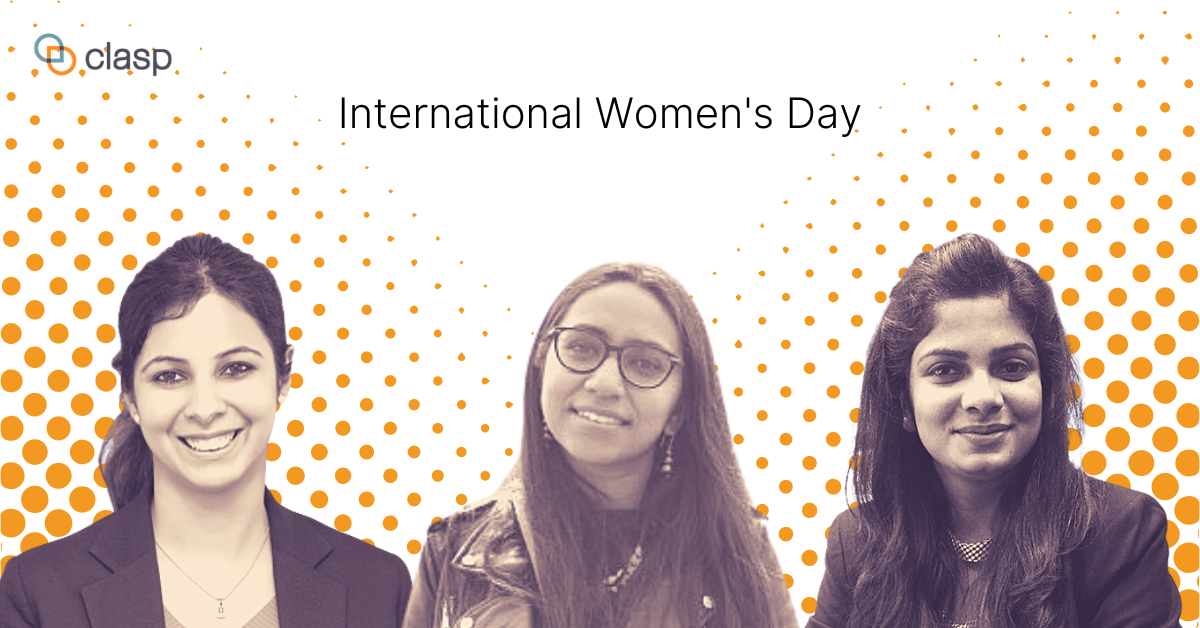
As we celebrate International Women’s Day, let’s not forget how crucial leadership across the gender spectrum is for a more equitable world. At CLASP and through our work, we recognize the important role that women play in promoting clean energy and reducing energy burden. Today and every day, we implore our partners to take action to promote greater gender equality in the energy sector.
Appliance Impacts Over Time
Between 2015 -2021, in partnership with 60 Decibels, CLASP through Efficiency for Access surveyed over 4000 solar refrigerator, water pump and television customers across East, West and Southern Africa. Understanding these customers’ needs, experiences and satisfaction levels provides strategic insights to support the growth of the nascent solar appliance sector.
The ‘Appliance Impacts Over Time‘ report presents the findings of this longitudinal study and offers an exciting opportunity to understand how customers’ relationships with their solar appliances change over time based on product quality, durability, satisfaction, impact, and uptake indicators. The data presented is categorised by appliance type and ownership tenure to produce specific and actionable insights, share feedback from consumers and signal opportunities for improvement.
The customer cohort examined in the report is represented in previous Efficiency for Access and 60 Decibels reports that explore the use and impact of off-grid appliances (electric pressure cookers, refrigerators, solar water pumps & TVs). We recommend referencing the use and benefits reports together with this report for deeper insights.
Download the Appliance Impacts Over Time report.
About Efficiency for Access
Efficiency for Access is a global coalition working to promote renewable and energy efficient appliances to deliver clean energy to the world’s poorest people. It is coordinated jointly by CLASP and the UK’s Energy Saving Trust.
Charm Impact & CLASP Supporting Local Early-Stage African Renewable Energy Entrepreneurs Through a New Financing Facility
With support from the IKEA Foundation, CLASP is collaborating with Charm Impact to pilot a new financing facility for early-stage, locally owned, renewable energy companies on the African continent. The Supporting Early-Stage Local Entrepreneurs (SESLE) Program promotes inclusive finance by investing in local companies, which are often challenged to access the capital they need to grow their renewable energy businesses. SESLE de-risks loans for investors and helps borrowers hedge against volatile currency fluctuations.
Locally-owned companies are key drivers of the renewable energy transition. Despite their potential, financing to help them expand operations and reach more customers is critically insufficient, with investors often perceiving them as too risky. Funding overwhelmingly goes to foreign-owned companies. Often, the ticket size of available micro-financing is too small to be useful for entrepreneurs. At the same time, local commercial banks are unwilling to lend to startups or carry prohibitive collateral requirements and charge exceptionally high annual interest rates.
Charm Impact has developed a unique approach to tackling the financial exclusion of local entrepreneurs. Using its credit risk and impact assessment tool, Charm supports companies in establishing a commercial credit history. This enables entrepreneurs to scale their operations, prove their creditworthiness and access capital from later-stage investors. Adding to this effort, SESLE’s blended finance approach offers a pathway for increasing financial flows to these local companies.
“Blended finance is typically only looked at through the lens of supporting investors,” says Gavriel Landau, CEO and Founder of Charm Impact. “With SESLE, we have flipped this paradigm on its head and created an innovative instrument that caters to investors and entrepreneurs. One component of SESLE de-risks loans for investors by guaranteeing a portion of their investments. While the other supports entrepreneurs by absorbing some of their potential losses in the event of currency depreciation.”
Locally-owned energy access companies are desperately needed to create competition in the marketplace, reach underserved geographies and cater to last-mile customers to boost progress towards United Nations Sustainable Development Goal 7. Without the commercial funding to enable these companies to grow, it will be impossible to achieve the SDG7 targets.
“Energy access for all is possible. SESLE can help accomplish this by offering an innovative new funding facility that creates an equitable investment ecosystem and supports locally owned companies that are fundamentally being left behind”, says Siena Hacker, a Senior Program Associate at CLASP.
SESLE has demonstrated early traction by already incentivizing investment in three locally owned companies across Rwanda, Nigeria and Kenya. After demonstrating the pilot’s success, SESLE will aim to expand its reach and ensure that local entrepreneurs across Africa can climb the credit ladder, illustrate the success of their customer-centric businesses and enhance the growth of the energy access industry.
Jeffrey Prins, Head of Portfolio, Renewable Energy at IKEA Foundation, says, “We have partnered with CLASP and Charm Impact to give locally owned, renewable energy companies on the African continent the means to scale their high-impact businesses. This will help boost the local renewable energy markets, reduce greenhouse gas emissions and enable many families on the continent to access renewable energy products that would otherwise be unattainable.”
####
About the IKEA Foundation
The IKEA Foundation is a strategic philanthropy that focuses its grant-making efforts on tackling the two biggest threats to children’s futures: poverty and climate change. It currently grants more than €200 million per year to help improve family incomes and quality of life while protecting the planet from climate change. Since 2009, the IKEA Foundation has granted more than €1.5 billion to create a better future for children and their families. In 2021 the Board of the IKEA Foundation decided to make an additional €1 billion available over the next five years to accelerate the reduction of Greenhouse Gas emissions. Learn more at: www.ikeafoundation.org or by following them on LinkedIn or Twitter.
About CLASP
CLASP serves at the epicenter of collaborative, ambitious efforts to mitigate climate change and expand access to clean energy through appliance energy performance and quality.
About Charm Impact
Charm Impact’s mission is to combat the financial exclusion of clean energy entrepreneurs across Sub-Saharan Africa.
Charm has provided 27 loans across Nigeria, Kenya, Malawi, Rwanda, Zimbabwe, Tanzania and India with a combined value of £2m, improving energy for more than 350,000 people. To date, Charm maintains no defaults across its portfolio and has had 11 loans fully repaid.
Contacts
- We encourage local entrepreneurs eligible for the financing facility to get in touch via hello@charmimpact.com.
- Funders/philanthropies interested in supporting SESLE can contact CLASP via shacker@clasp.ngo.
- For media inquiries, please get in touch with Lisa Kahuthu at lkahuthu@clasp.ngo.