
To Electrify, Europe Needs Efficient, Demand-Flexible Appliances
The European Union (EU) has set an ambitious course for its clean energy transition. The European Commission’s Electrification Action Plan, which launched in July, aims to nearly double the share of electricity in the continent’s energy system, bringing it from 23% today to 46% by 2040. Achieving this would reduce reliance on imported fossil fuels, strengthen energy security, boost competitiveness, and lower costs.
But this shift to electrification hinges on how power is used across homes, businesses, and systems. Efficient, demand-flexible appliances can provide the foundation that allows the plan to succeed.
Appliance efficiency policy lowers electricity costs and protects power grids
Without efficiency, electrification becomes more expensive. In addition to costing people more to run, inefficient appliances add unnecessary demand to the power system, placing greater pressure on electricity grids. This can require the development of expensive new power infrastructure whose cost is passed on to ratepayers, further driving up electricity bills.
Moreover, the more electricity Europeans use, the more fossil fuels are used to produce it, linking people’s utility bills to volatile oil and gas prices. The dramatic rise in energy demand from data centers is only adding to this challenge.
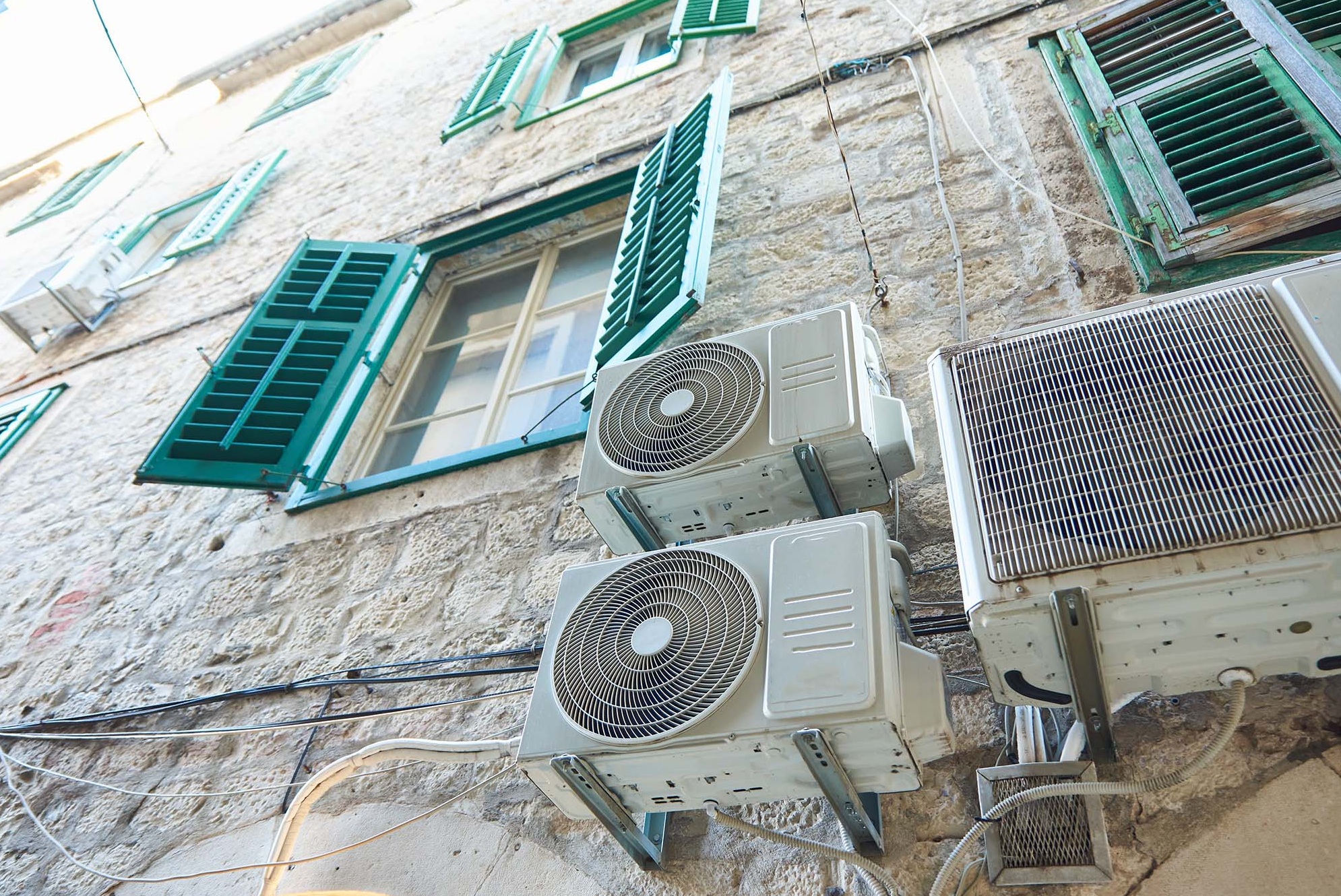
Efficiency is becoming even more crucial as climate change brings more extreme weather events like heat waves, leading to greater use of appliances like air conditioners and fans. As power grids strain to manage these growing loads, inefficient appliances will heighten the challenge, increasing the risk of blackouts.
Credit: Shutterstock
Government action is therefore essential. Appliance policy is a proven, cost-effective solution for increasing the efficiency of the appliances and equipment people rely on every day.
Demand-flexible appliances unlock decarbonization and resilience
Efficiency alone isn’t enough to meet the goals of the Electrification Action Plan, however—Europe’s appliances must also be flexible.
Appliances equipped with smart controls can automatically shift electricity use to moments when renewable generation is abundant or energy demand is lower. This, combined with batteries that feed power into the grid when demand is highest, will enable electrification to unlock decarbonization and resilience. Together with efficiency, these measures can reduce the need for fossil fuel generation while keeping the grid strong when people need appliances most, such as during heat waves.
Analysis from the Regulatory Assistance Project, a global nonprofit focused on the energy transition, shows that many European households and businesses can already benefit from demand-side flexibility through programs designed to help them use electricity when it is cheaper, cleaner, and more plentiful. For example, German company 1KOMMA5° offers an AI-driven service that syncs automatically with home heat pumps to maximize their use of renewable energy.
While most of the programs the Regulatory Assistance Project studied don’t require demand-flexible appliances, these devices make it easier for consumers to participate and take full advantage of flexibility. However, while demand-flexible heat pumps, water heaters, electric vehicle chargers, and other appliances are readily available on the market today, they’re not always easy for consumers to identify. Including information about this feature on Europe’s appliance labels would address this barrier to adoption.
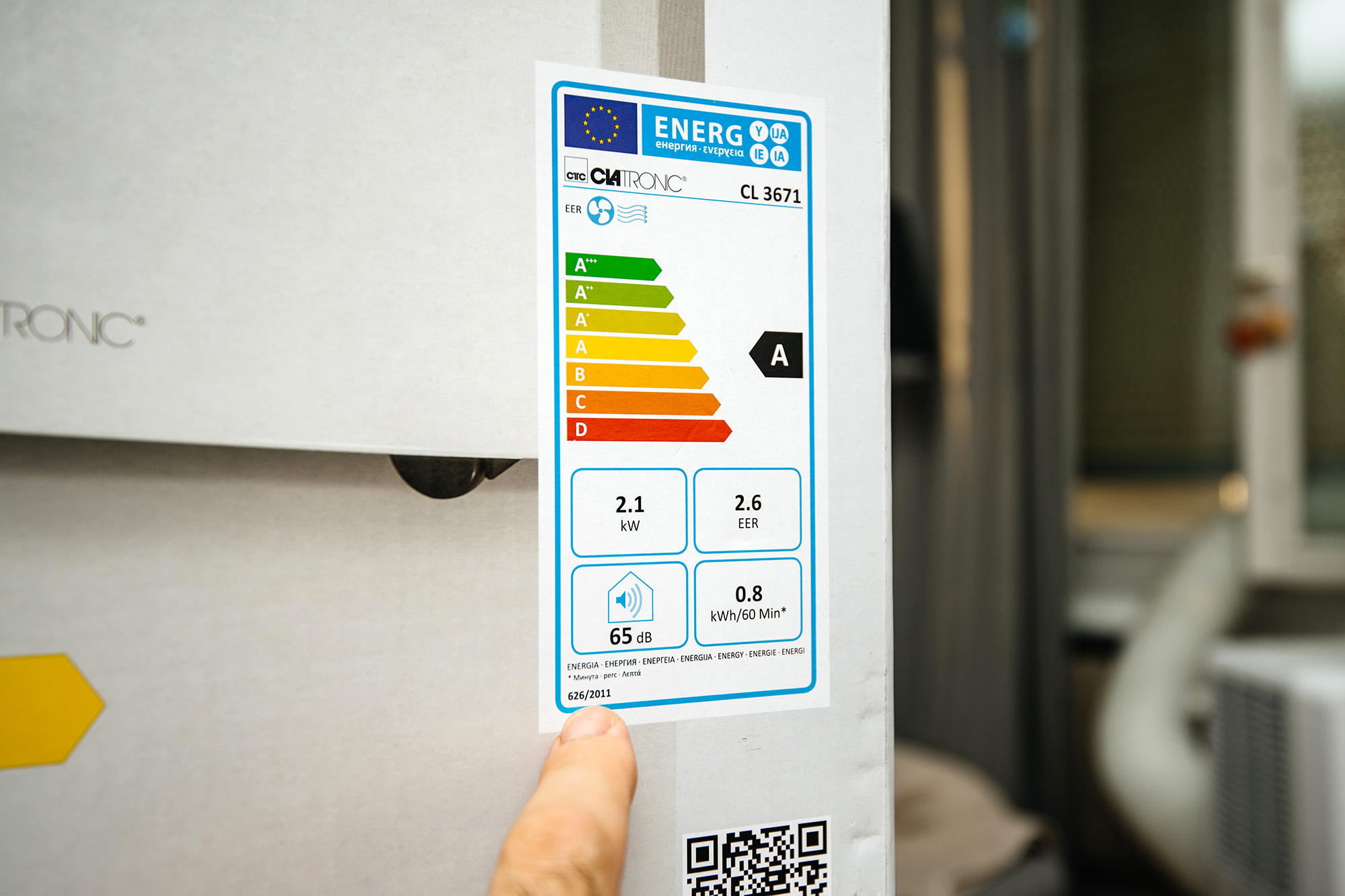
European appliance energy label
Credit: Shutterstock
Importantly, labeling would also help procurement specialists include these appliances in large-scale buys, as well as aid governments in supporting their growth.
A global energy solution
The benefits of efficient, flexible appliances are not limited to Europe. As governments around the world pursue electrification, pairing this activity with ambitious appliance policies can lower costs while building more secure, flexible, and affordable energy systems.
Building an Efficient Fan Market with India’s Small Manufacturers
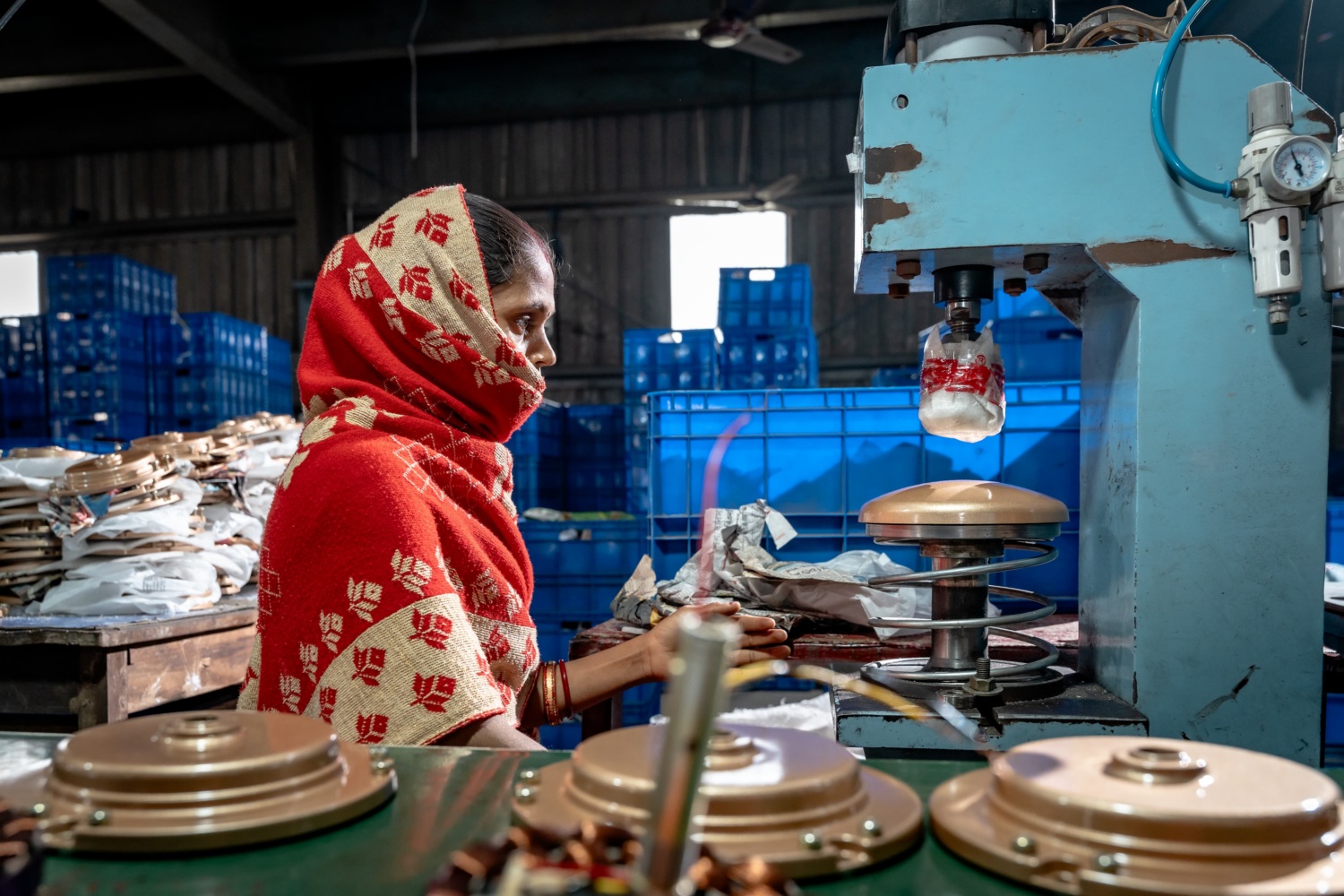
Every day, millions of Indian households rely on ceiling fans to stay cool. In this video, Neha Dhingra explains why the small manufacturers behind these fans are essential to delivering affordable, energy-efficient cooling, and how the right support can help them meet evolving efficiency standards and reach more people while supporting India’s energy and climate goals.
Building an Efficient Fan Market with India's Small Manufacturers
Running time: 2:06
Region: India, Asia
Featuring: Neha Dhingra
Explore CLASP’s YouTube channel for more videos about the transformative power of efficient appliances.
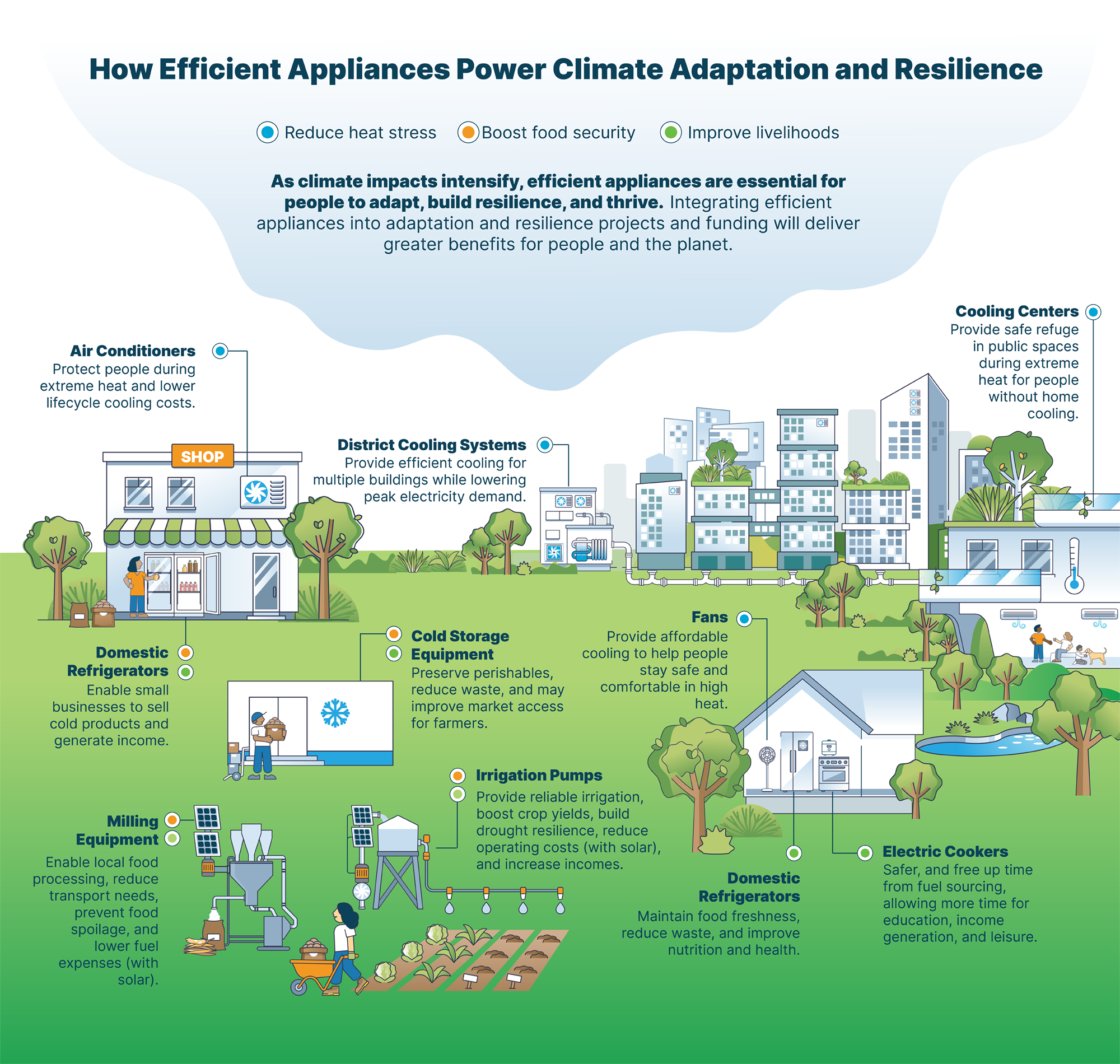
Powering Thriving Communities: Efficient Appliances for Climate Change Adaptation and Resilience
CLASP
Residential Energy Consumption Patterns and Appliance Ownership in India: Insights From a 2024 Household Survey
India’s energy landscape is rapidly evolving, driven by a growing population, an expanding economy, and growing access to modern energy services.
With a population exceeding 1.4 billion, India’s residential sector is a key contributor to the country’s overall electricity consumption. As of 2024–25, it accounts for ~25% of total electricity usage in the country, with an annual growth rate of 6%.
To better understand the factors driving up this energy use, CLASP conducted a study examining appliance ownership, usage patterns, and their impact on residential electricity demand. The study draws on data collected from a sample of 4,321 households across 20 states, covering both urban and rural areas and representing major climatic zones.
Key findings
- Energy consumption in surveyed households is not uniform: Climatic conditions, socioeconomic status, awareness of energy efficiency strongly influence appliance use.
- Among surveyed households, electricity use is primarily driven by thermal comfort, which accounts for 40% of total consumption, reflecting the growing demand for cooling solutions. Kitchen appliances contribute 28% to electricity use, while lighting accounts for 11%, and other miscellaneous uses make up the remaining 21%.
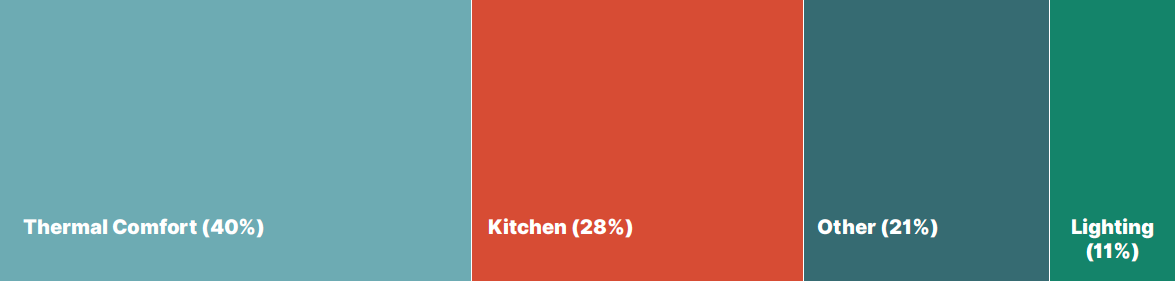
Annual electricity use in surveyed households by end use
- Affordability is a decisive factor in appliance purchases, often outweighing energy efficiency considerations.
- Consumer behavior around energy efficiency is inconsistent. All surveyed households reported using LED lighting, however, only 2% actively considered energy efficiency when purchasing lighting solutions. This contrast highlights the importance of initiatives promoting the adoption of energy-efficient technologies.
By identifying the key factors that influence residential energy use, this study aims to inform the development of effective energy efficiency policies and provide policy recommendations for managing growing demand efficiently. By acting on these insights, India can ensure that its residential sector evolves in a sustainable, energy-efficient, and climate-resilient manner.
2025 CLASP Annual Report
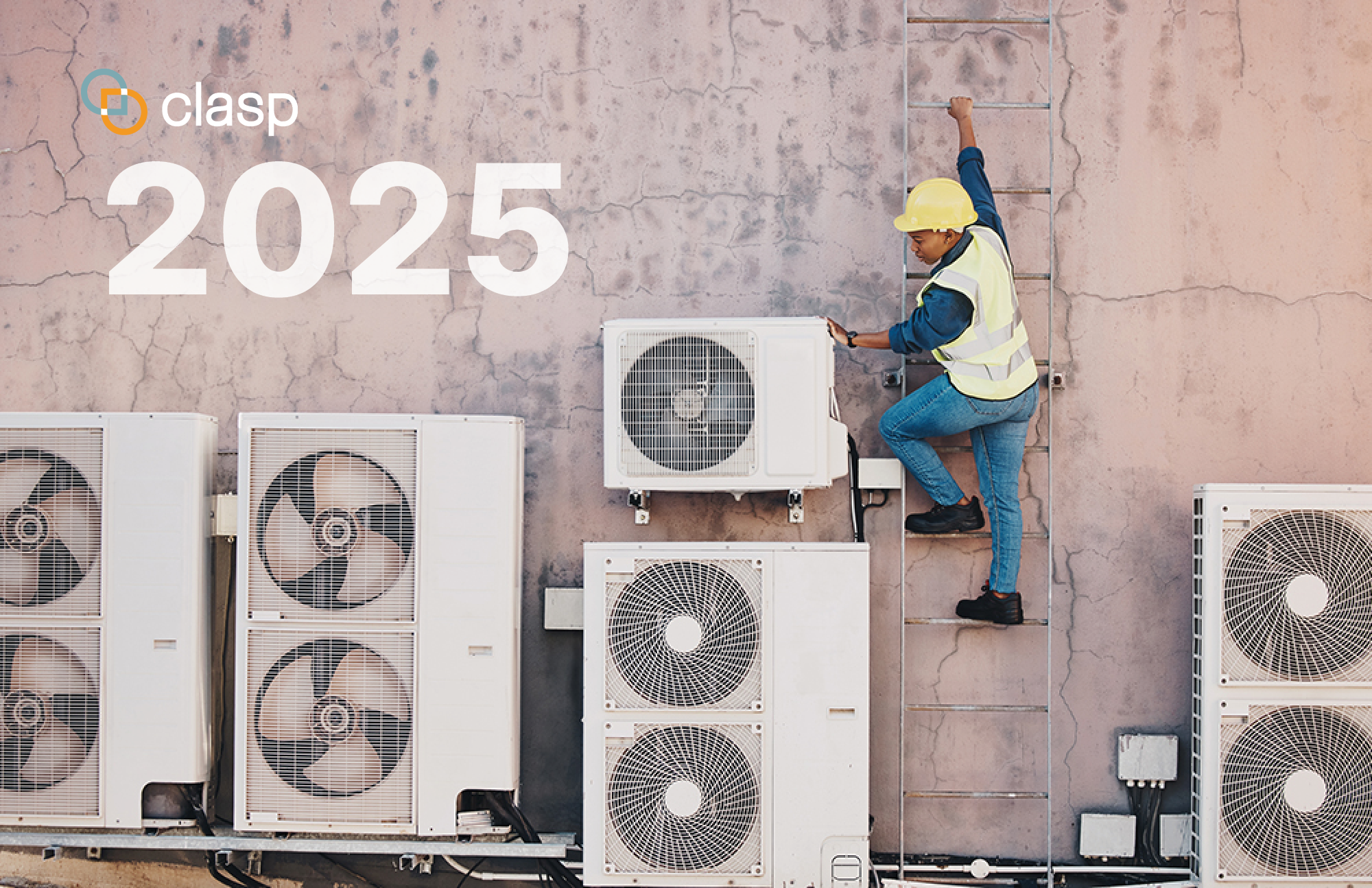
Collective action for people,
prosperity, and planet.
A note from CLASP’s CEO,
Christine Egan
Appliance and equipment energy efficiency is a triple-win for people, planet, and prosperity. In a time of multiplying global crises, it stands out as a durable climate solution and key element of smart decarbonization strategies. It also creates jobs and improves livelihoods, enhances energy security and food system resilience, and helps people adapt to a changing climate.
Looking back at 2025, I’m wowed by the work of CLASP’s global team and dedicated partners, and the focus of the decisionmakers we support. Through purposeful collaboration, we forged the policy instruments, finance, and intelligence to drive positive momentum.
Together, we are changing the way we use energy.

2025 by the numbers:
4.6 Gt 18 CLASP-supported appliance and equipment efficiency policies will avoid 4.6 gigatons of CO2 by 2050, improving planetary and human health and saving money.
30K+ Over 30,000 people experienced improved health and livelihoods via access to efficient, solar powered appliances and equipment.

Skyline of Jakarta, Indonesia
Image credit: CLASP
Elevating Appliance Efficiency in National Climate Commitments
What we did
Ahead of COP30, CLASP led a global campaign to improve inclusion of appliance and equipment energy efficiency in national climate goals (nationally determined contributions or NDCs).
How we did it
Through our Net Zero Appliance NDC Toolkit and bespoke support for governments around the globe, CLASP elevated appliance efficiency policy as a key climate mitigation solution. Now, appliance and equipment efficiency policy is included in 90% of all submitted NDCs—up from below 50% in the last cycle.

Image credit: CLASP
Powering Africa’s Green Economy
Solar-powered appliances and equipment turn energy into opportunity, helping small businesses generate jobs and income. In 2025, CLASP re-launched our innovative Productive Use Financing Facility to make it cheaper and easier for entrepreneurs, farmers, and small businesses in Ethiopia, Kenya, and Nigeria to buy solar-powered appliances and equipment that power livelihoods. Last year, CLASP partnered with 11 companies to drive jobs and economic growth in Africa’s informal and agricultural sectors, which make up 70-80% of African economies.
Slashing Emissions Through Smart Policy
Australia
National leaders passed a lighting policy that will transition Australia’s market to an all-LED future and avoid 41 Mt of CO₂ by 2050, informed by CLASP-led analysis.
Brazil
Policymakers made strides in Brazil’s LED transition with CLASP’s support, approving a lighting policy package that will slash nearly 3 Mt CO₂ by 2050.
China
CLASP supported seven major policy updates, including for compressed air systems, refrigerators, and water pumps. Altogether, the new policies are estimated to cut nearly 3 Gt CO₂ by 2050.
India
CLASP supported the advancement of policies for space cooling appliances that will place India among global leaders in efficiency and cut 1.2 Gt CO₂ by 2050.
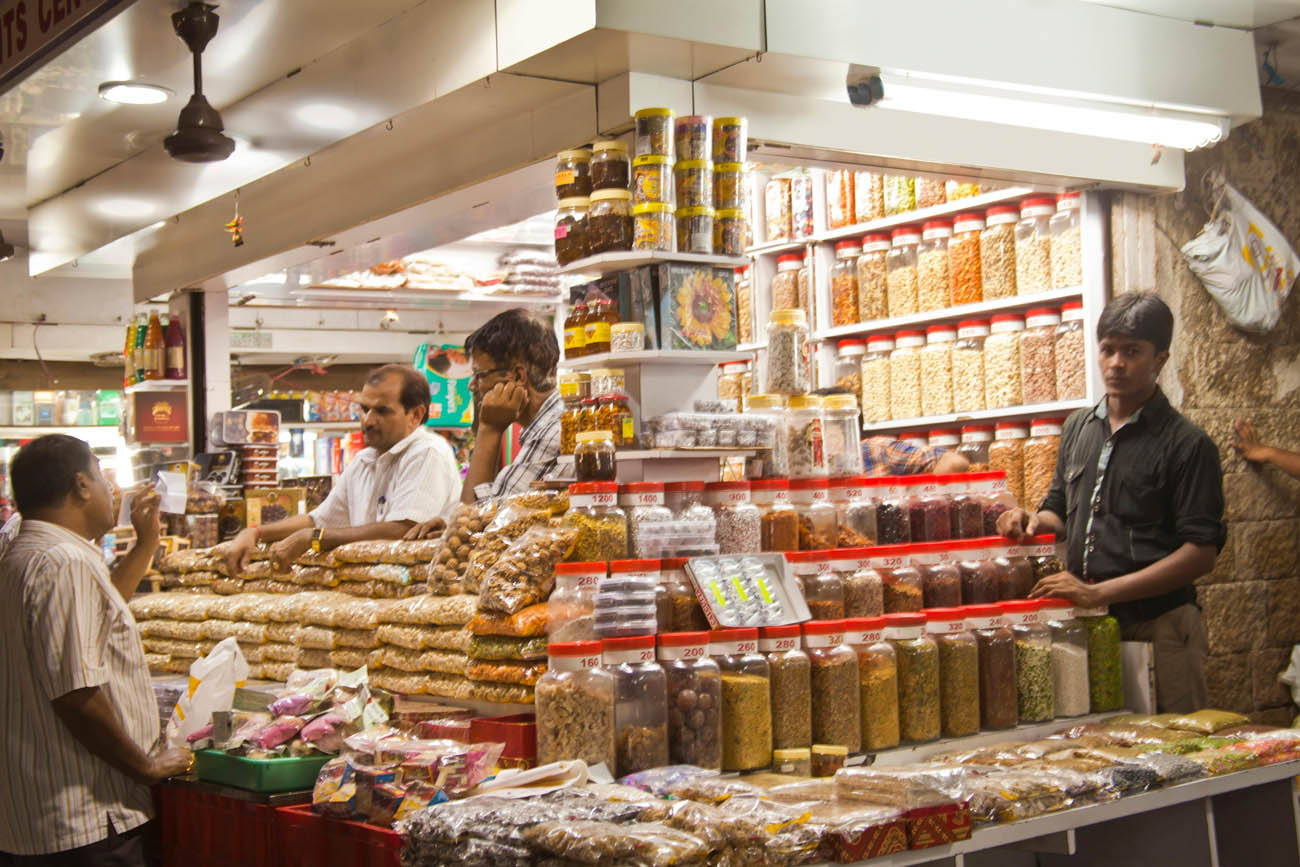
Image credit: ImageDB
Making Efficient, Affordable Fans the New Standard in India
India is one of the places on the planet most at risk of extreme heat. 90% of households rely on fans as their only form of space cooling. CLASP partnered with government and private sector partners to drastically improve fan efficiency, availability, and affordability. A major part of the effort was supporting small and medium enterprises to improve their production capacity.
The impact has been catalytic. Together, CLASP and partners cut energy demand and climate emissions from cooling, while safeguarding jobs, strengthening local supply chains, and making efficient cooling more affordable to the people who need it.
Joining Up with the Modern Energy Cooking Services (MECS) Programme
CLASP joined the UK Aid-supported MECS programme as a core partner alongside Loughborough University and the World Bank’s ESMAP. CLASP now leads on venture building and market shaping, helping e-cooking businesses scale up. In 2025, CLASP launched the Global LEAP Awards Induction Cooktops Competition to identify and promote the most innovative electric cooktops on the market.

CLASP's Sumedha Awasthy & Nya Abagi at the Global LEAP Awards Induction Cooktops Competition workshop in New Delhi, India.
Image credit: CLASP
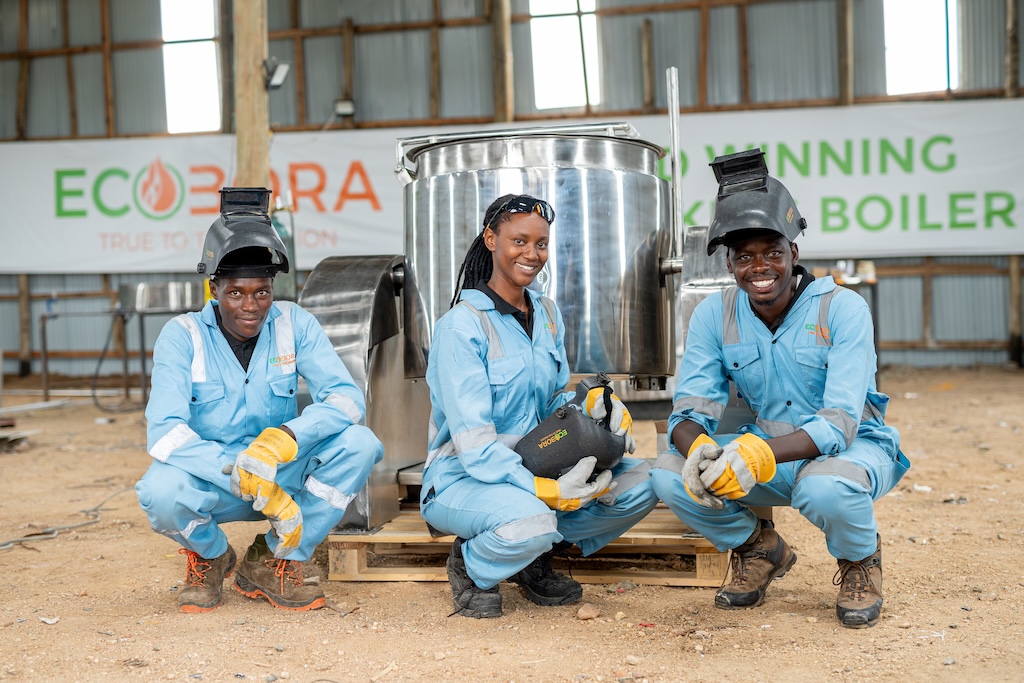
EcoBora, an innovative electric cooking company in Kenya, supported by CLASP through the MECS programme.
Image credit: CLASP
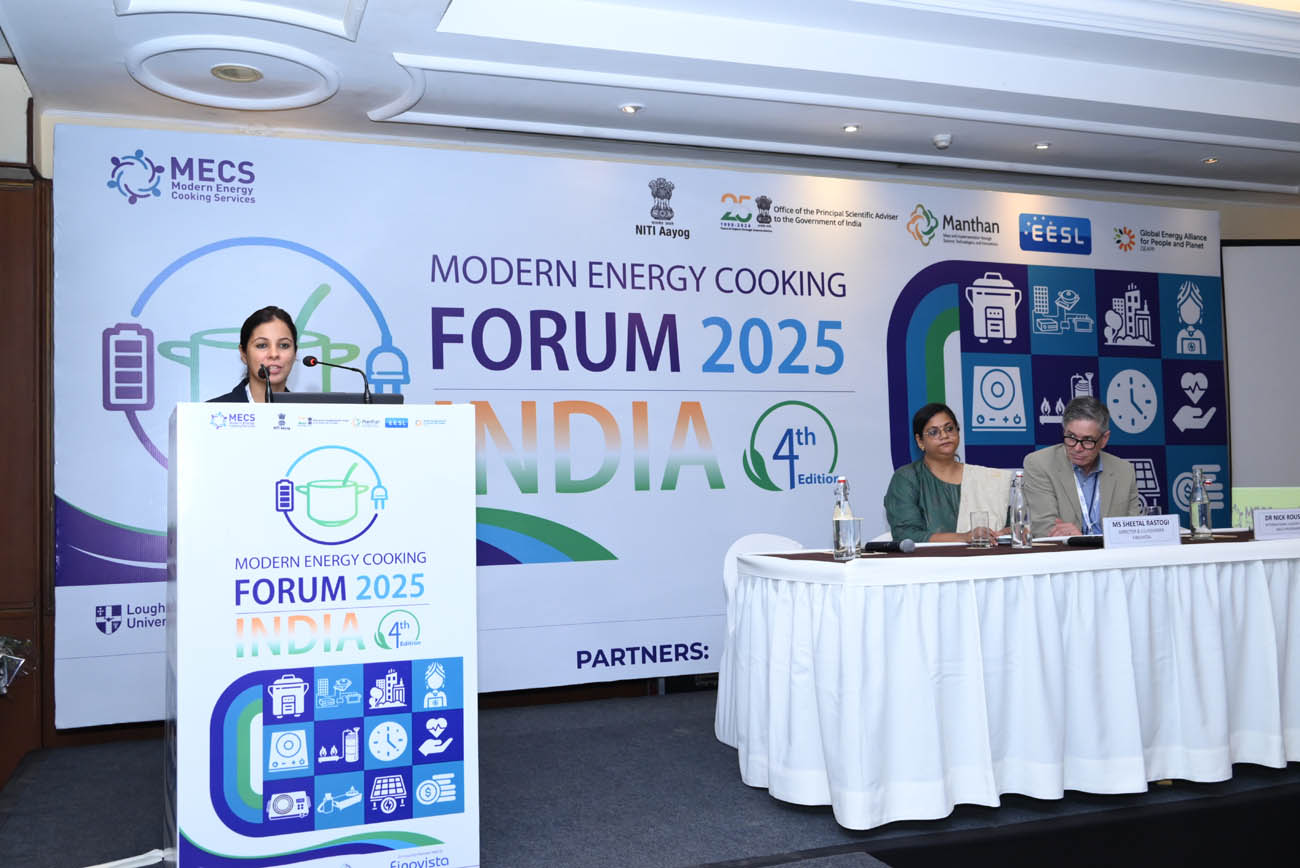
CLASP’s India Director, Neha Dhingra, speaking at the Modern Energy Cooking Forum in New Delhi, India, in September 2025.
Image credit: Finovista
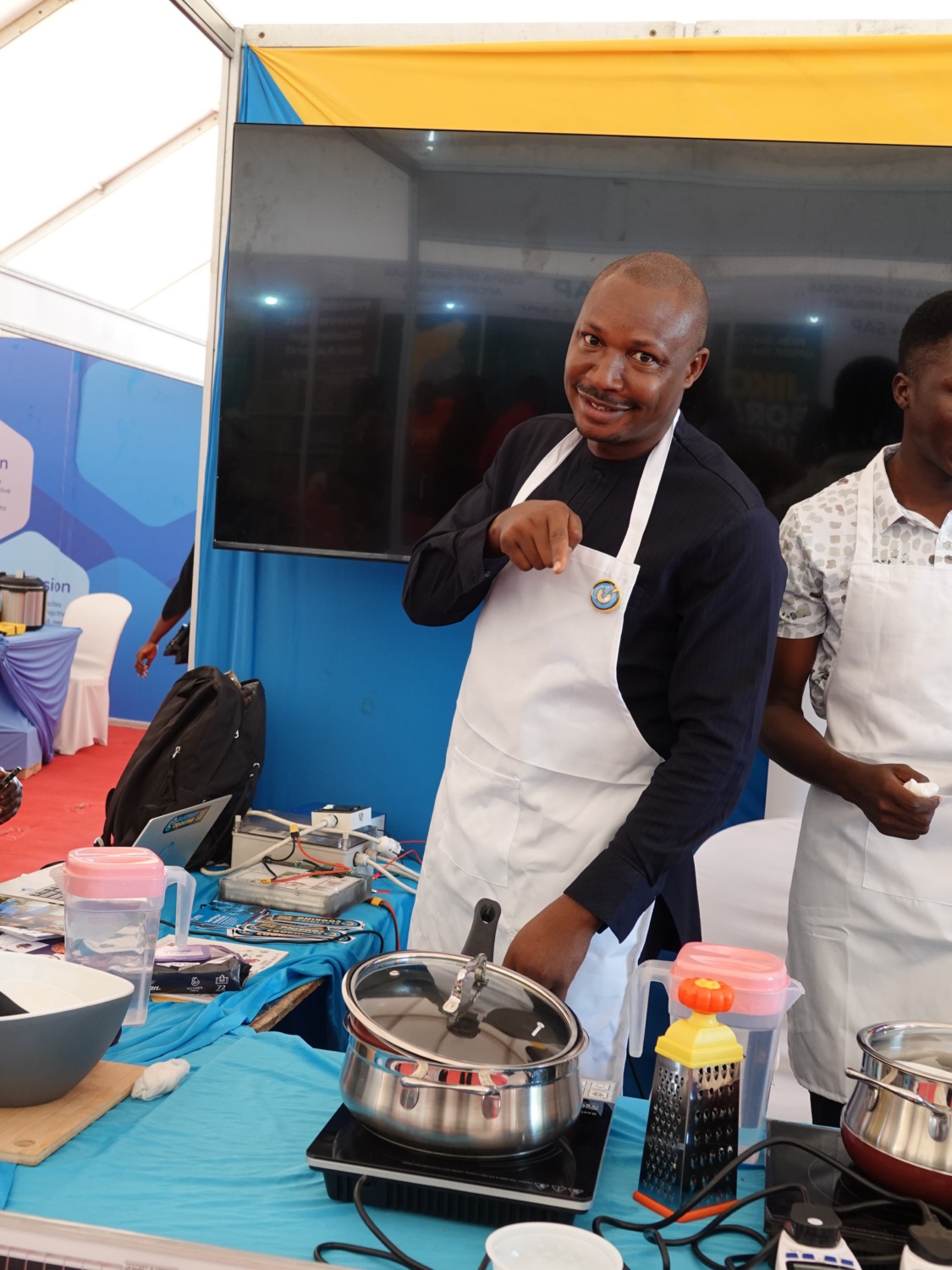
Emmanuel Aziebor, CLASP’s Senior Director, Africa, at Kenya Clean Cooking Week.
Image credit: CLASP
How UK Housing Authorities Can Power the Switch to Electric Cooking
Global Action Plan, in partnership with CLASP, piloted gas-to-electric cooking retrofits in a social housing community in Manchester.
For participating households, switching to electric meant more than lower emissions. It meant breathing more easily in the kitchen, a cleaner and more practical cooking experience, and greater peace of mind for families with young children. Every household preferred its new induction cooktop over gas.
Watch the video:
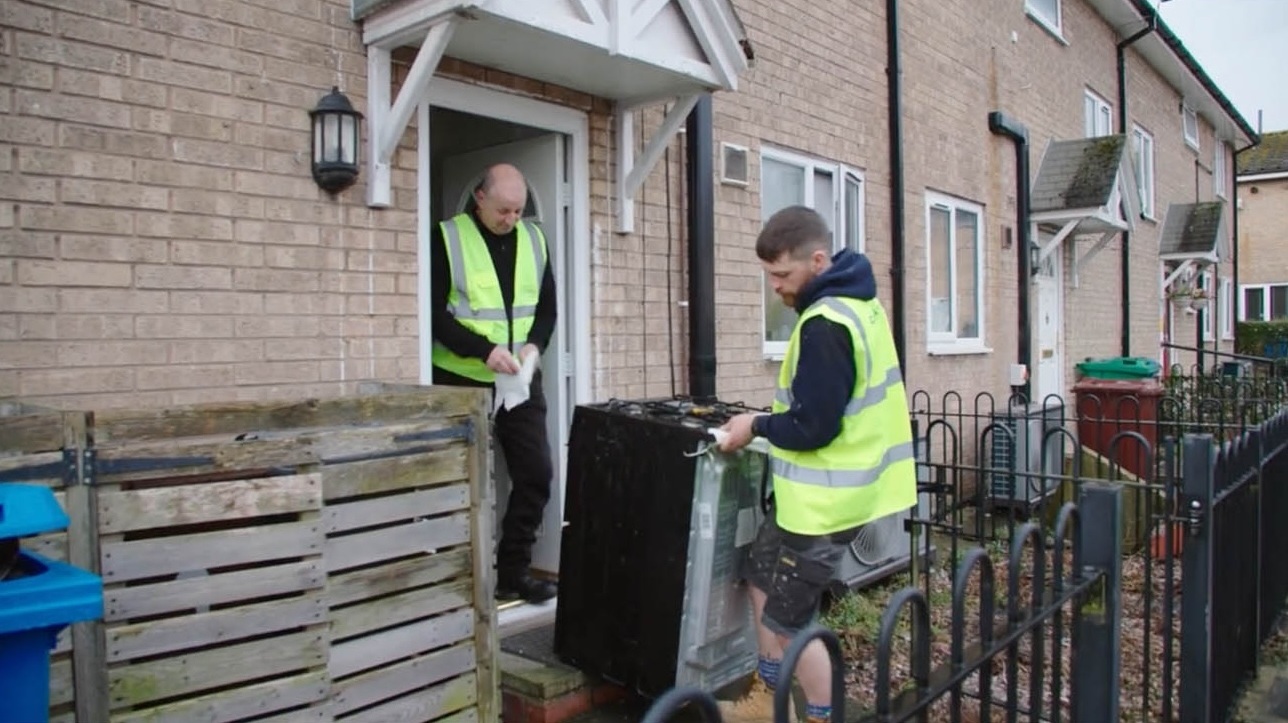
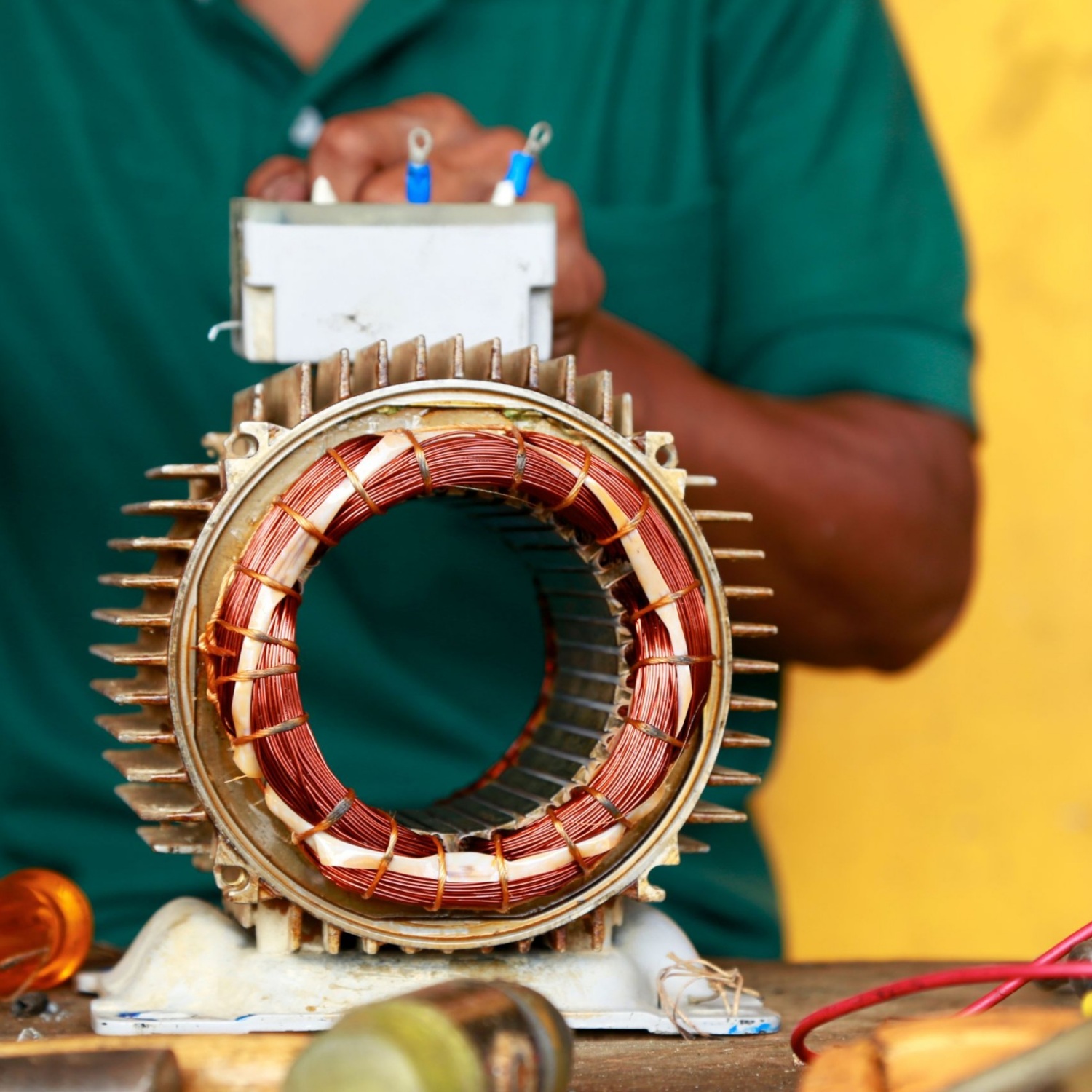
Image credit: CLASP
Economies Can Boom When Powered by Efficient Motor Systems
Industrial motor systems are the invisible heartbeat of economic development. Universally used across industrial facilities, they power the production of goods like metals, paper, cement, textiles, and packaged food. Motor systems are also ferocious energy consumers, due to their function and prevalence. Without intervention, and in step with global economic development and industrialization, by 2050 motor systems will account for 35% of global electricity demand and 19% of energy related emissions. CLASP is taking action on this priority appliance in the fight for Net Zero, identifying high impact opportunities at national and global scales to drive up efficiency, slash emissions, and boost economic progress.

Image credit: CLASP
In Brazil, Partnering for Change
Ahead of COP30 in Brazil, CLASP joined forces with science communication agency Bori to drive national awareness of the benefits of appliance efficiency. Our InfoEnergia Mentorship was an 8-week, in-depth workshop that connected 25 journalists with experts and expertise to produce smart, contextualized reporting on appliance efficiency and its social, economic, and environmental impacts. Robust local journalism is a key element of durable climate policy.
Elevating Appliance-Centered Solutions at COP30
At COP 30 in Brazil, appliance and equipment energy efficiency stood out as a powerful climate solution, driving job creation, energy security, and adaptive capacity. CLASP provided expert testimony on the power of appliance efficiency solutions.
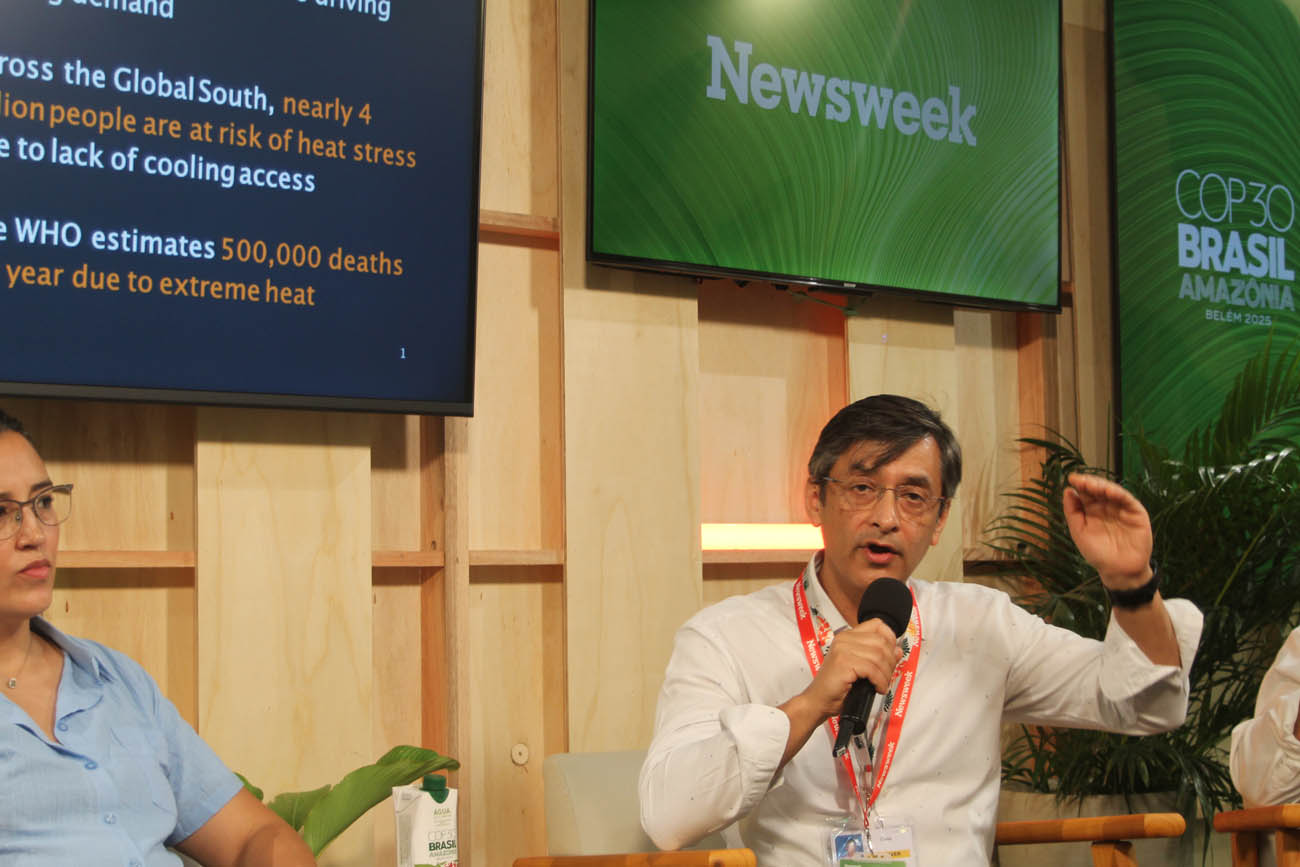
CLASP’s Bishal Thapa participated in discussion on space cooling solutions, offering insights about the benefits of efficient cooling technologies that slash emissions.
Image credit: CLASP

CLASP’s Edilaine Camillo moderated a conversation on the principal role of efficiency in Brazil’s energy transition during an agency-led day of efficiency themed events.
Image credit: CLASP

CLASP’s Bishal Thapa took part in a panel hosted by Casa Civil to speak about the role of energy efficiency policy in Brazil’s reindustrialization strategy.
Image credit: CLASP
Insights driving action
Delivering COP28’s Doubling Efficiency Goal Through Appliances
Appliance efficiency will play a critical role in meeting the COP28 commitment to double the global rate of energy efficiency improvement by 2030. CLASP research found it could deliver 20% of the energy savings needed, highlighting the value of strong standards, clear targets, and international collaboration.
The Missing Piece of Energy Access
666 million people, most of them in Africa, lack access to electricity. 2025 CLASP research shows that directing just 15% of existing energy investments toward efficient appliances can generate the demand needed to make grid expansions financially viable and help those currently living without electricity gain access to healthier, more productive lives.
Finances
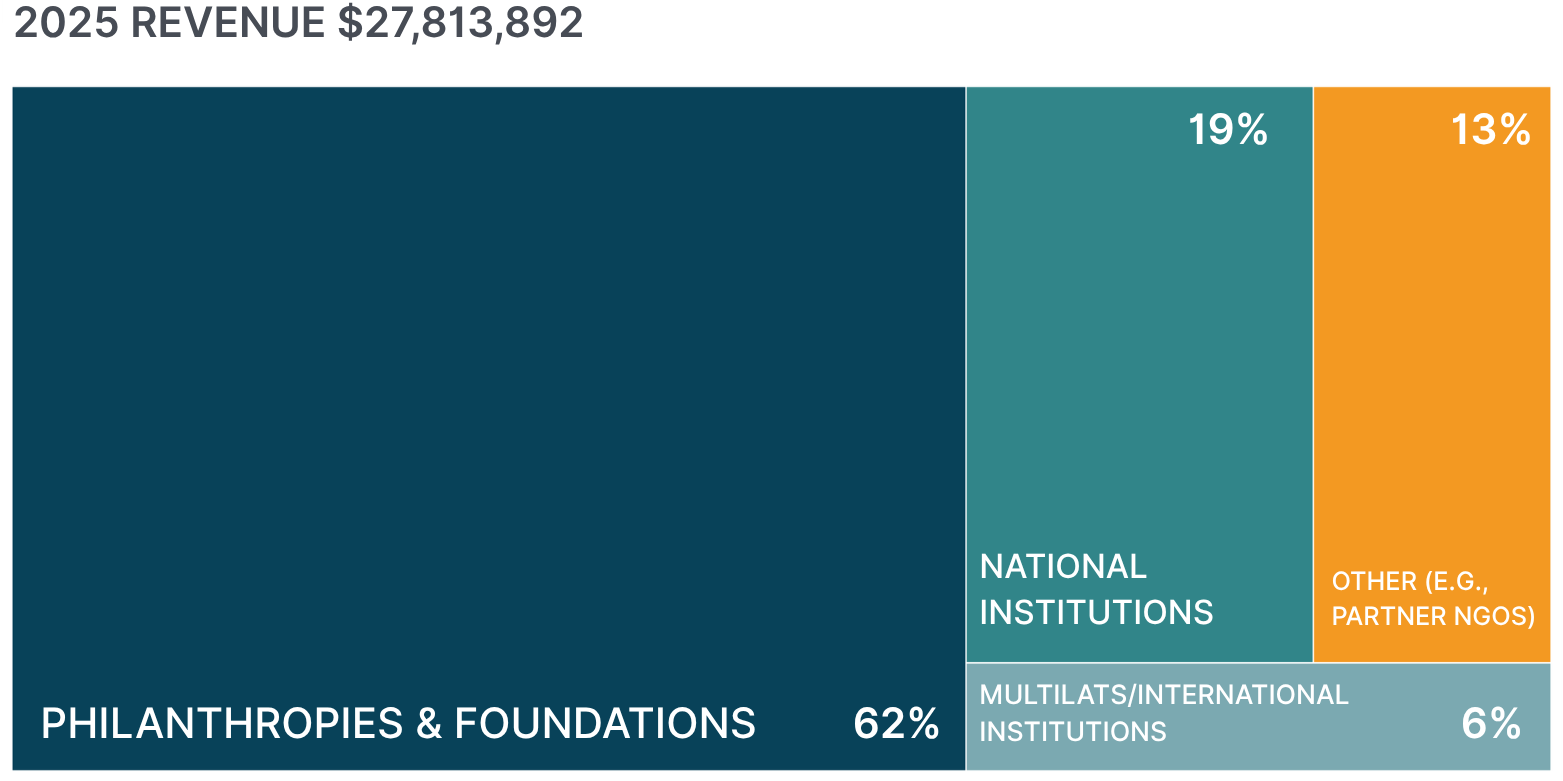
- Revenue by donor type
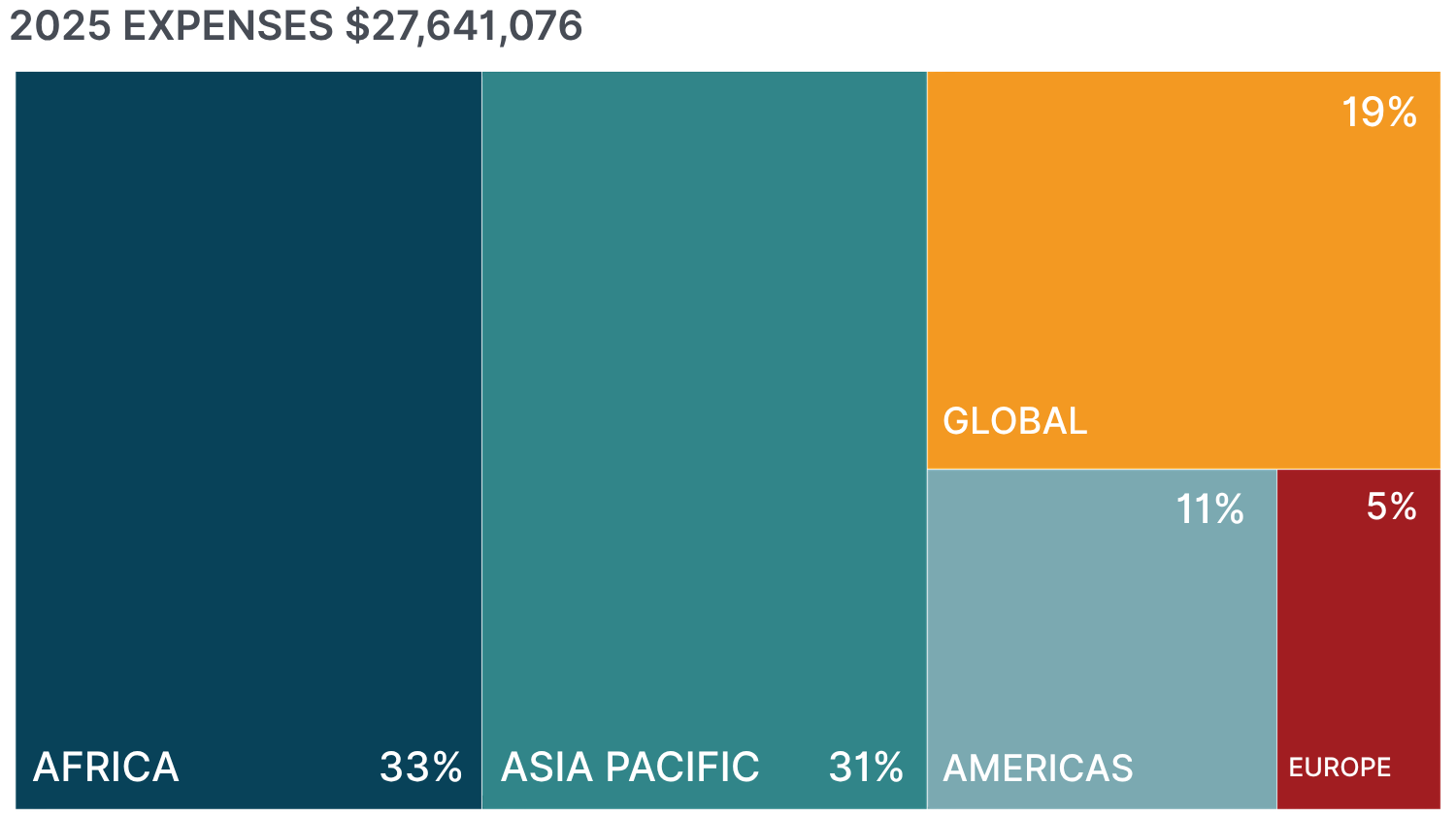
- Expenses by region
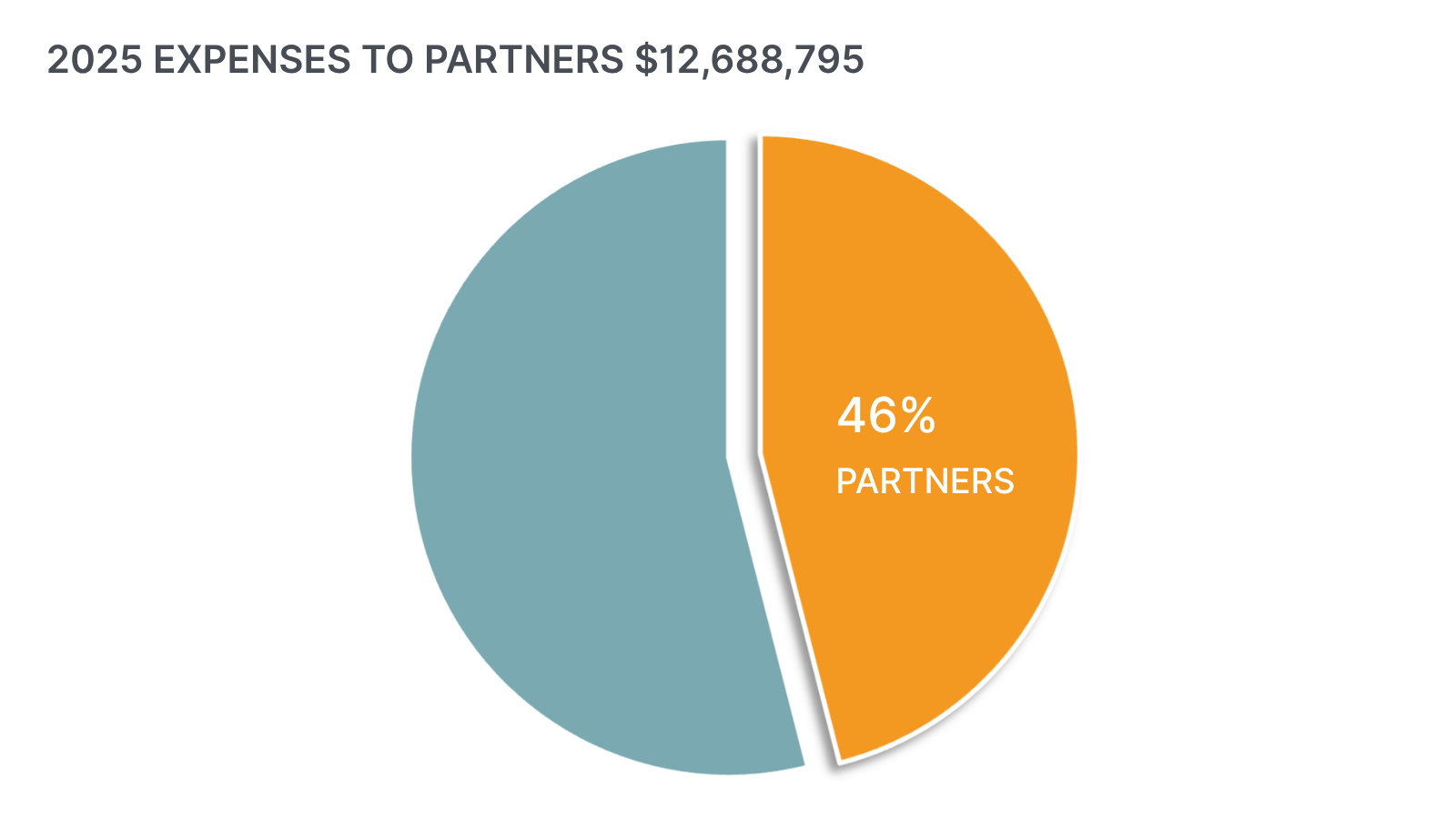
- CLASP collaborates with a global network of partners. In 2025, CLASP channeled nearly half our resources to civil society and energy groups, innovators, academic institutions, and experts — essential partners in changing the way we use energy.
About CLASP
Efficient appliances and equipment are essential drivers of economic growth and a fast, practical energy transition. With over 25 years of expertise and offices on five continents, CLASP collaborates with governments, industry leaders, and other experts to change the way we use energy.
We’re proud of what our team and partners achieved in 2025, driving progress for a better world. In 2026, we remain committed to championing appliance efficiency as a powerful solution for people, prosperity, and planet.
Making Efficient, Affordable Fans the New Standard in India
With temperatures soaring globally due to climate change, India is one of the places on the planet most at risk of extreme heat. Ceiling fans are widely used, with 90% of households relying on fans as their only form of space cooling.
Over a period of three years, CLASP partnered with both the Indian government and private sector to drastically improve the affordability and availability of efficient fans. A major part of the effort was working with small and medium enterprises to build their capacity to produce more efficient fans.
The results have been catalytic. Together, CLASP and our partners have cut energy demand from cooling, while safeguarding jobs and strengthening local supply chains, and making efficient fans more affordable to the people who need them.
A Systems Approach to Efficient Cooling Access
For many households in India, a ceiling fan can turn a space from unbearable to livable, enabling productivity, schoolwork, comfort, and health. With total stock projected to reach 1 billion by 2038, improving fan efficiency represents a major opportunity to cut energy demand. At the beginning of this project, fans accounted for about 40% of residential electricity consumption.
In 2023, CLASP supported India’s Bureau of Energy Efficiency to improve the energy efficiency policy for ceiling fans. The policy enacted a huge shift in the market, making formerly 5-star labeled fans (most efficient) now 1-star (least efficient), and raising the baseline efficiency by over 25%.
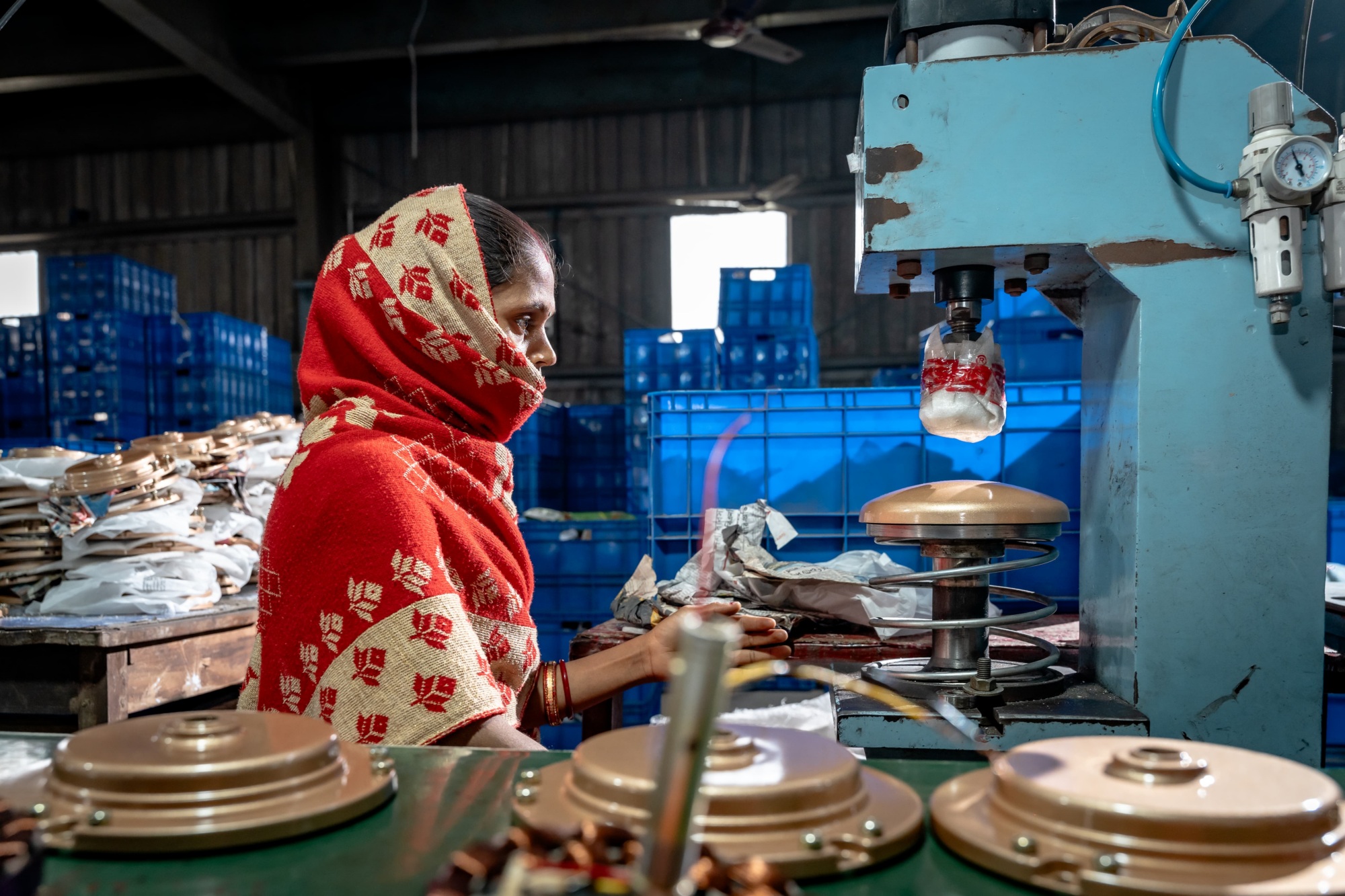
Meeting these standards, however, was challenging for medium and small enterprise (MSME) manufacturers, which produced roughly 40% to 50% of fans. Without support, these manufacturers risked losing their market share, which would lead to job losses, a weakened domestic supply chain, and, subsequently, over-reliance on imports to meet cooling demand in India.
Fan manufacturing facility in Kolkata, India
Image credit: CLASP
To prevent this, CLASP worked closely with MSMEs to build their capacity to produce more efficient fans and participate in functions of the policy program, including testing, certification, and technical committees. MSMEs now have a seat at the table in the policy process, further edifying domestic businesses and contributing to long-term policy durability.
CLASP also partnered with Energy Efficient Services Limited, a state-owned energy service company, to develop a bulk procurement initiative for super-efficient fans. The initiative sought to drive down the cost of 5-star, or most efficient, ceiling fans through economies of scale, ensuring they were more available and affordable to a wider range of consumers.
Better Cooling for People, Prosperity & Planet
More efficient cooling supports India’s national climate goals and Thermal Comfort for All agenda. But this initiative also demonstrates that holistic climate action can strengthen businesses, energy security, and benefit regular people.
Our impact in numbers:
- Cut 159 Mt CO2 by 2050 and reduced demand by 218 TWh
- Lowered ceiling fan purchase price by over 25%
- 3x more manufacturers producing the technology
- Tripled the number of 5-star labelled, or most efficient fans, available on the market, with production volumes increasing by 63%
- 65% increase in medium and small enterprise participation in the policy program
Ceiling Fan Market Transformation in India
Ceiling fans are among the most ubiquitous appliances in Indian homes, with over 90% of households relying on them as the primary source of cooling, especially in low-income and rural areas. They account for approximately 40% of residential electricity consumption. However, about 97% of these fans are not energy efficient, resulting in higher electricity consumption, increased household energy bills, and elevated emissions associated with cooling.
Within market transformation, bulk procurement programs are powerful tools for transforming markets by accelerating the availability, adoption, and affordability of energy-efficient technologies. This report analyzes a case study of a bulk procurement program in India’s ceiling fan sector, focusing on its outcomes, successes, and lessons learnt.
Fans
CLASP and GEAPP Expand Access to Affordable, Energy-Efficient Appliances in Africa
Cape Town, 18 June, 2025 – At the Africa Energy Forum in Cape Town, CLASP and the Global Energy Alliance for People and Planet (GEAPP) announced a substantial expansion of the Productive Use Financing Facility (PUFF). This $6.1 million USD funding boost will help accelerate the uptake of clean, energy-efficient appliances that power small businesses, support farmers, and transform the lives of thousands of people across Africa.
Despite their potential to improve lives globally, efficient appliances are still out of reach for over 600 million people without access to electricity. High costs and limited financing make it difficult for business and households to afford them. PUFF helps bridge that gap.
The facility provides grants, subsidies, and technical assistance to suppliers and distributors to lower prices and reach more customers. This enables small businesses, entrepreneurs, and households to purchase energy-efficient technologies at favorable prices, allowing them to grow over time.
Building on success
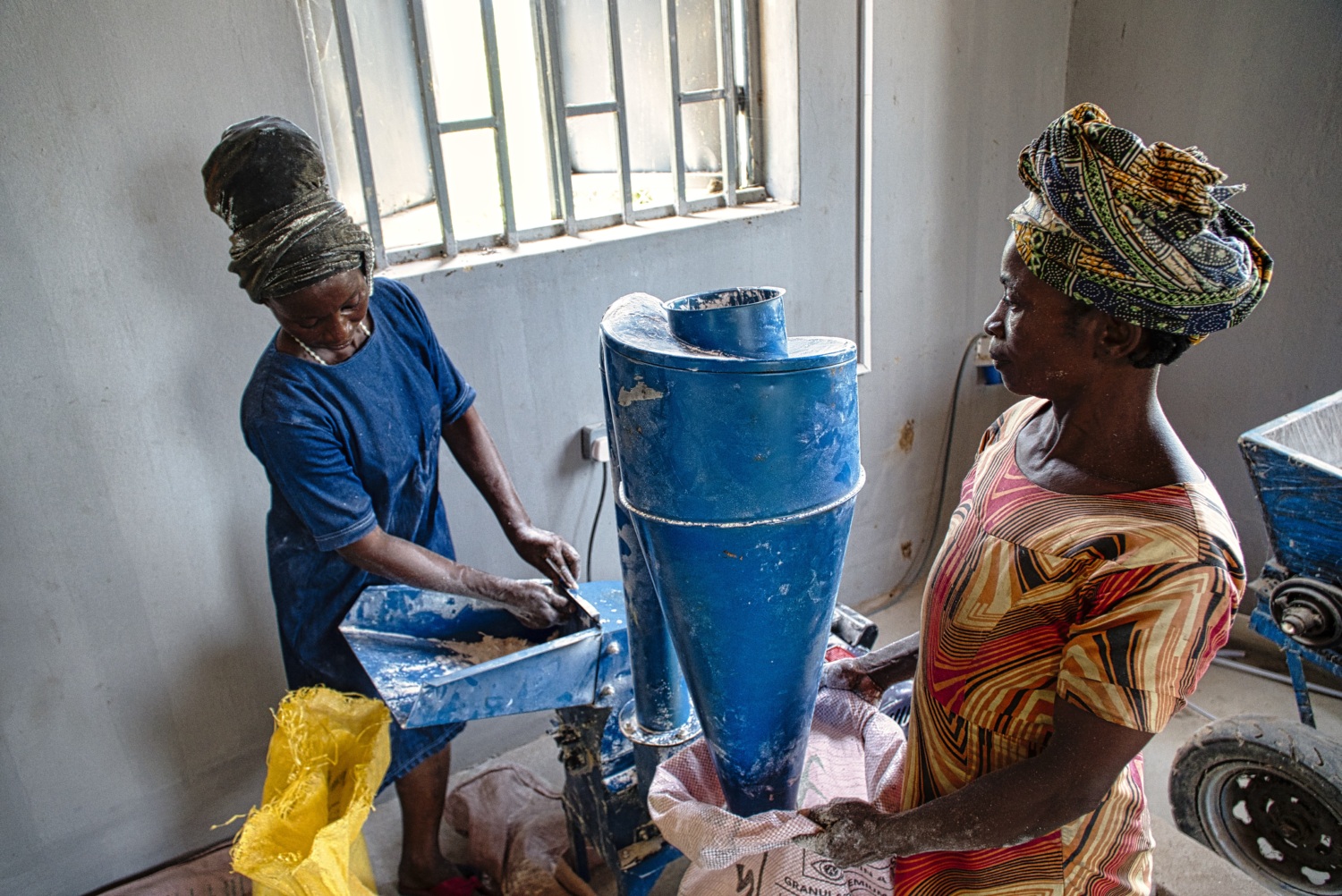
This extension builds on the success of the two-year pilot project that connected people with the useful appliances to earn a living. From 2022 to 2024, PUFF worked with 24 companies across six countries, helping to deploy nearly 16,000 appliances, and directly improve the lives of over 58,000 households. These appliances, such as solar-powered refrigerators, solar water pumps, and solar milling machines, had a direct, transformative impact on people’s livelihoods.
“Access to energy is foundational for economic growth. Efficient appliances and equipment, which are how people turn energy into opportunity, need to be considered essential energy infrastructure, alongside renewables. PUFF’s pilot phase proved that targeted support could unlock meaningful change. With effective financing, companies can reach more people with the right appliances, and they can change lives,” said Emmanuel Aziebor, Senior Director for Africa at CLASP.
What’s new in PUFF 2.0?
CLASP and GEAPP are renewing their partnership focused on scaling appliances for agriculture and entrepreneurship in Ethiopia, Kenya, and Nigeria. This new round aims to create over 3,000 green jobs through the sale and use of 10,000 appliances in four years, including established appliances like solar water pumps and refrigerators, and more specialized technologies such as coffee pulpers and honey extractors.
This expansion also deepens commitment to gender equity and youth inclusion. In the pilot, women made up nearly half of all appliance buyers, and households where women bought appliances saw a 94% increase in average income. PUFF 2.0 will have an even greater focus on equity by utilizing outreach and financing strategies that center women and young entrepreneurs.
“While electrification has expanded, many investments fail to turn access into economic opportunity, with limited job creation or enterprise growth. Through initiatives such as PUFF 2.0 collaboration with CLASP, we are addressing these shortfalls by ensuring that new energy connections drive productivity and power agriculture, energizing ambition in small and medium sized enterprises, and output in local manufacturing. Increased incomes from these activities spur economic growth and wellbeing in growing communities, creating jobs, and improving the quality of life,” said Makena Ireri, Managing Director for Productive Use of Energy at GEAPP.
CLASP’s Productive Use Financing Facility is supported by The Global Energy Alliance for People and Planet (GEAPP). Learn more about how it’s benefiting people and our planet.
- Appliance distribution companies who are interested in applying in this second round can get further information on the PUFF webpage and on the webinar on 8 July.
- For more information, please contact financing@clasp.ngo and follow us on LinkedIn for regular updates on how the facility is benefiting people and our planet.

A farmer in Ethiopia using solar-powered drip irrigation acquired through PUFF support. Photo credit: CLASP
CLASP
Women in Nigeria using a solar-powered mill acquired through PUFF support. Photo credit: CLASP
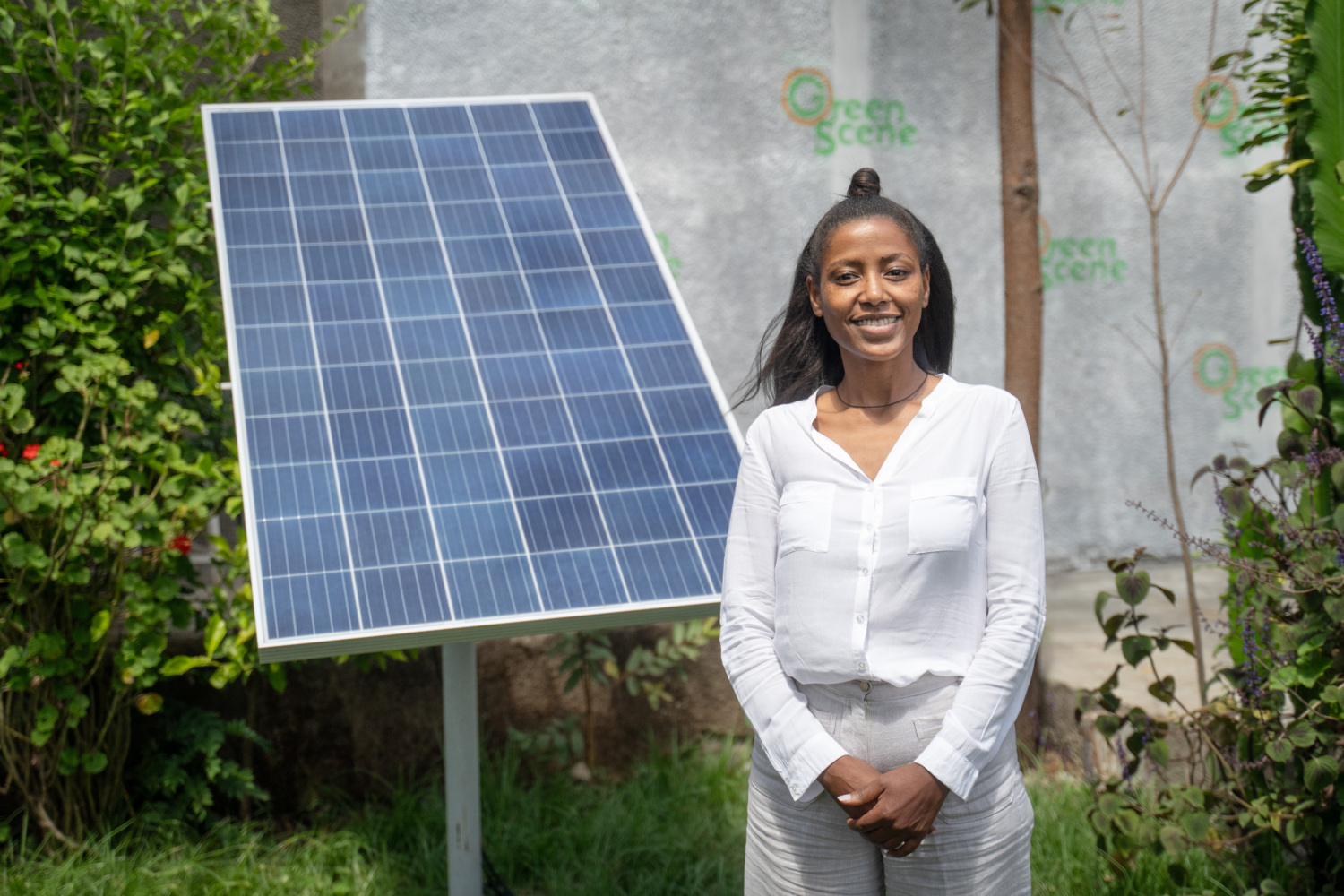
Rekik Bekele, CEO of Green Scene Energy, a leading solar appliance distributor, is expanding access to solar in Ethiopia with support from PUFF. Photo credit: CLASP

Abibat Akinwale, a shopkeeper in Nigeria, with the solar-powered refrigerator she acquired through PUFF support. Photo credit: CLASP
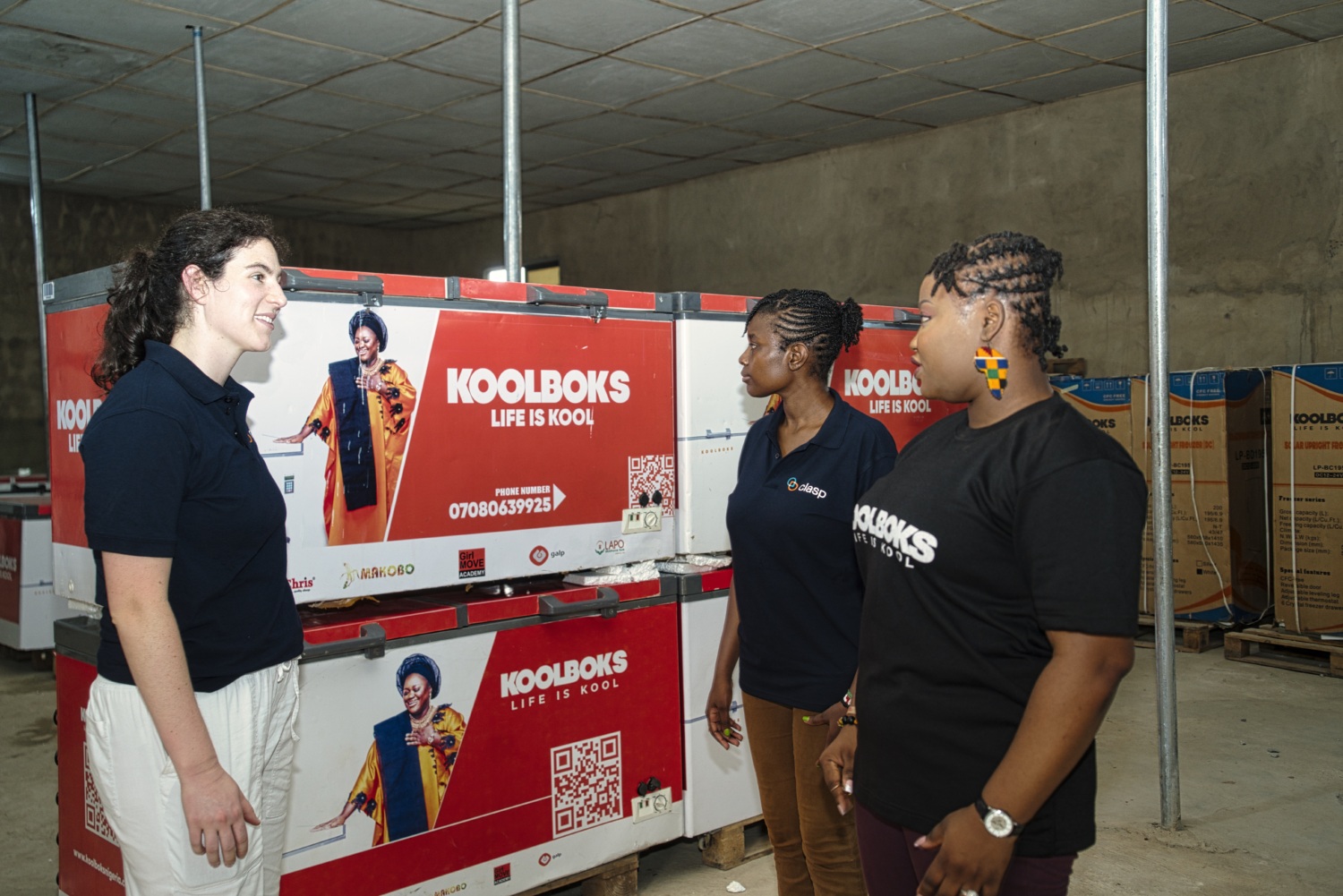
Lolade Esther Alonge of Koolboks shows the CLASP team their solar refrigerators, made more affordable for off-grid communities in Nigeria with PUFF support. Photo credit: CLASP
About CLASP
CLASP is the leading global authority on efficient appliances’ role in fighting climate change and improving people’s lives. An international NGO with 25 years of expertise and offices on four continents, CLASP collaborates with policymakers, industry leaders, and other experts to create a more sustainable future for people and the planet.
About GEAPP
The Global Energy Alliance for People and Planet (GEAPP) is an alliance of philanthropy, governments in emerging and developed economies, and technology, policy, and financing partners. Their common mission is to enable LMICs’ shift to a clean energy, pro-growth model that accelerates universal energy access and inclusive economic growth, while supporting the global community to meet critical climate goals during the next decade. As an Alliance, they aim to reduce 4 gigatons of future carbon emissions, expand clean energy access to one billion people, and enable 150 million new jobs. With philanthropic partners, IKEA Foundation, The Rockefeller Foundation, and Bezos Earth Fund, GEAPP works to build the enabling environment, capacity, and market conditions for private sector solutions, catalyze new business models through innovation and entrepreneurship, deploy high-risk capital to encourage private sector solutions, and assist just transition solutions. For more information, please visit www.energyalliance.org and follow us on LinkedIn.
Media inquiries: Stella Madete, Africa Communications Manager, smadete@clasp.ngo
India Unveils 18 New Appliance Efficiency Policies
In a landmark year for energy policy, India’s Bureau of Energy Efficiency (BEE), with support from CLASP, advanced 18 appliance efficiency regulations in 2024. This is a testimony to the country’s fast-paced policymaking and strong national commitment to appliance efficiency as a key lever for climate action and energy security.
Fast-paced policymaking to meet urgent needs
As India undergoes rapid urbanization and industrial growth, the demand for appliances is surging. Left unchecked, this growth could place immense pressure on the power grid and accelerate emissions. Recognizing this, the government prioritized improvements that directly address the rising energy demand from homes, commercial spaces, and industry.
18 new policies – large emissions cuts and cost savings
CLASP advocates for appliance efficiency which ensures that everyday products from refrigerators and fans to inverters and TVs consume less energy while delivering the same or better performance. This is critical in a country like India, where millions of households are purchasing new appliances for the first time. By using higher effiicency appliances, India is building a more resilient energy system, reducing energy bills for consumers, and cutting emissions at scale.
The cumulative effect of these 2024 policies is significant. By 2030, they are expected to save over 180 terawatt hours (TWh) of electricity and avoid nearly 146 megatons (Mt) of CO₂ emissions.
Standouts include policies covering:
- Packaged boilers, commercial beverage coolers, solar inverters, and refrigerant compressors, which are collectively estimated to save 32.2 terawatt-hours (TWh) of electricity and avoid 24 megatons (Mt) of CO₂ emissions.
- Ceiling fans, a widely used appliance that will now become more efficient, saving 35.9 terawatt-hours (TWh) of electricity and avoiding 29 megatons (Mt) of CO₂ emissions.
Full list of 2024 appliance policies:
- Room air conditioners (RAC) (fixed speed-split and window)
Improving appliance efficiency across states
CLASP has also been working closely with the State Designated Agencies (SDAs) in Odisha and Kerala to support the implementation of India’s national appliance efficiency policies. By strengthening the adoption and enforcement of BEE’s Standards & Labeling program at the state level, CLASP is helping ensure that the benefits of energy-efficient appliances reach households and industries across these regions.
Aligning with CLASP’s global mission
Emissions reductions and energy savings not only bolster India’s energy security and climate goals but also resonate with CLASP’s global mission to advance appliance efficiency for people and the planet. By supporting national institutions like BEE in strengthening appliance efficiency policies, CLASP continues to catalyze transformative, long-lasting change.