
Leave No One Behind: Bridging the Energy Access Gap with Innovative Off-Grid Solar Solutions
Millions of people lack access to the power grid, particularly in low-income rural areas of Africa and South Asia. If the current slow pace of electrification continues, 660 million people – most of them in Africa – will remain without electricity in 2030. Due to numerous challenges, people in off-grid settings typically have a lower quality of life, worse health outcomes, higher energy costs, and fewer economic opportunities than their grid-connected peers. High-quality, efficient off-grid solar appliances are a proven solution to these challenges.
This report – the third in the State of the Off-Grid Appliance Market series – finds that while the sector has strong fundamentals, it must rapidly grow in scale and ambition to avoid leaving people behind.
Key Findings:
- Approximately 159 million off-grid solar fans, water pumps, refrigerators, and grain mills are needed to serve people who lack access to the electric grid. Less than 2% of this demand is being met, leaving more than half a billion people without life-changing appliances.
- There is a significant market opportunity of $58 billion USD for off-grid solar appliances like fans, water pumps, refrigerators, and grain mills.
- The off-grid appliance sector is characterized by a multitude of business models, reflecting a diverse range of technologies, end users, and operating environments. There is no one right business model; rather, chosen models need to be managed appropriately.
- Closing the energy service gap in sub-Saharan Africa and South Asia requires exponential growth in the appliance sector. This can be achieved by deploying significantly more capital, strengthening cross-sectoral collaboration, and developing coherent policies and innovative business models.
Recommendations:
- Governments should emphasize quality assurance and consumer protection through rigorous quality standards and tax and duty exemptions to make high-quality solar products more accessible; support an enabling environment by incentivizing local manufacturers and launching consumer awareness campaigns; and develop integrated policies by establishing cross-ministry task forces to integrate and harmonize policies and regulations.
- Investors, development partners, and financiers should encourage market entry by increasing the deployment of capital over the next ten years; create public-private partnerships by developing programs that combine public and private funding; integrate with climate finance by leveraging carbon credits and other climate finance mechanisms; and provide innovation funding to local and foreign technology innovators.
- Technology innovators should design appliances that meet the specific needs of local off-grid consumers; and enhance product durability and reliability that focuses on long-term user satisfaction and low maintenance costs.
- Venture builders and entrepreneurs should work to expand pay-as-you-go (PAYGo) models; leverage catalytic grants to innovate business models and build partnerships; and focus on specific market segments to enhance efficiency and increase market penetration.
- All market actors should prioritize user-centric data that directly benefits appliance users; harmonize methodologies that establish standardized tracking systems for assessing progress and informing policy decisions; and facilitate data sharing to inform decision-making and policy development.
About Efficiency for Access
Efficiency for Access is a global coalition working to promote renewable and energy efficient appliances to deliver clean energy to the world’s poorest people. It is coordinated jointly by CLASP and the UK’s Energy Saving Trust.
Green Jobs for Rural Youth: Unlocking Renewable Energy’s Potential in Agriculture
Youth unemployment is at an all-time high in sub-Saharan Africa and South Asia. At the same time, populations are growing rapidly in these regions, increasing the need for meaningful employment opportunities. Decentralized renewable energy (DRE) technologies offer a promising solution by creating sustainable growth and green jobs. DRE technologies generate green electricity near the point of use, reducing reliance on centralized power plants, increasing productivity, and improving sustainability. This creates new and enhanced employment opportunities in rural communities, particularly in agriculture, the largest employer in these regions, with 50% to 85% of the labor force working in the sector. However, high upfront costs, limited product availability, lack of awareness of the benefits, and shortage of local talent hinder the widespread adoption of DRE technologies in emerging economies.
Efficiency for Access’ new research fills many of the data gaps in this sector by analyzing four countries, and quantifying the jobs created by DRE technologies in agriculture. It also provides the first comprehensive estimate of employment levels and trends at the country level.
Key Findings
- The solar irrigation sector in India and Kenya alone has the potential to create more than 115,000 jobs by 2030, offering higher incomes for graduates from DRE courses.
- DRE creates opportunities for farm workers to transition into less physically demanding roles, avoiding long-term job displacement and improving life quality.
- DRE innovations significantly reduce labor-intensive tasks for women. In India, mechanized roti-rolling can save women up to 1,800 labor hours per year.
Recommendations
- Investors, financiers, philanthropies, and governments should improve financial support and market incentives to increase the demand for DRE equipment in the agriculture sector to address consumer affordability – the biggest challenge for the growth of DRE markets. This includes creating better financing options to make it easier for farmers to adopt these technologies.
- Governments and stakeholders need to strengthen the manufacturing sector for solar equipment to create thousands of skilled jobs in the DRE industry. For example, India could see up to 5,500 manufacturing jobs created in the solar water pump sector by 2030.
- Educational institutions, government bodies, DRE companies, and development programs need to collaborate to strengthen the DRE workforce. Technical and Vocational Education and Training Institutes (TVETs) can play a key role in rural skill development but face challenges like outdated curricula and high tuition costs. To support labor transitions in the DRE sector, integrating short-term internships, apprenticeships, and job training programs is essential.
- Improving coordination between agricultural and energy stakeholders is critical to improve the adoption of DRE products. Uganda has successfully integrated renewable energy into its agricultural development plans by assigning responsible parties to establish key performance indicators (KPIs) for implementing renewable energy targets. This approach has stimulated growth in the DRE market and attracted business investment in the sector.
Read the Green Jobs for Rural Youth: Unlocking Renewable Energy’s Potential in Agriculture report here.
About Efficiency for Access
Efficiency for Access is a global coalition working to promote renewable and energy efficient appliances to deliver clean energy to the world’s poorest people. It is coordinated jointly by CLASP and the UK’s Energy Saving Trust.
Market Assessment Report for Packaged Boilers in India
Boilers are essential for providing steam and hot water in most process industries where production is continuous. A packaged boiler is a factory-made, ready-to-use boiler. They are used in textile industries, thermal power plants, metals and mining industries, chemical industries, among others.
In India, the Ministry of Power (MoP) aims to improve the efficiency of packaged boilers to reduce fossil fuel consumption. The Bureau of Energy Efficiency (BEE), under the MoP, developed appliance efficiency policies for packaged boilers with technical assistance from CLASP.
CLASP supported BEE by conducting a market and technical assessment study. BEE and CLASP reached out to major industry players to estimate the market size, assess energy performance, and understand boiler testing processes.
A structured questionnaire, in-depth interviews, and secondary research provided the following insights:
- The boiler industry in India is dominated by domestic players.
- Thermal efficiency data for 168 models of coal-, oil-, gas-, and biomass-fired boilers was collected and analyzed.
- The market size for packaged steam boilers up to a capacity of 30 Tons per hour (TPH) stood at about 2,400 units in 2019, as reported by manufacturers.
- The market for packaged steam boilers is expected to grow at 3.8% over the next 11 years and reach ~3,600 units by 2030.
- Major players in the packaged boiler market in India include Thermax, Industrial Boilers, Forbes Marshall, Transparent Systems, and Elite Thermal.
- The largest clusters of boiler manufacturing are in Maharashtra, Gujarat, and Karnataka, representing about 90% of the total units manufactured in 2019.
Cumulative energy savings of ~3.1 million Ton of Oil Equivalent (TOE) and reduction of CO2 emissions by ~7.23 megatons (Mt) CO2e is expected from this program between 2024 and 2033.
Market Assessment Report for Commercial Beverage Coolers in India
Commercial beverage coolers, or visi coolers, are glass-fronted refrigerators used in stores and restaurants to display bottled and canned drinks. According to the India Cooling Action Plan (ICAP), this sector will grow 2-fold in the next decade and 6-fold in the following one, increasing energy use by 2.2 to 6 times.
While domestic refrigeration in India is regulated for energy efficiency, many commercial refrigeration products are not yet covered by the Bureau of Energy Efficiency (BEE) standards and labeling program. Given the growing market, BEE plans to introduce energy efficiency labels for visi coolers to promote more efficient models. CLASP supports BEE by conducting market assessments and developing efficiency policies for these appliances.
CLASP’s market analysis of visi coolers in India revealed several key findings:
- In India, visi coolers vary widely in demand and popularity across the market.
- About 75% of manufacturers specialize in models with capacities ranging from 200 to 500 liters, expected to last around 7 years on average.
- International suppliers play a significant role in the visi coolers market, with 30% of parts imported from countries like China, South Korea, Thailand, and Slovakia.
- Many visi coolers in the market remain in use for more than 7 years, indicating their longevity.
- Different types of stores use visi coolers differently; for example, dairy shops use coolers to keep milk and dairy products cool, while smaller stores may switch the coolers off when product is cold.
- Overloading of shelves and frequent opening can reduce cooling efficiency and increase energy consumption.
- Single-door visi coolers are prevalent due to space constraints in stores.
- Furthermore, single-door models constitute almost 90% of production, while nearly 100% of respondents manufacture floor-standing, vertical visi coolers.
The labeling program for commercial beverage cooler was launched under voluntary phase by BEE on 1st March, 2024. The validity of the program will be from 1st March, 2024 to 31st December, 2026.
The program is expected to reduce energy expenditure by 11.67 billion kWh from 2024–2034, and reduce CO2 emissions by 8.35 megatons (Mt) CO2.
Market Assessment Report for Solar Inverters in India
Grid-connected solar inverters make up nearly 80% of the rapidly growing solar photovoltaic (PV) market in India.
A solar module, also known as a solar panel, is a collection of connected solar cells that absorb sunlight to generate electricity. Solar inverters convert the direct current (DC) electricity produced by these panels into alternating current (AC) electricity.
Energy-efficient solar inverters are crucial for optimal performance, reductions in CO2 emissions, and cost savings, which can be achieved by adhering to energy efficiency guidelines or standards. To further enhance the efficiency of solar PV systems, India’s Bureau of Energy Efficiency, supported by CLASP, plans to introduce an endorsement label for grid-connected solar inverters.
Market analysis conducted by CLASP, along with insights from major manufacturers and research organizations such as the National Institute of Solar Energy (NISE) provided the following insights:
- The market size of solar inverters was 2,520 MW in FY 2022–2023. Grid-connected solar inverters without storage dominated the market (80%), followed by off-grid solar and hybrid inverters.
- Based on the information received from manufacturers, the solar inverters market is expected to reach INR 9,352 crore (USD 1.1 million) by 2026, with a projected CAGR of 14.4% from 2020 to 2026.
- The analysis revealed that models with a rated output power capacity of 1–10 kW accounted for nearly 63% of the market.
- According to the interviewed manufacturers, single-phase solar inverters are more common up to the 5 kW segment, while three-phase solar inverters are more common for higher capacities.
BEE has launched the labeling program for grid-connected solar inverters under voluntary phase, with validity from 15th March, 2024 till 31st December, 2025.
The program could lead to potential energy savings of 21.1 billion kWh and a reduction in CO2 emissions by 15.1 million tons from 2024–2025 to 2033–2034.
Total Cost of Ownership of Domestic Gas and Electric Hobs in Europe
The use of fossil gas in cooking must be phased out to meet net zero targets in the European Union (EU) and the United Kingdom (UK). Research shows that gas hobs emit harmful pollutants and are less efficient than electric hobs, although public awareness of these issues is low.
Upcoming policy revisions by the European Commission and the UK government offer an opportunity to address these challenges. However, the research available to policymakers does not consider differences in emissions and efficiency between appliance types, potentially leading to a lack of understanding of the costs and benefits associated with transitioning to electric hobs.
To address this knowledge gap, this report provides an overview of the total cost of ownership for gas and electric hobs in the EU and UK. The analysis assumes that these appliances are purchased and installed in 2026.
Findings include:
- Contrary to the perception of gas hobs being cheaper, electric hobs are more cost-effective in a few European countries, particularly in the Netherlands, Portugal, and Sweden.
- All three electric hob technologies (hotplates, induction, and infrared) offer lower total costs of ownership than gas hobs, on average.
- The average purchase price of induction hobs remains higher compared to other technologies, but moderate government incentives can make induction hobs affordable to more households.
- In the UK, hotplates are the most affordable option. However, the total ownership costs of all three electric hob technologies are quite similar and significantly lower than gas hobs.
- Price fluctuations may impact the total cost of ownership over time.
2023 CLASP Annual Report

Appliance efficiency: proven solutions at a critical moment
The climate emergency is here. Extreme temperatures and unpredictable weather now affect every person and place on earth. At the same time, millions of people still lack access to vital, modern energy services like cooking and cooling.
CLASP has solutions. CLASP is the leading global authority on appliance efficiency, which drives climate mitigation and adaptation and alleviates energy poverty. Increasing the energy-efficiency and affordability of the appliances people need to live healthy, productive lives is one of the fastest and most cost-effective ways to cut emissions, address rising energy demand, improve livelihoods, and help communities adapt to more extreme temperatures.
For 24 years, CLASP has led the charge to inform decision makers and push for collective action to create a more sustainable world for future generations.
2023 was a big year for CLASP. We expanded our team, published groundbreaking research, and supported ambitious policies. We also improved our suite of tools that show how increasing appliance efficiency can yield substantial and immediate gains in climate and energy access for sustainable development.
With five regional offices spanning the globe, CLASP is a trusted partner. We collaborate with governments, industry, civil society, and other key stakeholders to build momentum for positive change and catalyze markets for affordable, efficient appliances.
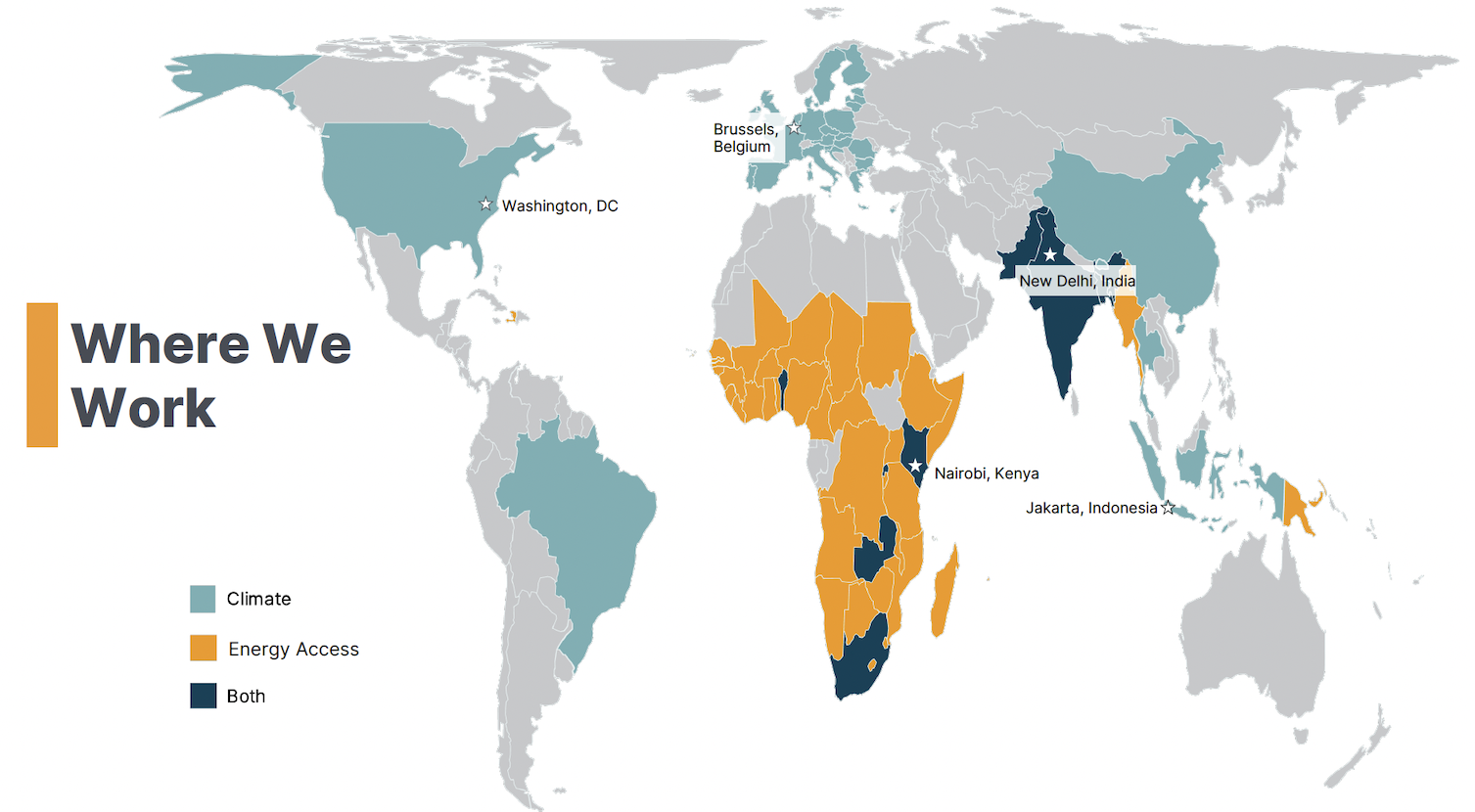
In 2023, CLASP led impactful work through our five regional offices and our constellation of global partners and industry experts.
Illuminating proven solutions for busy policymakers
Robust appliance efficiency policies bolster energy security, job creation, and climate mitigation and adaptation. CLASP works in dozens of countries, collaborating with and supporting those who have the authority to prioritize energy efficiency action.
Brazil Between 2020 and 2023, CLASP supported the Brazilian government in revising refrigerator efficiency policies. CLASP analyzed potential impacts of different policy options and supported Brazil’s Ministry of Mines and Energy with the data and analysis needed to respond to industry inquiry during the public consultation period. The new policy will save consumers an average of $164 USD over the lifetime of each refrigerator and reduce national CO2 emissions by 32 megatons (Mt) by 2040.
China CLASP provided international perspectives on policies for renewable energy transformers, motors, and external power supply. These are projected to avoid 1,330 Mt of CO2 by 2040. CLASP is also providing ongoing technical support to improve and launch seven additional appliance policies in the future.
India CLASP provided technical assistance to India’s Bureau of Energy Efficiency as it launched a record-breaking 15 appliance efficiency policies in 2023. The policies range from essential household appliances to industrial equipment. CLASP’s supported robust policies to align with global best practices. The 15 policies are estimated to avoid 120 Mt of CO2 cumulatively by 2030.
Indonesia Throughout 2023, CLASP played a pivotal role in supporting the development of new efficiency policies for refrigerated display cases and televisions that are projected to avoid 13.5 Mt of CO2 by 2040. In addition, leveraging data from CLASP’s research on the dumping of climate harming room air conditioners in Southeast Asia, policymakers in Indonesia phased out the lowest-efficiency class of room air conditioners, cutting 230 Mt of CO2 by 2040.

Farewell to Fluorescents
Through our Clean Lighting Coalition campaign, CLASP facilitated a fast global transition to LEDs by driving support for African governments who were calling for a phaseout of inefficient, toxic fluorescent lighting under the Minamata Convention on Mercury.
At Minamata COP5 in November, 147 governments agreed to put an end to fluorescent lighting once and for all in 2027. The move, building on a complementary decision at Minamata COP4, will avoid 2.9 gigatons of CO2 from the phaseout dates to 2050.
Flagship Research
CLASP’s sector-leading research bridges the gap between analysis and action, providing policymakers, innovators, and advocates with the robust data and expert recommendations needed to catalyze pivotal solutions.




Net Zero Heroes
CLASP launched the landmark report “Net Zero Heroes: Scaling Efficient Appliances for Climate Change Mitigation, Adaptation & Resilience” in parallel to a multi-month digital campaign and CLASP’s significant presence at UNFCCC COP28 in Dubai. The analysis revealed the appliance sector accounts for nearly 40% of energy-related CO2 emissions. At the same time, billions of people do not have access to the appliances needed to live healthy, productive lives.
CLASP identified ambitious efficiency targets for ten appliances – the Net Zero Heroes – that must form the basis of an unprecedented push to curb the climate crisis.
The Global Stage
In 2023, CLASP and our partners informed leaders and civil society of the huge climate and development opportunities affordable, efficient appliances can bring.
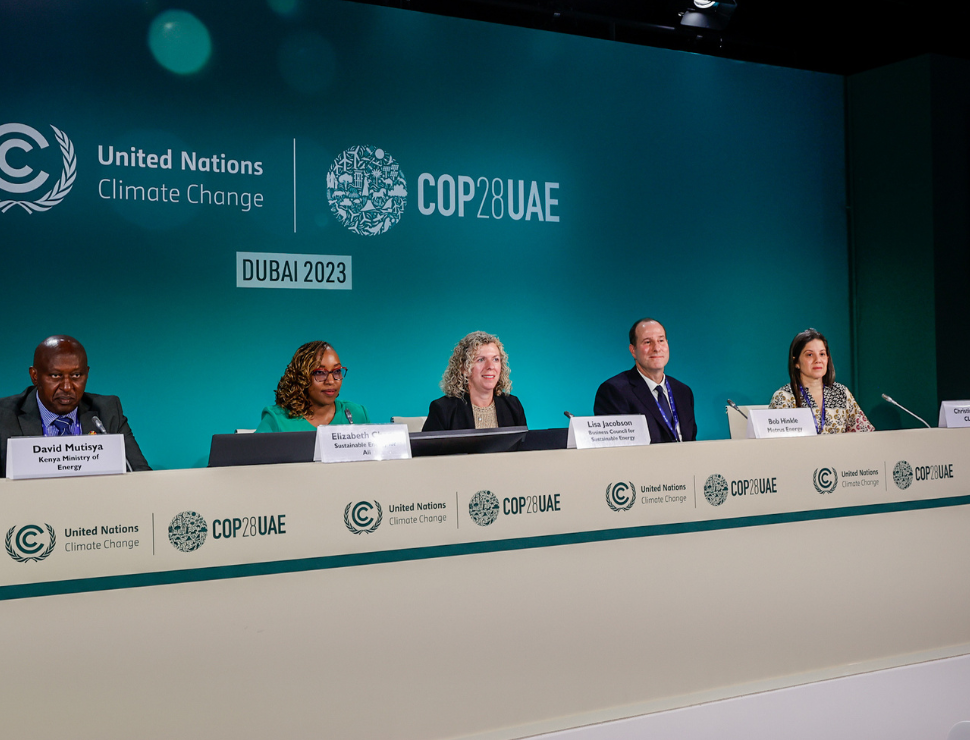
1. United Nations Framework Convention on Climate Change COP28
At COP28, energy efficiency was finally spotlit as a low-cost, highly effective mitigation solution – culminating a new requirement to double efficiency by 2030. In this context, CLASP highlighted efficient appliances at over 15 events.
Pictured: CLASP CEO Christine Egan sits on panel at UNFCCC COP28 alongside partners including representatives from the Kenya Ministry of Energy and Sustainable Energy for All.
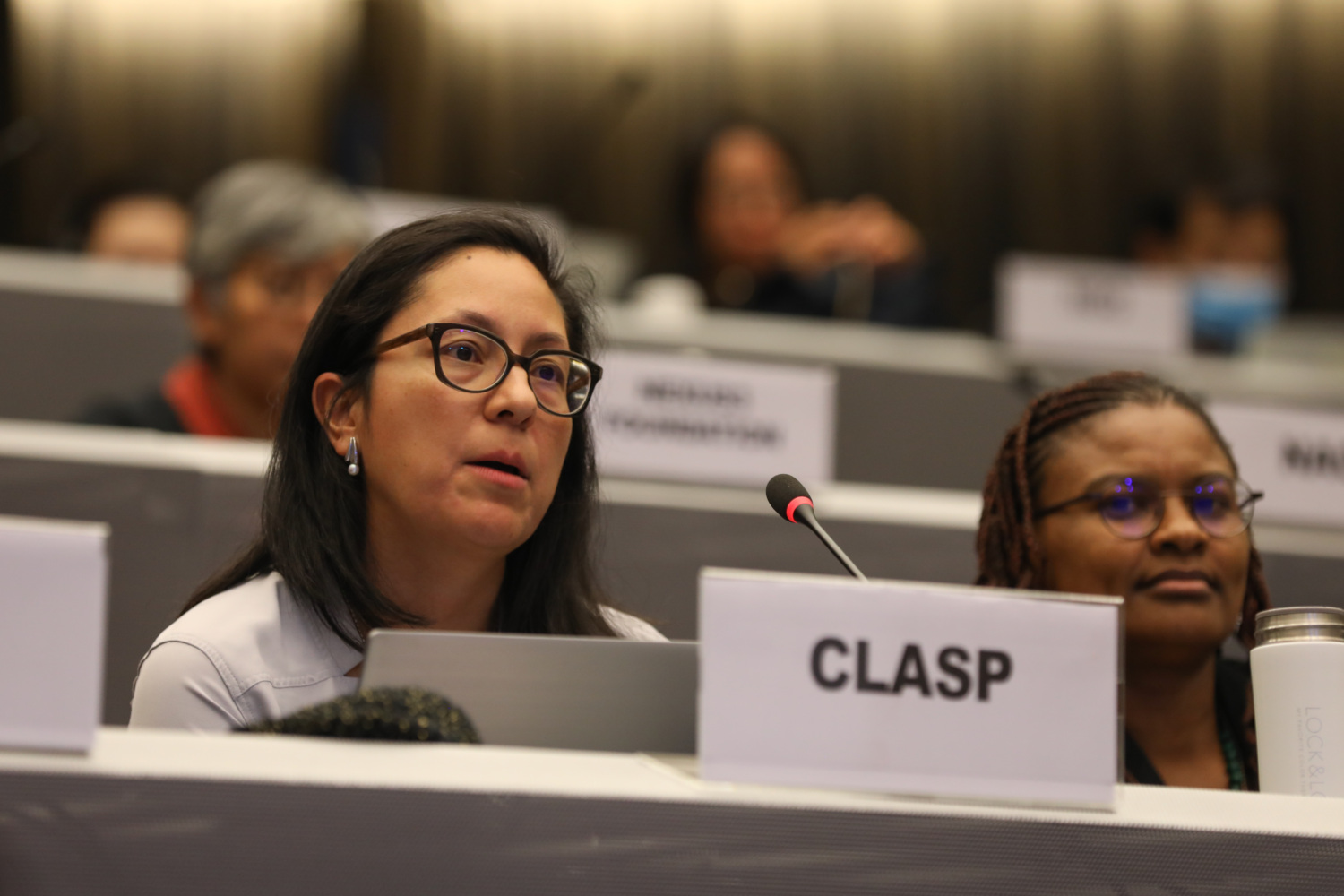
2. Minamata Convention on Mercury Fifth Conference of the Parties (COP5)
CLASP was present in Geneva to support policymakers through the Clean Lighting Coalition campaign. Delegates from 147 countries agreed to phase out florescent lighting globally by 2027.
Pictured: CLASP’s Senior Climate Director Ana Maria Carreño with campaign partner Rachel Kamande at Minamata COP5 closing plenary.
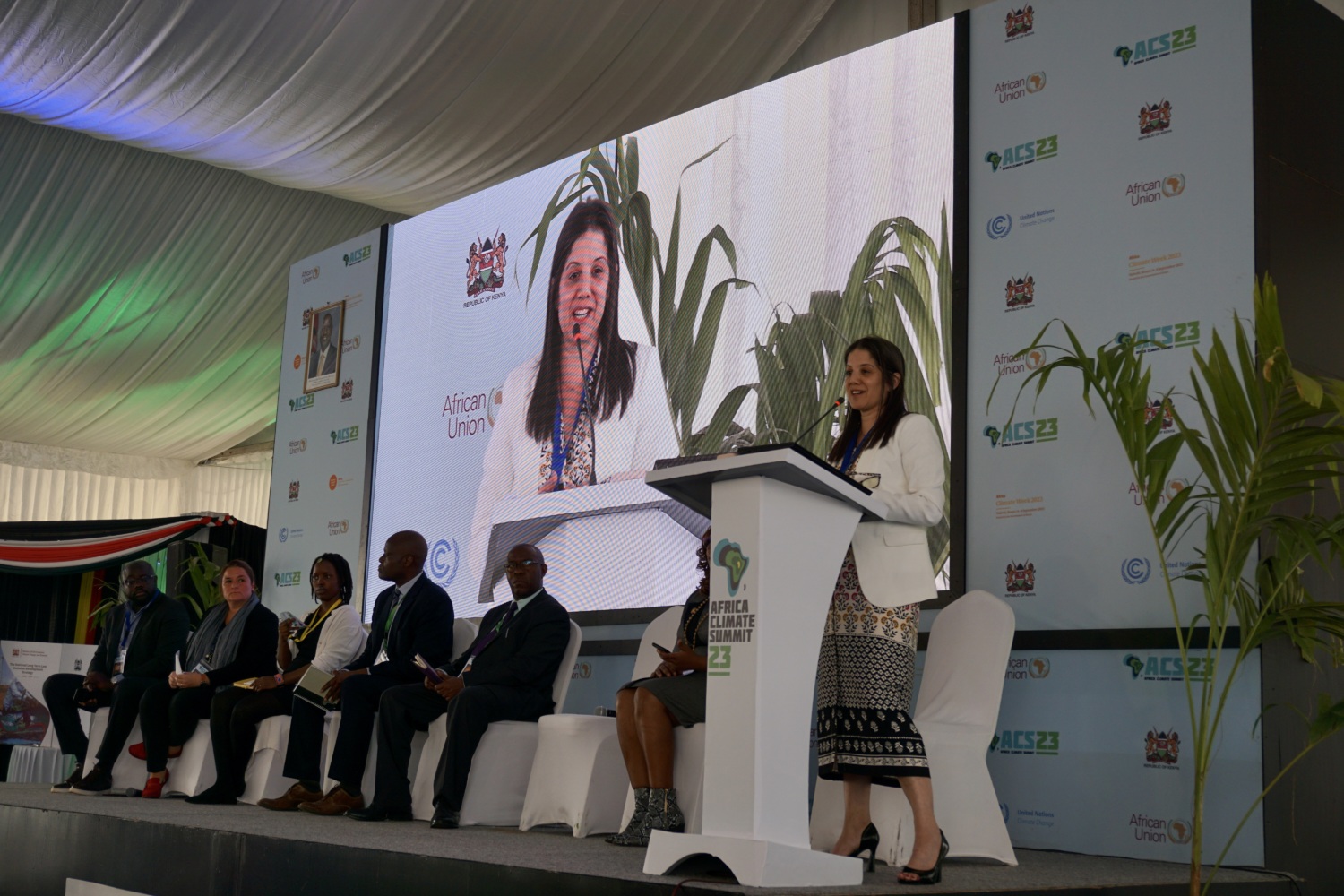
3. Africa Climate Summit
CLASP presented solutions at the first-ever Africa Climate Summit, convened by the African Union (AU) and hosted by the Kenyan government.
Pictured: CLASP CEO Christine Egan speaks at the Africa Climate Summit at an event showcasing the opportunities of energy efficiency, hosted by the International Energy Agency and Sustainable Energy for All.

4. 35th Meeting of the Parties to the Montreal Protocol on Substances that Deplete the Ozone Layer (MOP35)
CLASP brought our expertise to the World Cold Chain Symposium and led a stimulating workshop on energy efficiency.
Pictured: CLASP’s Monica Wambui leading a policy workshop at MOP35 hosted by UNEP’s Ozone Secretariat. Photo by IISD.

Unlocking Green Jobs
CLASP is working to strengthen job creation through appliance and equipment ownership, as well as training and skills development. This will provide farmers and small businesses with the right tools to excel in our modern economy. Through the Efficiency for Access (EforA) Coalition, we collaborated with Dalberg on a report advocating for green skills to facilitate youth employment in Kenya's solar irrigation sector. CLASP co-manages EforA with Energy Saving Trust.
Innovative Financing Catalyzes Access to Transformative Appliances
CLASP’s innovative financing methods make appliances affordable to those who need them most.
Twenty-four companies selling productive-use appliances like solar-powered refrigerators, pumps, and milling machines across six countries in Africa were selected to receive subsidies and capacity-building grants through CLASP’s Productive Use Financing Facility, in partnership with Nithio. Companies will use their funding to sell over 20,000 appliances, impacting over 90,000 households.
Efficient productive use appliances have transformative effects on local communities, small businesses, and the environment. However, despite their potential for sustainable development outcomes, appliance sales remain low in emerging markets due to their relatively high upfront costs and a lack of access to finance.
CLASP’s innovative financing facility, supported by the Global Energy Alliance for People and Planet, addresses these challenges by helping appliance distribution companies sell their products at lower prices.
IMPACT STORIES
Providing Affordable and Sustainable Energy Solutions in Ethiopia

People & Culture
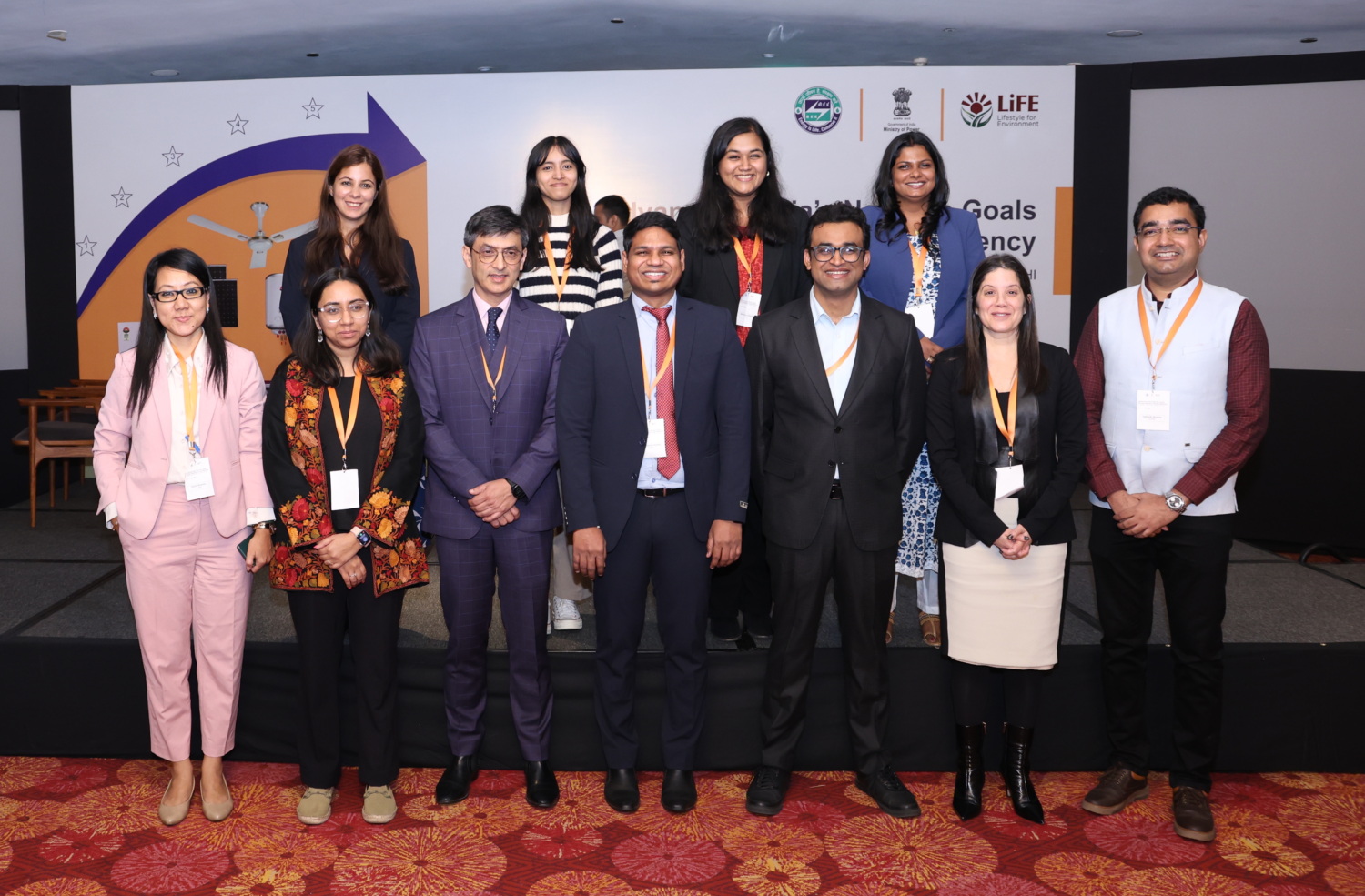
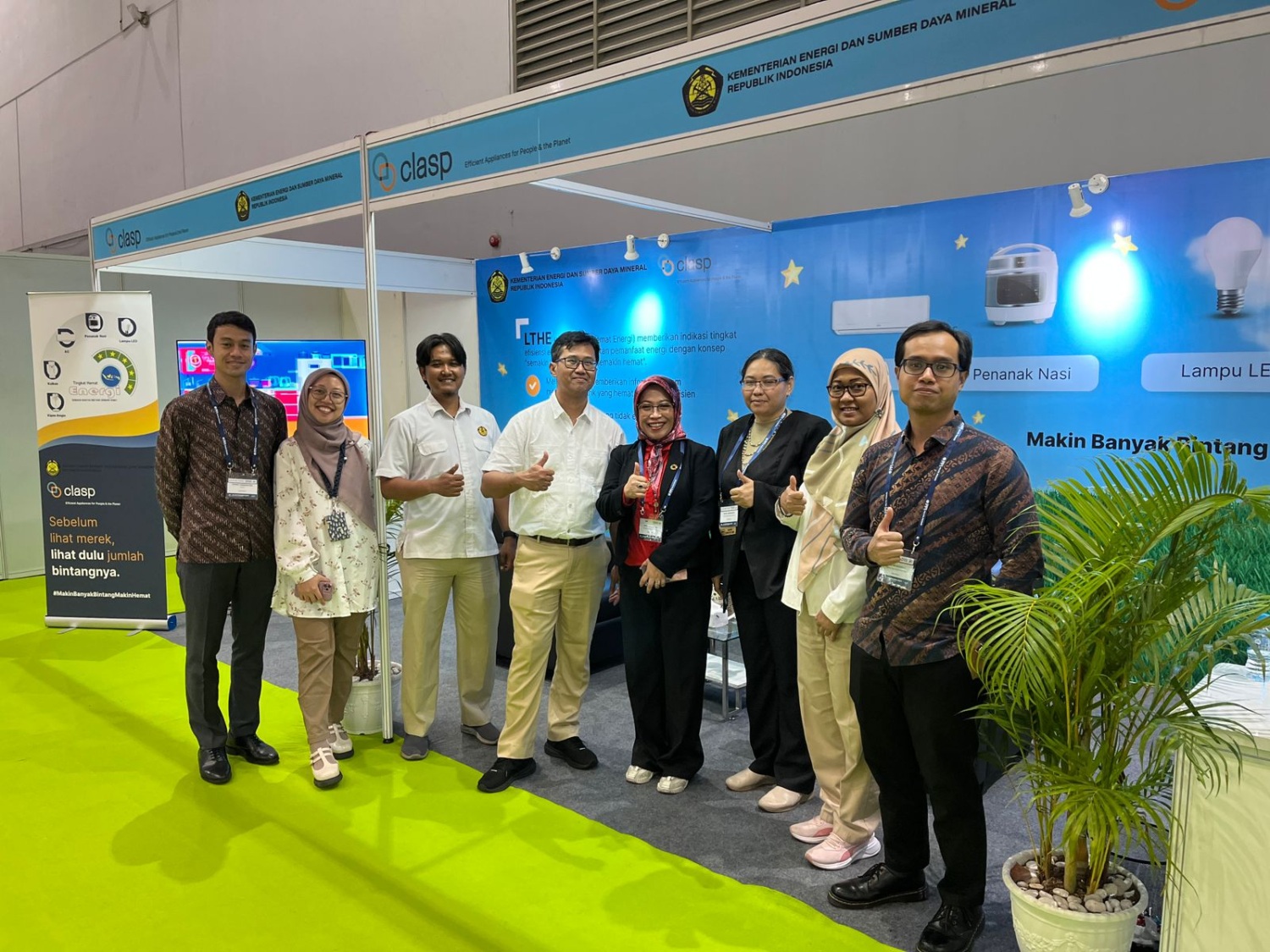
As the world increases its focus on energy efficiency, CLASP’s expertise is in high demand. In 2023, CLASP expanded our team of experts, adding 15 new faces to our international roster.












Finances
With generous donor support for our mission, CLASP expanded our funding in 2023 – increasing our revenue by 24% as compared to 2022.
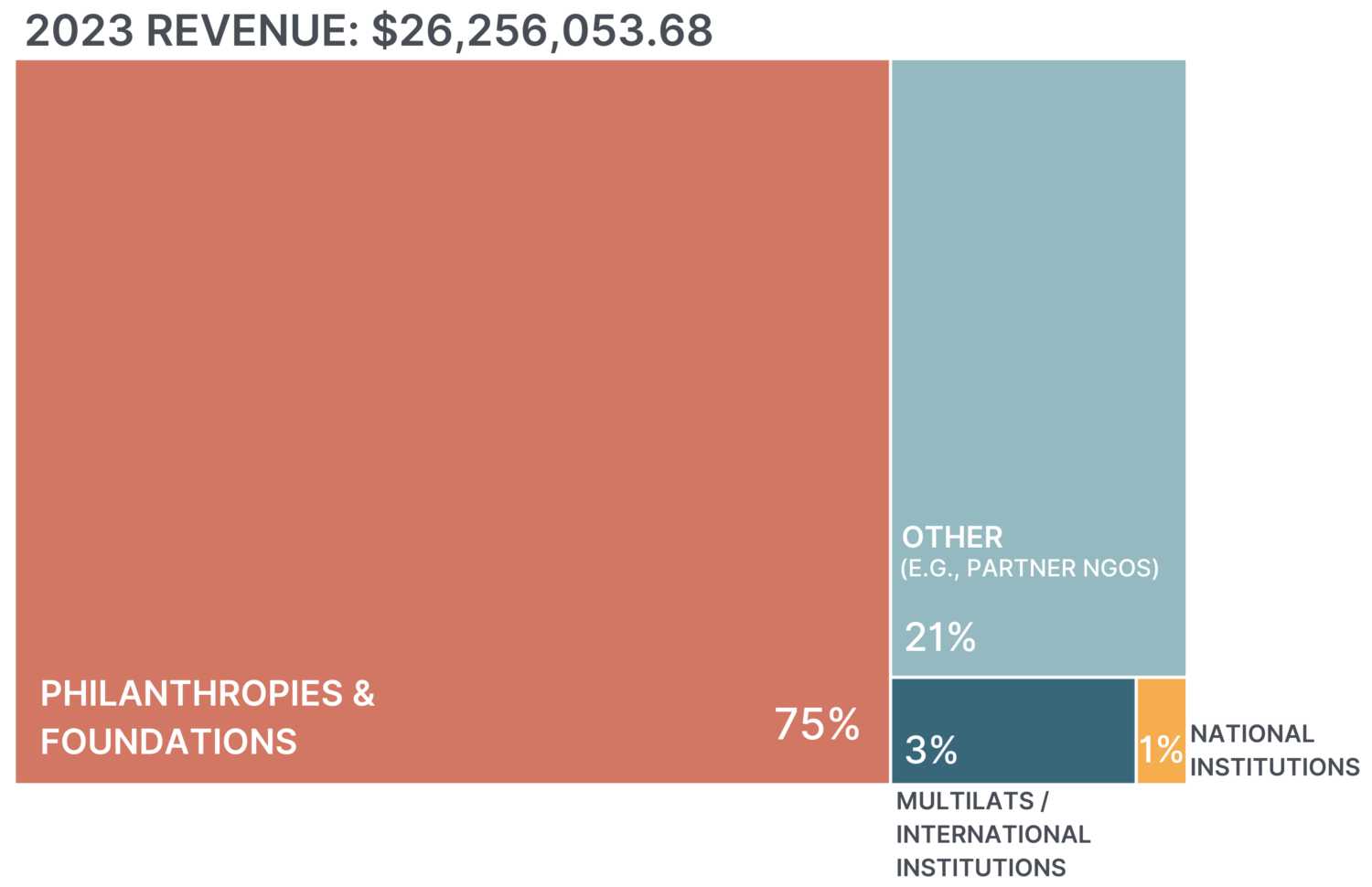
2023 Funding By Donor Type
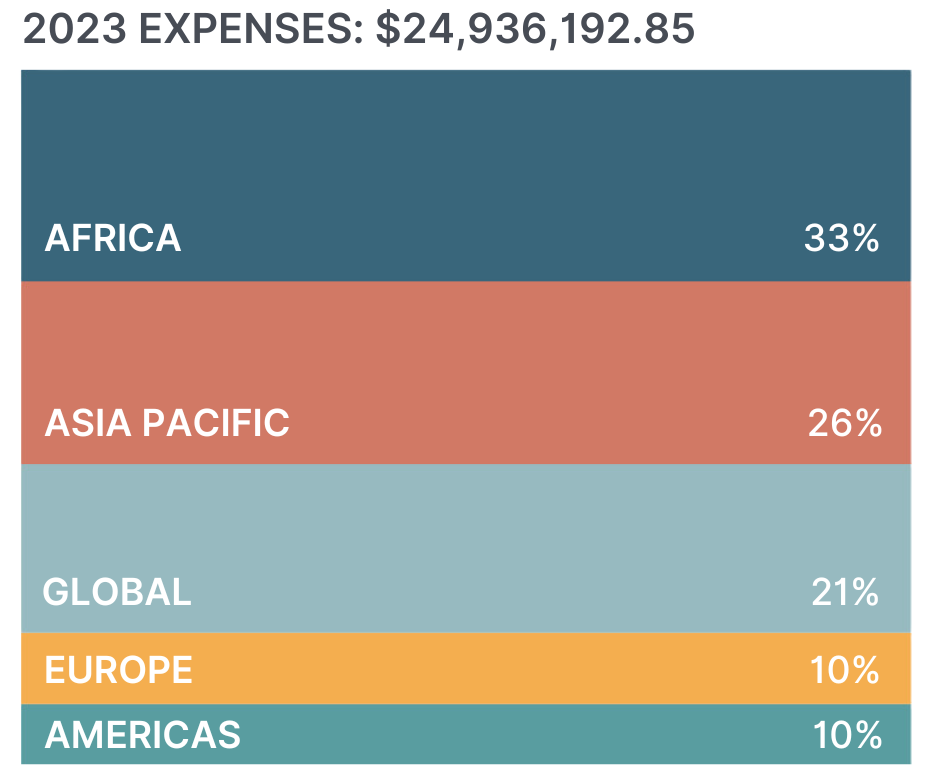
2023 Expenses by Region
We are proud of our team’s positive global impacts in 2023. We look forward to driving progress towards a brighter future for people and the planet in CLASP’s 25th year, 2024!
How National Appliance and Equipment Energy Conservation Standards Can Improve Public Health in the US
Gain insight into the critical role of national appliance standards in improving public health and discover how to measure their impact against Justice40 goals. Find actionable recommendations for maximizing their benefits for a healthier, greener, and fairer future.
Key findings
- National appliance standards have led to significant reductions in PM2.5 and PM2.5 precursor emissions, avoiding hundreds of thousands of tons of pollutants in 2017.
- These standards prevented between 1,900 and 4,400 PM2.5-related deaths in 2017, translating to monetary benefits of $18 to $41 billion.
- Health benefits from national appliance standards have been distributed relatively equitably. Communities designated as disadvantaged by Justice40, representing 33% of the total population, have received 36% of the health benefits.
Recommendations
- The US Department of Energy must meet legal deadlines for updating appliance efficiency standards to maximize public health benefits.
- Governments should expand outreach and incentives to promote efficient appliance adoption, prioritizing disadvantaged communities, renters, and low-income households.
- Engage disadvantaged communities and people of color in all stages of policy development and implementation.
___________________________________________________________________________________________
Additional Resources:
Consumer study on the effects of the presence & location of the energy label in online shopping environments in Europe
The European Union’s energy label serves as a tool to inform consumer decisions on energy-efficient appliances. In collaboration with Centerdata and Ipsos, CLASP conducted a study in 2023 across four European countries — Italy, Poland, Sweden, and the United Kingdom — to explore the impact of online energy label positioning on consumer decision-making regarding household appliances.
The insights found within this report, alongside additional evidence collected from retailers, suppliers, market surveillance authorities (MSAs), and technical assessments of barriers and opportunities will inform CLASP’s regulatory recommendations and the development of harmonized guidance documents for MSAs and retailers. The evidence gathered will help improve the energy label’s impact.
This report tackles the following questions:
- How does the proximity of the energy label to the product price (low vs. high) impact consumer decision-making on different web pages?
- How does the visibility of the energy label in an online store influence consumers’ decision-making?
- How do the presence and location of the energy label on product pages affect consumers’ purchasing decisions?
- Do consumers use online shopping baskets for product comparison, and does the presence of the energy label in the shopping basket influence their choices?
- Does the energy label impact consumer decisions on price comparison websites? Do consumers actively select products that are more energy efficient?
- How does the presentation of the web store (desktop vs. mobile) influence consumer choices?
CLASP’s study revealed several key findings:
- The exact position of the energy label within web store pages did not significantly affect consumer product choices.
- Consumer engagement with energy label information, such as clicking on energy arrows or viewing product information sheets, was minimal.
- The presence of the nested energy label next to products in shopping baskets and on price comparison websites promoted energy-efficient options and helped increase energy-efficient choices.
- The effects of the presence and position of the energy label on various web pages of a web store (main page, product pages, basket page) did not significantly depend on device type (desktop vs. mobile) used to complete the experiment.
The study’s findings highlight the importance of online energy labeling in guiding consumer choices towards more energy-efficient appliances. While the exact placement of the energy label may have limited impact, its presence in strategic locations within online retail settings can significantly influence consumer decision-making.
Improving Public Health & Advancing Equity Goals with Appliance Energy Efficiency Standards
Federal energy efficiency standards for appliances and equipment lead to cleaner air, creating health benefits. By conserving energy, standards reduce both indirect emissions (from power plants) and direct emissions (from fossil fuel appliances). This decreases human exposure to fine particulate matter (PM2.5) pollution, a harmful form of particle pollution capable of entering the lungs and bloodstream and contributing to increased incidences of respiratory and cardiovascular health complications.
This factsheet summarizes the key findings from a recent report that estimates the distribution of public health benefits in disadvantaged communities in the United States. Specifically, it estimates the reductions in PM2.5-related deaths that can be attributed to standards adopted over a 30-year period and explores how standards can contribute to Justice40 Initiative goals.