
Medical Appliances for Resource-Constrained Settings
With this research, CLASP and Sustainable Energy for All (SEforALL) highlight the urgent need to improve the performance, procurement and deployment of medical appliances in healthcare facilities operating in weak- and off-grid settings. The report uncovers how energy-intensive, poorly matched, and under-maintained medical devices are contributing to poor health outcomes and increasing operational strain in low-resource environments.
Drawing on real-world data from 29 healthcare facilities in Kisumu County, Kenya, the report presents insights from on-site testing, remote energy monitoring, and interviews with frontline healthcare workers and system stakeholders.
The study identifies practical solutions for more effective healthcare electrification from integrating energy efficiency into procurement policies, to establishing minimum energy performance standards and investing in local innovation. It emphasizes the importance of designing systems that match real-world usage patterns, reduce operational costs and strengthen the long-term sustainability of electrification investments.
Explore “Medical Appliances for Resource-Constrained Settings ” for more findings.
This research was supported by Efficiency for Access, Ikea Foundation, and Transforming Energy Access.
About Efficiency for Access
Efficiency for Access is a global coalition dedicated to advancing access to energy and affordable, energy efficient appliances. It is co-managed by CLASP and Energy Saving Trust.
Compliance Guideline for Implementation of Efficient Lighting Standards in Africa
How can African policymakers and compliance and enforcement officers implement robust lighting policies and protect national markets from low quality, inefficient lighting products?
This guide provides the research and tools African governments need to lead the continent’s transition to more efficient, better performing lighting solutions. It outlines how to comply with the global mandate to phase out fluorescent lighting by 2027 under the Minamata Convention on Mercury, and covers other topics including:
- Understanding lighting technologies: Offers a detailed exploration of various lighting technologies, their applications, and market trends to help officers identify, differentiate, and assess products effectively during approval processes.
- Energy efficiency policies: Provides insights into energy-efficient lighting policies, including international, regional, and national regulations, and related compliance considerations.
- Conformity assessment: Gives an overview of processes for conformity assessments, exploring different models, their associated compliance risk levels, and the infrastructure needed for effective implementation with lighting policies before they are placed on the market.
- Market monitoring and enforcement: Provides an overview of how to identify non-compliant products in the market and how to enforce compliance with lighting regulations. Additionally, the guide highlights common non-compliance issues encountered during market monitoring offering recommended corrective actions.
- Case studies: Provides case studies from Ghana, Australia, and the European Union that showcase examples of regional harmonization in regulations, various conformity models, and national compliance programs.
Unlocking the Energy Efficiency Potential of Washing Machines in China
Washing machines are one of the most widely used household appliances in China, with a market penetration exceeding 98%. These appliances consume approximately 61 terawatt hours of electricity and 13 billion cubic meters of water annually.
This report presents key findings and recommendations for unlocking significant energy and water savings by improving China’s standards, last revised in 2013. It compares China’s current washing machine energy efficiency standards with those of the European Union (EU), analyzes market trends, and quantifies the potential emissions reductions and water savings from policy improvements.
Key Findings
- China’s current washing machine energy efficiency standards are outdated. Over 99% of drum washing machines on the market already meet or exceed the highest energy efficiency grade, indicating a need for more ambitious standards.
- Upgrading minimum energy performance standards to the best available technology (BAT) in the Chinese market could reduce annual carbon dioxide emissions by 21 megatons and save 5 billion cubic meters of water.
- Clothes dryer ownership is expanding rapidly, with more efficient heat pump dryers now accounting for 61% of the market. These models consume less than half the energy of traditional heat element dryers.
- China’s standards are less comprehensive than EU standards, particularly regarding washer-dryers, washing cycle duration, and detergent residue requirements.
- Consumer behavior significantly influences real-world energy use, and current test methods do not adequately reflect how appliances are used.
- Smart washing machines with new features are increasingly common, yet there is a lack of research on how these functions affect energy consumption.
Recommendations
- Strengthen energy efficiency standards for washing machines based on market trends and the BAT, and plan for regular reviews to align with technological advancements.
- Develop mandatory energy efficiency standards for clothes dryers, including unified requirements for heat element and heat pump models.
- Expand the scope of standards to include the wash-drying cycle, washing time limits, and detergent residue controls for improved performance and user safety.
- Conduct consumer behavior studies to ensure test procedures and standards reflect real-world usage.
- Carry out comparative testing between Chinese and EU standards to inform future policy improvements and ensure regulatory compatibility.
- Evaluate the impact of smart features and additional functions on energy consumption and consider introducing energy consumption limits for these new functions in future standards.
Response-Enabled Room Air Conditioners: A Call to Action on Scaling Demand
Air conditioners have emerged as an essential cooling solution due to rapidly rising heat stress. This is especially true in India, which is projected to become one of the largest contributors to global cooling demand. Approximately 130–165 million RACs will be sold between 2025 and 2030, almost doubling India’s existing stock. This rapid growth in cooling is already straining the power system. Without intervention, major consequences to energy bills, cooling access, and grid stability will prevail.
This report explores how integrating demand response (DR) technologies into room ACs (RACs) can help India slash cooling-related energy demand without compromising the RAC end-user’s thermal comfort and presents a call to action for key stakeholders.
Key Findings
- CLASP’s analysis suggests that India will be market-ready for DR-RACs by 2028, with approximately 53–67 million units deployed by 2030.
- Adoption of the DR-RAC initiative detailed in this analysis could reduce India’s peak demand by 8–10 GW—equivalent to erasing the entire peak demand of Delhi in 2024—and save 563–709 GWh of electricity in 2030.
- Peak demand savings from DR-RACs could help avoid $12.8 billion in grid investments by 2030—equivalent to $473 per participating DR-RAC owner—which is enough to effectively offset the cost of the unit.
- DR-RACs can help India alleviate demand surges that would otherwise need to be met with additional power plant and grid investment.
- The incremental costs for integrating DR in an RAC in India will likely remain at the lower end of the $10–$30 range.
Call to Action
- RAC manufacturers, consumers, and utilities must support the Bureau of Indian Standards (BIS) in developing DR-RAC standards
- Technical standardization is essential: Establishing technical standards for DR-RACs is a critical prerequisite and will help build confidence in DR-RACs as a reliable resource option for the grid.
- India should develop DR standards by leveraging global best practices: BIS should draw from examples of other countries and relevant international standards to develop robust DR-RAC standards that are contextualized to India’s needs and conditions.
- Stakeholders must begin to build the basis for DR-RACs within their own segments
- Appliance manufacturers: Support the development of standards, incorporate DR-RAC-compliant components into RAC designs, and collaborate with policymakers to advance DR regulations.
- Utility (or DR aggregators-operators): Quantify the benefits of DR-RACs, explore different business models, conduct pilot programs, and educate consumers about cost-saving opportunities.
- Technology and testing labs: Support the development of DR-RAC standards, develop appropriate test methods, and invest in DR-RAC testing and certification.
- Researchers and policymakers: Investigate economic incentives, behavioral drivers, policies, and regulatory mechanisms to accelerate DR-RAC adoption.
- Investors must catalyze funding to scale DR-RAC deployment
- Public- and private-sector investments: Mobilize investments to support research and development and manufacturing of DR-RACs, scale business models, implement demonstration projects, and support grid modernization to integrate DR.
- Financial institutions: Develop innovative financing models such as risk-sharing mechanisms or green bonds to incentivize DR-RAC adoption and implement DR programs.
- Government support: Introduce subsidies or tax incentives to lower the upfront cost of DR-enabled RACs, encouraging manufacturers to integrate DR capabilities.
2024 World’s Best MEPS: Technical Appendix
Minimum energy performance standards (MEPS) are a proven regulatory measure used widely to drive improvements in appliance energy efficiency. CLASP’s tool, World’s Best MEPS, compares current standards for six key appliance and equipment types across ten economies and identifies the most ambitious standards.
This document explains the tool’s methodology behind benchmarking different policies from around the globe. It outlines representative units, efficiency targets and thresholds, and the standardization of metrics needed to ensure fair and consistent comparisons across products and economies.
Types of appliances & equipment covered:
- Lighting
- Industrial electric motor systems
- Air conditioners
- Refrigerators
- Water heaters
- Space-heating equipment
Economies covered:
- Brazil
- Canada
- China
- European Union (EU)
- India
- Indonesia
- Japan
- South Africa
- United Kingdom
- United States
Carbon Credit Financing for Productive Use Appliance Markets
Long-term, sustainable growth in solar-powered appliance and equipment markets will require a significant increase in financing available to companies and customers. Carbon finance is one mechanism that could drive funding to this market, making solar-powered appliance and equipment more affordable. However, the current infrastructure for carbon finance in this sector is not fit for purpose and needs an upgrade.
This report presents a strategic approach for improving carbon credit financing into the Productive Use Appliance (PUA) sector in Africa, with a particular focus on solar- powered irrigation, cooling, and milling. It provides a comprehensive review of existing carbon methodologies applicable to PUAs and offers practical recommendations for their improvement.
The review uses a novel evaluative framework and analyzes each methodology’s use of baseline studies, monitoring, reporting and verification processes, integration of social and environmental safeguards, and alignment with both voluntary and compliance carbon markets.
Key Findings
- A review of existing methodologies for carbon projects involving solar PUAs revealed significant gaps, especially in terms of regional applicability, data consistency, and monitoring accuracy.
- These gaps limit the effectiveness of the methodologies, making it difficult to capture the true emissions reduction potential of solar PUA projects across different regions, particularly in Africa.
Recommendations
- Develop a new, consolidated solar PUA carbon methodology
- Conduct robust, standardized baseline studies
- Support innovation around digital monitoring, reporting, and evaluation
- Develop and adopt an emission reduction calculation tool
Read the “Carbon Credit Financing for Productive Use Appliance Markets” research paper for more findings.
About Efficiency for Access
Efficiency for Access is a global coalition dedicated to advancing access to energy and affordable, energy efficient appliances. It is co-managed by CLASP and Energy Saving Trust.
2024 CLASP Annual Report
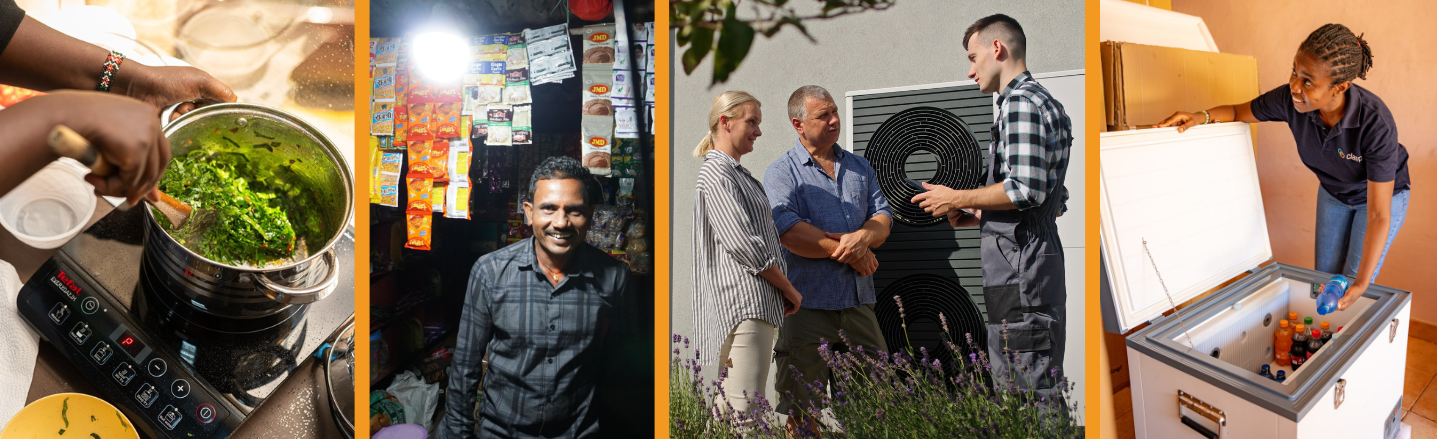
Appliance energy efficiency is a proven, affordable, and scalable way to reduce climate emissions and improve the lives of millions.
Efficient appliances and equipment are essential infrastructure that turn energy into opportunities for people to thrive. In 2024, CLASP stayed steadfast in our mission to help communities around the world harness the power of efficient appliances to slash emissions, drive sustainable development, and support climate adaptation and resilience. We support leaders to realize the cross-cutting climate, health, and economic benefits of efficient appliances for people and planet.
2024 was a busy year as CLASP celebrated 25 years of impact with our global network of partners. In the same year CLASP expanded into new geographies, grew our global team, and fueled progress with sector-leading evidence.
With five regional offices spanning the globe, CLASP collaborates with governments, industry, civil society, and other key stakeholders to emphasize how appliance efficiency can improve the lives of billions of people and reduce the impact of climate change.
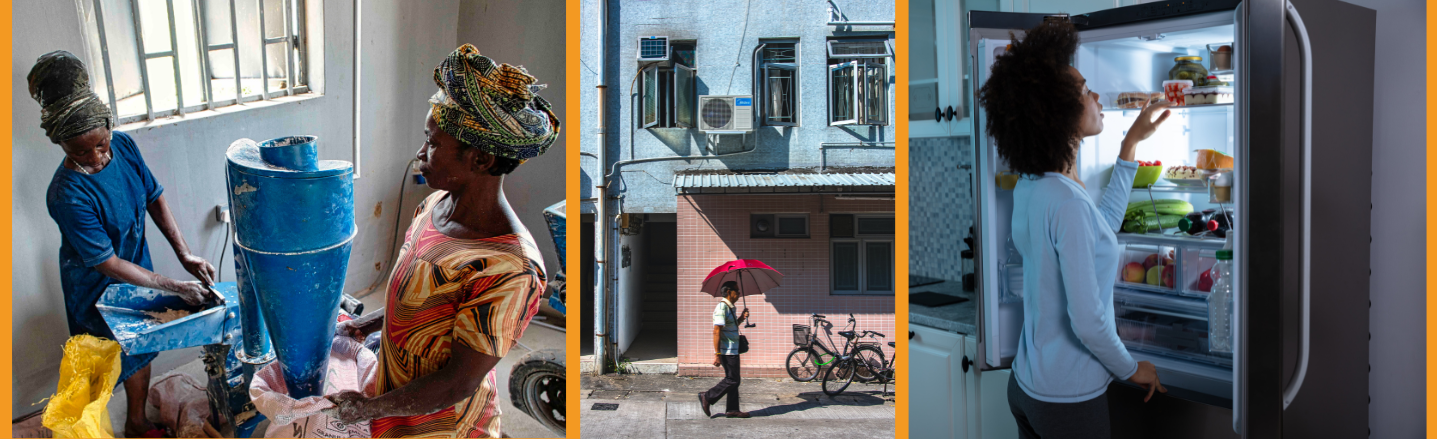
Accelerating Ambitious Climate Action
CLASP helps governments make appliances climate-friendly and people-positive through ambitious policy. In 2024, CLASP supported the adoption of 28 policies that will avoid 3.3 gigatons (GT) CO2 by 2050.
Cooling Access to reliable cooling is crucial in a rapidly warming world. In India, CLASP supported government officials in driving ambitious policy for climate-friendly cooling appliances to promote healthier, productive lives. New and revised space cooling and refrigeration policies in India will avoid 80 megatons (Mt) CO2 by 2050.
Lighting The global transition to efficient LED lighting continued to pick up speed, following the historic decision at the Minamata Convention on Mercury in 2023. Ten US states, comprising over 20% of the national lighting market, have taken decisive action in favor of a future lit by efficient, mercury-free LED lightbulbs, cumulatively avoiding 35 Mt of CO2 by 2050.
Cooking Electric cooking solutions are a healthier, safer way to cook instead of burning fossil fuels. CLASP supported the European Commission with evidence-backed recommendations to boost efficiency and aided in the development of a new method for testing and improving the efficiency of hobs.
Motors Motors account for the largest share of climate emissions in the appliances sector, so prioritizing their efficiency is critical. New motor policies in China and South Africa will avoid nearly 2 Gt and 40 Mt CO2 by 2050, respectively. In Pakistan, CLASP supported a new motor policy that will avoid 127 Mt CO2 by 2050 and is working with local partners to enhance the expertise of the local motor industry.

Net Zero Appliance NDC Toolkit
From Albania to Zimbabwe, the Net Zero Appliances NDC Toolkit outlines how policymakers can include appliance efficiency in nationally determined contributions (NDCs) to the Paris Climate Agreement. CLASP’s innovative, user-friendly toolkit offers customized data to support over 160 countries to reduce their national emissions by including appliance efficiency in their climate action plans.
Scaling Sustainable Energy Access
Climate-vulnerable communities around the world need affordable, efficient appliances to strengthen food security, improve healthcare, and unlock economic opportunities. In 2024, CLASP focused on research, financing, and new partnerships to make transformative appliances accessible for those who need them most.
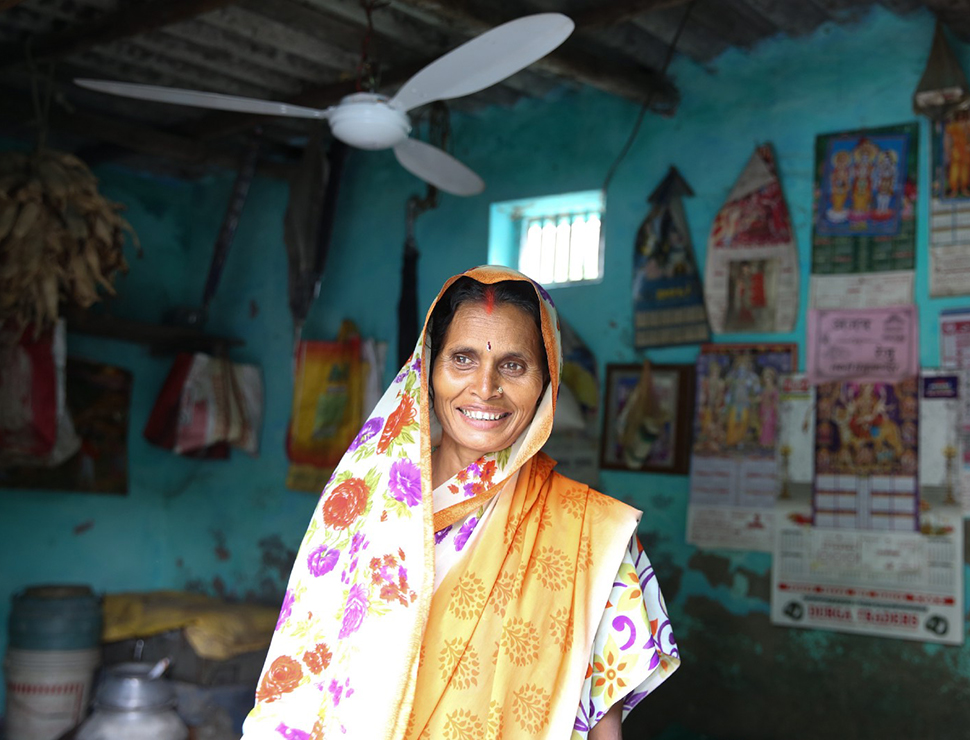
Research to Bridge the Energy Access Gap
The Leave No One Behind report, authored by CLASP through the Efficiency for Access Coalition, reveals a massive access gap: less than 2% of the need for off-grid solar appliances is being met, leaving more than half a billion people without life-changing appliances. Scaling up solar-powered appliances in a way that people can afford them requires collaboration across governments, the private sector, and development partners. The opportunity is tremendous and now is the time to act.
See the Research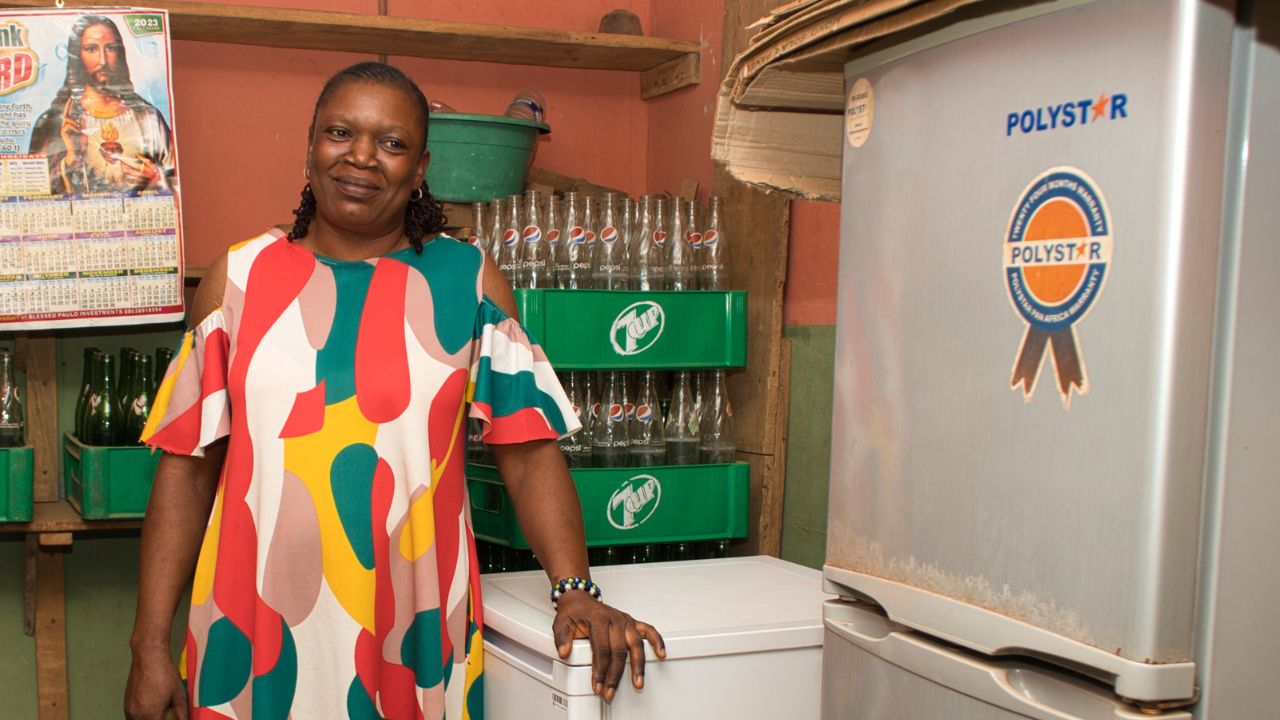
Financing for Productive, Healthy Futures
CLASP’s Productive Use Financing Facility, supported by the Global Energy Alliance for People and Planet (GEAPP), makes appliances more affordable to consumers and businesses in emerging markets in Africa. In 2024, the facility continued to improve lives, create jobs, and drive economic growth, by expanding access to solar water pumps, mills, and refrigerators.
Explore the Impact
Energy Access Institutions Facility
In 2024, CLASP took on the management of the Energy Access Institutions Facility - a joint donor initiative to support and strengthen the institutions in Africa and Asia that are essential to achieving the Sustainable Development Goal 7: Universal access to affordable, reliable, sustainable, and modern energy by 2030. These institutions are key for scaling energy access by driving collaboration across the sector, attracting inclusive investment, shaping national and international energy policies, building local capacity, and supporting research and innovation.
Read the AnnoucementCLASP’s Global Presence
CLASP showcased the transformative power of energy efficient appliances, lighting and equipment by bringing our innovative solutions, international expertise, and industry collaboration to key global events.
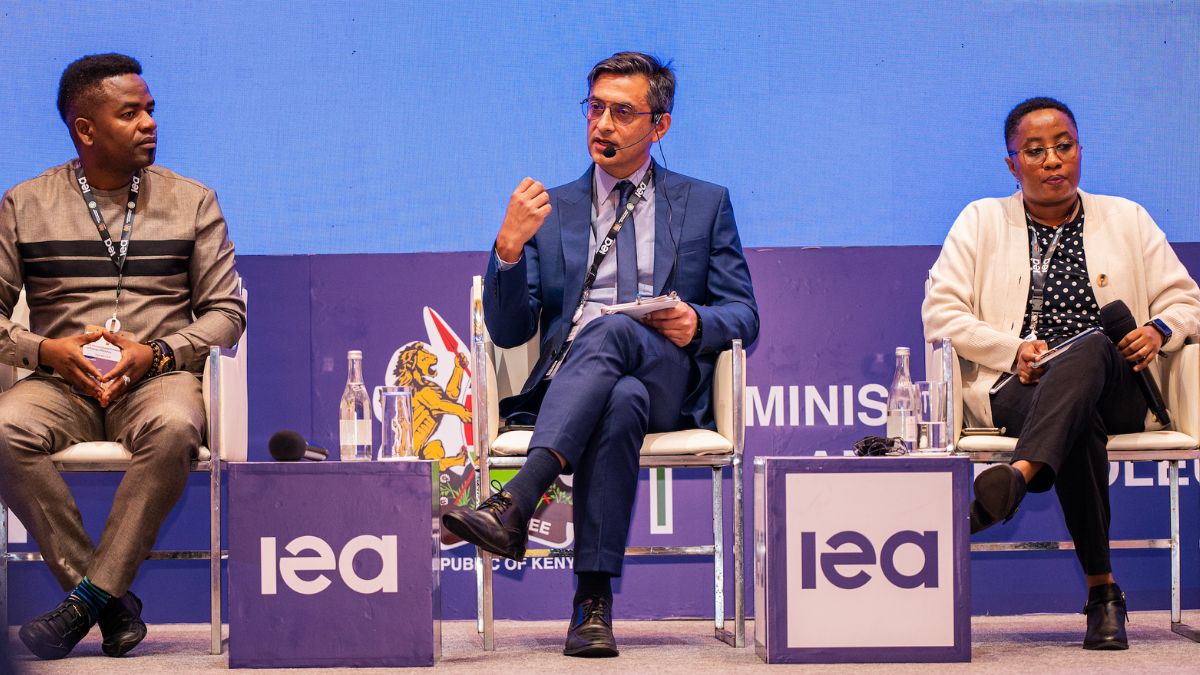
1. International Energy Agency’s (IEA) 9th Annual Global Conference on Energy Efficiency
CLASP experts participated in the IEA’s 9th Annual Global Conference on Energy Efficiency in Nairobi, Kenya, presenting appliance efficiency as a proven solution for cutting emissions.
CLASP’s Bishal Thapa (center) discusses the role of modern, energy-efficient cooking appliances in advancing clean energy transitions.
Photo by IEA.

2. Thirty-Sixth Meeting of the Parties to the Montreal Protocol on Substances that Deplete the Ozone Layer (MOP36)
CLASP and partners organized an official side event at MOP36 in Bangkok, Thailand, gathering experts from the energy, development, and cooling sectors.
CLASP’s Steven Zeng speaks about efficient cooling technologies at MOP36.
Photo by IISD.
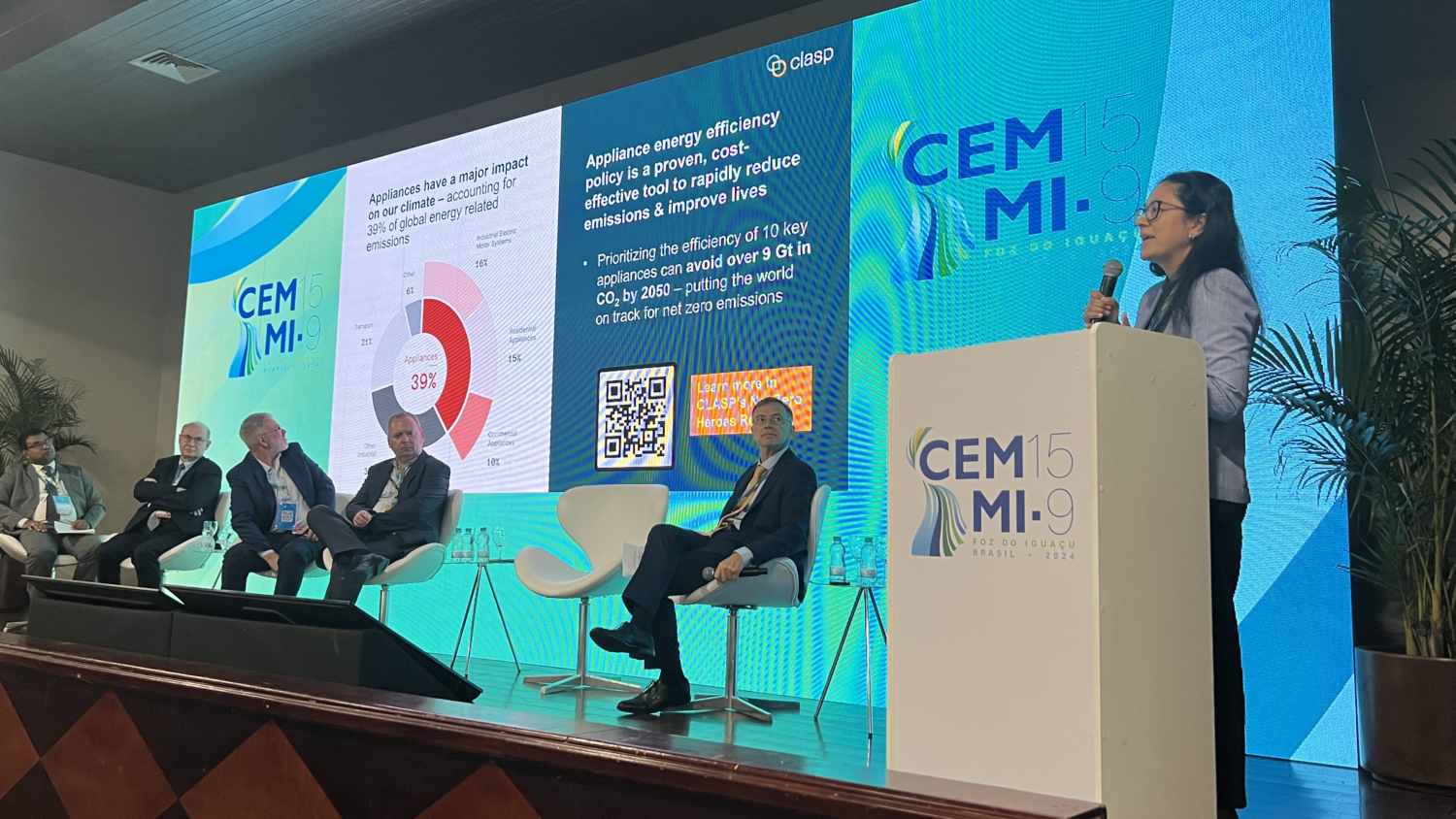
3. 15th Clean Energy Ministerial (CEM15)
At CEM15 in Brazil, CLASP co-hosted a side event exploring strategies to boost investments as countries push to double energy efficiency and achieve net zero emissions.
CLASP’s Ana Maria Carreño (right) highlights how energy efficiency policies drive investment in industrial innovation and boost market demand for more efficient appliances.
Photo by CLASP.
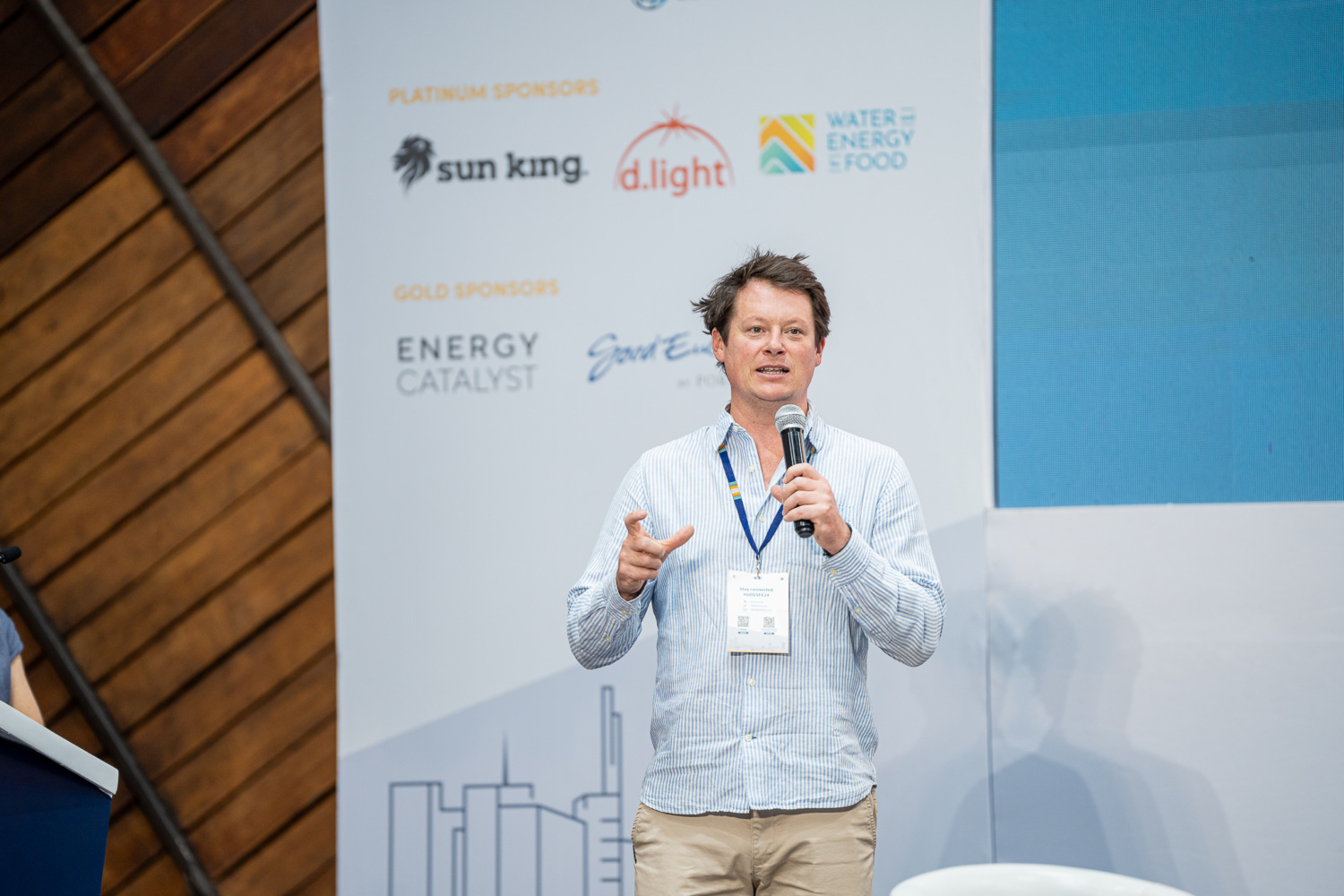
4. Global Off-Grid Solar Forum and Expo 2024 (GOGSFE24)
Experts from CLASP joined GOGSFE24, collaborating with partners to spotlight innovations in off-grid solar technologies in Nairobi, Kenya.
CLASP’s Sam Grant discusses solutions for the off-grid sector to tap into carbon finance opportunities through the Voluntary Carbon Market.
Photo by CLASP.

5. Global Off-Grid Solar Forum and Expo 2024 (GOGSFE24)
At GOGSFE24, in Nairobi, Kenya, CLASP hosted three key events, showcasing how energy-efficient appliances boost rural livelihoods and strengthen climate resilience.
CLASP’s Nyamolo Abagi, representing the Efficiency for Access Coalition, presents data on the transformative impact of solar mills for women and children.
Photo by CLASP.
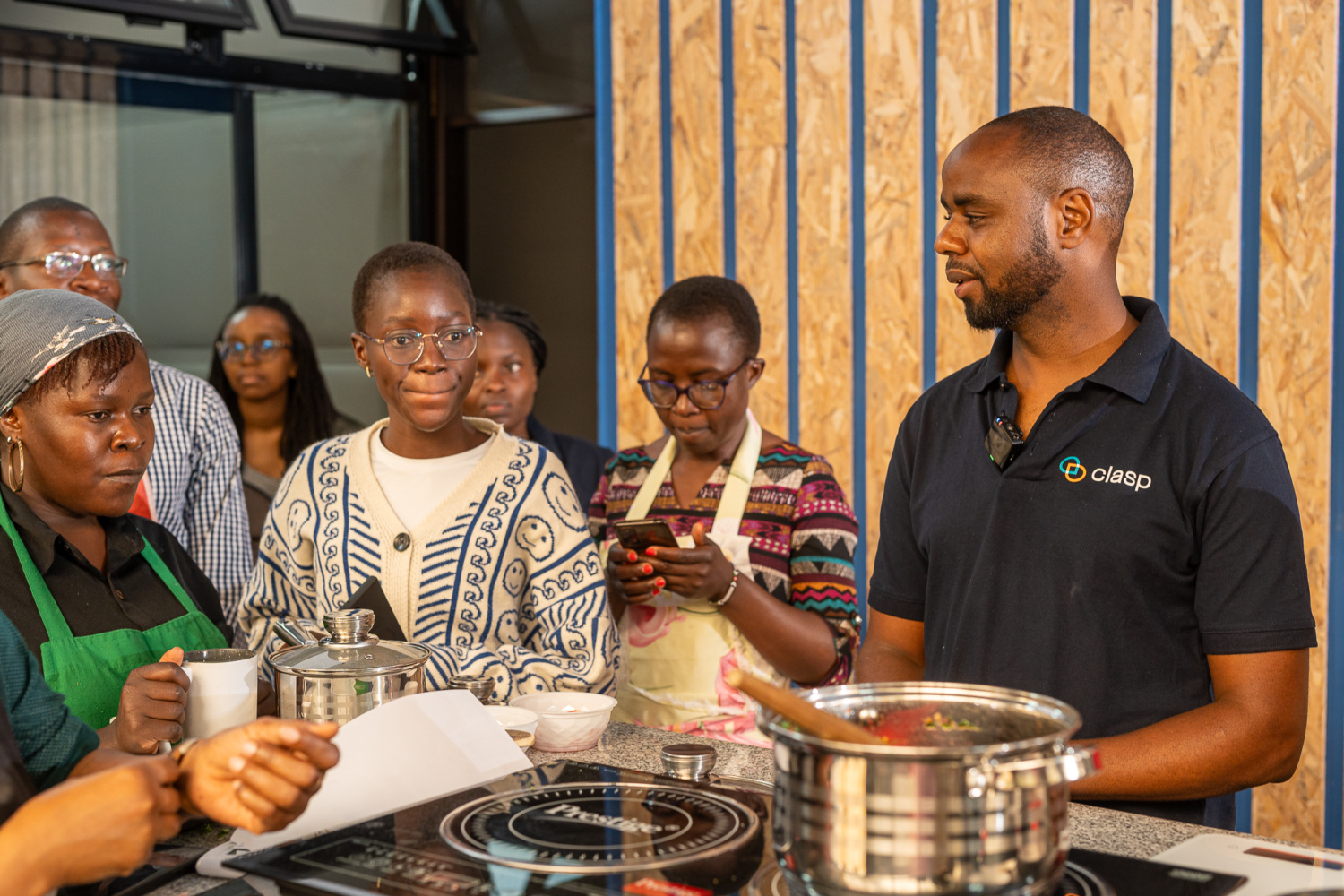
6. Global LEAP Awards Induction Cooktop Competition
CLASP promotes efficient, clean cooking technologies as an alternative to polluting biomass cookstoves through initiatives like the Global LEAP Induction Cooktops competition.
CLASP’s Michael Maina (right) representing Efficiency for Access coalition speaks with participants of the induction cooktop competition in Nairobi, Kenya.
Photo by CLASP.

7. Climate Week New York City 2024
CLASP brings appliance efficiency solutions to Climate Week in New York, demonstrating how these technologies can drive sustainability, reduce emissions, and improve lives.
CLASP’s Marina Baur, Corinne Schneider, Bishal Thapa, Christine Egan, and Amanda Upshaw with colleagues from the Crux Alliance.
Photo by CLASP.
8. Transforming Energy Access (TEA) Forum
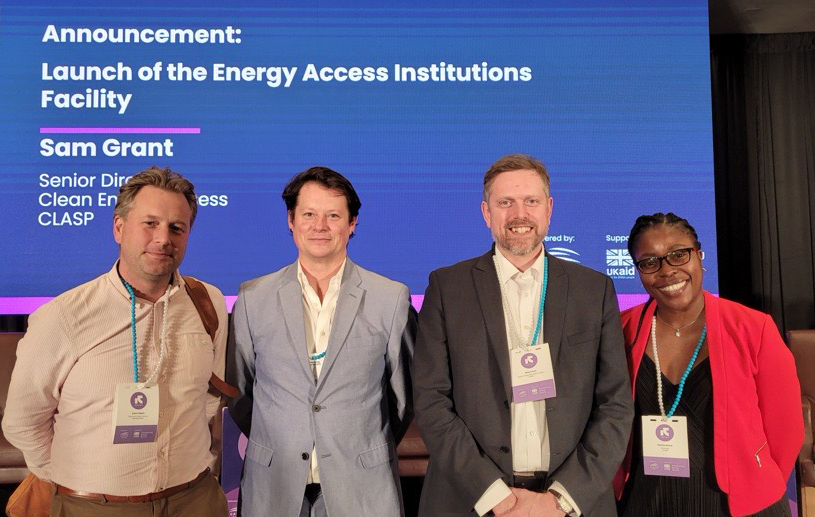
In Kigali, Rwanda, at the TEA Forum, CLASP was selected as the new host and manager of the Energy Access Institutions Facility, which aims to expand off-grid renewable energy access to low-income communities in sub-Saharan Africa and South Asia.
Left to right: Adam Öjdahl (Embassy of Sweden in Kenya), Sam Grant (CLASP), Steven Hunt (UK Foreign, Commonwealth and Development Office), and Martha Wakoli (CLASP).
Photo by CLASP.
9. Celebrating 25 Years
10. CLASP’s 25th Anniversary Party, Nairobi
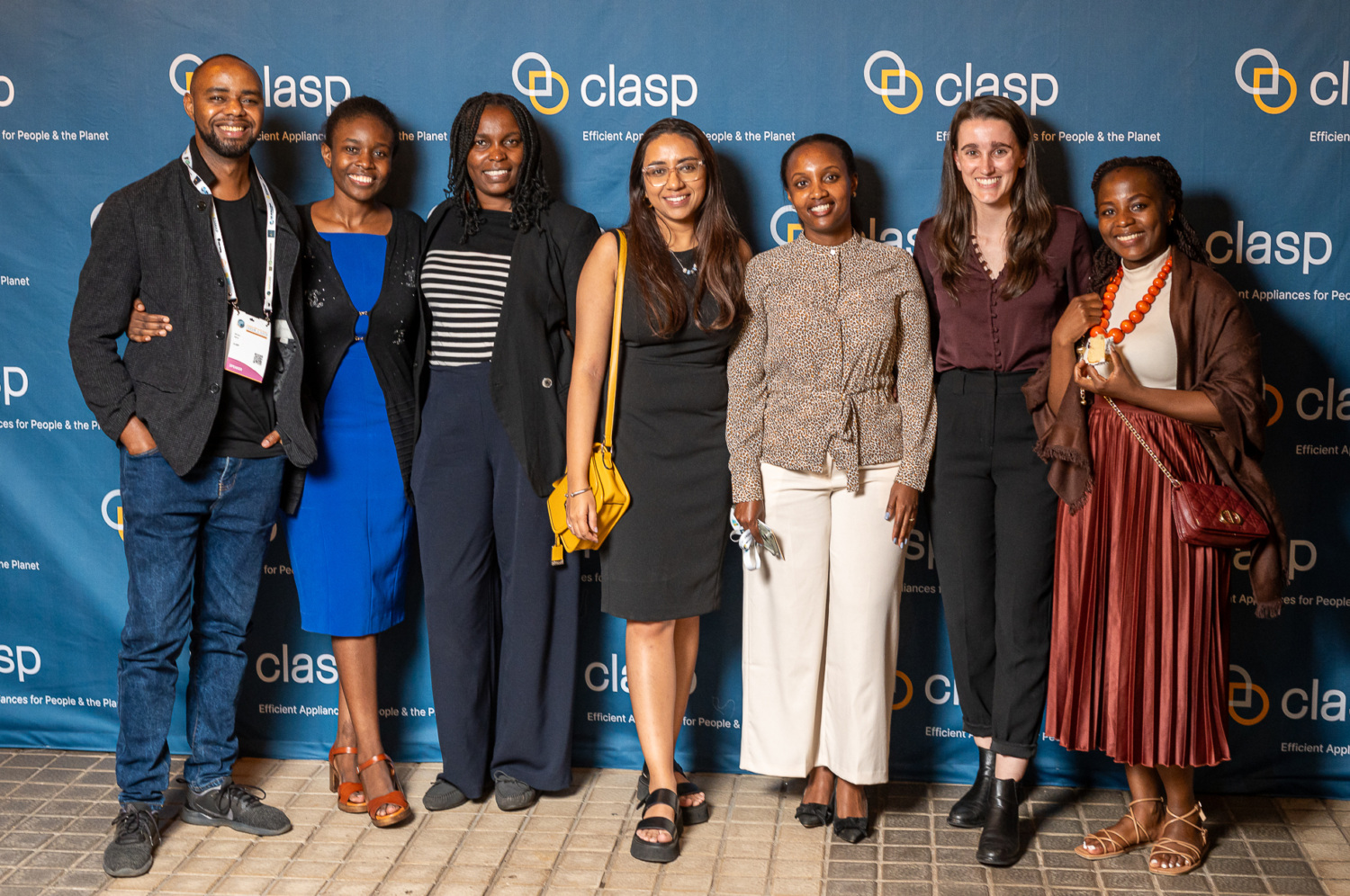
CLASP’s team in Africa brought energy and elegance to the 25th anniversary party in Nairobi, Kenya.
Left to right: CLASP’s Michael Maina, Ruth Kimani, Catherine Muiruri, Sumedha Awasthy, Abby Kuria, Anna Wright, and Angellah Wekongo.
Photo by CLASP.
11. CLASP’s 25th Anniversary Party, New Delhi
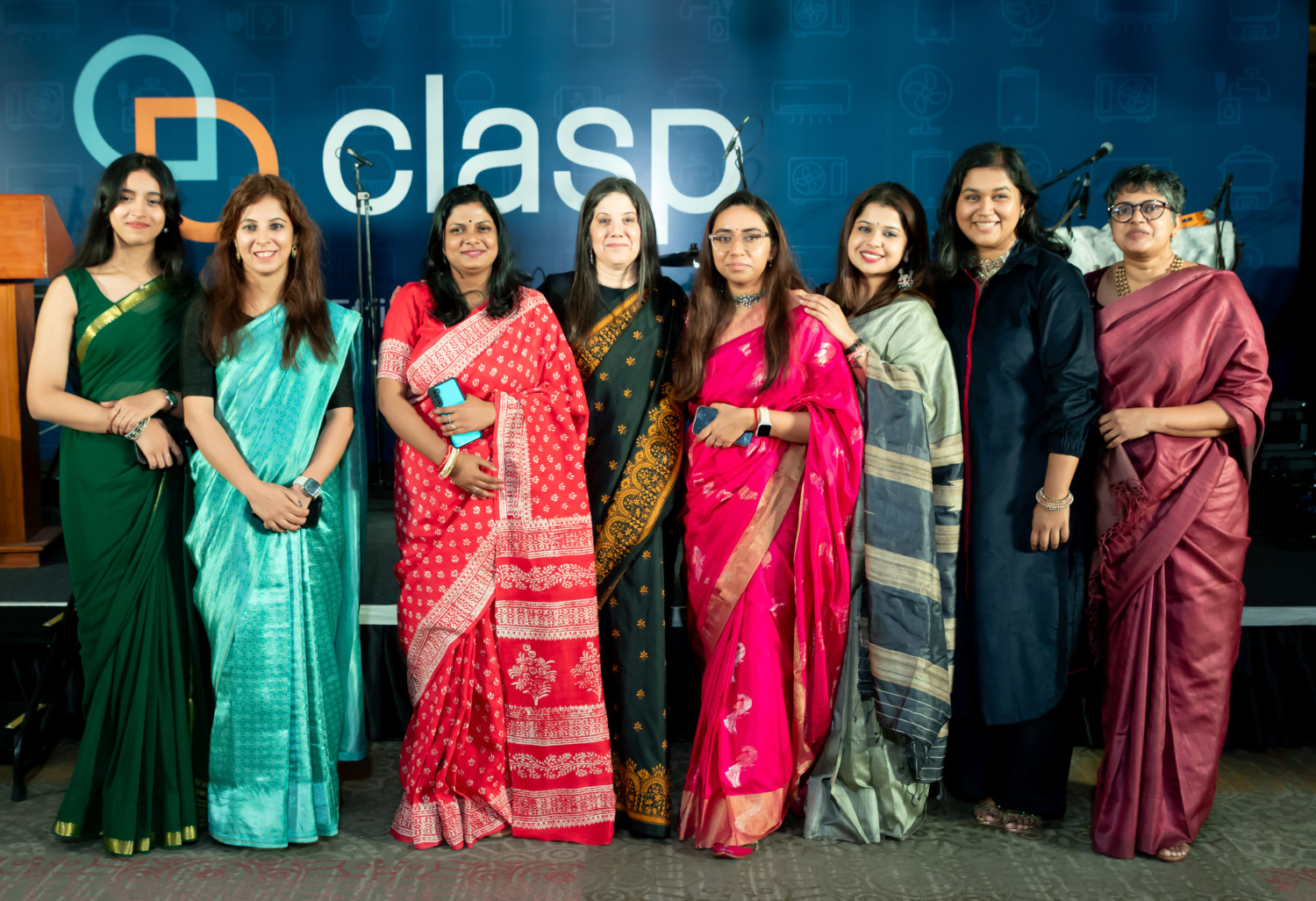
CLASP’s India team members and CEO Christine Egan donned stunning saris to mark CLASP’s 25th anniversary.
Left to right: CLASP’s Sipra Singh, Neha Dhingra, Moumita Chandra, Christine Egan, Sumedha Awasthy, Devashree Shetye, Karishma Joseph, and Meret Philip.
Photo by CLASP.
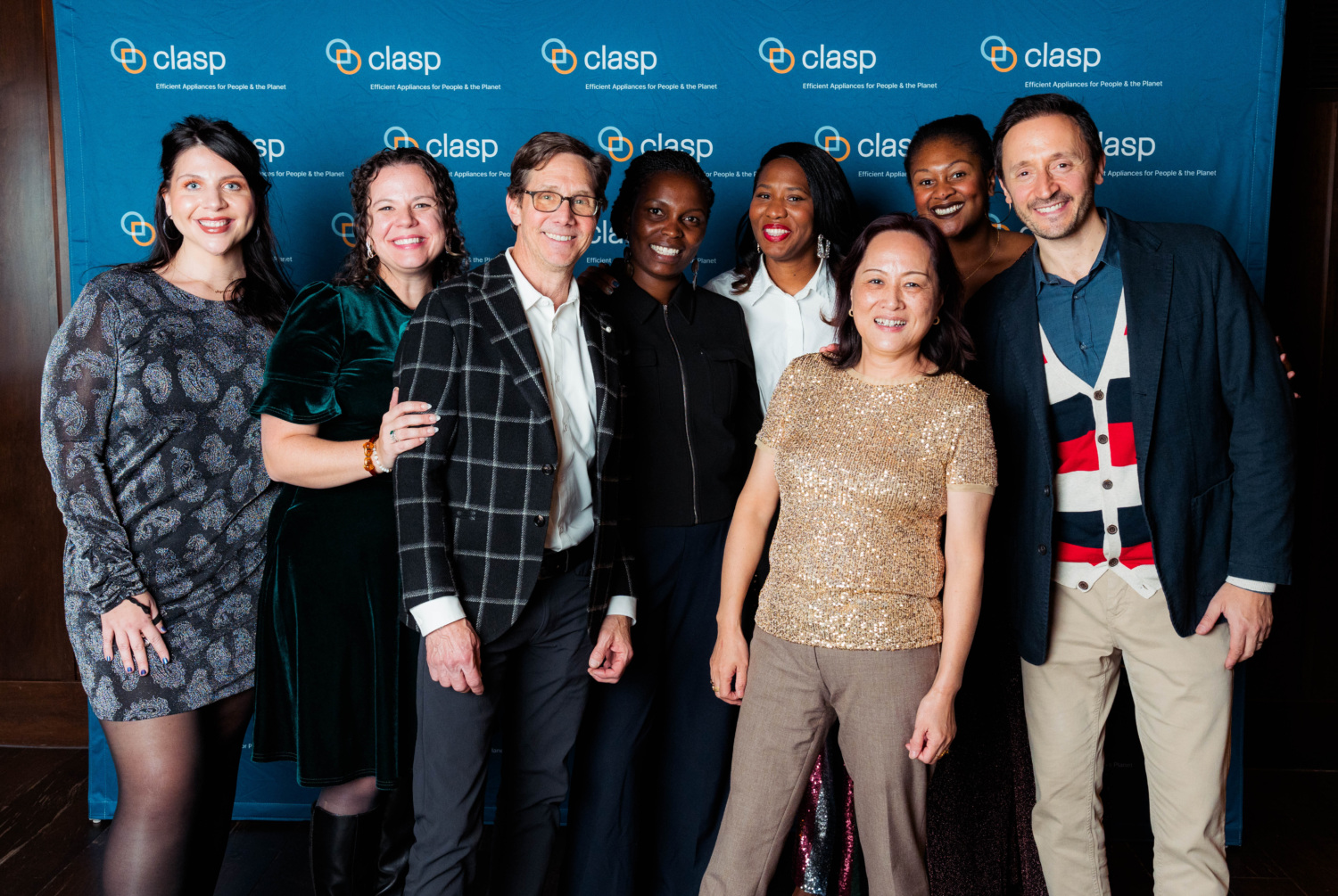
12. CLASP’s 25th Anniversary Party, Washington DC
Reflecting on 25 years of dedication, teamwork, and positive change – thank you to our team and partners for making it all possible.
Left to right: CLASP’s Elynora Sapp, Amanda Upshaw, Fred Sherman, Catherine Muiruri, Naté Harris, Wendy Wen, Kristen Wade, and Andrea Testa.
Photo by CLASP.
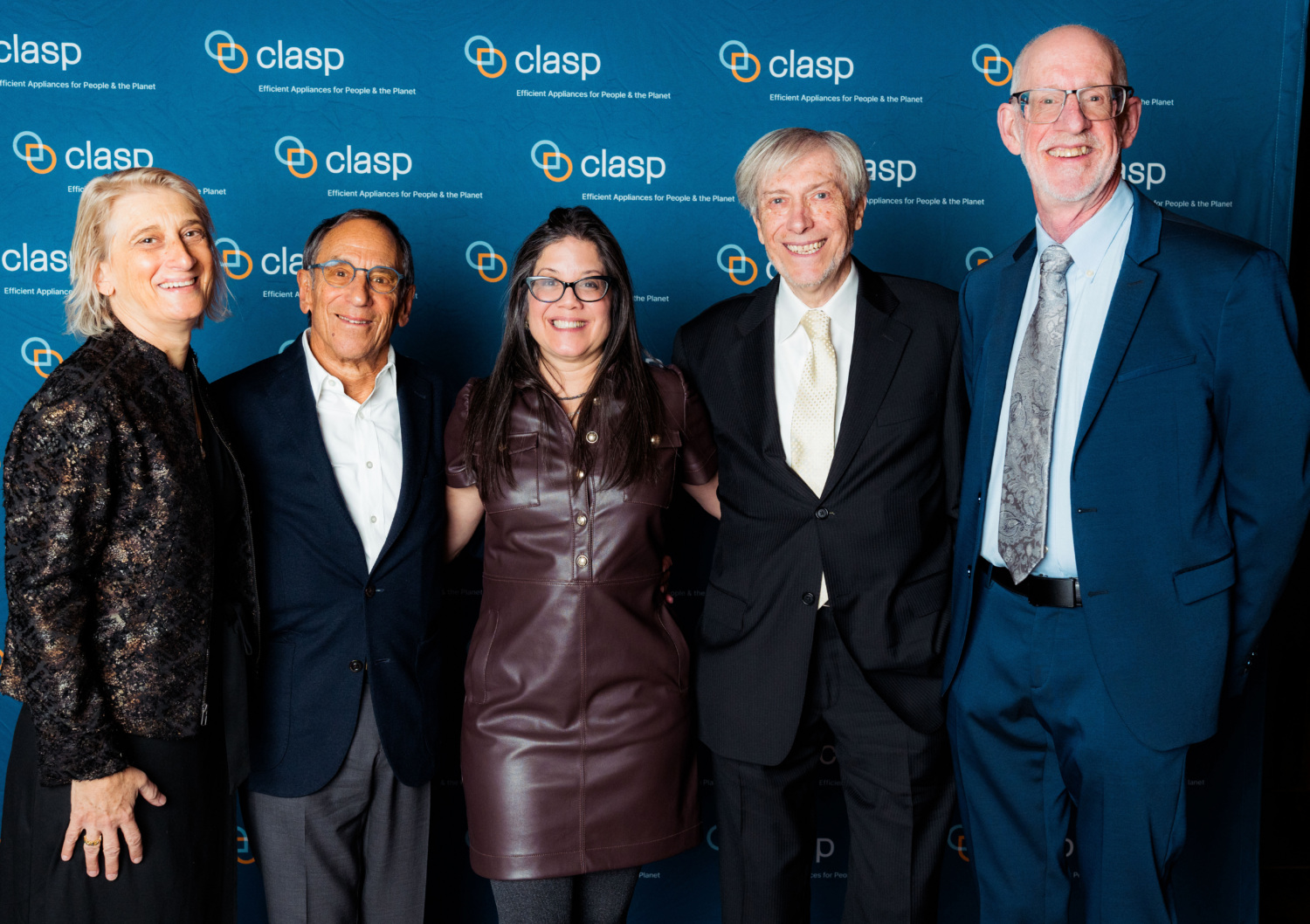
13. CLASP’s 25th Anniversary Party, Washington DC
CLASP’s anniversary party in Washington, DC gathered staff, friends, local partners, and valued board members to reflect on 25 years of collaborative impact.
Left to right: CLASP’s Mirka della Cava (Board Member), Stephen Wiel (Board Chair), Christine Egan (CEO), John R. Mollet (Board Secretary), and James E. (Jim) McMahon.
Photo by CLASP.

14. CLASP’s 25th Anniversary Party, New Delhi
CLASP turned 25! We celebrated this milestone in New Delhi, India, with our Asia teams and regional partners, reflecting on the partnerships and collaboration that have made CLASP the impact-focused organization it is today.
CLASP colleagues snap a selfie, capturing the spirit of 25 years of collaboration with style and energy.
Photo by CLASP.

CLASP Celebrates 25 Years of Impact
Over the past 25 years, CLASP has become the leading global authority on efficient appliances’ role in fighting climate change and improving people’s lives. Our impact spans 90+ countries and has helped reduce 2030 CO2 levels by over 1.6 Gt. We provide access to life-changing solutions through data, analysis, and collaboration with policymakers, industry leaders, and experts. CLASP remains committed to making appliances more efficient for people and the planet.
Finances
With generous donor support for our mission, CLASP expanded our funding in 2024 – increasing our revenue by 10% as compared to 2023.
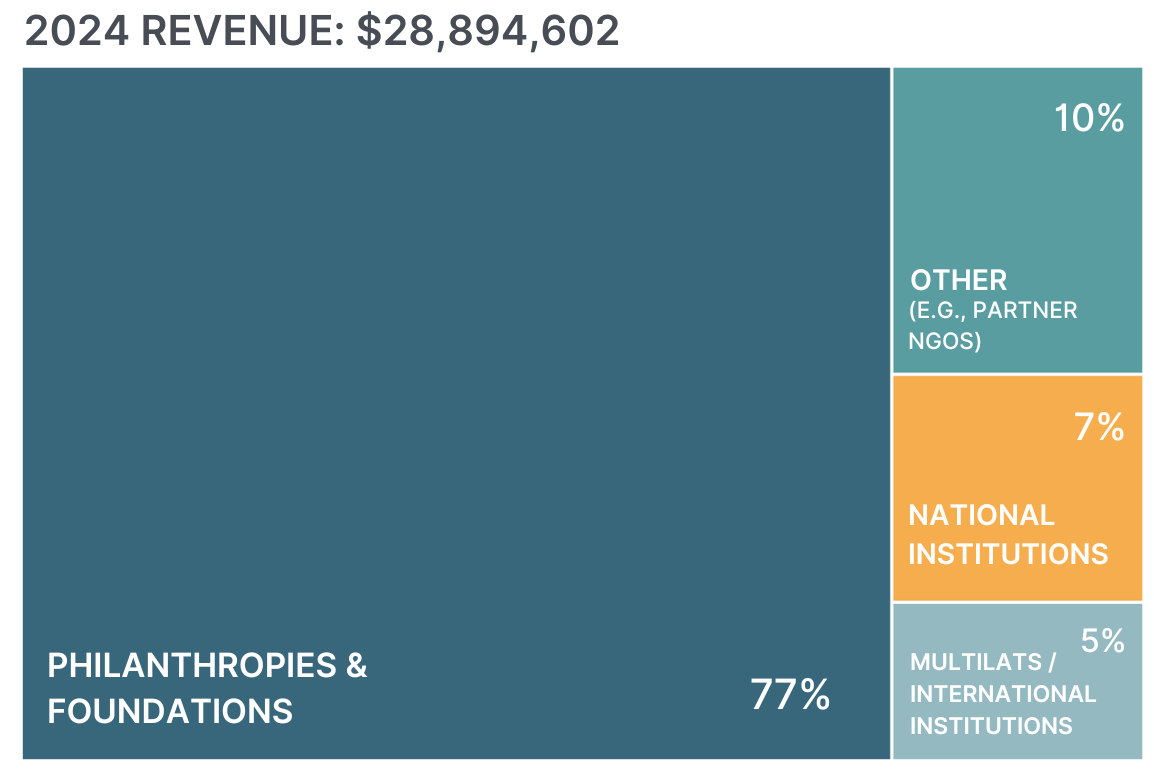
2024 Funding By Donor Type
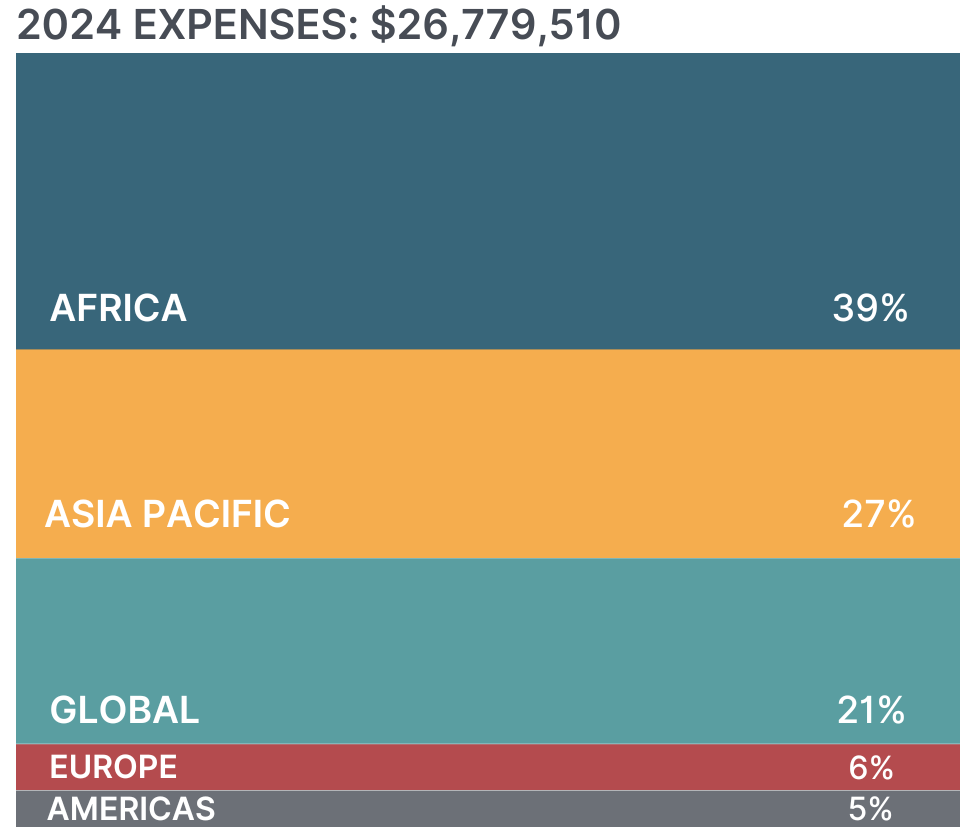
2024 Expenses by Region
We are proud of our team’s positive global impacts in 2024. We look forward to driving progress towards a brighter future for people and the planet in 2025!
Mepsy Methodology: Model and Approach for Climate Impact Analysis
DOI: https://doi.org/10.70098/OUAN6240
Mepsy is CLASP’s appliance and equipment climate impact calculator. It’s designed for policymakers, researchers, and other industry stakeholders to model different policy scenarios and measure their impact.
Mepsy uses a “bottom-up” accounting approach, considering the number of appliances in use in a country, the energy performance of representative products, the climate-intensity of the local power grid, and other variables to analyze the electricity use, carbon dioxide emissions, and consumer energy costs associated with a given policy scenario.
Wherever possible, the calculator references precise stock, sales, and energy performance data from recent CLASP in-country market studies, or country-level estimates from reputable market research firms. Where country-level data for a particular product are not available, calculations are based on estimates from regional or global averages, accounting for differences in country population, economics, or climate as relevant to a particular appliance. Future and past shipments are extrapolated based on recent trends.
The Mepsy Methodology outlines all underlying calculations and data sources behind the tool. For appliance-specific data for each of the ten appliances featured on Mepsy, please refer to the respective technical appendix:
- Air conditioning
- Beverage cooler
- Distribution transformer
- Fans
- Lighting
- Motors
- Refrigerator
- Space heater
- Television
- Water heater
In addition, the annex “Extending Mepsy to 2050” details the methodology behind projecting Mepsy’s insights through 2050, including key assumptions, modeling approaches, and data sources used in this effort.
To learn more about Mepsy or use our free tool, click here.
Bridging the Cooling Gap: Energy Efficiency as a Driver for Appliance Access
This research is posted preprint and will be published in the EEDAL’24 Book of Proceedings.
Energy efficient cooling appliances play a critical role in addressing climate resilience and cooling equity. This new research investigates how doubling the energy efficiency of cooling technologies globally can reduce lifecycle costs, expand appliance access, and limit energy demand growth. It focuses on three high-impact, low-access countries: India, Indonesia, and Nigeria and evaluates the impact of efficiency improvements on affordability, ownership, and climate adaptation, offering critical insights into policies needed to close access gaps and achieve net zero goals.
Key Findings
Doubling the efficiency of fans, refrigerators, and room air conditioners globally by 2030 could unlock great benefits. By 2050, in the three countries studied, this could:
- Drive down the total cost of ownership by 60% for room air conditioners and refrigerators and 58% for fans
- Deliver $105 billion USD in annual net consumer benefits in 2050
- Expand access by an additional 4-13 percentage points
- Avoid more than 420,000 premature deaths
- Limit the total energy consumed by these appliances to about half of what it would be otherwise
Recommendations
To realize these benefits, governments and other market actors must:
- Increase research and development funding, financing and financial incentives, bulk procurement schemes, awards, and informational tools to drive market uptake of efficient appliances
- Implement innovative financing schemes to reduce upfront costs
- Reduce tariffs to make efficient appliances more affordable locally
- Expand decentralized energy solutions, like solar home systems and mini-grids to help rural, low-income communities access energy services more readily
Moving Towards Healthier, Efficient Electric Cooking: Consumer Perspectives from Eight European Countries
This CLASP report presents insights from surveys of 8,000 demographically representative adults across eight European countries, France, Italy, Poland, Romania, Slovakia, Spain, Sweden, and the United Kingdom. The research provides valuable data for European policymakers on ways to accelerate the transition to cleaner, more efficient electric hobs (cooktops).
The report examines European consumers’ views and behaviours concerning gas and electric hobs, focusing on their usage, preferences, energy efficiency awareness, purchase criteria, health perceptions, ventilation practices, and opinions on potential policy measures.
Key Findings
- Most Europeans support a shift to cleaner, safer, and healthier electric cooking, but they need more exposure to induction technology to be fully convinced of its benefits.
- Supportive pricing and clear information are key factors in encouraging the transition to electric cooking, as consumers tend to prefer more energy-efficient and less polluting products.
- Consumers lack accurate information about the real efficiency of different hob technologies; their views are shaped by their personal experiences and familiarity with the hobs they use.
- Europeans have limited awareness of the impact gas cooking has on indoor air quality and often fail to ventilate adequately while cooking.
- Consumers feel that it’s the manufacturers’ responsibility to reduce pollution from gas hobs, and governments should help support the transition to more efficient and healthier electric cooking.
Recommendations
- Consumers should be able to select the most energy-efficient and least polluting hobs. Ecodesign regulations should remove the least efficient and most polluting options from the market. Clear information on the health risks of gas hobs should be made available through instruction manuals, webpages, or displayed on a future energy label or warning icon on hobs and ventilation hoods.
- National governments should offer incentives to encourage the shift to electric cooking and ensure that electricity prices are competitive with gas.
- Consumer organisations, non-governmental organisations, and forward-thinking producers and retailers should inform consumers about the health risks of gas cooking and the benefits of electric hobs. A successful transition to cleaner, more efficient electric hobs requires consumers to experience a new electric technology firsthand.

European consumers are ready for a shift to healthier, more efficient electric cooking, but to make this transition possible, people need clear information and supportive policies.Nicole Kearney
CLASP Europe Director
The surveys address technical, behavioural, and policy questions related to hob usage, which have been raised by policymakers, industry, and civil society. Detailed results for each country can be found in the annexes.
To ensure objectivity and representative results, CLASP commissioned Opinium Research, an independent polling organisation, to conduct the surveys. CLASP analysed the Europe-wide data and compiled this report, which builds on Opinium’s national analyses and findings.
Visit our Cook Cleaner Europe webpage to view additional resources on gas and electric cooking.