
South Africa
South Africa has committed to a low-carbon future by developing a Just Energy Transition Implementation Plan. This aims to diversify the energy mix, enhance energy security, and mitigate environmental impacts. Appliance efficiency is an immediate, cost-effective way to ease pressure on the system, improve energy access, and support climate and development goals.
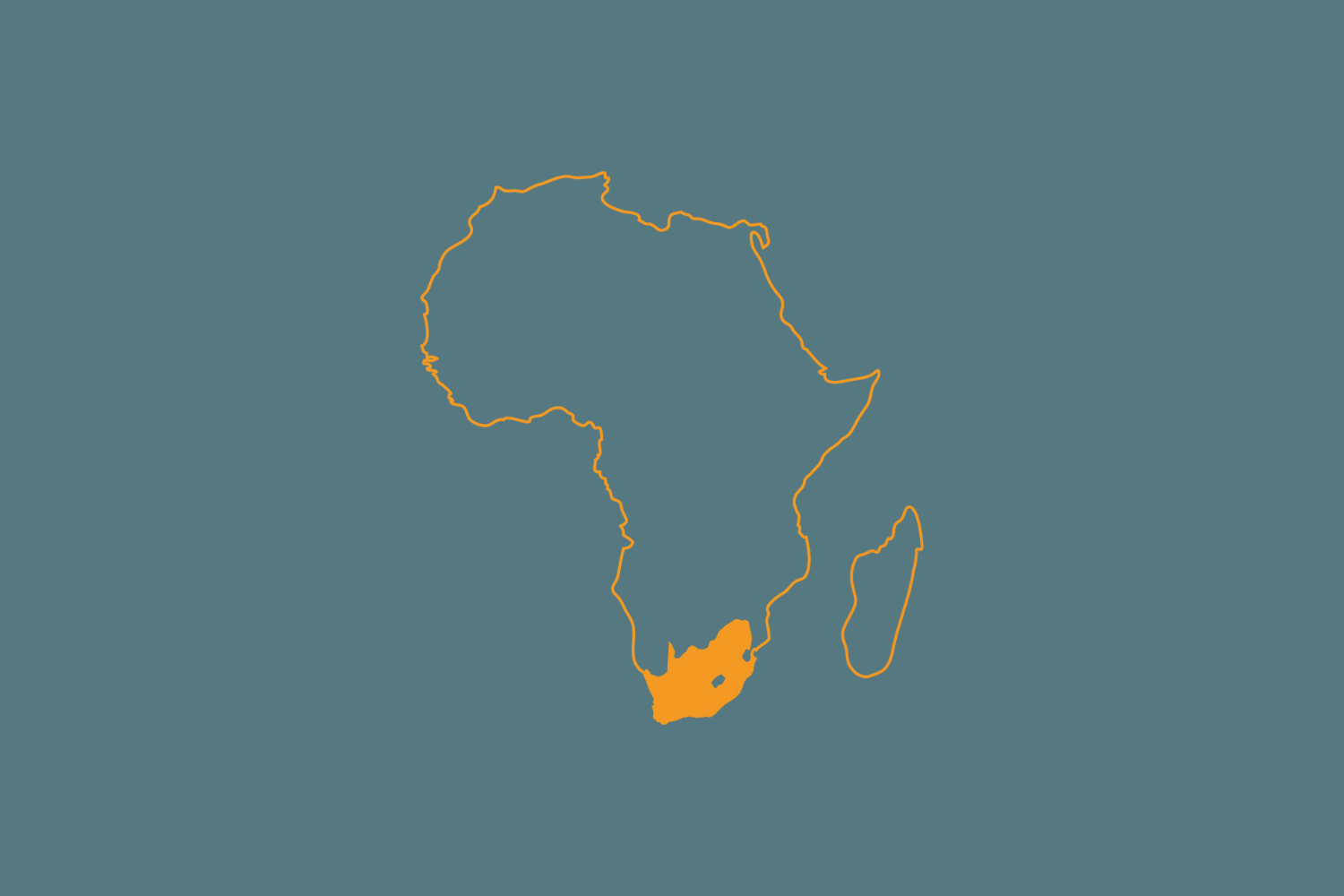
CLASP's impactful work in South Africa
- CLASP supported the South African government in developing minimum energy performance standards (MEPS) for General Service Lamps estimated to reduce 11.2Mt of CO2 by 2030.
- CLASP continues to support the development of MEPS for street lighting and electronic displays to reduce 5.9Mt and 3.4Mt respectively and reduce the pressure on the national grid.
- CLASP conducted a market assessment that informed South Africa’s adoption of electric motor efficiency standards in 2024, projected to reduce 5.579 Mt CO2 by 2030.

[Photo: Shutterstock]
How does appliance efficiency benefit South Africa?
South Africa’s energy sector is undergoing a significant transformation to address longstanding challenges and seize new opportunities for reliable and affordable access to energy. As one of Africa’s biggest economies, it is the highest electricity producer, second-largest consumer,1 and supplies 30% of its electricity2 to neighboring countries.
However, ongoing load-shedding, rising electricity costs, and a growing water crisis continue to affect households, businesses, and essential public services.
Energy-efficient appliances provide a sustainable solution to ease pressure on the grid, reduce costs, and cut emissions, in line with South Africa’s climate and development goals3 outlined in the National Development Plan.
CLASP partners with the South African government and industry to advance the adoption of energy-efficient appliances through technical support and policy engagement. In 2024, CLASP supported the adoption of new lighting regulations4 to avoid 11.6 million tonnes of CO₂ by 2030. CLASP is also helping to roll out the country’s first Water Efficiency and Labelling Scheme,5 targeting products like showerheads, to reduce water waste.
Recent News

Our programs in the country
CLASP supports South Africa’s shift to energy-efficient solutions to ease grid pressure, protect vital services, and tackle the growing water crisis. Explore our programs and initiatives in the country:
- Appliance efficiency in South Africa: CLASP provides support to South African policymakers to promote energy-efficient household appliances, commercial equipment, and lighting.
- Water Efficiency and Labelling Scheme (WELS): CLASP is working with the South African government and industry partners to implement South Africa’s first Water Efficiency and Labelling Scheme, targeting technologies like showerheads to cut water waste and address the growing water crisis.
- Policies to mitigate South Africa’s electricity crisis: CLASP supports the Department of Electricity and Energy and the South African National Energy Development Institute (SANEDI), in collaboration with the National Regulator for Compulsory Specifications, to develop and roll out minimum energy performance standards (MEPS) to reduce the pressure on the national grid. We are also supporting review of the Product Registration System and the inclusion of appliance efficiency in South Africa’s NDC 3.0 that is under development.
Related Research

CLASP's work in South Africa impacts:

0. “Africa”, IEA, accessed July 22, 2025. https://www.iea.org/regions/africa/electricity.
1. “The South African Energy Energy Sector Report 2023”, Directorate: Energy Economics and Statistics, 2023. https://www.dmre.gov.za/Portals/0/Resources/Publications/Reports/Energy%20Sector%20Reports/SA%20Energy%20Sector%20Report/2023-South-African-Energy-Sector-Report.pdf?ver=6TOu3ZWrjDaMhxVQWcR3vQ%3D%3D#:~:text=The%20South%20African%20energy%20supply,supply%20during%20the%20same%20period.
2. “South African Energy Sector Report 2023”, Directorate: Energy Economics and Statistics, 2023. https://www.dmre.gov.za/Portals/0/Resources/Publications/Reports/Energy%20Sector%20Reports/SA%20Energy%20Sector%20Report/2023-South-African-Energy-Sector-Report.pdf?ver=6TOu3ZWrjDaMhxVQWcR3vQ%3D%3D#:~:text=The%20South%20African%20energy%20supply,supply%20during%20the%20same%20period.
3. “CLASP Supports Development of South African Efficiency Policies to Mitigate the Electricity Crisis”, CLASP, accessed July 22, 2025. https://www.clasp.ngo/updates/clasp-supports-development-of-south-african-efficiency-policies-to-mitigate-the-electricity-crisis/.
4. “Water Efficiency in a Drying South Africa”, CLASP, accessed July 22, 2025. https://www.clasp.ngo/updates/water-efficiency-in-a-drying-south-africa/.