
Emmanuel Aziebor is CLASP’s new Senior Director for Africa
CLASP welcomes Emmanuel Aziebor as the new Senior Director of our Africa portfolio. In this role, Emmanuel will lead CLASP’s efforts to mitigate climate change and improve lives and livelihoods through affordable, efficient appliances.
CLASP has been working in Africa since 2012. Most of the projects and research carried out in the continent focus on how efficient, high-quality appliances alleviate energy poverty and promote sustainable development. CLASP drives technology innovation and catalyzes appliance market growth, putting efficient, affordable, high-quality appliances and equipment within reach of low-income families and communities, as well as smallholder farmers. In 2017, CLASP opened its Nairobi office.
Emmanuel is an accomplished international development leader with over a decade of experience in renewable energy. His expertise includes business model innovation, private-sector partnerships, energy policy formulation, and catalyzing off-grid energy solutions to scale.

“Expanding access to efficient appliances is the key to climate-resilient development. I’m thrilled to be part of the CLASP team leading the charge on energy efficiency and increasing access to clean energy technology across Africa. I look forward to collaborating with partners across the continent to create meaningful change for people and planet.” – Emmanuel Aziebor, CLASP’s Senior Director of Africa
Emmanuel holds a Master’s in Energy and Sustainable Management from the Kwame Nkrumah University of Science and Technology and a Bachelor’s (Hons) in Business Administration (Banking and Finance) from the University of Ghana Business School.
Before joining CLASP, he led global programs at Mercy Corps delivering sustainable energy services to displaced communities through public-private partnerships.
As a trusted voice in the climate change and clean energy fields, Emmanuel brings an extensive understanding of the renewable energy landscape in Africa and a passion for driving impactful change across the continent.
CLASP is delighted to welcome Emmanuel to the team and looks forward to expanding the organization’s impactful work in Africa under his leadership.
Brighter Futures for Rural Youth with Solar
Solar-powered farm equipment could be a crucial tool in overcoming the challenge of unemployment in rural areas across many emerging economies, according to new research by Efficiency for Access and Power for All. The solar irrigation sector in India and Kenya alone has the potential to create over 115,000 jobs by 2030.
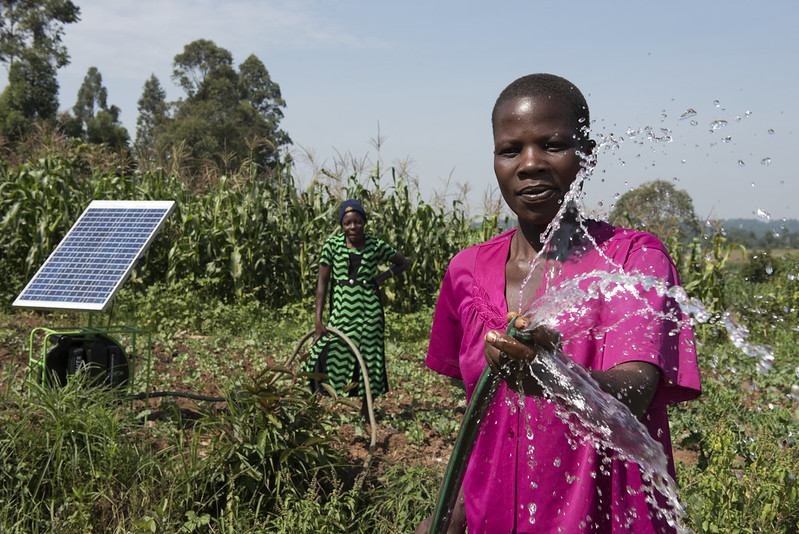
The report Green Jobs for Rural Youth analyzes four countries Kenya, India, Nigeria and Uganda. It finds that there is a significant opportunity to combat youth unemployment through innovative solar technologies.
Promising findings
The findings are promising: solar-powered farm equipment could generate thousands of sustainable jobs, transforming agriculture and improving life quality in rural communities.
Abigail Kuria, the lead researcher from CLASP, who co-authored the report, notes, “These technologies equip rural youth with transferable skills and long-term employment while advancing sustainable development.”
Addressing barriers to adoption
However, affordability and awareness remain significant barriers to wide-spread adoption. Kuria urges, “Investors, financiers, philanthropies, and governments must bolster financial support and market incentives to drive demand for renewable energy in agriculture and tackle affordability issues. This includes funding interventions and rolling out awareness campaigns to boost technology adoption.”
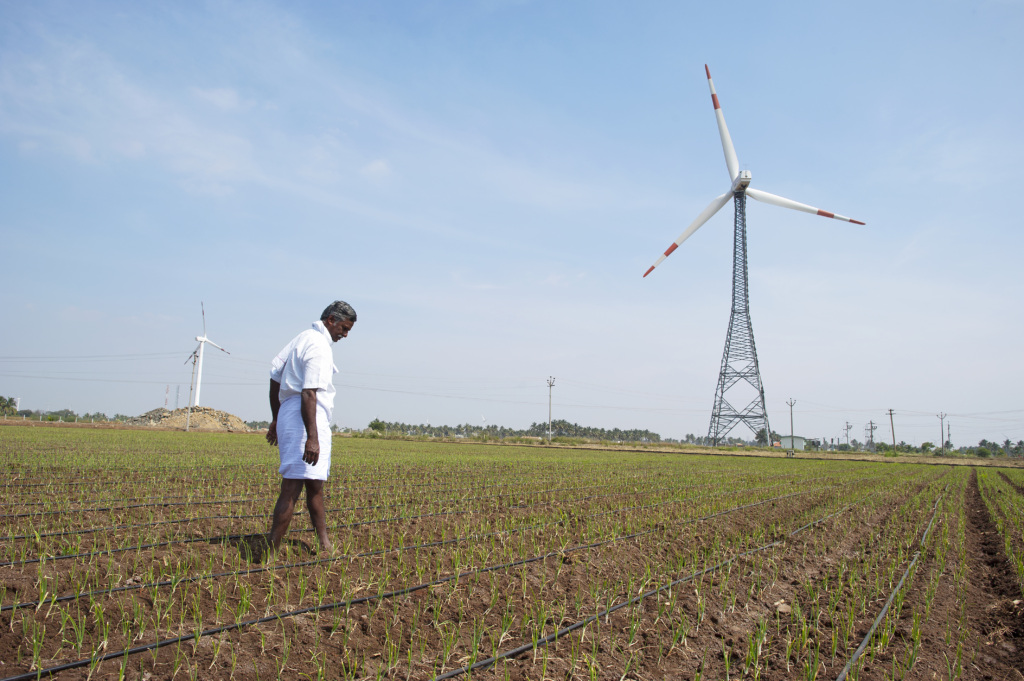
For this report Kuria collaborated with Hannibal Tesfahunegn from Power for All, a nonprofit advocating and scaling solutions in the off-grid sector. The research addresses a critical data gap that has hindered effective policymaking and sector growth, arriving at a pivotal moment for those looking to invest in sustainable development.
Discover how solar innovations can open new job opportunities and benefit rural areas by exploring the full report here.
The Efficiency for Access coalition is co-managed by CLASP and Energy Saving Trust.
Find CLASP at the Africa Climate Summit 2023
On September 5 from 8 am to 9 am, CLASP planned a side event at the Africa Climate Summit entitled ‘The Opportunity of Appliance Access for a Climate-Resilient Africa’. This event aimed to showcase actionable solutions that African nations can implement today to accelerate the transition towards a net-zero emissions future.

Millions of people across Africa lack access to electricity and energy-efficient appliances. Often, the very same people are most at risk of exposure to climate hazards, which can result in displacement, serious health issues, and, in the worst cases, premature death. Appliances and equipment are cornerstones of life, essential for living productively and—increasingly—coping with global warming and its associated shocks. With numerous households in Africa already feeling the effects of climate change, the time to close the appliance access gaps is now, and doing this will have profound benefits for people and our planet.
Crucially, the discussions aimed to feature effective and affordable appliance solutions that foster resilient communities and drive progress toward national and global emissions reduction targets. The opportunity is here to build a more inclusive, sustainable world while positioning Africa as a global leader and advocate for universal access to efficient appliances and equipment.
Speakers at the event
Moderator – Christine Egan – CEO, CLASP
- Chianda Njogu – The Global Energy Alliance for People and Planet (GEAPP)
- David Mutisya – Directorate of Renewable Energy, Ministry of Energy (Kenya)
- Martha Wakoli – CLASP
- Mikayla Czajkowski – SunCulture
- Rebecca Mincy – The Acumen Resilient Agriculture Fund (ARAF)
Event details:
Tuesday 5 September | 2.30 to 3.30 pm | The Opportunity of Appliance Access for a Climate-Resilient Africa | Lenana Hall
Kenya Launches First National Cooling Action Plan
On 14 June, Kenya’s Ministry of Environment, Climate Change, and Forestry officially launched the National Cooling Action Plan for Kenya (NCAP). Since 2018, CLASP has worked closely with government agencies and key stakeholders to develop the Plan that will guide sustainable cooling solutions in the country through 2027.
Growing Demand for Cooling in Kenya
As temperatures rise, cooling technologies are needed to support resilient food supply chains and keep society healthy and productive. However, these same technologies are highly energy-intensive and can contribute to significant carbon emissions. With a strong focus on aligning with Kenya’s climate commitments, the National Cooling Action Plan (NCAP) sets out to play a crucial role in achieving the nation’s greenhouse gas (GHG) emissions reduction target of at least 32% by 2030, as outlined in its Nationally Determined Contributions (NDC).
In Kenya, only 12.8% of households currently own a refrigerator, while 15% of residential and 30% of commercial buildings employ air conditioning. However, these numbers are expected to rise with the expansion of the national grid, economic growth and increasing average temperatures. The NCAP will provide a concrete approach to address growing cooling demand, without exacerbating strain on the national grid or further contributing to climate change.
Promoting Environmentally Friendly Cooling Solutions
Speaking at the launch event organized by Sustainable Energy for All (SEforALL), Engineer Festus Ng’eno, the Principal Secretary for Environment and Climate, emphasized the objectives of the NCAP:
“With the implementation of this Plan, we are setting a course towards a more efficient, environmentally friendly, and inclusive refrigeration and air-conditioning sector in Kenya.”
The NCAP aims to expand access to sustainable cooling by focusing on key areas:
- Enhancing the performance and efficiency of energy-consuming cooling appliances;
- Transitioning the cooling sector to refrigerants with minimal environmental impact;
- Increasing access to energy-efficient cooling solutions with a low environmental footprint; and
Improving access to agricultural cold chains to support a resilient agricultural sector and reduce food waste.
Kenya’s National Cooling Action Plan represents a significant step towards addressing the country’s growing demand for sustainable cooling. By promoting energy efficiency, eco-friendly refrigerants, and improved access to cooling services, the NCAP aims to create a more inclusive and environmentally-conscious refrigeration and air-conditioning sector.
The development of the NCAP is led by Kenya’s Ministry of Environment, Climate Change and Forestry, supported by the Department of Multilateral Environment Agreements (MEAs), the Government of Germany through the Green Cooling Initiative II, Deutsche Gesellschaft für Internationale Zusammenarbeit (GIZ) GmbH, Sustainable Energy for All (SEforALL) and CLASP.
Solar-Powered Irrigation Systems: Challenges & Opportunities in Kenya
In sub-Saharan Africa, 95% of farmers primarily rely on rainfall for irrigation but climate change threatens crop yields & livelihoods. Solar-powered irrigation systems are a key solution – yet uptake is low. To develop and discuss how we could make progress, CLASP hosted a workshop in June 2022 with participants that included manufacturers, distributors, financiers, program implementors, and government officials.
This report identifies barriers in four categories, technology developing & innovation, affordability & financing, consumer awareness, and business & operational models, and suggests solutions for each one. These possible next steps will inform the Kenya Productive Use of Renewable Energy Program’s strategy to supporting smallholder farmers across the country.
Solutions included:
- Prioritize development of irrigation solutions that are high-performing, low-cost, require low maintenance, and can work under low solar irradiance.
- Bundle financing solutions for SWPs with other irrigation equipment, such as drip irrigation kits, water harvesting & storage structures.
- Create centers of excellence/demonstration centers for experiential learning targeting smallholder farmers, including village-based champion farmers who can serve as ambassadors and trainers for fellow smallholder farmers.
- Leverage the existing network of local technical installers by building their capacity through training and certification to build a healthy installation and aftersales support ecosystem.
Key Cold Chain Infrastructure Markets
With ever-changing global climatic conditions and growing demand for sustainable food production, cold chain technologies are critical for improving food security, reducing food waste, enhancing farmers’ livelihoods, and supporting adaptation to climate change. These technologies enable the safe and efficient transport, storage, and distribution of perishable goods, such as fresh fruits and vegetables, dairy, fish, and meat.
In this series of reports, CLASP through Efficiency for Access examines the fresh food value chains of India, Kenya, and Nigeria, three countries that are rapidly growing their access to energy and have a high potential demand for cold chain infrastructure (CCI). By using a combination of secondary research, modeling, and stakeholder consultations, CLASP through Efficiency for Access assesses the current state of cold chain infrastructure and identifies the gaps between the infrastructure that is currently deployed and what is necessary to meet these value chains’ needs by 2030.
The reports provide detailed country-specific insights on:
- existing CCI for the fresh fruits and vegetables, dairy, fish and meat value chains
- drivers and barriers for CCI uptake
- existing business and ownership models
- CCI policies and regulations
- proposed interventions for accelerated adoption of CCI technologies
By leveraging these insights, policymakers, investors, and other stakeholders can take concrete steps to improve food access, reduce carbon emissions, and promote sustainable development in these countries and beyond.
Download the Key Cold Chain Infrastructure Markets reports to learn more.
About Efficiency for Access
Efficiency for Access is a global coalition working to promote renewable and energy efficient appliances to deliver clean energy to the world’s poorest people. It is coordinated jointly by CLASP and the UK’s Energy Saving Trust.
Solar-Powered Milling & Irrigation Bring New Life to An Old Family Home
Magdalene Mbinya is a Kenyan small-scale farmer reaping the benefits of solar-powered farming. Like many Kenyans who grow up in rural or semi-urban areas, Mbinya left her home in Yatta, Machakos County, to pursue her dreams in Nairobi. She enrolled at a university there, completed her studies, and then worked as a social worker at various local and international NGOs. Things were going well until the COVID-19 pandemic hit and disrupted life as she knew it. Mbinya found herself re-evaluating the benefits of city living and eventually decided to return to her rural home in Yatta. Despite the hot and dry conditions there, Mbinya was determined to make the land she inherited from her late parents agriculturally productive.
‘Our place is dry, but I can do something with it. With the manpower, knowledge and exposure that I have, I can change it.’
Despite an above-average rural electrification rate of 62.7% in Kenya, Mbinya’s home is one of many unserved by the national grid. Undaunted by the lack of grid access, Mbinya has invested in solar as an alternative power source for her home and farming projects. Additionally, if it were available to her, Mbinya would be wary of connecting to the national grid due to the costly energy bills — especially with recent electricity price hikes.
‘Now I want solar — pure solar…The goal is to go green completely.’
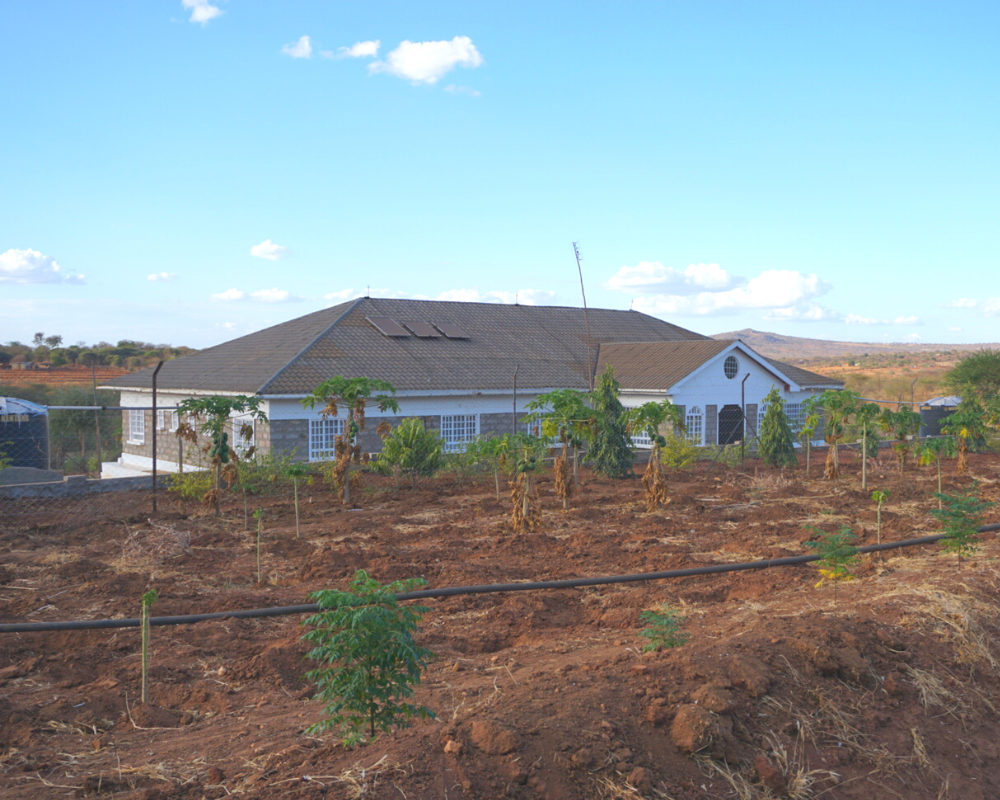
Mbinya’s beautiful home runs on a solar home system, and she uses a solar pump to channel water from a nearby river to a dam in her compound, enabling her to farm throughout the year — unrestrained by unreliable rain and the area’s arid conditions. At the time of our visit, it was particularly dry and dusty — Mbinya mentioned that it had been almost four months since the last rain. Despite this, we saw young papaya trees and other leafy green vegetables growing on sections of the ten-acre farm.
With her Agsol solar MicroMill, Mbinya provides flour for her household and serves neighbouring homes and schools. Her affordable pricing at KES 5 (USD 0.04) per kilogramme gives her an edge over the posho millers at the market centres. The electric-powered millers charge four times more than Mbinya at KES 20 (USD 0.16) per kilogramme, while the diesel-powered millers charge double at KES 10. Mbinya mills various crops, including maize (most popular), cassava, and chicken feed. Schools are her biggest customers — she currently mills maize flour for two schools, with a combined weekly output of 50 -70 kilograms of maize flour. She makes around KES 3,000–4,000 (USD 24 – 32) from all orders weekly. With this money, she employs someone to operate the mill and serve walk-in customers while she attends to her other business projects.
‘Now that my milling service is cheap; I have so many customers. They even buy maize from Kisiiki market centre (about 7km away) and come to mill it here instead of milling there.’
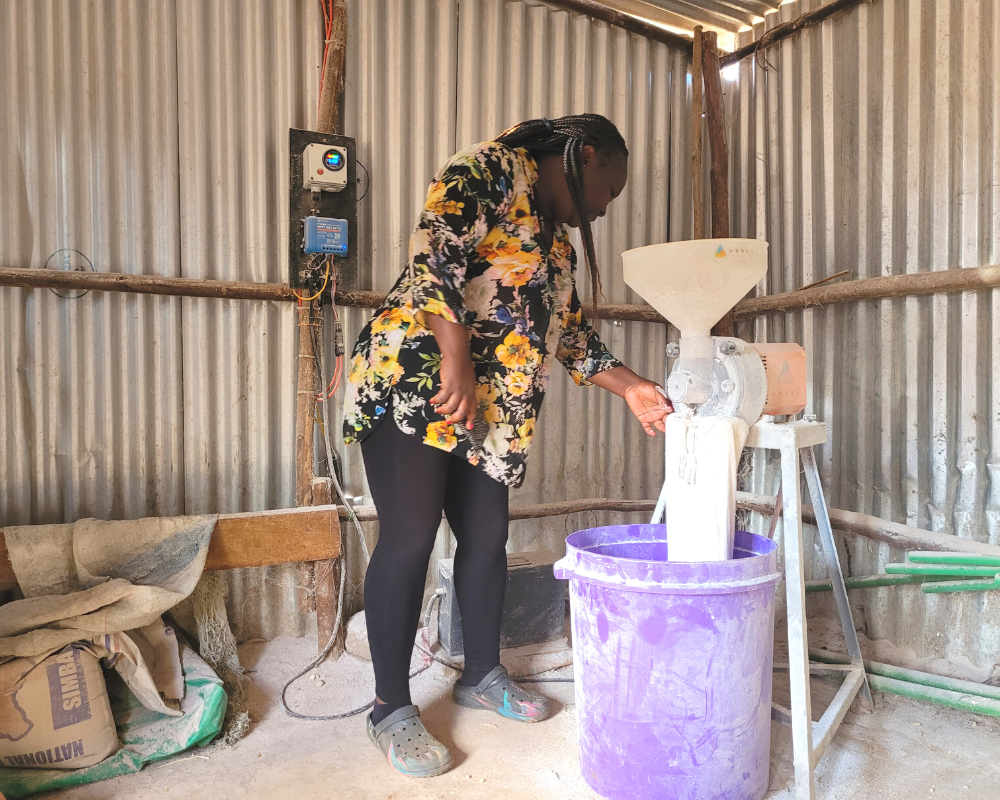
Mbinya checking her Agsol solar mill to confirm that the bag was well secured.
Mbinya learned about Agsol through her sister, who works for a humanitarian NGO. She was eager to try the MicroMill because of the challenges she had faced obtaining clean flour that didn’t smell of diesel fumes. Also, she knew there was a business opportunity to provide affordable and reliable milling for her community. Mbinya’s milling service is so popular in her neighbourhood that customers from beyond a five-kilometre radius come to buy her flour. Due to this high demand, after her initial lump sum payment, Mbinya managed to pay off the financing for the mill in two instalments over about three months. She attributes her growing customer base to word-of-mouth — customers tell their friends, who tell their other friends and so forth. Mbinya also encourages her customers to share their experiences of using her mill when they meet up for their ‘chama’ meetings (informal savings and investments groups) over the weekend.
‘I would say it’s a good initiative for a village like this one where there’s no power and diesel is expensive. Having a solar mill changes our lifestyle and even the food — it is clean.’
An aspect of the solar mill that Mbinya thinks could be improved is that during overcast conditions, the mill runs out of power early in the day. As a result, she serves fewer customers at those times compared to when it is bright and sunny. Besides that, she’s satisfied with the mill and is happy that she can provide this service to her community. Mbinya’s friends and neighbours have expressed an interest in purchasing Agsol’s MicroMill — the only barrier being affordability. Despite her explaining the consumer financing option to them, people are still hesitant to commit to such a large expense.
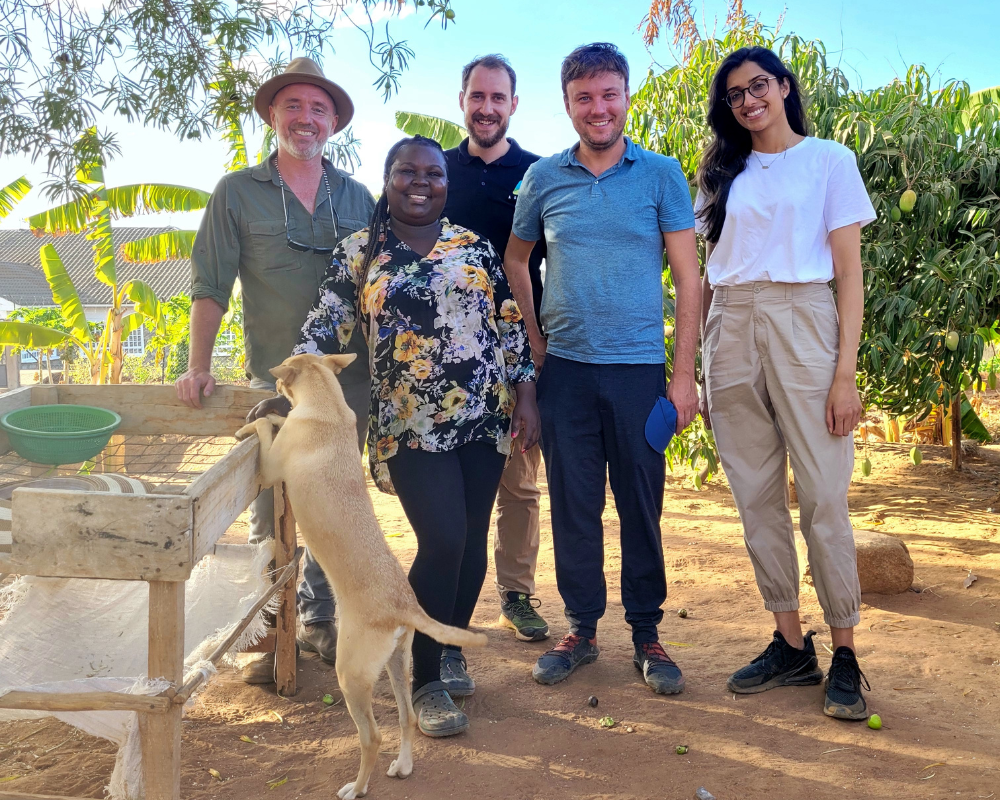
Mbinya plans to continue developing her home and farm. Among her goals is to sink a borehole, which would be a more reliable water source during prolonged dry seasons. Meanwhile, she will continue to provide convenient and affordable milling services, which she knows her community needs.
‘…the community really loves it (the mill service), and they appreciate it. They know that the food is clean and very nice.’
Adopting solar technologies like solar water pumps and mills boosts farmers’ productivity and saves energy-related costs while avoiding carbon emissions.
***
Agsol is based in Kenya and was established in 2016 to develop solar-powered milling machines that can viably serve small communities, improve labour efficiencies, keep more money in rural economies, and catalyse access to higher-tier energy services.
Efficiency for Access has been working with Agsol since 2018, both in research and R&D. The Efficiency for Access Research and Development Fund supported Agsol in two projects — the first project was to develop a MicroMill prototype and the second project involved further improvements to the prototype, including efficiency gains and improved affordability. The R&D Fund’s support has helped Agsol create a highly efficient, more affordable small grain mill with a strong product-market fit.
Serving the Community and Earning Extra Income through Efficient Solar Milling
Wilfred Muriithi proudly refers to himself as a ‘solar man.’
‘I am using solar for lighting, solar for pumping and solar for milling. I’m a solar man.’
But his solar reliance has been borne out of necessity. Despite an ambitious national electrification plan and the installation of electricity poles close to his home, Wilfred and his wife, like many other rural Kenyans, are yet to be connected to the national grid. Wilfred says the government set up the wiring for electricity supply in his area three years ago but has still not installed a transformer.
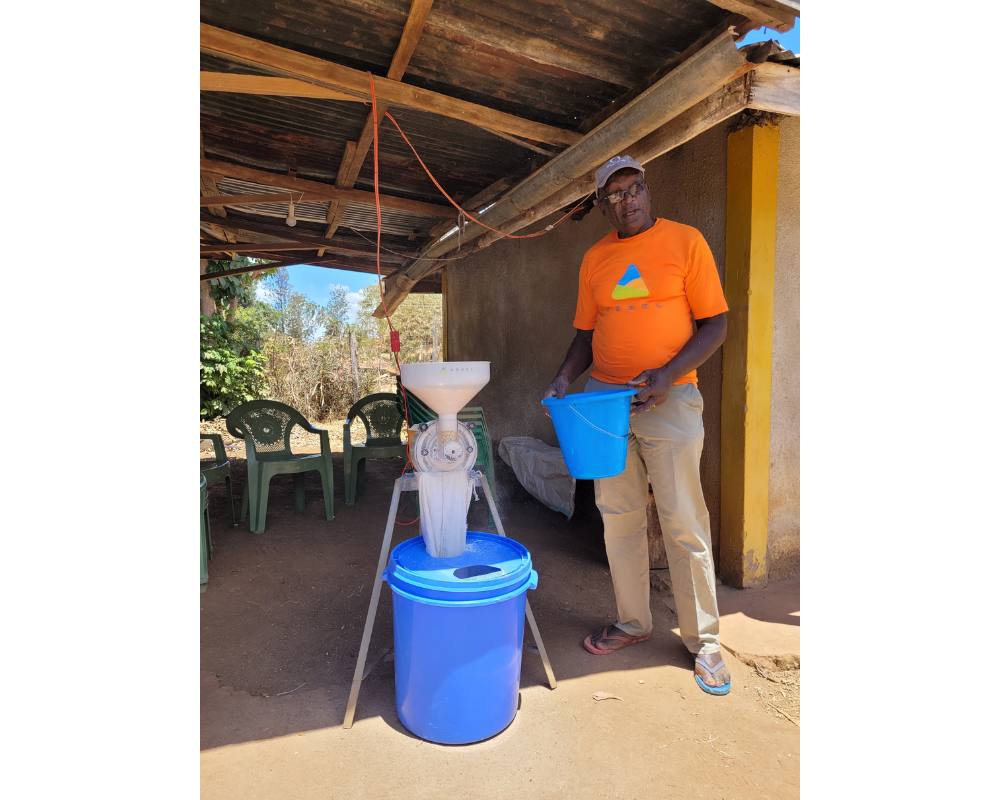
They live in Mbinguini, one of the smaller localities in Mwea, Kirinyaga County, Kenya, about two hours from Nairobi by road. Wilfred is a retired groundwater and agriculture engineer who previously worked with the government on soil and water conservation and is now an independent specialist in spatial water resource mapping.
Since Wilfred is often away from home on water prospecting trips, his wife is the one who mainly works with their Agsol mill and grinds flour for customers. So far, they are both immensely happy with the MicroMill, which they say works excellently and is reliable.
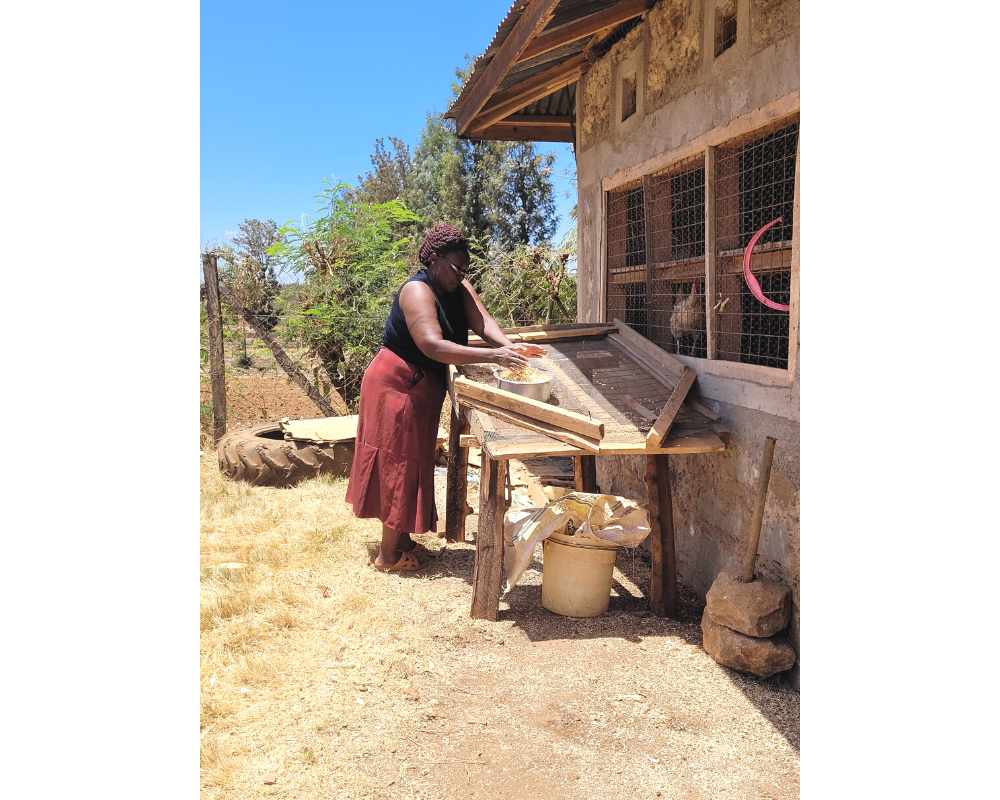
‘This [mill] is very easy to use…I have not encountered any issues. Even during very cloudy days, it is still functional.’
Wilfred discovered the Agsol solar mill during a water prospecting field visit. In addition to helping his customers identify groundwater sources, he trains them on drip-irrigation system installations and often promotes SunCulture solar water pumps for irrigation systems. On one such pump installation, Wilfred was introduced to the solar mill by the SunCulture team.
Already aware of the cost-saving benefits of solar-powered technologies, Wilfred was immediately interested in the innovative mill. For him, Agsol’s MicroMill presented a convenient option for flour production to meet his family’s needs and income generation through milling for his neighbours.
Access to a posho mill is crucial in many rural communities in Kenya. Families in these areas rely on them for their household and farming milling needs — citing that posho mill flour is more nutritious and palatable than flour from milling factories. Additionally, many rural Kenyan households (70%) rely on small-scale agriculture to earn a modest living and feed themselves. Because of this, crops such as maize, cassava, and millet are often readily available to them. The families typically harvest the produce from their farm and take it to the closest miller to make flour. This is then used to prepare popular local meals such as ugali (maize meal dish) and millet porridge — which are staples in rural homes.
Beyond household consumption, small-scale farmers can save on buying expensive commercial animal feed by milling the crops they grow to produce feed. Despite the undeniable benefits of milling for day-to-day rural-household demands, the posho mills are often inconvenient to access — often located at market centres many kilometres away. Women and children often walk long distances to the market centre to access a posho mill. The time spent travelling and then waiting for the flour to be milled could go towards more meaningful activities, e.g., studying, spending time with family or participating in income-generating activities. Additionally, many posho mills run on petrol or fuel, making them pollutive for the environment and costly due to recurring fuel costs.
For Wilfred and his neighbours, the closest posho millers in their area are at least three kilometres away. Wilfred offers his customers more convenient access to milling services and provides the service at about two-thirds the cost of the traditional posho millers. He charges KES 20 (USD 0.16) for two kilogrammes compared to the posho miller’s rate of KES 30 (USD 0.24). Additionally, the quality of the flour that Wilfred provides is superior to that of the diesel posho millers, which often taste of diesel fumes.
A changing climate
Unfortunately, Wilfred could not rely on customer revenue to pay off the mill’s financing due to the severe drought affecting his home area and other parts of Kenya for most of this year, coupled with challenging economic conditions. He reported that milling orders have been much lower this year than in 2021 because people haven’t grown much maize. Neighbours often mill small quantities that only meet their daily meal requirements. He also mentioned that they sometimes mill on credit, and he allows a neighbour to pay for what they milled during their next visit, often a few days later. On average, the solar mill generates KES 100–300 (USD 0.82 -2.45) daily at least three times a week.
‘I am not alone. Everybody is affected by these harsh economic times. Especially those who had employed people to rely on a salary from their mill — they have closed down.’
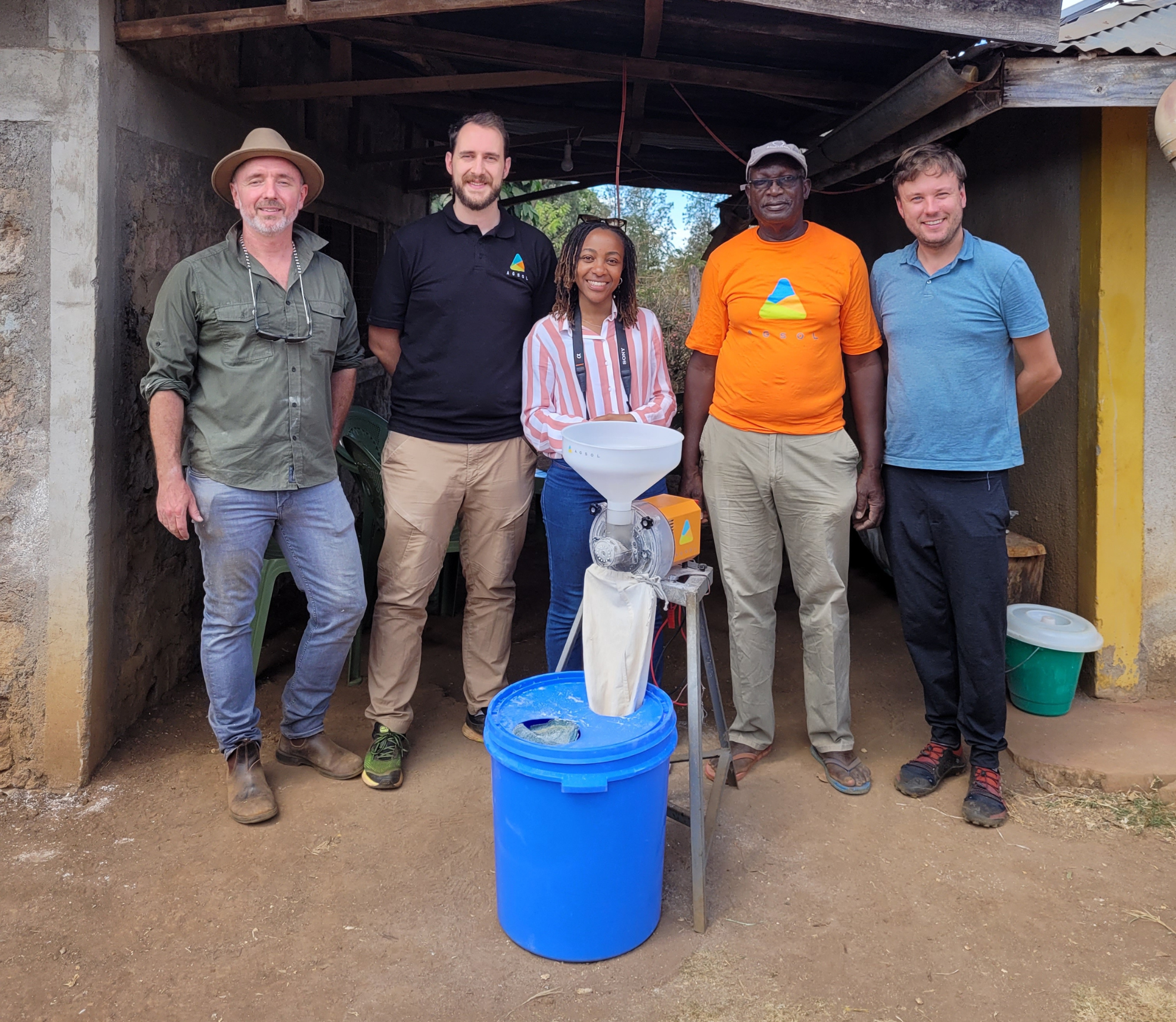
Wilfred with Agsol and Efficiency for Access team members.
Despite the dwindling quantity of milling orders, Wilfred is optimistic that his business will become more profitable. He has identified several business opportunities to widen his customer base, including partnering with the local schools to mill their flour weekly and possibly employing someone to provide mobile milling services at the local markets. He says the government has plans to reintroduce indigenous crops, such as millet, cassava and sorghum, in the region to boost food security and improve nutrition. Once underway, the increased crop production would provide another growth opportunity for his milling business. Finally, he is keen to stop buying commercial chicken feed by milling a more nutritious blend of homemade feed, which will be comparable to store-bought feed.
Wilfred and his wife’s story showcases how adopting a solar mill enables convenient and affordable milling services for rural Kenyan communities while avoiding carbon emissions.
***
Agsol is based in Kenya and was established in 2016 to develop solar-powered milling machines that can viably serve small communities, improve labour efficiencies, keep more money in rural economies, and catalyse access to higher-tier energy services.
Efficiency for Access has been working with Agsol since 2018, both in research and R&D. The Efficiency for Access Research and Development Fund supported Agsol in two projects — the first project was to develop a MicroMill prototype and the second project involved further improvements to the prototype, including efficiency gains and improved affordability. The R&D Fund’s support has helped Agsol create a highly efficient, more affordable small grain mill with a strong product-market fit.
Uses and Impacts of Off-Grid Refrigerators
Expanding access to affordable, high-performing cooling solutions through off-grid refrigerators can strengthen food and healthcare systems, while also improving living standards and building resilience to climate change in vulnerable communities.
A recent longitudinal study by 60 Decibels and Efficiency for Access shows that off-grid refrigerators are creating financial benefits for users year on year, with 79% of respondents reporting that they use their off-grid refrigerators for income-generating activities.
This multi-year study was commissioned by Efficiency for Access as part of the Global LEAP Results-based Financing Facility. 60 Decibels interviewed 603 off-grid refrigerator customers in Kenya, Tanzania and Uganda between 2018 and 2022 to gain insights into consumers’ experience with off-grid refrigerators. Nearly half of respondents (48%) reported that their income grew from using off-grid refrigerators, while 24% reported growth in their businesses.
The findings in this report will fill user-experience knowledge gaps and guide manufacturers in improving product design and financing for off-grid solar products.
Download the Uses and Impacts of Off-Grid Refrigerators report for more information.
About Efficiency for Access
Efficiency for Access is a global coalition working to promote renewable and energy efficient appliances to deliver clean energy to the world’s poorest people. It is coordinated jointly by CLASP and the UK’s Energy Saving Trust.
Fresh & Chill: How a Solar-Powered Walk-In Cold Room is Cutting Post-Slaughter Losses for Butchers in Kenya
The smell of meat on the grill, stares from curious onlookers and persuasive sales pitches rented the air as we strolled through Burma Market in the heart of Nairobi, Kenya. Burma Market is a critical component of Nairobi’s fresh livestock meat distribution chain, employing thousands of people and feeding millions of Kenyans within the city and beyond. Every morning, delivery trucks flock to the market to service awaiting buyers who purchase meat for consumption in hotels, supermarkets, schools, and households.
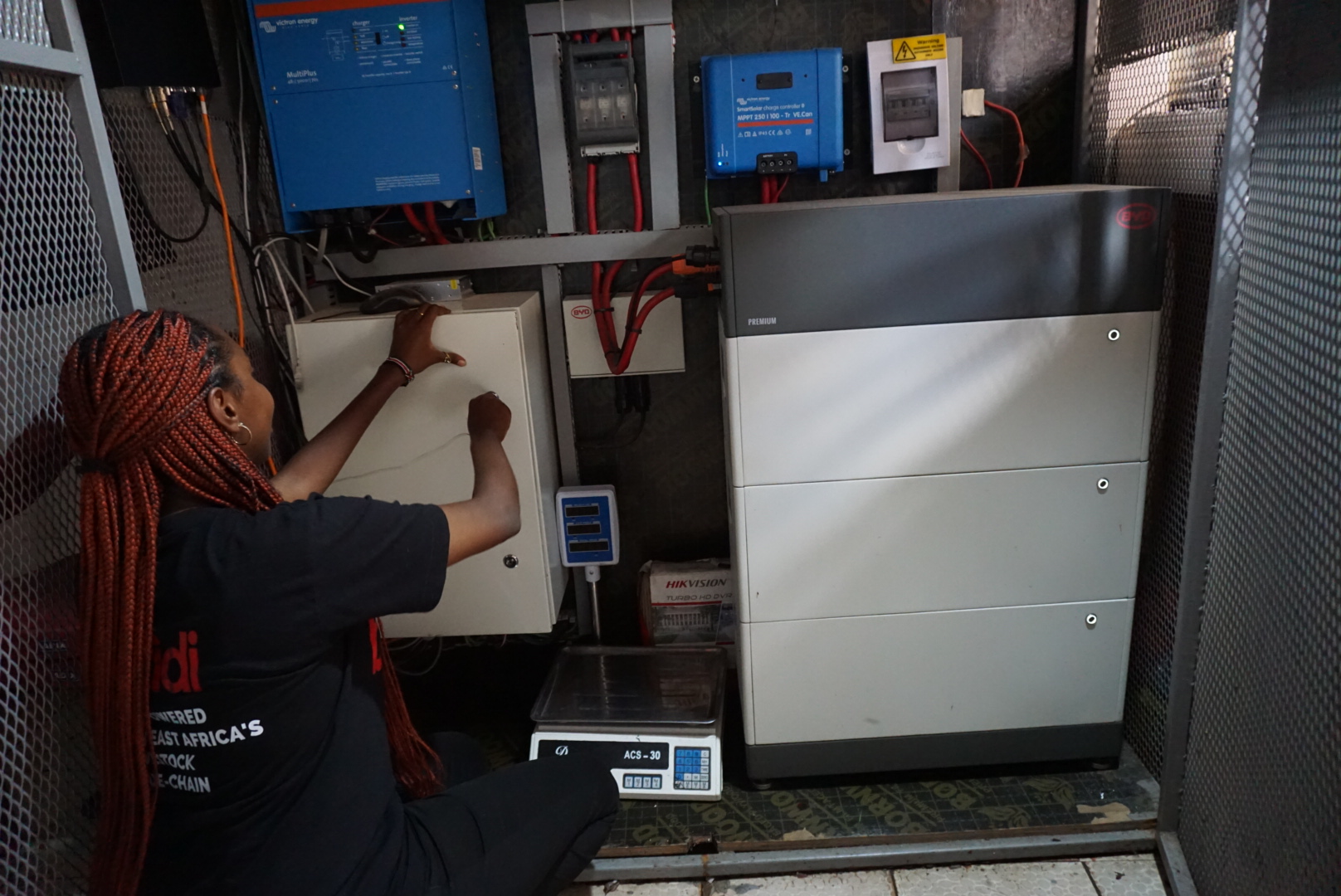
On 26 May, the Global LEAP team visited Burma Market to check on the progress of Baridi, a 2022 Off-Grid Cold Chain Challenge preliminary product finalist, owned and operated by Tree_Sea.mals Limited. Baridi is a single-phase, solar-powered walk-in cold room capable of chilling up to 1000 kilograms of meat at once. The 3.4 x 2.1 x 2.2-meter unit has an indoor adjustable temperature of 0 to 5°C, powered by a rooftop solar panel during the day. Excess power generated from the solar panels is stored in a 12kWh Lithium-Ion battery for utilization during low light periods and at night.
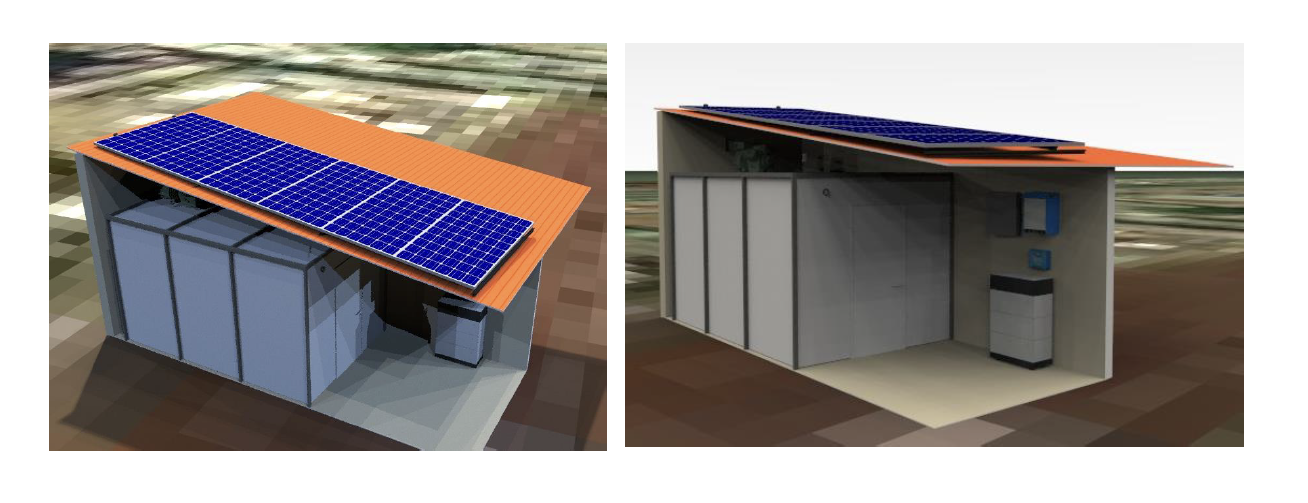
Prior to the unit’s installation, butchers in the market relied on standard box freezers for all their cooling needs. The majority of these box freezers have a capacity of 300 kilograms, requiring users to cut whole carcasses into smaller pieces for easier storage. Additionally, due to frequent break-ins at the market, the butchers risked financial losses from the theft of their freezers and meat. Having worked with pastoralist communities in Kenya, and recognizing the opportunity for cooling as a service in urban markets, Tree_Sea.mals installed their game-changing cold storage solution at Burma Market during in late 2021.
A Game Changer
“The post-slaughter urban meat market is underserved…Our goal is to enhance food security and minimize post-slaughter loss by increasing the shelf life of fresh meat,” said Tracy Kimathi, Founder of Tree_Sea.mals Limited. The cold room was installed after three failed attempts and a year-long collaborative deployment process involving a team of researchers and industry specialists. As of May 2022, it had processed over 70,000 kilograms of meat.
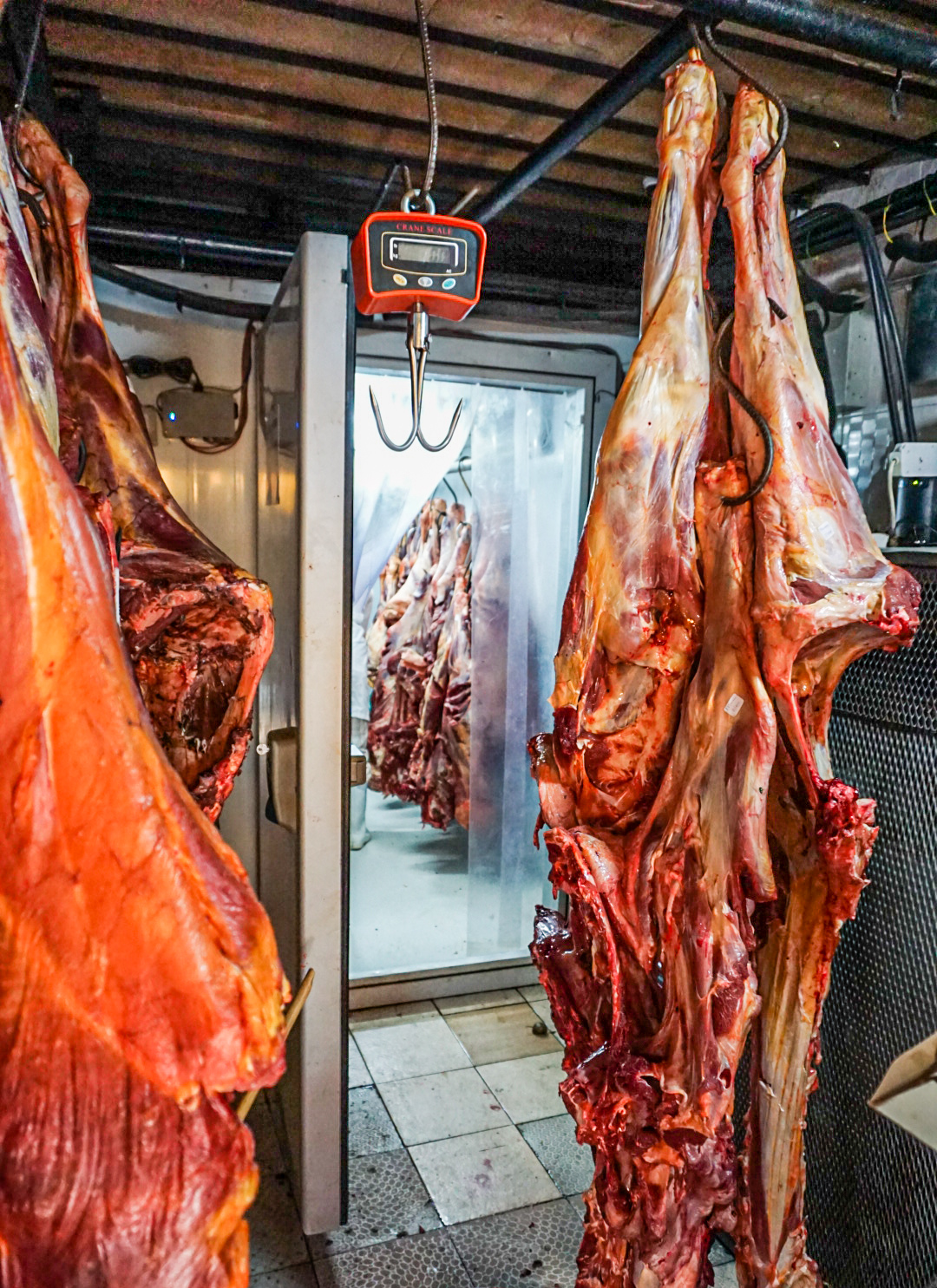
“Our cold room operates at 60–100% capacity every day. There is so much demand for our cooling services that we are going to introduce a second unit in this market,” said Tracy. In contrast to the widely used box freezers at Burma Market, Baridi chills whole carcasses. Further, being off-grid, the unit shields customers from possible spoilage arising from power cuts or grid down times.
“There is a perception among customers that frozen meat is bad meat. The advantage of our unit is that it chills, so the meat will come out of storage looking fresh, not pale and frosty,” added Tracy. “The second unit we’re introducing is a freezer, but we can always raise the temperatures if we want to chill.”
Tracy and her team leverage a sophisticated Internet of Things (IoT) tracking system to simplify customer journeys and enhance operational efficiency. Upon arrival at the stall, customer and product details are entered into a cloud-based inventory system. The meat is then tagged using Radio Frequency Identification (RFId) chips before entering storage. This process is significantly shorter for repeat clients as their details already exist in the system.
“We partnered with the Kenya Meat Commission (KMC) to train our staff before they started working with the unit. It was a two-week training on asset management and stock keeping. We regularly train them on solar operations, basic solar chilling and how to troubleshoot in the event of a technical hitch,” said Tracy.
A kilogram of steak is frozen for five Kenyan Shillings per day, for a maximum of seven days. Payments are done only through mobile money to maximize stall security and avoid unsanitary contact between money and carcasses. “There was an attempted break-in via the roof on the first night after we installed the cold room. Luckily, the unit’s motion sensors flagged this and promptly alerted us. We rushed here and averted loss of property which would have been a major setback for us,” said Tracy.
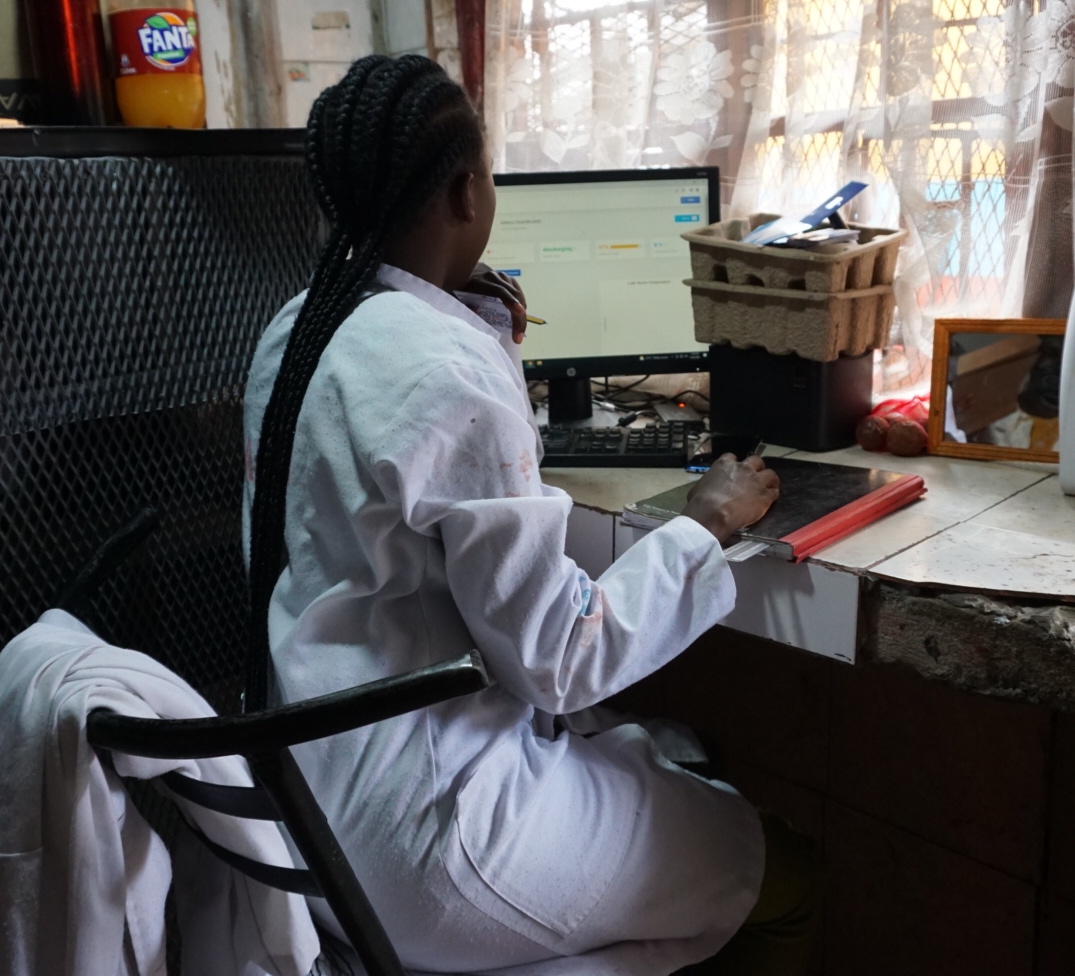
After the incident, Tree_Sea.mals beefed up security by installing a Closed-Circuit Television (CCTv) camera and reinforcing the stall’s ceiling with metal barriers. “In addition to motion sensors, we now have a video feed which helps us to monitor everything remotely,” said Tracy as she proudly pointed to a desktop monitor displaying numerous CCTV video feeds.
The Road Ahead
The Tree_Sea.mals team hopes to build 70 Baridi units by their seventh year of operation and expand to as many meat markets across the East African region as possible. The primary challenge facing this expansion plan is limited space. While urban meat markets offer convenient proximity to customers with a higher paying ability, securing stall space large enough to house a cold storage unit is no small feat. Urban meat markets also present a raft of technical challenges which hinder ease of assembly and security of the walk-in cold rooms.
Even so, the cost basis of prioritizing urban settings is clear: “We did not set up within pastoralist communities because potential customers in urban meat markets have a higher ability and willingness to pay for cooling-as-a-service compared to those in rural pastoralist settings,” said Tracy. Another advantage of an urban setting is that it allows Tree_Sea.mals to quickly modify business operations in response to market trends. For example, Tree_Sea.mals plans to increase the cost of cooling a kilogram of meat from five to seven Kenyan Shillings per day on account of increased demand.
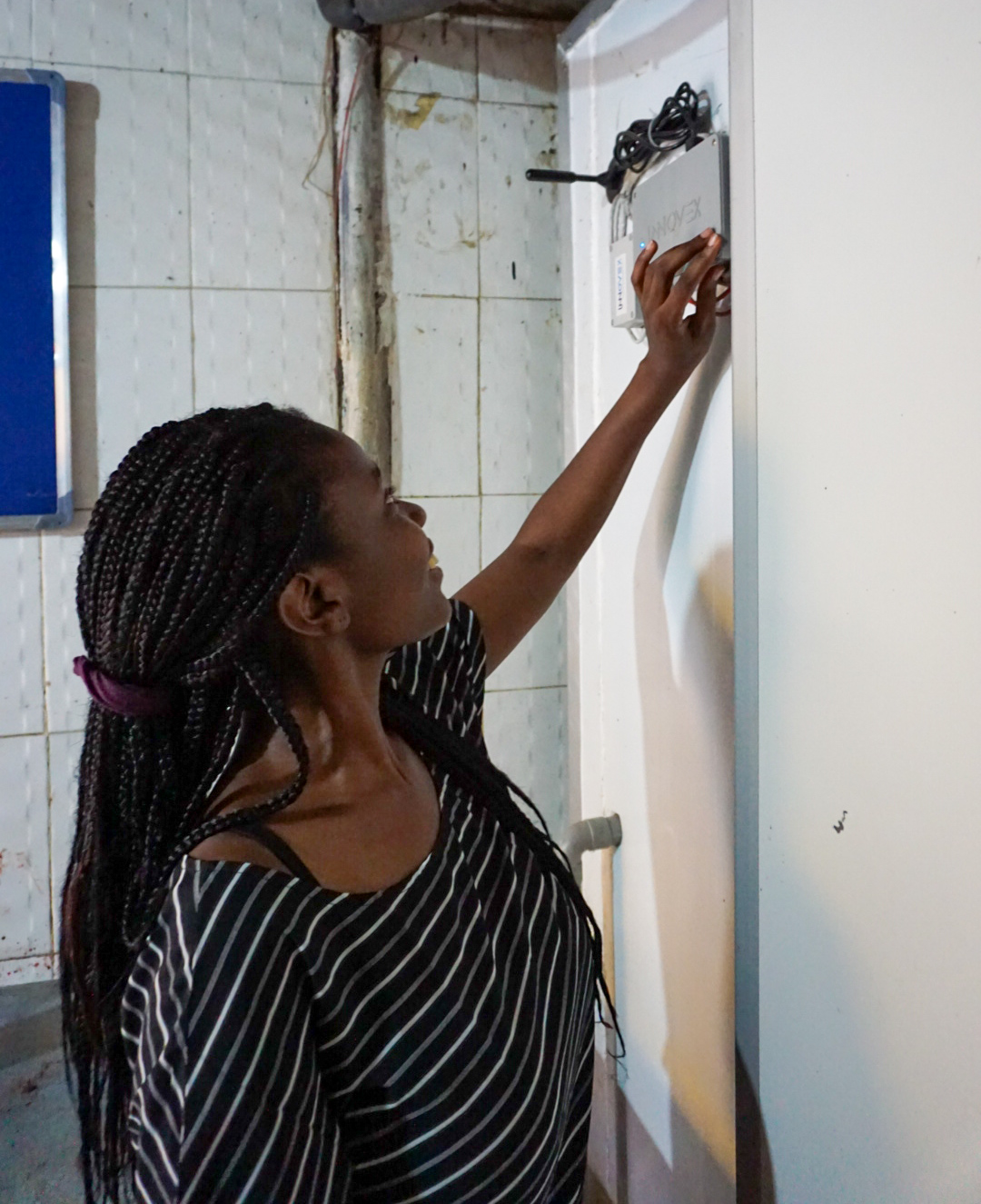
Participating in the 2022 Off-Grid Cold Chain Challenge has empowered Tree_Sea.mals to leverage data as a driver of efficient business operations. They are currently scoping meat markets using geo-mapping services and utilizing power consumption, unit occupancy and customer demographics data collected from their installation to inform future expansion plans.
This installation exemplifies a successful urban application of what would be considered a typical rural off-grid cold storage solution. “It’s rewarding to witness increasing demand for our services because that is an indicator that the solution is impactful”, said Tracy. “In the future, we hope to introduce thermal cooling. Our current set up uses Lithium-Ion batteries, which are very expensive. Thermal cooling will be a good substitute, as it will lower operational costs”, added Tracy. For more information, please read this OGCCC halfway point article to learn how the competition’s field testing is benefiting stakeholders and follow us on Twitter for regular updates on the Off-Grid Cold Chain Challenge.
About the Global LEAP Off-Grid Cold Chain Challenge (OGCCC)
The Global LEAP Off-Grid Cold Chain Challenge is an international competition that identifies and promotes the most energy-efficient, sustainable and cost-effective technologies designed for use by smallholder farmers and producers to meet cold storage requirements for fresh fruits, vegetables, fish, and dairy products.