
Humanitarian Aid & Appliances
Affordable, energy-efficient, solar powered appliances are crucial to support the needs of people displaced by war, famine, or extreme weather. These appliances enable lighting for security, cooling for medicine, clean cooking, and pumping for access to water.

CLASP's key stats on humanitarian aid
- This CLASP-led report describes some of the gaps in research around off- and weak-grid appliance companies’ ability to operate in the humanitarian energy sector.
- The same report found that radios and televisions are the most desired appliances in refugee camps after basic lighting and phone charging.
- The UNHCR estimates that as of July 2024 the population of displaced people was as high as 122 million.
[Photo: Shutterstock]
How do energy-efficient appliances support humanitarian aid?
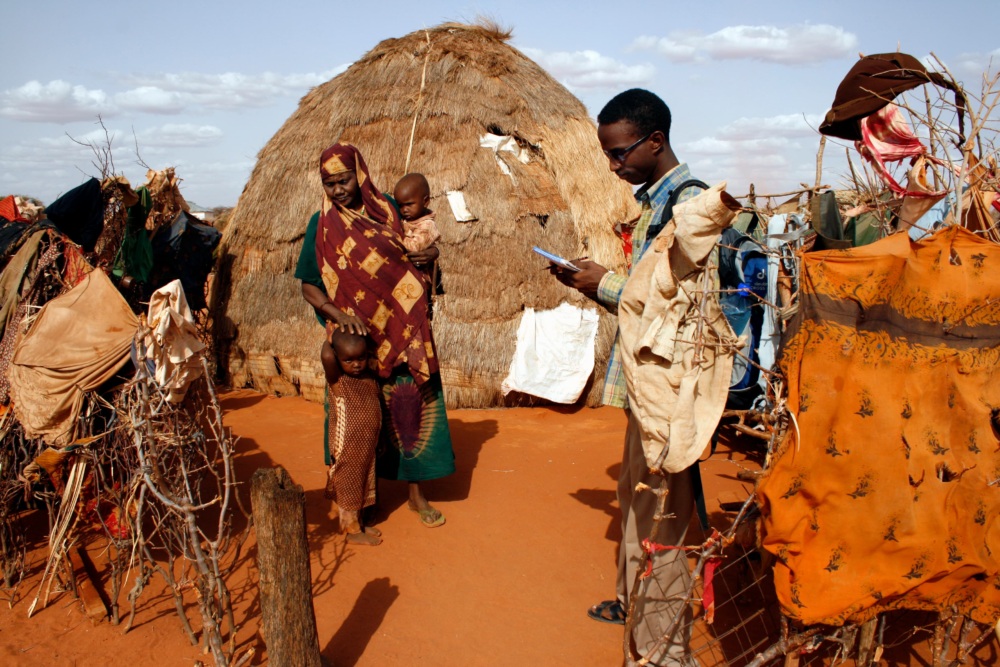
An increasing number of people around the world are displaced due to climate, war, and extreme weather events. Many displaced people end up living in semi-permanent refugee camps. According to a World Bank article, the average time a refugee spends in exile is between 10 and 15 years.1 Out of 8.7 million refugees and displaced people in camps, only 11% are estimated to have access to reliable access to energy.2
Access to energy is critical for the health, safety, and well-being of internally displaced people and refugees. Appropriate, solar-powered appliances and equipment are a cost-effective way to provide reliable, clean, and critical energy services.
Related News
How does CLASP's work support humanitarian action?
CLASP is increasing its focus and research into how energy-efficient appliances and equipment can address the urgent energy needs of humanitarian settings:
Efficient appliances advancing humanitarian aid
CLASP has identified the highest priority appliances, lighting, and equipment that are key to lowering emissions, improving lives, and building resilience to climate risks: these are the “Net Zero Heroes.” The following appliances have a profound humanitarian impact:

Electric cooking technologies replace the need to burn fossil fuels and kerosene, which many refugees and displaced people in camps are forced to use due to limited resources.

Fans can reduce heat-related health risks and death during severe heat waves, particularly in dense, challenging settings such as refugee camps or humanitarian relief locations.
LED lighting plays a crucial role in humanitarian aid by extending productivity hours in a refugee health clinic for example and providing a safer environment in the camp.
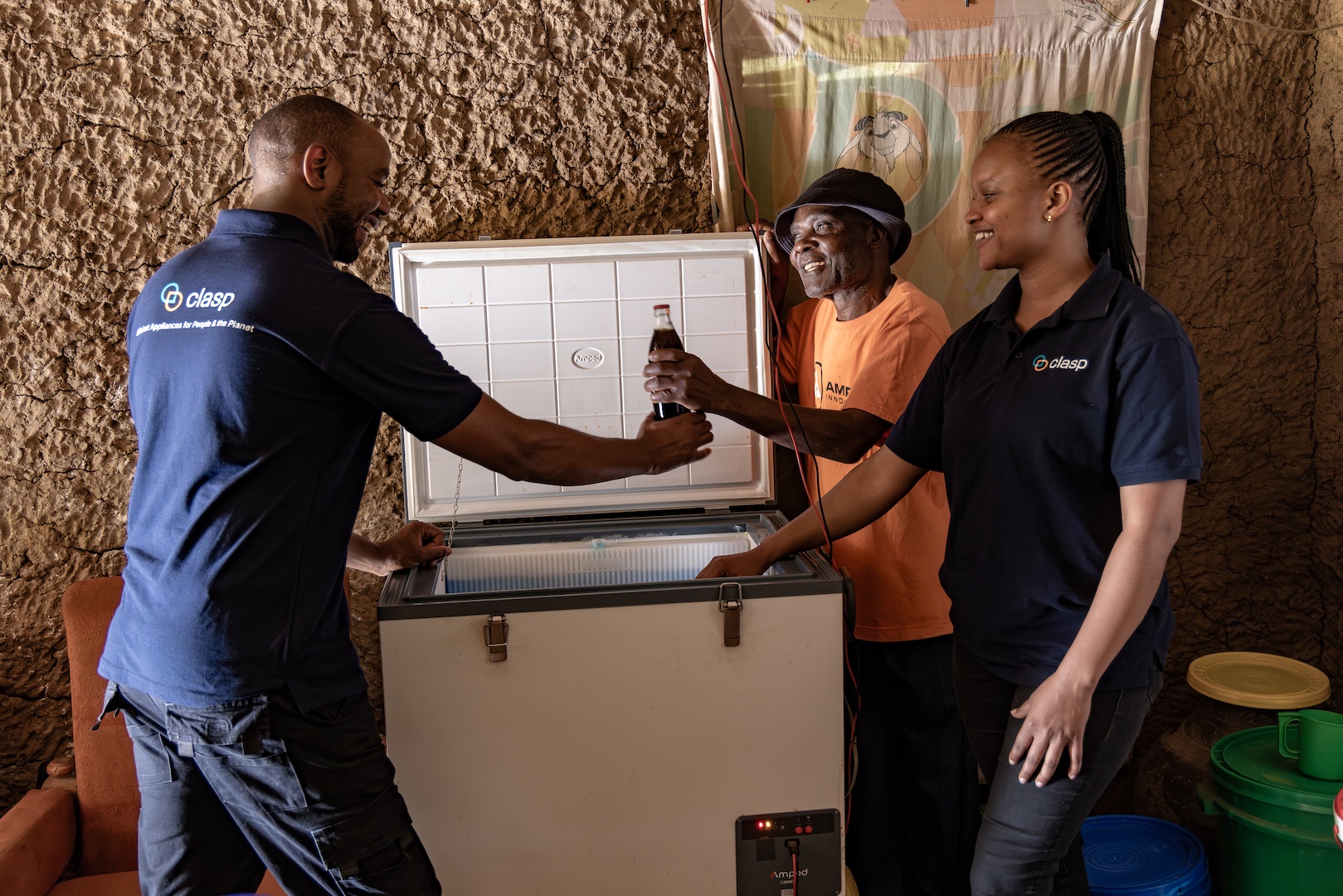
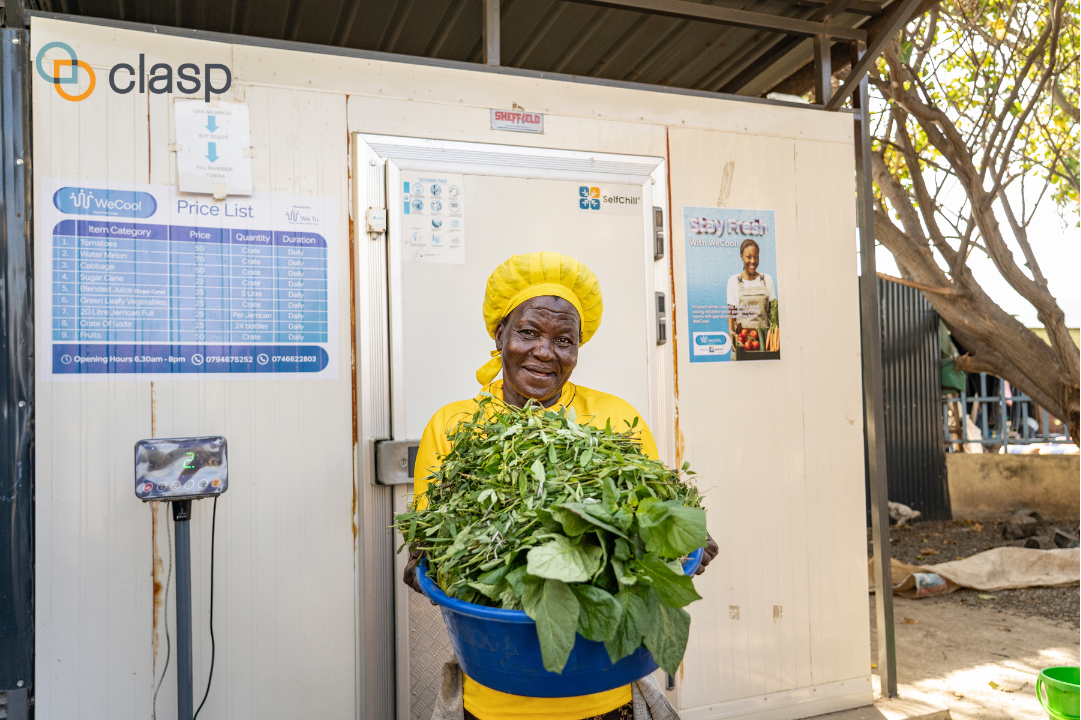
Refrigerator-freezers extend the shelf-life of perishable foods and life-saving medicines. They can also support residents of semi-permanent refugee camps by providing a source of income.
Solar Generators
Solar-powered zero emission generators (ZE Gen) are portable power stations that are used as individual use resources to power things like small businesses, schools, or campsites.
Solar Mini-Grids
Solar mini-grids provide access to clean energy in electricity-constrained regions.
0. “How many years do refugees stay in exile”, WorldBank blogs, September 15, 2016. https://blogs.worldbank.org/en/dev4peace/how-many-years-do-refugees-stay-exile#:~:text=But%20is%20it%20true%3F,of%20refugees%20live%20outside%20camps.
1. Lahn, G. and Grafham, O., “Heat, Light, and Power for Refugees: Saving Lives, Reducing Costs”, Chatham House Report for the Moving Energy Initiative, November 2015. https://www.chathamhouse.org/sites/default/files/publications/research/20151117HeatLightPowerRefugeesMEILahnGrafhamExecSummary.pdf.